
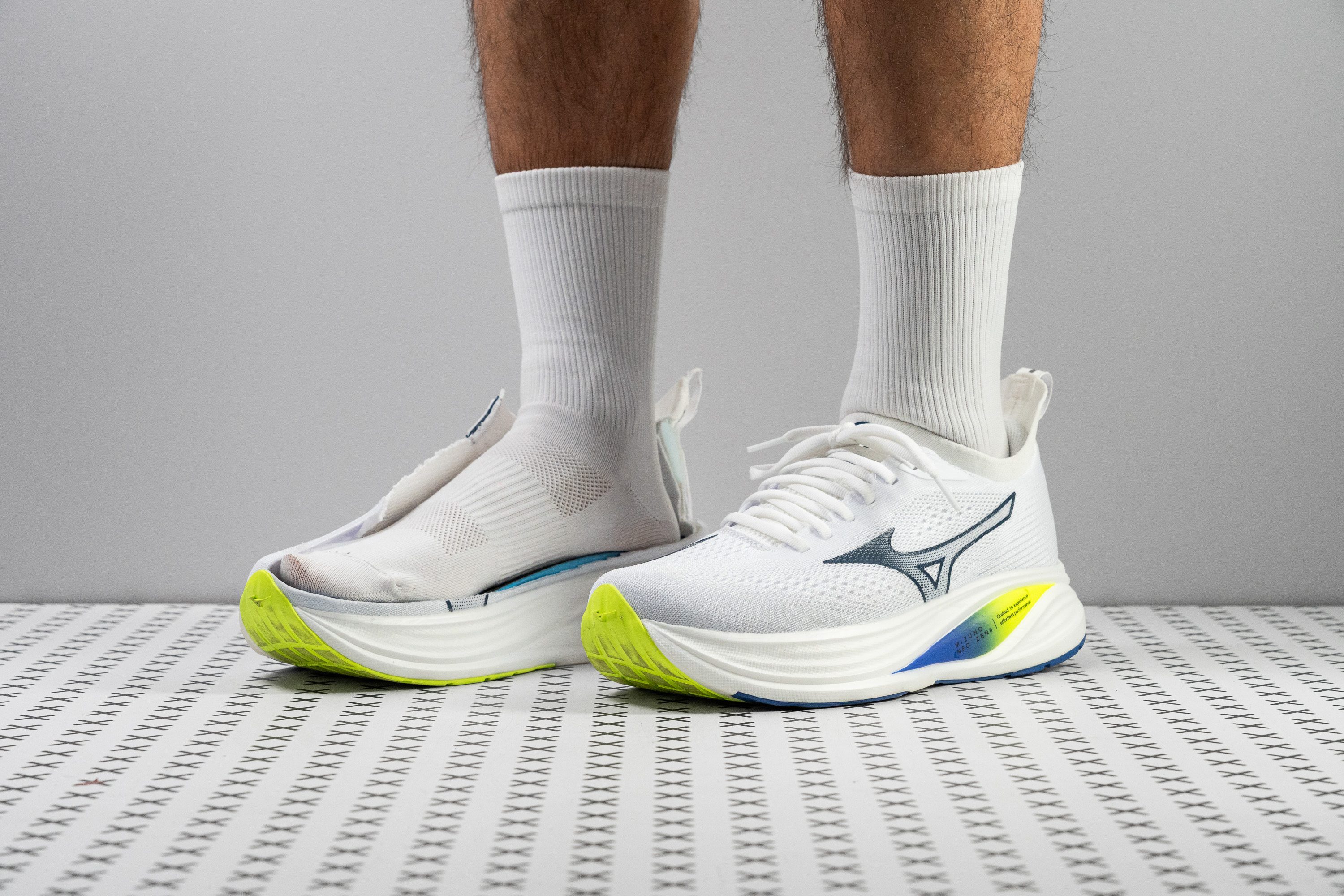






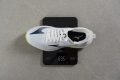




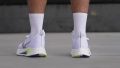

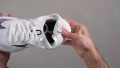
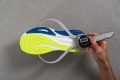



Our verdict
- Daily running 84
- Tempo 58
- Race 42
- Stability 78
Pros
- Massive shock absorption for long runs
- Interesting knit/mesh combo upper
- Ideal for easy long runs
- Improved stability
- Low weight for a max-cushioned trainer
- Flexible ride with smooth transitions
- Knit tongue does not move at all
- Interesting option for midfoot strikers
Cons
- Major downgrade in energy return
- Poor upper durability
- Only for narrow feet
- Not as fun anymore
Awards
- Top pick in best Mizuno running shoes
Comparison
The most similar running shoes compared
+ + Add a shoe | |||||
|---|---|---|---|---|---|
| Our score | 79 Good | 86 Great | 91 Superb | 83 Great | |
| Price | £130 | £180 | £170 | £170 | |
| Pace | Daily running | Daily running | Daily running | Daily runningTempo | |
| Shock absorption | High | High | High | High | |
| Energy return | Low | Low | High | High | |
| Traction | High | High | High | High | |
| Arch support | Neutral | Neutral | Neutral | Neutral | |
| Weight lab Weight brand | 8.4 oz / 237g 8.5 oz / 241g | 9.8 oz / 278g 10 oz / 283g | 9 oz / 255g 9.2 oz / 261g | 8.7 oz / 247g | |
| Lightweight | ✓ | ✗ | ✗ | ✓ | |
| Drop lab Drop brand | 5.0 mm 6.0 mm | 5.2 mm 8.0 mm | 6.4 mm 6.0 mm | 6.5 mm 6.0 mm | |
| Strike pattern | Mid/forefoot | Mid/forefoot | Mid/forefoot | Mid/forefoot | |
| Size | True to size | True to size | True to size | True to size | |
| Midsole softness | Soft | Balanced | Soft | Soft | |
| Difference in midsole softness in cold | Small | Small | Small | Small | |
| Toebox durability | Bad | Decent | Good | Decent | |
| Heel padding durability | Bad | Decent | Decent | Good | |
| Outsole durability | Good | Good | Decent | Good | |
| Breathability | Moderate | Moderate | Moderate | Warm | |
| Width / fit | Narrow | Medium | Medium | Medium | |
| Toebox width | Narrow | Medium | Medium | Medium | |
| Stiffness | Moderate | Stiff | Moderate | Stiff | |
| Torsional rigidity | Flexible | Stiff | Flexible | Moderate | |
| Heel counter stiffness | Moderate | Stiff | Stiff | Flexible | |
| Rocker | ✓ | ✓ | ✓ | ✓ | |
| Heel lab Heel brand | 39.9 mm 40.0 mm | 39.5 mm 43.5 mm | 37.0 mm 40.0 mm | 44.6 mm 45.0 mm | |
| Forefoot lab Forefoot brand | 34.9 mm 34.0 mm | 34.3 mm 35.5 mm | 30.6 mm 34.0 mm | 38.1 mm 39.0 mm | |
| Widths available | NormalWide | NormalWideX-Wide | NarrowNormalWideX-Wide | NormalWide | |
| Orthotic friendly | ✓ | ✓ | ✓ | ✓ | |
| Season | All seasons | All seasons | All seasons | All seasons | |
| Removable insole | ✓ | ✓ | ✓ | ✓ | |
| Ranking | #239 Bottom 40% | #82 Top 21% | #20 Top 5% | #151 Top 38% | |
| Popularity | #154 Top 39% | #28 Top 7% | #26 Top 7% | #42 Top 11% |



Who should buy
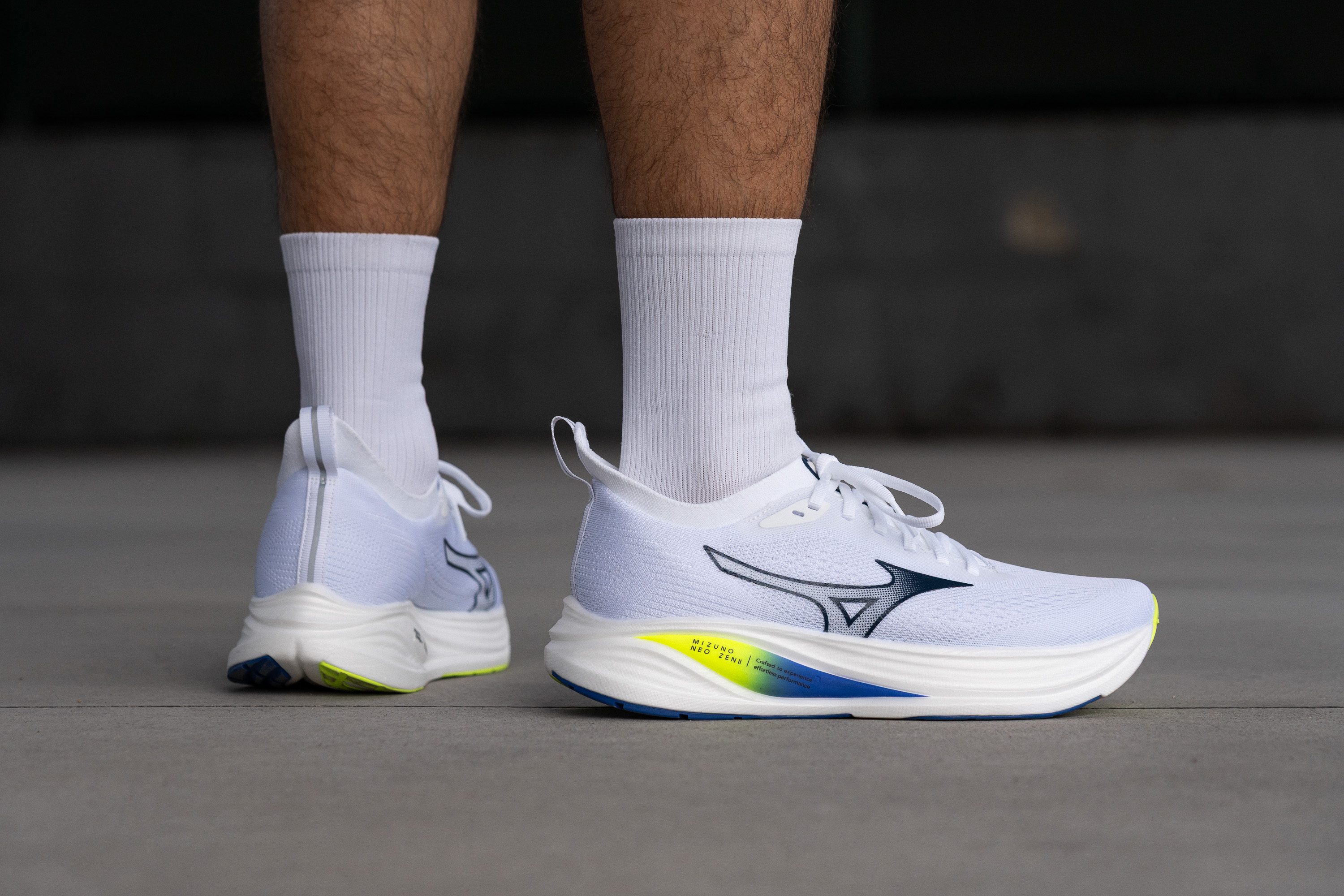
In our opinion, the Mizuno Neo Zen 2 works well for runners who:
- Have narrow feet and often struggle to find a secure, close-fitting upper in daily trainers.
- Prefer a snug, sock-like fit that locks the foot in place during relaxed training runs.
- Need a comfortable shoe mainly for easy miles rather than faster or performance-focused sessions.
Who should NOT buy
We think the Mizuno Neo Zen 2 may disappoint runners looking for an energetic daily trainer. The Enerzy NXT foam lacks the springy feel many runners expect today. For a more bouncy ride, we believe the adidas Adizero EVO SL or the Saucony Ride 19 are clearly better choices.
We also believe the Neo Zen 2 is not ideal for runners with wide or high-volume feet. Based on our lab tests, the narrow, sock-like upper can feel restrictive. For a roomy fit, we recommend the Altra Experience Flow 2, while the adidas Supernova Rise 3 offers a more balanced and classic toebox design.
Cushioning
Shock absorption
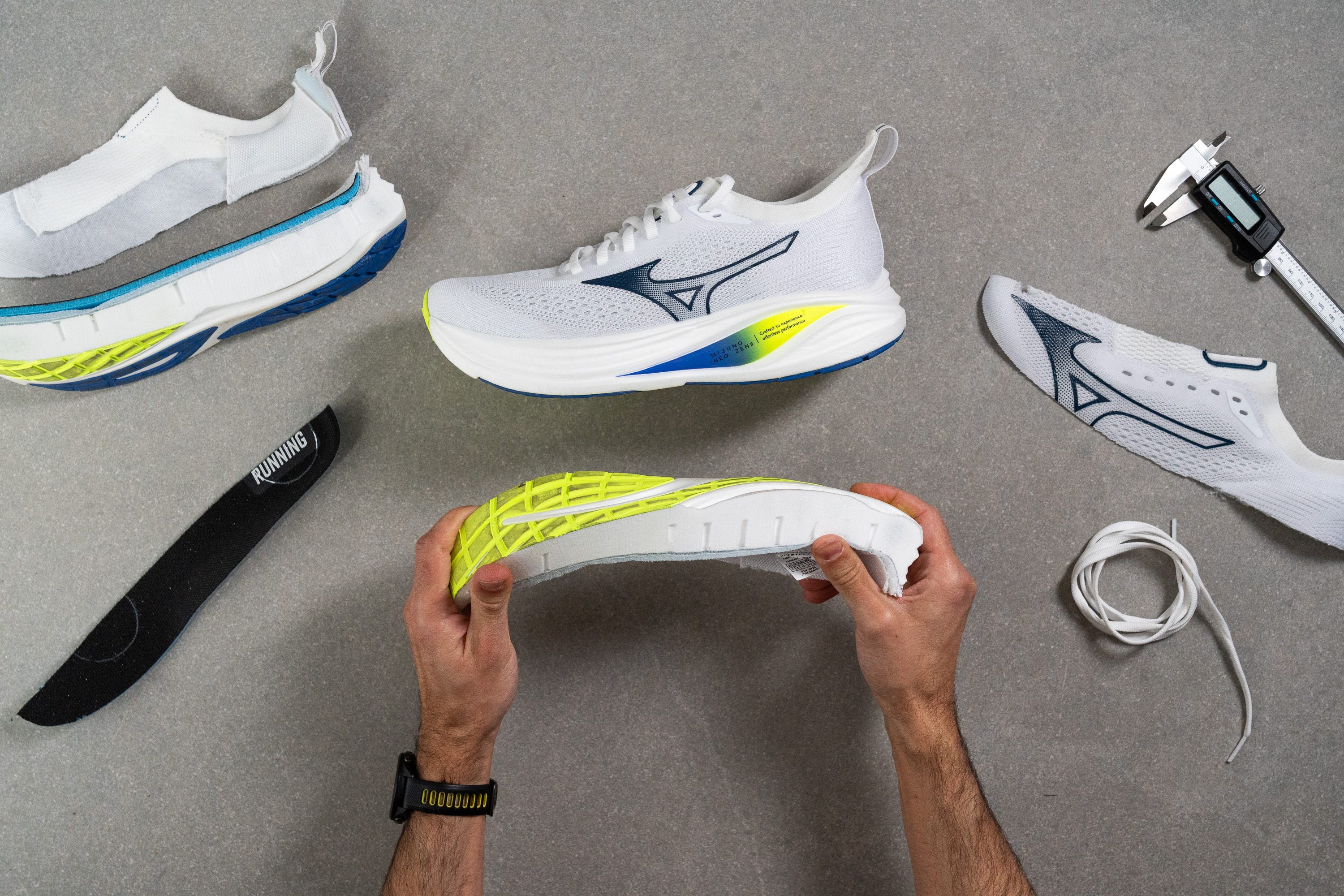
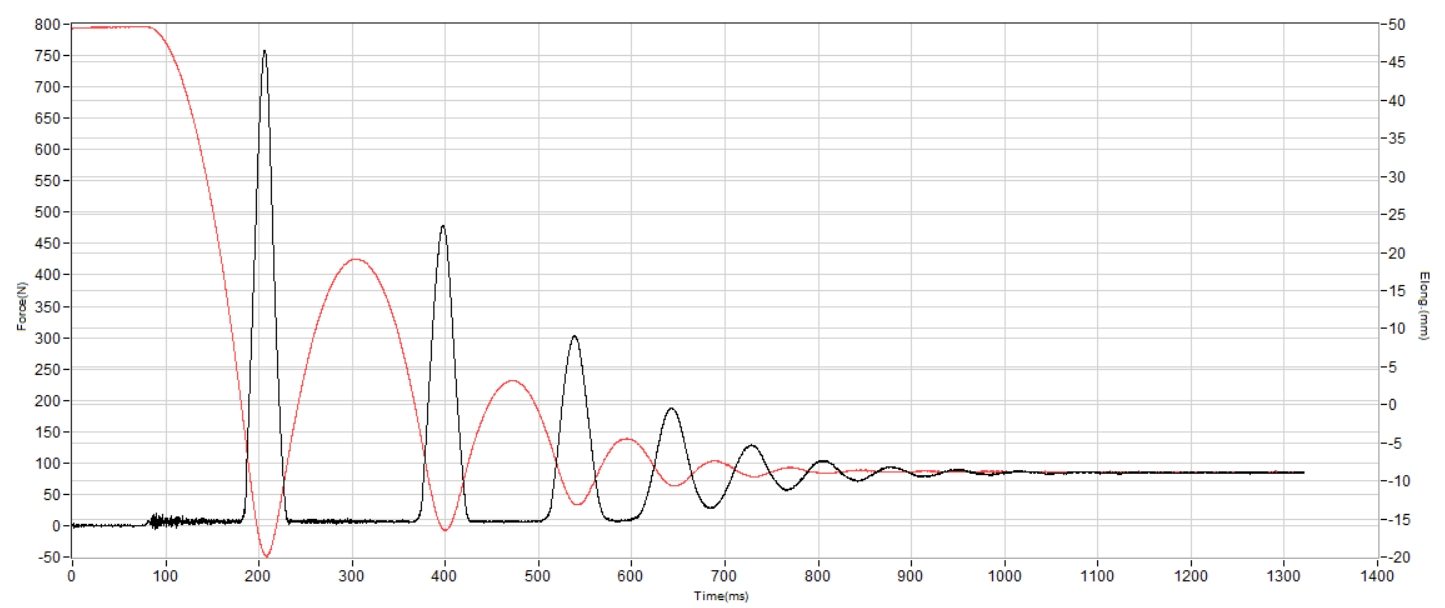
In our shock absorption test, we recorded a very high 143 SA in the heel and 132 SA in the forefoot, making the shoe a strong option for long distances and heavier runners.
That’s a solid result, yet it’s slightly lower than what we measured in version 1. Even though it carries the same Enerzy NXT name, it's evident that this is not the same foam. Now let’s examine the bounce!
| Neo Zen 2 | 143 SA |
| Average | 131 SA |
Energy return
The biggest complaint we have with the second version of the Neo Zen 2 comes here. And it's totally fine if it's a deal-breaker for many of you.
The original Mizuno Neo Zen used a supercritical TPU blend under the Enerzy NXT name that we truly enjoyed. It felt lively and exciting, but most of all it delivered top-tier bounce with 71.7% energy return in our lab. However, Version 2 downgrades to EVA, a much cheaper compound and clearly less energetic. The drop is dramatic, falling to just 47.4% of energy return.
| Neo Zen 2 | 50.9% |
| Average | 61.4% |
Heel stack
While energy return was a major disappointment, we have to give Mizuno credit for their precision in reporting stack height. The spec sheet lists 40 mm in the heel, and our measurement came in at 39.9 mm, which is impressively accurate!
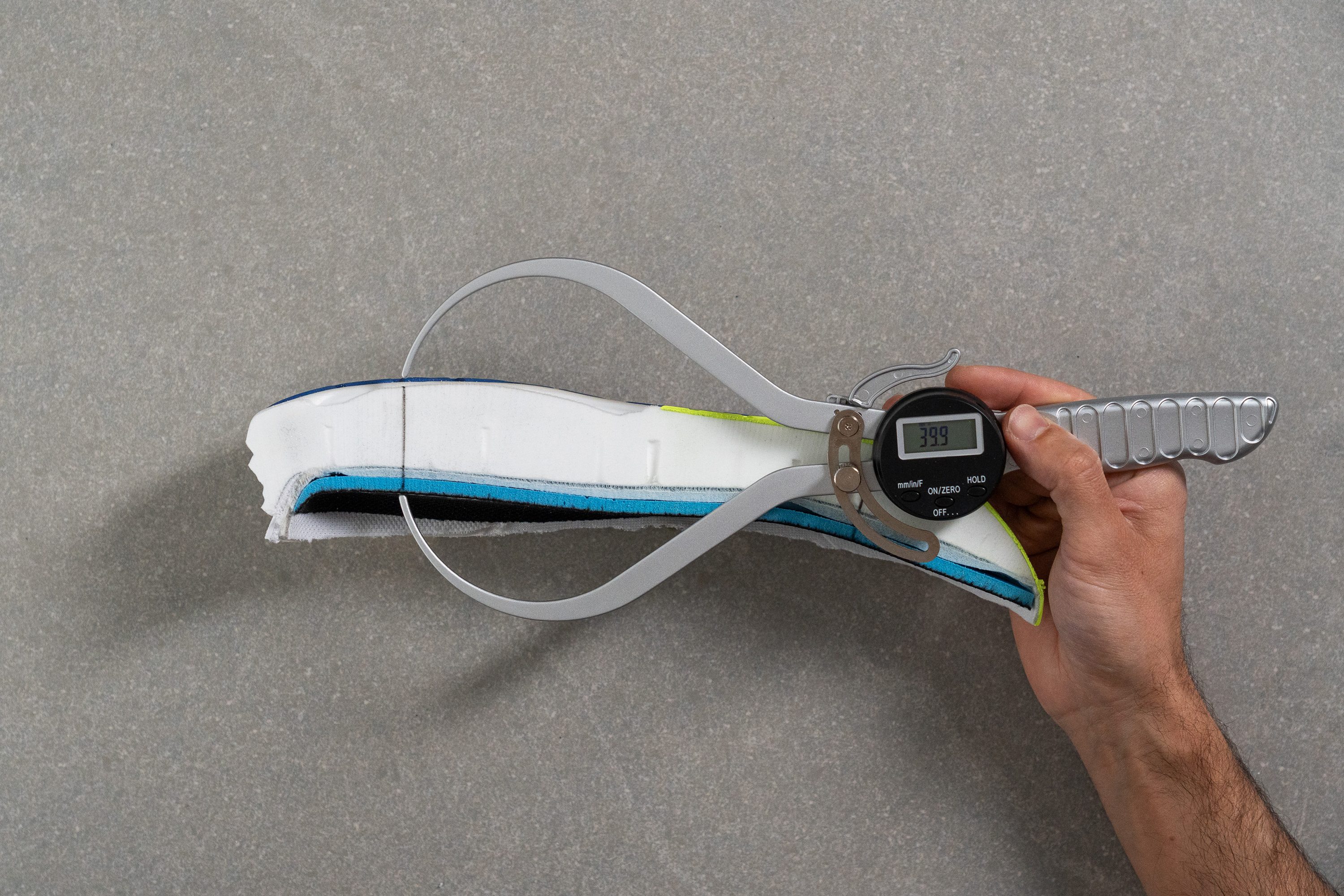
| Neo Zen 2 | 39.9 mm |
| Average | 35.5 mm |
Forefoot stack
The forefoot measured 34.9 mm, delivering ample foam even for dedicated forefoot strikers. It’s hard to imagine anyone feeling short on cushioning here, as this model clearly sits in the max-cushioned category.
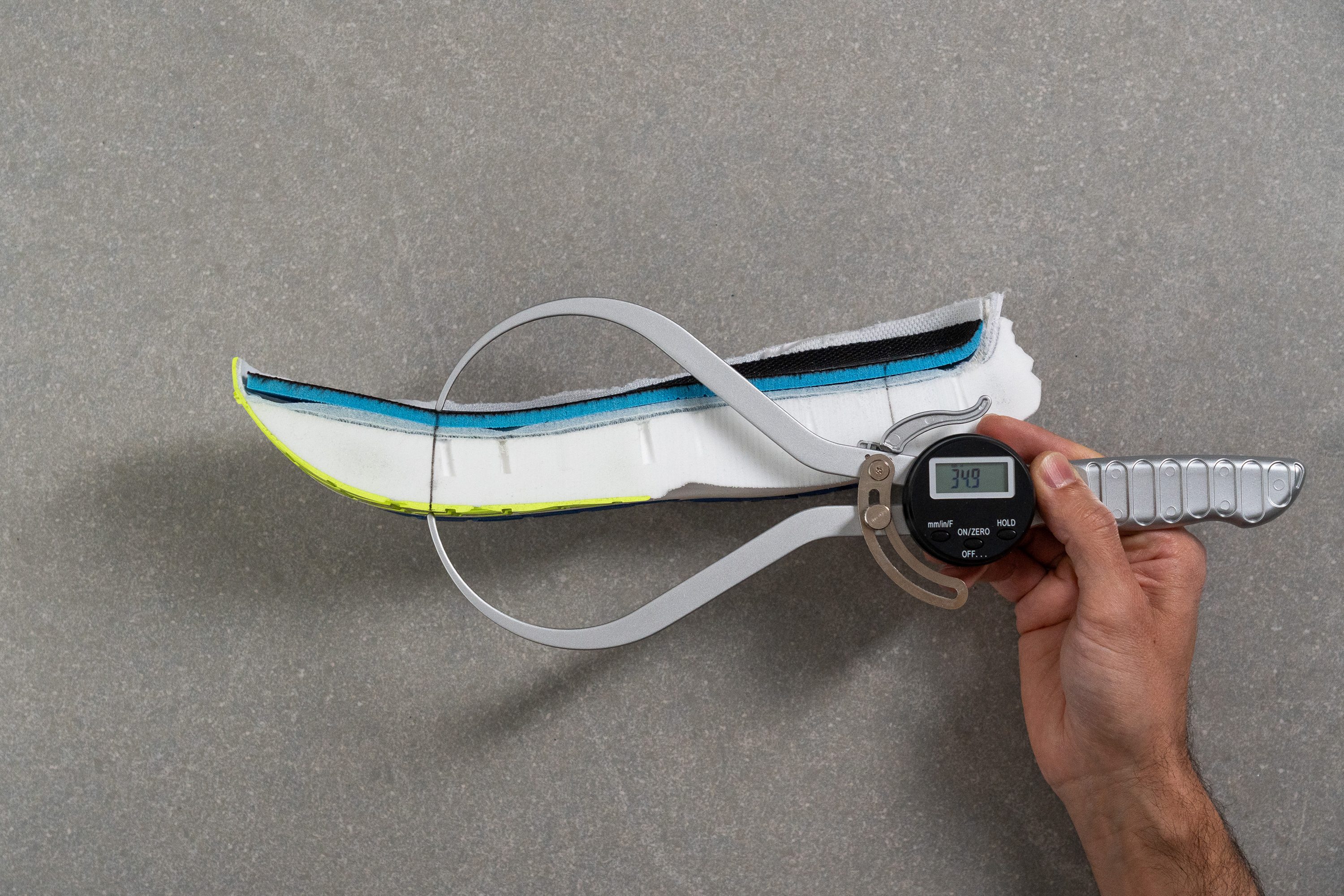
| Neo Zen 2 | 34.9 mm |
| Average | 27.1 mm |
Drop
The claimed 6 mm drop translated to 5 mm in our measurements. Still, a 1 mm difference is impossible to feel on the run, even for us.
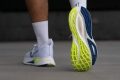
It remains a great match for forefoot and midfoot strikers, while heel strikers might expect a higher effective drop since the softer heel foam compresses more on impact.
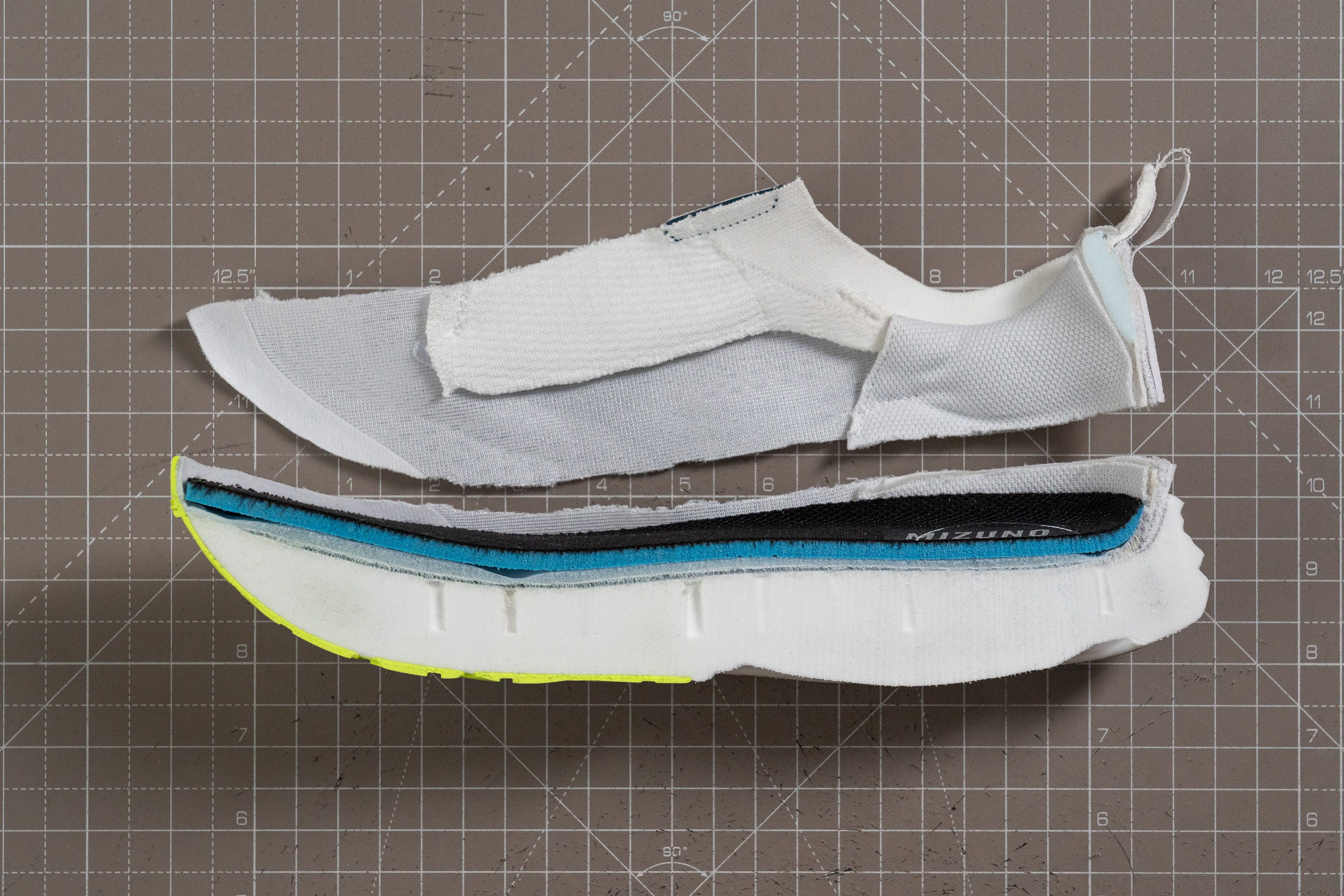
| Neo Zen 2 | 5.0 mm |
| Average | 8.4 mm |
Midsole softness
Enerzy NXT may have lost some of its fun and bounce in this update, but from a softness standpoint it feels very similar.
With our Asker C durometer, we measured 32.1 AC, slightly softer than the previous version and below the category average. Even with a similar softness reading, the sensation underfoot changes. That difference makes sense, since the resiliency—how fast and strongly the foam springs back—has clearly been reduced in this new version.
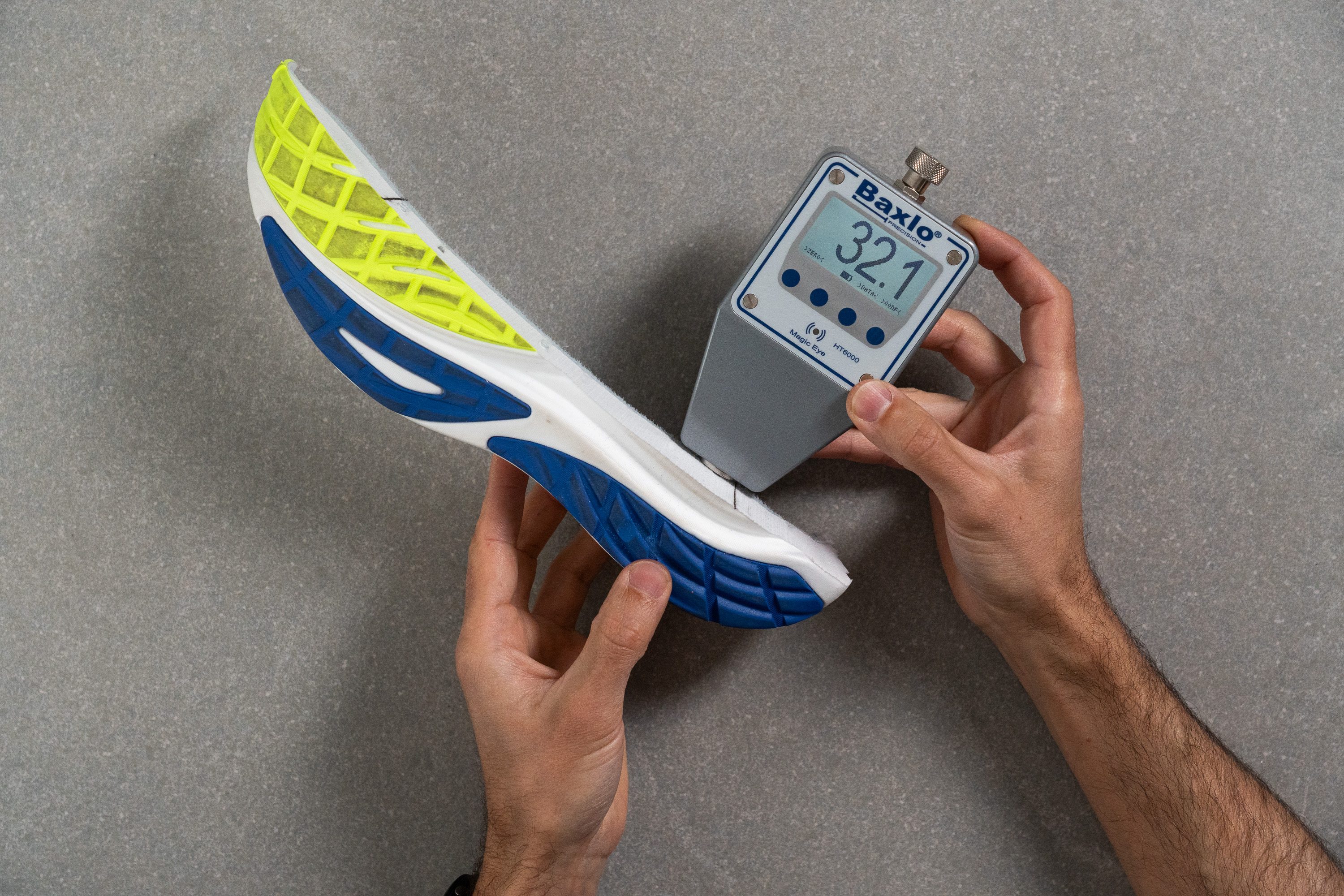
| Neo Zen 2 | 32.1 AC |
| Average | 35.5 AC |
Rocker
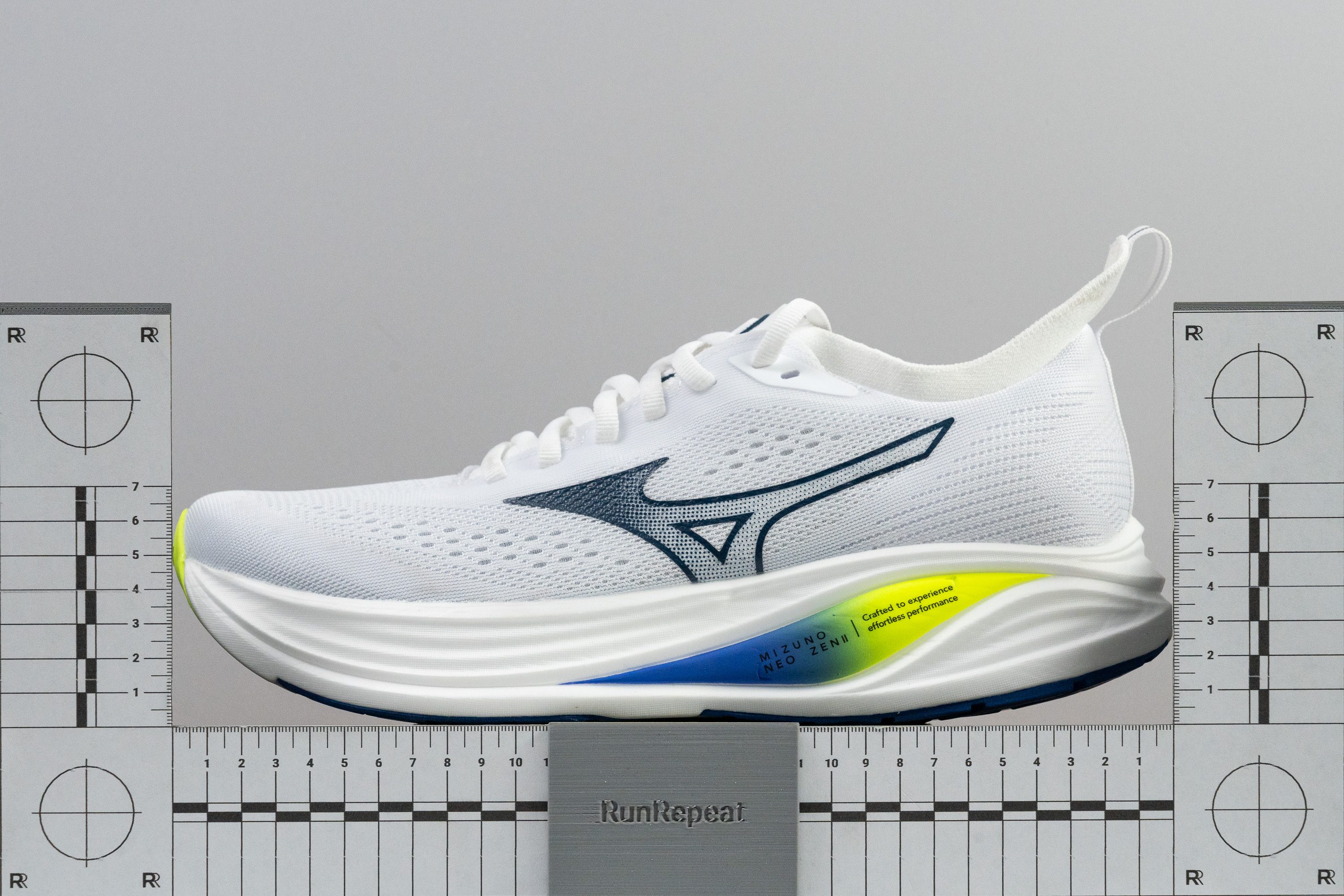
From a geometry standpoint and based on our measurements, the rocker of the Neo Zen 2 closely matches the first generation. In that regard, it’s a safe update, as transitions feel almost identical to the original version—just with noticeably less energy as we proved before.
Size and fit
Size
Mizuno Neo Zen 2 fits true to size (20 votes).
Internal length
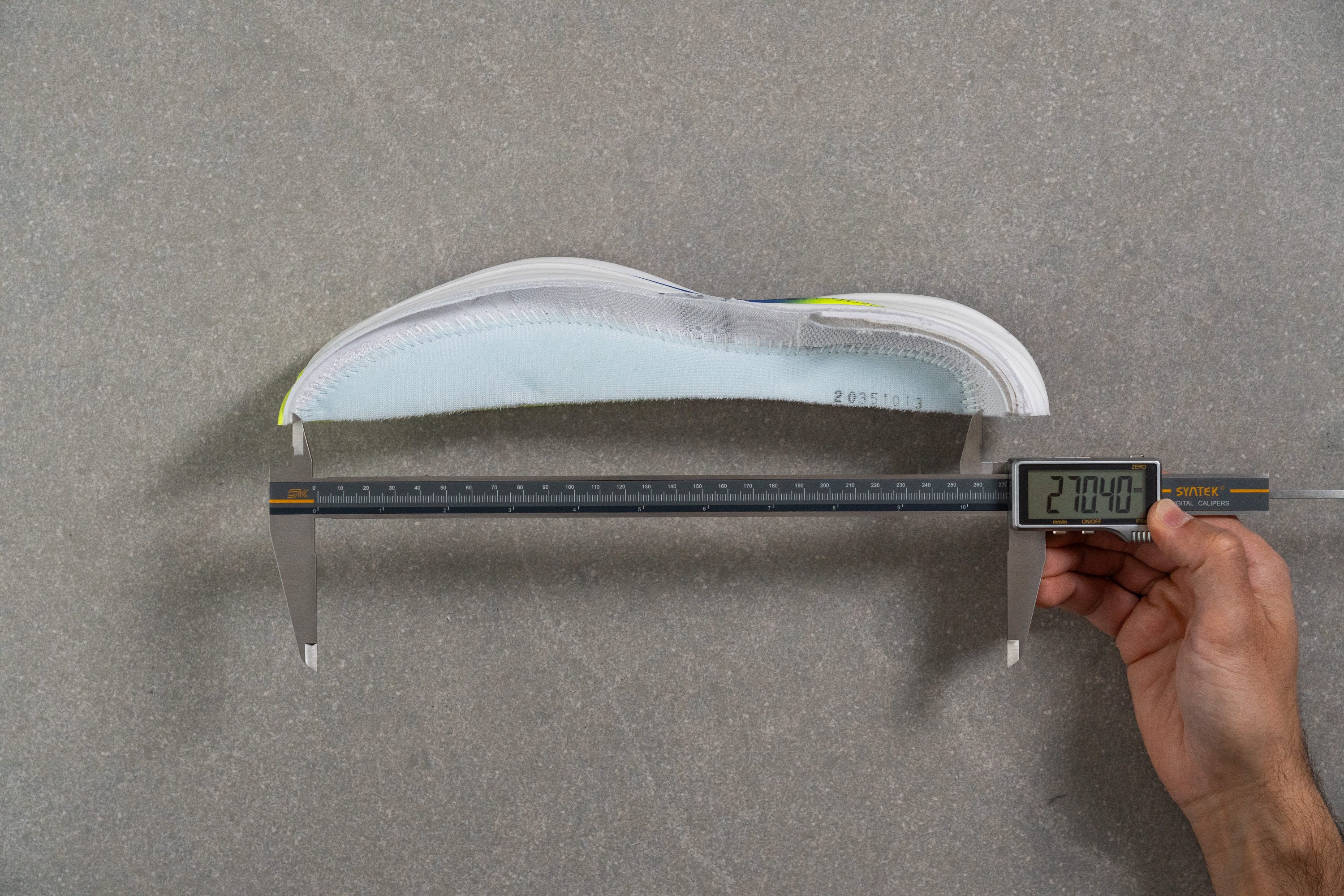
| Neo Zen 2 | 270.4 mm |
| Average | 269.4 mm |
Width / Fit
What did feel noticeably different to us was the fit. The original Neo Zen could accommodate slightly wider feet thanks to its stretchy upper, but the Neo Zen 2 is not a good match for broad feet.
Our first measurement came in at 92.2 mm, which is clearly narrow for a running shoe and points toward a snug, secure fit.
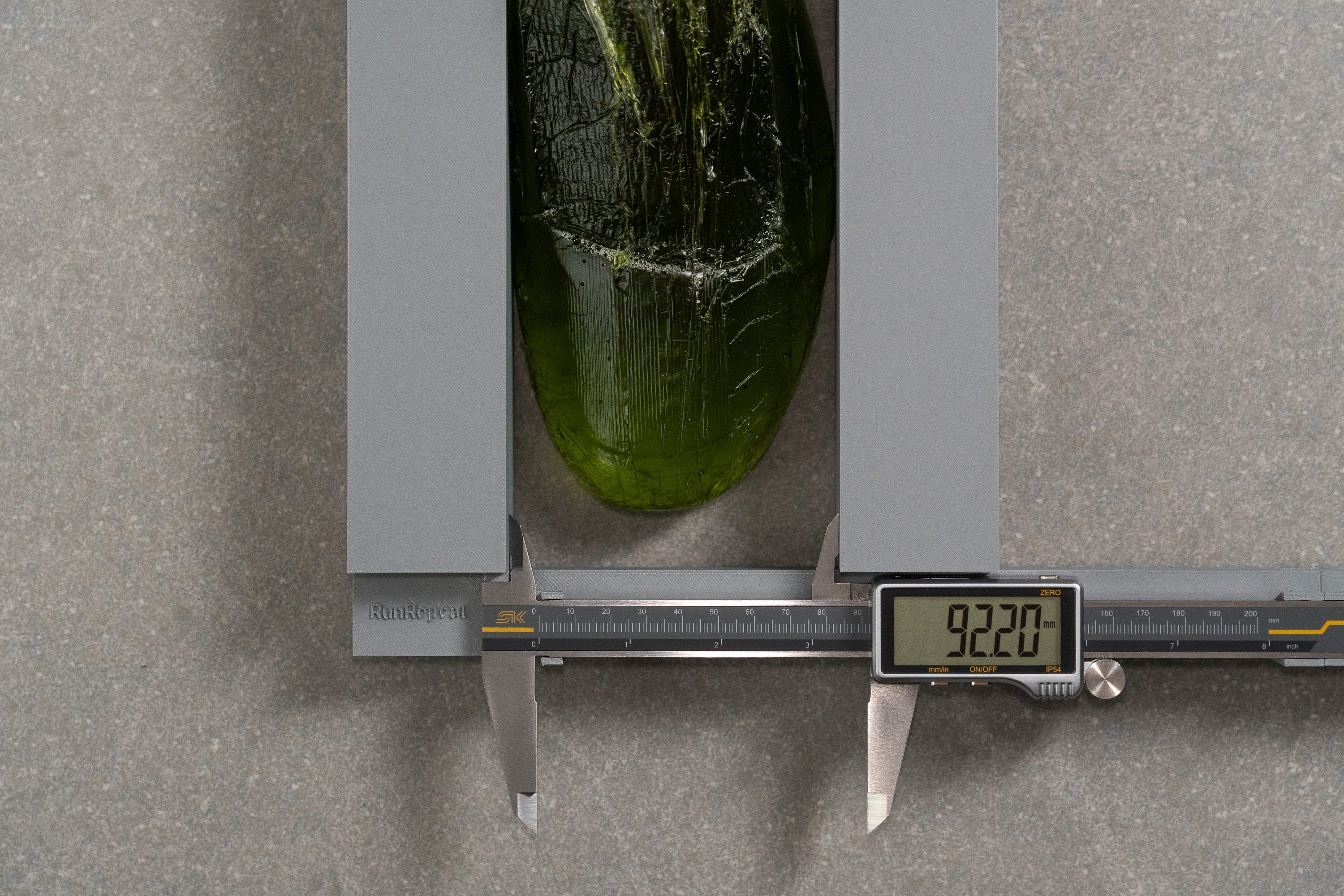
| Neo Zen 2 | 92.2 mm |
| Average | 95.2 mm |
Toebox width
With just 68.3 mm in the toebox, we confirmed that the Neo Zen 2 is built for runners who prefer a narrow, pointed shape, but it can feel restrictive for many others.
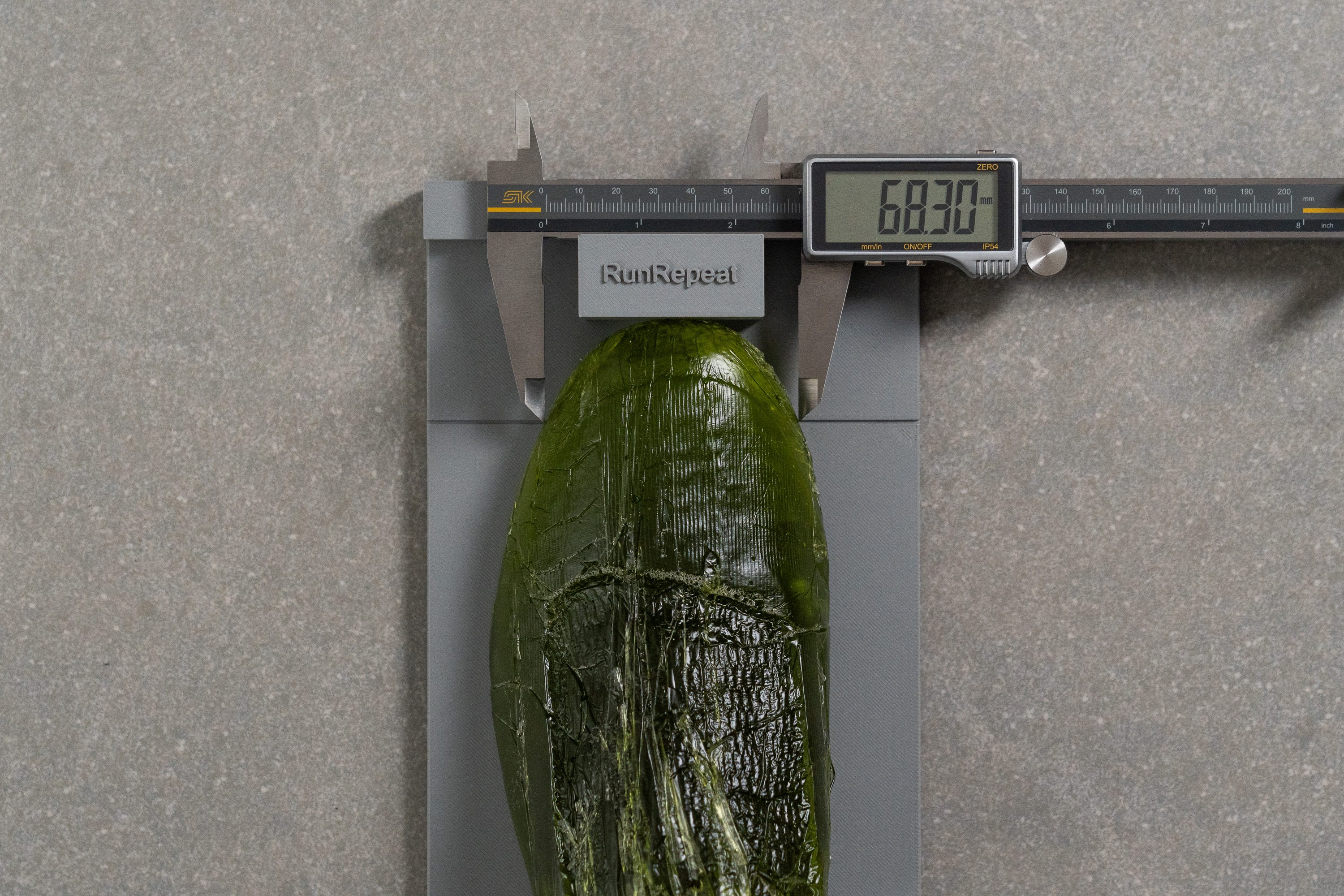
| Neo Zen 2 | 68.3 mm |
| Average | 73.2 mm |
Toebox height
In our last fit measurement, we found that the toebox height also sits below average.
At 25.1 mm of vertical space, this is clearly a running shoe that does not work well for high-volume feet.
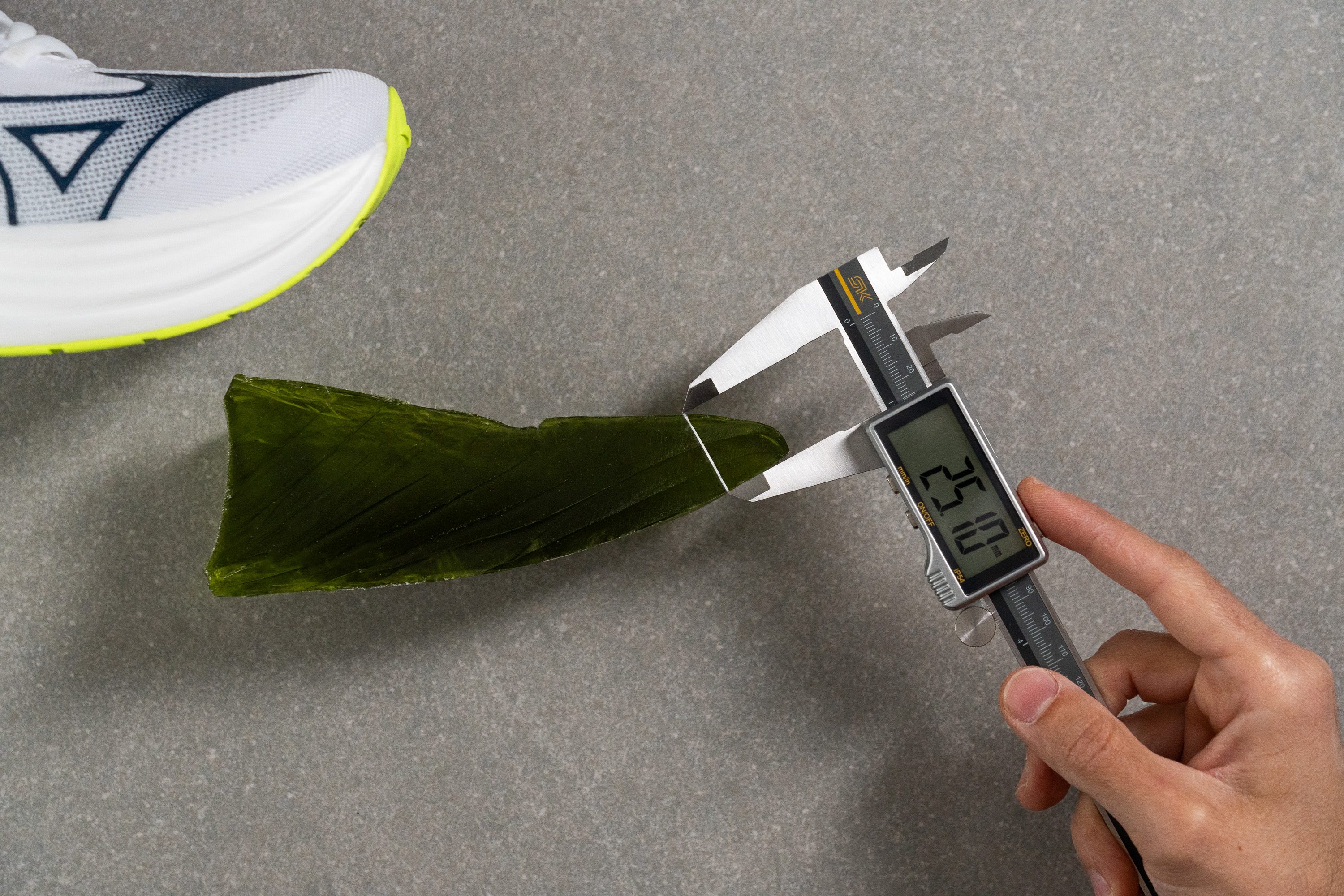
| Neo Zen 2 | 25.1 mm |
| Average | 27.0 mm |
Traction / Grip
Traction test
At this point we were desperate for some good news, and the outsole delivers it. While a 0.55 score may not reach the level of top performers like the ASICS Glideride Max 2, it is a clear and welcome improvement over the modest 0.38 we measured in version 1.
| Neo Zen 2 | 0.55 |
| Average | 0.53 |
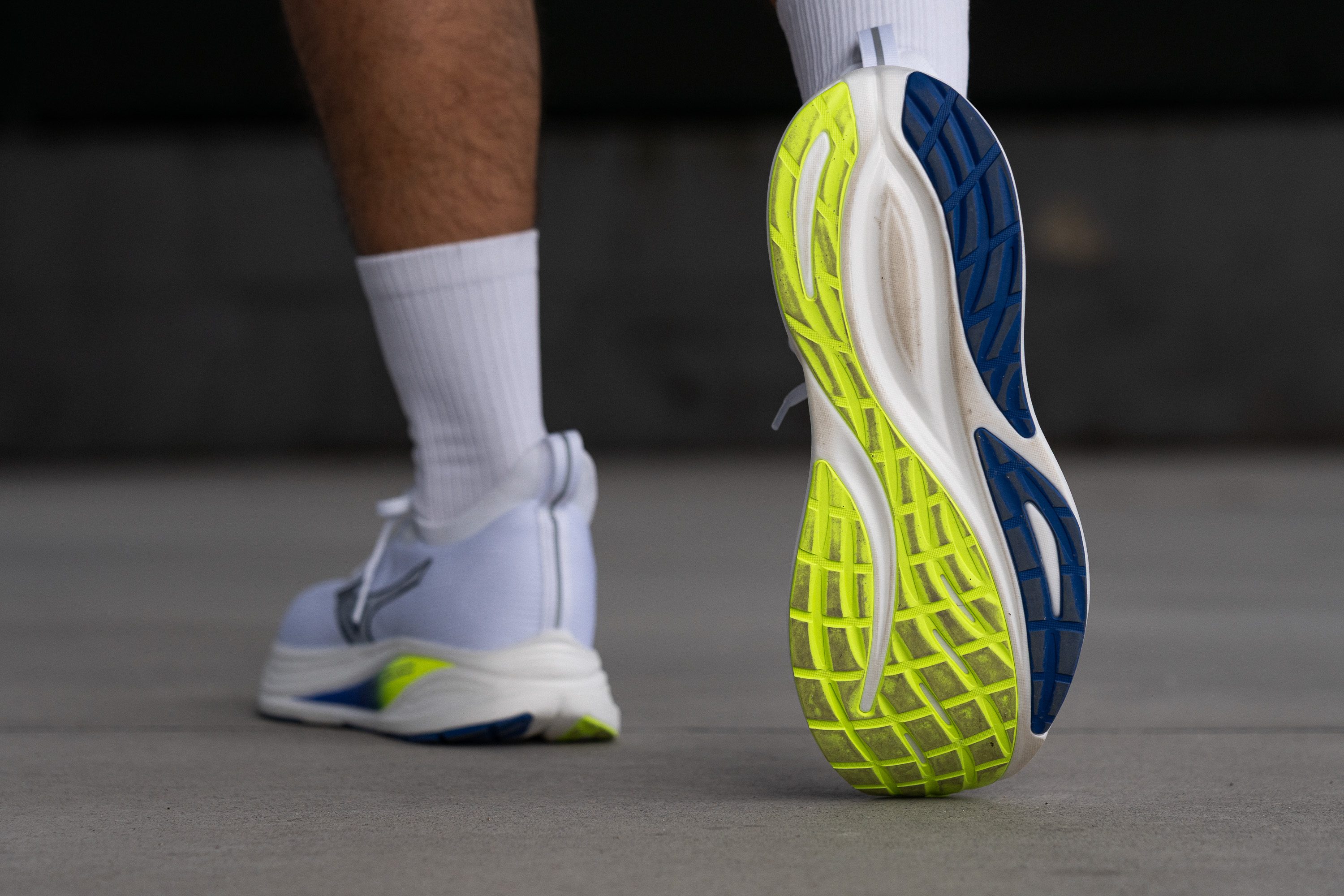
Outsole design
The new outsole design moves away from the Neo Vista 2 look, and that’s a positive change. Reusing the same outsole on a different shoe didn’t make much sense. Here we get a fresh layout built specifically for the Neo Zen 2, and it clearly improves traction on both wet and dry surfaces.
Flexibility / Stiffness
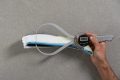
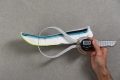
With 13.3N in our 30-degree bend test, the Mizuno Neo Zen 2 avoids an overly stiff build and once again shows why it feels so close to its predecessor, as the result was almost identical.
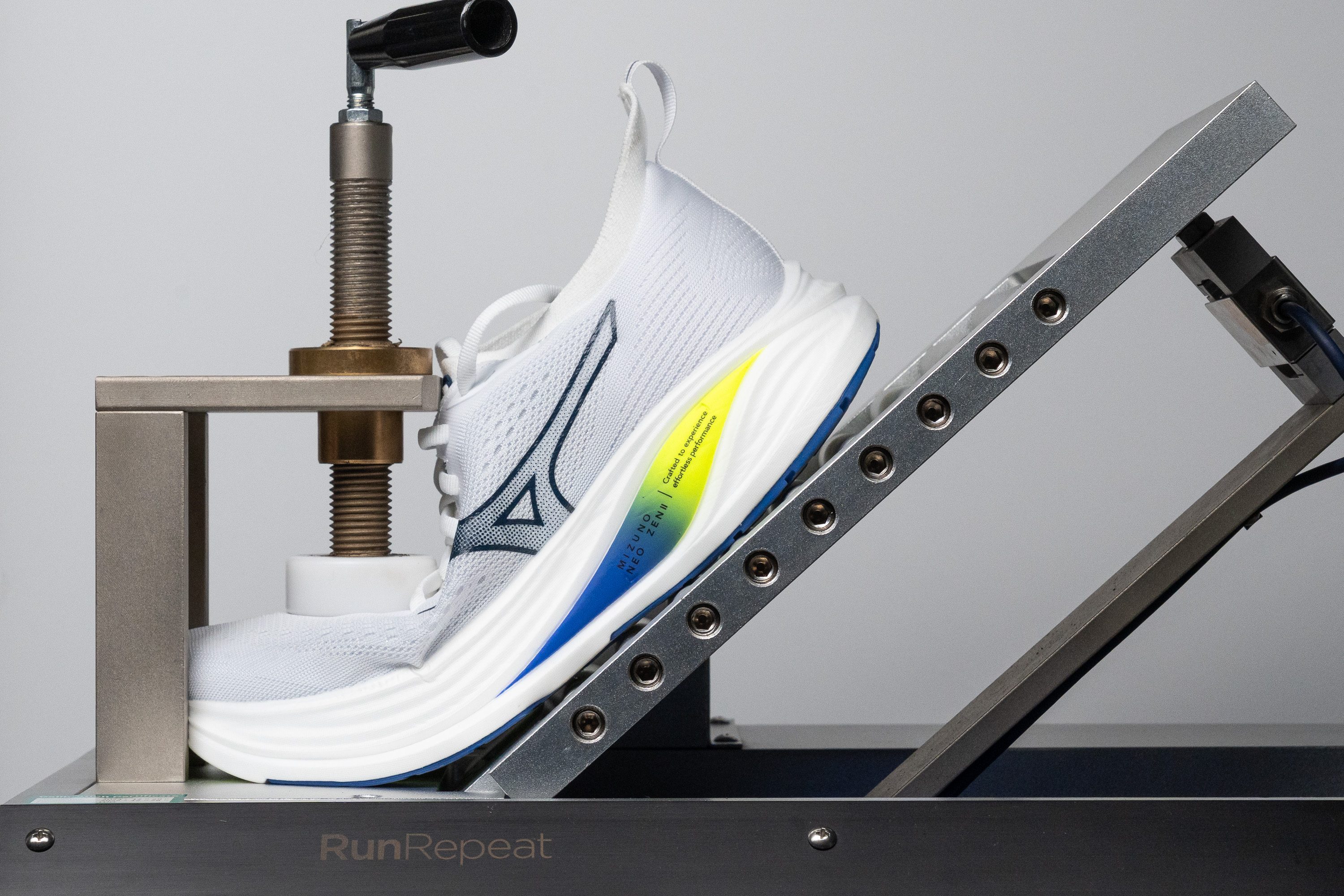
| Neo Zen 2 | 13.3N |
| Average | 15.5N |
Weight
Another area that highlights the continuist nature of the Mizuno Neo Zen 2 is weight. Since we often see differences of about ±2% between the left and right shoe in the lab, we can say that its weight ends up almost identical to version 1.
For reference, we measured 8.4 oz or 237g. That’s an excellent result for such a cushioned daily trainer and clearly remains one of the shoe’s key strengths.
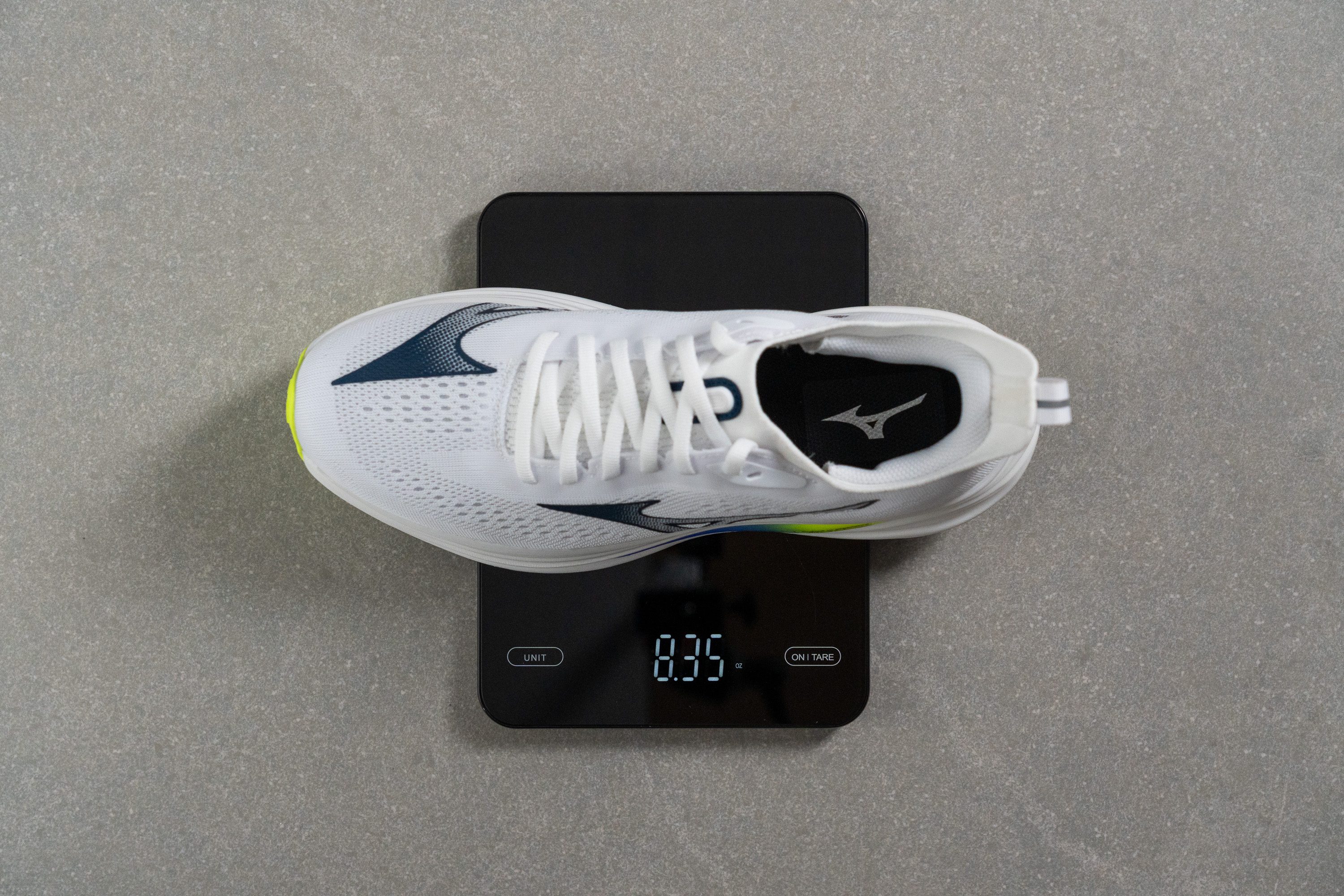
| Neo Zen 2 | 8.4 oz (237g) |
| Average | 9.2 oz (261g) |
Breathability
Breathability test
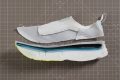
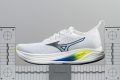
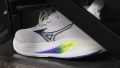
The upper of the Mizuno Neo Zen 2 features an interesting design that blends mesh across most of the shoe while keeping knit materials in key areas such as the tongue and heel collar.
The fit is once again quite unconventional, so it may not work for everyone. When it comes to ventilation, it may disappoint runners who expect top-level airflow, as we rated it only 3 out of 5.
That score is not poor, but it clearly sits below the most breathable shoes we have tested. Runners training in very hot conditions may want something with stronger ventilation.
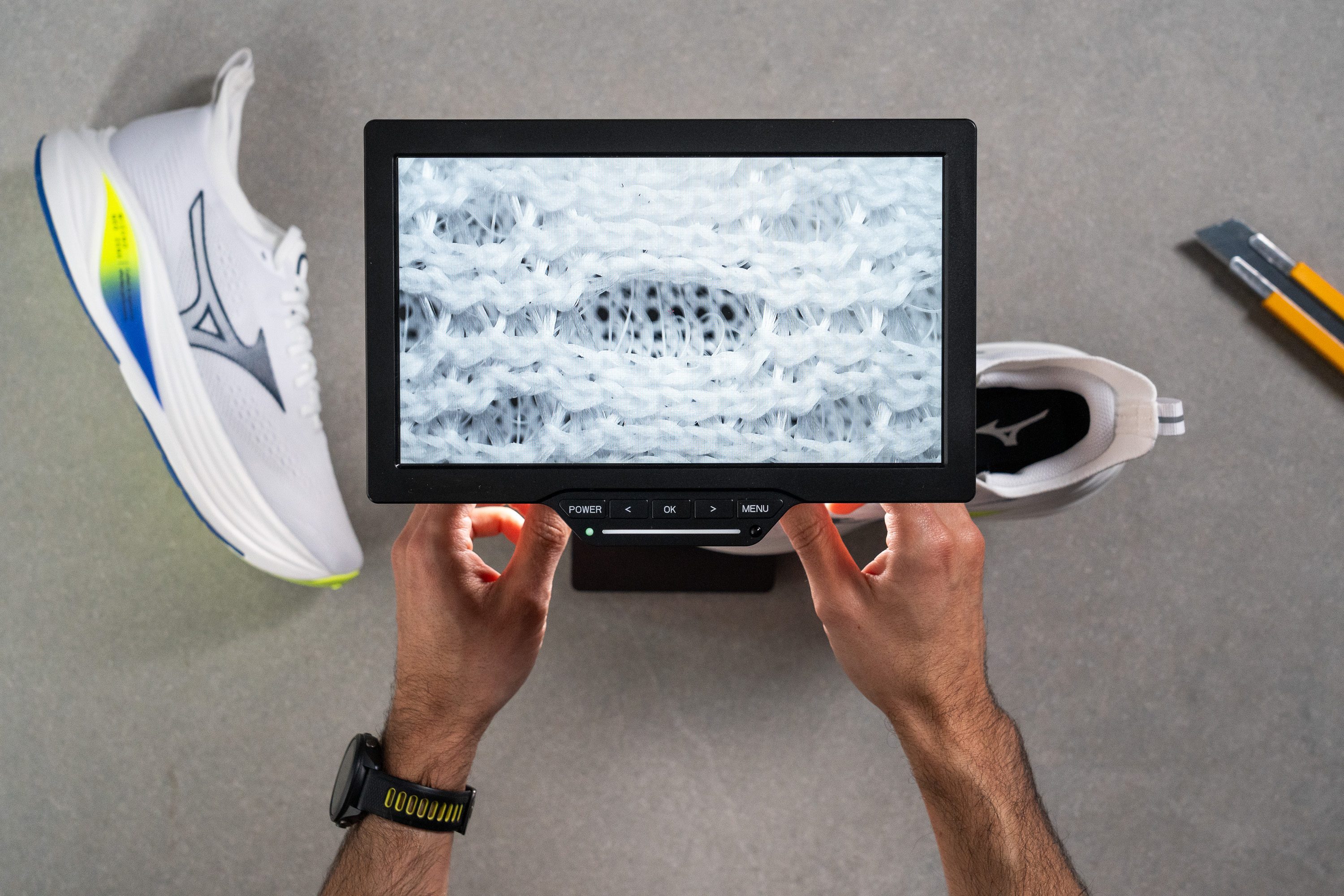
Under the microscope, the material looks like a classic engineered mesh, confirming that the toebox is no longer knit-based. This marks a clear change compared to version 1.
Mizuno designed the upper to provide strong comfort around the heel while keeping the rest of the shoe very light, including the tongue. However, again, this layout may not satisfy runners who prioritise plush comfort.
| Neo Zen 2 | 3 |
| Average | 3.6 |
Stability
Lateral stability test
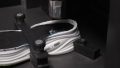
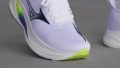
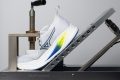
One area where Mizuno improved over version 1 is stability. This update brings a few changes that better support the foot during runs, and while it remains a purely neutral trainer and not intended for stability runners, we found the ride feels more controlled than before.
The lower energy return may play a role, but there are other factors involved as well.
Torsional rigidity
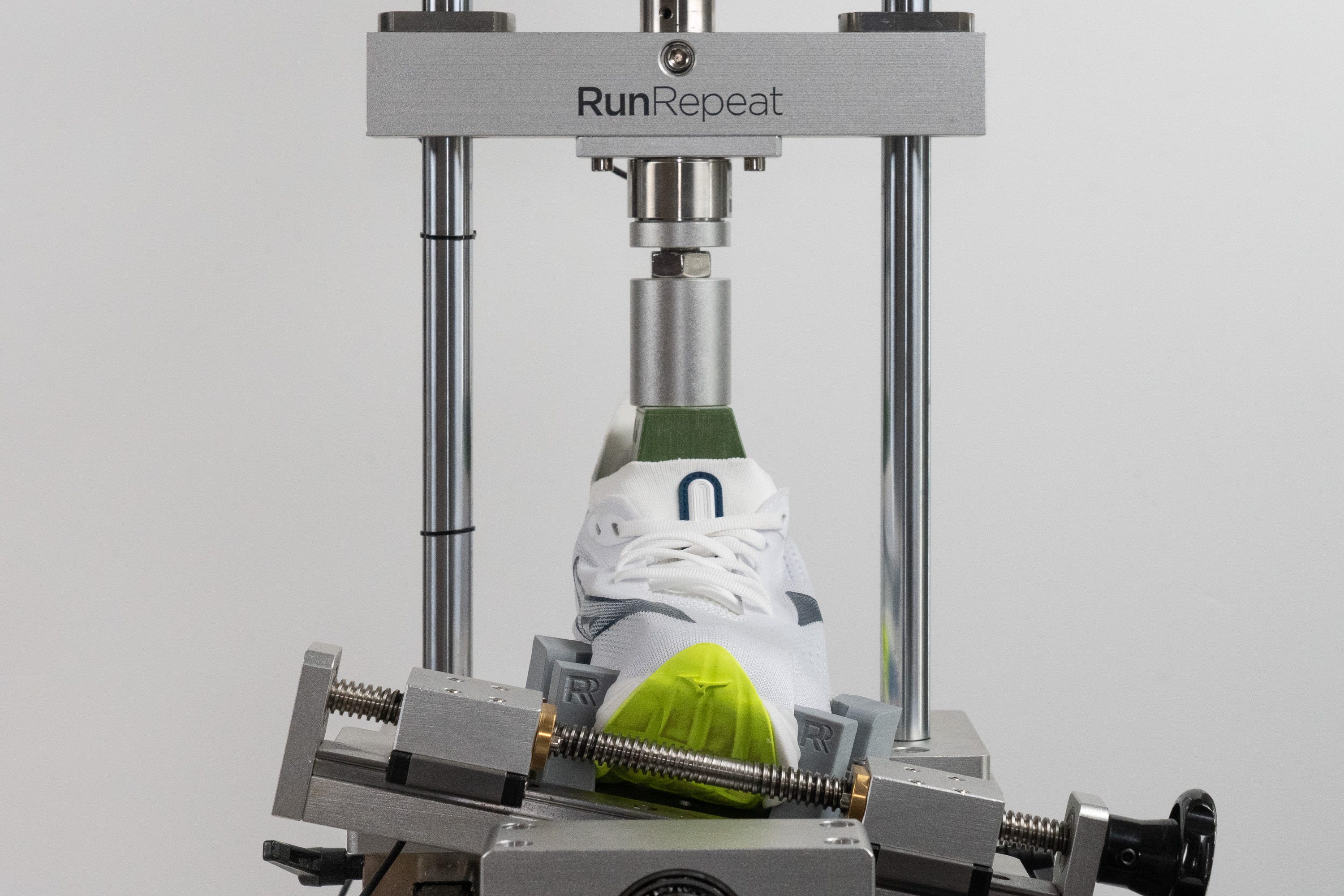
The Mizuno Neo Zen 2 scored 12.6 Nm in our torsional rigidity test. This balanced design adds a touch of rigidity while still keeping the shoe comfortable, flexible, and easy to trust on daily runs.
| Neo Zen 2 | 12.6 Nm |
| Average | 14.4 Nm |
Heel counter stiffness
We noted that Mizuno replaced the super-flexible heel collar from version 1 with a more structured, classic design, which now scored 3 out of 5 in our assessment instead of 1 out of 5. This change makes the ride noticeably more stable, especially for heel strikers.
| Neo Zen 2 | 3 |
| Average | 3 |
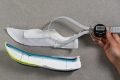
Midsole width - forefoot
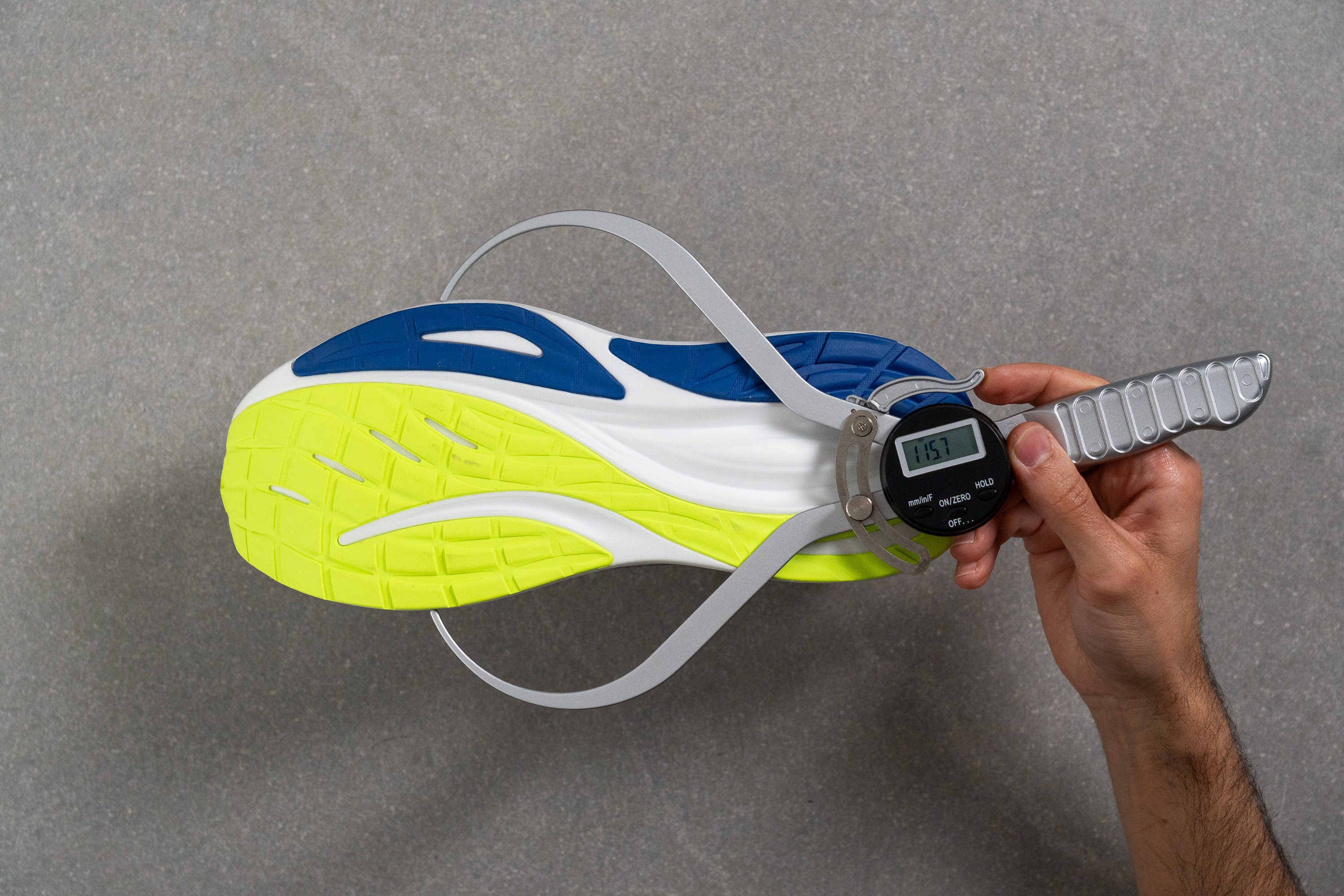
The midsole dimensions remain very close to those of version 1, and we only found minor differences in our measurements. In our first check, the forefoot measured 115.7 mm, keeping the agile platform that we liked in the previous model.
| Neo Zen 2 | 115.7 mm |
| Average | 115.1 mm |
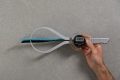
Midsole width - heel
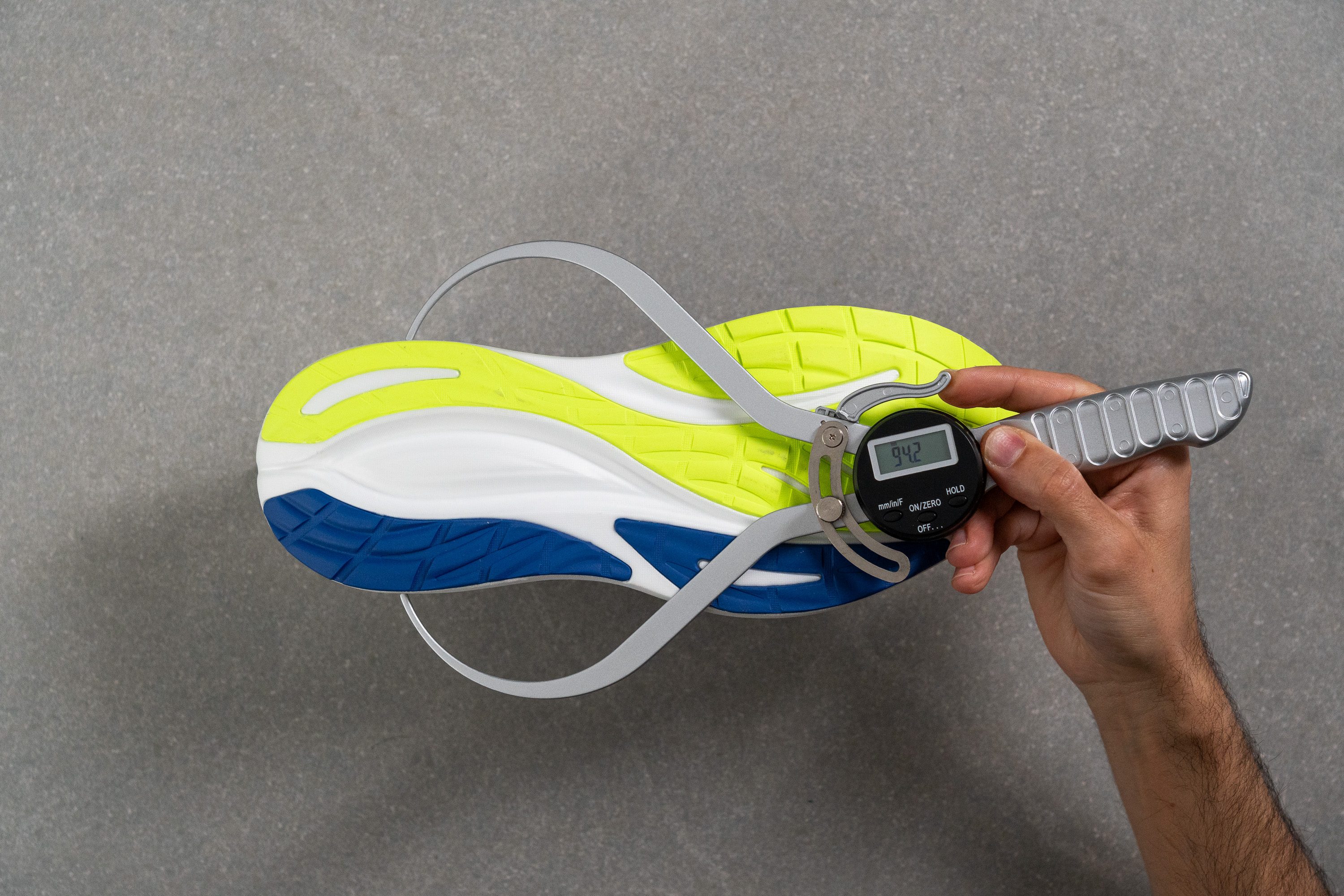
The heel measured 94.2 mm with our digital callipers, slightly above average today but likely to feel close to average in just a couple of years given how quickly platform widths are increasing across the industry.
| Neo Zen 2 | 94.2 mm |
| Average | 91.1 mm |
Durability
Toebox durability
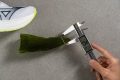
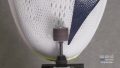
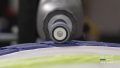
The soft mesh used by Mizuno feels pleasant to the touch, but it raises concerns about durability. After using the Dremel, we recorded the lowest possible score of 1 out of 5.
| Neo Zen 2 | 1 |
| Average | 2.6 |
Heel padding durability
We also dug a serious hole in the heel padding, just as concerning as the damage we found in the toebox. That earned another 1 out of 5, confirming this is not a good choice for runners who are tough on uppers.
| Neo Zen 2 | 1 |
| Average | 3.4 |
Outsole durability
If you rarely damage uppers, then we have good news: the outsole holds up well, matching the category and even beating our lab average, with only 0.9 mm of rubber worn away in our abrasion test.
| Neo Zen 2 | 0.9 mm |
| Average | 1.1 mm |
Outsole thickness
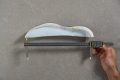
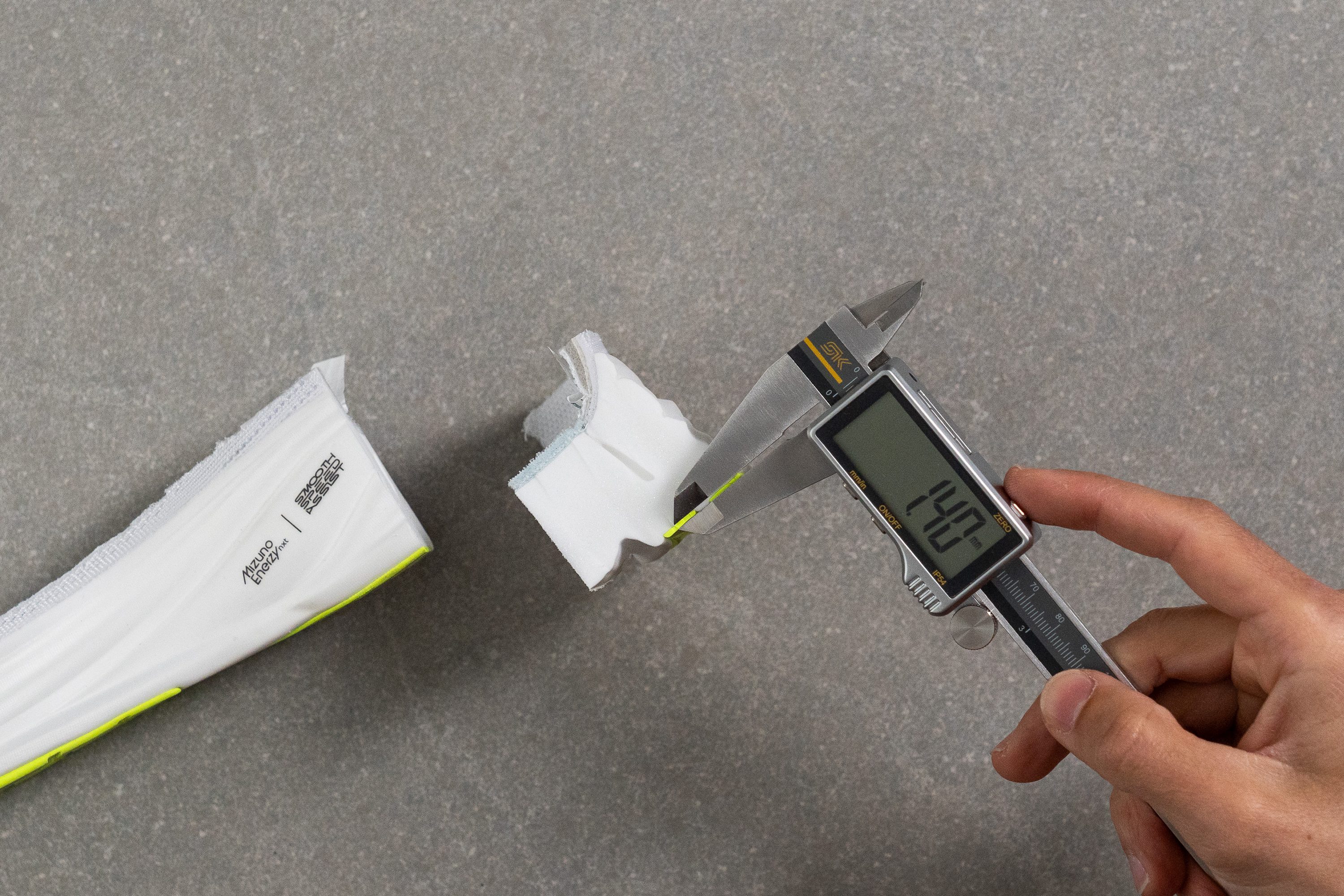
However, there’s a catch. The Neo Zen 2 uses a thinner outsole at 1.4 mm to keep the ride more connected and the weight lower, which could slightly reduce overall durability despite the strong abrasion result.
| Neo Zen 2 | 1.4 mm |
| Average | 3.1 mm |
Misc
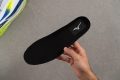
Insole thickness
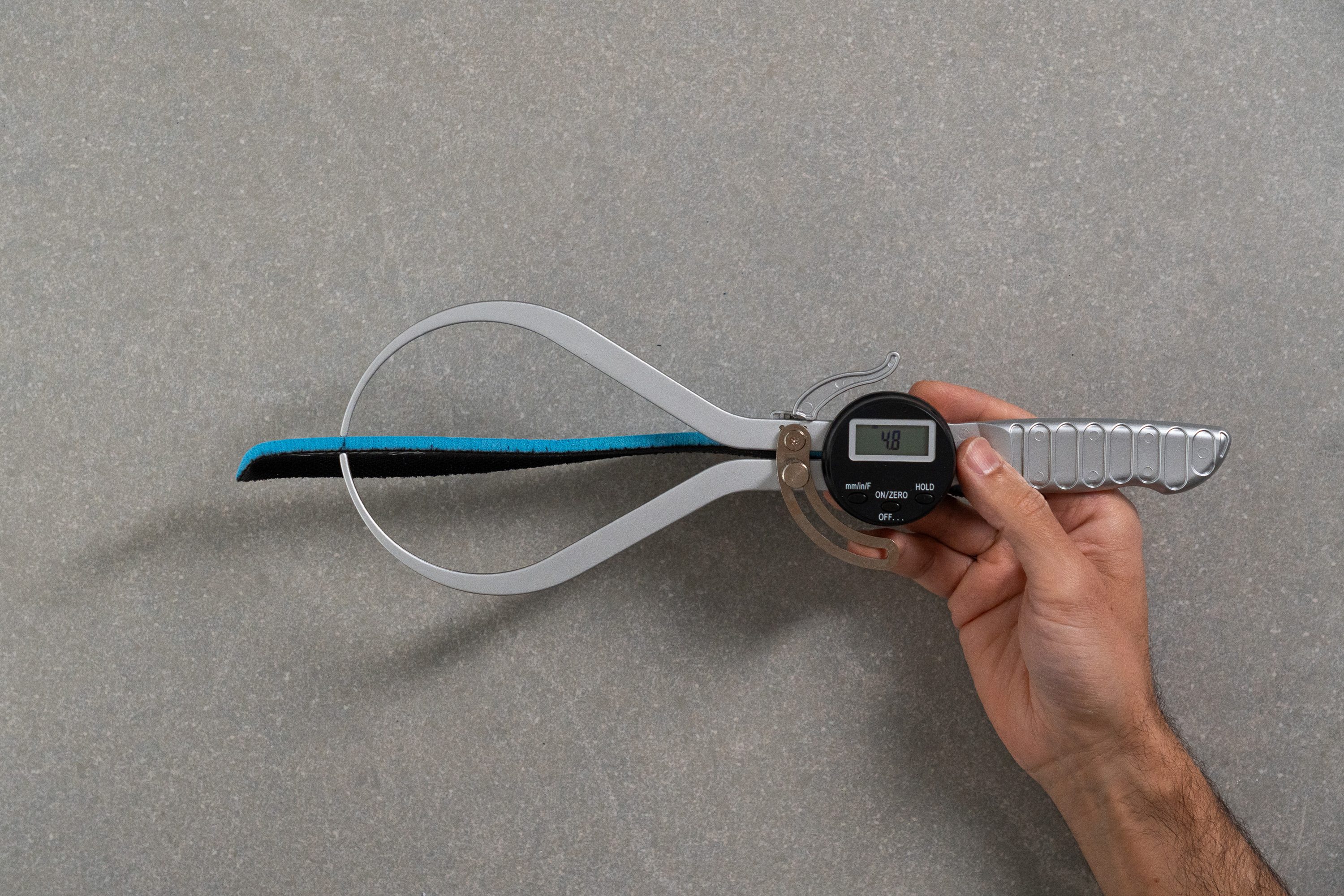
Mizuno took a safe approach with the insole thickness, which we measured at 4.8 mm and found to be very close to the lab average.
| Neo Zen 2 | 4.8 mm |
| Average | 4.4 mm |
Removable insole
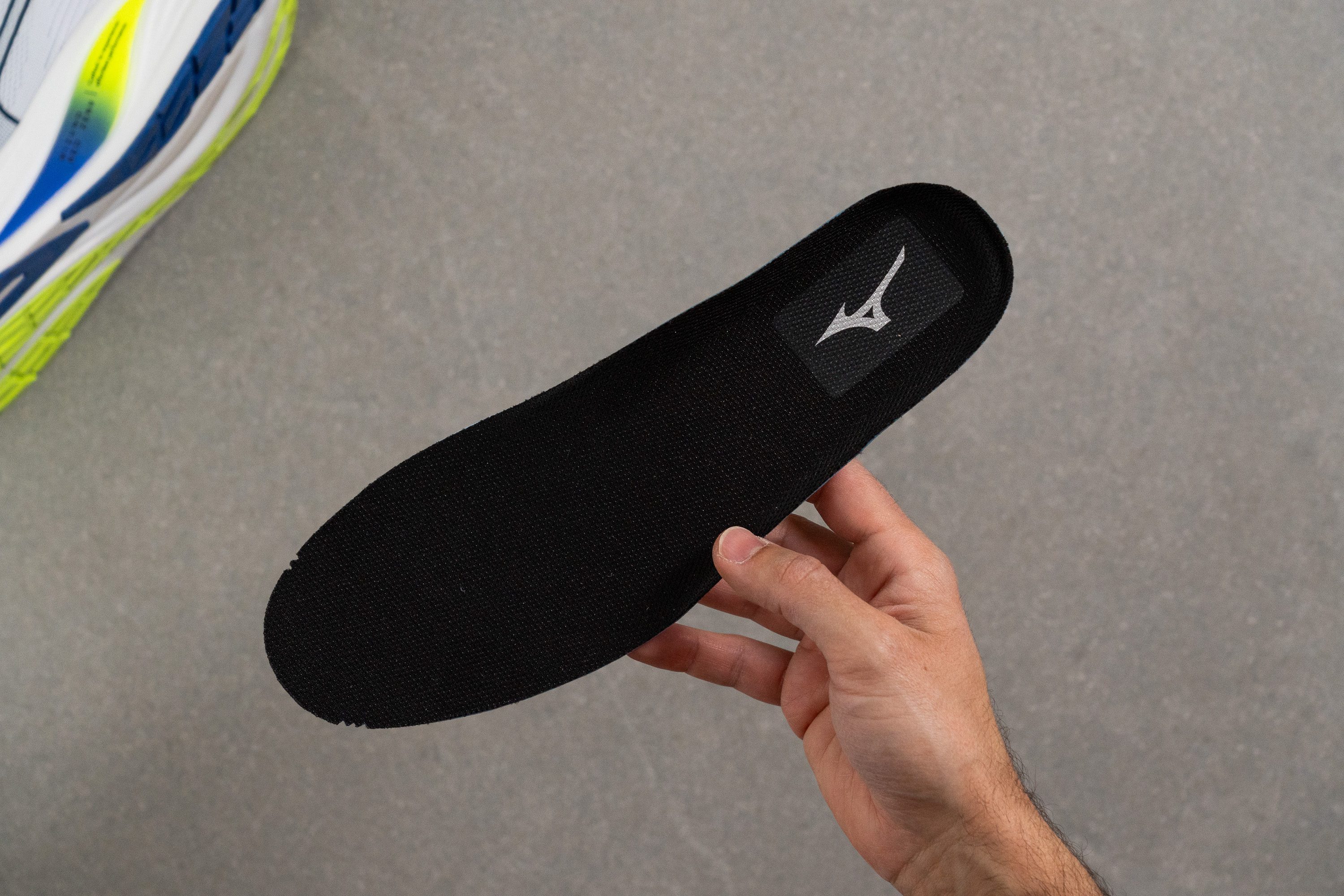
We removed the insole with ease, and given its basic feel and limited bounce, replacing it with a different one could be worth considering.
| Neo Zen 2 | Yes |
Reflective elements
Cars or motorbikes approaching from behind will easily spot you thanks to the highly visible reflective piece on the heel.
| Neo Zen 2 | Yes |
Tongue padding
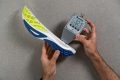
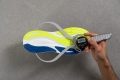
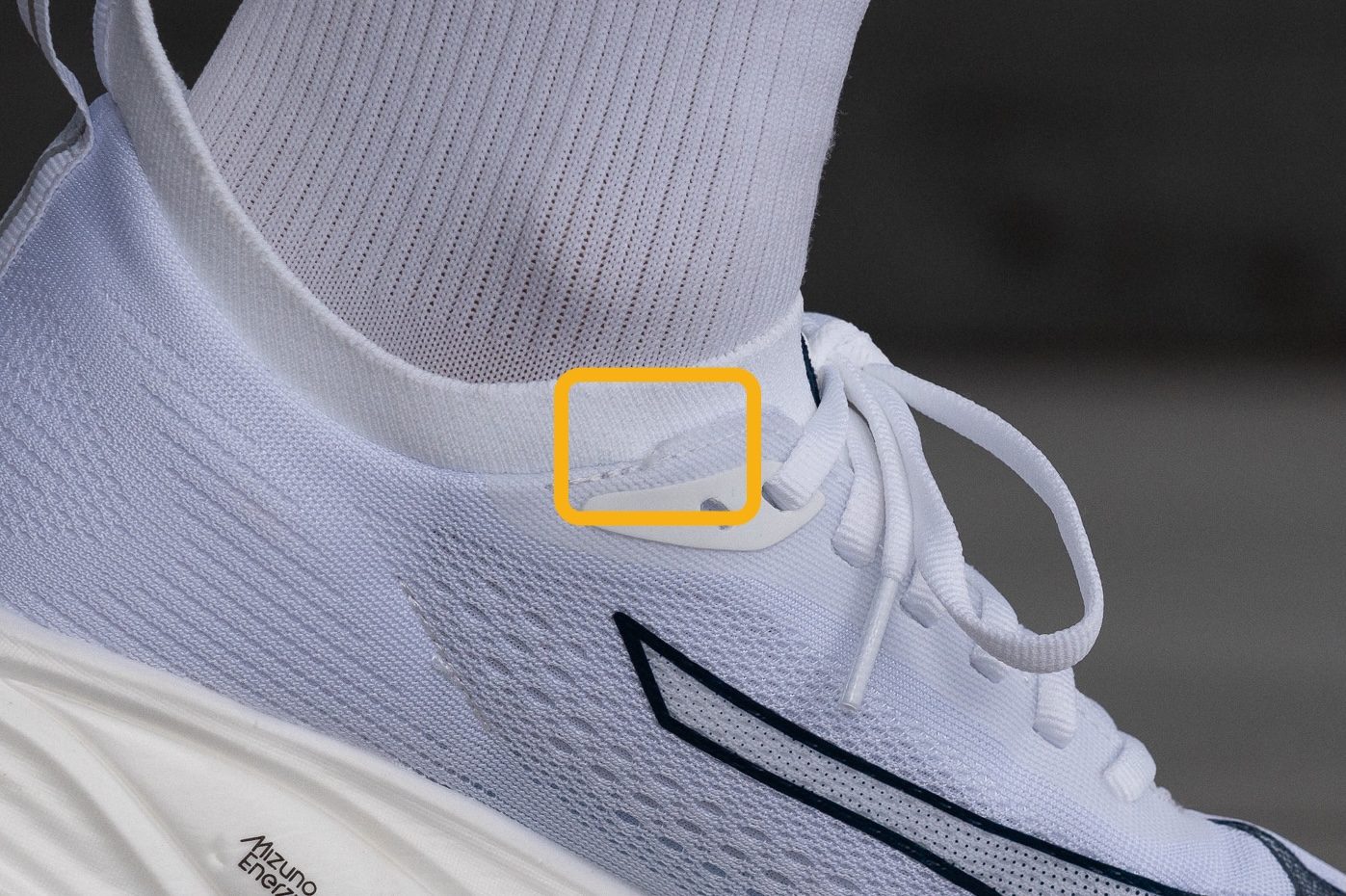
Runners who enjoy the feel of a knit tongue will likely appreciate the Neo Zen 2, as it acts almost like a second sock around the foot. The flat laces performed well in our testing and caused no issues, although we did identify a possible rubbing point that we marked for reference, which may become noticeable for runners with high-volume feet because the upper then fits very tight.
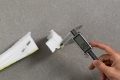
When we measured the tongue, we recorded 3.6 mm of padding coming from a very thin layer—so this shoe does not aim for a plush step-in feel but instead delivers a more minimal sensation. But keep that in mind: this is a shoe that creates a love-or-hate relationship, with very little middle ground.
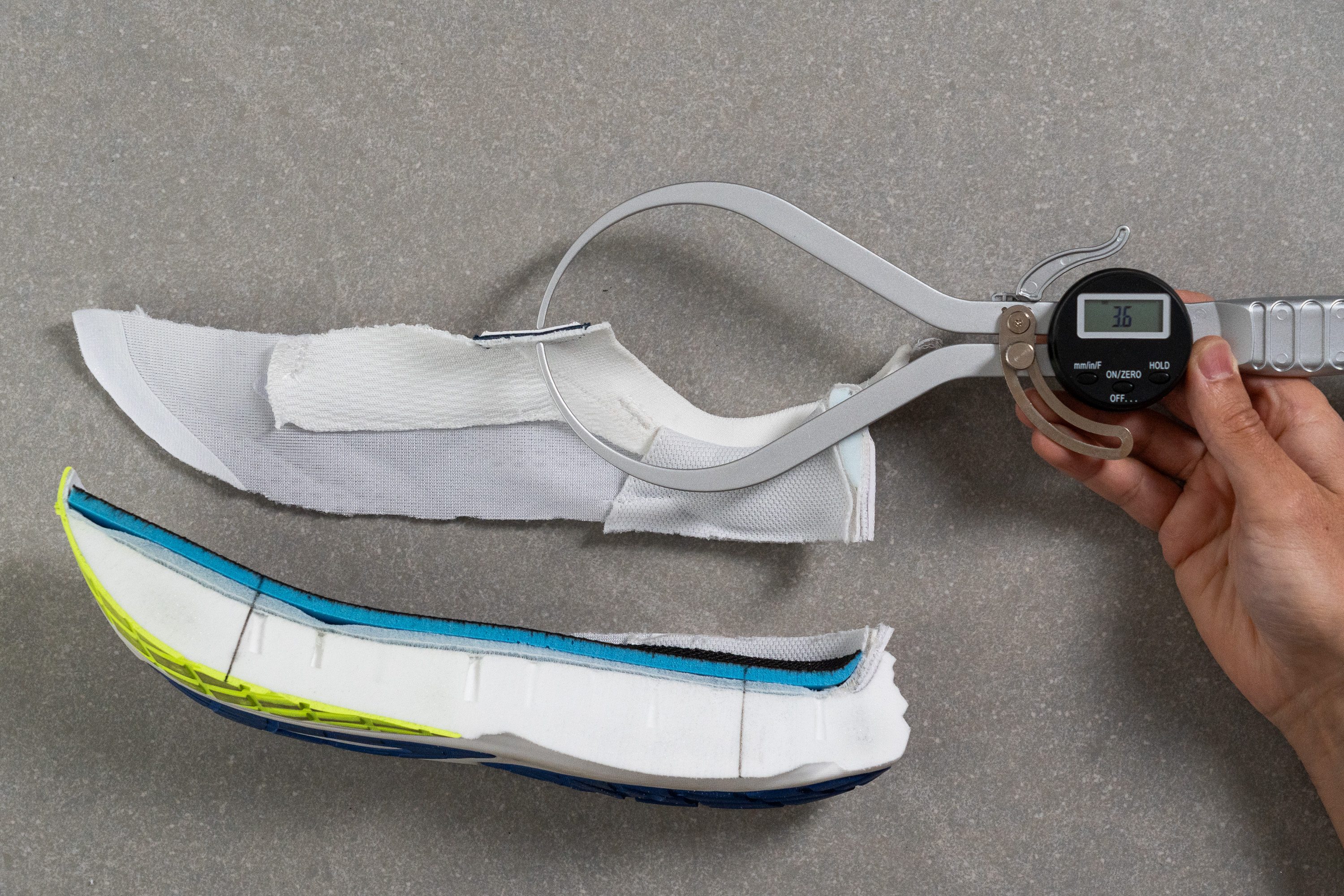
| Neo Zen 2 | 3.6 mm |
| Average | 5.8 mm |
Tongue: gusset type
The knit tongue is attached to the sides to keep it securely in place and prevent unwanted movement.
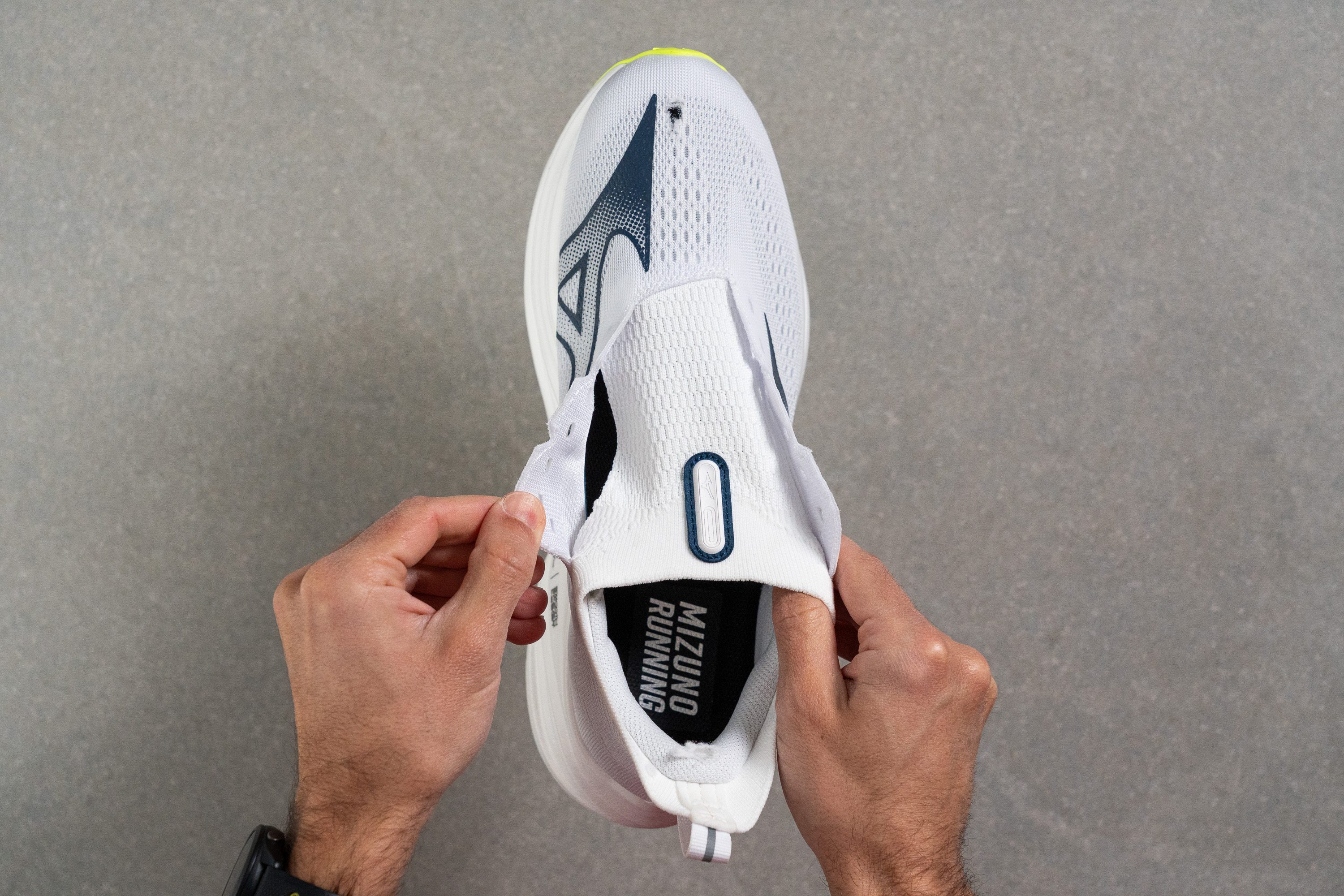
| Neo Zen 2 | Both sides (semi) |
Heel tab
The finger-loop heel tab on the Neo Zen 2 is well designed and especially useful for this shoe, as the knit-based tongue and heel collar can make it harder to slip on.
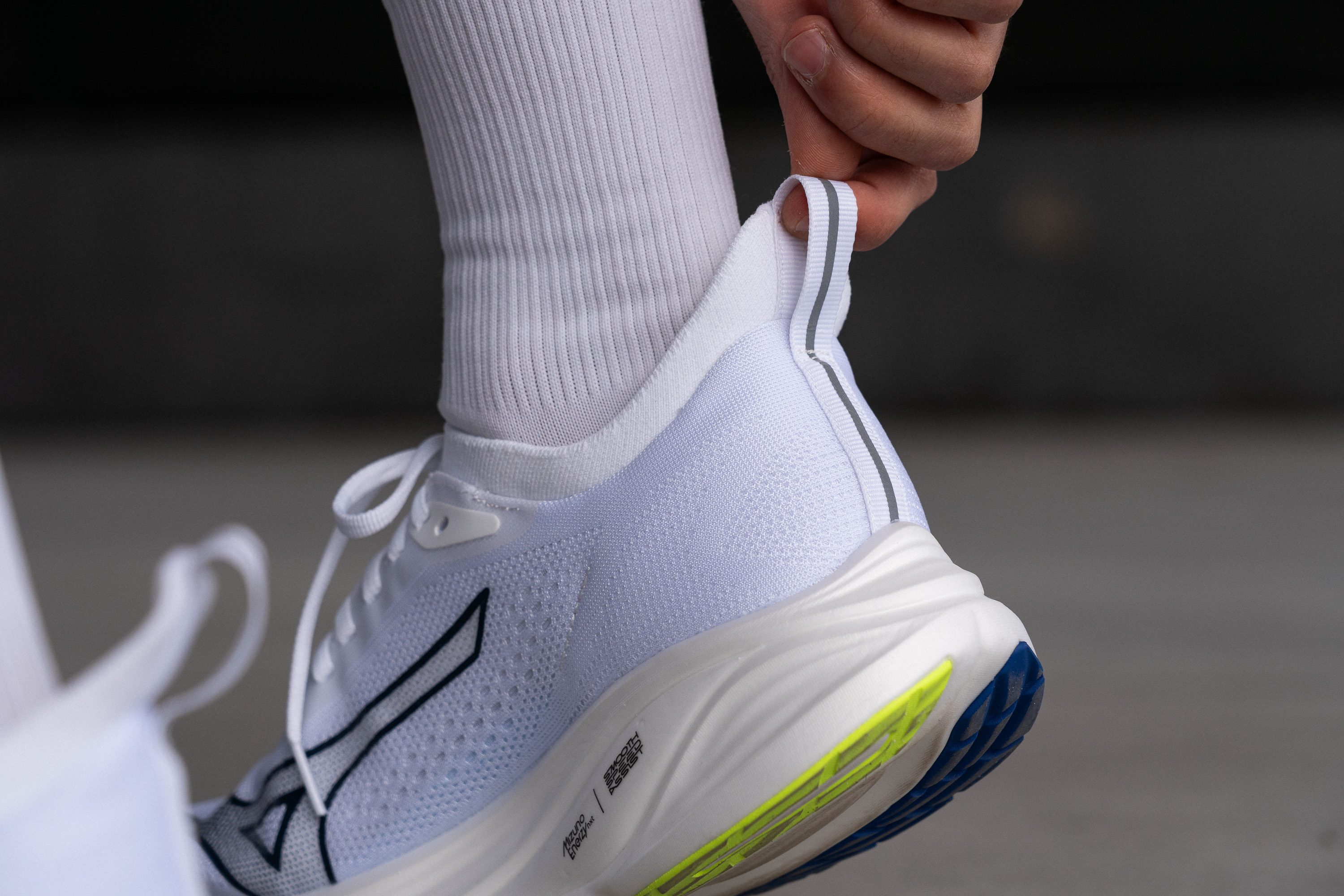
| Neo Zen 2 | Finger loop |
Price
The Mizuno Neo Zen 2 sits somewhere between Pegasus-style daily trainers and more premium options, and that position can also be problematic. At its current price, the limited bounce may feel underwhelming, and many runners may prefer either a more energetic midsole or a more traditional upper that offers greater comfort for the same cost.
| Neo Zen 2 | $160 |