7 Best Walking Shoes For Seniors in 2026

We buy shoes ourselves. We earn commissions when you buy through us, at no extra cost. Why trust us
Disclaimer: Please consider this guide general advice and consult a podiatrist for personalised shoe recommendations, especially if you experience discomfort or pain, or if you have health conditions that require special footwear features.
As our feet and bodies undergo natural changes with age, our footwear standards also change. For seniors over 65, a comfortable and supportive shoe becomes way more than just a whim. It is an essential tool that encourages movement and supports greater independence without causing sore feet or loss of balance.
Having considered all the latest research on footwear recommendations for older people, we have scoured our extensive shoe database to filter out the top picks below:
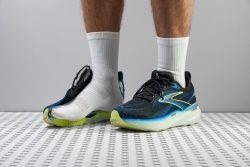

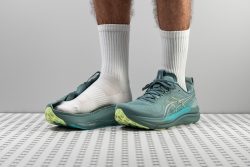
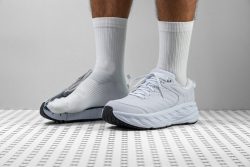

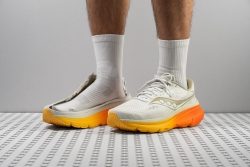
How we test walking shoes for seniors
As an independent shoe-testing lab, we choose and purchase all the shoes we test ourselves. No brand sponsorships are accepted here.
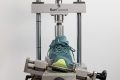
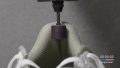
First, we perform some on-foot testing to get a good feel of the shoe. Then we take the shoe to our facilities and run dozens of tests and measurements, yielding 30+ data points across various parameters. When it comes to walking shoes for seniors, we pay particular attention to essential characteristics like cushioning, stability, traction, and fit.
All our protocols are standardised and adhere to industry-acclaimed standards such as SATRA and ASTM.
Best walking shoes for seniors overall








What makes it the best?
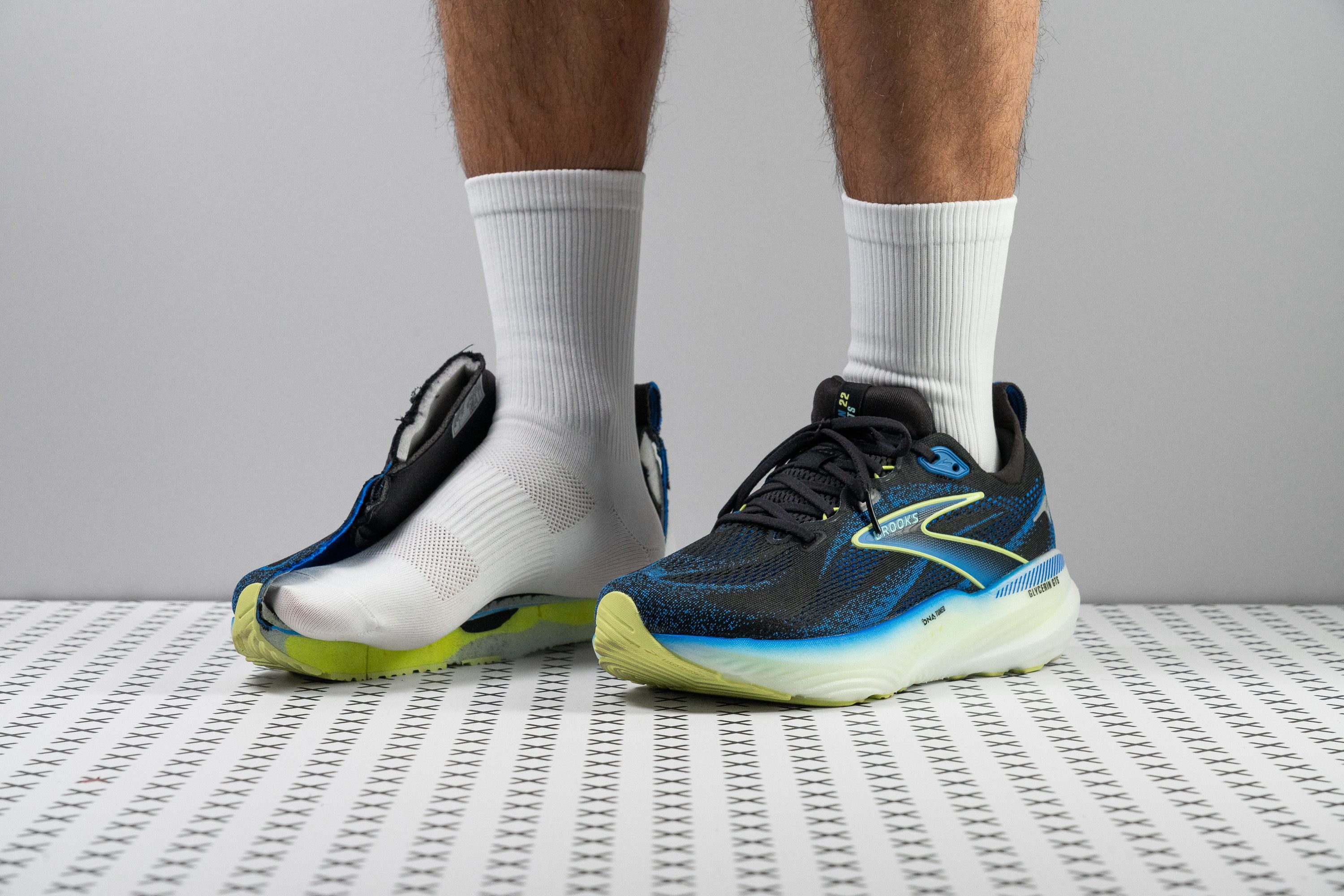
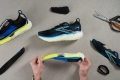
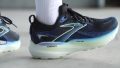
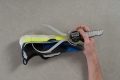
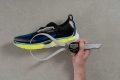
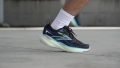
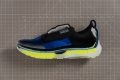
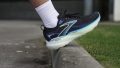
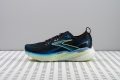
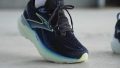
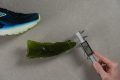
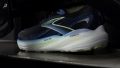
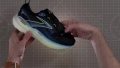
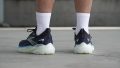
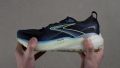
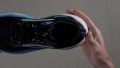
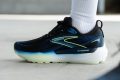
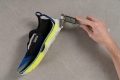
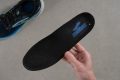
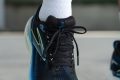
The Brooks Glycerin GTS 22 is loaded with all the elements older folks need: impact protection, support, and lasting comfort. Therefore, it’s our top senior’s walking shoe. Its generous cushioning complements the GuideRails system to deliver a well-cushioned yet surefooted experience.
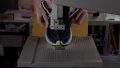
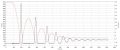
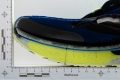
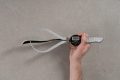
Glycerin GTS 22 breaks the norm by keeping its stack tall without feeling too bulky. It features a highly-cushioned 37.8 mm heel, balanced by a more moderate 27.7 mm forefoot. It’s very joint-friendly because of its exceptional shock absorption, backed up by solid ratings of 122 SA (heel) and 109 SA (forefoot).
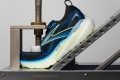
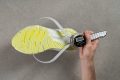
Glycerin GTS 22 features the GuideRails technology, cradling our foot within the shoe. This innovation ensures essential stability, reducing excessive lateral movements and injury risks. Our manual tests show outstanding resistance to twisting, earning a top 4/5 torsional rigidity rating.
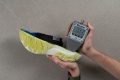
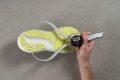
Thankfully, the case is not the same in terms of longitudinal flexibility. Glycerin GTS 22 even came out 4.6% more bendable than average in our flex test, proving its all-day comfort and versatility.
However, we can’t recommend this shoe to seniors seeking a very plush platform. Those looking for a softer cushion should check alternatives, since this may sacrifice support.
Pros
- Fantastic stability
- Impressively cushioned
- All-day comfort
- World-class outsole durability
- Superb lockdown with zero slippage
- Extra-breathable mesh
- Multiple width options
- New DNA Tuned midsole
- Does the job as a casual shoe
Cons
- Slightly heavy
- EVA-based foam lacks energy return
- Small price bump
- Small price bump
Walking shoes for seniors with the best shock absorption


What makes it the best?
The Saucony Hurricane 26 provides substantial cushioning on our strolls, which undeniably makes it our best shock-absorbing walking shoe for seniors. Despite its maximalist nature, it feels exceptionally stable with its broad platform and all-weather traction, as confirmed by our lab tests.
It has a skyscraper stack with calliper measurements of 38.3/32.4 mm. The midsole reduces the forces of each landing, giving us bottomless comfort and excellent joint protection as we pound the pavement. Our shock absorption test returns a strong score of 145 SA in the heel, exceeding the average by 30%.
While most maximalist shoes are unsteady, this shoe has several stability elements to secure our steps. It features the CenterPath technology and a broad 129.8/112.3 mm platform that stabilises the ride by supporting our feet and keeping them aligned. It also has supportive sidewalls that guide our footing. At this rate, it’s less likely for older folks to twist their ankles.
The outsole feels dependable no matter where we set foot. Our wet-condition test records a 0.69 friction coefficient, making the Hurricane 26 32% grippier than average.
The Hurricane 26 features a moderate 5.9 mm drop. We suggest seniors with calf, ankle, or Achilles tendon issues go for a trainer with a steeper offset for better comfort and support.
Pros
- Excellent energy return from brand-new foam
- Great choice for marathon training
- Perfect for long runs
- Smooth heel-to-toe transitions
- Breathable design
- Supportive platform without excessive stiffness
- Traction is better than ever before
- Surprisingly lightweight for its gargantuan size
- Good durability scores
- Premium comfort
- A super-trainer stability shoe!
Cons
- Insanely broad midsole may feel overly bulky
- Price can be a real hurdle
- Slightly less stable than top rivals
Walking shoes for seniors with the best stability




What makes it the best?
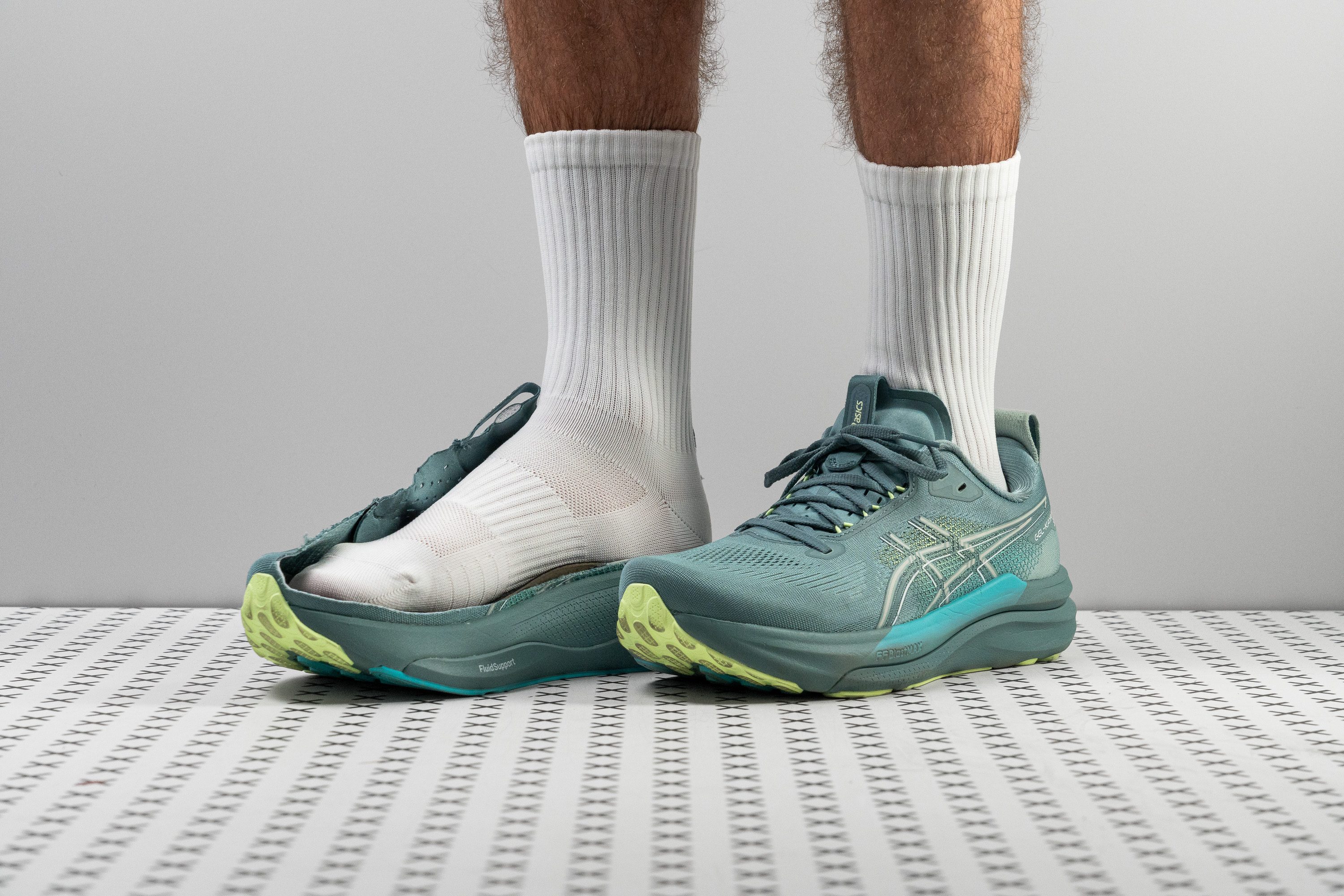
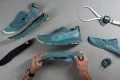
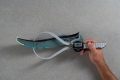
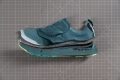
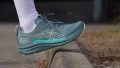
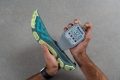
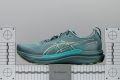
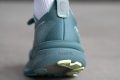
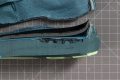
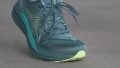
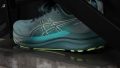
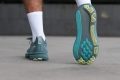
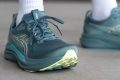
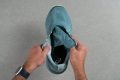
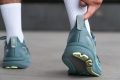
The ASICS Gel Kayano 33 perfectly blends luxurious comfort with confident footing, characterised by its shock-absorbing platform, FluidSupport system, and unmatched traction. Lab results back up the exceptional cushioning, surefootedness, and unwavering traction we enjoyed. However, GK33 stands out with its solid stability among walking shoes for seniors.
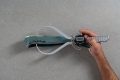
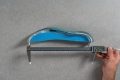
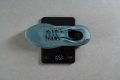
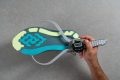
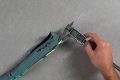
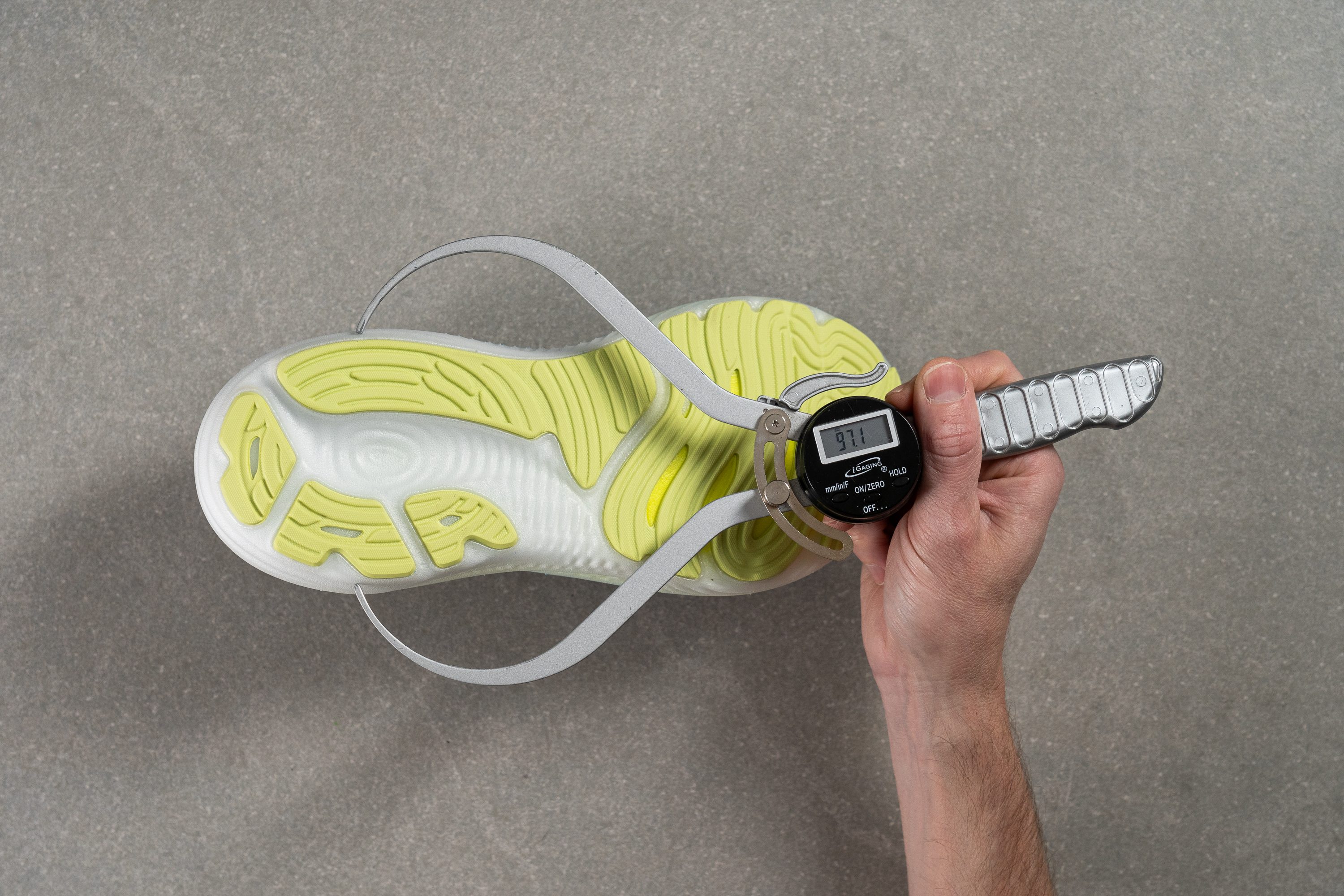
At the core of GK33 is the FluidSupport system and a really broad platform. Its technology uses a firmer foam positioned well to support our feet as we pronate. Moreover, we measured a massive 120.7/97.1 mm base that effectively brings a centred ride.
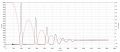
Because its stability is so effective, it manages to pack tonnes of foam in the midsole, measuring 36.8/28.3 mm. GK33 offers serious leg protection, especially since it reduces impact better than average, as proven by its exceptional 132 SA score in the heel.
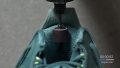
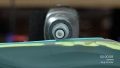
From slippery tiles to rainy sidewalks, we could walk around mindlessly. We observed the Hybrid ASICSGRIP rubber in our traction test, and it scored a superb 0.93 rating, one of the highest we’ve seen! For reference, this makes GK33 a whopping 80% grippier than average, leaving us with no room for doubt.
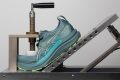
However, its extra thickness also increased the shoe’s resistance to foot-bending. Seniors who prefer a more natural sensation on foot should aim for more flexible pairs.
Pros
- Softest-ever Kayano
- More natural support without sacrificing stability
- Dependable durability
- Premium-grade comfort
- Avoids a price hike
- Improved lacing system
- Refined, modern outsole
- Works for all footstrikes
- Finally a foam upgrade
Cons
- But still delivers low energy return
- Less stable for extreme overpronators
- Feels heavy
Best slip-resistant walking shoes for seniors





What makes it the best?
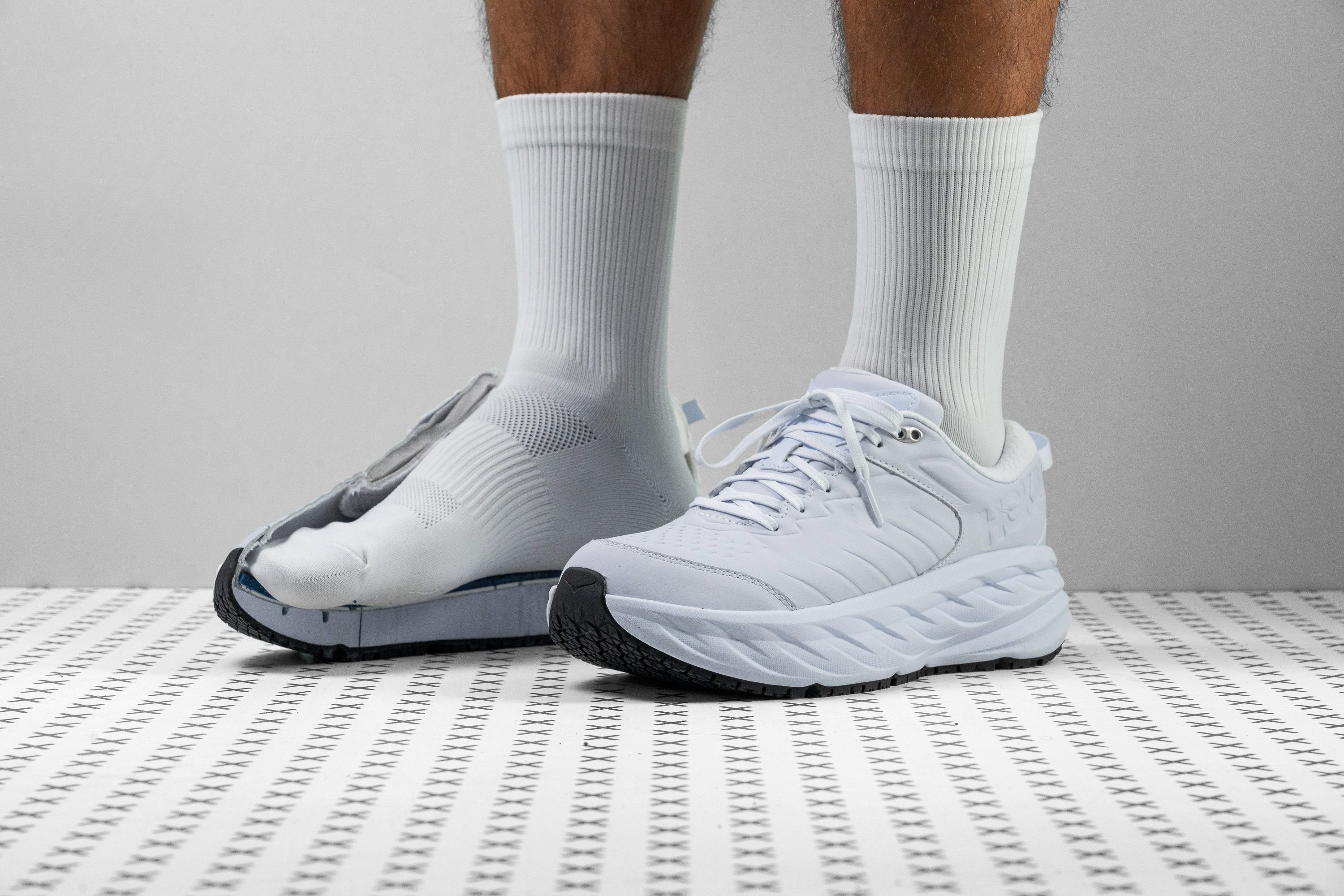
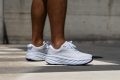
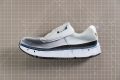
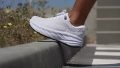
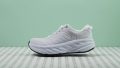
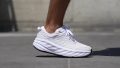
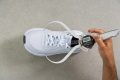
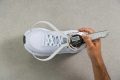
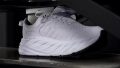
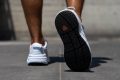
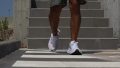
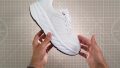
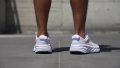
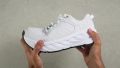
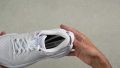
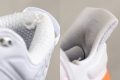
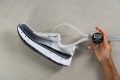
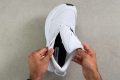
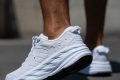
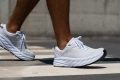
To handle the forces of repetitive strides on the streets, HOKA Bondi SR features solid impact protection and a reliable grip to help us reach our step count goal. Our lab tests validate that it’s the best slip-resistant walking shoe for seniors, along with subtle guidance features to keep us safe and surefooted.
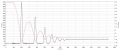
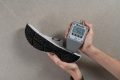
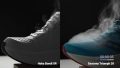
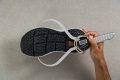
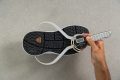
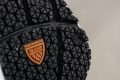
With Bondi SR’s solid 0.84 friction score in our traction test, it erases any doubts about handling slippery tiles or smooth pavements. We could control each stride, rain or shine, since the outsole is 67.4% grippier than average. This feature is a must to avoid risking any slips or falls.
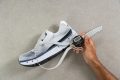
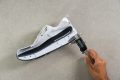
Underfoot is a massive 39.4/31.2 mm cushioning that offers lasting comfort, especially with its exceptional 111 SA or shock absorption score.
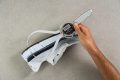
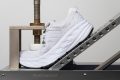
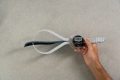
Surprisingly, this maximalist offers confidence-inspiring steps thanks to its stiff construction and vast base. It greatly resists excessive lateral movements and ankle twists, proven by its solid 5/5 rating for torsional rigidity. Our calliper also confirms the base is massive at 124.1/102.2 mm. Plus, it features a curvy shape that promotes smooth forward movement.
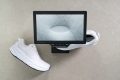
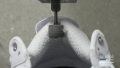
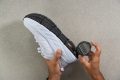
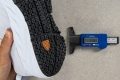
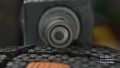
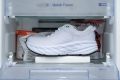
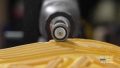
Unfortunately, we can’t have it all. Our Dremel tore into the outsole at 2.5 mm deep, one of the worst we’ve seen in the lab. Seniors looking for a daily beaters should opt for a more durable pair.
Pros
- Comfort is off-the-charts
- Extra thick cushioning for all-day support
- Smooth heel-to-toe transitions
- Alleviates foot discomfort (podiatrist approved)
- Stable for a neutral shoe
- Truly slip-resistant outsole
- Superior material quality
- Water-resistant leather upper
- Accommodating toebox
Cons
- Heavy and bulky
- Not breathable
Best lightweight walking shoes for seniors


What makes it the best?
The HOKA Arahi 9 shines as a lightweight option for seniors, keeping our outdoor walks steady, comfortable, and easy. Our lab work shows that its low weight, impact protection, supportive H-Frame system, and unwavering grip create a smooth, confidence-inspiring ride.
We knew the shoe was light as soon as we slipped it on, but the number on the scale is still impressive. At 9.8 oz (278g), it’s 5% lighter than the average walking shoe.
Its generous foam, reaching 38.0 mm in the heel, explains the comfort we experienced during prolonged walks. Not only that, it delivers superior shock absorption of 138 SA, making it 24% more protective than average, perfect for seniors who need added joint protection.
This shoe is meant to bring steadiness to our walks, as it features the H-Frame feature, composed of a firmer foam for added support. We felt stable because of its ability to keep us centred. The broad 96.0 mm heel also offers tonnes of space for us to secure our footing.
When the weather turns ugly, the Arahi 9 offers reliable grip, proven by its high 0.64 result in our traction test. At this rate, it’s 30% grippier than the average walking shoe!
However, its mild support won’t be enough for older folks who are severe overpronators. If more heavy-duty stability is needed, we suggest finding a more structured pair.
Pros
- Stable support without a rigid feel
- Improved traction on wet roads
- Very good durability
- Ideal for easy miles
- Works for runners with Haglund's
- Smooth heel-to-toe transitions
- Enhanced upper
- Can handle daily use without any issue
- Available in D, 2E and 4E widths
- Clever lacing system
Cons
- Disappointing energy return (again)
- Price increase feels difficult to justify
- Heavier than its predecessor
- Non-gusseted tongue is a miss
Walking shoes for seniors with the best breathability




What makes it the best?
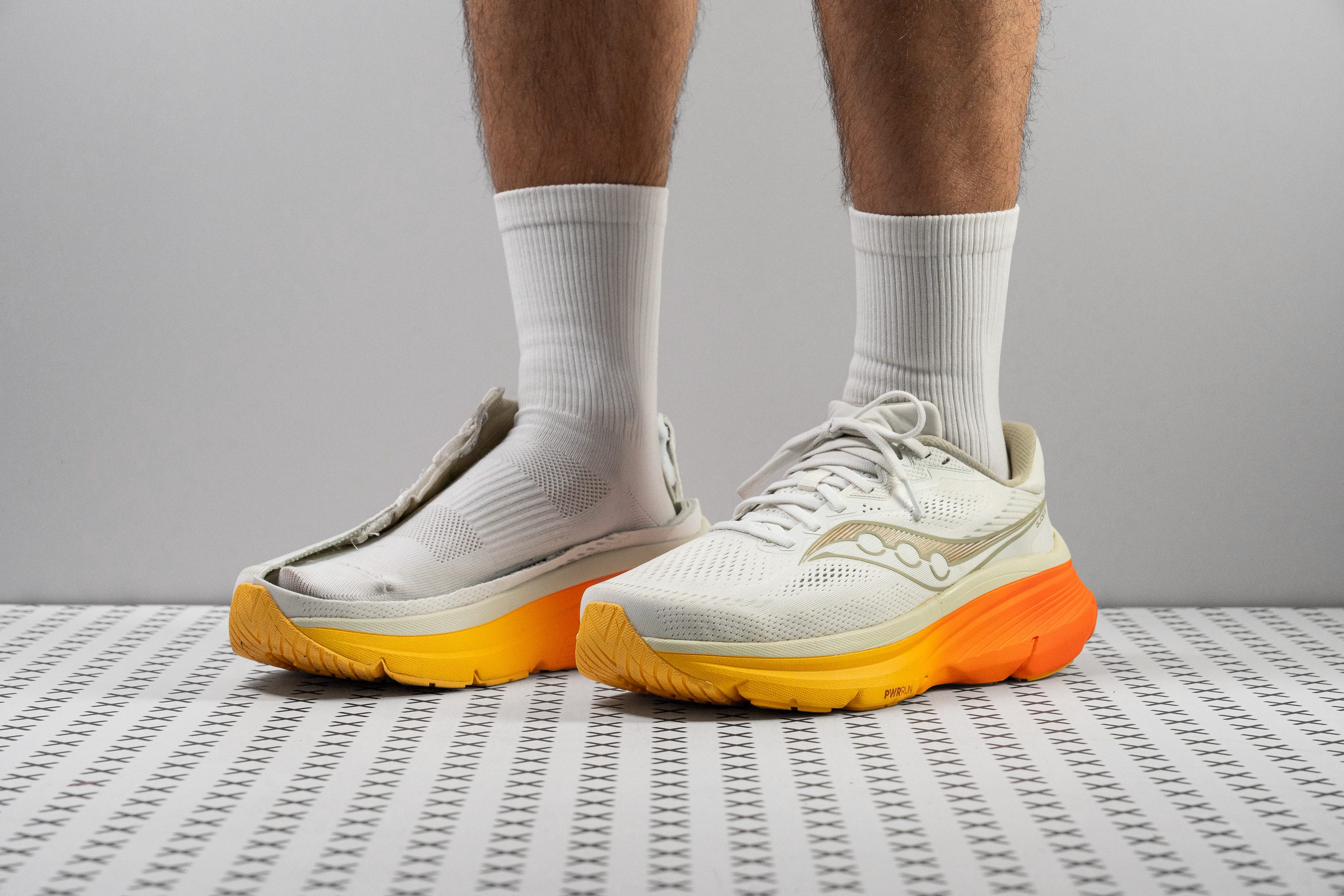
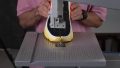
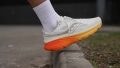
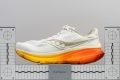
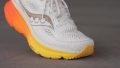
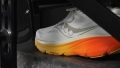
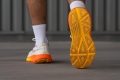
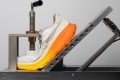
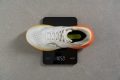
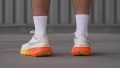
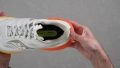
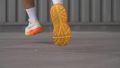
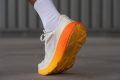
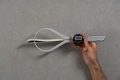
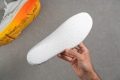
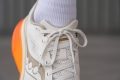
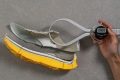
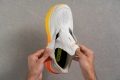
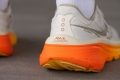
The Saucony Guide 19 feels forgiving and effortless on our strolls, with lab tests proving its flexible yet supportive build. It offers much-needed joint protection, yet stands out in the lab with the best breathability among senior walking shoes.
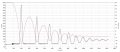
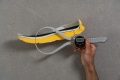
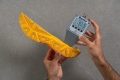
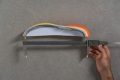
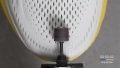
The Guide 19 doesn’t trap our body sweat, keeping our feet comfortably dry and reducing the risk of chafing or blisters. We tested the shoe in our 3-hour test, and it scored an outstanding 93 BR rating! For context, this means it’s 24% better at pulling sweat away from our feet compared to average.
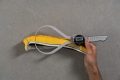
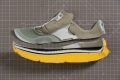
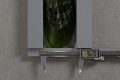
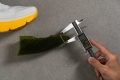
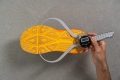
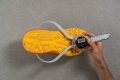
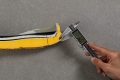
Its soothing persona is further emphasised by its loose build. The midsole is easy to manoeuvre, as it emerged 19% more flexible than the average walking shoe in our bend test. However, it still offers a great deal of support through the CenterPath technology, which combines tall sidewalls and an extra-wide 120.0/104.2 mm base for stable footing.
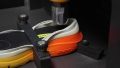
Amazingly, it doesn’t skimp on cushioning, as we measured a tall 37.4/31.4 mm platform. Moreover, the heel can reduce impact on our muscles and joints by a lot, as we recorded a solid 144 SA rating in our shock absorption test.
However, note that the 6.0 mm drop won’t suit seniors dealing with calf or Achilles tendon issues. These situations require a shoe with a steeper offset.
Pros
- Top-tier breathability
- Massive platform delivers excellent support
- Flexible feel despite being a stability shoe
- Excellent outsole durability
- Softer foam improves daily comfort
- Secure lockdown
- Keeps the same price
- Improved aesthetics
- Well-designed rocker for smooth transitions
- Perfect for midfoot strikers
Cons
- Needs to lose weight
- Not for extreme heel strikers
- PWRRUN starts to feel dated
Best budget walking shoes for seniors




What makes it the best?
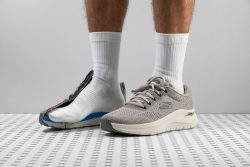
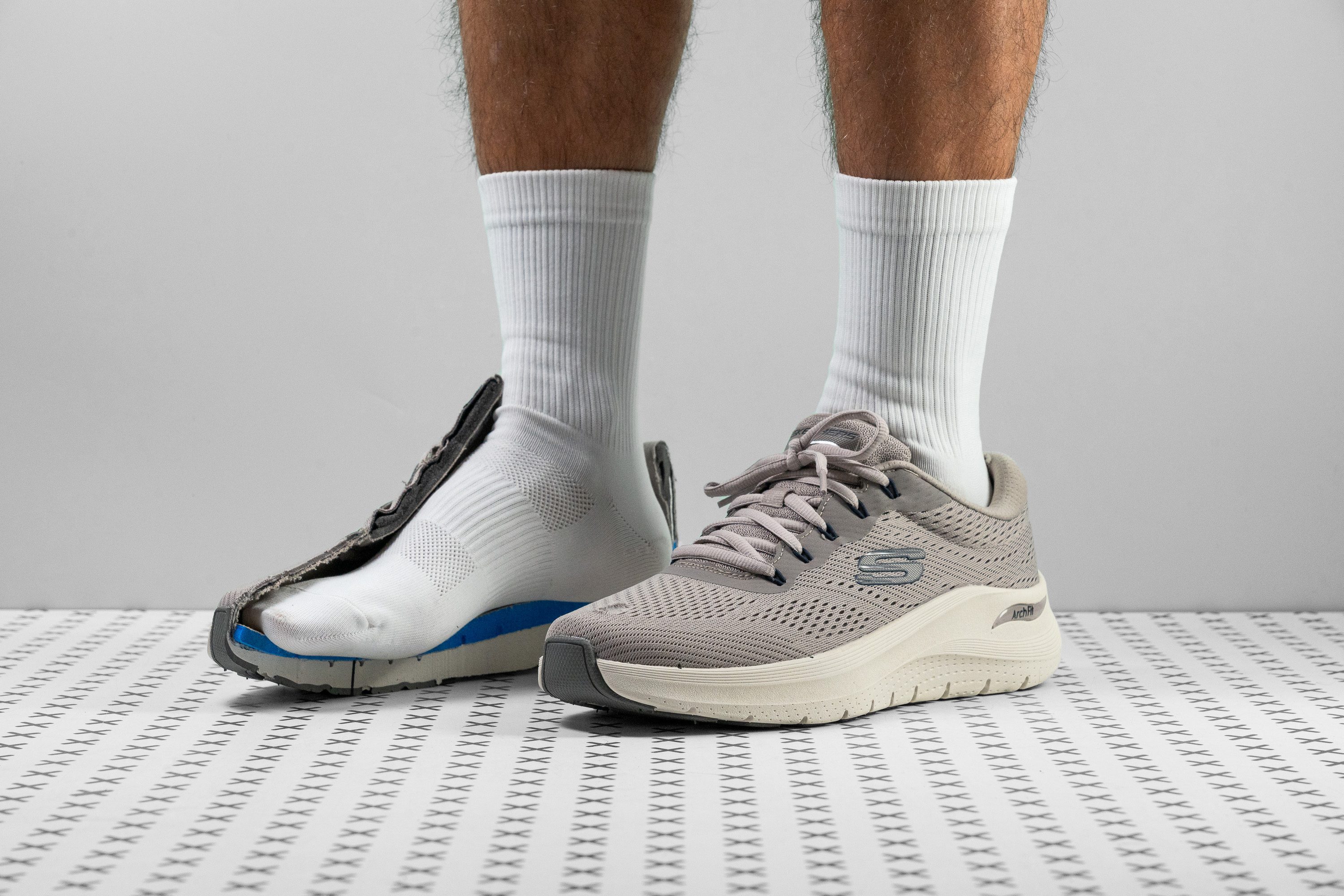
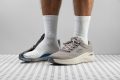
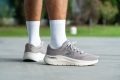
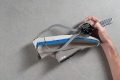
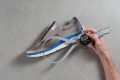
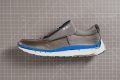
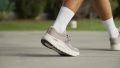
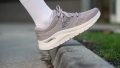
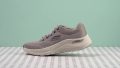
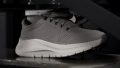
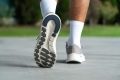
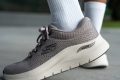
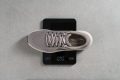
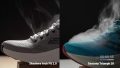
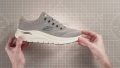
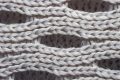
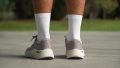
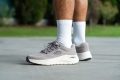
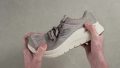
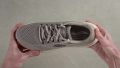
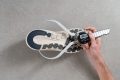
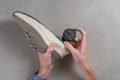
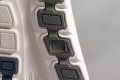
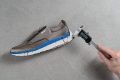
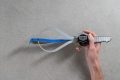
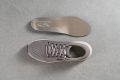
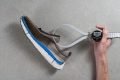
As we can tell from its name, the Skechers Arch Fit 2.0 delivered the most amazing arch support in our strolls. It protects our joints and muscles without compromising our safety, perfect for elders who need more assistance. What’s amazing is how we enjoyed all-day support for only £80, making it our best budget seniors walking shoe.
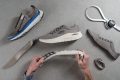
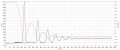
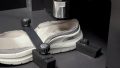
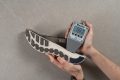
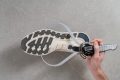
Despite being 24.4% cheaper than average, the AF 2.0 has much to offer. It isn’t one of those cloud-like shoes, but it feels comfortable due to the amount of shock-absorbing foam beneath our feet. It has one of the tallest stack heights we’ve measured so far in the lab at 39.2/24.0 mm. Testing for its ability to reduce ground forces, we recorded an exceptional shock absorption score of 134 SA in the heel.
We measured a steep 15.2 mm drop that feels supportive because there's less strain on our ankles and Achilles—great for those with lower leg issues or foot pain.
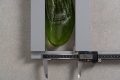
Moreover, we felt well-planted to the ground because of its broad platform, evidenced by calliper measurements of 114.5/90.0 mm.
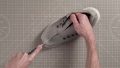
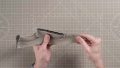
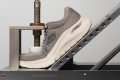
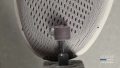
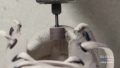
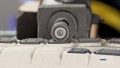
However, we don’t expect this shoe to last long because of its disappointing performance in our Dremel test across the board. Seniors seeking a long-lasting pair should invest in more premium walking shoes.
Pros
- Amazing support for overpronation
- Tonnes of cushioning
- Wide and stable platform
- Lighter than the Arch Fit 1.0
- Perfect for all-day wear
- Padded and cosy interiors
- Great traction on wet and dry surfaces
- True to size
Cons
- Very poor breathability
- Lacks durability
What to look for in the best walking shoes for seniors
Given the lack of education about proper footwear, ageing adults often end up wearing ill-fitting shoes or shoes that do not meet their health needs!
According to the WHO, adults over 60 suffer the greatest number of fatal falls, with unstable shoes proving to be one of the preconditions. In fact, walking shoes play such a major role in postural control that inappropriately selected shoes can even modify the wearer’s walking pattern!
Conversely, the right footwear can minimise the risk of slips, trips, and falls among senior citizens while offering comfort and a stronger sense of independence.
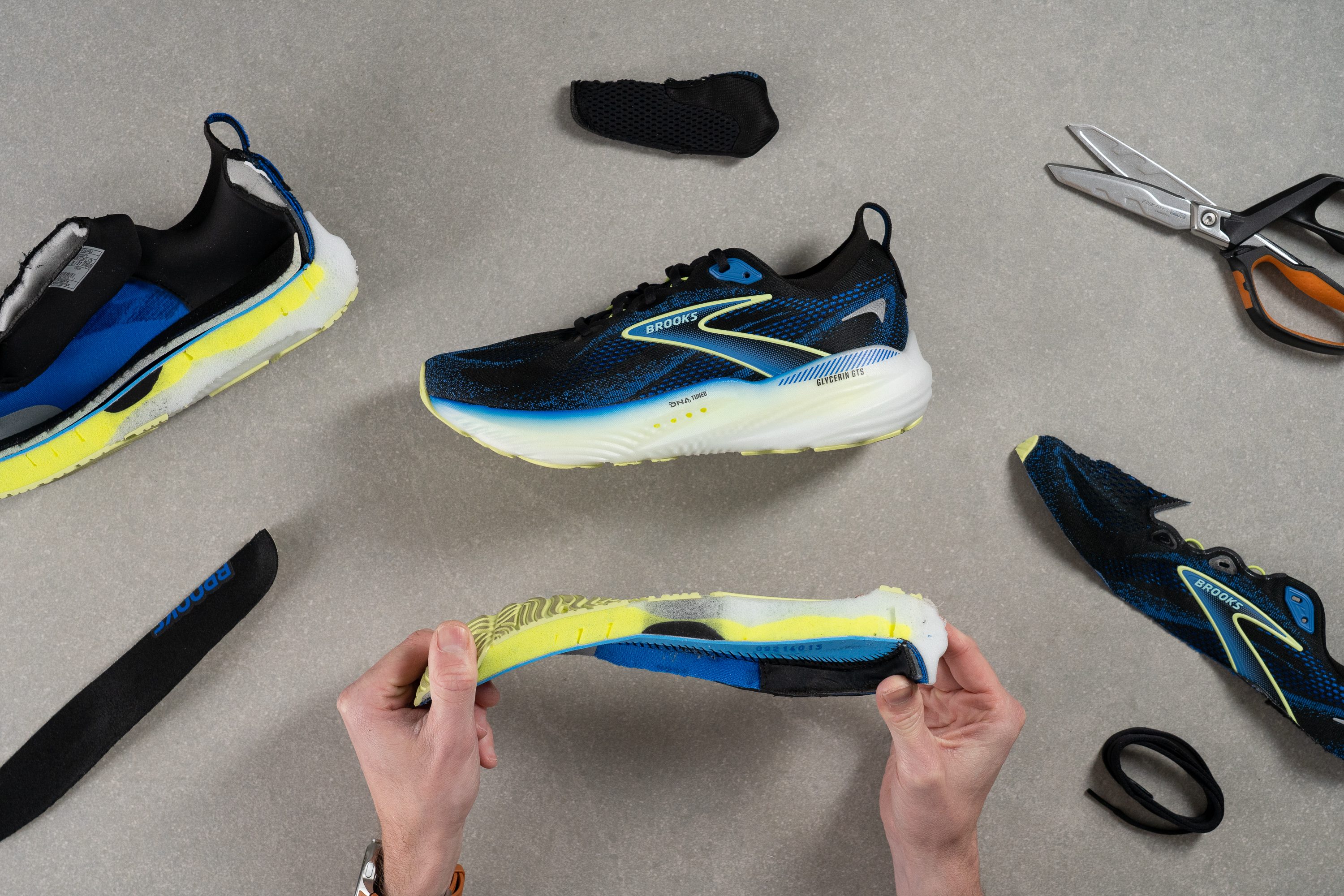
Based on the current body of research (Menant, 2008; Jelemma, 2019; Amiez, 2021; Azhar, 2024; Kim, 2024; Chever, 2025) and our own findings, here is what makes a good walking shoe for mature feet:
- Good shock absorption
- Moderate stack height
- Moderate cushioning softness
- Reliable support and stability
- Flat or lightly-rockered platform
- High outsole traction
- Proper fit
Looking at such an extensive list of shoe criteria, we are not surprised that so few older adults wear suitable walking shoes daily!
1. Good shock absorption
Well-cushioned (but not plush) walking shoes absorb more impact, protecting the wearer’s joints and bones. They reduce foot and leg fatigue and enhance comfort.
Better underfoot padding is also essential for ageing feet, as natural fat pad loss occurs at both the heel and the ball of the foot.
2. Moderate stack height
Shoes with lower heels and platforms keep the ride more grounded.
We found a heel stack of 30-40 mm to be optimal for senior wearers, as it keeps the foot slightly off the ground while still providing enough underfoot support and cushioning.
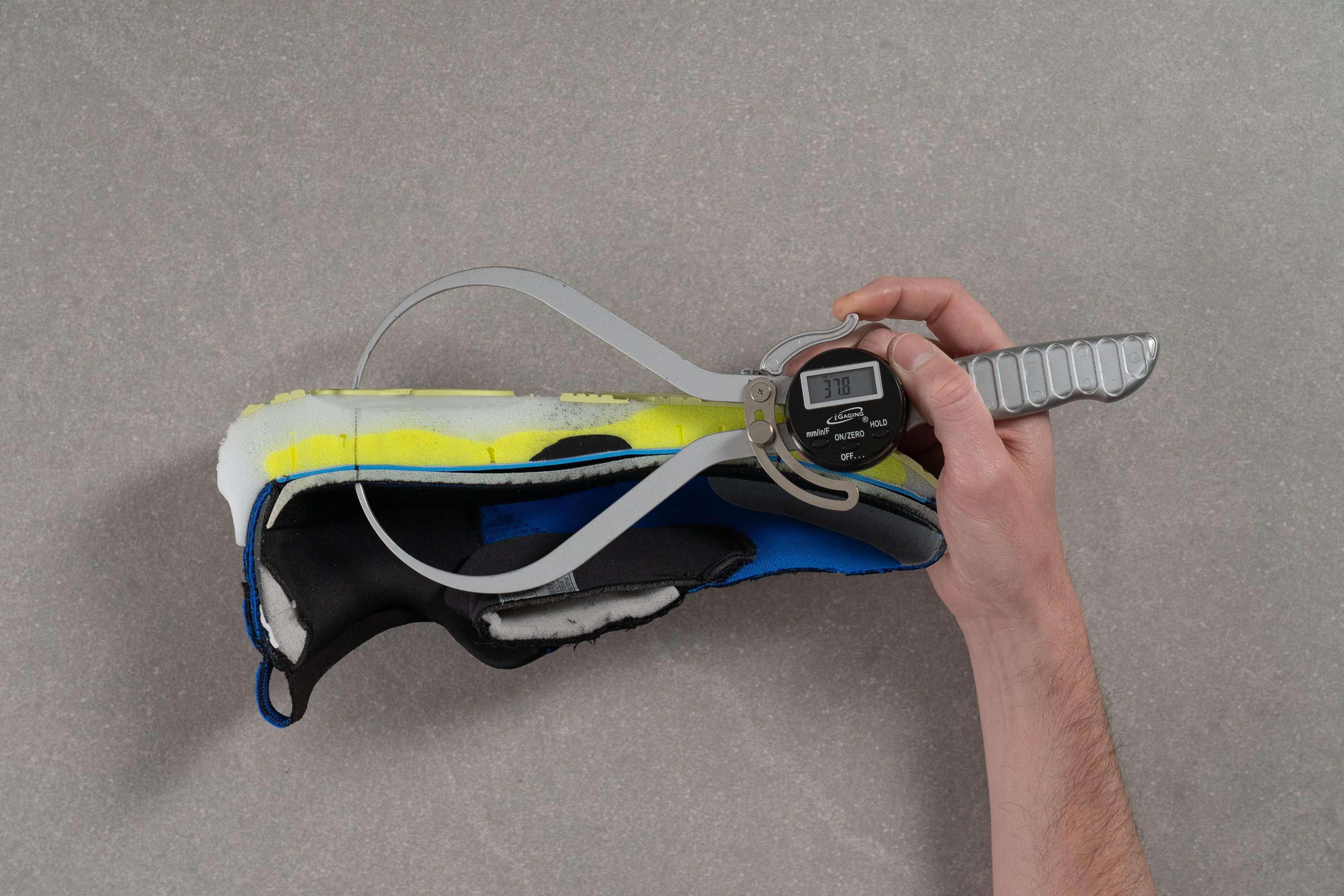
We also recommend choosing shoes with a moderate heel-to-toe drop of 6-12 mm. An offset that’s too low (0-6 mm) can put stress on the Achilles, while the overly elevated heel (12+ mm) can feel too unstable and result in a forward foot shift.
3. Moderate cushioning softness
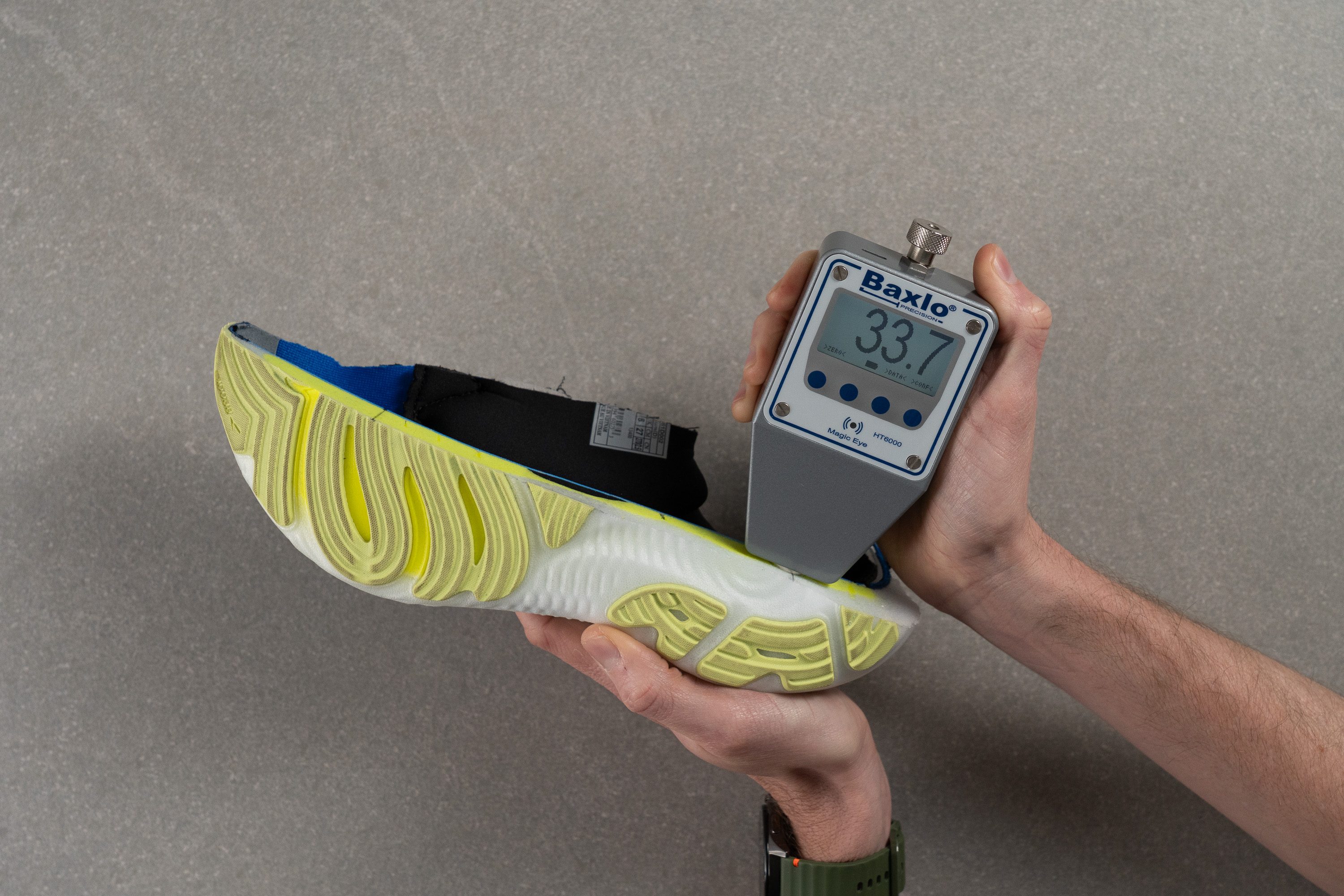
Medium- to firm-density, or even hard-density, midsoles provide a more stable, wobble-free base, enhancing dynamic control and balance.
4. Solid side-to-side support
There are a few components to the shoe’s stability:
Wide midsole: Broader midsole dimensions, particularly in the heel, increase stability by offering a broader landing area.
High torsional rigidity: Firm, wide midsoles, along with the shoe’s overall supportive construction, make it stiffer in the midfoot. Thus, you should not be able to twist the shoe along its length so easily.
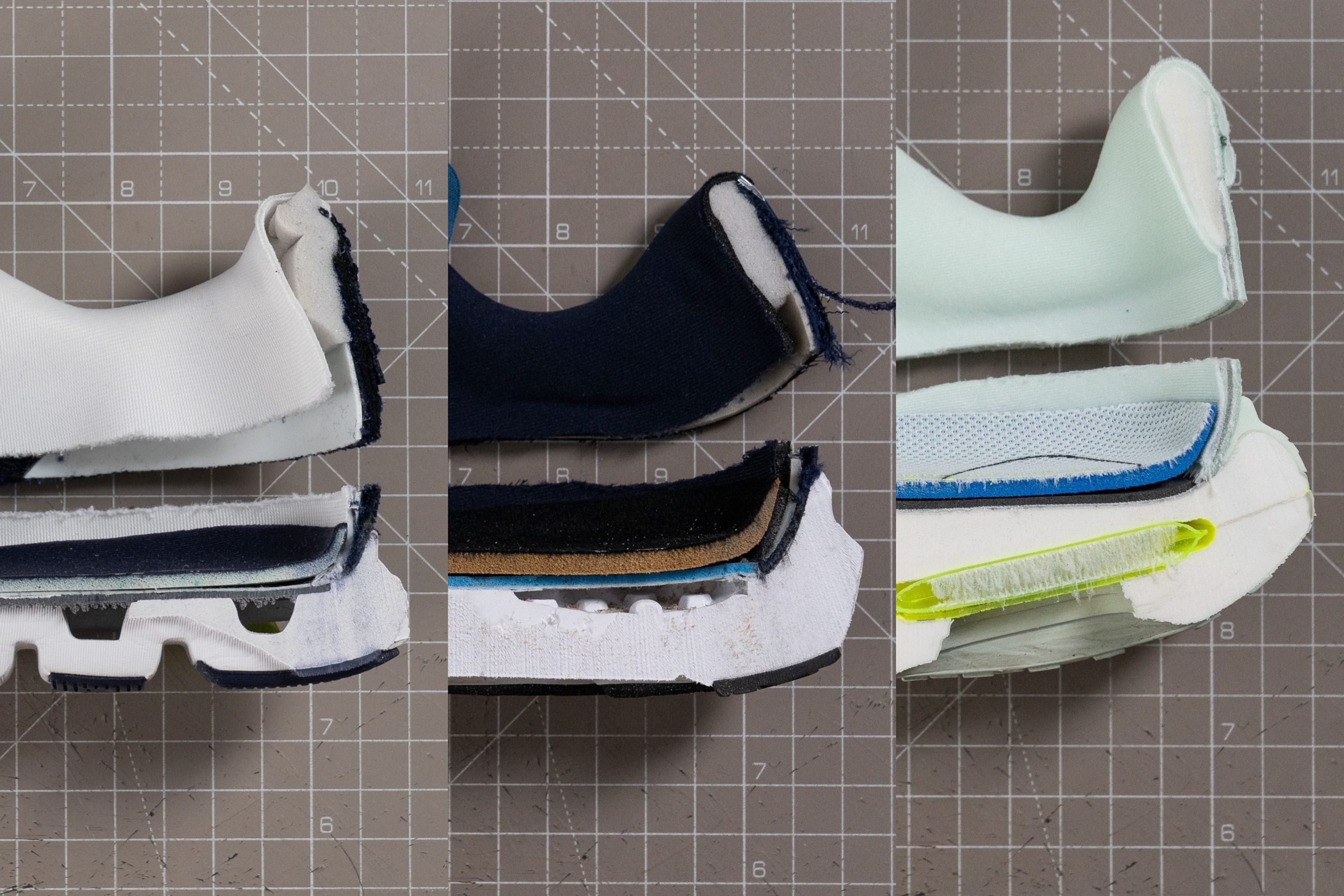
Stiff heel counter: A structured heel counter that doesn’t fold or collapse easily and offers a snug fit around the heel and ankle improves stability and reduces postural sway.
The lack of a heel counter is one reason why wearing open-heel designs like slippers, sandals, and flip-flops is not optimal for older adults with balance issues, as they don’t provide the necessary rearfoot support.
5. Flat or lightly-rockered platform
Aggressive rocker-bottoms of most athletic shoes today exacerbate balance issues and reduce stability in older people.
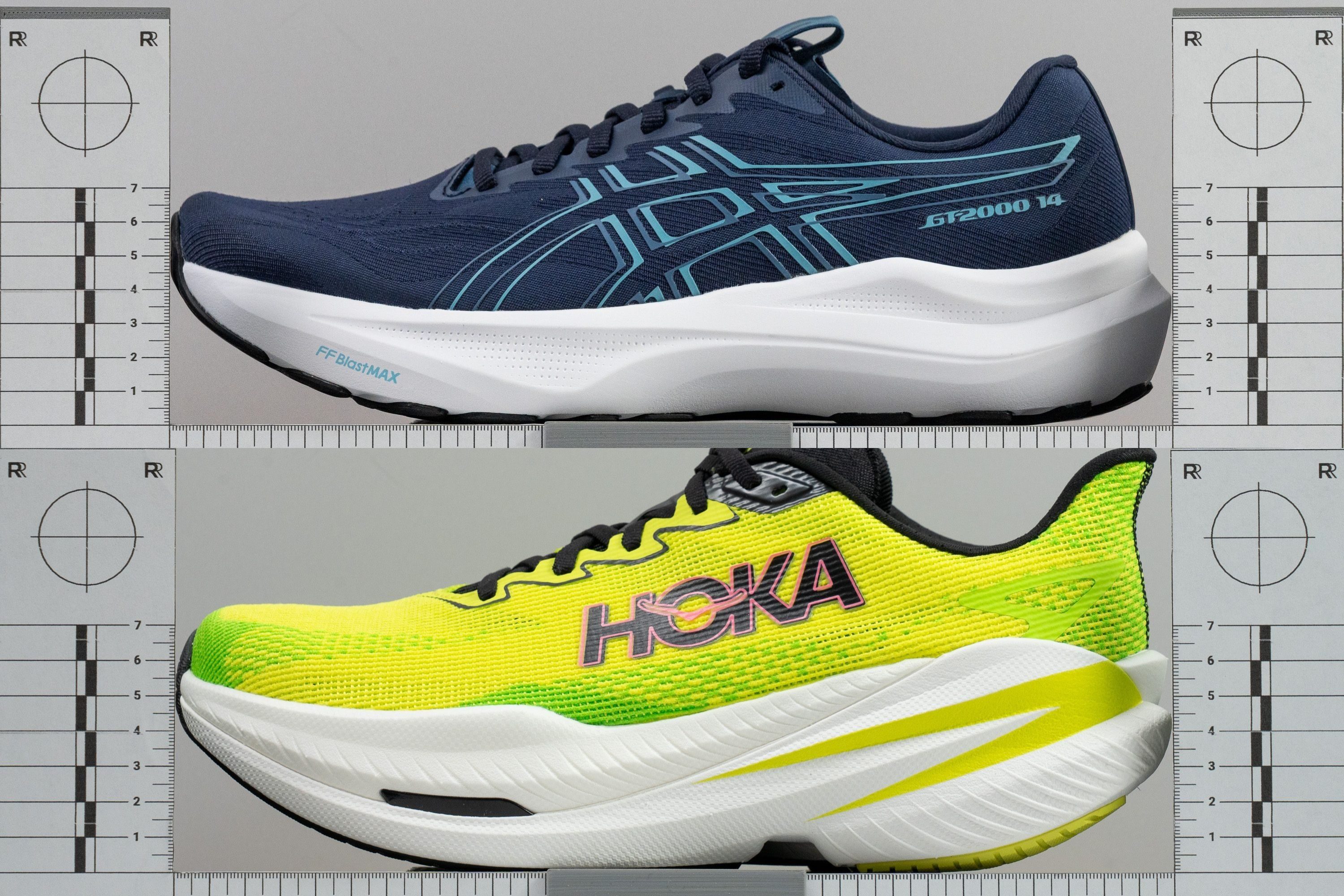
However, low-degree heel bevels and moderate toe rockers are a welcome design feature for senior walkers, as they make heel-to-toe transitions smoother.
6. High outsole traction
The risk of falling is much higher on smooth or wet surfaces, so older people must choose walking shoes with a grippy outsole.
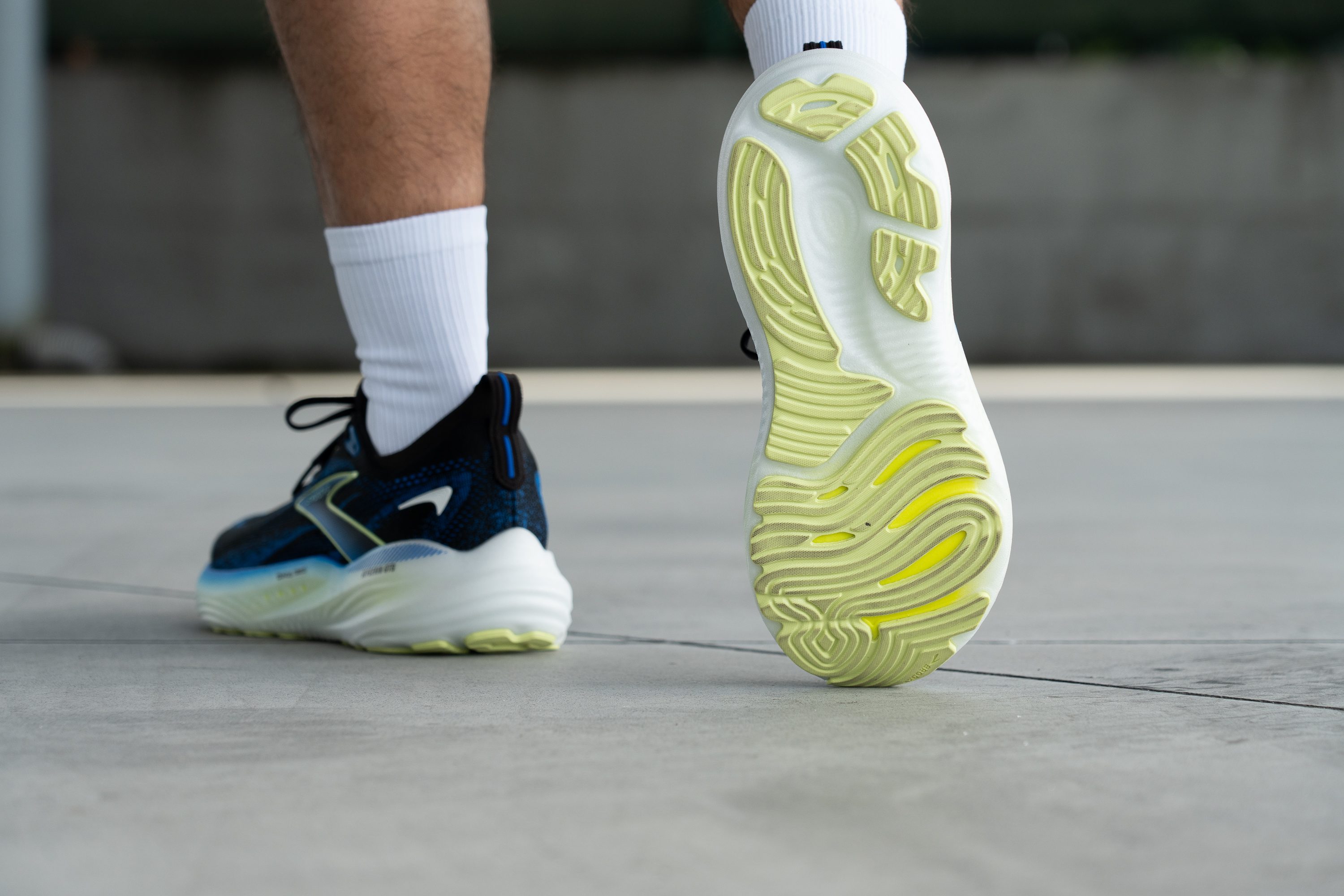
The bottom of the shoe should be sufficiently covered with textured rubber and not worn enough to lose traction. In a recent study, the outsoles of 90% of participants were either partially or fully worn, increasing the risk of slippage!
Some researchers even recommend that older individuals use specialised shoes with non-slip soles instead of normal soles.
7. Proper fit
Our feet continue to grow and change shape even into older age, so it is important to remeasure your foot length at least once every 2 years. In a recent study, as many as 72% of senior participants wore shoes that did not fit correctly on both feet!
When trying the shoe on for the first time, look for the following:
- Length: There should be about a thumb-width of space in front of your longest toe.
- Width: There should be no pressure on the sides of the foot or on top of the instep.
- Toebox: There should be enough horizontal and vertical wiggle room to accommodate toe splay and prevent pressure points and potential pathologies (corns, calluses, neuromas, etc.).
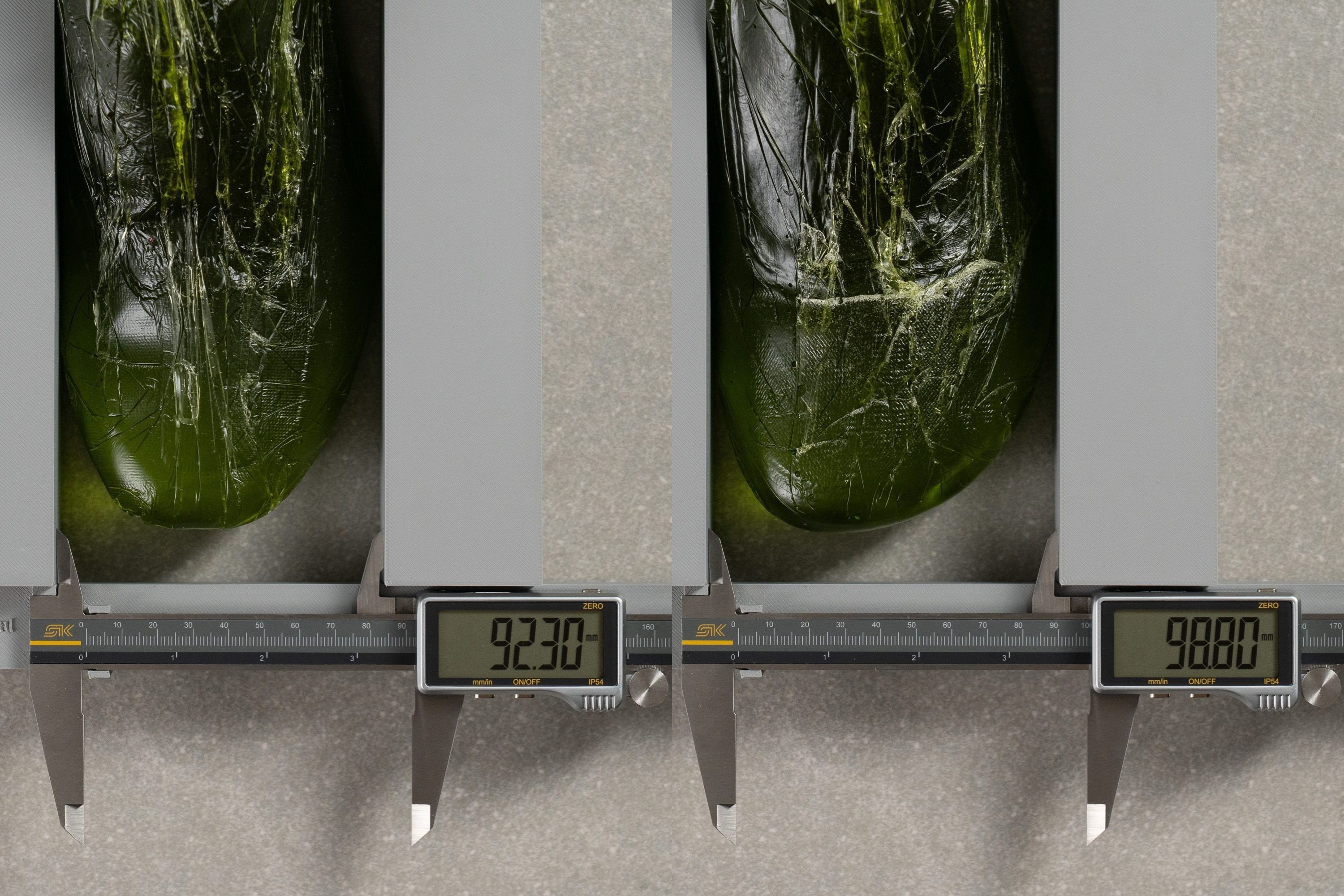
Walking shoes must fit well straight from the box, and if they don’t, please return or exchange them for a different size. Don’t rely on a break-in period to fix the problem.
Always measure your feet and try on shoes in the afternoon. That’s because our feet tend to swell after walking or standing.
If you have a prescribed custom orthotic, make sure that it fits inside the new shoe.
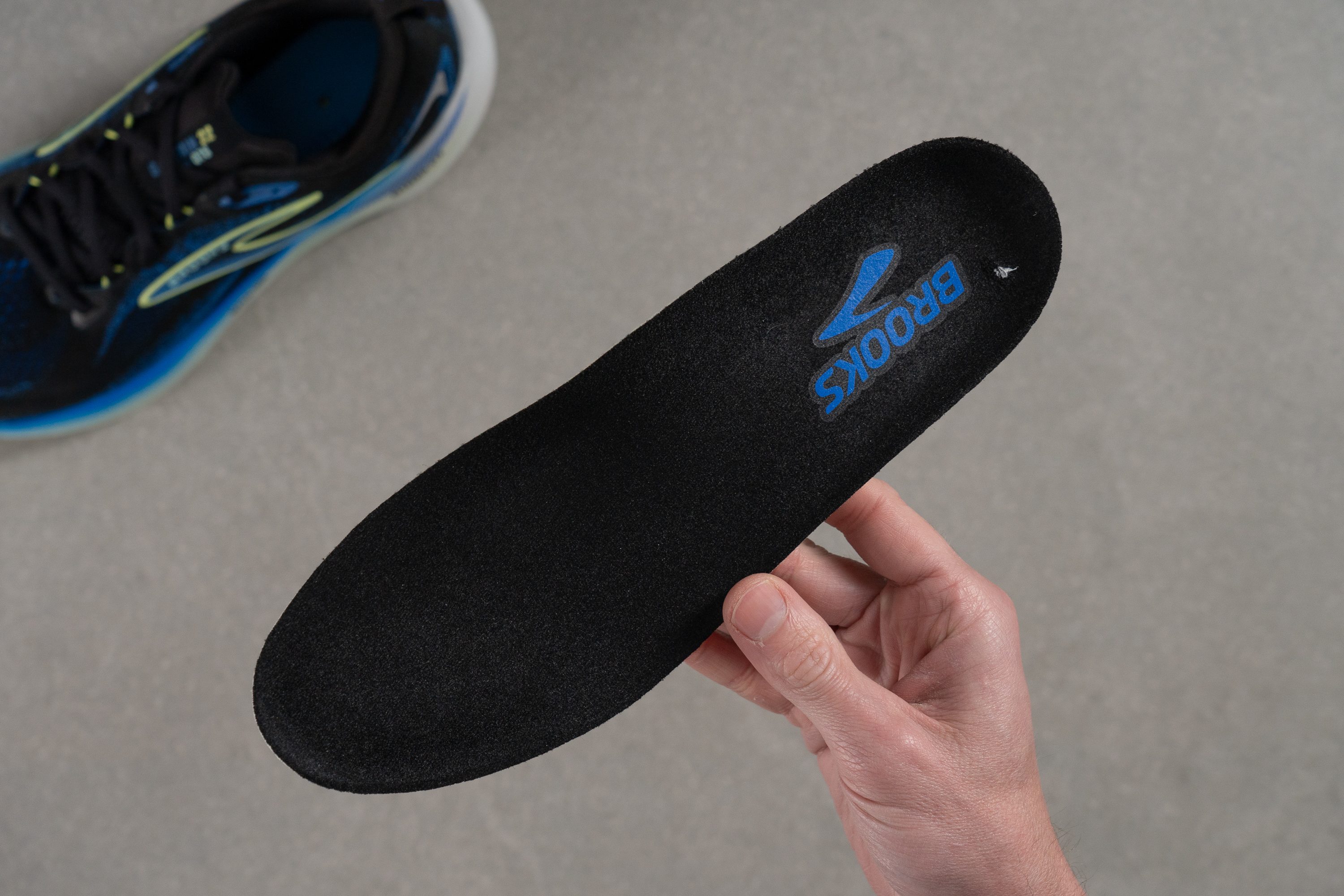
PLEASE NOTE that the recommendations above are general and may vary based on a person’s clinical needs and personal preferences.
General shoe recommendations for various health conditions
Because older age is associated with complications like mobility and balance impairments, plantar fasciitis, osteoarthritis, diabetic neuropathy, bunions, hallux rigidus, hammertoes, and other painful conditions, the importance of proper walking shoes cannot be overstated.
Below we provide some general guidelines on walking shoes for various health conditions, but please consult your doctor for more personalised advice:
Flat feet and overpronation
Falls and postural sway aside, older people with flat feet and overpronation will also benefit from stable shoes to prevent their arches from collapsing and their ankles from rolling excessively inward.
Look for shoes that are tagged as 'Stability' as they will have proper arch support, high torsional rigidity, a stiff heel counter, and a wide base.
Best walking shoes for flat feet and overpronation
Plantar fasciitis
Although plantar fasciitis is inflammation of the muscle responsible for the arch of the foot, it most often presents as heel pain. To alleviate that discomfort, you would want better shock absorption in the heel, higher torsional rigidity, a stiffer heel counter, and a wider base.
An orthotic may be prescribed depending on the severity of the condition.
Best walking shoes for plantar fasciitis
Bunions
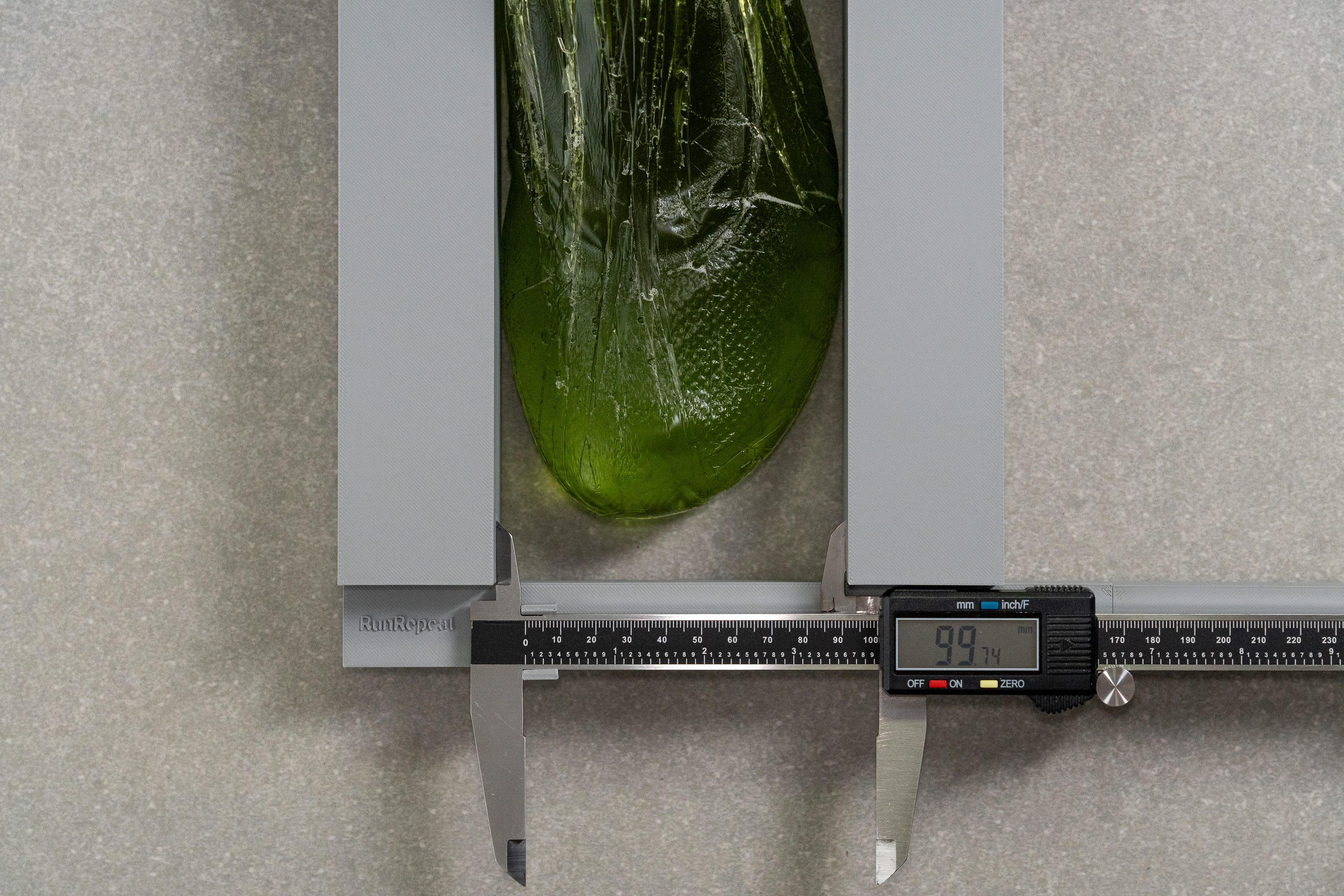
Very common in older adults, bunions require shoes with sufficient width at the ball of the foot. Wide widths (2E, 4E) may therefore be considered. It’s also best to choose shoes with soft, flexible, and stretchy upper materials that don’t put pressure on the bunion.
Hammertoes
Hammertoes and similar toe deformities require increased toebox height and a soft, flexible upper fabric.
Hallux rigidus
Go for rocker-bottom shoes with stiffer soles and accommodating toeboxes (both wide and high).
Diabetic neuropathy
Older people with diabetes need shoes with thicker, better-padded insoles, seamless interiors, extra depth in the upper, and a wider toe box to reduce friction and lower the risk of foot ulcers.
Knee pain (osteoarthritis or other causes)
Shoes with a minimal heel lift and a lower drop of 4-6 mm can help reduce knee loads and pain. Also look for better shock absorption, particularly in the forefoot.
Limited mobility
People who struggle to bend over to put on their shoes or have limited hand dexterity will benefit from shoes with easy pull-on designs (e.g., Skechers Slip-Ins). But if you’re considering slip-on designs, please make sure that they have at least moderately stiff heel counters.
Fungal infections/odour
Consider shoes with breathable uppers and moisture-wicking textile linings to prevent sweat buildup.
Wearing shoes at home may be necessary for older people
Surveys show that 34% of the elderly walk either barefoot or in socks at home, and 67% report wearing slippers. Curiously, research also shows that the use of socks and slippers actually impairs balance in senior citizens.
That’s why wearing supportive shoes even at home can be beneficial for people with balance problems who want to prevent falls and support their independence at home.
Shoe maintenance is important for senior wearers
Walking shoes inevitably lose their cushioning, support, and grip over time so paying attention to their condition is important. This includes:
- Regular cleaning: Removing stuck dirt and debris helps to slow down material degradation.
- Inspecting shoes for signs of wear: Worn-out outsoles can increase the risk of slips and falls; compressed midsoles fail to provide the right amount of impact protection and lateral stability; holes in the upper can cause discomfort and irritation.
- Replacing insoles: Replacing insoles every once in a while maintains in-shoe comfort.
Similar buying guides