7 Most Durable Walking Shoes in 2026

We buy shoes ourselves. We earn commissions when you buy through us, at no extra cost. Why trust us
How do you assess a walking shoe’s durability when shopping online? Product photos hardly reveal the true quality of its build and materials. Other buyers’ reviews are subjective and are not always relevant to your case. And even if you have a shoe in your hand at the store, how do you know it will hold up over time?
Looking for a solution, we developed a series of standardised durability tests in our lab to let you know which walking shoes can take a beating.
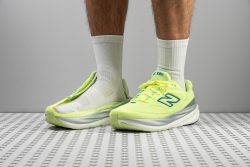

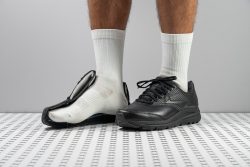
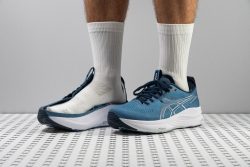
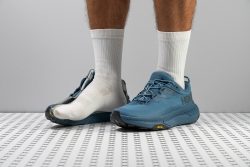
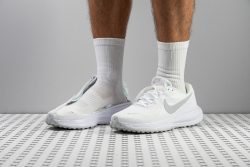
How we test most durable walking shoes
Our process starts with selecting walking shoes to test (see our pipeline page) and purchasing them with our own funds to avoid brand influence.
We then perform a wear test on each pair to assess how it feels on the foot, how sturdy its construction and materials are, and whether it shows any early signs of wear under real-life conditions.
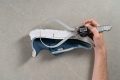
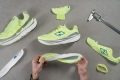
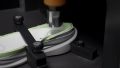
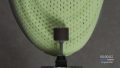
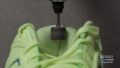
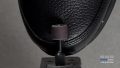
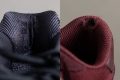
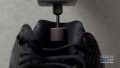
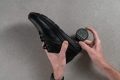
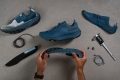
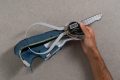
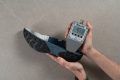
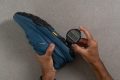
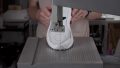
After that, we take the shoe to the lab and use a range of tools and machines to pick it apart and measure more than 30 data points related to durability and other features. We actually use a Dremel to test the durability of the toebox, heel padding, and outsole. People have different priorities; some wear out the outsoles first due to excessive overpronation or harsh surfaces, others want durable heel padding because they don't use a shoehorn or they have bony heels, etc. We even torch the leather uppers to tell you if it's real or not. Although that isn't always the best indicator of durability (there are many nuances), you can decide for yourself.
The results are presented in our in-depth reviews and comparison tables for walking shoes, and the most durable ones make it into this guide's top picks.
Best durable walking shoes overall


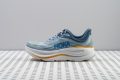



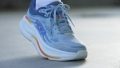













What makes it the best?
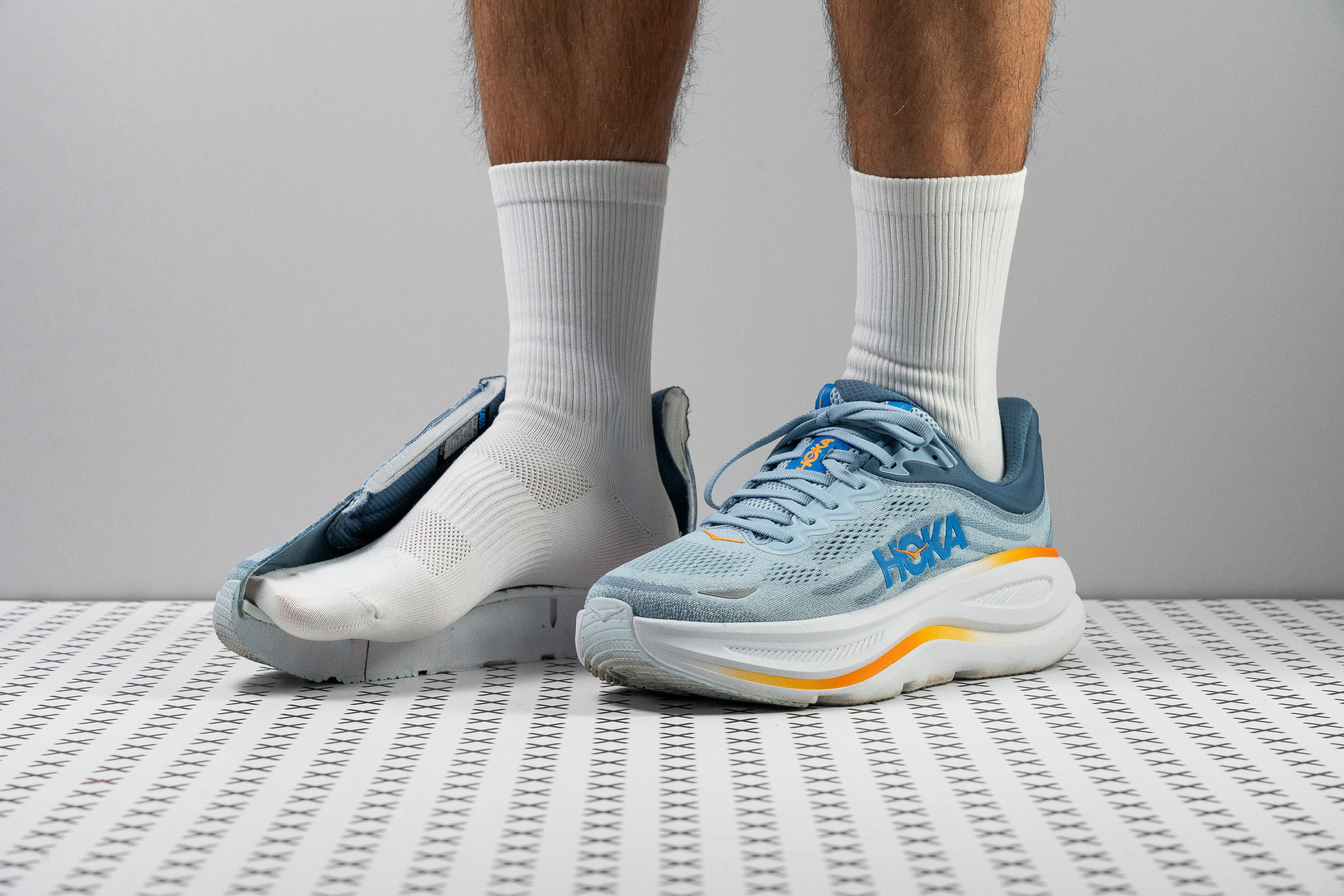
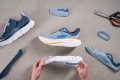
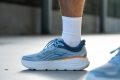
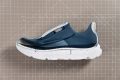
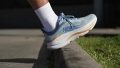
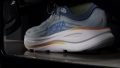
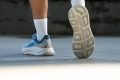
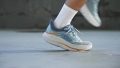
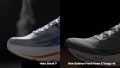
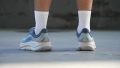
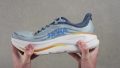
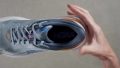
The HOKA Bondi 9 is truly one of a kind, blending unmatched comfort with all-around wear resistance. What’s even more impressive is how it remains so easy on the feet with its bouncy feel. Lab tests verify it’s the top contender in the durable walking shoe category.
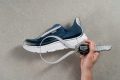
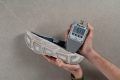
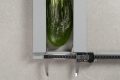
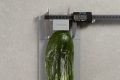
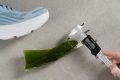
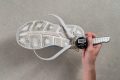
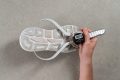
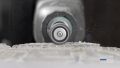
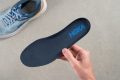
Durability is a standout feature here. The shoe surpassed the lab average in every Dremel test, showing only 0.9 mm of outsole wear and scoring a robust 4/5 for toebox durability and 5/5 for heel padding durability.
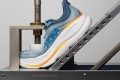
Its sturdy exterior is balanced by a plush interior, composed of bottomless cushioning that recorded a staggering 41.3/32.2 mm height. No shortage of comfort here! The heel also proved to be exceptionally protective with its 146 SA shock absorption score, which means it’s 12% more cushioned than average.
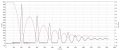
We thought the shoe would be heavy with all the foam and sturdiness. However, it feels lighter than its actual weight because of the bouncy midsole. Measuring for energy return in the heel, we recorded a solid 60.2%!
However, its narrow toebox doesn’t match its oversized frame. Those expecting a spacious sensation inside won’t find that here. We recommend those with wide feet to check more accommodating models.
Pros
- Endless cushioning
- New supercritical EVA midsole
- Amazing step-in comfort
- Doubles as a walking shoe
- Stable for its height
- Built to last
- Excels at slow-and-steady paces
- Well-designed heel collar
- Lighter than v8
Cons
- Not for wide feet
- Still feels heavy and clunky underfoot
- Drop measurement differs from stated
- Non-gusseted tongue
Durable walking shoes with the best shock absorption












What makes it the best?
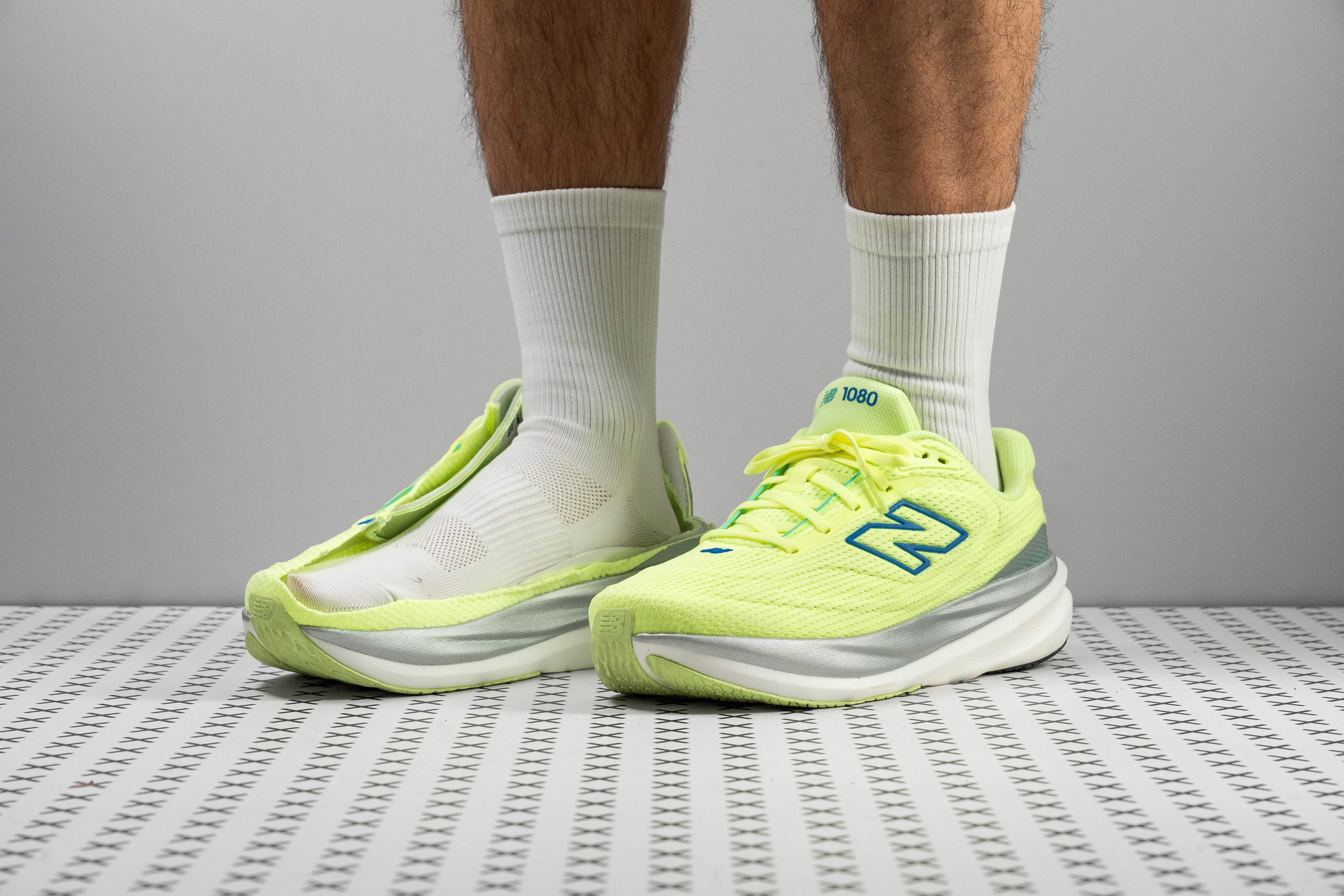
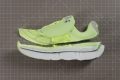
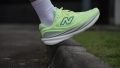
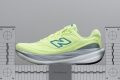
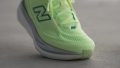
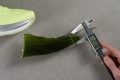
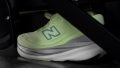
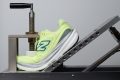
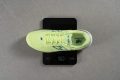
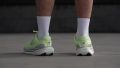
We felt at home in the New Balance 1080 v15 despite wearing it for long hours. It wrapped our feet in breathable comfort while offering reliable protection through its cushioned platform and sturdy construction, as validated by various tests in the lab. Among durable walking shoes, it dominates in shock absorption.
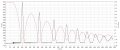
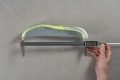
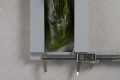
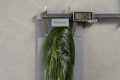
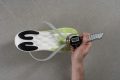
We went straight to the midsole in the lab, as we wanted to capture the deep comfort we felt in our strolls with figures. We measured a massive amount of Infinion foam beneath our feet, reaching 37.0/30.6 mm. The cushion itself reduces the impact of our steps, as the heel returned a solid shock absorption score of 147 SA, making it 13% more protective than average.
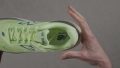
The knit upper has a luxurious feel, both in touch and breathability. It feels refreshing even during warmer days, and our smoke test confirms a high rating of 4/5. The breathable comfort it brings doesn’t sacrifice wear resistance, as the upper resisted our abrasion test well. With 5 as the most durable score, the toebox reached a solid 4/5.
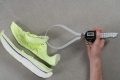
Note that we measured a mid drop of 6.4 mm, which may not suit folks with ankle, calf, or Achilles tendonitis issues.
Pros
- Exceptional plush comfort from top to bottom
- Long-awaited foam upgrade
- Noticeable weight reduction
- Reliable fit with multiple width options
- Dependable traction
- Feels more capable at faster paces
- Flexible and agile build
- Premium knit upper
- Superior reflective elements
Cons
- Slight price increase
- Ultra-plush foam will not suit everyone
- Limited stability
- Disappointing breathability
Durable walking shoes with the best stability


What makes it the best?
The HOKA Arahi 9 is a great combination of gentle and tough elements, delivering deep cushioning underfoot without compromising stability and protection. This shoe outlasts the average in our Dremel test, cementing its hard-wearing nature. However, our feet can’t deny it’s a top contender for stability among durable walking shoes.
We sliced the midsole and found a firmer foam called the H-Frame system. True to its name, it contains lateral forces and offers arch support. Moreover, we measured a broad 96.0 mm heel width, ensuring we land within the platform and don’t lose our balance.
Despite the firm foam, Arahi 9 dampens impact with the rear, returning a great shock absorption score of 138 SA. It’s 24% more protective than average and reaches a tall 38.0/27.7 mm stack for added comfort and muscle protection.
The Arahi 9 is protected by a sturdy exterior, particularly underfoot. Our Dremel only dug out 0.3 mm of rubber, which is so little compared to the 1.1 mm average! This pair can definitely handle daily use for a long time.
However, Arahi 9 is slightly stiffer than the average walking shoe. People looking for that natural and easygoing sensation should find more flexible alternatives.
Pros
- Stable support without a rigid feel
- Improved traction on wet roads
- Very good durability
- Ideal for easy miles
- Works for runners with Haglund's
- Smooth heel-to-toe transitions
- Enhanced upper
- Can handle daily use without any issue
- Available in D, 2E and 4E widths
- Clever lacing system
Cons
- Disappointing energy return (again)
- Price increase feels difficult to justify
- Heavier than its predecessor
- Non-gusseted tongue is a miss
Best durable leather walking shoes







What makes it the best?
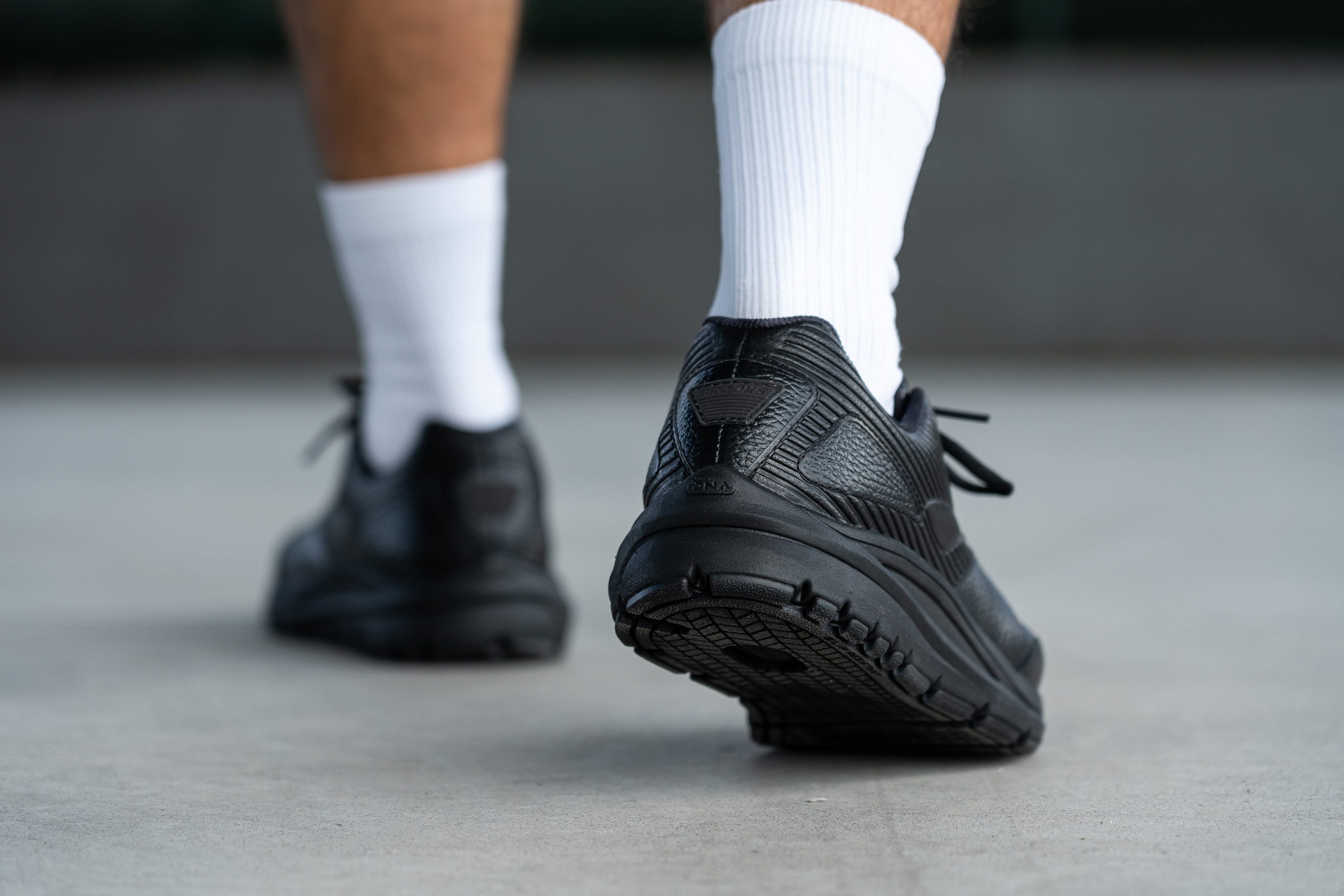
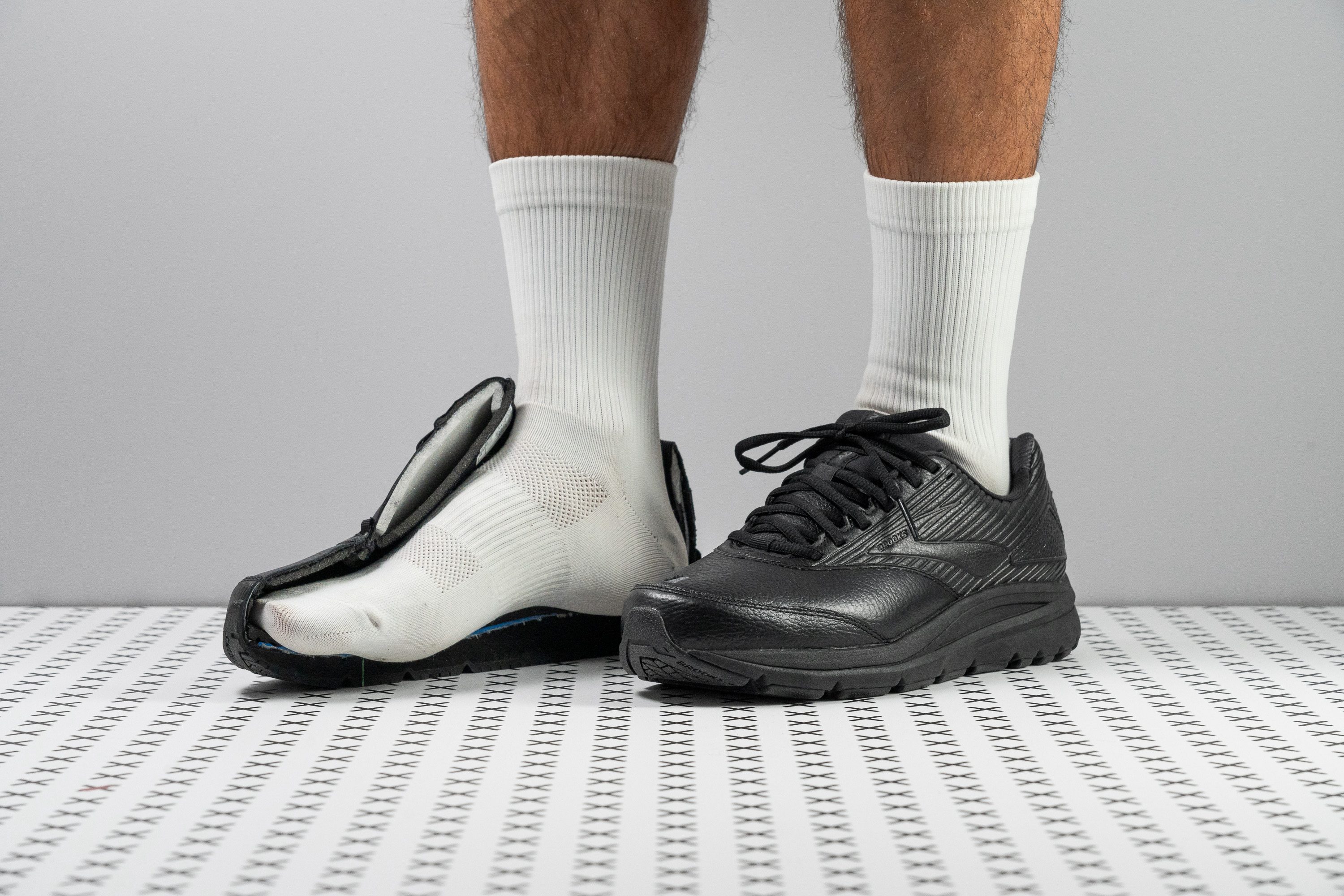
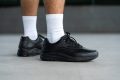
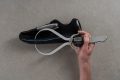
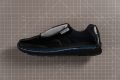
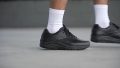
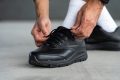
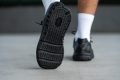
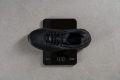
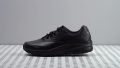
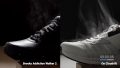
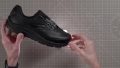
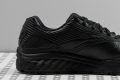
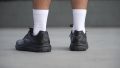
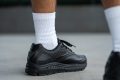
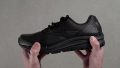
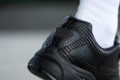
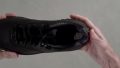
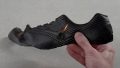
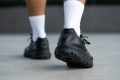
The Brooks Addiction Walker 2 kept our feet happy from the first hour to the last, serving reliable support and a stable ride. Our lab tests verify that it features genuine and sturdy full-grain leather in the upper, making it our best leather durable walking shoe.
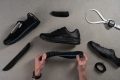
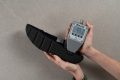
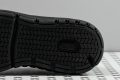
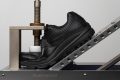
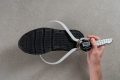
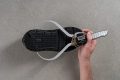
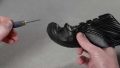
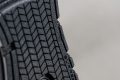
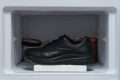
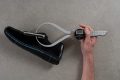
We tested the upper using our torch test and verified that the full-leather upper is real since it didn’t melt away. Furthermore, it impressed us in our Dremel test as it stayed intact after abrasion, earning the maximum 5/5 toebox durability score.
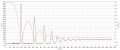
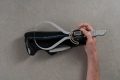
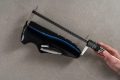
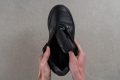
The Extended Progressive Diagonal Bar in the midfoot stabilises the ride and prevents excessive movements, which promotes healthy foot mechanics. It features an above-average platform of 35.7/23.5 mm, offering good arch support without the foam bottoming out. It took good care of our feet and prevented any pain, allowing us to walk longer miles.
Unfortunately, it builds up sweat and heat because it has no room for airflow. With the lowest 1/5 breathability score, it’s best to use this pair in colder seasons.
Pros
- Unmatched stability and arch support
- Broadly recommended by podiatrists
- Incredible abrasion resistance and durability
- Thick and lasting cushioning
- Wide and steady platform
- Great for cold and drizzly days
- Comfortable in-shoe feel
- True to size and fit
- Can match formal work attire
Cons
- Heavier than average
- Quite stiff, needs breaking on
- Not as slip-resistant as claimed
- Not breathable
Durable walking shoes with the best traction








What makes it the best?
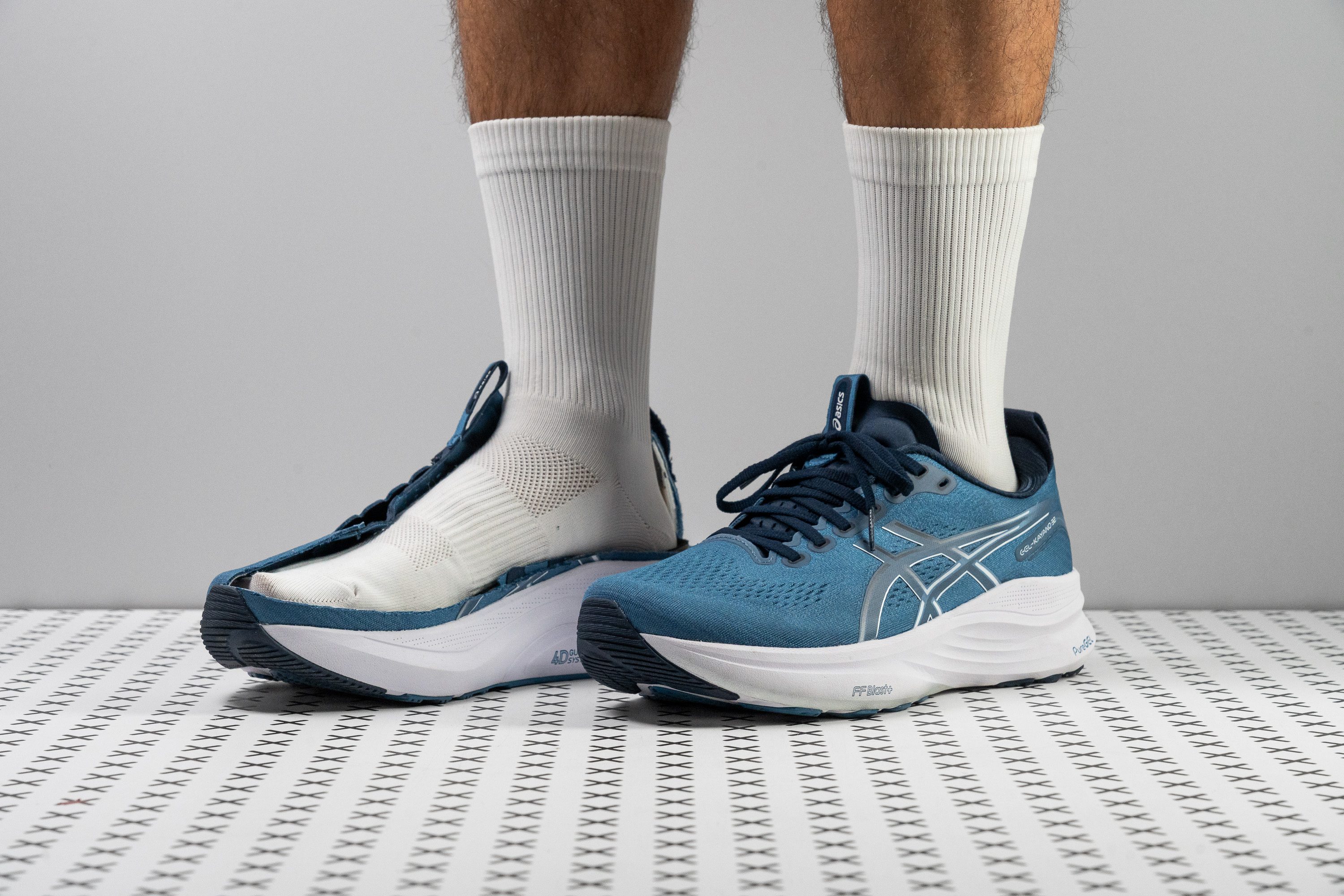
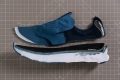
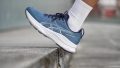
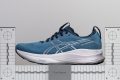
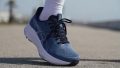
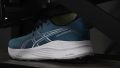
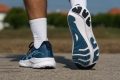
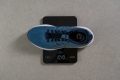
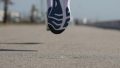
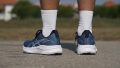
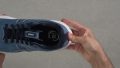
The ASICS Gel Kayano 32 minimises missteps, enhances stability, and resists premature wear, and our lab tests confirmed it. Equipped with the 4D Guidance System and Hybrid ASICSGRIP rubber outsole, the GK32 provided confident, worry-free comfort throughout a full day of walking. While it excelled in many aspects, its traction stands out in the durable walking shoe category.
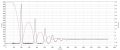
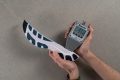
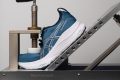
We measured the Hybrid ASICSGRIP rubber in our wet-condition test, and it scored a massive 1.04, one of the grippiest in our lab! Slipping is really out of the picture here.
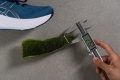
Testing it in our Dremel test, we were also surprised by only 0.7 mm of damage compared to the 1.1 mm average, proving its durability. The upper and inner lining also fared well in our abrasion test, both scoring a solid 4/5 in durability.
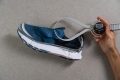
Diving into the midsole, we found the 4D Guidance System in the midfoot, which guides our strides and keeps us centred. The platform also runs wide at 119.8/97.2 mm, which makes it even harder to lose our footing.
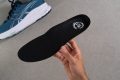
The outsole measures a hefty 4.5 mm and proved highly durable. Given its resilience, ASICS could have trimmed some rubber to reduce weight and make the GK32 feel less bulky.
Pros
- Amazing shock absorption
- Plush and breathable upper
- Made to last
- Dependable for most pronators
- Heavy-duty outsole with excellent grip
- Stable as a table
- Pillow-soft heel padding
- Improved fit
- Excellent build quality
Cons
- Not for soft-foam lovers
- Bad energy return
- Overpriced in Europe
Best durable waterproof walking shoes














What makes it the best?
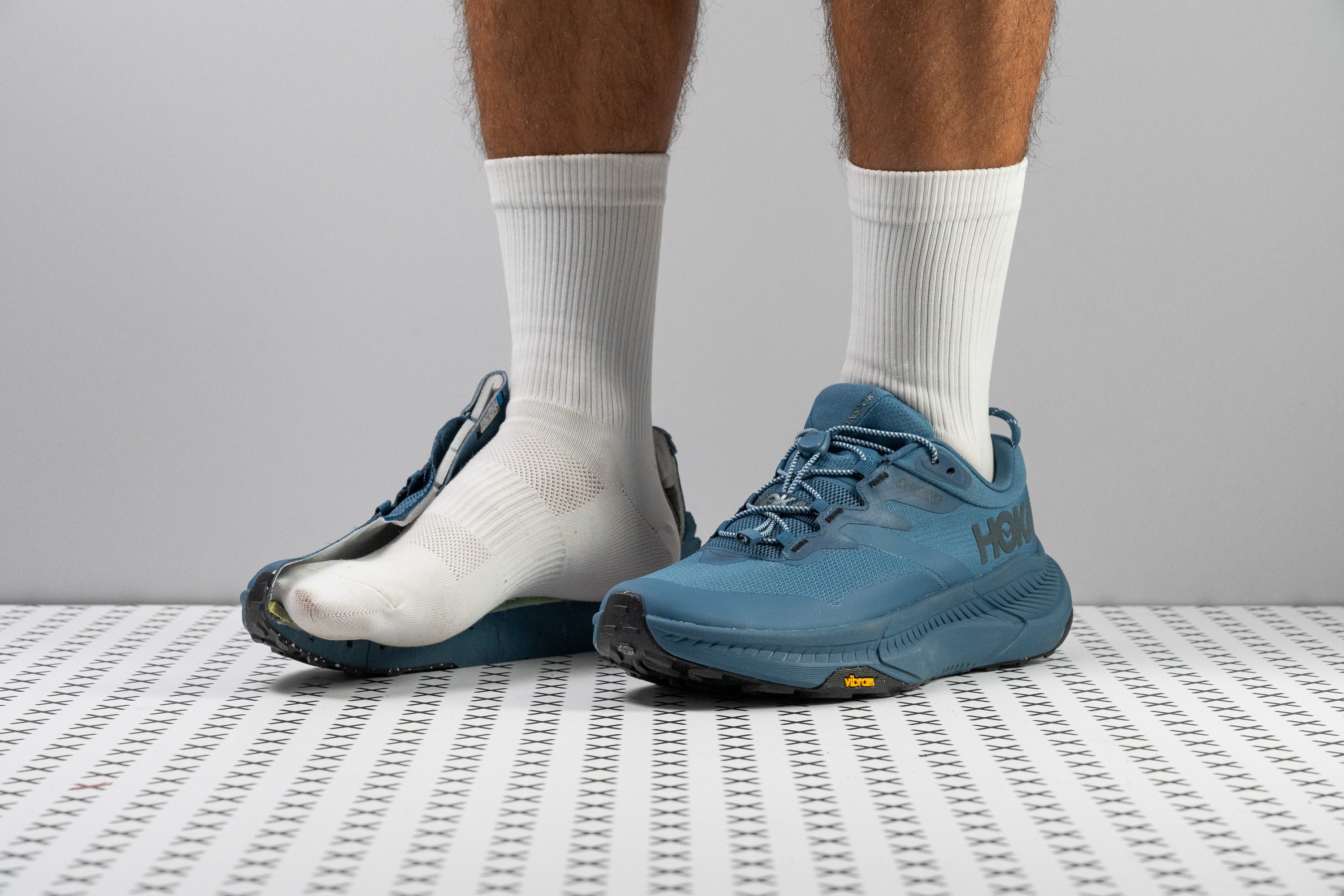
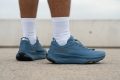
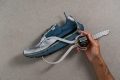
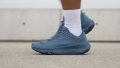
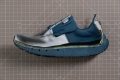
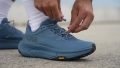
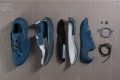
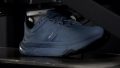
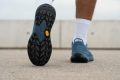
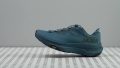
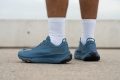
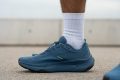
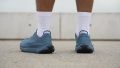
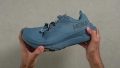
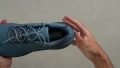
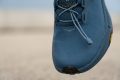
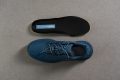
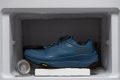
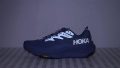
The HOKA Transport GTX handled just about everything we threw at it. Our walks and lab tests confirmed its impressive resistance to abrasion, slippery surfaces, instability, and moisture. With Vibram outsole underneath and Cordura in the upper, it’s our best waterproof, durable walking shoe.
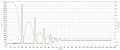
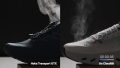
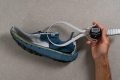
Besides the tough Cordura material, the upper also includes Gore-Tex membrane, which altogether serves as a solid defence against scratches and water. We tested for airflow and confirmed that it’s sealed shut, earning the lowest 1/5 breathability score. Meanwhile, in our abrasion test, it received the maximum 5/5 in toebox durability.
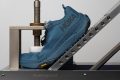
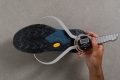
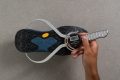
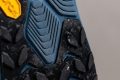
In the outsole, we found the world-class Vibram outsole. It stayed true to its nature, offering unwavering traction no matter what road conditions we face. It also proved to be wear-resistant, with our Dremel only causing an insignificant 1.0 mm dent.
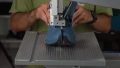
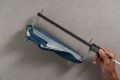
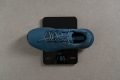
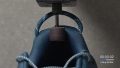
The overall build creates a safe space for our feet, not only against external forces but also against imbalances. The midsole is stiff, which minimises unwanted foot movements. In our bend test, it emerged 45% stiffer than average.
While this rigidity improves stability, it takes away the relaxed sensation some people prefer. Those seeking a more forgiving ride are better off elsewhere.
Pros
- Top-class waterproofing
- Cushioned and supportive for all-day wear
- Smooth strides thanks to rockered shape
- Very stable platform
- Highly durable construction
- Excellent grip on dry and wet city streets
- Quick and easy lacing system (regular laces included in the box as well)
- Reflective elements all throughout the upper
- Sustainable materials in almost every shoe part
Cons
- A bit heavier than average
- Major stack and drop discrepancy with official specs
- Not for wide feet
Best budget durable walking shoes













What makes it the best?
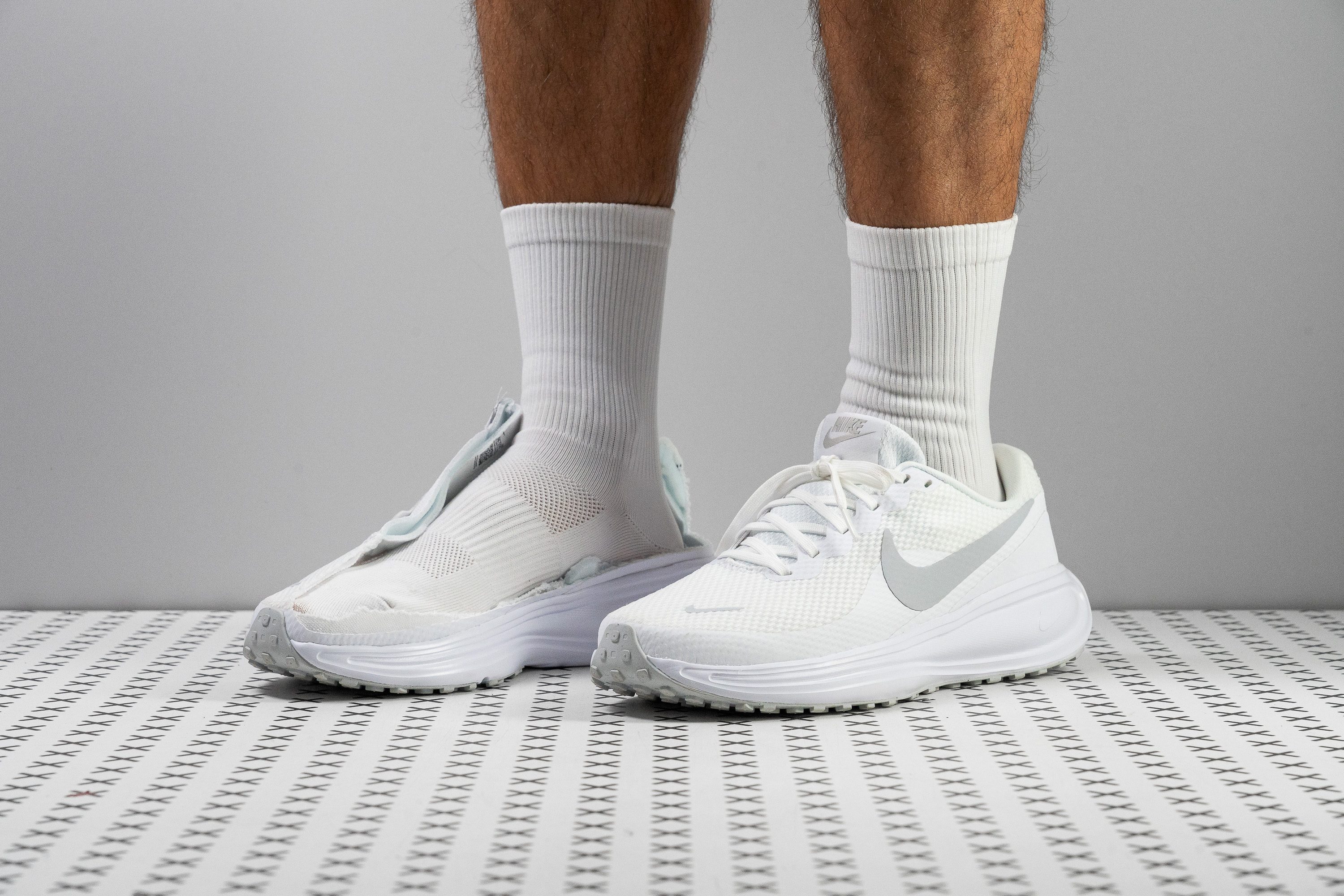
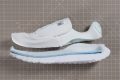
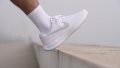
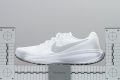
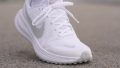
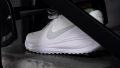
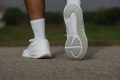
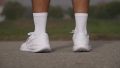
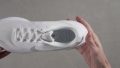
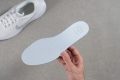
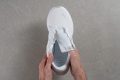
The Nike Revolution 8 has a gentle and soothing core, balanced by a sturdy exterior that lasts multiple seasons. It’s light on the feet and in the pocket. For only £60, it’s 44% more affordable than average, making it our best budget durable walking shoe.
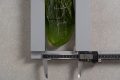
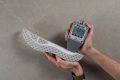
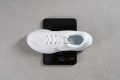
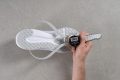
The Revolution 8 is a powerful motivator for movement through its light figure. We measured only 9.3 oz (264g) on our scales, offering 9% weight savings compared to average.
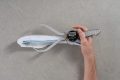
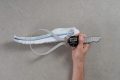
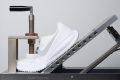
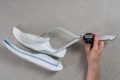
Its natural feel and lasting comfort are further enhanced by its pliable midsole. Our bend test verifies it’s 33% more flexible than average, flowing with our motions and helping us hit our step count without dealing with much resistance.
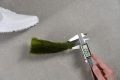
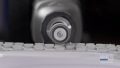
We noticed the outsole can withstand long hours of impact, as the shoe barely had any scratches after double-digit miles. It showed less wear than average in our Dremel test, only 1.0 mm, cementing its position as a long-lasting shoe. Moreover, the toebox and inner lining weren’t destroyed by our Dremel, both earning a high 4/5 durability score.
However, the midsole has limited cushioning, especially in the forefoot. We advise those on the heavier side or those seeking a plush sensation underfoot to find a more cushioned trainer.
Pros
- Improved energy return
- Affordable price with strong value
- Much lighter than version 7
- Trustworthy grip
- Solid durability
- Padded heel for extra comfort
- Flexible and comfortable for everyday use
- Ideal for heel strikers
- Keeps the same price despite upgrades
Cons
- Lacks forefoot cushioning
- Still a narrow fit
- Low forefoot shock absorption
What affects walking shoe durability
It is important to note that even the most durable walking shoes don’t fall under the buy-it-for-life category, unlike some high-end resoleable leather boots.
Athletic walking shoes are made with synthetic textiles, foam, and rubber, all of which have limited service lives.
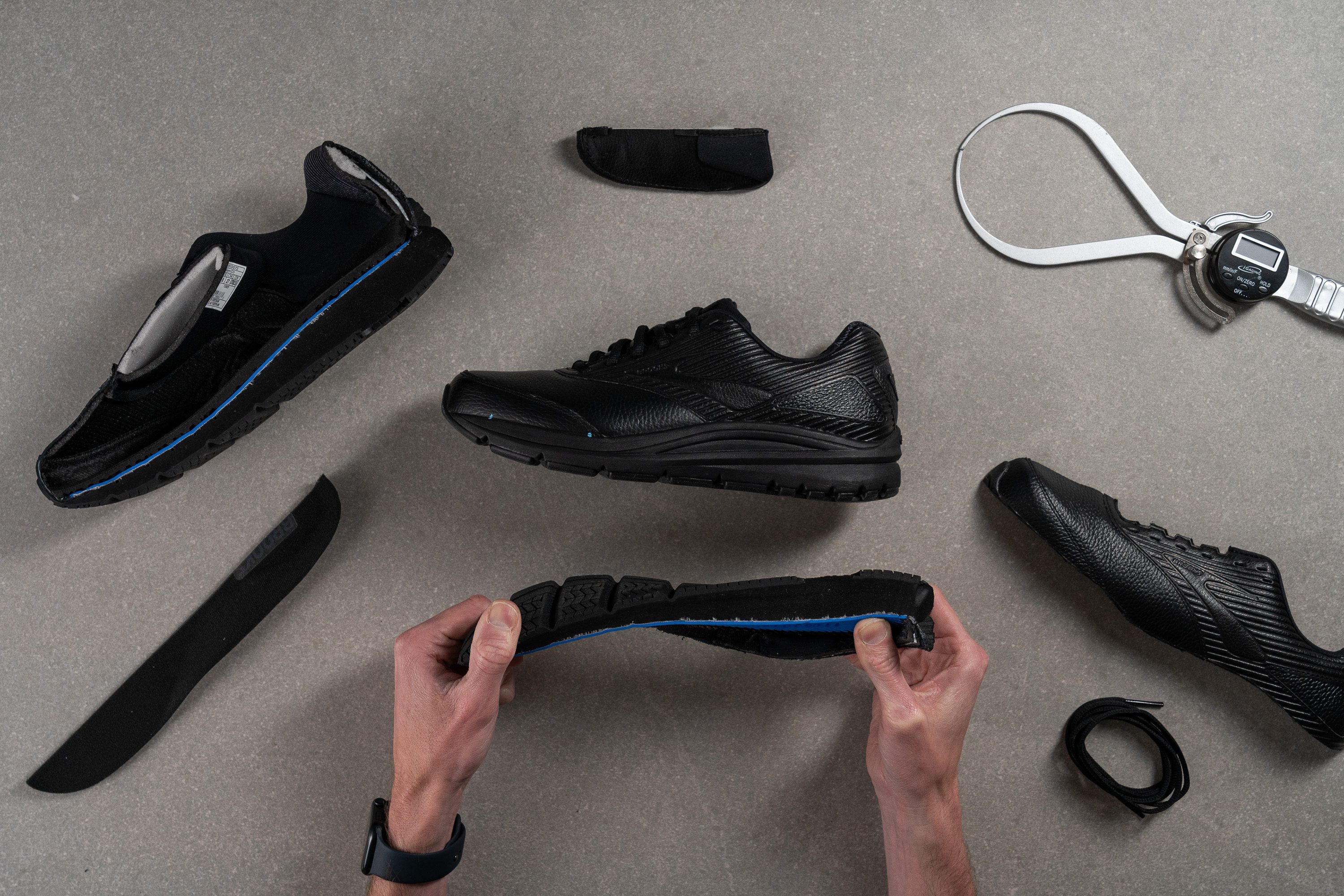
The commonly cited lifespan of a walking shoe is 300-500 miles (500-800 km).
And while the shoe’s actual longevity depends heavily on the durability of its materials themselves, the presence of toe bumpers, protective overlays, etc., there are more factors that come into play here:
- The wearer’s weight: a heavier body weight causes more compression, friction, and stress on the materials.
- The wearer’s walking gait: patterns like overpronation, supination, and foot dragging lead to uneven sole compression and wear.
- The walking surface: concrete, asphalt, and rough stone cause abrasion much faster.
- The climate and weather: heat, moisture, sunlight, and salt can accelerate the degradation of the shoe components, delamination, and cracking.
But because it is practically impossible to test the durability of hundreds of walking shoes in a wide variety of conditions, we focus on testing the wear resistance of several individual shoe components using a Dremel fitted with a sandpaper attachment.
Outsole durability in walking shoes
When you’re thinking about a durable walking shoe, you probably think of a hard-wearing outsole before anything else. Constantly exposed to surface abrasion, the outsole is expected to be the shoe's toughest component.
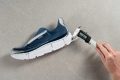
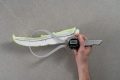
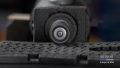
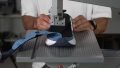
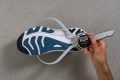
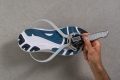
That’s why our Dremel test is the strictest for outsoles. We apply the tool to the same spot on each shoe’s heel area because that’s where most walkers develop the most abrasion.
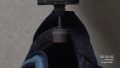
The Dremel pressure (2N), speed (10K RPM), and test duration (18 seconds) remain the same to ensure consistent and comparable results.
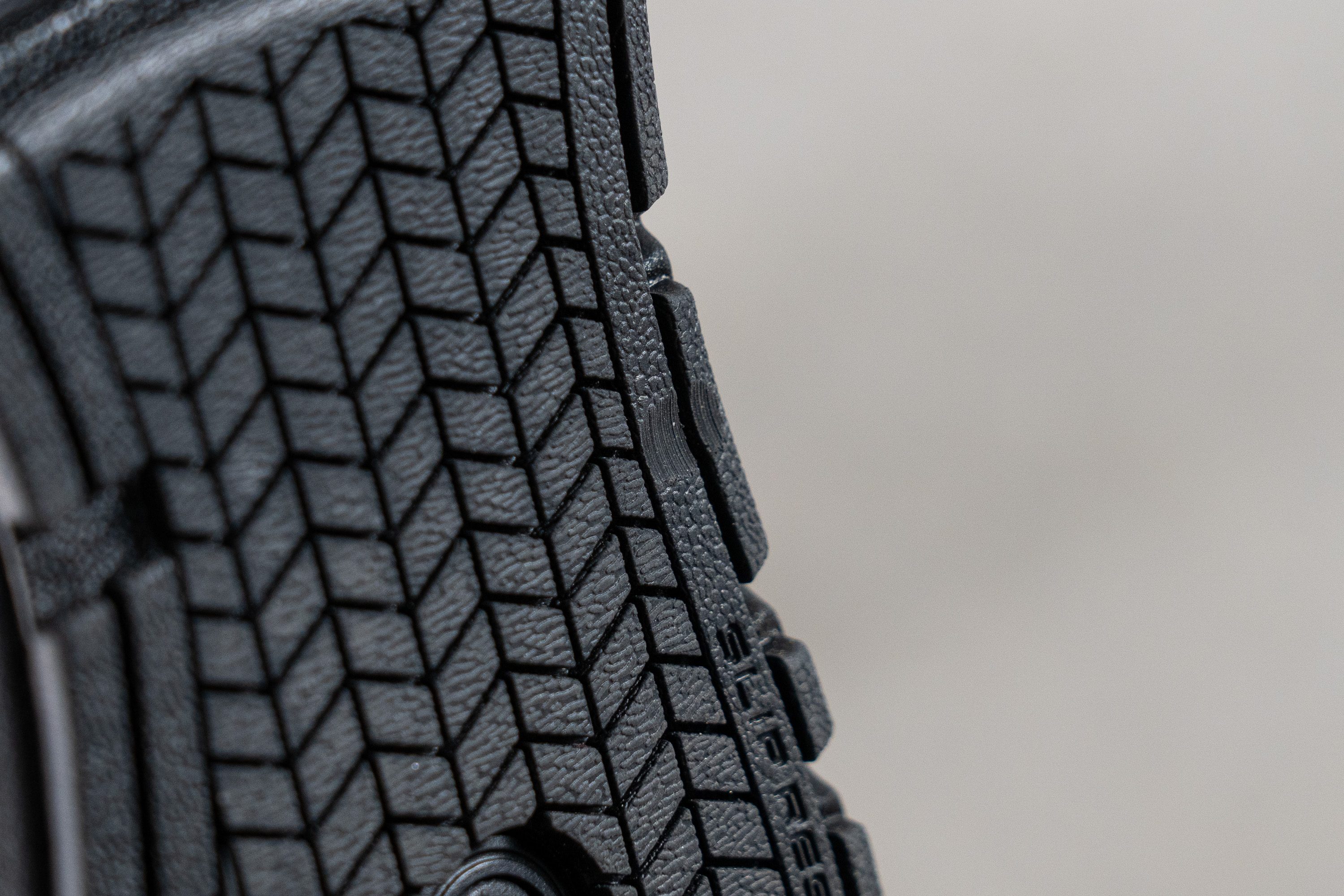
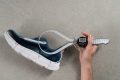
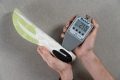
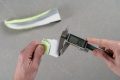
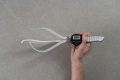
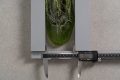
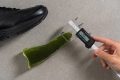
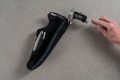
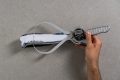
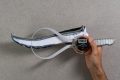
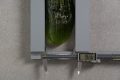
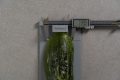
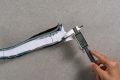
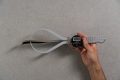
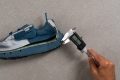
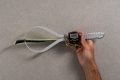
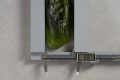
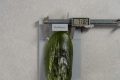
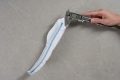
Once done, we use a tread gauge to measure the depth of the newly formed dent: the shallower, the better. A shallower dent means that less rubber was lost during the test, indicating higher abrasion resistance.
Outsole thickness also plays a part in the shoe’s long-term outsole durability, but it’s not the determining factor.
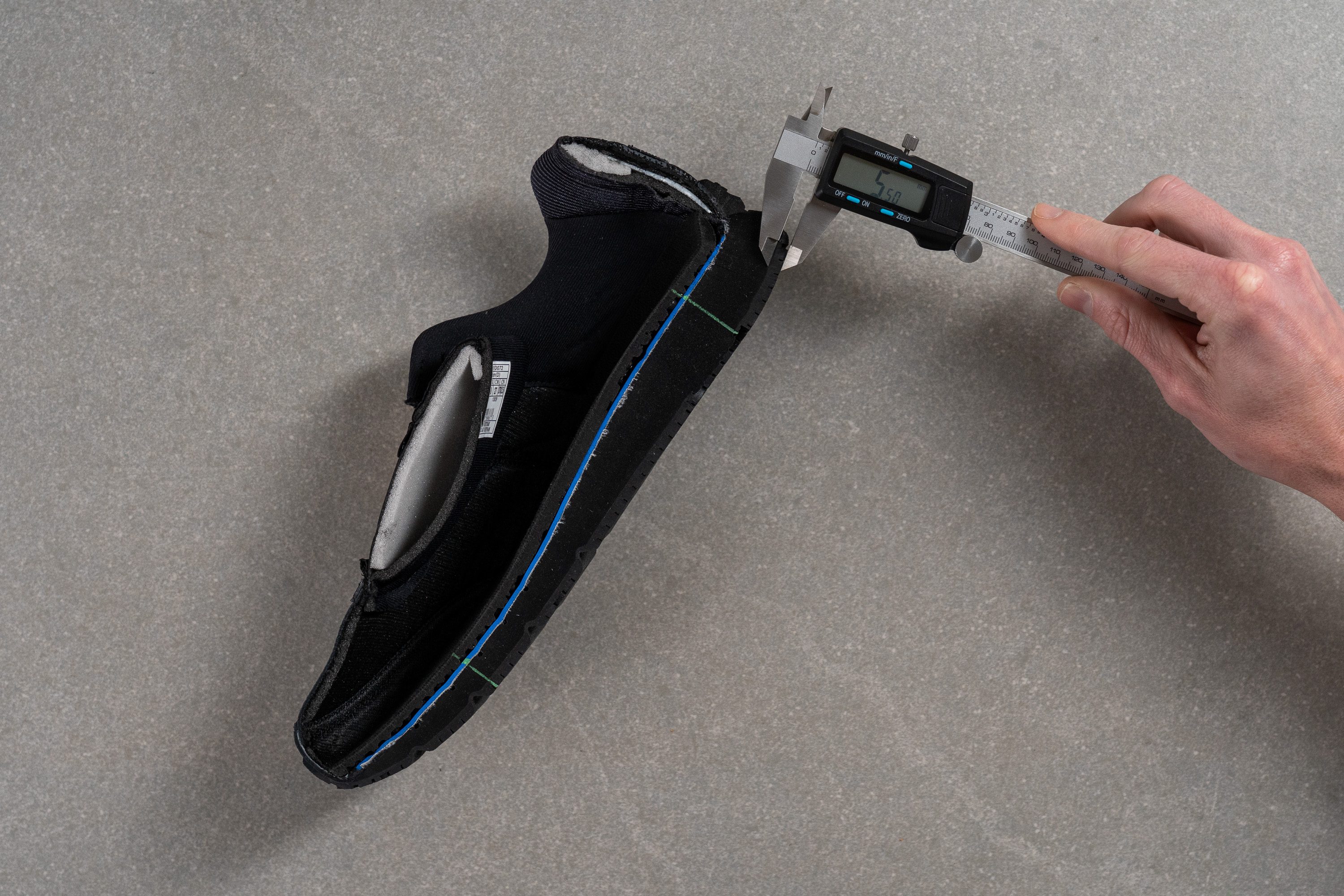
A 5-mm-thick outsole made of easily damaged rubber is not more beneficial than a 2-mm-thick outsole made of a highly durable blend. A balance is best here: a wear-resistant yet moderately thick outsole.
And if you frequent concrete, asphalt, or cobblestone, you also want to take note of the outsole coverage: is it a full-length piece covering the entire sole, or is it made of targeted rubber pods with lots of exposed foam?
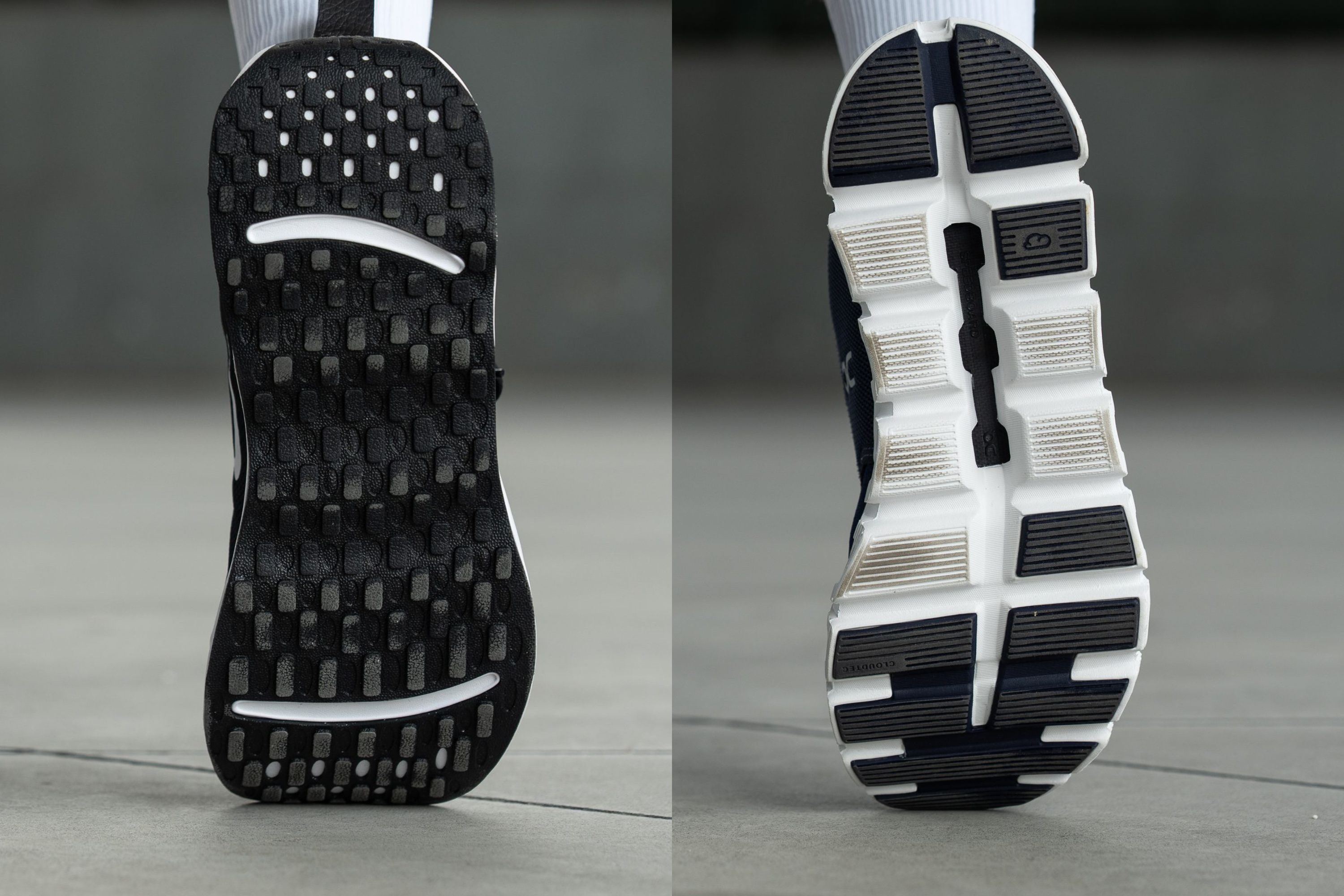
The presence of exposed foam does not automatically mean poor durability, but if you want long-term service, you may want to see more rubber coverage on the sole of your pair.
Toebox durability in walking shoes
We perform our next Dremel test on top of each shoe’s toebox, as that’s another commonly damaged area. Wear can come from both external abrasion, like toe bumps and scratches, and internal friction, like the big toe rubbing a hole from the inside.
But because upper materials are more delicate compared to outsole rubber, we lower the Dremel speed (5K RPM) and test duration (12 seconds) to avoid burning through the material before we even get a chance to assess its durability.
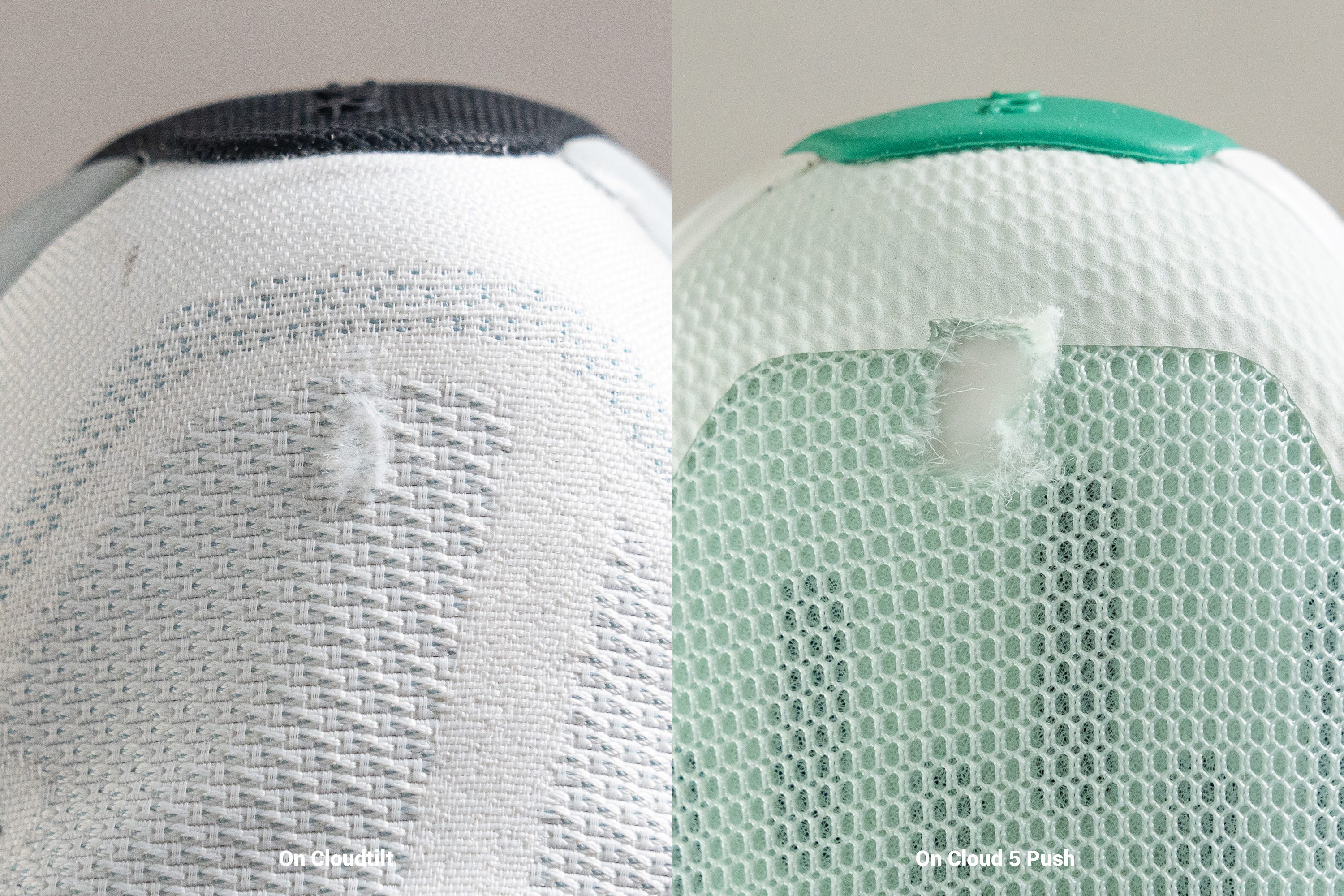
For this test, we have to rely on a subjective assessment because the tread gauge cannot be used effectively on soft textiles, synthetics, or even leather. Depending on the severity of damage from the Dremel, we rate each shoe’s toebox durability on a 1-5 scale, where 5 means most durable.
Walking shoes with thicker and tightly woven textiles, pronounced toe bumpers, synthetic overlays, or similar protective elements tend to score higher because they shield the toebox material and enhance the shoe’s integrity.
Heel padding durability in walking shoes
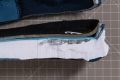
Heel padding wear is one of the sneakiest durability issues: the shoe may look perfectly fine on the outside, but it can feel unbearable the moment the inner lining tears.
Tears and loss of padding in this area expose your heel and ankle to rubbing against rough upper materials, such as a plastic heel counter. Aside from discomfort, this nuisance also causes blisters, and you find yourself looking for a new pair of shoes much sooner than intended.
The chance of damaging this shoe part increases if you have bony formations on the heel, such as Haglund’s deformity.
That’s why we added one more Dremel test in this area, but shortened its duration to 4 seconds because the materials used here are finer than the rest of the upper. But the speed (5K RPM) and pressure (2N) remain the same.
]
Cushioning also has an expiration date
Believe it or not, but the absence of visual damage, scratches, tears, or outsole wear doesn’t necessarily mean that the shoe is still performing its function well. If you have already clocked 500+ miles in it, there is a high chance the shoe’s cushioning has packed down.
All foam midsoles compress gradually with use, becoming firmer and denser and losing their original shock absorption. And depending on their formula, some foams get there sooner than others.
We are yet to set up a cushioning durability test in our lab, but until then, please look out for the following signs of cushioning wear:
- The sole feels pancake flat, or dead, and no longer offers the original softness or bounce.
- The impact protection feels lacking, and walking on hard surfaces like concrete feels notably harsher.
- You feel more fatigued after walking in this pair, or even experience new aches in your feet and legs.
- The shoe starts to feel uneven, causing your foot to tilt inwards or outwards.
Having a rotation of at least two shoes, a newer one and an older one, helps you feel when the older one is asking to be replaced.
Similar buying guides