7 Most Durable Hiking Boots in 2026

We buy shoes ourselves. We earn commissions when you buy through us, at no extra cost. Why trust us
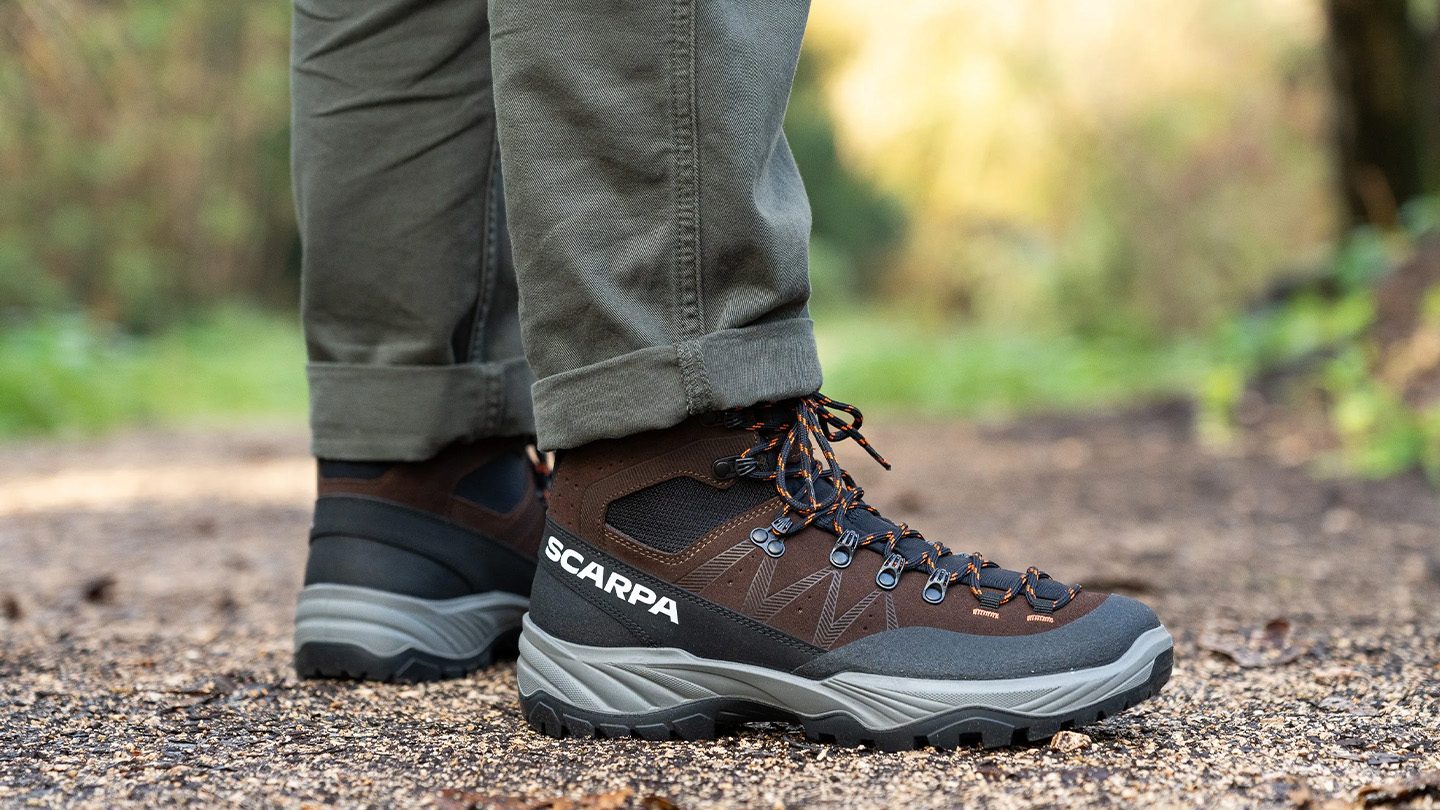
Finding a perfect pair of boots can be difficult enough, so it makes sense that we all want to make our investment worth it. But what can we do regarding the durability of that pair? First, consult the lab data, which explicitly tells us which hiking boots are more durable than the others, and, second, do our due diligence when it comes to maintenance. Here, we lay out all of that and we highlight the best performers across different categories.
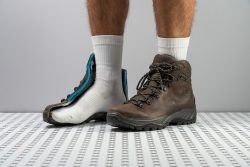
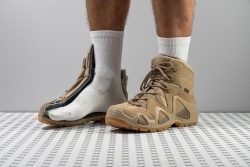
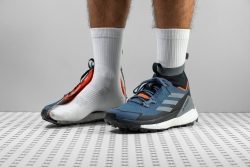
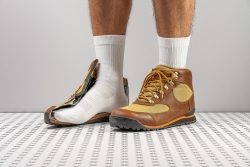
How we test Most durable hiking boots
Testing the hiking boots starts with an assessment of the models to buy. We have a protocol in place that we follow (that you can read more about on our Pipeline page), and it means we are actually the ones buying the boots. No sponsorships, no contracts with the brands.
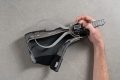
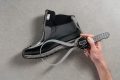
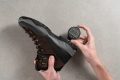
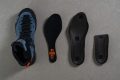
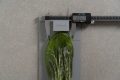
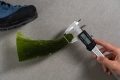
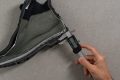
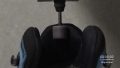
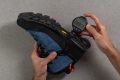
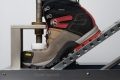
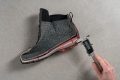
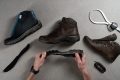
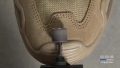
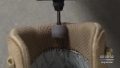
We then test hiking boots on the hikes, in different weather conditions and covering different areas, to make sure we subject them to the terrain that's demanding enough. After wear testing, the boots go to the lab where they are examined, assessed, ripped apart, and tested across 30+ parameters. When it comes to durability, Dremel is our best friend. We have 3 settings for it, and they are standardised, meaning we apply them for all hiking boots, regardless of their upper material, weight, or intended purpose. We test the durability of the toebox, heel padding, and outsole.
Finally, all our results are published on the website. The standardisation of all the tests means you can compare the boots against each other, feature by feature.
Best durable hiking boots overall










What makes it the best?
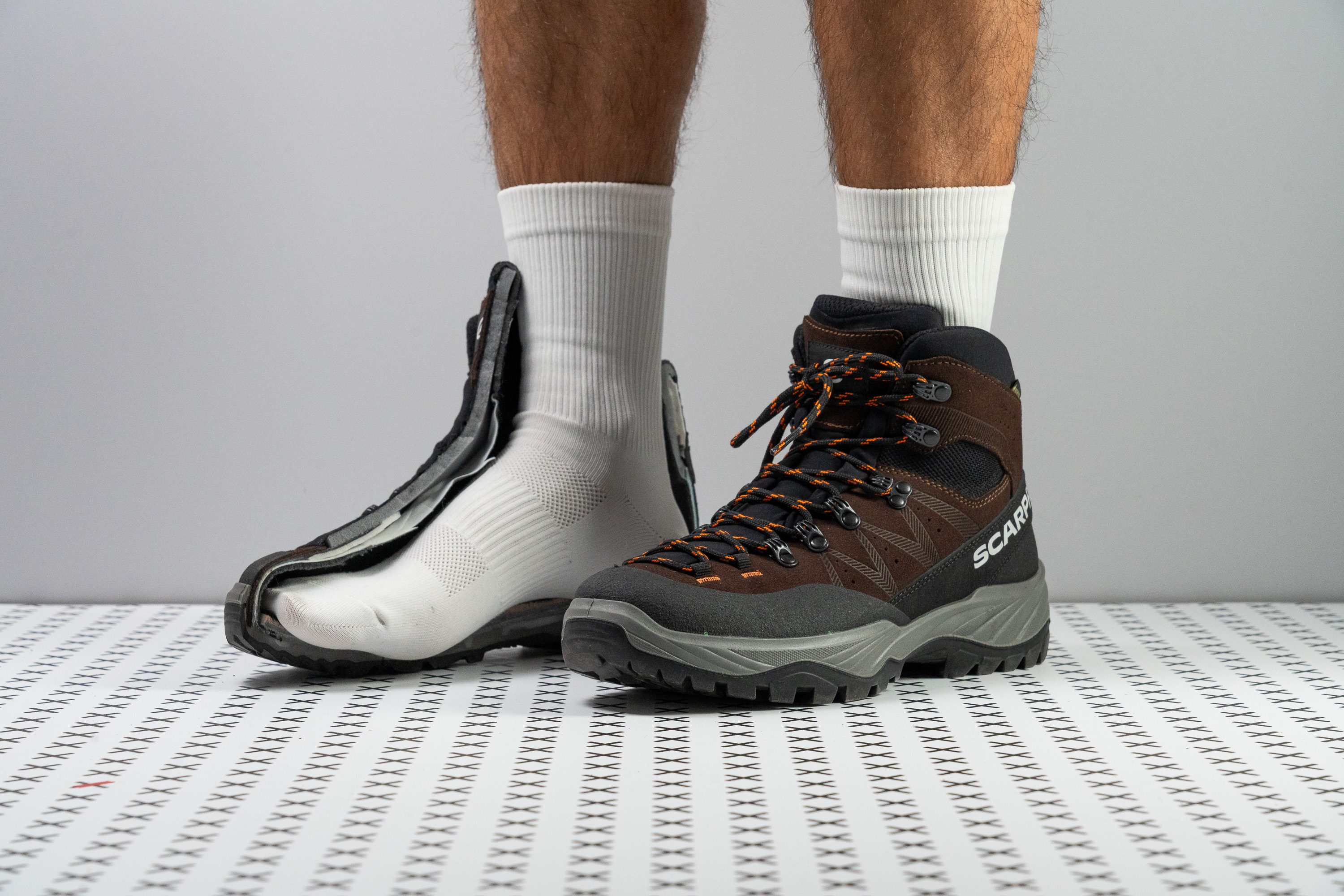
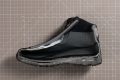
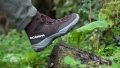
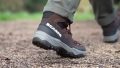
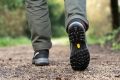
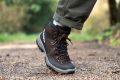
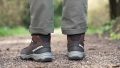
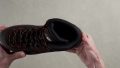
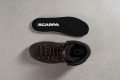
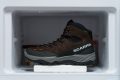
The Scarpa Vento GTX is ready for any trail condition; it’s the kind of boot that feels capable of outlasting any situation. In the lab, we verified its all-around armour-like build, along with aggressive traction and effective waterproofing. Undeniably, it’s a clear winner in the durable hiking boots category.
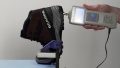
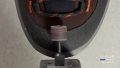
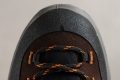
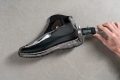
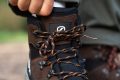
The upper took the beating of our Dremel and managed to escape unscathed afterward, earning the maximum 5/5 in toebox durability. Whether we encounter accidental slashes or toe stubs, our feet remain protected. The Gore-Tex membrane shields us from getting wet, along with the fully-gusseted tongue and high-rise collar.
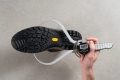
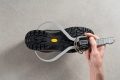
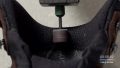
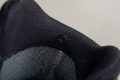
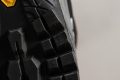
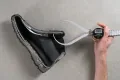
Moving to the heel padding, it also withstood abrasion and achieved a solid 4/5 durability score. Switching to the Vibram rubber, our Dremel only created a shallow 0.5 mm dent, indicating it can handle abrasive surfaces without concerns of premature wear.
With the Vento GTX, traction and underfoot protection go hand in hand. The outsole features aggressive 4.0 mm lugs that keep us steady and controlled over a wide range of surfaces. Truly, this boot is made for all kinds of surfaces.
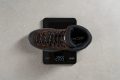
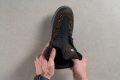
Note that its tough exterior also applies underfoot. With its low platform of 34.2/20.2 mm, it delivers heightened ground feel, which may lack the cushion needed for long hours of trekking.
Pros
- Mesmerising comfort
- Surprisingly light
- Terrific surface traction
- Quite durable
- True to size
- Supportive underfoot
- Exemplary craftsmanship
- Breathable for mild temperatures
Cons
- Not for wide feet
- Needs breaking-in
Best durable hiking boots for technical terrain




What makes it the best?
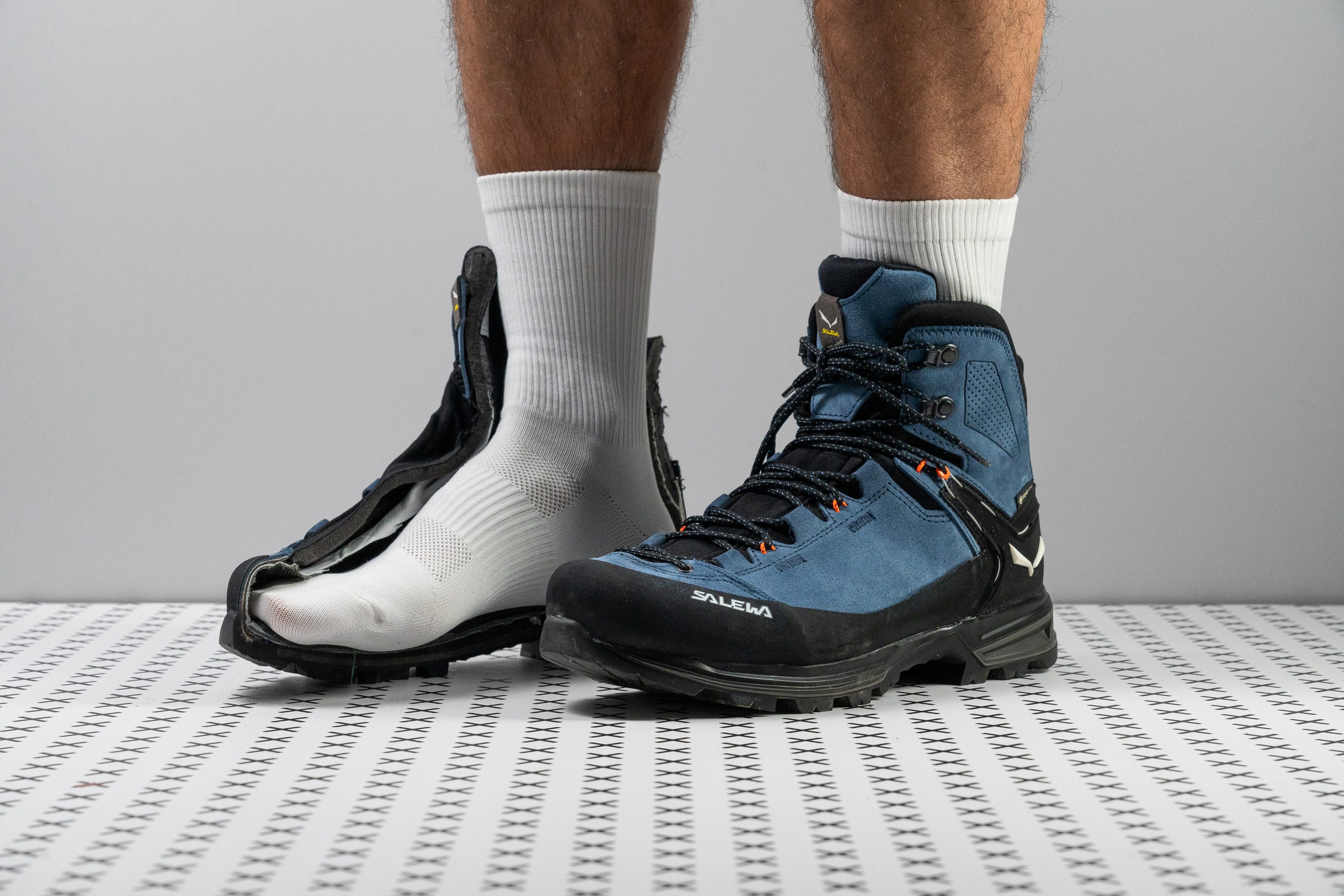
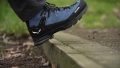
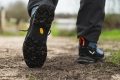
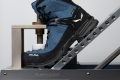
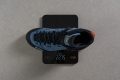
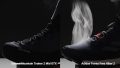
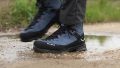
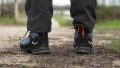
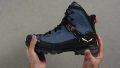
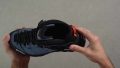
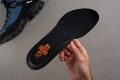
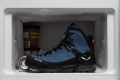
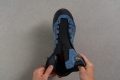
The Salewa Mountain Trainer 2 Mid GTX is ready for any scenario in the wild, with its tough exterior that keeps all kinds of mishaps out of the way. Lab results show its effective waterproofing, durable build, and aggressive traction boost our confidence, making it our best durable hiking boots for technical terrain.
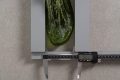
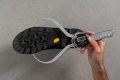
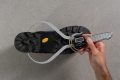
The Vibram WTC 2 is one of the most aggressive variants from the brand in terms of traction. It features deep 5.6 mm lugs that maintain control even on the muddiest or rockiest surfaces. It’s also sturdy enough to handle rocky paths, showing only a tiny 0.7 mm dent in our abrasion test.
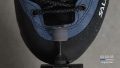
Even the inner lining and toebox prove this boot’s all-around protection, as our Dremel couldn’t damage them, resulting in the highest 5/5 durability score. This boot can definitely handle all the beating and still come out without any signs of wear.
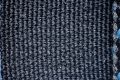
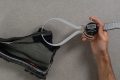
In the upper, we found the Gore-Tex Performance Comfort membrane, which effectively blocks off outside elements, water, and cold air from coming in. It effectively gets the job done since not a drop of water entered the shoe when we encountered puddles and rain. In our smoke test, it proves its airtight nature with the lowest 1/5 score - this is what we want in waterproof shoes.
However, we found its tight fit unwelcoming to broad feet. Therefore, this boot will feel most comfortable for narrow-footed hikers.
Pros
- Excellent stability for challenging alpine trails
- Superb grip on varied demanding terrain
- Secure lockdown and ankle support
- Outstanding durability and abrasion-resistance
- First-rate waterproofing with moderate insulation
- Collar flexes for ankle mobility on descents
- Great protection from rocks and debris
- Precise fit regulation (insole + lace-to-toe)
Cons
- Heavier than average
- Very stiff and unforgiving
Best durable hiking boots for backpacking














What makes it the best?
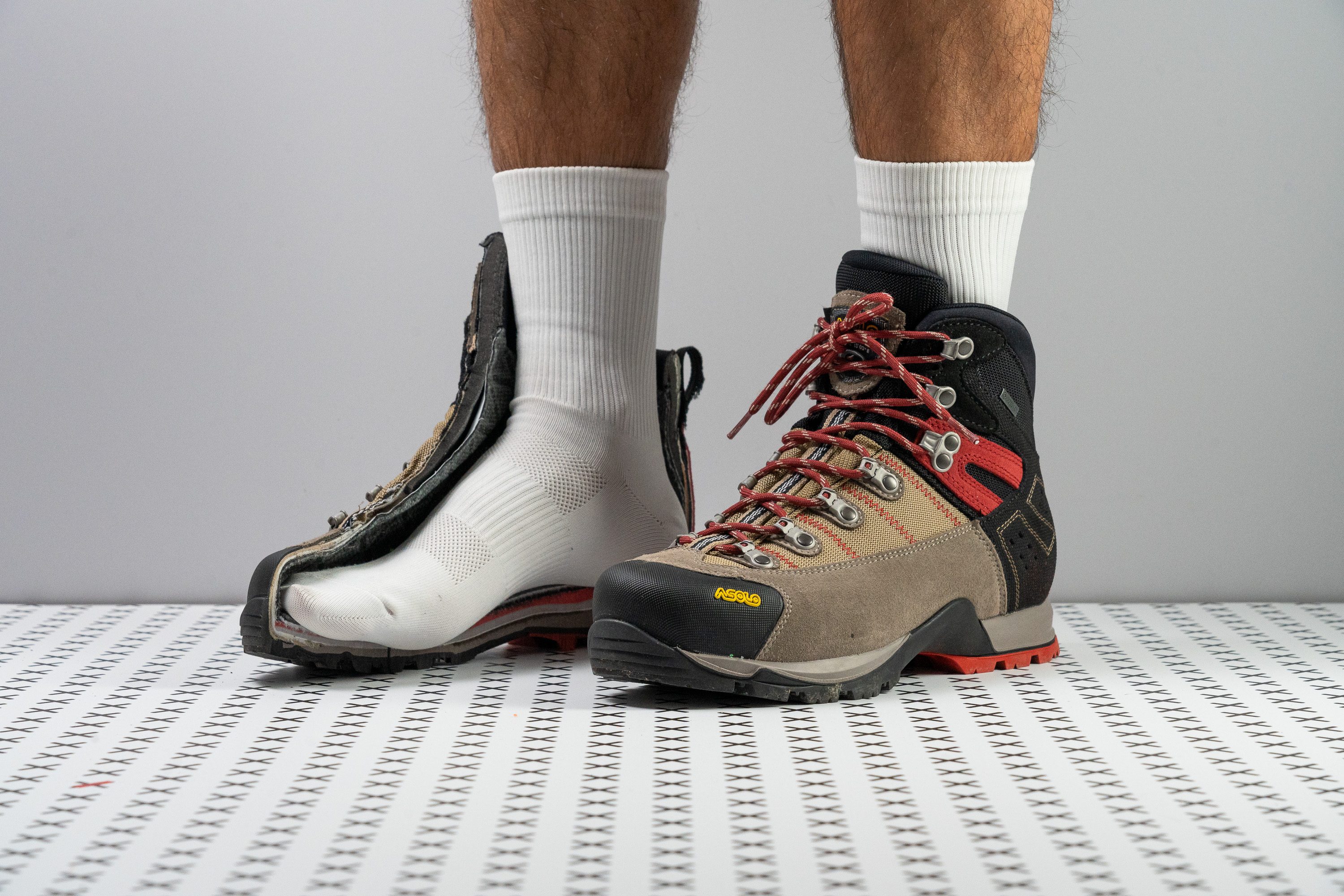
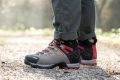
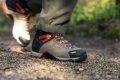
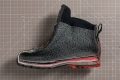
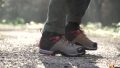
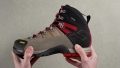
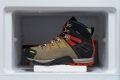
With its stability and overall protectiveness, the Asolo Fugitive GTX is our top choice for backpacking among durable hiking boots. Lab results back up its sturdy nature, while our feet couldn’t deny the support and safety this boot brought to our treks.
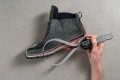
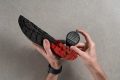
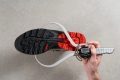
This pair offers outstanding stability, brought by its rigid construction and reliable 3.6 mm multi-shaped lugs. Testing for stiffness, our bend test reveals it’s 24% more resistant than average. Moreover, it delivers underfoot protection care of its massive 42.1/22.1 mm stack, yet still highlights ground feel and surefootedness with its low 56 SA or shock absorption score.
In our encounters with rain and muddy puddles, not a single drop of water entered the shoe. Other than the Gore-Tex membrane, it has a high collar and a fully-gusseted tongue. Our microscope reveals a very compact material that blocks water. Our lab confirms its impermeability with a 1/5 breathability score.
The durability of Asolo Fugitive GTX is a key strength, as it beats the average across the board. In our Dremel test, the toebox and inner lining received top scores of 5/5 and 4/5, respectively. Meanwhile, the rubber underfoot was only damaged by 0.7 mm.
Unfortunately, the outsole's quality is compromised by its weak adhesion to the midsole. After just a few test hikes, the outsole started to peel away. While the boot is designed to be resoled when necessary, it should still provide longer-lasting performance.
Pros
- Great grip on mixed terrain
- Fantastic underfoot protection
- Worth the price
- Waterproof
- Reliably supportive
- Feels light on the foot
- Zero break-in
- Balance preserver
- Lively ride
Cons
- Very narrow toebox
- Not-so-cushy footbed
Best durable hiking boots leather









What makes it the best?
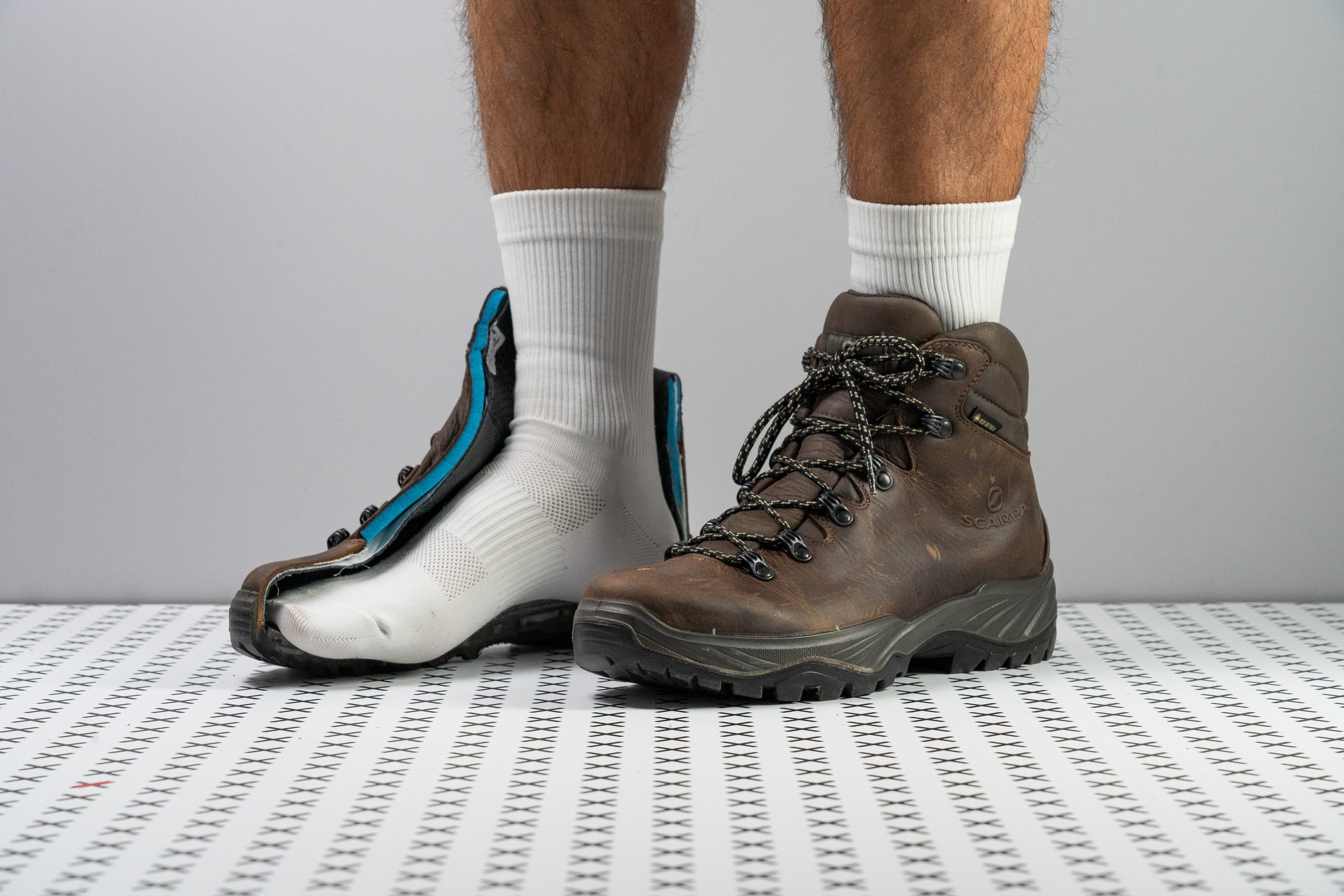
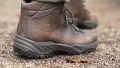
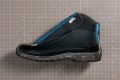
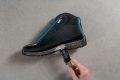
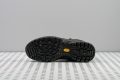
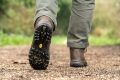
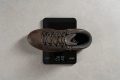
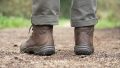
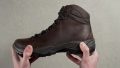
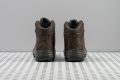
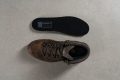
The Scarpa Terra GTX has a sturdy build and solid ankle support, keeping us confident throughout the most backbreaking hikes. Our lab test shows it’s made of protective and high-quality materials, making it our top durable hiking boot.
Terra GTX boasts a full-leather airtight upper, which was our shield as we stubbed and scratched our feet against various surfaces. In our Dremel test, it emerged victorious with a 5/5 toebox durability score. Plus, we never got wet when dealing with water, backed up by our lab with a 1/5 breathability score.
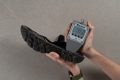
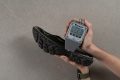
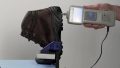
The steady platform carried us through demanding trails. Its humble stack gave us a good sense of the ground, while its balanced feel protected us from underfoot hazards. Our durometer confirms the foam 11% firmer than average, supporting our arches and heels well.
We discovered a stiff TPU shank embedded in the midsole, boosting our sense of security. It felt impossible for our ankles to collapse since the high-cut boot strongly resisted twisting. The heel counter also received a solid 4/5 stiffness rating, evidenced by how it kept us centred.
Unfortunately, the shoe's heavy 20.3 oz (575g) build felt like a burden since it was another load we had to carry. Those seeking agility and weightlessness should find other options.
Pros
- Glue-like underfoot, even on wet surfaces
- Insanely comfortable
- Reliably stable and supportive ride
- Resilient and high-quality build
- Durable Vibram outsole
- Watertight and warm
- Quick break-in time
- Performs consistently in the cold
- Strong ankle support
- Warm with excellent sweat control
Cons
- Quite heavy
- Cushioning could be better
- Scuff magnet
Durable hiking boots with the best stability







What makes it the best?
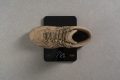
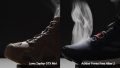
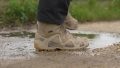
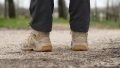
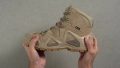
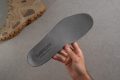
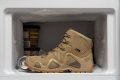
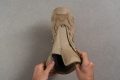
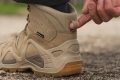
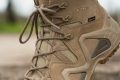
The LOWA Zephyr GTX Mid is all about protection and safety, with its armour-like build and light spring that makes our treks more enjoyable and fuss-free. This boot offers unwavering support, felt by our feet and verified through lab tests, making it our best stability, durable hiking boot.
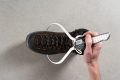
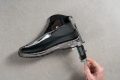
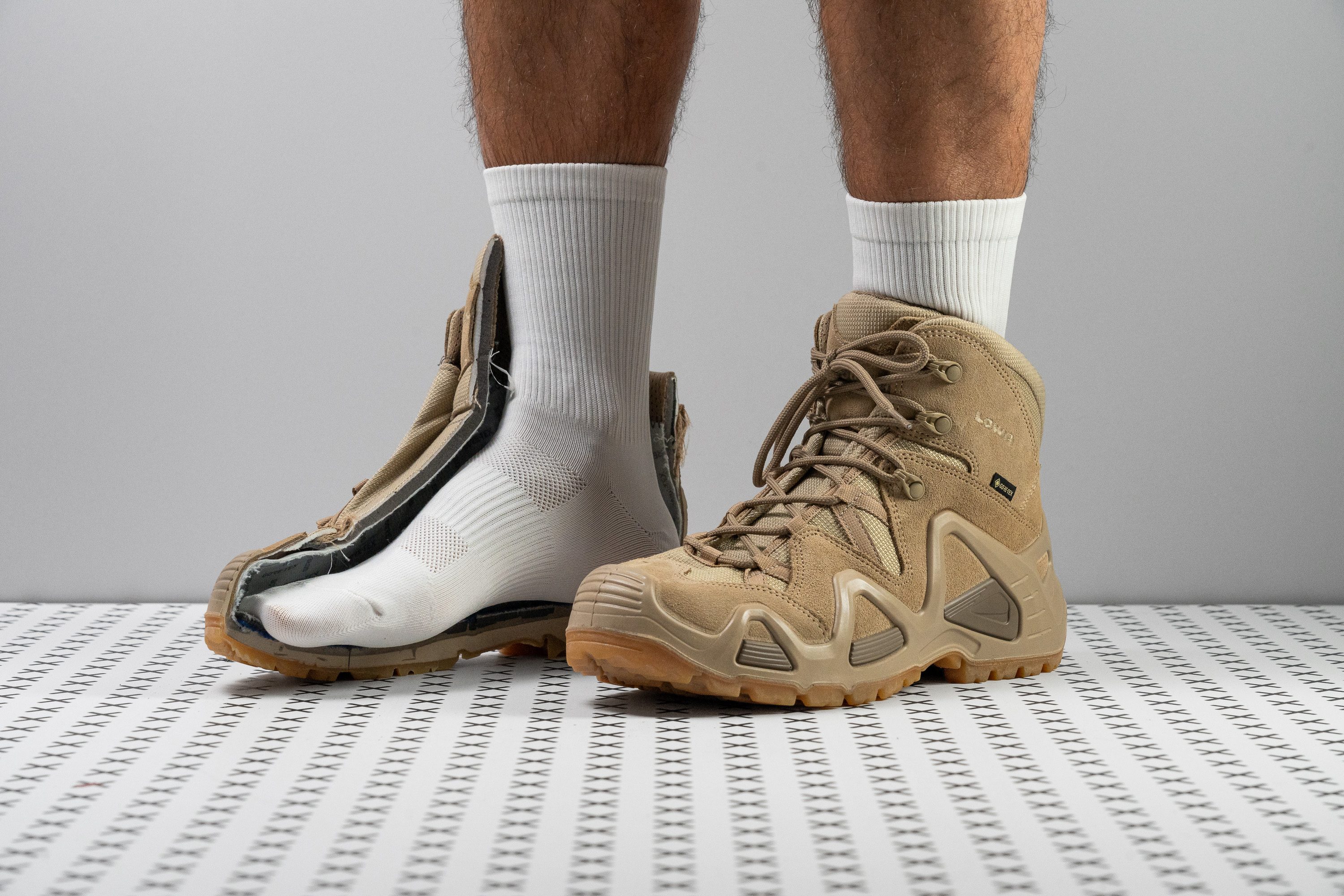
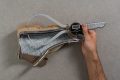
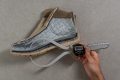
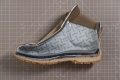
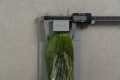
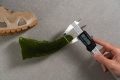
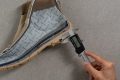
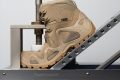
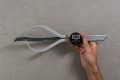
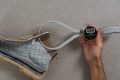
As we sliced into the midsole, the Monowrap frame revealed itself. Its rigid structure made the shoe difficult to twist, helping us stay stable and balanced, while the heel counter earned a solid 4/5 stiffness rating, effectively keeping our ankles secure.
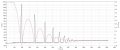
Beneath our feet lies a reactive midsole, and we truly enjoyed its dynamic ride. With a high score of 57.4% in our energy return test, it notably helps us reduce our effort to push off the ground and eases the strain on our muscles.
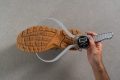
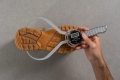
Multiple hikes and our Dremel barely had any effect on the boot’s integrity. The toebox, made of Gore-Tex waterproofing and impermeable materials, stayed intact and achieved the maximum 5/5 durability score. Underfoot, only 0.6 mm of rubber was created, making this pair 25% less prone to wear compared to average.
However, the outsole's traction fades on wet rocks and smooth icy pavements, as we needed additional support from walking poles or nearby trees. For more challenging trails or wet weather, we recommend exploring alternative options to ensure optimal traction.
Pros
- Stability and containment are off-the-charts
- Excellent underfoot protection
- Effective Gore-Tex waterproofing
- Hard-wearing materials
- Solid grip on both soft and rocky terrain
- Accommodating D medium fit
- Comfortable padded interiors
Cons
- Lacks grip on smooth wet surafces
- Heavier than average
Best durable hiking boots for summer












What makes it the best?
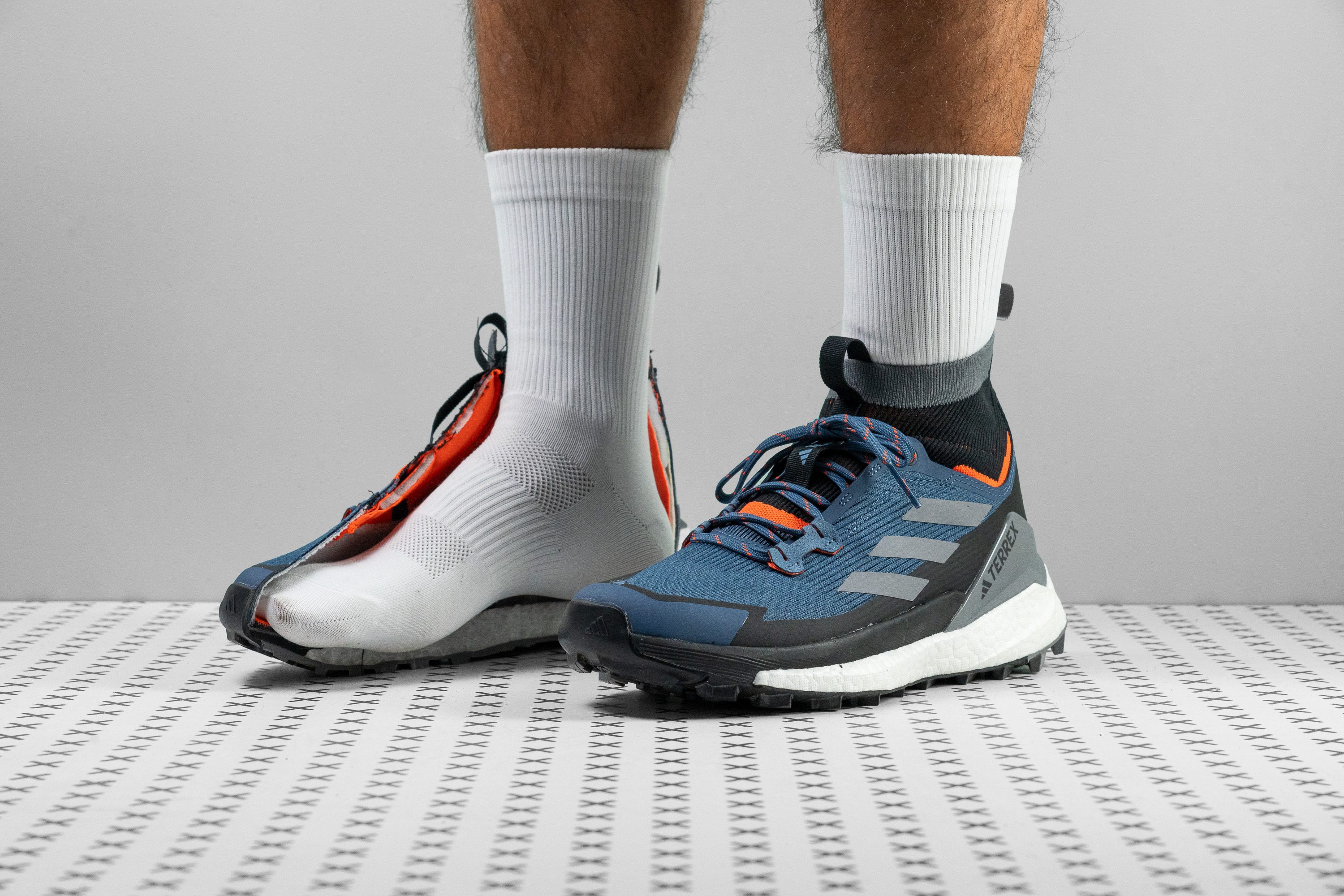
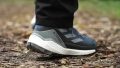
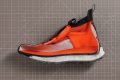
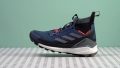
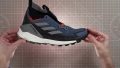
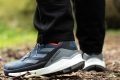
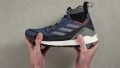
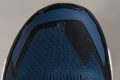
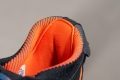
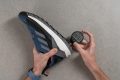
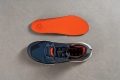
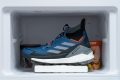
Comfort is top priority with the adidas Terrex Free Hiker 2, as it provides maximum breathability and cushioning for our outdoor adventures without compromising weight and protection. Our lab test confirms its steady stream of ventilation, making it our top summer durable hiking boot.
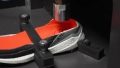
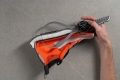
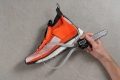
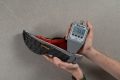
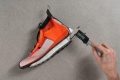
Even with the upper’s plush feel, it’s surprisingly breezy! We pumped smoke into the shoe, and it escaped almost instantly, which is why we rated it with a perfect 5/5 breathability score—a rare breed among hiking shoes. What’s even more impressive is how the upper maintained its integrity after abrasion, scoring a solid 4/5 in durability.
Comfort doesn’t stop there: we’re welcomed with a generous 38.4/24.0 mm stack that feels nice and springy. We measured strong shock absorption of 121 SA, allowing us to trek all day without feeling sore. Plus, it feels responsive! Scoring 66.0% in energy return, it takes less effort to move forward.
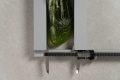
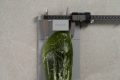
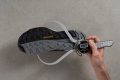
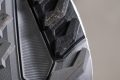
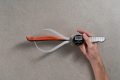
Even underfoot, the outsole looked pristine even after multiple use. Our Dremel only shaved off 0.2 mm of rubber, making it 75% sturdier than average and one of the best results we’ve seen in the lab. Despite all the protection and cushioning, it remains 17% lighter than the standard at 15.0 (425g).
However, the same is not the case in terms of price. At £180, it requires deep pockets. Those who don’t want to splurge can find cheaper alternatives.
Pros
- Extremely well-cushioned
- Exceptionally lively and bouncy underfoot
- Luxuriously padded interior
- Grippy and durable lugs
- Tackles wet surfaces confidently
- Very flexible and forgiving
- Excellent airflow
- Feels incredibly stable underfoot
- Supportive heel collar
- Rockered midsole
- Relatively lightweight
- High-quality construction
- Eye-catching design
Cons
- Needs breaking in
- Tricky to put on
- Expensive
Best durable hiking boots for urban hiking












What makes it the best?
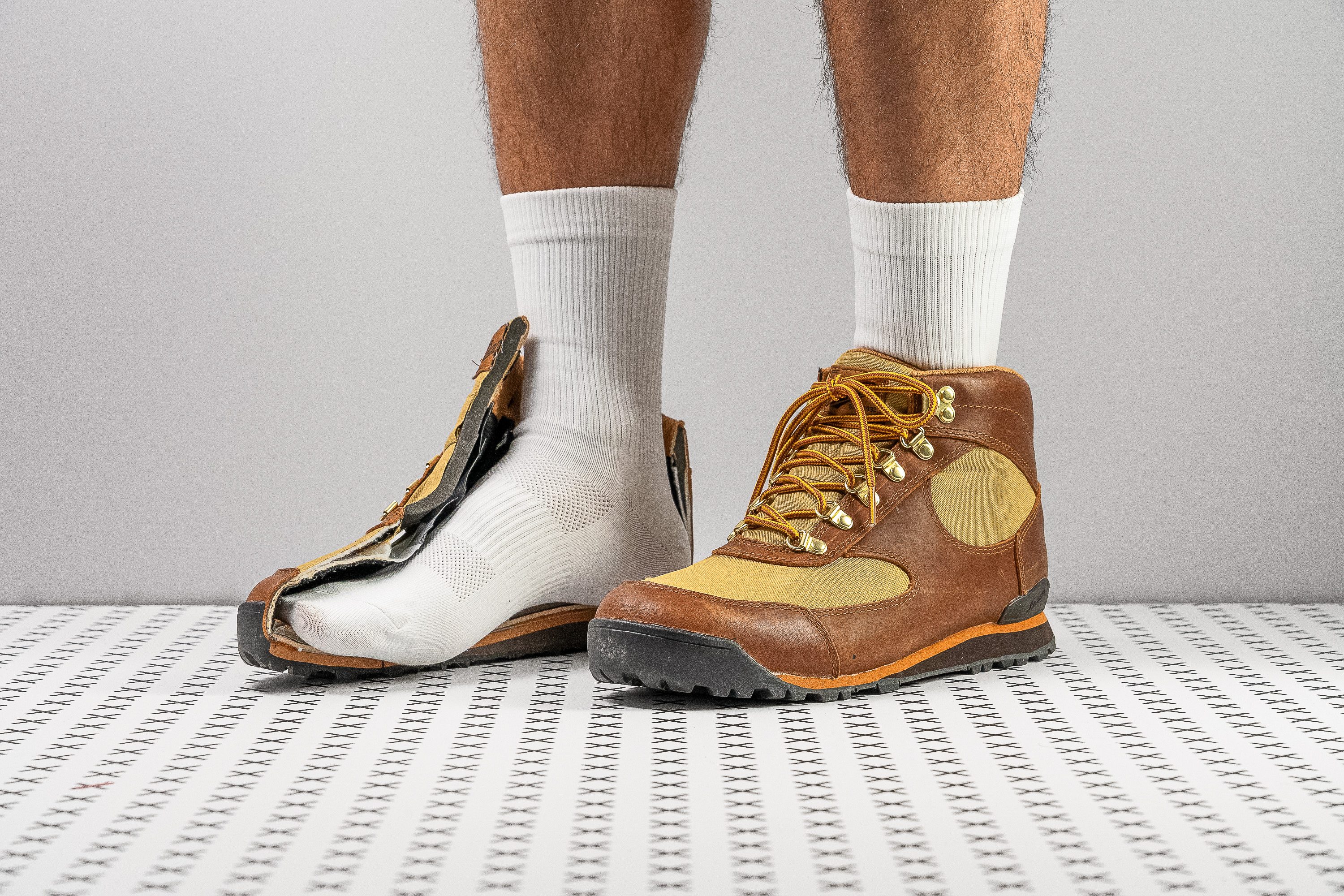
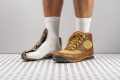
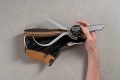
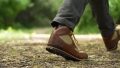
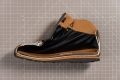
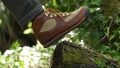
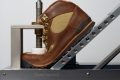
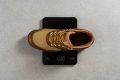
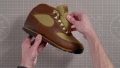
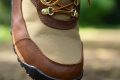
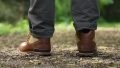
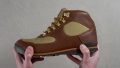
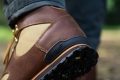
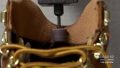
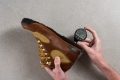
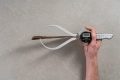
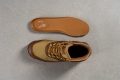
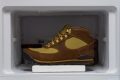
The Danner Jag feels light and fluid, making it suitable for easy to moderate treks. However, its build quality truly impressed us in the lab, smashing our durability test across the board. With its versatile design and reliable protection, it’s our best durable boot for urban hiking.
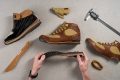
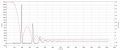
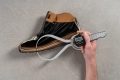
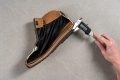
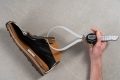
We found its lightweight design easy on the feet, despite its rugged build. At 17.0 oz (482g), it manages to weigh 6% below average, making it a great companion for casual wear. Upon checking our bend test, it emerged 20% more bendable than average, allowing for a freeing and relaxed feel that flooded our treks.
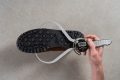
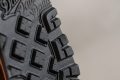
Looking at its bottom, it features a waffle-patterned outsole and versatile 3.7 mm lugs that feel comfortable on the pavement and grippy enough on the trail. The outsole can also handle abrasion on harsh surfaces, since it proved to be 37% more durable than average.
Not only that, the toebox and inner lining performed exceptionally well in our Dremel test, both scoring a solid 4/5 in durability. Truly, it left us with no worries of retiring early.
While great for a variety of surfaces, its low breathability makes it feel like an oven during summer hikes. Best to use this pair in colder seasons only.
Pros
- Versatile for both city and trail
- High-quality materials
- Excellent waterproofing
- Indestructible outsole
- Lighter than average
- Minimal break-in period
- Firm and grounded platform
- Stylish retro aesthetic
Cons
- Lacks cushioning for longer hikes
- Not for severe overpronation
Multi-factor nature of hiking boot durability
A single test that could quantify the overall hiking boot durability would be a dream come true, but it unfortunately does not exist. And how could it? Durability is a multifaceted feature because we can discuss:
- The material, quality, and thickness of the upper (durable thick leather, thin mesh, soft knit)
- The existence of a toebumper and other overlays that protect the upper from sharp objects
- The hardness and the thickness of the lugs and the outsole
- Overall design: Are parts glued together? Stitched?
- Overall wear-resistance of all the hiking boot parts (upper, outsole, insole, padding, laces…).
And then, we would still have to cover for different weather conditions, different wear patterns (hiker’s gait, foot strike), and surfaces. Some hiking boots may last for thousands of miles if used weekly on hard-packed trails by a skinny hiker with no backpack. On the other hand, think of a muscular backpacker with a heavy pack who loves covering technical terrain. Those 2 testing conditions are significantly different.
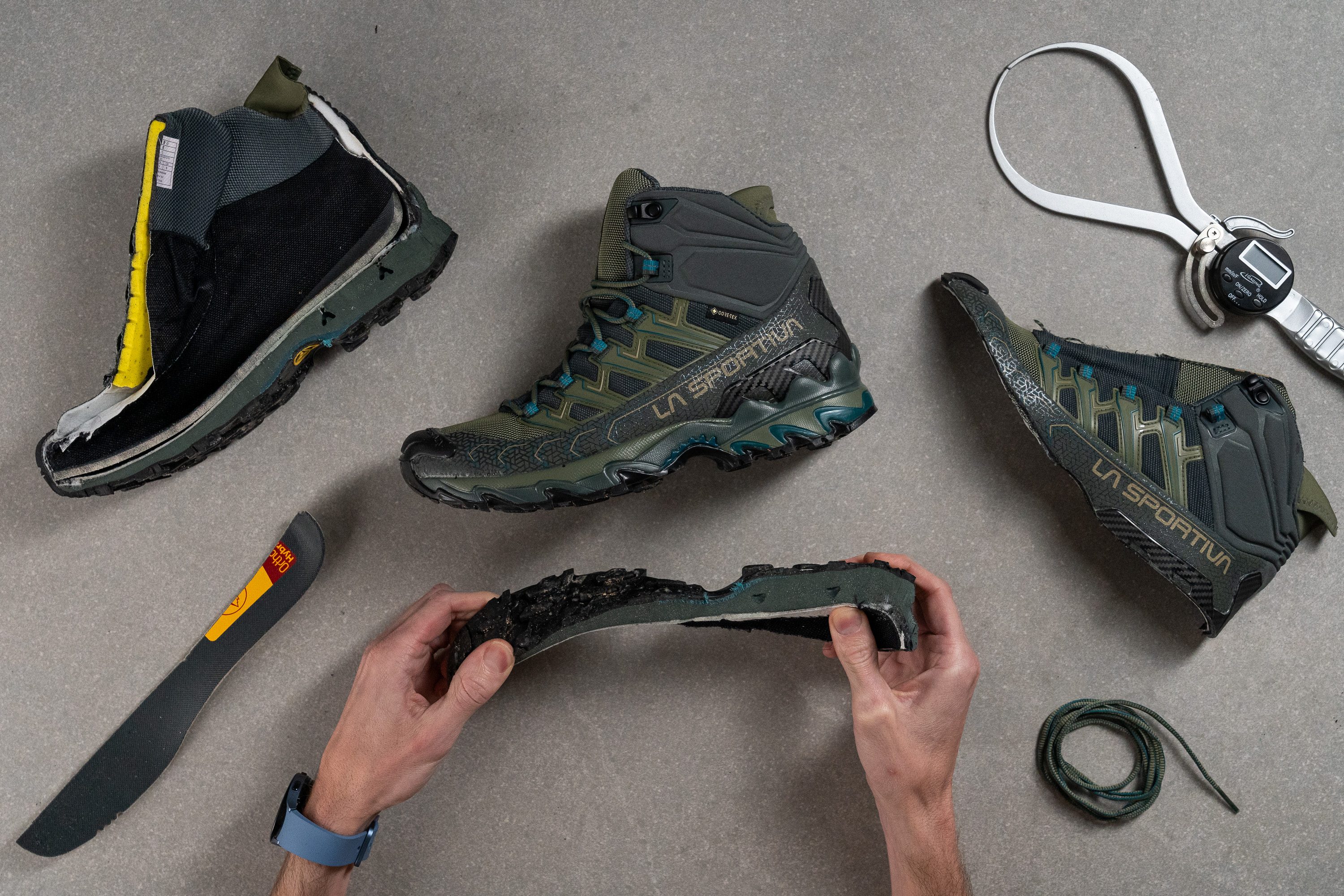
After all, the durability is about making your money worth it and making sure they last as long as you would expect. There is no cover-it-all test, but we did settle on 3 tests: outsole durability, upper durability, and heel padding durability.
Beginning of durable outsoles: Vibram
We’ve all heard about Vibram and we can recognise the logo from afar. It’s a perfect way to kickstart the hiking boot durability story.
In 1935, Vitale Bramani was leading an expedition to climb Mount Rasica and it was then that his 6 fellow climbers tragically died. Bramani was troubleshooting the issue of the obviously inadequate footwear, and he wanted to find something more durable, with significantly less exposure to the freezing surfaces, and with better traction.
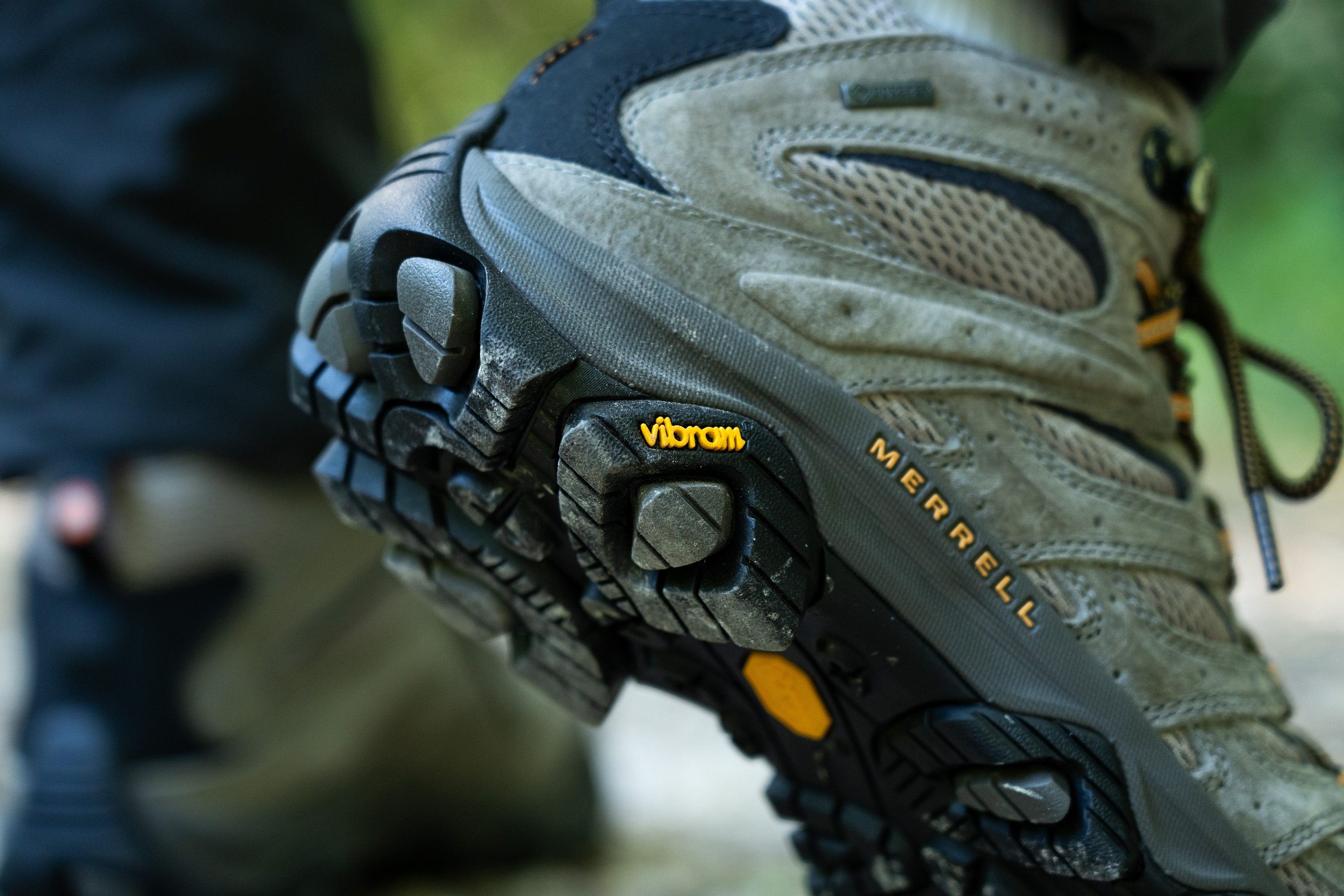
He ended up creating a rubber sole using rubber that was patented by Charles Goodyear. He went on to patent his designs: unique rubber compounds and unique threads. In the 1950s, he named these soles Vibram, and it’s the same company that makes the outsoles we see today.
Today, there are different outsole manufacturers; some brands prefer having their own compounds. When it comes to their durability or traction, we recommend checking the lab data on models you’re interested in.
Outsole durability in hiking boots
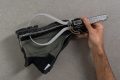
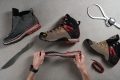
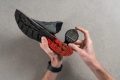
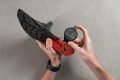
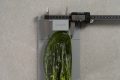
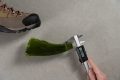
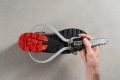
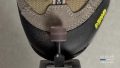
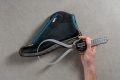
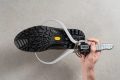
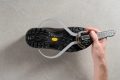
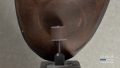
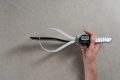
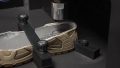
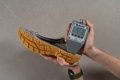
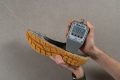
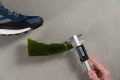
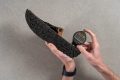
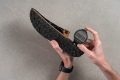
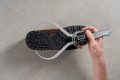
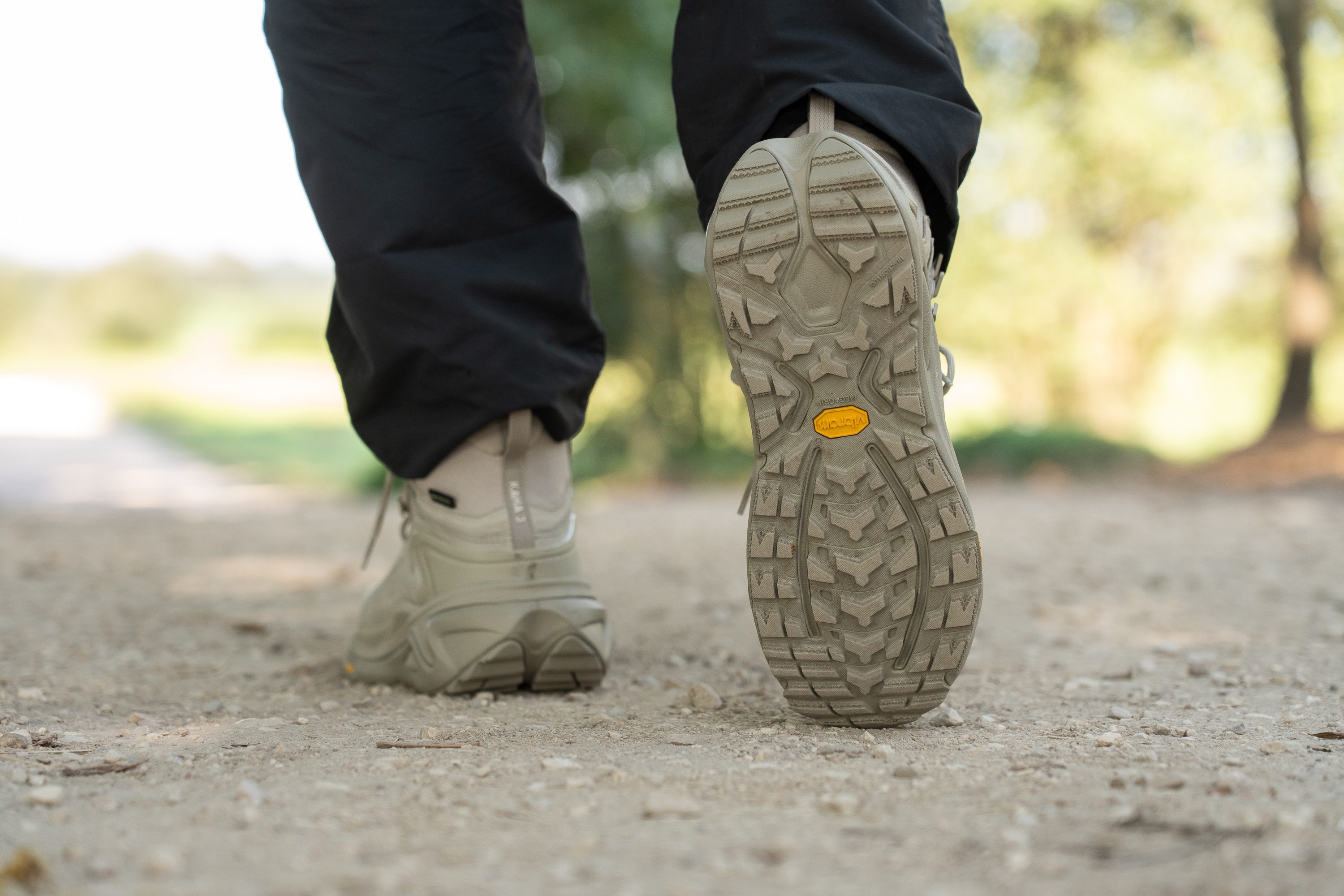
To test the outsole durability, we use a Dremel, which we press (with a force of 2N) against the outsole and keep it working for 18 seconds. The Dremel makes 10K rotations per minute. This setting is the same for all hiking boots, which makes the results objective and comparable.
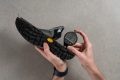
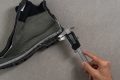
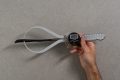
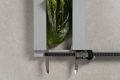
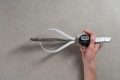
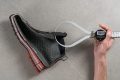
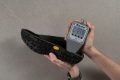
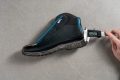
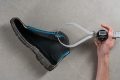
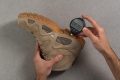
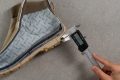
Once the damage is done, we use a tyre tread gauge to measure how deep the dent is. Deeper dents indicate less durable outsoles and shallower dents indicate more durable ones.
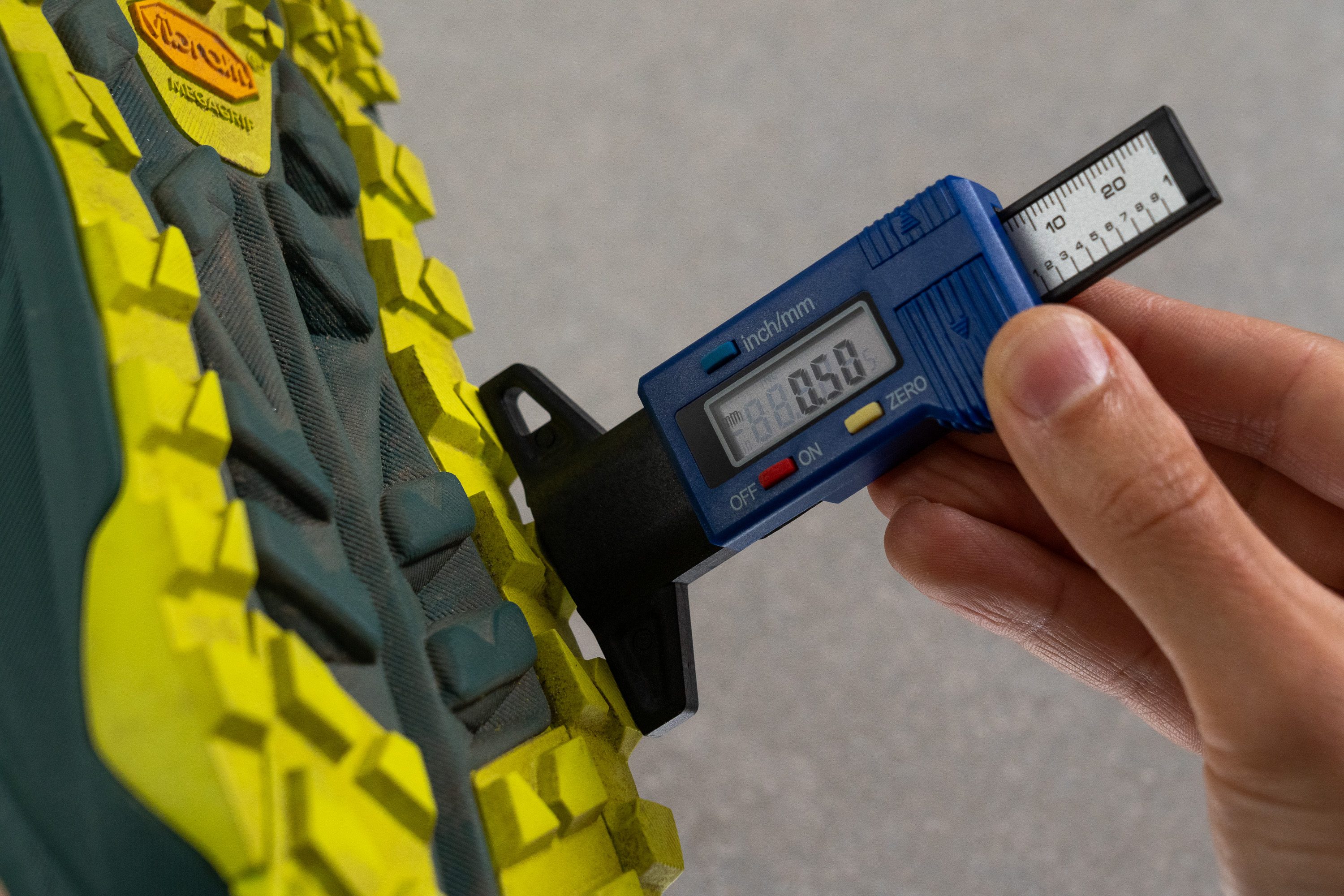
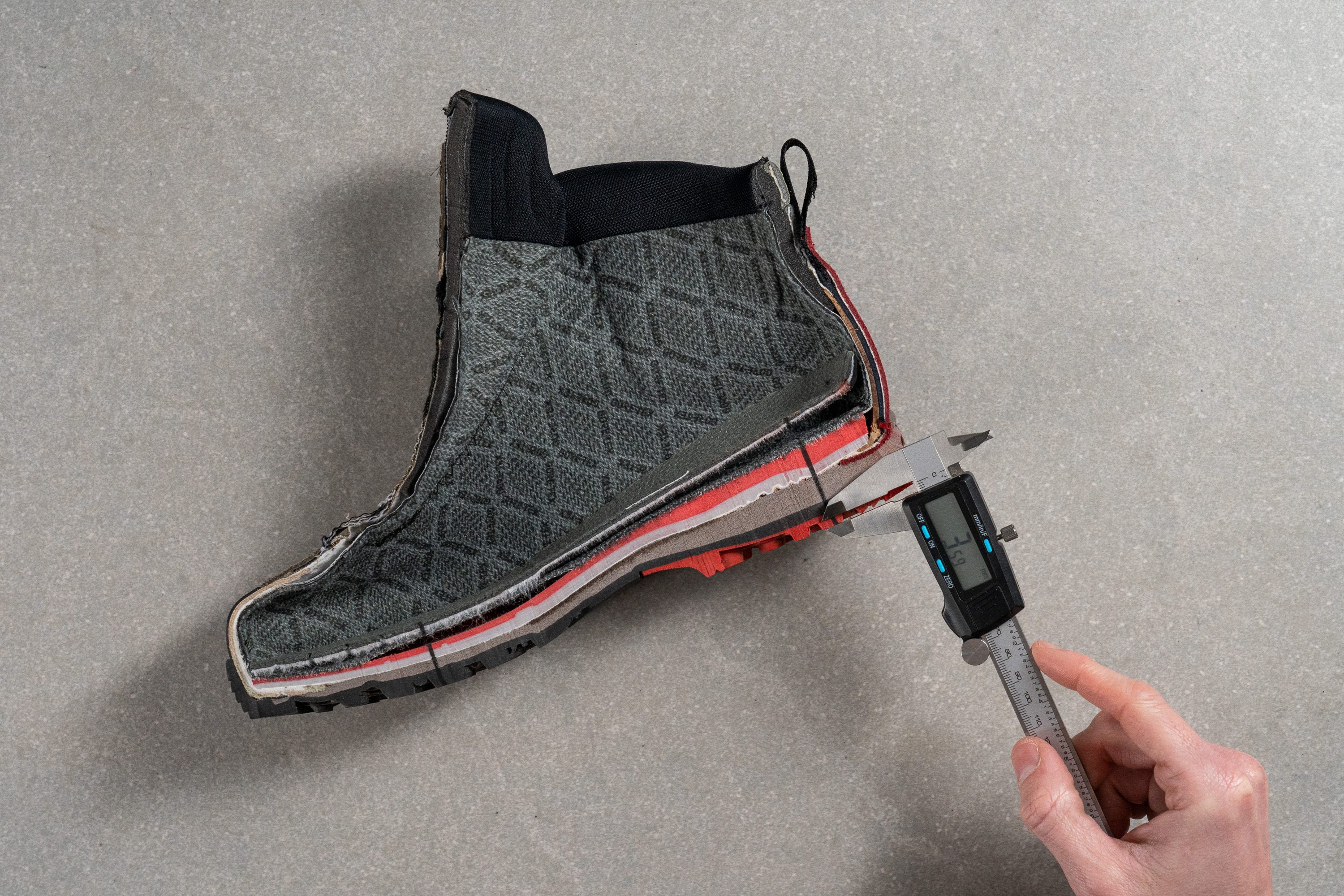
Of course, another thing at play here is the lug thickness. Most of us have been there: we wore the hiking boots for so long, the lugs are barely visible, the outsoles are almost flat, and for a hiking boot, it’s usually the end. No grip, no hiking. So, it’s important to know how thick the lugs are.
Based on all of this, we can look at the most durable outsoles in hiking boots now.
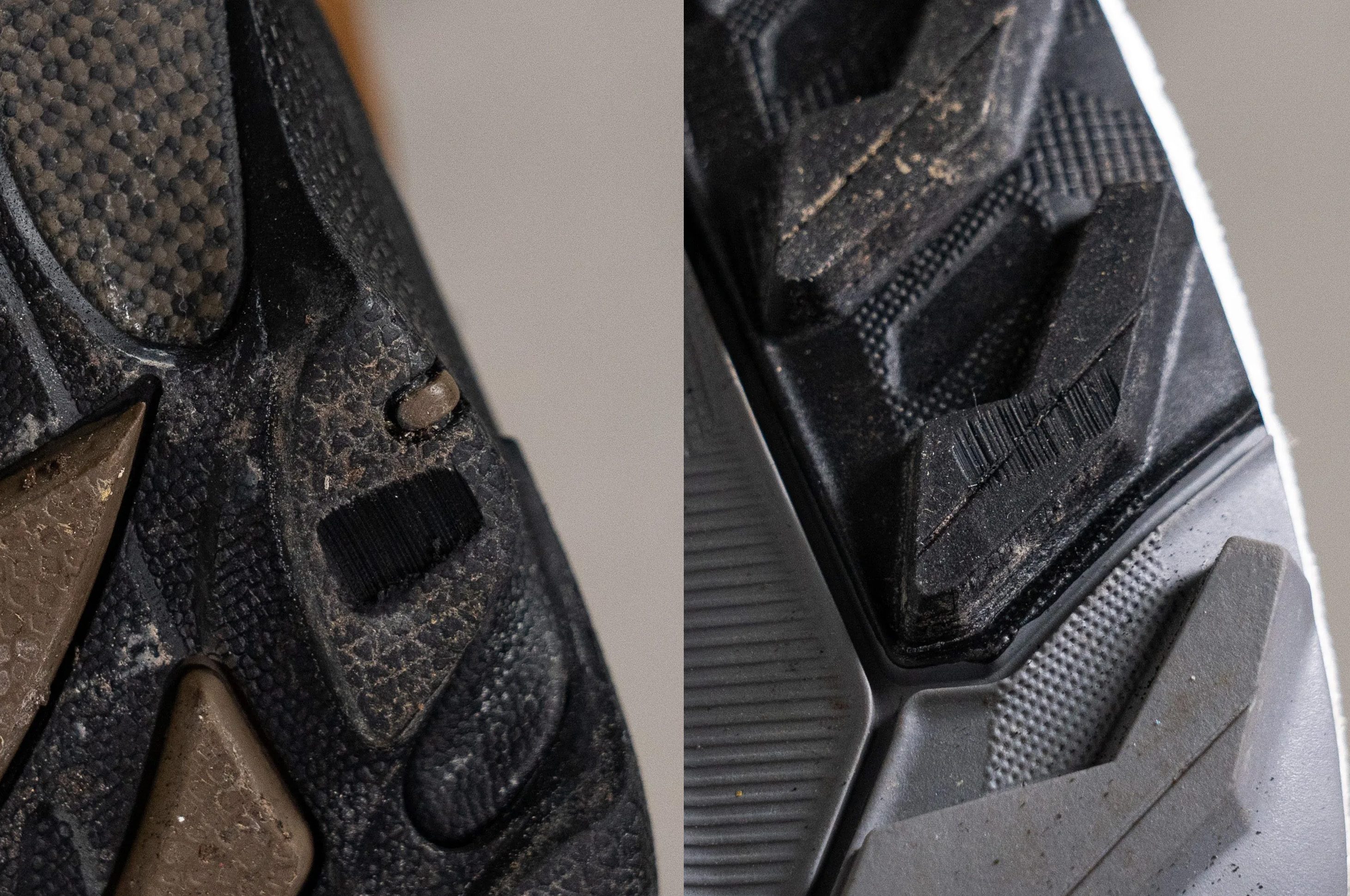
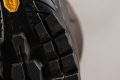
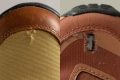
This (above) is what 1.4 mm vs 0.2 mm dents look like on outsoles that were given identical treatment (the Dremel durability test).
Toebox durability in hiking boots: lab data
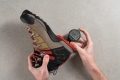
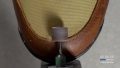
For this test, we also use a Dremel. The setting is slightly different because the material is different, so we have to make the test more sensitive. Because of this, the force remains the same (2N) but the duration is now 12 seconds, and the Dremel makes 5K rotations per minute.
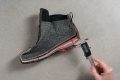
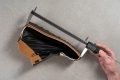
Given the area we’re testing, it’s obvious that the results will differ significantly based on the upper material and whether the boot features a toebumper (protective hard rubber overlay) or not (as seen in the image below).
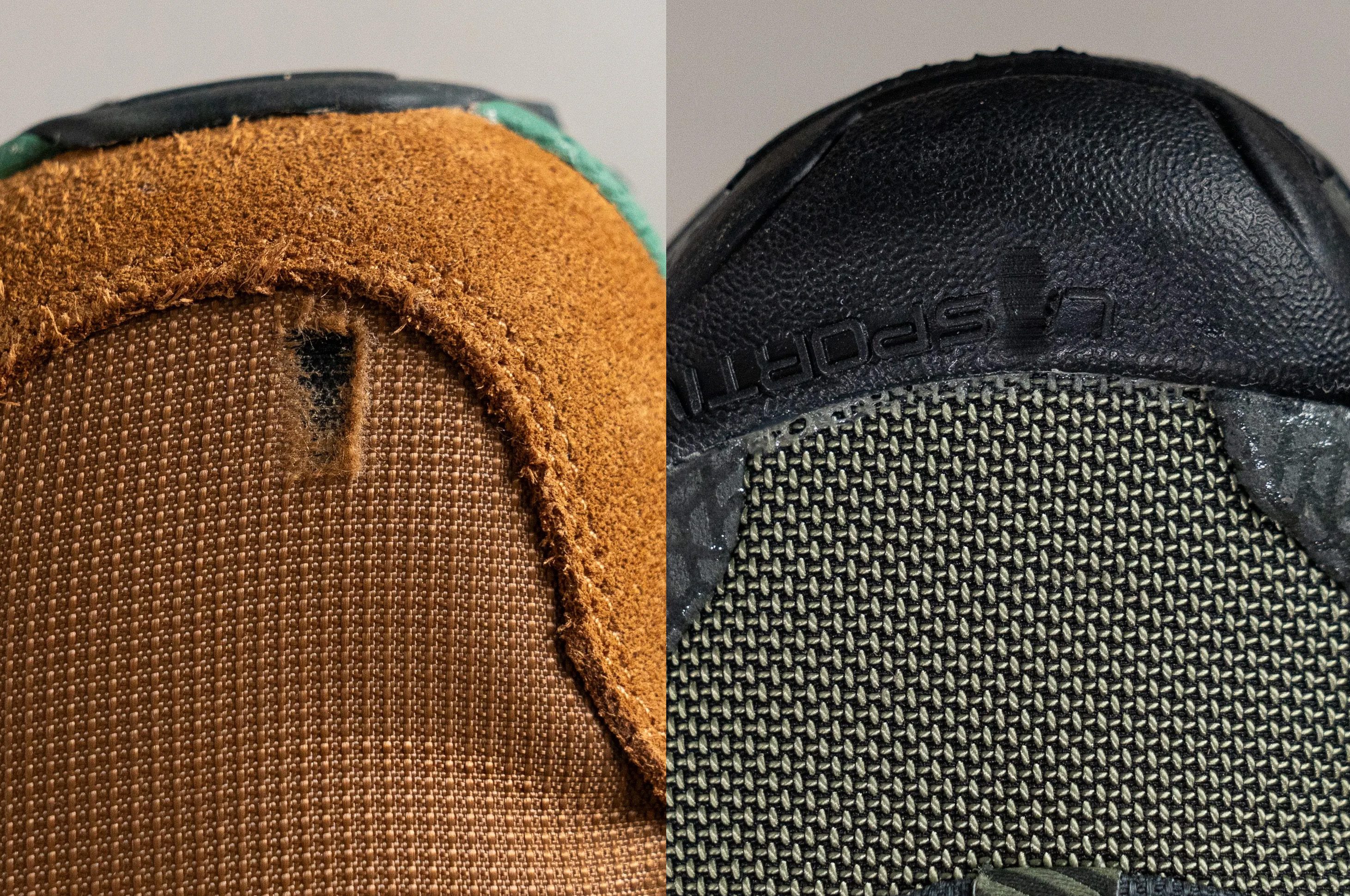
In this case, we can’t use a tyre tread gauge. The upper material (knit, mesh, leather) are soft, pliable, and we would not be able to stick a gauge in them and measure the depth precisely. So, we assign a durability rating on a 1-5 scale to each toebox. 1/5 is given to the least durable toeboxes and 5/5 to the most durable ones.
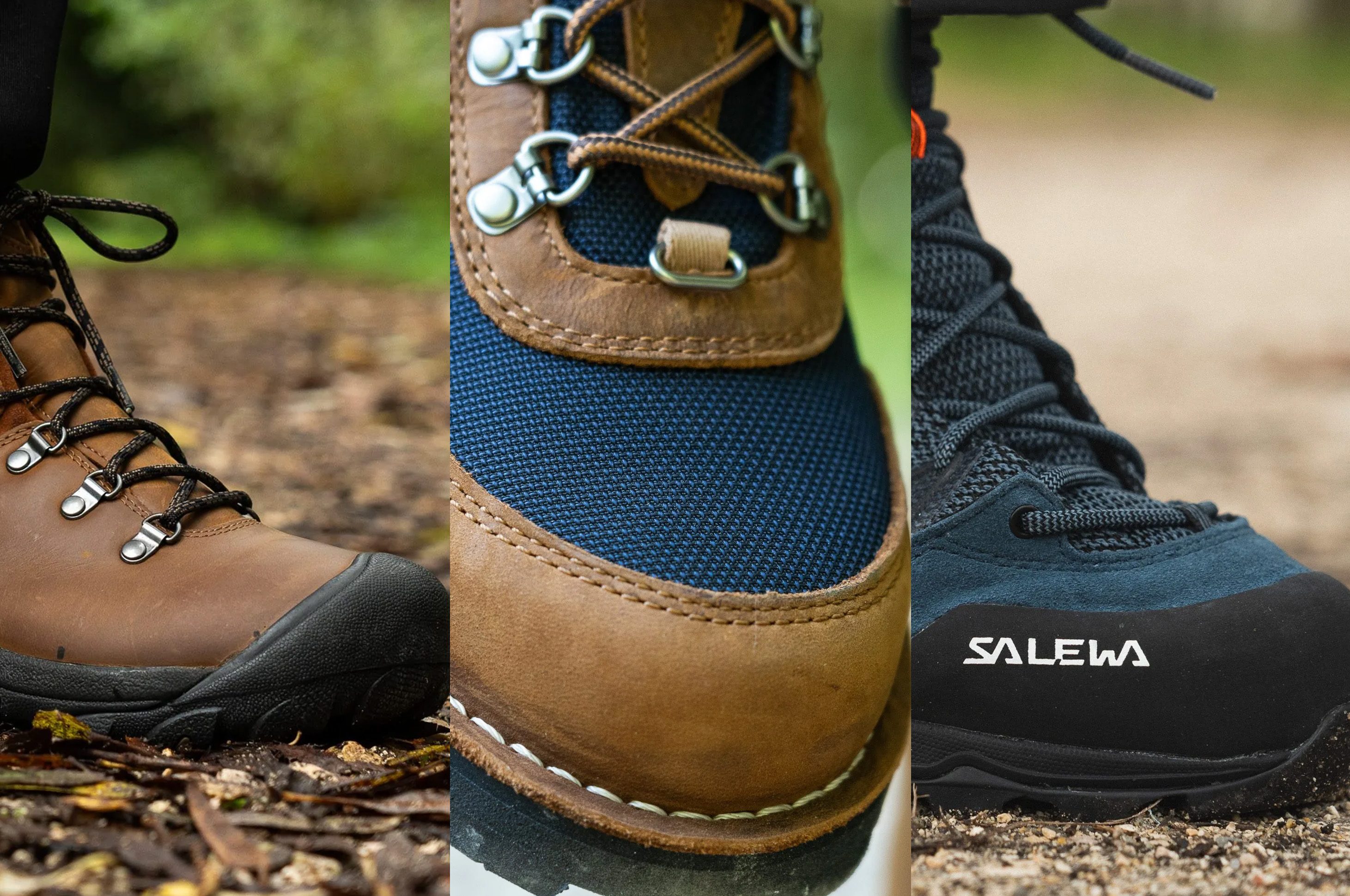
Toe bumpers usually score the highest. Then, toeboxes made of thick leather. Then come other materials.
Durability of heel padding in hiking boots
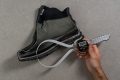
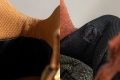
Again, the Dremel. The parameters are: 2N of force, 4 seconds of duration, at 5K RPM.
The durability of this part is not essential to the overall performance of the hiking boot. The area where the rubbing happens the most may get flatter and flatter, but the boots might still be waterproof, grippy, protective. Still, it is worth testing given that many hikers care about this.
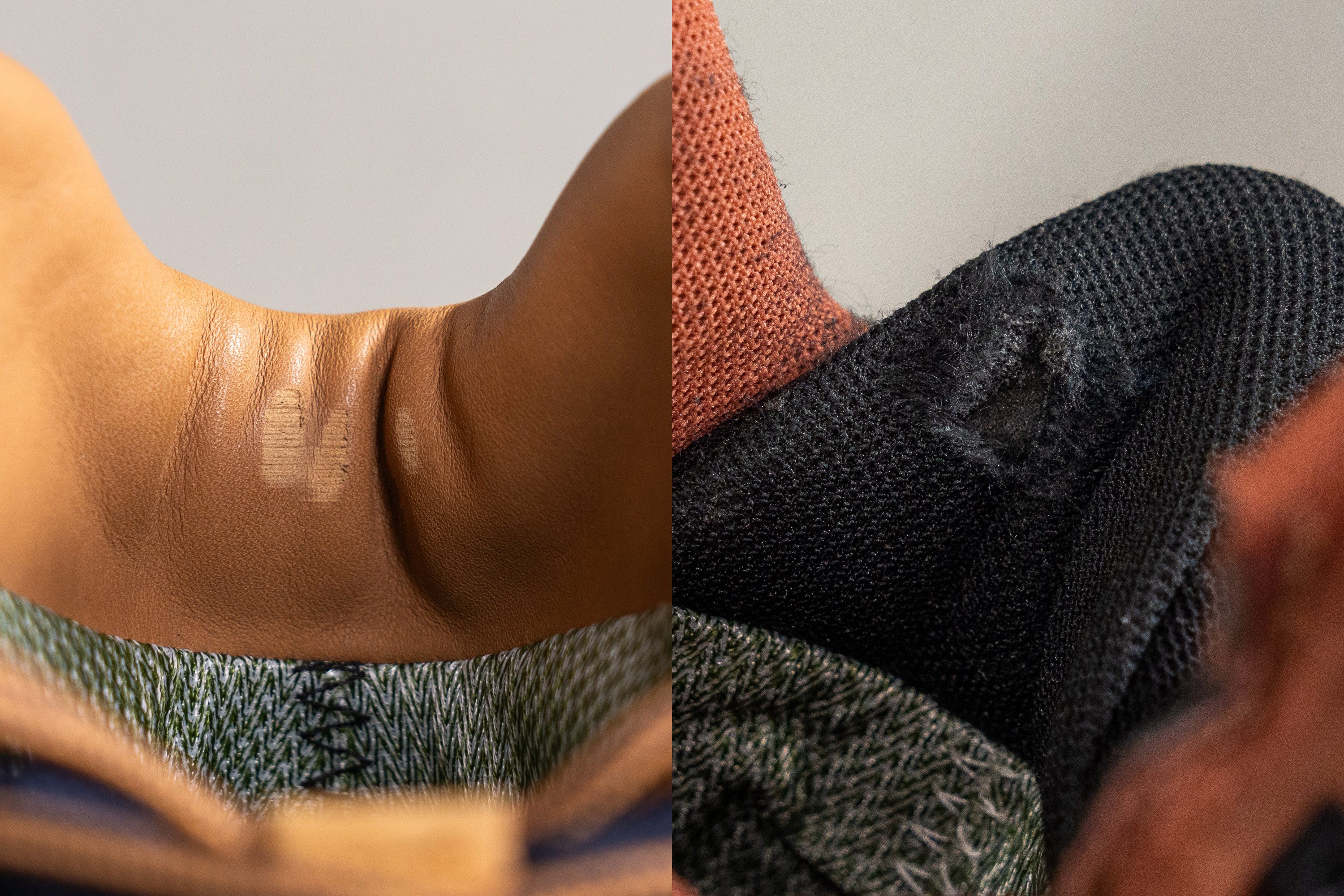
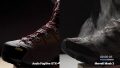
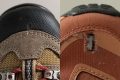
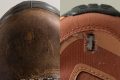
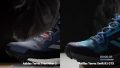
We assign a 1-5 score to each boot depending on how the heel padding handled the Dremel; 1 out of 5 = badly (deep hole) or 5 out of 5 = great (barely a scruff). On the image above, we see 5/5 on the left and 1/5 on the right.
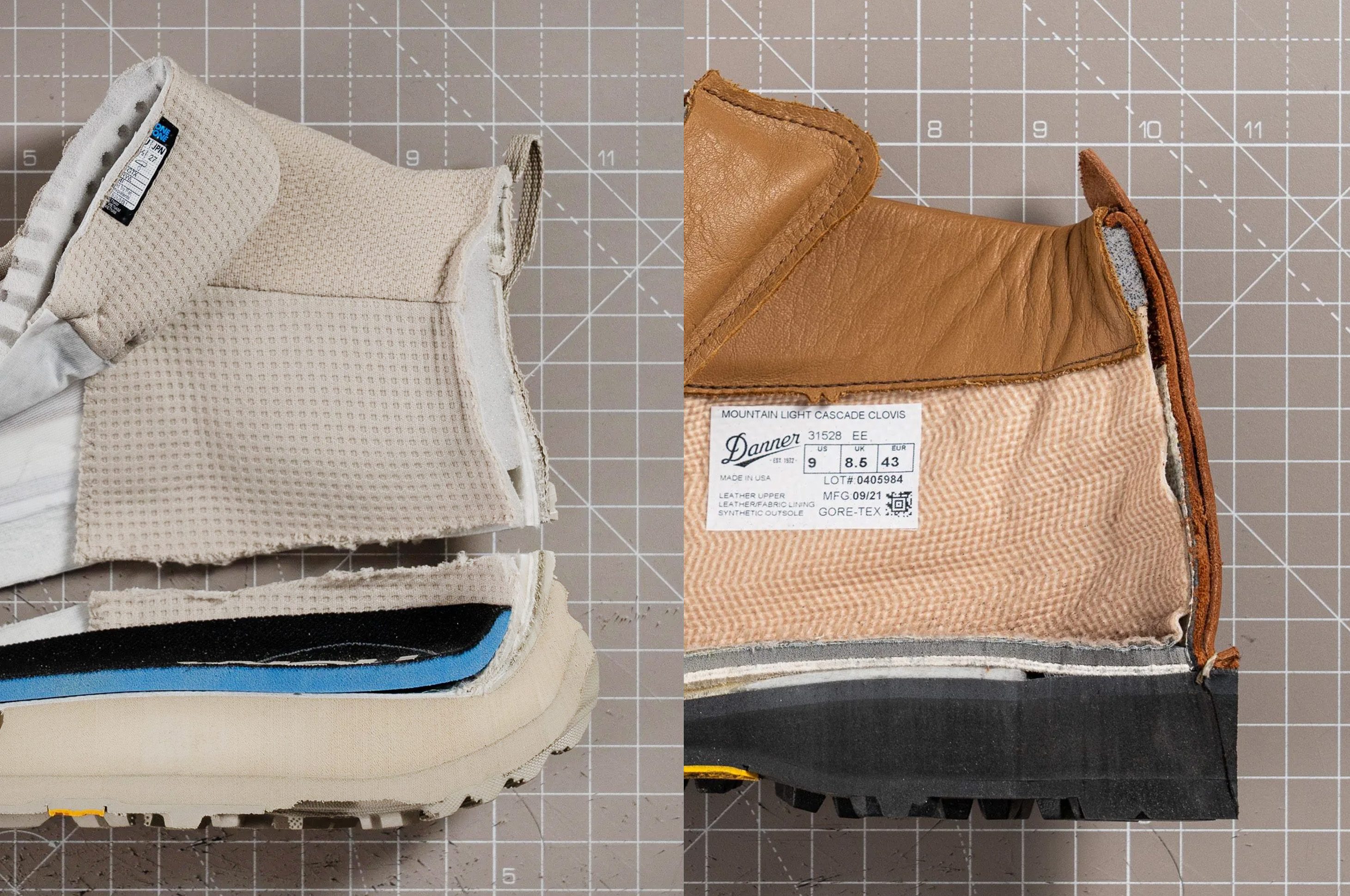
In this case, we do not measure the thickness of the heel padding, but you can always look at our photos of boots cut in half. It’s interesting to notice all the layers and their thickness, especially the heel collar. Of course, a thin leather lining can be significantly more durable than a thick foam one.
Durability overview: lab data for outsole, heel padding, and toebox durability
Check out all 3 durability scores for best-rated durable hiking boots:
What can YOU do to make hiking boots last longer?
Always check the manufacturer’s guidelines on how to take care of your boots. In some cases, a wrong cleaning product, tool (brush that is too harsh), temperature (of the running water or heating device used to dry the boots), or a wrong impregnating product (cream for leather uppers or spray for waterproofing) may decrease the longevity of your hiking boots.
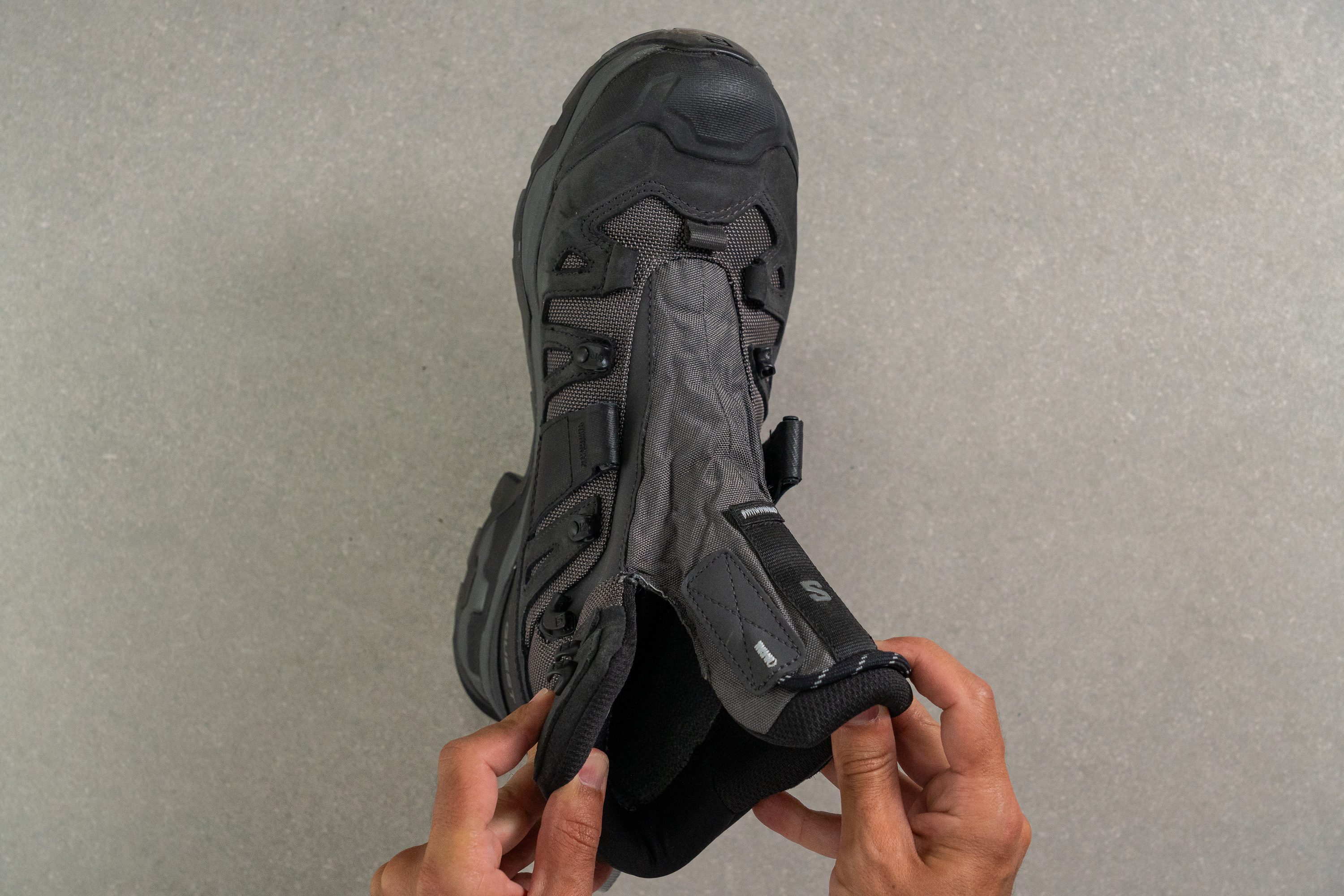
Pay special attention to Gore-Tex boots. When you wash a Gore-Tex jacket, you may tumble dry it. Only because it’s the same membrane does not mean you should tumble dry your boots. Arc’teryx has highlighted something relevant in their climate report from 2022, saying that we can extend the garment's life by 32% if we take proper care of it.
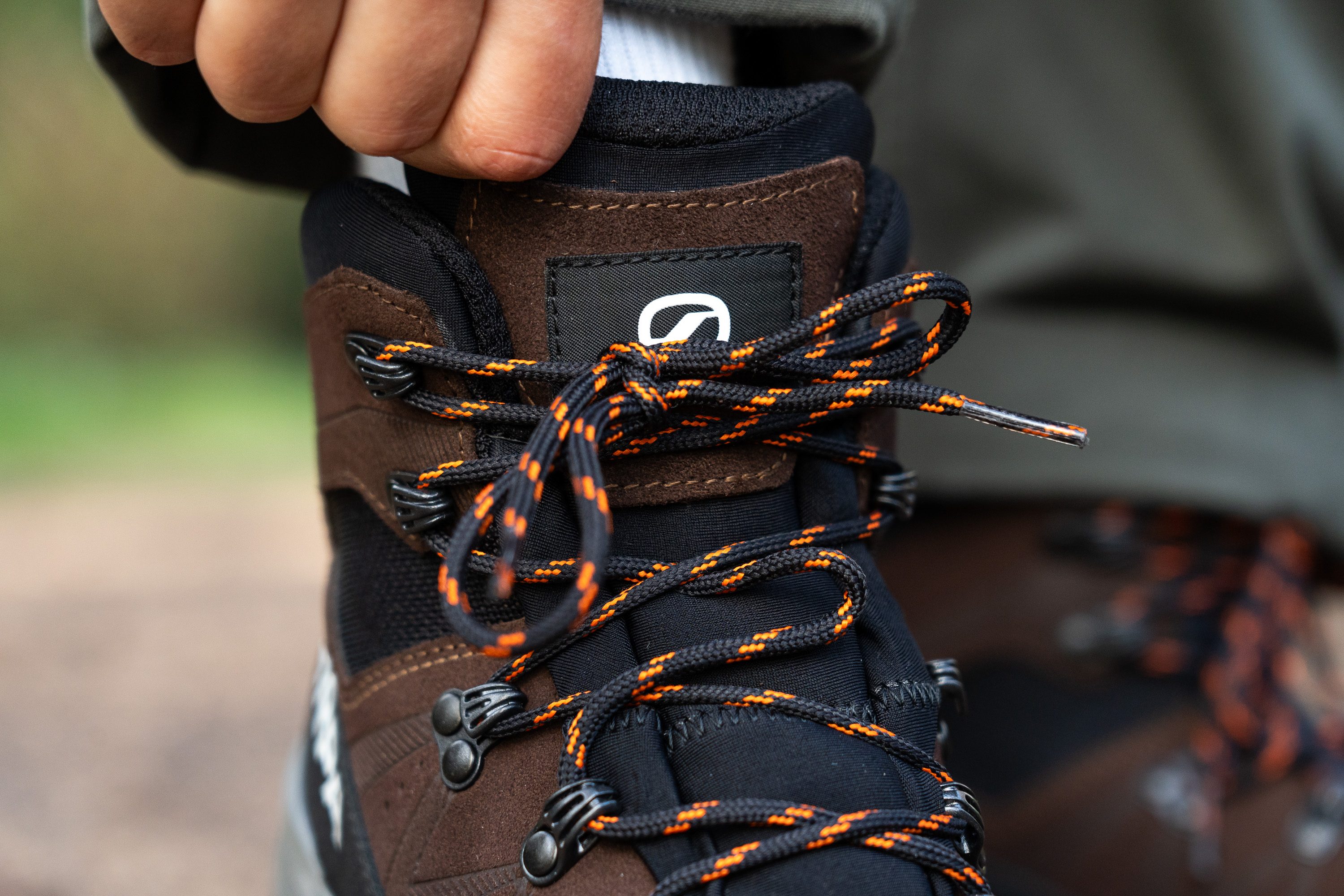
Some hikers also like to pour bicarbonate soda into their boots to prevent bad odour. Check with the manufacturer if that’s a good idea! In some uppers, pores (ventilation holes) may get clogged. Do not experiment.
Care for the environment and hiking boots: what’s the connection?
The more hiking boots you buy, the bigger your carbon footprint. It’s one of the reasons why it’s great to find durable hiking boots, those that last longer and which pollute less. After all, hiking boots end up in the landfills. Many are built with materials that are impossible to recycle. So, what can you do?
- Don’t succumb to greenwashing campaigns. Check the brand’s claims. Check their supply chain transparency.
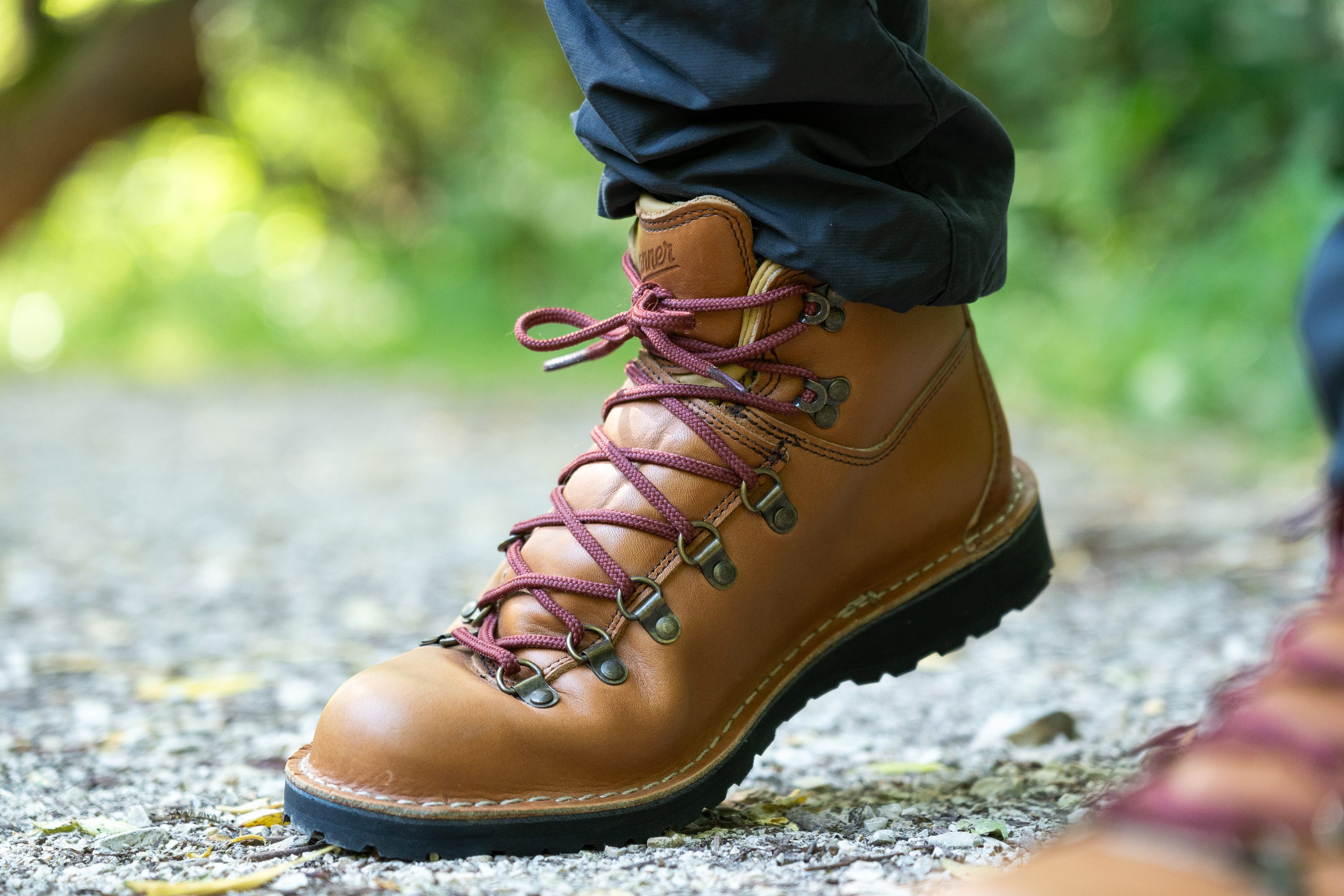
- Support the brands that have good initiatives (Meindl offers resoling options, Icebug focuses on lifestyle approach and minimal environmental impact, Danner has a recrafting programme for boot repair, Hanwag manufactures its boots in Europe, Arc’teryx uses their ReBIRD campaign to give new life to old/used/renewed footwear,...).
- Pay attention to the membranes and sprays you’re using: many (waterproof or water repellent ones) rely on PFAS chemicals. These are the so-called forever chemicals, and they are also found in non-stick pans, sun care products, grease-proof food wrapping papers, waterproof makeup, etc.). If you’re not familiar with this topic, a good starting point would be Dark waters, the movie. When it comes to hiking boot sprays, you can look for better options, like plant-based coatings. Keen’s and Salomon’s hiking footwear is PFAS-free.
- Many “sustainable” hiking boots are made with no recycled materials, don’t have the repair option given by the brand, and we get no info on their biodegradability. Question these claims.
Our mission here is to help you find the right pair of hiking boots, instead of owning many that are simply not good. If you’re looking for discounted hiking boots, head over to our Deals page.
Sources
- https://lemelson.mit.edu/resources/vitale-bramani
- https://sustonmagazine.com/hiking-boots-sustainability-guide/
- https://www.nytimes.com/wirecutter/reviews/pfas-bans-for-clothing/
- https://www.keenfootwear.com/blogs/keen-blog/what-is-pfas-free
- https://www.salomon.com/en-us/sg/a/salomons-footwear-range-now-pfc-and-pfc-ec-free
- https://images.arcteryx.com/pdf/2022_Climate_Report_EN.pdf
Similar buying guides