7 Best Business Casual Trainers in 2026

We buy shoes ourselves. We earn commissions when you buy through us, at no extra cost. Why trust us
Business casual does not mean the same thing to different people. Regardless of whether you prefer these trainers in muted colours, polished leather, or with a more casual style, we talk about functionalities as well. Thanks to our lab data, we get to talk about durability, traction, toebox width, and other details that are relevant for those who usually spend around 8 hours per day in these beaters.
As always, we picked the pairs that outperformed the rest. All in the recognisable business casual style, but each with a trophy in a different department!
How we test business casual trainers
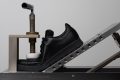
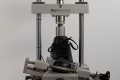
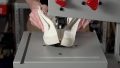
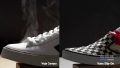
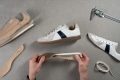
Our testing process is completely standardised. We have protocols set in place, and there are no deviations. Thanks to this, each sneaker is treated the same. We apply the same forces, the same tools, use the same RPMs (rotation per minute), fill them with the same smoke, etc. This approach allows us to publish the lab data for each sneaker feature, and it's the data you can use to compare trainers and find a pair that suits your needs the most.
Of course, it goes without saying that we also test the trainers outside the lab, in different settings, so that we can personally experience them and pay attention to all the details. This means that each review is backed by lab data and first-hand impressions.
All the trainers that go through our lab were bought with our own money. We don't make deals with the brands, we don't get freebies, and we don't let anyone dictate what we can publish. We publish everything: our reviews are as transparent and objective as they get.
Best business casual trainers overall





What makes it the best?
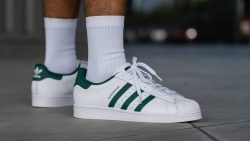
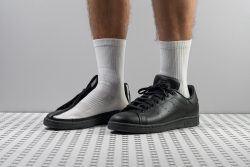
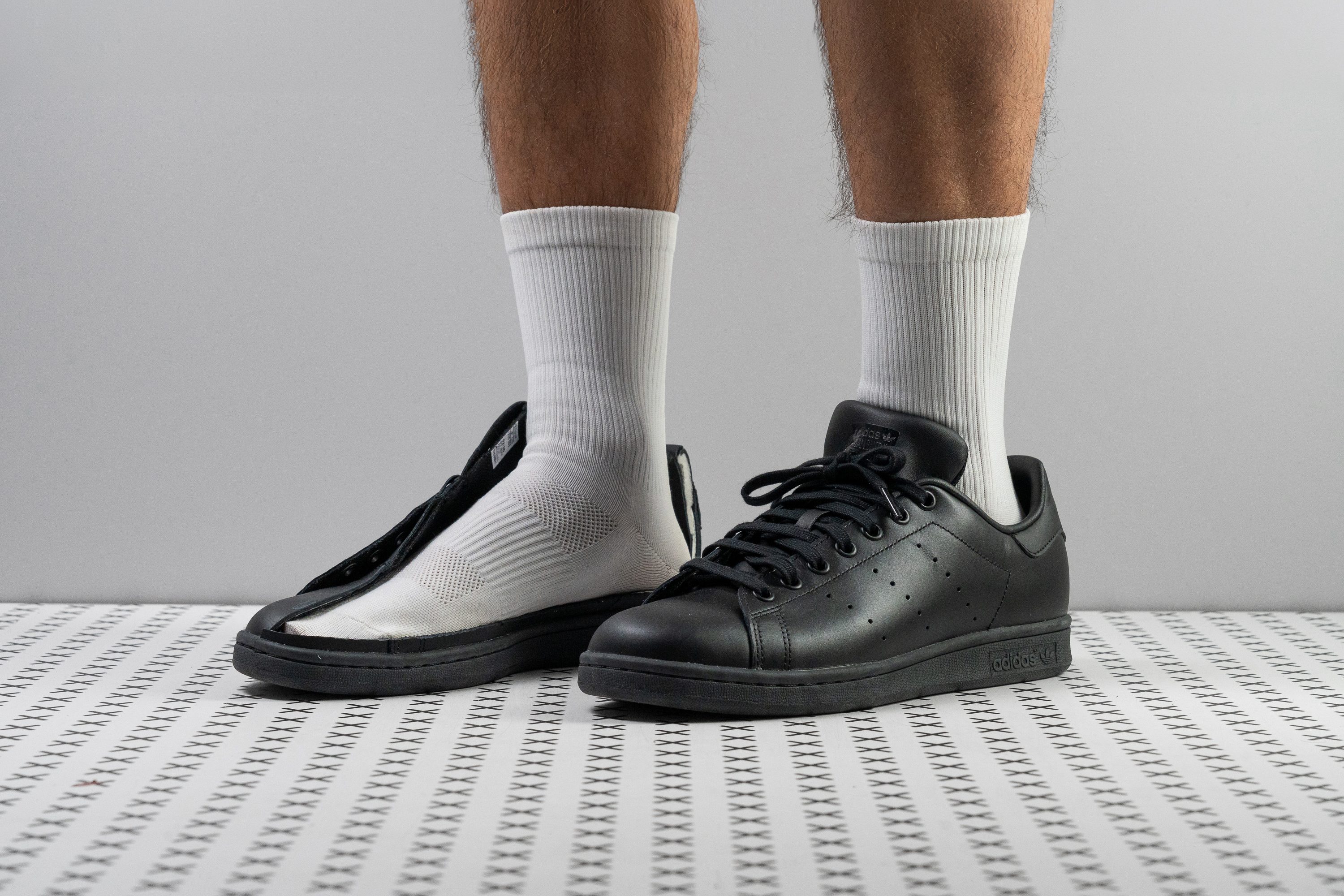
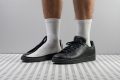
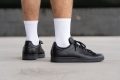
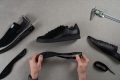
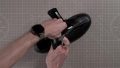
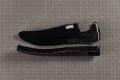
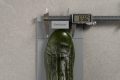
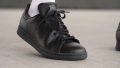
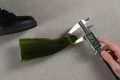
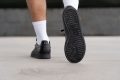
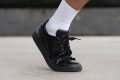
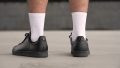
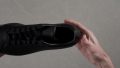
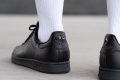
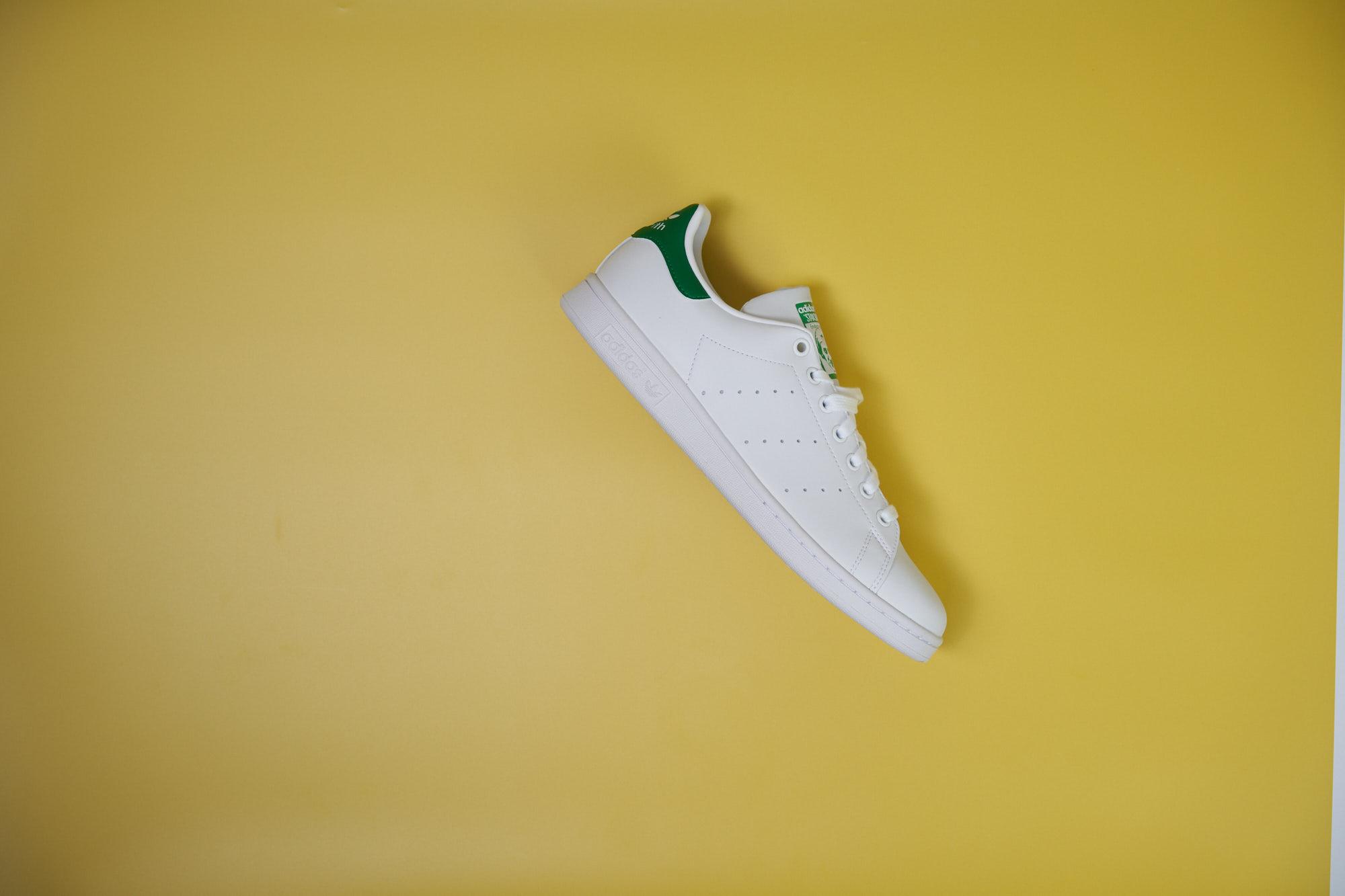
The adidas Stan Smith is an iconic sneaker, lasting over six decades in the market. It’s a clean, polished leather shoe, which lab tests prove to be low maintenance because it’s durable and easy to clean. With its versatile look and feel and numerous colorways, it’s our best business casual sneaker.
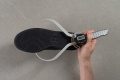
The Stan Smith has a simple and straightforward design, allowing us to move comfortably in and with the shoe. After breaking it in, it’s easy to wear all day.
Moreover, the leather material repels dirt and water with just a wipe away. It also proved its strong wear resistance by still looking new despite our numerous wear tests. Its all-white look is timeless, yet many other colours are available for every style and personality.
However, note that the shoe runs quite large. We recommend getting a half size smaller than usual for a better fit.
Pros
- Eternal sneaker classic
- Clean, minimal aesthetic
- Excellent long-term durability
- Good leather quality for the price
- Stable and grounded platform
- Impressive wet surface traction
- Can survive moderate rain
Cons
- Snug, borderine-tight fit
- Not so light for a low profile
- Not breathable
Best suede business casual trainers









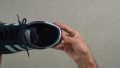
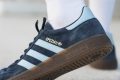

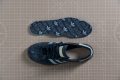


What makes it the best?
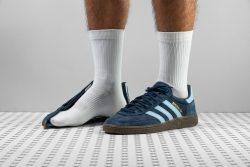
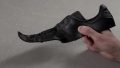
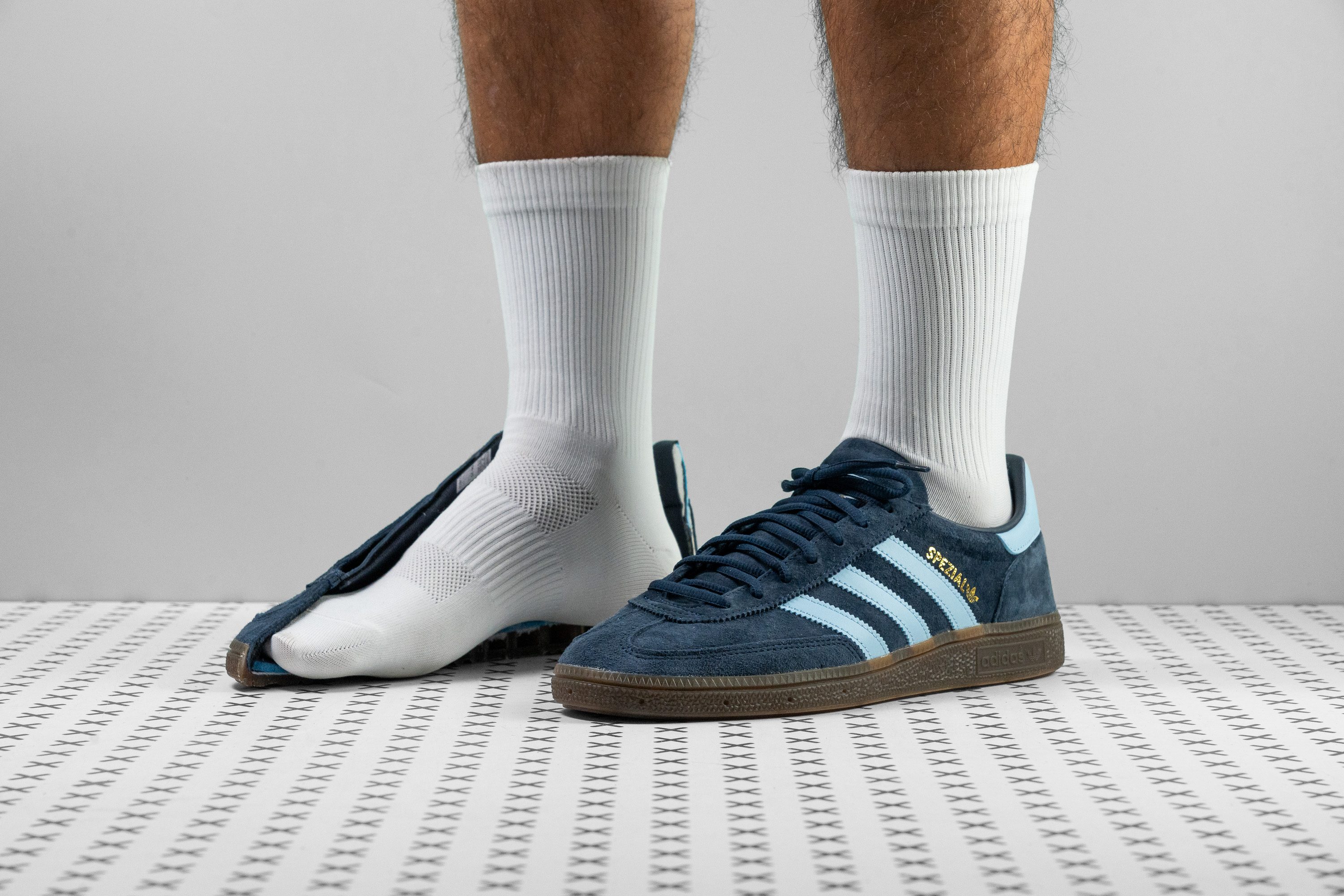
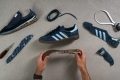
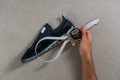
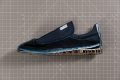
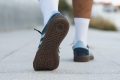
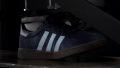
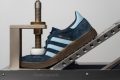
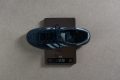
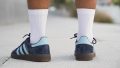
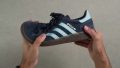
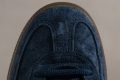
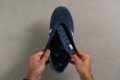
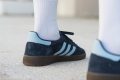
With many colorways, a minimalist design, and high-quality materials, the adidas Handball Spezial proved to be our best suede business casual sneaker. We verified the genuineness and durability of this kick in our lab, wrapped in a light and loose construction that enhances prolonged comfort.
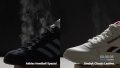
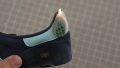
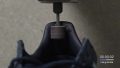
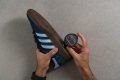
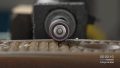
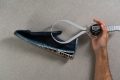
We tested the upper in our torch test, and it didn’t burst into flames, proving the suede’s authenticity. Besides its stylish look, it’s also incredibly protective. Our Dremel barely scuffed the material, earning a high 4/5 toebox durability score.
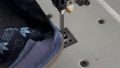
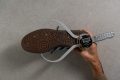
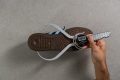
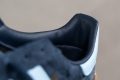
We also tested the sneaker’s inner lining to abrasion, and it emerged successful with a high 4/5 durability rating. The gum rubber outsole also proved to be resilient, resulting with 54.5% less wear than average.
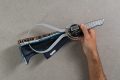
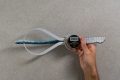
Given its sturdy construction, its minimal weight and flexibility are a pleasant surprise. Our scales show it’s only 12.2 oz (344g), making it 11.8% lighter than average. Moreover, it showed 64.7% higher flexibility than average in our bend test, making it forgiving for everyday use.
While the Handball Spezial is built to last, its suede material can stain easily. Keeping it clean will help preserve a sharp, professional look.
Pros
- Premium materials
- Easy to slip on
- Great all-rounder
- Extremely flexible and comfy
- Pleasantly lightweight
- Solid lockdown
- Signature old-school look
- Easy on the wallet
- Dozens of colorways
- Great grip for a gum sole
Cons
- Slim profile
- Not ideal or wide feet
- Dirt and dust magnet
Best lightweight business casual trainers





What makes it the best?
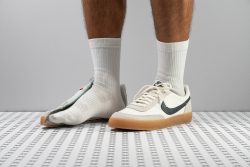
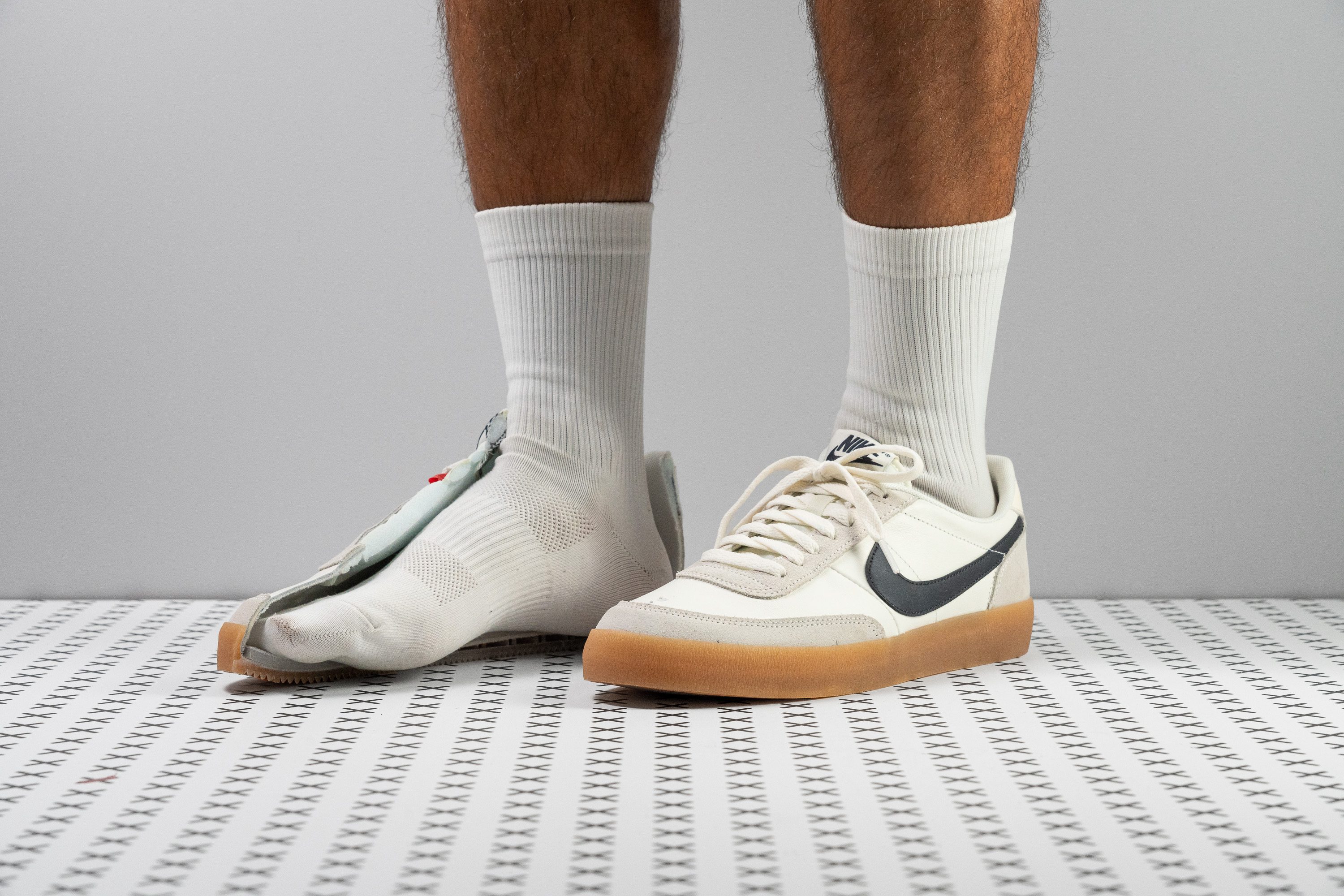
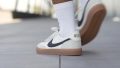
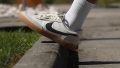
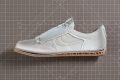
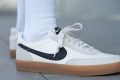
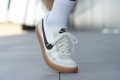
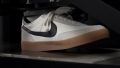
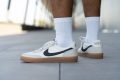
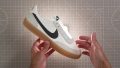
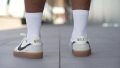
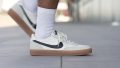
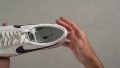
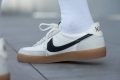
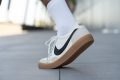
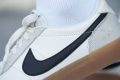
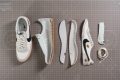
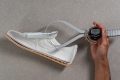
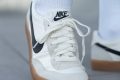
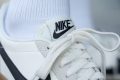
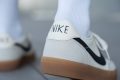
With its clean design and straightforward ride, the Nike Killshot 2 feels as effortless as it looks. It features genuine leather that can maintain its pristine look for a long time. Moreover, lab tests show its minimal weight and resistance to our movement, keeping it versatile and comfortable. Overall, it’s our best lightweight business casual sneaker.
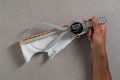
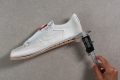
Killshot 2 offers a smooth experience, and our scales show it’s only 11.3 oz (319g), 18.2% below average. It has a touch of spring underfoot, evidenced by its impressive energy return score of 57.5% in the heel, which boosts our agility.
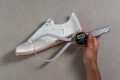
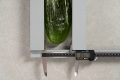
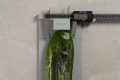
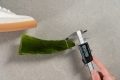
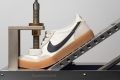
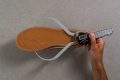
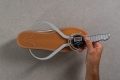
It features a low-to-the-ground platform, measuring 16.9/12.3 mm, focusing on ground feel and stability. Moreover, its slim profile enhances its flexibility. Our bend test reveals it’s 31.6% more pliable than average, which offers unrestricted movement.
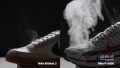
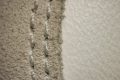
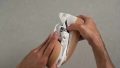
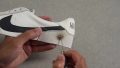
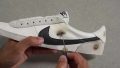
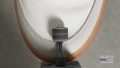
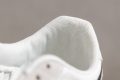
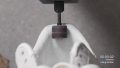
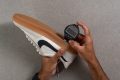
The upper is made of authentic leather, as it managed to stay intact in our torch test. Moreover, it proved to be protective with a high 4/5 durability score in our Dremel test. It’s resistant to premature wear, and dirt can easily be wiped away.
However, the solid leather does not allow any airflow. Scoring the lowest breathability rating, it’s not advisable for use in humid weather and for feet that sweat easily.
Pros
- Looks great with pretty much anything
- Clean and minimalist aesthetics
- Timeless design
- Stylish and long-lasting structure
- Quite comfortable and lightweight
- Very high value for money
- Easy to clean
- Narrow foot-friendly
Cons
- Crease marks appear soon
- Not breathable
- Slippery gum sole
Best sustainable business casual trainers






What makes it the best?
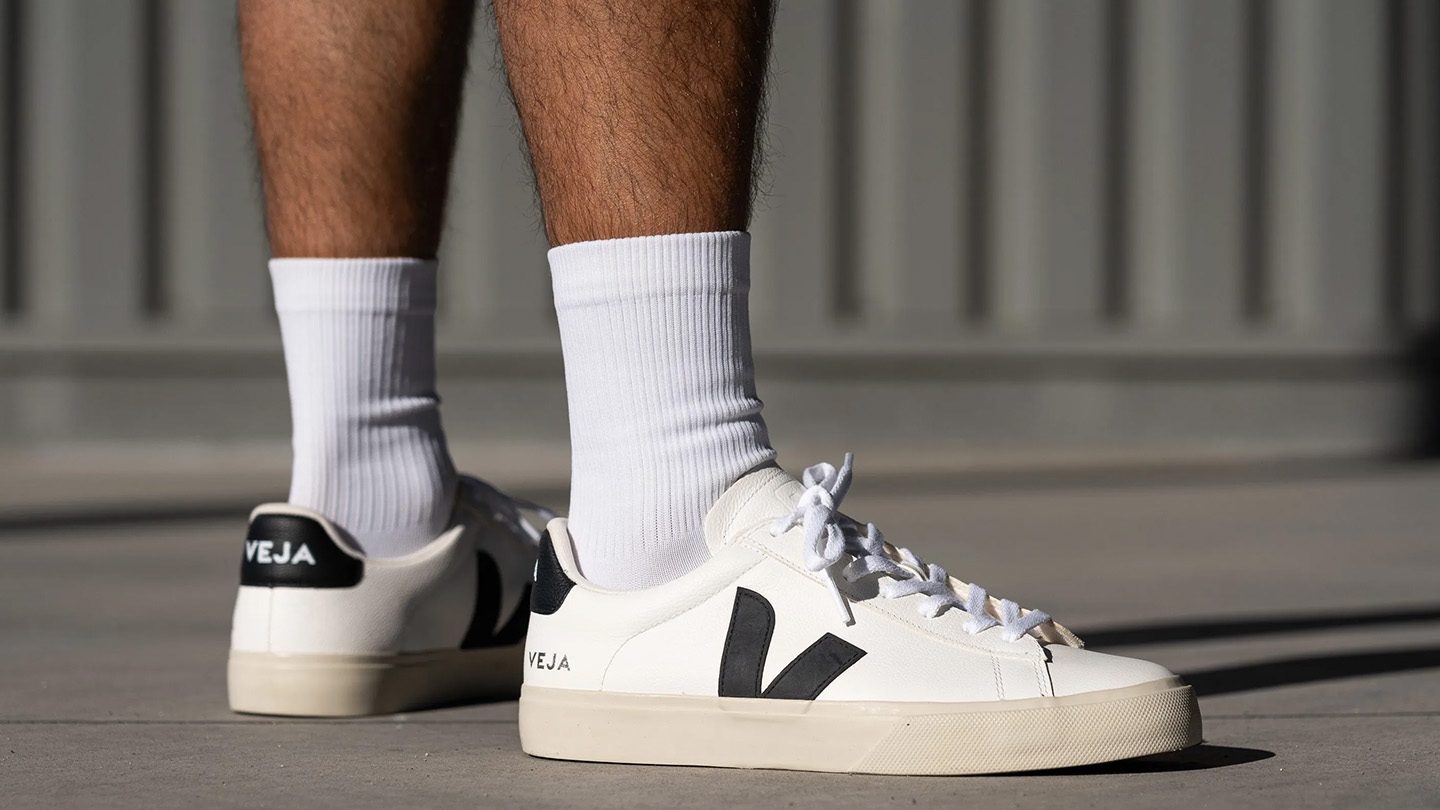
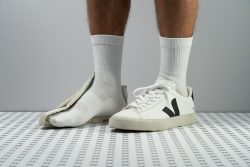
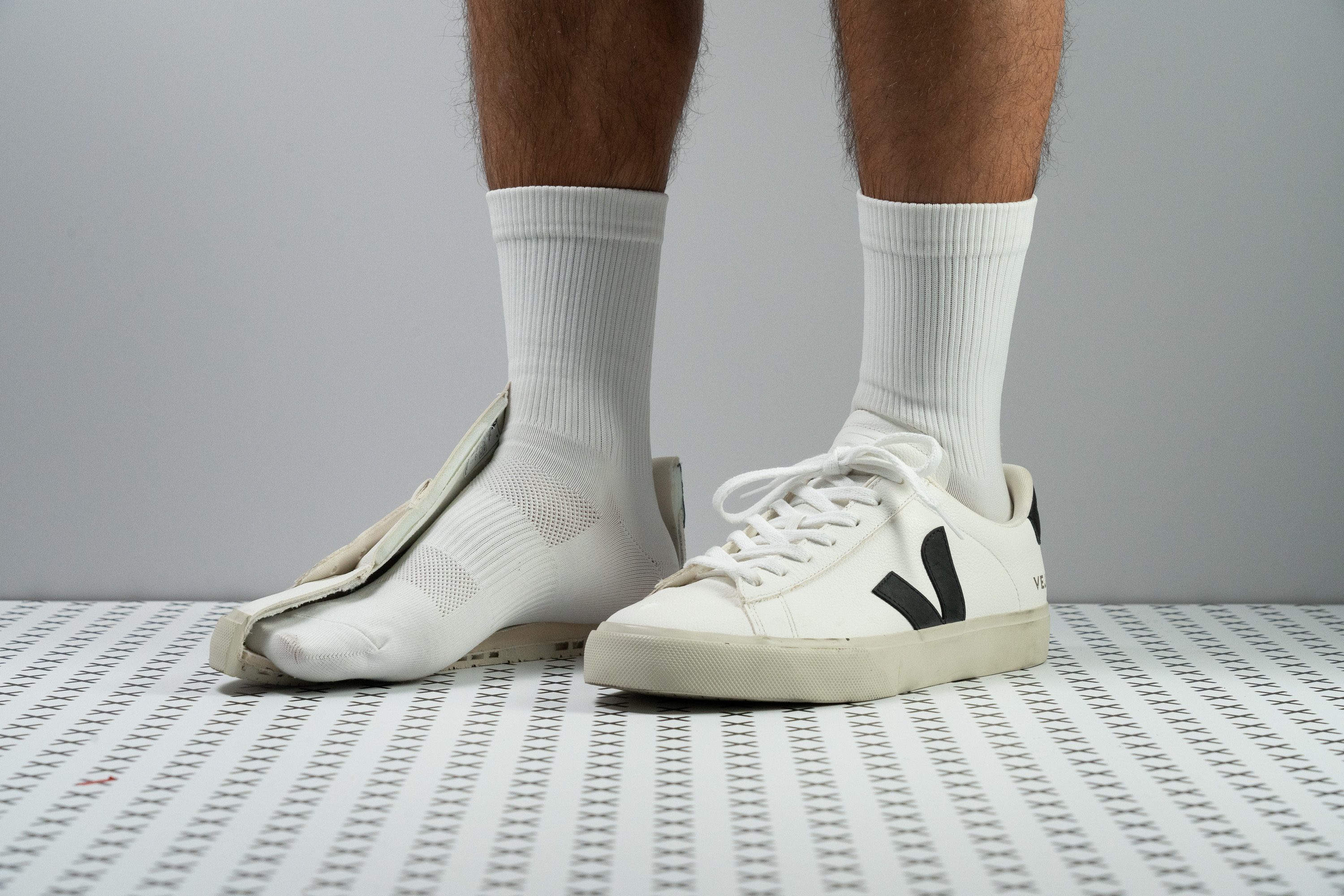
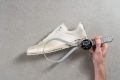
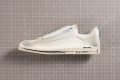
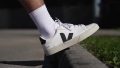
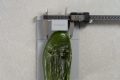
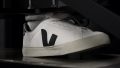
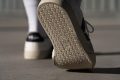
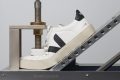
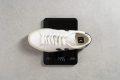
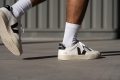
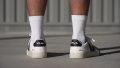
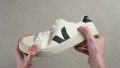
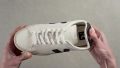
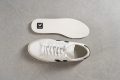
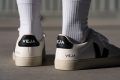
The VEJA Campo boasts premium materials and craftsmanship, which we proved in the lab, making it our best sustainable business casual sneaker. It has a minimalist design that’s easy to style with any outfit and completes the look. On foot, it gives lasting comfort through its flexibility and control through its reliable traction.
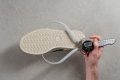
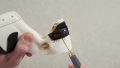
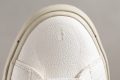
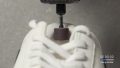
The Campo uses a more environmentally-friendly process with its leather, which we found maintains its real texture. We verified the leather’s genuineness when it did not catch fire in our torch test. Testing for its wear resistance, it received a remarkable 5/5 toebox durability rating since our Dremel did not affect it.
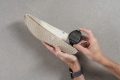
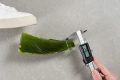
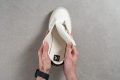
Despite being made of leather, Campo feels natural on foot. Our bend test reveals it’s 44.4% more flexible than average, boosting comfort for all-day wear.
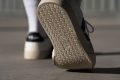
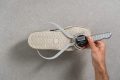
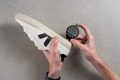
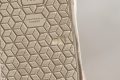
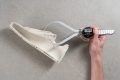
The Amazonian Rubber in the outsole keeps its design clean, too. It proved to be reliable in most urban and indoor settings, as we recorded a solid 0.46 friction score in our traction test.
However, with its vulcanised sole, Campo lacks cushioning for those who need more impact protection and support. If this is a dealbreaker, we recommend exploring other options.
Pros
- Premium leather and craftsmanship
- Sustainable materials and manufacturing
- Clean and minimal aesthetics
- Light for a leather sneaker
- Low to the ground and stable
- Excellent durability
- Comfortably flexible
- Great outsole grip for wet and dry streets
Cons
- Not for all-day wear
- Quite expensive
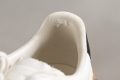
- Long tongue chafes the skin
Best minimalist business casual trainers







What makes it the best?
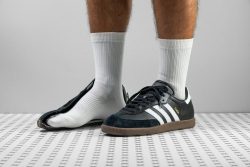
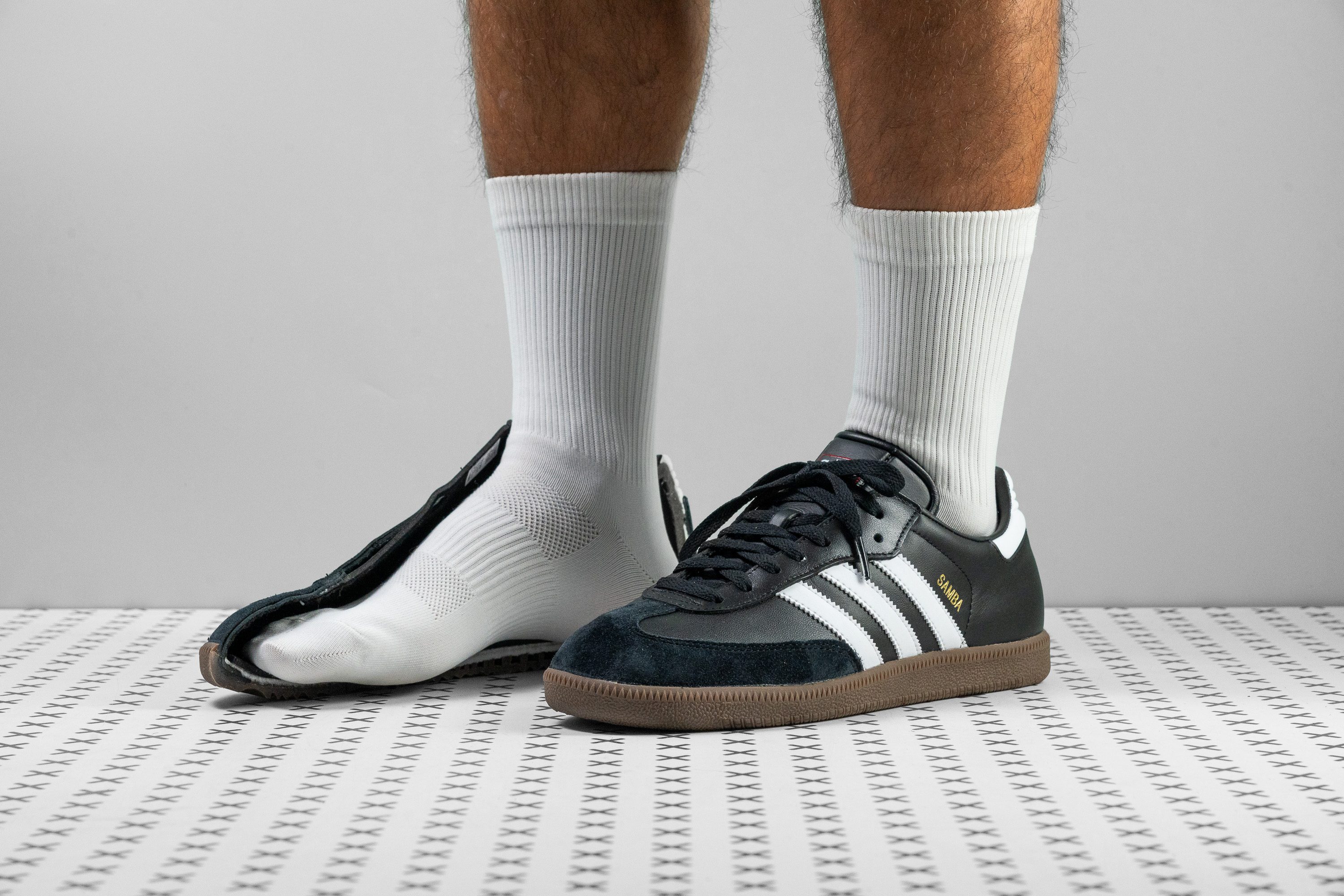
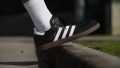
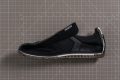
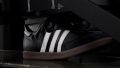
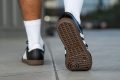
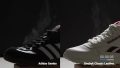
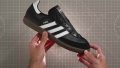
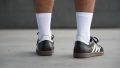
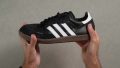
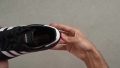
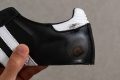
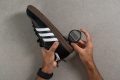
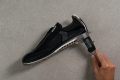
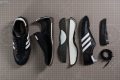
Blending a clean and understated silhouette with a lightweight and natural ride, the adidas Samba is versatile from work to play. Our feet verify its effortless and flexible construction, while lab tests show its durable materials in the upper maintain a polished look over time. In the business casual category, the Samba is the best minimalist sneaker.
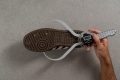
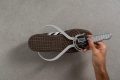
Truly, its cushioning is minimal, sitting low to the ground at 19.3/11.9 mm—the heel even being lower than the average forefoot stack of trainers. It offers strong surface feedback that helps keep our footing balanced.
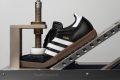
Because of its low profile, Samba allows fluid strides despite having leather in its construction. Our flex test verifies its bendability with a score 6.9% above average. Moreover, its airy construction promotes a relaxed feel. Weighing 12.1 oz (342g), it’s 12.3% lighter than the average sneaker.
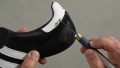
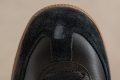
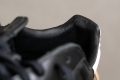
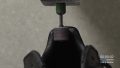
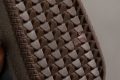
Samba maintains a pristine and professional look with its high-quality leather and suede materials in the upper. These parts don’t easily give in to wear and tear, proven by a solid 4/5 durability rating both in the toebox and inner lining.
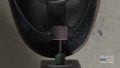
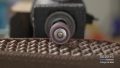
However, we can’t say the same for the gum rubber outsole, as our Dremel easily damaged the rubber. Best to stick to non-abrasive surfaces with these trainers.
Pros
- Clean and minimalist style
- Unbelievably affordable
- Real leather and suede
- Comfortable in-shoe feel
- Long-lasting construction
- Lighter than average
- Highly flexible build
- Good grip for casual use
Cons
- Poor breathability
- Tongue slides to the side
- Not for all-day wear
- Slippery when wet
Best understated business casual trainers





What makes it the best?
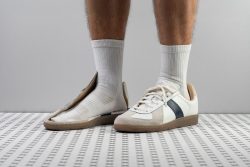
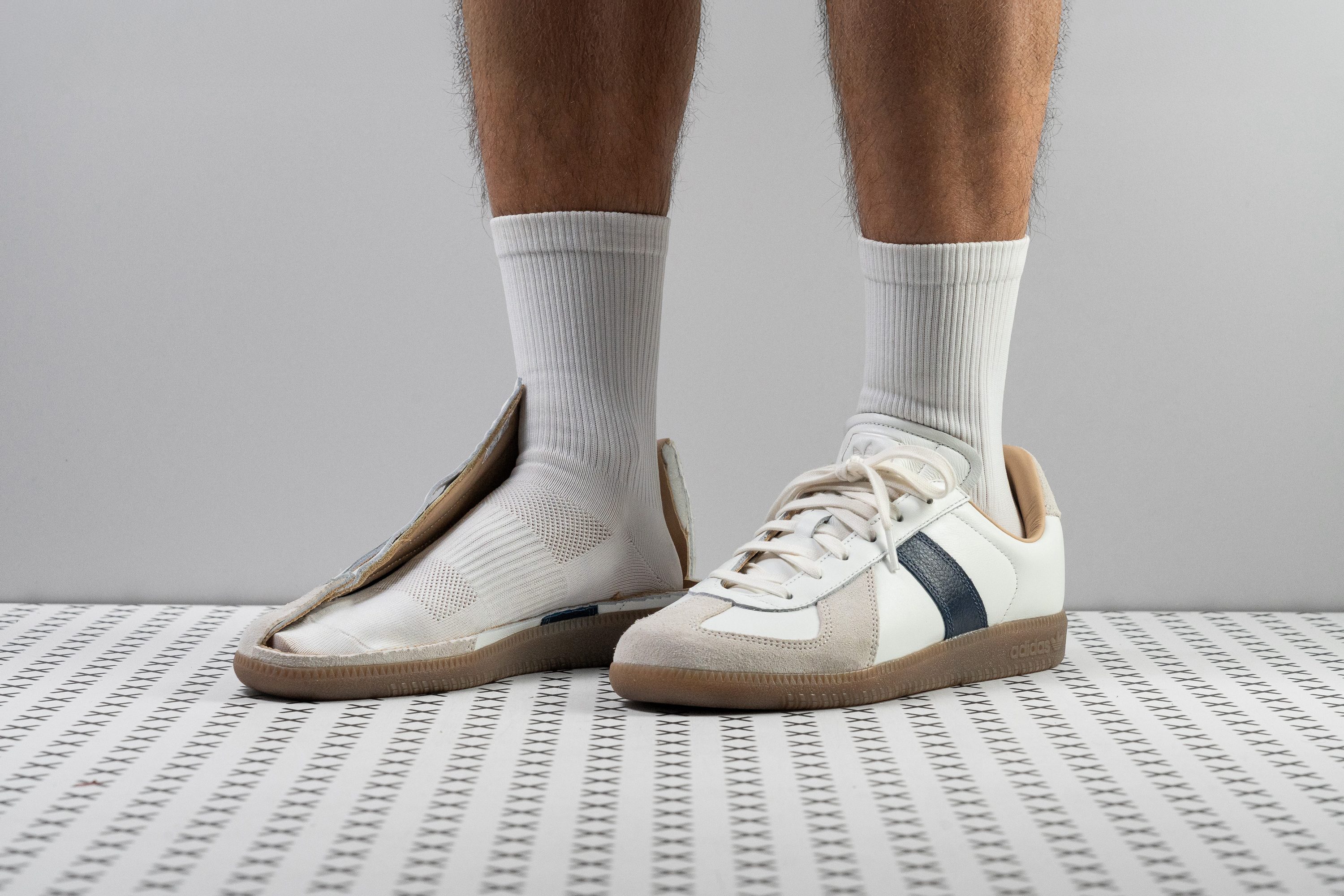
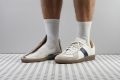
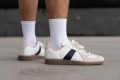
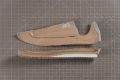
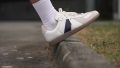
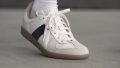
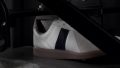
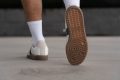
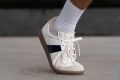
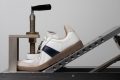
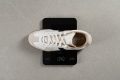
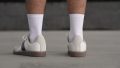
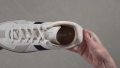
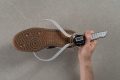
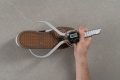
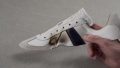
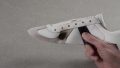
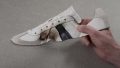
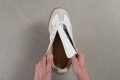
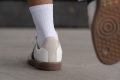
The adidas BW Army has a clean-looking design without any standout branding. It doesn’t include the brand’s usual Three Stripes detail and only has a very subtle logo in the outsole. Lab tests confirm its premium materials and dependable traction, while its minimalist silhouette and stable ride make it a pleasure to wear. Altogether, it stands out as our top understated sneaker for business casual settings.
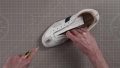
The all-leather upper instantly elevates the sneaker’s look, and we were further impressed when we verified the leather and suede materials’ genuineness after our torch test. In our Dremel test, the toebox and inner lining also performed well, both scoring a high 4/5 in durability.
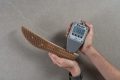
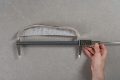
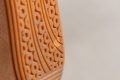
The BW Army’s low stack of 20.7/10.3 mm creates a very stable base. Moreover, we observed wavy and multi-directional lugs in the outsole, which enhance our control regardless of the weather. Our traction test proves this sneaker is 44% grippier than average.
However, it almost has no cushioning, especially in the forefoot. We can’t recommend this sneaker to people who plan to walk around town all day or to those with plantar fasciitis or toe joint concerns.
Pros
- Original German Army Trainer look
- Clean minimalist sneaker
- Excellent traction on dry and wet
- Quality materials for price
- Stable low-profile platform
- Decent impact protection for low stack
- Promises long-term durability
Cons
- Can be too snug
- Very low breathability
- Long tongue can cause chafing
Best budget business casual trainers










What makes it the best?
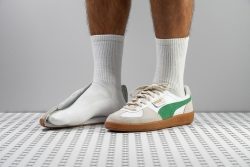
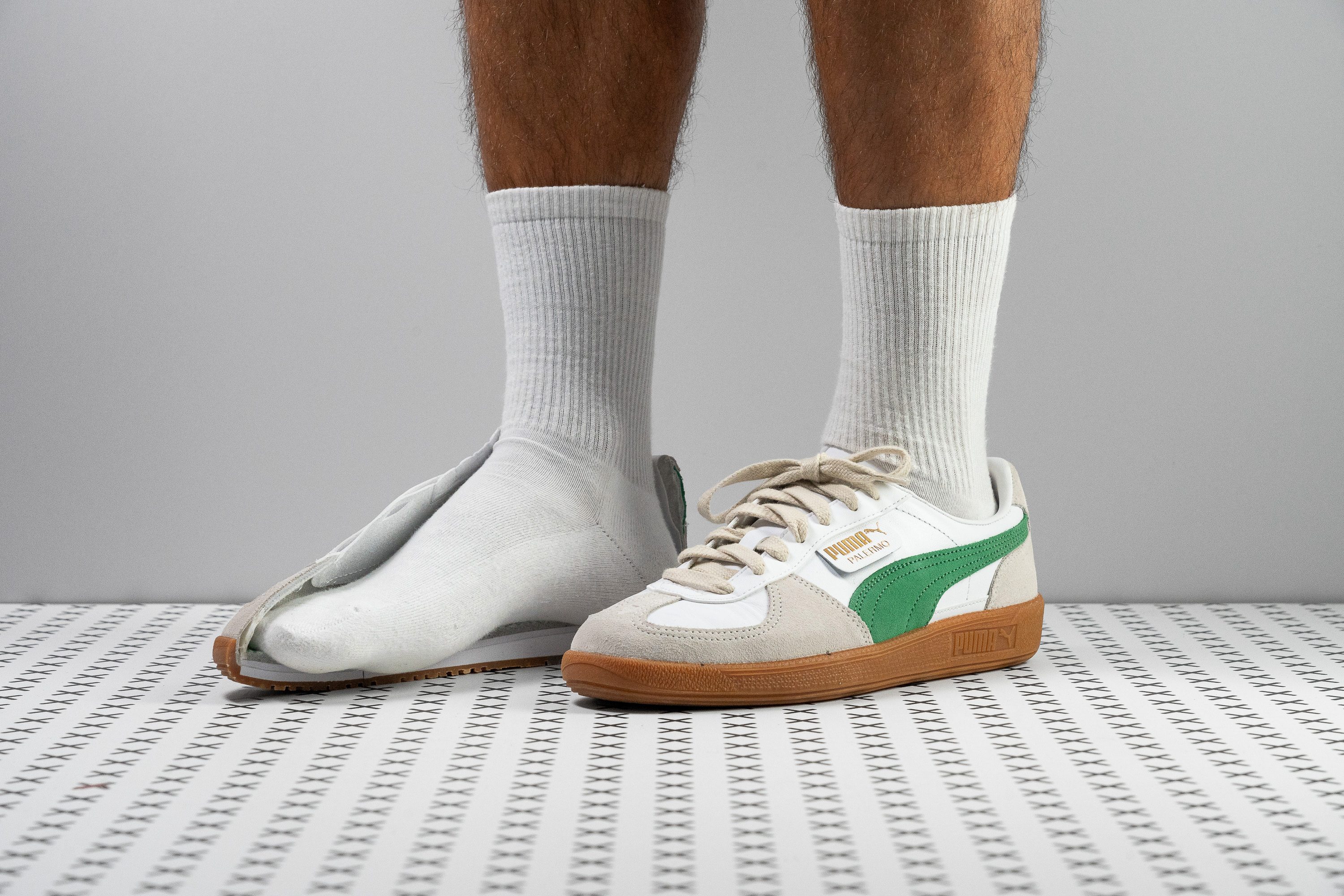
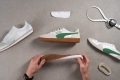
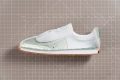
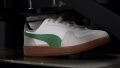
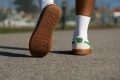
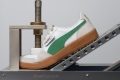
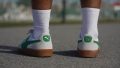
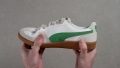
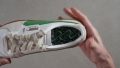
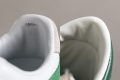
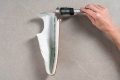
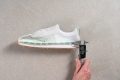
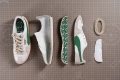
The PUMA Palermo has a straightforward build, using high-quality materials in the upper to keep a clean, polished, yet sporty look. It features a low profile, which enhances stability and reduces the sneaker’s weight, as our lab tests show. For only £80, it’s 21.7% cheaper than average, making it our best budget business casual sneaker.
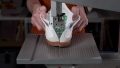
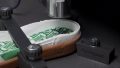
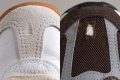
The Palermo is made of real suede and leather, as these materials didn’t catch fire and melt away in our torch test, as a fake one would. We’re able to preserve its neat look longer, and our Dremel test shows its exceptional wear resistance with the highest 5/5 toebox durability score.
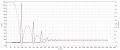
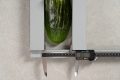
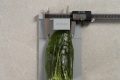
The midsole sits low to the ground, measuring only 22.6/15.6 mm compared to the 30.7/19.5 mm average sneaker. Strong surface feedback naturally enhances our stability and surefootedness, and we never felt like losing balance in this pair.
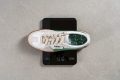
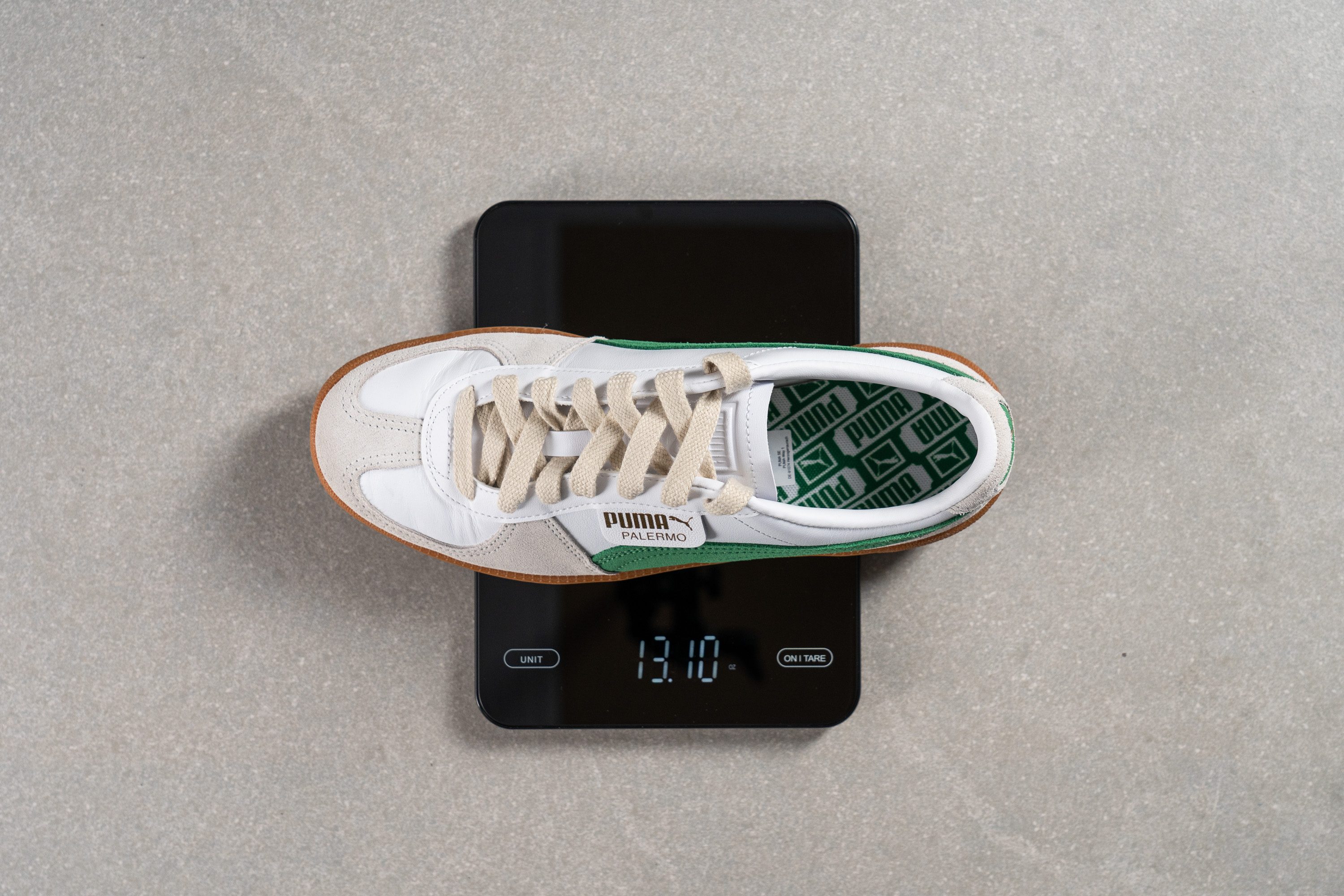
Light in the pocket and on the feet, our scales confirm Palermo is only 13.1 oz (371g), staying just below the 13.8 oz (390g) average sneaker. With less weight on, we felt more versatile and less tired in these kicks.
However, we wouldn’t recommend it for long hours of walking and standing because of its minimal impact protection. Those who need cushioned footwear should try other options.
Pros
- Real leather and suede at a moderate price
- Clean terrace sneaker vibe
- Surprisingly durable materials
- Flexible and easy on foot
- Excellent value for money
- Feels grounded and stable
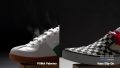
- Stylish alternative to adidas Samba
Cons
- Lacks comfort and cushioning for all-day wear
- Non-removable insole
- Very minimal in-shoe padding
- Lacks traction on wet surafces
Defining the business-casual style
There isn’t a strict protocol that says what you can or can not wear to comply with the business casual dress code. That also applies to trainers. We will cover some highlights but again, there will always be people who are doing it differently, be it because the company they work at nurtures a more casual or more business-looking atmosphere, or because of their personal style.
|
Business-casual trainers: broad guidelines |
|
|
Yes |
No |
|
Clean, sleek design |
Large logos |
|
Neutral colours: one or more similar ones |
(Many) Contrasting colours, especially outsole vs. upper |
|
Can also be minimalist |
Chunky designs, dad shoes |
|
Polished leather, suede |
Mesh with large perforations, multiple layers |
|
Low profile and complementing the outfit |
Attention magnets |
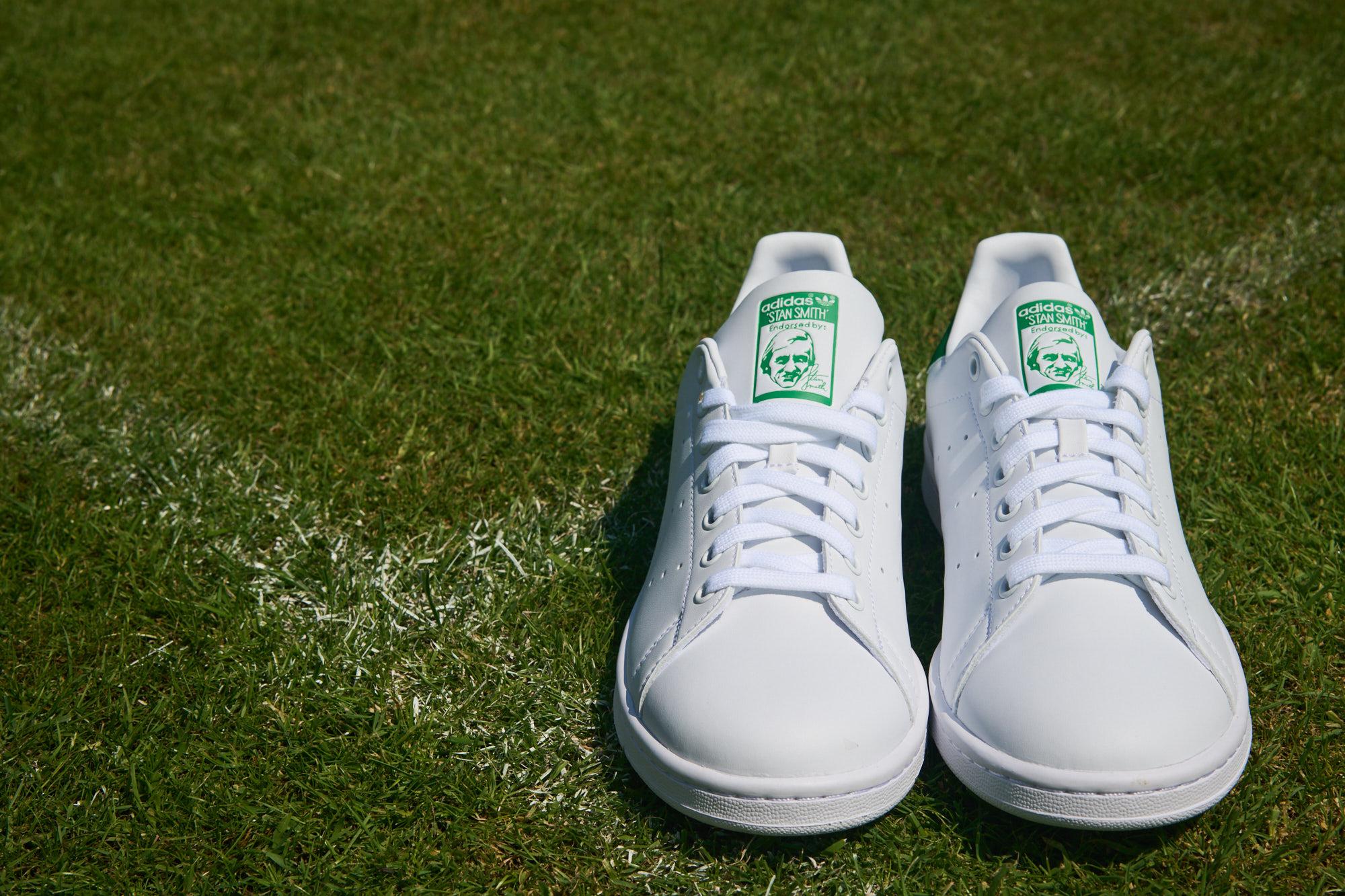
We think that you can’t go wrong with all-white trainers like Stan Smith, or with leather/suede options that have the upper and the midsole in the same or similar colours. Again, these are some safe bets. Of course, in some environments, Reebok Club C 85 or adidas Continental will be great, in others, too casual.
Real or fake leather/suede in business-casual trainers
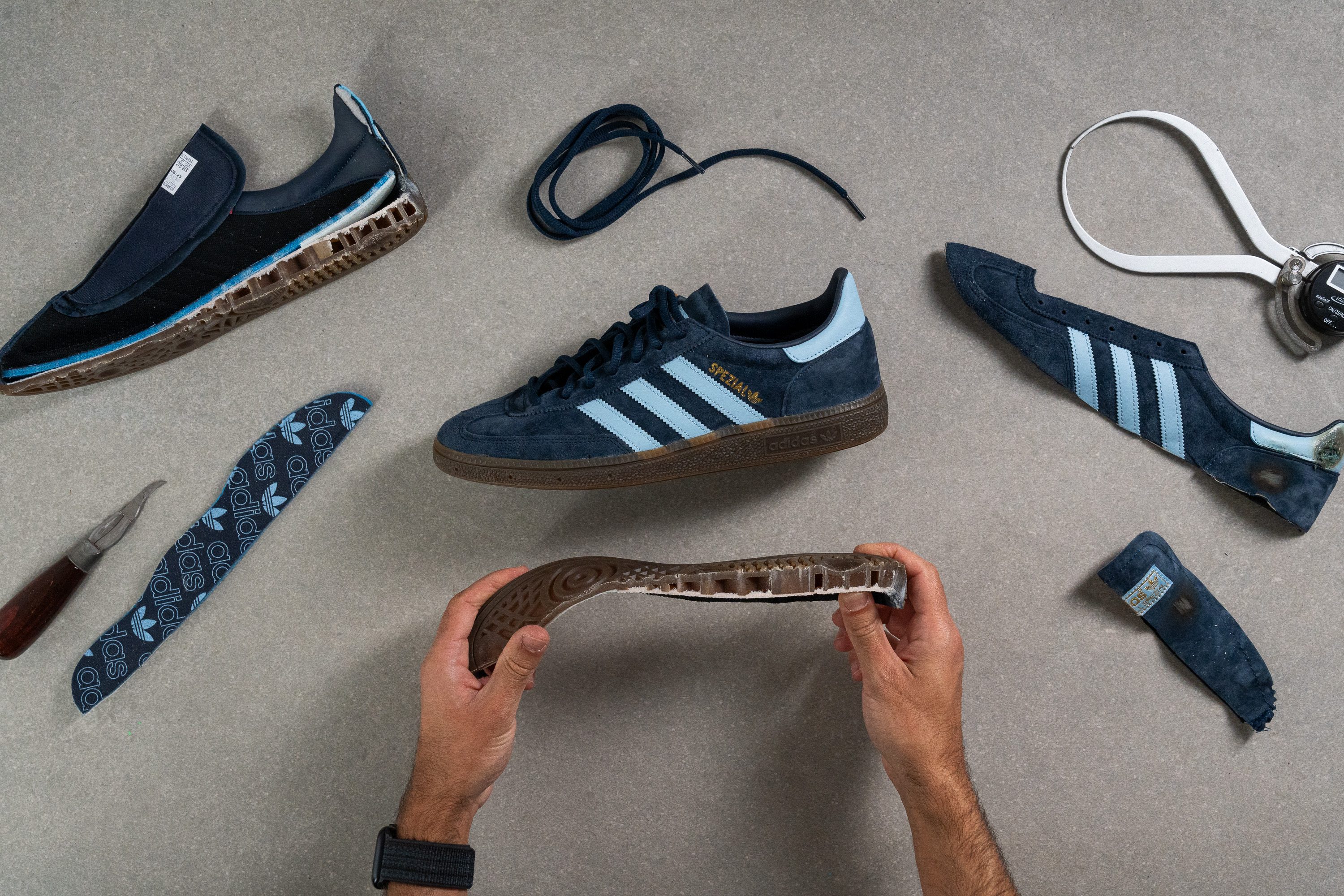
When looking for trainers that go well with the business-casual style, it’s important for them to have a nice finish or a hint of premium, even if they are budget-friendly. This can come from the materials themselves, their finish, and the overall design. This is why we care about the leather and suede quality.
When we torch the real leather or suede, they smell like burnt hair and become black and dry. We can scratch the burnt area.
When the leather or suede is fake, it bursts into flames and becomes like a glue. It sometimes even has a plasticky smell and look.
Many trainers feature a combination of real and fake leather or suede. Some minor details can be fake or tongue only, for example. We always note down what the majority of the sneaker is made of, real or fake leather/suede.
Fake leather and suede may be cheaper but also more preferred. Research (Yadav et. al, 2024) has shown that people are more likely to pay a premium price for shoes that have “vegan, sustainable, cruelty-free” or “100% recycled content” highlighted.
How comfortable are business casual trainers?
To answer this question, we look at a) shock absorption, b) midsole softness, and c) weight. Shock absorption is THE feature to look at when discussing comfort because it tells us how good the sneaker (the midsole) is at dampening the impact. We need that action every time we hit the floor with our heel. Otherwise, all the stress would be sent to our legs and they would hurt (imagine stomping the hard ground barefoot).
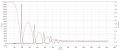
The higher the shock absorption, the better, for long-term comfort. It simply means your legs will be stressed less. For comfort, we prioritise trainers that scored higher than 100 SA on our shock absorption lab test.
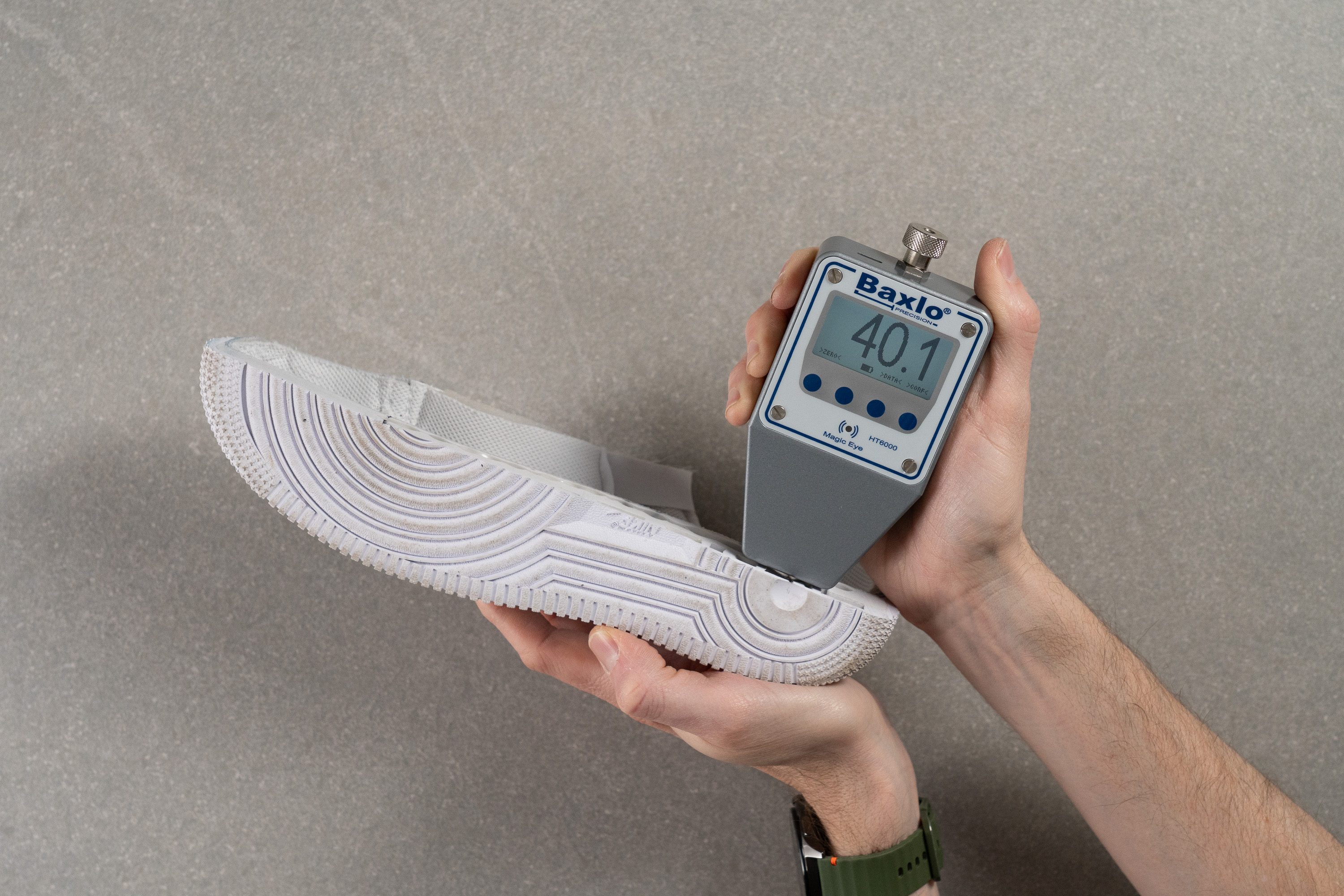
We know that people prefer focusing on the softness. It’s THE thing basically everyone notices upon putting the trainers on. We prioritise shock absorption for obvious (above-explained) reasons, but understand that people love softer shoes in general (Menz, Bonanno; 2021).
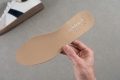
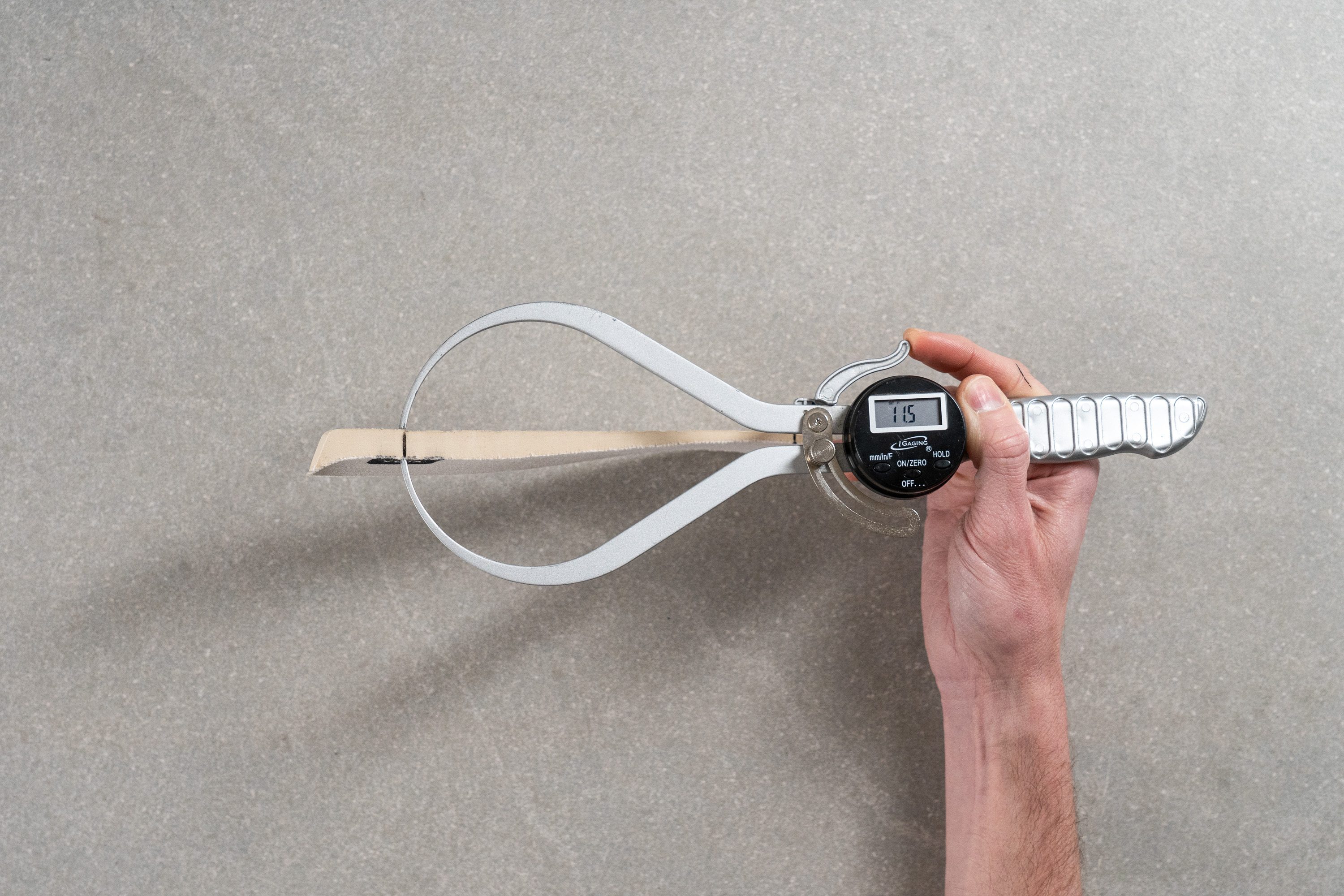
And, if you’re not happy with the provided softness, you can always replace the insoles. We measure the insole thickness in every sneaker and note down whether it’s replaceable or glued down.
And, finally, we can’t skip the weight. The heavier the sneaker, the more tiring for the feet. Some even feel bottom-heavy, so you can tell from the start that they are not gonna be good for you.
Feet swell after a while: how to find an accommodating fit?
You’ve found a pair of business casual trainers you like, but you don’t know i,f after 8 hours in them, they will still be comfortable? The best way to find out is by looking at how much room these trainers offer.
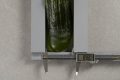
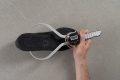
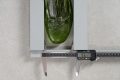
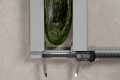
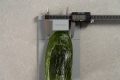
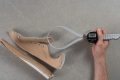
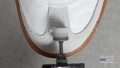
To measure this volume, we developed a special formula that allows us to pour liquid into the trainers and freeze them. Once everything settles, we end up with a gel cast that resembles the trainers’ interiors perfectly.
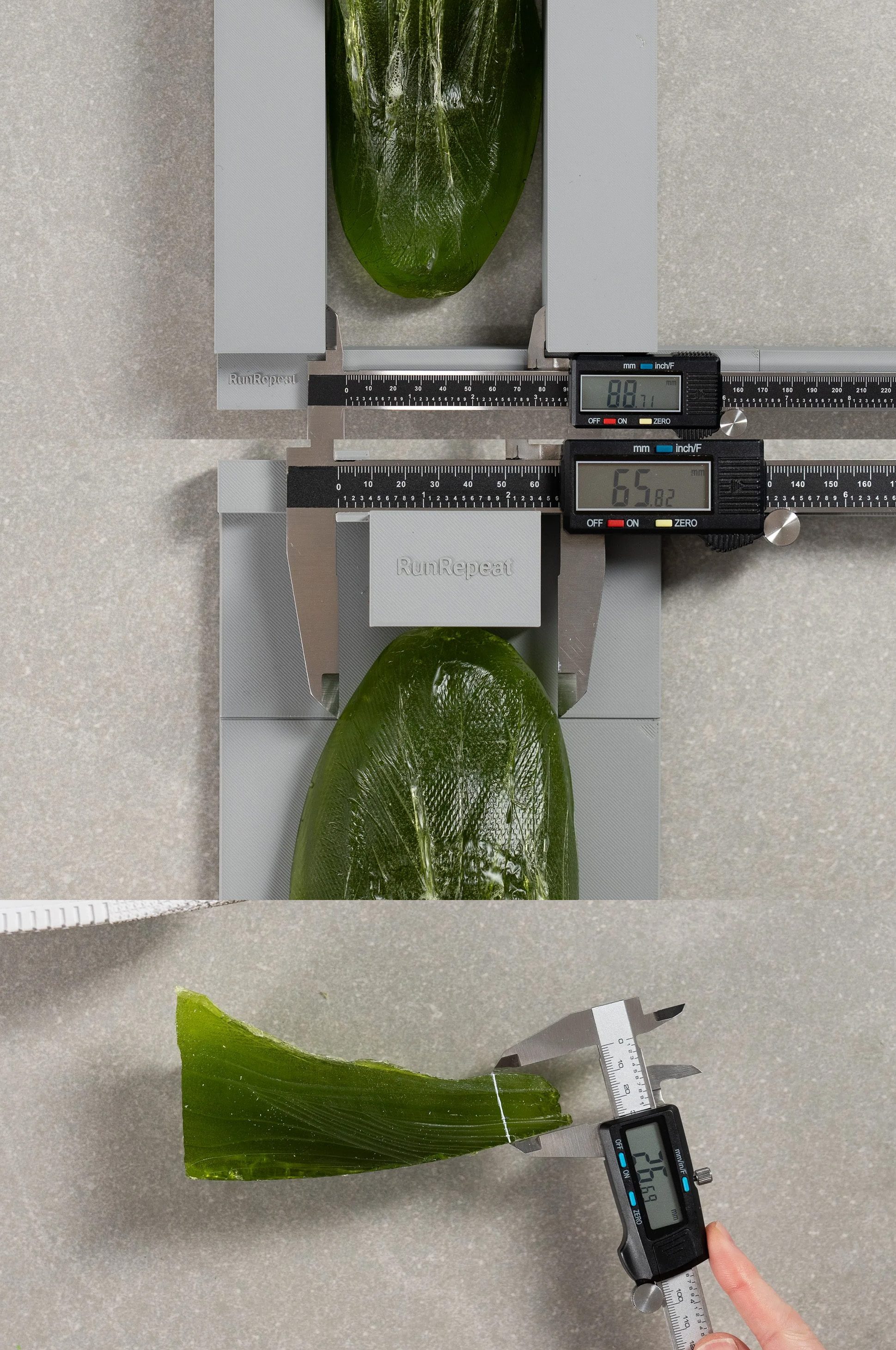
These accurate measurements done at 3 different places allow you to find trainers that offer less or more room exactly where you need it. Maybe you have a very narrow forefoot and need a pointy toebox, but also your big toe points up and you need more vertical clearance? Simply look at our lab data.
It’s raining: are you safe or slipping and sliding?
Daily beaters that you use to get to work and back need to perform in all weather conditions. We don’t think about this when it’s sunny and dry, but with the first shower, it’s best to stay upright, right?
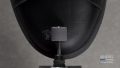
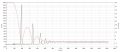
We use a specialised machine to test the traction of trainers in wet weather conditions. We simulate the real-life conditions by using a 7-degree wedge, a force of 500N, and wet concrete!
The result of this test is a dynamic coefficient of friction (CoF). The higher it is, the better! Trainers that have CoF higher than 0.45 we consider safe for both wet and dry conditions. Moderate traction falls in the 0.25-0.45 range, and it’s safe for dry surfaces but may slip on wet and slick ones.
Durability of business-casual trainers
Business casual trainers look polished or sometimes even classy, which is why most of us care about the toebox durability. Why invest in a sneaker that’s gonna look old and worn out thanks to premature wear and tear that was caused by very bad toebox durability?
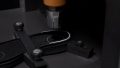
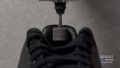
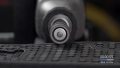
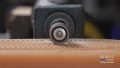
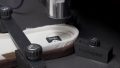
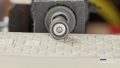
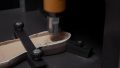
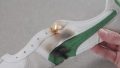
When testing the durability, we use a dremel. It’s a standardised test, which means we apply the same force, time duration, and RPMs to every sneaker. Once the test is done, we asses the damage on a 1-5 scale (1 for the least durable and 5 for the most durable).
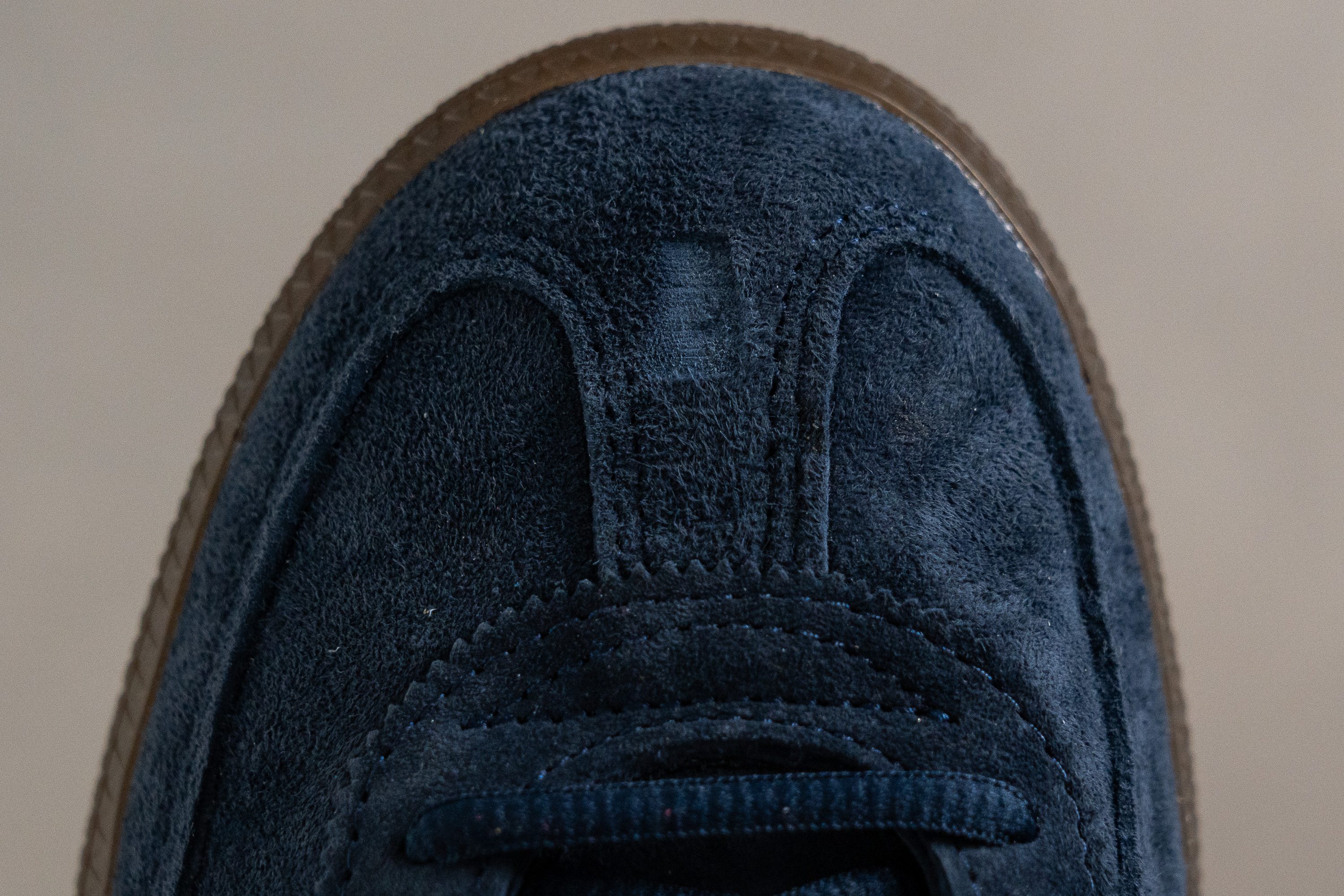
The look of the toebox says a lot but it’s not the only durability test we do. We also test heel padding and the outsole durability. Those may not sound as relevant because they are not cosmetic but we do find them very relevant. After all, the idea is to find one perfect pair, and not to be forced to buy multiple pairs in a short period of time.
Here as well, we assess the damage on a 1-5 scale. We take this a step further when it comes to testing the outsole durability.
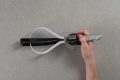
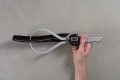
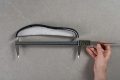
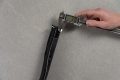
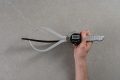
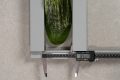
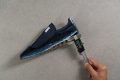
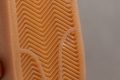
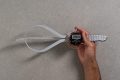
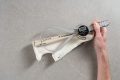
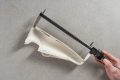
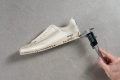
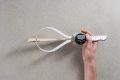
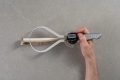
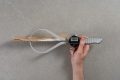
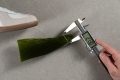
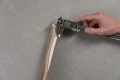
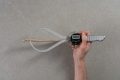
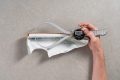
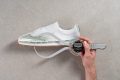
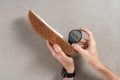
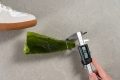
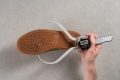
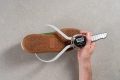
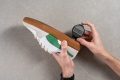
Due to the outsole hardness, we’re able to use a tyre tread gauge and measure the depth of the dent precisely.
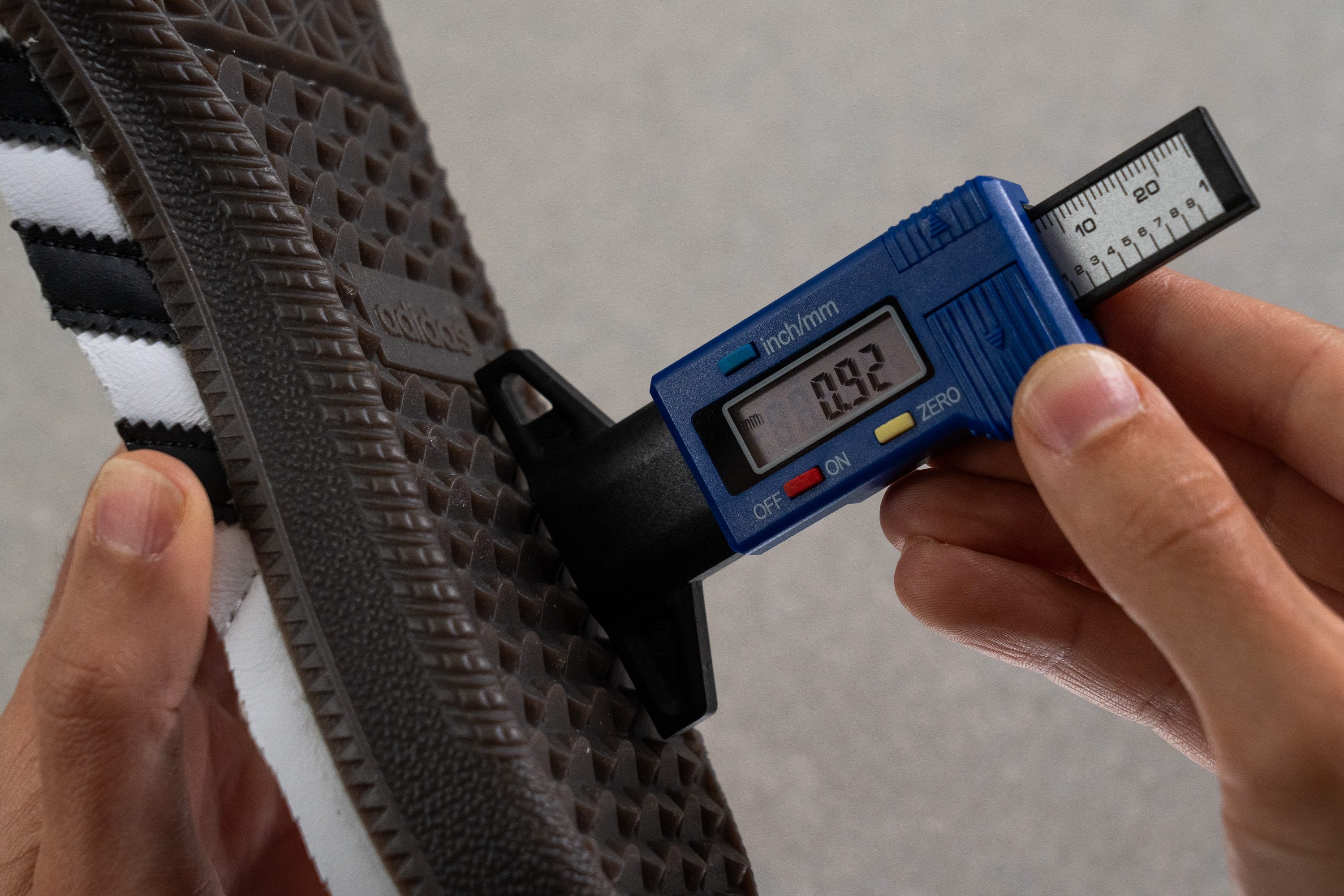
The deeper the hole, the less durable the outsole. This means that, unlike in toebox and heel padding durability tests, lower numbers mean better durability here.
Similar buying guides