
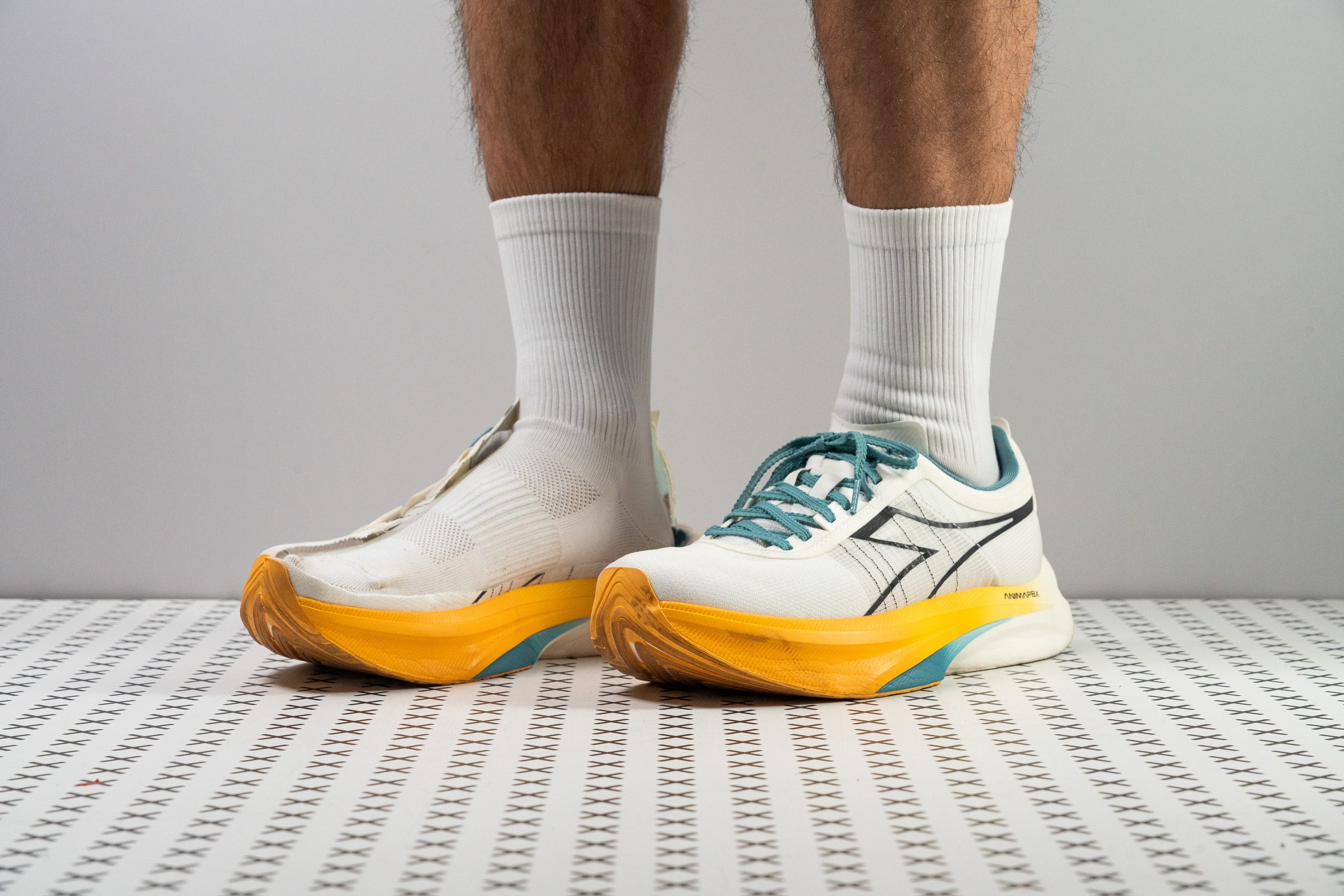











Our verdict
- Daily running 53
- Tempo 83
- Race 89
- Stability 67
Pros
- Outstanding energy return
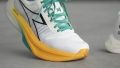
- High-quality MATRYX upper
- Agile, snappy ride
- Comfortable heel design
- Well-executed rocker for all footstrikes
- Dependable traction
- Good build quality
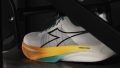
- Pleasant aesthetics
Cons
- Heavier than most rivals
- Narrow fit
- Lower-than-stated stack height
- High price
Comparison
The most similar running shoes compared
+ + Add a shoe | |||||
|---|---|---|---|---|---|
| Our score | 81 Great | 84 Great | 93 Superb | 80 Good | |
| Price | £300 | £180 | £240 | £210 | |
| Pace | Competition | CompetitionTempo | Competition | CompetitionTempo | |
| Shock absorption | High | High | High | High | |
| Energy return | High | High | High | Moderate | |
| Traction | High | Moderate | High | High | |
| Arch support | Neutral | Neutral | Neutral | Neutral | |
| Weight lab Weight brand | 7.6 oz / 215g 7.6 oz / 215g | 7.1 oz / 200g 7.4 oz / 209g | 5.9 oz / 166g 6.5 oz / 184g | 7.5 oz / 213g 7.4 oz / 210g | |
| Lightweight | ✓ | ✓ | ✓ | ✓ | |
| Drop lab Drop brand | 4.8 mm 5.0 mm | 7.5 mm 8.0 mm | 8.6 mm 6.0 mm | 5.1 mm 9.0 mm | |
| Strike pattern | Mid/forefoot | Mid/forefoot | Mid/forefoot | Mid/forefoot | |
| Size | - | Half size small | True to size | - | |
| Midsole softness | - | Soft | Balanced | - | |
| Difference in midsole softness in cold | Small | Normal | Small | Small | |
| Toebox durability | Good | Decent | Good | Bad | |
| Heel padding durability | Decent | Decent | Decent | Good | |
| Outsole durability | Decent | Good | Bad | Good | |
| Breathability | Warm | Breathable | Moderate | Moderate | |
| Width / fit | Narrow | Medium | Narrow | Medium | |
| Toebox width | Medium | Medium | Medium | Medium | |
| Stiffness | Stiff | Stiff | Stiff | Moderate | |
| Torsional rigidity | Stiff | Stiff | Stiff | Stiff | |
| Heel counter stiffness | Flexible | Flexible | Flexible | Flexible | |
| Plate | Carbon plate | Carbon plate | Carbon plate | Carbon plate | |
| Rocker | ✓ | ✗ | ✗ | ✗ | |
| Heel lab Heel brand | 34.4 mm 39.0 mm | 32.9 mm 35.0 mm | 34.1 mm 35.0 mm | 31.5 mm 37.0 mm | |
| Forefoot lab Forefoot brand | 29.6 mm 34.0 mm | 25.4 mm 27.0 mm | 25.5 mm 29.0 mm | 26.4 mm 28.0 mm | |
| Widths available | Normal | NormalWide | Normal | Normal | |
| Orthotic friendly | ✓ | ✓ | ✓ | ✓ | |
| Season | All seasons | SummerAll seasons | All seasons | All seasons | |
| Removable insole | ✓ | ✓ | ✓ | ✓ | |
| Ranking | #214 Bottom 47% | #141 Top 35% | #8 Top 2% | #237 Bottom 41% | |
| Popularity | #368 Bottom 8% | #171 Top 43% | #33 Top 9% | #382 Bottom 5% |
Who should buy
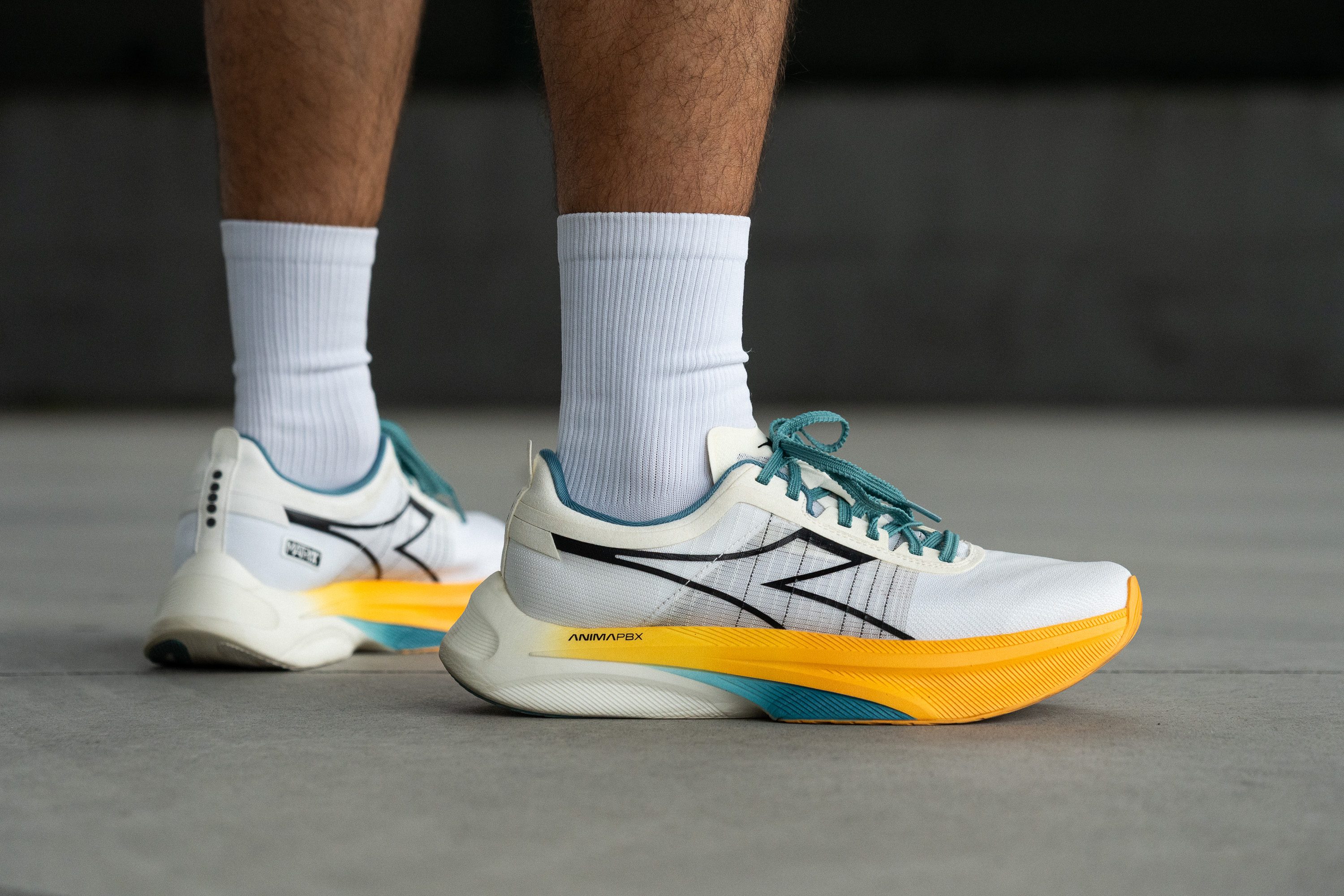
After our lab tests, we recommend the Diadora Gara Carbon for:
- Runners who prefer non-mainstream brands but still want a race-day shoe that delivers strong performance.
- Fans of MATRYX uppers who enjoy that durable, structured feel from top-tier trail shoes in a modern super shoe.
- Midfoot strikers looking for a moderate drop, quick transitions, and lively foam in a racing setup.
Who should NOT buy
We believe that the Diadora Gara Carbon is not the best choice for runners who demand a feather-light feel for race day. We found in the lab that its weight stands out against today’s weight-shaved super shoes, making options like the ASICS Metaspeed Sky Tokyo or PUMA Fast-R Nitro Elite 3 more compelling.
We also think the narrow, snug toebox limits comfort for wider feet. From our perspective, this tight-fit design favours precision over comfort, and we do not recommend it for broader foot shapes. Check the New Balance FuelCell SuperComp Elite v5 or adidas Adizero Adios Pro 4 instead.
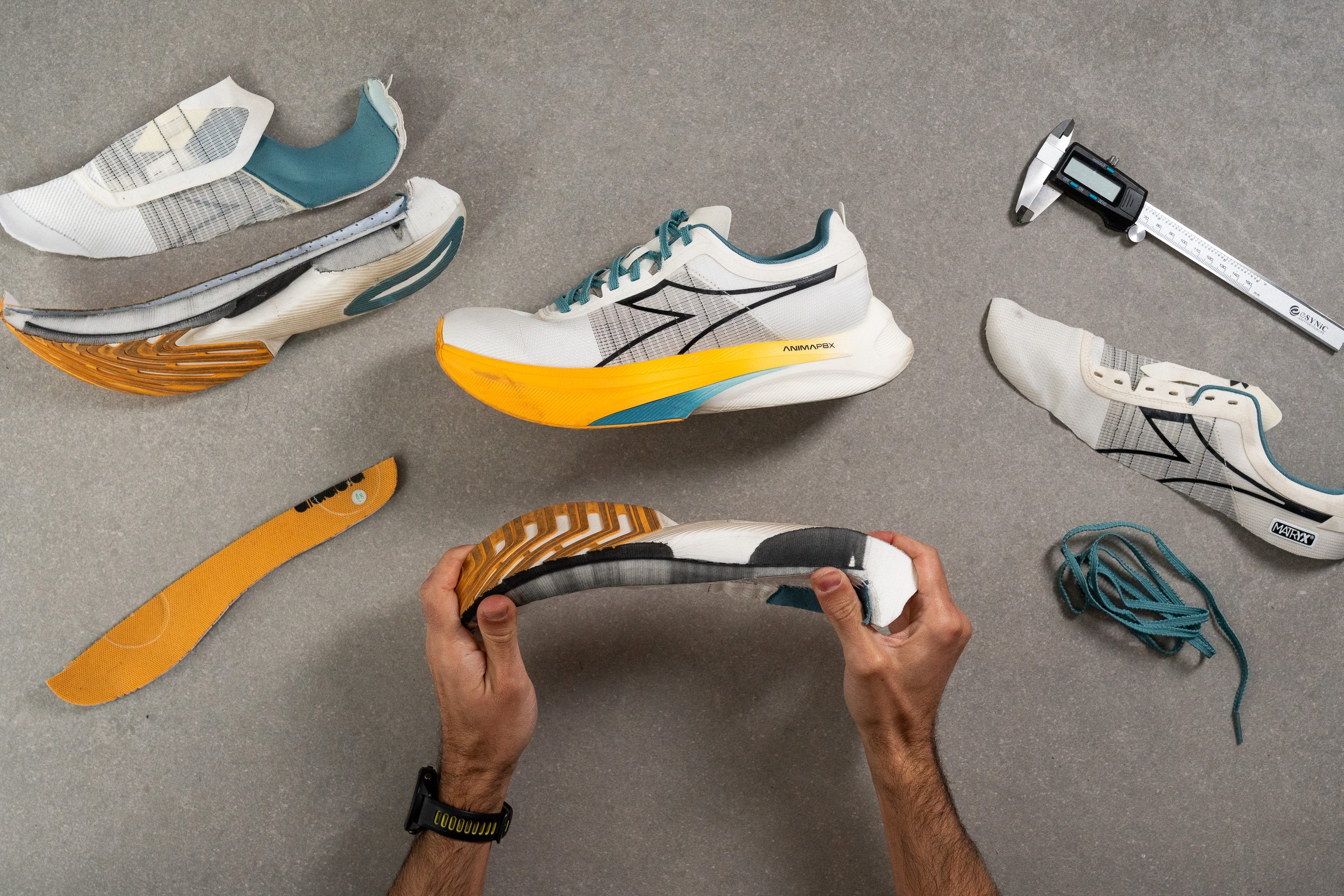
Cushioning
Shock absorption
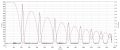
We found that the Diadora Gara Carbon delivers 136 SA in the heel and 118 SA in the forefoot for shock absorption. These values fit well within the super shoe category, although heavier runners may find the cushioning slightly lower than in some competitors like the PUMA Deviate Nitro Elite 3, and that can be a deciding factor when tackling a full marathon.
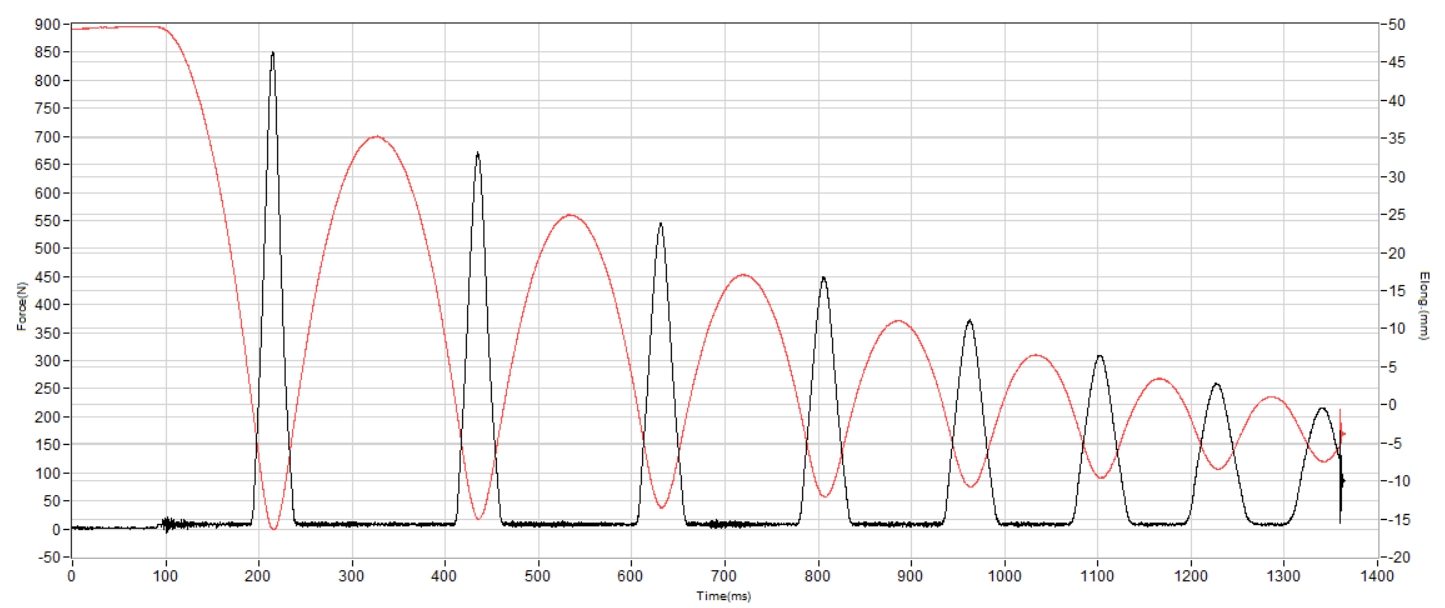
| Gara Carbon | 136 SA |
| Average | 131 SA |
Energy return
The main highlight of the Diadora Gara Carbon is the ANIMA PBX foam that runs from heel to toe. It stands out for its lively bounce, delivering amazing energy return with 77.6% in the heel and 76.0% in the forefoot.
This is remarkable especially considering Diadora, being a niche brand, does not operate at the same R&D scale as the biggest brands—yet this PEBA-based foam performs at an exceptionally high level.
| Gara Carbon | 76.0% |
| Average | 61.5% |
Heel stack
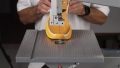
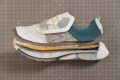
Diadora lists 39 mm in the heel, but we tested a noticeably lower value of 34.4 mm.
It still offers solid cushioning for long distances, but it's clearly below the 40 mm World Athletics limit, which could be a drawback for runners planning a full marathon where extra foam can make a real difference.
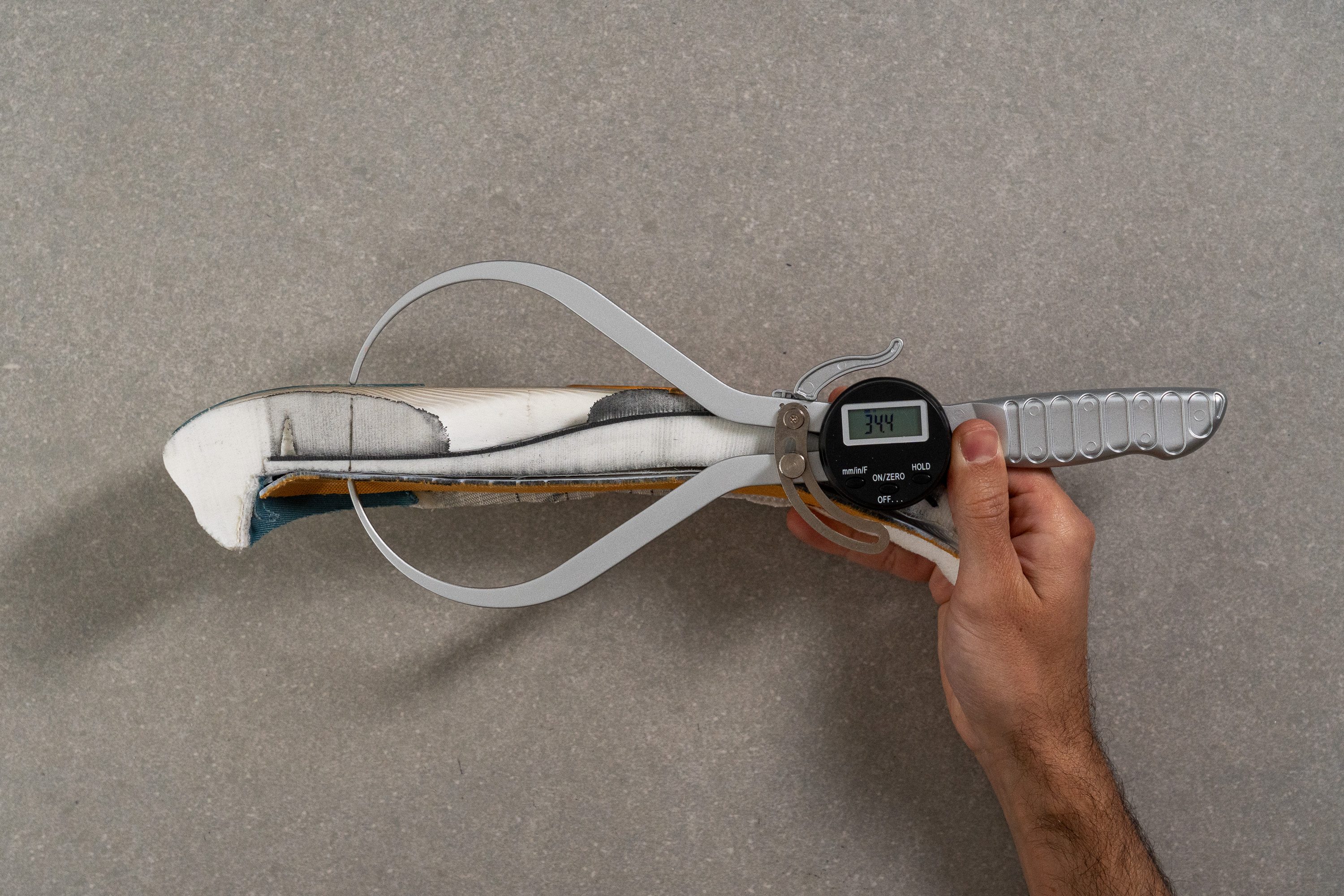
| Gara Carbon | 34.4 mm |
| Average | 35.6 mm |
Forefoot stack
Consequently, the forefoot also comes in lower than Diadora’s official figures. The brand lists 34 mm here, but we measured 29.6 mm.
Cushioning remains very solid as it's really close to 30 mm, so we think most runners will be satisfied with the amount of foam underfoot, even when taking on the gruelling 26.2 miles.
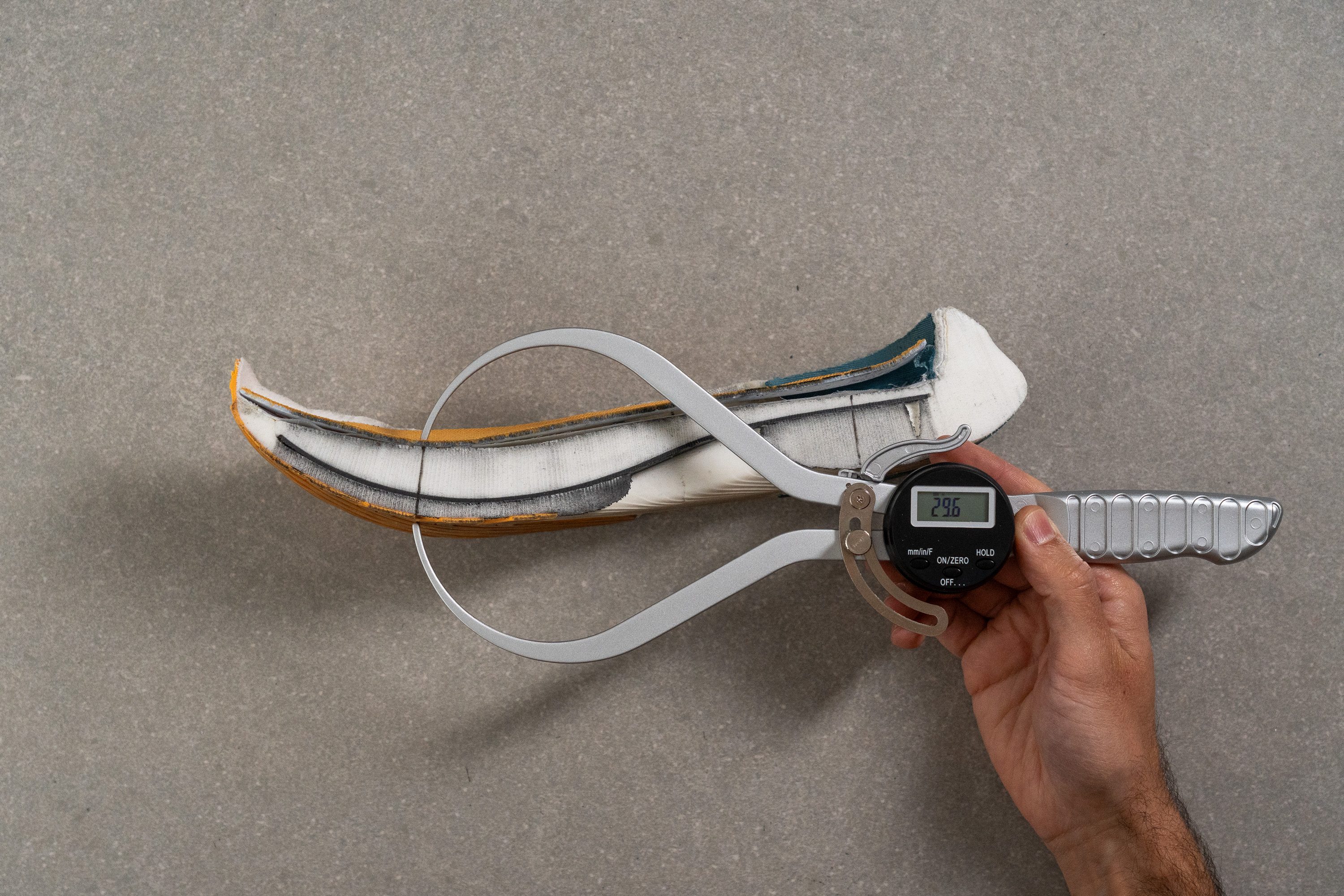
| Gara Carbon | 29.6 mm |
| Average | 27.1 mm |
Drop
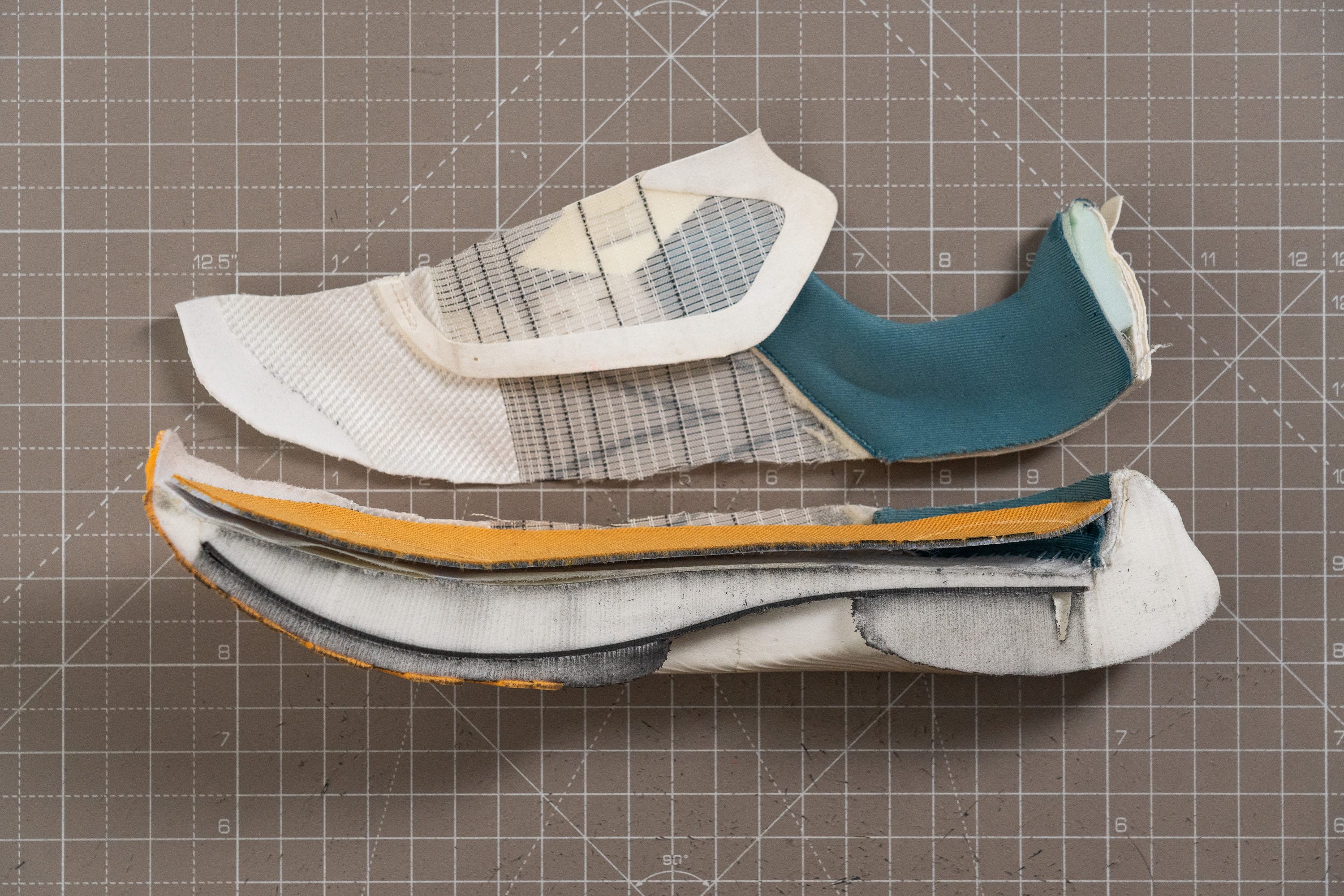
While we disagreed on the stack height, we fully agree on the drop. The difference between Diadora’s stated 5-mm figure and our 4.8-mm measurement was just 0.2 mm, which is impressive, as we often see gaps greater than 2 mm.
Therefore, we can confirm this is a medium-drop shoe that feels exactly like you were expecting.
| Gara Carbon | 4.8 mm |
| Average | 8.4 mm |
Midsole softness
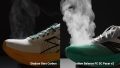
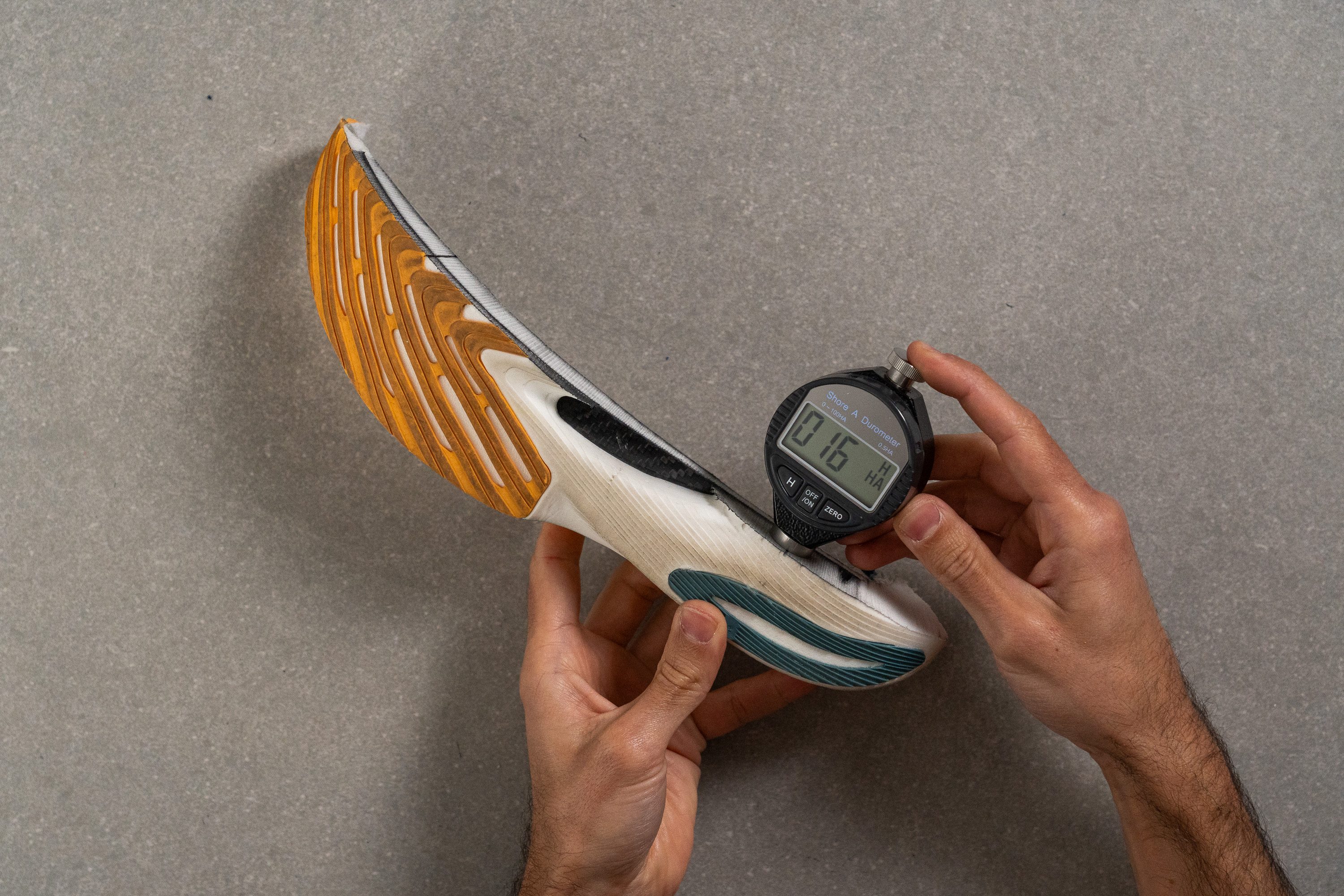
We already pointed out how strong the ANIMA PBX foam is in energy return, and we also think Diadora got the softness just right at 16.4 HA. It is not overly plush and niche like the Saucony Endorphin Elite 2, while also avoids a firm and harsh sensation underfoot.
In our experience, it offers a gently soft feel that many runners associate with premium foams, clearly confirming the ANIMA PBX foam as the highlight of the shoe. And if the forefoot looks to you much firmer than the heel in our video, that comes from the carbon plate sitting quite low in the forefoot area.
| Gara Carbon | 16.4 HA |
| Average | 20.1 HA |
Rocker
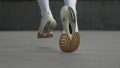
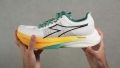
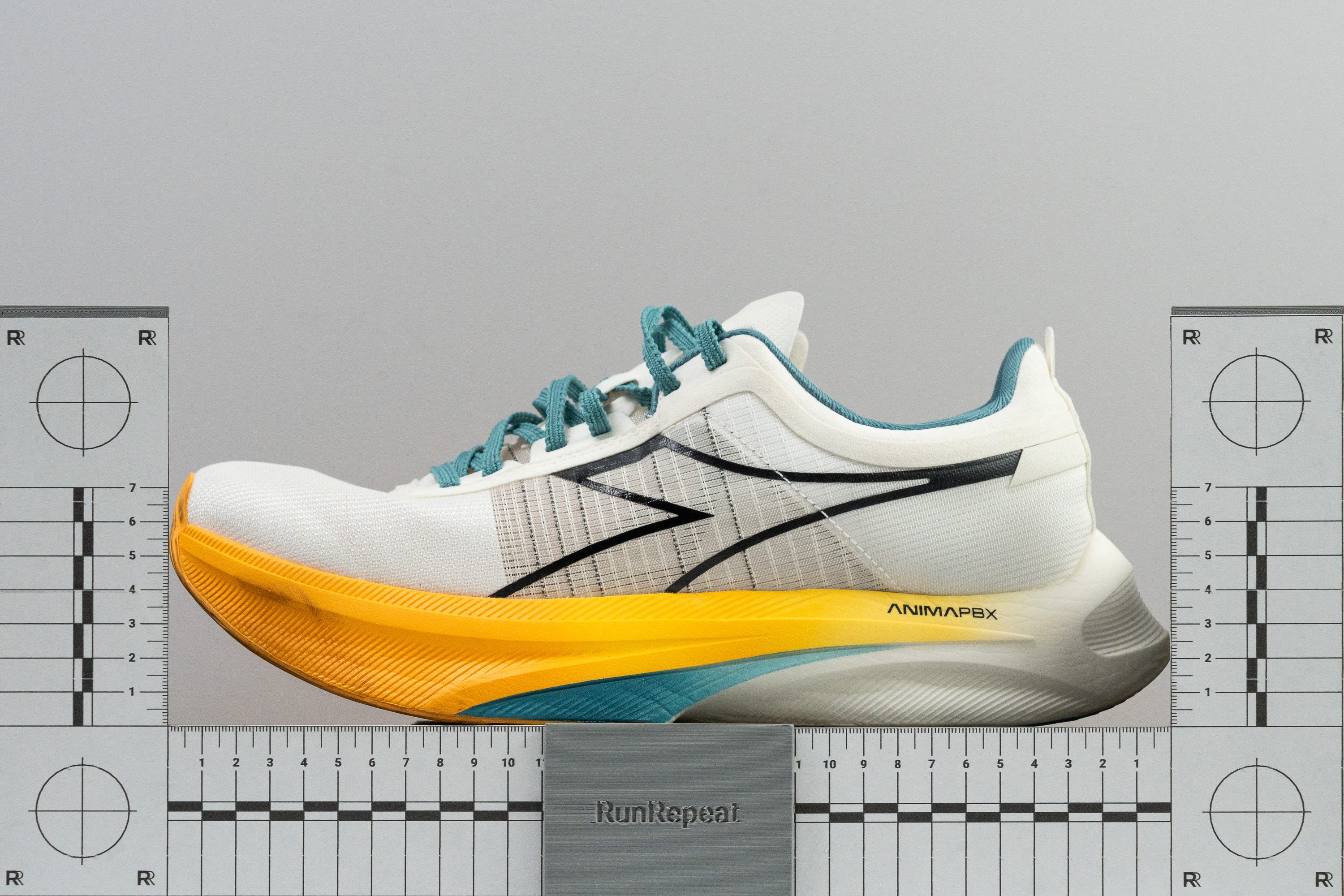
We found an exaggerated heel bevel that extends far into the rear, helping the shoe roll forward quickly after landing and offsetting the lower drop for heel strikers. The forefoot rocker is also clearly pronounced although it starts late, featuring a curve that promotes fast toe-off.
Overall, the rocker feels race-focused rather than subtle, aiming to speed up transitions and shorten the time the foot stays flat on the ground with each stride.
Plate
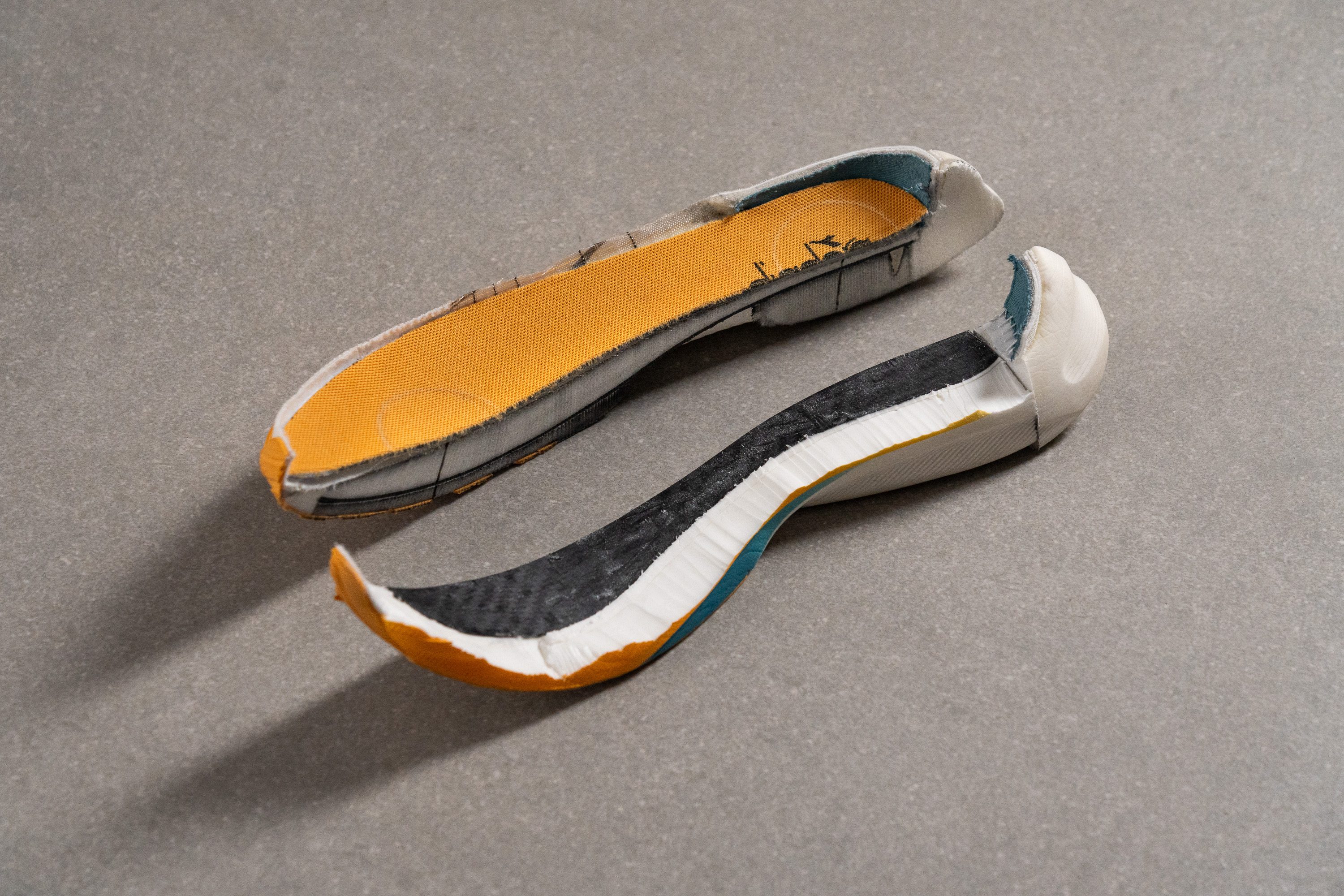
Diadora designers took a very safe approach with the Gara Carbon, following the proven setup made popular by the Nike Vaporfly almost a decade ago: a rigid carbon fibre plate that drops in the midfoot and places its leverage point under the ball of the foot.
We tested this layout and found that it works well combined with the ANIMA PBX foam, delivering a snappy ride that mainly favours midfoot strikers, while still feeling usable for runners with different footstrike patterns.
Size and fit
Size
Internal length
| Gara Carbon | 261.7 mm |
| Average | 269.3 mm |
Width / Fit
As soon as we took the Gara Carbon out of the box and put it on, we noticed a race-ready fit that prioritises security and leaves little room for toe splay. Still, we went ahead and created a gel mould of the interior, since we always rely on objective data rather than subjective impressions.
After that process, we measured a very narrow width of 91.5 mm. This result matched what we felt on foot, so it came as no surprise, but anyone considering the Gara Carbon should expect a tight, bucket-seat-like fit similar to a sports car.
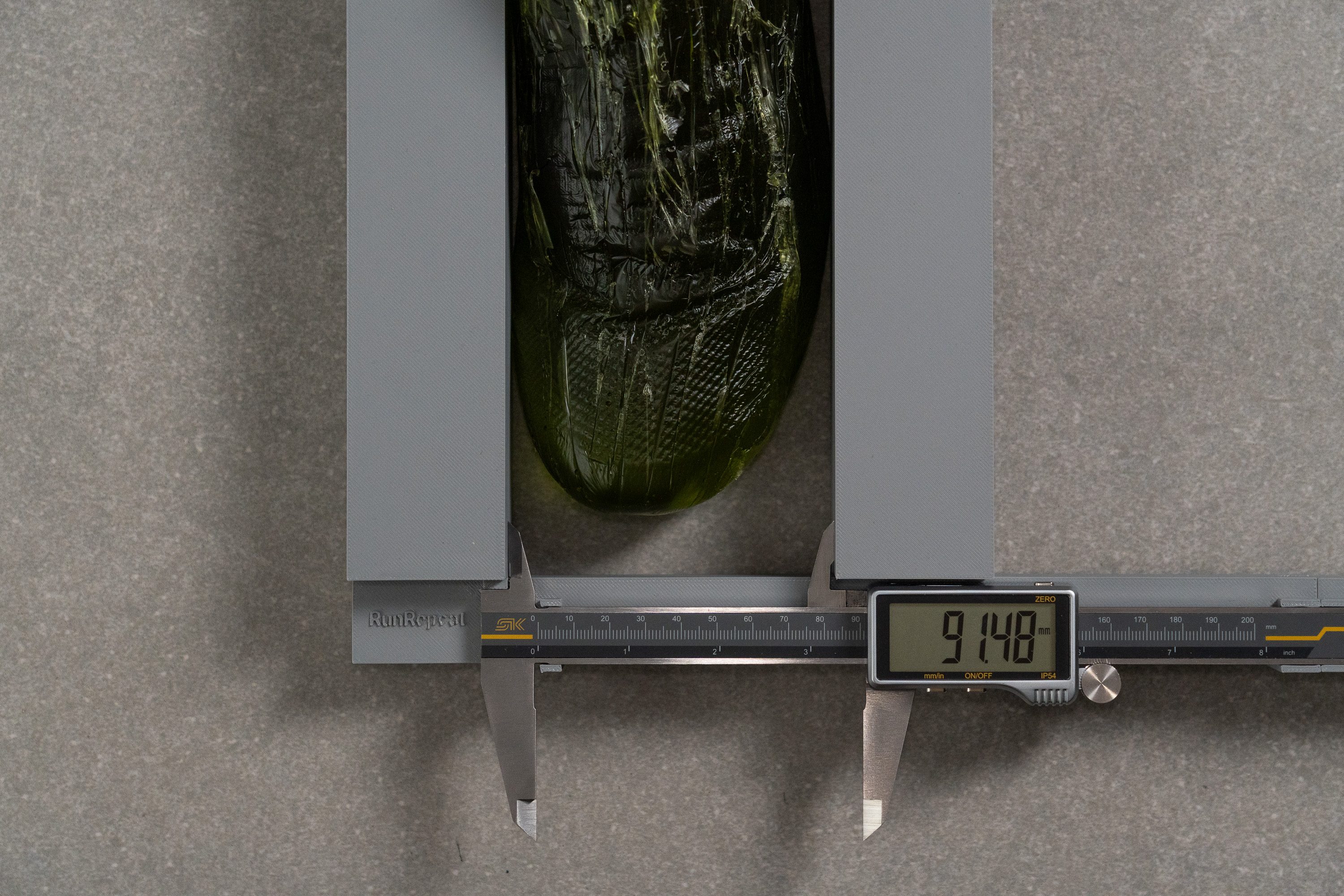
| Gara Carbon | 91.5 mm |
| Average | 95.2 mm |
Toebox width
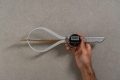
The toebox, measuring 71.5 mm, also reflects the same design approach we saw in the previous measurement. The upside is that the foot stays firmly in place, but this tight fit could be an issue for some runners when tackling the marathon distance.
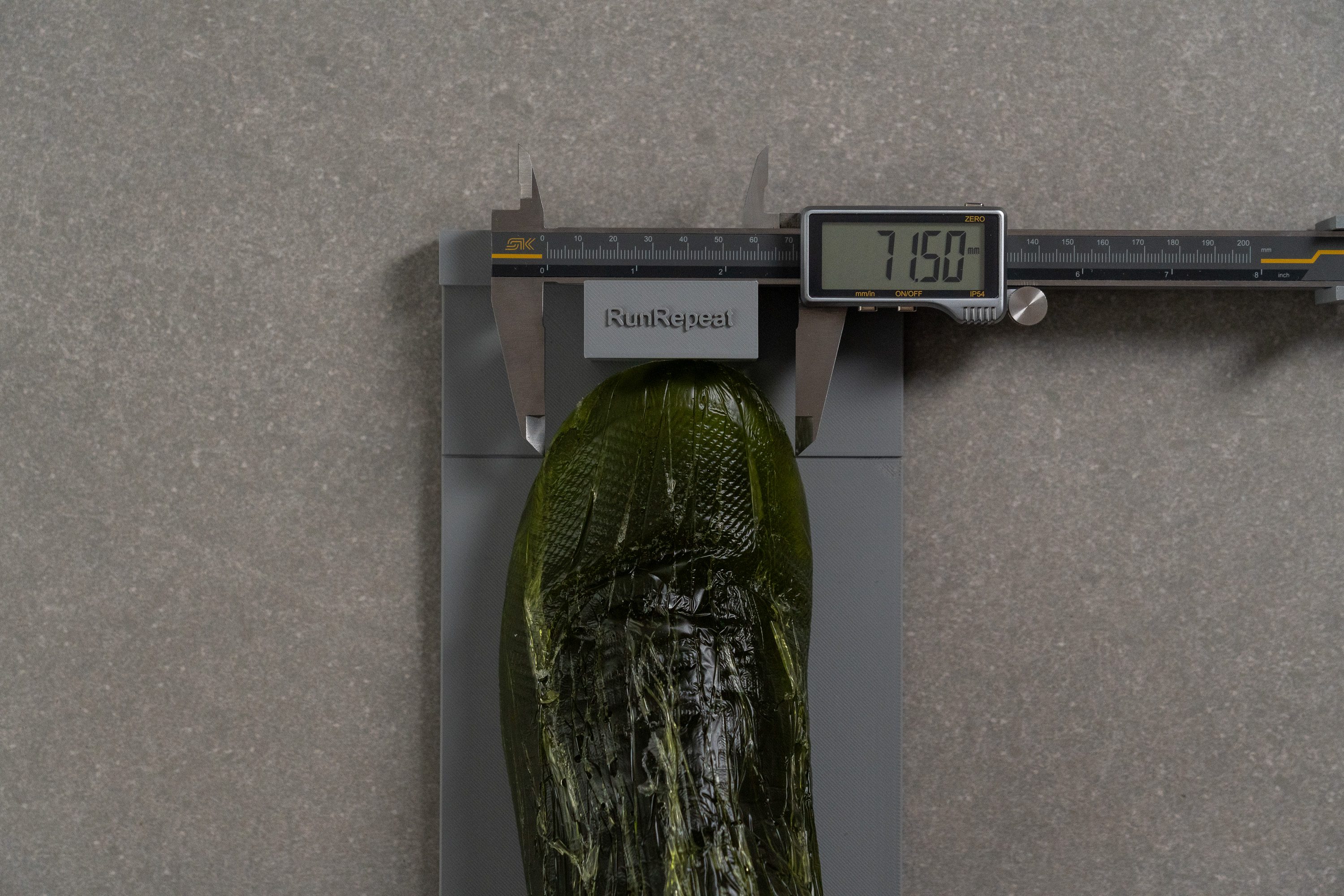
| Gara Carbon | 71.5 mm |
| Average | 73.2 mm |
Toebox height
On the flip side, the MATRYX upper provides good vertical room, with a total clearance of 30.1 mm.
This extra space offers some relief and helps reduce pressure on the toenails, which can become an issue during longer races when feet start to swell.
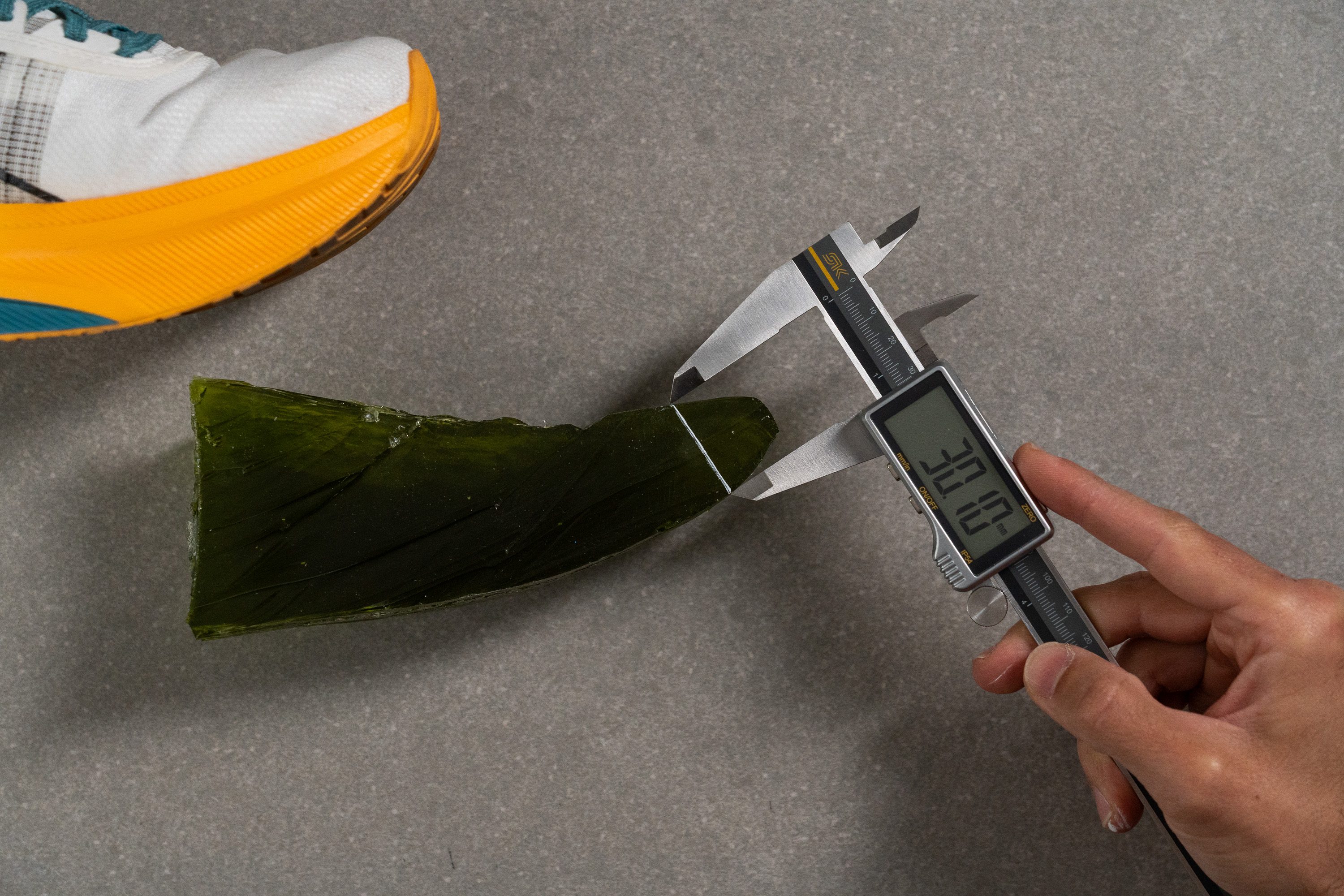
| Gara Carbon | 30.1 mm |
| Average | 27.0 mm |
Traction / Grip
Traction test
The outsole of the Gara Carbon delivered solid results in the SATRA TM144 test we run on every shoe in wet conditions. A score of 0.64 confirms there is enough grip to handle rainy conditions on race day.
| Gara Carbon | 0.64 |
| Average | 0.53 |
Outsole design
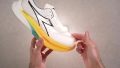
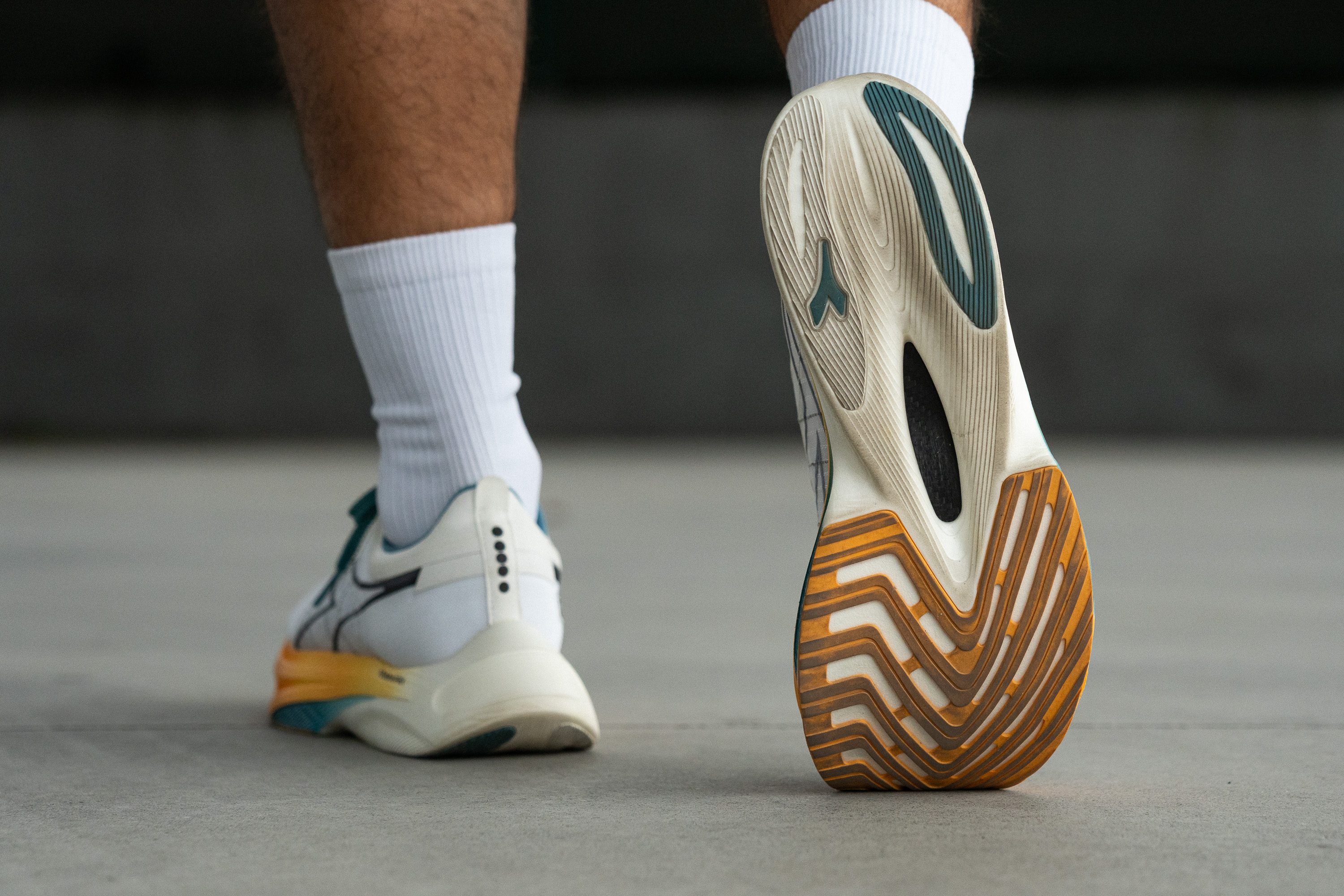
Rubber coverage is generous (for a super shoe) in both the heel and forefoot, using wide, wavy segments that protect high-wear zones and add structure.
This extensive coverage contributes to the shoe’s heavier weight compared to other race models. In the heel, a green Diadora logo is integrated directly into the outsole, a clever touch that adds branding without extra pieces or unnecessary complexity.
Flexibility / Stiffness
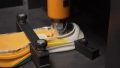
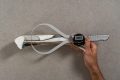
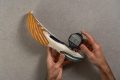
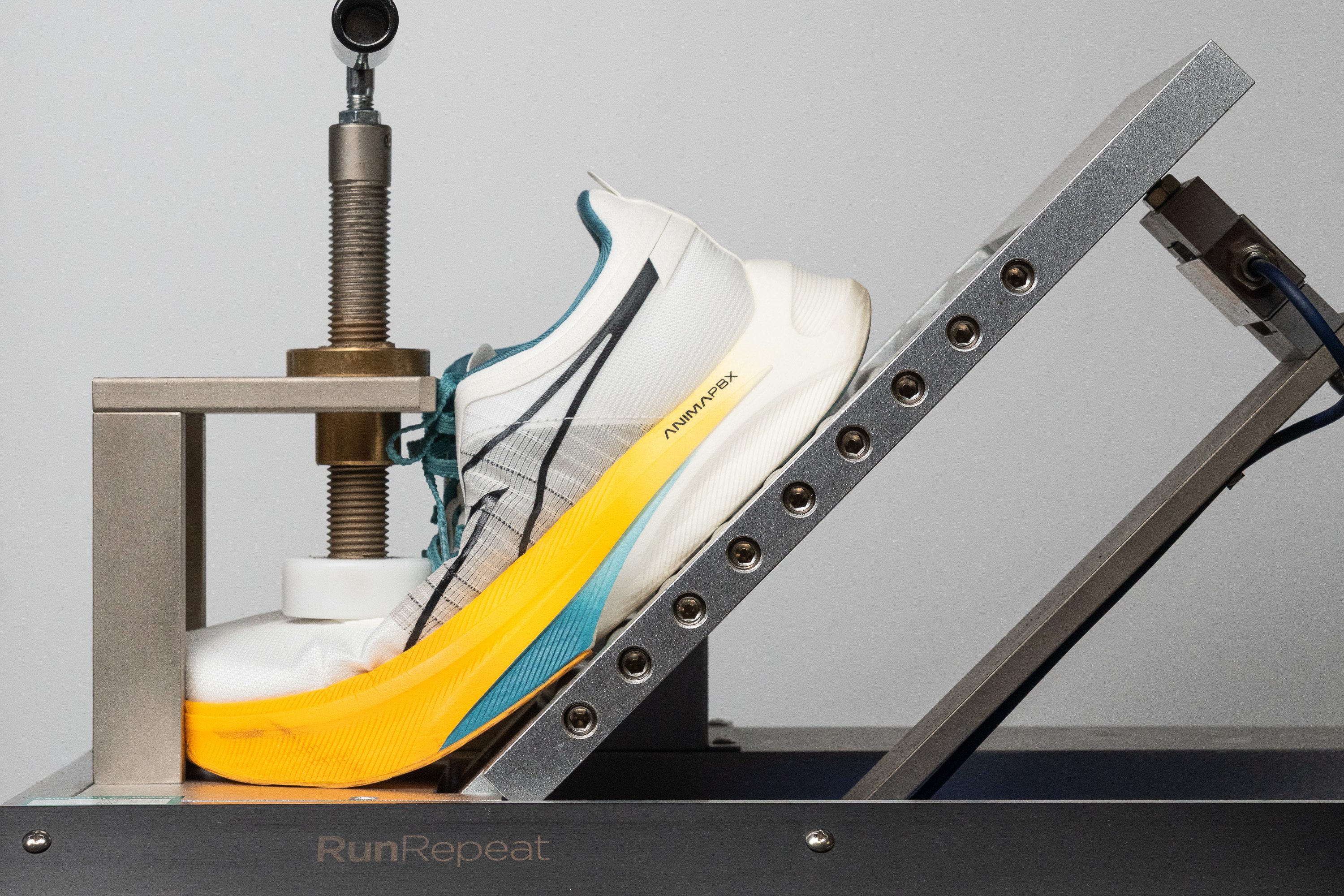
The Gara Carbon reached 19.7N in our 30-degree bend test, which sits right where we expect a carbon-plated shoe to land. As a result, the stiffness comes with no real surprises in either direction.
| Gara Carbon | 19.7N |
| Average | 15.5N |
Weight
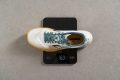
For us, the biggest issue with the Diadora Gara Carbon is its weight. At 7.6 oz or 215g, it sits near the upper limit for a modern super shoe, and we found that this extra mass is noticeable during faster efforts.
It feels a bit heavy for today’s super shoe standards, and runners who want a shoe that truly disappears underfoot may not connect with it. Many recent releases are 20% to 30% lighter, and this remains a clear area where Diadora needs to improve for version 2.

| Gara Carbon | 7.6 oz (215g) |
| Average | 9.2 oz (261g) |
Breathability
Breathability test
One premium feature that sets the Diadora Gara Carbon apart from other super shoes is the MATRYX upper. The collaboration with the French company Chamatex delivers excellent material quality, although the execution comes with a few trade-offs.
Instead of prioritising airflow in the toebox like most race shoes, ventilation there is limited, which led us to a 2/5 score. This makes the front of the shoe feel more structured than airy.
Most of the thinner areas are found around the midfoot and the tongue. That is where heat escapes more easily, helping balance overall airflow while keeping the forefoot more supportive.
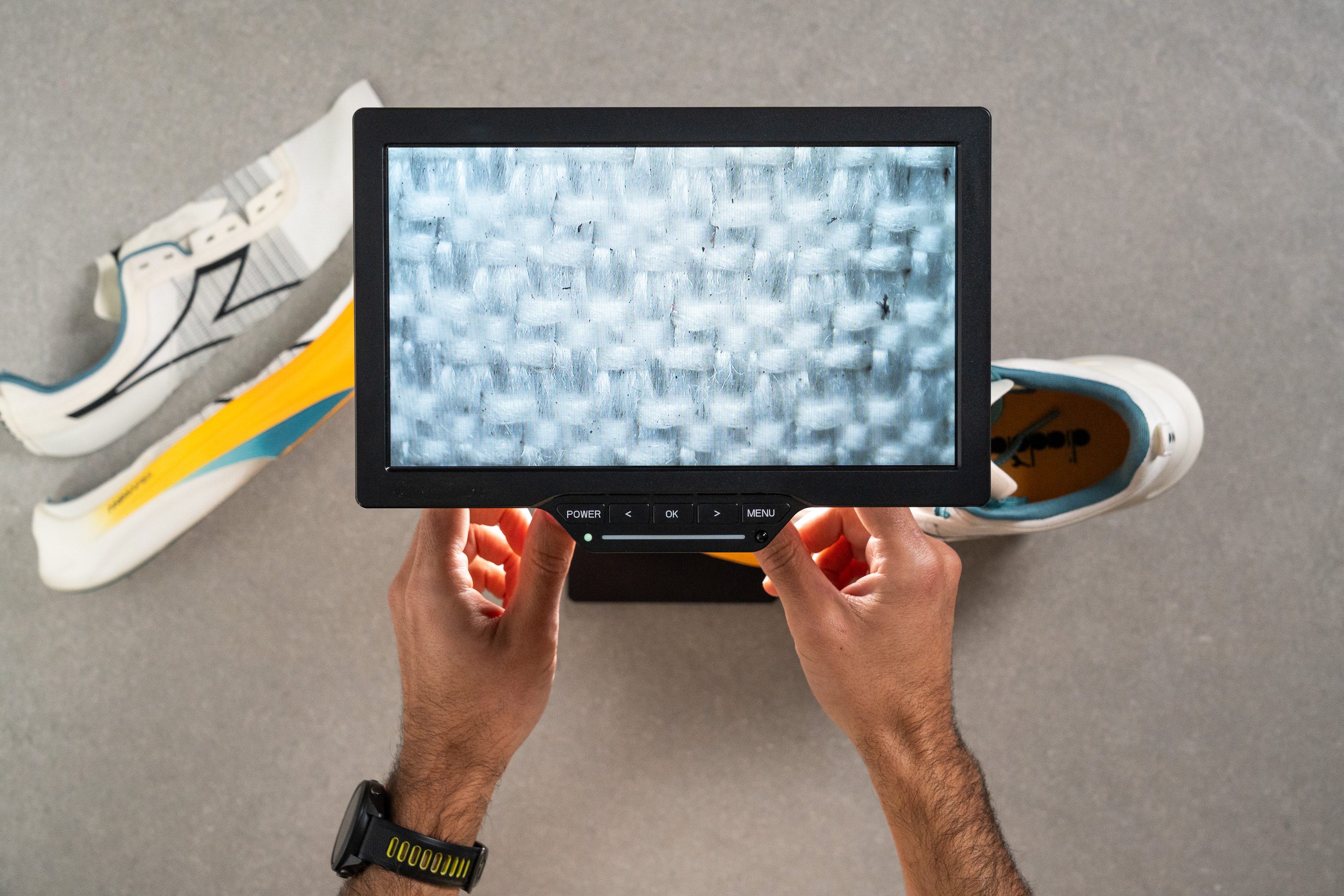
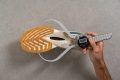
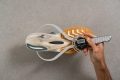
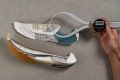
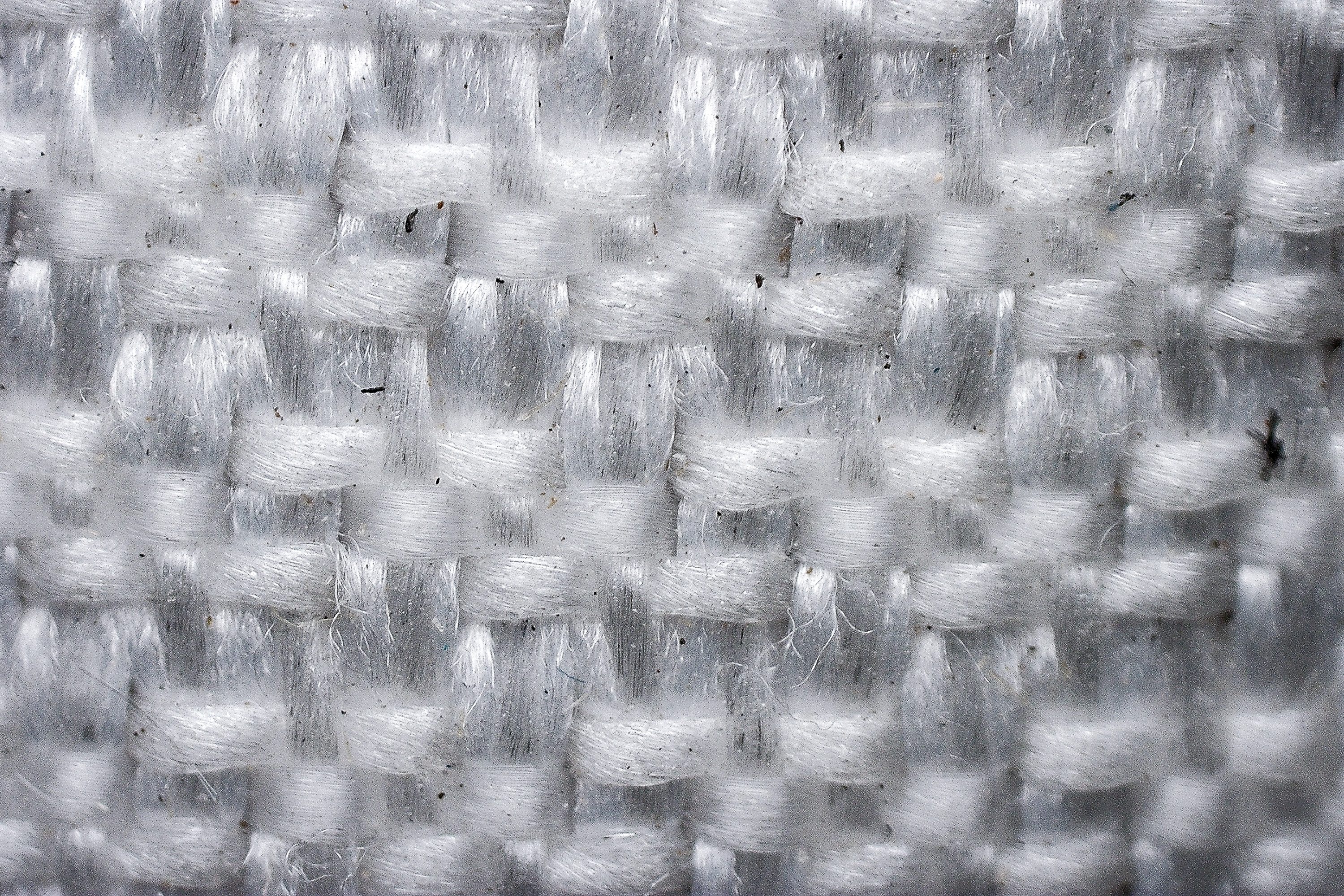
Under the microscope, it became clear that the toebox lacks ventilation openings. There are no visible holes or gaps that would allow air to move through that area.
The heel padding is also unusually generous for a racing shoe, possibly even excessive, and it clearly adds to the overall weight.
That said, the build quality is excellent, which is expected at this price point and from a MATRYX-based upper.
| Gara Carbon | 2 |
| Average | 3.6 |
Stability
Lateral stability test
Stability is not the strongest point of the Gara Carbon, although this is expected for a modern super shoe. The high stack height and narrow platform limit how stable it can feel, but it still sits comfortably away from the least stable options in this category.
Torsional rigidity
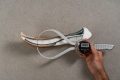
With a full-length carbon plate, we expected maximum rigidity, but we found some flex instead and rated it 4/5. For runners looking for a super shoe that feels slightly more forgiving, this can be a solid alternative.
| Gara Carbon | 4 |
| Average | 3.6 |
Heel counter stiffness
One of the most surprising aspects of the Gara Carbon is that, for a super shoe, it uses a very traditional heel design, offering higher-than-usual comfort and more structure, which resulted in a 2/5 score in our test.
This setup, combined with the exaggerated heel bevel, makes the shoe a solid option for heel strikers, even with its moderate drop.
| Gara Carbon | 2 |
| Average | 2.9 |
Midsole width - forefoot
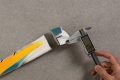
The Gara Carbon feels agile and compact on the run, making it a viable option for shorter races like 5K or 10K, which also explains why it is not among the most stable super shoes. When we measured the forefoot with our callipers, we recorded a width of 111.5 mm.
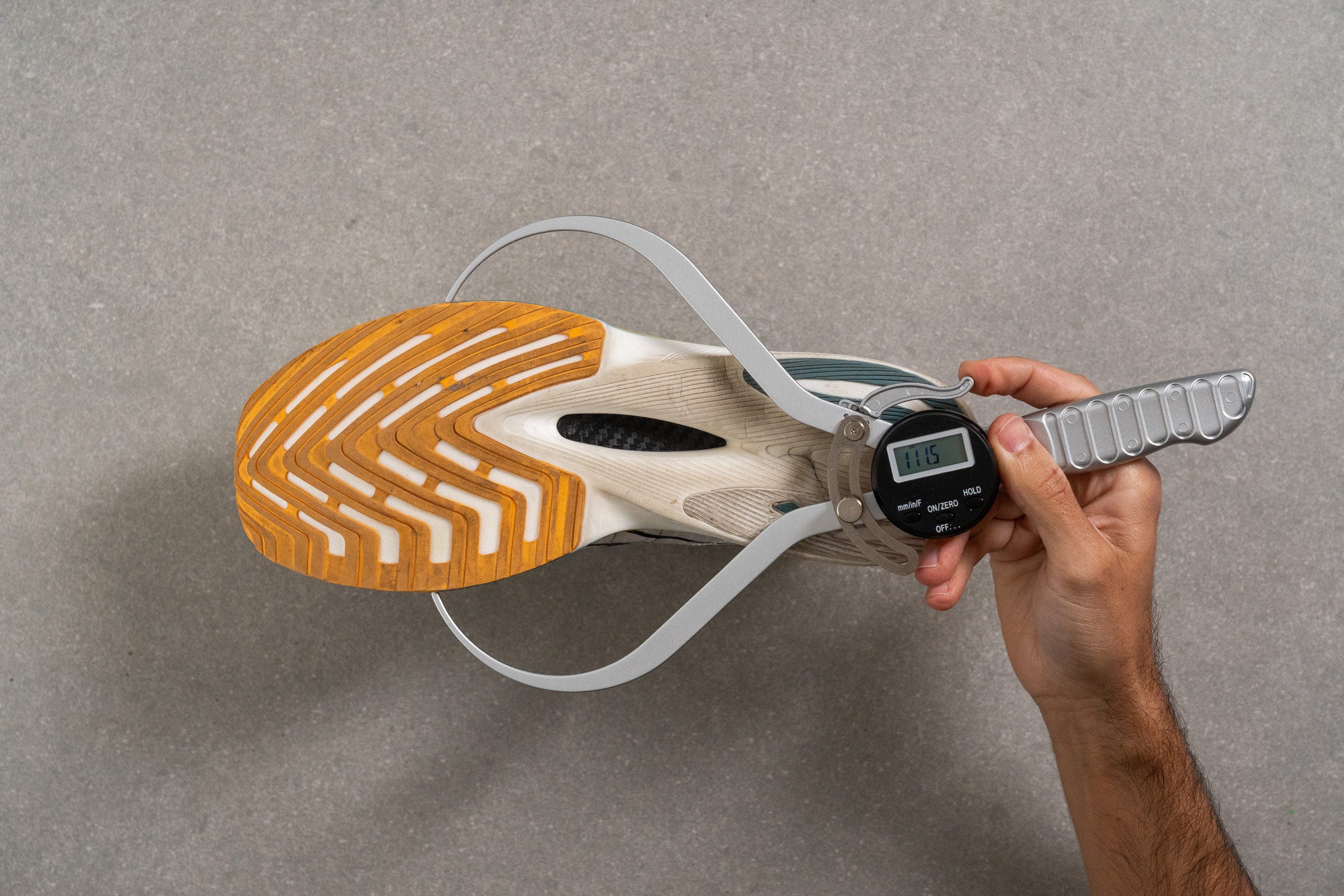
| Gara Carbon | 111.5 mm |
| Average | 115.1 mm |
Midsole width - heel
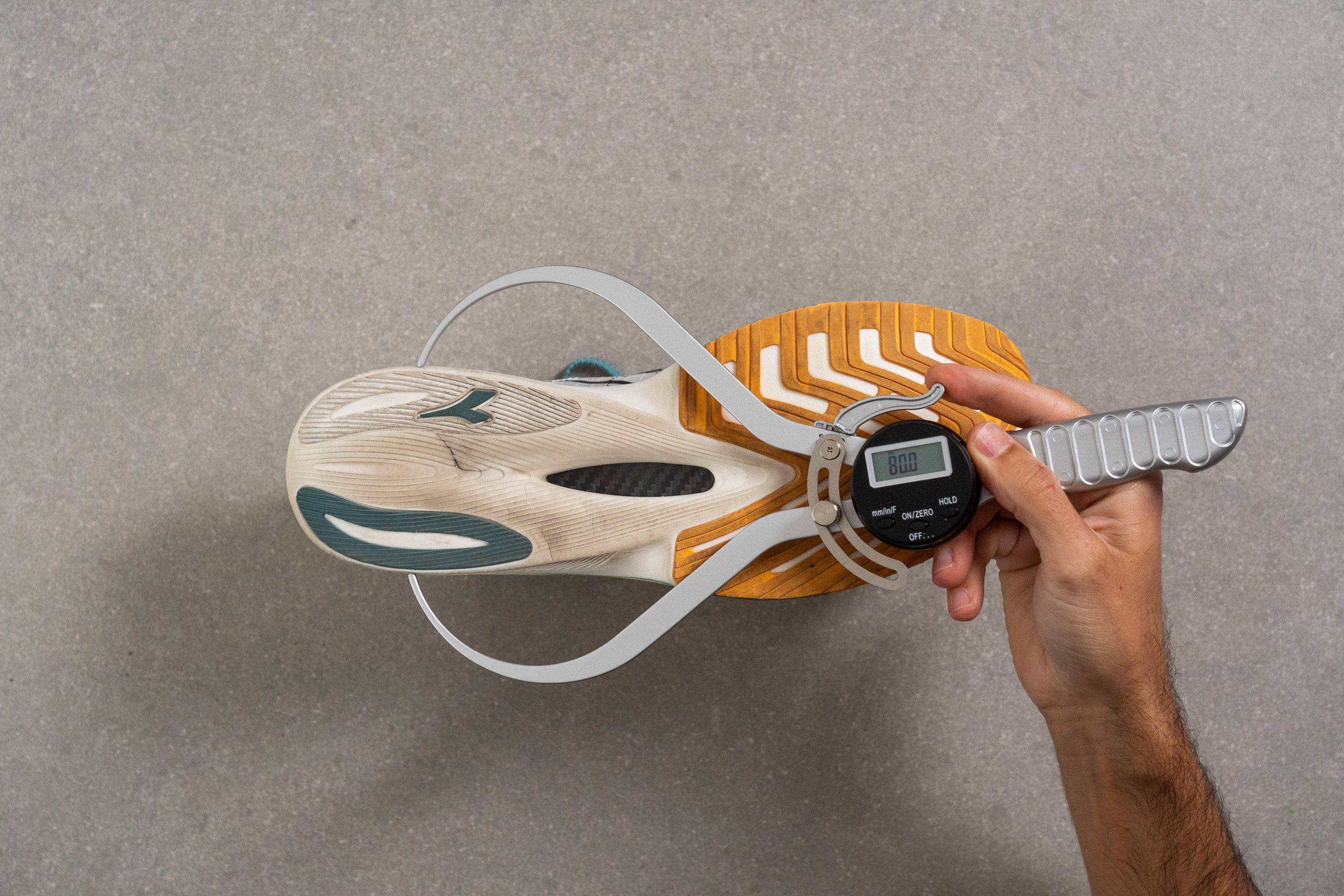
The heel is even more aggressive, with a maximum width of just 80.0 mm.
While this looks extremely narrow compared to most shoes, it is fairly standard for this category. If you want a more stable feel in a racing shoe, the Nike Alphafly 3 is a better option.
| Gara Carbon | 80.0 mm |
| Average | 91.1 mm |
Durability
Toebox durability
The thicker upper and low breathability work in favour of durability, allowing the MATRYX upper to shine with a strong 4 out of 5 score in this demanding test.
| Gara Carbon | 4 |
| Average | 2.6 |
Heel padding durability
On the flip side, the heel padding was less impressive, scoring just 2/5. It’s not a major concern in a super shoe with a race-focused lifespan, but it remains an area Diadora should improve in version 2.
| Gara Carbon | 2 |
| Average | 3.4 |
Outsole durability
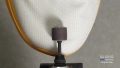
The rubber performed well in our final durability test, showing just 1.0 mm of wear. We say "just" because racing shoes usually use softer rubber that wears faster, so this result points to a decent lifespan.
| Gara Carbon | 1.0 mm |
| Average | 1.1 mm |
Outsole thickness
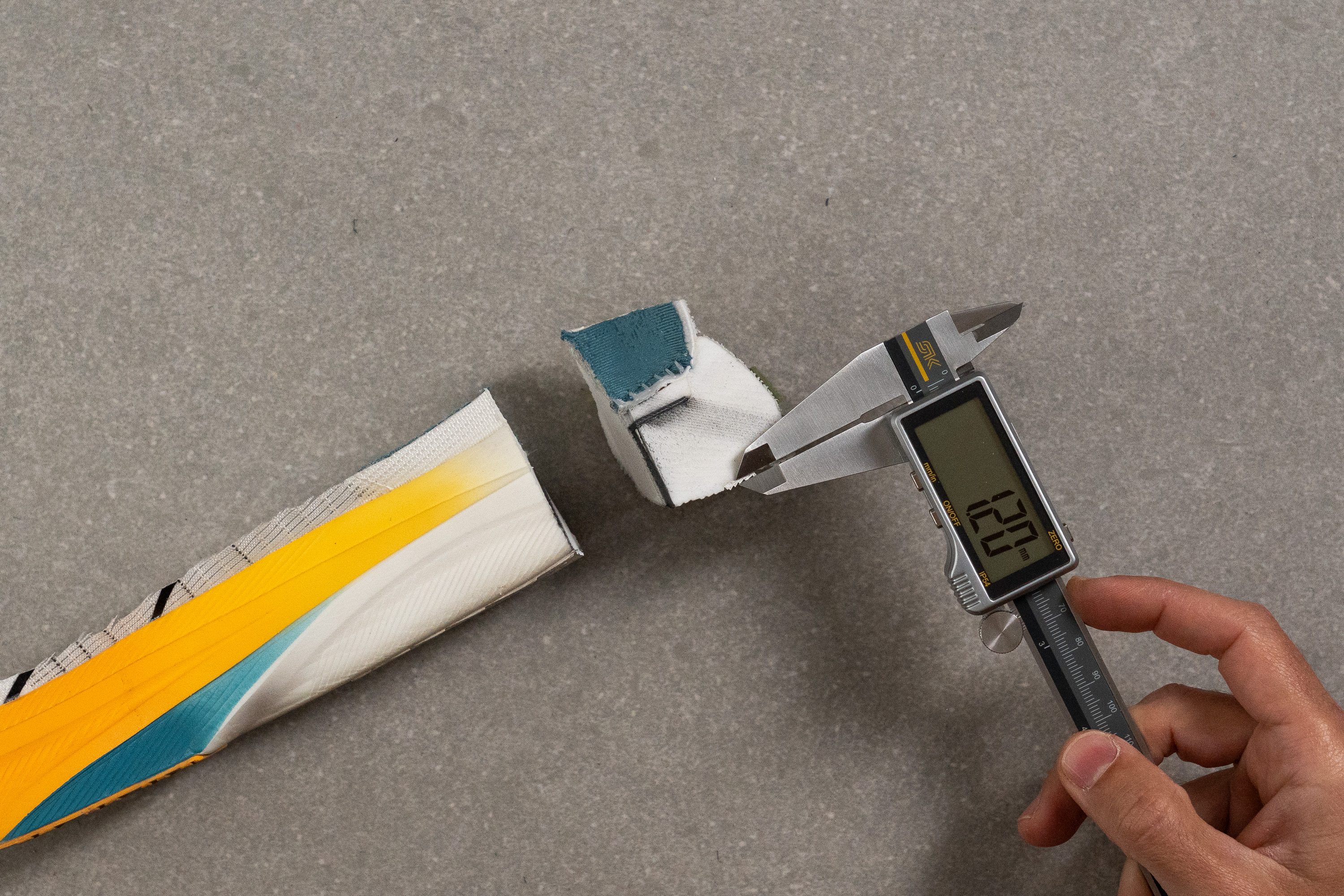
However, as is common in super shoes built to save weight, outsole thickness is very thin. At only 1.2 mm, this makes the Gara Carbon better suited for races and key workouts, rather than a racing shoe meant to handle endless mileage.
| Gara Carbon | 1.2 mm |
| Average | 3.1 mm |
Misc
Insole thickness
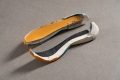
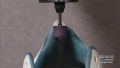
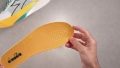
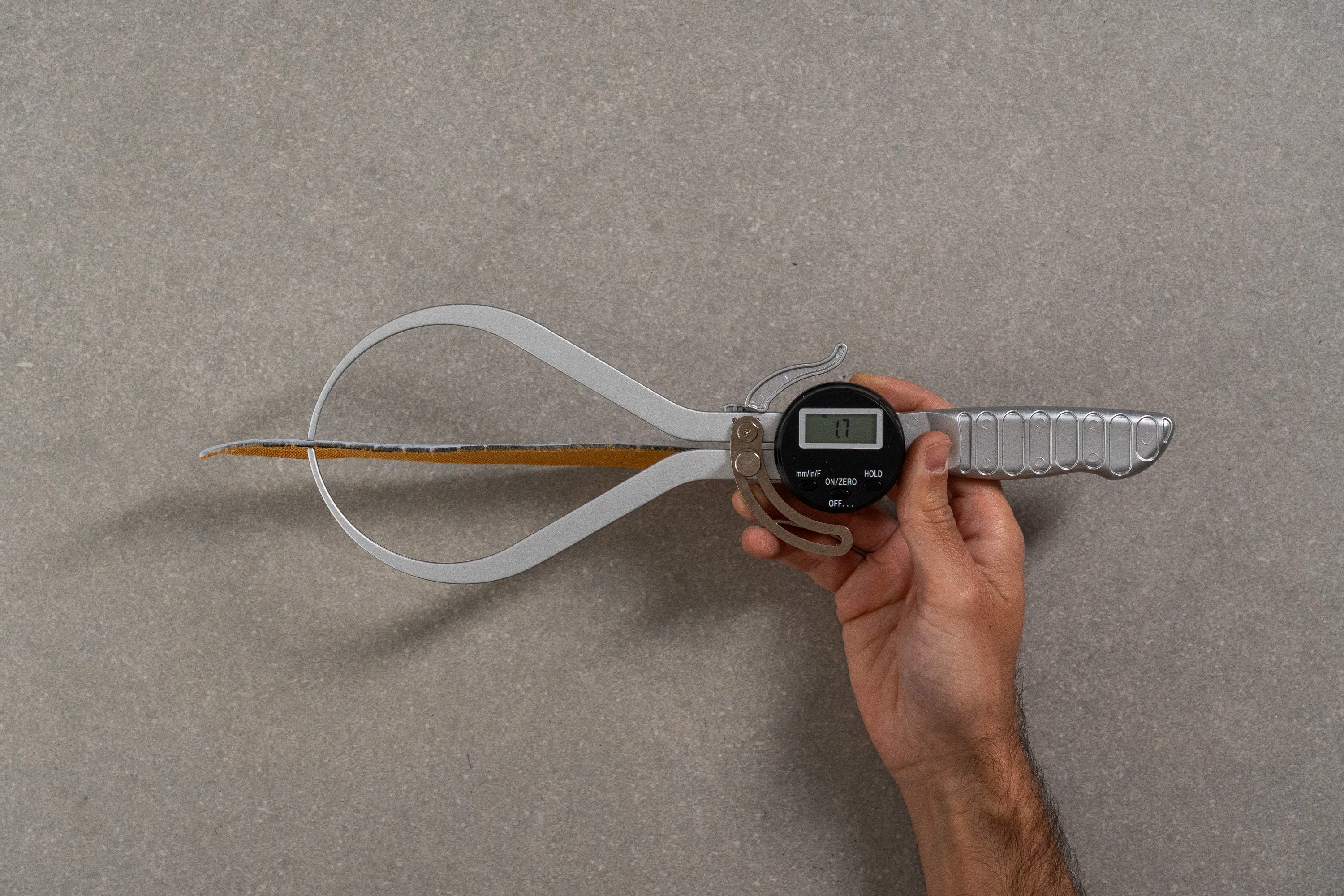
The Diadora Gara Carbon uses an extremely thin insole that measures just 1.7 mm, making it one of the thinnest we’ve ever recorded here in the lab.
| Gara Carbon | 1.7 mm |
| Average | 4.4 mm |
Removable insole
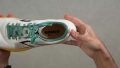
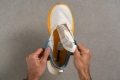
Not every super shoe includes a removable insole, but this one does, even though removing it means losing the perforated design. Still, the insole is sooo thin and the fit inside the shoe is quite tight, so most of you will likely prefer to keep it in place.
| Gara Carbon | Yes |
Reflective elements
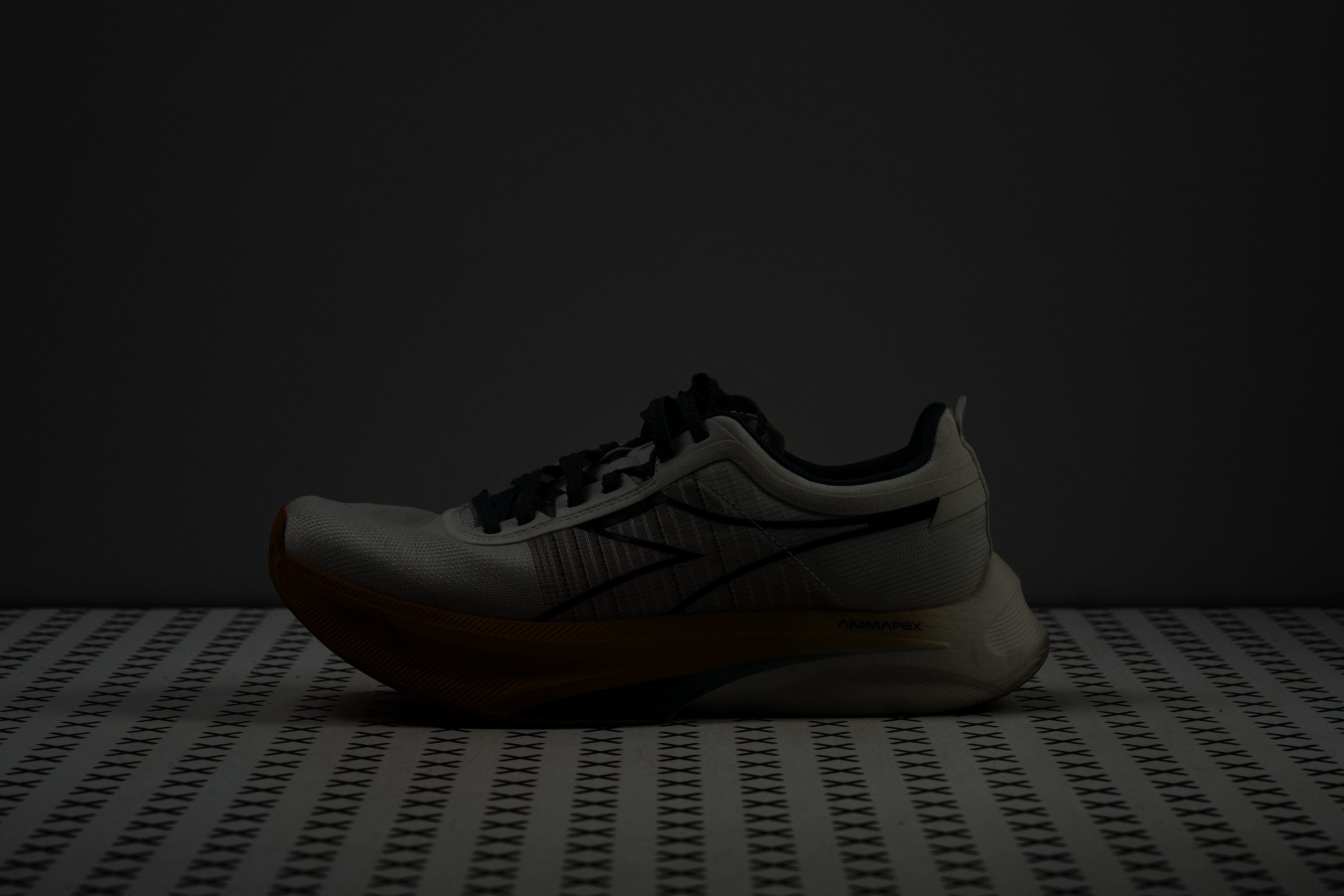
We found that Diadora did not add any reflective elements to the MATRYX upper of the Gara Carbon.
| Gara Carbon | No |
Tongue padding
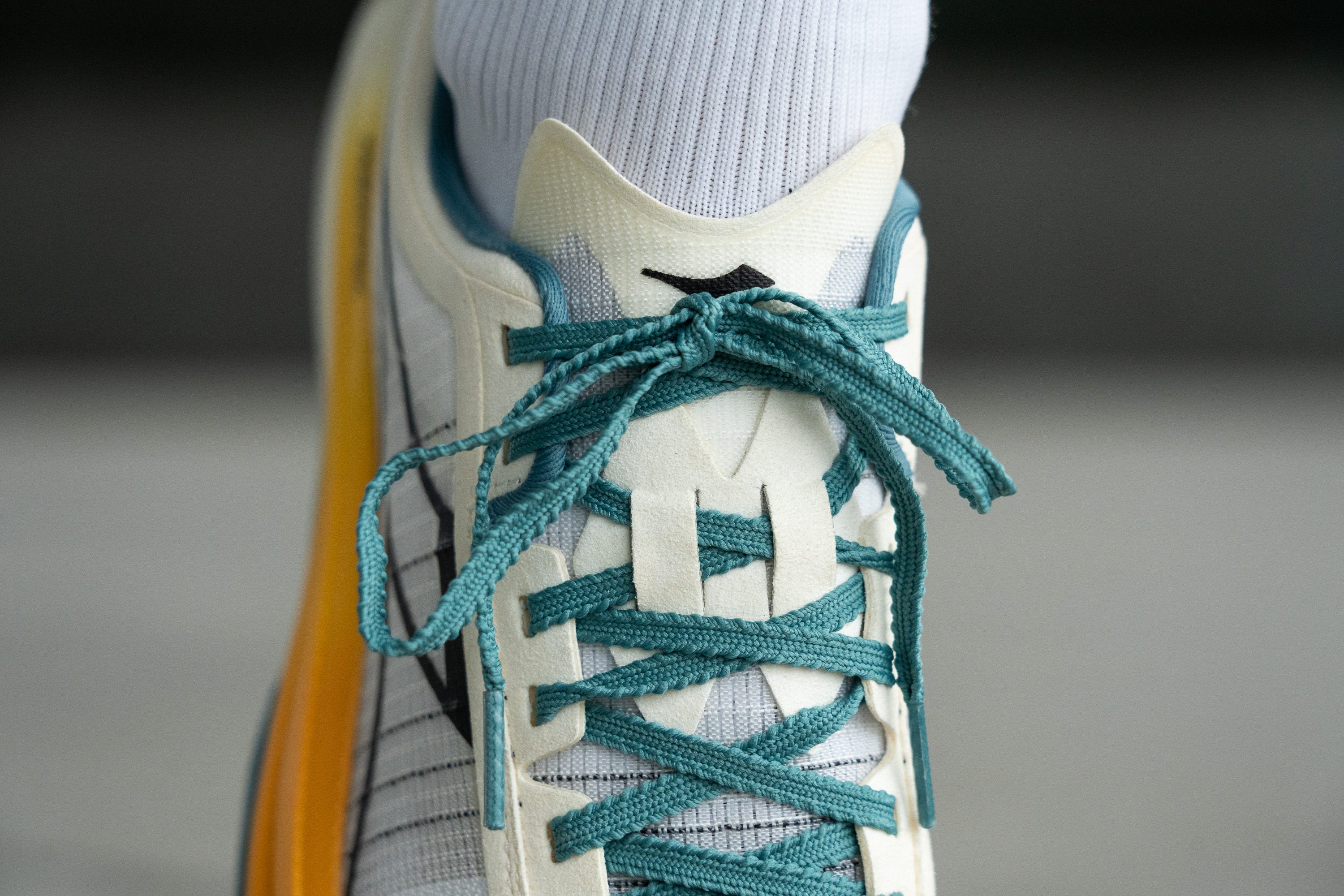
The Gara Carbon features a fantastic lacing system that spreads pressure evenly across the foot and uses high-quality laces, something surprisingly still missing in some super shoes. We also liked the double loop that keeps the tongue in place and a fantastic fit from the MATRYX textile.
As for the tongue, it matches the shoe’s performance focus perfectly, being extremely thin, with just 1.0 mm of thickness at its thickest point.
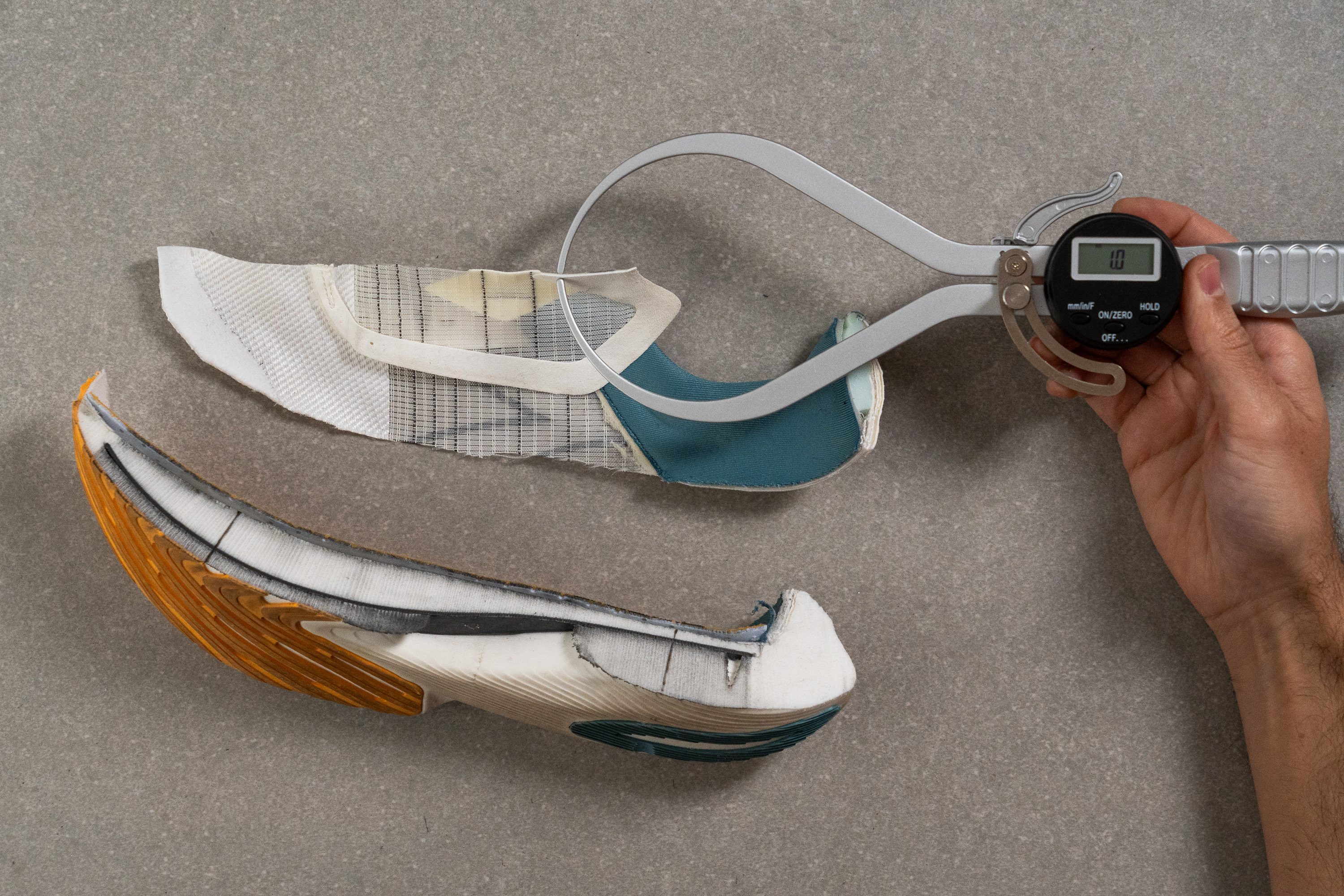
| Gara Carbon | 1.0 mm |
| Average | 5.8 mm |
Tongue: gusset type
The tongue can shift slightly since it is not gusseted, but we did not notice any unwanted movement, likely because the dual tongue loops that we found before keep it well centred.
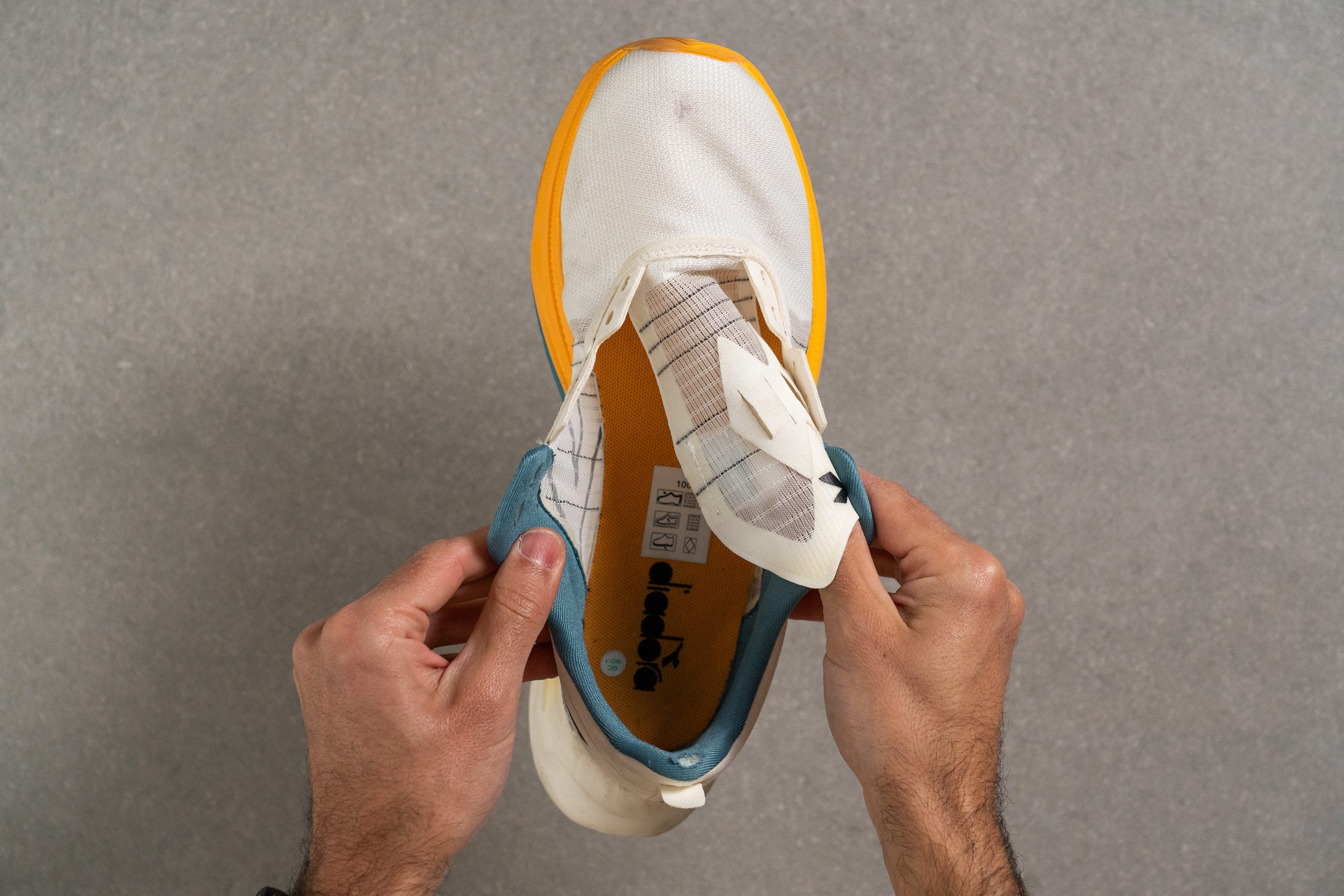
| Gara Carbon | None |
Heel tab
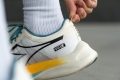
The heel features a small strip that covers the stitching and doubles as a pull tab, which is a clever and practical detail.
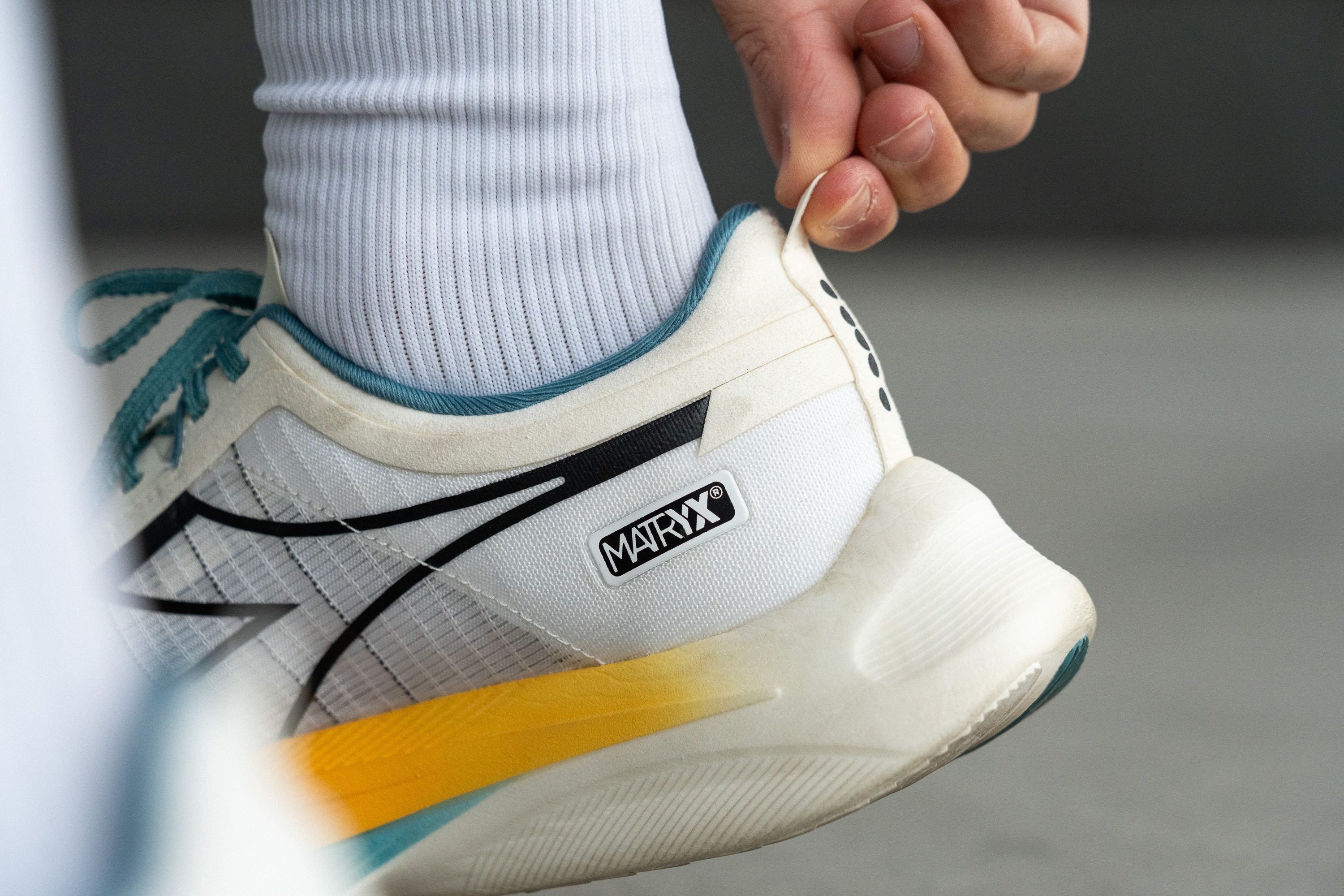
| Gara Carbon | Pull tab |
Price
Diadora asks a higher price than most super shoes, but in return it delivers excellent build quality, even if this model is made in China rather than Italy as we expected. It also offers strong performance outside the main brands, and as we all know, manufacturing costs tend to drop as production volumes increase.
Is it worth it? Possibly for some runners, but if weight is a top priority, it’s hard to justify the investment given the strong competition in this category.
| Gara Carbon | $300 |