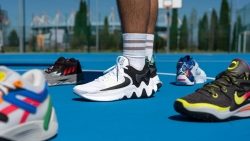
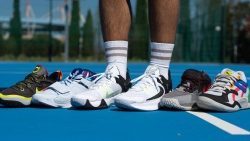
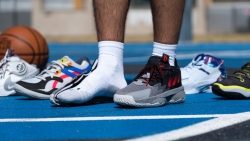
7 Best Basketball Shoes For Men in 2026


We buy shoes ourselves. We earn commissions when you buy through us, at no extra cost. Why trust us
If you ever felt overwhelmed by the number of basketball shoes flooding the market, you are not alone. And it gets even worse when shopping online because you cannot tell how each shoe would interact with your own playstyle, body composition, court surface, cushioning needs, or past injuries.
To help you get started, we listed our top picks among men’s basketball shoes below. But if you need more guidance in picking out a hoop shoe that feels tailor-made for you, be sure to scroll down to our in-depth guide below.
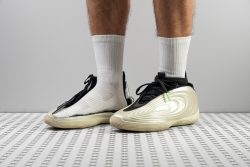
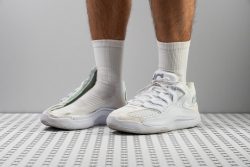
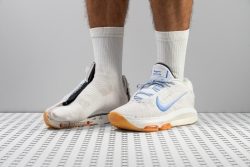
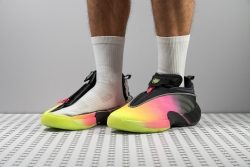
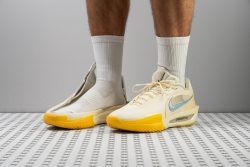
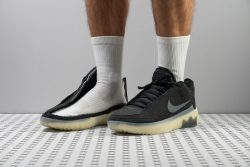
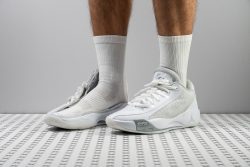
How we test basketball shoes for men
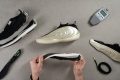
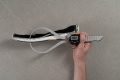
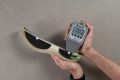
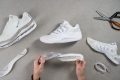
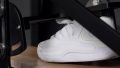
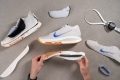
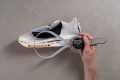
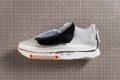
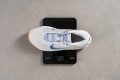
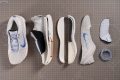
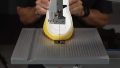
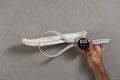
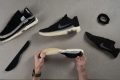
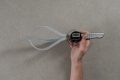
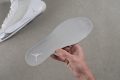
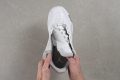
Here at RunRepeat, we cut through brand marketing by literally taking each pair of basketball shoes apart to see exactly what it’s made of and measure every parameter. All shoes are tested in the same men’s US size 9 to ensure consistent and comparable results.
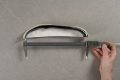
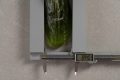
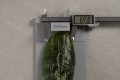
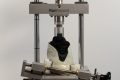
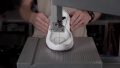
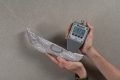
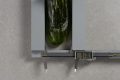
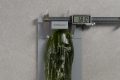
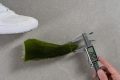
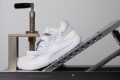
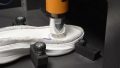
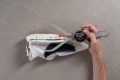
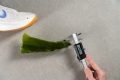
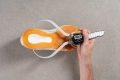
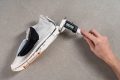
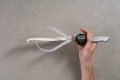
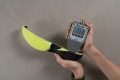
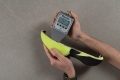
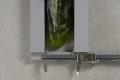
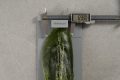
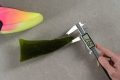
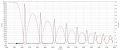
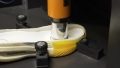
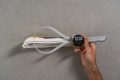
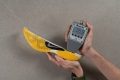
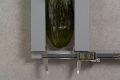
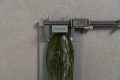
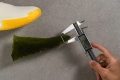
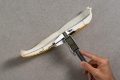
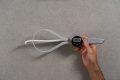
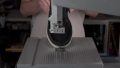
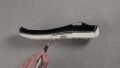
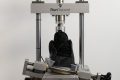
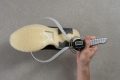
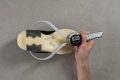
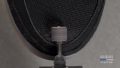
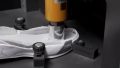
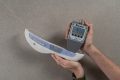
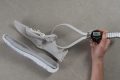
We follow scientifically validated protocols to test each hoop shoe’s shock absorption, energy return, midsole softness, outsole friction, and more. We also use custom-built machines, digital calipers, and durometers to measure all the parameters that contribute to each hoop shoe’s stability and ankle support. We even create one-to-one gel casts of each shoe’s interiors to help you understand how it fits.
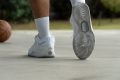
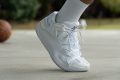
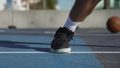
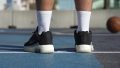
And before all the lab tests, we also take each pair through a playtest on the court to assess their lockdown and overall performance.
Best basketball shoes for men overall
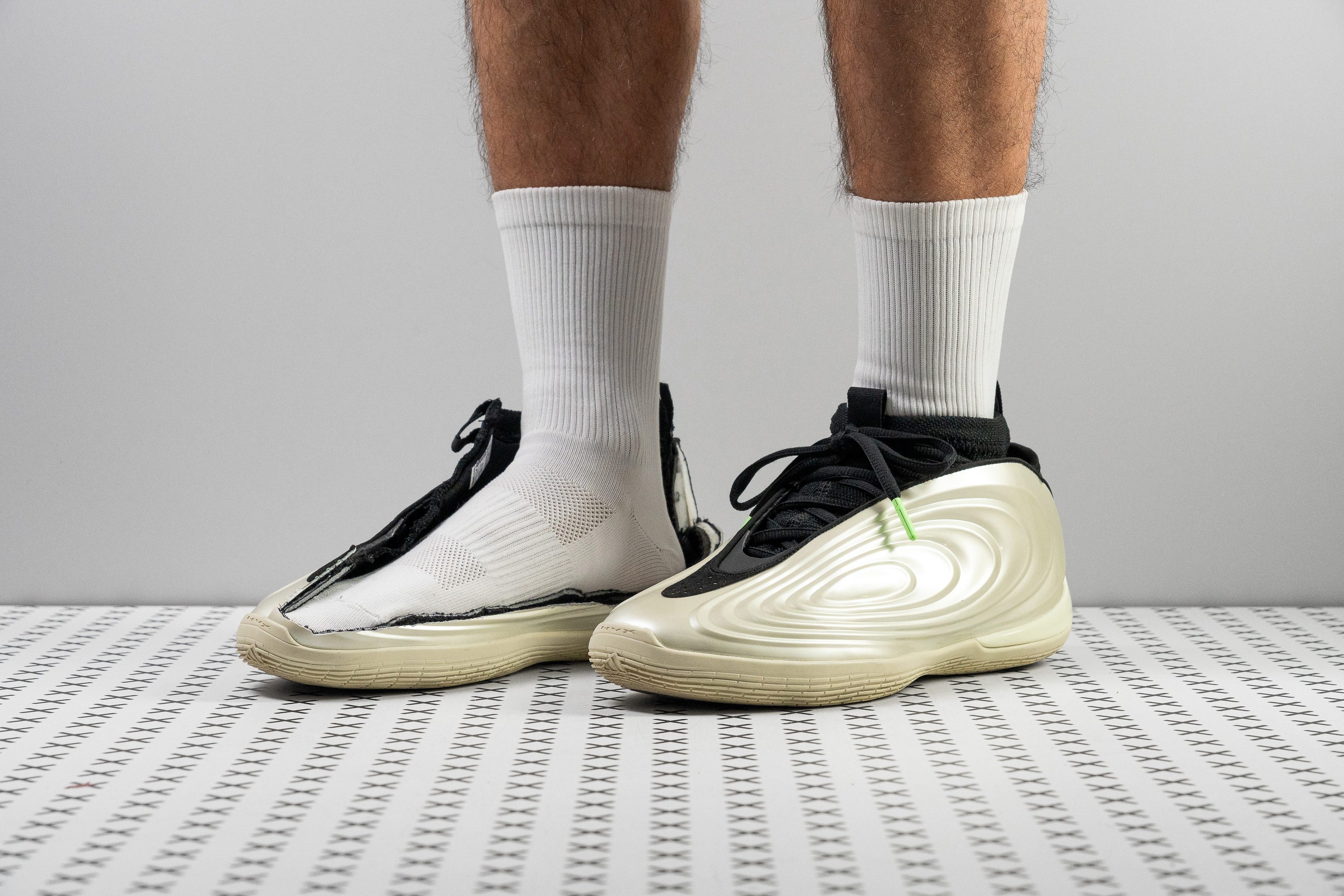



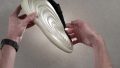


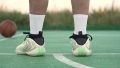

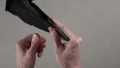
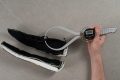
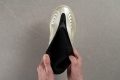

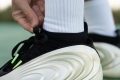
What makes it the best?
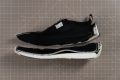
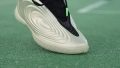
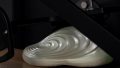
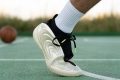
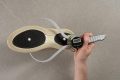
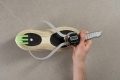
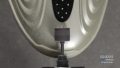
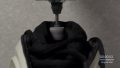
After thoroughly testing it inside and outside the lab, the Volume 10 has shown us that its consistent and predictable performance has rightfully earned it the title of the best basketball shoe for men.
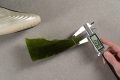
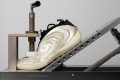
In general, we found this hoop’s durability pretty solid, with the heel padding reaching a high 4/5 and the outsole losing only 0.9 mm of its rubber in our harsh Dremel test. This means it features a hard-to-wear structure with strong materials that offer great stability, just like our flexibility test (20.8N) and our torsional rigidity test (19.4Nm) demonstrated.
Those trustworthy results go hand-in-hand with a lower profile of 16.0 mm in the heel and 20.00 mm in the forefoot to enjoy a nice steadiness and court feel in every step. Yet the best part is that its shock absorption (105 SA) manages to stay pretty fair, which translates into nice and safe landings.
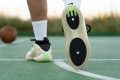
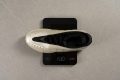
Higher traction (0.84) and energy return (64.6%) are the cherry on top, giving this carefully balanced shoe two strong features that almost made us forget about its burdening weight of 15.3 oz (434g).
Pros
- Propulsive ride from improved energy return
- Fantastic outsole traction
- Great shock absorption in the heel
- Exceptionally secure containment
- Grounded and stable platform
- Excellent durability overall
- Sufficient forefoot flexibility
Cons
- Heavier than average
- Very narrow fit
- Poor breathability
Men's basketball shoes with the best traction






What makes it the best?
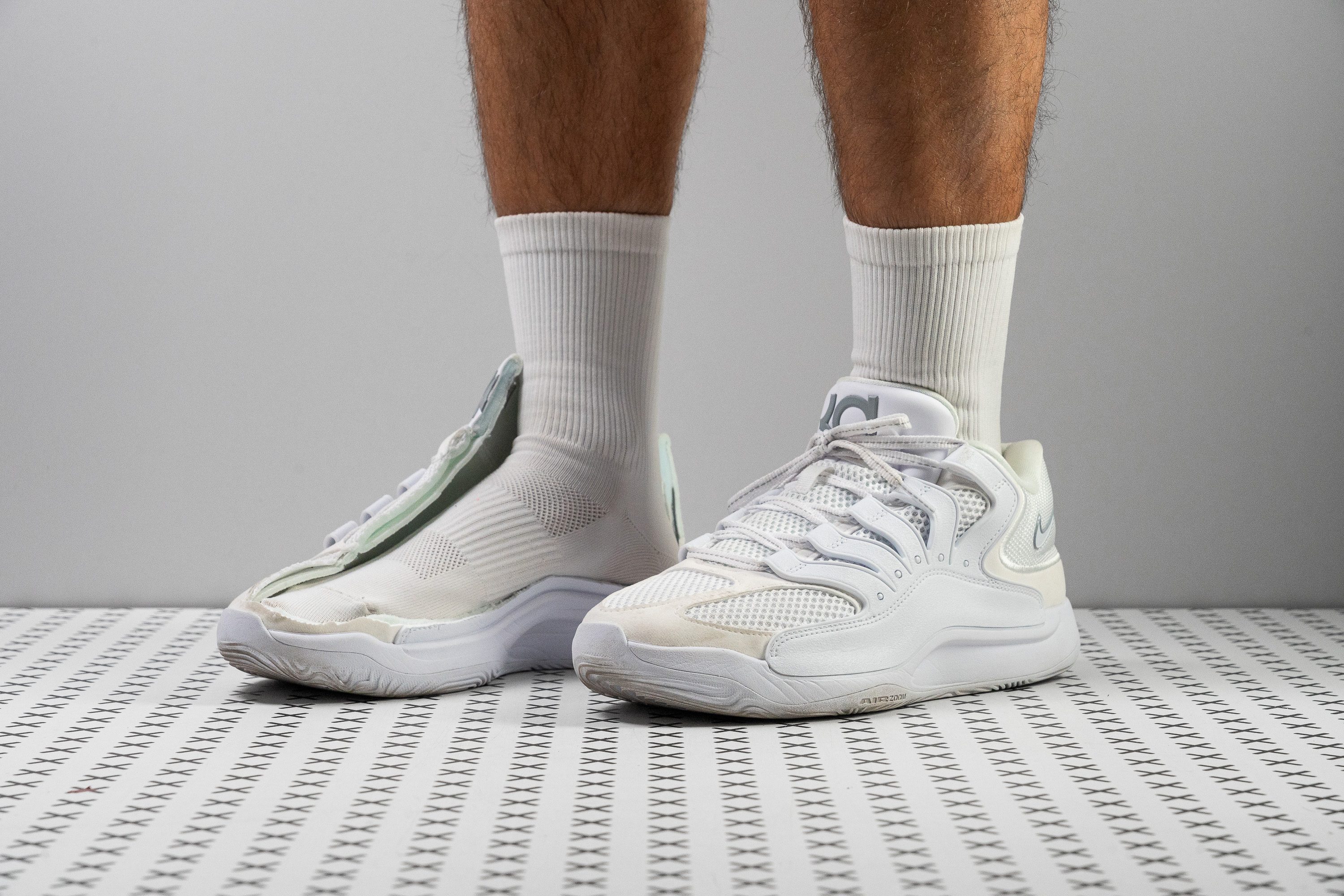
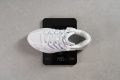
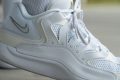
Safety is something hoopers don't play with. That's just one of the reasons why we spend hours and hours testing shoes so that we can share with you the best of the best. Among all of our candidates, the Nike KD 18 was the one that impressed us the most regarding traction.
There was no doubt about it: its higher-than-average result of 0.89 on our traction test was just the mathematical proof we needed to scientifically confirm the safety and surefootedness we felt during our playtests. Featuring the same topographic-style tread pattern, this Nike pair’s grip is equally effective on indoor hardwood and outdoor blacktop.
But our stability party has more guests, such as the fully gusseted tongue of this hoop, which offered wonderful midfoot containment. Added to a high heel counter stiffness (4/5) and a snug fit (91.7 mm width and a toebox 68.1 mm wide), our feet felt like they were wearing a strong, secure, and solid piece of armor.
But you know what happens with armor, right? It’s heavy… just like the 14.9 oz/422g structure of the KD 18. So we can’t really recommend it to players with a quick and agile style.
Pros
- Excellent shock absorption
- Propulsive energy return in the forefoot
- Superb outsole traction
- Solid ankle support and lateral stability
- Secure lockdown and containment
- Comfortable step-in feel
- Good breathability for warm temperatures
- Decent forefoot flexibility
- Promising durability (okay for outdoor courts)
Cons
- Heavier than average
- Not for wide feet
- No major updates from KD 17
Men's basketball shoes with the best shock absorption







What makes it the best?
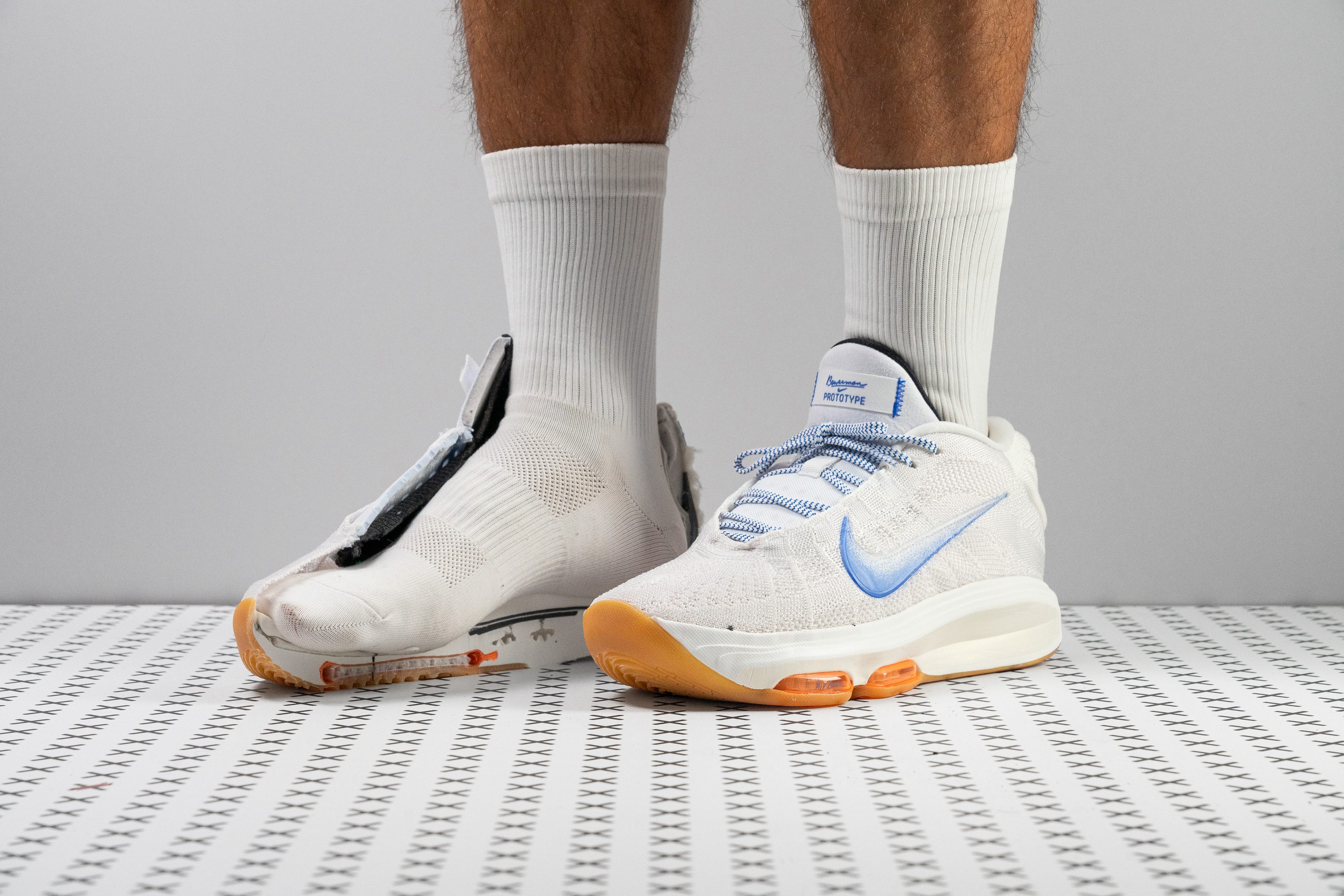
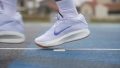
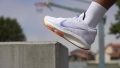
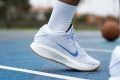
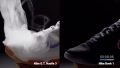
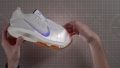
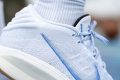
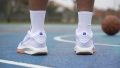
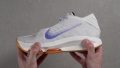
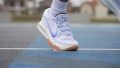
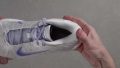
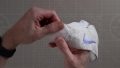
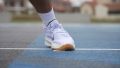
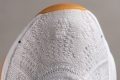
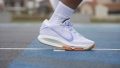
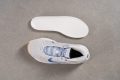
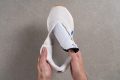
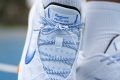
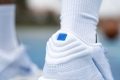
Joint and leg protection comes first for pretty much every hooper, and Nike was definitely aware of it when they created the G.T. Hustle 3. Intense landings and strong jumps didn’t feel that harsh on our body thanks to its wonderful cushioning. So, as it couldn’t be any other way, this pair has earned the title of the hoop for men with the best shock absorption.
To put our feelings into numbers, our machine scored a wonderful 117 SA, which surpasses our current lab average. Additionally, when we checked the energy return using the very same machine, it returned 61.7%, which is also higher than the standard!
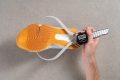
Protecting our feet from the court in every move, this Nike pair features a quite high stack height of 32.8/26.8 mm at the heel and forefoot, respectively. This made us feel safe and comfortable during our playtests, and thanks to the firmer reading of our caliper (52.3 AC), we also understood where all that confidence came from!
Unfortunately, this life-saving cushioning has its drawbacks: there’s no ground feel at all! In consequence, we don’t think shifty players or agile guards will love this shoe.
Pros
- Unmatched explosiveness with Zoom Air
- Unbelievable impact protection
- Great heel counter support
- Lightweight design
- Incredibly breathable
- Good traction
- Good upper durability
- Generously padded interiors
- Pretty comfortable
Cons
- No ground feel
- Might feel unsafe for light players
- Expensive
Men's basketball shoes with the best ankle support







What makes it the best?
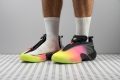
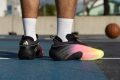
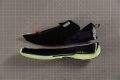
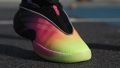
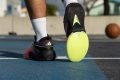
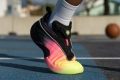
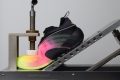
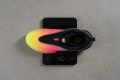
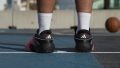
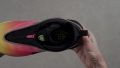
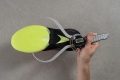
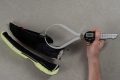
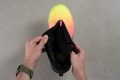
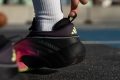
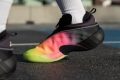
The support and stability we felt during our wear tests were no joke, so we couldn’t choose any other shoe to reign in our ankle-support kingdom: the D.O.N. Issue 7!
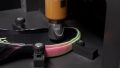
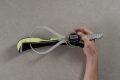
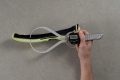
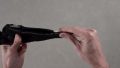
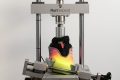
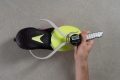
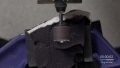
With the already trustworthy Issue 6 as its mentor, this newer version has the same stiff TPU shank with lateral wings, but it has now been enlarged to take up an even greater area of the midfoot. Further back, the heel counter scored a high 4/5 on our stiffness test, offering wonderful support in every step.
The stability we felt is also thanks to the lower profile of this shoe’s midsole, with 28.4/19.4 mm in both the heel and the forefoot, respectively. Regarding the rearfoot, its wider platform of 95.2 mm surpasses our current average by a mile! So we never felt like our heels would tip over the edge of the base.
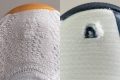
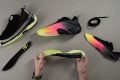
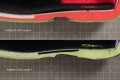
After cutting this shoe in half, we noticed the external foam carrier got beefed up at the heel, and the inner collar got puffy pillows to accommodate our Achilles and lock the ankle securely in place. Nevertheless, the price to pay for all these reinforcements and padding is breathability… so it’s better not to wear this adidas when it’s hot!
Pros
- Amazing outsole traction
- Fantastic lateral stability and support
- Wide platform with reliable outriggers
- Balanced court feel and cushioning
- Feels a bit softer underfoot
- More flexible forefoot adds agility
- Predictable medium-width fit
Cons
- Gained weight (but still average)
- Frail inner mesh
- Poor breathability
Men's basketball shoes with the best energy return







What makes it the best?
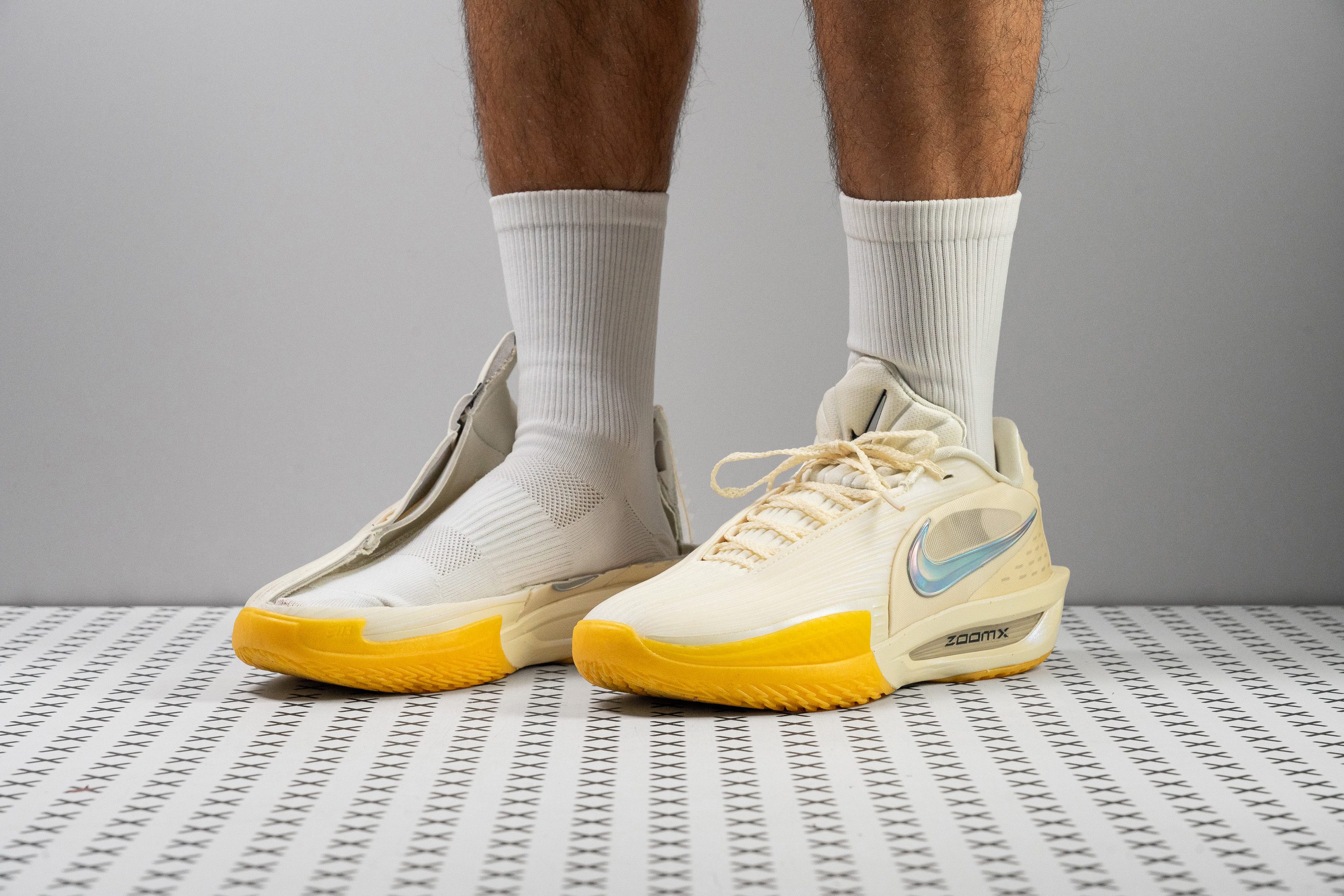
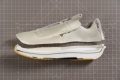
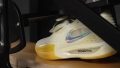
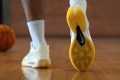
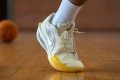
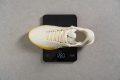
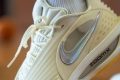
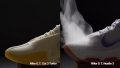
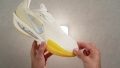
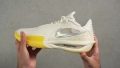
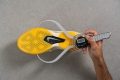
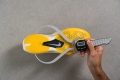
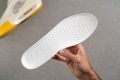
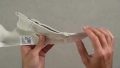
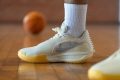
You really can’t beat the G.T. Cut 3 Turbo when it comes to explosiveness! We felt its propulsion in every single step, so layups and rebounds were just easy peasy. Among all the basketball shoes for men we’ve tested, this is the one with the best energy return.
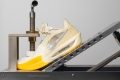
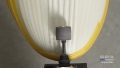
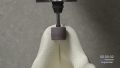
Before anything else, it scored an unprecedented (and flabbergasting) 83.2% at the forefoot, which is basically the part of the foot you use to take off and land. Its secret lies in Nike’s ZoomX foam, which also scored a softer 35.9 AC in our durometer reading.
For us to enjoy this wonderful rebound, the brand made sure to add a solid structure and stability features. For a start, it scored a perfect 5/5 and a great 4/5 on both our torsional rigidity and heel counter stiffness tests, which work hand in hand with a higher-than-average result of 25.7N in our stiffness test to improve surefootedness.
It’s a shame, but the G.T. Cut 3 Turbo’s shock absorption was far from impressive. Despite its avant-garde and softer foam, this confirms it’s designed for lighter and more agile players who don’t need a lot of cushioning.
Pros
- Record-breaking energy return with ZoomX
- Significant improvement in lateral support
- Soft and comfortable step-in feel
- Excellent heel and midfoot containment
- Feels highly agile and nimble
- Fantastic outsole grip
- Lighter than average
Cons
- Below-average shock absorption
- Disappointing durability for the price
- Lacks breathability
Best men's basketball shoes for beginners




What makes it the best?
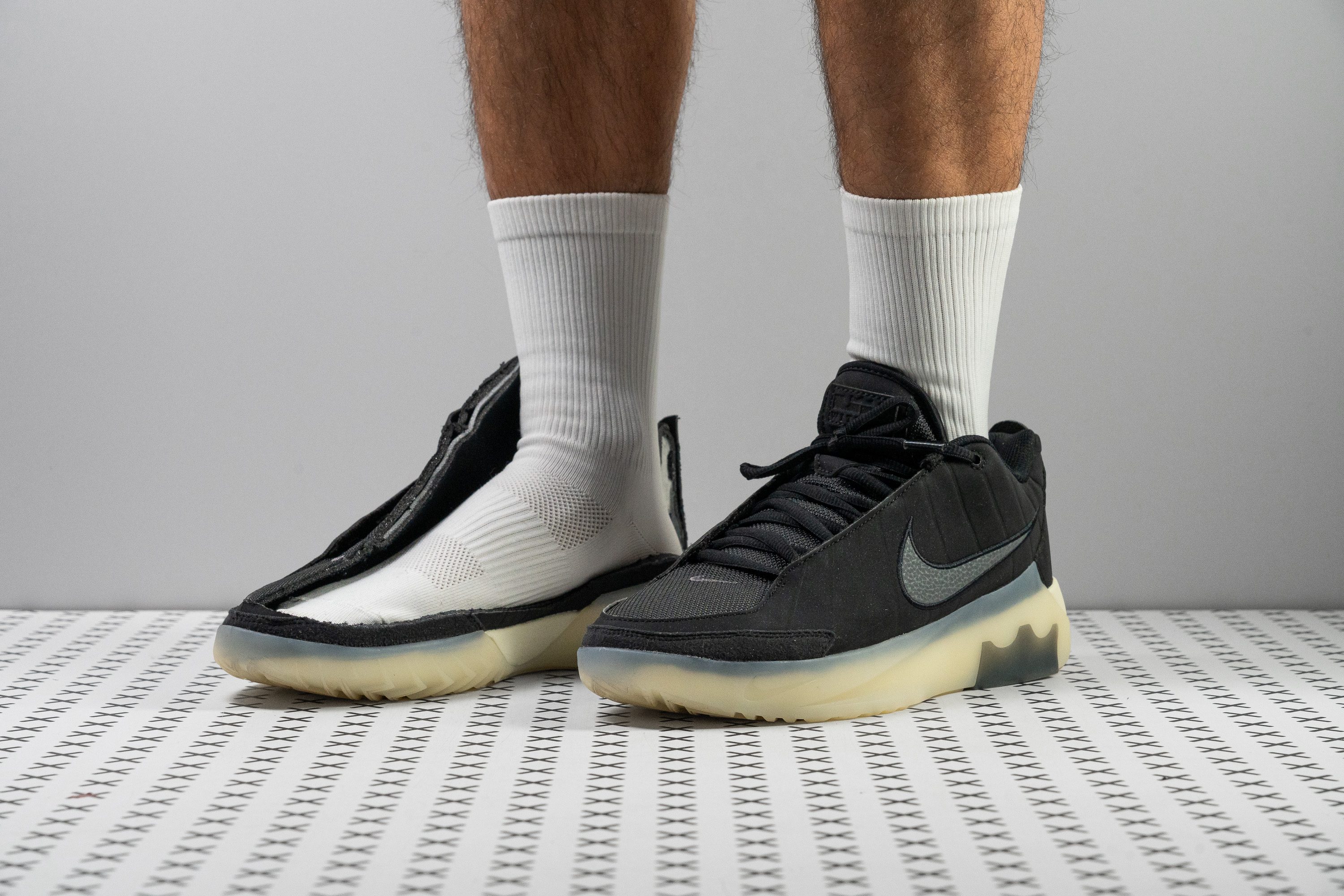
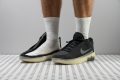
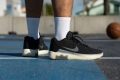
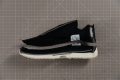
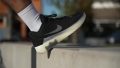
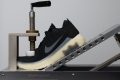
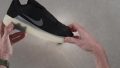
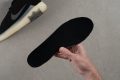
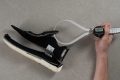
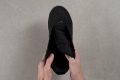
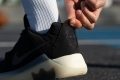
Balance and affordability are both important for hoopers who are just getting started, and after testing, testing… and some more testing, we’ve come to the conclusion that the LeBrom Witness 9 is the perfect basketball shoe for beginners.
Coming at only $100, we couldn’t believe this Nike pair features a responsive ReactX midsole, which offers a higher-than-average energy return of 61.1%! Our confidence, even with this impulse, came from the solid supportive elements of this LB pair. It features a stiff top-loaded shank in the midsole and an incredibly stiff heel counter (5/5) that didn’t let our feet play around.
One more detail that makes its pricing unbelievable is its solid durability. With a fantastic 4/5 in both our toebox and heel padding durability tests, letting this pair retire is gonna be tough! And the same goes for its outsole, as our Dremel couldn’t dig more than 0.6 mm into its material, which is just unbelievable.
The cherry on top is its amazing traction, as its CoF goes as high as 0.84! Nevertheless, the giveaway of the fact that it doesn’t focus on performance is its higher weight (15.1 oz/428g).
Pros
- Responsive ReactX midsole
- Excellent stability and ankle support
- Fantastic outsole grip
- Soft comfortable step-in feel
- Accommodating fit
- Great for outdoor courts
- Amazing durability for money
Cons
- Heavier than average
- Not breathable
- Cheap-feeling materials
Best outdoor basketball shoes for men













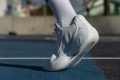

What makes it the best?
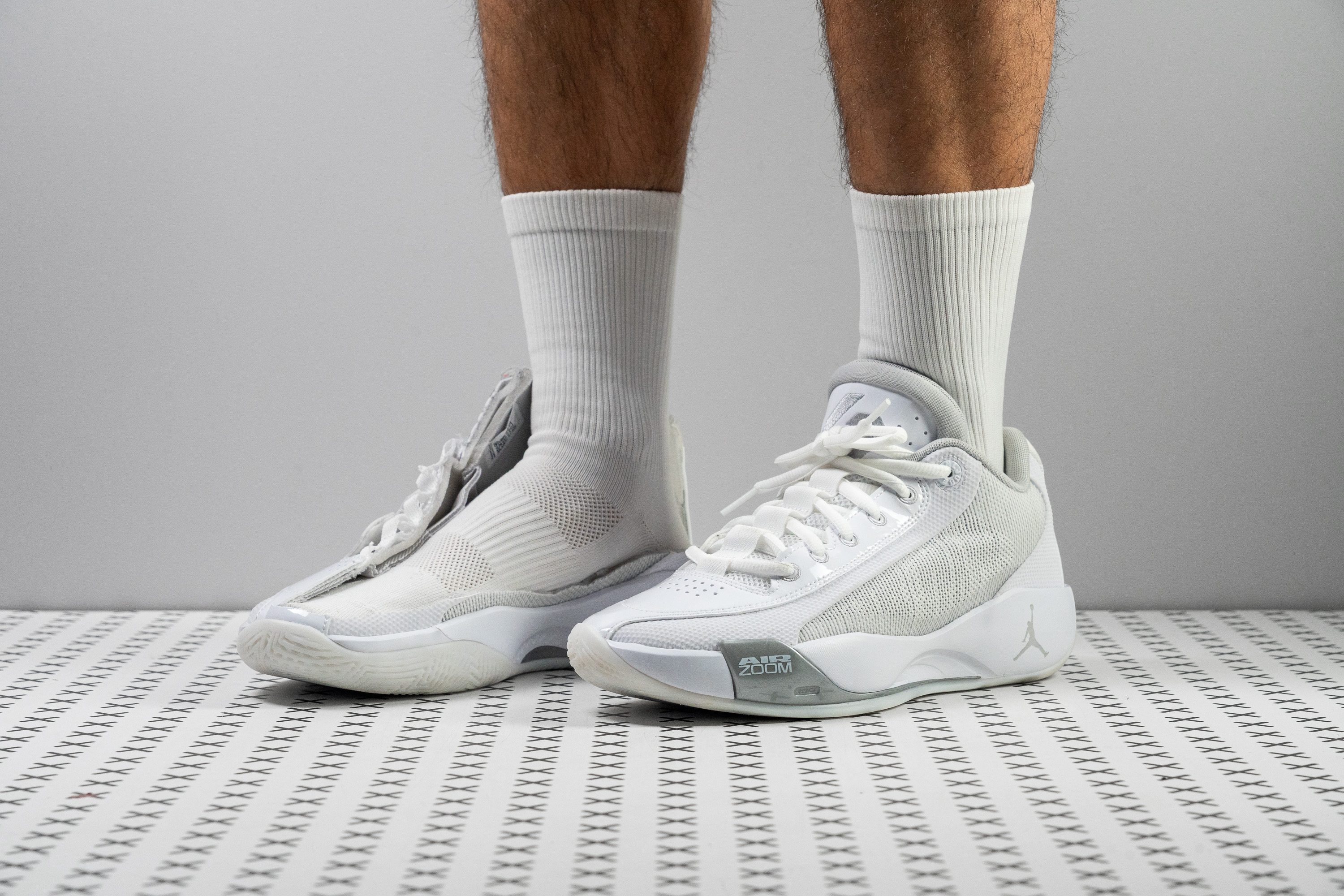
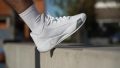
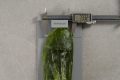
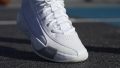
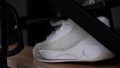
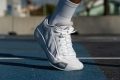
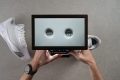
Surviving the outdoor courts and still offering top performance is incredibly hard, but the Luka. 77 makes it possible! After tons of hours analyzing them both inside and outside our lab, they’ve earned the title of the best hoop for outdoor courts for men.
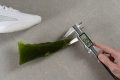
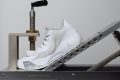
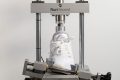
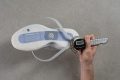
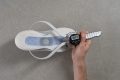
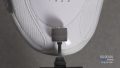
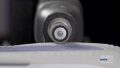
As soon as we got back to the lab, we checked this Jordan’s outsole, and let us tell you its design really stands out. It features a fast, recessed tread pattern with thick lines that act like a piece of armor unafraid of concrete! Our Dremel had to agree with us, as it couldn’t go any deeper than 0.4 mm, which is an insanely high durability result!
Both layups and fast breaks felt like a piece of cake, and as abrasion didn’t scare us anymore, we went all in! With an amazing traction score of 0.83, we felt safe even when we decided to really speed things up. But that’s not all: with a 4/5 in our heel counter stiffness and a result of 20.9 Nm in our torsional rigidity test, we enjoyed all the support we needed to feel confident!
Even though the Luka. 77’s design is made to last, as we saw with its wonderful 4/5 and 5/5 scores on our toebox and heel padding durability tests, its lower shock absorption is definitely not that protective. Forget about this pair if you need generous cushioning!
Pros
- Amazing durability for outdoor courts
- Exceptional outsole traction
- Pronounced court feel
- Lightweight for its design
- Surprisingly good lateral support
- Exceptional breathability
- True to medium width
- Fantastic value for money
Cons
- Low shock absorption
- Uninspiring energy return
- Firm underfoot experience
- Very low toebox height
How to choose the best men’s basketball shoe for you
Answering this question helps you narrow down your options right from the start.
Not everyone needs a pair of elite signature basketball shoes. Guys playing an occasional pickup game on a local park's blacktop won’t benefit from the same setup as a pro-level athlete. Lightweight and shifty point guards may struggle with heavy, high-stacked, and max-cushioned setups, while players with a history of injuries may prefer impact protection to pronounced court feel.
Here is a quick overview of what features we think different types of players will benefit from the most:
| Player type | Features to look for |
| Beginner | Affordable, well-rounded shoes with good traction, cushioning, and stability. |
| Guard / Ball handler | Lightweight, grounded, responsive shoes with sticky traction that help maintain control and speed. |
| Wing / Versatile forward | Balanced shoes with good impact protection and energy return, solid side-to-side support, and strong grip. |
| Big / Post player | Highly stable shoes with generous shock absorption, especially in the heel. |
However, as basketball continues to evolve into a positionless game, the traditional roles of guards, forwards, and centers increasingly overlap, and so are their shoe choices.
| Don’t match shoes to positions; match them to your movement style, physical demands, and personal preferences. |
Because of this, experienced players often take a more nuanced approach when selecting their next pair of basketball shoes. In the following sections, we’ll focus on key performance characteristics to help you choose a shoe that best aligns with your priorities and playstyle.

Men’s basketball shoes for beginners
First of all, credit to you for choosing proper basketball shoes instead of hooping in cushioned lifestyle sneakers (which should be banned!).
That’s because shoes designed for maximum impact protection during linear forward movement can never provide the stability and support needed for the explosive multi-directional moves, sudden stops, and powerful jumps involved in basketball. And why would you risk a painful ankle twist or an even worse injury if you can get a trusty pair of court shoes for under $100?
There is a good number of affordable hoop shoes with a well-balanced setup that makes them ideal for guys who:
- are new to the sport or play casually (a random pickup game at the gym, an occasional game at school/college)
- are still developing the fundamentals and playstyle
These shoes prioritize comfort over high performance, and are packed with sufficient cushioning, stability, and traction to have your back while you’re still mastering your footwork and moves.
Choosing the right cushioning in men’s basketball shoes
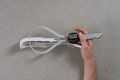
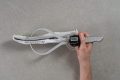
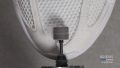
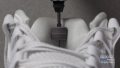
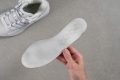
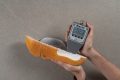
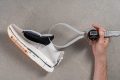
In our lab, we cut each shoe’s midsole in half both vertically and horizontally to measure the following parameters:
- Shock absorption (how much impact protection there is)
- Energy return (how responsive or grounded the ride is)
- Stack height (how low or high off the court the platform is)
- Midsole softness (how soft or firm the cushioning is)
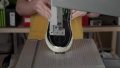
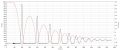
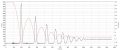
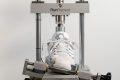
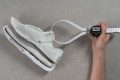
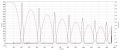
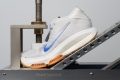
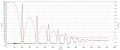
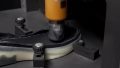
Measuring shock absorption (SA) and energy return (ER) in our lab.
Shock absorption: How much do you need?
From high-force landings and hard stops to drives and numerous adjustments in between, basketball places significant stress on the player’s body throughout the game or practice.
Every player needs proper shock absorption in their hoop shoes to reduce stress and fatigue in the muscles, tendons, and joints, particularly over long games or practices. But not all basketball shoes provide the same amount of impact protection.
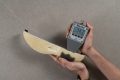
In our lab, we use a scientifically validated test to measure each shoe’s shock absorption (SA) in both the heel and the forefoot. The higher the SA value, the better the protection.
You are likely to benefit from men’s basketball shoes with higher SA readings if:
- You have past injuries or foot conditions like plantar fasciitis
- You often experience joint discomfort or fatigue during play
- You need extra cushioning for long practices and full games
- You are a bigger player or have a more physically demanding player profile
However, some high-SA shoes derive their cushioning from higher-stacked platforms. While more protective, they can feel too tall for lighter, more agile players who need a lower center of gravity. Their midsole materials can also reduce the court feel and the connection with the ground.
If you are a guard or a versatile wing, you might as well benefit from basketball shoes with a more balanced cushioning profile and moderate shock absorption.
Energy return: responsive or planted?
Ever noticed how some basketball shoes make first steps, drives, and jump shots feel a touch more effortless? In most cases, that’s because their midsoles provide a higher energy return.
Unlike shock absorption (SA), which focuses on reducing impact forces, energy return (ER) describes how efficiently the shoe’s cushioning setup compresses and rebounds during movement.
Brands are increasingly using advanced running shoe technologies like supercritical foams (Nike ZoomX, adidas Light Boost) and carbon fiber shanks to make basketball shoes more propulsive, particularly for fast breaks and jumps.
Aside from offering a more responsive experience, men’s basketball shoes with higher energy return also help reduce fatigue, keeping you fresher for all four quarters or long practices.
And if you are specifically looking for a pair of shoes to accommodate your jumps, a perfect setup would be high energy return and high shock absorption. These shoes won’t make you jump higher, but they make it a little easier to perform at your best.
At the opposite end of the spectrum, some men’s hoop shoes prioritize maximum plantedness and court feel over shock absorption. These options are better for speedy players who want to stay balanced and in full control of their cuts and quick dribbles.
How to find stable basketball shoes for men
For decades, stability in basketball shoes was associated with collar height, as high-tops were considered more supportive than low-cut shoes. Fast-forward to the 2020s, and you see low-cut men’s basketball shoes dominating the scene.
So what is it that makes a hoop shoe stable after all?
A 2026 study shows that the shoe’s platform height, width, and sidewall geometry play an important role in preventing the foot from tipping during aggressive lateral cuts, awkward landings, and pivots. Conversely, the least stable shoes have thicker soles, narrower bases, and thinner lateral walls.
Grounded and wide base
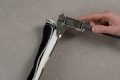
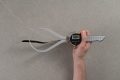
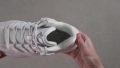
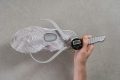
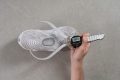
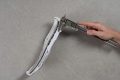
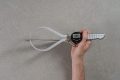
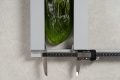
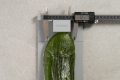
In our lab, we use a digital caliper to measure the widest parts of each shoe’s midsole in both the heel and the forefoot. We also take note of their midsole tooling and sidewall design, which contribute to the shoe’s overall support and stability.

After that, we cut each pair in half and measure its heel and forefoot stack heights. The range goes from as low as 23 mm in the heel and 15 mm in the forefoot up to 35 mm in the heel and 30 mm in the forefoot!

Men’s basketball shoes with the highest stability scores feature moderate-to-low stack heights, wider midsole widths, and pronounced outriggers.
High torsional rigidity
Basketball involves powerful multidirectional moves throughout the game, so hoop shoes must have enough torsional rigidity to resist excessive twisting.

Higher torsional rigidity makes a shoe feel more structured, especially if you are a bigger player who needs sturdy walls around your midfoot for extra confidence.
But maximum stiffness doesn't necessarily mean better stability. Men’s basketball shoes with a wide, low-stack, and firm base can still feel equally stable. And agile guards might like them better.
Stiff and padded heel counter
In addition to external parameters like midsole geometry, the shoe’s stability also depends on how securely the foot is locked inside it. A structured heel counter helps secure the rearfoot in place, preventing it from undesirable wobbling and sliding.
Meanwhile, the foam padding inside the collar wraps around the ankle, complementing the shoe’s lockdown.
We use a manual test to assess each shoe’s heel counter stiffness on a 1-5 scale, where 5 indicates maximum stiffness.
Traction in men’s basketball shoes
No matter your position and playing style, a solid men’s basketball shoe must have reliable outsole traction.
Not only is good grip essential for avoiding slips and injuries, but it has also been linked to improved performance! It has a greater influence on basketball performance than shoe weight or forefoot stiffness, and it can help improve the player’s speed, jump height, and explosiveness.

But to get it right, there are a few questions to answer:
- How tacky is the rubber blend?
- Does the outsole stay grippy on dusty courts?
In our lab, we follow the acclaimed SATRA TM144 protocol to measure the dynamic coefficient of friction (CoF) of each shoe’s outsole. In other words, how much friction it creates with the playing surface under a certain force.
While it doesn’t show how the shoe’s outsole performs during multi-directional movement and lateral cuts, it provides insight into the stopping power you can expect in the forefoot.
It should also be mentioned that we test traction on professional basketball flooring (Junckers' Pro Complete 44), which is used for FIBA EuroBasket, FIBA World Cup, and Olympic Basketball Tournaments, among other events.
The higher the CoF reading, the better the grip you can expect.
However, there is one major yet hard-to-predict factor that can significantly alter the shoe’s grip: dust.
Even shoes with the stickiest grip can become less effective once dust collects in their outsole grooves. All men’s basketball shoes require some wiping of the outsole throughout the game, especially if the playing venue is dusty to begin with. However, not all shoes pick up dust at the same rate. The depth and width of the outsole grooves, as well as their positioning, have all been shown to affect the contamination rate.
We have yet to develop a test that could help us understand which shoes are more immune to dust.
Men’s basketball shoes for outdoor courts
This hoop shoe category is for men who primarily hoop on rough outdoor courts (concrete, asphalt) and often deal with dust and debris on their playing surface.
They feature more abrasion-resistant outsoles, tougher traction patterns, and better impact protection to keep you surefooted on the blacktop.

If you compare the outsole designs of indoor and outdoor shoes, you will find much thinner, sharper treadlines on indoor shoes and thicker, tougher ones on outdoor shoes. You don’t want to use an expensive, elite-level indoor basketball shoe outdoors, as it will get shredded and lose its traction power much sooner than you'd like.
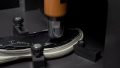
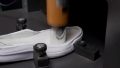
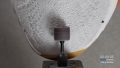
One of our durability tests involves drilling the shoe’s outsole rubber with sandpaper at 10K RPM speed for 18 seconds. We then use a tread gauge to measure the depth of the dent, which helps us assess the shoe’s capacity to withstand the blacktop.
And because they are equipped with thicker outsoles and tougher upper materials, outdoor shoes are often on the heavy and rigid side, but that’s the trade-off for their outdoor durability.
Getting the best size and fit in men's hoop shoes
If it’s been a while since you purchased a pair of hoop shoes, we highly recommend measuring your current foot length to reduce the risk of ordering the wrong size, especially if you are purchasing from a new brand.
The ideal basketball shoe fit keeps your foot and ankle secure as you dribble, run, and jump. It should not be too loose and roomy, as the last thing you want is your foot sliding side-to-side or your toes bumping into the front of the shoe due to lack of containment.
However, it shouldn’t be too restricting either, which can cause pressure or blisters.
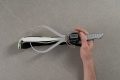
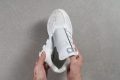
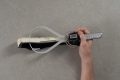
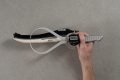
In our lab, we have created gel casts of dozens of men’s basketball shoes, which helped us examine and compare their interior dimensions. And even though hoop shoes generally offer a more form-fitting interior, there is a range between snug and relaxed fits.
We measure the following 3 parameters in each cast:
- widest part (ball of the foot area)
- toebox shape (big toe area)
- toebox height (big toe area but vertically)
You can learn more about how each basketball shoe fits specifically from our in-depth lab reviews.

FITTING TIPS:
- The shoe should fit well straight out of the box.
- Lace up each shoe properly and walk around to get a feel for it.
- Wear the same type of socks as you do for games and practices.
Similar buying guides