


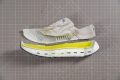

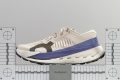















Our verdict
- Gravel 77
- Versatile 91
- Technical 71
Pros
- Amazing option for ultra races
- Energetic midsole foam
- Stable despite generous cushioning
- Lightweight for its class
- Comfortable upper with secure lockdown
- Excellent build quality
- Performs well in cold weather
- Flexible fibreglass plate enhances versatility
- Premium materials from heel to toe
- Fun, rockered ride
- Top-tier breathability
Cons
- Very high price
- Heel strikers may not find it appealing
- Toebox durability could be better
- Lacks Vibram Megagrip rubber
Awards
- Top 15% in trail running shoes
- Top 18% in On running shoes
Comparison
The most similar running shoes compared
+ + Add a shoe | |||||
|---|---|---|---|---|---|
| Our score | 87 Great | 91 Superb | 79 Good | 85 Great | |
| Price | £230 | £180 | £160 | £145 | |
| Trail terrain | Versatile / Moderate terrain | Versatile / Moderate terrain | Versatile / Moderate terrain | Versatile / Moderate terrain | |
| Shock absorption | High | High | High | High | |
| Energy return | High | High | Moderate | Moderate | |
| Traction | High | High | High | High | |
| Arch support | Neutral | Neutral | Neutral | Neutral | |
| Weight lab Weight brand | 9.4 oz / 266g 9.7 oz / 275g | 9.7 oz / 275g 9.9 oz / 280g | 11.1 oz / 315g 10.9 oz / 309g | 9.9 oz / 281g 9.7 oz / 275g | |
| Drop lab Drop brand | 4.6 mm 6.0 mm | 6.8 mm 4.0 mm | 6.6 mm 5.0 mm | 7.4 mm 4.0 mm | |
| Strike pattern | Mid/forefoot | Mid/forefoot | Mid/forefoot | Mid/forefoot | |
| Size | True to size | Slightly small | True to size | Half size small | |
| Midsole softness | Balanced | Balanced | Soft | Balanced | |
| Difference in midsole softness in cold | Small | Small | Small | Small | |
| Toebox durability | Bad | Very bad | Decent | Good | |
| Heel padding durability | Good | Good | Decent | Decent | |
| Outsole durability | Good | Good | Good | Good | |
| Breathability | Breathable | - | Moderate | - | |
| Width / fit | Medium | Medium | Wide | Medium | |
| Toebox width | Medium | Medium | Wide | Medium | |
| Stiffness | Moderate | Moderate | Moderate | Moderate | |
| Torsional rigidity | Moderate | Moderate | Moderate | Stiff | |
| Heel counter stiffness | Flexible | Moderate | Moderate | Moderate | |
| Lug depth | 4.3 mm | 4.3 mm | 3.7 mm | 4.5 mm | |
| Heel stack lab Heel stack brand | 35.7 mm 39.0 mm | 38.8 mm 36.5 mm | 38.0 mm 38.0 mm | 37.7 mm 37.0 mm | |
| Forefoot lab Forefoot brand | 31.1 mm 33.0 mm | 32.0 mm 32.5 mm | 31.4 mm 33.0 mm | 30.3 mm 33.0 mm | |
| Widths available | Normal | Normal | NormalWide | NarrowNormalWide | |
| For heavy runners | ✓ | ✓ | ✗ | ✓ | |
| Season | SummerAll seasons | - | All seasons | - | |
| Removable insole | ✓ | ✓ | ✓ | ✓ | |
| Orthotic friendly | ✓ | ✓ | ✓ | ✓ | |
| Ranking | #74 Top 19% | #24 Top 6% | #257 Bottom 36% | #109 Top 27% | |
| Popularity | #236 Bottom 41% | #87 Top 22% | #293 Bottom 27% | #34 Top 9% |



Who should buy
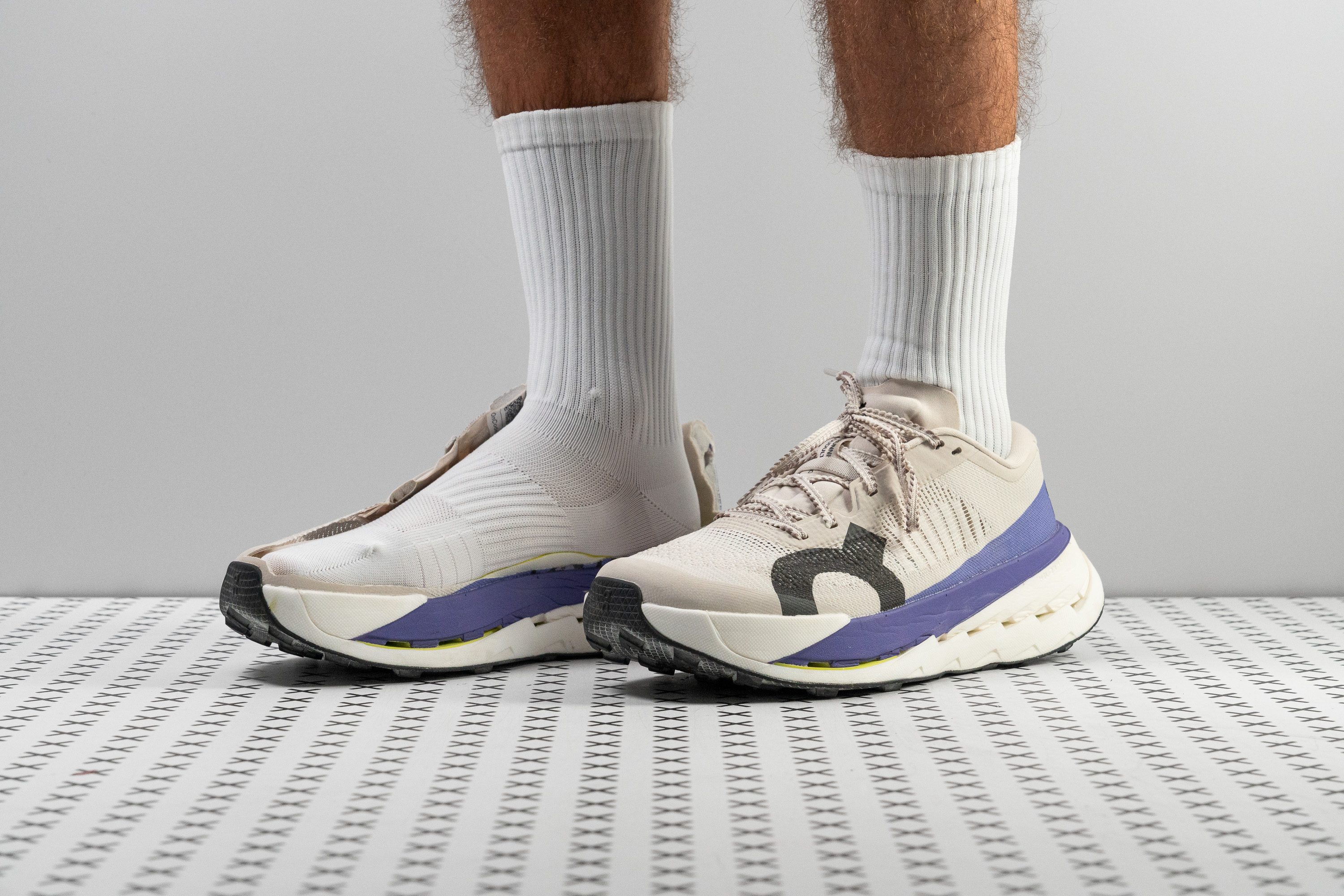
After our analysis, we believe that the On Cloudultra Pro is ideal for:
- Runners with a generous budget looking for a premium trail super shoe packed with the best technologies On has to offer.
- Midfoot and forefoot runners tackling ultra distances who want a rockered ride.
- Those seeking a comfortable upper without sacrificing a secure race-ready fit.
- Trail runners who love On shoes and have been waiting for a true flagship racing model. It's finally here.
Who should NOT buy
The premium price of the Cloudultra Pro can be hard to justify, especially if you only hit the trails occasionally. If you're looking for a more affordable option that keeps high energy return, we recommend the Salomon Aero Glide 4 GRVL or the adidas Terrex Agravic Speed, both of which deliver excellent performance at a lower price point.
We also believe that the Cloudultra Pro's low-drop geometry is better suited to midfoot and forefoot strikers than consistent heel strikers. If you tend to land farther back, go for the Nike ACG Ultrafly Trail.
Cushioning
Shock absorption
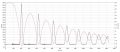
Having the word "Ultra" in its name, this shoe simply couldn't afford to disappoint in terms of shock absorption. Thankfully, our lab measurements confirmed exactly that, delivering 140 SA in the heel and 120 SA in the forefoot, both comfortably exceeding the current lab average.
| Cloudultra Pro | 140 SA |
| Average | 122 SA |
Energy return
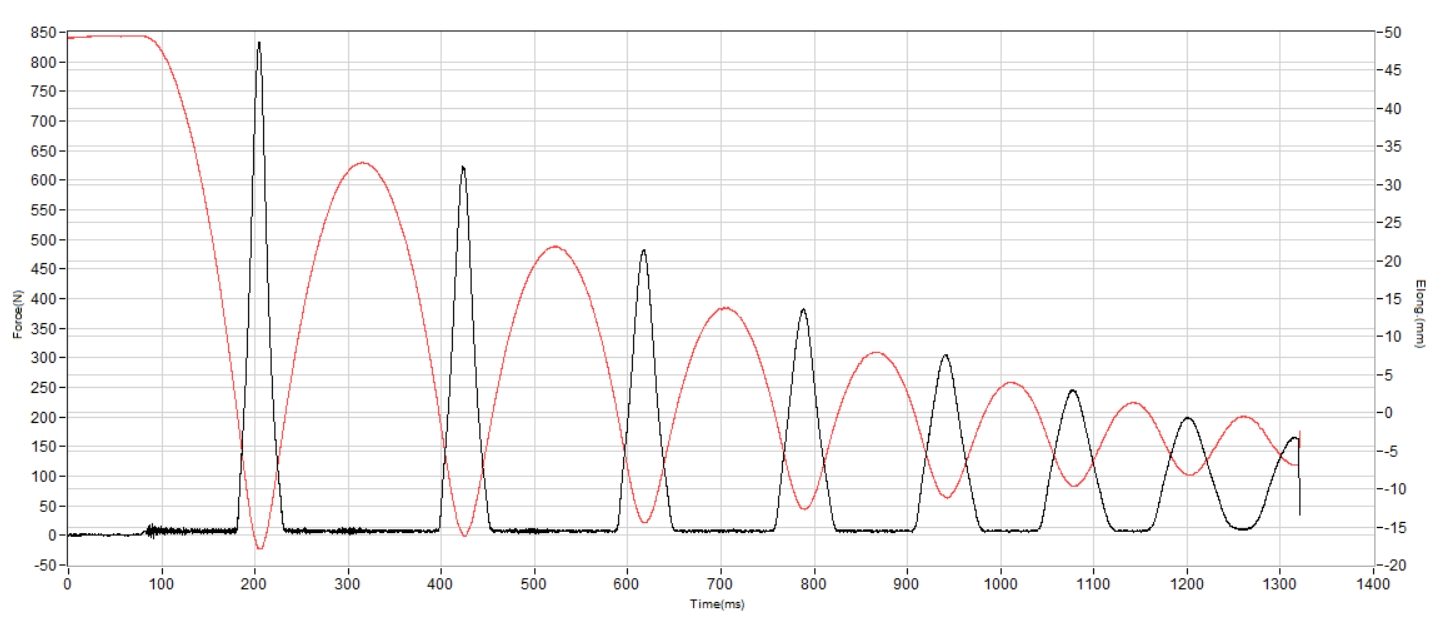
The Cloudultra Pro features a dual-layer Helion HF midsole, the same highly-responsive foam used in flagship racers like the Cloudboom Strike.
In our lab, we measured 63.0% energy return in the heel, a result that fell slightly short of our expectations. However, the forefoot tells a different story with an impressive 72.7%, making this shoe especially appealing for midfoot and forefoot strikers, at least until fatigue starts to shift the landing farther back.
| Cloudultra Pro | 72.7% |
| Average | 59.7% |
Heel stack
The heel stack isn't maximalist, which may come as a surprise. However, with Helion HF running uninterrupted from heel to toe, the shoe already delivers excellent shock absorption without pushing beyond the 40 mm mark and sacrificing stability in the process.
That's why we think On made the right decision with a measured 35.7 mm heel stack. It keeps the Cloudultra Pro highly versatile while avoiding the bulky feel often associated with max-stack trail shoes.
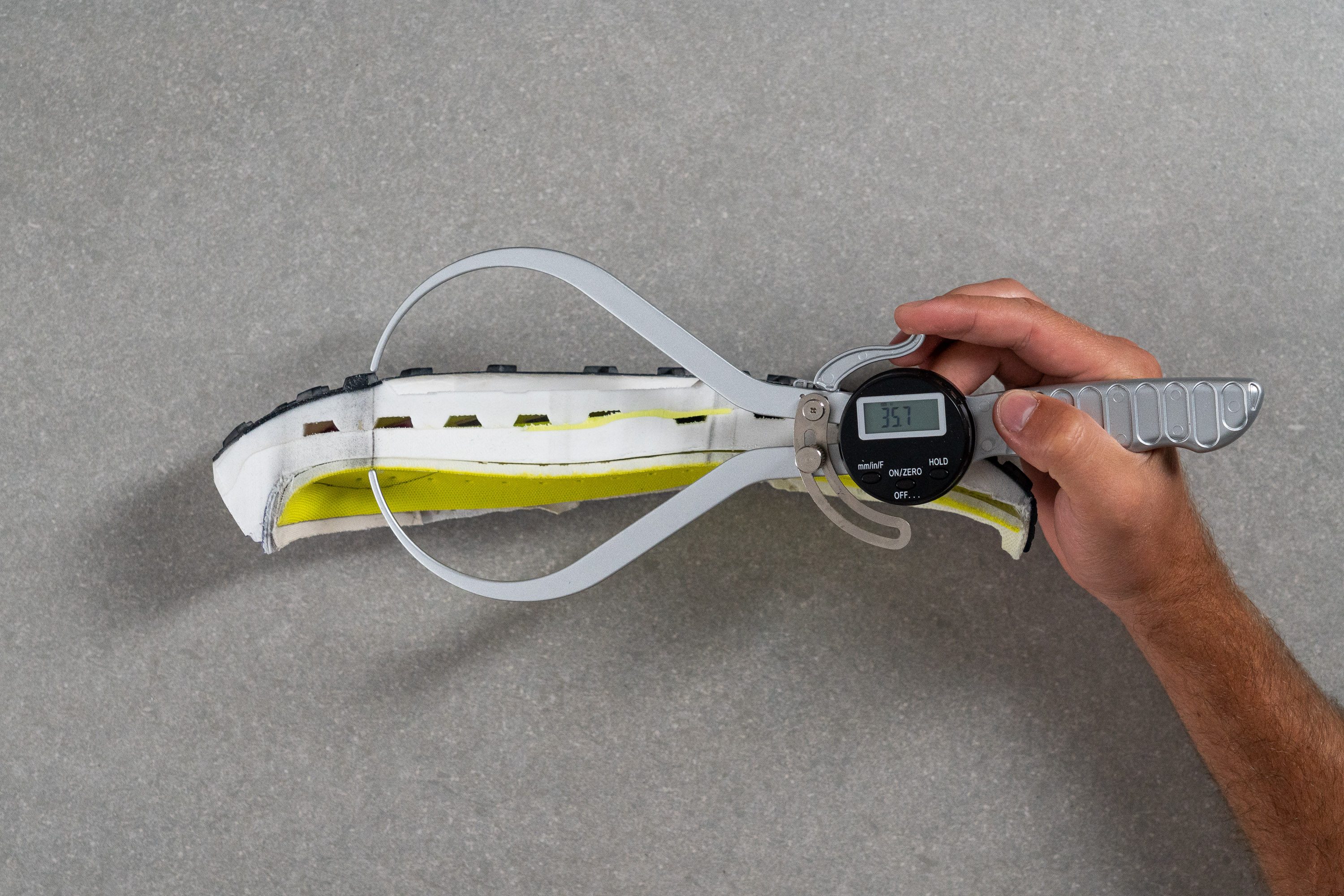
| Cloudultra Pro | 35.7 mm |
| Average | 33.0 mm |
Forefoot stack
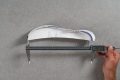
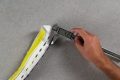
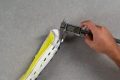
Our callipers measured the forefoot stack at 31.1 mm. That's more than enough cushioning for trail runners taking on ultra-distance races.
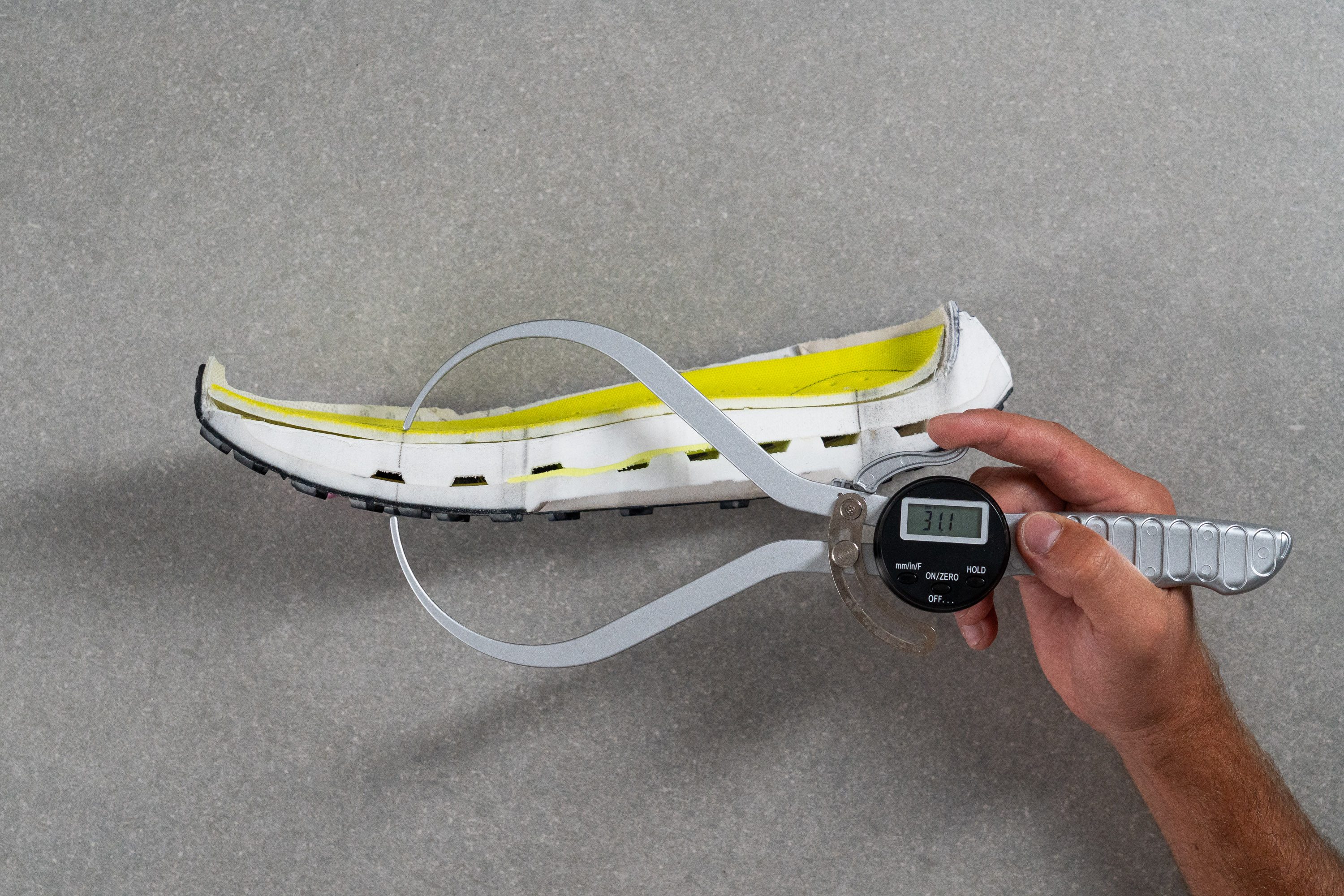
| Cloudultra Pro | 31.1 mm |
| Average | 25.7 mm |
Drop
Our measurements revealed a 4.6 mm heel-to-toe drop, slightly lower than the value advertised by On. Combined with the forefoot's superior energy return, this setup strongly favours midfoot and forefoot strikers.
In contrast, runners who consistently land on the heel may not benefit as much from the Cloudultra Pro's geometry and foam tuning.
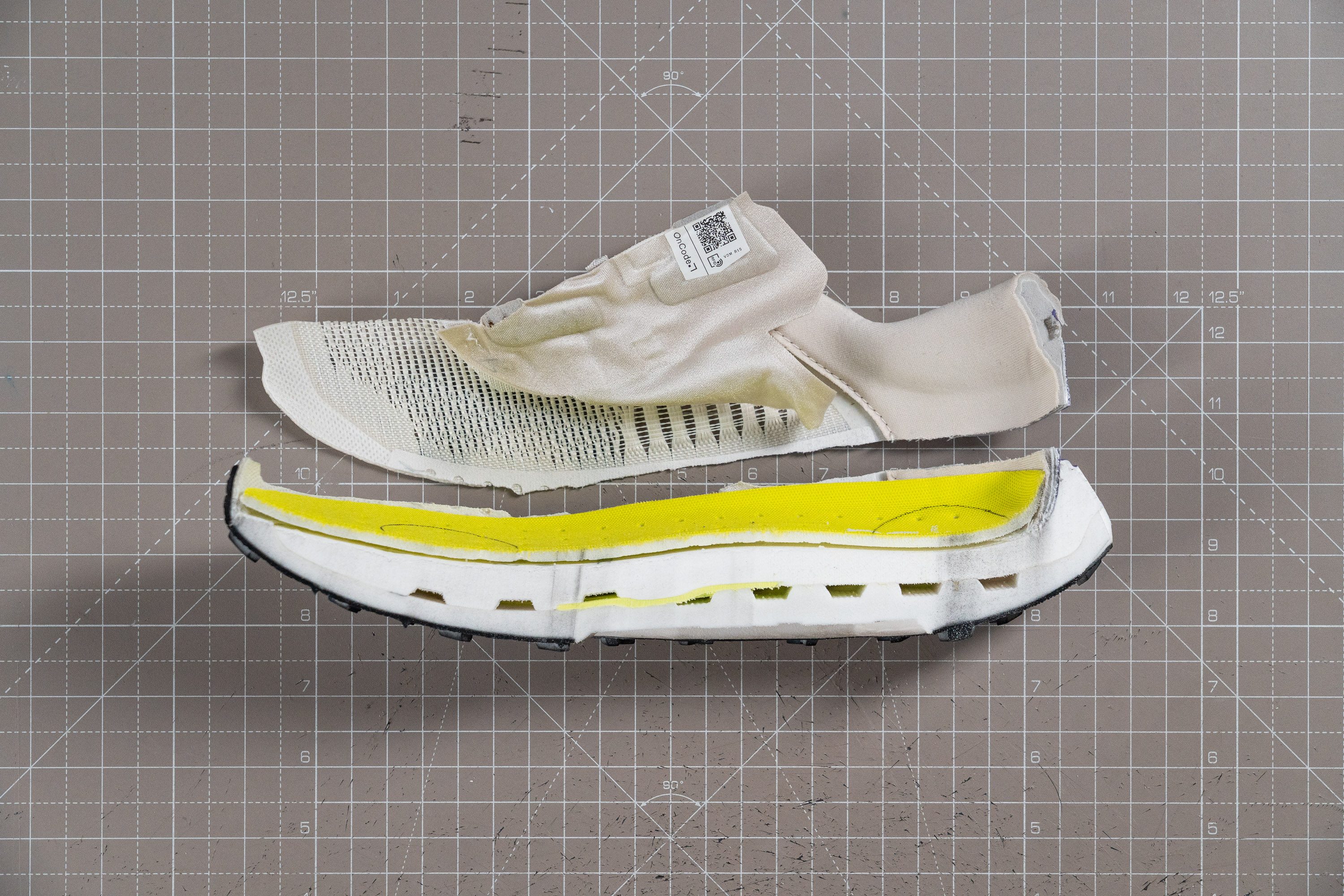
| Cloudultra Pro | 4.6 mm |
| Average | 7.2 mm |
Midsole softness
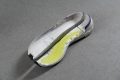
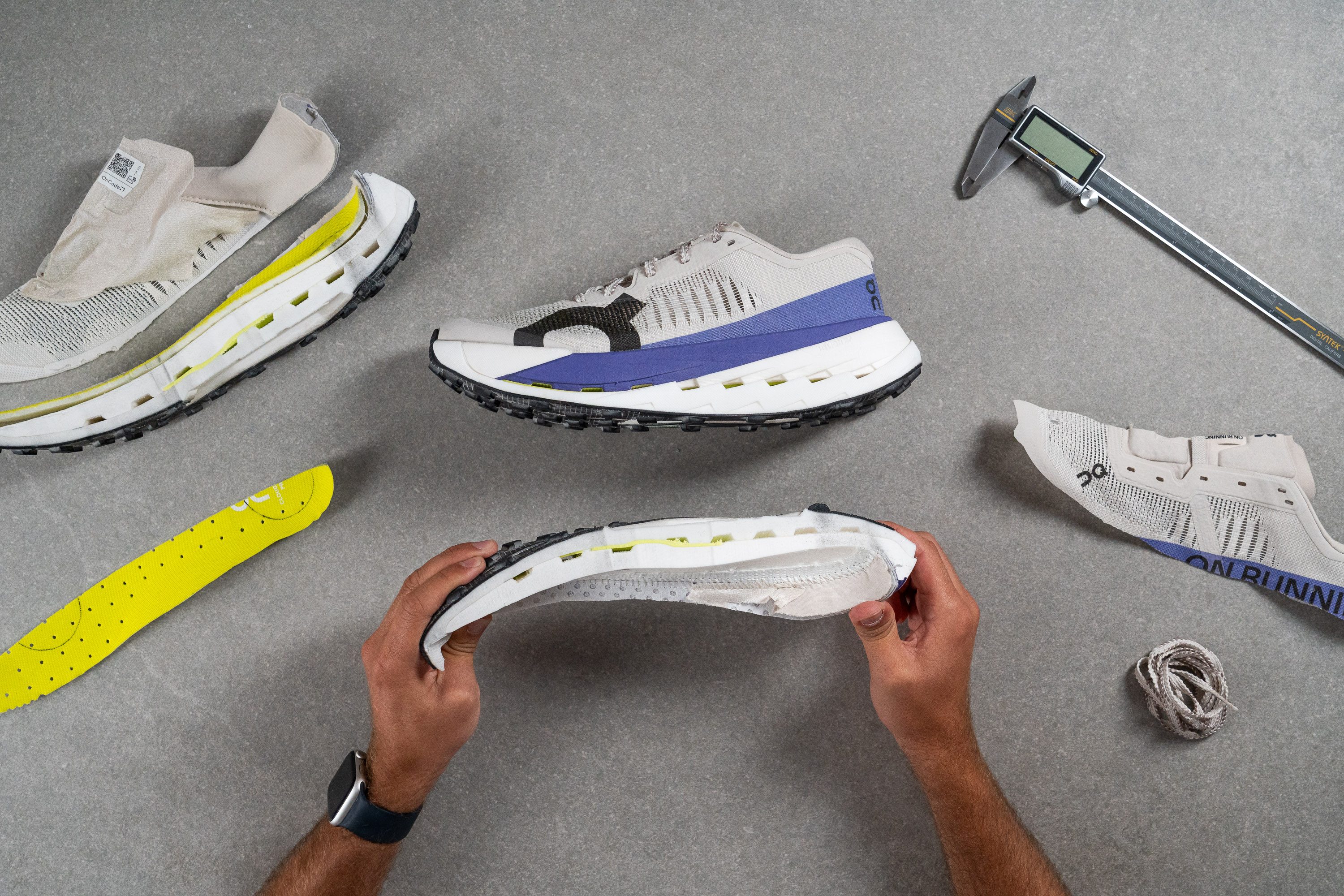
The Cloudultra Pro uses a dual-layer Helion HF setup with a fibreglass Speedboard sandwiched between both foam layers. We measured the top layer, the one sitting above the plate, at 35.7 AC using our Asker C durometer.
That's a balanced result that lands almost exactly on the current trail shoe average, delivering a good blend of cushioning and stability.
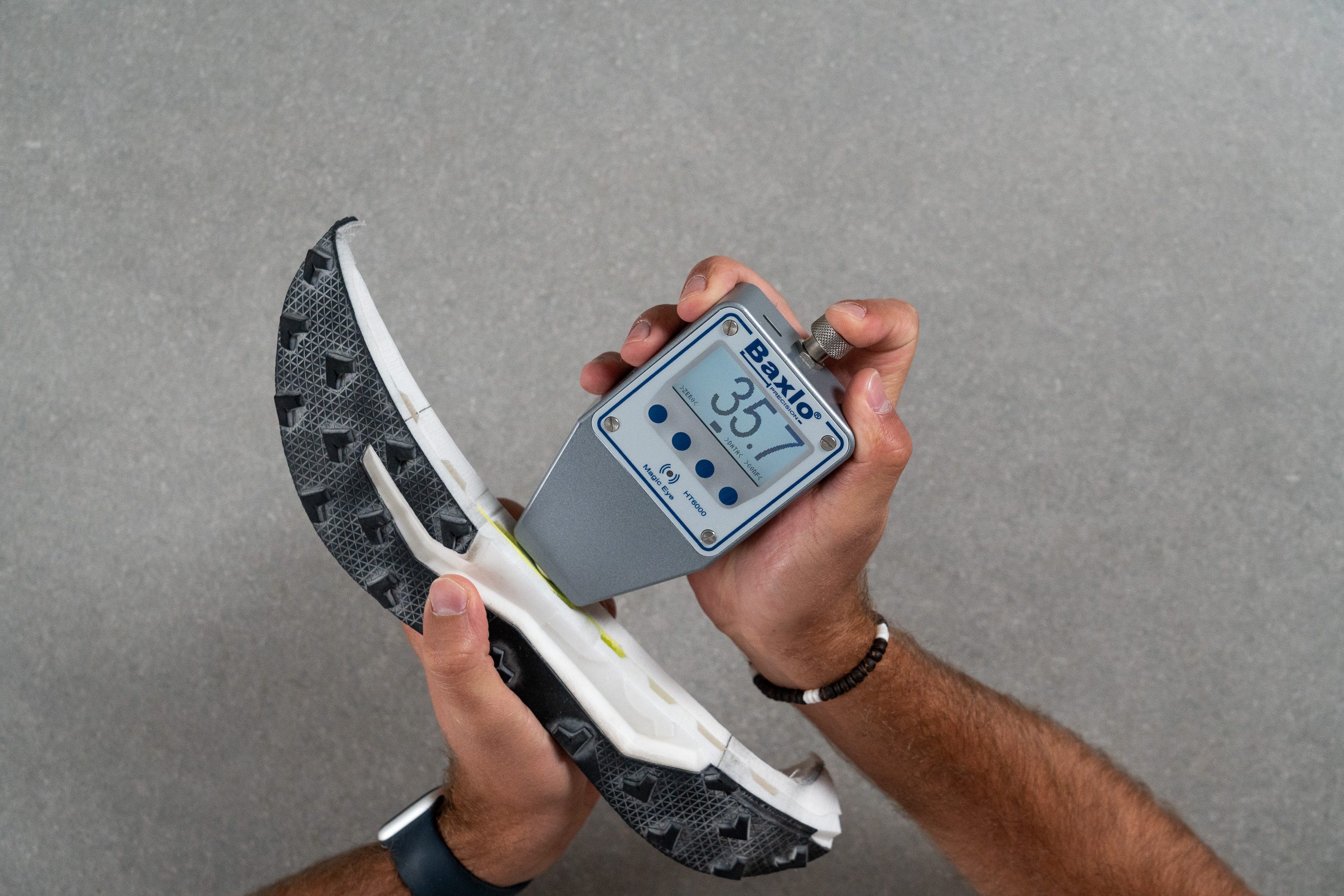
| Cloudultra Pro | 35.7 AC |
| Average | 38.1 AC |
Rocker
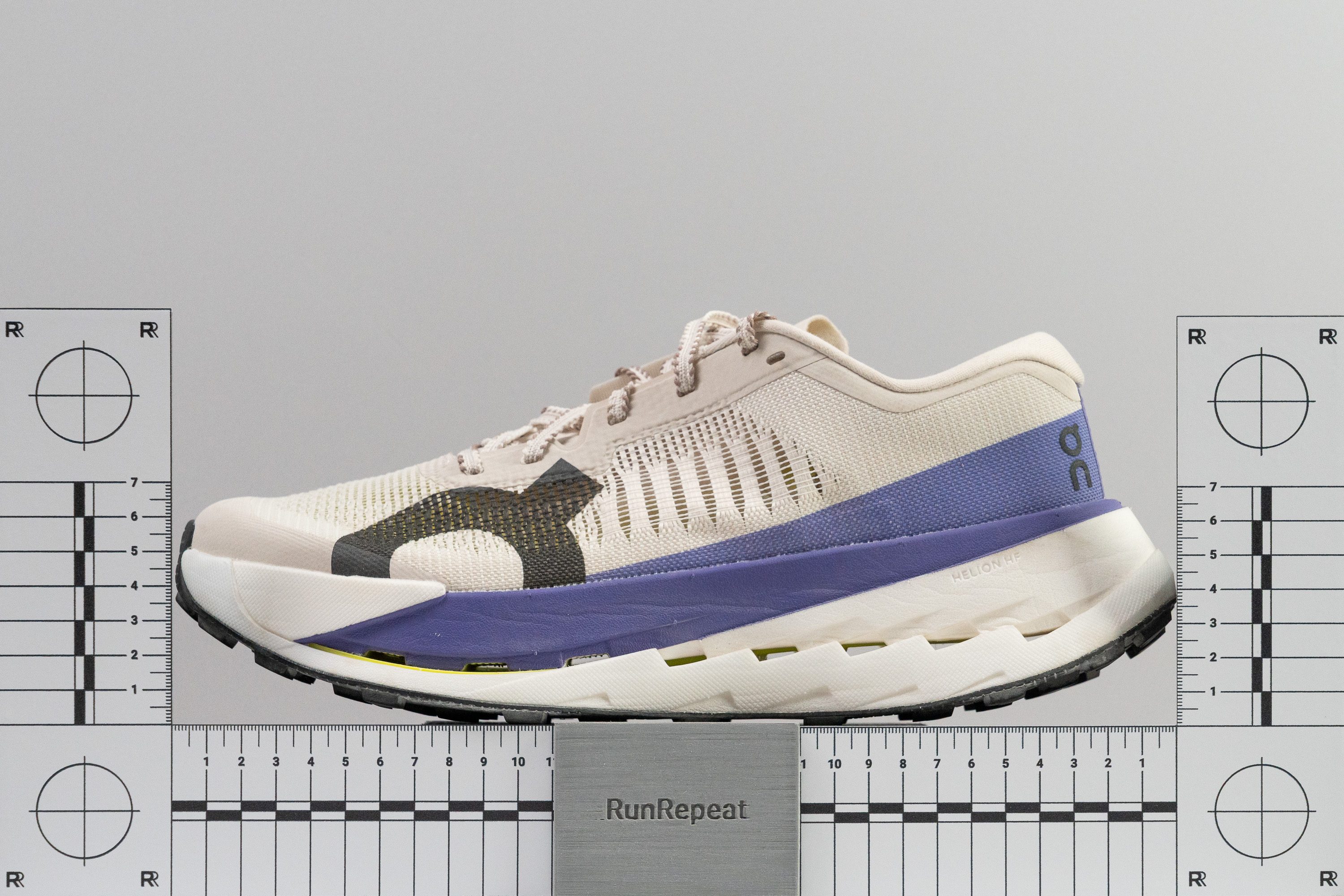
Most trail super shoes feature a pronounced rocker geometry, and On fully embraces that design philosophy. In fact, the Cloudultra Pro is one of the few shoes we've ever tested where the heel rises almost as high as the forefoot, creating an exceptionally rolling ride from landing to toe-off.
As a result, the shoe keeps you moving forward with minimal effort and really helps during the final stages of any ultra race, delivering smooth transitions regardless of your footstrike.
Plate
Like many modern trail super shoes, On skips carbon fibre in favour of a forked plate design. This layout improves torsional flexibility and allows the shoe to adapt more naturally to uneven terrain, especially through the heel and forefoot.
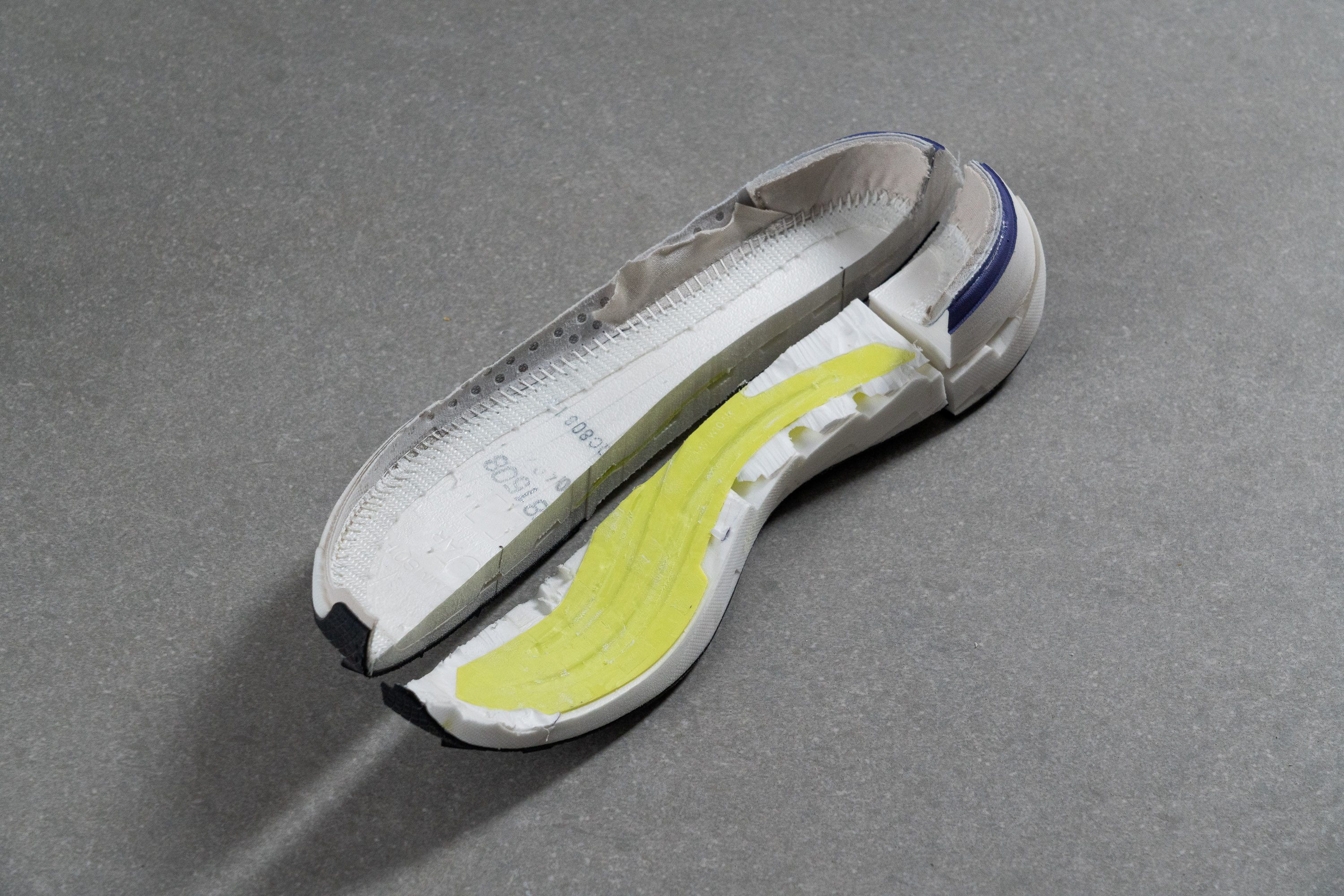
And instead of carbon, On opted for a fibreglass Speedboard plate that strikes a balanced compromise between stiffness and flexibility, helping the Cloudultra Pro feel efficient without becoming overly rigid on technical terrain.
Size and fit
Size
On Cloudultra Pro fits true to size (14 votes).
Internal length
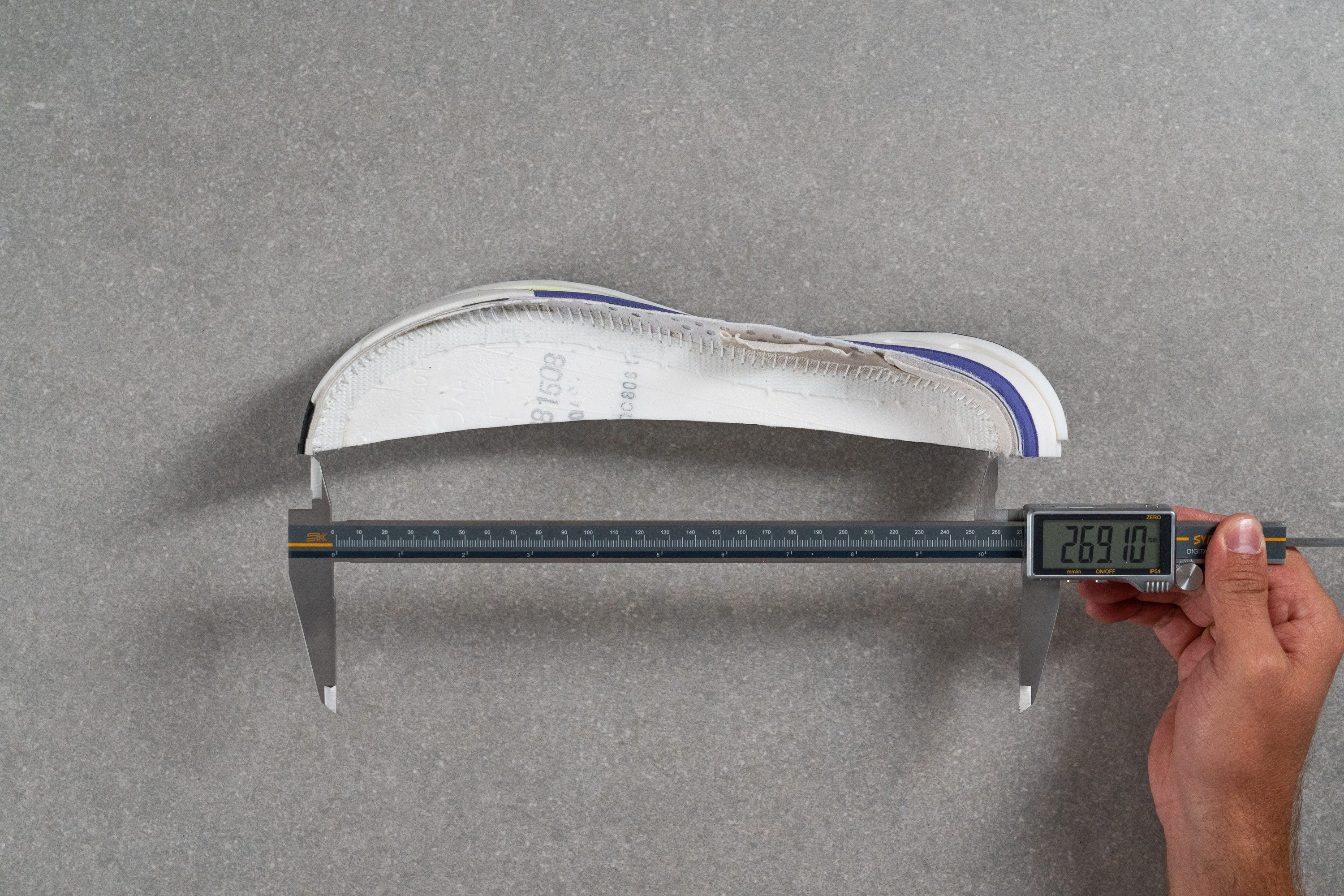
| Cloudultra Pro | 269.1 mm |
| Average | 269.2 mm |
Width / Fit
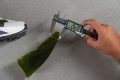
Like every running shoe that enters our lab, we filled the Cloudultra Pro with our proprietary gel and let it set in the freezer before extracting the mould. We then followed our standard methodology, taking three separate measurements to evaluate the shoe's fit.
The first measurement came in at 94.6 mm. That's just slightly below the current lab average.
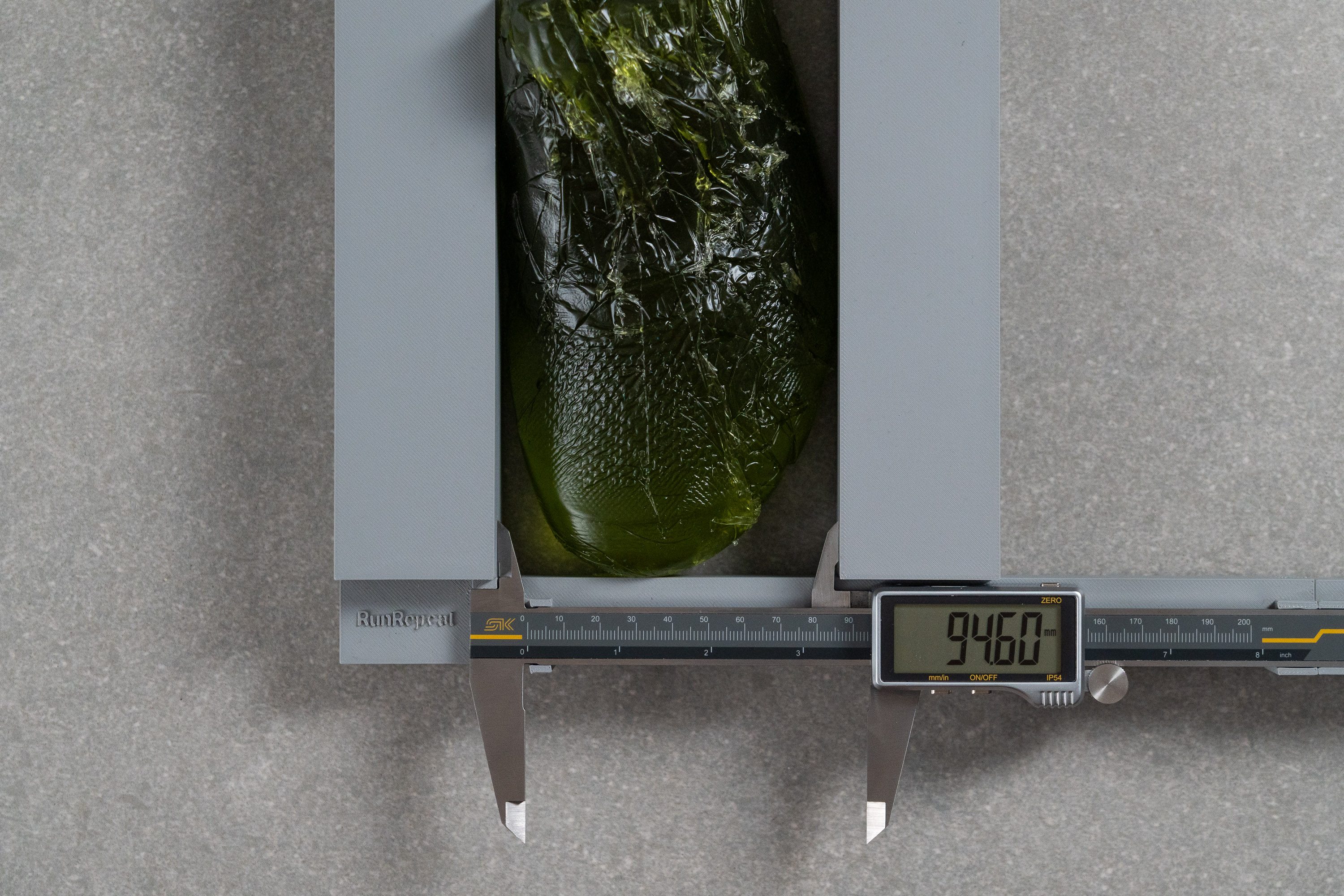
| Cloudultra Pro | 94.6 mm |
| Average | 95.7 mm |
Toebox width
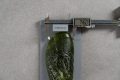
Next, we measured the toebox and recorded 74.6 mm. Once again, the result sits close to the current lab average, confirming that the Cloudultra Pro offers a fit that should comfortably accommodate most runners.
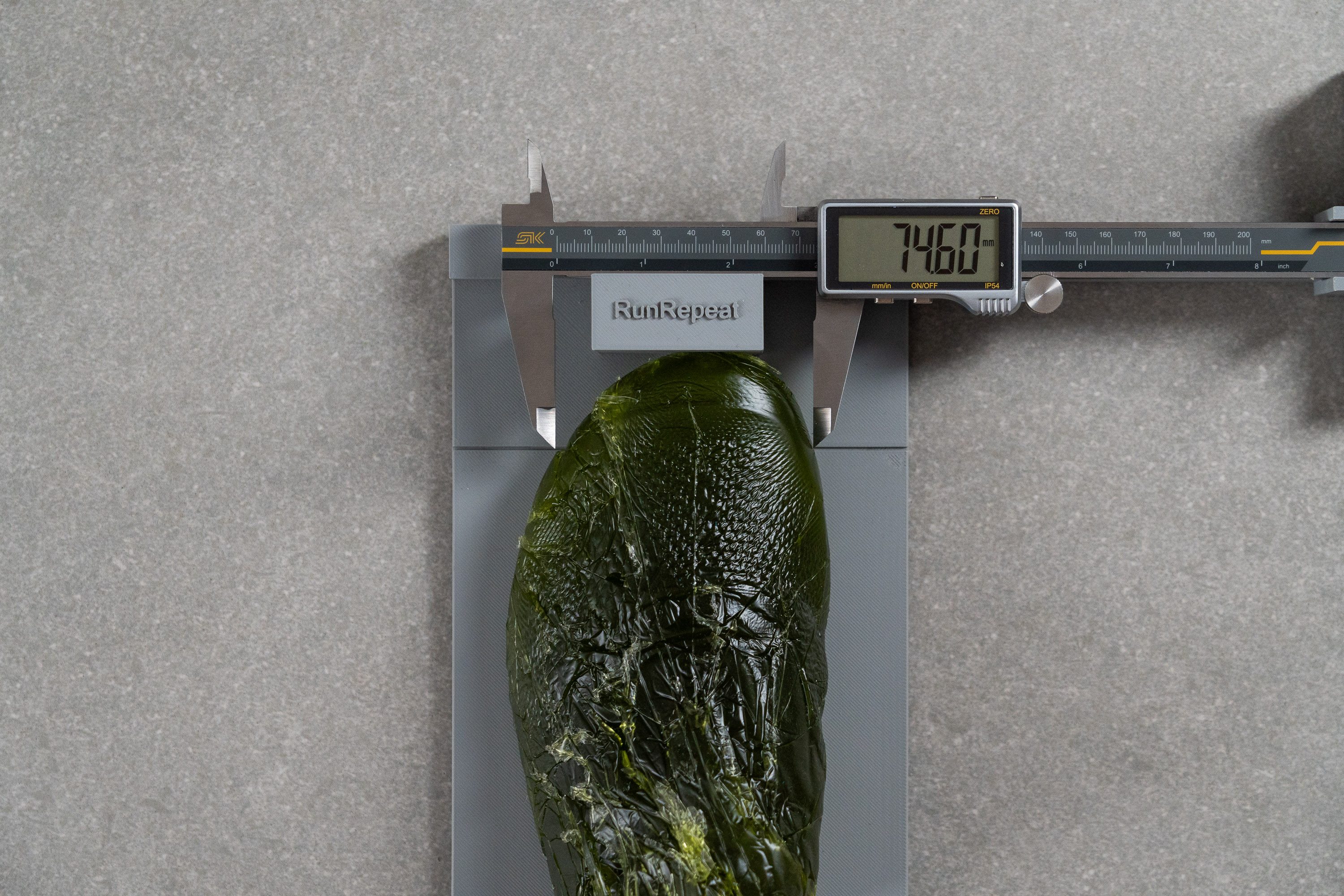
| Cloudultra Pro | 74.6 mm |
| Average | 74.3 mm |
Toebox height
One concern many trail runners have is ending up with a shoe that feels loose because the toebox is too tall, allowing the foot to move around on uneven terrain.
Fortunately, that's not the case here. On struck an excellent balance, and with a measured toebox height of 26.2 mm, the Cloudultra Pro feels secure without sacrificing comfort.
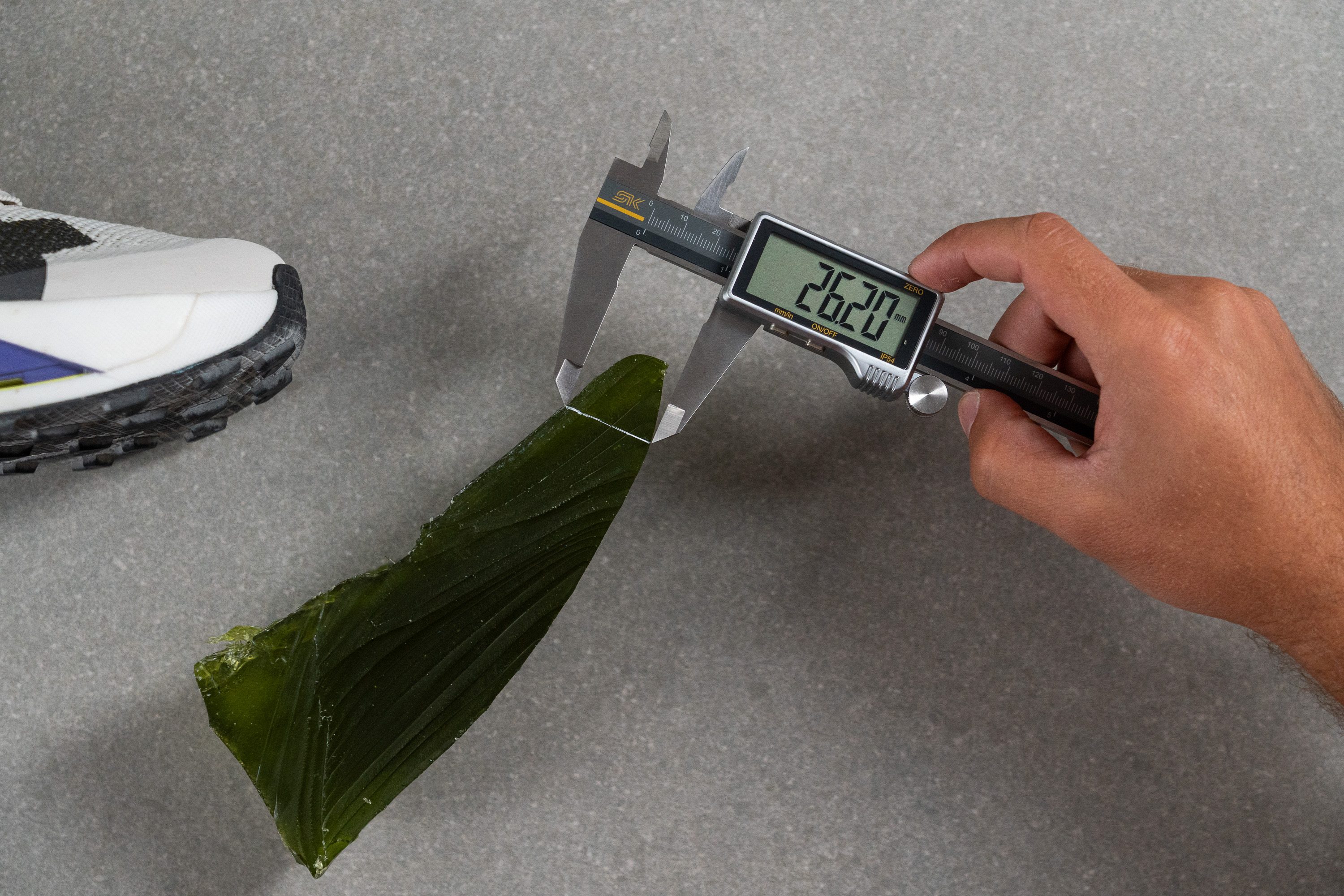
| Cloudultra Pro | 26.2 mm |
| Average | 27.0 mm |
Traction / Grip
Traction test
The On Cloudultra Pro posted a very good 0.65 coefficient of friction, delivering the kind of traction we expect from a premium trail-inspired road shoe. That said, considering On opted against using a Vibram outsole, we believe there's still room to push grip even further in future versions.
And while the result sits close to the lab average, that shouldn't be seen as a weakness. Based on our testing, any coefficient of friction above 0.50 already delivers dependable traction on wet surfaces.
| Cloudultra Pro | 0.65 |
| Average | 0.68 |
Lug depth
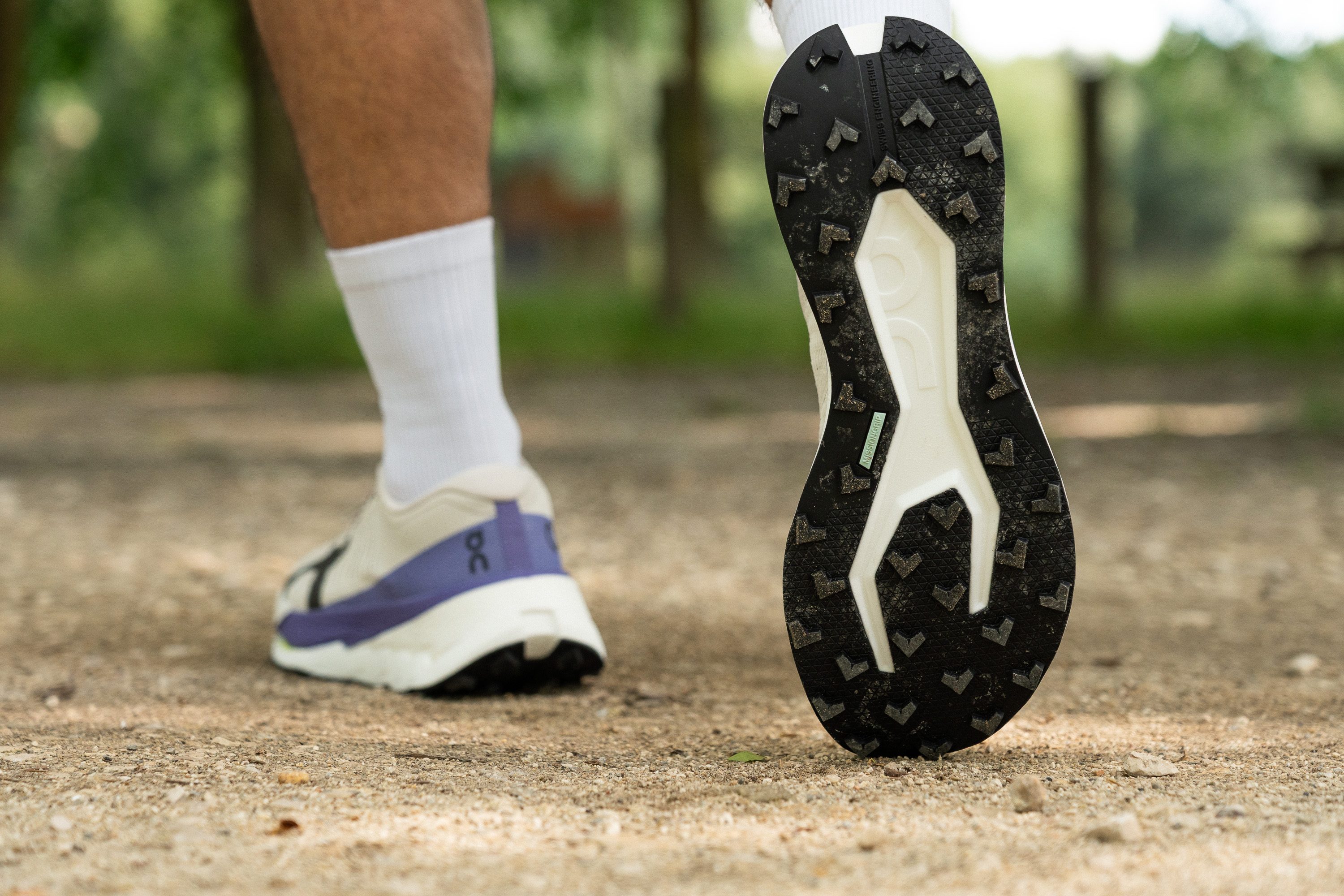
Instead of relying on different lug patterns, On kept things simple here. The Cloudultra Pro features chevron-shaped lugs arranged in multiple orientations (using the Finite Element Analysis tool for that) to maximise traction across changing trail conditions.
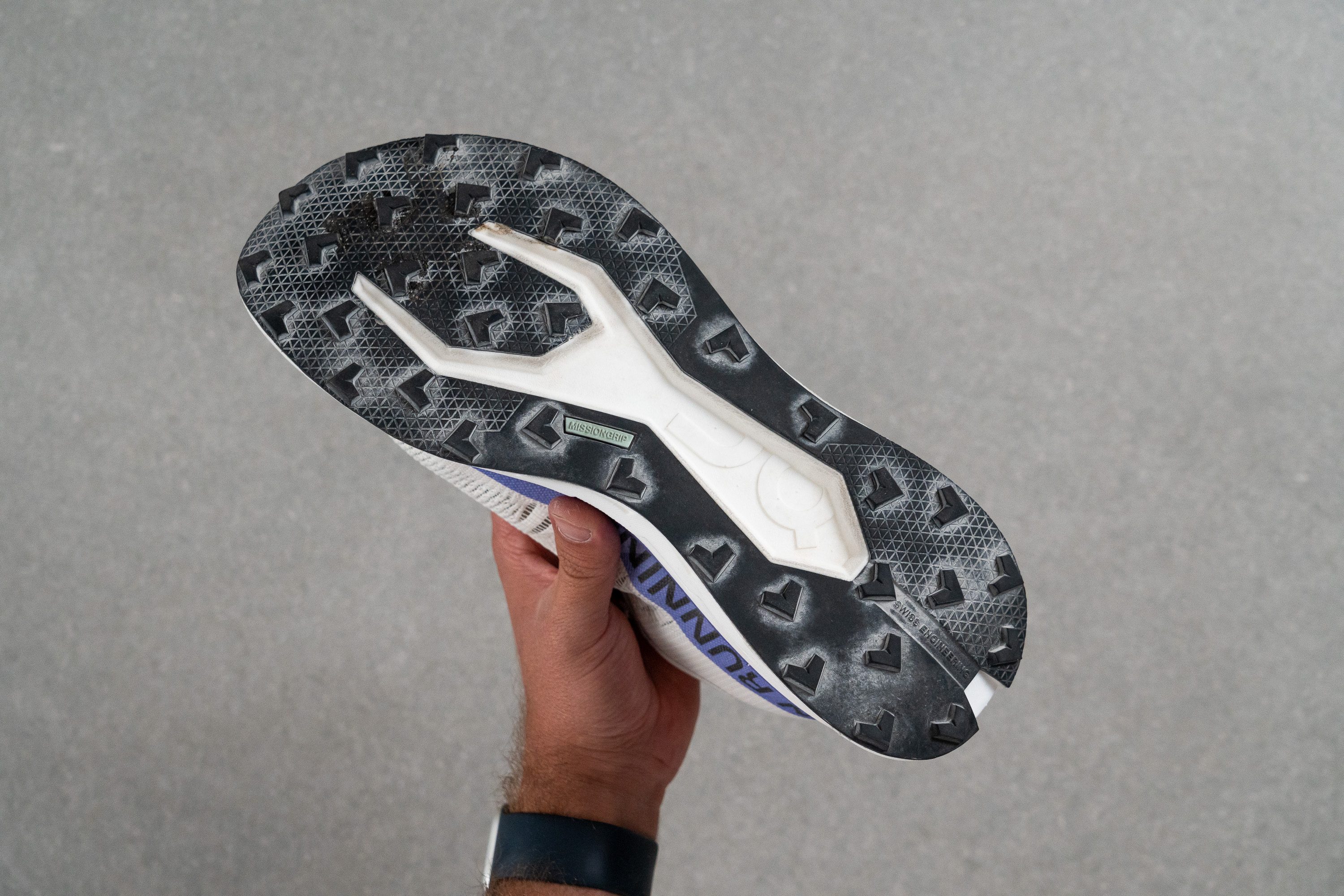
We measured the lugs at 4.3 mm deep, making this trail super shoe capable of handling a wide range of surfaces. However, we believe it performs best on easy to moderately technical terrain, where its speed-focused design can truly shine.
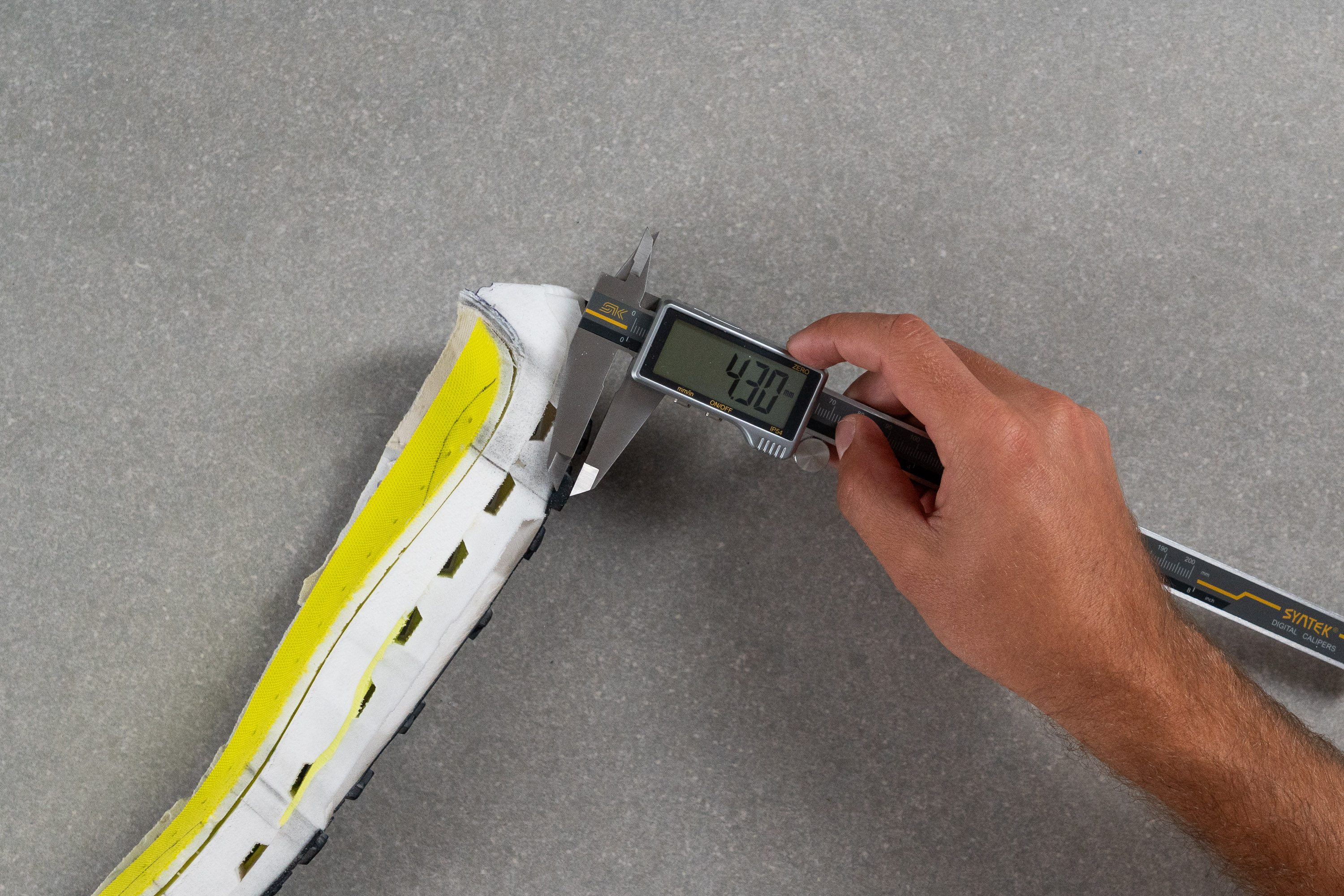
| Cloudultra Pro | 4.3 mm |
| Average | 3.5 mm |
Outsole design
We know some trail runners dislike seeing large sections of exposed foam on the outsole, and that could be a deal-breaker with the Cloudultra Pro. Part of the midfoot and forefoot are left uncovered, although the foam sits slightly recessed to reduce direct impacts. Small rocks can occasionally become stuck in those areas too.
Others may also be disappointed to find On's proprietary Missiongrip rubber instead of Vibram. That reaction is understandable, as Vibram Megagrip has become the benchmark many runners expect from premium trail shoes.
Flexibility / Stiffness
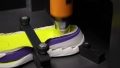
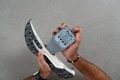
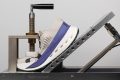
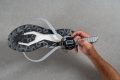
Thanks to its fibreglass Speedboard plate, the Cloudultra Pro retains a healthy amount of flexibility, requiring just 14.5N in our custom stiffness test. That result makes the shoe surprisingly versatile!
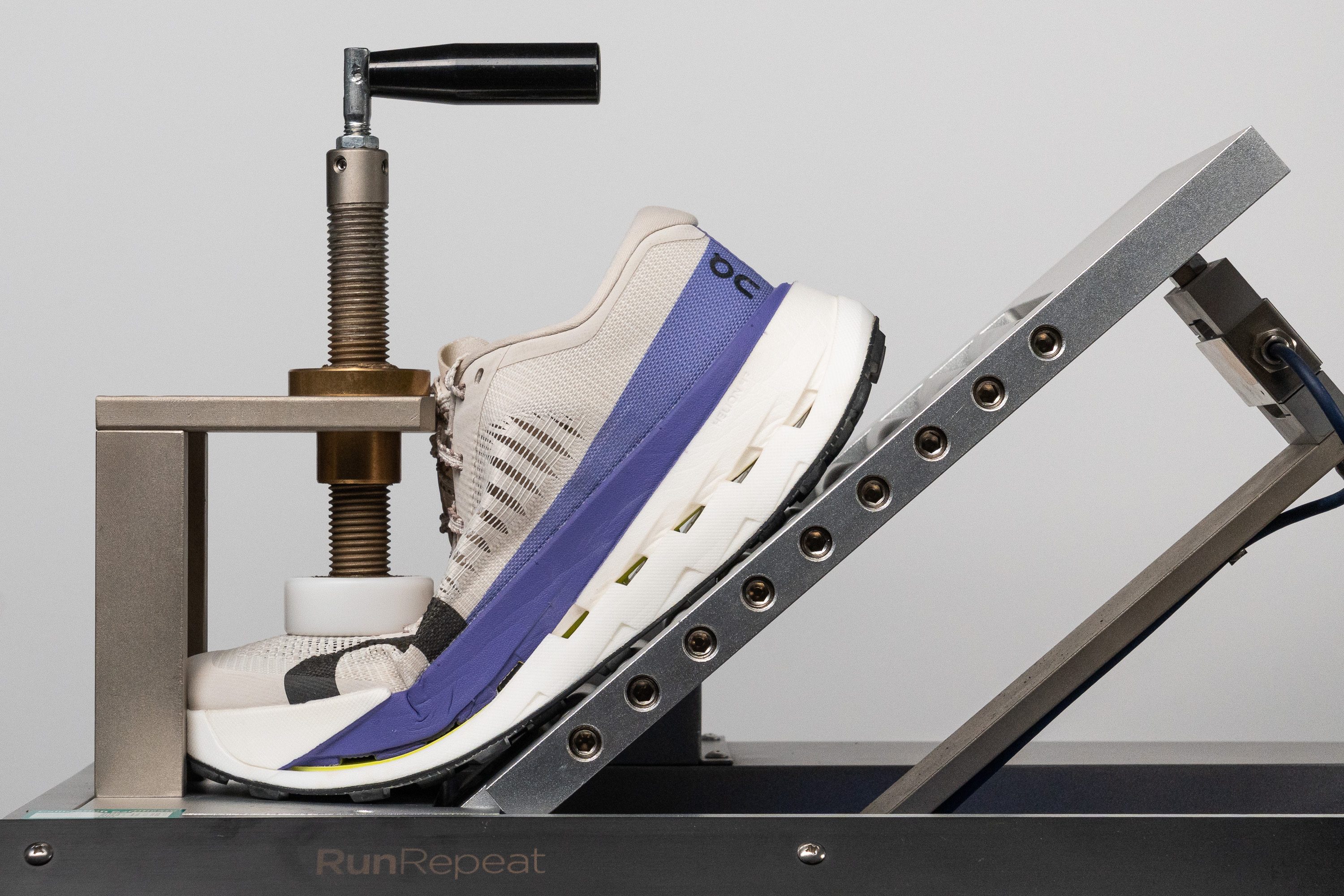
| Cloudultra Pro | 14.5N |
| Average | 14.8N |
Weight
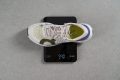
On also deserves plenty of credit for keeping the weight impressively low. At just 9.4 oz (266g), the Cloudultra Pro is remarkably light for a trail super shoe packing this much cushioning.
Although trail runners are generally more forgiving about shoe weight than road runners, every gramme matters during an ultra. Carrying a shoe that's 10% or 20% lighter can translate into meaningful energy savings over races that may last an entire day.
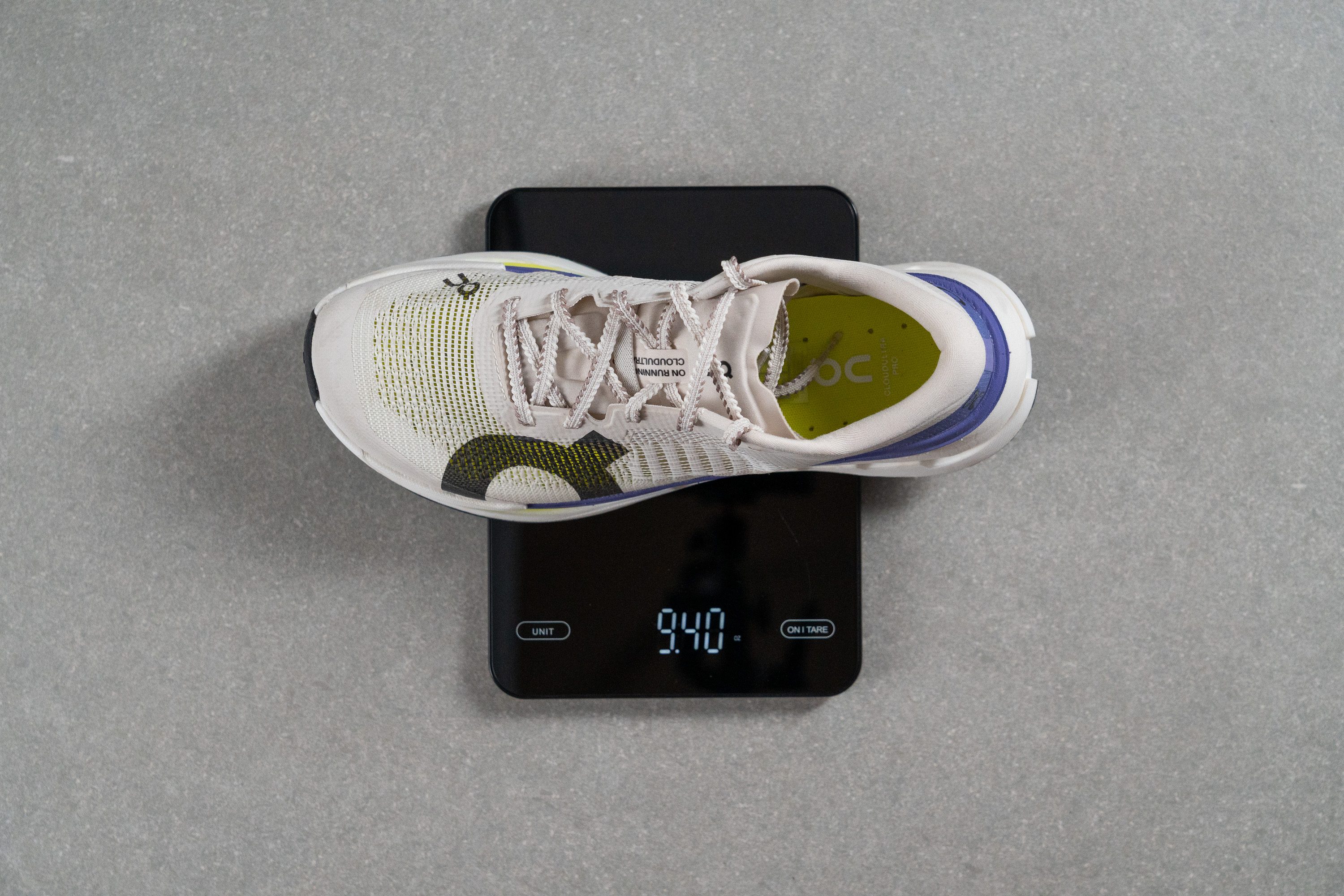
| Cloudultra Pro | 9.4 oz (266g) |
| Average | 10.1 oz (285g) |
Breathability
Breathability test
On's Cloudultra Pro is built for competitive ultradistance efforts, making upper ventilation more than a minor comfort detail.
And it certainly delivered. We gave the Cloudultra Pro a flawless 5/5 after seeing how freely smoke passed through its upper.

| Cloudultra Pro | 5 |
| Average | 3.3 |
Stability
Lateral stability test
This is where the firmer bottom layer of Helion HF really shines. The Cloudultra Pro delivers a remarkably stable ride, and we believe that even runners with moderate overpronation can confidently enjoy this shoe.
However, the foam isn't the only reason. The supportive midsole sidewalls and fibreglass Speedboard also play a major role in keeping the ride secure and well controlled.
Torsional rigidity
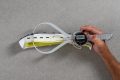
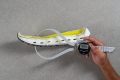
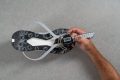
With a torsional rigidity of 17.3 Nm, the Cloudultra Pro strikes another well-balanced compromise. It leans slightly toward the rigid side, but that's exactly what we'd expect from a trail super shoe with more than 30 mm of cushioning underfoot.
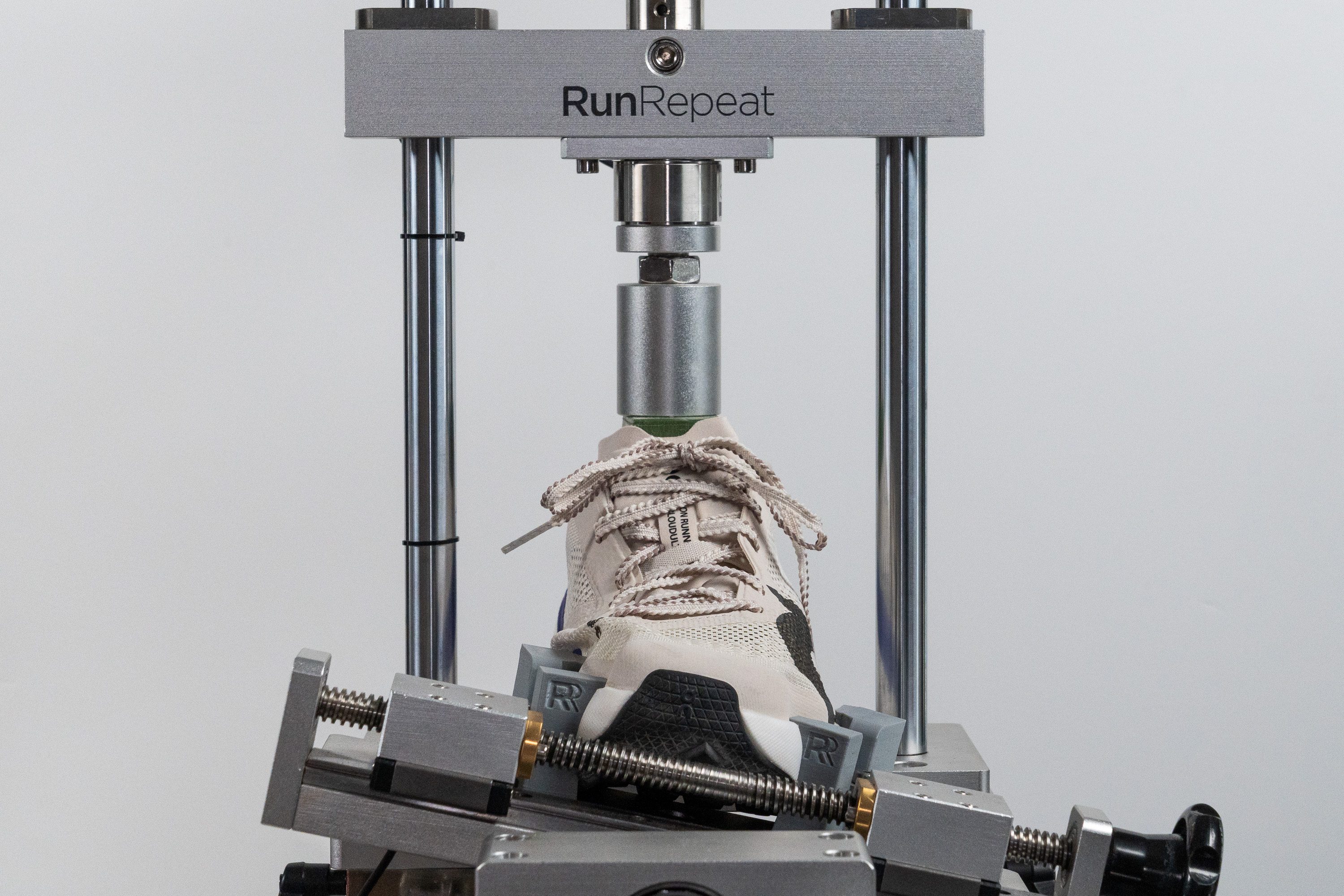
| Cloudultra Pro | 17.3 Nm |
| Average | 15.7 Nm |
Heel counter stiffness
The heel counter showcases the Cloudultra Pro's racing pedigree, scoring just 2/5 in our stiffness test.
In our view, this is yet another reason why the Cloudultra Pro is better suited to midfoot and forefoot strikers, as its design prioritises comfort and freedom of movement over maximum heel support.
| Cloudultra Pro | 2 |
| Average | 2.9 |
Midsole width - forefoot
The shoe also feels impressively stable in the front thanks to its broad forefoot platform, which measures 117.3 mm at its widest point.
However, the midfoot tapers aggressively instead of maintaining that generous width. This design enhances agility and precision on the trail, although it slightly reduces stability through the middle of the shoe.
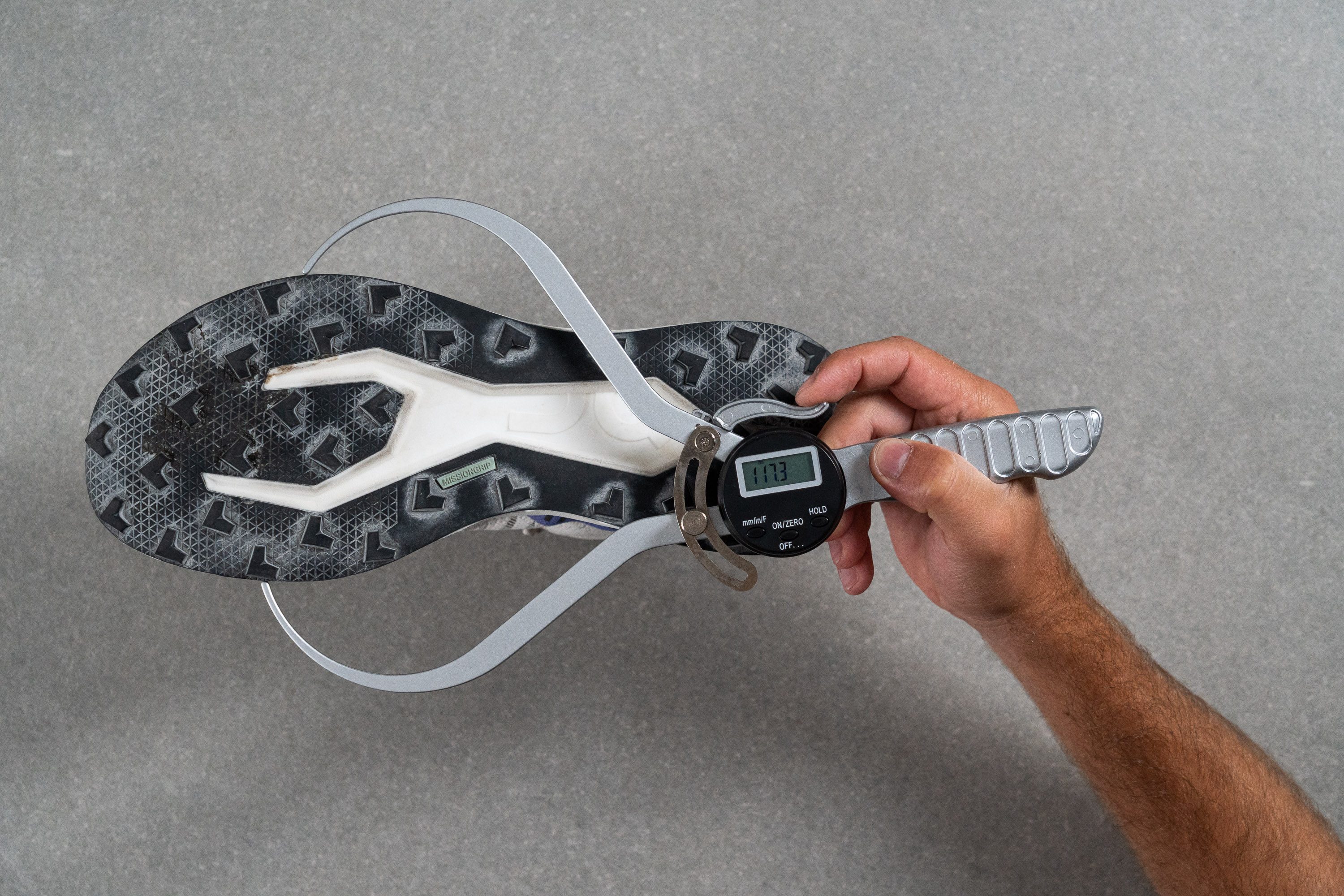
| Cloudultra Pro | 117.3 mm |
| Average | 114.3 mm |
Midsole width - heel
The heel is just a tad wider than average at 91.6 mm, and that matches our experience during testing. It never feels bottom-heavy or clunky, yet it also stays far from unstable.
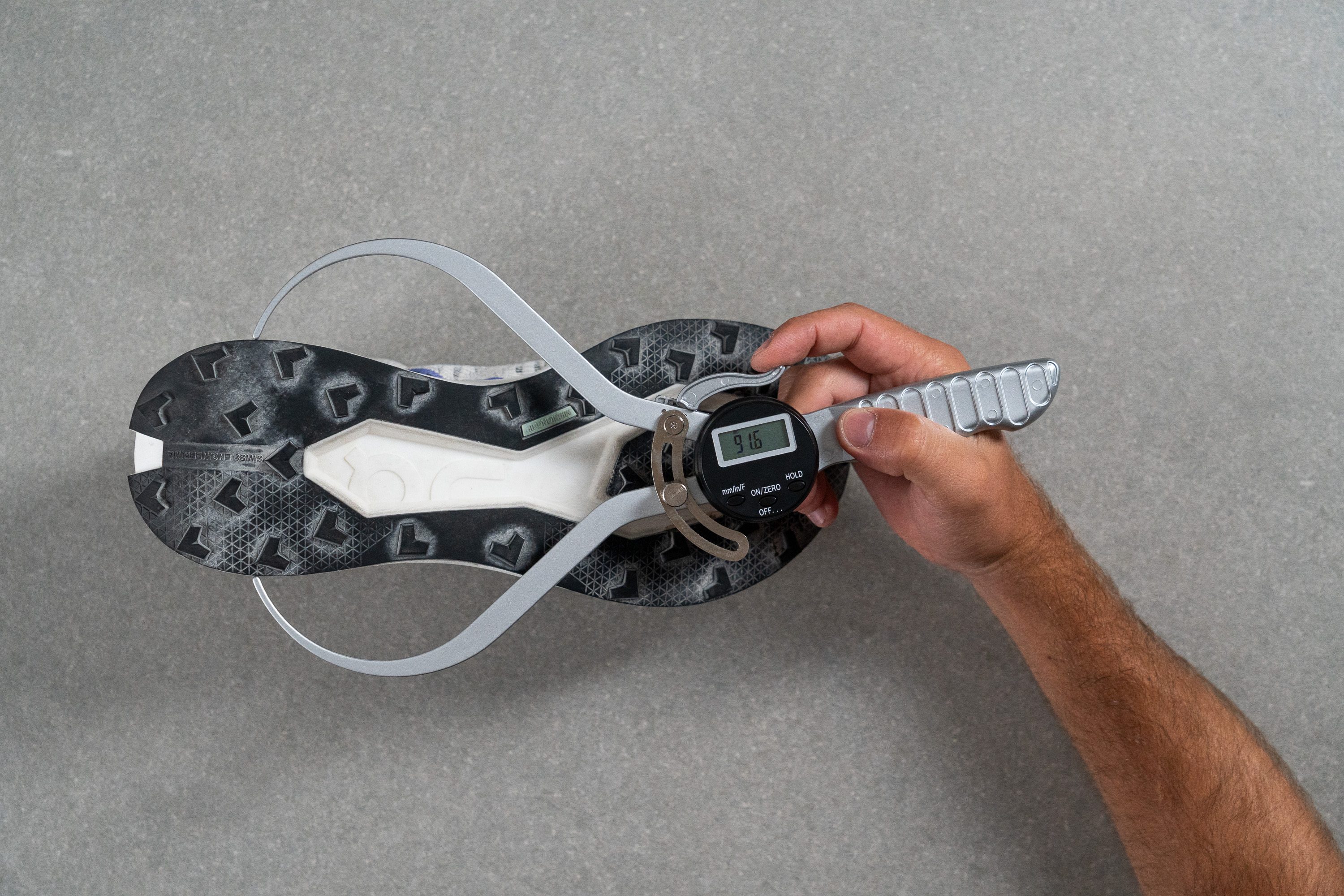
| Cloudultra Pro | 91.6 mm |
| Average | 90.5 mm |
Durability
Toebox durability
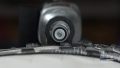
The Cloudultra Pro features a lightweight Leno weave upper, designed with performance and weight savings as top priorities. However, that minimalist approach comes at the expense of durability in the exposed and most ventilated areas, earning just 2/5 in our Dremel test.
| Cloudultra Pro | 2 |
| Average | 3.1 |
Heel padding durability
We also tested the heel padding, and it proved to be noticeably more durable, earning a strong 4/5 in our Dremel test.
| Cloudultra Pro | 4 |
| Average | 3.1 |
Outsole durability
To complete our trio of Dremel tests, we turned our attention to the Missiongrip outsole.
It lost 1.0 mm of rubber during the test, a respectable result that lands on the positive side, although it falls short of the most durable compounds we've evaluated.
| Cloudultra Pro | 1.0 mm |
| Average | 0.9 mm |
Outsole thickness
We measured the outsole at 1.8 mm thick, and we think On got the balance just right. It provides enough rubber for reliable durability while keeping the Cloudultra Pro light and versatile across a wide range of trail conditions.
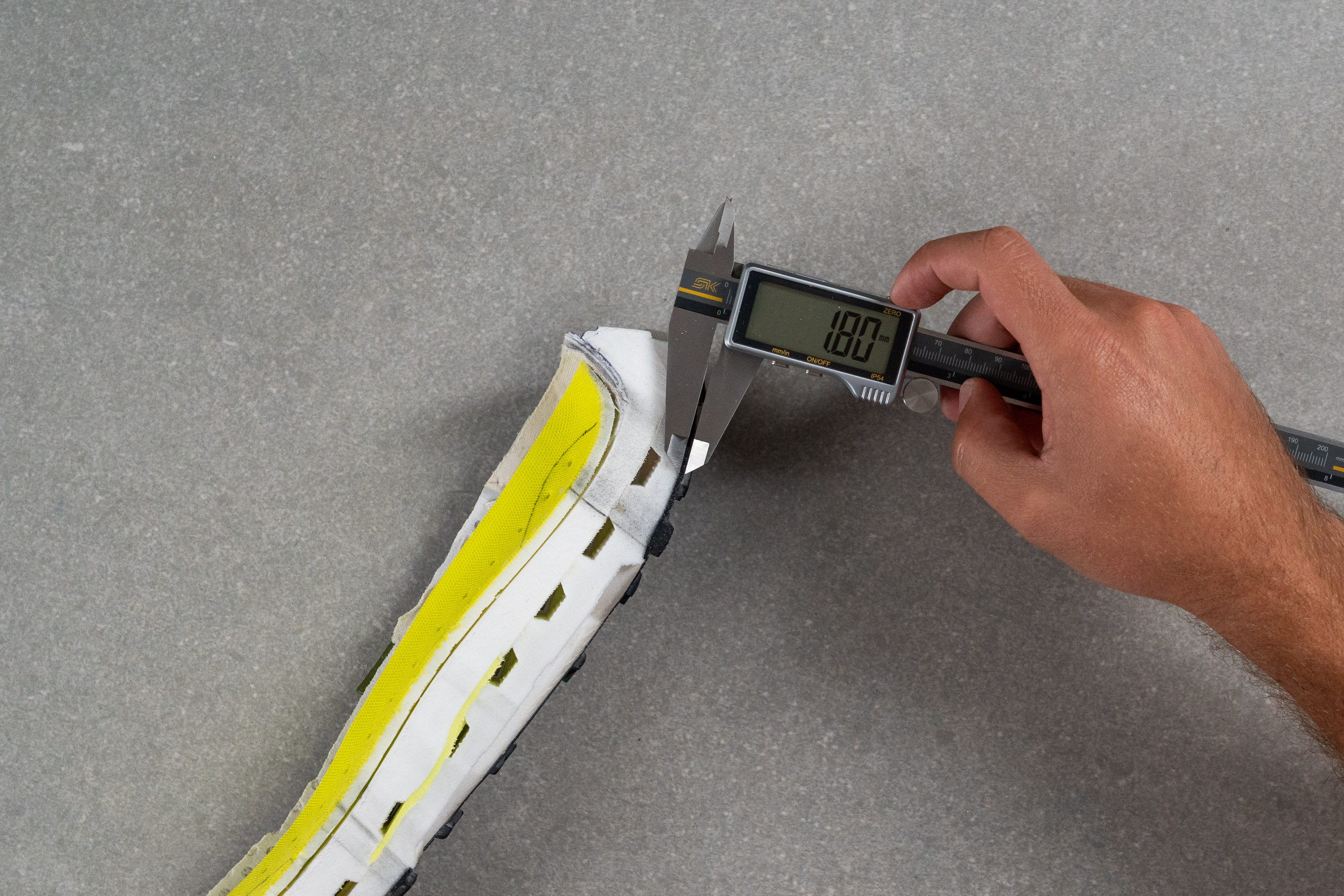
| Cloudultra Pro | 1.8 mm |
| Average | 1.9 mm |
Misc
Insole thickness
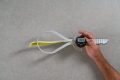
The insole measures 4.0 mm thick, which is just a touch thinner than the current lab average, although only by the slimmest of margins.
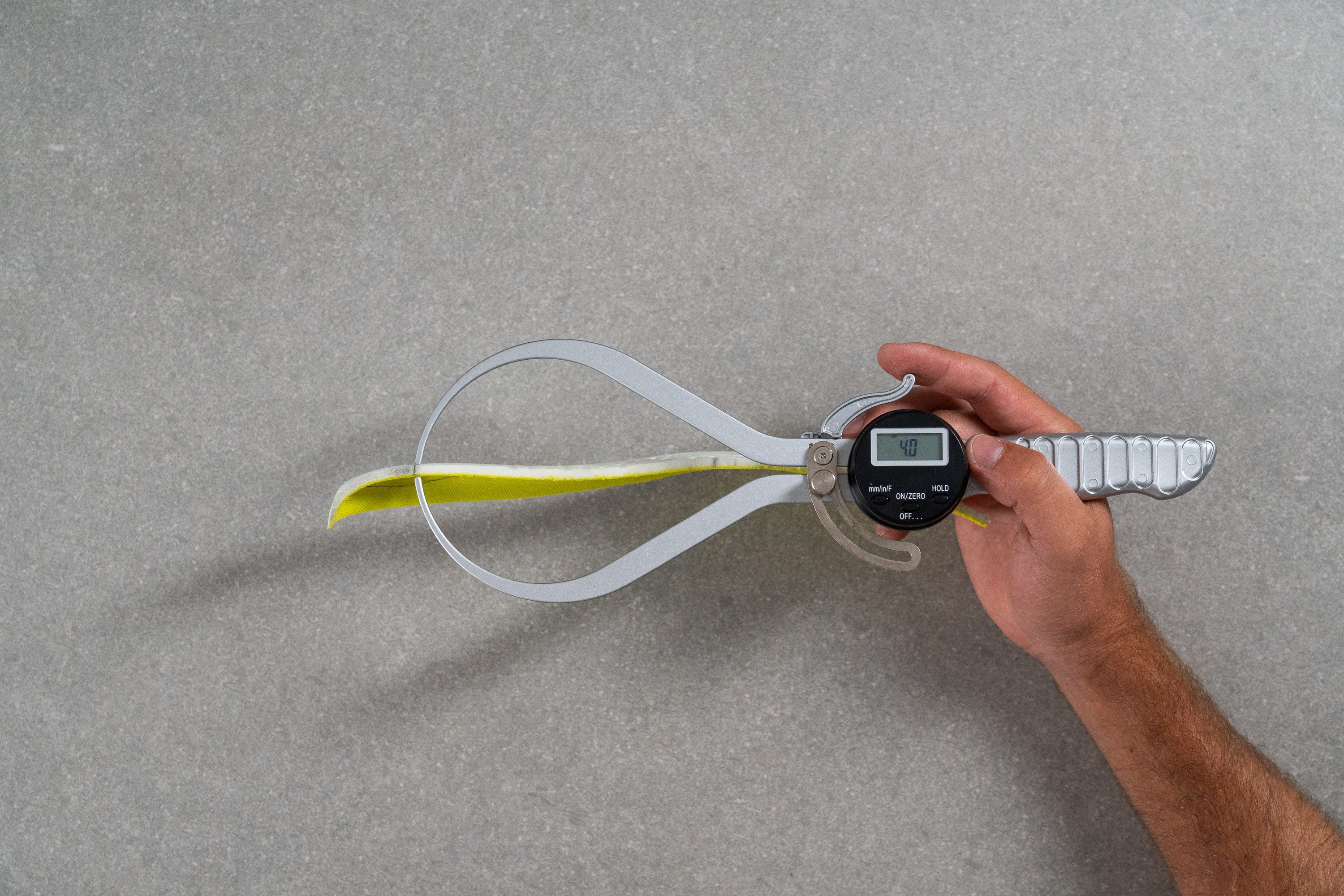
| Cloudultra Pro | 4.0 mm |
| Average | 4.6 mm |
Removable insole
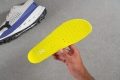
On deserves credit for including a perforated insole in the Cloudultra Pro. It enhances airflow inside the shoe, making it an especially welcome feature for warm-weather ultras.
However, if you prefer using your own insole, swapping it out takes just a couple of seconds.
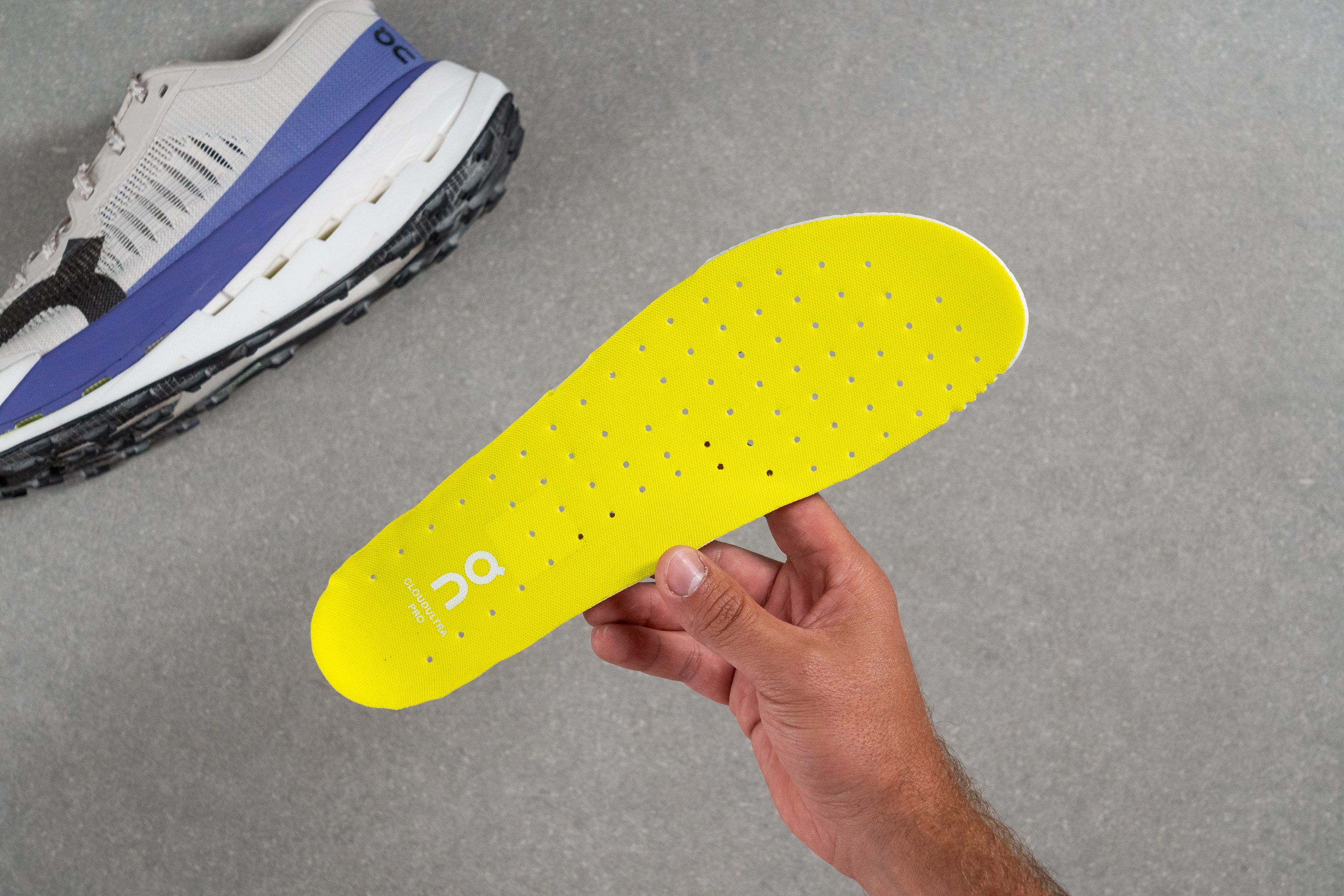
| Cloudultra Pro | Yes |
Reflective elements
We shined a powerful light on the Cloudultra Pro, but nothing reflected back. We have to admit that came as a slight disappointment, as On has included attractive reflective logos on several of its other running shoes, but chose not to do so here.
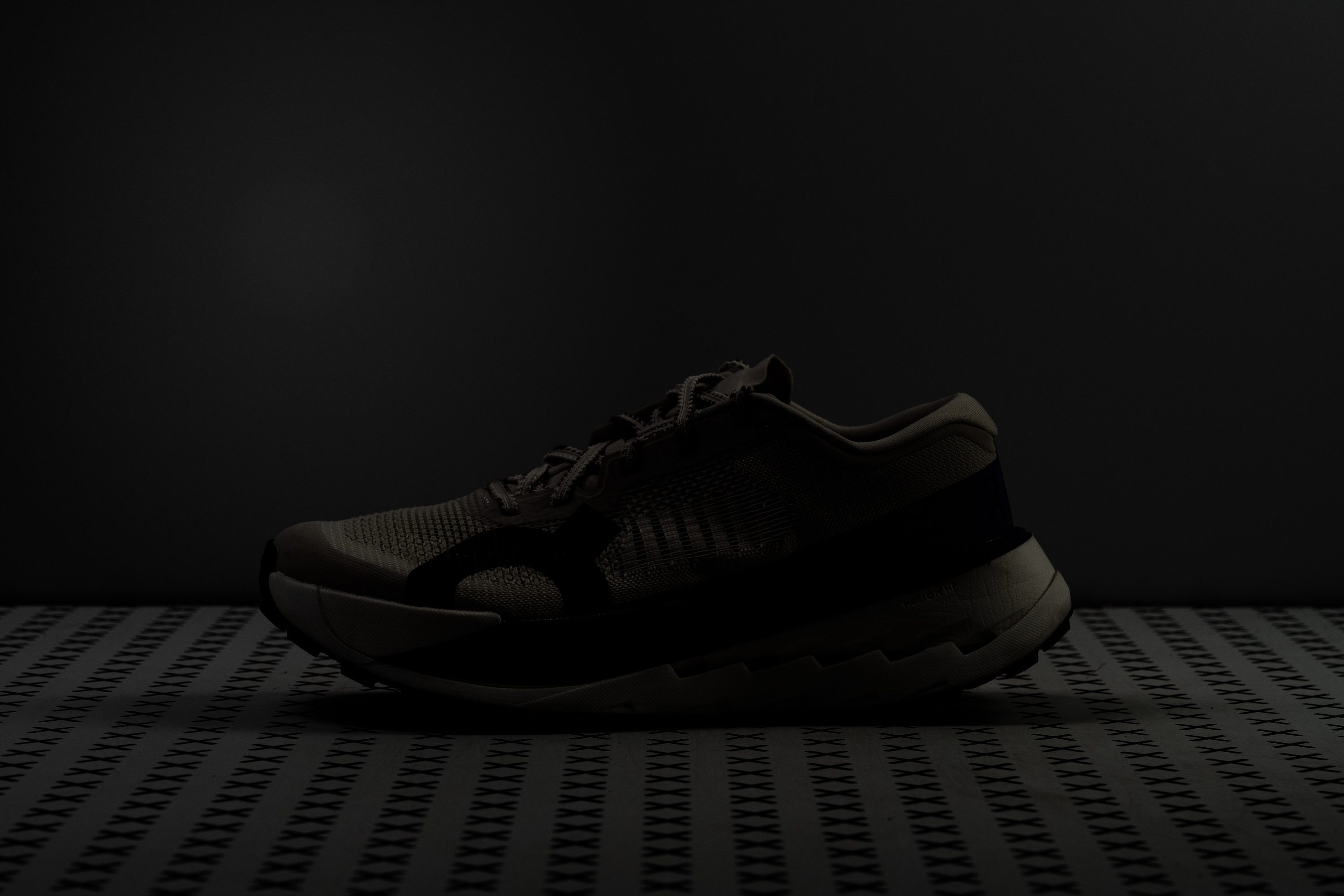
| Cloudultra Pro | No |
Tongue padding
On usually gets the fit right, and the Cloudultra Pro is no exception. The tongue delivers an outstanding lockdown, while the excellent sawtooth laces are beautiful and perform exactly as we'd expect from a shoe at this premium price point. On also added an elastic lace keeper to prevent them from flapping around during the run.
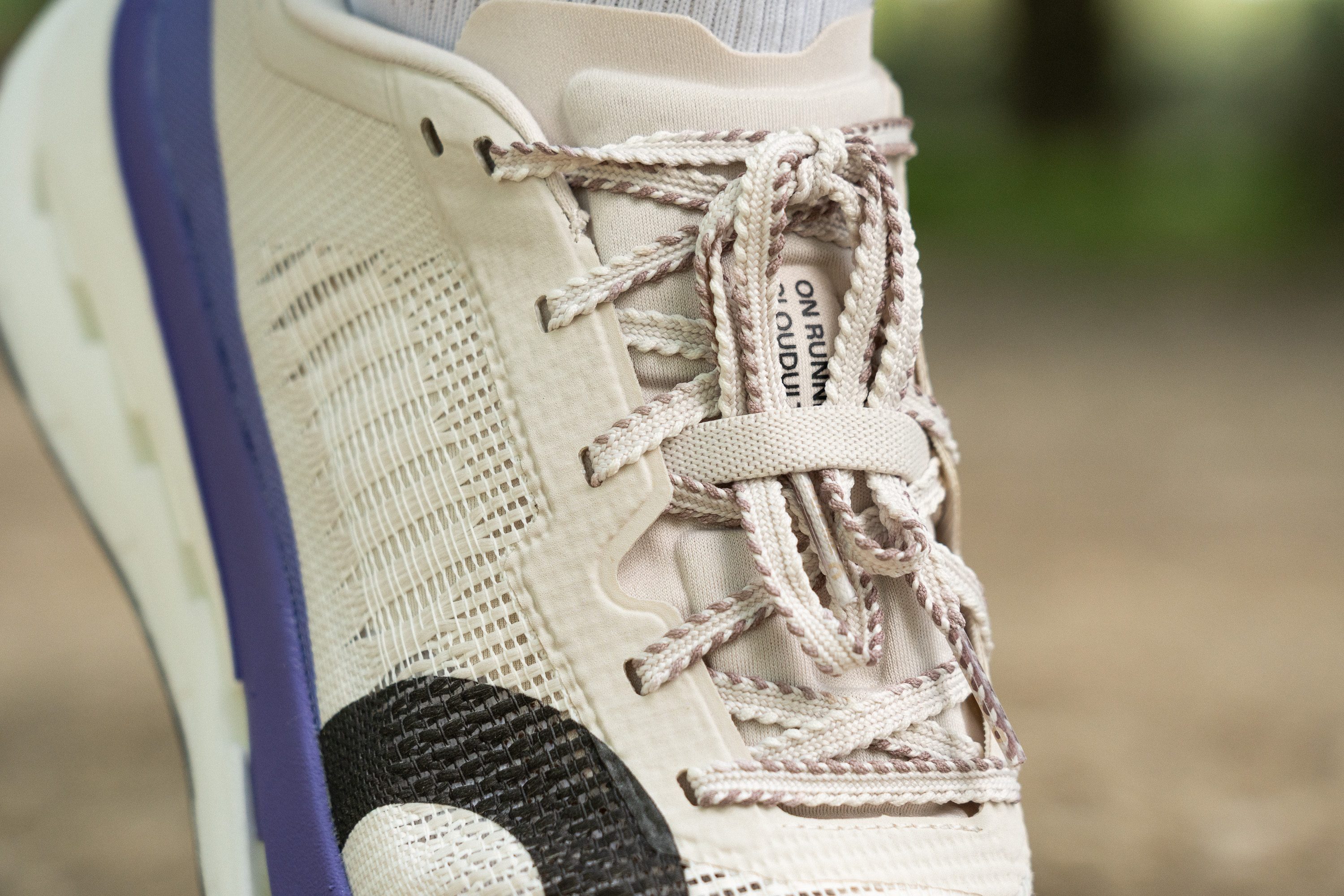
The tongue features a generous 6.3 mm of padding, although we found that it's concentrated exclusively around the lace knot area rather than extending along its full length in order to save some weight.
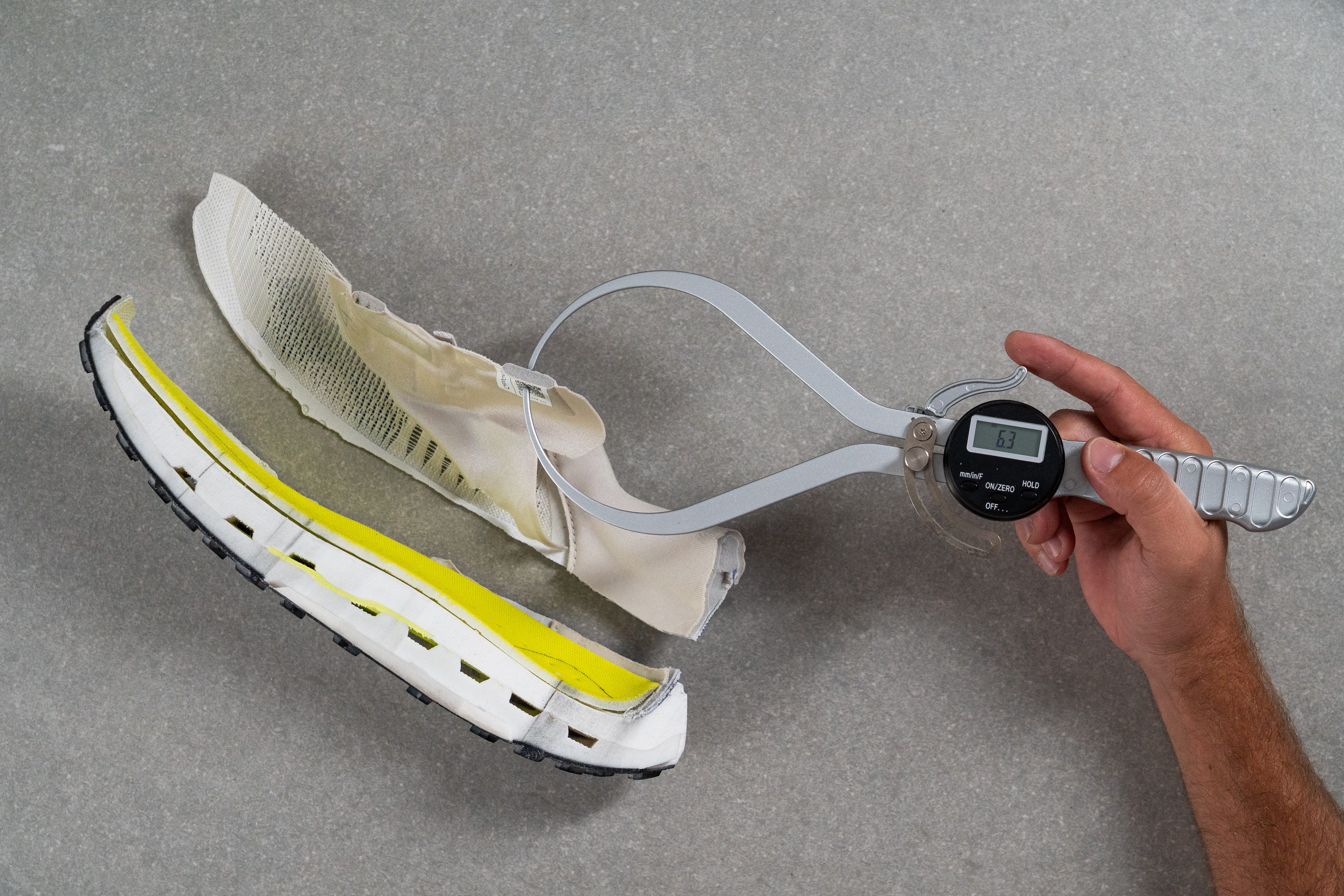
| Cloudultra Pro | 6.3 mm |
| Average | 6.4 mm |
Tongue: gusset type
The tongue features a semi-gusseted design that securely wraps the foot while still allowing plenty of airflow to circulate inside the shoe.
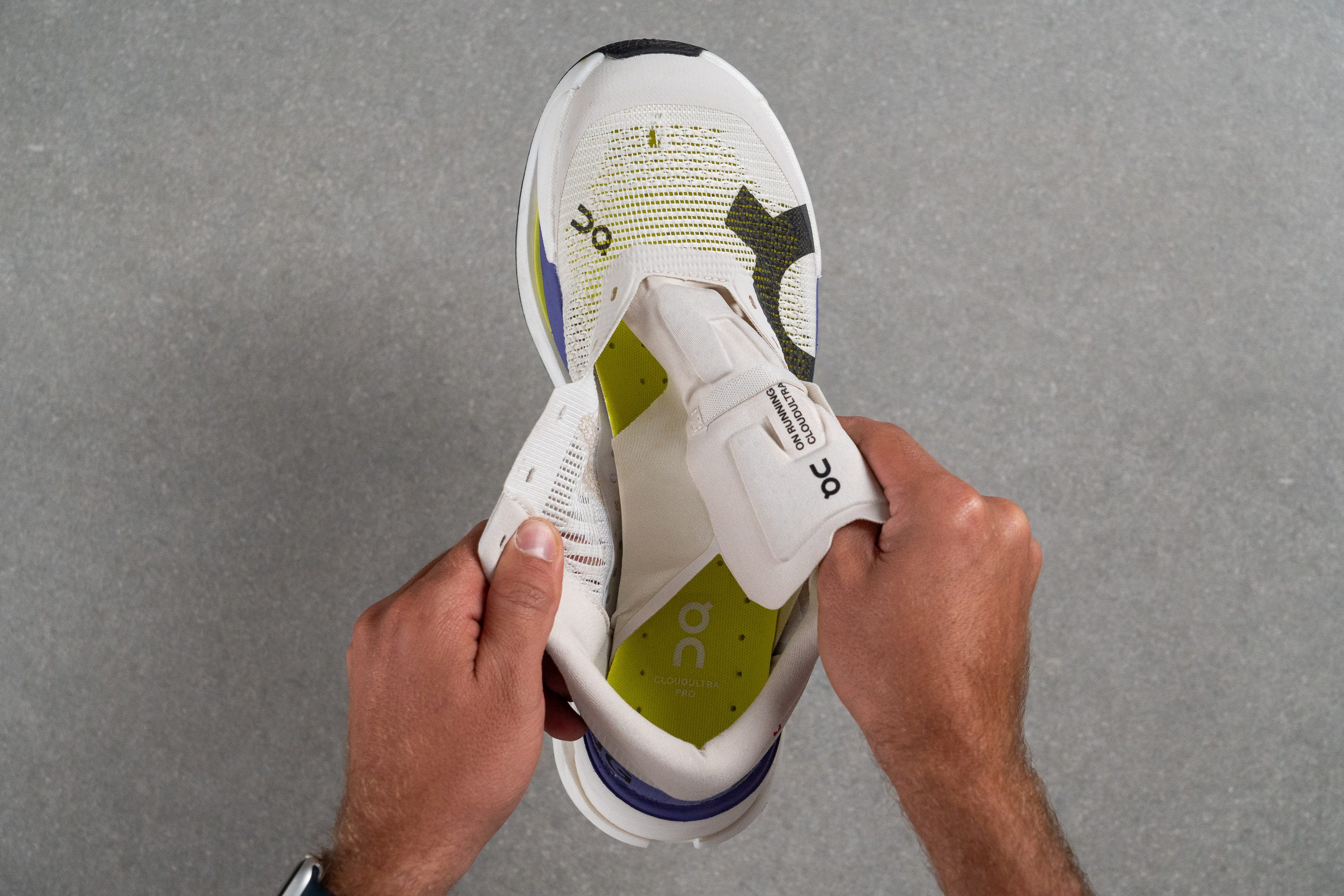
| Cloudultra Pro | Both sides (semi) |
Heel tab
The heel lacks the finger-loop pull tab found on many trail shoes. However, On thoughtfully covered the exposed stitching.
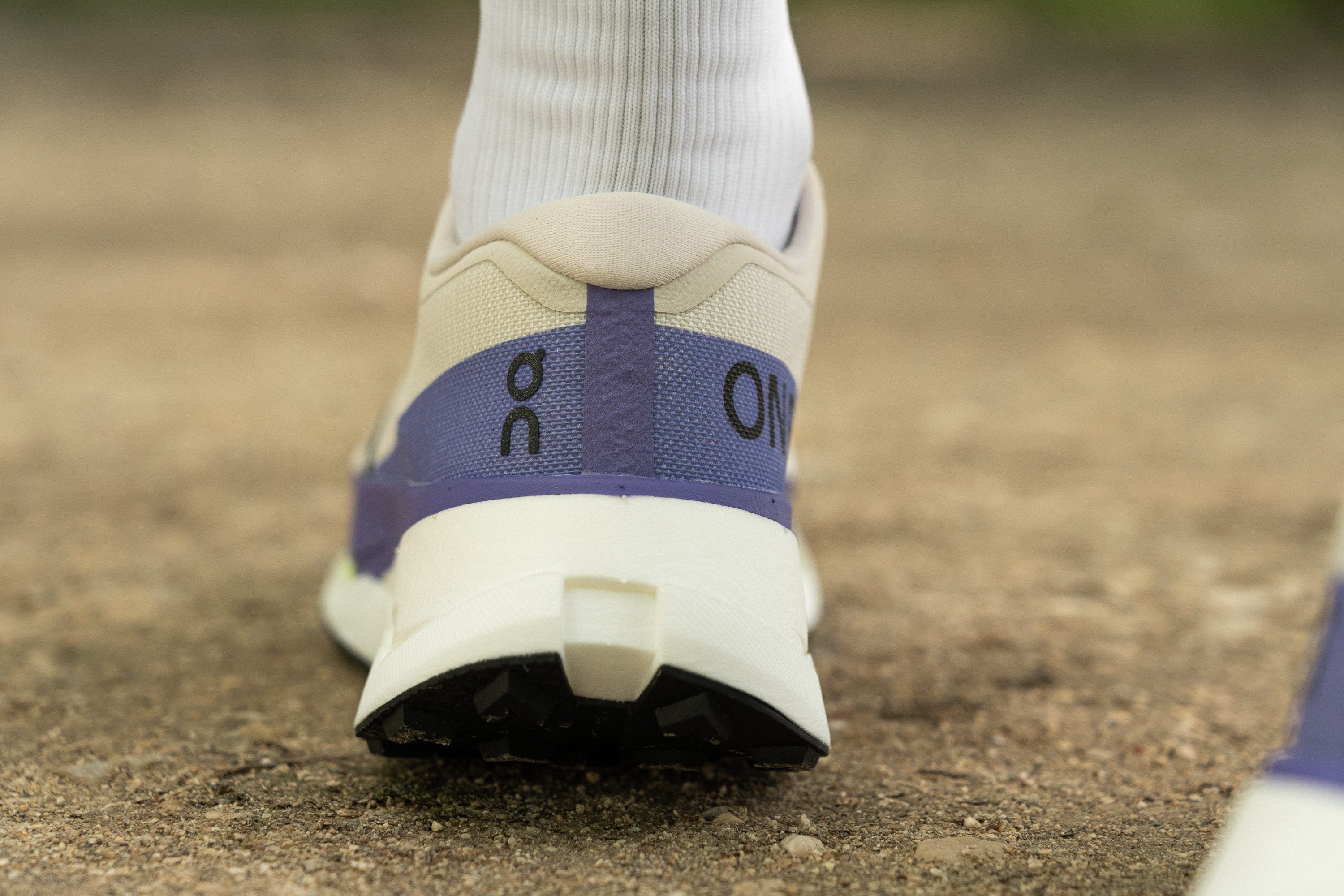
| Cloudultra Pro | None |
Price
Like most On running shoes, the Cloudultra Pro comes with a high price tag. In fact, it's the brand's most expensive trail shoe to date, which is hardly surprising given that it packs every flagship technology On currently offers.
It's undeniably expensive, but we believe the price is justified by the high build quality, advanced engineering, and race-focused performance it delivers.
| Cloudultra Pro | $260 |