
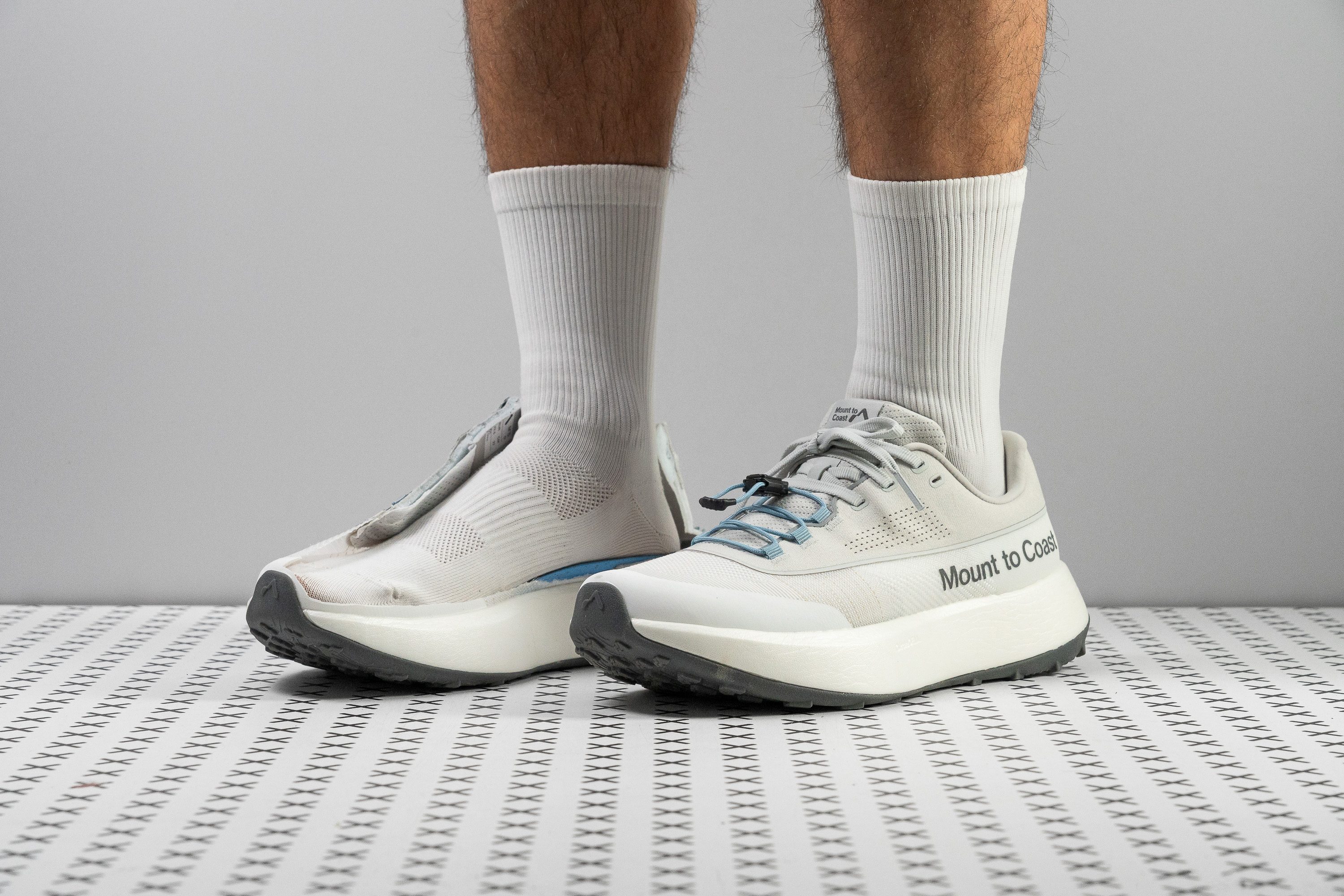


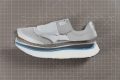



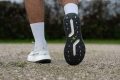
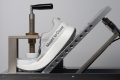

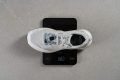





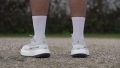








Our verdict
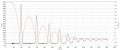
- Gravel 91
- Versatile 59
- Technical 25
Pros
- Excellent gravel shoe
- Good grip on mixed terrain
- Very lightweight for being a trail shoe
- Premium-feeling upper
- Innovative lacing system
- Stable ride
- Balanced cushioning with good bounce
- Sustainable foam
- Fair price
Cons
- Tapered toebox limits toe splay
- Thin outsole may reduce longevity
- Toebox and outsole durability
Awards
- Top pick in best gravel running shoes
- Top 17% in trail running shoes
- Top 22% in neutral running shoes
- Top 16% most popular running shoes
Comparison
The most similar running shoes compared
+ + Add a shoe | |||||
|---|---|---|---|---|---|
| Our score | 86 Great | 82 Great | 78 Good | 75 Good | |
| Price | £150 | £140 | £120 | £100 | |
| Trail terrain | Gravel / Road-to-trail | Gravel / Road-to-trail | Gravel / Road-to-trail | Gravel / Road-to-trail | |
| Shock absorption | High | Moderate | Moderate | Moderate | |
| Energy return | Moderate | Moderate | Moderate | Low | |
| Traction | High | - | High | - | |
| Arch support | Neutral | Neutral | Neutral | Neutral | |
| Weight lab Weight brand | 8.8 oz / 249g 8.5 oz / 242g | 10.2 oz / 288g 10 oz / 283g | 10 oz / 283g 9.8 oz / 277g | 8.4 oz / 237g 8.6 oz / 243g | |
| Lightweight | ✓ | ✗ | ✗ | ✓ | |
| Drop lab Drop brand | 8.1 mm 6.0 mm | 7.0 mm 8.0 mm | 9.1 mm 8.0 mm | 11.0 mm 6.0 mm | |
| Strike pattern | HeelMid/forefoot | Mid/forefoot | HeelMid/forefoot | Heel | |
| Size | True to size | True to size | True to size | True to size | |
| Midsole softness | Balanced | Balanced | Balanced | Balanced | |
| Difference in midsole softness in cold | Small | Normal | Small | Small | |
| Plate | ✗ | Rock plate | ✗ | ✗ | |
| Toebox durability | Bad | Good | Very bad | Bad | |
| Heel padding durability | Good | Good | Decent | Decent | |
| Outsole durability | Decent | Good | Good | Decent | |
| Breathability | Moderate | Moderate | Warm | Moderate | |
| Width / fit | Medium | Medium | Medium | Narrow | |
| Toebox width | Narrow | Medium | Medium | Medium | |
| Stiffness | Moderate | Stiff | Moderate | Flexible | |
| Torsional rigidity | Moderate | Stiff | Moderate | Stiff | |
| Heel counter stiffness | Stiff | Stiff | Stiff | Flexible | |
| Lug depth | 1.9 mm | 3.3 mm | 3.1 mm | 2.0 mm | |
| Heel stack lab Heel stack brand | 34.5 mm 35.0 mm | 33.8 mm 34.0 mm | 32.6 mm 35.0 mm | 32.3 mm 26.0 mm | |
| Forefoot lab Forefoot brand | 26.4 mm 29.0 mm | 26.8 mm 26.0 mm | 23.5 mm 27.0 mm | 21.3 mm 20.0 mm | |
| Widths available | Normal | Normal | Normal | NormalWide | |
| For heavy runners | ✓ | ✗ | ✗ | ✗ | |
| Season | All seasons | All seasons | Winter | All seasons | |
| Removable insole | ✓ | ✓ | ✓ | ✓ | |
| Orthotic friendly | ✓ | ✓ | ✓ | ✓ | |
| Ranking | #89 Top 23% | #188 Top 47% | #283 Bottom 29% | #327 Bottom 18% | |
| Popularity | #68 Top 17% | #127 Top 32% | #332 Bottom 17% | #306 Bottom 24% |


Who should buy
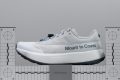
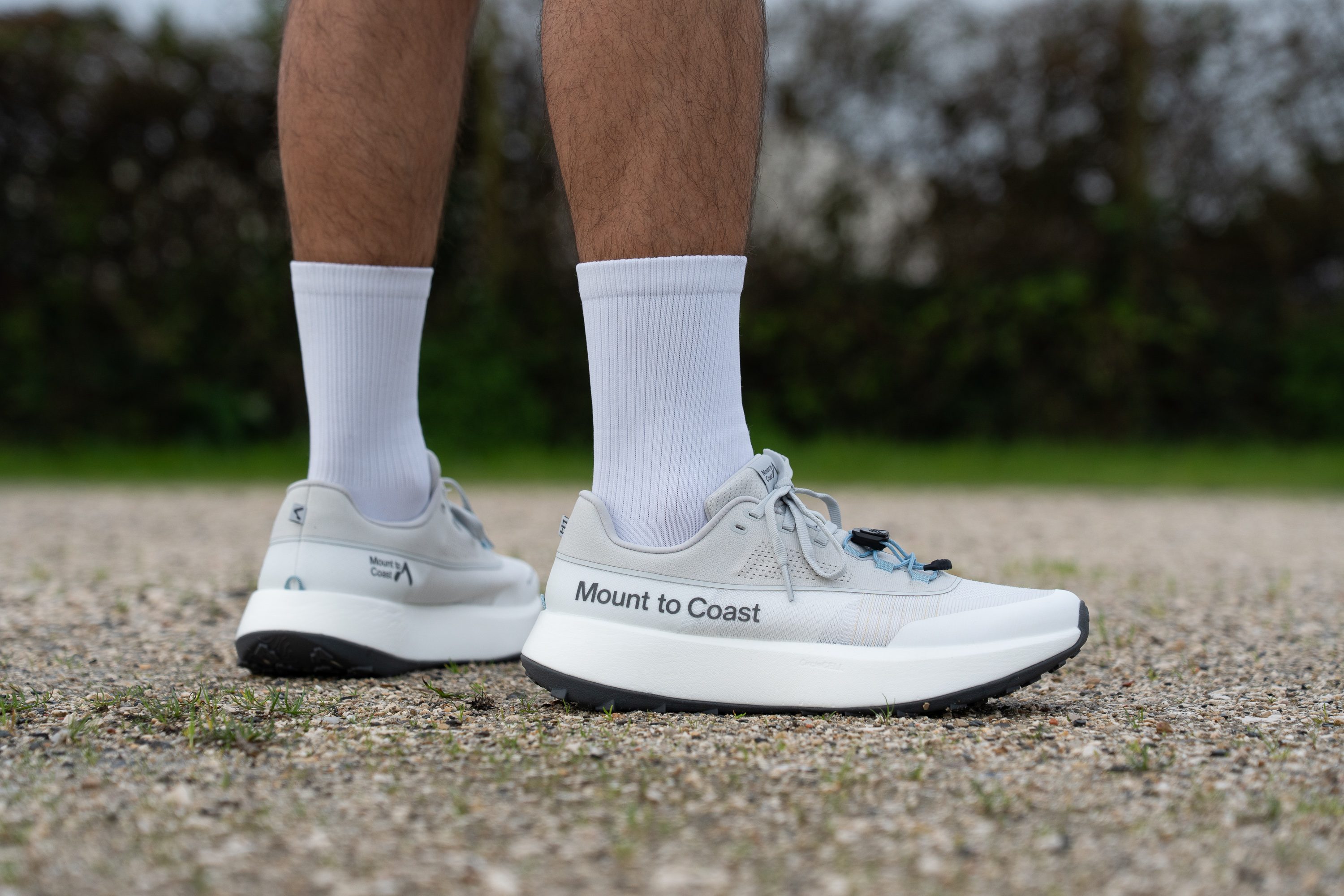
After testing the Mount to Coast H1 in the lab, we concluded that it’s a strong option for runners who:
- Need a gravel shoe that also handles road sections smoothly and comfortably.
- Value a balanced mix of traction, lively cushioning, and premium materials at a fair price.
- Enjoy discovering lesser-known brands and want a capable road-to-trail option outside the mainstream.
- Want to own just one shoe that can handle road, gravel, and light trail runs.
Who should NOT buy
We think runners seeking a max-stack midsole may find the Mount to Coast H1 a bit lacking. From our perspective, the adidas Adizero EVO SL ATR could be a more interesting pick if getting as much cushioning as possible really matters to you.
We also believe the H1 is not the best choice for runners with wide feet. During our runs, we noticed the toebox feels slightly narrow and limits toe splay. The Altra Outroad 3 offers a similar road-to-trail role with a roomy, foot-shaped design, albeit with less bounce.
Cushioning
Shock absorption
Those planning to tackle long distances with the Mount to Coast H1 can certainly consider it. From the outside, the midsole looks promising, and in our ASTM F1976 shock absorption test we recorded above-average results of 136 SA in the heel and 110 SA in the forefoot.
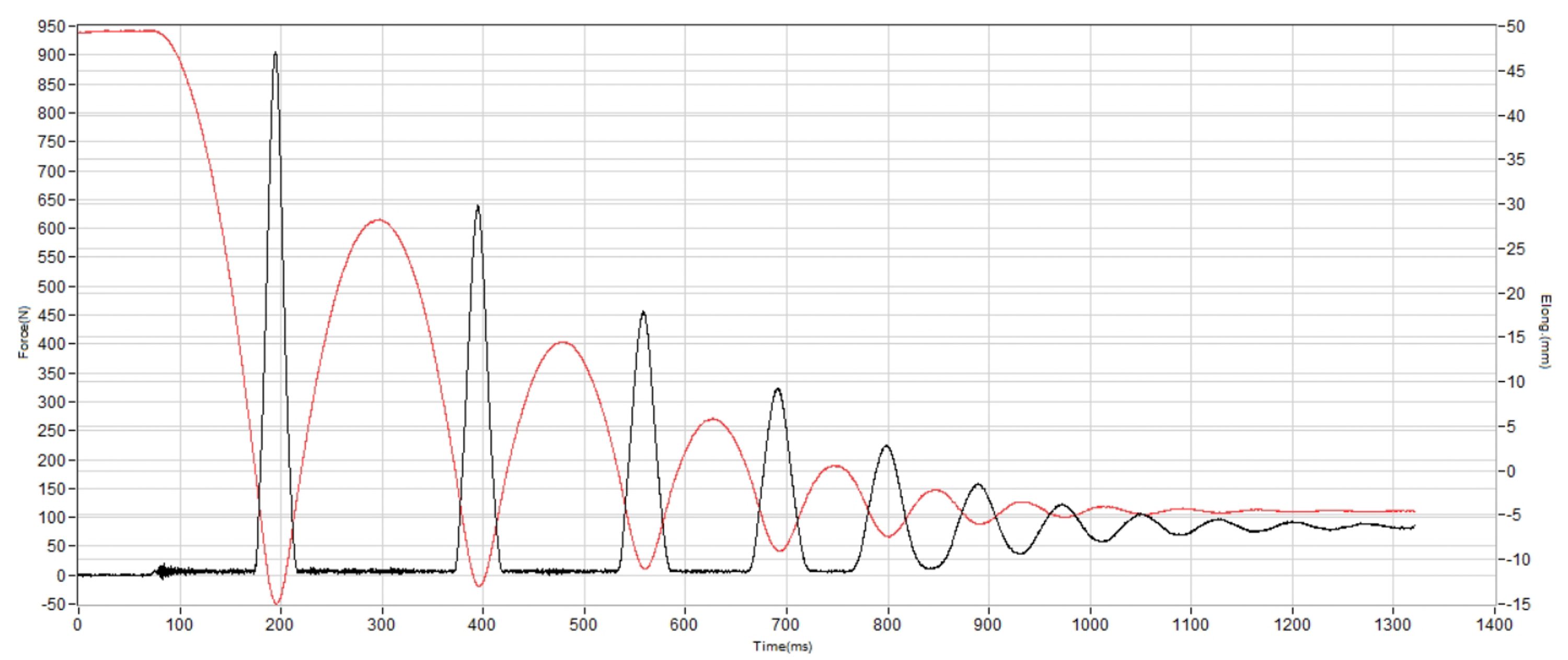
| H1 | 136 SA |
| Average | 122 SA |
Energy return
The foam that runs from heel to toe in the H1 is called CircleCELL, and it stands out mainly from a sustainability standpoint. It was created by the German company BASF, which states that each midsole is made using 100% renewable feedstock and incorporates up to 9 kg of organic waste and residual biomass. And they also claim “elite, PEBA-like energy return.”
In our lab tests, we measured energy return at 61.2% in the heel and 63.9% in the forefoot. That’s better than most trail shoes and a solid result overall, but it does not reach the top tier suggested by the brand. These numbers are more in line with modern supercritical EVA foams than PEBA or A-TPU.
| H1 | 63.9% |
| Average | 59.7% |
Heel stack
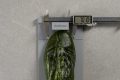
The H1 aims to be a versatile shoe for a wide range of distances, and that’s achievable thanks to its moderate 34.5 mm stack height. It’s not overly tall or bottom-heavy, yet it provides enough foam and heel strikers can definitely handle long runs.
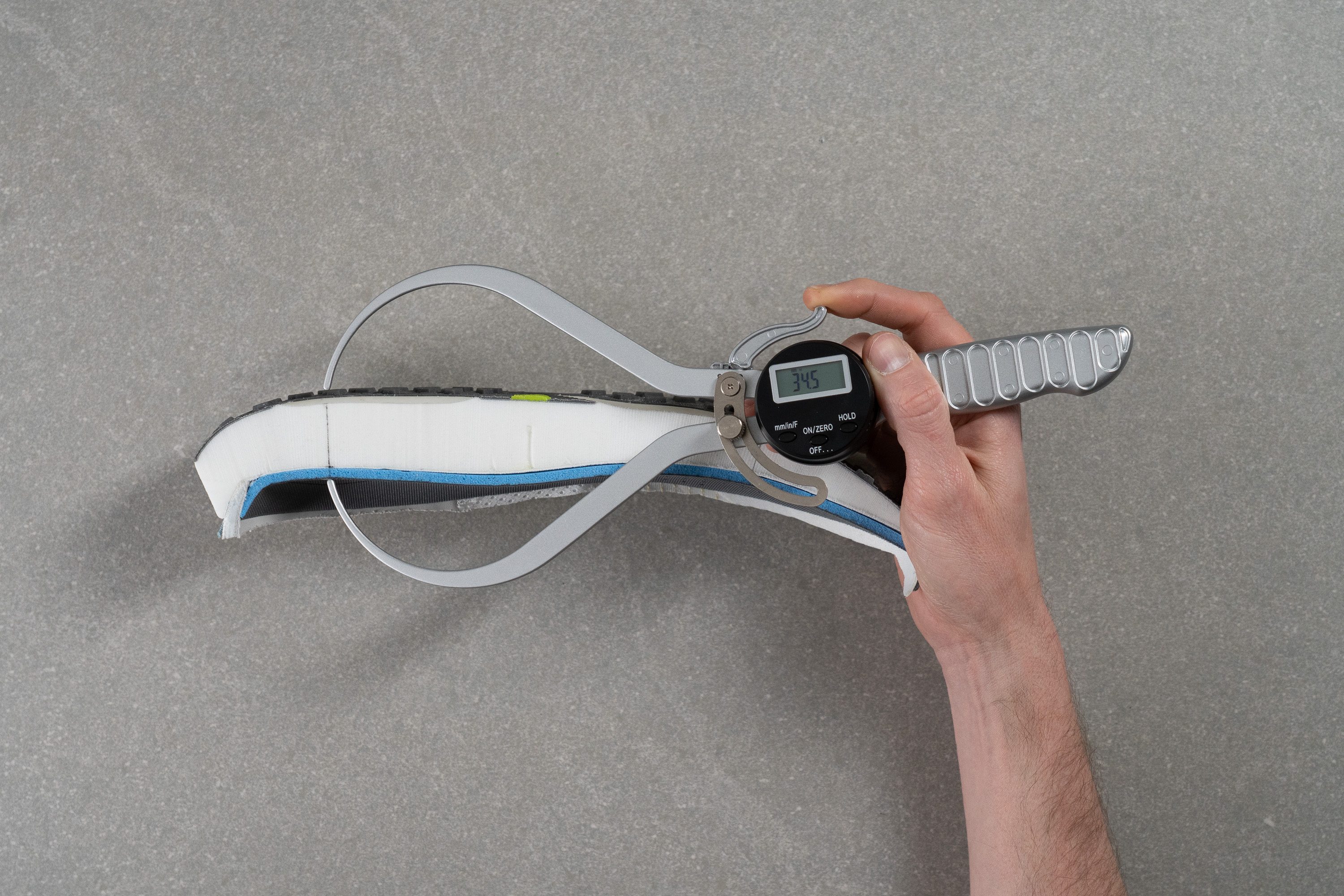
| H1 | 34.5 mm |
| Average | 33.0 mm |
Forefoot stack
The forefoot follows the same balanced approach and lands very close to our lab average, missing it by only a few millimetres. We measured 26.4 mm.
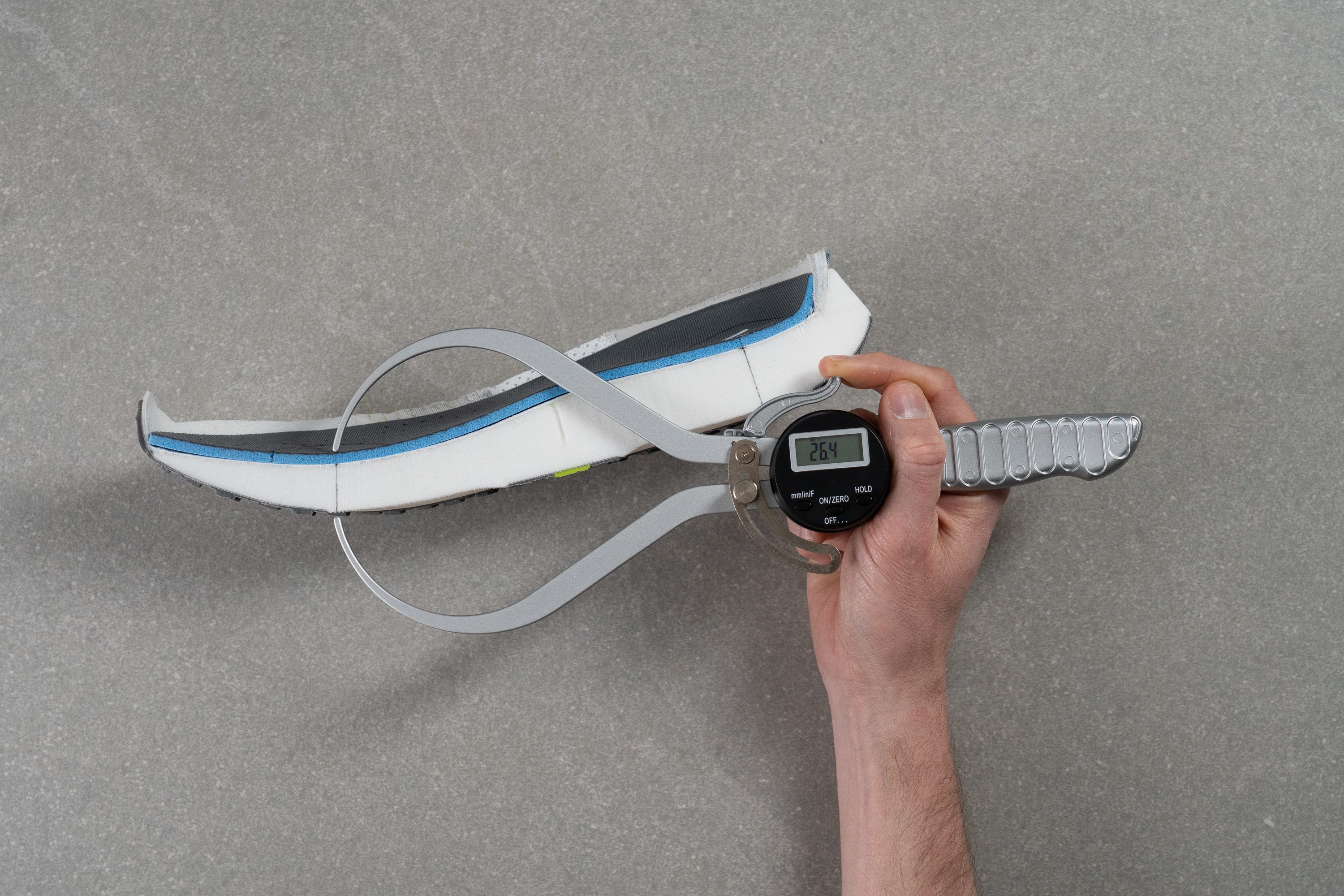
| H1 | 26.4 mm |
| Average | 25.7 mm |
Drop
We measured an actual 8.1 mm drop, which makes the shoe suitable for all footstrikes.
This is a small deviation from the 6 mm listed by Mount to Coast, but it’s barely noticeable while running and still delivers a familiar feel for anyone used to mainstream road daily trainers.
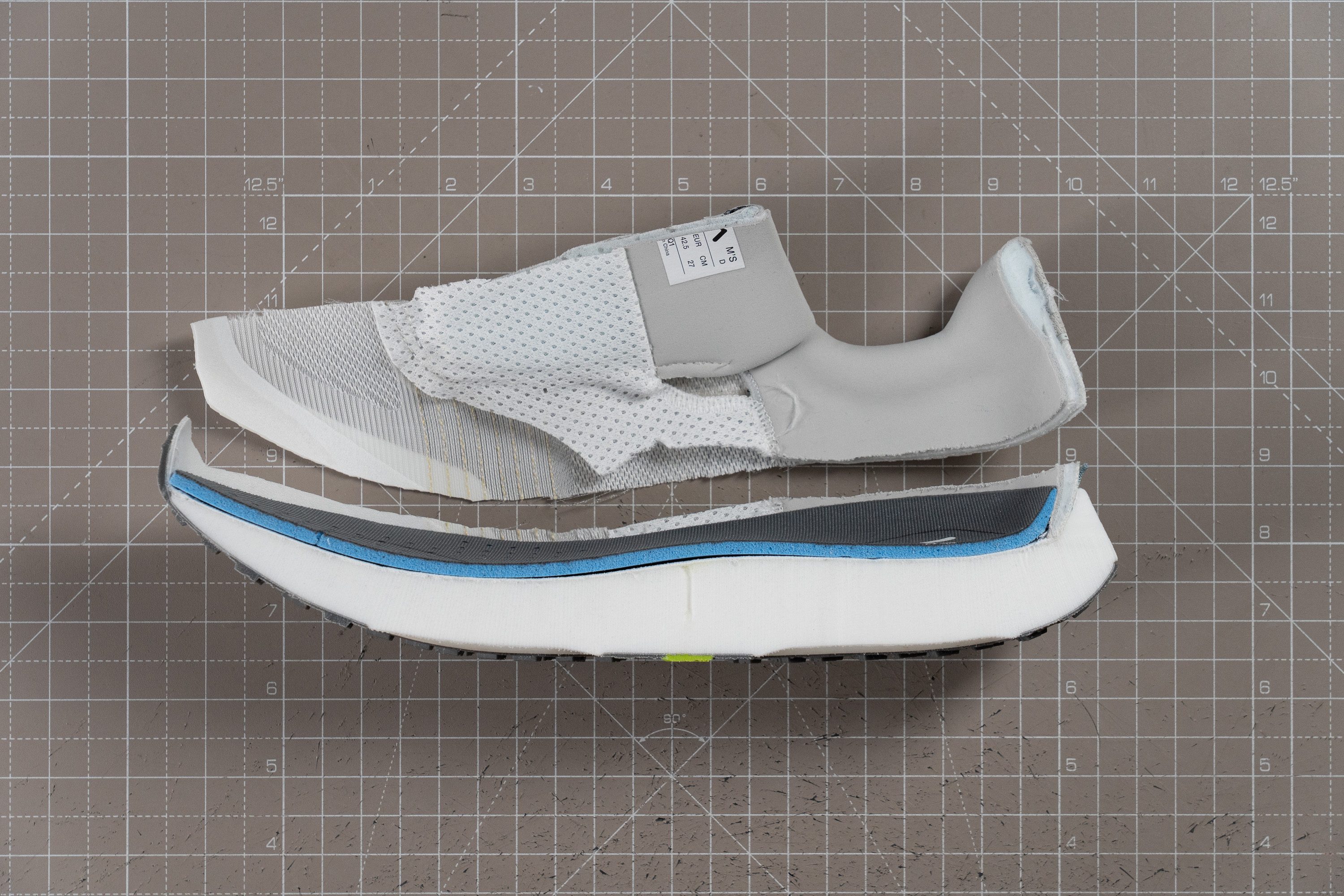
| H1 | 8.1 mm |
| Average | 7.2 mm |
Midsole softness
It seems to us that Mount to Coast designed the H1 to appeal to as many runners as possible. Earlier lab readings were very close to the average, and that pattern continues here as well.
Returning to the eco-focused CircleCELL foam, our Asker C durometer measured 37.2 AC. Once again, that sits near the category average, and the ride reflects it, feeling neither plush-soft nor firm but somewhere in between.
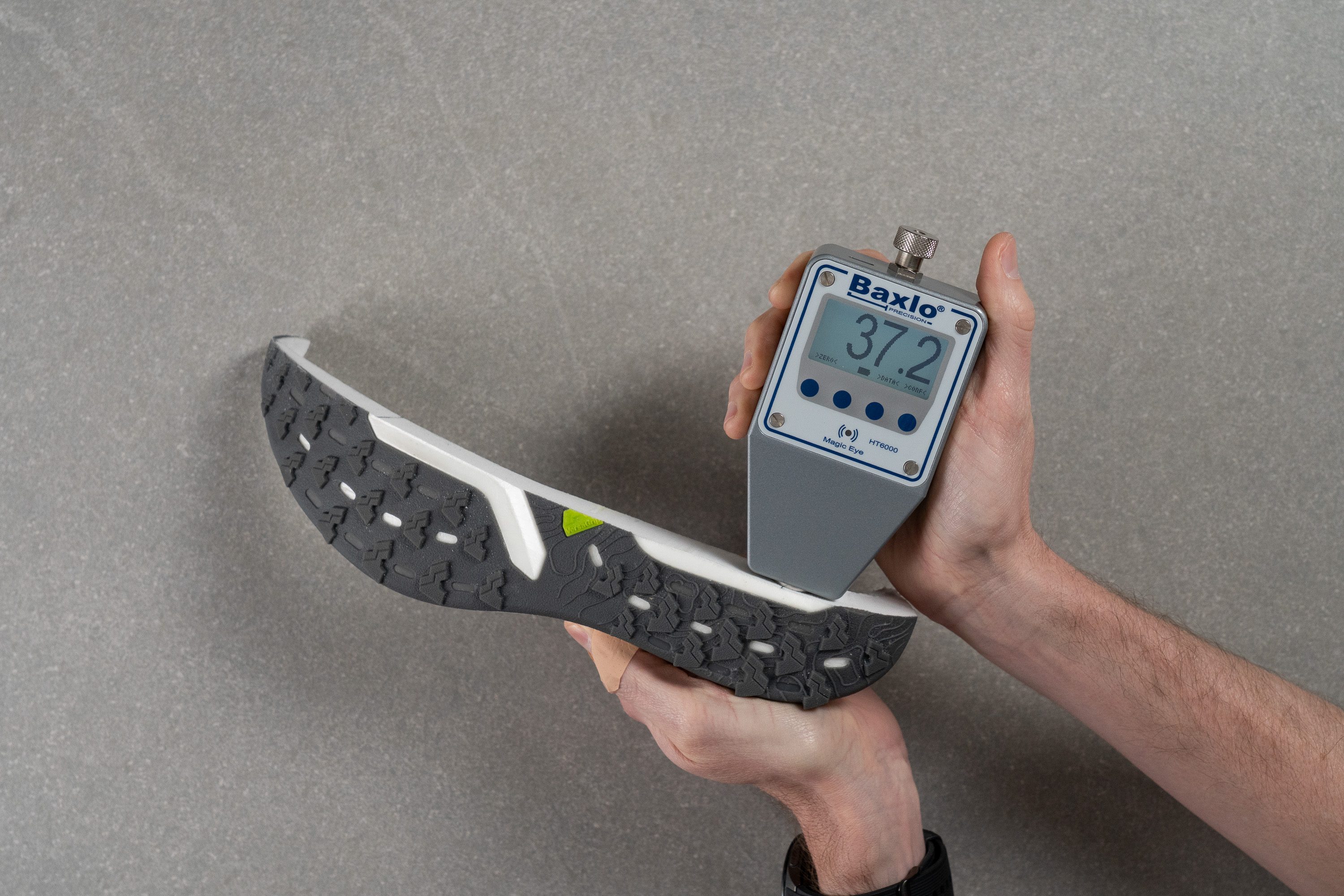
| H1 | 37.2 AC |
| Average | 38.1 AC |
Rocker
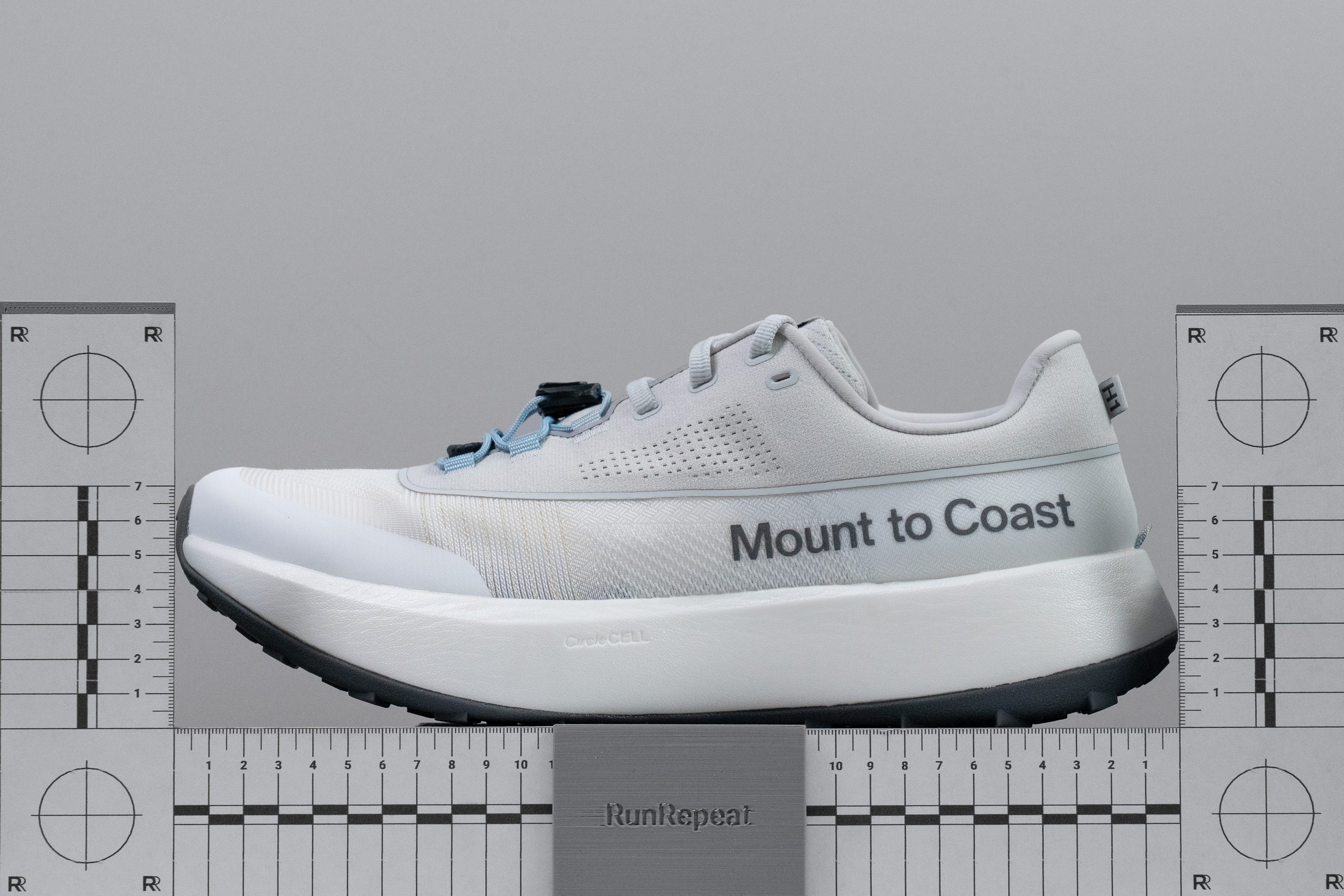
One element that sets the H1 apart from many other shoes is its rocker geometry. Mount to Coast implemented a pronounced toe spring that feels clearly noticeable underfoot, especially if you are used to more traditional, flatter designs.
The heel also curves upward slightly, and a moderate heel flare helps smooth out landings for rearfoot strikers.
Size and fit
Size
Mount to Coast H1 fits true to size (26 votes).
Internal length
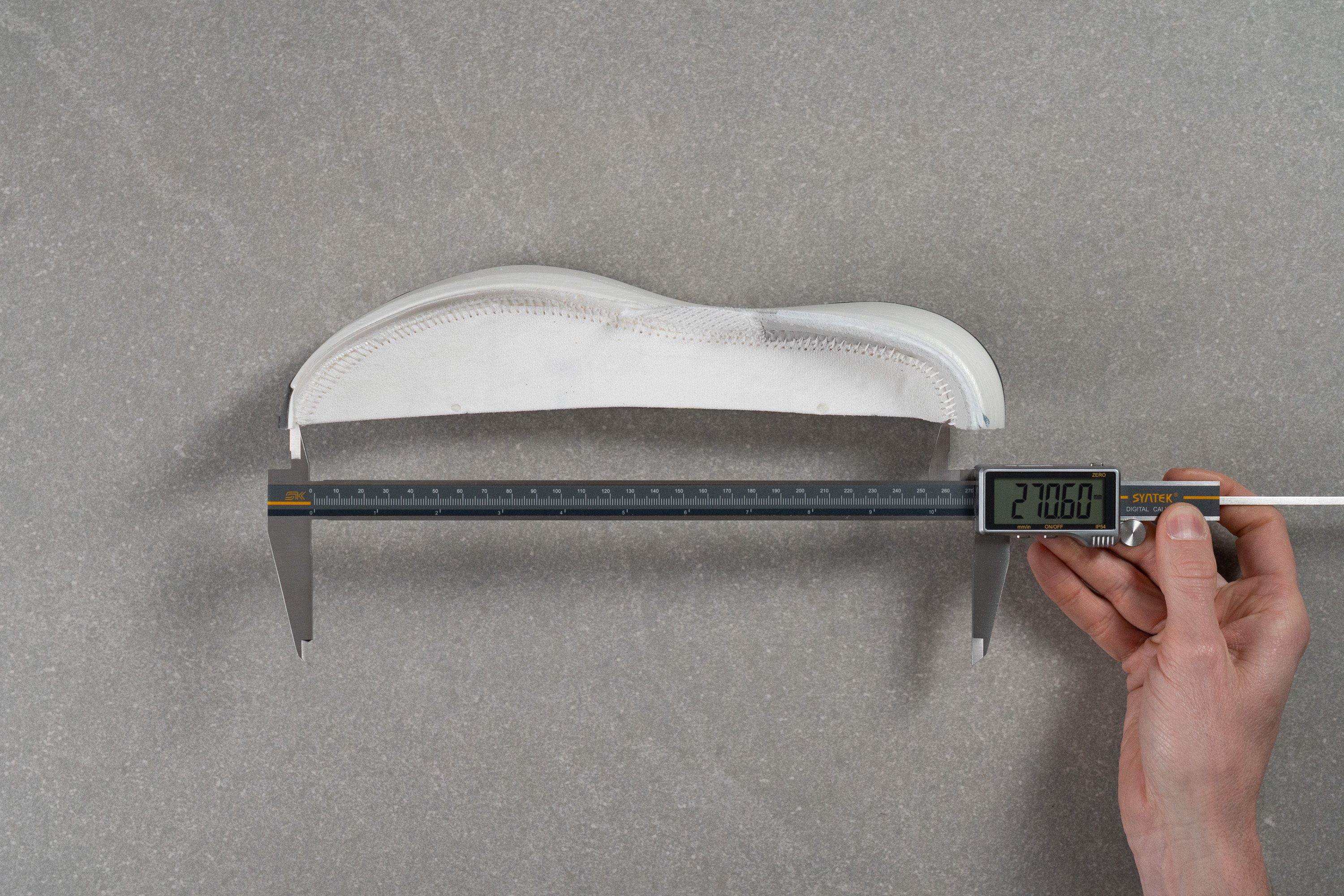
| H1 | 270.6 mm |
| Average | 269.2 mm |
Width / Fit
Running in the H1 feels comfortable, but we think it’s not the best option for runners with wide feet. That’s what we noticed during our runs, and our gel-based method for analysing fit confirmed the same result.
We started our measurements by checking the forefoot width, which came in at 95.7 mm. Once again, the result sits very close to the average reading.
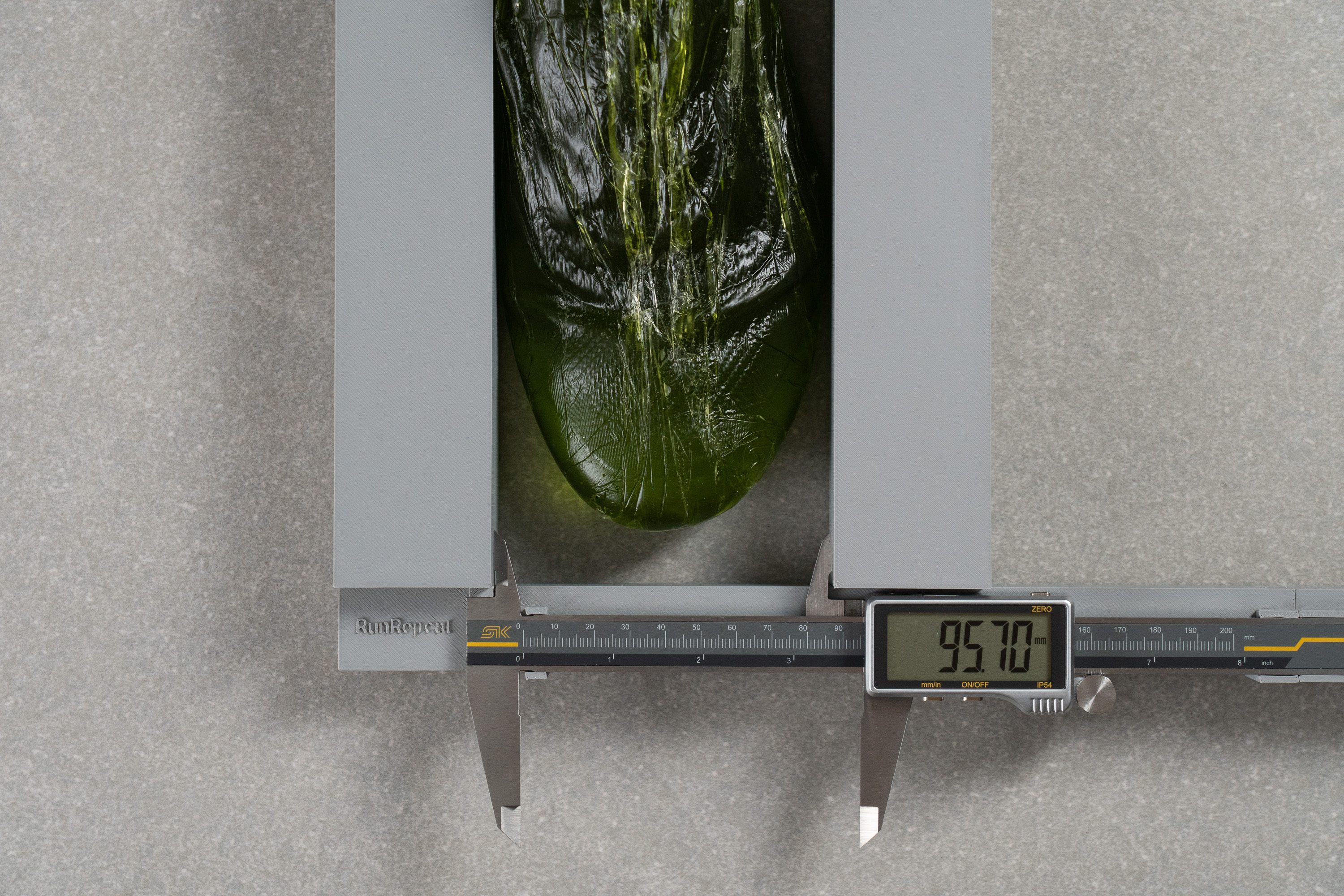
| H1 | 95.7 mm |
| Average | 95.7 mm |
Toebox width
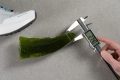
The second measurement told a different story, landing well below the average at 70.1 mm. That matches what we felt during our runs, as the space for toe splay is clearly on the limited side.
That’s not necessarily a downside. It simply reflects a fit that prioritises a secure feel while running and cornering, which many runners prefer. Remember that fit is highly personal, and what matters most is finding what works best for you.
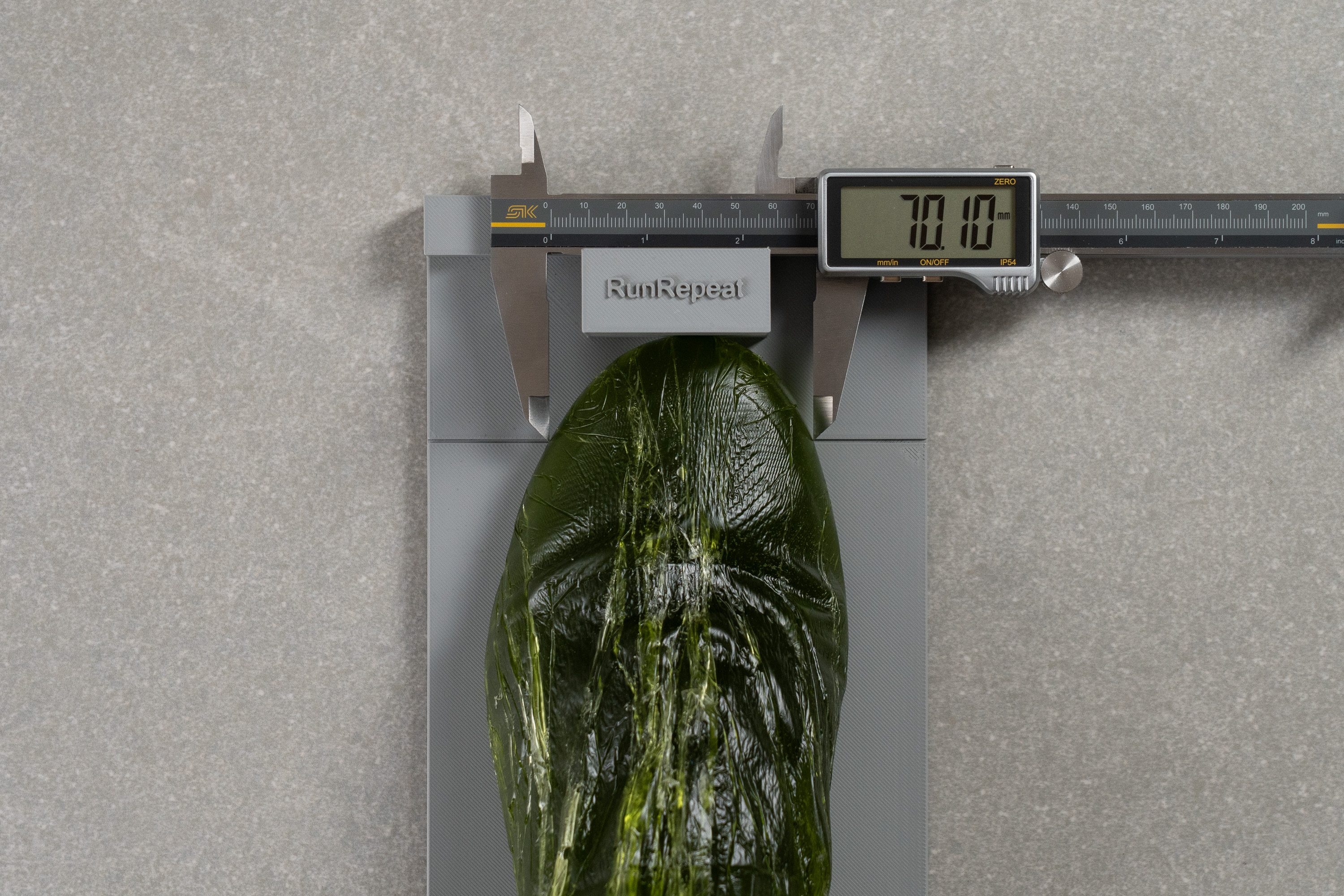
| H1 | 70.1 mm |
| Average | 74.3 mm |
Toebox height
We never experienced any risk of black toenails from the upper, as it does not apply noticeable pressure on the toes.
Back in the lab, we measured the toebox height at a very reasonable 27.4 mm.
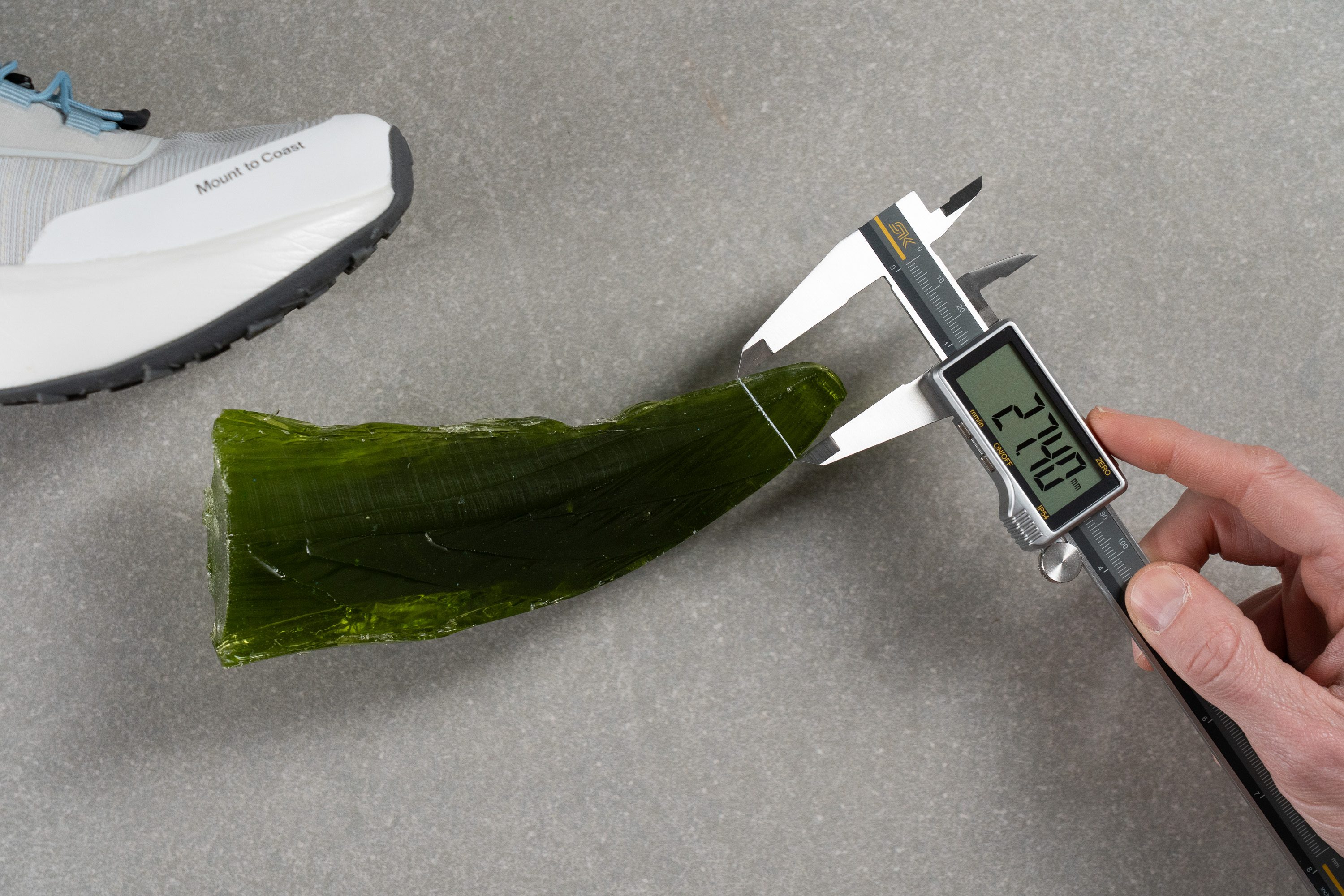
| H1 | 27.4 mm |
| Average | 27.0 mm |
Traction / Grip
Traction test
The Mount to Coast H1 brings VersaGrip rubber to the table, or in this case to our SATRA TM144 traction test, and we were eager to see how it would compare with other shoes.
After finishing the test, we recorded a score of 0.64, which left us satisfied and should provide reliable grip in both dry and wet conditions.
| H1 | 0.64 |
| Average | 0.68 |
Lug depth
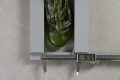
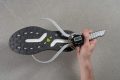
With lugs measuring just 1.9 mm, Mount to Coast makes the purpose of the H1 quite clear. It is built for versatility across surfaces like road, gravel, and light trails, but it is not designed for technical terrain.
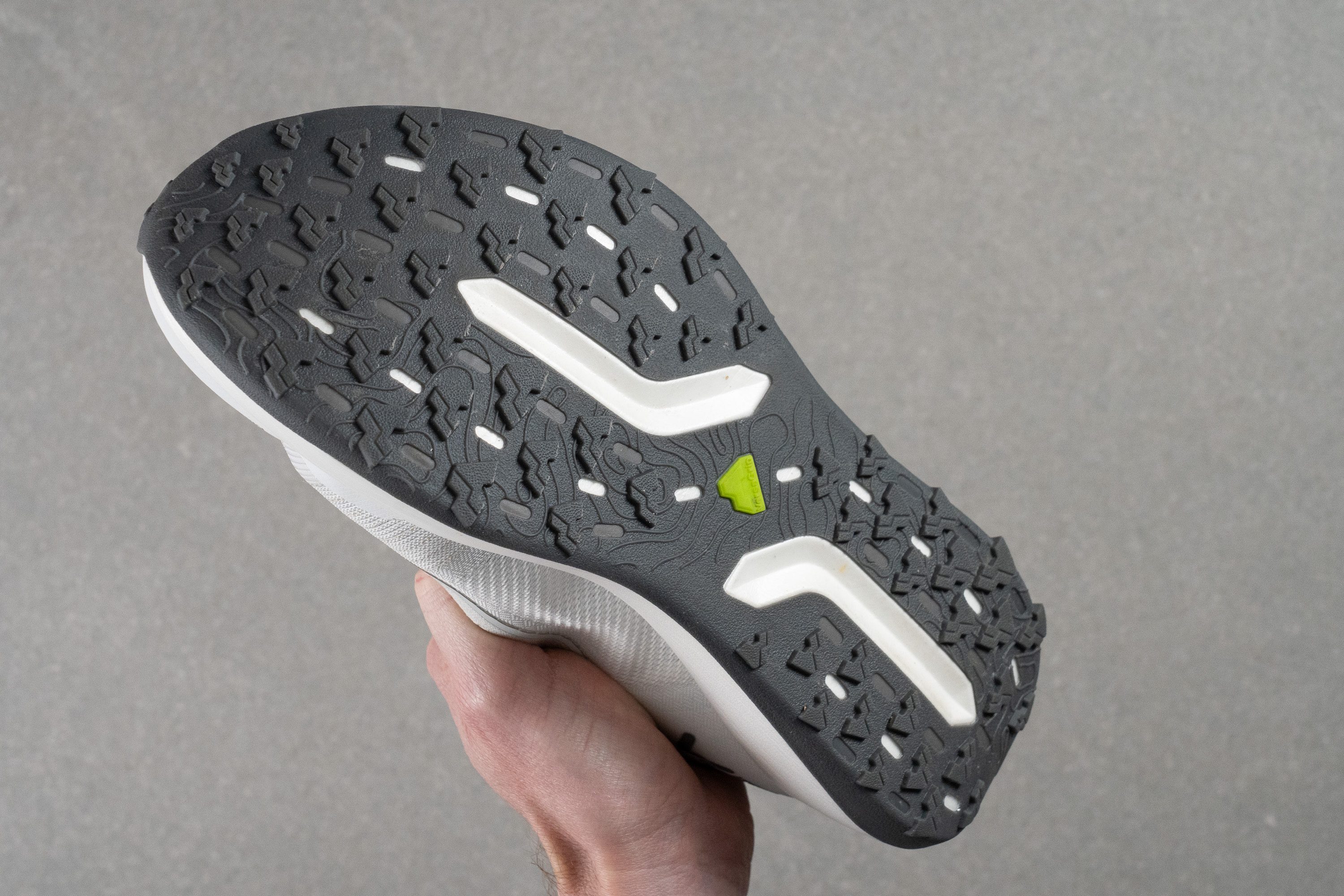
We would not take it into muddy or rocky sections with this outsole. However, if you stay within the type of terrain the shoe targets, the low-profile lugs work exactly as intended.
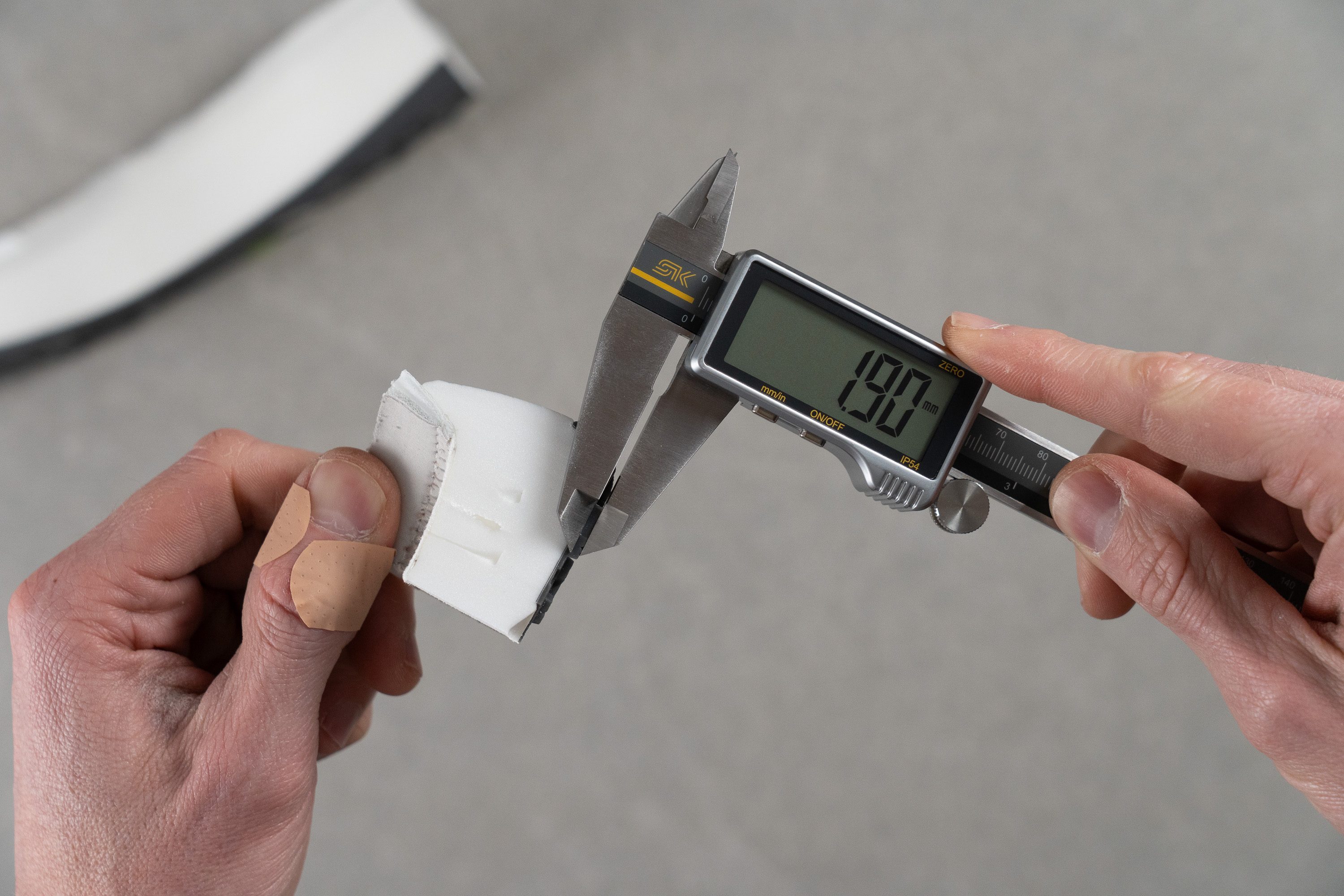
| H1 | 1.9 mm |
| Average | 3.5 mm |
Outsole design
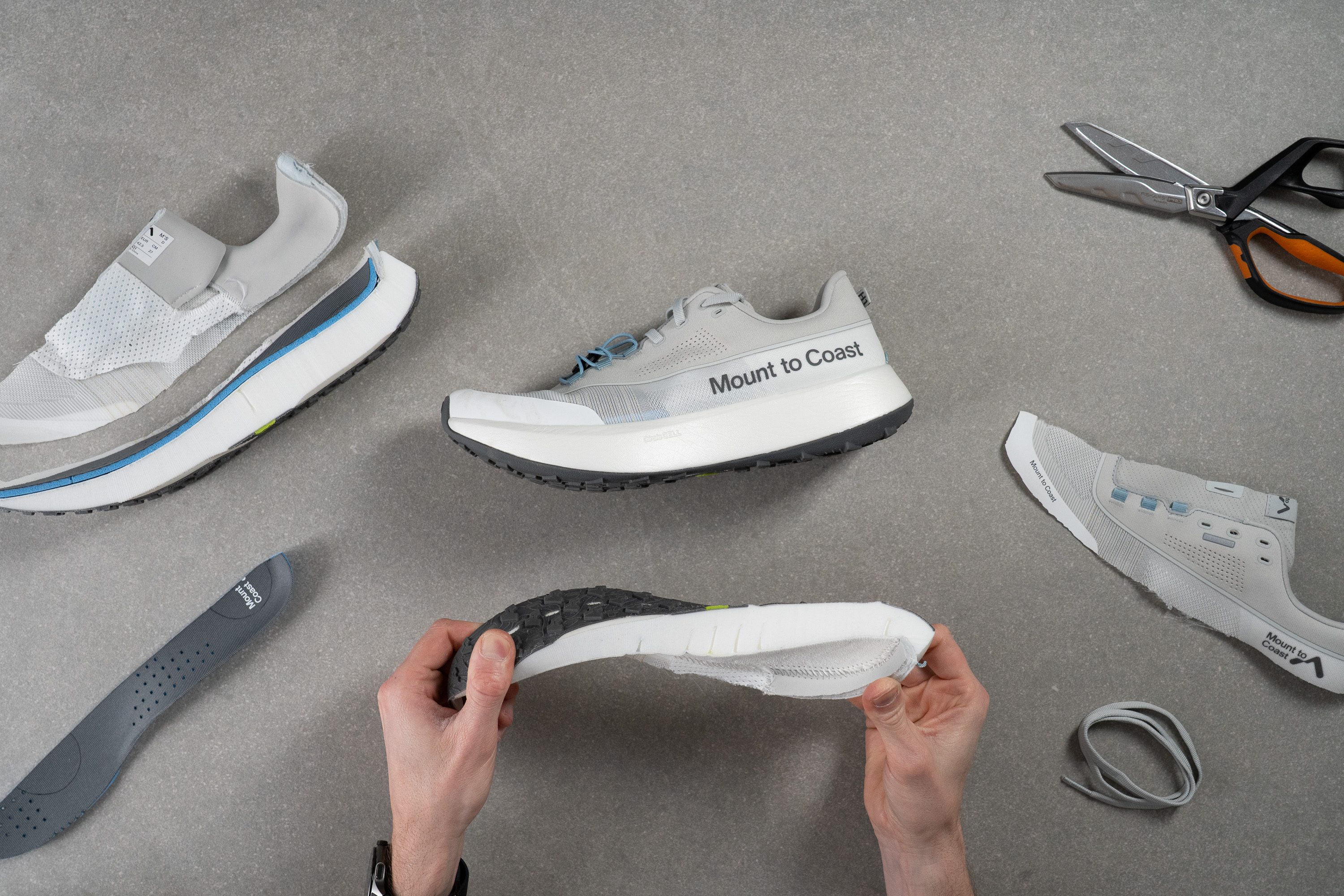
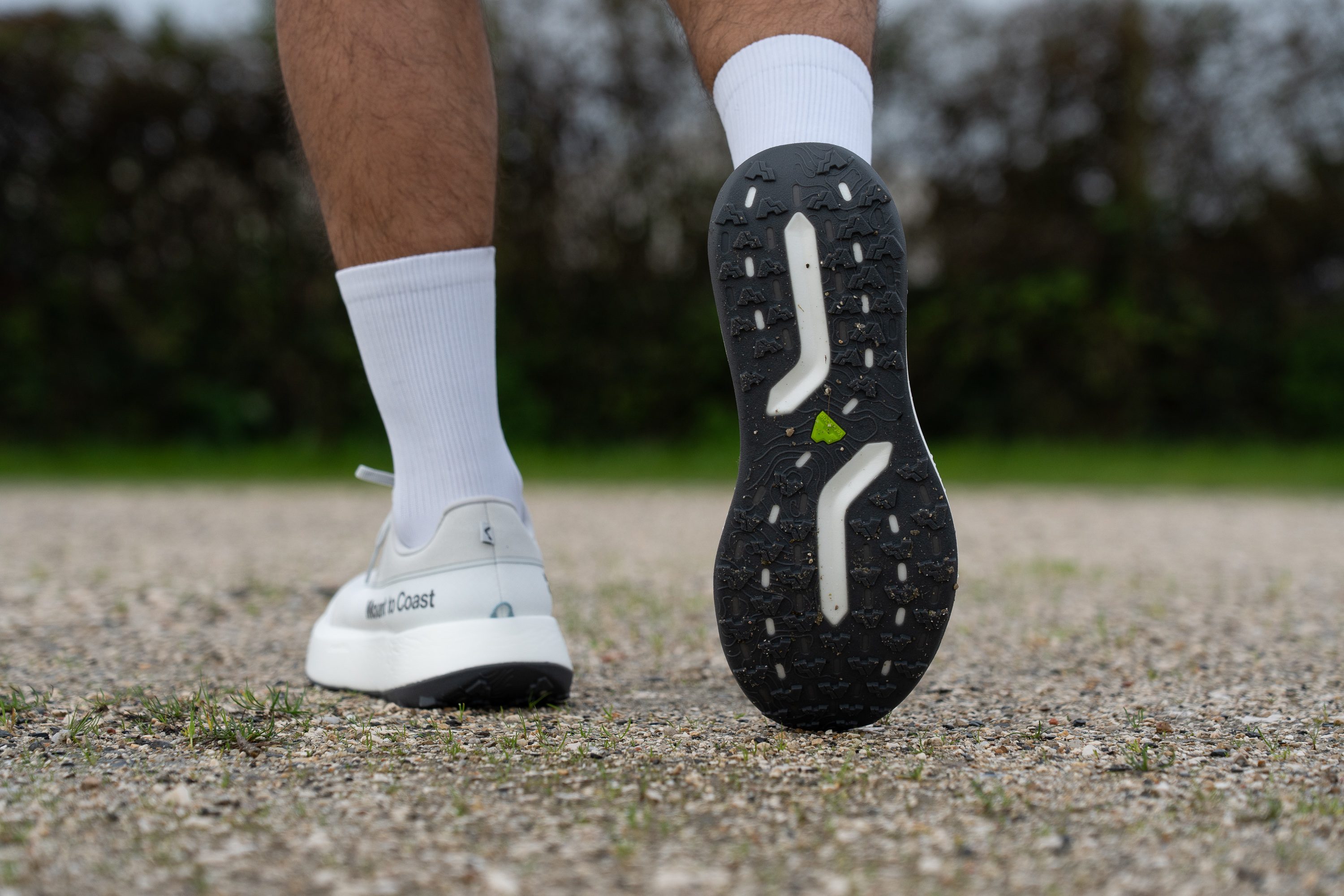
Cast polyurethane, or CPU, is a material that’s becoming more common in running shoes thanks to its excellent grip-to-weight ratio, and that’s exactly what we found in the H1.
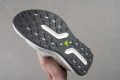
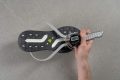
In terms of design, we were pleased to see generous rubber coverage across the outsole, which is expected for a proper gravel shoe. The only exposed foam appears in two directional cutouts that run from the forefoot and heel towards the midfoot, placed there to add flexibility since full-length rubber outsoles are known for being quite stiff.
Flexibility / Stiffness
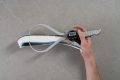
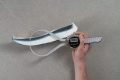
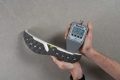
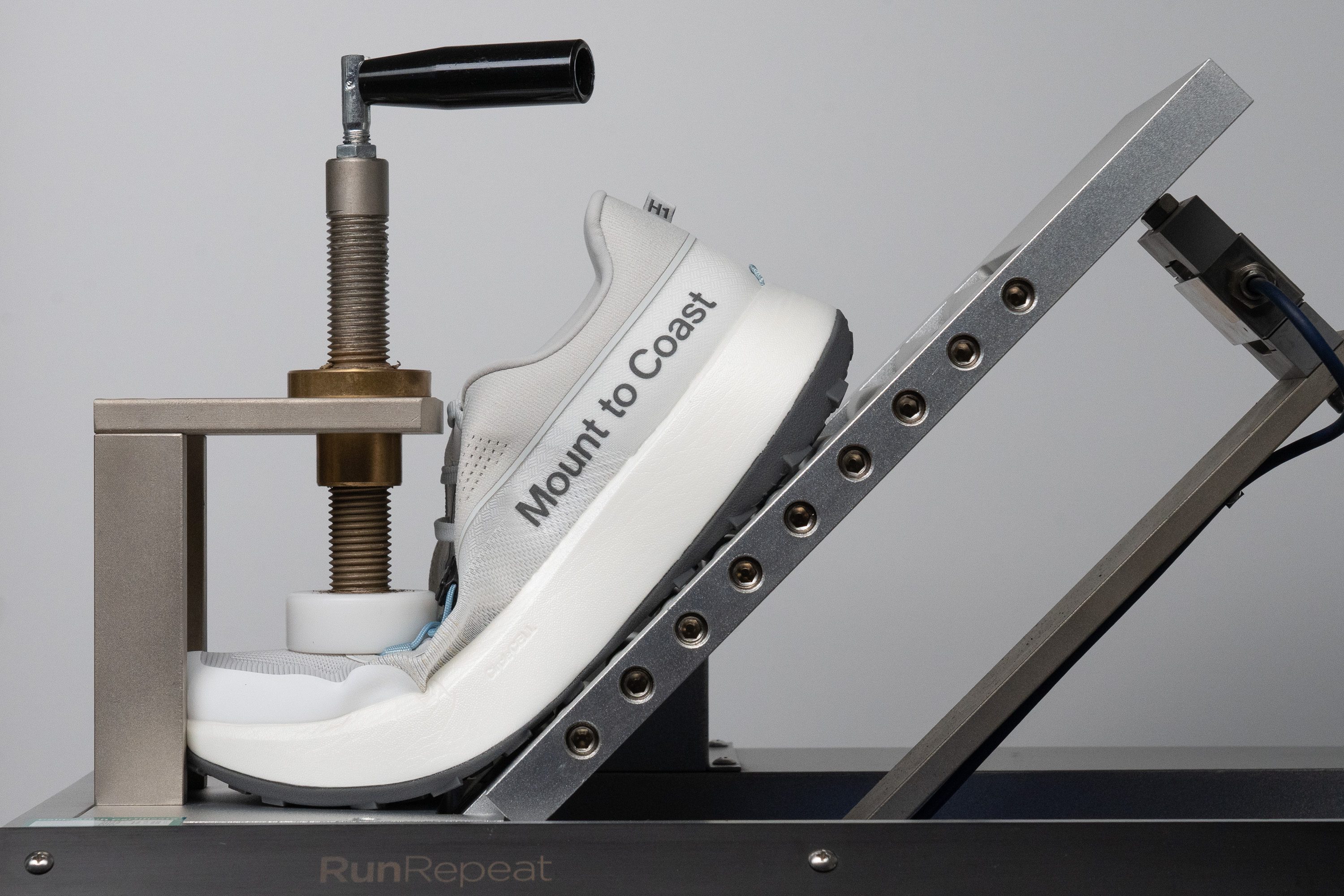
In our 30-degree bend test, the Mount to Coast H1 landed close to the average for trail shoes at 15.2N. This result was expected given its moderate stack height and the absence of any plate, and it helps reinforce the shoe’s versatile character.
| H1 | 15.2N |
| Average | 14.8N |
Weight
One of the main reasons to open the wallet and grab the H1 is its low weight. Here Mount to Coast clearly moves away from the average and delivers a lightweight running experience that feels fantastic. We measured only 8.8 oz or 249g.
But how did they achieve it? It comes down to two key elements we already covered: a supercritical foam that cuts weight compared to classic EVA, and the CPU outsole, which also weighs much less than standard rubber.
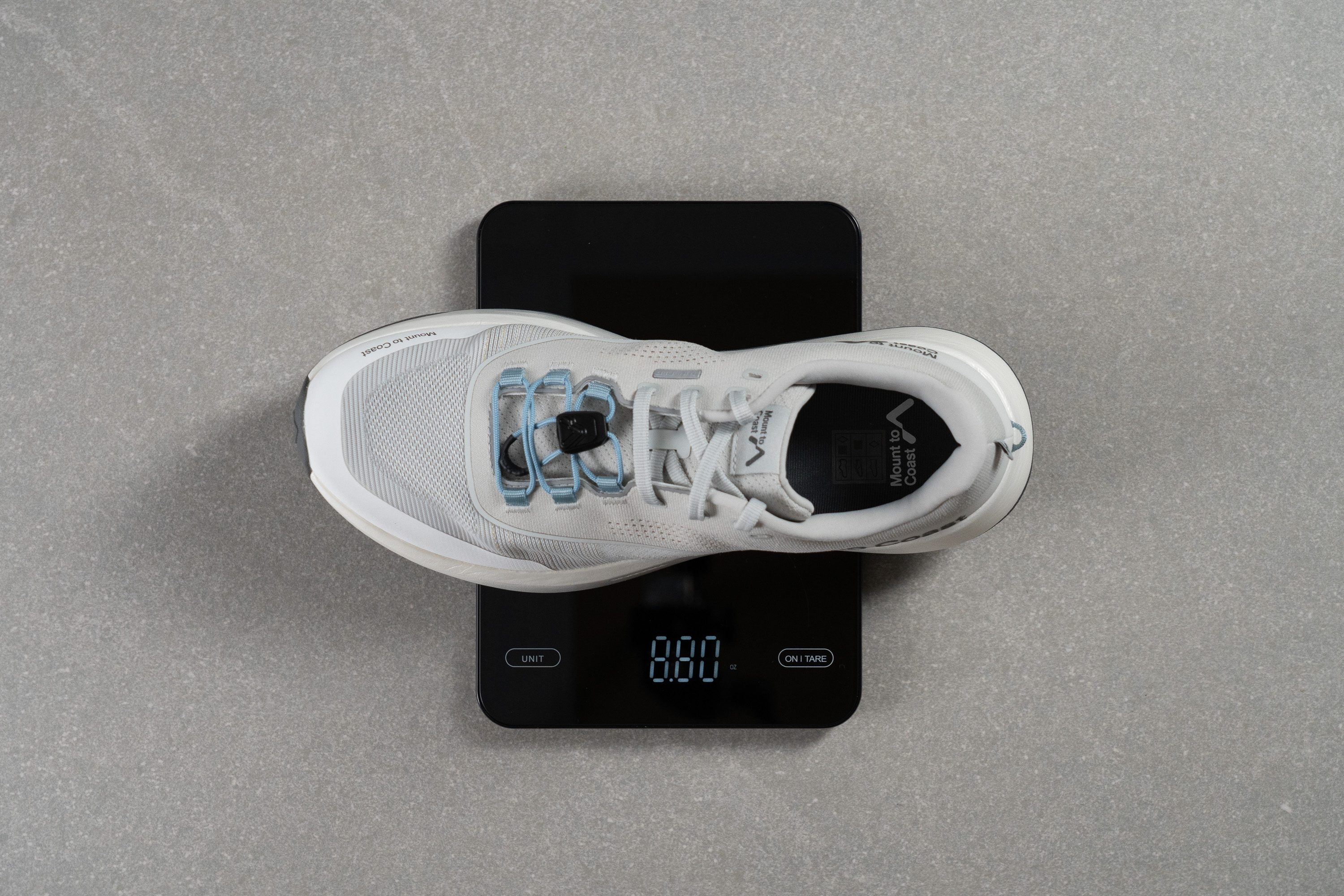
| H1 | 8.8 oz (249g) |
| Average | 10.1 oz (285g) |
Breathability
Breathability test
One thing we truly respect about Mount to Coast is that they didn’t just stick to what usually works in the running shoe industry. Instead, they're trying new stuff.
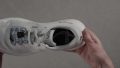
The upper follows that approach, featuring a jacquard mesh reinforced with Kevlar yarns placed only in targeted areas where extra durability or structure is needed. But the key question is whether it breathes well, and in our testing, the answer was a strong 4/5 score.
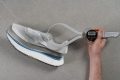
Sometimes a simple test like moving the upper over a bright light can reveal a lot. That’s exactly what happened with the H1, as it helped us clearly see the internal structure of this innovative upper.

Looking at the material under the microscope was equally interesting.
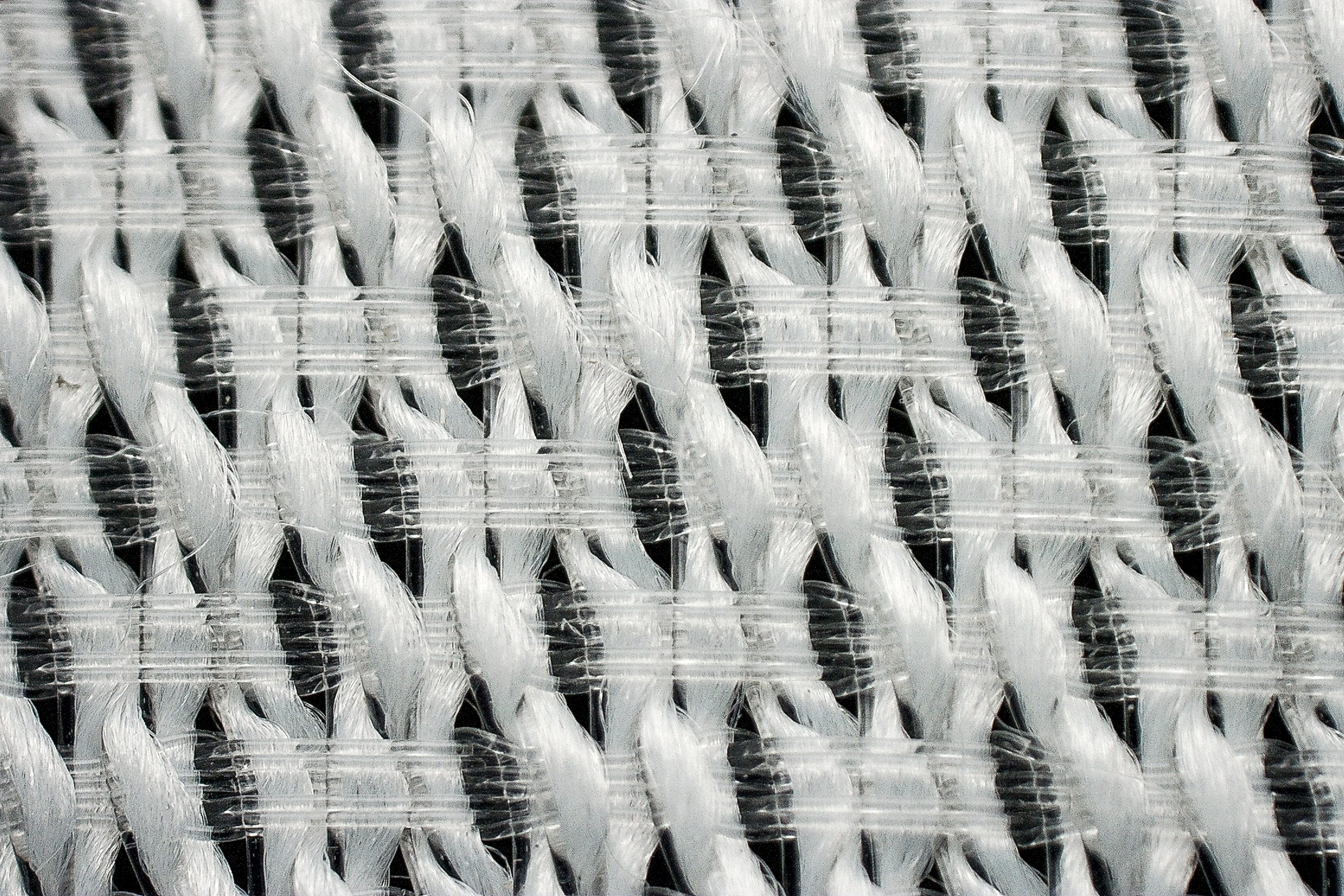
Mount to Coast clearly invested effort here, and the result feels better built than many shoes priced well above this one.
We also appreciated the consistent padding around the heel area. The tongue uses a perforated fabric as well, which supports airflow and adds to the overall comfort of the upper.
| H1 | 4 |
| Average | 3.3 |
Stability
Lateral stability test
We believe the H1 works best for neutral runners or possibly those who need only very mild support. For runners with a neutral stride, the ride feels controlled and stable most of the time, which is where the many near-average midsole results we measured before make sense.
Torsional rigidity
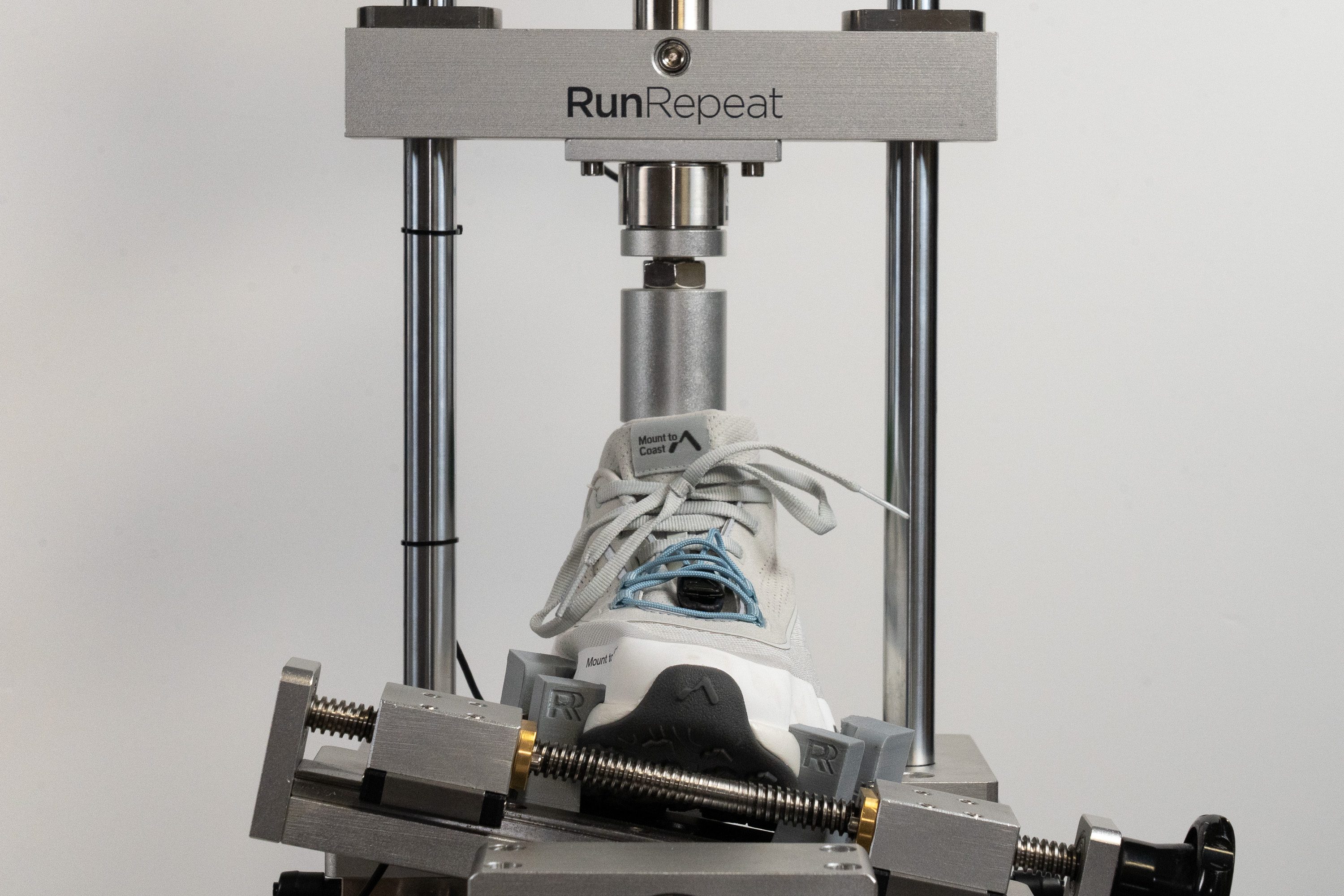
The Mount to Coast H1 scored 13.9 Nm in torsional rigidity. During our evaluation, we noticed that the shoe resists twisting only moderately.
It’s clear to us that the two strategic cutouts in the outsole play a major role in preserving enough flexibility to keep the ride comfortable and natural, and that Mount to Coast intentionally pursued this outcome.
| H1 | 13.9 Nm |
| Average | 15.7 Nm |
Heel counter stiffness
The Mount to Coast H1 also earned a 4/5 score in heel counter stiffness. In our testing, the heel structure felt supportive but never uncomfortable, as the padding around the collar maintains a plush feel and avoids creating pressure around the heel.
| H1 | 4 |
| Average | 2.9 |
Midsole width - forefoot
The solid stability we mentioned earlier also comes from the size of the midsole, as the net base is slightly wider than usual. In the forefoot, we measured 117.4 mm.
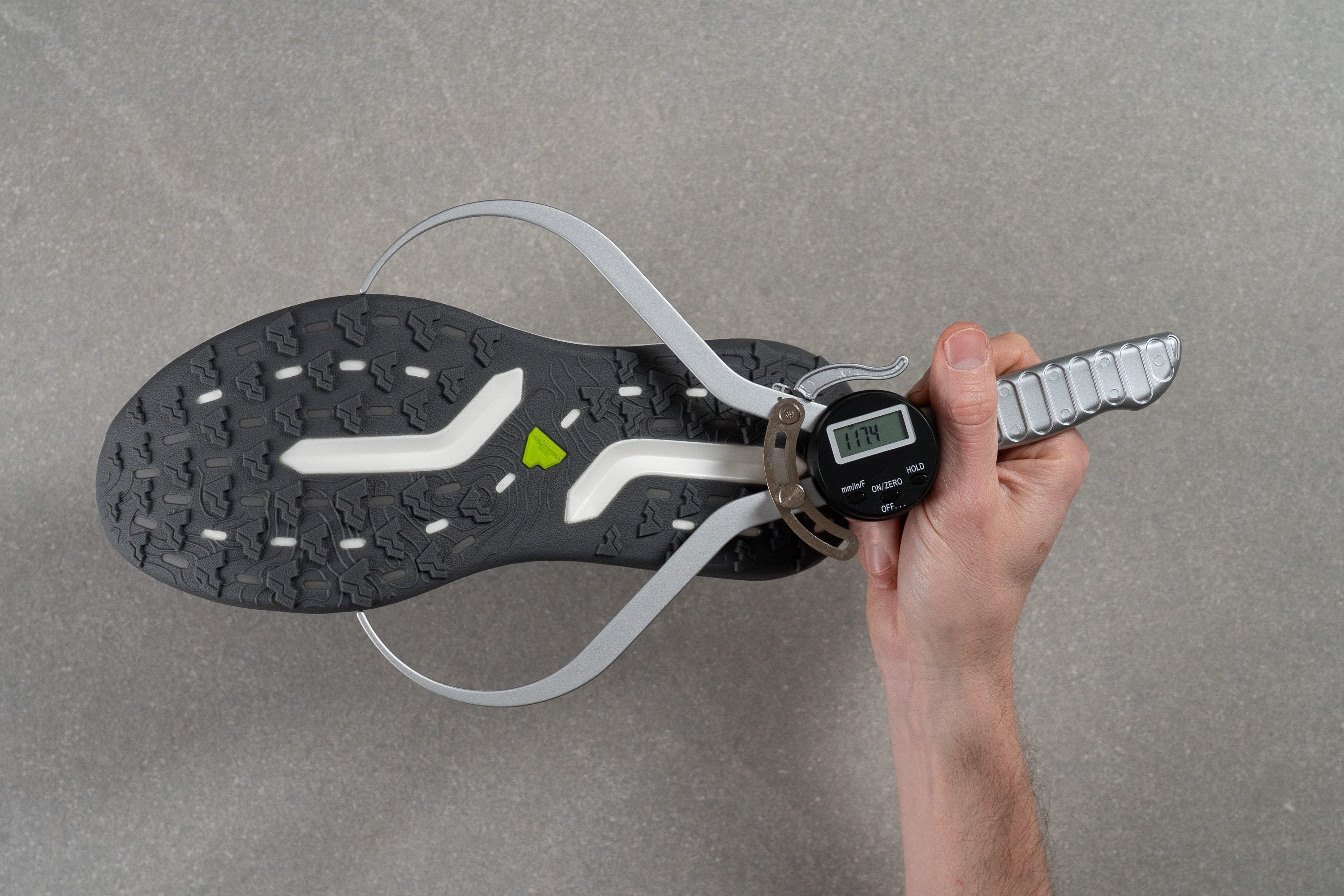
| H1 | 117.4 mm |
| Average | 114.3 mm |
Midsole width - heel
In the heel, we measured a width of 93.2 mm, which is again slightly wider than many trail shoes. This broader base helps improve rearfoot stability for heel strikers and creates a more planted landing during runs.
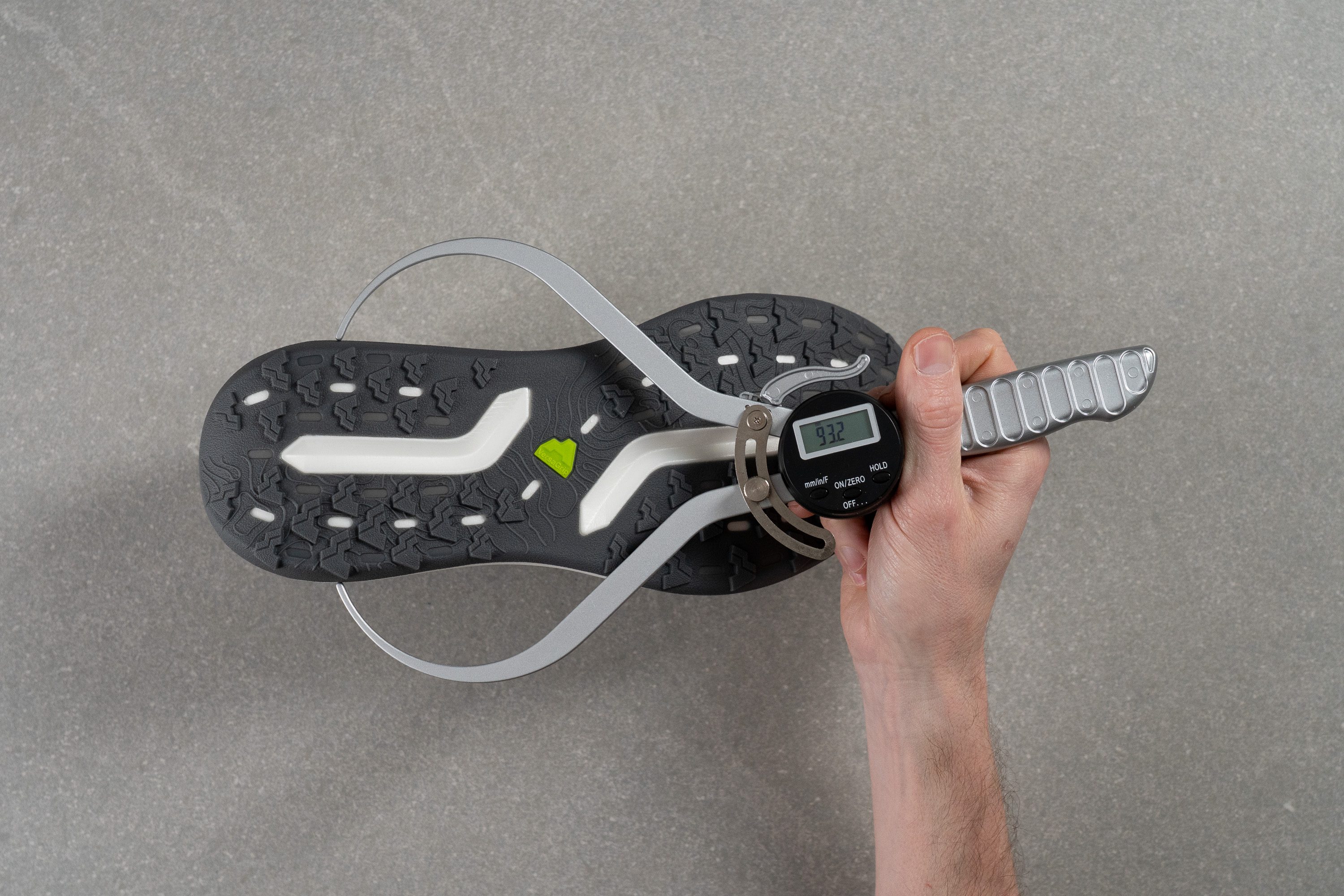
| H1 | 93.2 mm |
| Average | 90.5 mm |
Durability
Toebox durability
When we discovered that the upper included Kevlar yarns, we were excited to run this test, but it scored only 2/5. That makes sense, as the Kevlar reinforcement is placed on the sides rather than in the toebox area.
| H1 | 2 |
| Average | 3.1 |
Heel padding durability
To compensate, the heel padding durability delivered a perfect 5/5 result. The material feels thick and well protected, showing excellent resistance to abrasion during our Dremel test. It’s a strong outcome that suggests this area should hold up very well over time even for those used to wear holes here.
| H1 | 5 |
| Average | 3.1 |
Outsole durability
In our third Dremel test, the outsole wore down a bit faster than we expected. We were a bit surprised because CPU outsoles usually perform well here, but this time we measured 1.4 mm of wear.
That could be a concern for runners seeking maximum durability, although for most runners we still expect a solid lifespan.
| H1 | 1.4 mm |
| Average | 0.9 mm |
Outsole thickness
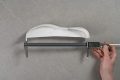
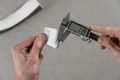
The outsole measures just 1.2 mm in thickness excluding the lugs. The advantage is lower weight and a more connected ride, but it’s not the best setup if maximum durability is your top priority.
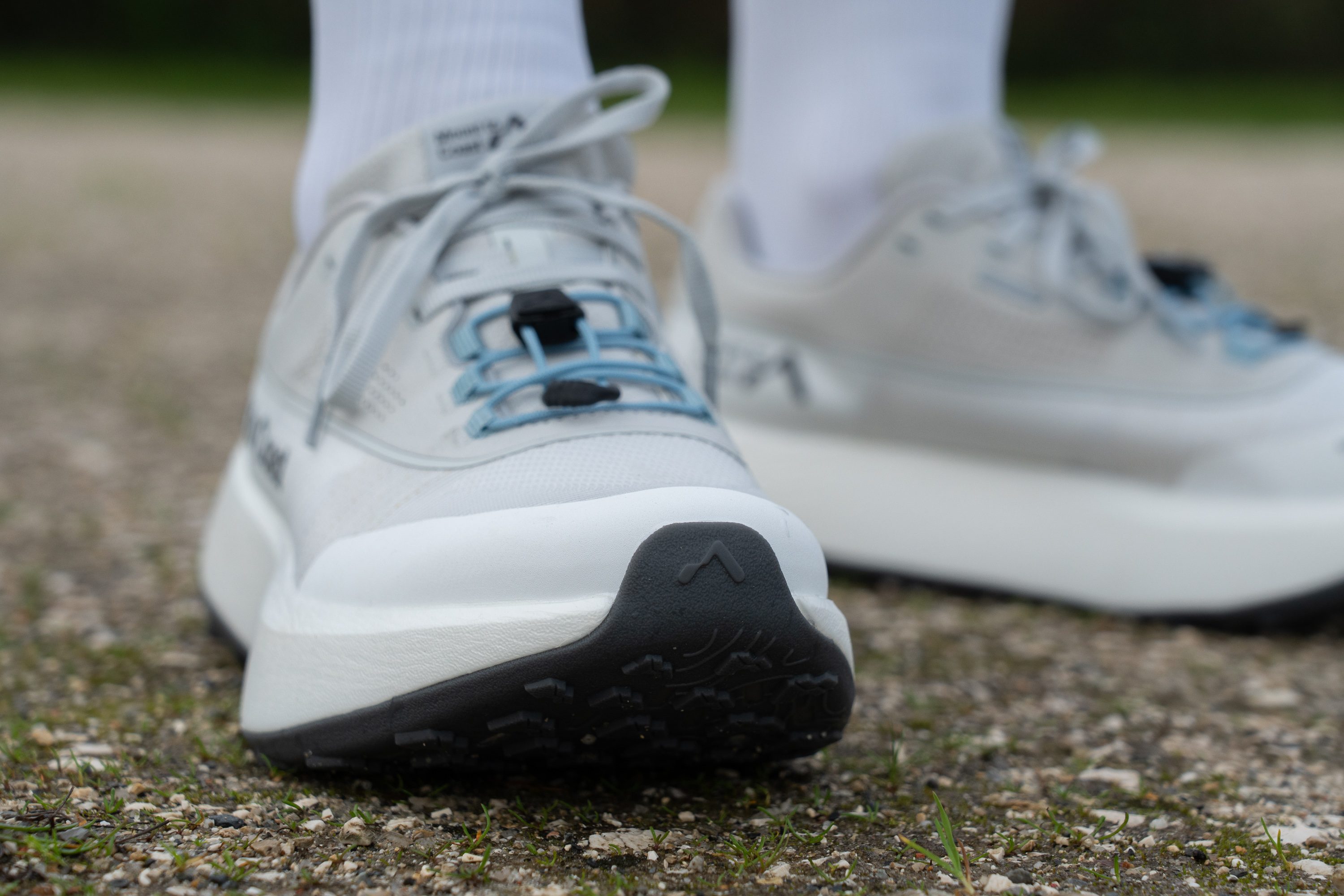
It may also raise some concerns about protection, yet since this is mainly a road-to-trail shoe, we don’t see it as a major issue and actually prefer the smoother feel when running on pavement.
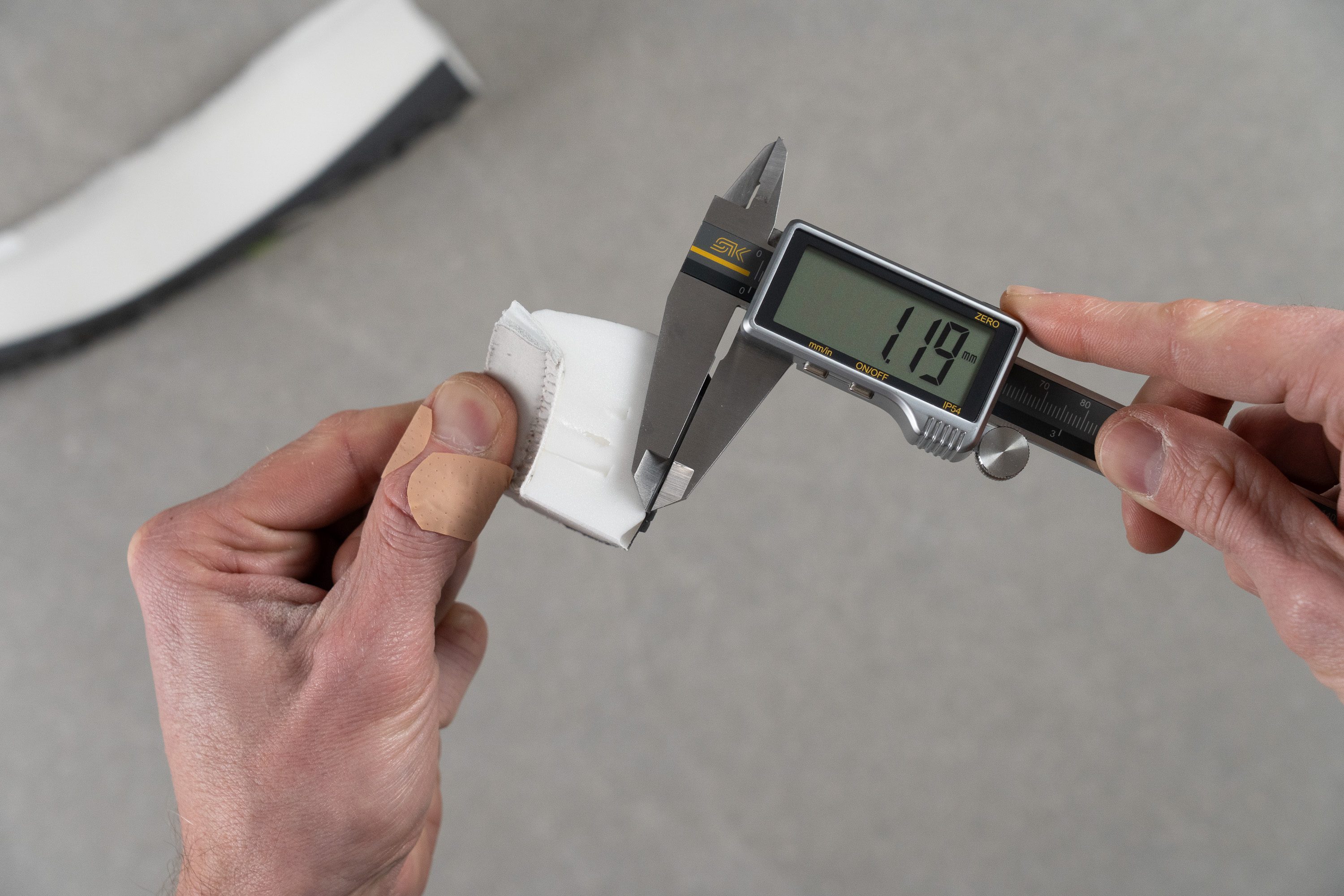
| H1 | 1.2 mm |
| Average | 1.9 mm |
Misc
Insole thickness
The insole adds 3.4 mm of cushioning on top of the CircleCELL midsole.
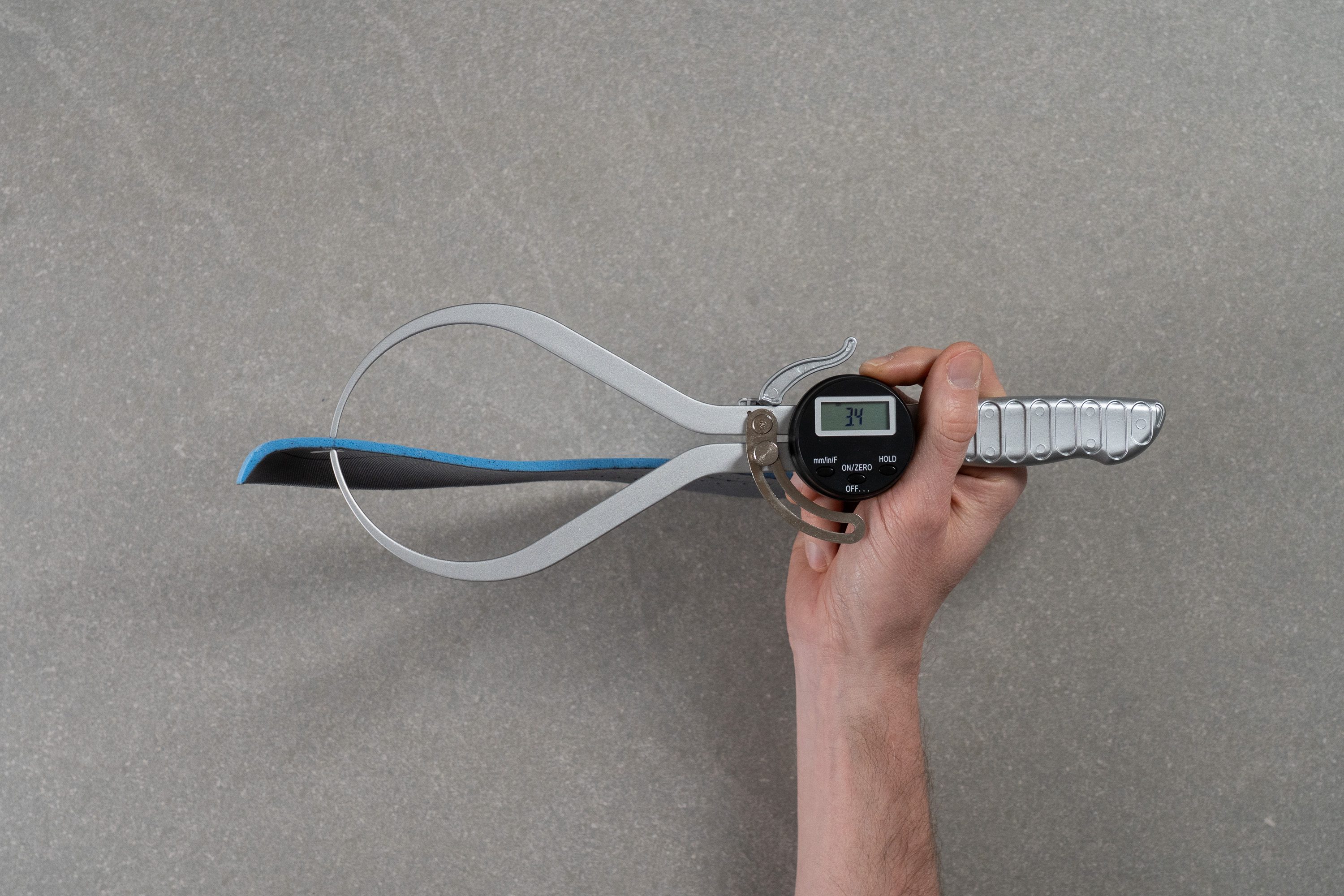
| H1 | 3.4 mm |
| Average | 4.6 mm |
Removable insole
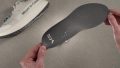
Another premium detail of the Mount to Coast H1 is the removable perforated insole. It would have been easier to include a basic one like many brands do, but we appreciated that they didn’t cut corners here.
| H1 | Yes |
Reflective elements
Mount to Coast’s designers clearly put a lot of effort into the H1, as it features many impressive small details. The reflective elements we spotted along the eyelet chain are just another example.
| H1 | Yes |
Tongue padding
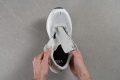
Another bold design choice in the Mount to Coast H1 appears here. The unique TUNEDFIT dual-lacing system allows runners to apply different tension across the instep. It takes some time to get used to, but it clearly enables more precise fit customization.
The tongue is also well balanced in terms of padding with 6.9 mm. It’s not overly thick, yet it provides enough cushioning to handle even ultra distances without causing lace bite.
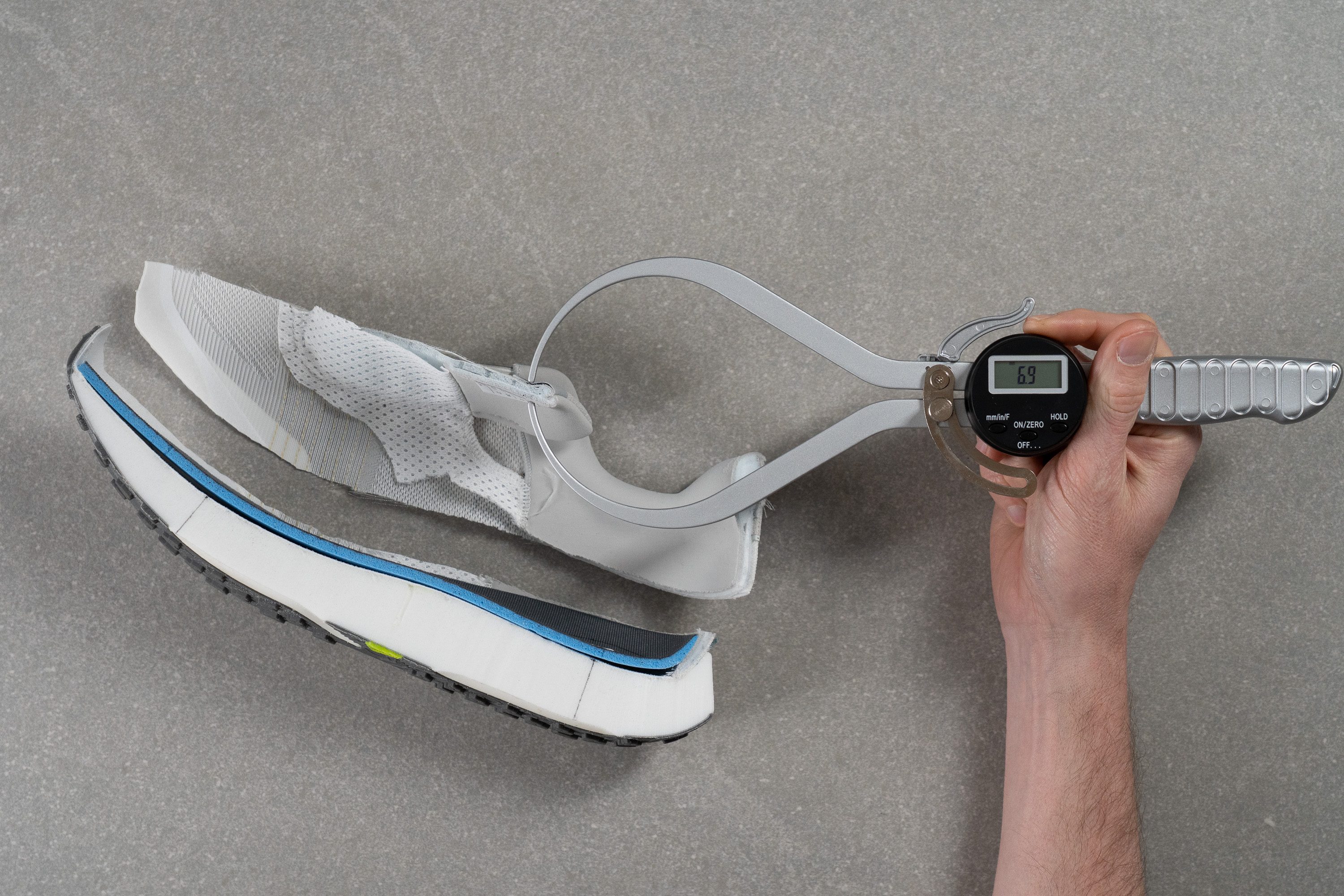
| H1 | 6.9 mm |
| Average | 6.4 mm |
Tongue: gusset type
One detail that shows the H1 leans more toward a gravel shoe than a true trail model is the semi-gusseted tongue. It behaves more like what we usually see in road shoes than in trail designs, which makes sense given the mixed terrain the shoe targets.
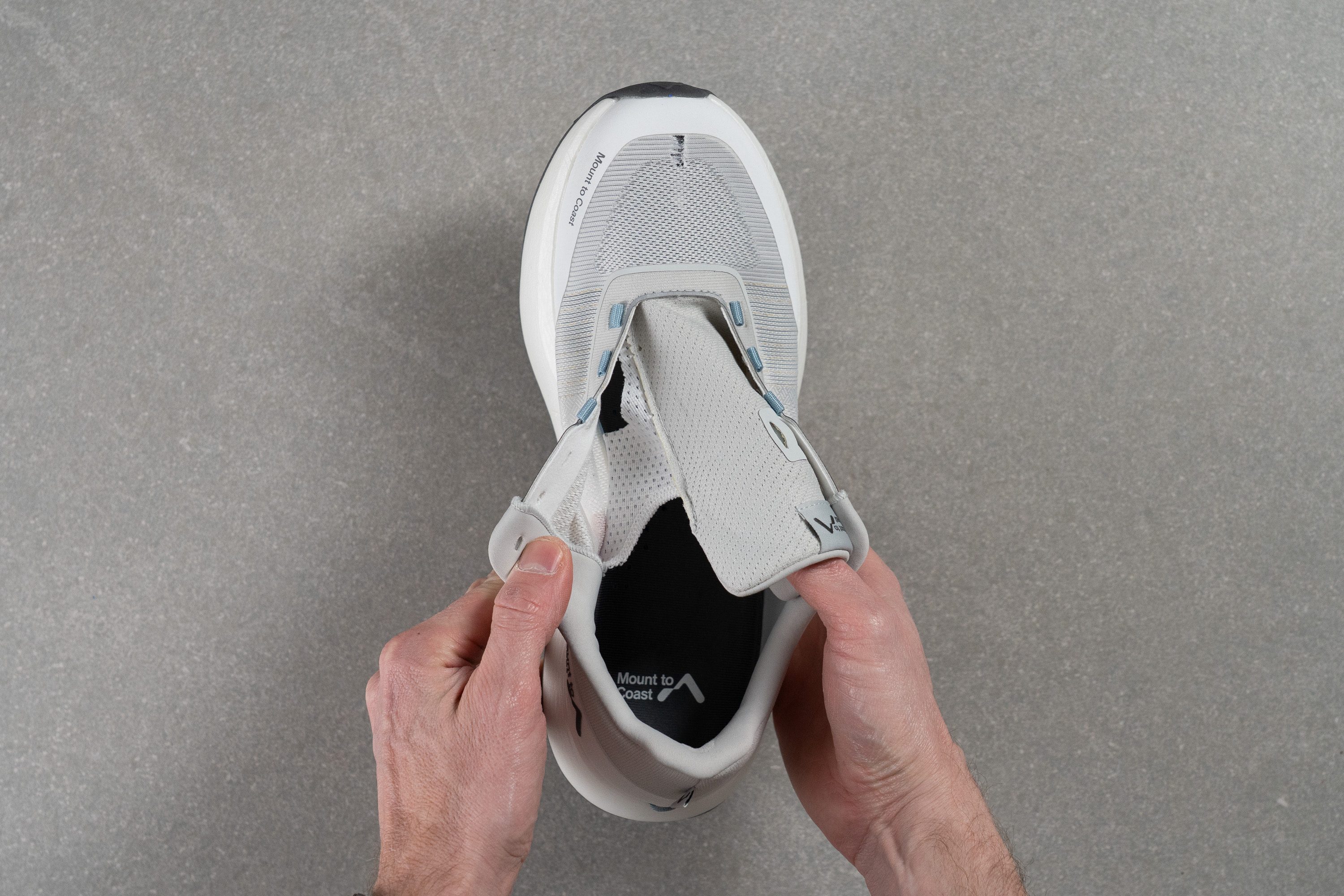
| H1 | Both sides (semi) |
Heel tab
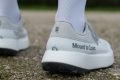
Many trail shoes include a finger-loop pull tab, but the H1 skips it. Even so, the heel design looks very clean and well executed, and the integrated attachment point for gaiters is a nice extra.
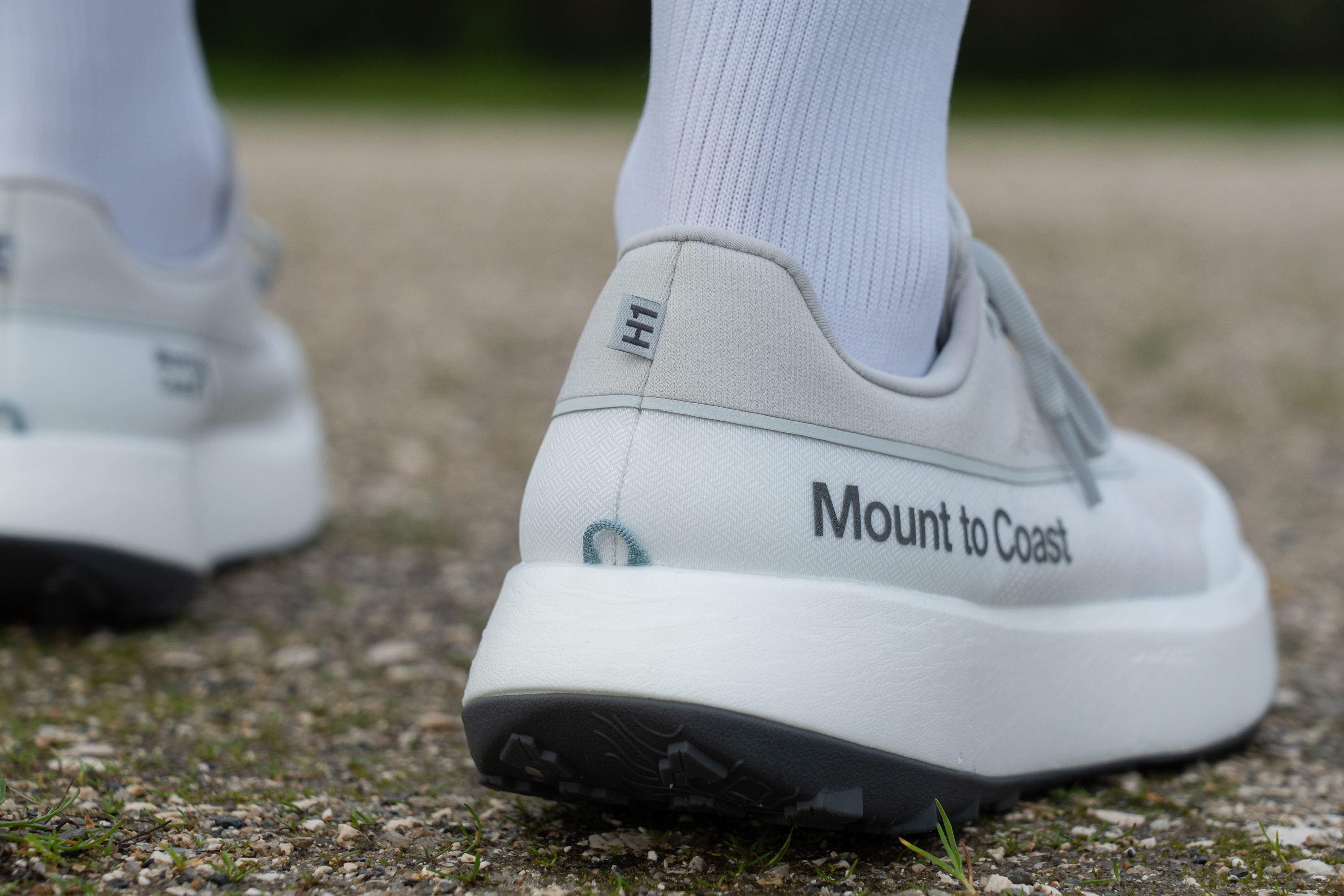
| H1 | None |
Price
The Mount to Coast H1 is not a cheap running shoe, that’s clear. However, we think the price feels fair considering its features and overall performance, and the value is definitely there.
The upper feels premium, the midsole delivers an interesting amount of bounce, and the outsole provides the versatility expected from this type of shoe, so we have no real complaints here!
| H1 | $160 |