
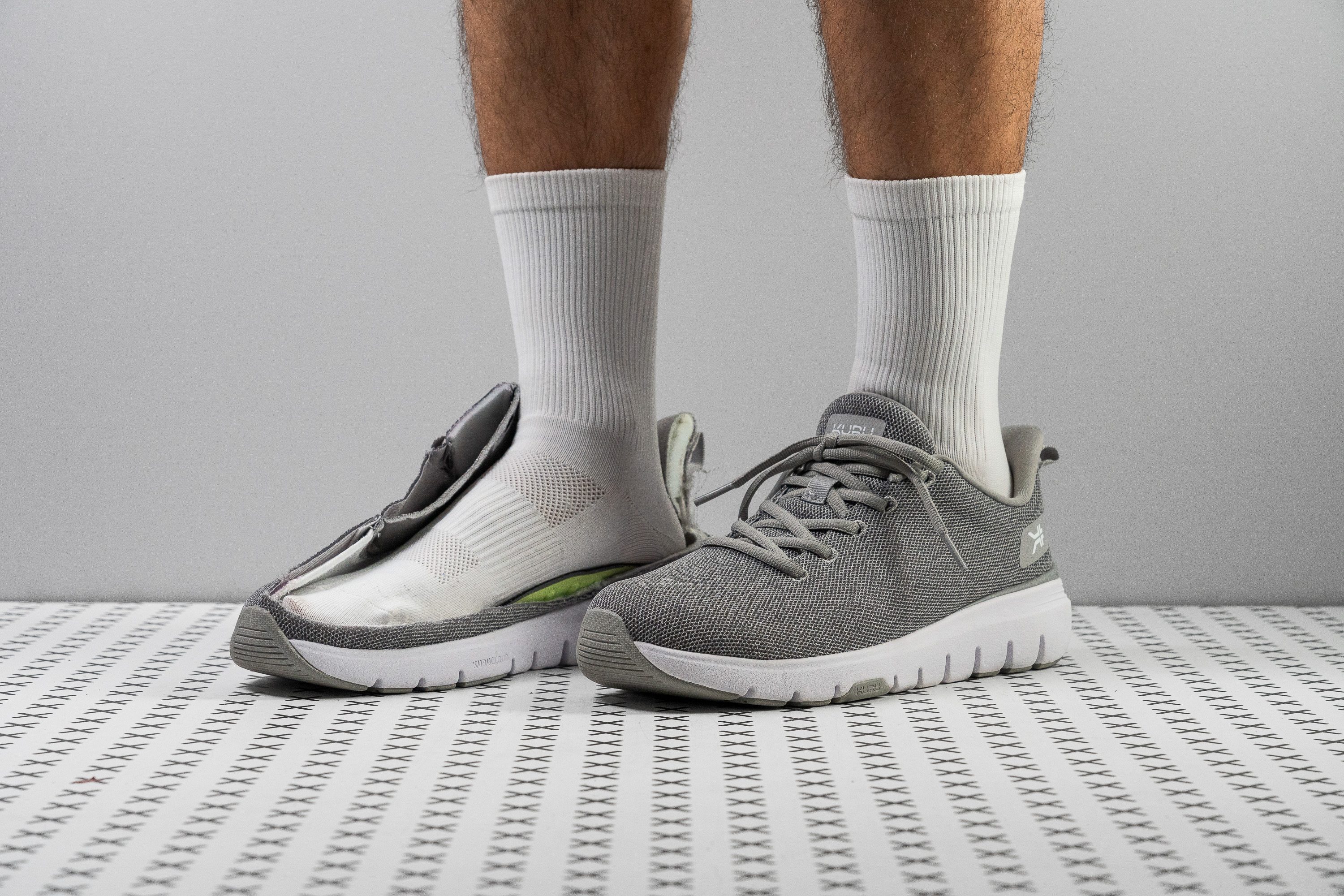

Our verdict
- All-day wear 76
- Travel 75
- Stability 88
Pros
- Excellent support and stability
- Great for long hours of standing
- Incredible outsole traction
- Exceptionally flexible
- Wide width available
- Solid durability
- Decent upper breathability
Cons
- Not as much shock absorption as expected
- Heavier than average
- Sole feels firm and dull
Comparison
The most similar walking shoes compared
+ + Add a shoe | |||||
|---|---|---|---|---|---|
| Our score | 78 Good | 80 Good | 93 Superb | 92 Superb | |
| Price | £120 | £140 | £130 | £100 | |
| Arch support | - | - | Neutral | Neutral | |
| Shock absorption | Low | Moderate | High | High | |
| Energy return heel | Moderate | Moderate | High | High | |
| Traction | High | High | High | Moderate | |
| Condition | - | - | Heavy person | - | |
| Orthotic friendly | ✓ | ✓ | ✓ | ✓ | |
| Weight lab Weight brand | 11.4 oz / 323g | 9.7 oz / 274g 9.4 oz / 267g | 10.5 oz / 298g | 10.8 oz / 306g 10.8 oz / 305g | |
| Lightweight | ✗ | ✓ | ✓ | ✗ | |
| Breathability | Moderate | Breathable | Warm | Moderate | |
| Use | - | TravelFitnessTreadmill | For standing all dayCityDisneyEurope | CityDisneyEurope | |
| Size | - | True to size | True to size | Slightly small | |
| Midsole softness | Balanced | Firm | Balanced | Balanced | |
| Difference in midsole softness in cold | Small | Normal | Small | Small | |
| Insole thickness | Average | Very thin | Average | Thin | |
| Removable insole | ✓ | ✓ | ✓ | ✓ | |
| Stiffness | Flexible | Moderate | Moderate | Moderate | |
| Torsional rigidity | Flexible | Moderate | Stiff | Stiff | |
| Heel counter stiffness | Stiff | Flexible | Stiff | Flexible | |
| Heel tab | Finger loop | None | Finger loop | None | |
| Drop lab | 12.0 mm | 8.8 mm | 11.2 mm | 9.3 mm | |
| Heel stack lab | 32.5 mm | 28.3 mm | 38.0 mm | 34.9 mm | |
| Forefoot | 20.5 mm | 19.5 mm | 26.8 mm | 25.6 mm | |
| Width / fit | Narrow | Medium | Medium | Narrow | |
| Toebox width | Narrow | Medium | Medium | Medium | |
| Closure | - | Slip-onLaces | - | Laces | |
| Toebox durability | Decent | Decent | Good | Good | |
| Heel padding durability | Good | Decent | Decent | Decent | |
| Outsole durability | Decent | Good | Decent | Decent | |
| Midsole width - forefoot | Average | Average | Average | Average | |
| Midsole width - heel | Average | Average | Average | Wide | |
| Outsole hardness | - | - | - | Very hard | |
| Outsole thickness | Average | Average | Thick | Average | |
| Tongue padding | Average | Average | Thick | Thick | |
| Tongue: gusset type | Both sides (full) | Bootie | Both sides (full) | Bootie | |
| Material | - | - | - | Mesh | |
| Ranking | #29 Bottom 25% | #24 Bottom 38% | #2 Top 6% | #4 Top 11% | |
| Popularity | #28 Bottom 28% | #1 Top 3% | #5 Top 13% | #11 Top 29% |
Who should buy
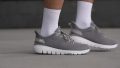
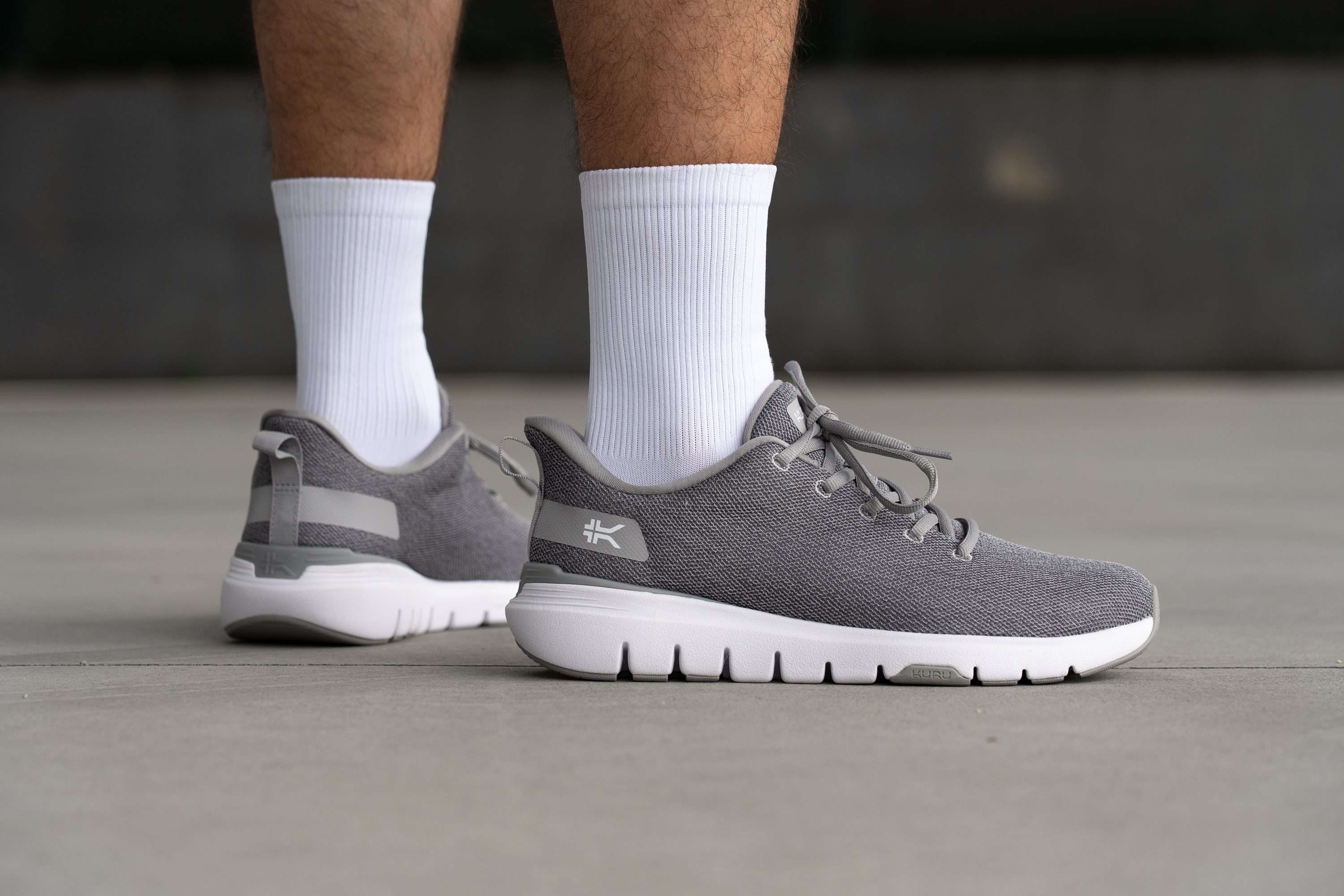
The KURU FLEX Via is a very suitable option for active people who:
- have conditions like flat feet and overpronation that require plenty of arch support and stability
- often find themselves on smooth, wet, and slippery surfaces and need excellent outsole traction
- love highly flexible shoes that bend along with the foot
Who should NOT buy
Both the visual appeal and the emphasis on stability of this KURU shoe reminded us a lot of the Skechers Arch Fit 2.0. But that shoe offers 40% more shock absorption, is an ounce lighter, and costs £50 less!
And if you look at shoes at the same price point as the FLEX Via, you'll find cushier, comfier, and more durable options like the Brooks Adrenaline GTS 24.
Having tested plenty of stability-oriented walking shoes, we know what makes them truly comfortable and worth the price.
Cushioning
Shock absorption
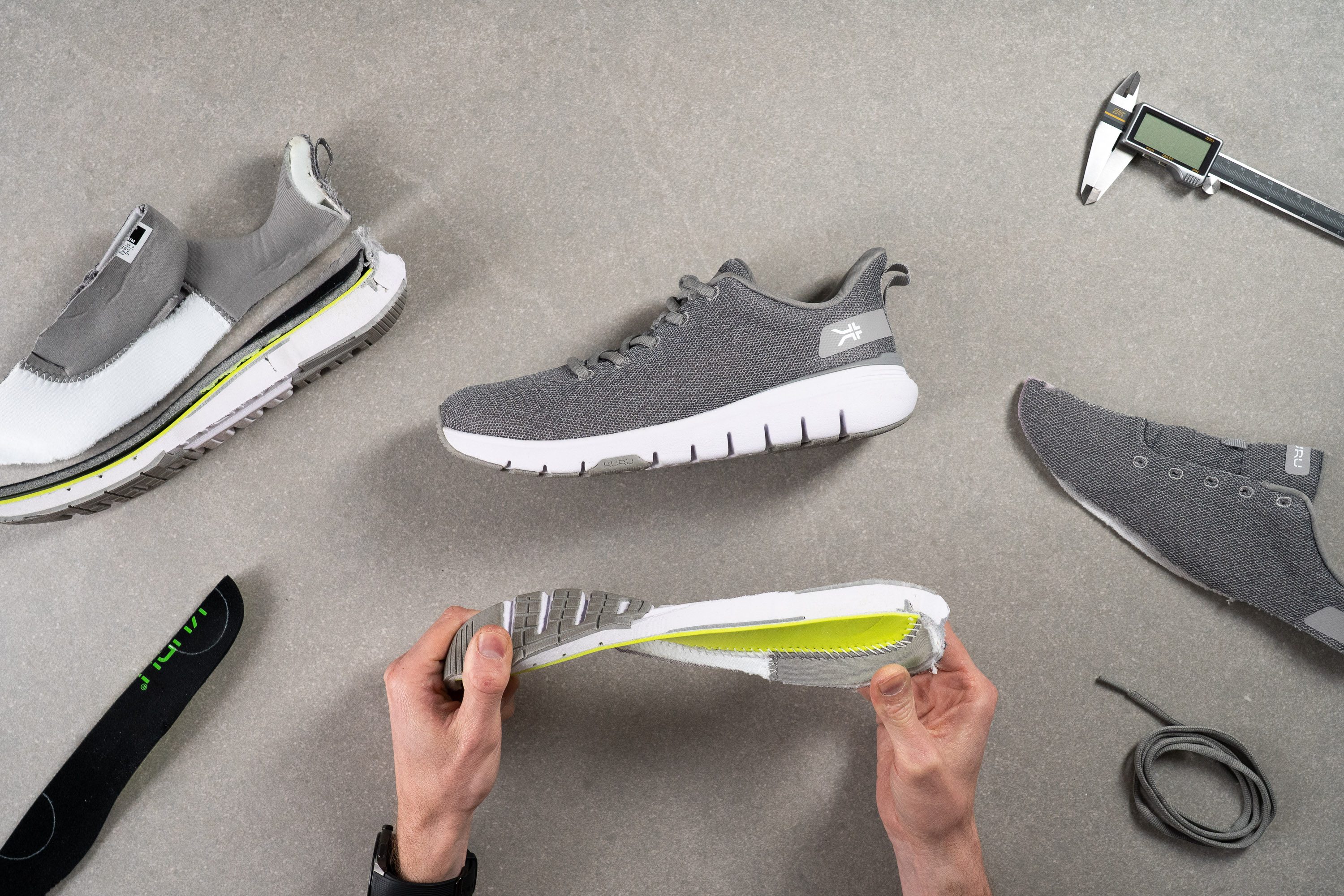
The brand's proprietary KURUSOLE technology lies at the core of every KURU shoe, including the FLEX Via. It forms a cradle below the wearer's heel to protect the heel pad and is integrated into the KURUCLOUD foam midsole.
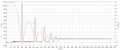
But measuring its shock absorption in accordance with the acclaimed ASTM F1976-13 protocol, we got just a moderate reading of 94 SA in the heel! This is lower than the average of walking shoes and doesn't even make it to our shoe recommendations for plantar fasciitis, where at least 100 SA is required.
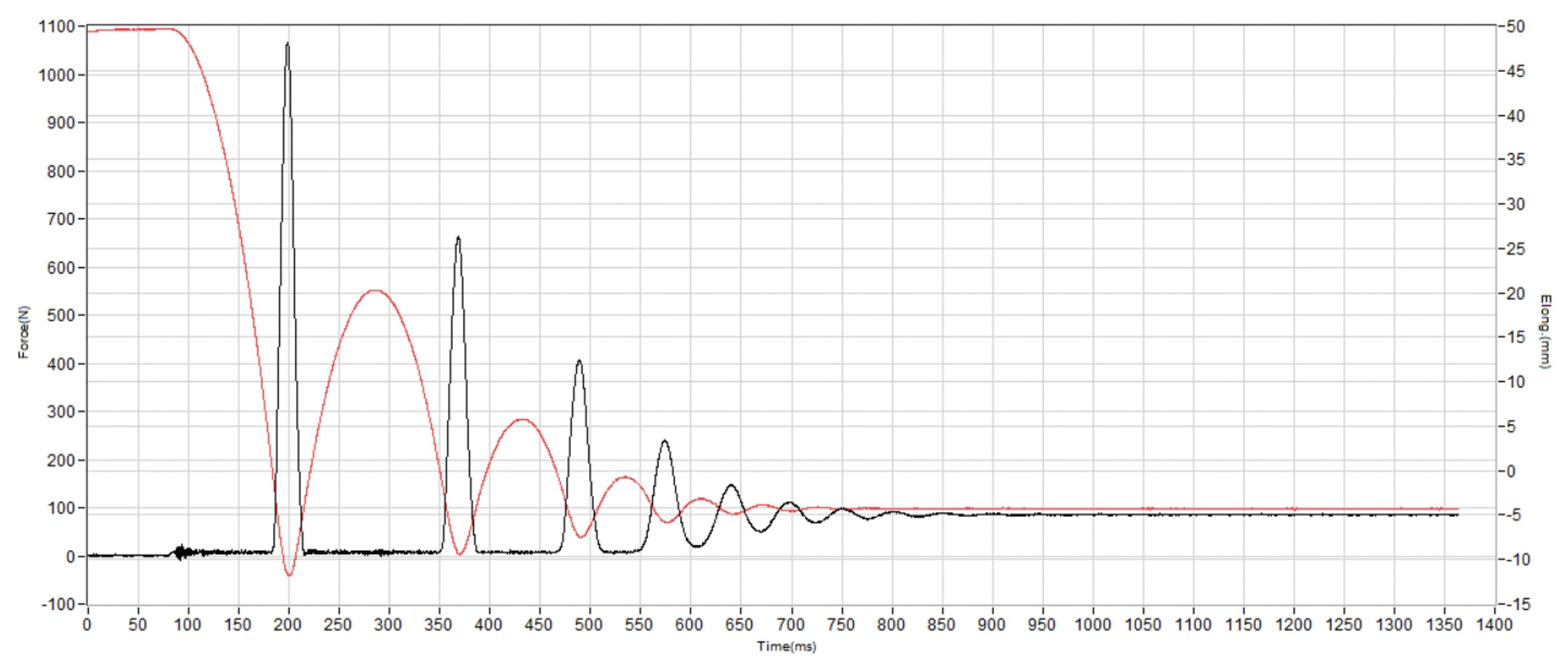
| FLEX Via | 94 SA |
| Average | 110 SA |
Energy return
The ride of this KURU shoe also feels quite flat and dull, with a very low energy return of 48.2%. It's not the springiest option for brisk walks, but it feels planted and stable for long hours of standing.
| FLEX Via | 48.2% |
| Average | 51.5% |
Heel stack
The FLEX Via's platform is not particularly elevated, measuring a standard 32.5 mm in the heel. It is a typical stack height for the walking shoe category, packing sufficient cushioning without feeling too high off the ground.
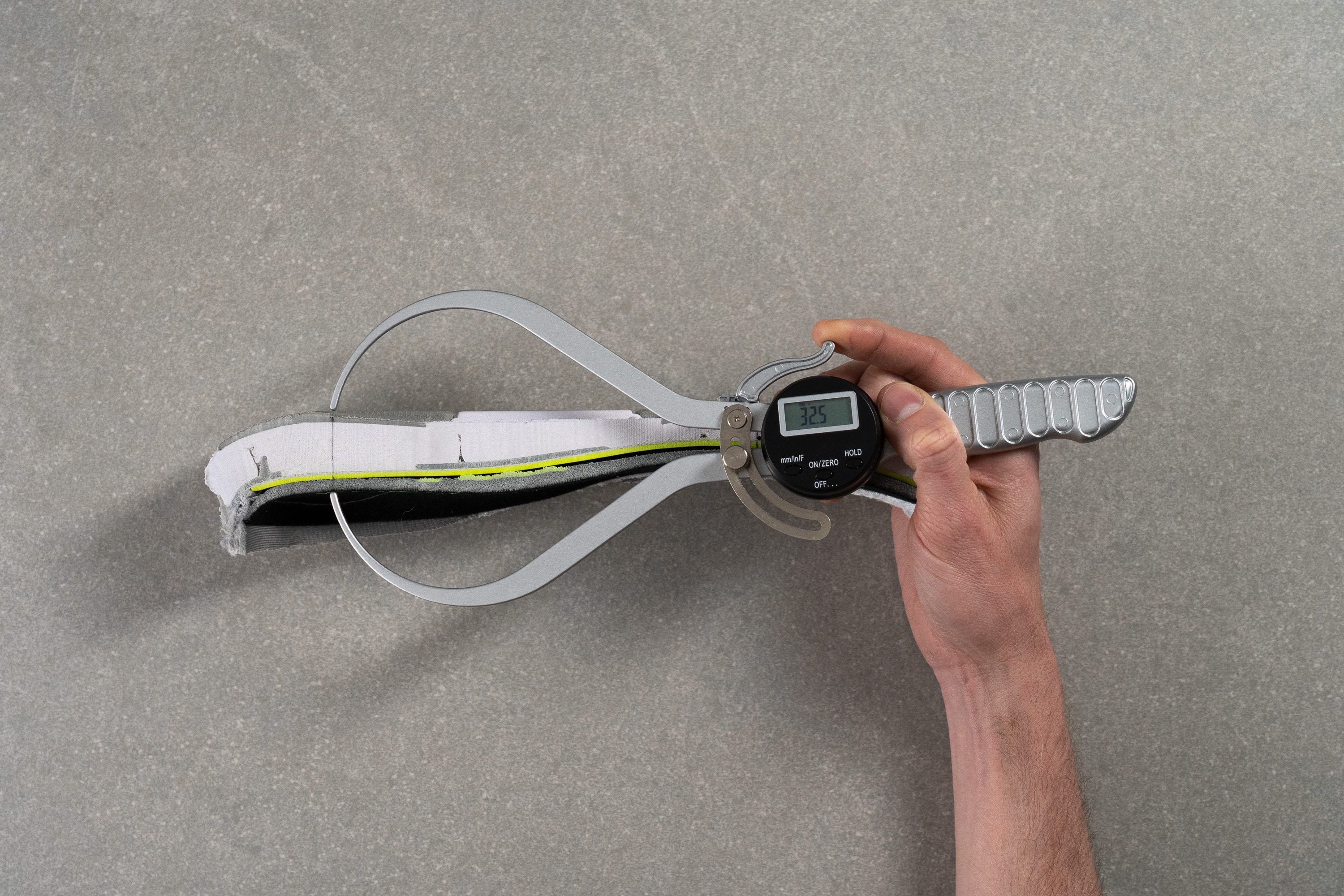
| FLEX Via | 32.5 mm |
| Average | 32.6 mm |
Forefoot stack
Its forefoot stack doesn't deviate from the average either, with a moderate stack of 20.5 mm.
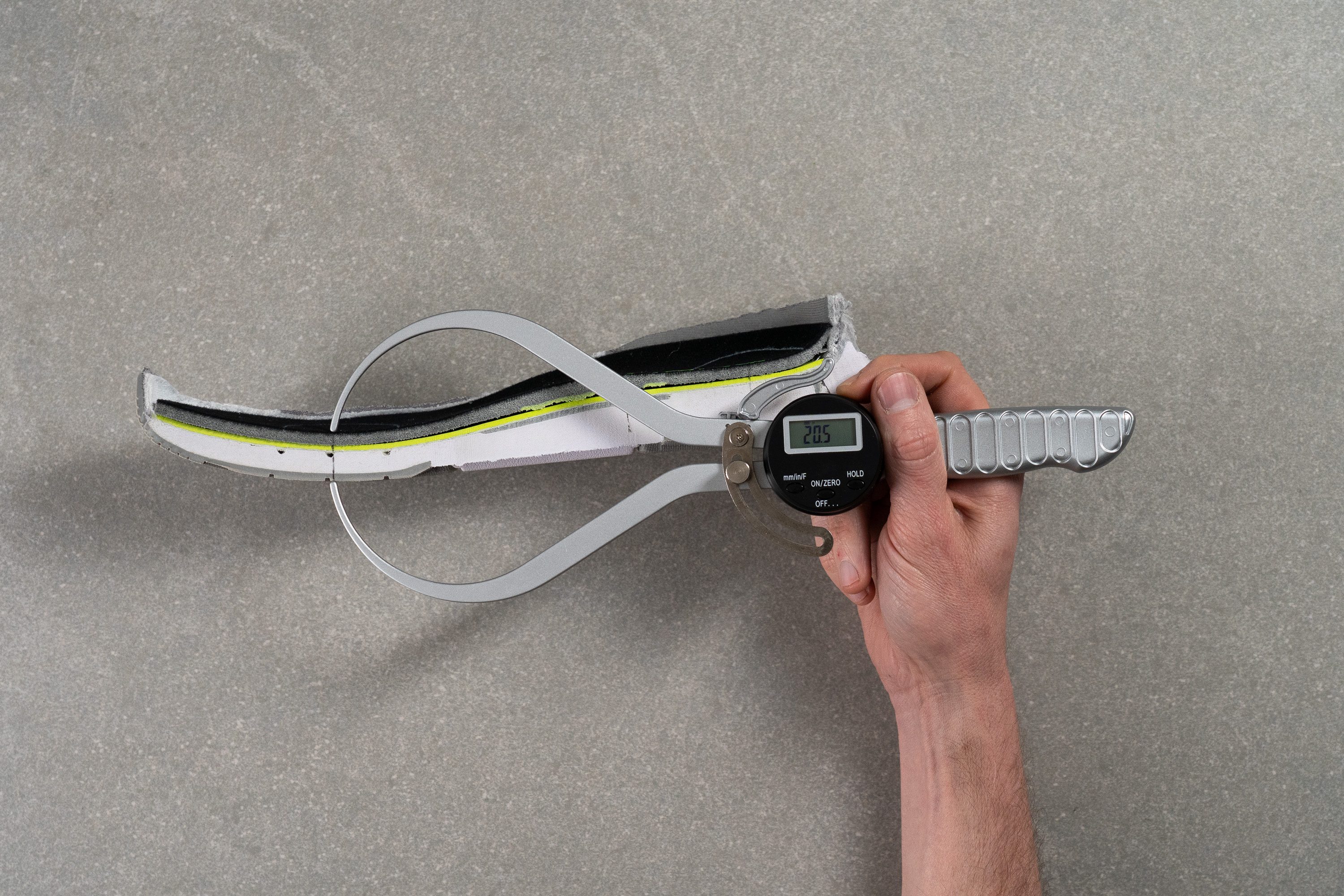
| FLEX Via | 20.5 mm |
| Average | 22.4 mm |
Drop
The shoe's heel-to-toe drop comes in at 12 mm, only a millimetre away from the stated 11 mm. This is a bit taller than average, putting the heel in a slightly higher position to ease strain on the Achilles and calves and provide more cushioning.
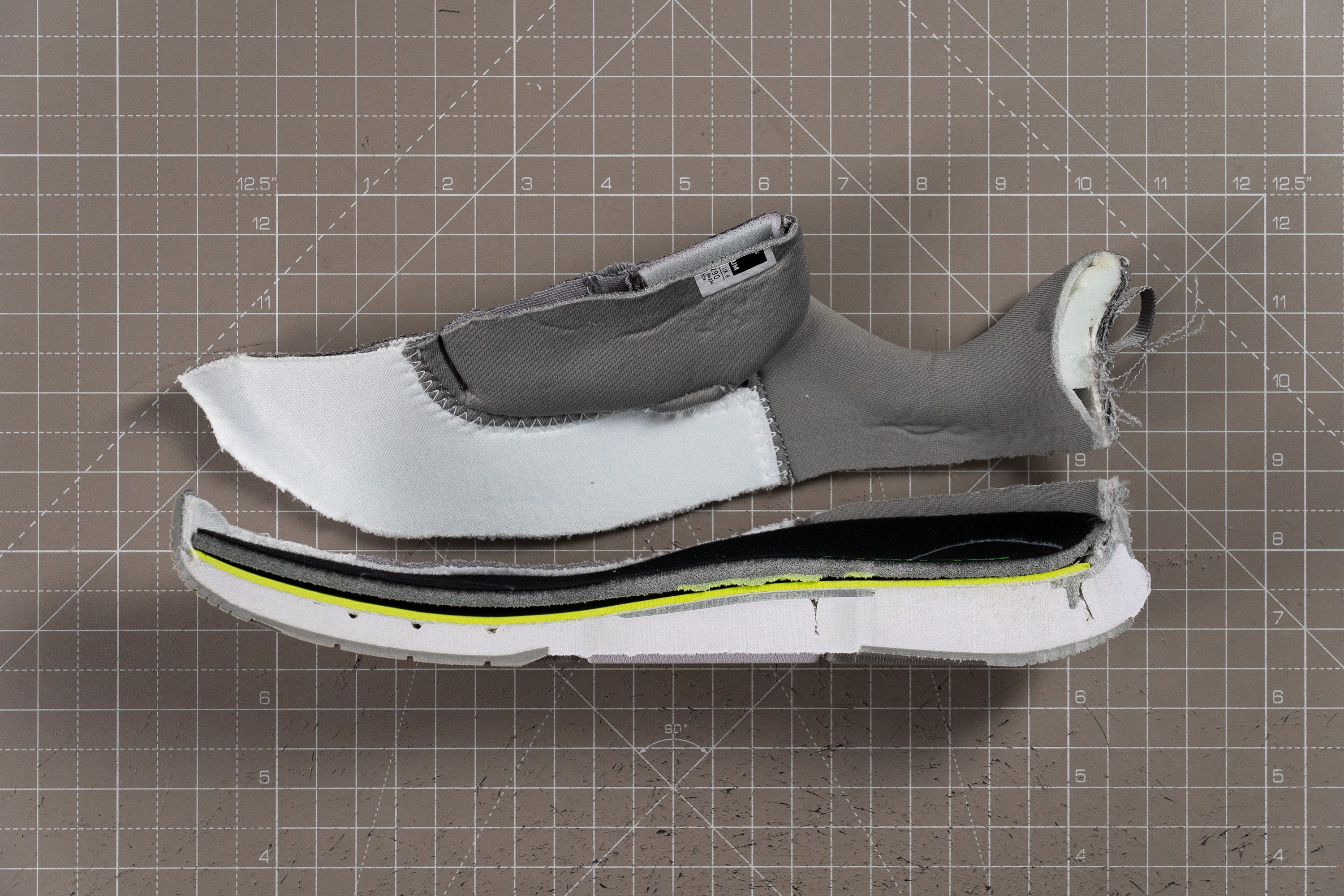
| FLEX Via | 12.0 mm |
| Average | 10.2 mm |
Midsole softness
Despite being called KURUCLOUD, the shoe's cushioning is far from feeling cloud-like.
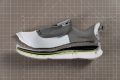
Pressing a durometer against the FLEX Via's half-cut midsole, we recorded a moderately firm reading of 40.2 AC. It doesn't feel plush by any means and is better suited for people who prefer a firmer, more supportive underfoot experience.
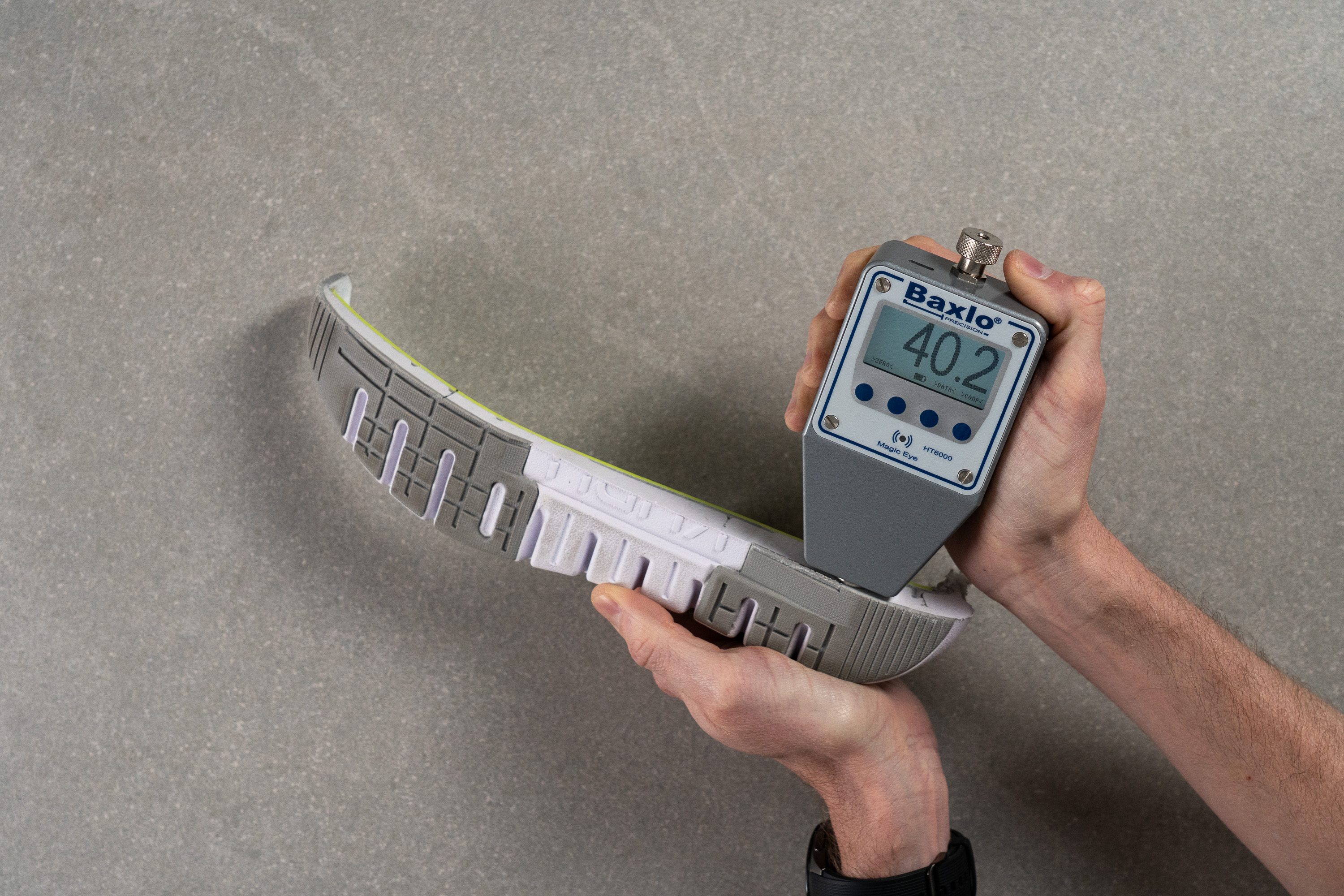
| FLEX Via | 40.2 AC |
| Average | 48.3 AC |
Size and fit
Size
Internal length
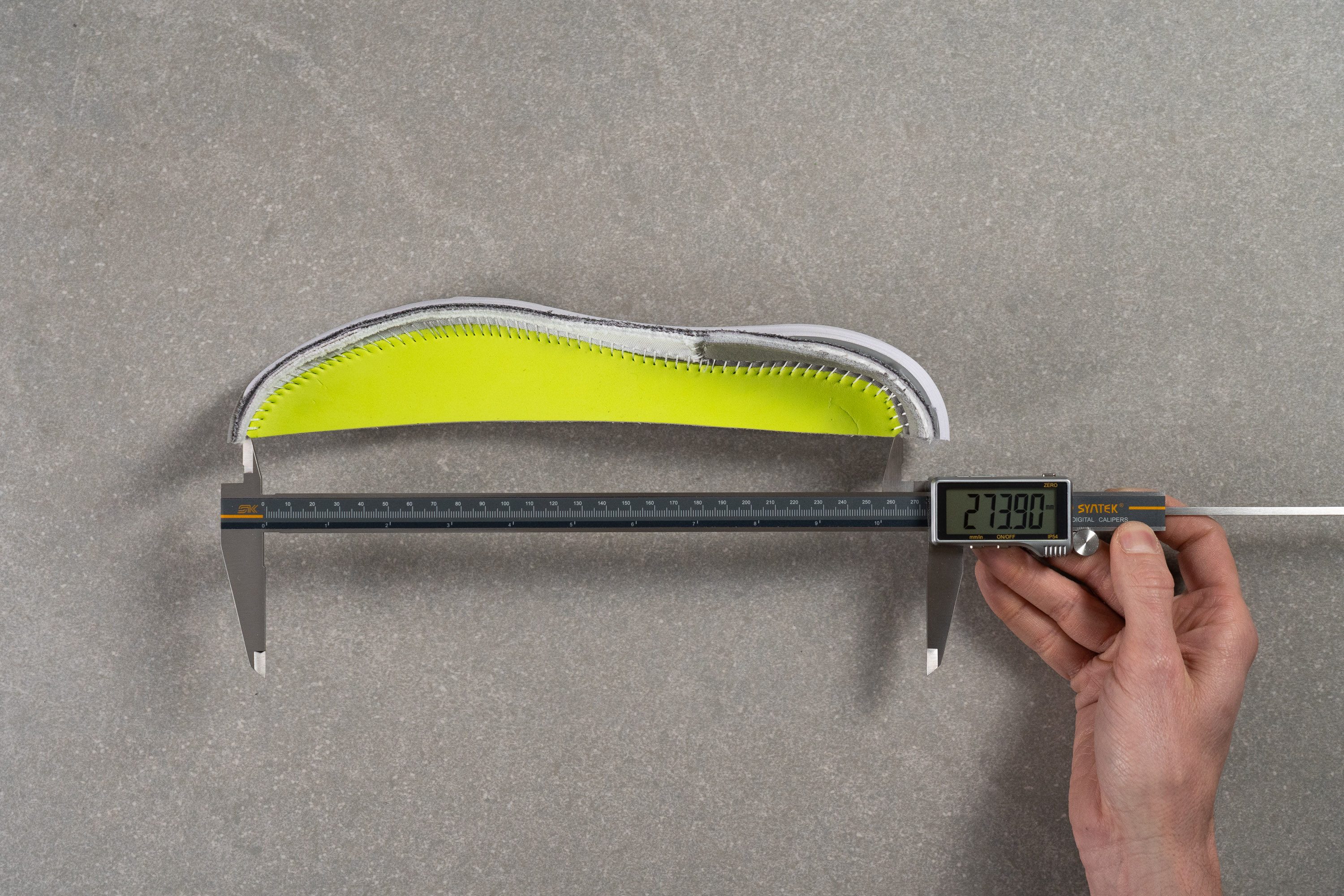
| FLEX Via | 273.9 mm |
| Average | 269.6 mm |
Width / Fit
The KURU FLEX Via is available in both medium and wide width options, but we are testing the standard width for comparable results.
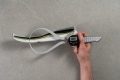
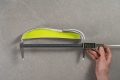
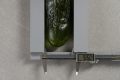
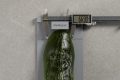
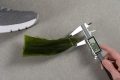
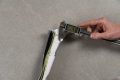
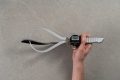
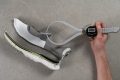
Once the mould of the shoe's interiors solidified, we used a digital calliper to measure its dimensions precisely. The widest part of the mould returned 92.6 mm, which is slightly narrower than average, but not narrow per se.
However, people with wide feet and bunions should definitely go for the wide option.
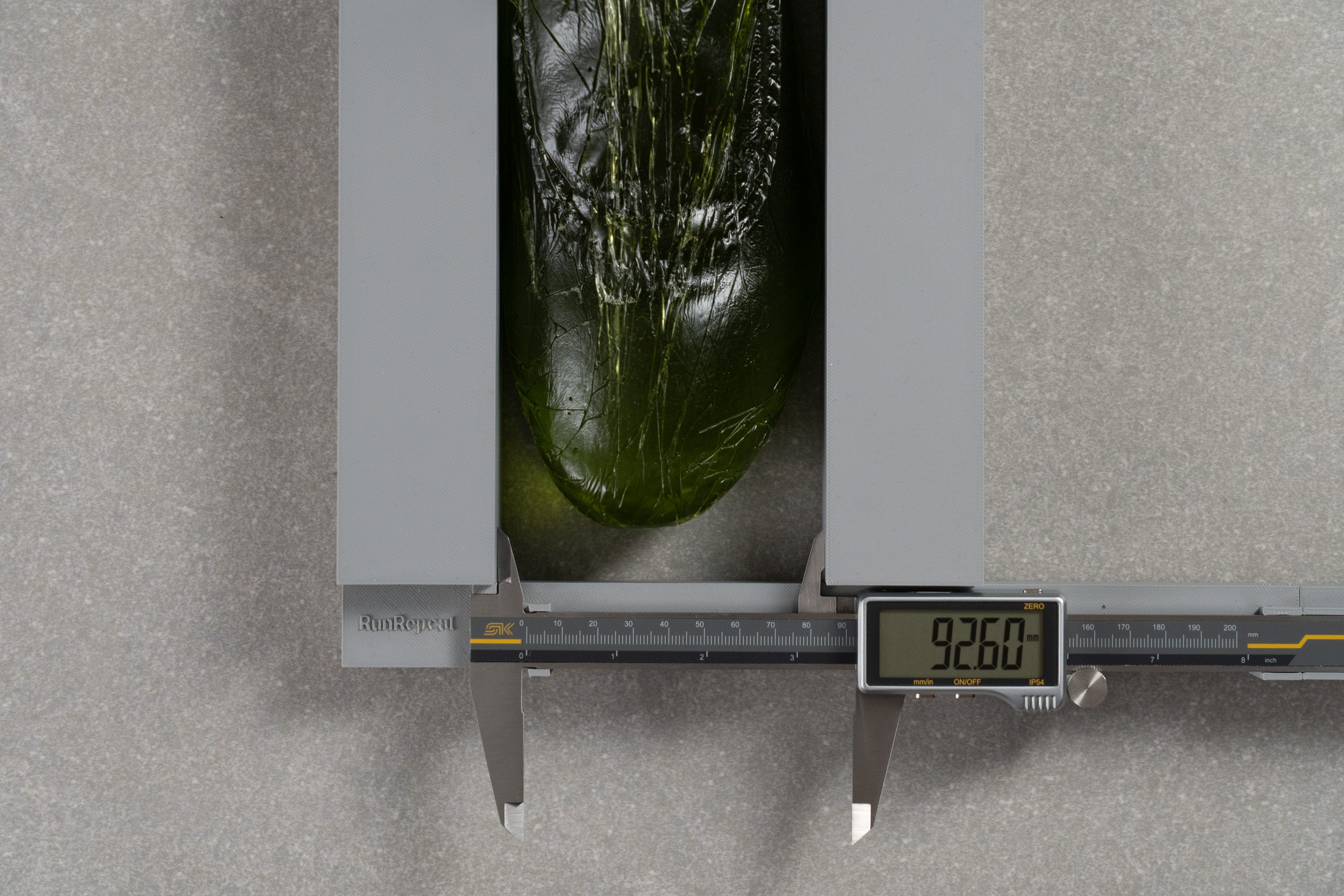
| FLEX Via | 92.6 mm |
| Average | 93.9 mm |
Toebox width
Unfortunately, the shoe's toebox falls within the narrow range, measuring only 66.9 mm at the big toe.
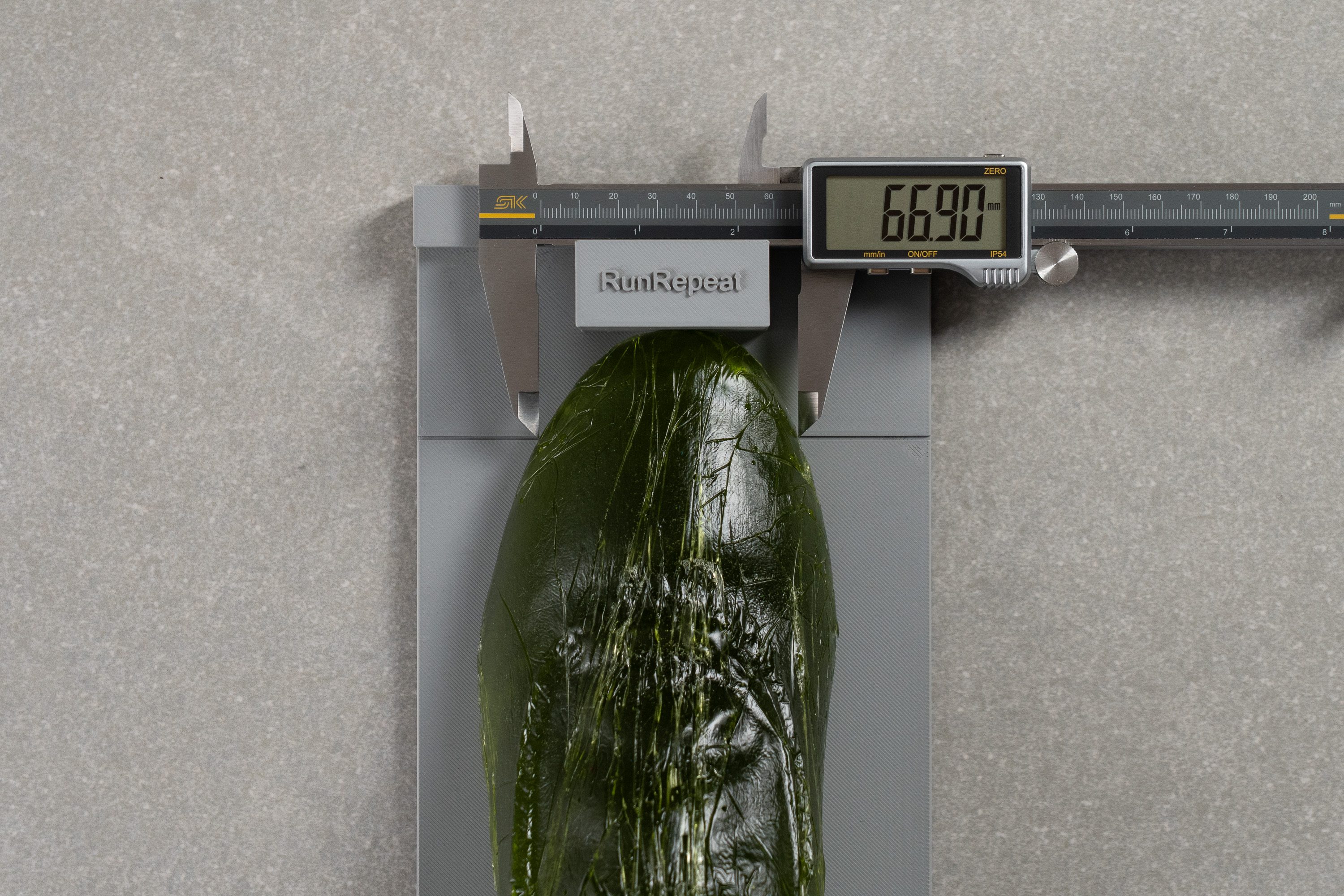
| FLEX Via | 66.9 mm |
| Average | 70.6 mm |
Toebox height
However, the ample vertical space in this KURU shoe prevents the toebox from feeling uncomfortably tight.
We measured its toebox height at an above-average 28.8 mm.
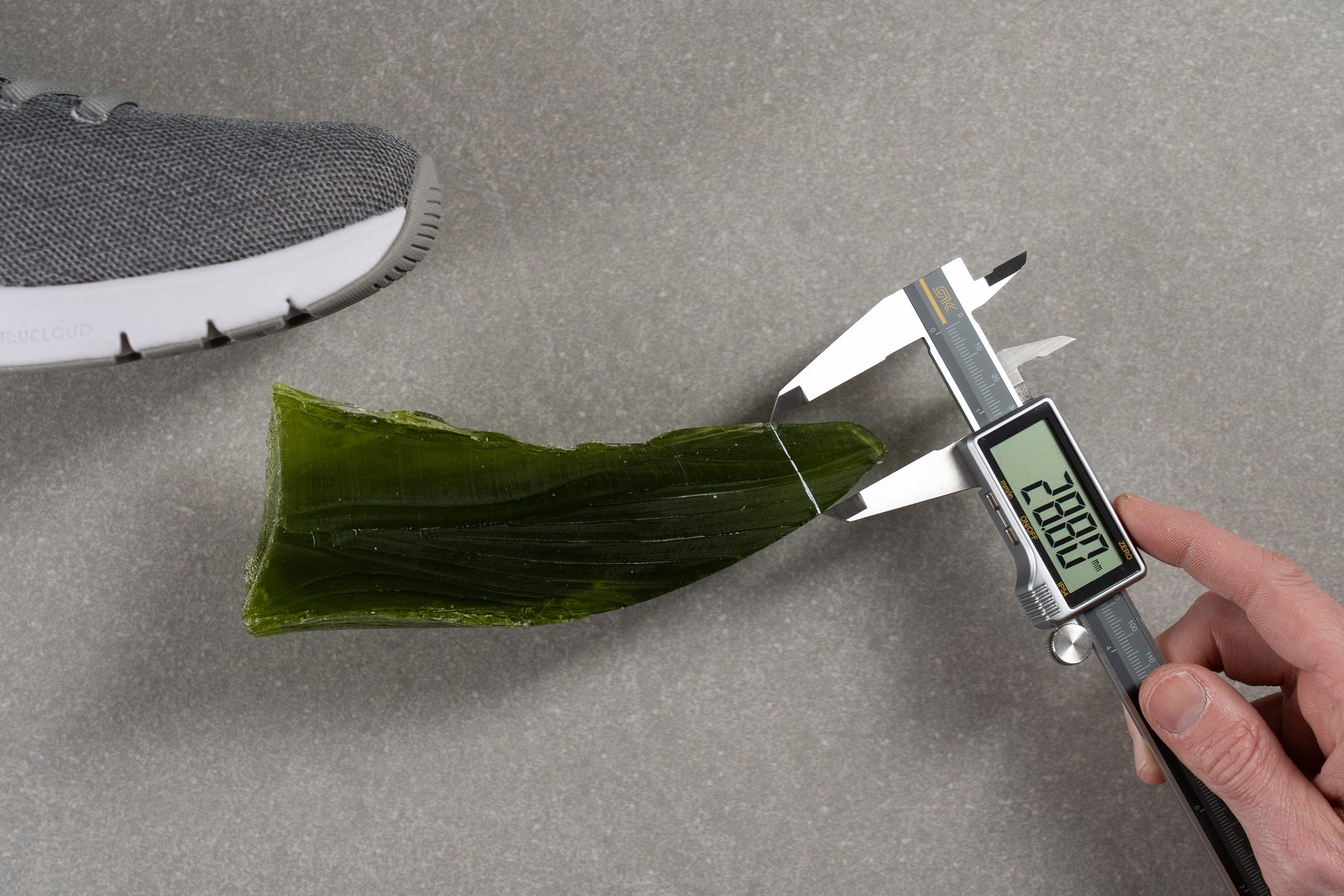
| FLEX Via | 28.8 mm |
| Average | 26.4 mm |
Traction / Grip
Traction test
Although the FLEX Via's product description doesn't mention outsole traction at all, our lab tests proved that it's ridiculously tacky!
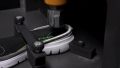
Showing one of the highest friction coefficients of 0.75 in the heel, this KURU shoe's grip is on par with certified slip-resistant shoes like the HOKA Bondi SR!
Rain or shine, wet concrete or slippery tiles, this KURU shoe keeps you covered.
| FLEX Via | 0.75 |
| Average | 0.49 |
Outsole design
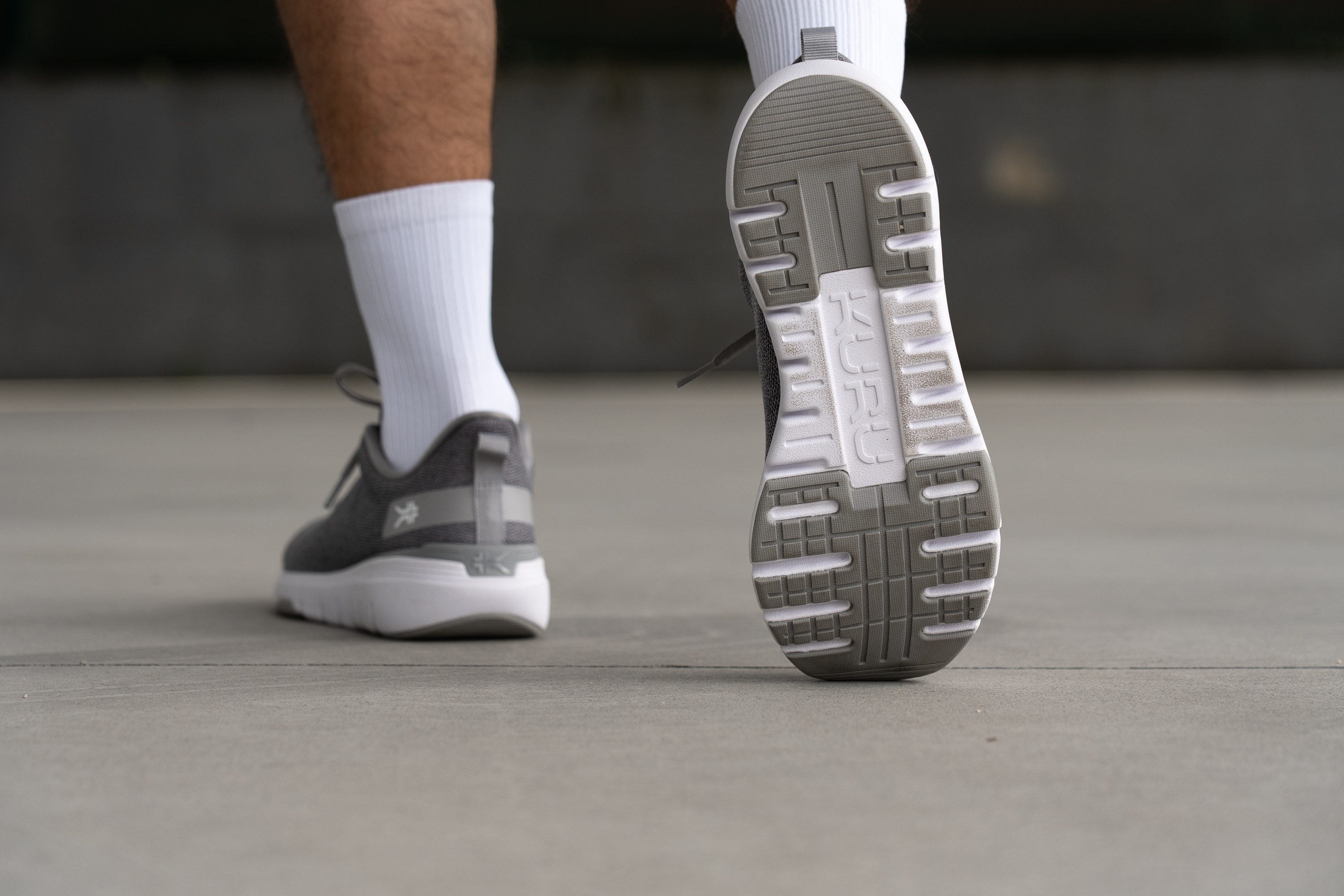
The shoe's grippy rubber is limited only to the heel and forefoot areas and doesn't cover the midfoot, offering traction where it matters. This helps to trim down some weight and retain some of the shoe's flexibility.
Flexibility / Stiffness
Speaking of flexibility, the FLEX Via turns out to be the most flexible of all KURU shoes and is also among the bendiest walking shoes in our catalogue!
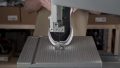
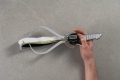
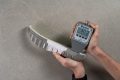
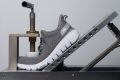
Measuring the force required to bend the shoe's forefoot by 30 degrees, we recorded as little as 6.5N! That's 50% more flexible than the average walking shoe!
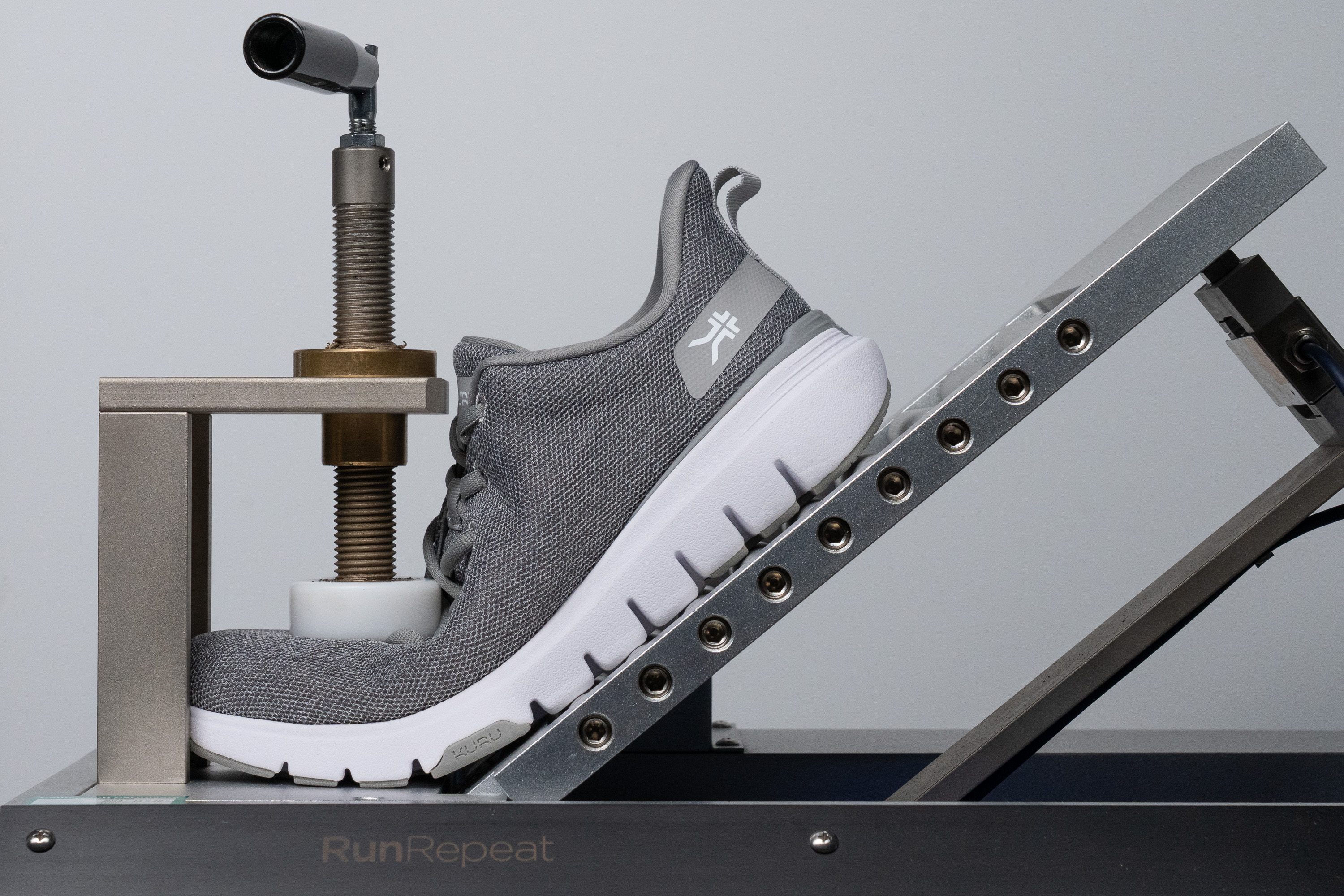
| FLEX Via | 6.5N |
| Average | 13.7N |
Weight
We have yet to see a lightweight shoe from KURU, as so far they've all proved notably heavier than average.
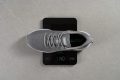
Weighing 11.4 oz (323g) in a men's US size 9, the FLEX Via is an ounce heavier than average, but at least it's much lighter than the KURU Quantum 2.
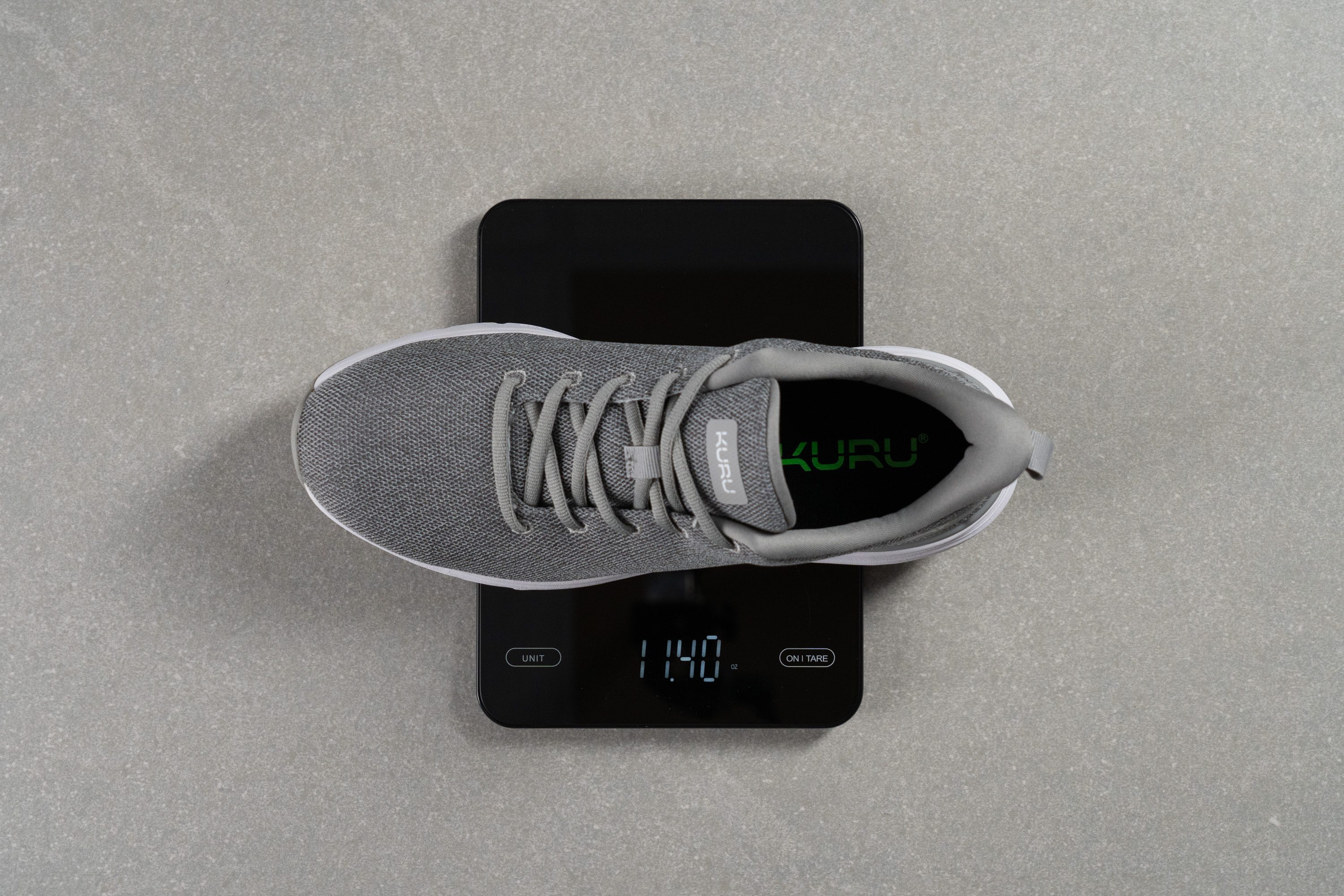
| FLEX Via | 11.4 oz (323g) |
| Average | 10.3 oz (293g) |
Breathability
Breathability test
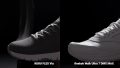
Even though the KURU FLEX Via features an all-mesh upper with no heavy overlays or interior padding, we found its breathability rather limited.
Pumping smoke through the shoe's toebox, the billows turned out to be soft but not as thick as in the most breathable shoes. Hence, the moderate breathability score of 3 out of 5.
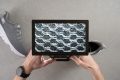
Our transparency test also showed that the shoe's upper material is not as dense as it may seem.
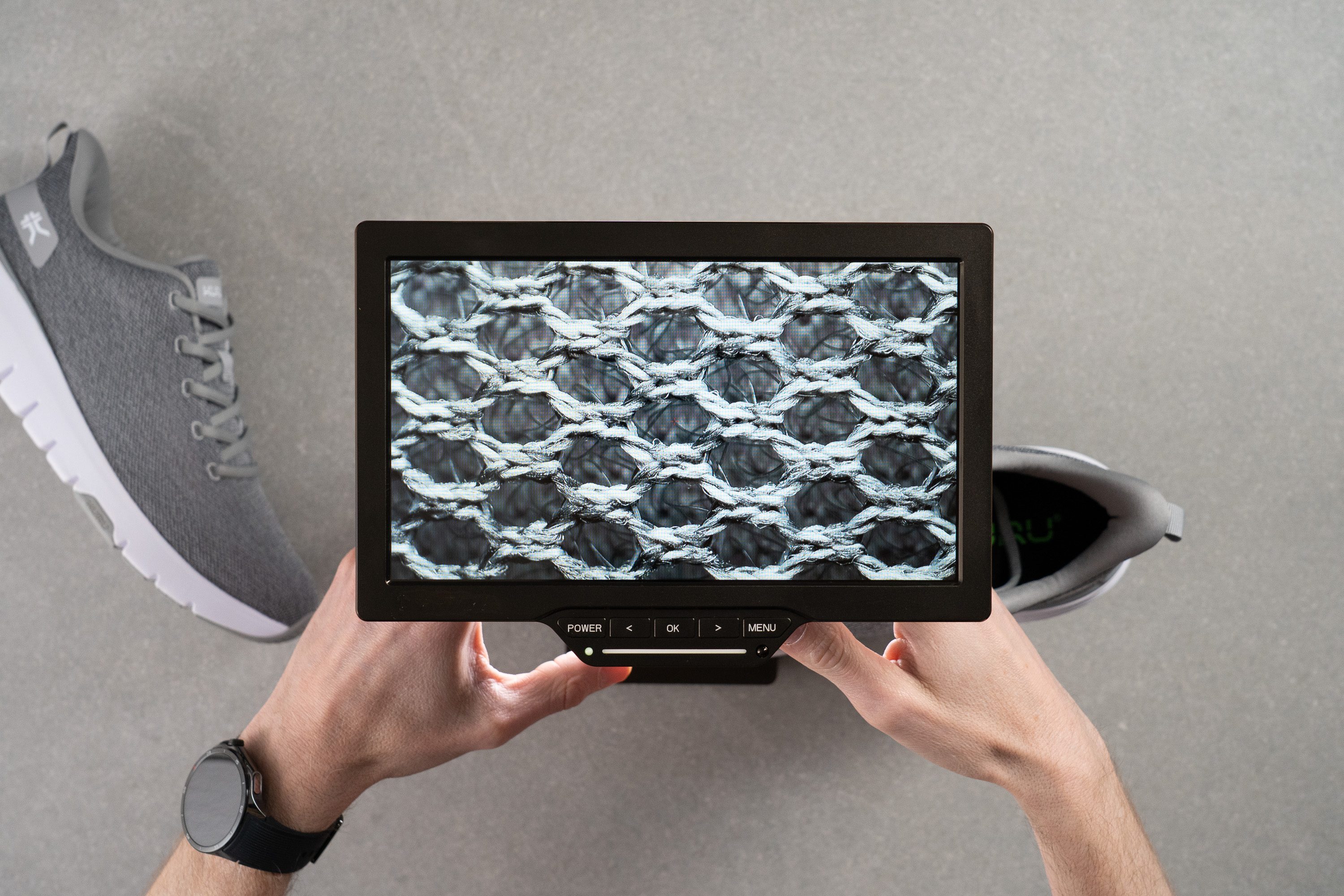
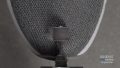
And the microscope shot further confirmed that the mesh is quite airy and porous.
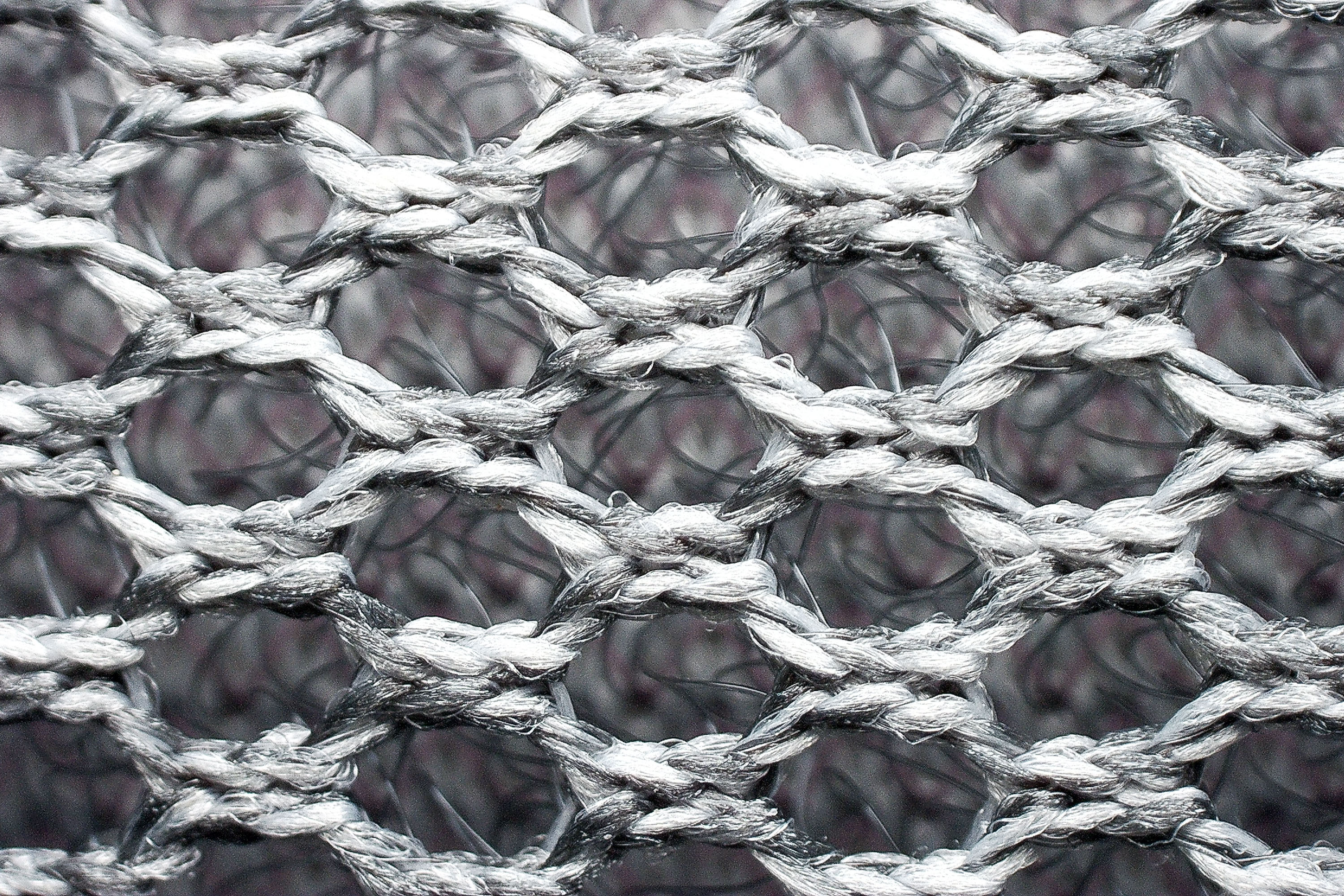
| FLEX Via | 3 |
| Average | 2.9 |
Stability
Lateral stability test
As our lab tests confirmed, stability is the KURU FLEX Via's biggest flex.
Its stiff KURUSOLE cup holds the heel firmly and also extends upwards to form a bit of a heel counter for added support.
Torsional rigidity
Deep flex grooves make this KURU shoe highly flexible, but don't completely eliminate its torsional rigidity. Assessing its stiffness on a 1-5 scale in our manual test, we gave it a middle-range score of 3.
The shoe's rearfoot structure is solid enough to prevent ankle rolls, allowing the forefoot to remain highly pliable. It's a great option for people with flat feet and overpronation.
| FLEX Via | 3 |
| Average | 3 |
Heel counter stiffness
The heel is the stiffest area of the FLEX Via, offering a secure lockdown with a high rigidity score of 4 out of 5. However, people with Haglund's deformity may feel too much pressure on the bony bump.
| FLEX Via | 4 |
| Average | 2.5 |
Midsole width - forefoot
The shoe achieves a high level of stability without relying on an overly wide platform. Showing 110.5 mm in the widest part of the forefoot, it has a solid landing area for all-day walking and standing.
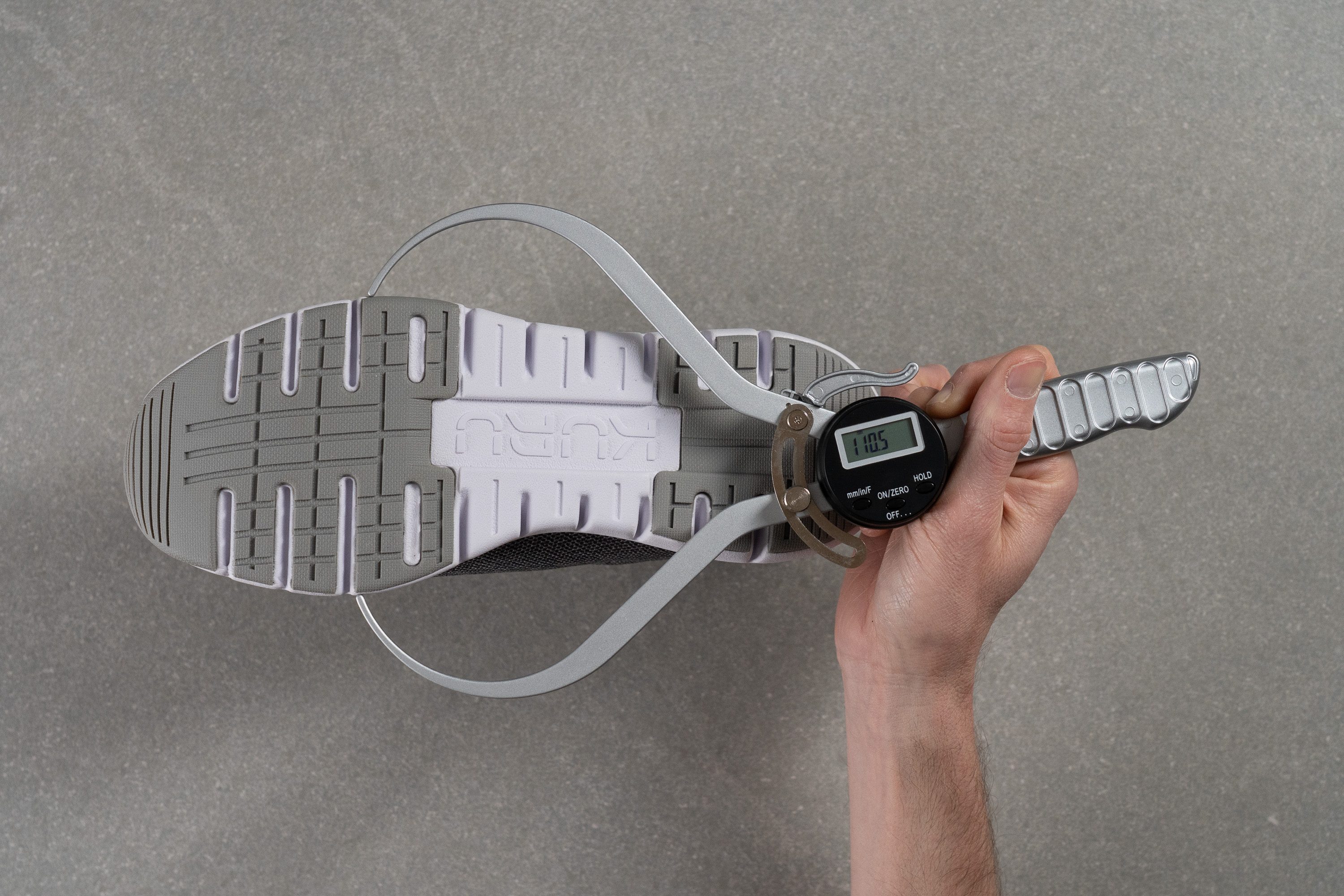
| FLEX Via | 110.5 mm |
| Average | 112.2 mm |
Midsole width - heel
Its heel is also sufficiently wide but doesn't exceed the average at 85.8 mm.
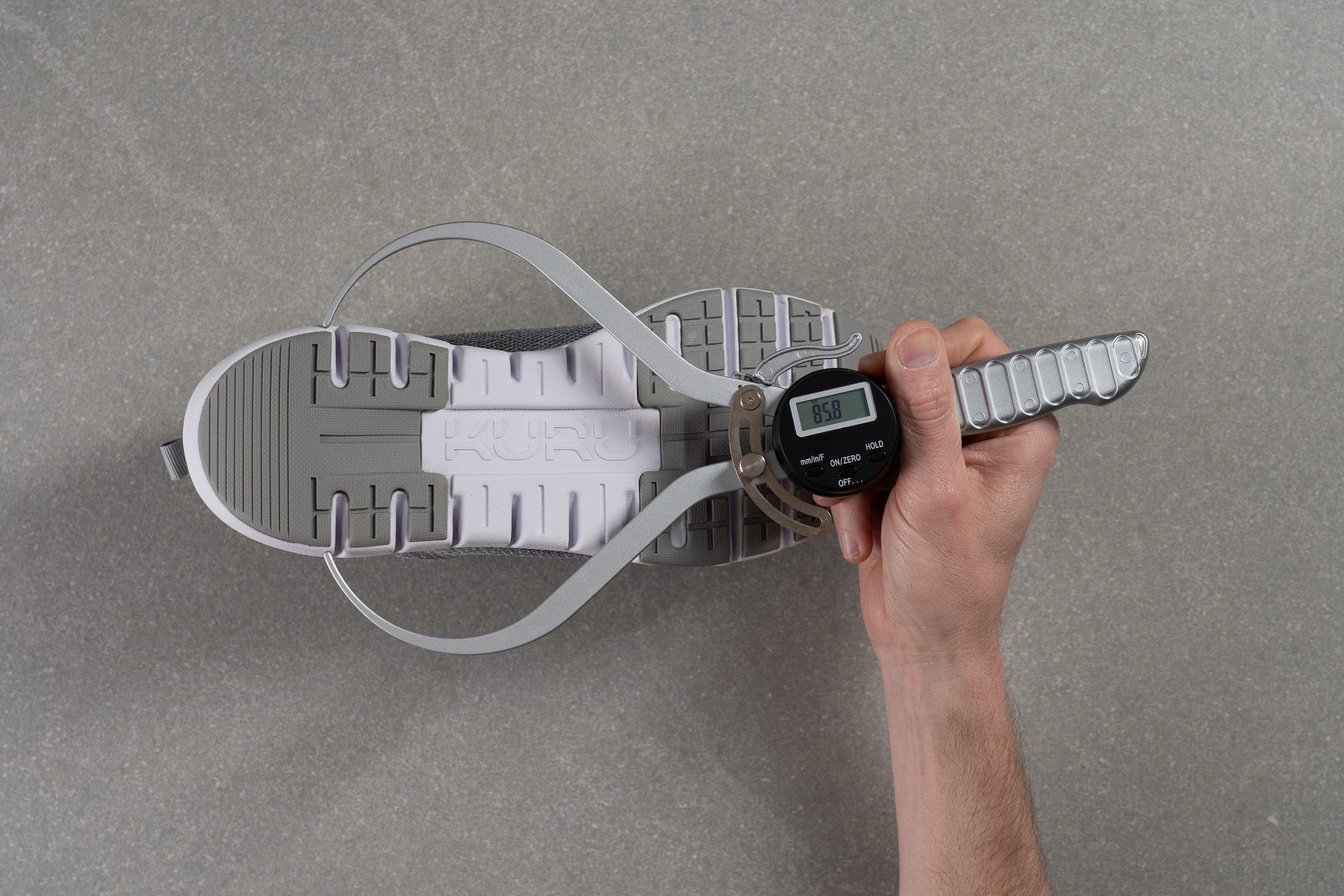
| FLEX Via | 85.8 mm |
| Average | 90.6 mm |
Durability
Toebox durability
The absence of protective rands or overlays leaves the shoe's mesh exposed to wear and tear. But to our surprise, it held up decently in our Dremel test, earning a middle-tier score of 3 out of 5.
| FLEX Via | 3 |
| Average | 3.2 |
Heel padding durability
But on the other hand, the FLEX Via's synthetic collar lining is simply indestructible. Completely unscathed, it scored the highest 5/5 in heel padding durability!
| FLEX Via | 5 |
| Average | 2.5 |
Outsole durability
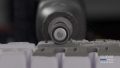
And most importantly, the shoe's outsole rubber also showed solid durability results in our Dremel test. With a moderate dent depth of 1.0 mm, it resisted the abrasion fairly well.
| FLEX Via | 1.0 mm |
| Average | 1.3 mm |
Outsole thickness
Add an above-average rubber thickness of 4.1 mm to the equation, and you get a great recipe for long-term outsole durability!
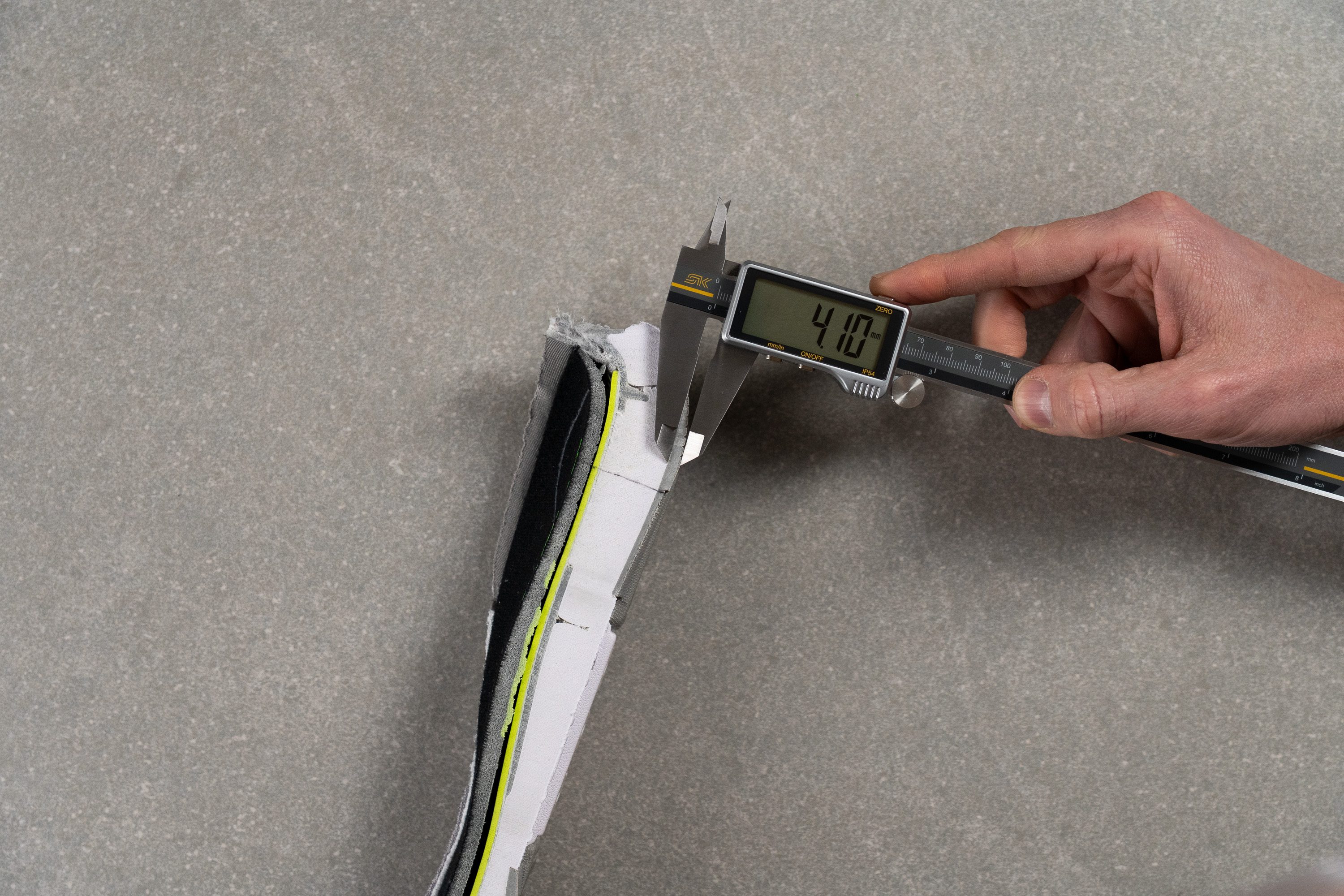
| FLEX Via | 4.1 mm |
| Average | 3.1 mm |
Misc
Insole thickness
The shoe's ULTIMATE INSOLE has a moderate thickness of 4.6 mm.
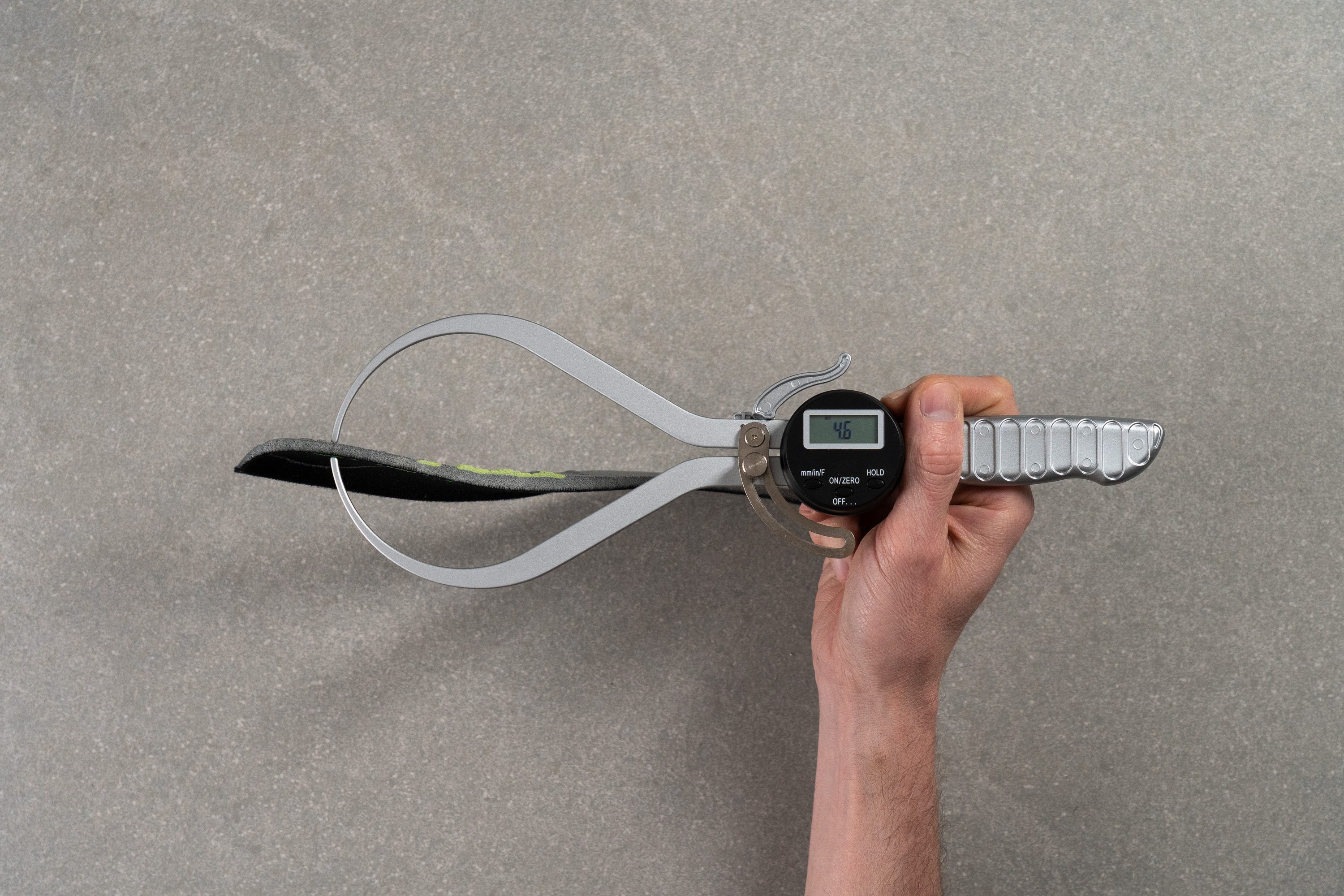
| FLEX Via | 4.6 mm |
| Average | 5.6 mm |
Removable insole
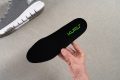
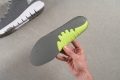
The insole's design complements the KURUSOLE, so replacing it with a custom orthotic can be tricky.
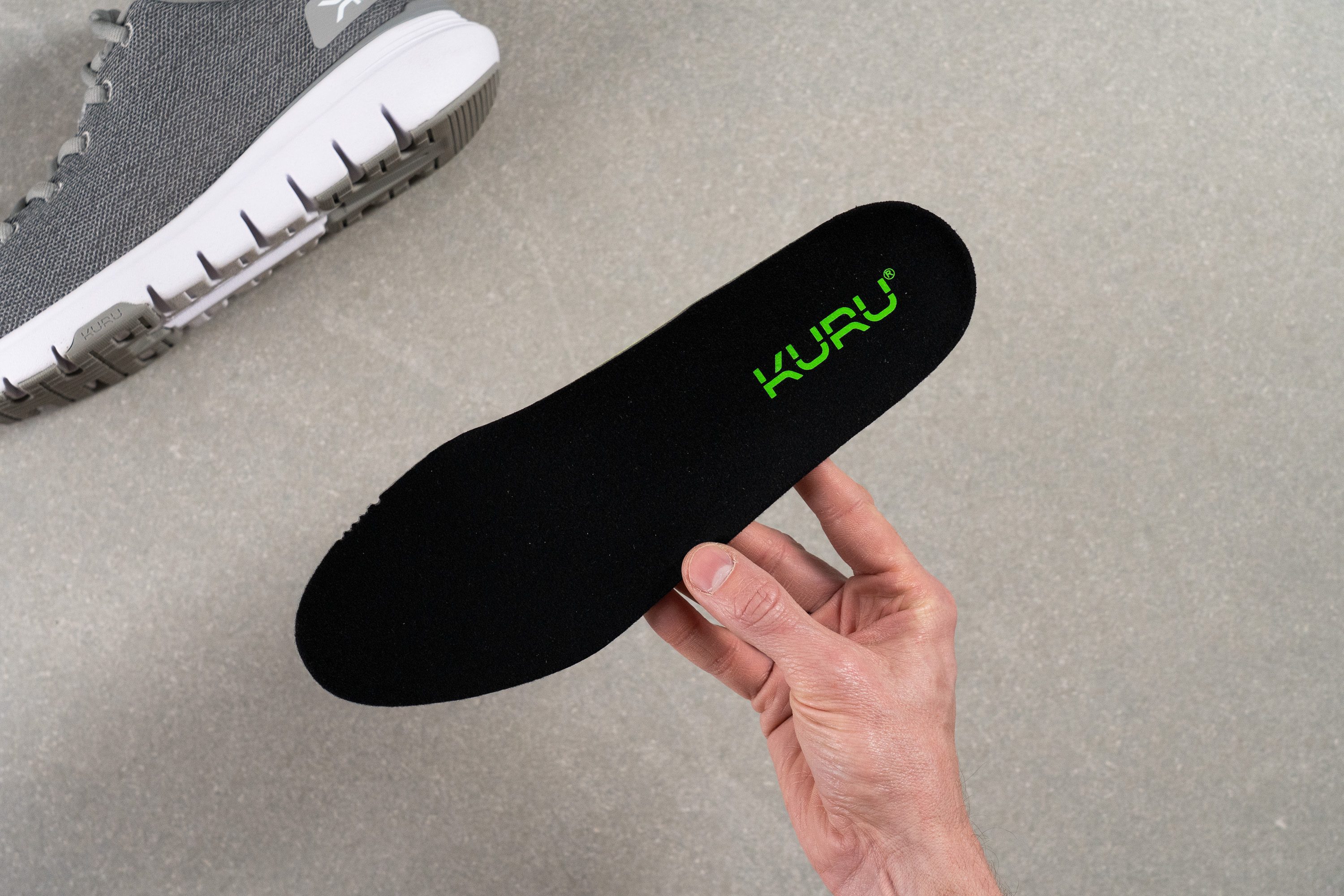
The back of the insole reveals its dual-density nature, which helps support the arch.
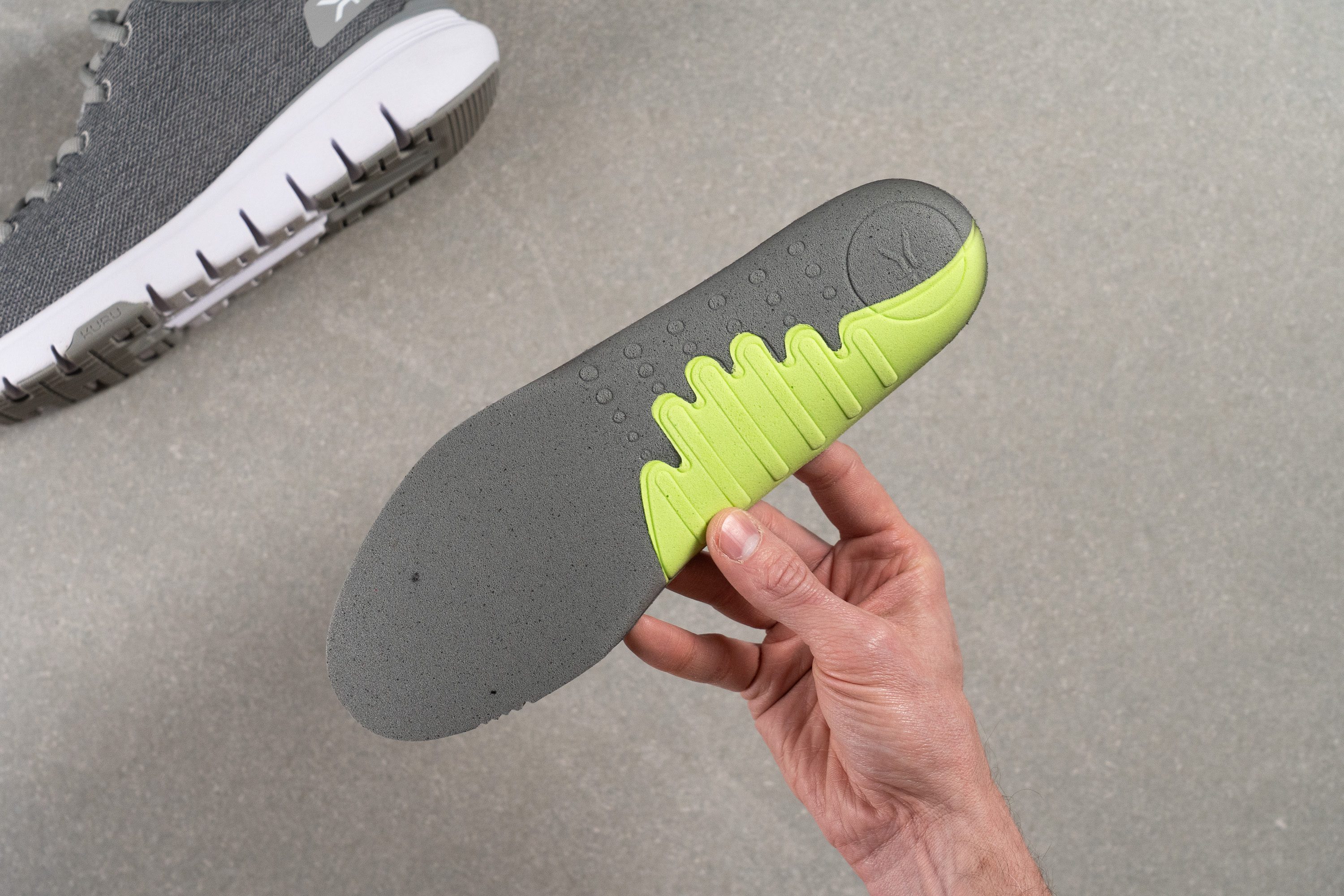
| FLEX Via | Yes |
Midsole softness in cold (%)
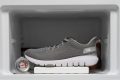
Moderately firm to begin with, the shoe's KURUCLOUD midsole barely changes in cold conditions. Repeating the durometer measurement after a 20-minute freezer session, we recorded a minimal 15% increase in firmness.
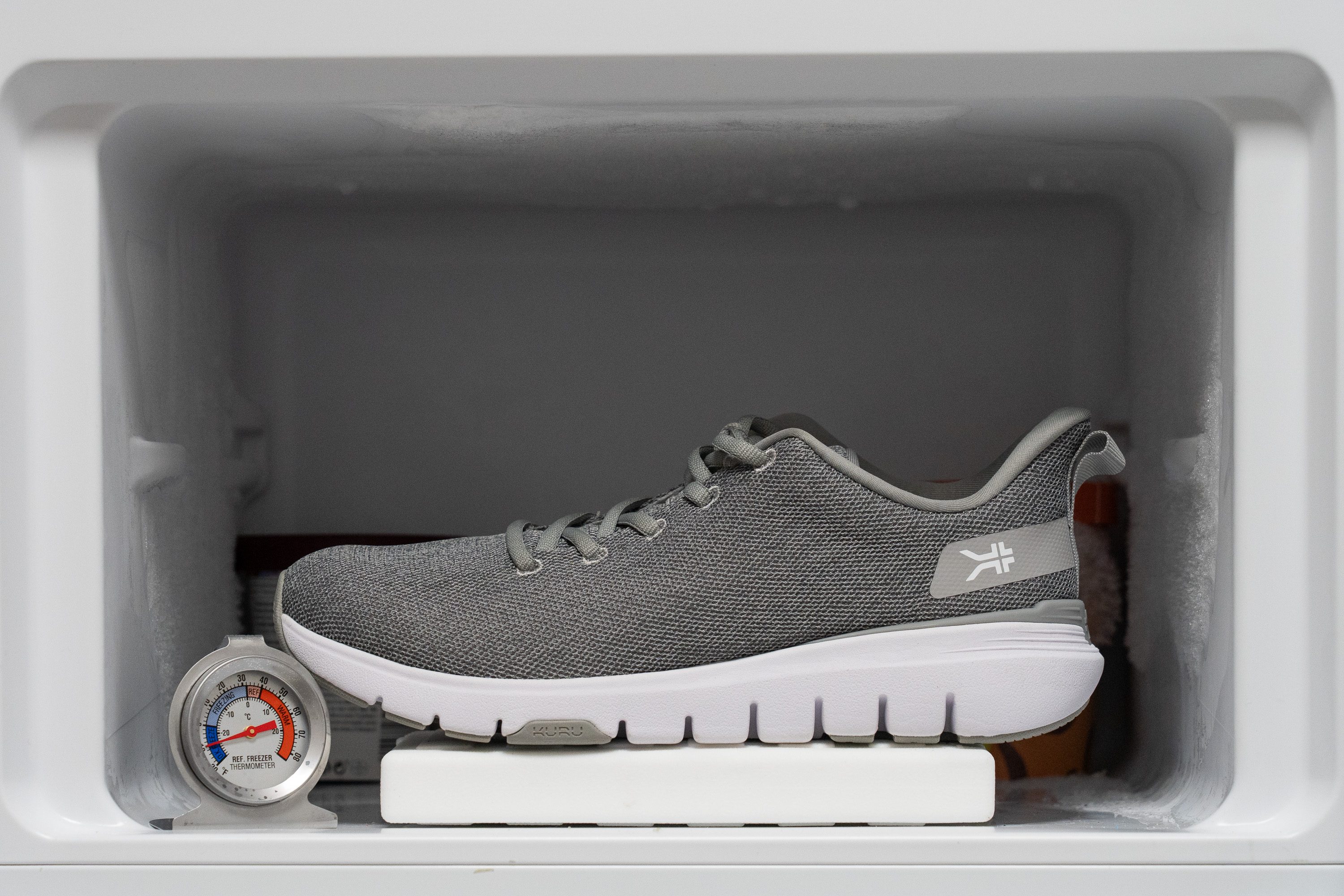
| FLEX Via | 15% |
| Average | 28% |
Reflective elements
We found no reflective elements anywhere on the KURU FLEX Via.
| FLEX Via | No |
Tongue padding
In contrast to its abundantly padded collar, the rest of the FLEX Via's interiors look pretty lightly padded. However, the thickest section of its tongue still showed an above-average thickness of 7.0 mm.
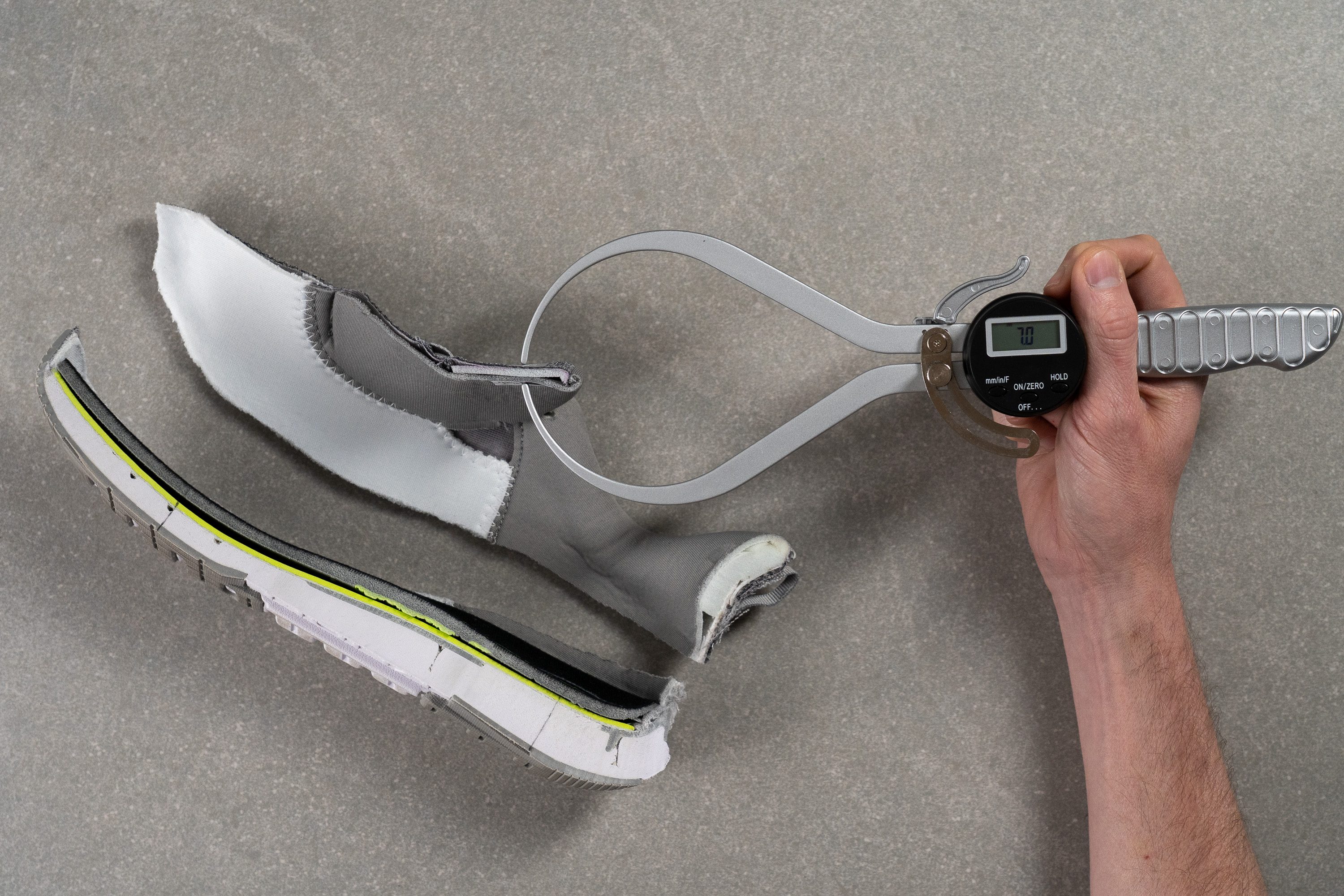
| FLEX Via | 7.0 mm |
| Average | 5.9 mm |
Tongue: gusset type
A fully-gusseted tongue eliminates undesirable tongue shifting in the FLEX Via and makes the fit more secure.
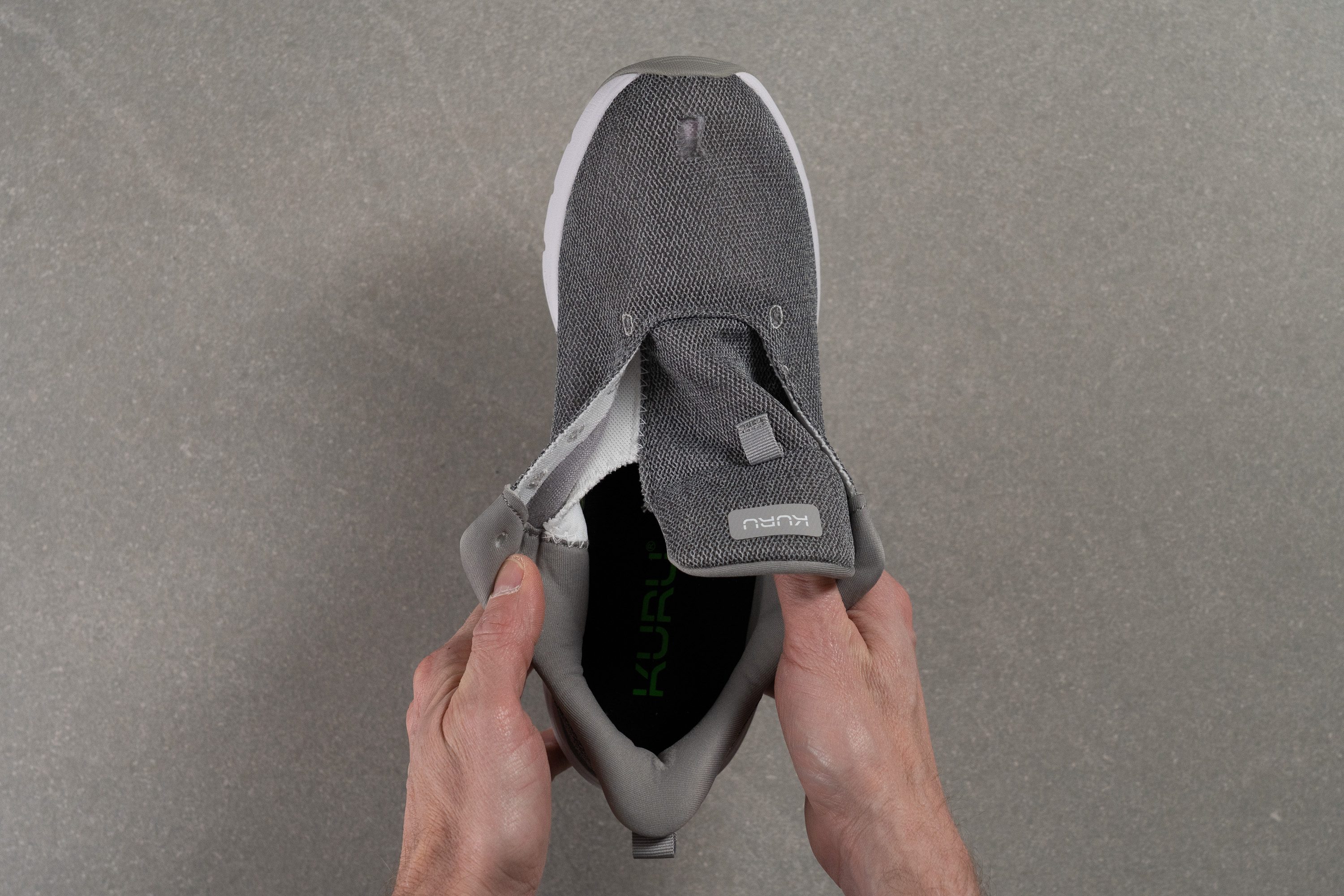
| FLEX Via | Both sides (full) |
Heel tab
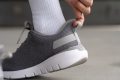
Slipping into the shoe is made easier with a finger loop at the back.
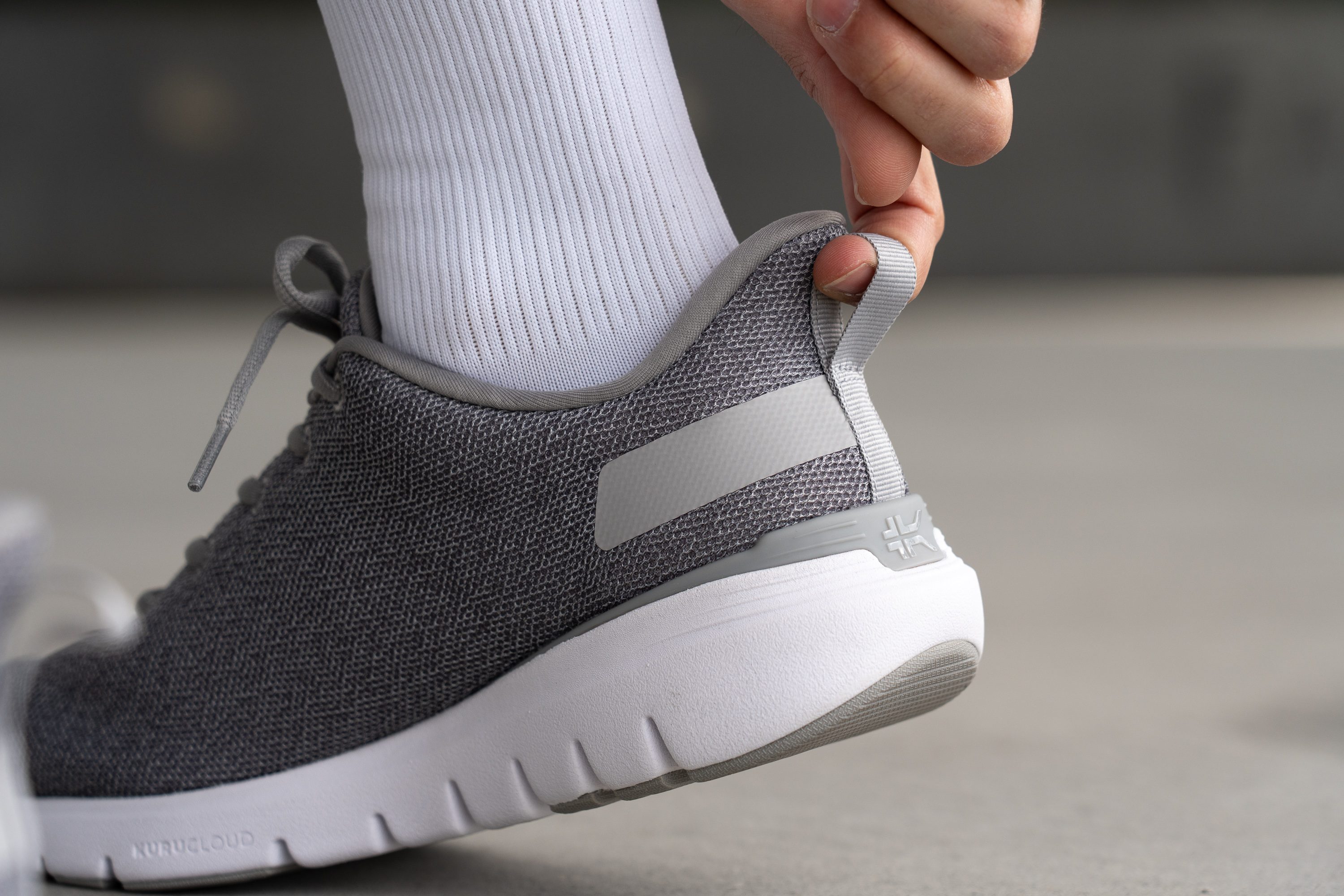
| FLEX Via | Finger loop |
Price
While the KURU FLEX Via isn't a bad shoe, we believe the KURUSOLE technology is somewhat overhyped, and the price is inflated.
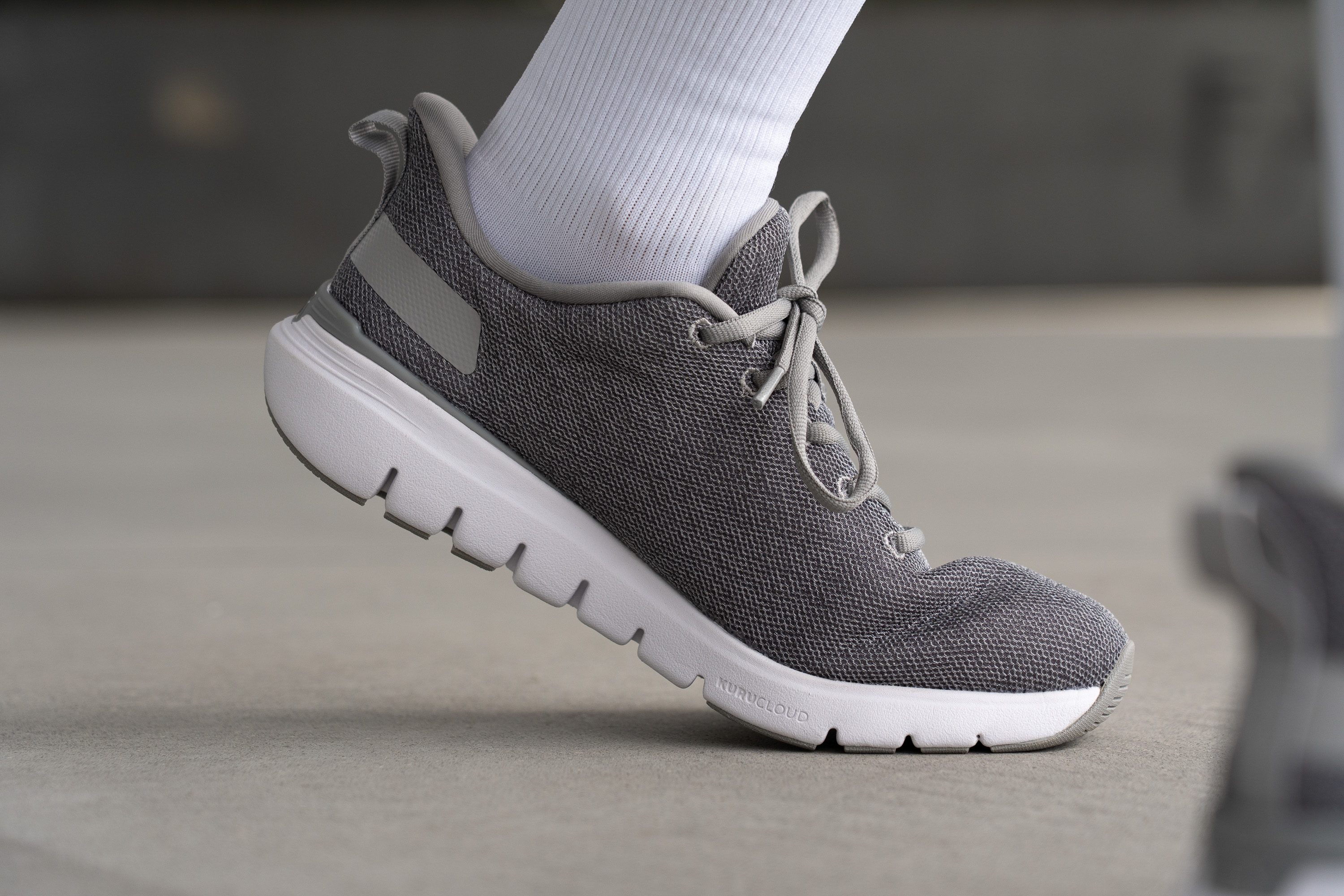
| FLEX Via | $129 |