


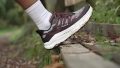








Our verdict
- Gravel 56
- Versatile 87
- Technical 80
Pros
- Sustainable materials
- Strong energy return from eTPU foam
- High, protective stack height
- Excellent for cold climates
- Very durable toebox
- Versatile 5.0 mm lugs
- Supercritical insole
- Outsole grips well
Cons
- Heavy on foot
- Knit upper retains water
- Firm underfoot feel
- Low ventilation
Awards
- Top pick in best mud running shoes
- Top 21% in trail running shoes
- Top 1% in Icebug running shoes
Comparison
The most similar running shoes compared
+ + Add a shoe | |||||
|---|---|---|---|---|---|
| Our score | 86 Great | 81 Great | 83 Great | 75 Good | |
| Price | £160 | £130 | £145 | £170 | |
| Trail terrain | Rocky / Technical terrainMud / Soft groundVersatile / Moderate terrain | Rocky / Technical terrainMud / Soft groundVersatile / Moderate terrain | Rocky / Technical terrainMud / Soft groundVersatile / Moderate terrain | Rocky / Technical terrainMud / Soft groundVersatile / Moderate terrain | |
| Shock absorption | Moderate | - | Moderate | - | |
| Energy return | Moderate | - | Low | - | |
| Traction | High | - | High | - | |
| Arch support | Neutral | Neutral | Neutral | Neutral | |
| Weight lab Weight brand | 11.6 oz / 329g 12 oz / 340g | 10.2 oz / 289g 10.2 oz / 290g | 9.8 oz / 278g 9.8 oz / 278g | 11 oz / 312g 10.4 oz / 295g | |
| Drop lab Drop brand | 6.0 mm 4.0 mm | 7.8 mm 6.0 mm | 11.5 mm 6.0 mm | 5.2 mm 4.0 mm | |
| Strike pattern | Mid/forefoot | Mid/forefoot | Heel | Mid/forefoot | |
| Size | - | Half size small | True to size | True to size | |
| Midsole softness | - | - | Balanced | - | |
| Difference in midsole softness in cold | Small | Small | Small | - | |
| Plate | ✗ | ✗ | Rock plate | ✗ | |
| Toebox durability | Good | Very bad | Decent | - | |
| Heel padding durability | Decent | Good | Decent | - | |
| Outsole durability | Decent | Good | Good | - | |
| Breathability | Warm | Warm | Moderate | - | |
| Width / fit | Medium | Wide | Medium | Medium | |
| Toebox width | Medium | Wide | Narrow | - | |
| Stiffness | Stiff | - | Moderate | - | |
| Torsional rigidity | Stiff | Moderate | Moderate | Stiff | |
| Heel counter stiffness | Moderate | Flexible | Moderate | Stiff | |
| Lug depth | 5.0 mm | 5.4 mm | 5.0 mm | 4.5 mm | |
| Heel stack lab Heel stack brand | 37.0 mm 29.0 mm | 34.2 mm 31.0 mm | 36.1 mm 32.0 mm | 36.3 mm 36.5 mm | |
| Forefoot lab Forefoot brand | 31.0 mm 25.0 mm | 26.4 mm 25.0 mm | 24.6 mm 26.0 mm | 31.1 mm 32.5 mm | |
| Widths available | Normal | NormalWide | NormalWide | Normal | |
| Season | All seasons | All seasons | All seasons | - | |
| Removable insole | ✓ | ✓ | ✓ | ✓ | |
| Orthotic friendly | ✓ | ✓ | ✓ | ✓ | |
| Ranking | #102 Top 26% | #218 Bottom 46% | #169 Top 42% | #330 Bottom 18% | |
| Popularity | #401 Bottom 1% | #390 Bottom 3% | #154 Top 39% | #347 Bottom 14% |
Who should buy
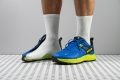
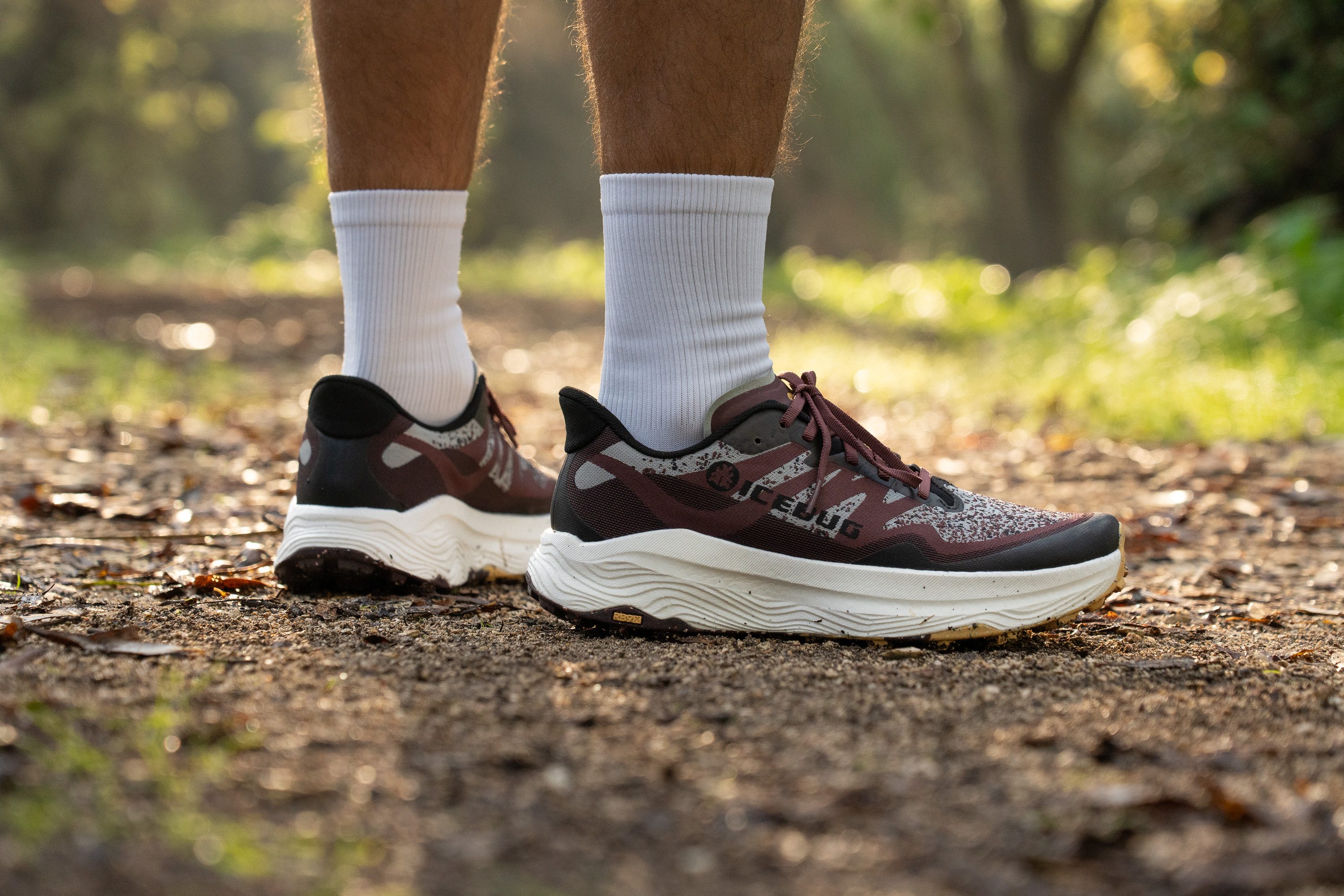
Based on our testing, the Icebug Järv RB9X is a strong pick for:
- Individuals who enjoy choosing less mainstream brands and want a solid trail shoe with dependable construction and eco-conscious materials.
- Anyone in colder climates who needs a premium trail option that stays consistent in low temperatures.
- Trail runners who want a shoe that handles moderate terrain and some technical sections while still staying versatile for mixed conditions.
Who should NOT buy
We think the firm feel of the Järv RB9X is not the best choice for runners who want a soft ride. In our experience, its dense eTPU midsole never feels cloud-like, and some may prefer alternatives like the Nike Zegama 2 or the HOKA Mafate 5. Both come at a similar price and deliver plenty of cushioning, but with a much softer, plush feel.
We also found in the lab that its high weight is not ideal, and can be a real drawback if you prefer a nimble, feather-light feel underfoot. From our perspective, the HOKA Speedgoat 6 is a much better fit if you prefer to avoid a heavy shoe.
Cushioning
Shock absorption
Shock absorption is solid, with 119 SA in the heel and 111 SA in the forefoot. Both values work well for versatile use across many distances, although we think the heel could use a bit more cushioning for rearfoot strikers tackling long trail runs.
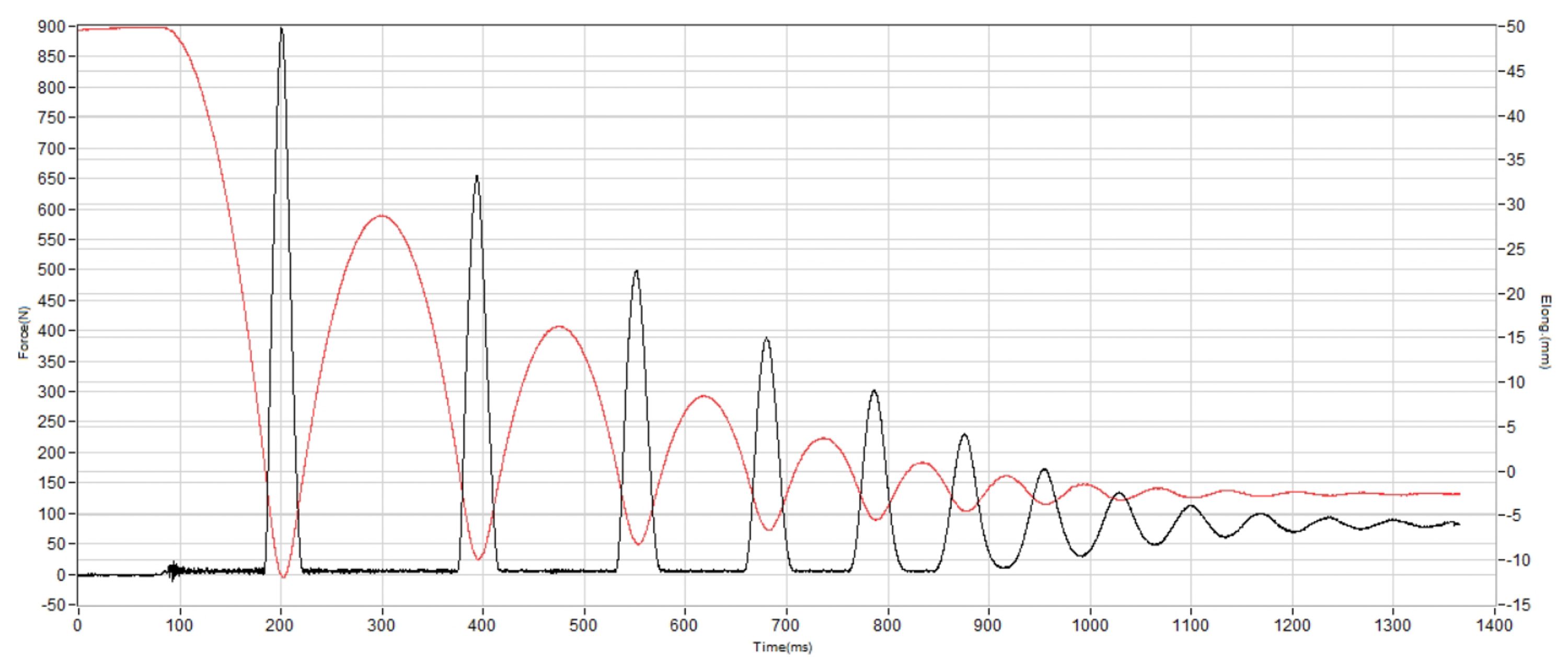
| Järv RB9X | 119 SA |
| Average | 122 SA |
Energy return
One of the best features of the Icebug Järv RB9X is its strong energy return. We expected a solid result since eTPU foams often outperform EVA (think adidas Boost or Saucony PWRRUN+), and this bio-based eTPU foam delivered exactly that.
In our test, it returned 64.0% in the heel and 62.5% in the forefoot.
| Järv RB9X | 62.5% |
| Average | 59.7% |
Heel stack
That moderate shock absorption doesn’t come from a shortage of foam, as our measurement shows a substantial 37.0 mm stack height in the heel. With such a thick design, you can say goodbye to ground feel, but the Järv RB9X delivers excellent protection from anything underfoot.
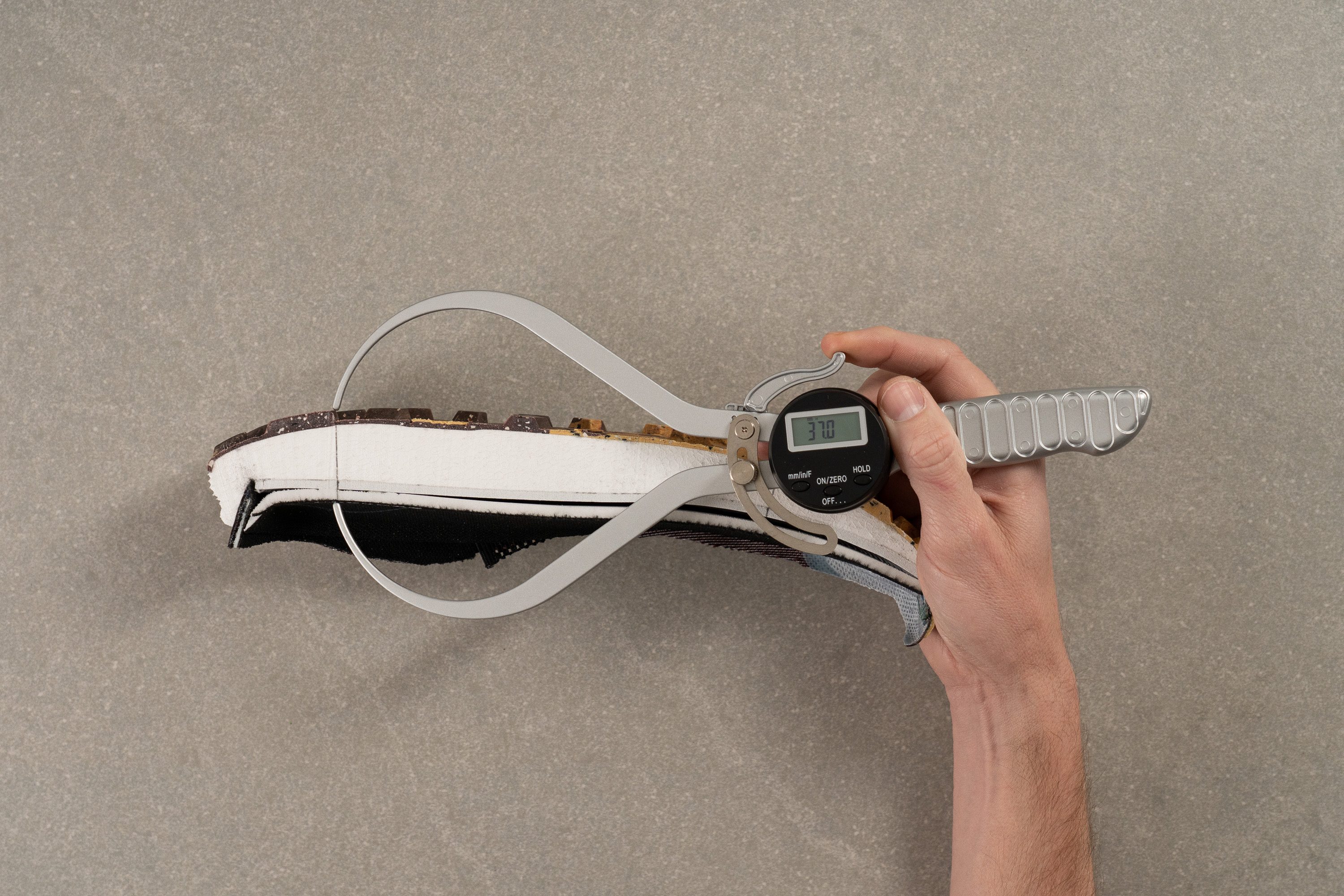
| Järv RB9X | 37.0 mm |
| Average | 33.0 mm |
Forefoot stack
The forefoot is also packed with foam at 31.0 mm, well above our lab average and placing the Järv RB9X among the highest-stacked trail shoes we’ve tested.
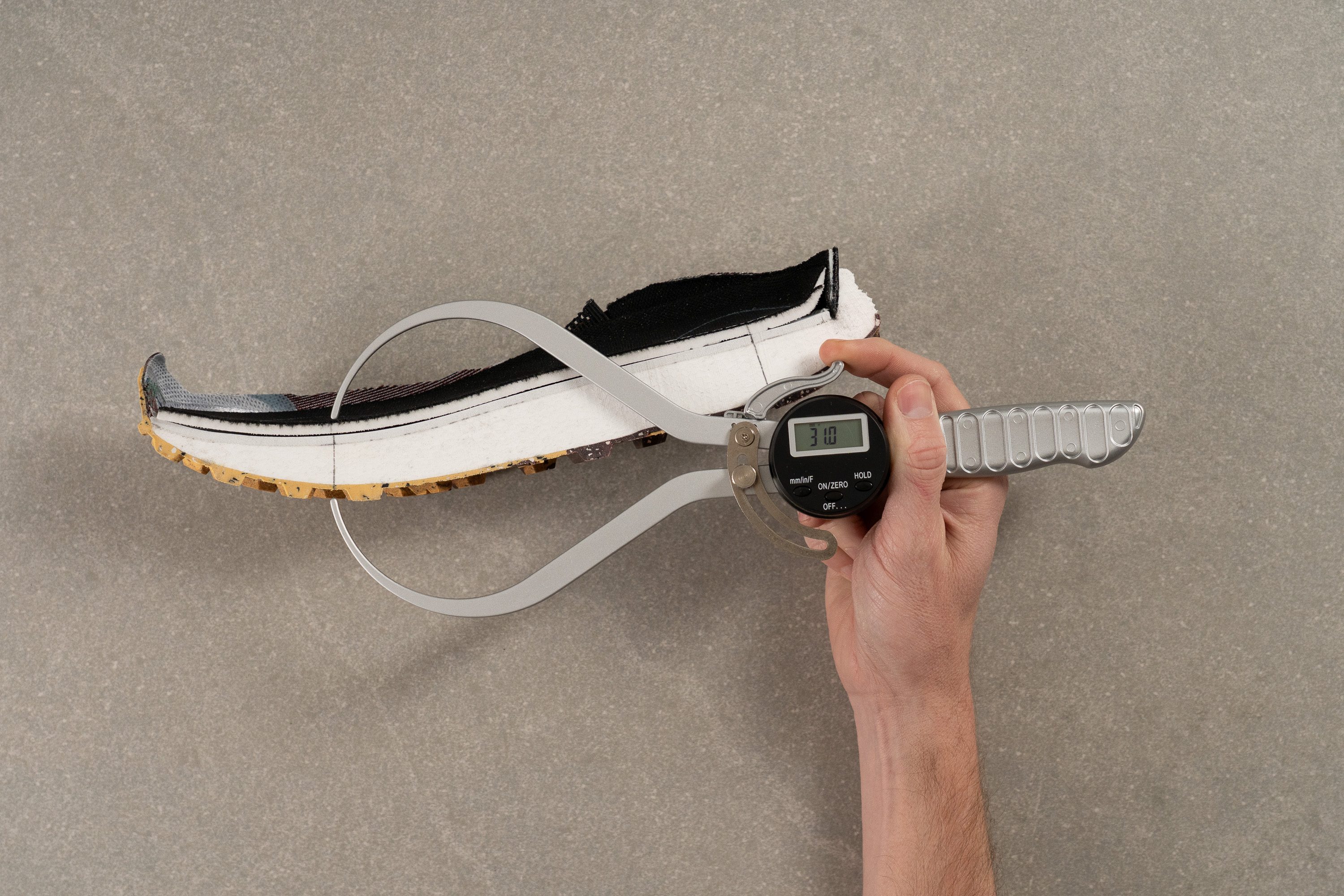
| Järv RB9X | 31.0 mm |
| Average | 25.7 mm |
Drop
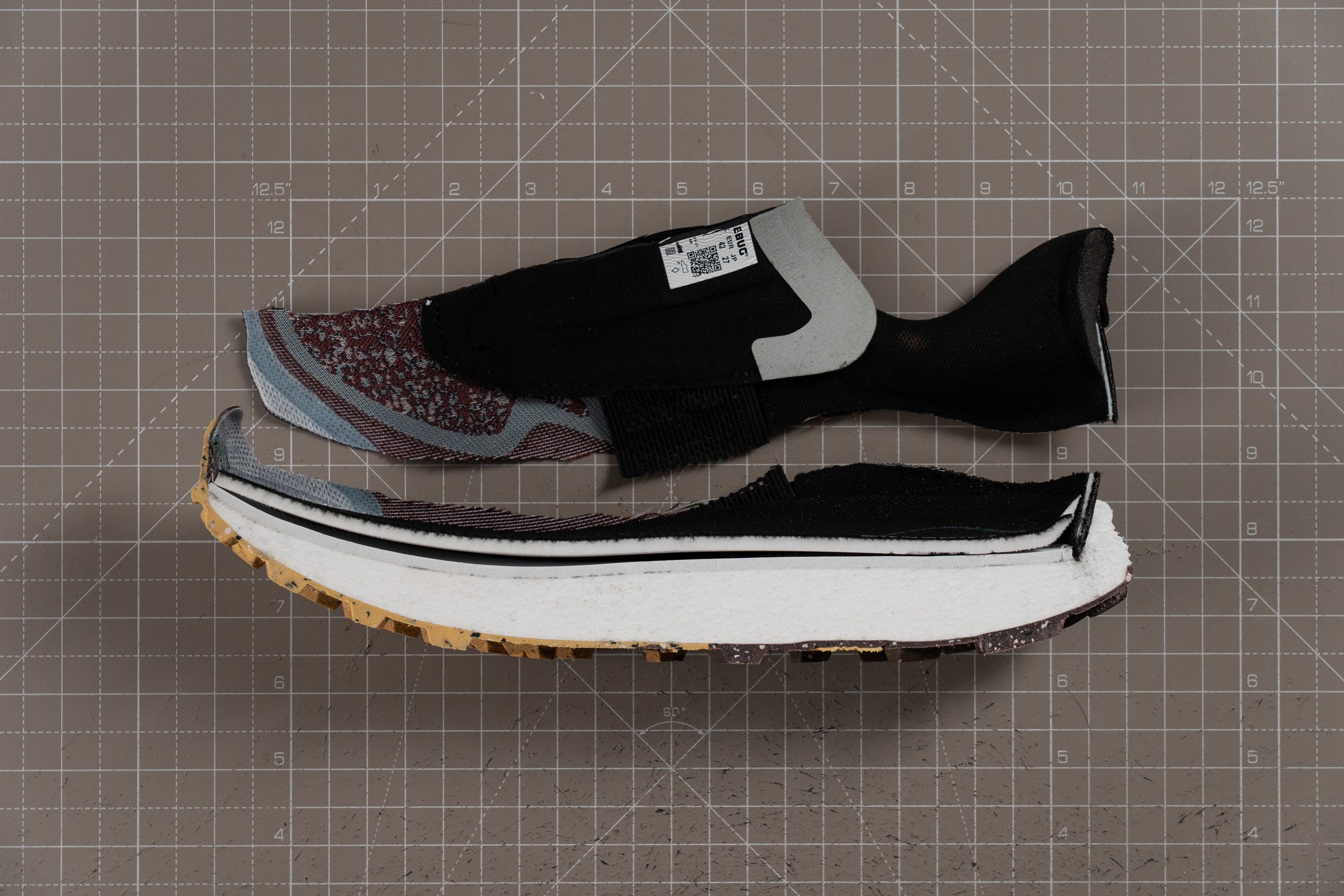
The difference between both measurements gives a 6.0 mm drop, which is slightly off from the stated 4.0 mm. That said, this moderate offset works great on trails, offering a smooth ride for heel strikers while still feeling natural for midfoot and forefoot runners.
| Järv RB9X | 6.0 mm |
| Average | 7.2 mm |
Midsole softness
We loved the strong energy return of the Järv RB9X, but we wondered why shock absorption wasn’t higher with such a tall stack. Well, we discovered the answer in the bio-based, corn-derived eTPU foam.
While many trail shoes are getting softer, Icebug chose a 25.6-HA compound that feels noticeably firm underfoot. And that’s not negative at all—it simply offers a more stable, planted ride for runners who prefer that style.
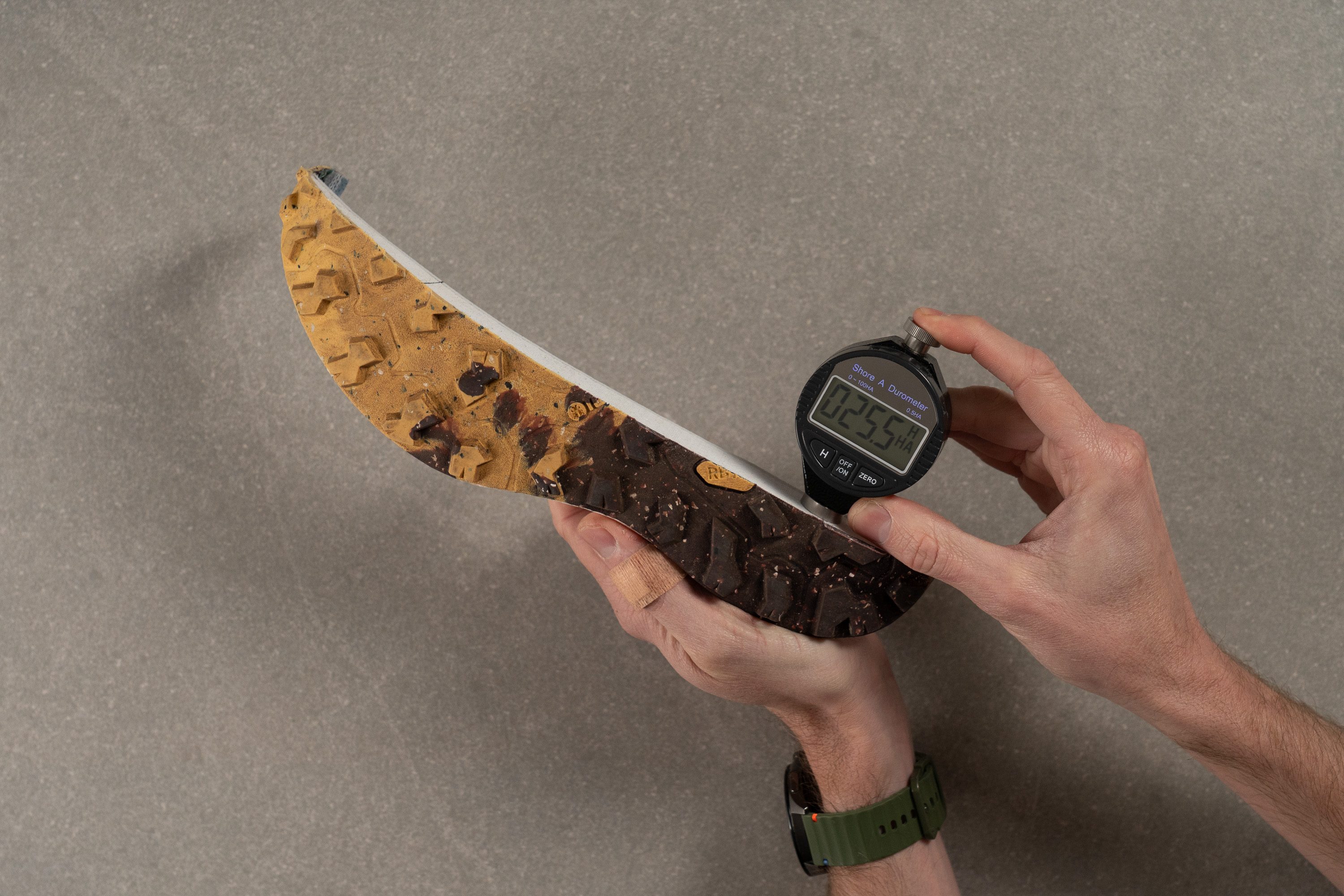
| Järv RB9X | 25.6 HA |
| Average | 21.4 HA |
Rocker
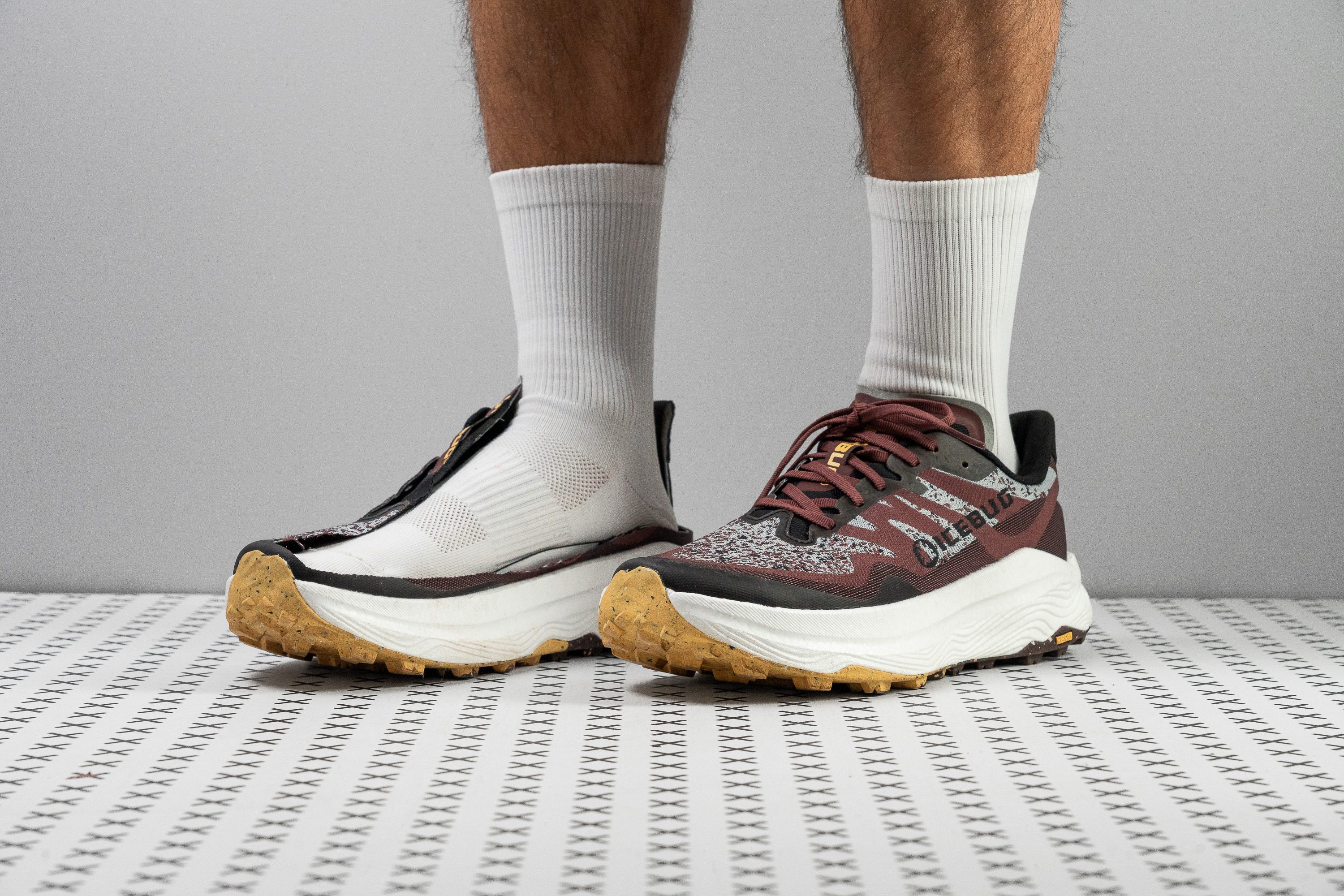
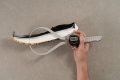
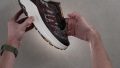
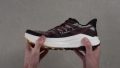
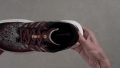
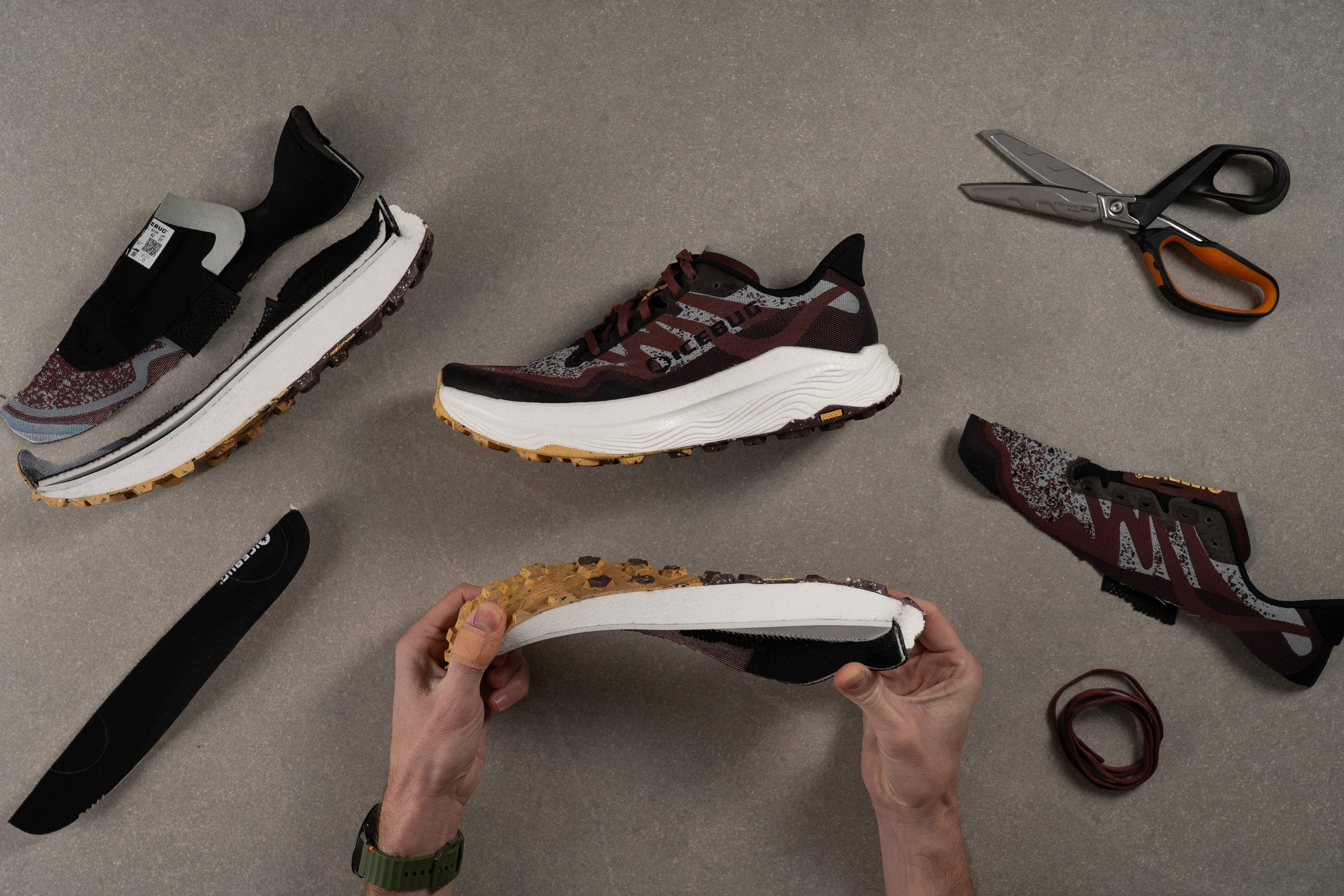
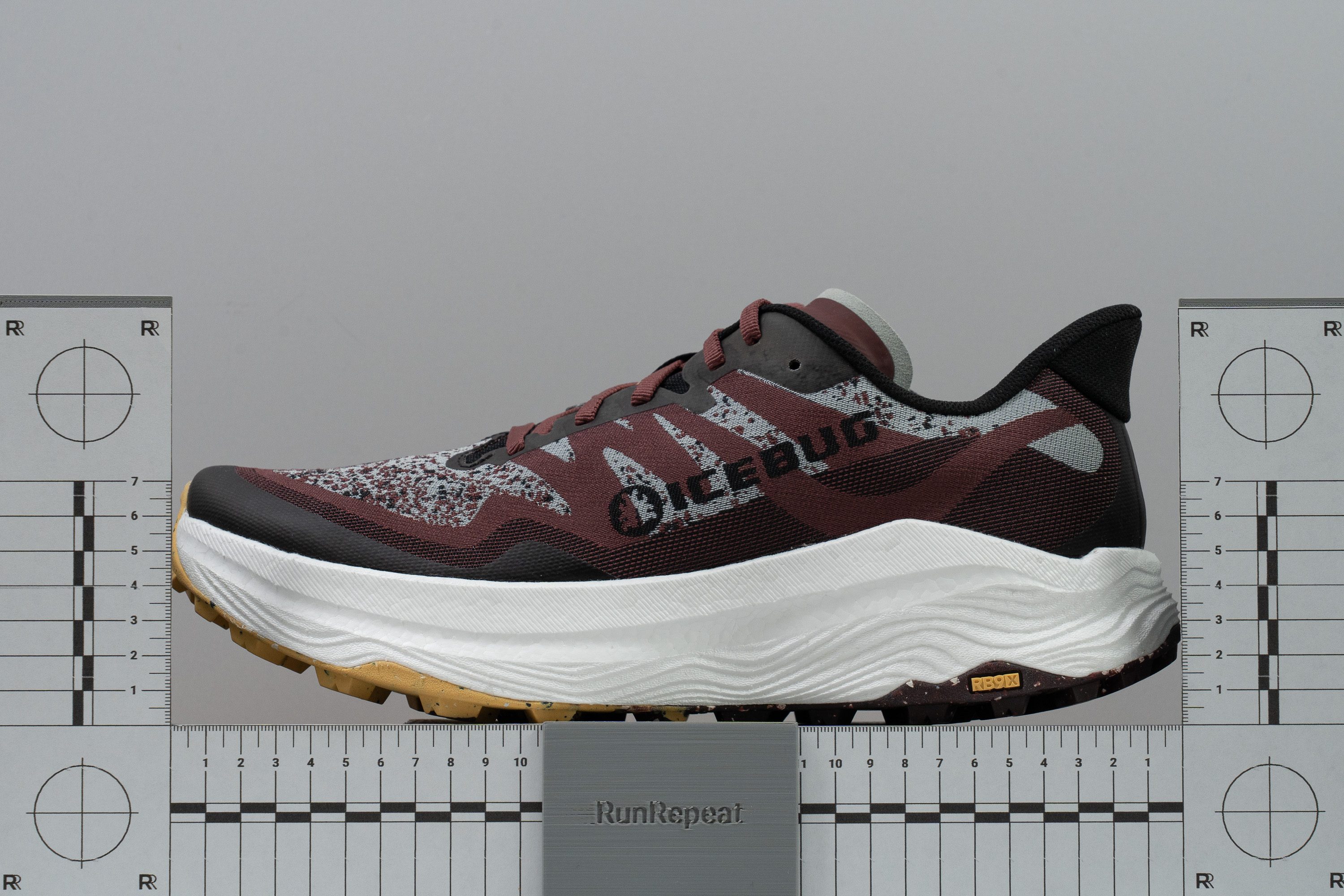
Icebug made a smart design choice with the Järv RB9X rocker, since the thick and firm foam doesn’t flex easily. That’s why the strong rockered shape we confirmed in our photo is essential to keep the shoe dynamic.
Size and fit
Size
Width / Fit
In terms of fit, our first run made it feel more or less average.
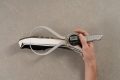
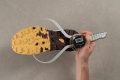
To back up our impressions, we created our usual gel mould of the interior and took precise measurements. The first came in at 93.3 mm, close to average but leaning slightly toward the snug side.
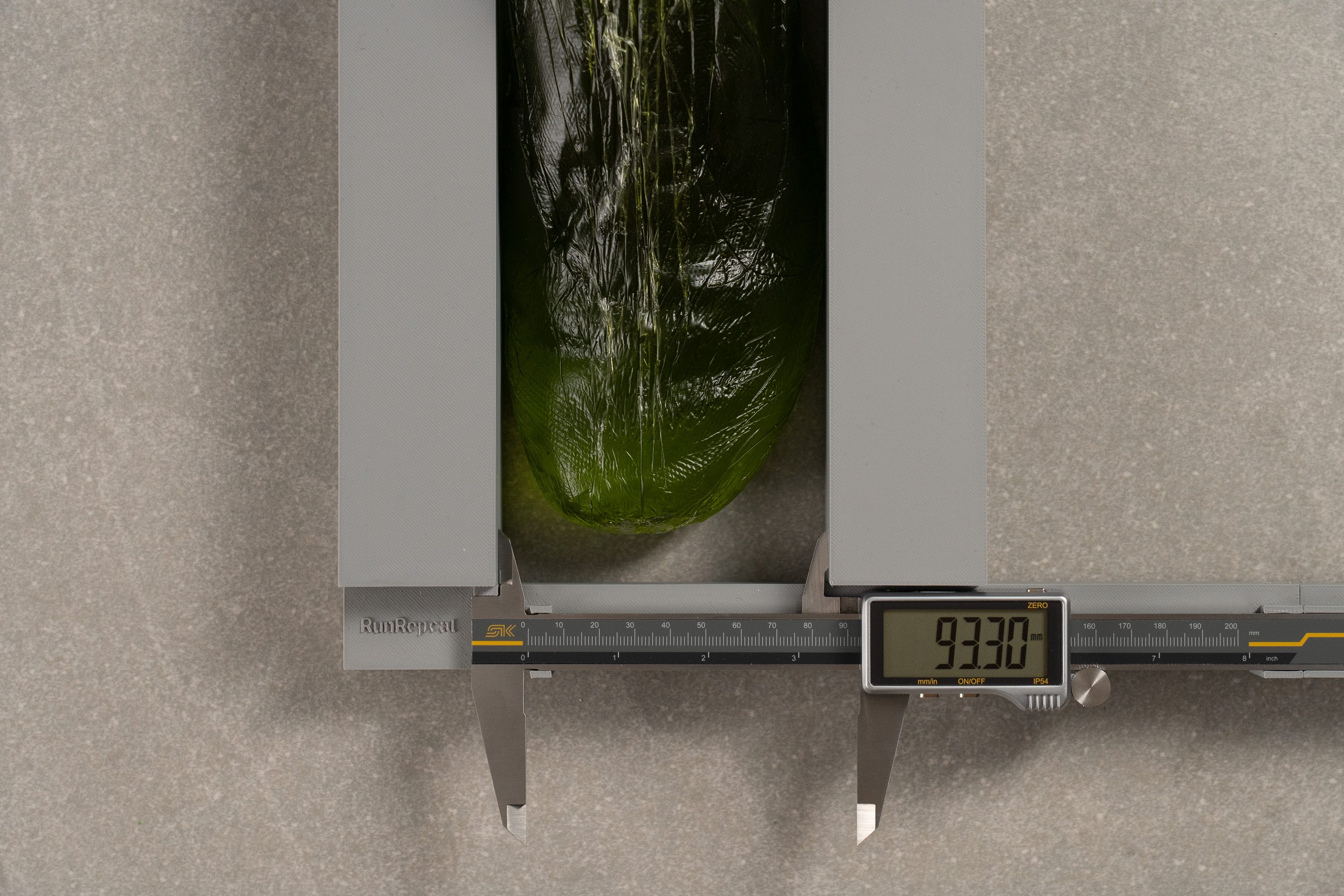
| Järv RB9X | 93.3 mm |
| Average | 95.7 mm |
Toebox width
The second measurement, taken in the toebox area, was even closer to average at 74.2 mm. No unexpected issues here for most runners.
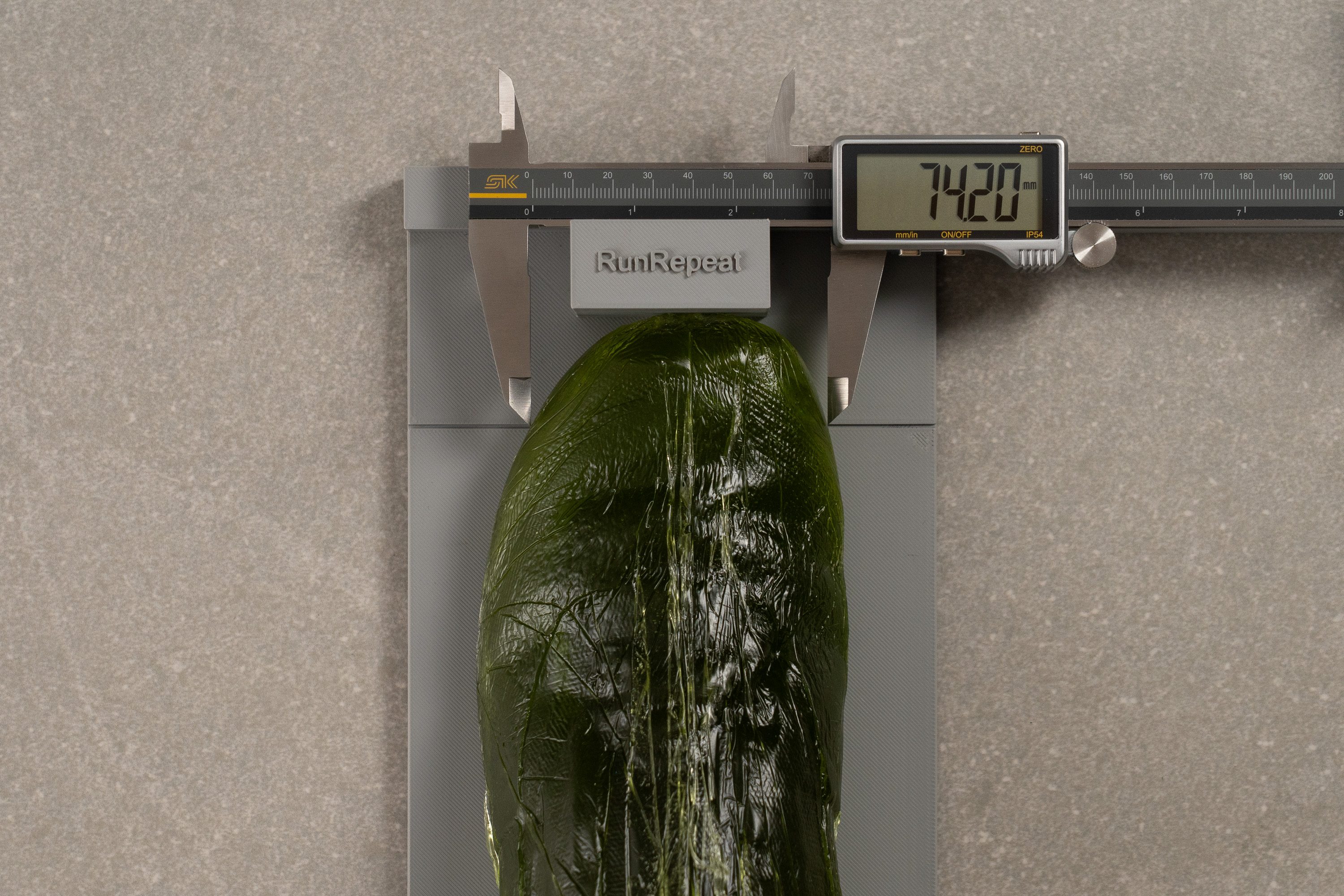
| Järv RB9X | 74.2 mm |
| Average | 74.3 mm |
Toebox height
In terms of vertical clearance, there isn’t as much room for the toes as in some road shoes.
Still, trail models often need a snugger fit for better security, and too much space can be an issue, so this feels appropriate.
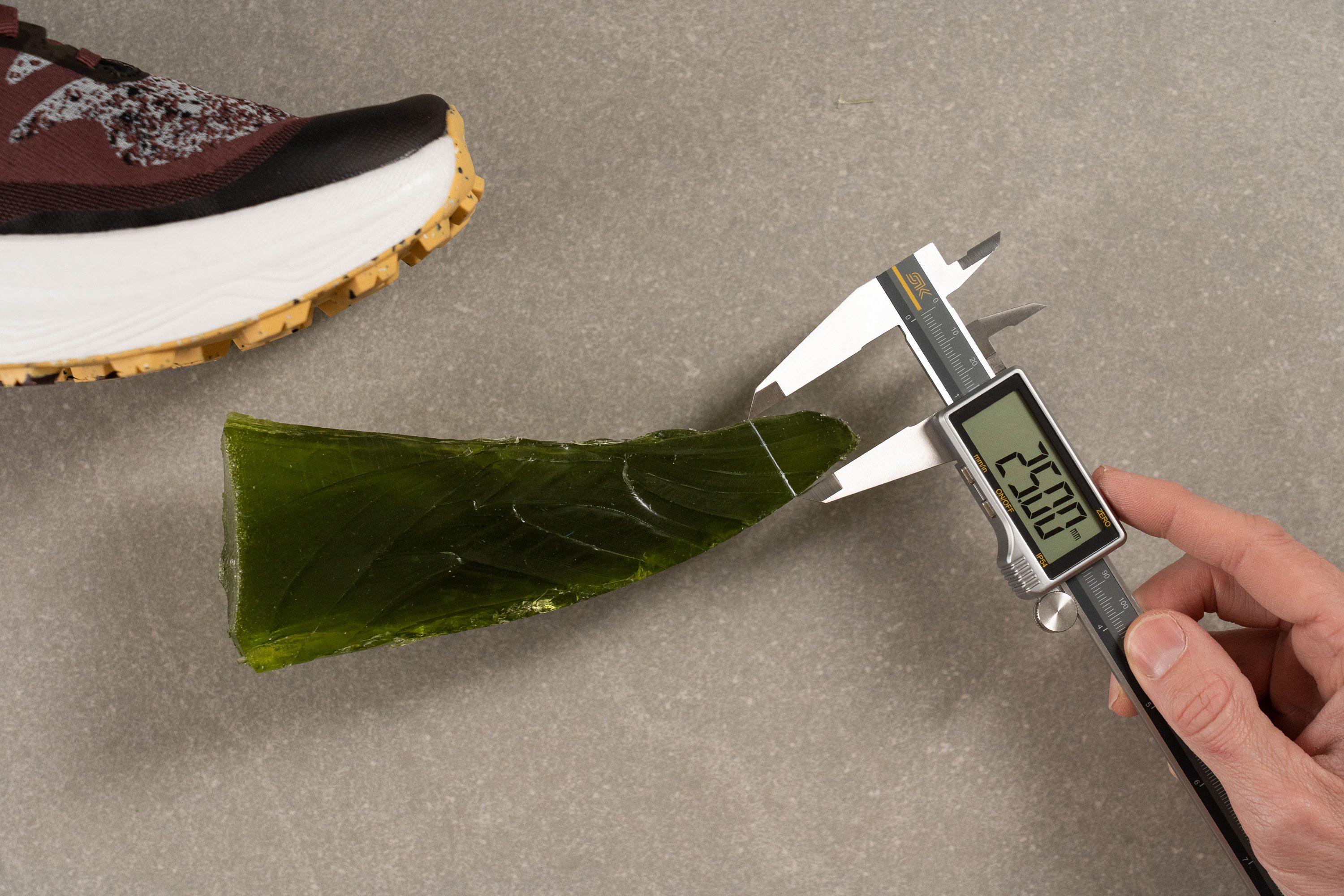
| Järv RB9X | 25.0 mm |
| Average | 27.0 mm |
Traction / Grip
Traction test
One of the highlights of this shoe is the RB9X outsole, and it seems Icebug agrees, as they included it in the name. It’s really nice because grip is very strong with a 0.70 score in our test, and we also found that it uses recycled rubber.
| Järv RB9X | 0.70 |
| Average | 0.68 |
Lug depth
While many brands are shifting to shallow, gravel-oriented lugs, Icebug kept the Järv RB9X equipped with deep 5.0 mm lugs that suit moderate terrain and still handle both easy and mildly technical sections.
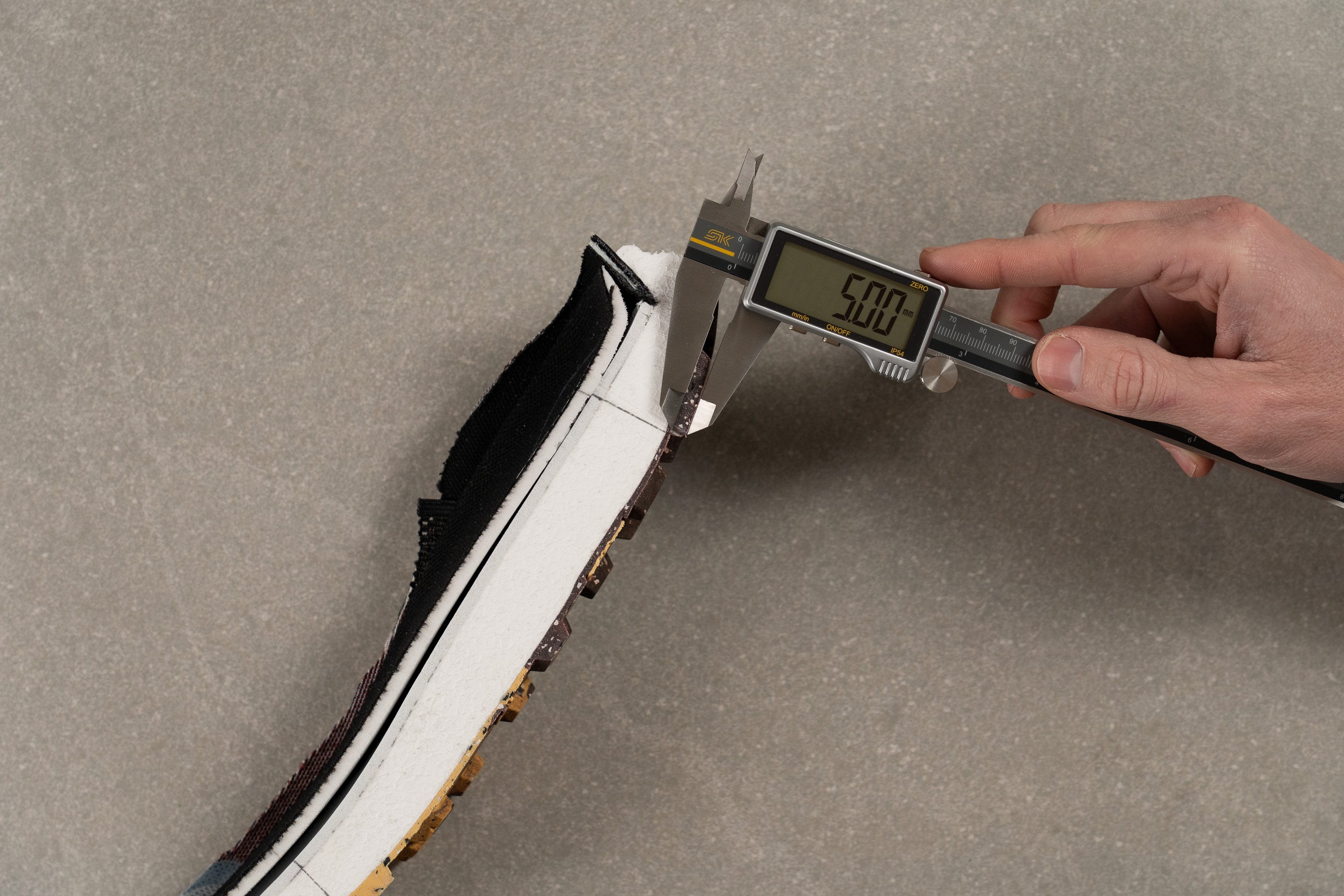
| Järv RB9X | 5.0 mm |
| Average | 3.5 mm |
Outsole design
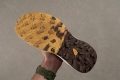
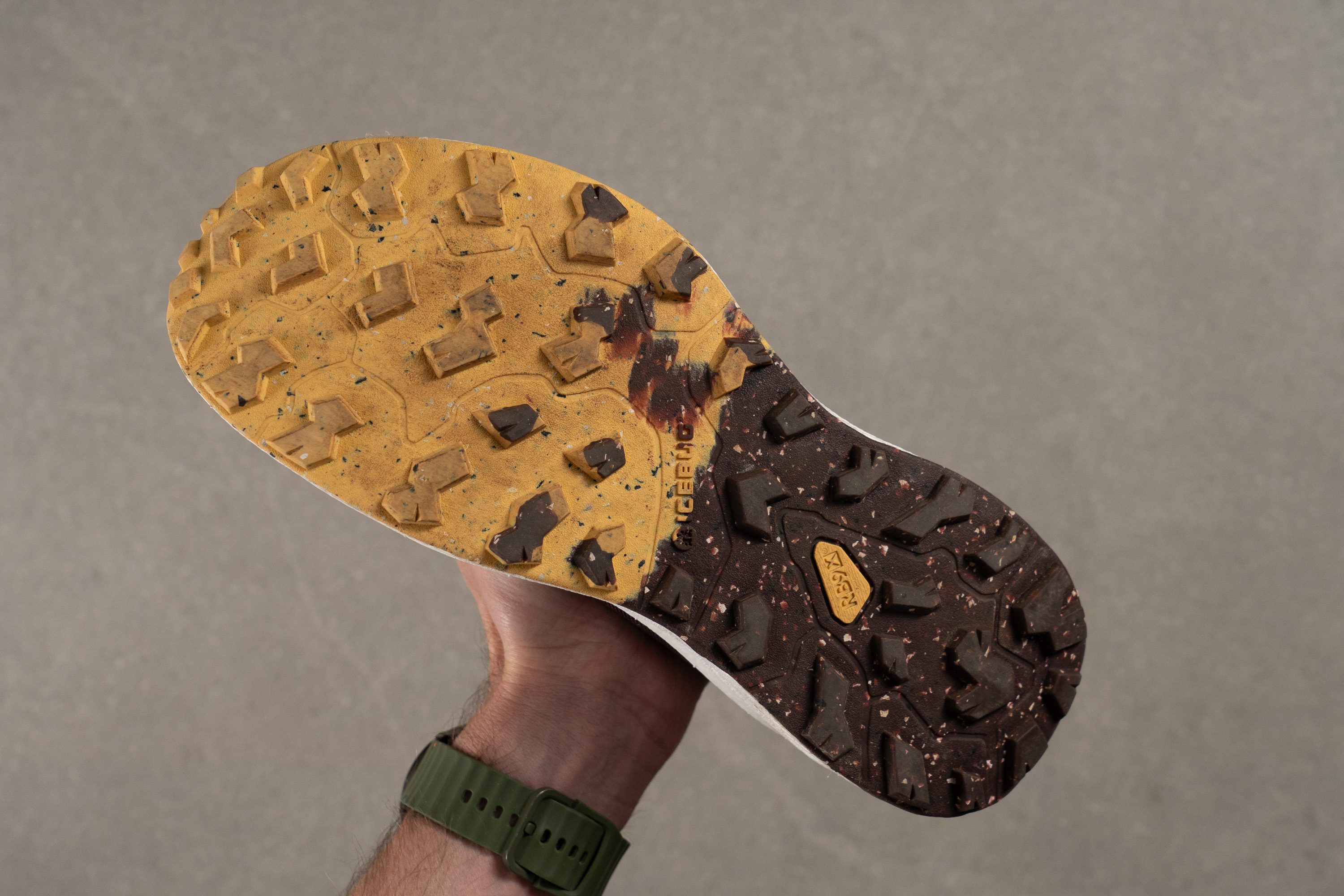
We noted that the outsole of the Järv uses a full-length RB9X rubber layer with no exposed midsole foam. The forefoot features large, block-shaped lugs arranged in multiple rows.
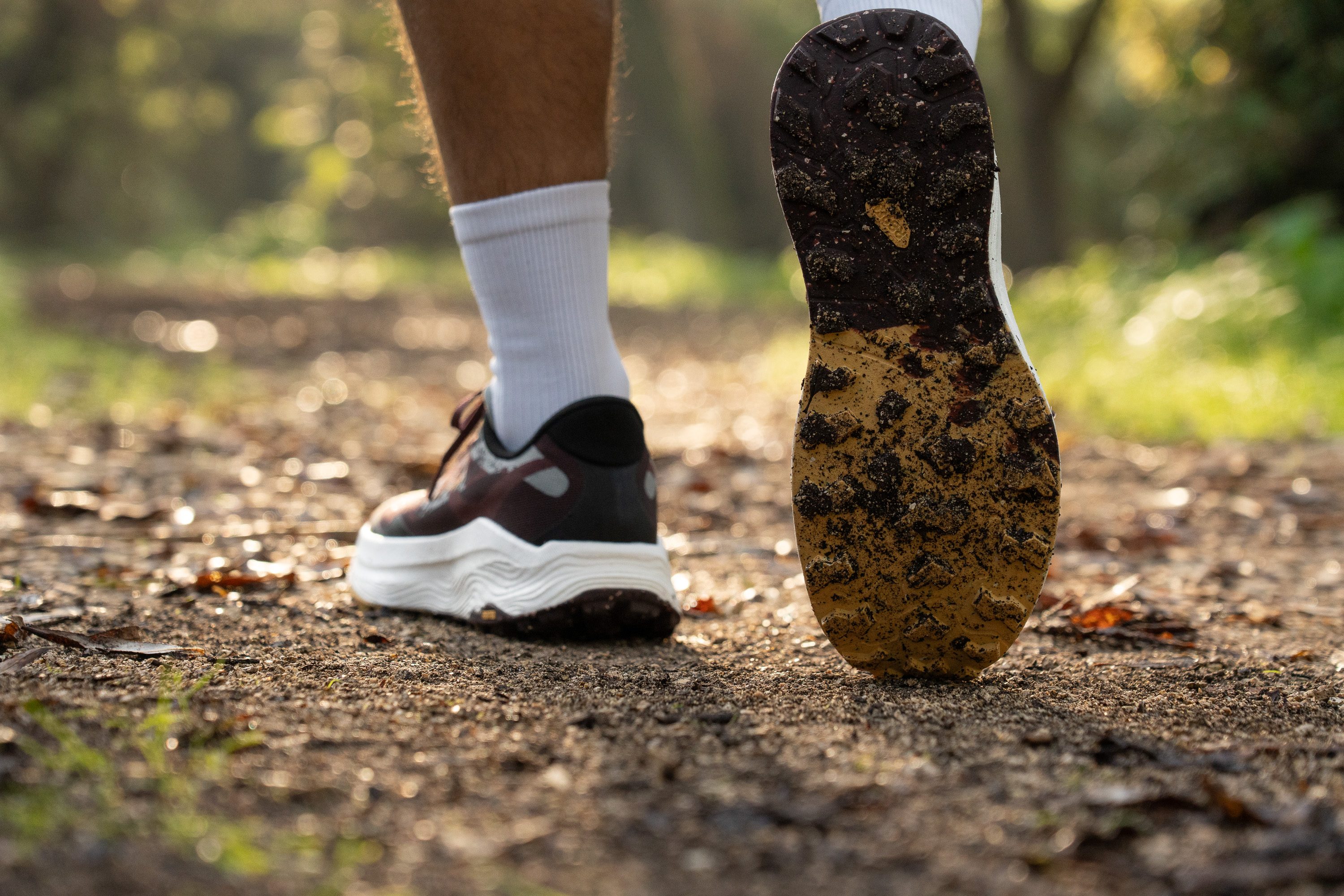
In the midfoot and heel, the rubber continues as one piece but shifts to darker brown material with irregularly shaped lugs placed in a denser pattern for solid breaking.
Flexibility / Stiffness
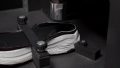
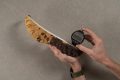
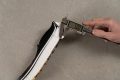
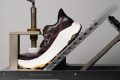
This shoe is extremely stiff, and we confirmed that in the lab with a 19.8N result in our 30-degree bend test. It’s no surprise, given the combination of full-length rubber coverage and a max-stack, firm midsole.
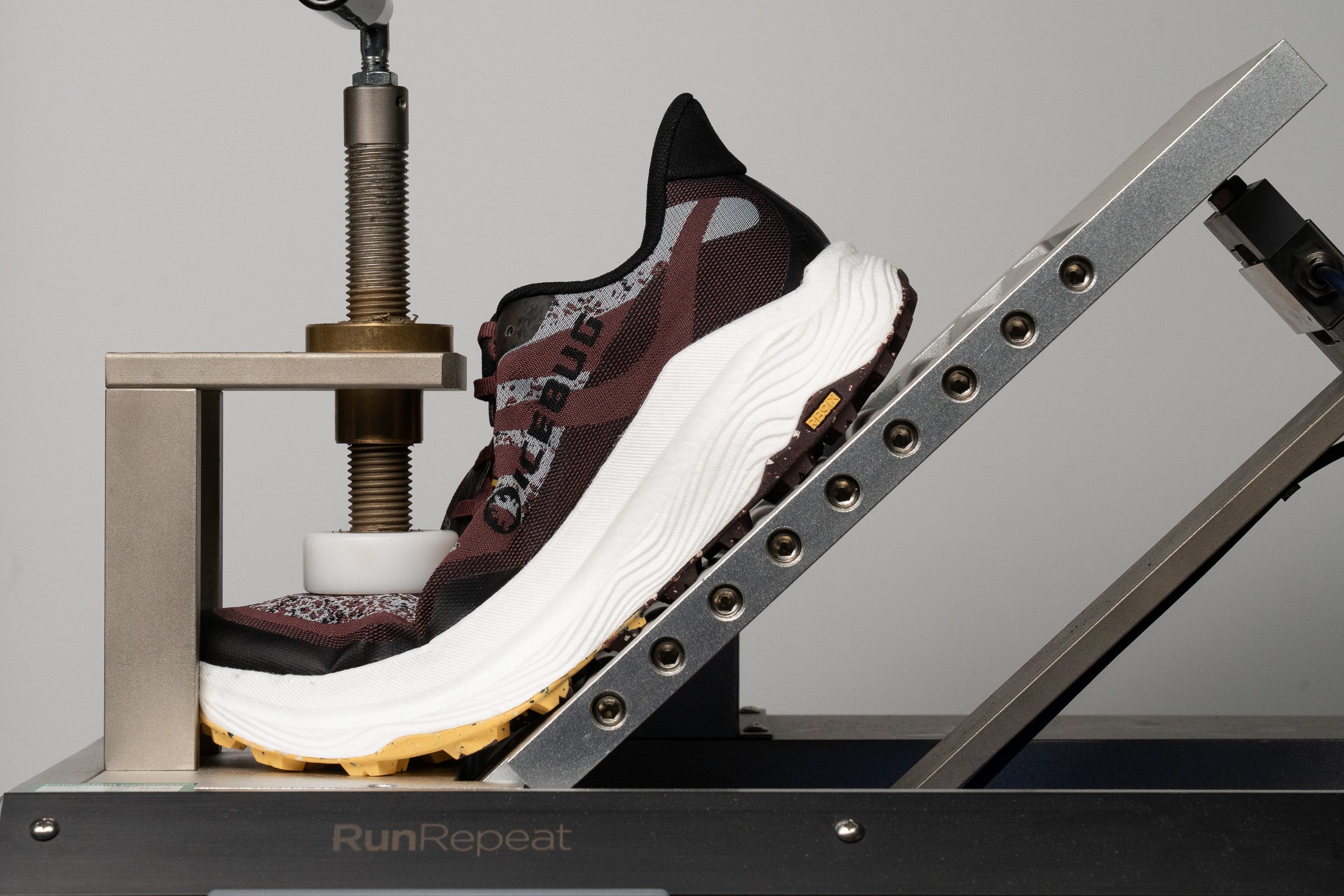
| Järv RB9X | 19.8N |
| Average | 14.8N |
Weight
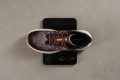
One of the potential deal-breakers with the Järv RB9X is weight. At 11.6 oz or 329g, this is far from a light trail running experience and feels quite heavy underfoot, which we noticed the moment we tested it.
The thick, comfortable upper, the dense eTPU foam material—similar to older Boost models—and the full-length protective outsole all push the shoe well above 10 oz. For some runners this may be an acceptable trade-off, but if you want a light and quick feel, we found it becomes a clear problem.
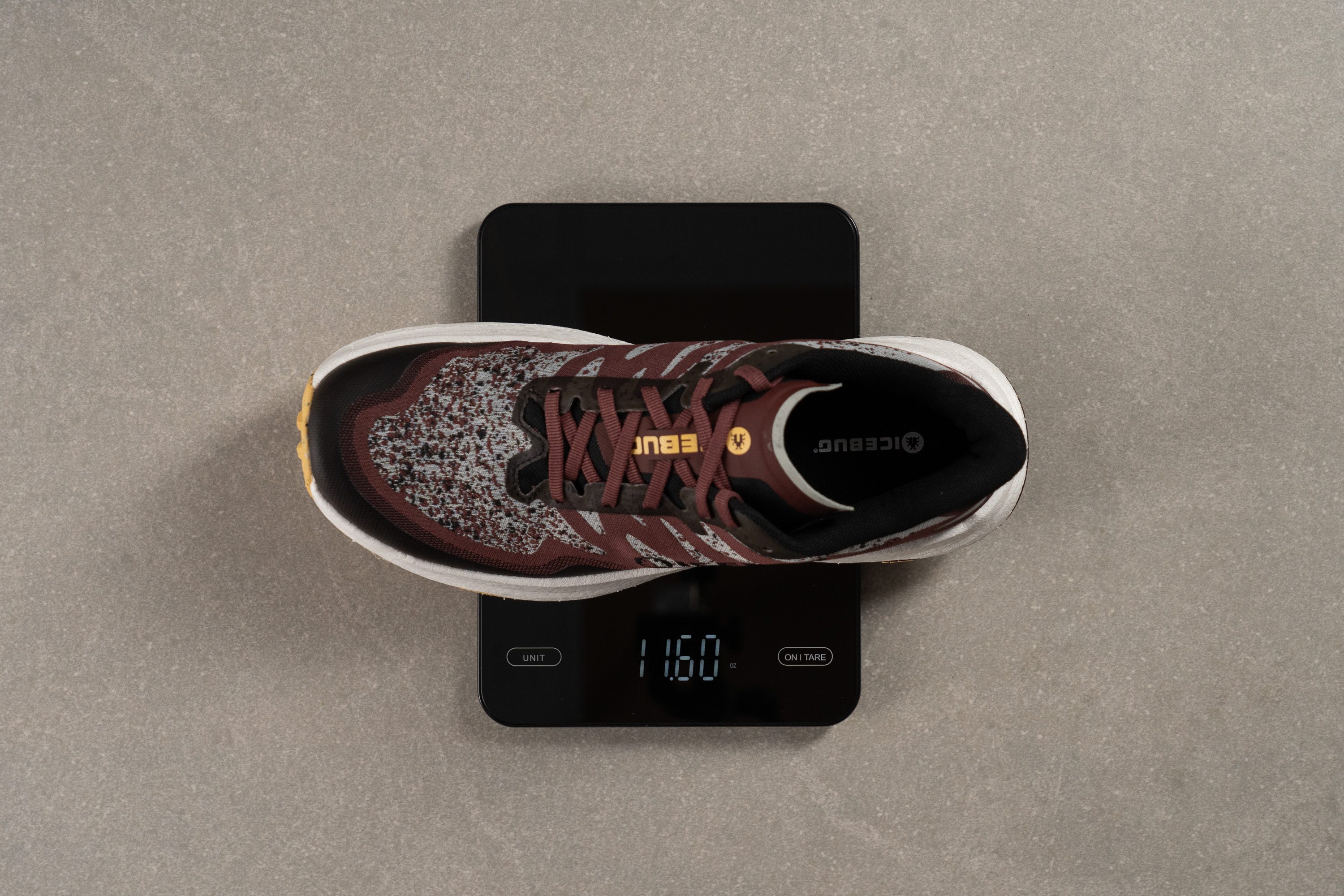
| Järv RB9X | 11.6 oz (329g) |
| Average | 10.1 oz (285g) |
Breathability
Breathability test
Right away, we noticed the Järv RB9X upper feels quite thick, which usually means great performance in cold weather but less ideal ventilation for summer. And honestly, we can’t blame Icebug given their Swedish roots.
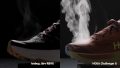
When we used our smoke machine to test airflow, it became clear this shoe is better suited for cold or mild climates and may feel warm during hot months. We rated ventilation at 2/5, and it's clear that the difference with the HOKA Challenger 8 is striking.
The knit upper is comfortable, but its thickness allows very little light to pass through, confirming the limited breathability.
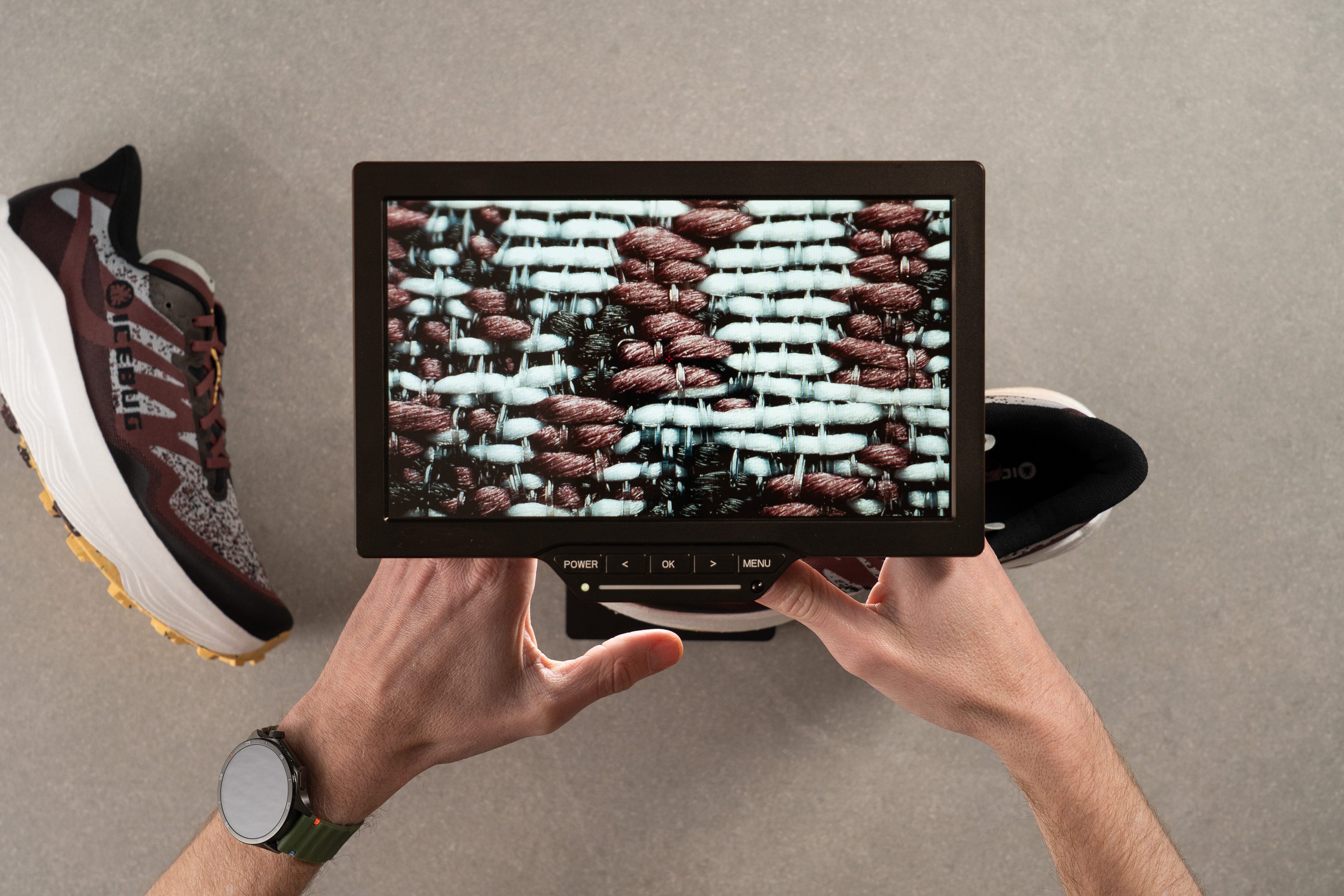
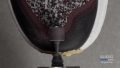
Under the microscope, we saw that airflow channels are minimal. The design focuses on protection and structure over ventilation, which is fine as long as runners know this before buying.
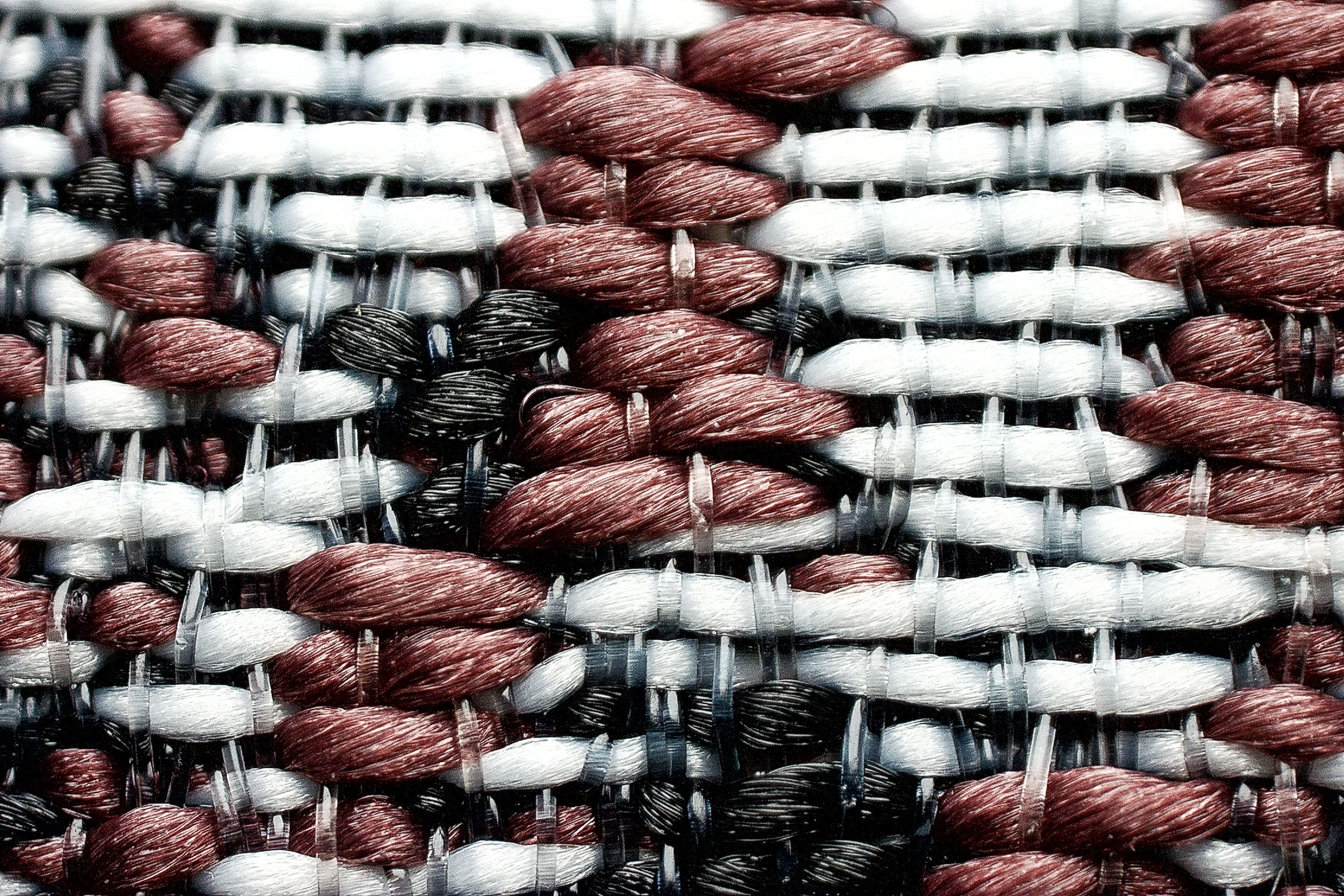
Padding is kept to a minimum, likely to offset the heavy midsole. Still, it’s a solid upper overall, as long as you avoid very hot days.
| Järv RB9X | 2 |
| Average | 3.3 |
Stability
Lateral stability test
Given the high stack height of the Järv RB9X, stability may feel limited for runners who need extra support, though neutral runners should be fine. And while firm foams aren’t everyone’s favorite, one clear advantage is the natural stability they provide.
Torsional rigidity
We found that the Icebug Järv RB9X has a bit of flex, though we still classify it as a rigid shoe and rate it 4 out of 5. Considering the thick foam slab and full rubber coverage, it’s actually surprising that it allows any flex at all.
| Järv RB9X | 4 |
| Average | 3.7 |
Heel counter stiffness
The heel counter feels similar to what you’d find in a road daily trainer, scoring 3/5 and offering a comfortable yet supportive hold.
| Järv RB9X | 3 |
| Average | 2.9 |
Midsole width - forefoot
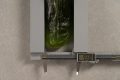
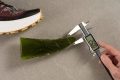
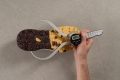
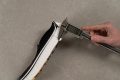
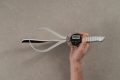
Just by holding the shoe, it’s clear that Icebug designed it to be wider than most trail models, and our caliper measurements confirmed it. The forefoot reaches 116.0 mm.
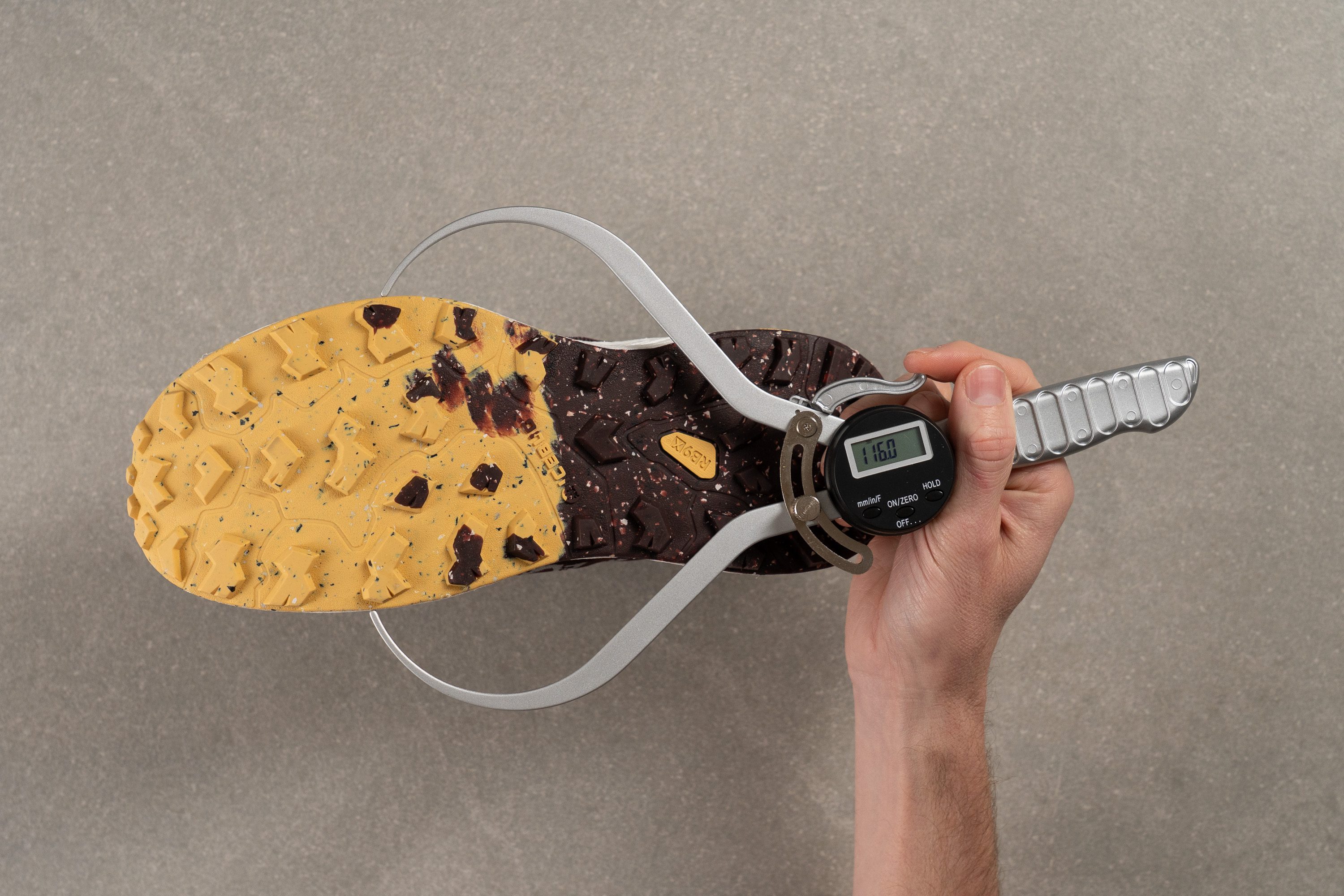
| Järv RB9X | 116.0 mm |
| Average | 114.3 mm |
Midsole width - heel
The heel area is also on the wider side at 93.9 mm. While it’s not extremely wide like some recent releases, the added support is noticeable and welcome given the height of the Järv RB9X.
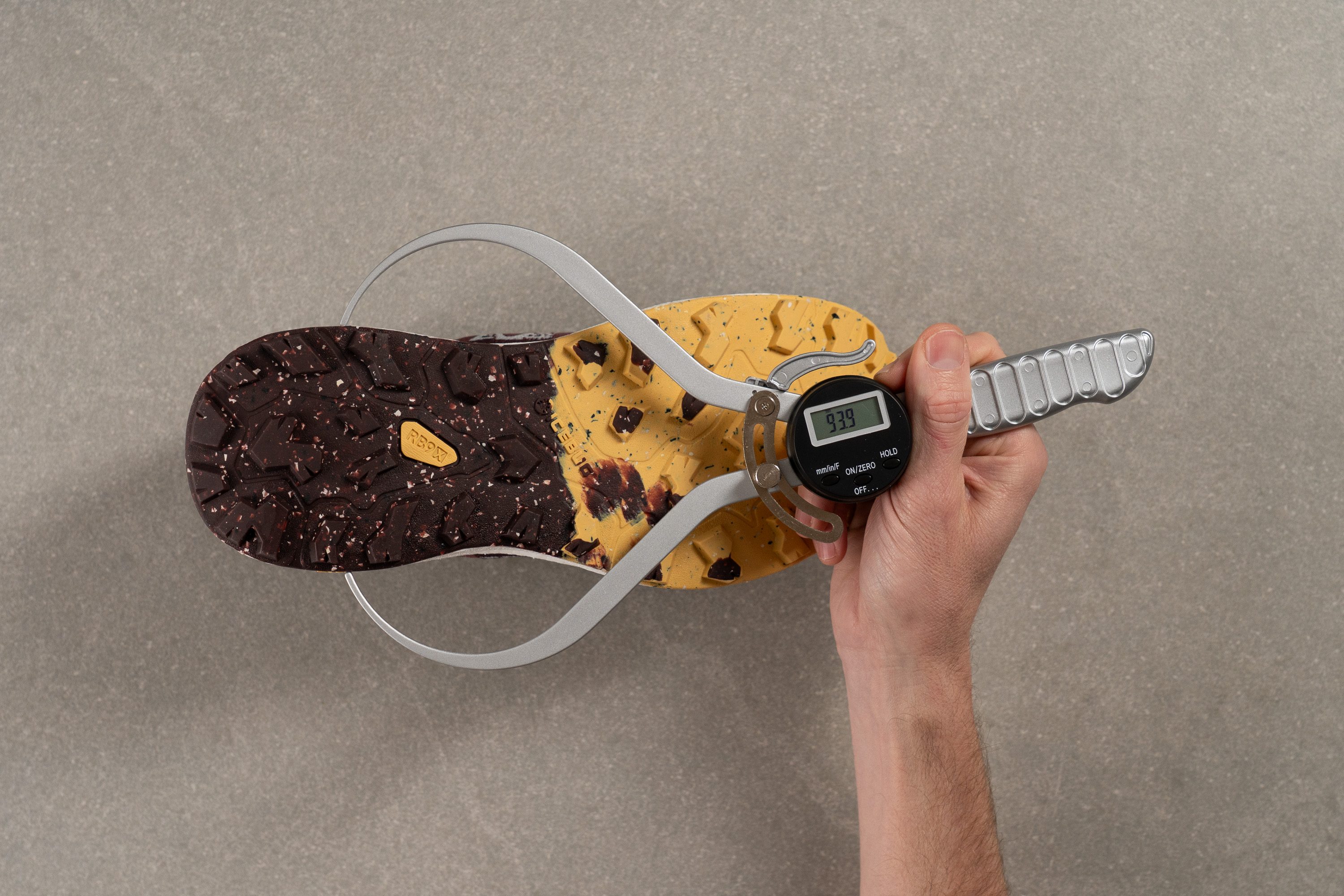
| Järv RB9X | 93.9 mm |
| Average | 90.5 mm |
Durability
Toebox durability
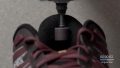
The upper may not be very breathable, but we found its durability to be excellent. After completing our first Dremel test, we gave it a solid 4/5, especially impressive when combined with the reinforcements Icebug added throughout the shoe.
| Järv RB9X | 4 |
| Average | 3.1 |
Heel padding durability
The heel padding performed reasonably well with a 3/5 score, although this area did not stand out as much as the toebox.
| Järv RB9X | 3 |
| Average | 3.1 |
Outsole durability
The RB9X outsole is one of the standout elements of this shoe, combining reliable grip with bio-based materials. Its durability result of 1.1 mm could be stronger, but it is still far from concerning and does not raise any red flags for long-term use.
| Järv RB9X | 1.1 mm |
| Average | 0.9 mm |
Outsole thickness
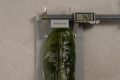
The outsole measures 1.7 mm in thickness, which works well here since the shoe already relies on deep lugs and a thick midsole that provide plenty of protection on their own.
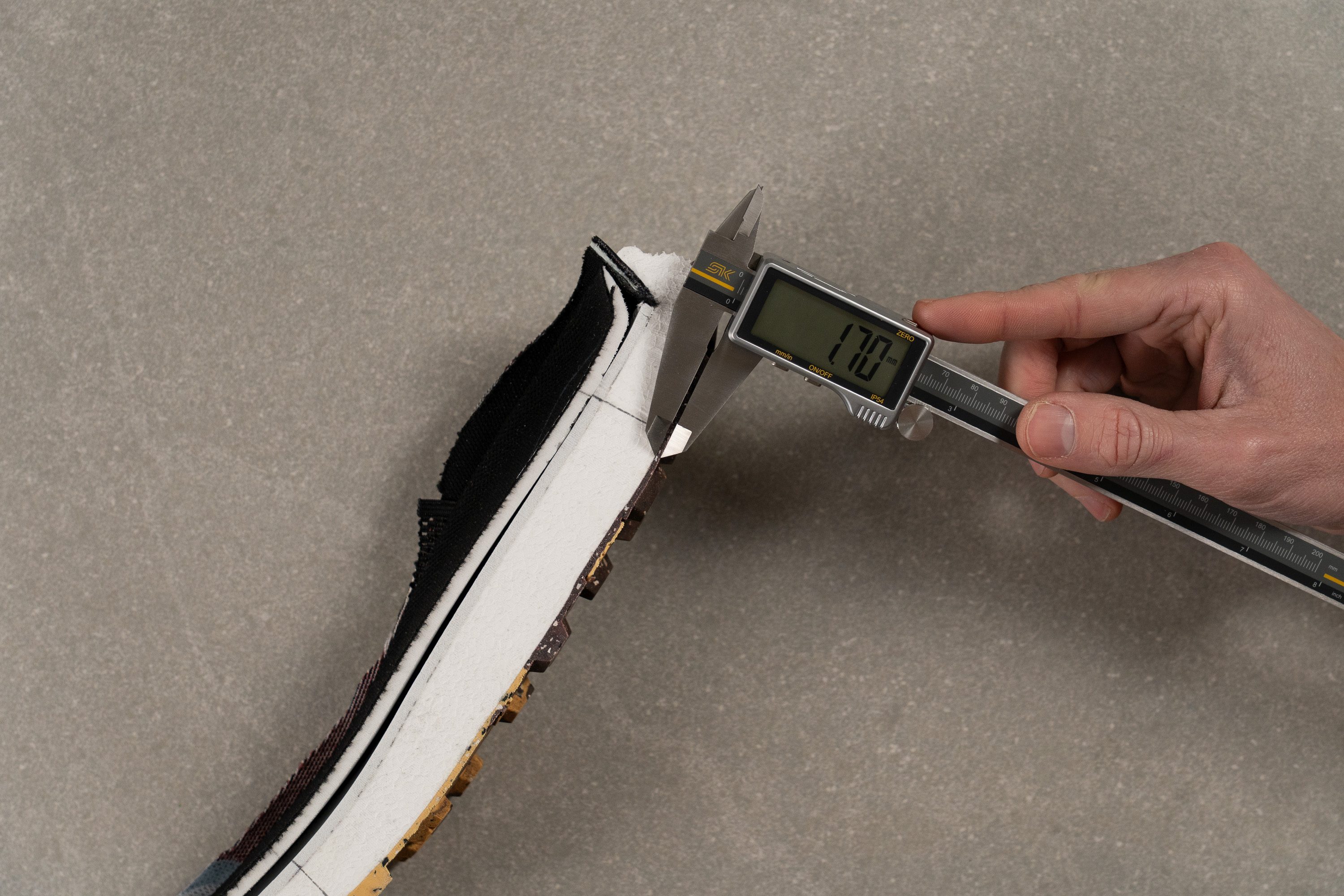
| Järv RB9X | 1.7 mm |
| Average | 1.9 mm |
Misc
Insole thickness
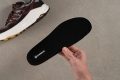
The insole of this shoe is called SuperC, as it uses a supercritical foam that adds extra energy return compared to other trail models. Its 4.3 mm thickness is average, but the added bounce is definitely noticeable.
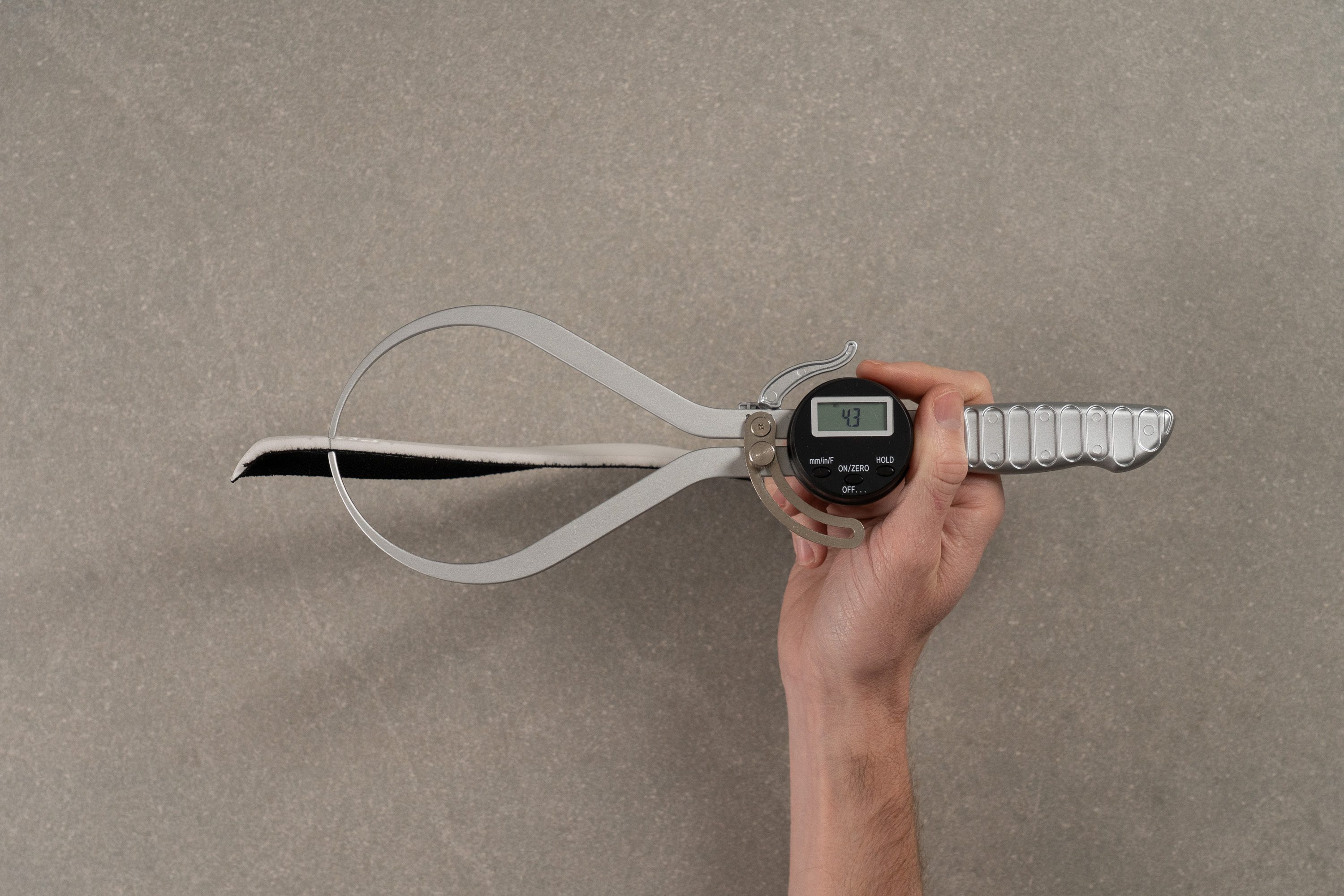
| Järv RB9X | 4.3 mm |
| Average | 4.6 mm |
Removable insole
Since the insole is one of the shoe’s premium features, we suggest keeping it in place even though it’s removable, rather than swapping it for another one.
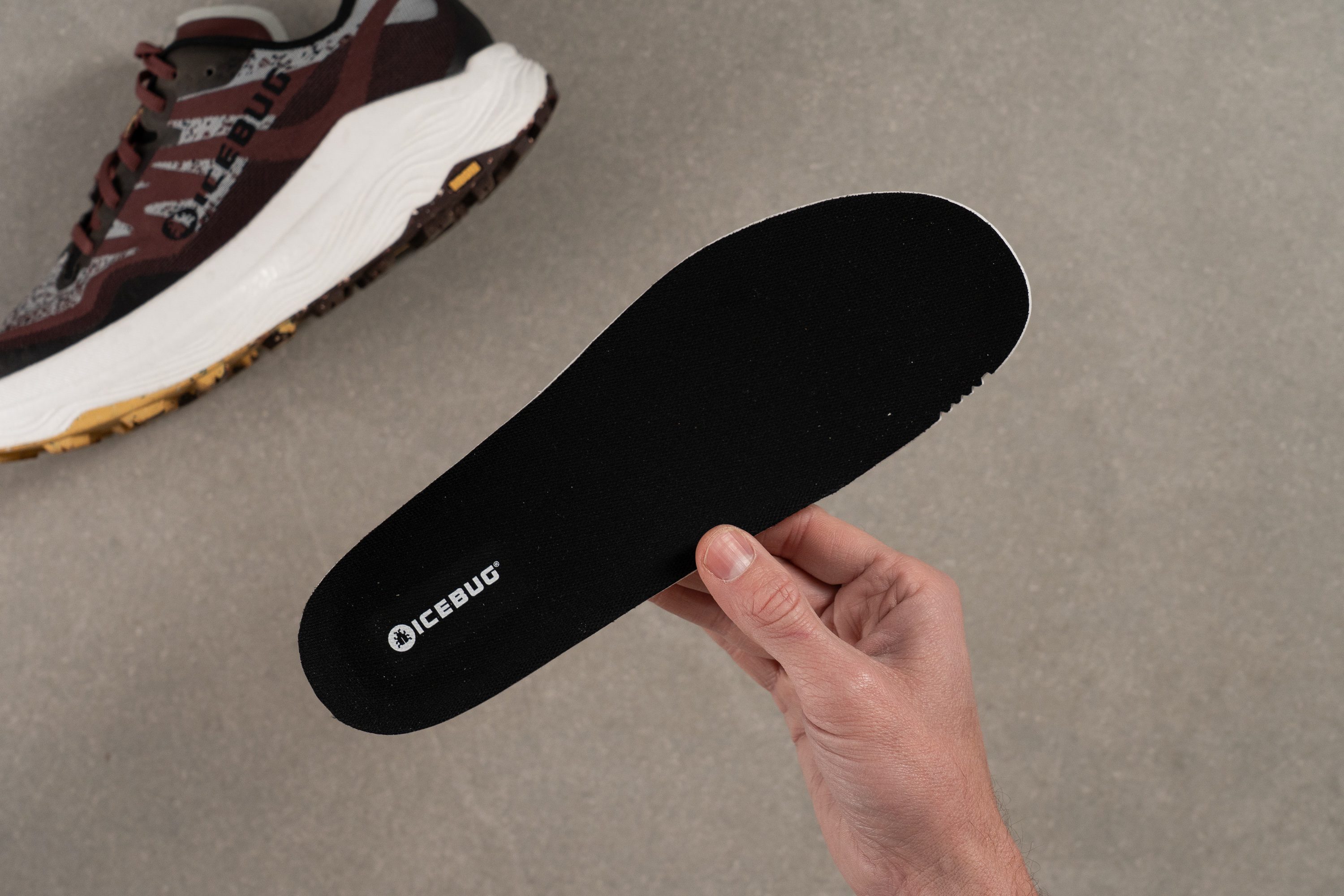
| Järv RB9X | Yes |
Reflective elements
Unfortunately, one drawback of the Järv is the complete lack of reflective elements.
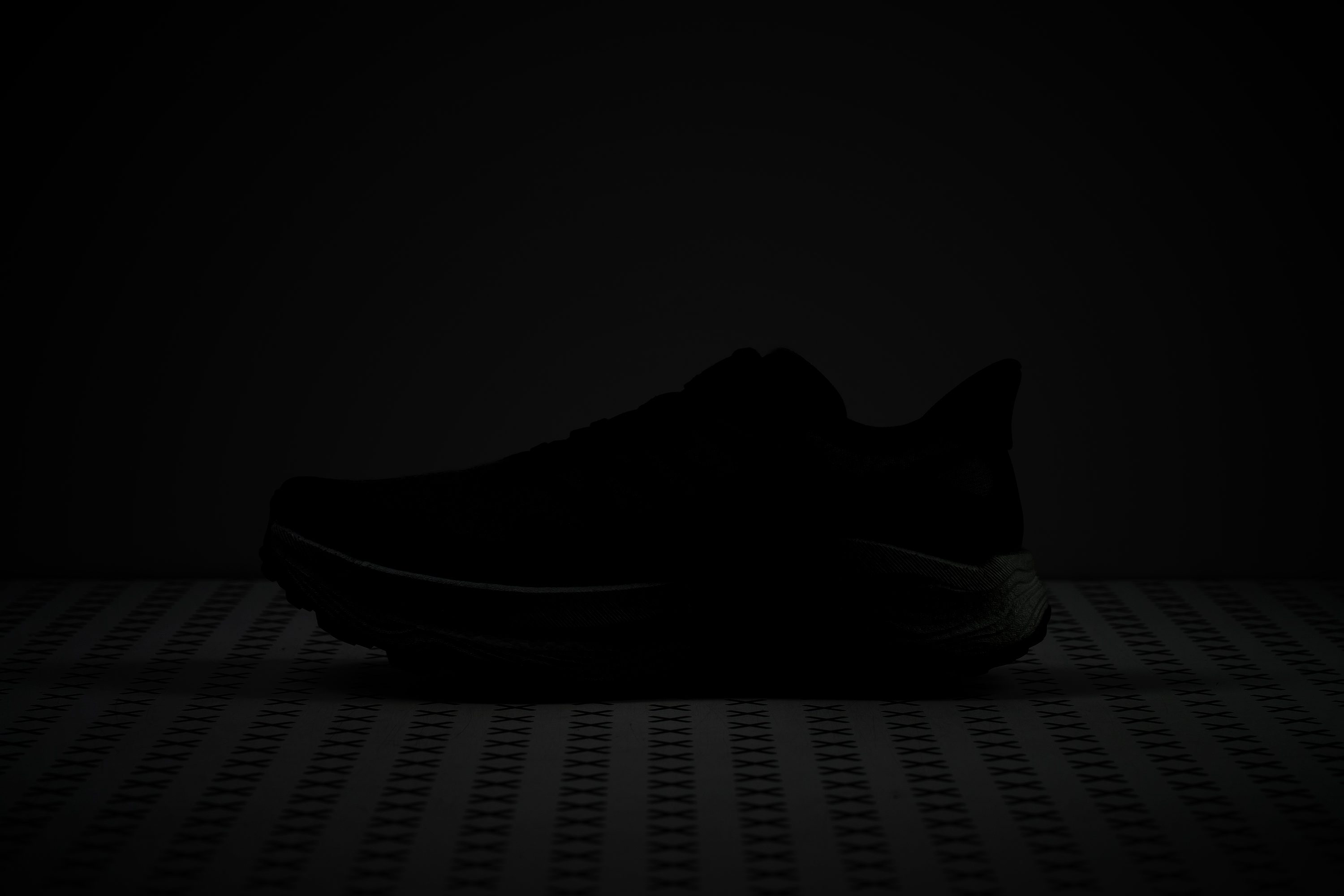
| Järv RB9X | No |
Tongue padding
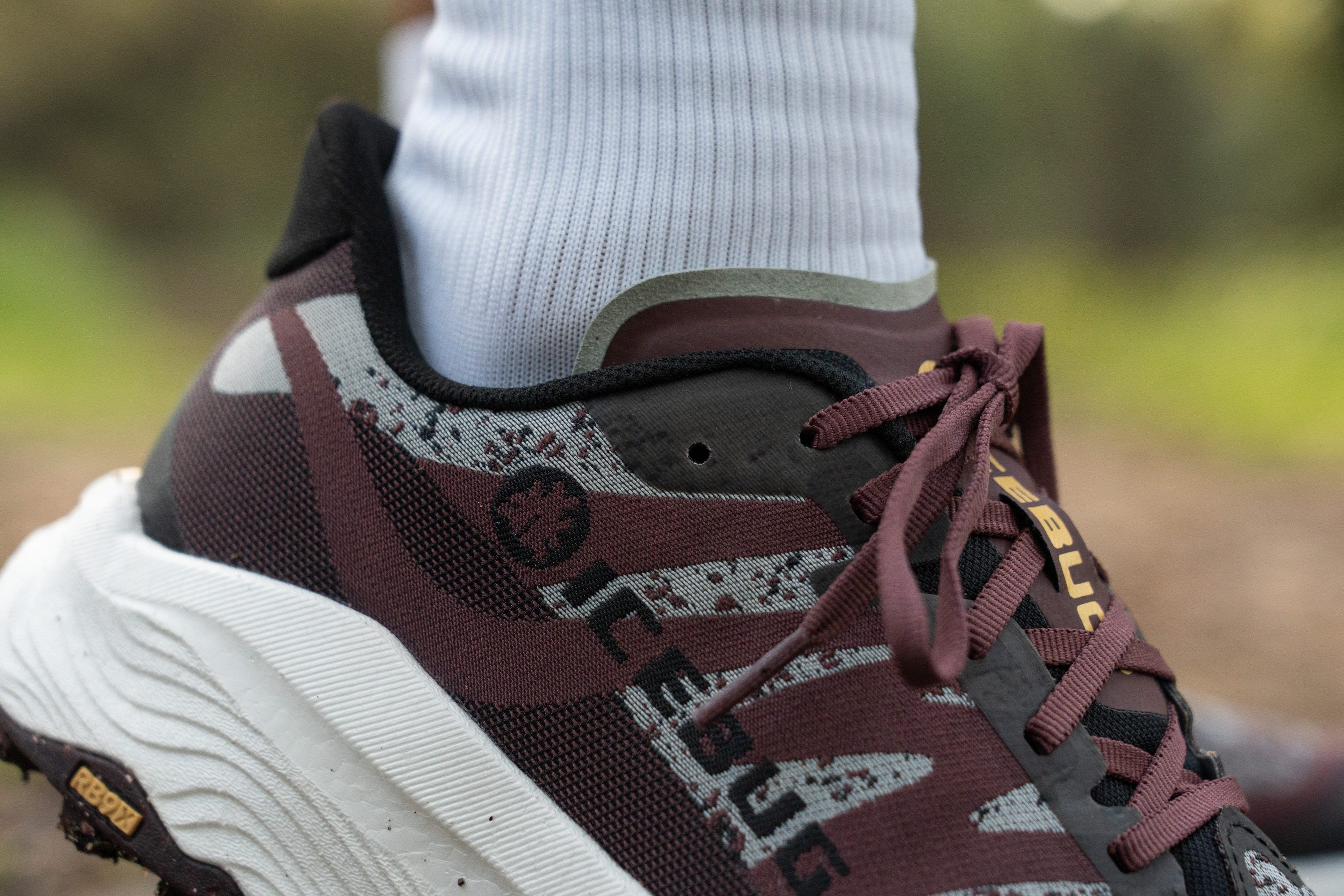
The lacing system of the Järv RB9X is straightforward, using reinforced punched eyelets that feel sturdy enough to last. The flat laces aren’t especially trail-styled, but they work well and keep the fit secure.
Given that the Järv RB9X is a heavy shoe, it’s no surprise Icebug tried to save weight in areas like the tongue. That likely explains why it includes only 4.1 mm of padding.
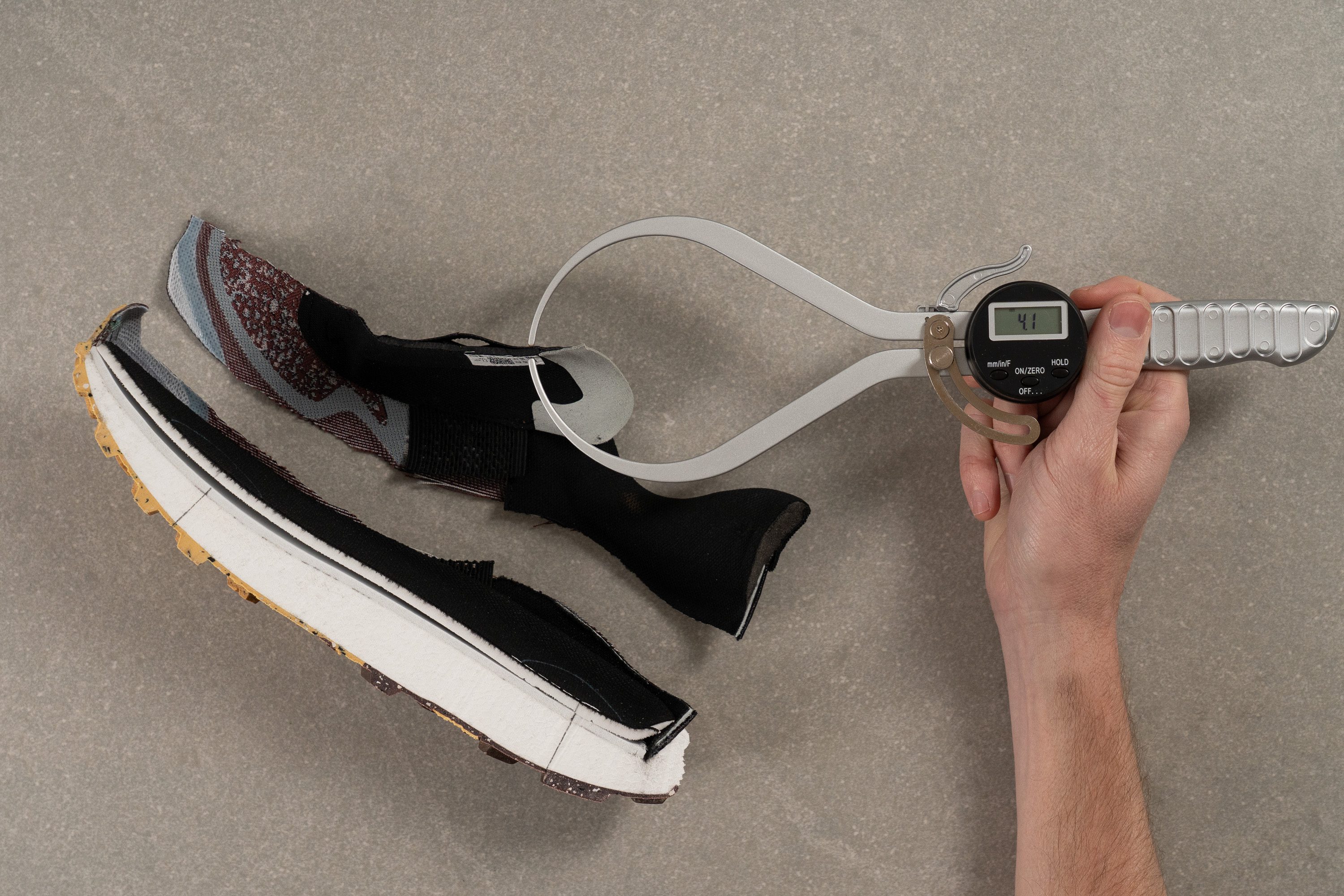
| Järv RB9X | 4.1 mm |
| Average | 6.4 mm |
Tongue: gusset type
We found a rare design with a one-sided semi-gusseted tongue, something few brands use today, yet it works surprisingly well by offering a nice balance of adaptability and protection.
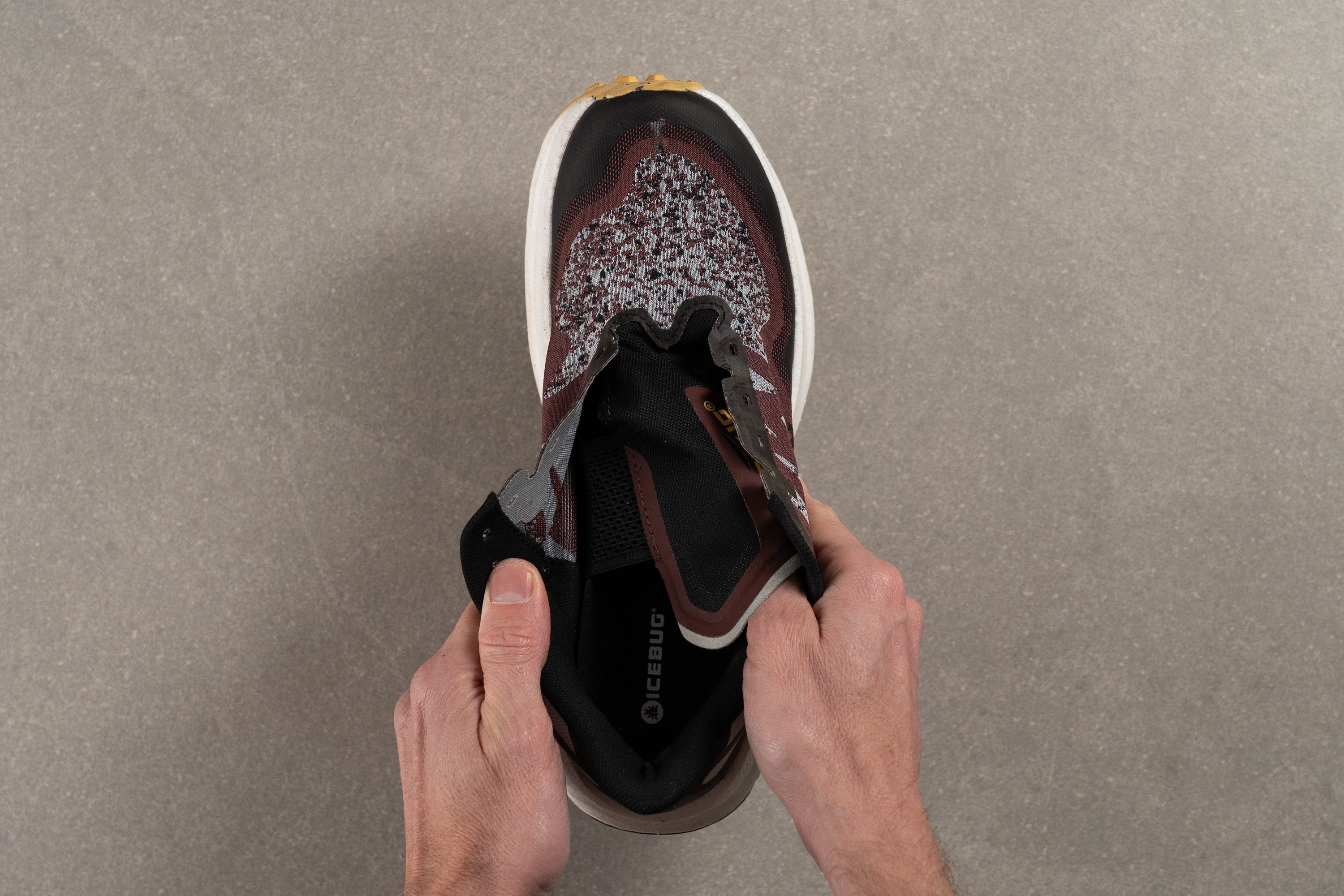
| Järv RB9X | One side (semi) |
Heel tab
The Icebug Järv RB9X doesn’t include a dedicated heel tab, but the design still gives you enough structure to grab and pull the shoe on when needed.
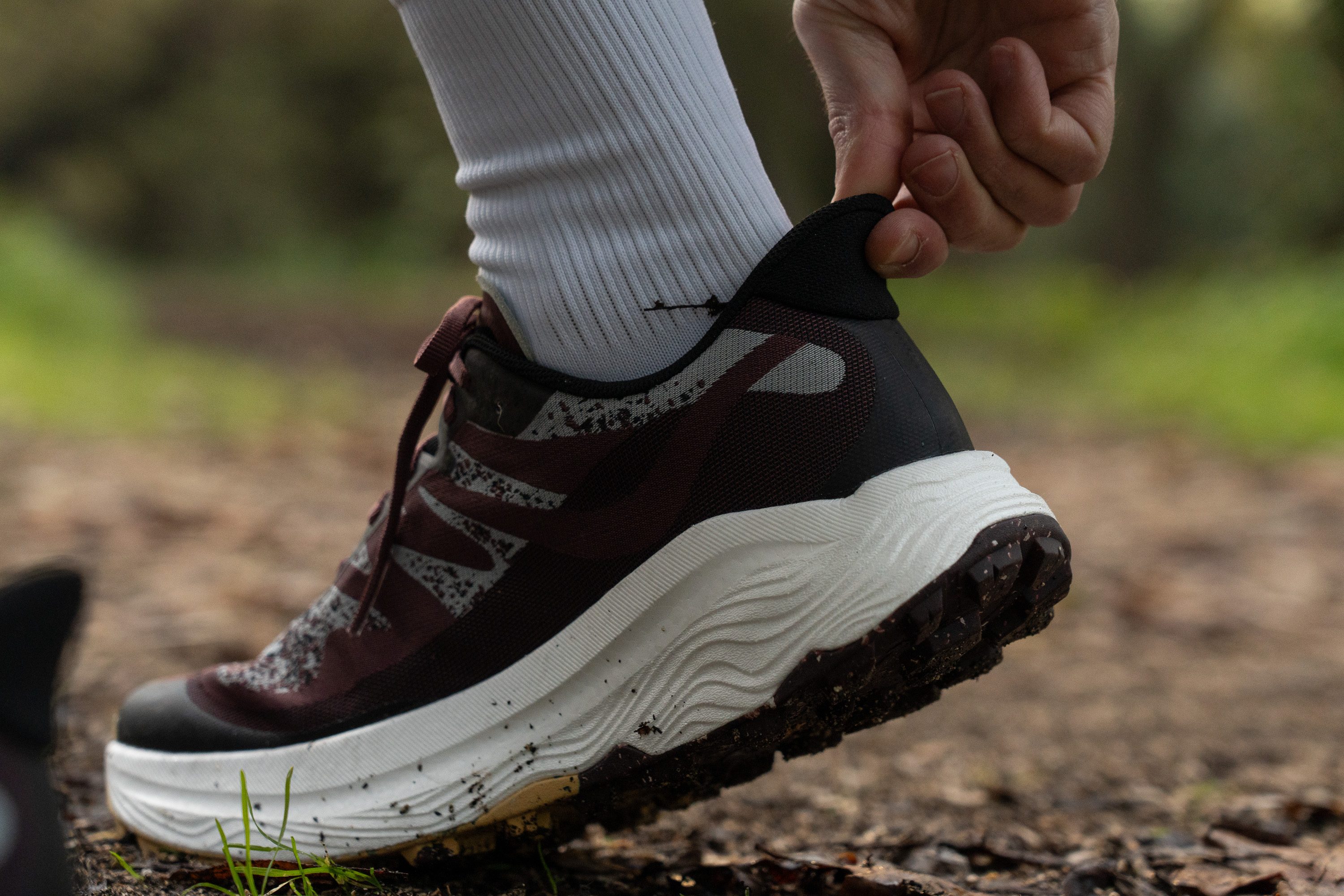
| Järv RB9X | None |
Price
Icebug is clearly positioning this shoe in the premium segment, so the price may feel a bit steep for runners seeking a dependable trail option at a lower cost. Still, based on its features, we think the price is fair, especially given that it comes from a smaller brand that can’t produce at the scale of the big players.
| Järv RB9X | $180 |