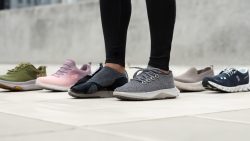
7 Best Trail Walking Shoes in 2026

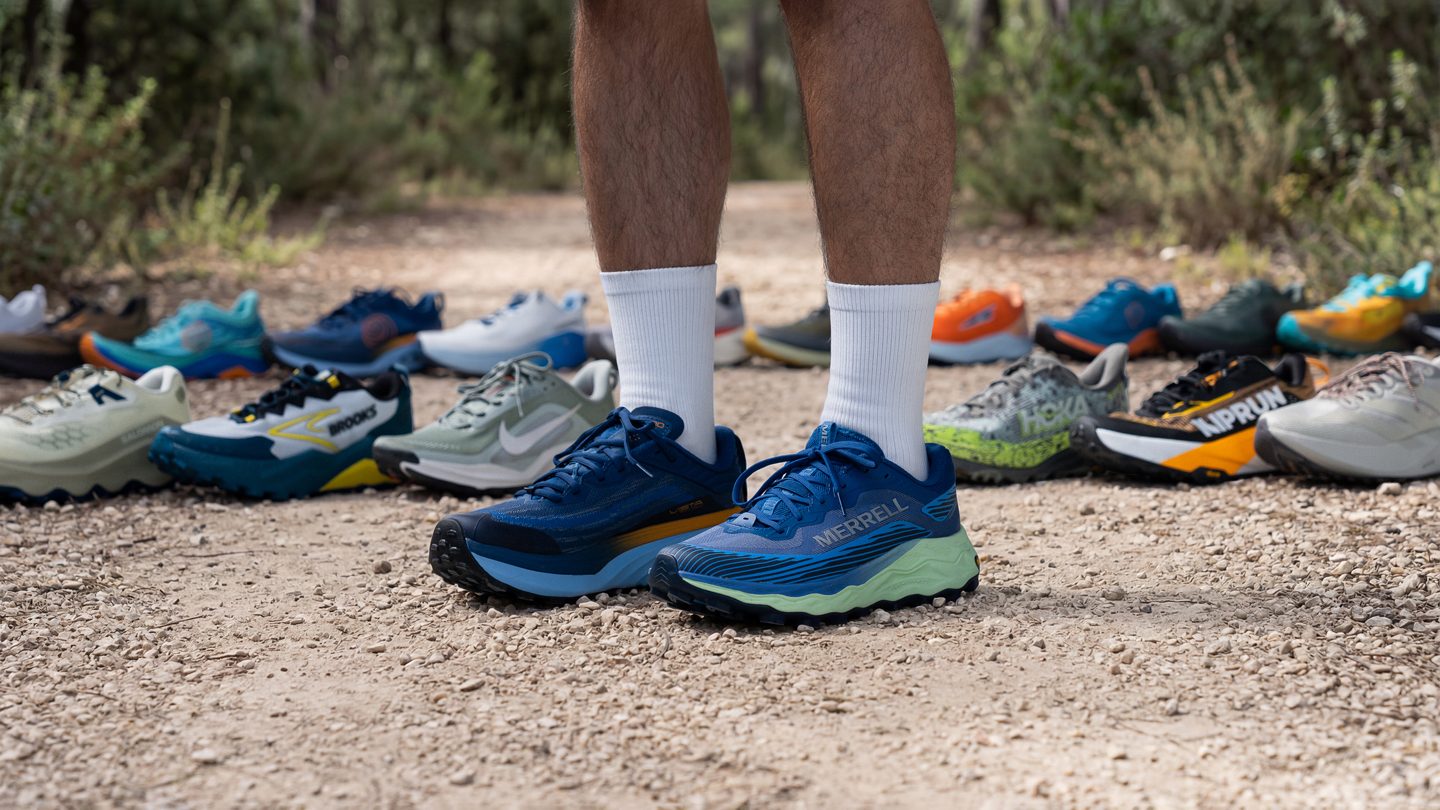
We buy shoes ourselves. We earn commissions when you buy through us, at no extra cost. Why trust us
Be ready, and let the next adventure on the trails begin with these high-performance trail walking shoes. If you like taking a stroll in the woods, like many of us here at RunRepeat, we have the perfect list of walking shoes for you.
From a wide array of known and trusted brands, these walking shoes are perfect for rugged trails and urban pavements. They provide superb traction and even water-repellent technology when needed.
For all your trail walking footwear needs, we’ve rounded up the best trail-ready shoes we have tested. Check out our top recommendations in various categories.
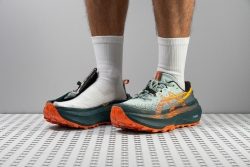
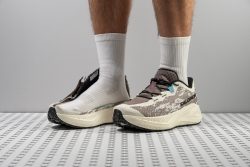
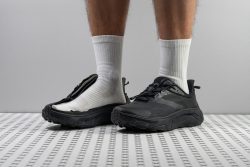
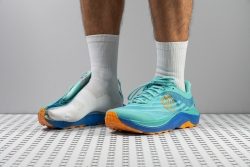
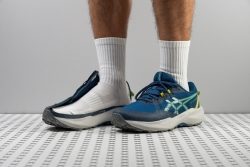
How we test trail walking shoes
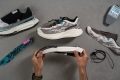
To identify the best trail walking shoes, we tested the shoes on the local trails and some rugged paths and we tested them in our lab.
The top-pick selection process involves:
- Buying all pairs of walking shoes for the trails using our own money. This keeps us 100% brutally honest when publishing our in-depth reviews and top rankings.
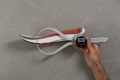
- Evaluating each model’s actual fit, shock absorption, water-resistance technology, stability, motion control features, grip, and durability through multiple wear tests.
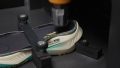
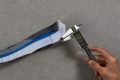
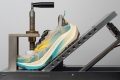
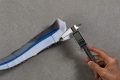
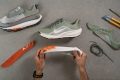
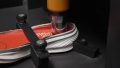
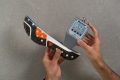
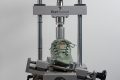
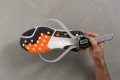
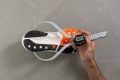
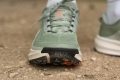
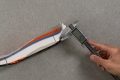
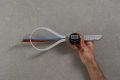
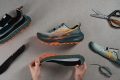
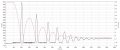
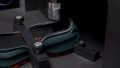
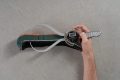
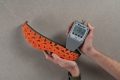
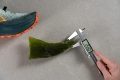
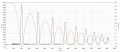
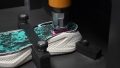
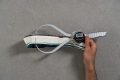
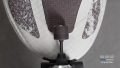
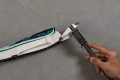
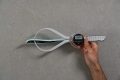
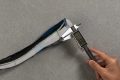
- Cutting trail walking shoes in half and testing them in our lab. This enriches all our shoe reviews with lab data, which adds another layer of objectivity.
Best trail walking shoes overall










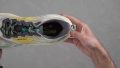
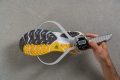
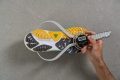



What makes it the best?
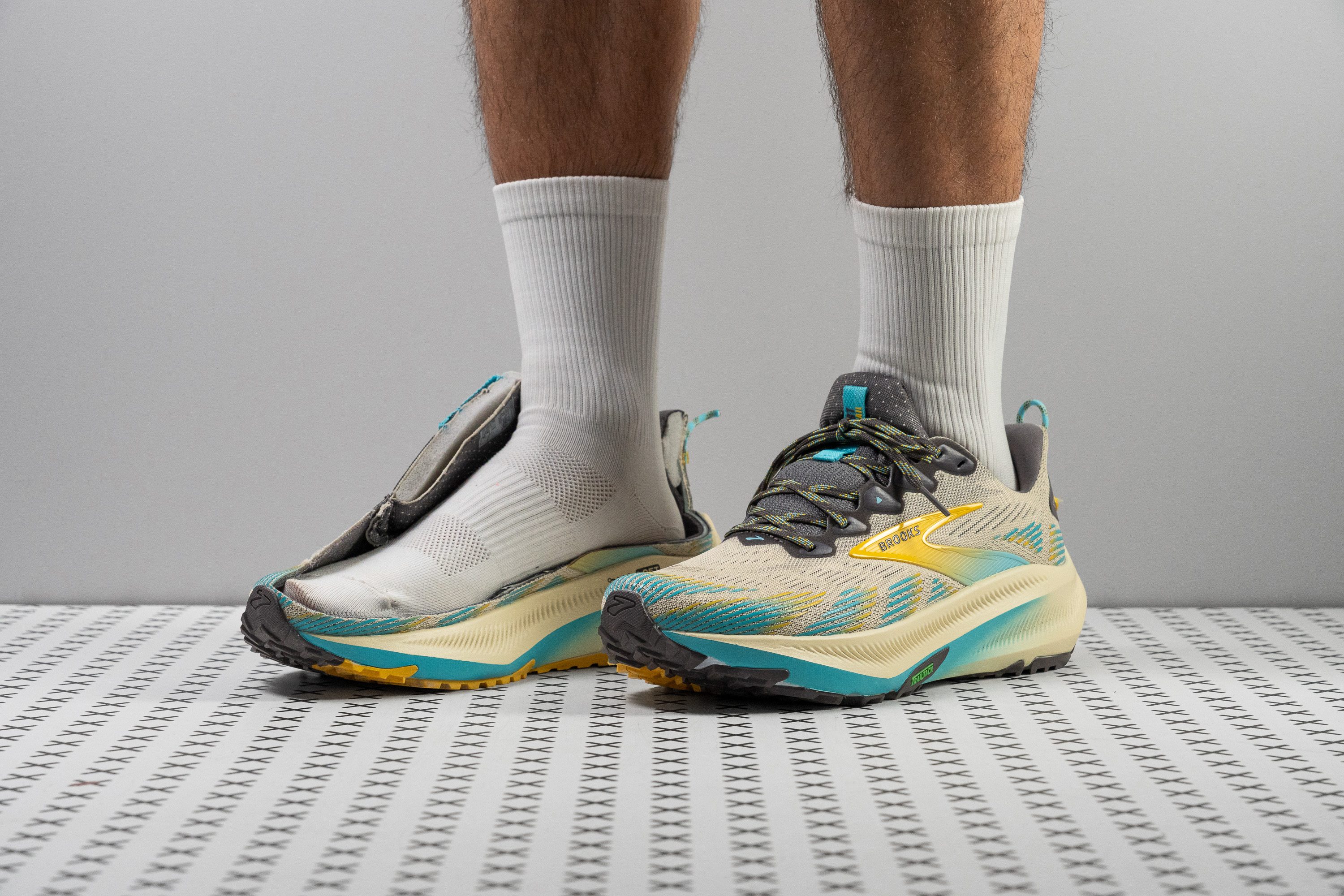
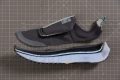
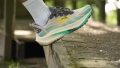
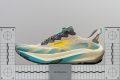
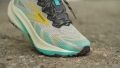
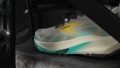
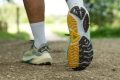
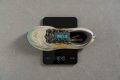
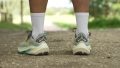
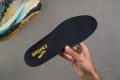
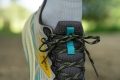
What we enjoyed the most about the Brooks Ghost Trail is how it’s built to prevent foot pain and unwanted slips, allowing us to savour the views during our treks. Lab tests reveal its generous cushioning for comfort, while its structured midsole and all-terrain outsole do the tough work for us. In the end, it’s our best bet for trail walking.
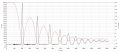
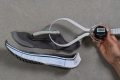
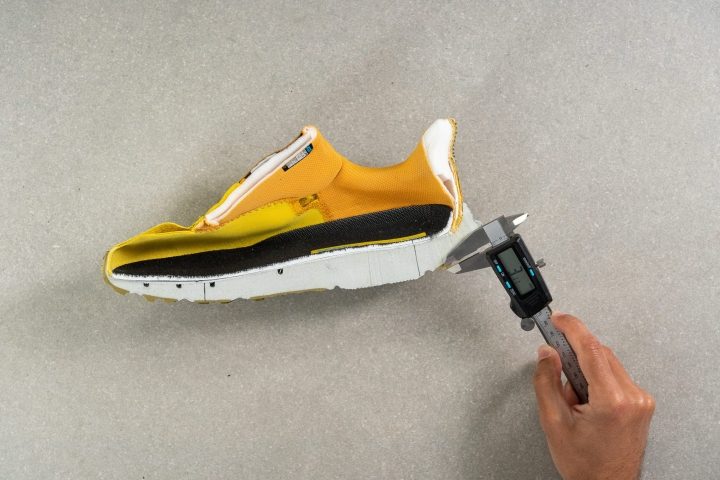
We measured the heel stack height at an above-average 38.3 mm. It took away the harshness of the ground, keeping our joints and muscles free from strain, without completely losing surface awareness with its average shock absorption of 124 SA.
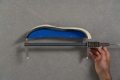
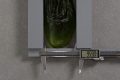
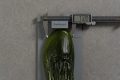
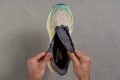
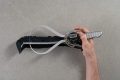
To counteract potential instability from uneven surfaces, the Ghost Trail offers effective foot containment through its broad 96.1 mm heel and its tall sidewalls. However, it remains forgiving for forward movement. Our bend test shows it’s 17% more flexible than average, making it ideal for all-day wear.
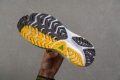
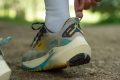
The TrailTack Green outsole proves its slip resistance when we encountered gravel roads and light trails. Our wet-condition test also verifies its grip with a high 0.62 rating. Moreover, it features 2.7 mm lugs that offer a strong ground hold on softer ground without feeling uncomfortable on hard-packed surfaces.
However, the lack of lug depth tells us this shoe performs best on mild trails. Rocky, muddy, and more technical terrain require more aggressive traction.
Pros
- Ideal for gravel or mixed-surface runs
- Dependable, winter-ready grip
- Stable platform for heel strikers
- Comfortable step-in feel
- Amazing aesthetics
- Flexible build for hiking and walking
- Can be used on roads too
- Good durability from top to bottom
- Reasonable price
- Ideal one-shoe-for-everything
Cons
- A bit heavy
- Tapered toebox limits natural toe splay
- No gusseted tongue
- Higher drop than stated
Best trail walking shoes for gravel














What makes it the best?
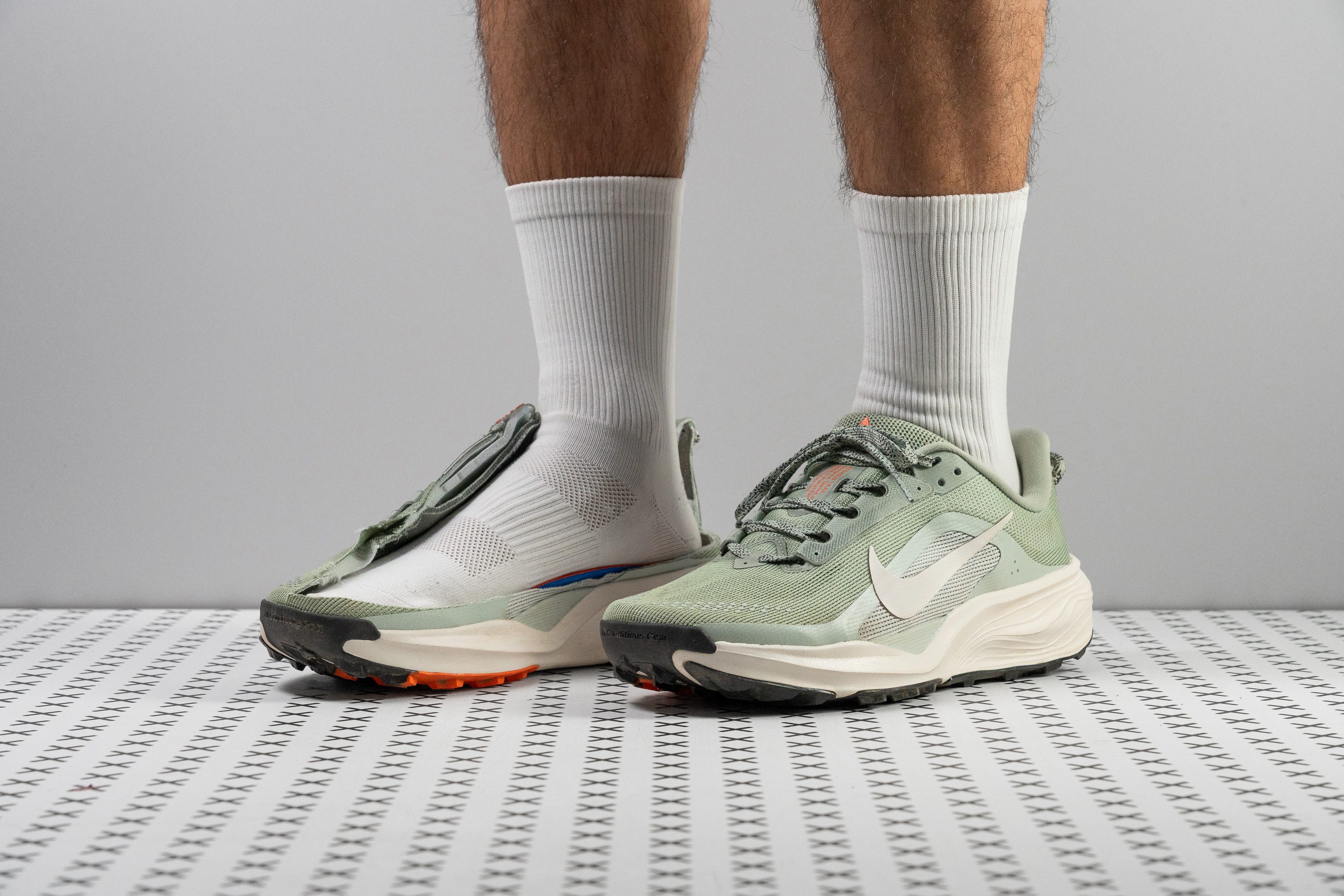
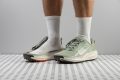
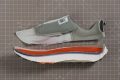
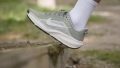
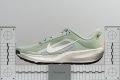
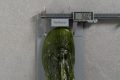
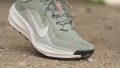
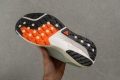
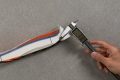
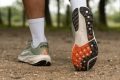
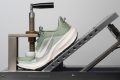
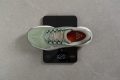
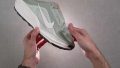
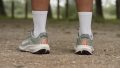
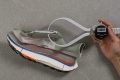
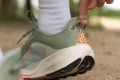
In our search for the best gravel trail walking shoe, we looked for a shoe that feels amazingly cushioned yet highly adaptable. Based on our time spent outdoors and in the lab, the Nike ACG Pegasus Trail does just that! Moreover, its rugged build and dependable grip add support to our adventures.
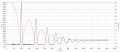
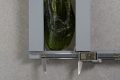
We found it perfect for spending full days on our feet. It's plush underfoot without being too tall. Our shock absorption test confirms a high rating of 135 SA, making it 9% more protective than average.
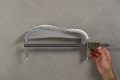
What seals the deal is that we could easily manoeuvre through unpredictable paths! No wonder, given that it's 22% more forgiving than the average walking shoe based on our torsional rigidity test. The 3.1 mm lugs also helped us feel more secure with our footing without feeling too blocky.
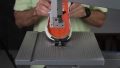
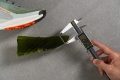
Testing for the All-Terrain Compound 2.0’s wear resistance using our Dremel, it emerged victorious with a minimal 0.7 mm dent. We had no worries dealing with gravel because the rubber keeps us safe.
However, we do not recommend the ACG Pegasus Trail for those living in warm climates. As shown in our breathability test, this shoe is less breathable than average. Hello, sweaty feet!
Pros
- Finally improved traction
- Excellent road-to-trail versatility
- Dependable shock absorption
- Plush midsole feel
- Roomier fit than older versions
- Secure lockdown
- Thick tongue boosts comfort
- Durable outsole
- Practical travel-friendly all-rounder
Cons
- Minor price bump
- Needs a foam upgrade
- Toebox durability
Trail walking shoes with the best stability
















What makes it the best?
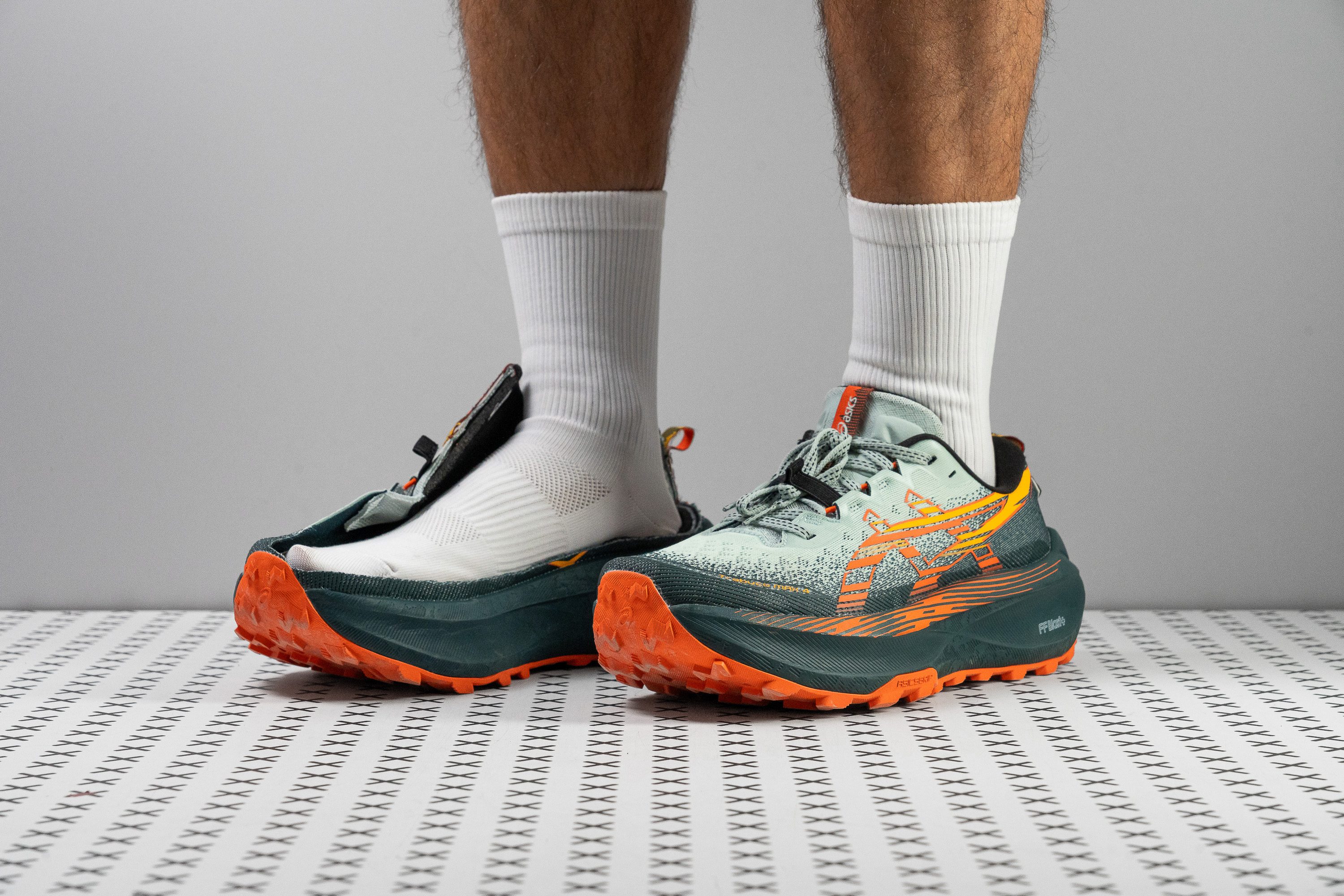
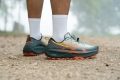
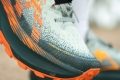
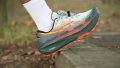
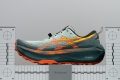
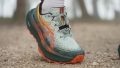
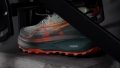
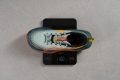
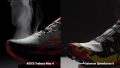
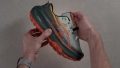
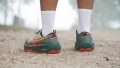
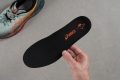
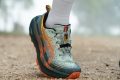
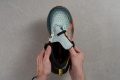
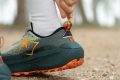
The ASICS Trabuco Max 4 offers well-planted footing through its oversized build, strong lateral containment, and dependable traction. Lab assessments confirm its twist resistance and the presence of versatile lugs underfoot, while the cushioned base keeps our joints protected. Overall, it’s our best stability trail walking shoe.
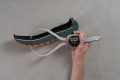
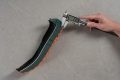
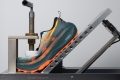
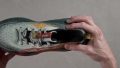
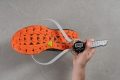
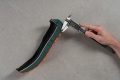
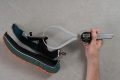
The midsole’s stable ride comes from its broad platform and tall sidewalls, which generate tonnes of torsional rigidity. In our lab test, it prevents twisting 60% more than average! We measured the forefoot to be massive at 122.7 mm, giving us lots of room to find our footing securely.
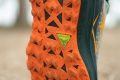
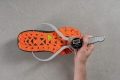
Its multi-shaped 3.1 mm lugs work well on smoother and less demanding terrain. Nothing to complain about here!
We can go the distance with its comfortable cushioning. It reaches an above-average stack height of 39.3/33.2 mm. Meanwhile, the heel reached an impressive 127 SA rating in our shock absorption test, proving it reduces the forces of each landing, handling long distances with ease.
Because of its size and high torsional rigidity, we didn’t feel too agile on twisty terrain. We recommend exploring other options for manoeuvring through technical trails.
Pros
- Huge forefoot cushioning
- Full-length ASICSGRIP rubber
- Extremely stable despite its height
- Can handle any distance
- Handy tongue loop keeps laces quiet
- Well-padded, comfortable tongue
- Rockered shape for easy transitions
- Ideal for flat, easy trails
Cons
- Not ideal for heel strikers
- Questionable outsole durability
- Heavy build
- Tapered toebox
Trail walking shoes with the best shock absorption









What makes it the best?
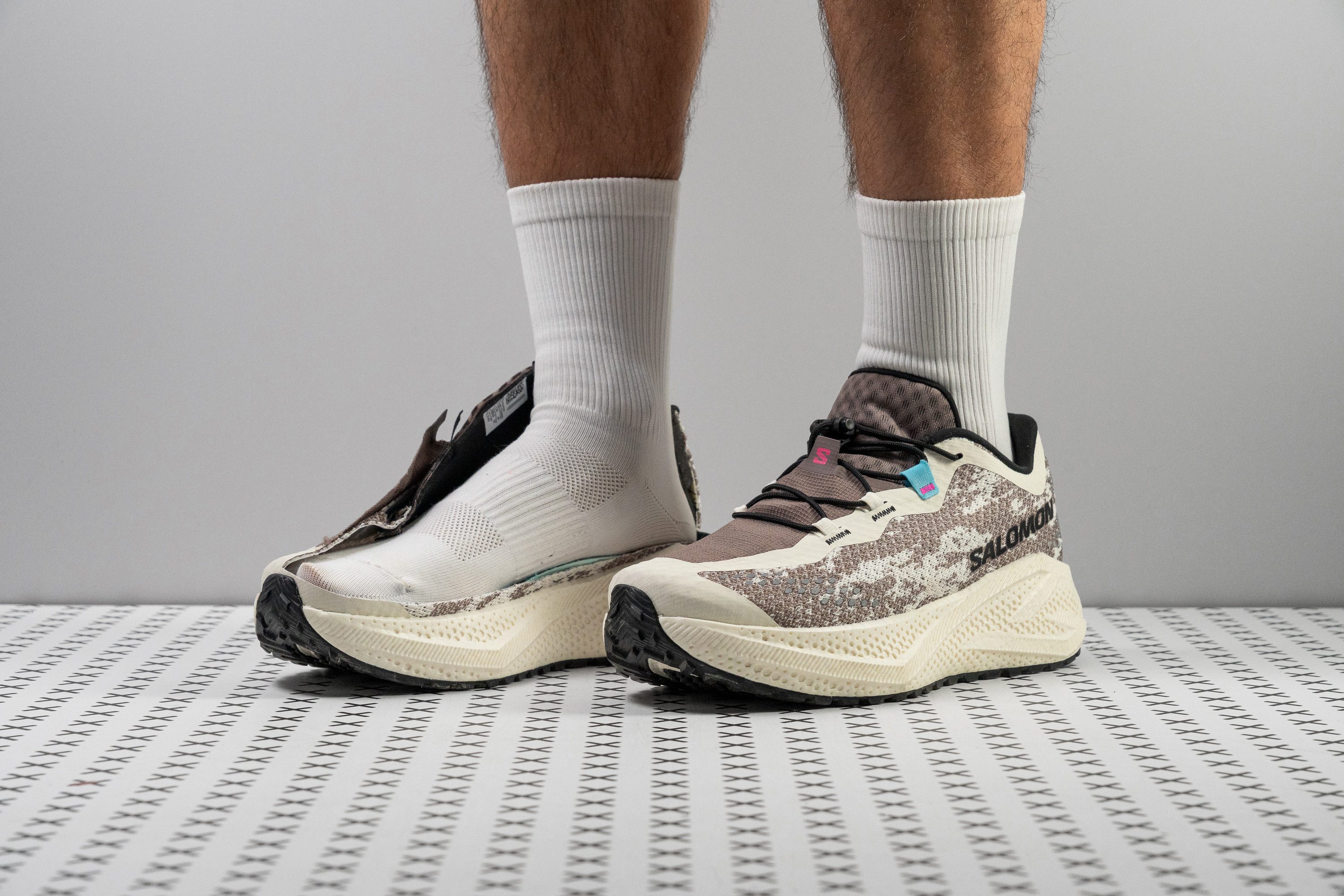
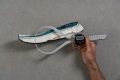
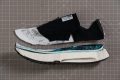
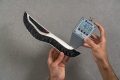
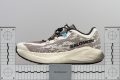
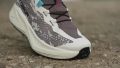
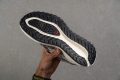
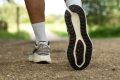
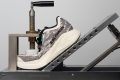
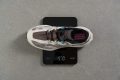
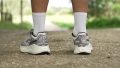
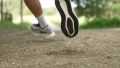
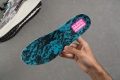
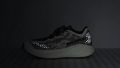
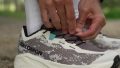
Our lab analysis verifies the immensely delightful cushioning of Salomon Aero Glide 4 GRVL, making it the best shock-absorbing trail walking shoe, but our feet walk the talk. From long hikes to casual wear, the cushioned midsole delivered lasting comfort, the energetic foam kept every step lively, and the lightweight design made the miles disappear.
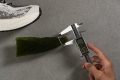
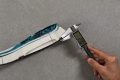
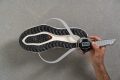
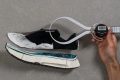
The midsole is a winner with its plush and bouncy sensation. It has a generous 40.9 mm stack, 7.7 mm taller than average, and ensures heel protection with every stride. Each touchdown is so gentle that foot pain never crossed our minds. Our shock absorption verifies a high 146 SA result, making it 18% more protective than average.
We enjoyed the midsole’s rebound, making us feel less tired as we explored the trails all day. To our surprise, the heel scored a mind-blowing 73.6% in energy return! At this rate, it can handle even tempo runs easily.
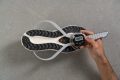
Despite its thick slab of foam, this shoe maintains a low weight of 9.7 oz (275g). Staying below the average, it was never a burden in our treks.
However, its toebox has limited room and tapers more aggressively than average. Wide-footed runners should go for a more accommodating pair.
Pros
- Incredible energy return
- Ideal for long gravel runs or flat ultras
- Excellent road-to-trail versatility
- Stable despite maximalist stack height
- Outstanding outsole durability
- Perfect for winter running
- Smooth ride on paved surfaces too
- Terrific value for the performance
- Updated Quicklace Neo lacing system
Cons
- Fit can be a bit too snug
- Oversized tongue may bother some
- Hard to put on
Best Best city-to-trail walking shoes












What makes it the best?
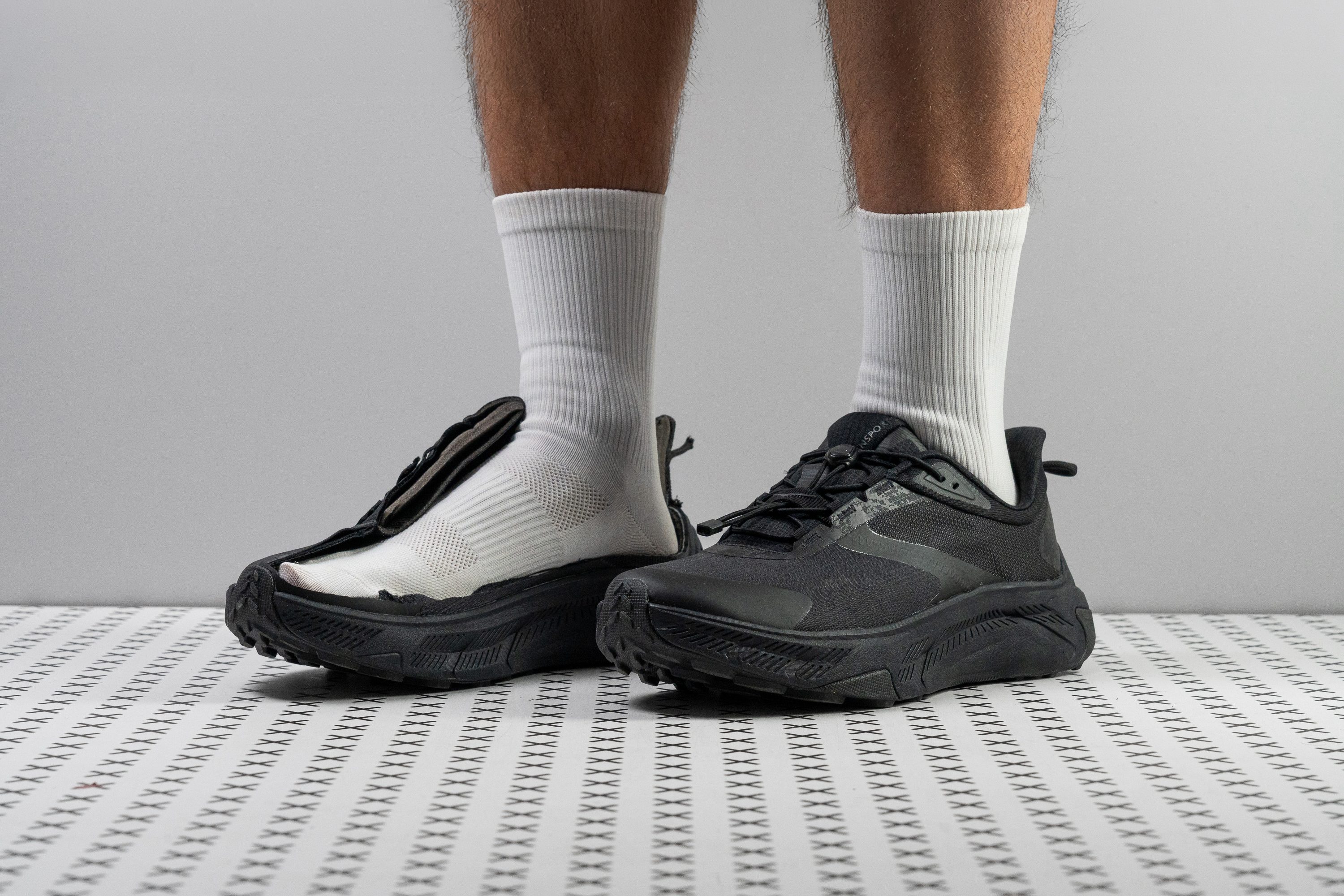
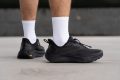
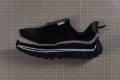
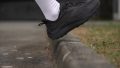
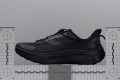
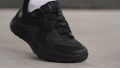
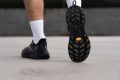
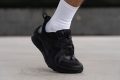
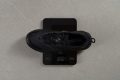
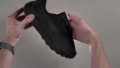
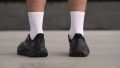
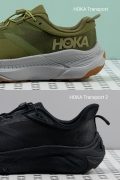
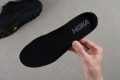
HOKA Transport 2 is unmatched as the number one city-to-trail option among trail walking shoes. Our minds were blown, to say the least, by how it performed superbly when we subjected it to the unpredictability of off-road walks. Protection, sturdiness, water tightness, surefootedness, and above all, comfort - Transport 2 didn’t fall short of anything. In fact, it over-delivered that we felt so trail-equipped, we didn’t need anything more!
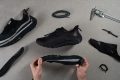
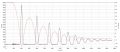
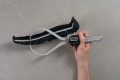
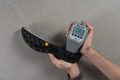
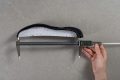
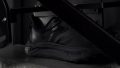
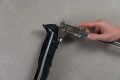
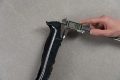
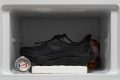
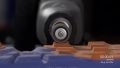
Even though we tackled ruggedness and harshness out on the trail, Transport 2 didn’t bail on us. Instead, it remained in a pristine condition. When we headed back to our lab, our Dremel test validated our judgement. Pressing it against the toebox, it held great against the abrasion, scoring 4/5 in durability. Additionally, the damage in the outsole is only 1.0 mm, indicating robustness.
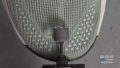
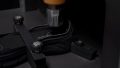
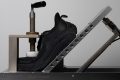
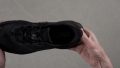
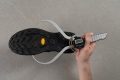
Apart from toughness, we also never worried about soggy feet when crossing streams. We put Transport 2’s upper under our microscope, and we observed an extremely interlaced fabric with sturdy Cordura textile, making it perfect for trail-walking in rain and snow. And the fact that Transport 2 has an outstanding grip care of the Vibram EcoStep Recycle rubber, which kept us from stumbling even on wet rocks, well, is just the icing on the cake. Our traction test validates it’s 36% grippier than average.
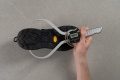
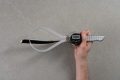
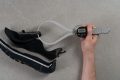
However, we couldn’t vouch for Transport 2 when it comes to lightness. Our scale recorded a 10.5 oz (298g) weight, which is 3% heavier than average. If you seek something lighter, this isn’t it.
Pros
- Even more cushioning!
- Very lively and springy ride
- Smooth heel-to-toes
- Wide and stable platform
- Versatile traction for city and trail
- Excellent durability
- Wide width available
- Comfortable in-shoe feel
Cons
- Not breathable
- Frail collar mesh
Best trail walking shoes with a wide toebox






















What makes it the best?
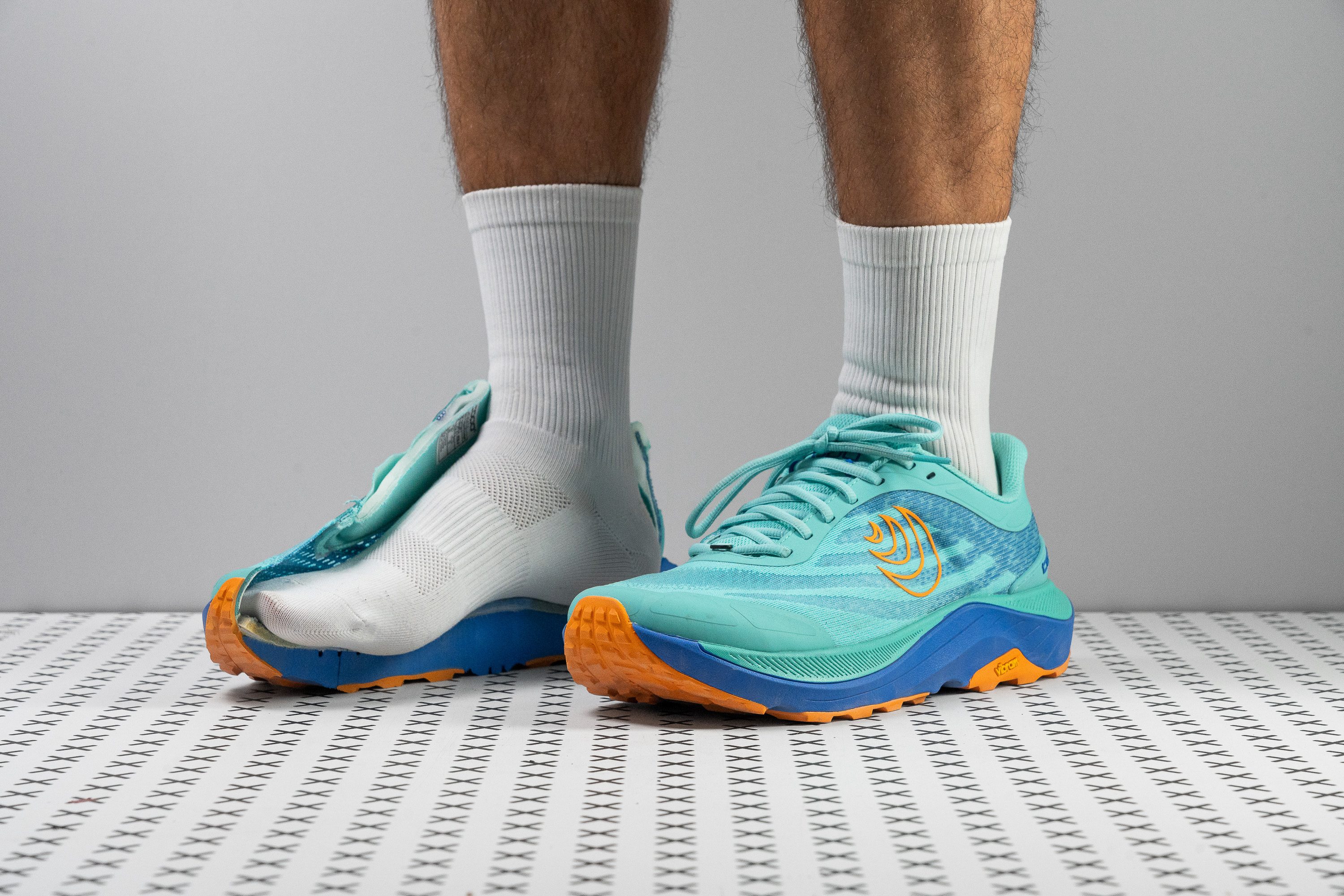
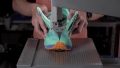
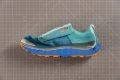
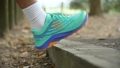
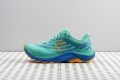
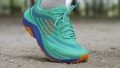
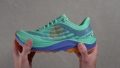
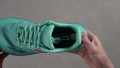
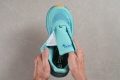
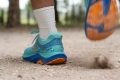
Our experience with the Topo Ultraventure 4 is a delight because it has a lot of room for our feet, and it has a lot of give for bending, making it our trail walking shoe with the best wide toebox. Lab tests also verify its versatility through its malleable yet well-cushioned midsole.
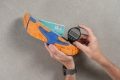
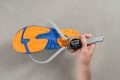
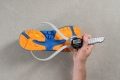
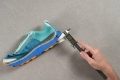
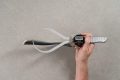
We comfortably rested all five of our toes during our treks, even if we’re wearing thick socks. We poured in our gel mould and solidified it to measure the widest part of the toebox, and we recorded a massive 83.0 mm compared to the 74.1 mm average. Indeed, it has a non-tapered fit.
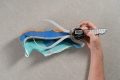
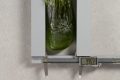
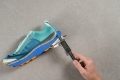
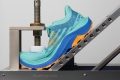
We barely have to fight the midsole to bend our feet. Our flex test shows it’s 11% more malleable than average, boosting both comfort for long hours of wear and versatility for different activities. It helps prevent fatigue since it takes less energy to move around.
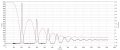
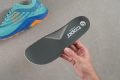
Underfoot, we measured a generous 35.1/28.5 mm stack for comfort, offering well-cushioned landings as its heel scored an impressive 129 SA in our shock absorption test.
Note that it features a low 6.6 mm drop, which some people may find unnatural when walking. Those who prefer more seamless forward movement or have lower leg muscle issues should find a pair with a steeper offset.
Pros
- Extra-roomy toebox
- Hardwearing Vibram outsole
- More flexible and comfortable than version 3
- Ideal for midfoot strikers
- Can handle ultra races
- Plush tongue improves comfort
- Excellent stability in the forefoot area
- Good lockdown with no tongue movement
Cons
- Not for narrow-footed runners
- Midsole lacks energy return
- No reflective elements
- Unstable heel
Best budget trail walking shoes




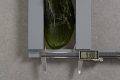
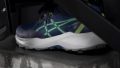








What makes it the best?
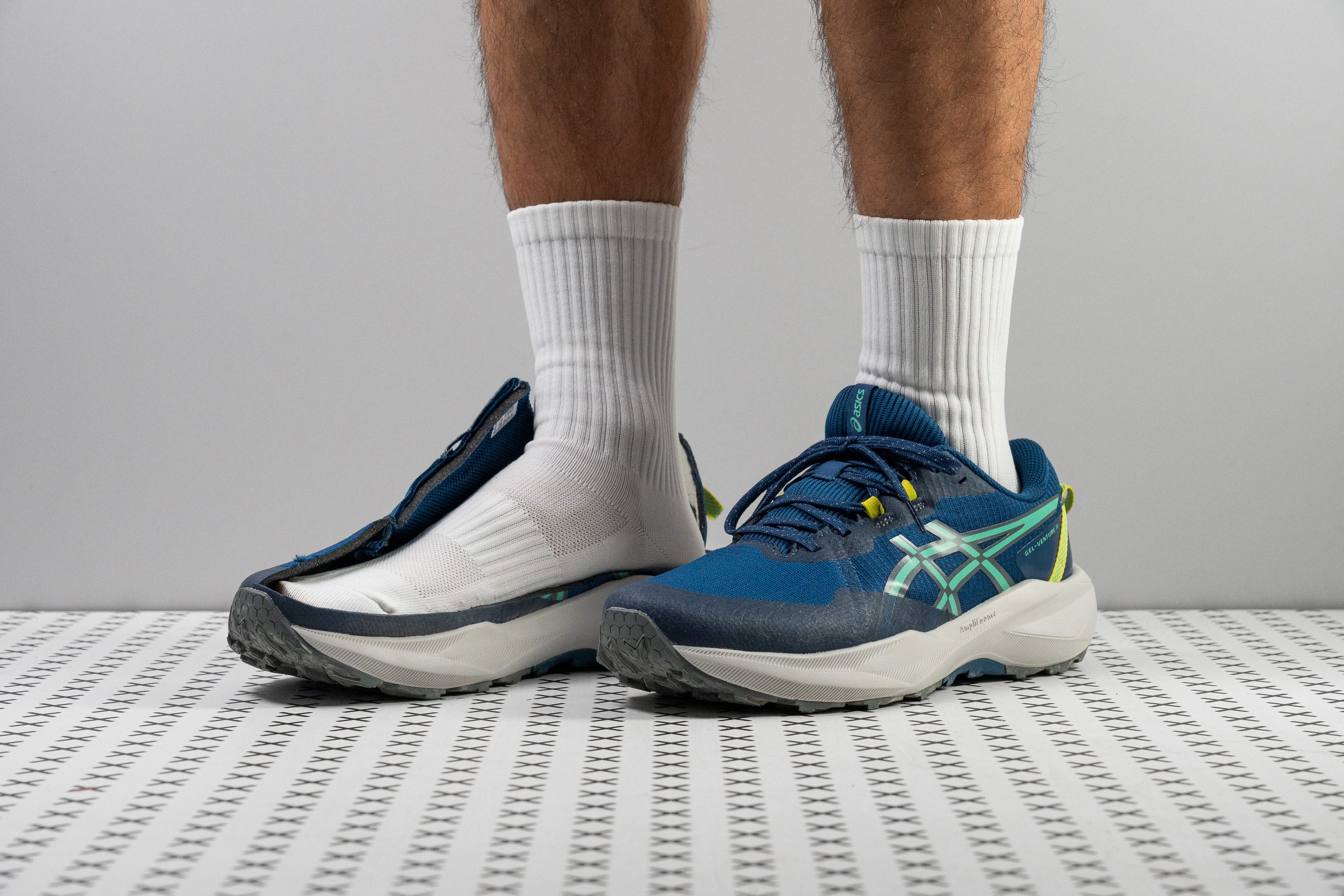
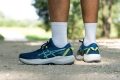
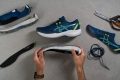
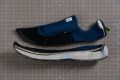
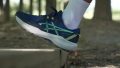
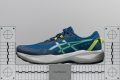
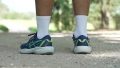
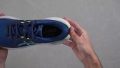
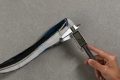
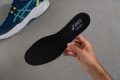
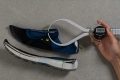
After cross-checking our wear test observations in the lab, we chose ASICS Gel Venture 11 as our best budget trail running shoe. Its fluid midsole and dependable grip show its focus on comfort and versatility, wrapped in durable materials for added protection. Priced at a remarkable £70, 47% below average, it’s hard to beat in terms of value.
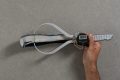
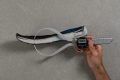
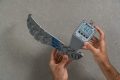
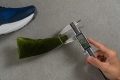
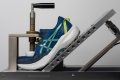
Gel Venture 11 creates an effortless ride through its malleable midsole, which our bend test confirms is 15% more flexible than average. We found it easy to manoeuvre and comfortable for daily use and relaxed treks.
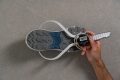
The shoe features versatile 3.3 mm lugs that never faltered on various surfaces we encountered. Meanwhile, it doesn’t feel blocky when moving to gravel or paved sections.
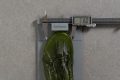
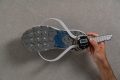
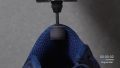
Contrary to what we expected, Gel Venture 11 can last long. Underfoot, the fully-covered outsole was only damaged by 0.5 mm in our Dremel test, beating the average in terms of wear resistance by 44%.
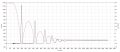
However, given the budget limitations, shock absorption falls short for those seeking a joint-protected and highly cushioned ride. Those seeking maximum comfort can try another pair.
Pros
- Amazing durability
- Ideal for beginners
- High value-for-money
- Can handle more technical trails despite being beginner-oriented
- Incredible for cold winter runs
- Wider base helps with stability
- A lot of trail-inspired details for a budget price
- Durable upper
Cons
- Heavy shoe
- Not the best for wider feet
- Lacklustre energy return and shock absorption
There’s a lot of hype around trail running these days. We think that’s awesome because trail running is a fun and fast-paced way to enjoy the outdoors. But it’s not for everyone. What about the folks who prefer trails but don’t want to run?
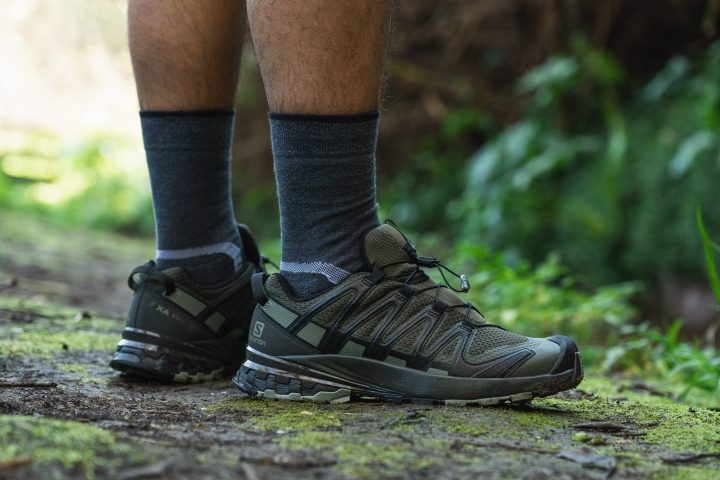
That’s where trail walking shoes come into play. Trail walking shoes meet at the intersection of the classic comfy tennies shoe you are used to and the rugged hiking shoe. They perfectly blend components of both shoes to create a shoe ideal for long walks off-pavement, and they could probably handle some running, too, if you were feeling frisky.
Let’s take a look at some of the best trail walking shoes and what makes them so special.
Trail shoes are different from tennis shoes
At first glance, trail walking shoes look a lot like regular old tennis shoes. However, if you get into the weeds, you’ll realise that some important characteristics of trail shoes differentiate them from tennis shoes.
The outsole is more rugged and grippier
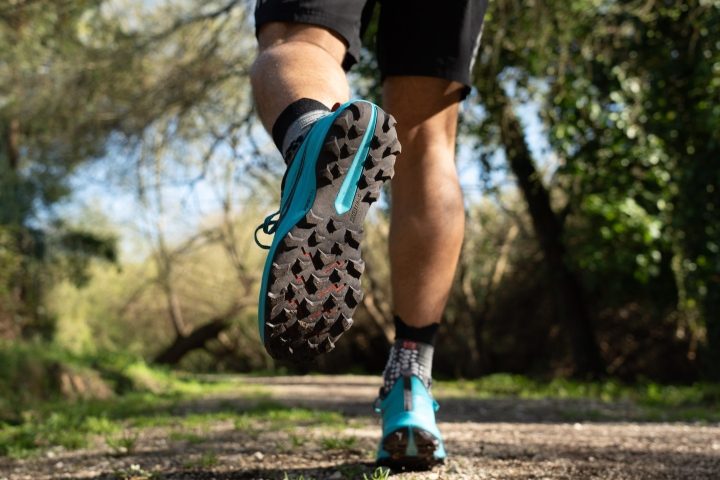
First off, shoes designed to be used on trails and off-pavement are equipped with a more rugged outsole. In particular, trail walking shoes have outsoles with bigger and deeper lugs. This helps them provide traction on various surface types like gravel, dirt, and even snow or ice.
Trail shoe manufacturers also use specially designed rubber compounds that excel on trails. For example, the Saucony Peregrine features Saucony’s PWRTRAC rubber in the outsole to ensure maximum traction on rugged terrain.
Some may be waterproof
Adventures out on the trail don’t stop because it’s raining. Well, maybe they do if it's torrentially down-pouring. But if you are caught in the rain with a pair of waterproof trail walking shoes, then you can continue with confidence, knowing that your feet will stay dry.
If you live in a location with a precipitous climate and are frequently going out with some sort of precipitation falling from the sky, whether it be a light drizzle, snow, or a legit rainstorm, then you probably ought to consider waterproof trail shoes.
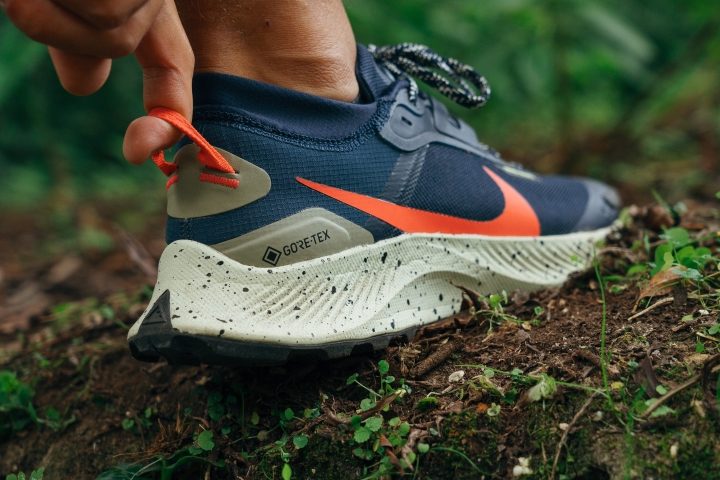
For example, some shoes feature the popular GORE-TEX membrane in their interiors which helps to seal out water.
Special features protect your feet
It’s no surprise that the terrain on hiking trails is significantly more rugged than paved walking trails and sidewalks in the city. Therefore, many trail hiking shoes have special features that help protect your feet from rocks and roots while out on the trail.
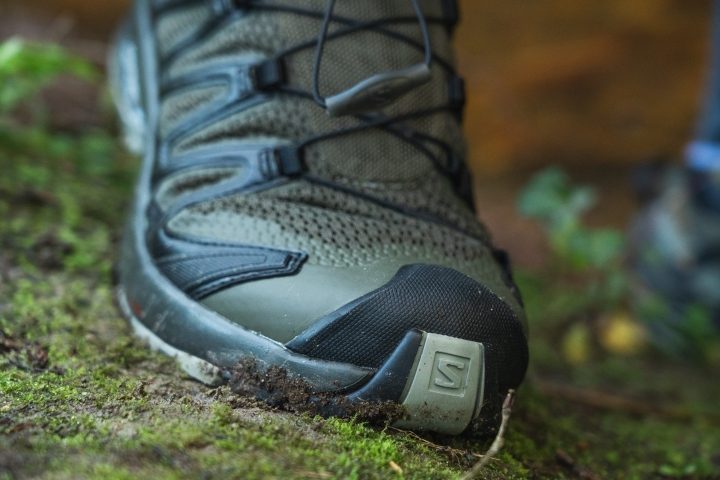
The Salomon XA Pro 3D is one of the most protective trail walking shoes we found. It features a robust toe guard that protects your feet from the inevitable toe-bashing you’ll receive on tough trails. Plus, Salomon’s 3D chassis is super beefy, protecting your feet while steeping on sharp stones or tree roots.
The midsole is designed to absorb intense impacts
One of the most important components of tail walking shoes is the midsole. The shoe's midsole is responsible for cradling and supporting your feet as you trudge along the trail. The midsole is also in charge of absorbing vibration and intense impacts so that your feet remain protected.
In most trail walking shoes, this is possible thanks to ethylene-vinyl acetate (EVA) foam. In a lot of ways, EVA foam is the ideal material for midsoles– it's lightweight, impact-resistant, relatively durable, and supportive.
The midsole on the HOKA Transport is made with EVA foam, and it’s compression moulded which typically contributes to durability. This means a block of EVA foam is compressed into one of HOKA’s specially designed moulds. Plus, the Transport midsole is made from 30% recycled sugarcane, creating a new standard for sustainable cushioning.
Trail walking shoes come with trail-ready special features
In the previous section, we discussed in detail some of the larger core characteristics that differentiate trail walking shoes from traditional walking shoes, like tennis shoes.
Below, we want to add to the list of important differences. However, this time, we walk to point out some unique features that some trail walking shoes have that not only make them different from traditional walking shoes but also separate them from the rest of the pack.
Essentially– we want to point out some intelligent footwear features that make your time on the trail even more enjoyable.
Lace garage
In a normal walking scenario, it doesn’t matter how your laces are housed, or unhoused for that matter. However, on traill, in walking, hiking, or running scenarios, it's extra nice to have your shoelaces neatly tucked away.
Lave garages are essentially additional components on the exterior of the shoe’s tongue that accommodate the excess from your laces after you’ve tied your shoes. That way, your laces cannot flop away and get in your way.
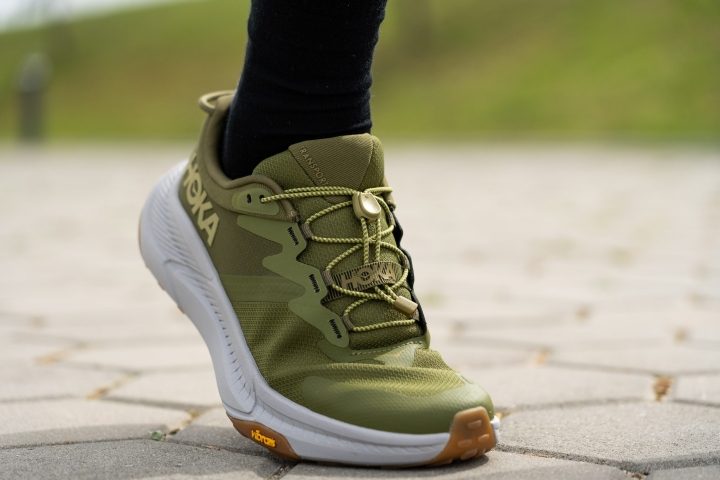
This may seem like an unnecessary luxury, but once you experience the svelteness of tucked-away laces, you’ll realise how you prefer it.
The Salomon XA Pro 3D V8, On Cloudvista, and HOKA Transport each have lace garages where you can make your laces “disappear.”
Reflective materials
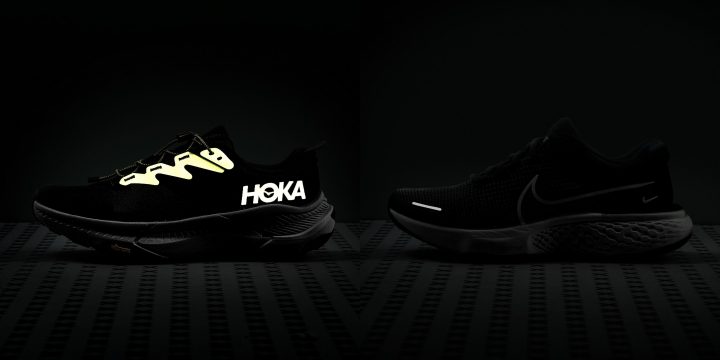
Not all walks occur during the daylight. Sometimes, it’s nice to go out after dark to avoid hotter temperatures, enjoy quieter trails, and star gaze. Sometimes, we get ahead of ourselves and end up coming home after dark.
Regardless of the scenario, it’s nice when your shoes have reflective components that shine brightly in the dark. That’s because reflective materials help keep you safer by allowing others to more easily see you.
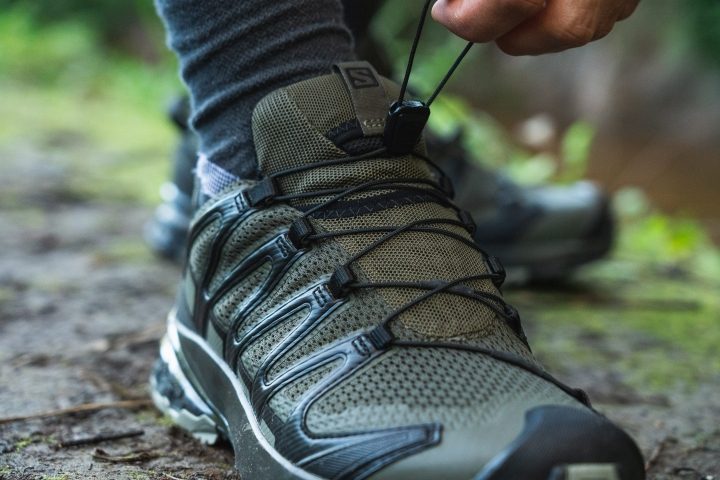
Quicklace closure system
A lot about footwear has changed over the years, including the closure systems. Even though lace-up closure systems seem to be the tired and true closure system, trail walking shoe manufacturers have managed to up their game.
Quicklace closure systems have become increasingly popular for trail shoes. Quicklace closure systems look a lot like traditional lace-up systems. The main difference is that instead of tying two laces together in a knot, you simply pull on a single attachment point that cinches down all the laces simultaneously.
Quicklace closure systems are particularly helpful for rapid transitions to and from the trail.
Gusseted tongue
Another special touch that differentiates trail walking shoes from all the rest is the gusseted tongue. Gusseted tongues look like traditional tongues. However, their construction and function are different (and much better, in our opinion).
Gusseted tongues are sewn into the shoe's interior. In other words, there is no separation between the tongue and the upper of the shoe. By removing the gap left behind by traditional tongues, shoe manufacturers effectively integrate the tongue directly into the shoe, helping eliminate the possibility of dirt, debris, and precipitation entering the shoe’s interior.
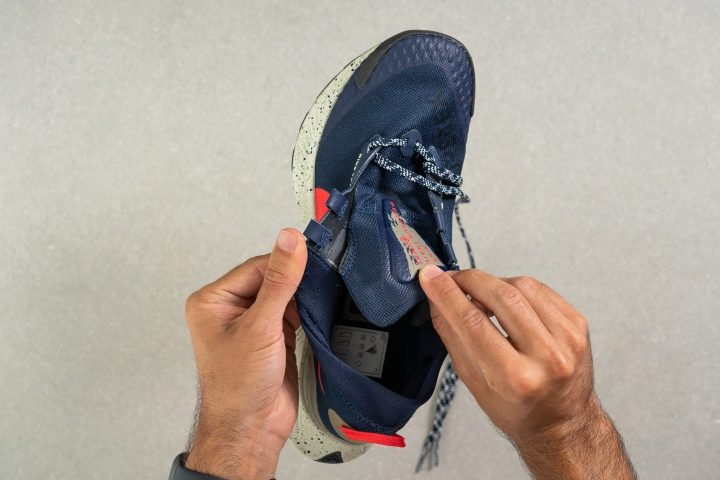
Because the weather and trail conditions can be so variable when you are outside exploring, it's really nice to have the little extra layer of protection that gusseted tongues provide.
Similar buying guides