7 Most Comfortable Trainers in 2026

We buy shoes ourselves. We earn commissions when you buy through us, at no extra cost. Why trust us
We all know that comfort is a very subjective thing but thanks to our extensive research and sneaker testing, both inside and outside of the lab, we got to the point where we can discuss comfort with concrete examples and lab data. This does not mean that we've made comfort universal, because that's not possible, but it does mean we lay out all the features and explain how to navigate each one of them in your pursuit of the best comfortable trainers.
If you'd rather skip the nerdy talk and jump to (our) conclusions, look at the top picks we've highlighted. To earn that spot, they had to outperform the rest, so you're in for a treat!
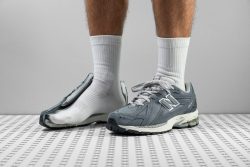
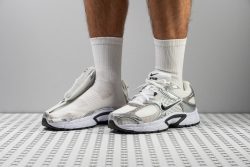
How we test most comfortable trainers
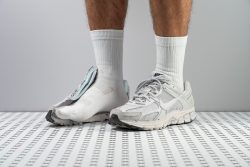
RunRepeat shoe lab is all about objectivity, transparency, and independence. That's why we buy the trainers with our own money and accept no freebies! We've implemented a process that helps us decide which trainers to buy and when.
We personally test all the trainers and wear them in different weather conditions and over different surfaces. We pay special attention to the details and note down everything we notice regarding the fit, performance, overall feel, and durability.
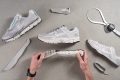
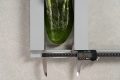
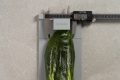
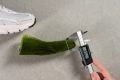
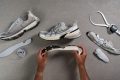
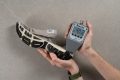
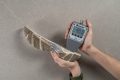
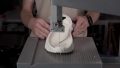
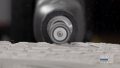
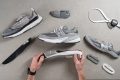
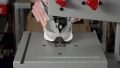
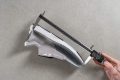
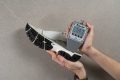
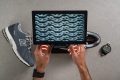
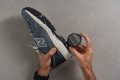
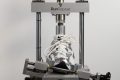
We bring the trainers to the lab where we dissect them and use specialised machines and tools to test them. When it comes to comfort, we put midsole softness and shock absorption under the spotlight! These features tell us how comfortable the sneaker is on the step-in and how comfortable it is on the long run.
We publish everything we discover along the way on our website. Given that our tests are standardised, all the results are comparable.
Best comfortable trainers overall











What makes it the best?
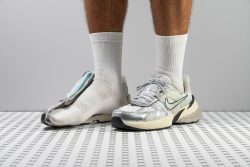
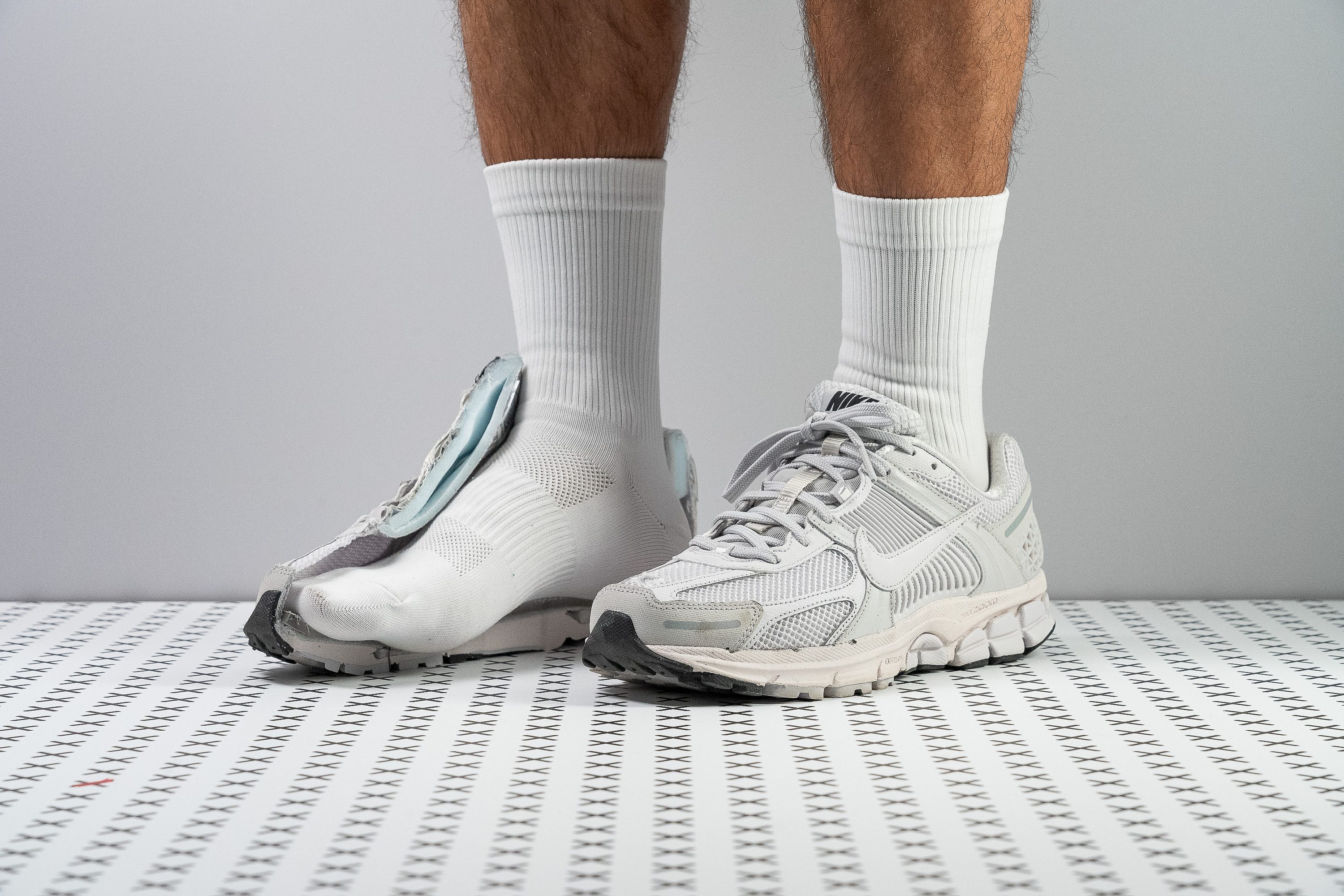
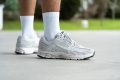
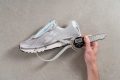
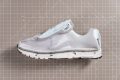
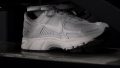
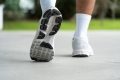
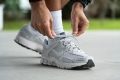
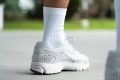
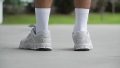
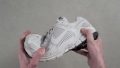
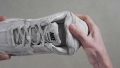
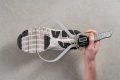
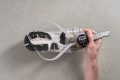
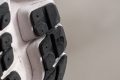
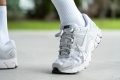
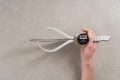
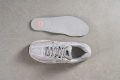
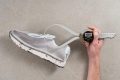
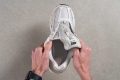
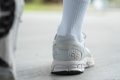
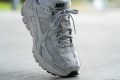
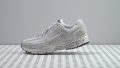
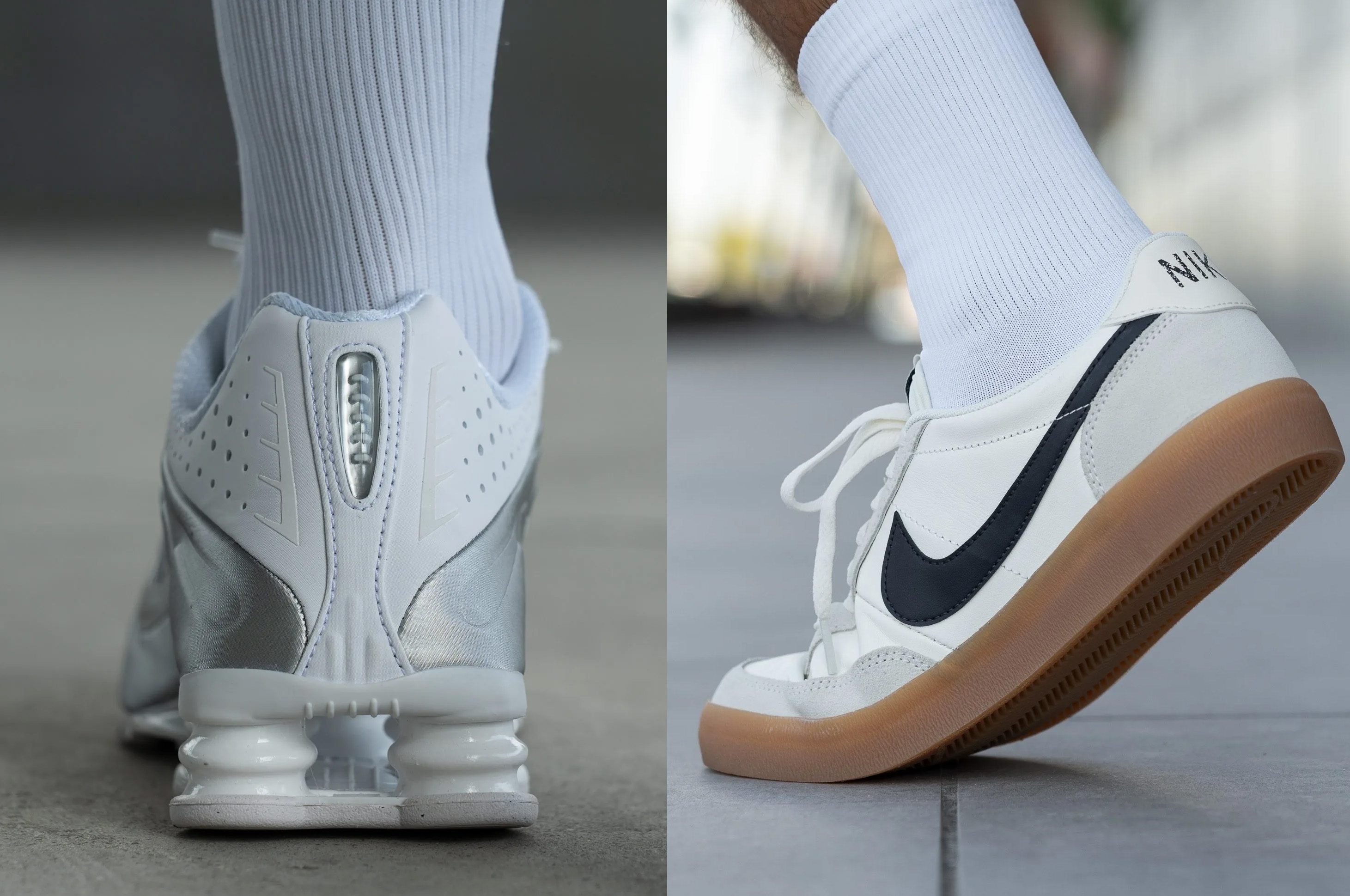
The Nike Zoom Vomero 5 feels very refreshing on foot from all angles. Lab results verify its soothing nature as it offers generous cushioning and free-flowing ventilation in its light and loose build. This sneaker is all about making us feel good, rising to the top as our best comfortable sneaker.
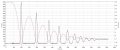
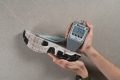
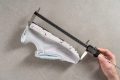
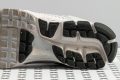
We measured the stack height to be an above-average 31.4/21.8 mm. Its highly cushioned feel is further enhanced by its strong shock absorption of 112 SA in the heel, making it 25.8% more protective than average. We credit the Zoom Air units for the gentler landings.
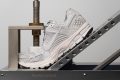
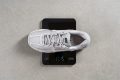
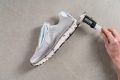
The Zoom Vomero 5 offers lasting comfort and versatility through its light and flexible nature. It weighs only 11.1 oz (316g), allowing us to last longer on foot since it’s 19.0% lighter than average. Moreover, its weightless feel is enhanced through its pliability, emerging 14.3% more bendable than average in our flex test.
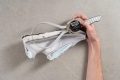
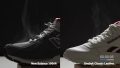
Wrapping up the whole experience is an ultra-thin mesh that promotes seamless airflow. We couldn’t help but give it the maximum 5/5 breathability score in our smoke test.
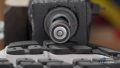
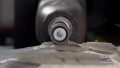
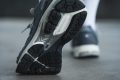
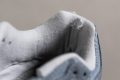
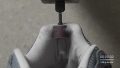
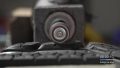
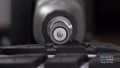
However, toebox durability is compromised, as our Dremel wrecked it instantly. If premature wear is a concern, we advise going for sturdier alternatives.
Pros
- Nostalgic 2000s aesthetic
- Excellent breathability for summer
- Cushioned like a running shoe
- Lighter than average
- Very comfy in-shoe feel
- Flexible and forgiving on foot
- Wear-resistant outsole and inner lining
- Better lockdown with a gusseted tongue
Cons
- Mesh is easy to tear
- Not for flat feet/overpronation
- Can be slippery on wet
- Pricey
Comfortable trainers with the best shock absorption







What makes it the best?
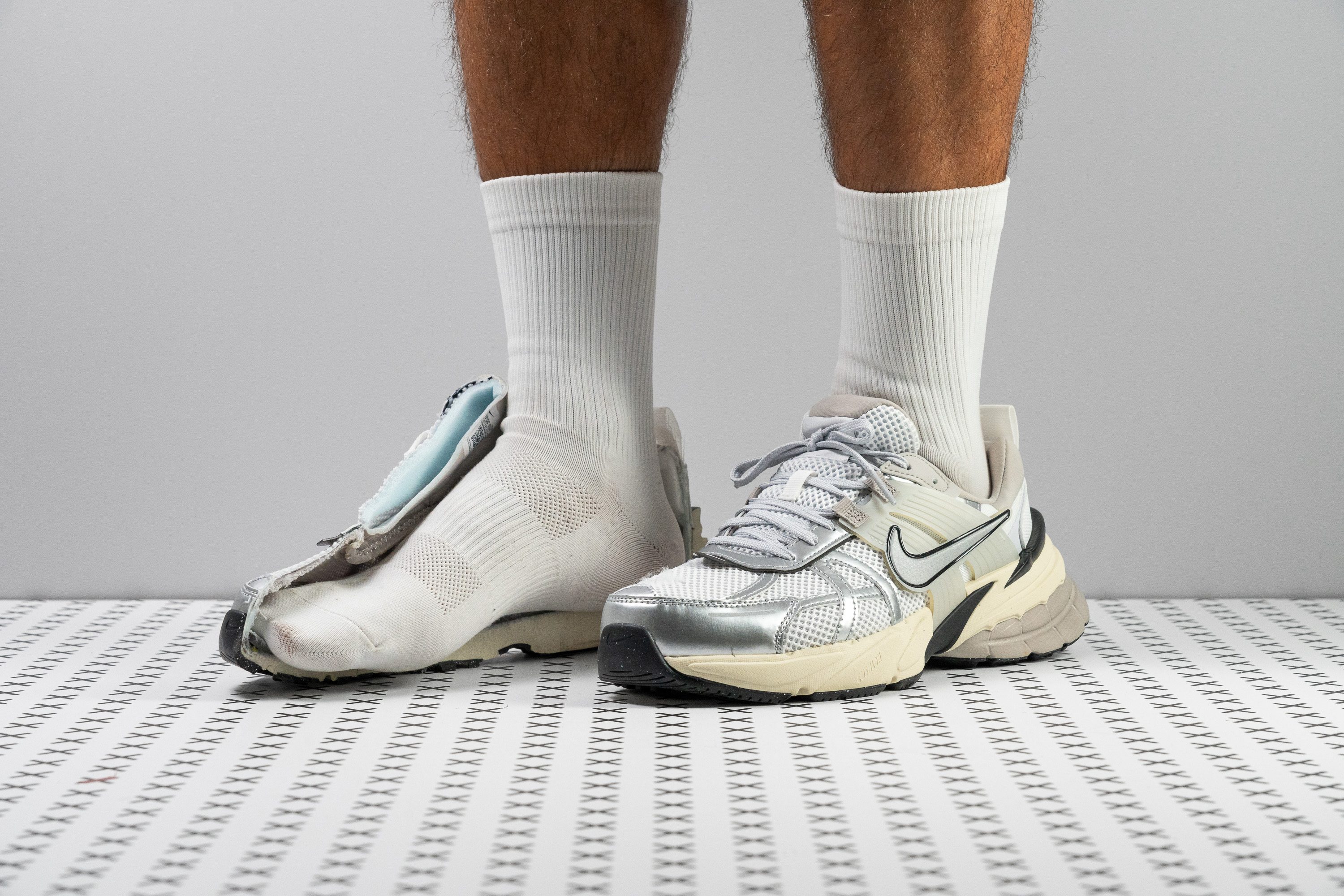
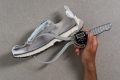
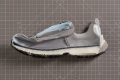
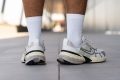
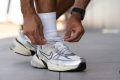
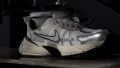
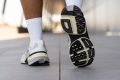
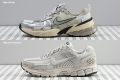
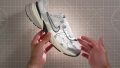
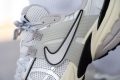
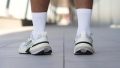
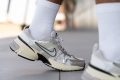
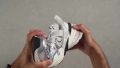
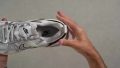
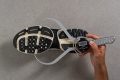
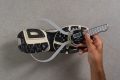
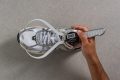
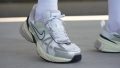
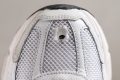
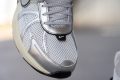
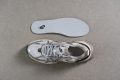
As our lab assessment shows, the Nike V2K Run features the best technologies to keep our feet happy, from its wonderfully cushioned base to its superior ventilation, all in a fluid and lightweight package. Our muscles and joints couldn’t deny its world-class comfort, making it our best shock-absorbing, comfortable sneaker.
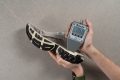
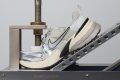
We measured the stack height at an above-average 33.9/21.2 mm. Yet what truly makes V2K Run special is its ability to reduce landing impact. We verified its lasting comfort in our shock absorption test with a 123 SA score, making it 38.2% more cushioned than average.
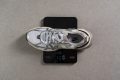
Despite its generous comfort, it never weighed us down. In fact, the V2K Run is only 11.1 oz (315g), making it 19.2% lighter than average. Moreover, its manoeuvrable nature enhances comfort and versatility, as it emerged 28.6% more flexible than average in our bend test.
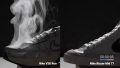
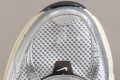
We felt spoiled from every angle, with its soft, mesh upper embracing our feet. It excelled in our smoke test with the maximum 5/5 breathability rating, making it comfortable even in the summer.
However, note that this sneaker is designed for women, so men’s sizes are limited.
Pros
- Fantastic cushioning for all-day wear
- Highly responsive and lively ride
- Surprisingly stable and supportive
- Comfortable in-shoe feel
- Excellent breathability for summer
- Secure lockdown and heel hold
- Notably lighter than average
- Reliable outsole grip
Cons
- Limited men's sizes and colours
- Pronounced toebox tapering
Best comfortable trainers for wide feet









What makes it the best?
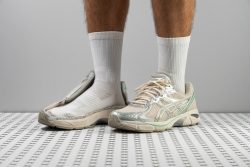
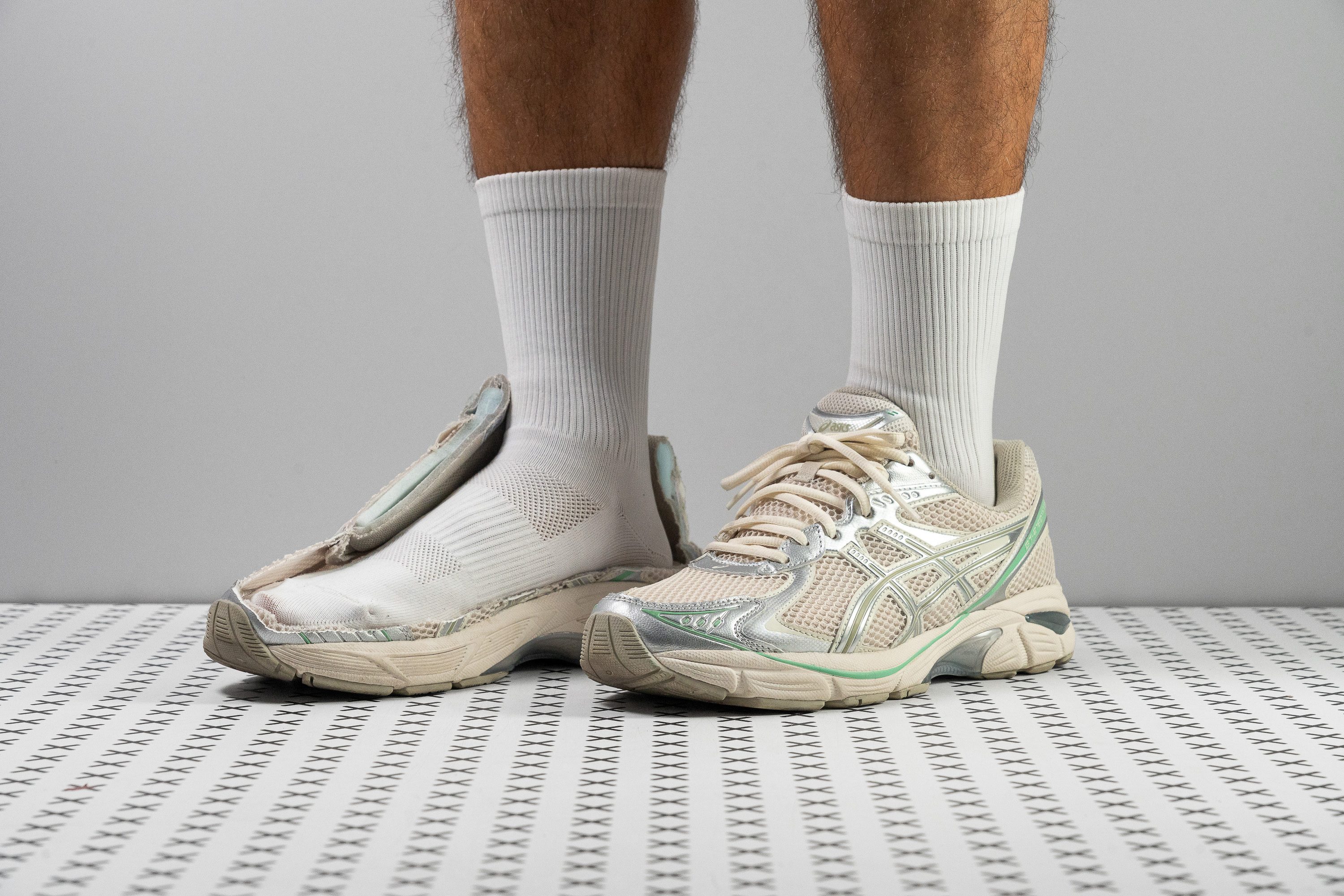
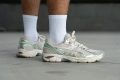
The ASICS GT 2160 ensures we can last all day with its plush landings, versatility, and spacious room. Lab results confirm it’s the most comfortable sneaker for wide feet, with a light and flexible midsole further enhancing the effortless experience.
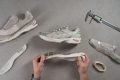
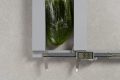
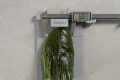
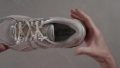
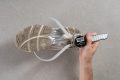
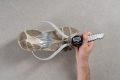
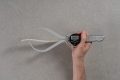
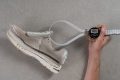
To accurately measure the shoe’s interiors, we created a gel mould. At the broadest point, we recorded 97.0 mm, which is a whole 4.5 mm wider than average. We found it accommodating to those with wide feet or bunions.
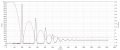
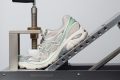
Besides having no pressure points on our feet, we enjoyed gentle touchdowns. We measured an above-average stack height of 31.1/23.2 mm. We also found the GEL insert in the heel, which creates a more cushioned experience. To put a number on it, our shock absorption test shows it’s 18.0% softer than average.
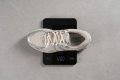
Despite its generous dimensions and cushioning, GT 2160 is surprisingly light and easy to manoeuvre. Our scales show it’s only 12.0 oz (340g), 12.8% below average. Moreover, it emerged 32.3% more flexible than average in our bend test.
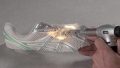
Unfortunately, a drawback is its limited durability. In our Dremel test, we found the upper and inner lining highly vulnerable to wear and tear.
Pros
- Very stable and supportive
- Super lightweight structure
- Breathable design
- Great for all-day wear
- GEL technology
- Durable outsole
- Trendy retro sporty clean style
Cons
- Upper lacks durability
- Not the best for running
Best lightweight comfortable trainers













What makes it the best?
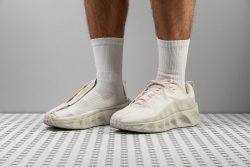
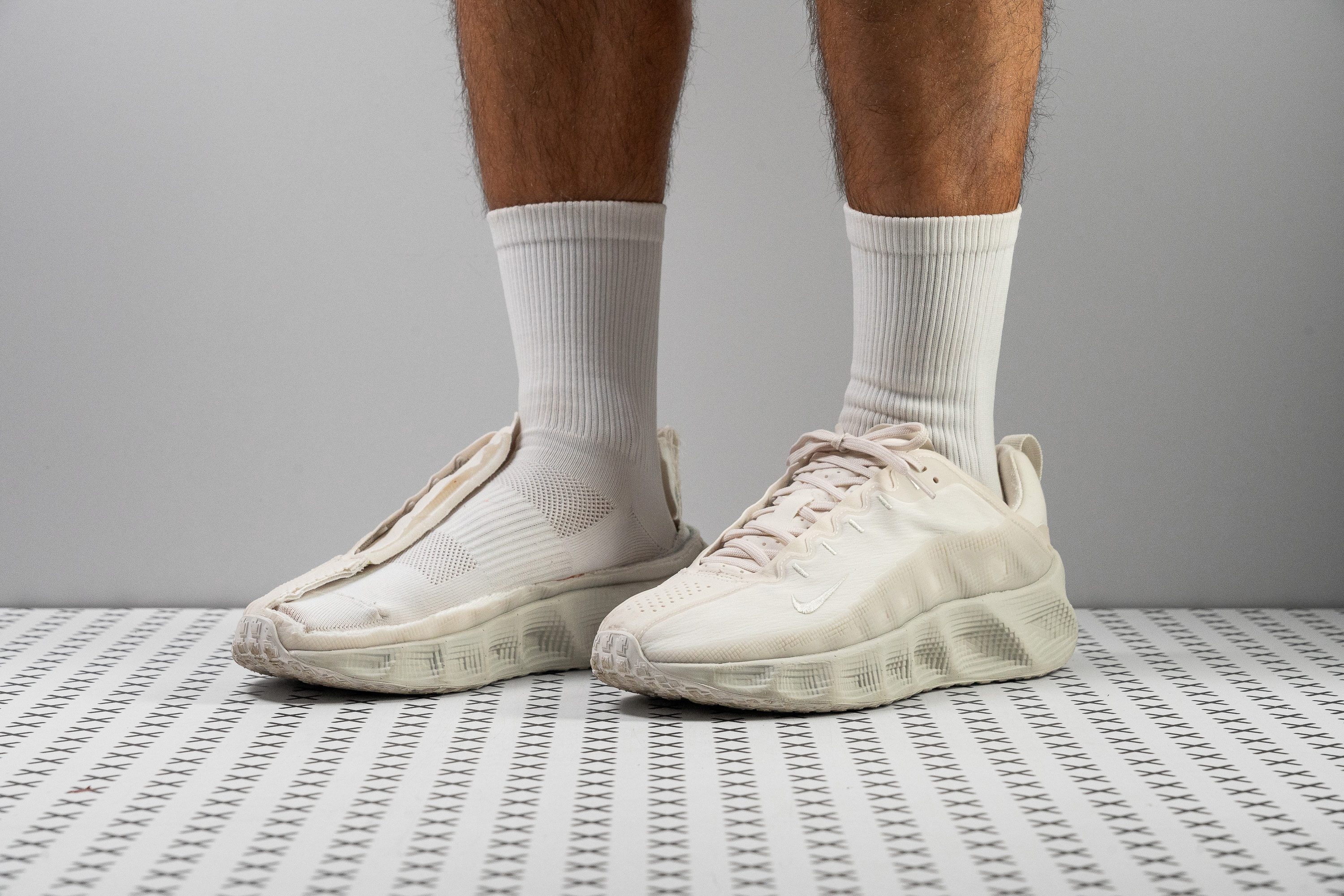
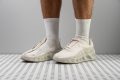
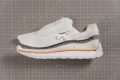
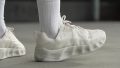
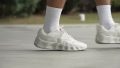
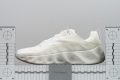
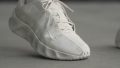
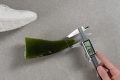
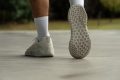
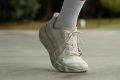
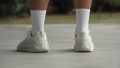
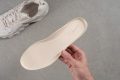
The Nike Ava Rover not only looks good, but feels good. We discovered in the lab that it features the advanced ReactX cushioning, offering the perfect mix of bounce and impact protection. Moreover, its minimal, flexible build and grippy base allow smooth and controlled movement. However, it stands out as the best lightweight, comfortable sneaker.
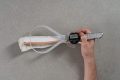
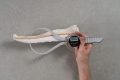
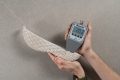
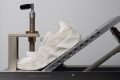
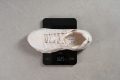
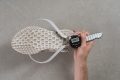
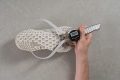
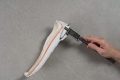
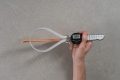
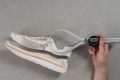
Ava Rover feels effortless, weighing only 10.2 oz (289g) per our scales. Compared to the average sneaker, it’s 25.9% lighter. Its bendable midsole also keeps the feeling light since we don’t have to fight much resistance. Our flex test shows it’s 20.3% more pliable than average, boosting comfort and versatility.
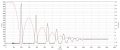
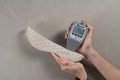
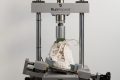
Despite being light, Ava Rover feels generously cushioned. Lab tests show the plush sensation doesn’t come from height, but rather, the ability of the foam to reduce impact. Our shock absorption test reveals an impressive 116 SA in the heel, which helps preserve leg freshness. Moreover, the rear has a high rebound of 59.2%, making the experience fun.
Underfoot, the outsole displays a strong bite, with its high friction coefficient of 0.69 on our traction test. We felt confident going through slippery tiles or wet sidewalks because it’s 60.5% grippier than average.
While the platform feels moderately stable, it still offers limited arch support. Those who need more structured trainers should go for other pairs.
Pros
- Wonderful shock absorption for all-day wear
- Super bouncy ride with the ReactX foam
- Soft and cosy underfoot experience
- Accommodating fit
- Amazing outsole grip on wet and dry surfaces
- Great flexibility for natural foot movement
- Much lighter than average
- Breathable, summer-ready upper
- Very wide platform offers stability
- Surprisingly durable upper
Cons
- Thin outsole causes durability concerns
- Not much arch support
Comfortable trainers with the best stability







What makes it the best?
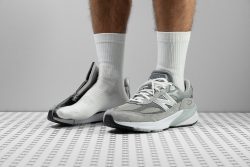
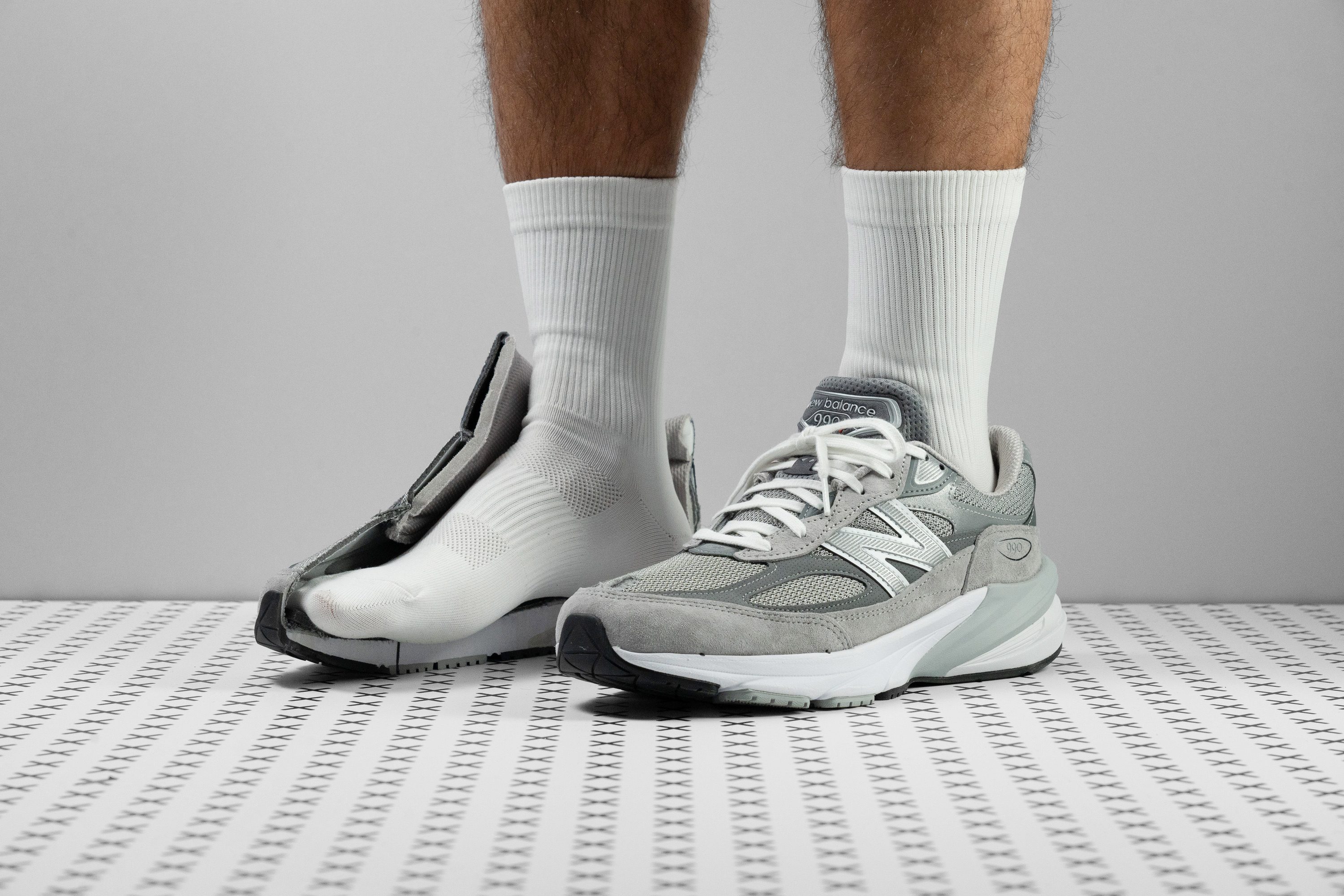
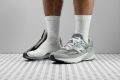
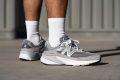
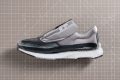
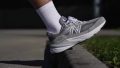
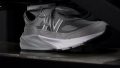
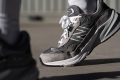
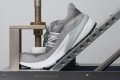
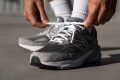
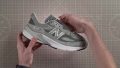
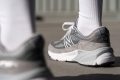
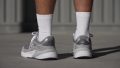
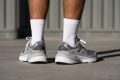
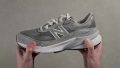
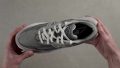
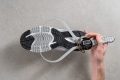
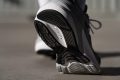
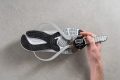
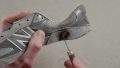
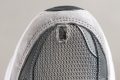
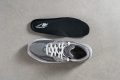
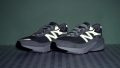
We’ve seen in the lab that the New Balance 990 v6 incorporates several running technologies into its light build, proven by the presence of the FuelCell midsole and the ENCAP rim. These features create a highly cushioned and supportive ride, yet the 990 v6 stands out the most with the best stability among comfortable trainers.
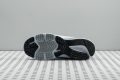
As mentioned, the ENCAP rim adds support around the heel, keeping our footing centred. Moreover, it features an extra broad platform of 113.8/88.0 mm to ensure well-balanced landings.
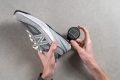
Meanwhile, the midsole features FuelCell cushioning at an above-average stack height of 39.1/23.8 mm. It offers bottomless comfort, along with its strong capacity to reduce the shock of landings. We verified its gentleness with a great shock absorption score of 102 SA.
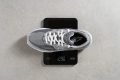
While the 990 v6 looks chunky, it’s actually really light. Our scales show it’s only 12.9 oz (366g), making it 6.2% below average despite all its generous comfort and stability elements.
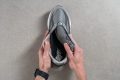
However, the support comes at the cost of a more natural feel. The 990 v6’s higher stiffness may not appeal to fans of more flexible trainers.
Pros
- Unexpectedly lighter than average
- Real suede and quality materials
- Extra thick cushioning for all-day wear
- Mind-blowing arch support and stability
- Exceptionally hard-wearing outsole
- Fantastic breathability
- Well-padded all around
- Six(!) widths available
- Six(!) widths available
Cons
- Very delicate toebox mesh
- A bit stiff
Best comfortable trainers for big guys







What makes it the best?
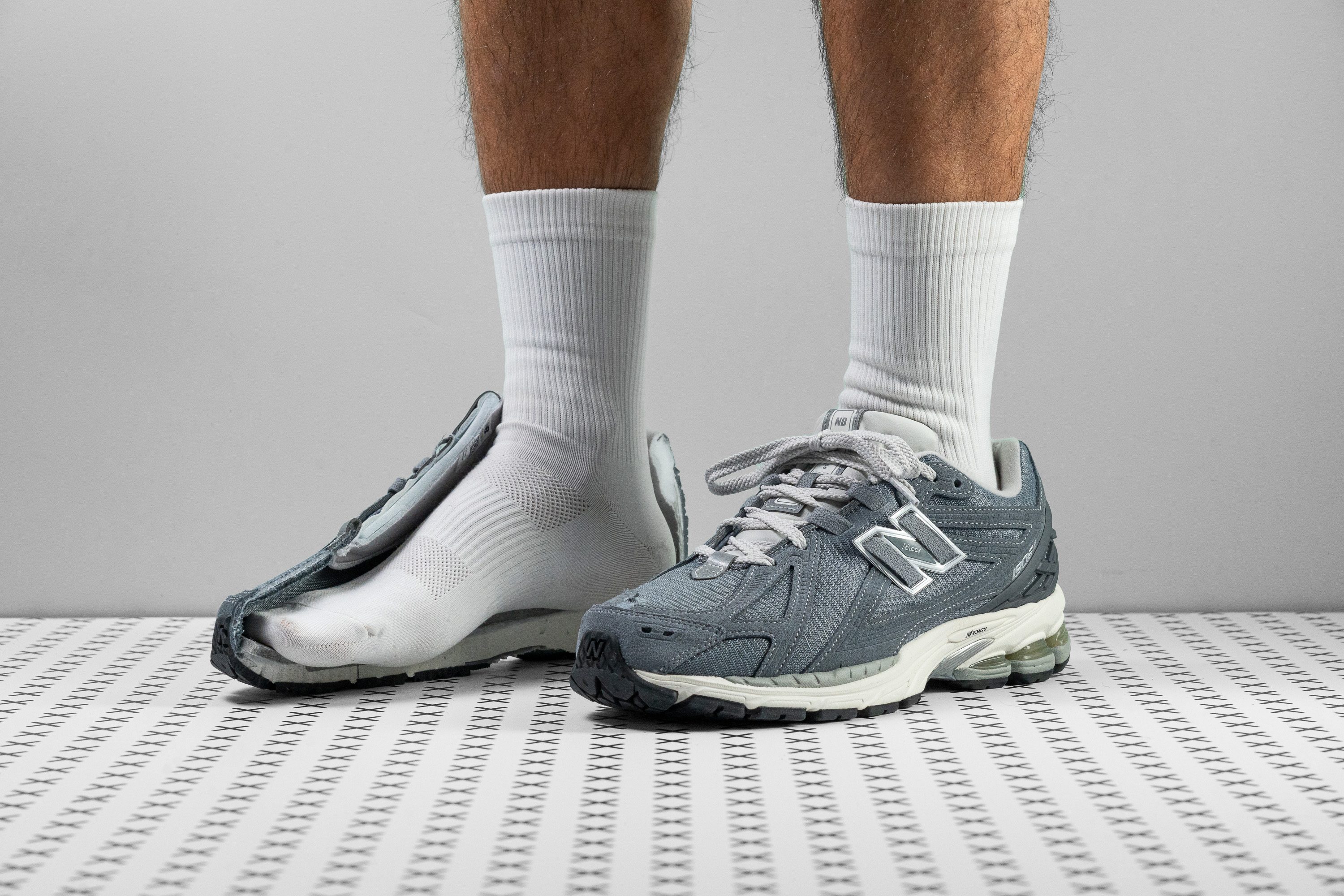
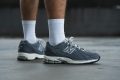
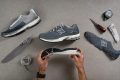
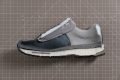
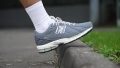
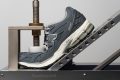
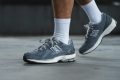
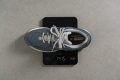
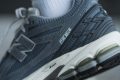
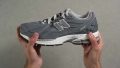
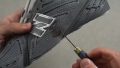
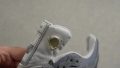
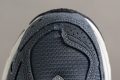
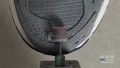
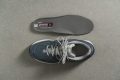
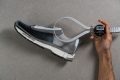
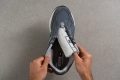
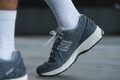
The New Balance 1906R proved to be extremely reliable in many angles: comfort, stability, and flexibility. With lab results showing its broad base and impressive shock absorption, it’s our most comfortable sneaker for big guys.
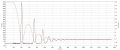
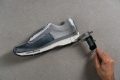
We measured the midsole height at an above-average 37.1/25.6 mm, almost as if it were a running shoe. The heel has ABZORB SBS units for softer landings. Indeed, it does as its name suggests, as we record a high shock absorption score of 106 SA. Even heavier guys will enjoy abundant cushioning in the 1906R.
Despite its thick foam, it maintains a bendable midsole, which greatly enhances comfort and versatility. Our bend test verifies it’s 3.8% more flexible than average.
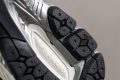
In terms of lateral movement, this kick offers strong support. We discovered it features the stiff WEB stability shank in the midfoot, generating high twist resistance as seen in its 4/5 torsional rigidity score. Moreover, its broad 113.3/87.6 mm platform secures our footing.
However, the widest part of the shoe and the toebox have a standard fit. Therefore, those with broad or square-shaped feet won’t feel at home.
Pros
- Fabulous comfort for all-day wear
- Exceptionally breathable
- Appealing throwback style
- Premium quality and real suede
- Highly durable upper and outsole
- Very comfortable in-shoe feel
- True to size and fit
- Great traction on dry and wet
Cons
- A bit heavier than average
- Pricier than average
Best budget comfortable trainers






What makes it the best?
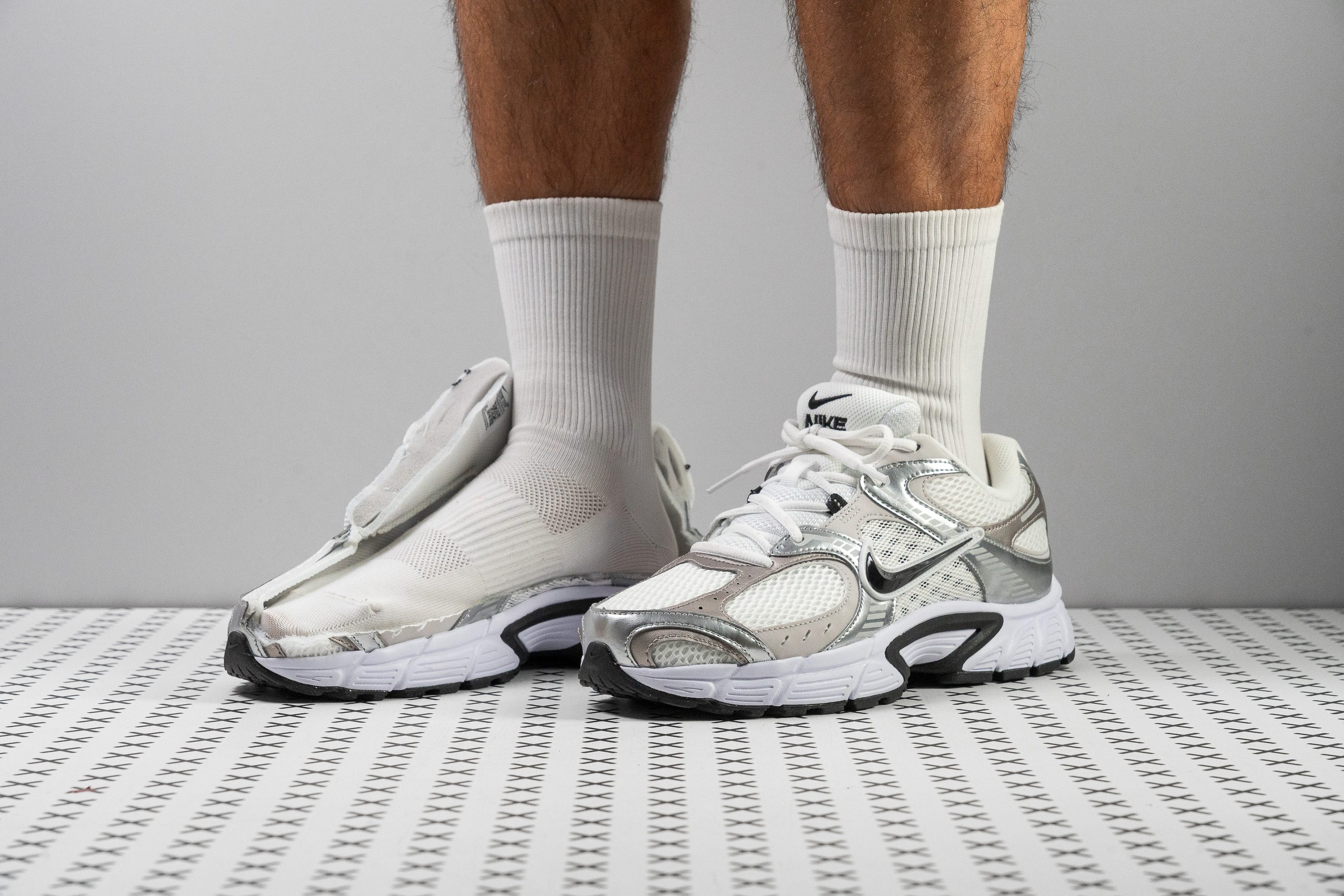
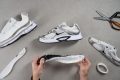
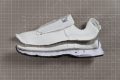
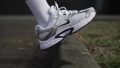
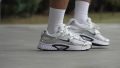
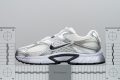
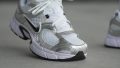
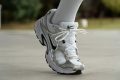
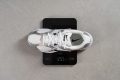
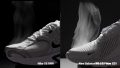
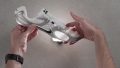
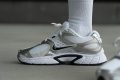
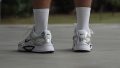
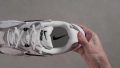
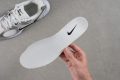
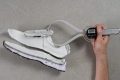
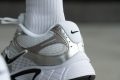
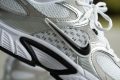
It’s hard to wrap our heads around the superior shock absorption and traction the Nike V5 RNR delivered in our strolls. So, we took it to the lab and further verified its premium status despite its £90 price. At a 17.4% discount and with significant weight savings compared to the average, it’s our best budget comfortable sneaker.
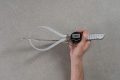
V5 RNR packs tonnes of cushioning under our feet, specifically with a generous stack height of 35.4/23.9 mm. What enhanced its lasting comfort is the ability of the foam to reduce the harshness of the ground, backed up by a whopping 121 SA rating. For reference, it’s even more protective than some running shoes!
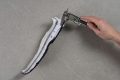
Despite its abundant cushioning, it weighs only 12.5 oz (254g). Kind to our wallet and to our feet, the V5 RNR feels effortless to use.
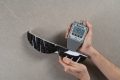
Another surprise was its world-class traction, with the heel generating a high friction score of 0.73! With a rating 69.8% above average, it’s practically slip-proof!
However, the V5 RNR’s comfort is limited to cool weather. With its minimal breathability, it’s not ideal for hot and humid seasons.
Pros
- Unbelievable shock absorption for the price
- Light rocker makes the ride smoother
- Good support and stability for flat feet
- Insane outsole traction on wet and dry
- Extra puffy tongue and collar
- Comfortable in-shoe feel
- Fantastic value for money
Cons
- Snug and narrow fit (not for wide feet)
- Not as breathable as it appears
Starting with the obvious: proper fit. Getting a sneaker that’s too small, too wide, or that puts a lot of pressure on your instep is certainly a deal breaker. We hope you know how to nail the fit and that the basics are: there should be no hot spots, no sliding inside the sneaker, and no heel slipping. If you’re still not sure about this, we recommend reading our article How to measure shoe size first.
5 features of comfortable trainers
Comfort is subjective (varies among individuals and is influenced by sex; Kong, Brandon, 2010), but thanks to our field and lab testing, we’re able to list the features that make trainers comfortable and explain in greater detail what you should pay attention to. It seems that the majority find lightweight soft shoes with rockered geometry comfortable (Menz, Bonanno; 2021), but we want to help you figure out what works best for you.
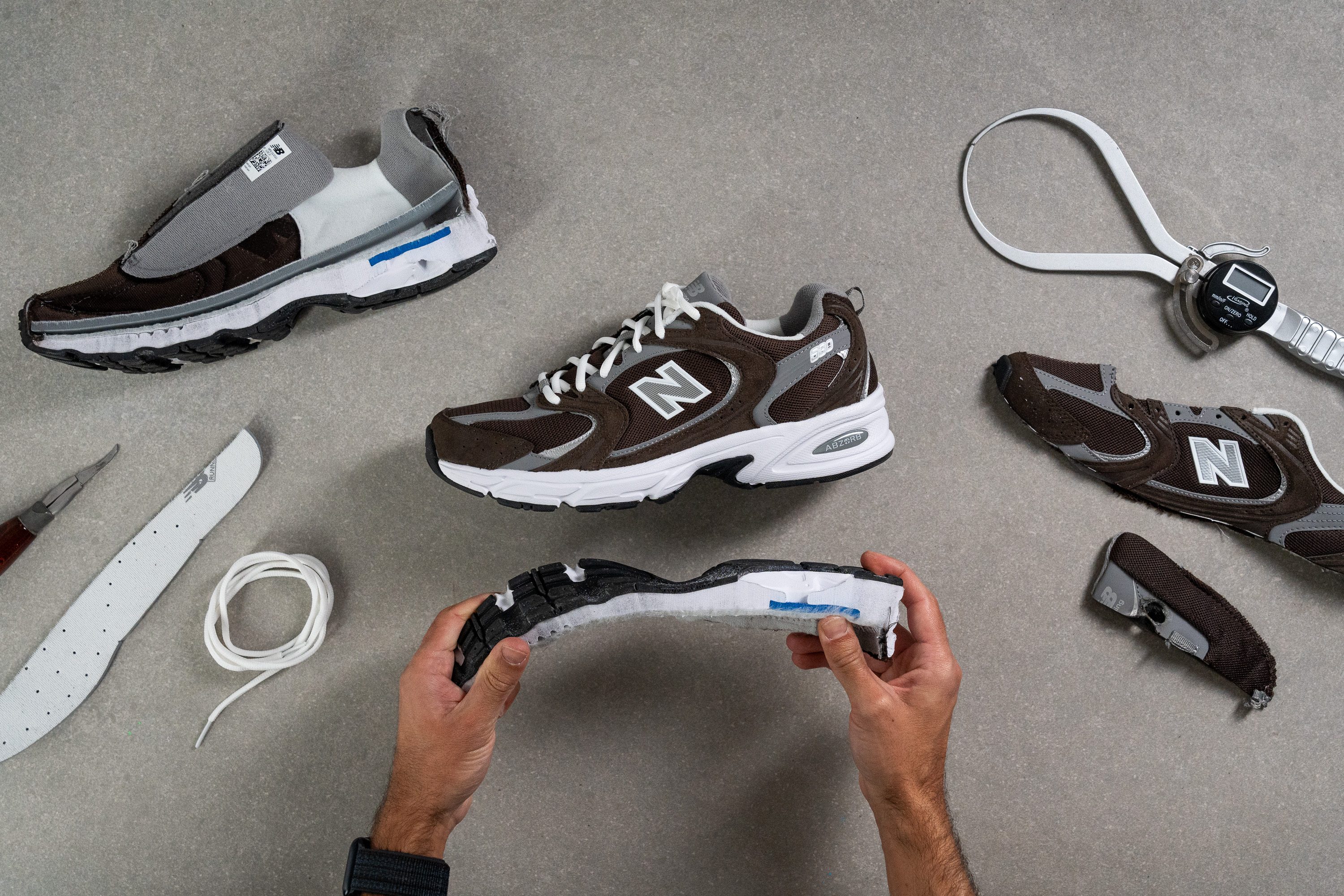
Here’s a breakdown of those features:
- Shock absorption is definitely the most important factor when it comes to comfort. The higher it is, the better, because it means the midsoles will do most of the work and send less stress to your legs. Based on our tests, we recommend looking for trainers with a shock absorption of at least 100 SA.
- Midsole softness is what most would say is the #1 feature, but we beg to differ. We do think it is important to be aware of the softness because it helps you understand what works for you and what you find comfortable. Trainers should not feel like bricks but they should not be too soft either.
- Comfortable trainers do not offer ground feel. We know that there are some barefoot/minimalist enthusiasts out there, but the fact is, feeling the ground in minimally cushioned trainers is tiring for the feet. Premature fatigue does not go hand in hand with the high levels of comfort we’re aiming for here.
- If you’re a fan of that natural feel when walking, we recommend looking at the stiffness of the trainers. Some platforms are very stiff and can be uncomfortable if you’re not used to them.
- If you are very active in your trainers, we recommend looking for a moderate-to-high energy return. Having good energy return together with good shock absorption is a supercombo.
#1 thing to look for when prioritising comfort
Although it may not be intuitive, given that it’s not a popular topic, good shock absorption is a feature to prioritise when looking for comfort. Shock absorption is all about the impact protection: it tells us how good the midsole is at dampening the impact each time we hit the ground wearing trainers.
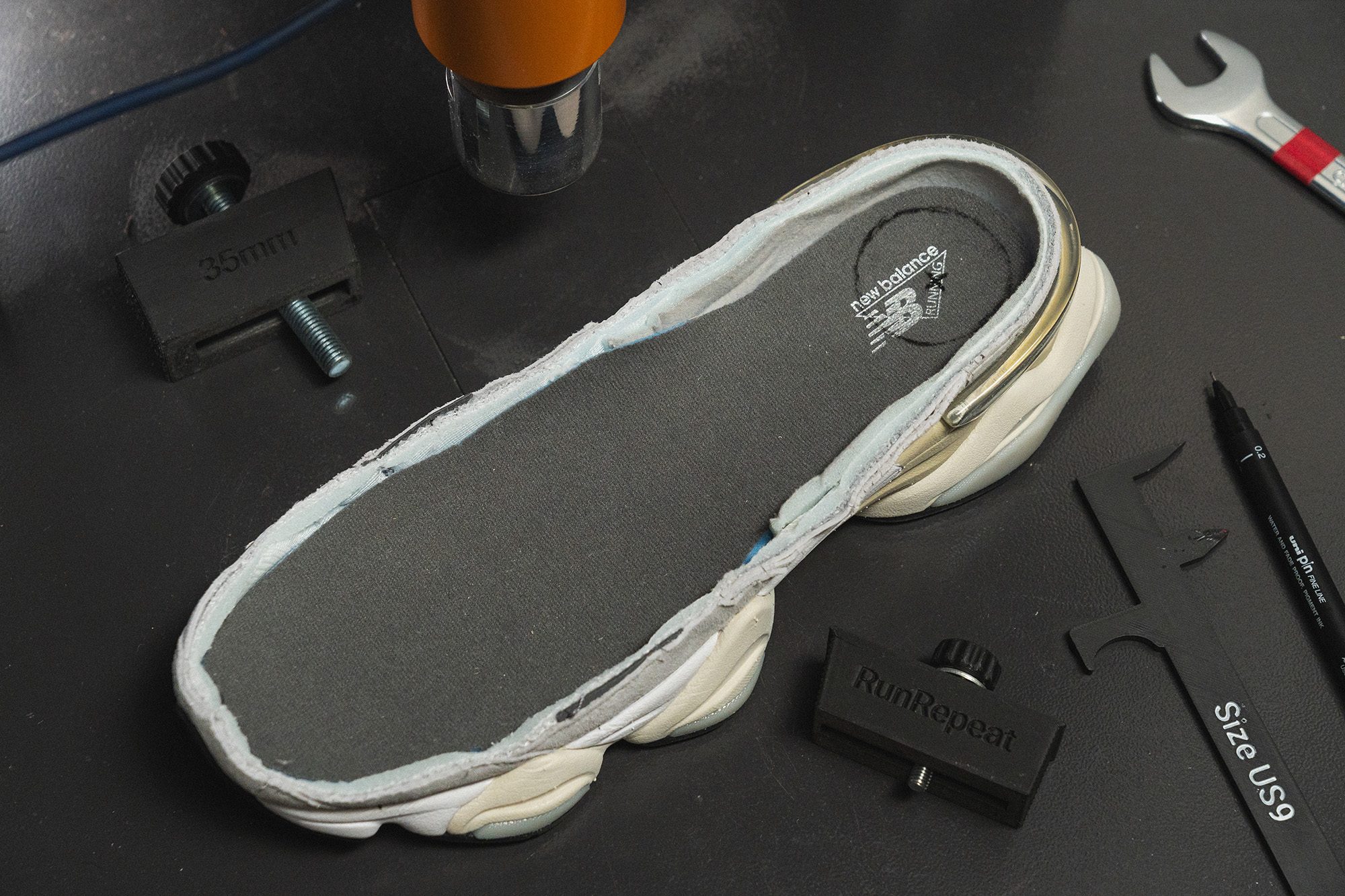
Think of it like this: when you’re barefoot and walking briskly, your heels hit the asphalt so hard you have to change the way you walk so that you land more lightly and avoid painful heels. When wearing trainers, you can keep pounding because you rely on the midsole to deal with the impact forces. And that’s exactly what it does.
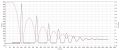
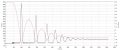
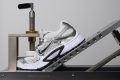
In our lab, we test shock absorption and energy return at the same time. We do this following a strict ASTM F1976-13 protocol. A shock absorption higher than 100 SA is what we consider a rule for finding comfortable trainers. For context, anything higher than 105 SA is high shock absorption, and if it falls between 80 and 105 SA, it is moderate.
The higher the shock absorption, the more protective the midsole. This means that such trainers would be super comfortable even for all-day wear when you keep walking or standing for long periods.
While we’re here, it’s best to cover energy return as well, given that the test is done at the same time with shock absorption. Energy return tells us what the ride is like or what the midsole is like.
When energy return is very low, such midsoles are usually described as dead or dull. When it’s high, they are called lively, responsive, peppy. This feature is very important in running. In walking and casual use, not so much, but again, if you are quite active, we recommend taking it into account.
For reference, energy return above 55% is considered high, and 45-55% is considered moderate.
Softness of comfortable trainers
Softness is THE feature everyone talks about when they try the trainers straight out of the box. It’s certainly a big factor when it comes to comfort, but it’s also something that depends on personal needs and the design of the sneaker.
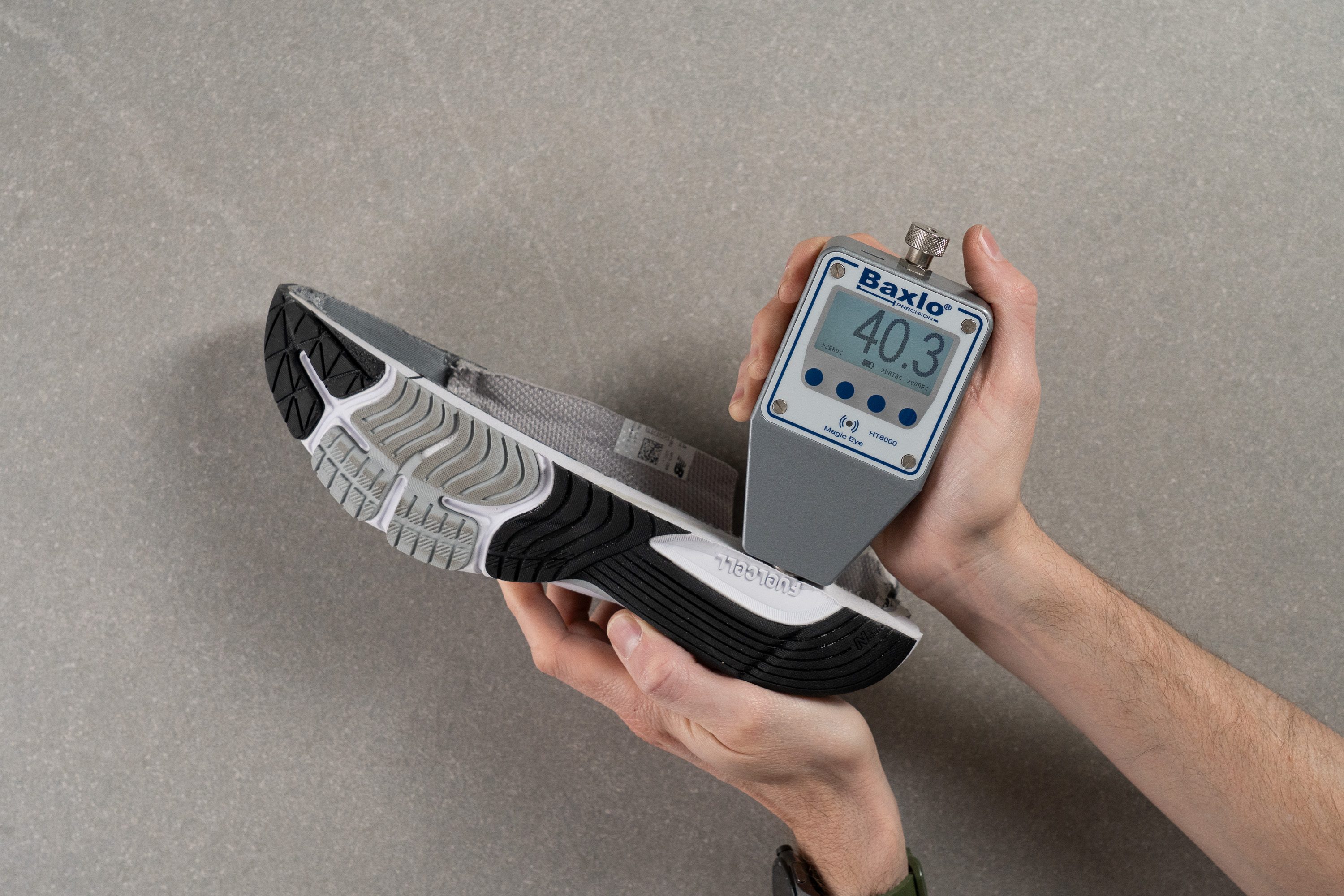
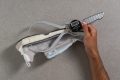
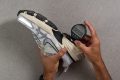
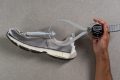
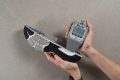
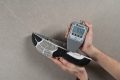
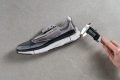
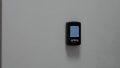
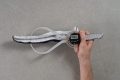
The number on the display tells us how soft the sneaker is: lower numbers mean softer midsoles, higher numbers mean firmer midsoles. Looking at the lab data, you have plenty of trainers to choose from in all 3 categories: soft (durometer number lower than 33 AC), moderate (33-42 AC), or firm (higher than 42 AC).
Softer shoes may feel more comfortable but we don’t recommend very soft shoes if you need stability, be it for overpronation, flat feet, or any other reason. Firmer shoes may sound uncomfortable but the extra stability they bring to the table often overshadows everything else. Again, too firm, and your feet may hurt. It’s all about the balance.
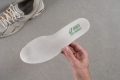
If it turns out that you’re considering trainers that are maybe too firm for you, look at their insoles. If thin and replaceable, you can use a more cushioned insole instead.
Why is there no ground feel in comfortable trainers?
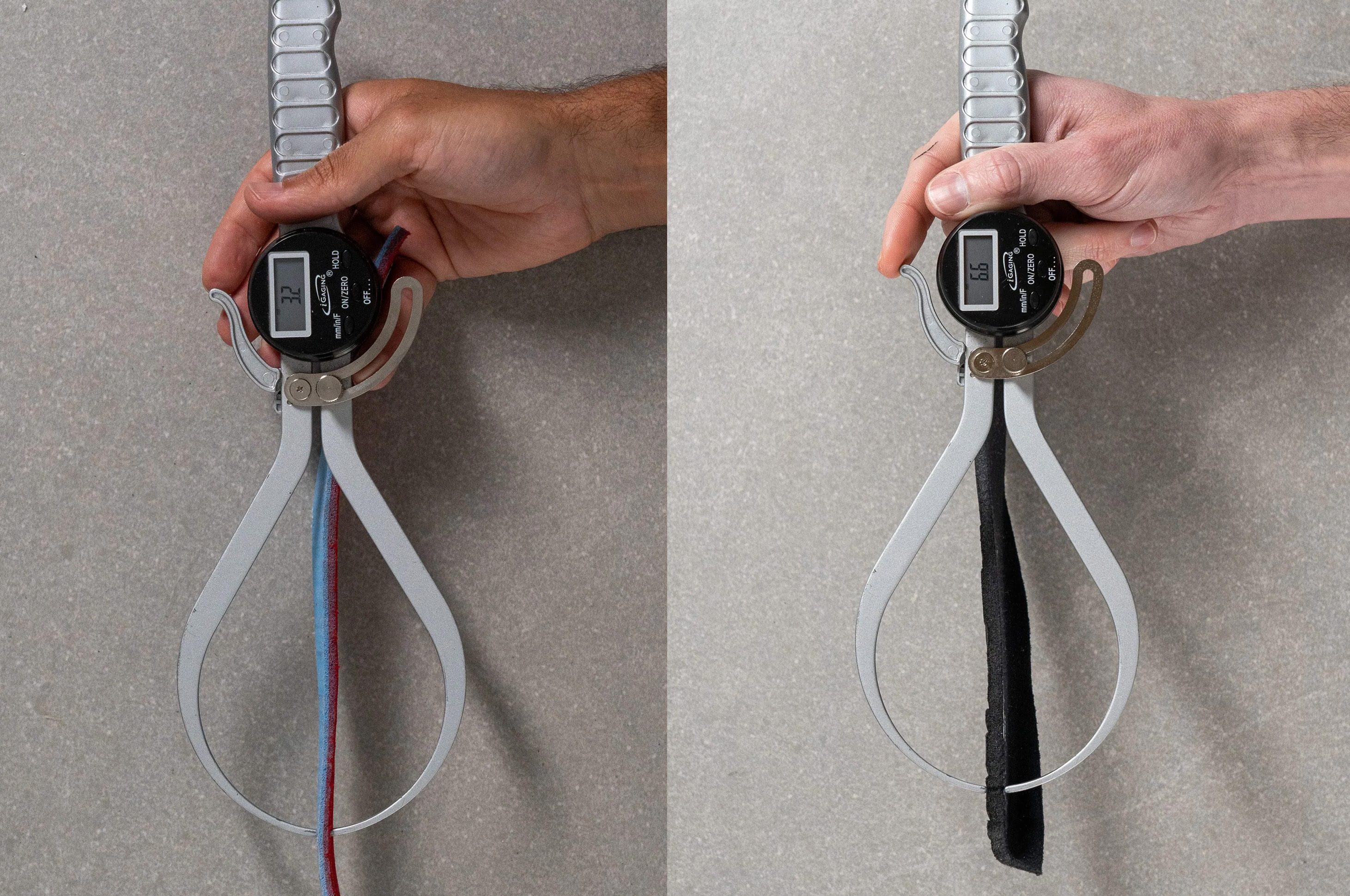
Ground feel is something we experience in trainers that are very low to the ground. This means that the midsole is thin enough to allow us to feel the little cracks or pebbles that we’re walking on. This is a priority in barefoot and some minimalist trainers, but it’s not something we look for in comfortable trainers.
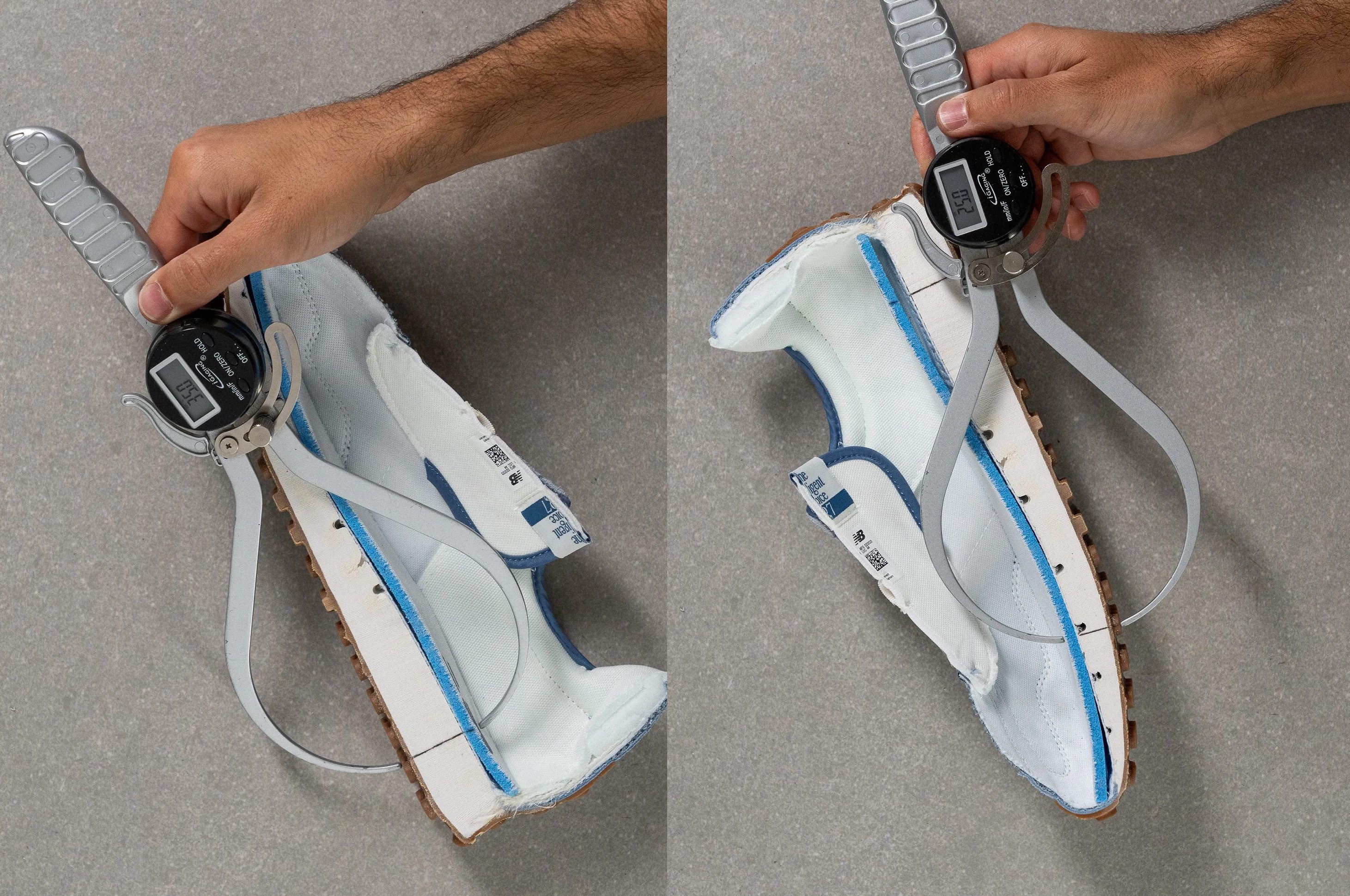
Feeling every little thing below your feet is great for foot strengthening and proprioception (Biscarini et al., 2024), but it is also tiring. That’s why transitioning to barefoot shoes is done gradually, so that the muscles and body have time to adapt to it and gain resilience. Finally, we can conclude that comfortable trainers are high-stacked. This is not only because we are avoiding ground feel but because moderate-to-high shock absorption is not found in low-stacked trainers. There needs to be a midsole that’s thick enough in order to dampen the impact forces effectively.
Lab data on the stiffness of comfortable trainers
We don’t often think about flexibility as a comfort factor. But, the moment we put on trainers that we’re not used to, we get a reality check. Stiffness matters.
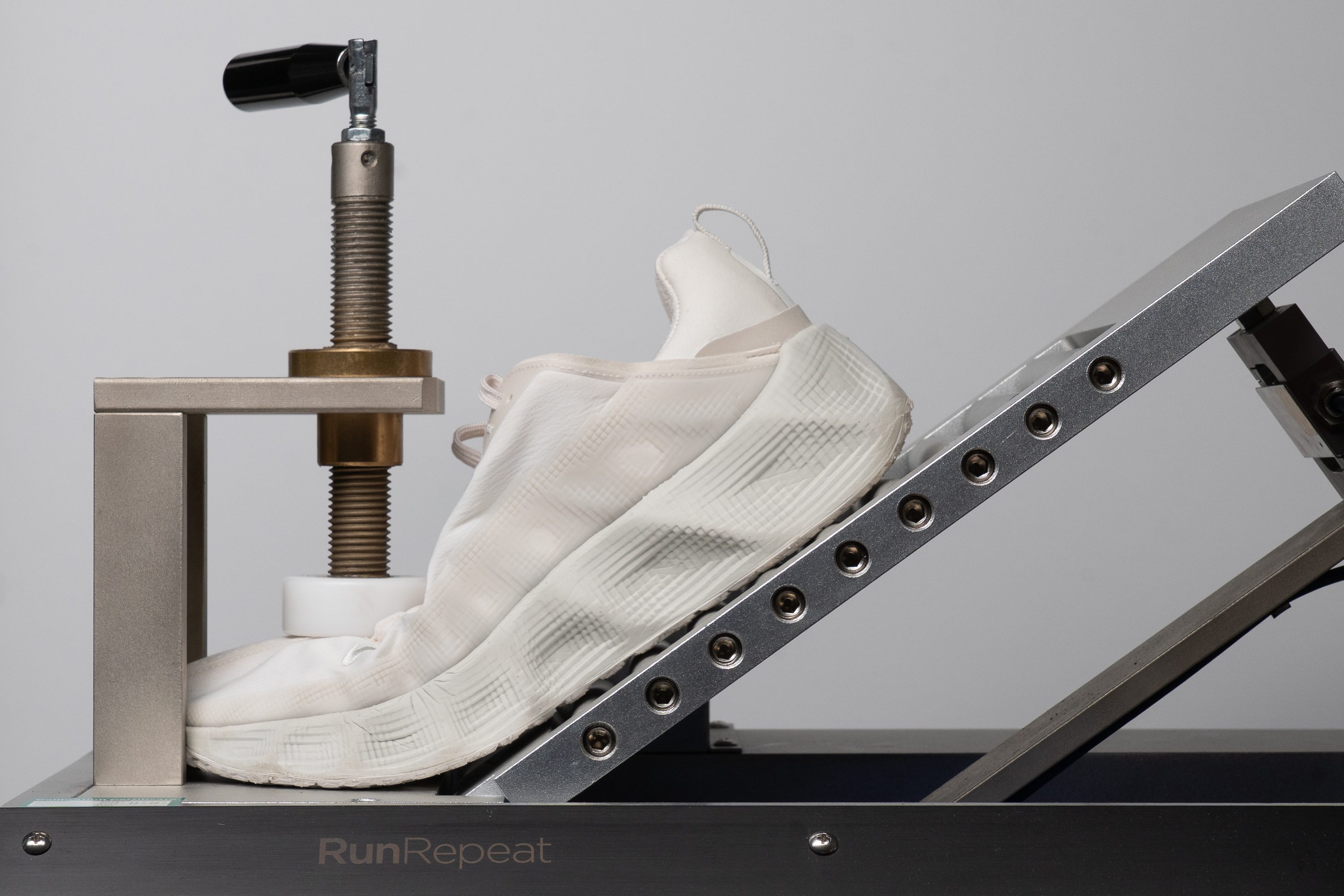
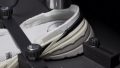
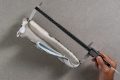
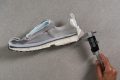
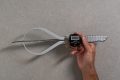
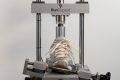
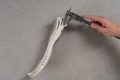
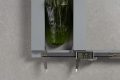
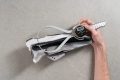
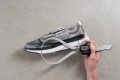
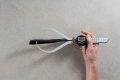
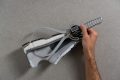
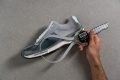
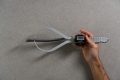
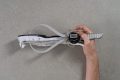
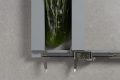
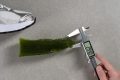
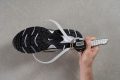
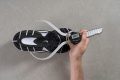
In our lab, we test the stiffness of trainers by locking the forefoot in place, adjusting for the forefoot rocker, and then measuring how much force is needed to bend the sneaker to 30 degrees. More force needed = stiffer trainers.
When trainers need less than 10N to be bent to 30 degrees, we consider them flexible. Higher than 17N and we find them stiff.
Sweaty feet are a big NO: breathability of comfortable trainers
We can’t say that there’s a good or a bad breathability in trainers. This depends on the season and the wearer; 2 people may be looking at the same sneaker while considering them for opposite seasons. It makes sense that the sneaker can’t satisfy both people; one’s feet can be freezing, or the other’s can be swimming in sweat.
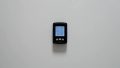
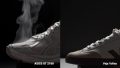
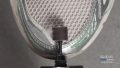
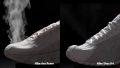
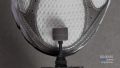
We test the breathability in our lab by directing the smoke from a smoke machine using a 3D-printed casts that channel the smoke into the toebox. Then, we watch where the smoke comes out and how fast and assign a 1-5 breathability rating to each model.
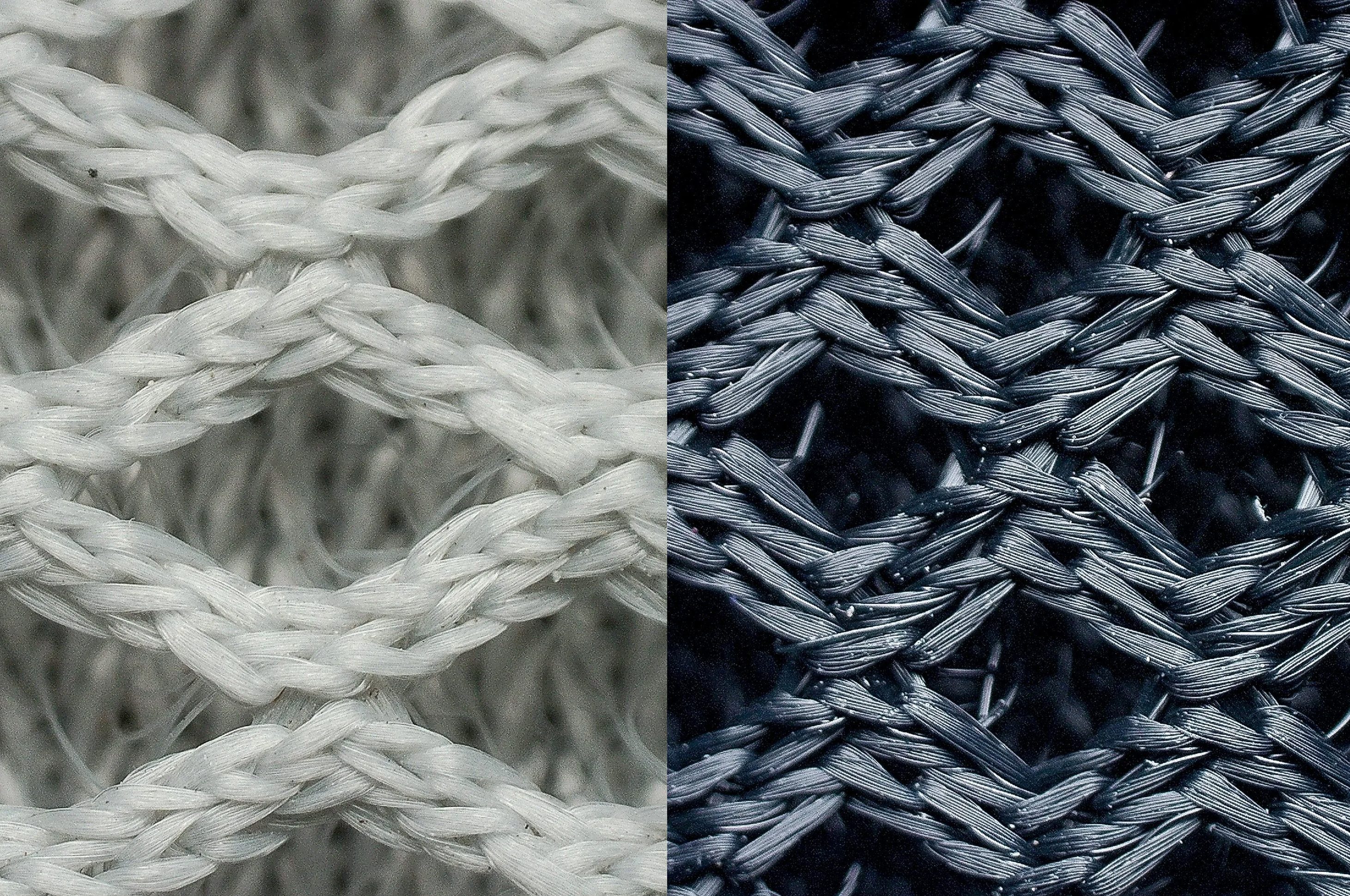
If you’re looking for trainers that are warm enough in winter, we recommend those that scored 1/5 or 2/5 on our test. For very hot climates, we recommend 5/5. Of course, you can adjust the sock thickness and materials to make the trainers more versatile across seasons.
Some of the best combos are super breathable uppers with reflective details!
Can comfortable trainers be lightweight as well?
When we think of high-stacked trainers, we often worry about the weight. The extra chunk is not an issue when you’re wearing trainers for a very short time, but if you actually want to use them regularly as daily beaters, too-heavy trainers become a burden.
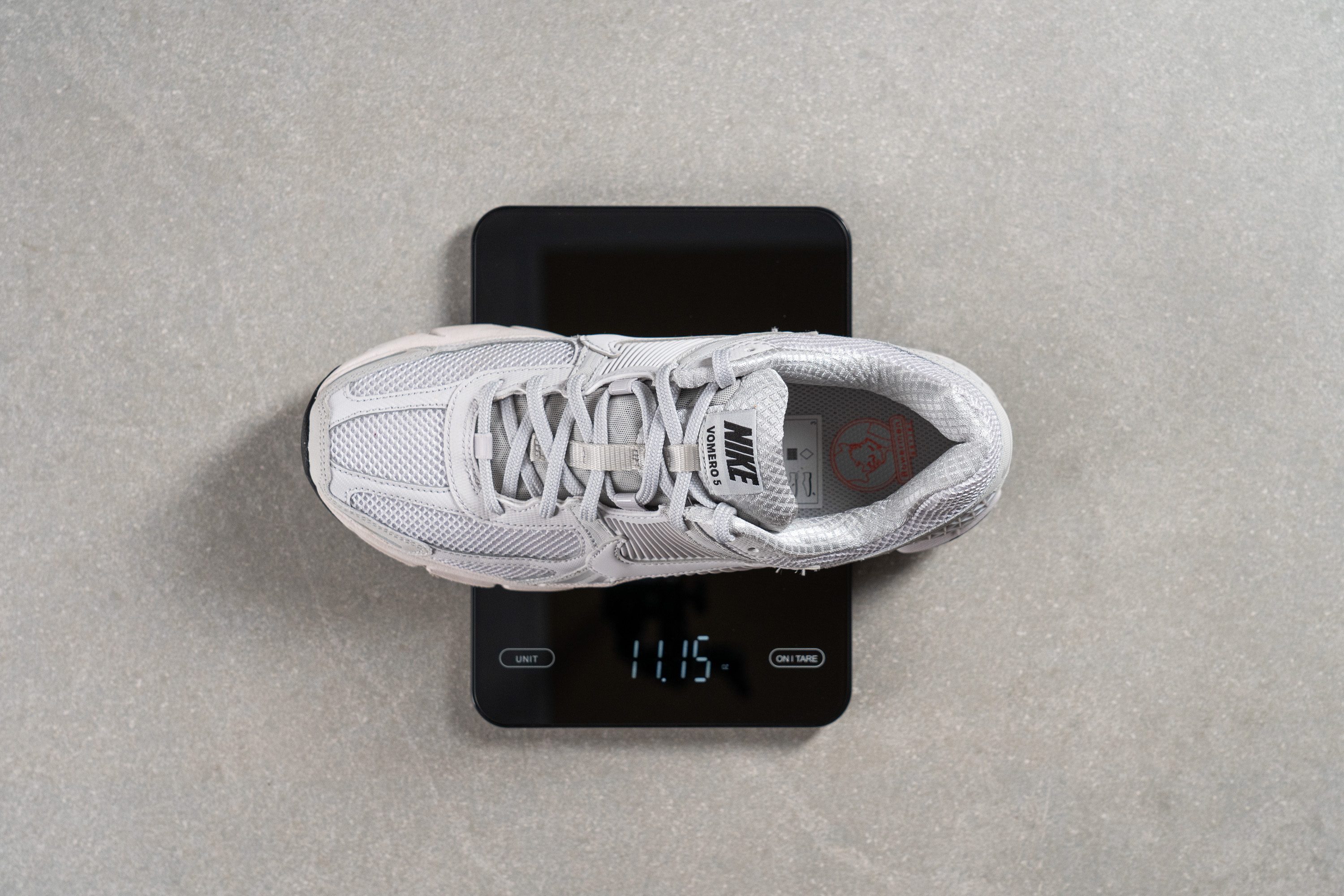
The average weight of all trainers we’ve tested so far is 13.8 oz or 390g and we consider them lightweight when they weigh less than 13 oz or 370g.
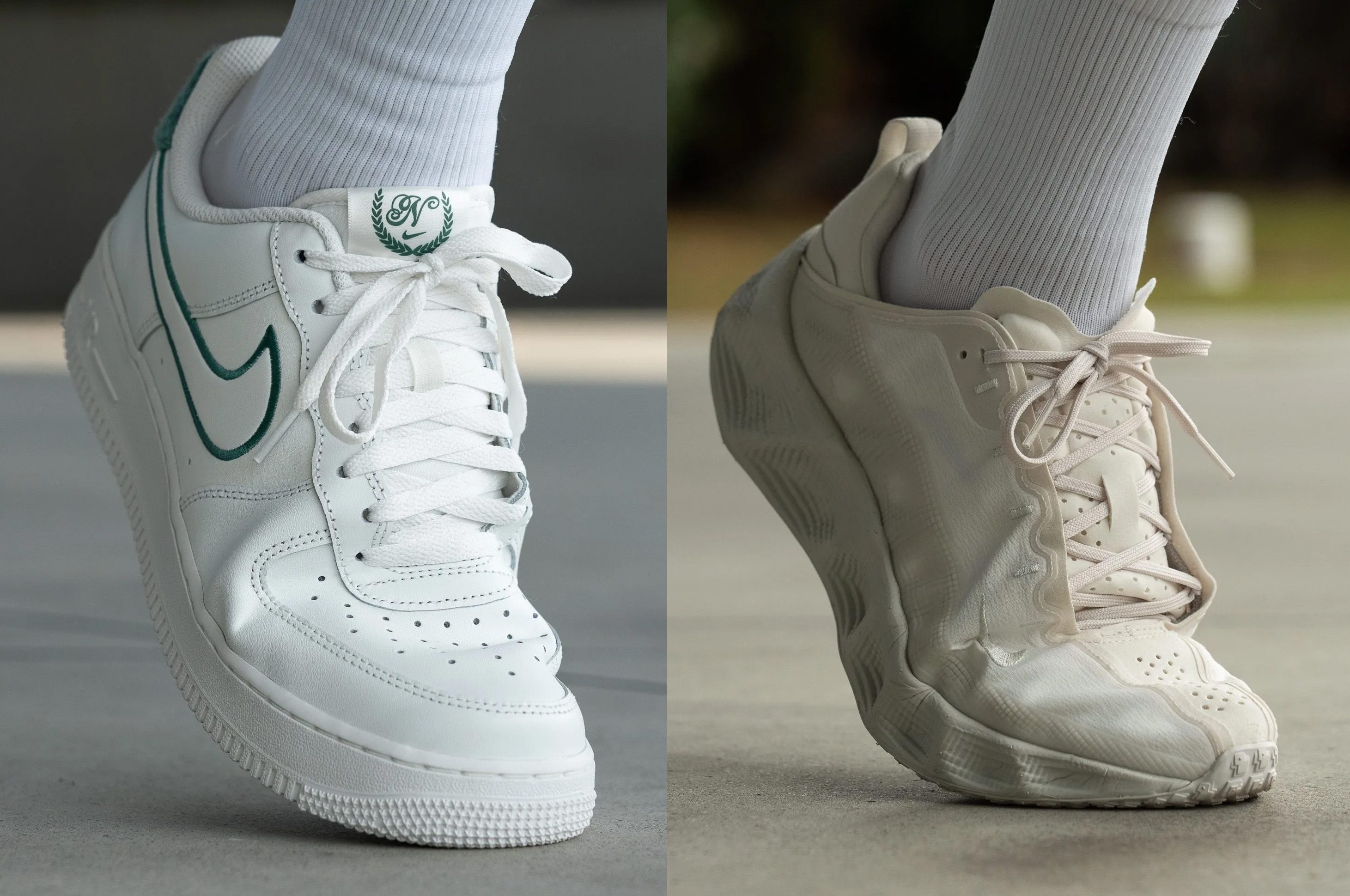
Comfort is out when your toes are cramped
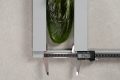
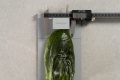
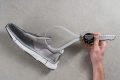
Although this section falls under the “nail the size” section, it’s worth emphasising it because many people struggle with the right fit when it comes to width. Because of this, we’ve developed a special liquid that we pour into the sneaker, freeze, and end up with a perfect mould of the sneaker’s interiors.
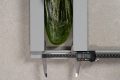
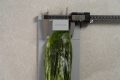
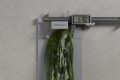
We use this mould to measure the width of the sneaker, the width of the toebox, and the height of the toebox.
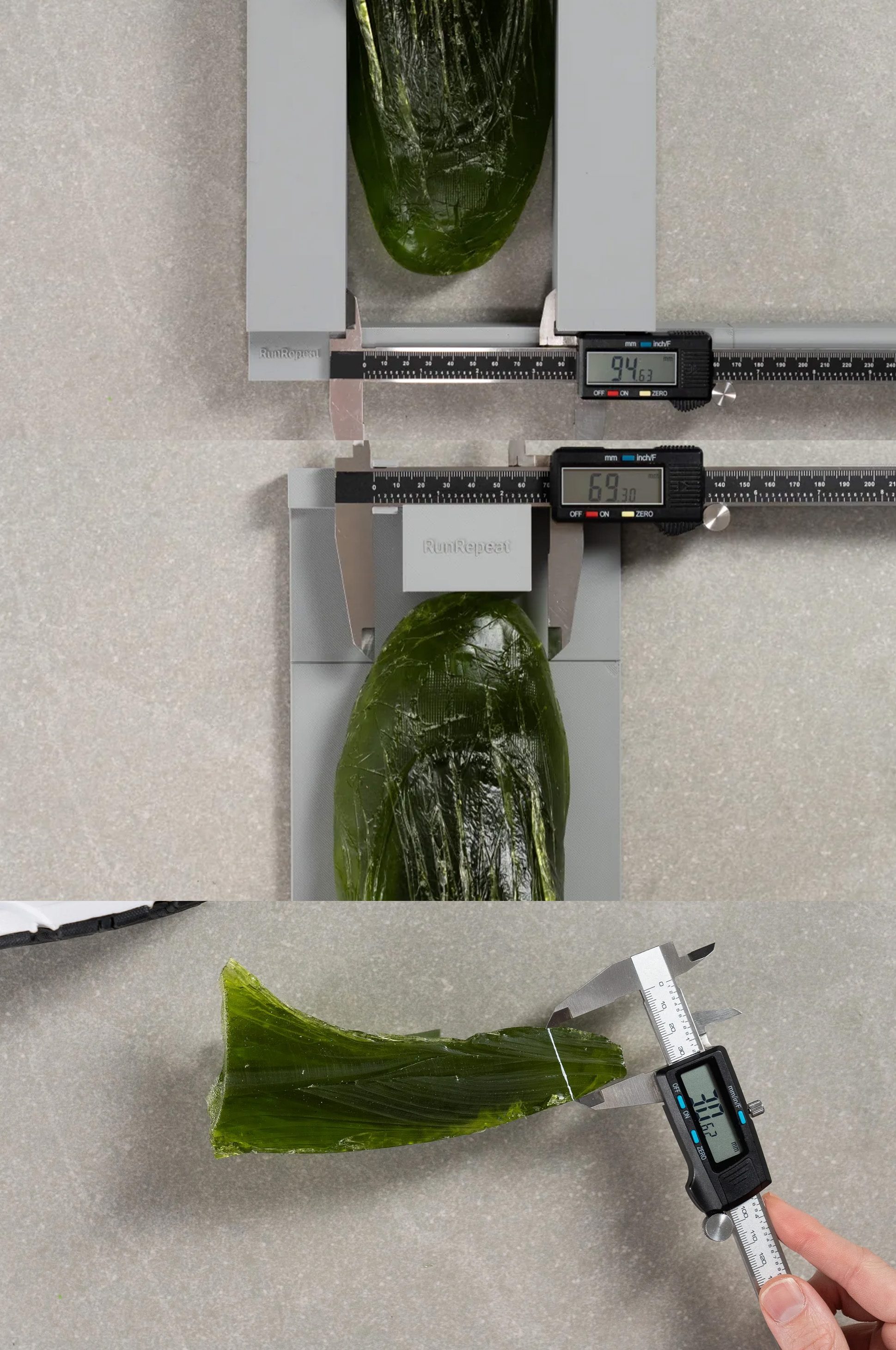
We consider the toebox wide when it exceeds 72 mm. When it’s <67 mm, we consider it narrow.
It takes more than 95 mm for a shoe to be wide. Less than 90 mm and we consider it narrow.
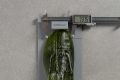
The average toebox height of all trainers is 27.8 mm.
Similar buying guides