7 Best Cheap Tennis Shoes in 2026


We buy shoes ourselves. We earn commissions when you buy through us, at no extra cost. Why trust us
You don’t have to splurge on a pair of tennis shoes just to enjoy a good game on the court. Having tested dozens of pairs priced at £100 or less in our lab, we can confirm that many affordable options have all the necessary features for entry-level and recreational players.
Sure, some trade-offs are inevitable at this price point, but we have picked out the budget-friendly options that tick all the essential boxes of a functional tennis shoe.

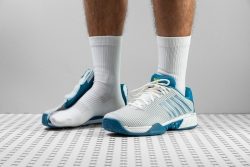

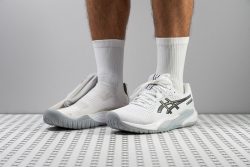


How we test cheap tennis shoes
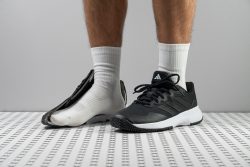
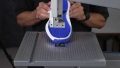
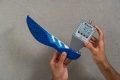
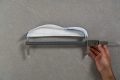
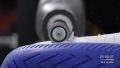
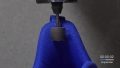
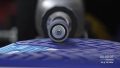
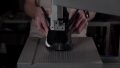
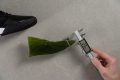
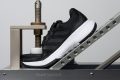
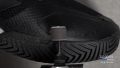
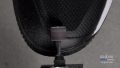
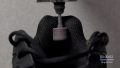
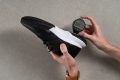
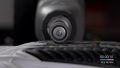
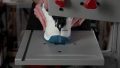
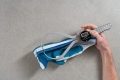
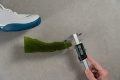
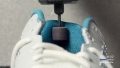
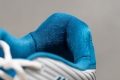
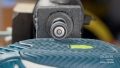
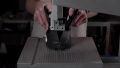
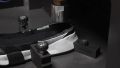
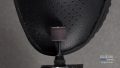
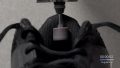
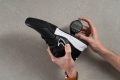
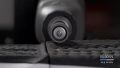
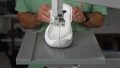
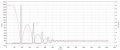
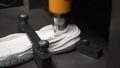
With cheap shoes, it's important to uncover where the costs were cut. Is there anything that the shoes are lacking so much it's a deal breaker? Are the materials cheap? If they are not durable, our Dremel test will tell us, because we intentionally damage the toebox, outsole, heel padding, and toe guard to find out. Is the traction bad? We put the shoe into the traction machine and measure the friction coefficient of its outsole.
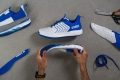
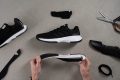
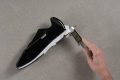
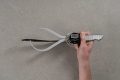
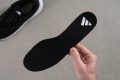
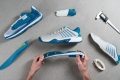
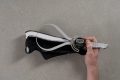
We also cut the shoes open, exposing all their parts for analysis and further lab testing. All our data is published on the website, and you can use it to find the best cheap tennis shoe out there.
Best cheap tennis shoes overall

What makes it the best?
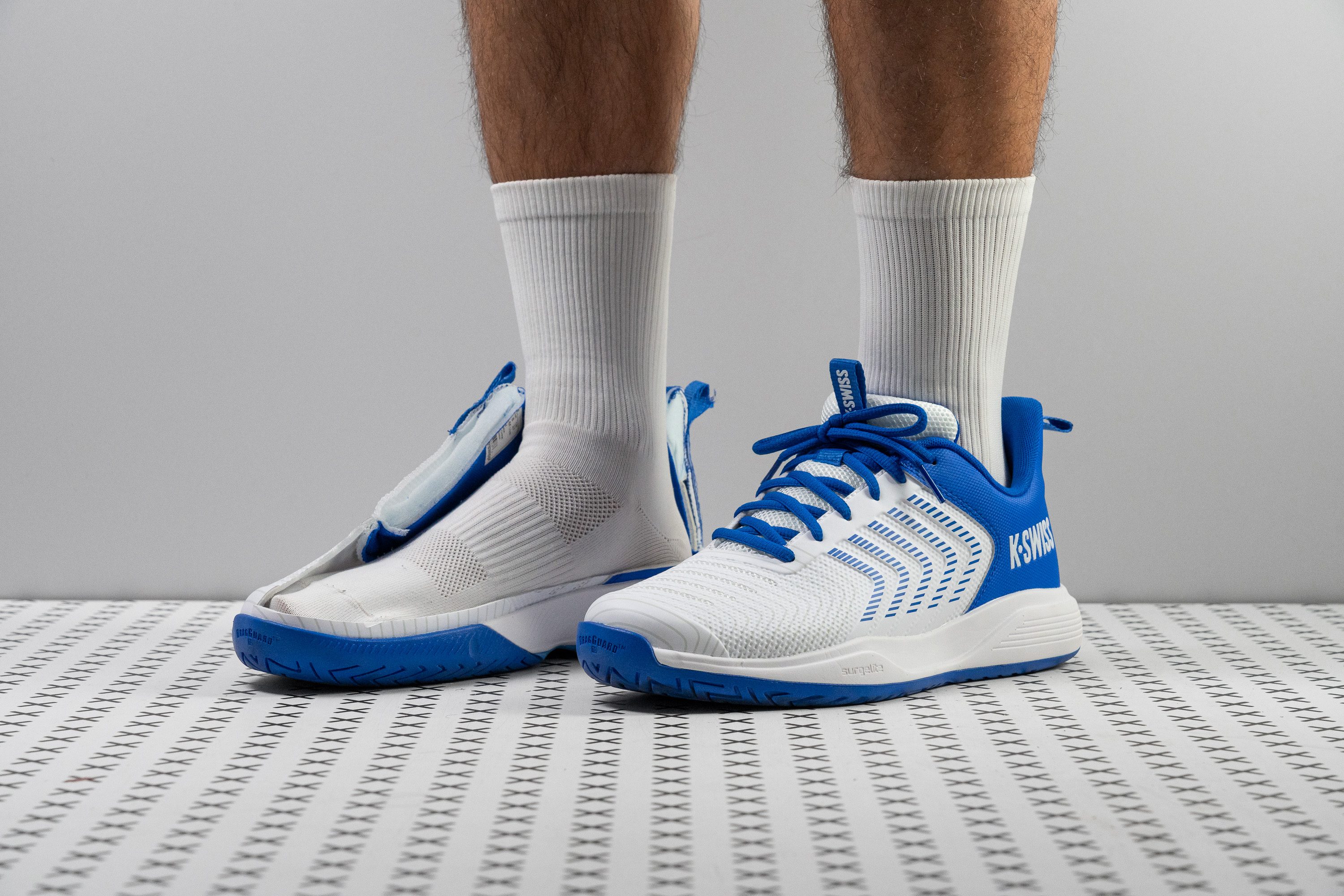
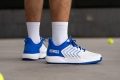
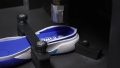
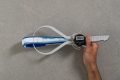
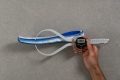
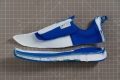
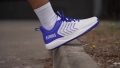
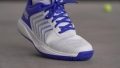
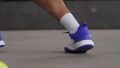
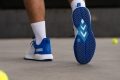
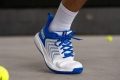
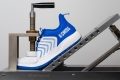
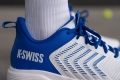
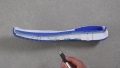
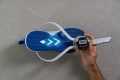
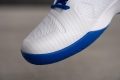
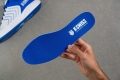
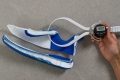
The K-Swiss Ultrashot Light is unstoppable with its superior traction; it’s hard to believe that it’s only £80! Being 35% cheaper than the average tennis shoe, its record-breaking and unwavering grip in our lab test impressed us greatly. Besides controlled footwork, we enjoyed its lightweight agility on court. Talk about an excellent bargain; it’s our top cheap tennis shoe!
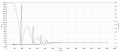
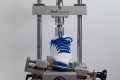
Executing bold movements with this tennis shoe is a breeze, thanks to its incredible traction. In our wet-condition test, we recorded an astounding 1.01 friction score, making it a whole 36% grippier than average. This result equates to great stopping action.
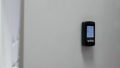
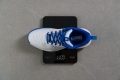
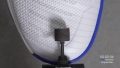
We felt nimble all around the court, since its minimal 11.0 oz (312g) build never weighed us down. For reference, that’s 14% lighter than the average tennis shoe! Moreover, the midsole moves easily with our feet, emerging 38% more flexible than average in our bend test.
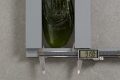
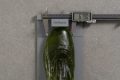
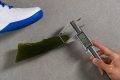
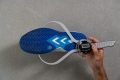
The outsole also proves it can handle back-to-back rallies, since the outsole isn’t vulnerable to premature wear. In our abrasion test, our Dremel caused a dent that’s 25% shallower than average.
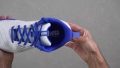
While the outsole is a showstopper, the tapered toebox is a nightmare for players with broad feet. Those who don’t want any pressure points or toe jamming should find a more accommodating shoe.
Pros
- Perfect for beginner/recreational level
- One of the lightest tennis/pickleball shoes
- Excellent value for money
- Comfort-oriented design
- Flexible forefoot helps agility
- Stable and planted platform
- Great durability for price
- Sticky outsole traction
Cons
- Borderline narrow toebox
- Limited lateral support
Cheap tennis shoes with the best durability







What makes it the best?
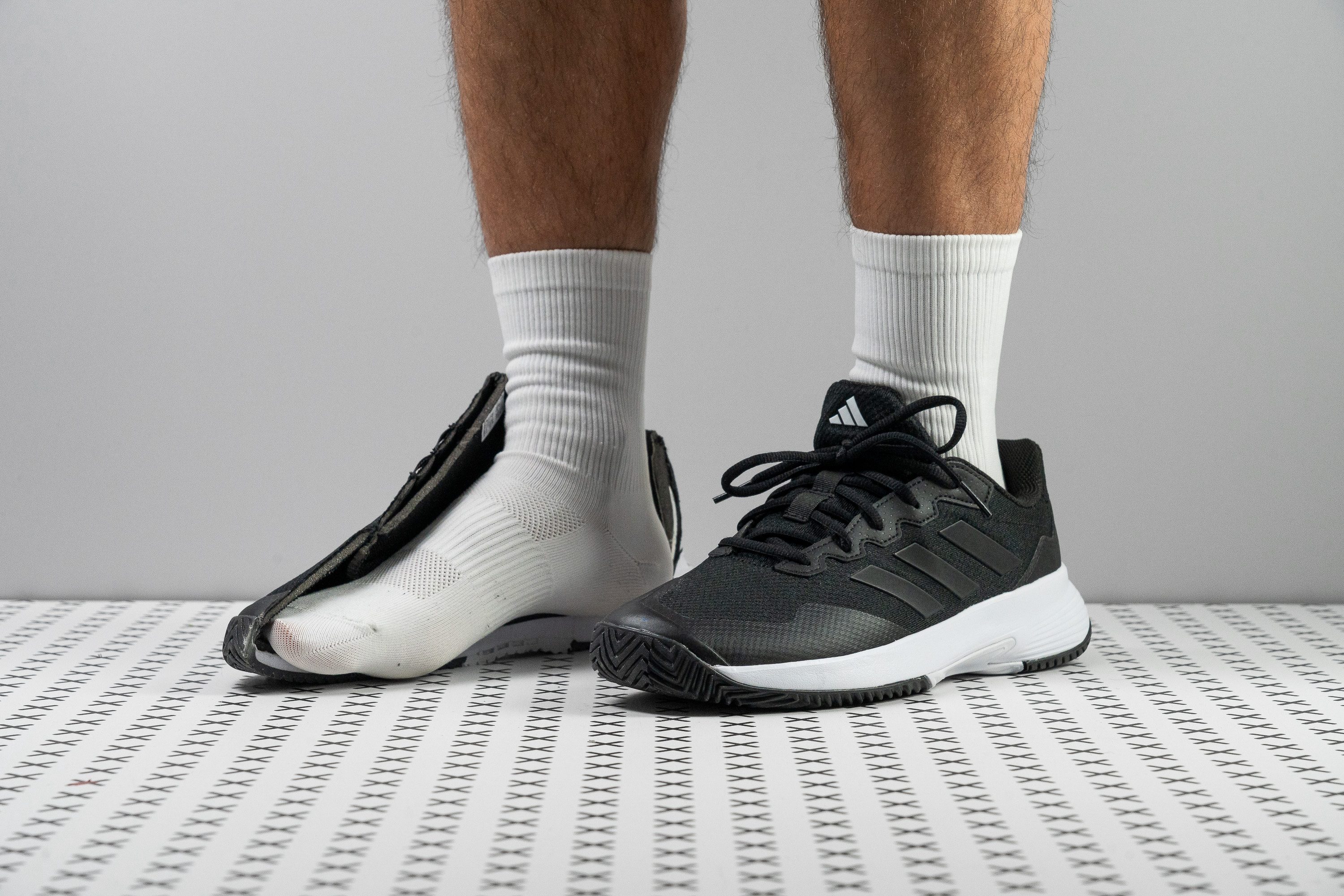
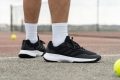
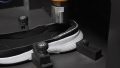
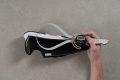
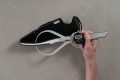
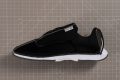
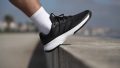
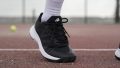
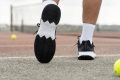
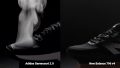
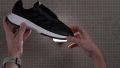
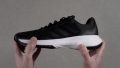
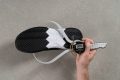
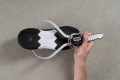
At £80, the adidas Gamecourt 2.0 costs 31% below the average tennis shoe. For this price point, we experienced a stable and breezy ride that made the experience pleasant. In our lab tests, we also confirmed its overall sturdy construction, making it our best durable cheap tennis shoe.
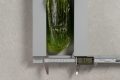
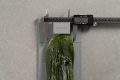
The Adiwear in the outsole is a pleasant surprise, as this rubber is usually found in more expensive shoes. It delivers reliable traction for slides and stops, but its solid wear resistance blew us away. In our Dremel test, it only attained a minimal 0.4 mm dent, half of our current lab average. It offers excellent value for money through its long lifespan.
Gamecourt 2.0 assures a steady underfoot experience through its rigid and broad base. The platform's dimensions exceed the average at 115.7/93.9 mm, while we found it to be extremely twist-resistant, earning the maximum 5/5 torsional rigidity rating.
The upper does a great job of keeping sweat away from our feet, backed up by its high 4/5 breathability score. Even after heated rallies, our feet felt fresh. Surprisingly, the toebox displayed remarkable strength against our Dremel and also obtained a 4/5 durability score.
So what sacrifice was made for its price point? Unfortunately, its forefoot cushioning is only 15.5 mm thick with minimal shock absorption, so we can’t recommend this pair to those with pain or past injuries in the big toe joint or ball of the foot.
Pros
- Fantastic durability for the price
- Very supportive for its built
- Wide and stable platform
- Lighter than average
- Highly respponsive midsole
- Excellent grip on hard court
- Flexible and manoeuvrable
- Accommodating toebox
- Nicely breathable
Cons
- Very little forefoot cushioning
- Minimal impact protection
Cheap tennis shoes with the best shock absorption





What makes it the best?
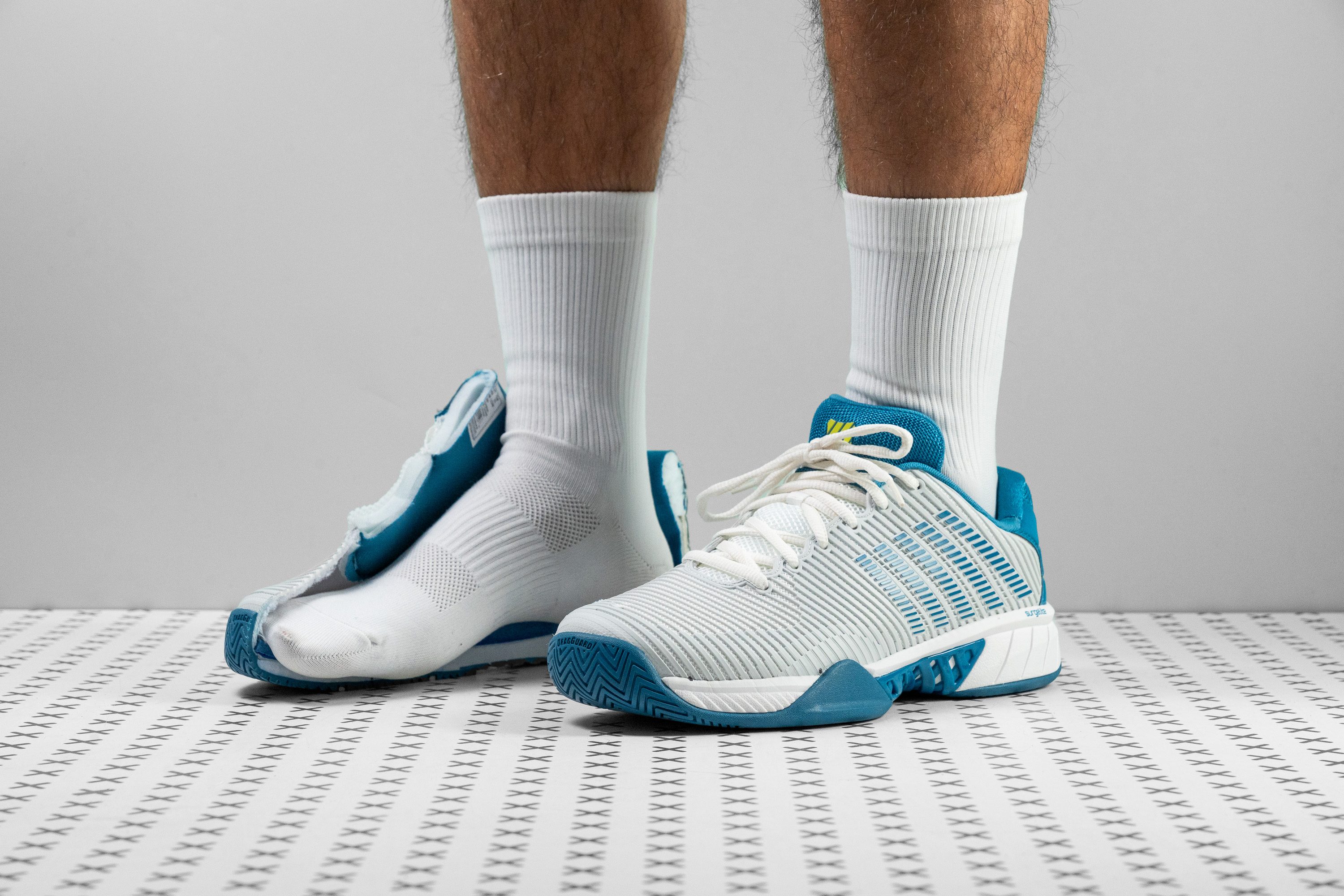
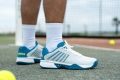
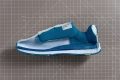
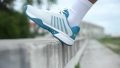
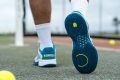
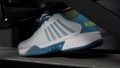
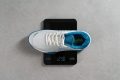
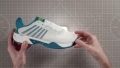
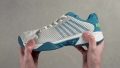
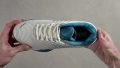
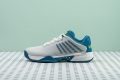
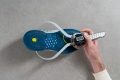
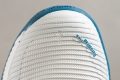
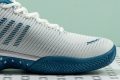
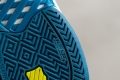
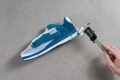
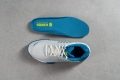
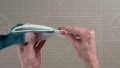
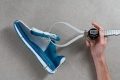
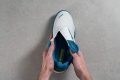
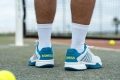
Sweeping the shock absorption category of cheap tennis shoes is the K-Swiss Hypercourt Express 2. The irony lies in the fact that it packed so much cushioning for us, but it feels incredibly light. The paradox continues, as it is overwhelmingly delightful on foot but unbelievably easy on the wallet at £100. Compared to the usual price of tennis shoes, we saved 19.1%!
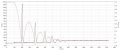
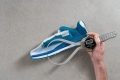
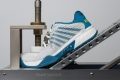
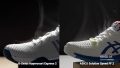
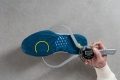
It isn’t only that the midsole graced our feet with superb stepping comfort, but it also hindered any possible harm that may come from our violent landings. Testing for shock absorption, we recorded above-average scores of 100 SA in the heel and 70 SA in the forefoot, making it more protective than average.
The good news is we didn’t feel like there was any heaviness from the midsole pulling us down, making our games even more amusing. Our scales verify it's lighter than average at 12.3 oz (349g).
If there is one thing that we discovered could be better in the Hypercourt Express 2, it is its fit, which is more on the wide side. We found that this shoe might not be the best bet for players with slim feet. If you are one of them, we suggest seeking snugger tennis pairs.
Pros
- Light and nimble on the feet
- Mind-blowing durability for the price
- Well-balanced soft cushioning
- Wide and stable platform for a speed shoe
- Excellent grip and give
- Amazing in-shoe comfort
- Ideal for wide feet
Cons
- Lacks breathability
- Not for narrow feet
Cheap tennis shoes with the best energy return






What makes it the best?
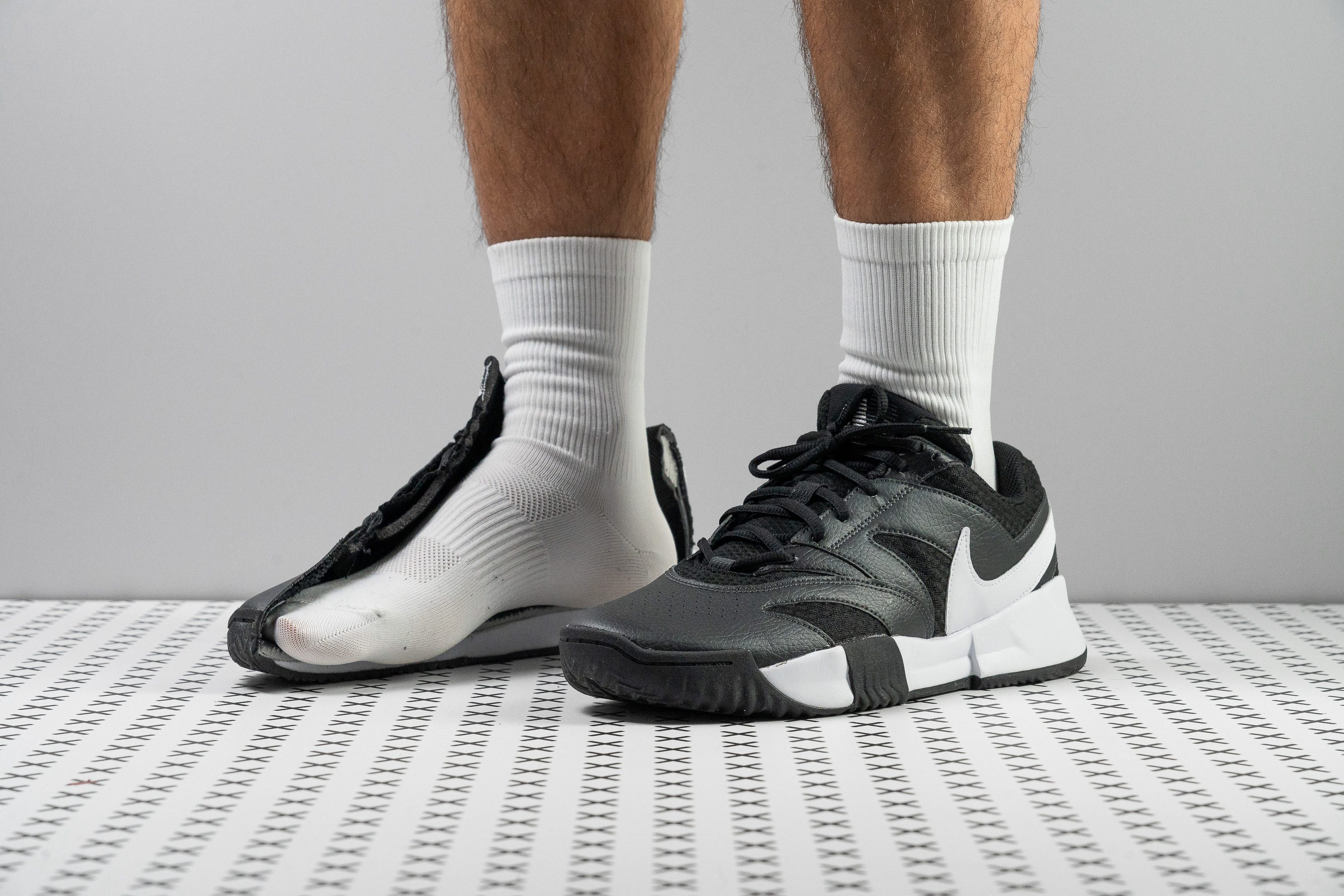
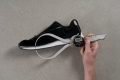
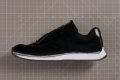
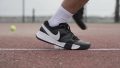
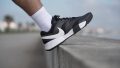
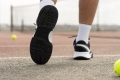
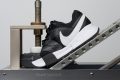
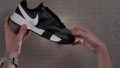
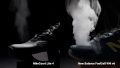
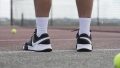
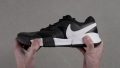
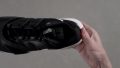
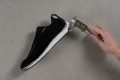
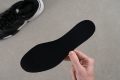
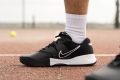
Countless playtests with the NikeCourt Lite 4 proved to us that it offers strong lateral support and power even for the most aggressive players. Priced at only £70 vs. the £120 average tennis shoe in our lab, it delivers an excellent performance-to-price ratio with its unwavering build and propulsive midsole. We’re as sure as our stance, the NikeCourt Lite 4 is our cheap tennis shoe with the best energy return.
We felt really nimble on the court, quickly reaching from one end to the other. Testing for the midsole's energy return, we recorded above-average measurements of 58.4% in the heel and 60.6% in the forefoot.
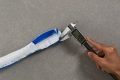
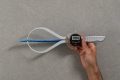
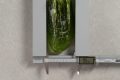
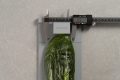
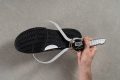
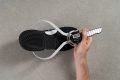
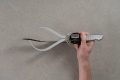
The base offers a good mix of ground feel and impact protection with its near-average 28.5/19.0 mm stack height. It doesn’t compress unevenly and offers enough shock absorption, especially in the forefoot (66 SA). Our footing feels even more secure with its broad base, with precise calliper measurements of 113.5/94.1 mm vs. the 112.0/89.6 mm average.
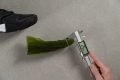
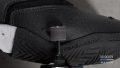
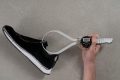
We felt like a planted tree in its rigid construction, keeping us centred. We were held firmly by the heel counter, which had no give to pinching, and received a 4/5 stiffness rating in our manual test. The midsole highly resists twisting, whether on foot or with our hands, so it got the maximum 5/5 torsional rigidity score.
However, it's not the most breathable shoe out there. Players seeking for maximum airflow should go for another pair.
Pros
- Solid lateral support for an entry-level shoe
- Wide and stable base
- Great durability for the price
- Sufficient impact protection
- Lively and responsive midsole
- Excellent outsole grip
- Decent weight
- Accommodating toebox
Cons
- Not so breathable
- Not very comfy
Cheap tennis shoes with the best stability







What makes it the best?
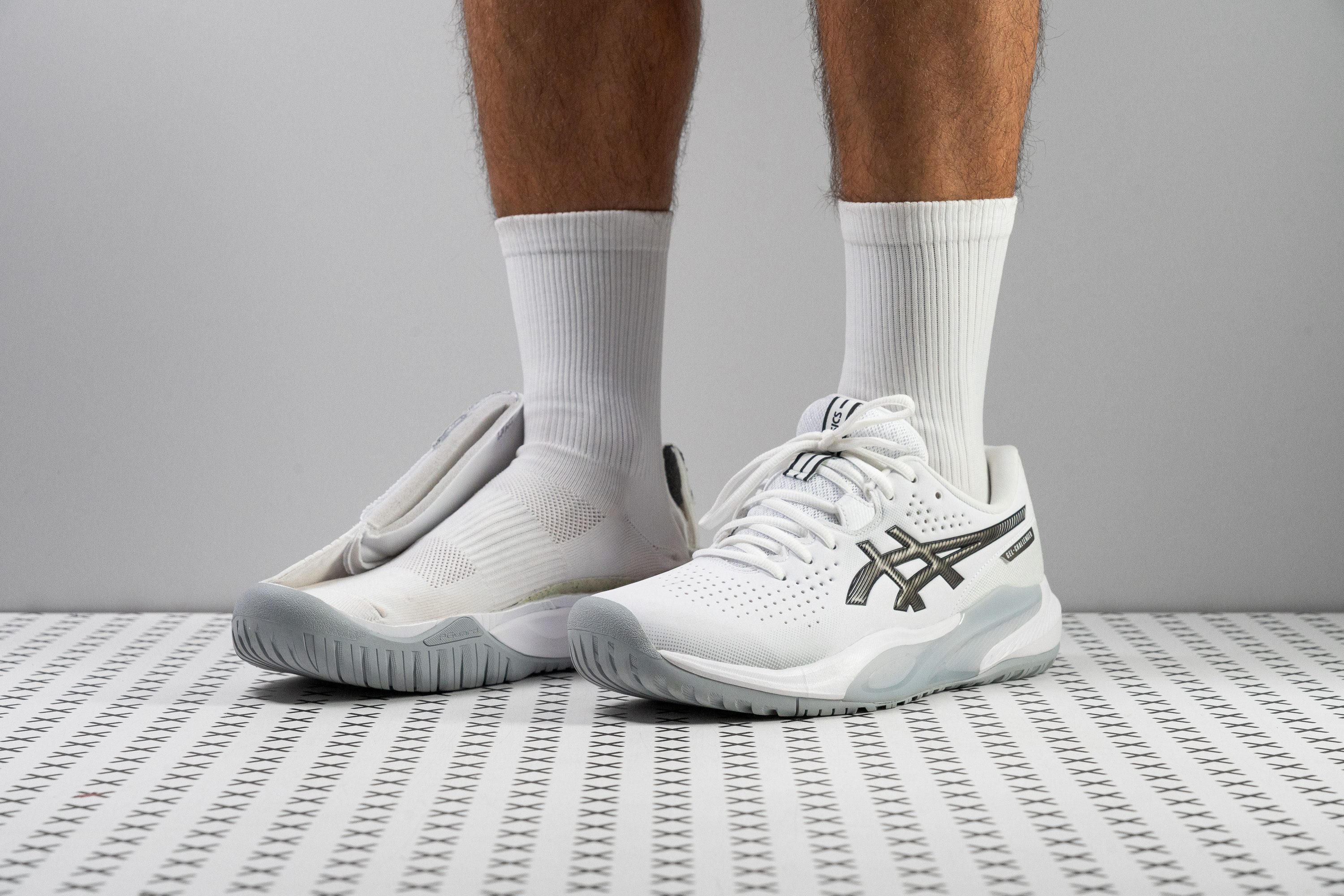
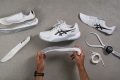
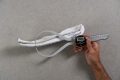
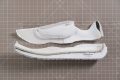
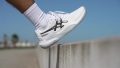
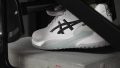
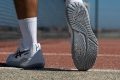
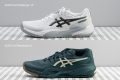
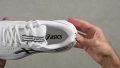
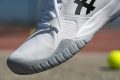
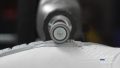
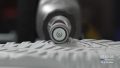
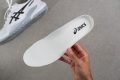
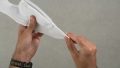
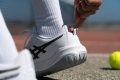
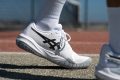
Our playtests with the ASICS Gel Challenger 15 offer an experience that’s spacious, surefooted, and protective. We could chase the ball with no second thoughts thanks to the WINGWALL design and broad base, which we discovered while lab-testing. It costs only £100 vs. the £120 average, making it our best stability cheap tennis shoe.
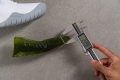
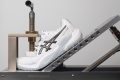
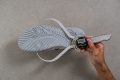
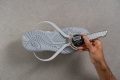
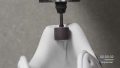
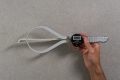
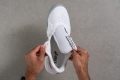
We had a confident footing throughout our rally sessions because the stiff midsole kept us centred. The rigidity comes from the WINGWALL design that effectively prevents excessive movements. Our manual test confirms its high level of torsional rigidity with a 5/5 rating. Moreover, our whole foot felt well-planted in the shoe’s broad 115.0/94.9 mm platform.
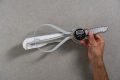
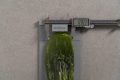
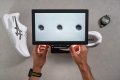
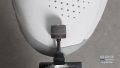
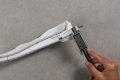
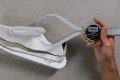
We confirmed this pair’s accommodating fit by measuring our solidified gel mould. At the widest section, we measured 95.6 mm, confirming it’s accommodating to broader foot shapes.
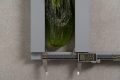
We dragged our feet with zero hesitation because of the PGuard toe drag guard that serves as our shield. We tested it against our Dremel and emerged resistant with the maximum 5/5 durability rating. Even the toebox (4/5), inner lining (5/5), and outsole (0.6 mm dent) exceeded the lab averages, proving this shoe’s overall sturdy construction.
Contrary to the "Gel" in its name, the midsole lacks the cushioned sensation some people prefer. Players who need more impact protection should go for more supportive pairs.
Pros
- Uncanny value for money
- Unbelievably stable ride
- Much wider and steadier base
- Great outsole grip and give
- Fantastic durability for the price
- Accommodating fit
- Generously padded interiors
Cons
- Massive weight gain
- Minimal shock absorption
- Poor breathability
Best cheap lightweight tennis shoes


What makes it the best?
Easy on the feet and on the wallet, the ASICS Solution Swift FF 2 emerged as our best lightweight, cheap tennis shoe. We enjoyed its straightforward and flexible construction, while the sturdy support it provided in our games blew us away since it’s only £80! For reference, that’s at a 33.8% discount vs. the average tennis shoe in the lab!
The shoe melted away as soon as we started playing. Our scales confirm it’s only 10.7 oz (302), significantly 17.0% lighter than average, mostly attributed to its moderate 30.2/19.3 mm stack that offers heightened court feel and better agility.
Another feature that made the shoe easy to manoeuvre is its highly flexible build. In our bend test, it emerged 8.4% more malleable than average, which explains how it allows for quick and precise footwork during our matches.
Despite its fluid and streamlined build, it offers a touch of stability through its TRUSSTIC support and stiff heel counter that holds us firmly. Because of the increased structure in the midsole, the shoe doesn’t easily give in to excessive lateral movements and ankle twists. In our manual assessments, we rated it the maximum 5/5 score, both in torsional rigidity and heel counter stiffness.
Don’t expect strong propulsion in this pair. It's geared towards court connection rather than energy return. If this doesn’t align with your needs, we advise looking elsewhere.
Pros
- One of the lightest tennis shoes
- Fantastic value for money
- Great cushioning-per-gramme ratio
- Very agile and manoeuvrable
- Outsole grips and slides easily
- Impressible midfoot and heel support
- Excellent durability for the price
- True to size and width
Cons
- Very low energy return
- Lacks breathability
Cheap tennis shoes with the best court feel


What makes it the best?
The adidas CourtJam Control 3 feels really steady in our matches. We felt extremely close to the ground, and the lab numbers show that we were! Priced at £80, it’s 33.8% more affordable than average and is our cheap tennis shoe with the best court feel.
We measured the stack height at a low 24.3/14.5 mm, which explains the pronounced surface connection we felt. Moreover, we recorded low shock absorption scores of 86 SA in the heel and 47 SA in the forefoot, which backs up what we felt further.
In the midfoot, we found the Torsion System, which generates a lot of twist resistance. Our manual assessment verifies the maximum 5/5 torsional rigidity score. Moreover, the broad 116.6/95.1 mm platform kept our feet from spilling over the shoes, enhancing our surefootedness.
Regrettably, those expecting top-notch traction won’t find that here. CourtJam Control 3 has plenty of room for sliding with its low 0.64 friction coefficient. This isn’t really a con but a matter of preference. Those who prefer a stronger grip should skip this pair.
Pros
- Pronounced court feel
- Stable and grounded base
- Responsive midsole
- Sticky outsole traction
- Good durability for price
- Excellent breathability
- Affordable
Cons
- Very low shock absorption
- Extremely narrow fit
- A bit heavier than average
Where do cheap tennis shoes cut corners?
Brands obviously have to make compromises to keep the shoe price down. You will not find equally premium materials, advanced cushioning technologies, or fancy stability shanks in cheaper models. The latter might as well be heavier and feel far from luxurious on the foot.

Cheaper shoes don’t necessarily make you less effective on the court, but here are some of the areas where a certain downgrade is to be expected:
- No outsole durability warranty: Unlike some premium tennis shoes, budget-friendly models typically don't include a 6-month outsole durability warranty for premature wear.
- More basic materials: A simpler mesh may not feel as soft against the skin, and regular EVA midsoles may not feel as comfortable or responsive as more advanced cushioning foams.
While this can sound discouraging, the good news is that these compromises aren't always noticeable during casual play. Beginners and recreational players can still expect the necessary traction and lateral support without overpaying for premium materials and technologies they don’t really need.
In our lab, we test all shoes under the same conditions, regardless of the price point. This allows us to compare all models across 30+ measured parameters and identify where they perform well. In fact, sometimes, more budget-friendly options surprise us with premium-level results!
This overview helps us identify which cheap tennis shoes deliver genuine value and which cut corners in the wrong places.
Stability is non-negotiable even in cheap tennis shoes
No matter your playing level and budget, reliable lateral stability should always be a priority in tennis shoes. The sport involves plenty of abrupt stops, aggressive side-to-side movements, and quick changes of direction, all of which put considerable sideways pressure on your feet and footwear.
That's why even the cheapest tennis shoes should provide a stable platform and keep your feet securely contained during lateral movements. Otherwise, you may experience unwanted foot shifting, a wobbly ride, or a lack of confidence when pushing off and landing.

Fortunately, good stability doesn't always require expensive technologies. Even budget-friendly tennis shoes can offer a reassuringly stable ride thanks to a few fundamental design features:
- Wide platform: Provides a broader base of support, particularly in the forefoot.
- Stiff heel counter: Contributes to a more secure lockdown by holding the rearfoot firmly in place.
- High torsional rigidity: Resists twisting forces and excessive sideways tipping.

In our lab, we assess and measure each of these characteristics to determine whether a tennis shoe provides the support needed for confident movement on the court. These test results, combined with our own on-court observations, form the basis of each shoe's stability score.
Reliable outsole traction should be affordable
Much like lateral stability, reliable outsole traction should not be sacrificed when shopping for cheap tennis shoes.
Whether you're chasing a wide shot, braking abruptly, or pushing off for a quick change of direction, your shoes need to grip the court predictably to keep you in control.
Fortunately, good grip isn't exclusive to expensive tennis shoes. Even budget-friendly models can feature grippy rubber compounds and well-designed tread patterns that perform admirably on hard courts. And while premium shoes may boast proprietary rubber technologies, a higher price tag doesn't automatically translate to better grip.
However, more traction isn't always better. An overly aggressive grip can make controlled sliding and pivoting more difficult, so the ideal outsole should strike a balance between secure footing and freedom of movement.
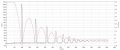
In our lab, we assess each shoe’s outsole traction using a specialised machine that measures the friction coefficient in the forefoot area. These results allow us to compare inexpensive tennis shoes with their premium counterparts and identify affordable models that offer reliable grip without the hefty price tag.
Keep in mind that traction can vary depending on the court surface. If you primarily play on hard courts (most common among entry-level and recreational players), look for shoes with outsoles designed for abrasive acrylic surfaces, aka hard-court or all-court shoes.

Are cheap tennis shoes durable enough?
Saving money on tennis shoes only makes sense if they don't wear out after a handful of matches. After all, you don’t want to replace a cheap pair twice as often and end up spending more than you would by investing in a durable but pricier model.
Fortunately, a lower price tag doesn't automatically mean poor durability. Some budget-friendly tennis shoes can hold up surprisingly well on abrasive hard courts.
We apply controlled abrasion to the following four areas of the shoe:
- Outsole: As the shoe’s most high-wear area, outsole durability is essential to a tennis shoe's lifespan. We apply higher Dremel speed to this area and measure the depth of the dent with a calliper. The shallower the dent, the better the durability.
- Toe drag guard: Whether it’s extended outsole rubber or additional PU overlays, we want to see the shoe’s medial forefoot area protected from sliding and toe dragging.
- Toebox: A strong upper textile will not tear easily during intense play.
- Heel padding: Constant multi-directional movement also places significant pressure on the inner side of the shoe’s collar.
The results of these Dremel tests indicate whether a given shoe offers good long-term durability or has limited wear resistance in certain areas.
Of course, we can’t predict a shoe's lifespan in months, as it also depends on how often you play, your footwork, and the court surface. A recreational player hitting the court once or twice a week may get plenty of use out of an affordable pair, while an aggressive player training daily may need something more hard-wearing.
Affordable shoes with the highest durability results offer the best value for money.
Please note that the result for Outsole durability is reversed (the lower the number, the better).
Shock absorption in cheap tennis shoes
The high-impact nature of tennis, paired with its unforgiving hard courts, can be hard on the feet and joints of a beginner player, even if they don’t play for too long or too often. But at the same time, you don’t want the platform to feel overly soft and tall and risk wobbling.
Having cut and measured dozens of tennis shoes in all price ranges, we found that lower cost doesn’t necessarily mean less impact protection or comfort!
Sure, basic EVA and PU foams can make cheaper tennis shoes feel less premium or less responsive, but our lab test results show that most of these affordable options provide sufficient or even rather good cushioning.
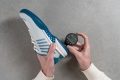
Our SA measurements reflect the level of shock absorption offered by tennis shoes: the higher the SA reading, the better the protection.
| Cheap tennis shoes (≤ £100) | Premium tennis shoes (≥ £140) | |
| Average SA heel | 95 | 100 |
| Average SA forefoot | 61 | 66 |
Cheap vs. discounted premium tennis shoes
In this guide, we cover budget tennis shoes with an MSRP of £100 or less. However, having a limited budget doesn’t mean you can’t consider more advanced options that have been discounted or discontinued. Just because a new iteration is out doesn’t mean its predecessor performs poorly.
In fact, our lab tests confirm that sometimes a previous-generation shoe yields better, or at least comparable, results than the new version!
We aggregate discounts and offers from 200+ online retailers to let you know where your chosen pair of tennis shoes in your chosen size and colour is currently offered at the lowest price. You can also set up a price alert to receive an email notification about the price drop.
Similar buying guides