
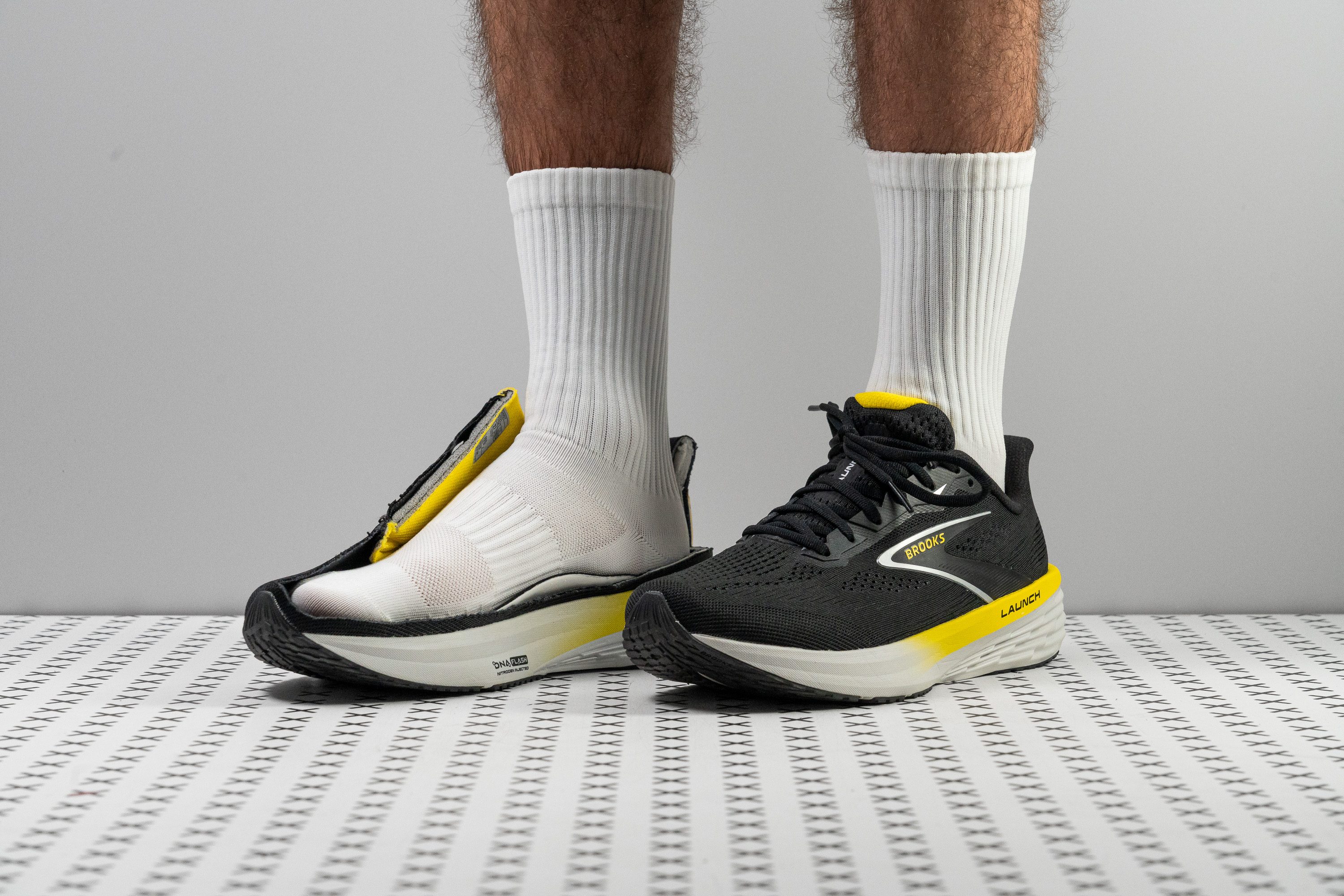























Our verdict
- Daily running 84
- Tempo 84
- Race 64
- Stability 80
Pros
- Lightweight and fun for daily miles
- Excellent value
- Breathable and secure upper
- Forefoot feels reactive
- Stable ride for neutral runners
- Flexible, natural geometry
- Ideal for those who hate modern max-stack shoes
- Doubles with ease for daily life
- Can handle tempo stuff
Cons
- Narrow and tapered fit won't work for many
- Stiff heel counter may irritate Achilles
- Small weight gain
Awards
- Top pick in best Brooks running shoes
- Top pick in best running shoes for beginners
- Top 19% in road running shoes
- Top 7% in Brooks running shoes
- Top 30% most popular running shoes
Comparison
The most similar running shoes compared
+ + Add a shoe | |||||
|---|---|---|---|---|---|
| Our score | 87 Great | 80 Good | 79 Good | 72 Good | |
| Price | £100 | £80 | £60 | £80 | |
| Pace | TempoDaily running | Daily running | Daily running | Tempo | |
| Shock absorption | Moderate | Moderate | Moderate | Moderate | |
| Energy return | High | Moderate | Moderate | Low | |
| Traction | High | High | High | High | |
| Arch support | Neutral | Neutral | Neutral | Neutral | |
| Weight lab Weight brand | 8.6 oz / 244g 8.8 oz / 249g | 9.3 oz / 264g 9.5 oz / 269g | 9.3 oz / 264g 9.5 oz / 270g | 9.1 oz / 258g 9.5 oz / 270g | |
| Lightweight | ✓ | ✗ | ✗ | ✗ | |
| Drop lab Drop brand | 8.9 mm 8.0 mm | 8.6 mm 8.0 mm | 8.8 mm 10.0 mm | 8.1 mm 6.5 mm | |
| Strike pattern | HeelMid/forefoot | HeelMid/forefoot | HeelMid/forefoot | HeelMid/forefoot | |
| Size | True to size | - | Slightly small | True to size | |
| Midsole softness | Balanced | Balanced | Firm | Firm | |
| Difference in midsole softness in cold | Small | Small | Normal | Normal | |
| Toebox durability | Decent | Decent | Good | Decent | |
| Heel padding durability | Good | Good | Good | Decent | |
| Outsole durability | Good | Good | Decent | Good | |
| Breathability | Breathable | Moderate | Moderate | Moderate | |
| Width / fit | Medium | Medium | Medium | Medium | |
| Toebox width | Narrow | Medium | Medium | Medium | |
| Stiffness | Moderate | Moderate | Flexible | Moderate | |
| Torsional rigidity | Flexible | Moderate | Moderate | Moderate | |
| Heel counter stiffness | Stiff | Stiff | Stiff | Moderate | |
| Heel lab Heel brand | 33.4 mm 35.0 mm | 32.7 mm 32.0 mm | 31.8 mm 33.0 mm | 33.0 mm 34.9 mm | |
| Forefoot lab Forefoot brand | 24.5 mm 27.0 mm | 24.1 mm 24.0 mm | 23.0 mm 23.0 mm | 24.9 mm 28.4 mm | |
| Widths available | NormalWide | NormalWide | NormalWideX-Wide | Normal | |
| Orthotic friendly | ✓ | ✓ | ✓ | ✓ | |
| Season | SummerAll seasons | All seasons | All seasons | All seasons | |
| Removable insole | ✓ | ✓ | ✓ | ✓ | |
| Ranking | #66 Top 17% | #219 Bottom 45% | #238 Bottom 41% | #358 Bottom 11% | |
| Popularity | #120 Top 30% | #92 Top 23% | #37 Top 10% | #174 Top 44% |



Who should buy
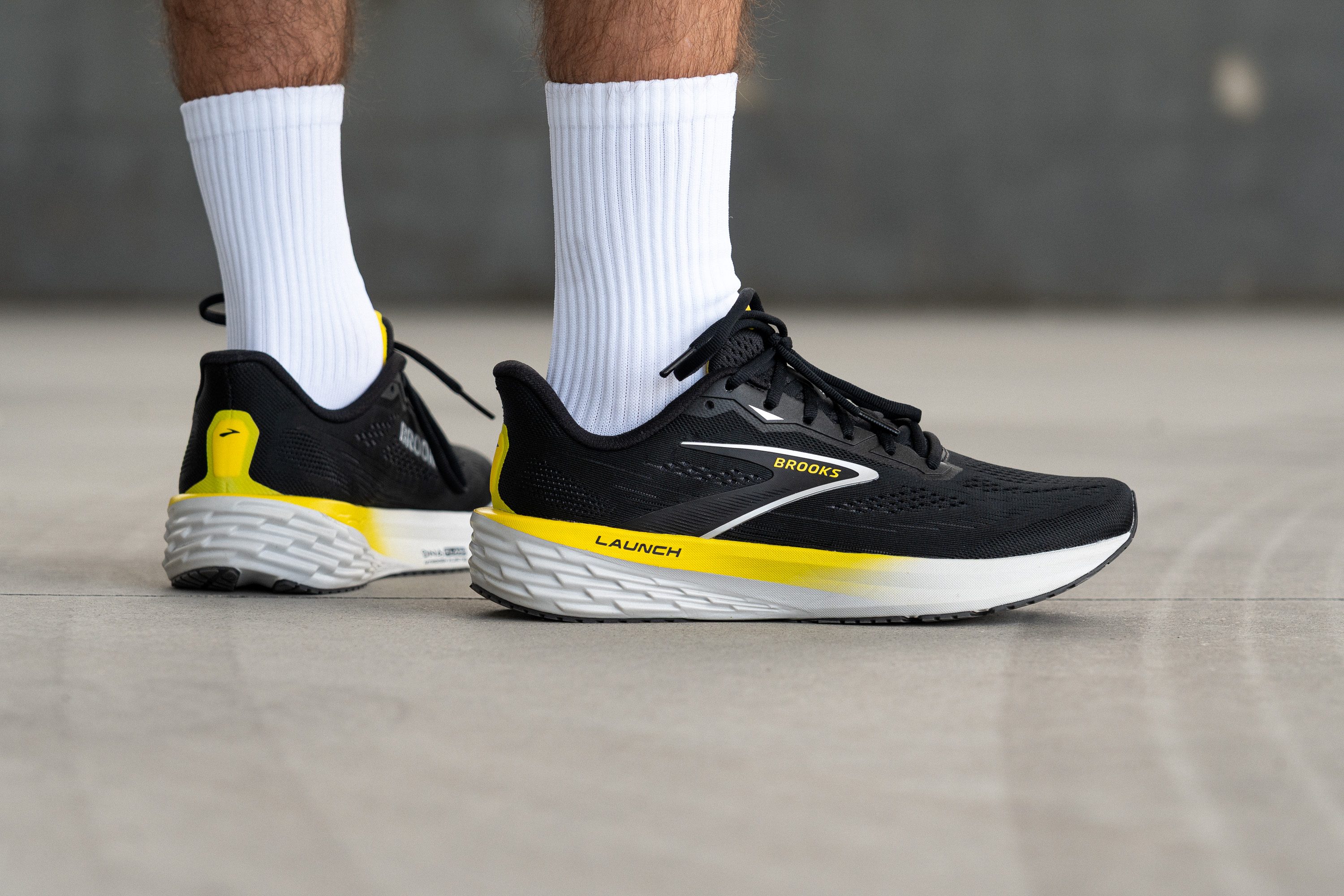
In our opinion, the Brooks Launch 12 is a top pick if you:
- Want a versatile daily trainer that delivers outstanding value for the money.
- Prefer lightweight-and-agile shoes over bulky max-cushioned designs but still need to stay within a budget.
- Have narrow feet and want a secure-fitting shoe capable of handling both easy miles and faster workouts.
- Are new to running and need one flexible option for daily walks, some runs... or even the occasional Hyrox workout!
Who should NOT buy
We think that runners searching for a cushioned, shock-absorbing experience won’t find the right match in the Launch 12. Based on our testing, its low-stack and ground-connected ride feels far more classic than protective. Check the Nike Winflo 12 instead.
We also found in the lab that the snug-and-tapered fit limits the appeal for runners with wide feet or anyone preferring extra room for toe splay. From our lab data, the adidas Runfalcon 3 and adidas Galaxy 6 deliver a more accommodating fit while still keeping the same wallet-friendly focus.
Cushioning
Shock absorption
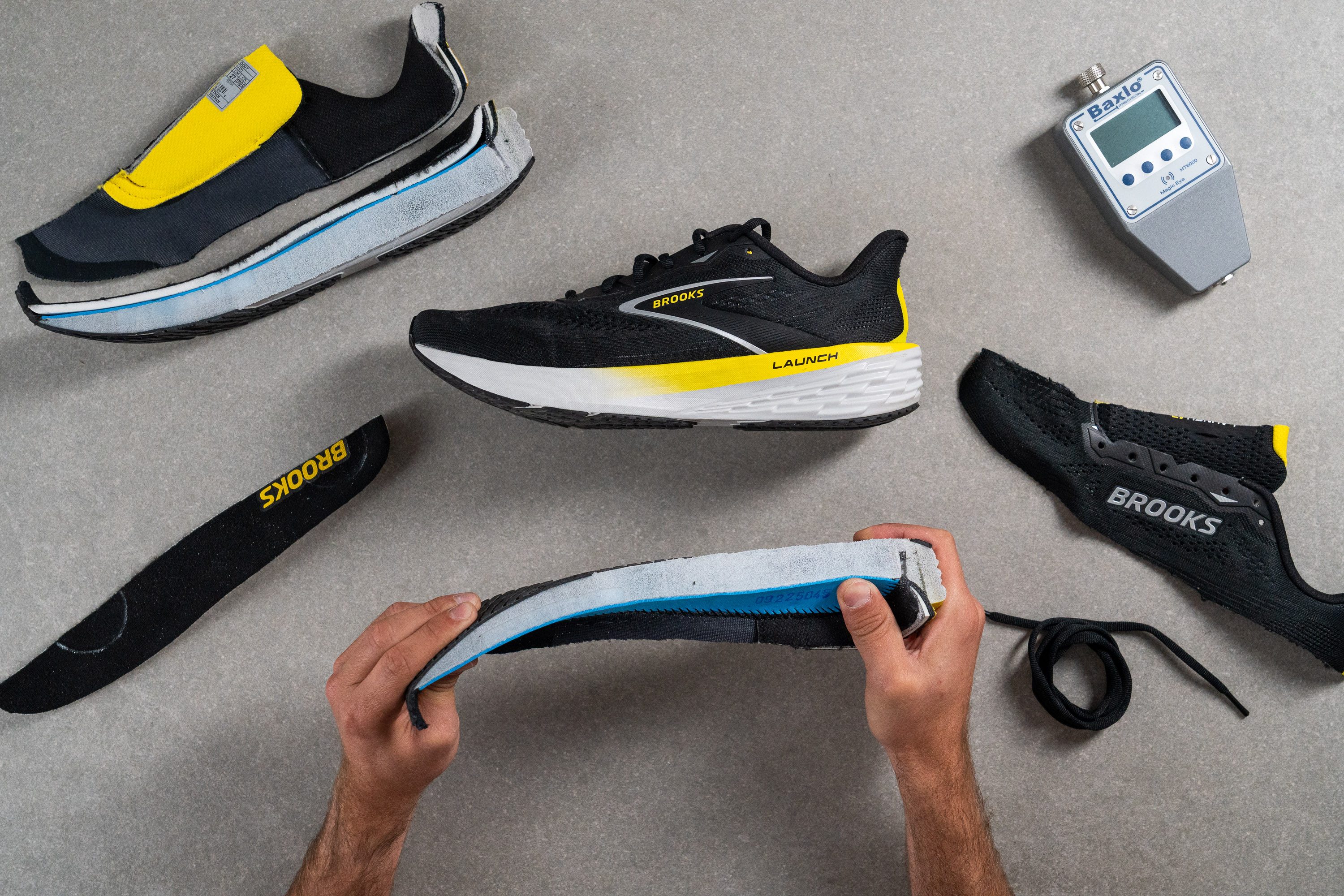
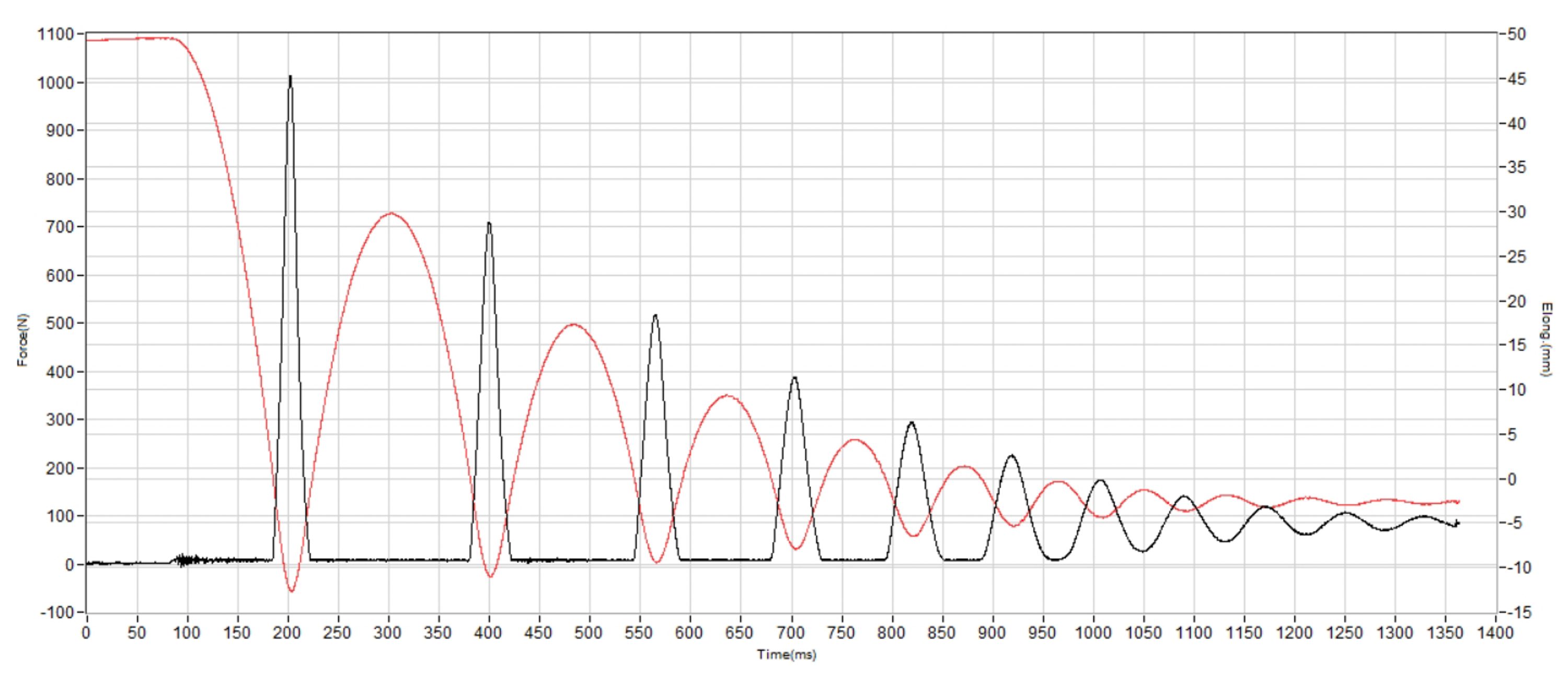
Even at this early stage of the review, you probably already understand that the Brooks Launch 12 is far from a max-cushioned shoe. However, don’t let its streamlined midsole fool you, because it still delivers surprisingly solid cushioning thanks to the supercritical EVA foam.
In our tests, it reached 128 SA in the heel and 99 SA in the forefoot, an impressive result considering its stack height and low price point!
| Launch 12 | 128 SA |
| Average | 131 SA |
Energy return
Energy return is also quite nice for a shoe priced below most daily trainers. The 57.0% result in the heel didn’t stand out much, but the forefoot reached a strong 65.5%. As a result, the Brooks Launch 12 delivers more reactive toe-offs compared to most of its competition or to its precedessor.
But, why such a difference between heel and forefoot? Well, we found that the boost in bounce comes from a small puck of DNA Flash v2 placed in the forefoot area, while the rest of the midsole relies on DNA Flash v1.
| Launch 12 | 65.5% |
| Average | 61.5% |
Heel stack
We’re genuinely happy to confirm that Brooks is not ruining this shoe. With the market flooded by max-stack designs, it feels incredibly refreshing to see the Launch series remain a safe haven for runners seeking a more connected, low-stack, and reactive ride.
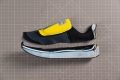
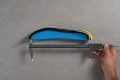
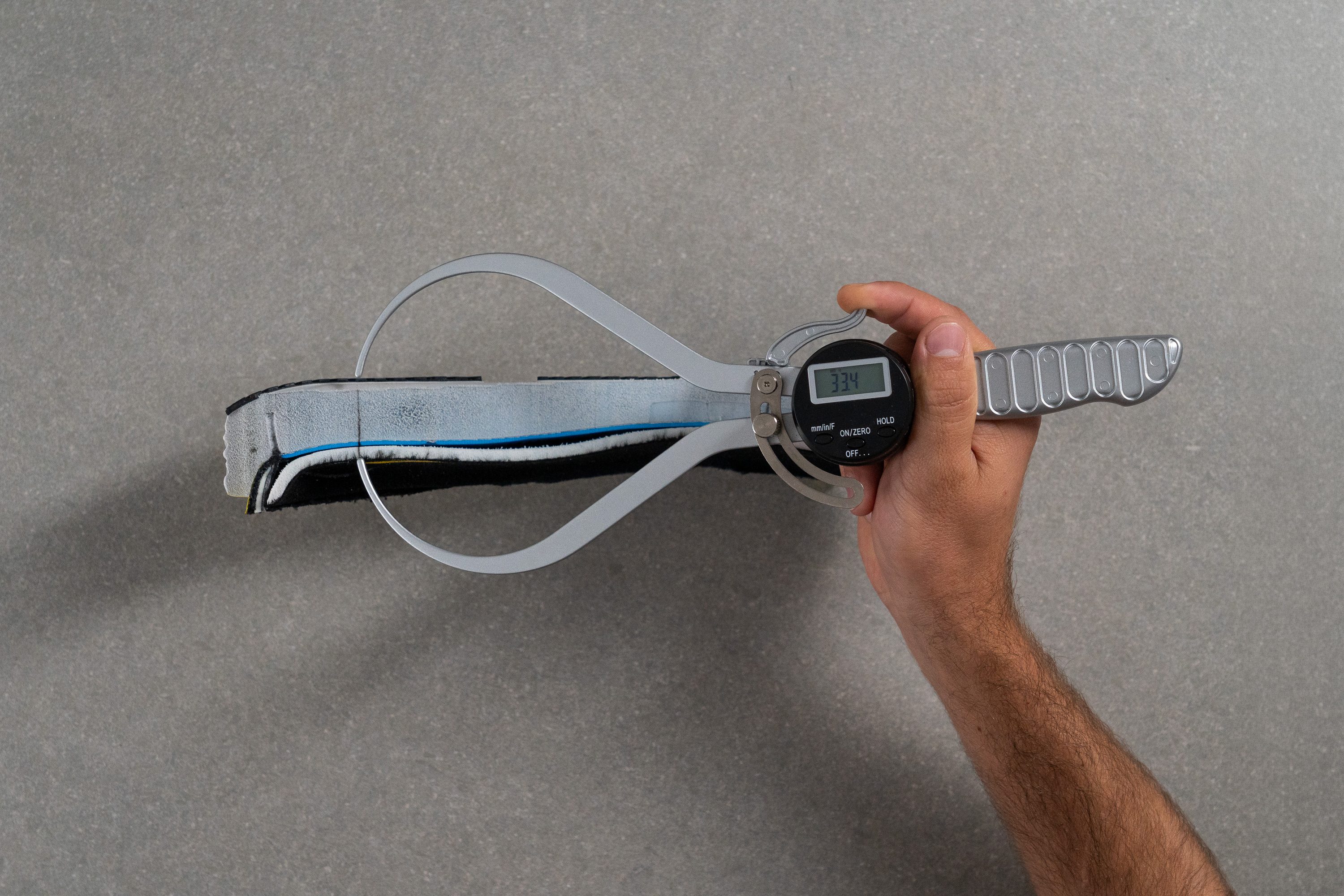
In the heel area, we measured a stack height of 33.4 mm, placing it below the current lab average.
| Launch 12 | 33.4 mm |
| Average | 35.6 mm |
Forefoot stack
The forefoot also brings good news, as it stays below the current lab average with just 24.5 mm. For daily runs, we believe that this amount of cushioning is more than enough unless your bodyweight pushes you toward a more impact-focused, max-cushioned design.
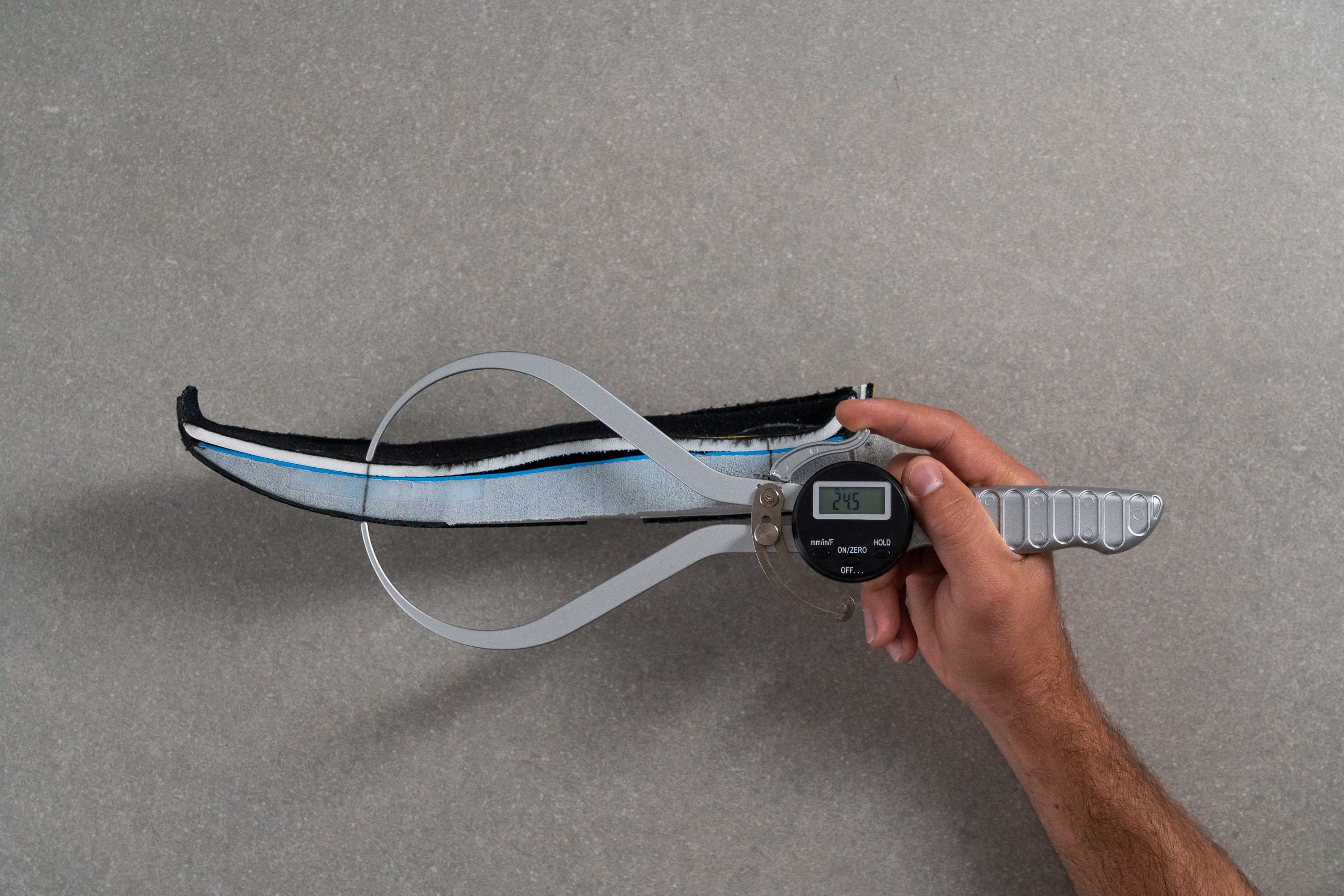
| Launch 12 | 24.5 mm |
| Average | 27.1 mm |
Drop
We found only a very minor deviation from Brooks’ stated 8 mm drop, as our measurements came in at 8.9 mm. Therefore, the running experience feels exactly as expected, with a geometry that slightly favors heel strikers while still remaining versatile enough for virtually any footstrike pattern.
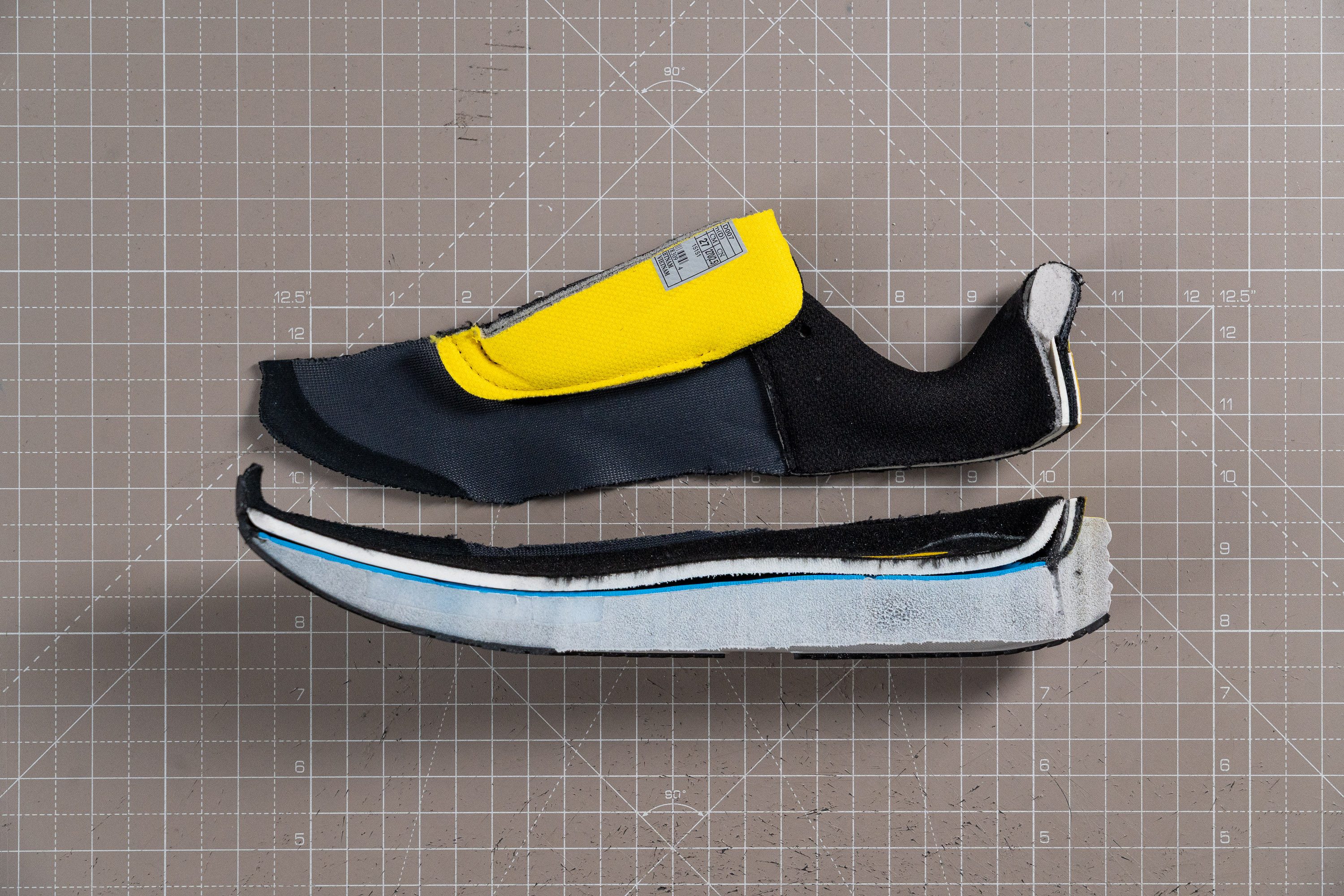
| Launch 12 | 8.9 mm |
| Average | 8.4 mm |
Midsole softness
We also found that Brooks followed a risk-free approach with the midsole softness, using a balanced compound that never felt excessively soft or overly firm during our runs.
In fact, going softer would’ve likely been a mistake given the limited stack height. Therefore, the 37.3 AC softness reading we measured felt completely reasonable for this design.
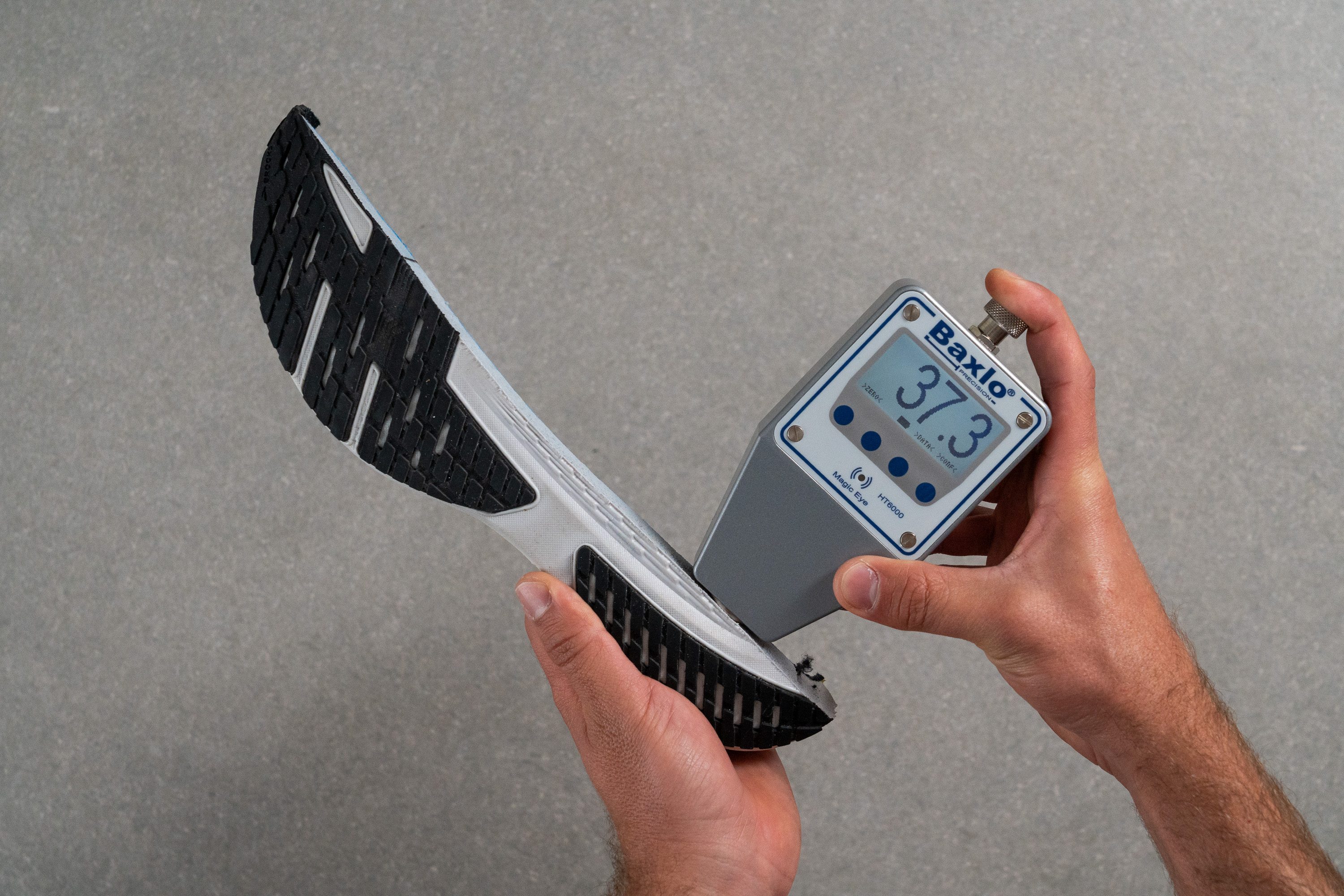
| Launch 12 | 37.3 AC |
| Average | 35.4 AC |
Rocker
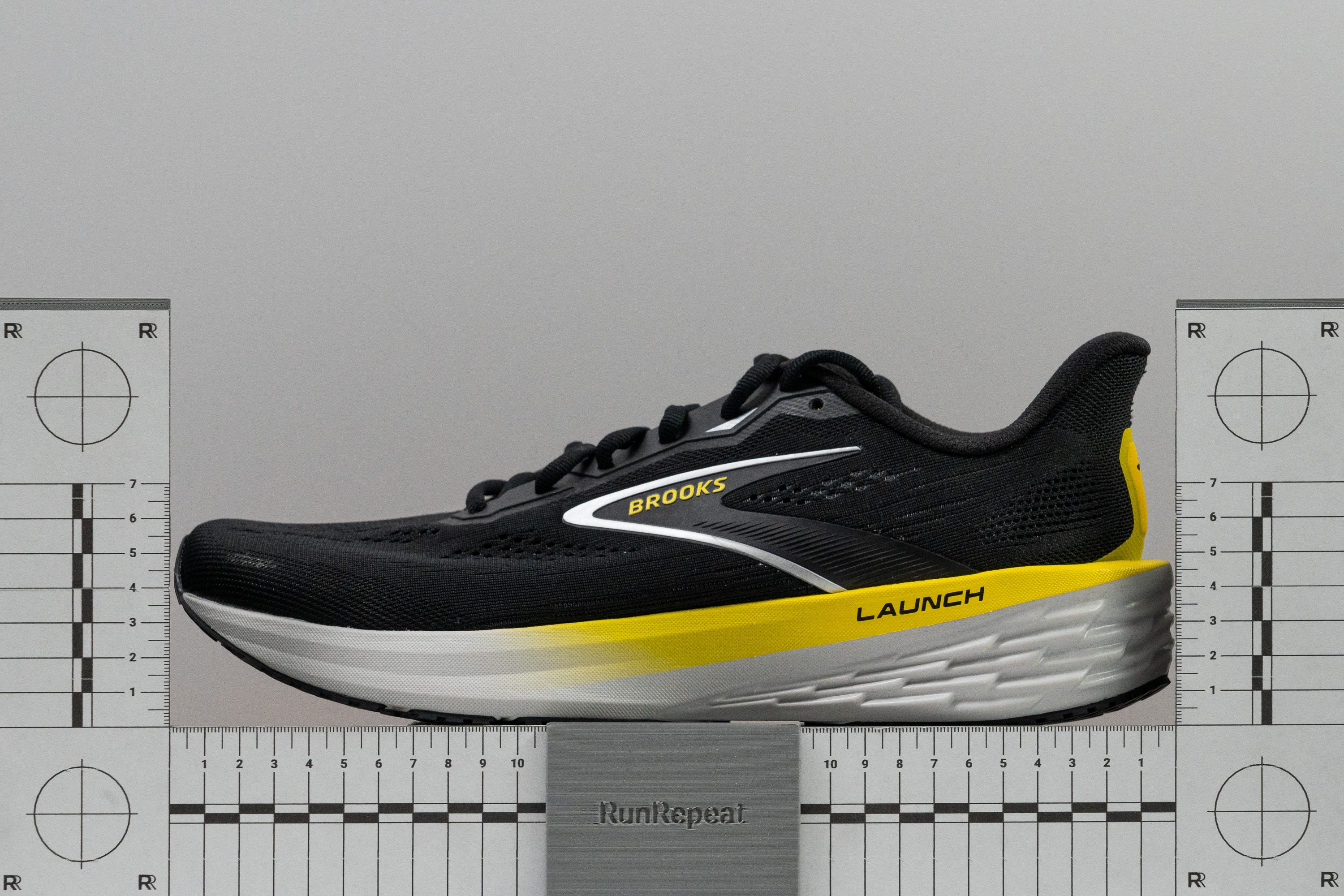
Another area where we were genuinely happy to find no changes is the rocker design. Brooks keeps this shoe delightfully old-school, with only a subtle heel-to-toe curvature that preserves an ultra-natural ride.
As we mentioned before, there are already countless options for runners seeking aggressive rockered midsoles, yet every year fewer shoes stay true to this classic geometry. Stay strong, Launch!
Size and fit
Size
Brooks Launch 12 fits true to size (12 votes).
Internal length
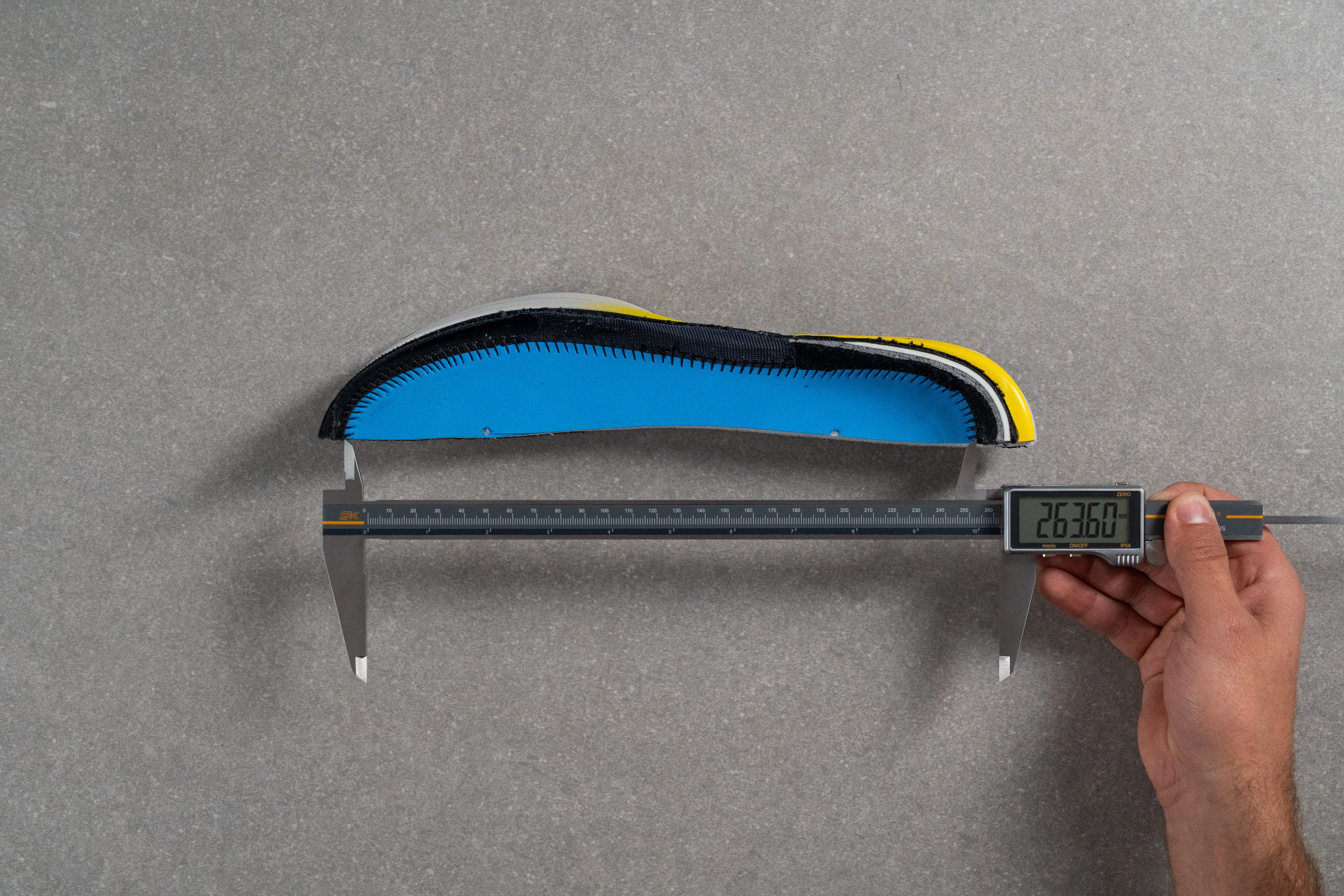
| Launch 12 | 263.6 mm |
| Average | 269.3 mm |
Width / Fit
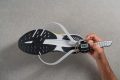
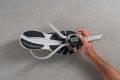
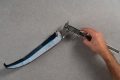
We created a precise 1:1 gel mould of the interior shape to verify the fit. Once the mould fully solidified after spending 2 hours in the freezer, the results closely matched what we experienced during testing.
Our first measurement came in at 94.0 mm, confirming a slightly narrow fit compared to the current average, although Brooks added a touch more room than in the previous version. Now it’s time to see what the second measurement reveals.
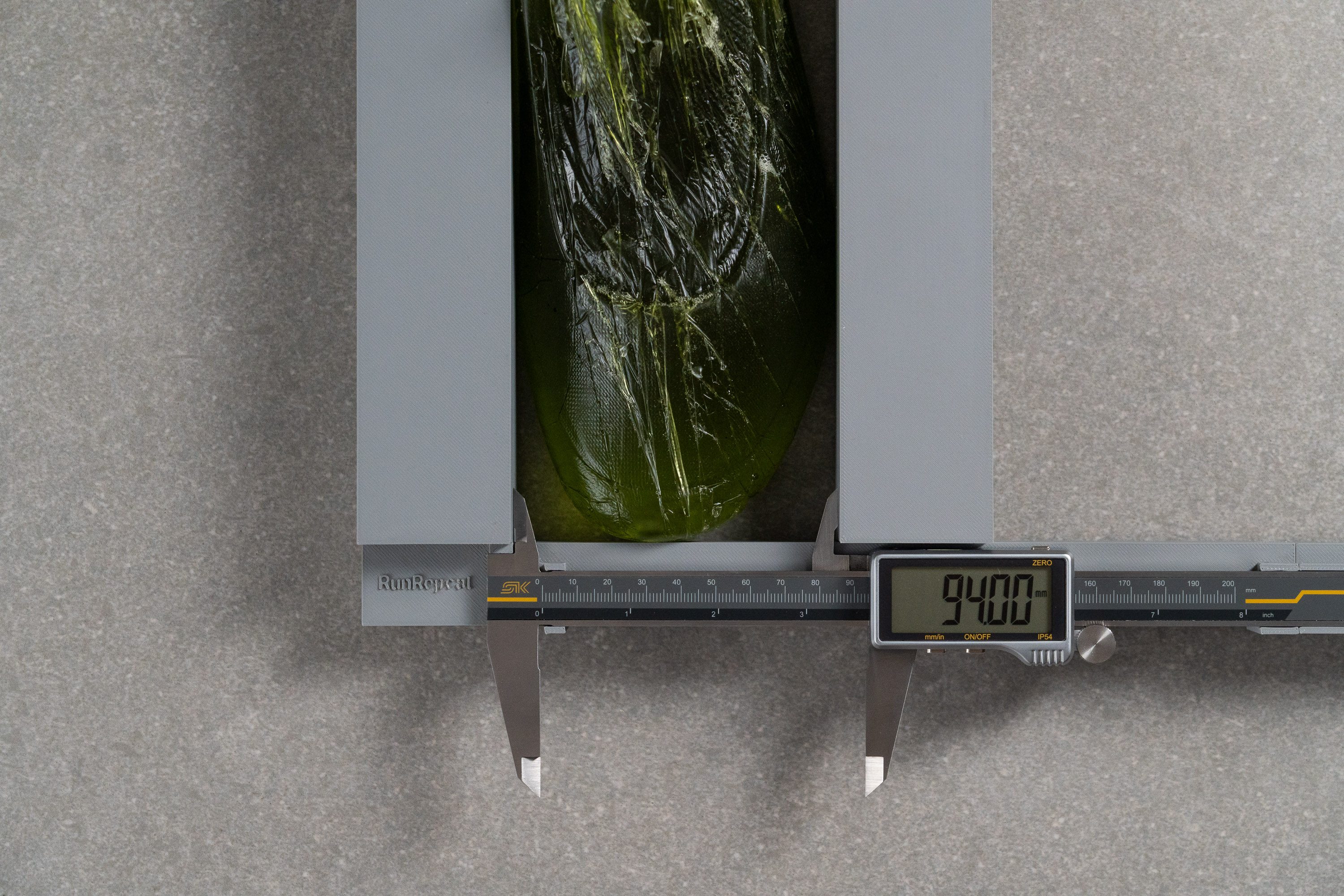
| Launch 12 | 94.0 mm |
| Average | 95.2 mm |
Toebox width
Here we found that Brooks opted for a 70.1 mm toebox width, creating a noticeably tapered shape that works especially well for runners with narrow feet or those seeking a more locked-in feel during faster runs.
However, keep in mind that it feels clearly tighter than the average daily trainer.
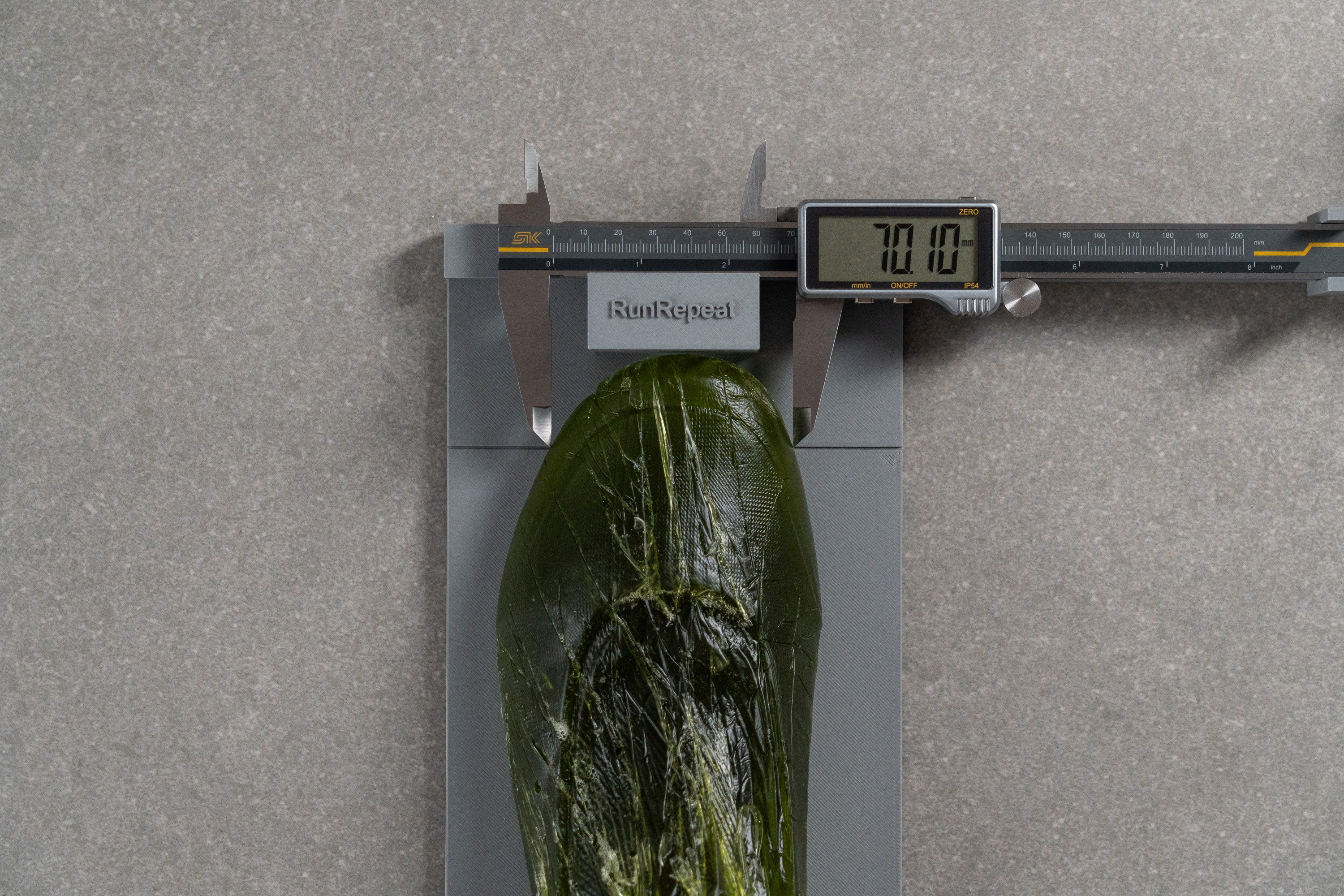
| Launch 12 | 70.1 mm |
| Average | 73.2 mm |
Toebox height
The snug fit continues when we analyse the toebox height.
In fact, the combination of the narrow toebox shape and the low vertical space clearly won’t suit runners who prefer a more relaxed fit. Our measurement of just 23.2 mm is among the lowest we’ve recorded in quite some time!
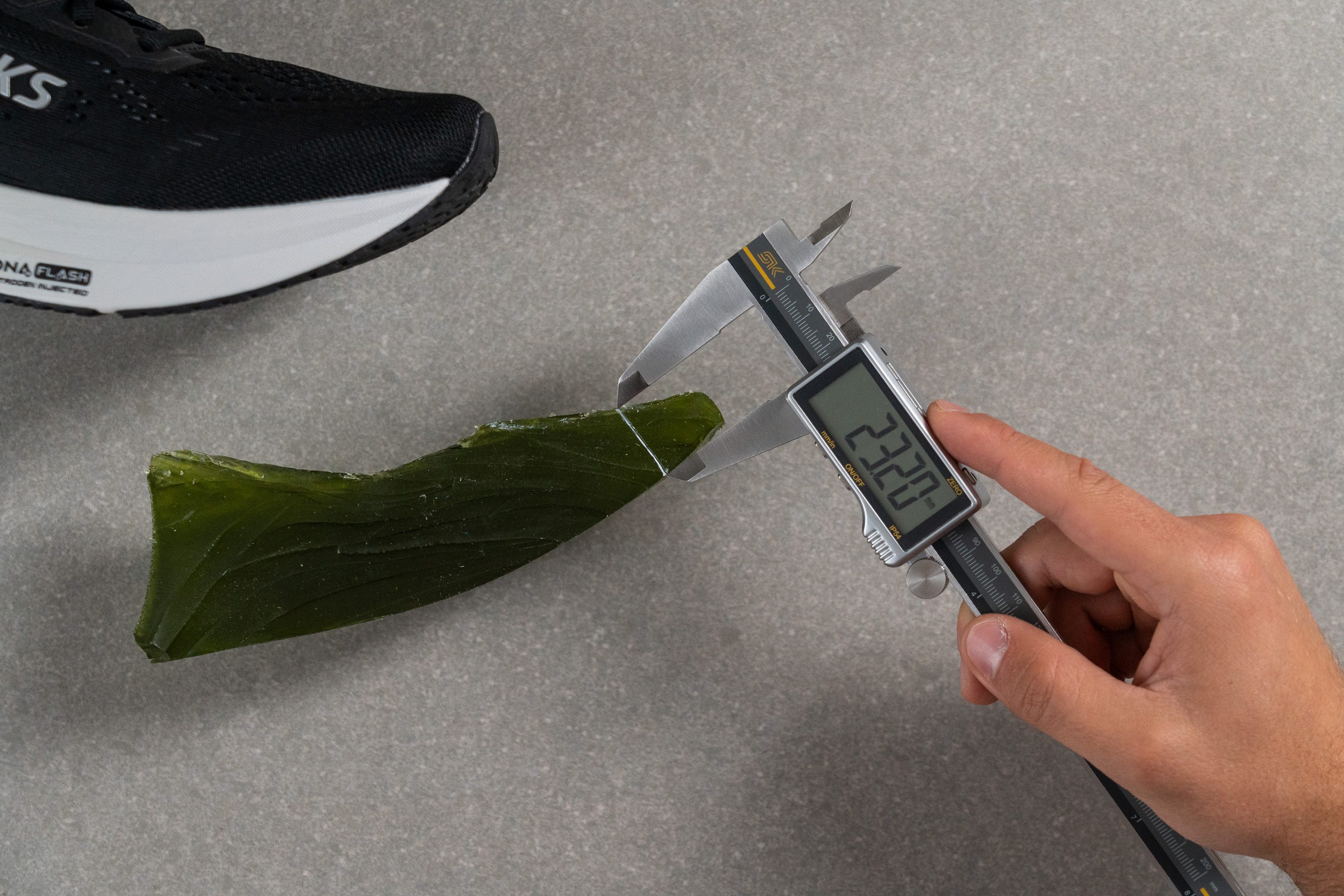
| Launch 12 | 23.2 mm |
| Average | 27.0 mm |
Traction / Grip
Traction test
With a forefoot traction score of 0.58, the Brooks Launch 12 slightly improves on the previous version and delivers a solid level of grip in both dry and wet conditions. Just like we experienced with the energy return, the result is far from jaw-dropping, yet still impressively good considering the budget-friendly price point.
| Launch 12 | 0.58 |
| Average | 0.53 |
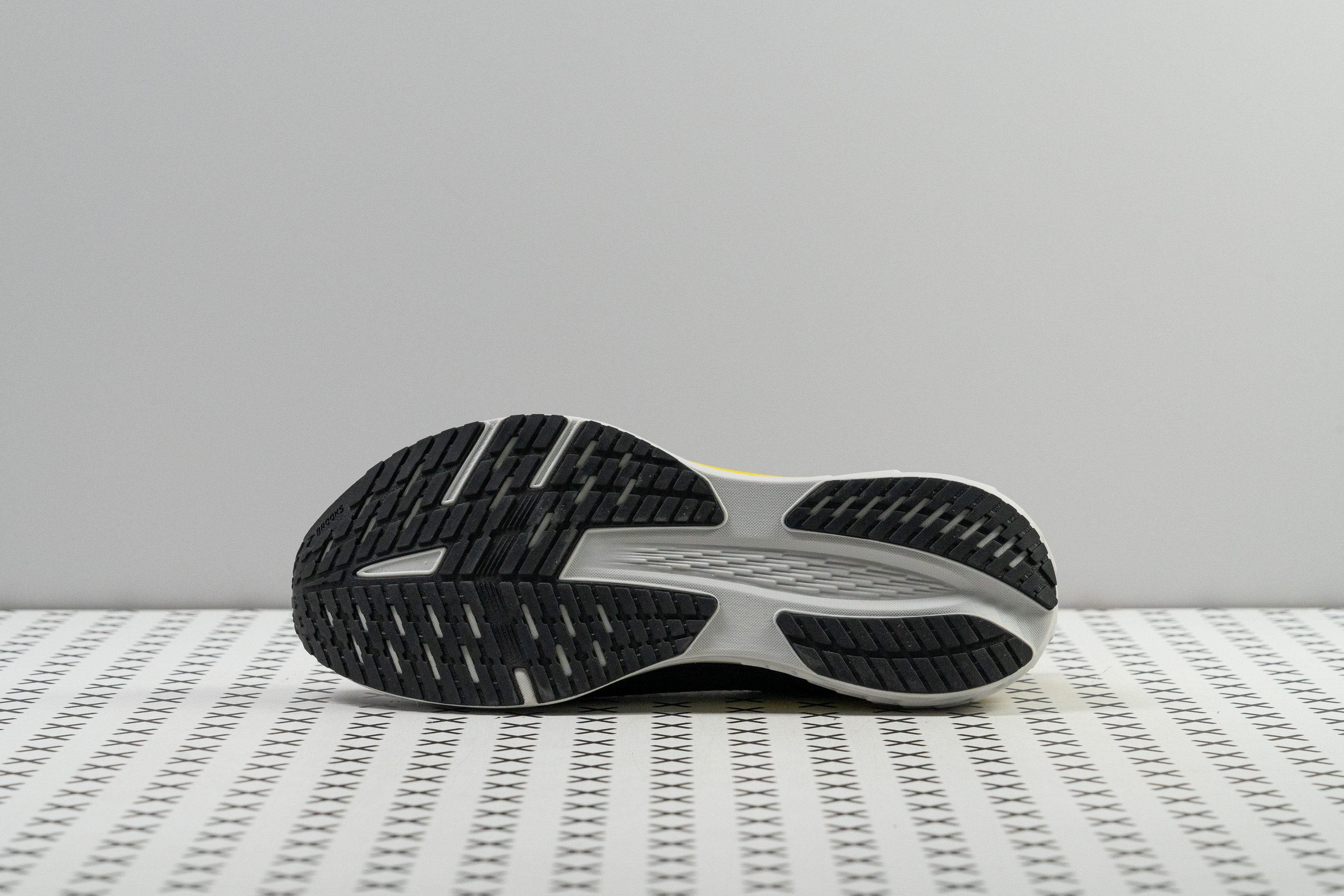
Outsole design
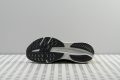
After the complete redesign introduced from v10 to v11, Brooks now takes advantage of that successful platform by carrying it over almost unchanged into this version. It retains the same generous forefoot rubber coverage, along with the large cutout extending from the heel to the midfoot that helps enhance the shoe’s flexibility and reduce weight.
Flexibility / Stiffness
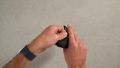
We love that the Launch 12 even improves on the already-flexible result of its predecessor, becoming slightly easier to bend with just 12.6N in our 30-degree bend test.
For a shoe built around a more classic-and-grounded ride rather than a modern max-stack feel, we think this highly-flexible setup works brilliantly and fits the personality of the shoe perfectly.
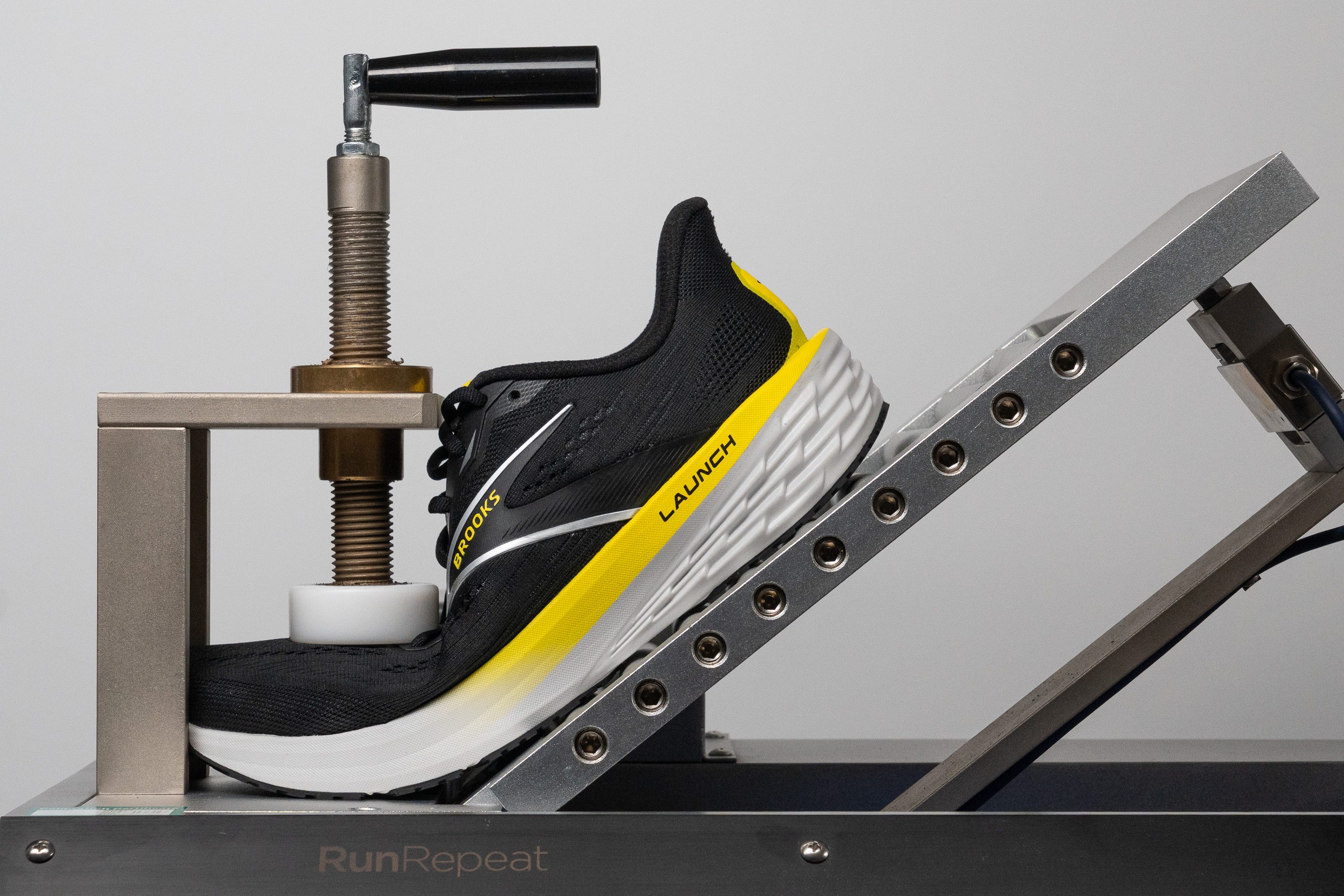
| Launch 12 | 12.6N |
| Average | 15.5N |
Weight
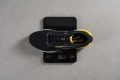
One of the cornerstones of the Launch series is its lightweight underfoot feel. Ruining that would’ve been a major mistake, and fortunately we found that Brooks still preserves it with a reasonably low weight at 8.6 oz or 244g.
That said, version 12 comes with a small 3% weight increase over v11. It’s completely impossible to notice during runs, but if this trend continues in future updates, we think the series could start drifting away from what makes the Launch such a featherlight-and-fun option in the first place.
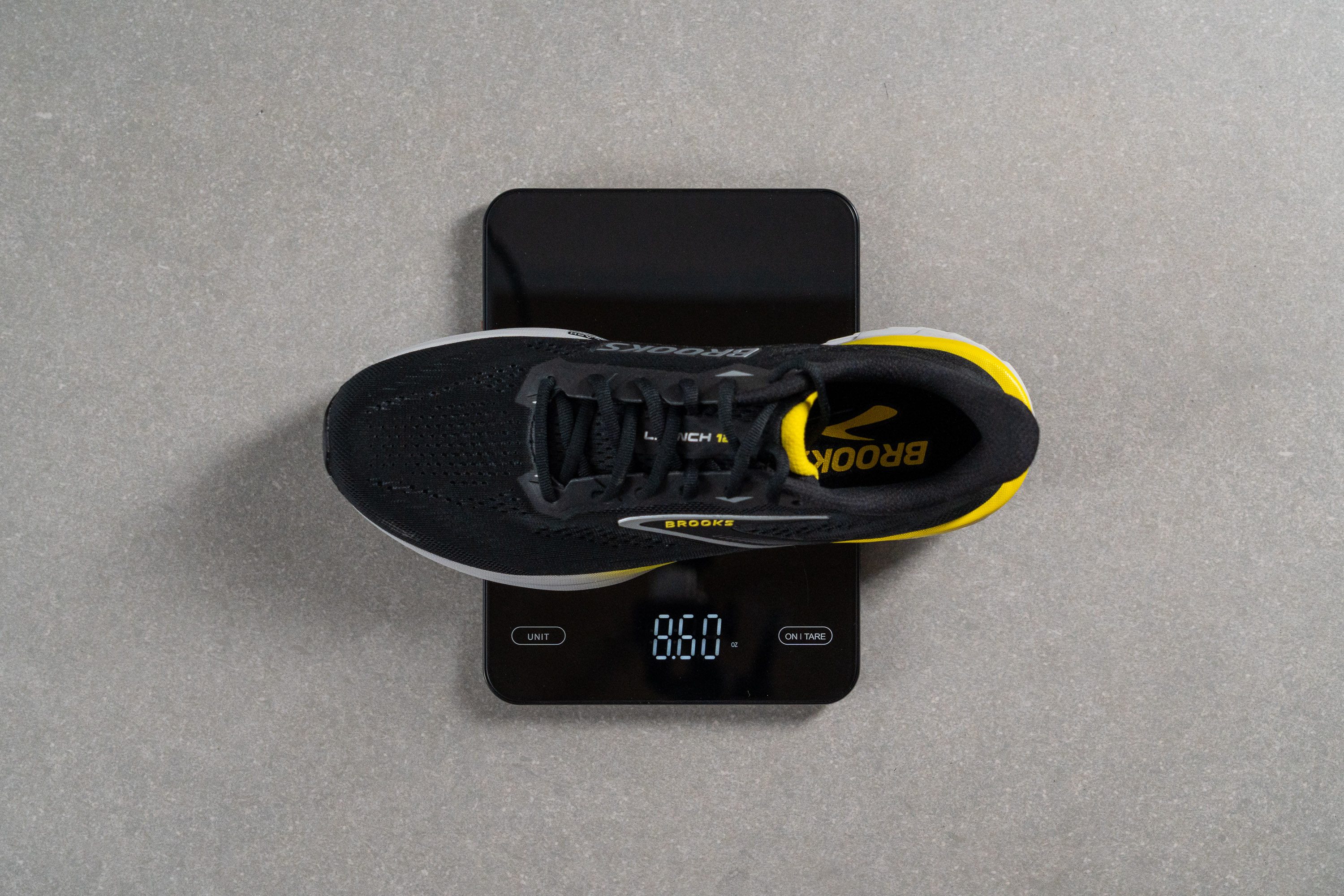
| Launch 12 | 8.6 oz (244g) |
| Average | 9.2 oz (261g) |
Breathability
While the outsole remains nearly identical to its predecessor, Brooks completely redesigned the upper, and that’s also the main reason behind the slight weight increase.
However, breathability is absolutely not an issue in the Launch 12. During our smoke test, airflow escaped from the shoe effortlessly, making the score an easy 5/5 in our lab.
For runners worried about excessive heat buildup, this isn’t one of those shoes that only ventilates well through the toebox. We found that the midfoot also delivers an impressively high level of airflow, creating a remarkably breezy feel throughout the entire upper.
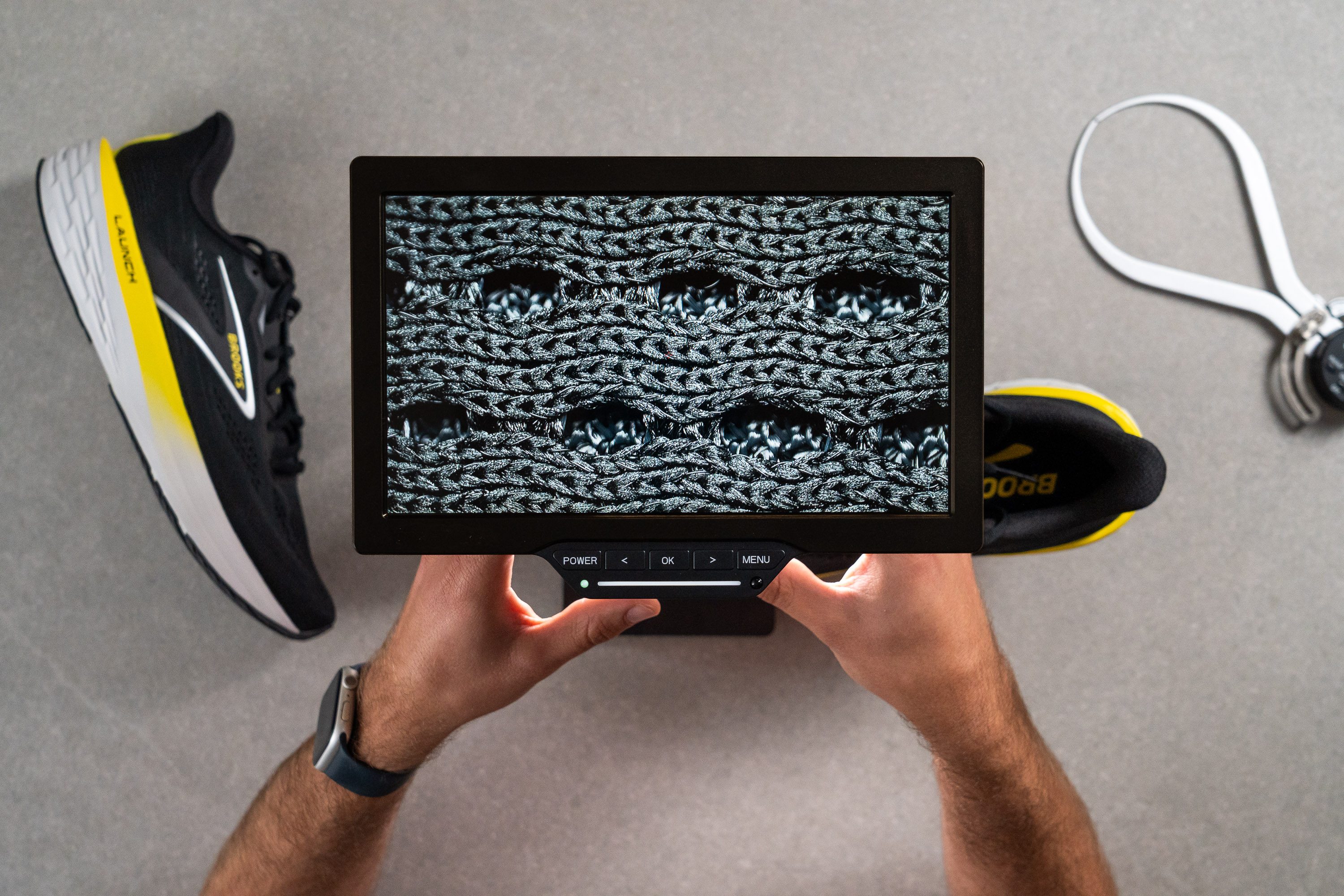
Under our digital microscope, we confirmed that Brooks used a fairly standard engineered mesh similar to what we often see in budget-friendly running shoes.

Still, there’s nothing wrong with that approach here, because expecting premium race-day materials at this price point would simply be unrealistic.
For the money, we think the upper performs perfectly well. In fact, we’ve tested far worse uppers in significantly more expensive shoes, and from a comfort-focused perspective, this one also gets the job done without any real concerns.
| Launch 12 | 5 |
| Average | 3.6 |
Stability
Lateral stability test
The Launch 12 is designed as a neutral shoe and lacks any dedicated stability-focused elements, yet it still feels surprisingly stable during runs for those without pronation issues.
We found that the low stack height plays a major role here, together with a notably stiff heel counter that adds extra rearfoot security.
Torsional rigidity
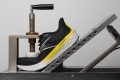
By avoiding a bulky platform and retaining the large longitudinal outsole cutout, Brooks managed to keep the Launch 12 below the current average in torsional rigidity with a 12.2 Nm result.
In our view, that’s excellent news for this shoe, as it enhances both its running versatility and its comfort for everyday wear.
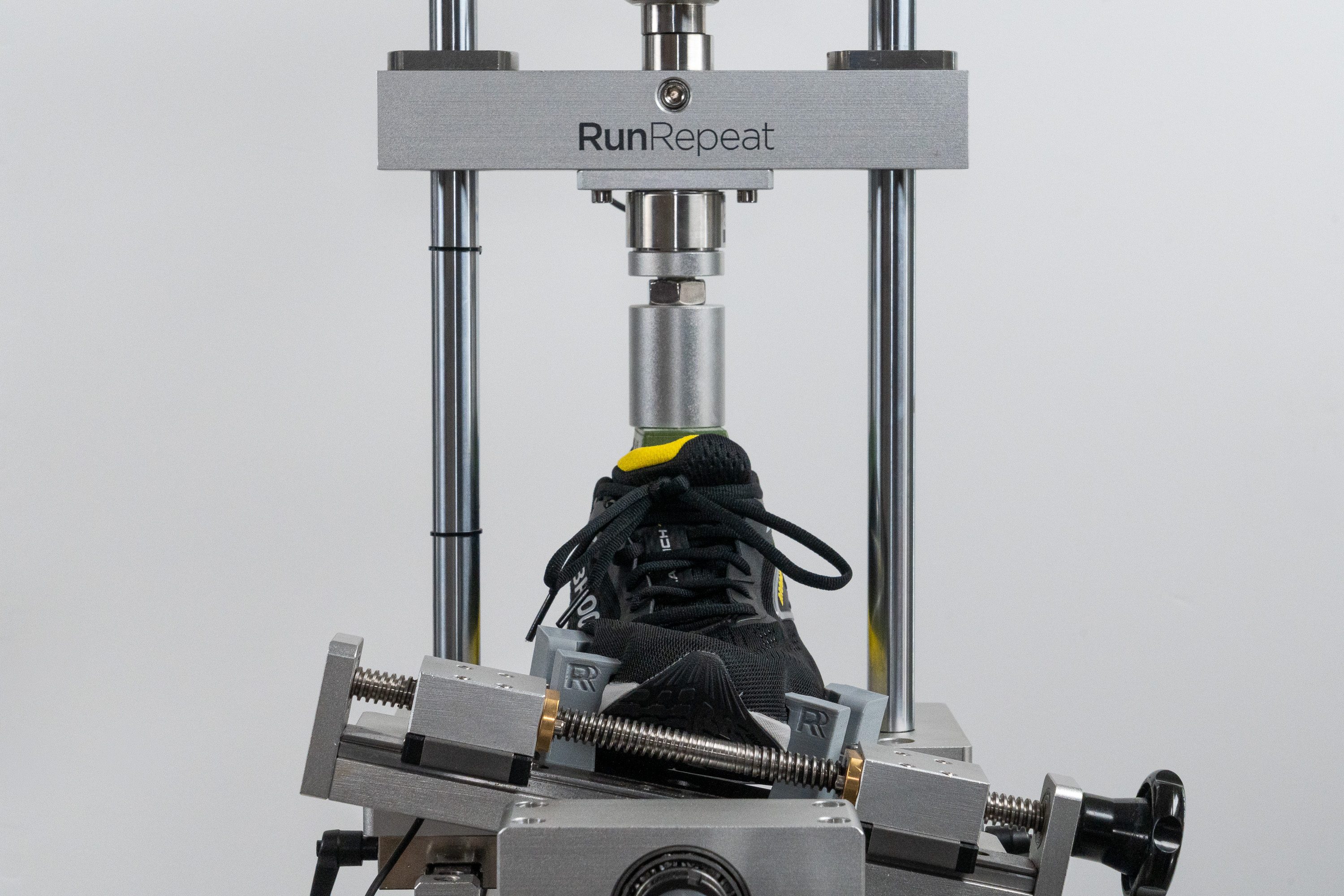
| Launch 12 | 12.2 Nm |
| Average | 14.3 Nm |
Heel counter stiffness
The heel counter is one of the most surprising and perhaps even controversial design choices in the shoe, especially because the rest of the Launch 12 follows a completely different philosophy.
It earned a maximum 5/5 score in our manual assessment, something we genuinely did not expect, and it could become problematic for runners with sensitive Achilles tendons. On the positive side, this ultra-stiff structure adds a substantial amount of rearfoot stability for heel strikers.
| Launch 12 | 5 |
| Average | 2.9 |
Midsole width - forefoot
One of the signature features of the Launch series is its agile-and-playful ride, and much of that comes from the restrained midsole dimensions that keep the shoe fun during cornering and nimble at faster paces.
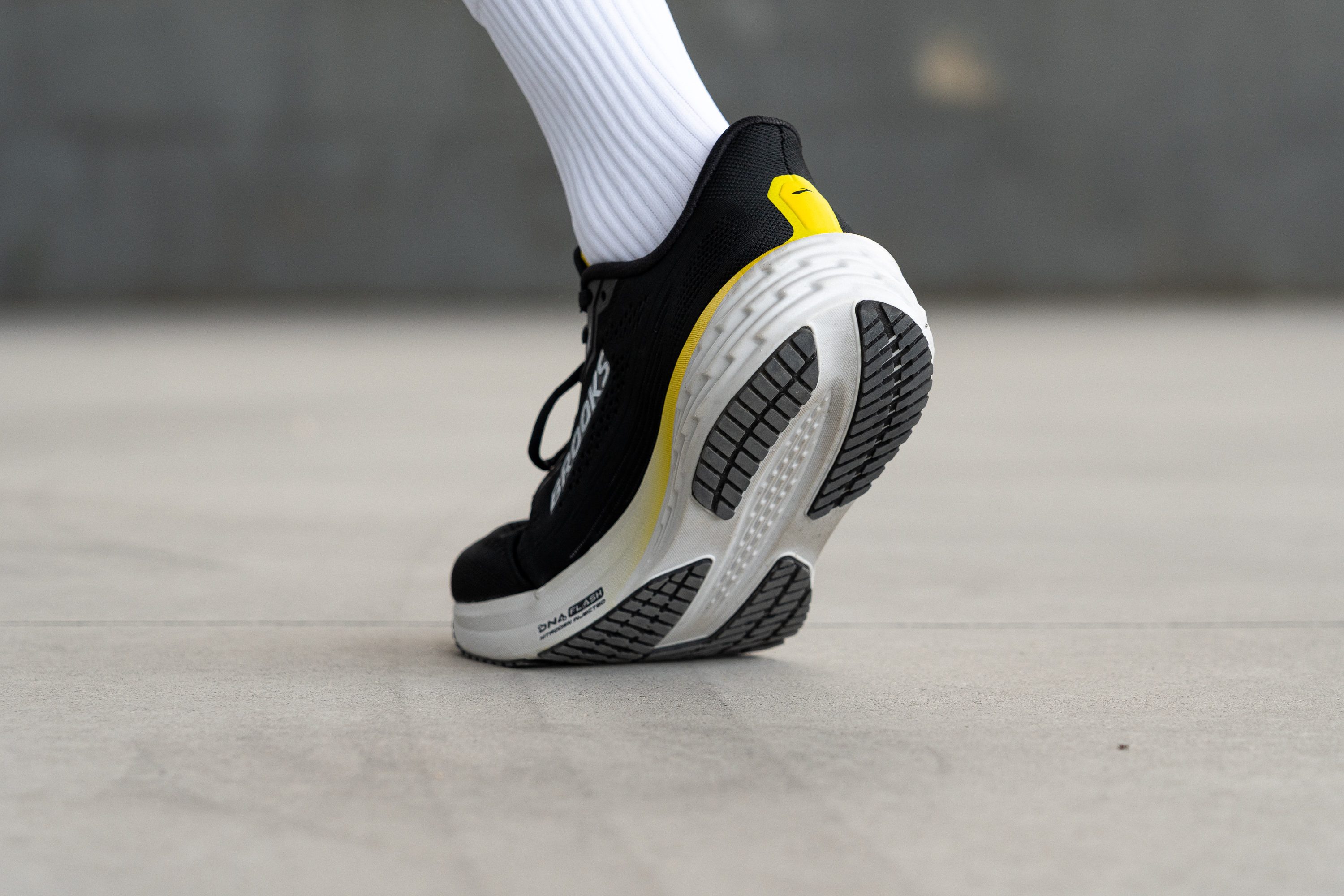
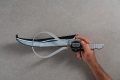
With version 12, we confirmed that the same DNA is still alive and well thanks to the compact 111.0 mm forefoot platform.
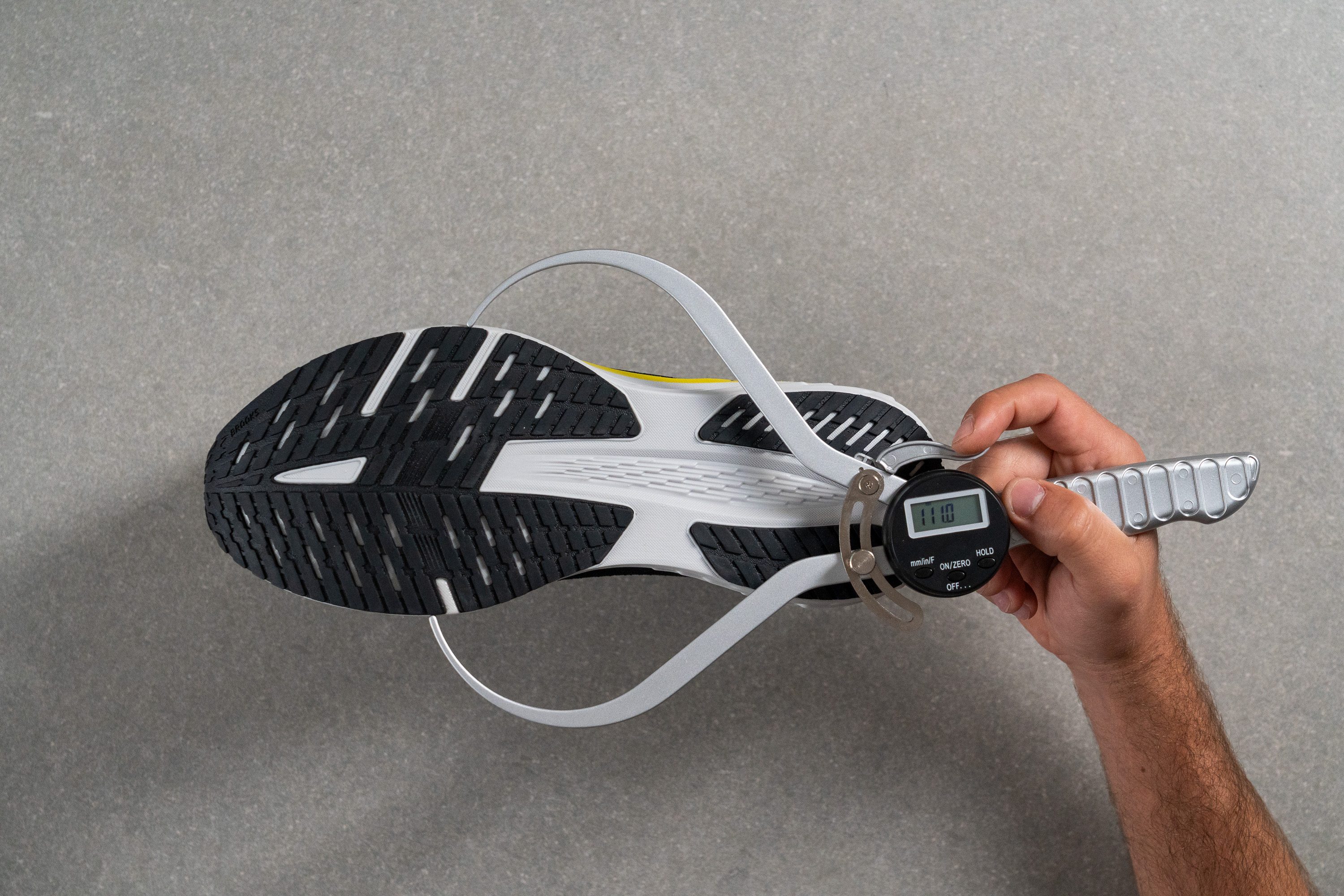
| Launch 12 | 111.0 mm |
| Average | 115.1 mm |
Midsole width - heel
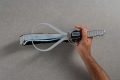
The heel also came in below the current lab average, measuring just 87.4 mm in our digital calliper assessment.
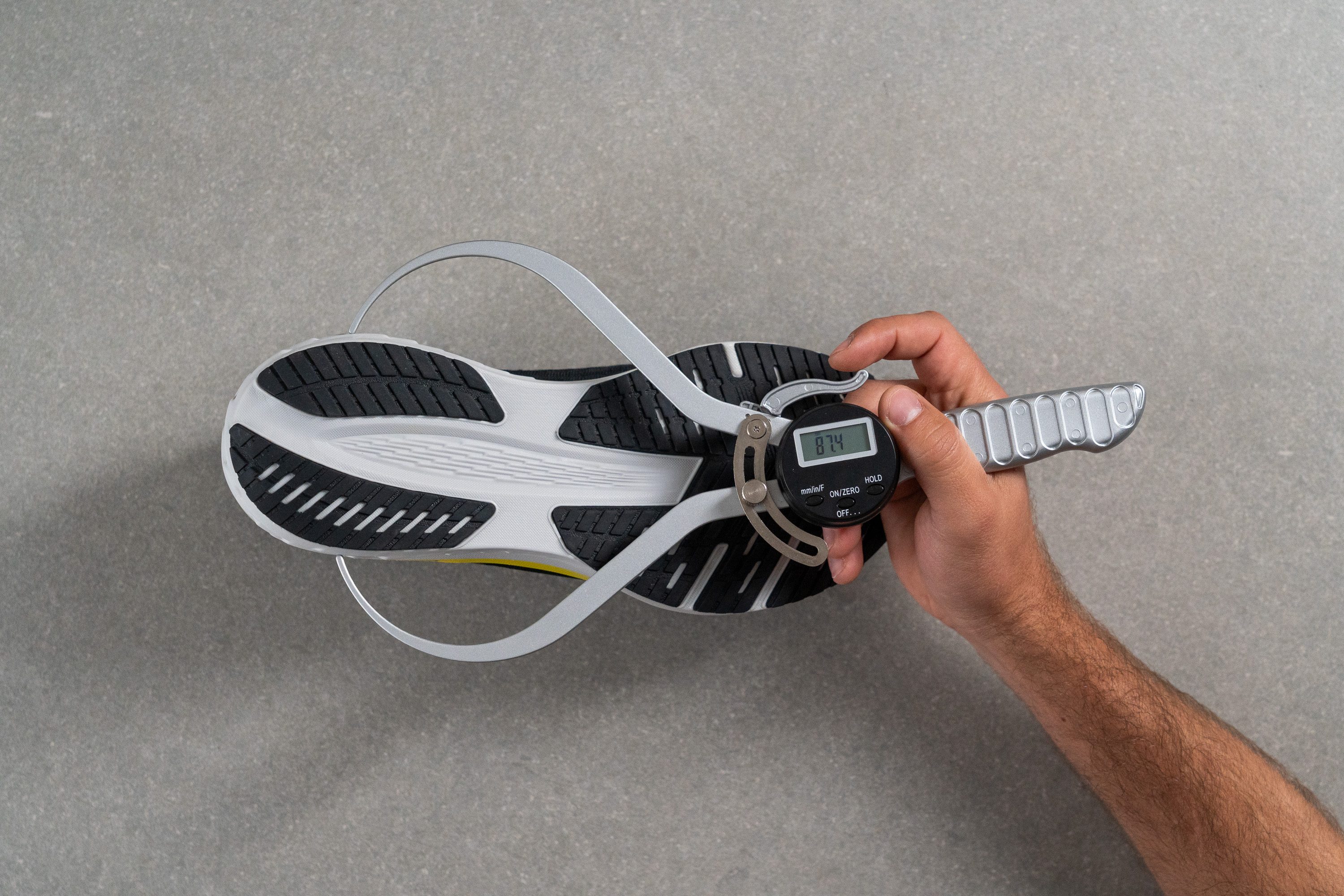
| Launch 12 | 87.4 mm |
| Average | 91.1 mm |
Durability
Toebox durability
The upper may feel somewhat restrictive up front for certain runners, but aside from that, we think it performs as well as anyone could reasonably expect at this price point. It even delivered solid durability in our demanding Dremel test, earning a respectable 3/5 score.
| Launch 12 | 3 |
| Average | 2.6 |
Heel padding durability
The heel padding also performed above the current lab average, earning a strong 4/5 score in our assessment. Once again, we really have no complaints here.
| Launch 12 | 4 |
| Average | 3.4 |
Outsole durability
To wrap things up with our Dremel testing, we doubled the speed to challenge the outsole rubber properly, since it obviously requires a far tougher test than the upper. Once again, the Brooks Launch 12 impressed us by outperforming most shoes in our lab, showing only a tiny 0.8 mm dent.
And this result is especially valuable because there’s an interesting reality in the running shoe market: runners buying budget-friendly models often expect better long-term durability than those spending top dollar on premium shoes.
| Launch 12 | 0.8 mm |
| Average | 1.1 mm |
Outsole thickness
We also took a quick measurement of the outsole thickness. At 2.8 mm, we believe it should deliver excellent longevity, especially considering the strong durability result from our Dremel test.
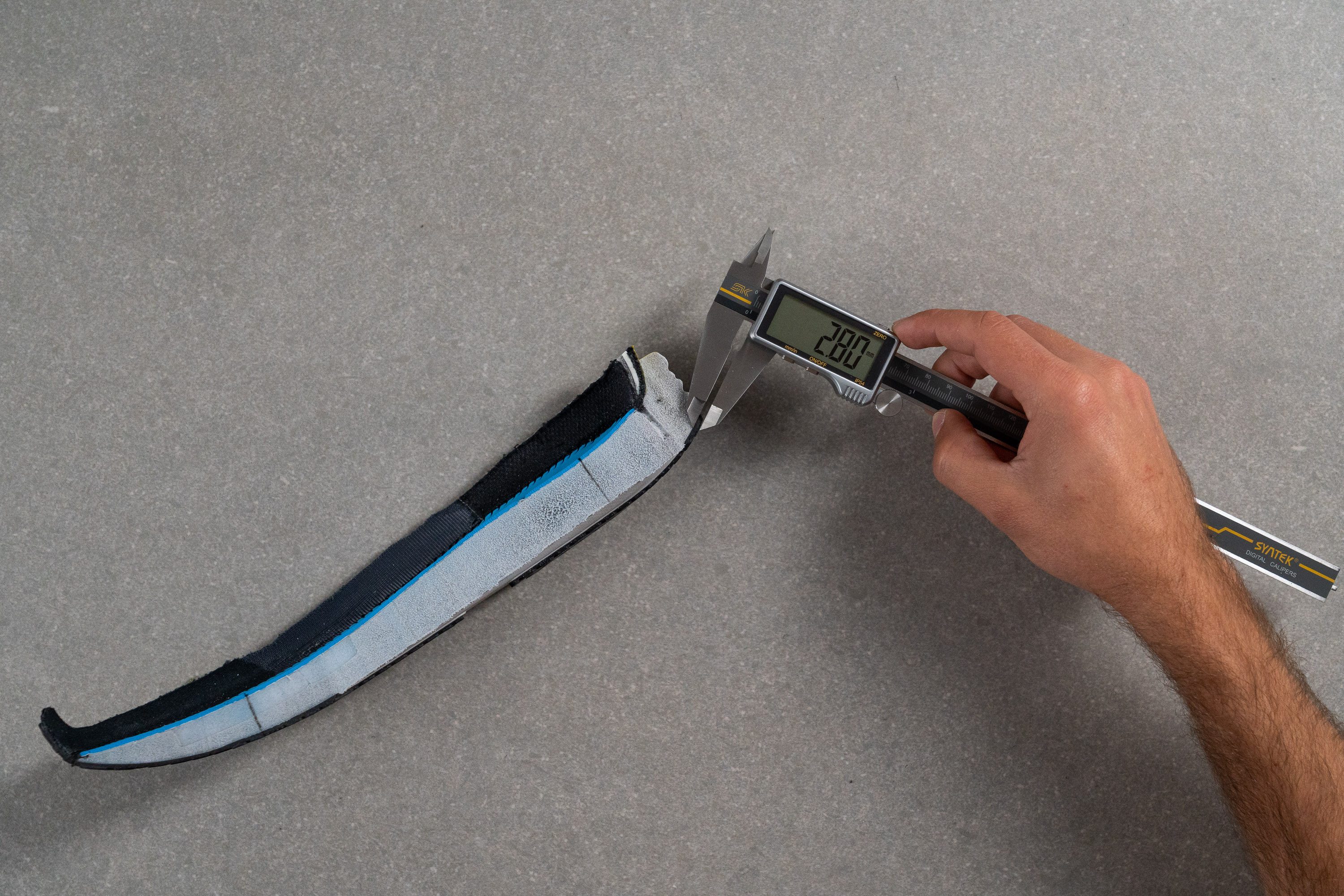
| Launch 12 | 2.8 mm |
| Average | 3.1 mm |
Misc
Insole thickness
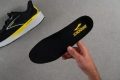
The Brooks Launch 12 comes with a fairly standard insole that doesn’t particularly stand out in any area, including thickness, where we measured an average 4.6 mm.
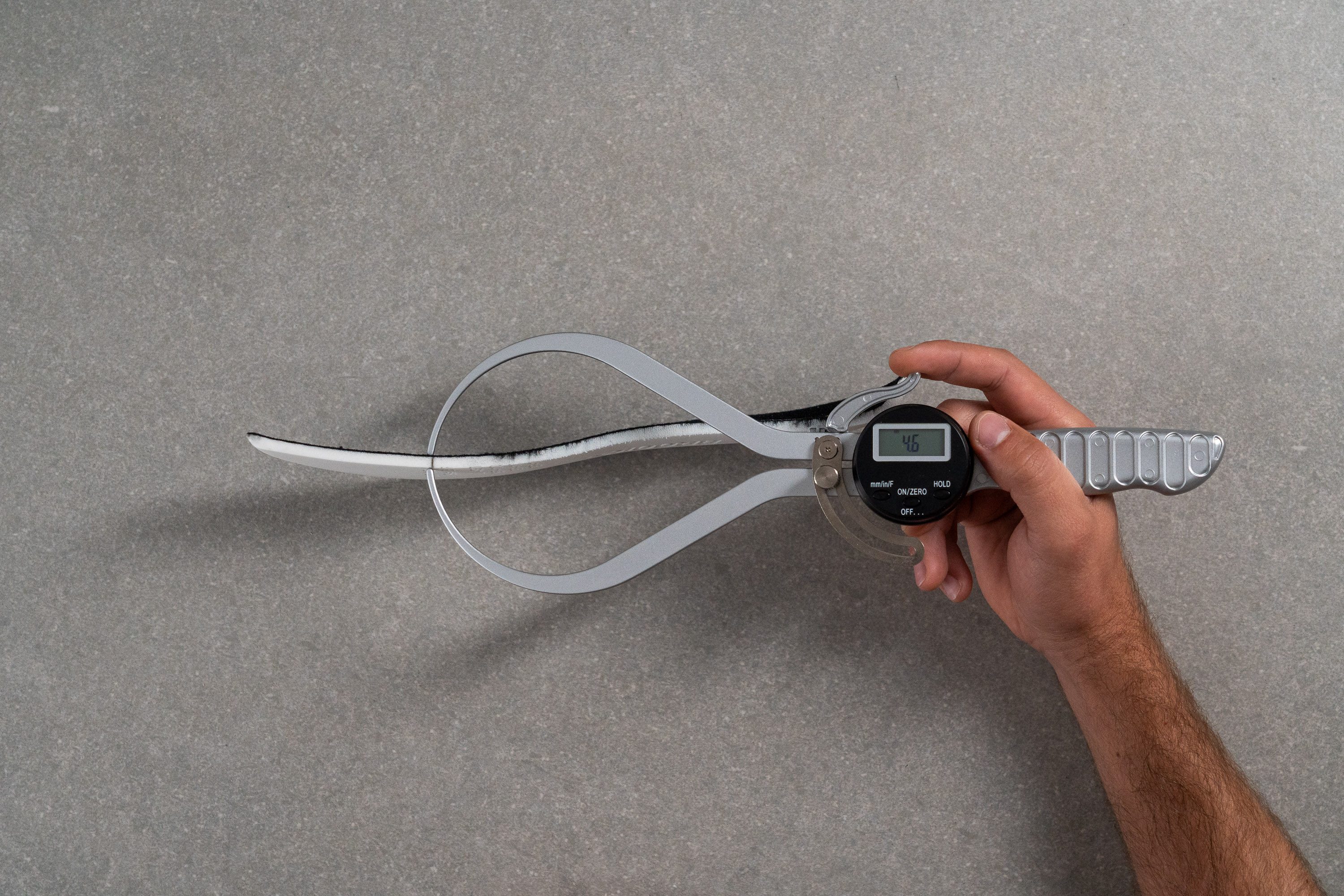
| Launch 12 | 4.6 mm |
| Average | 4.4 mm |
Removable insole
If you find the toebox slightly oppressive, one possible solution is swapping the stock insole for a thinner alternative. As a bonus, that change would also give the Launch 12 an even lower-and-more-grounded stack height.
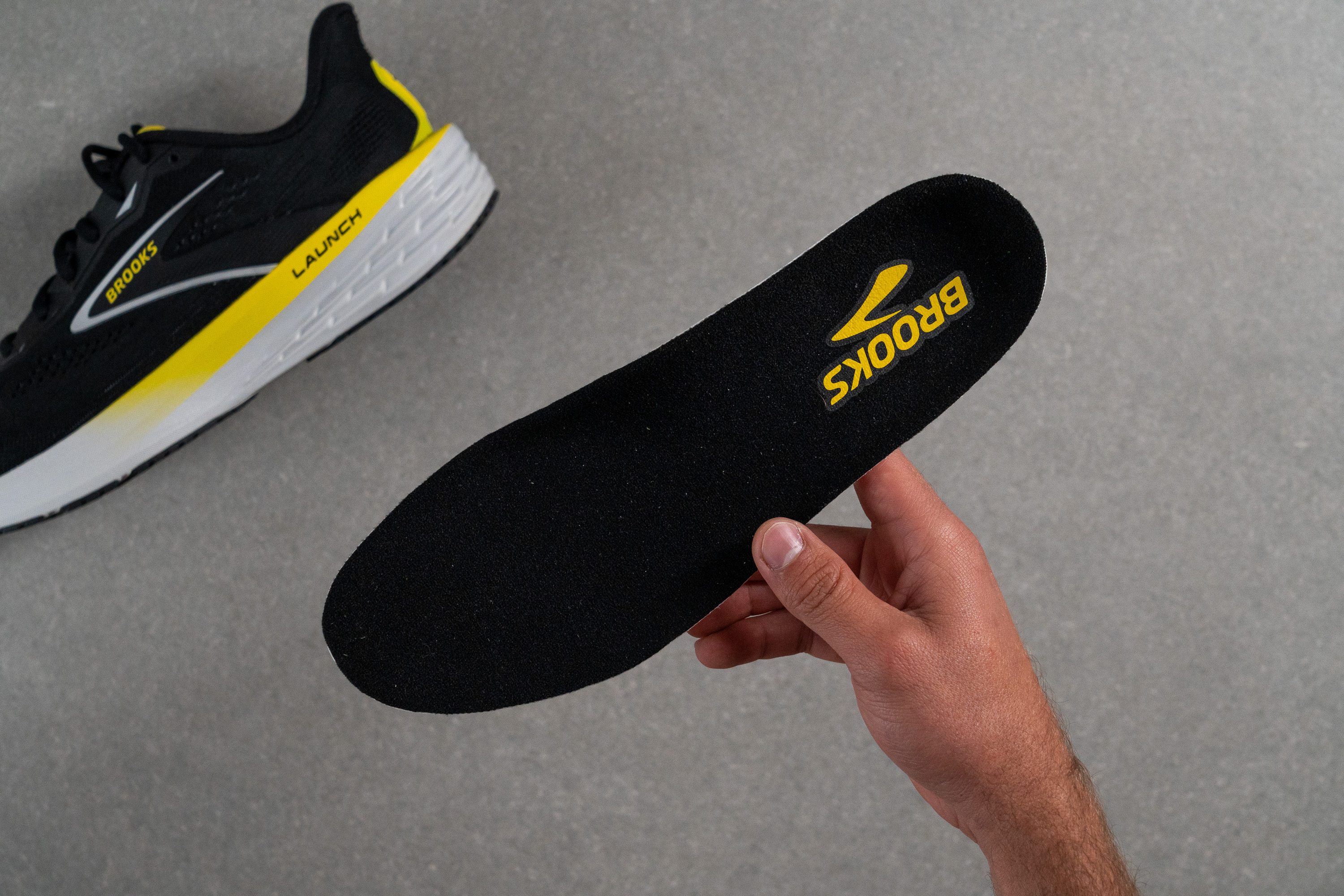
| Launch 12 | Yes |
Reflective elements
The Launch 12 comes with absolutely no reflective elements whatsoever.
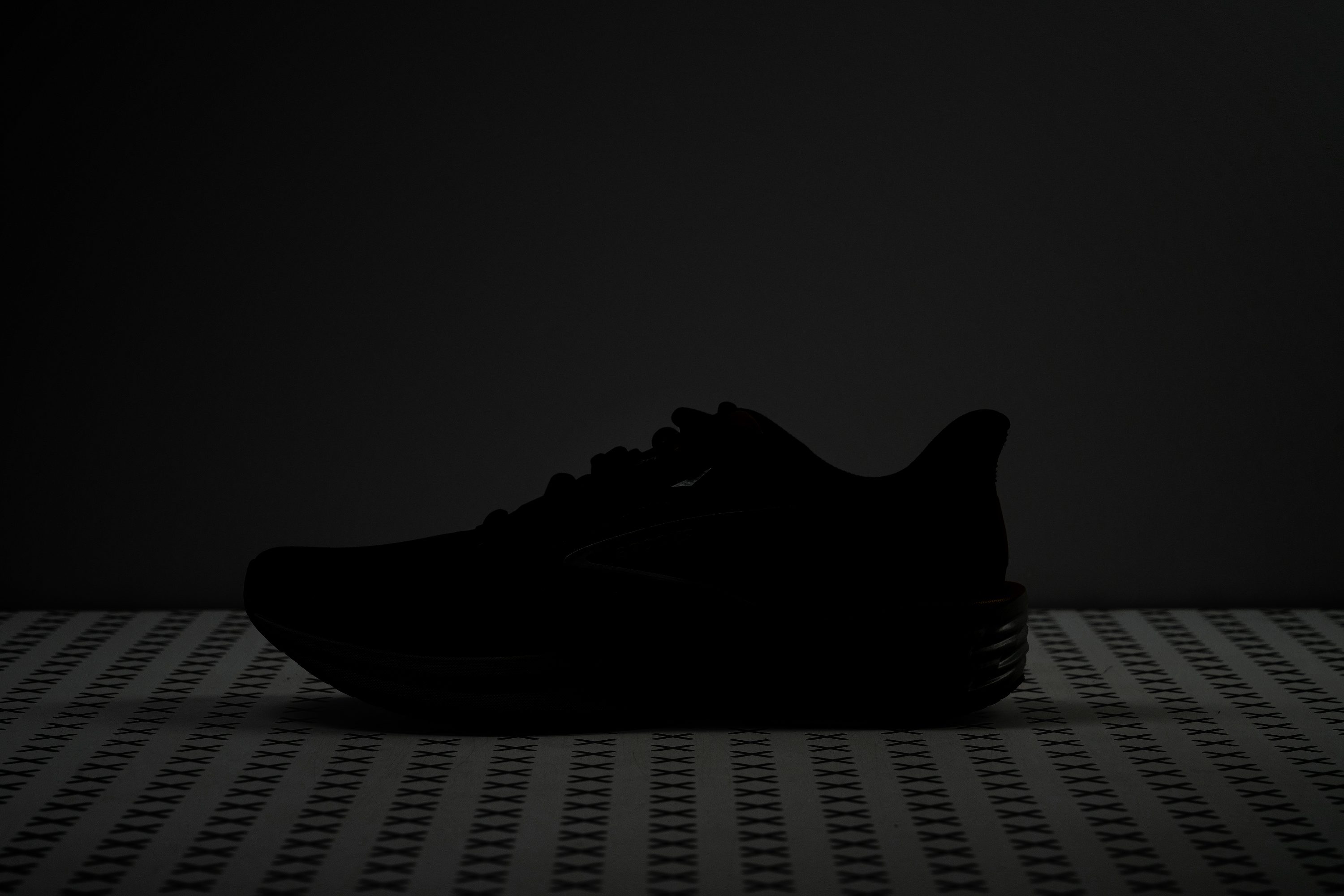
| Launch 12 | No |
Tongue padding
The lacing system performs well and makes it easy to achieve a secure lockdown, helped further by the snug midfoot shape of the shoe. We think some runners may find the tongue slightly short, although for most people it should work perfectly fine.
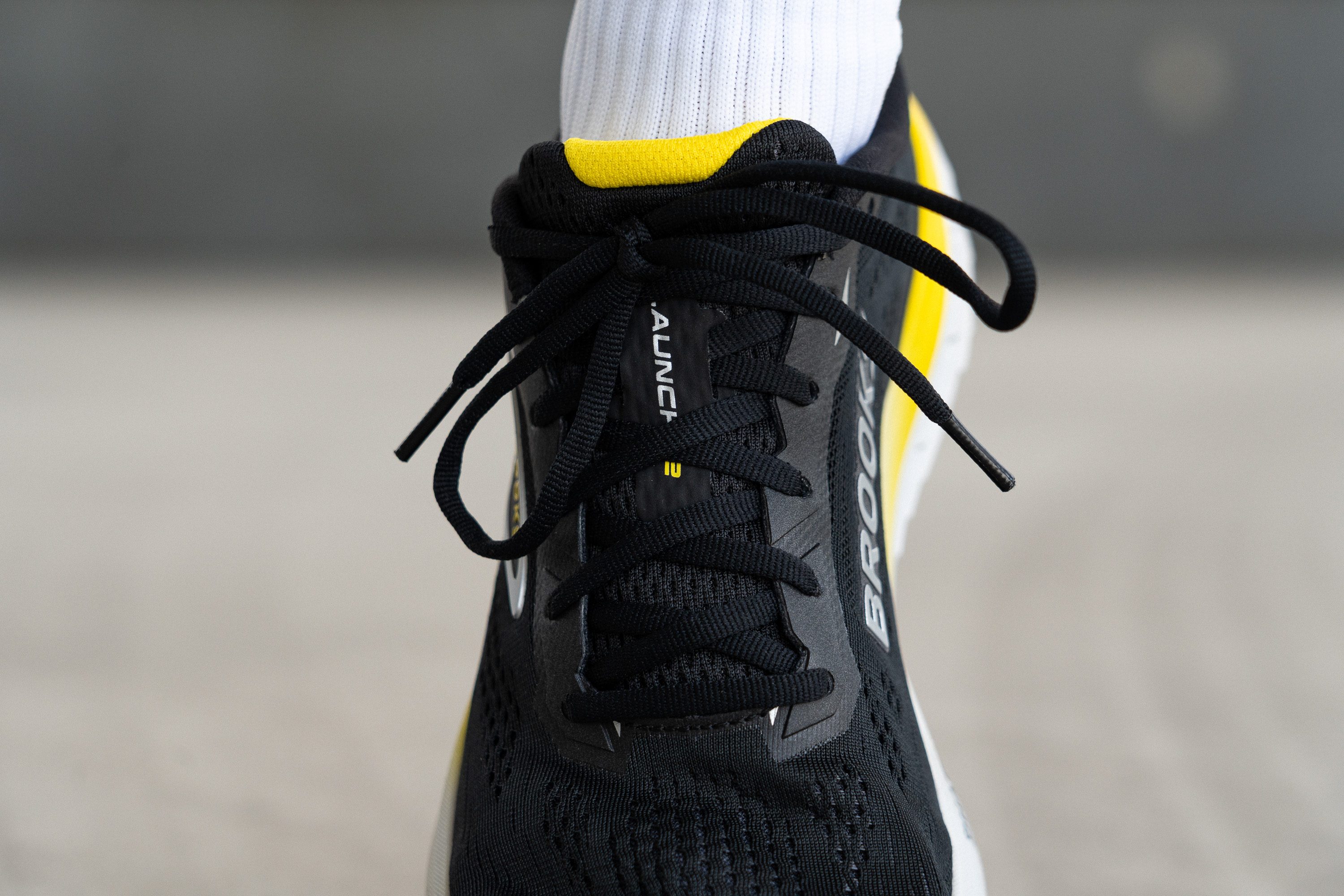
When it comes to comfort, the tongue features extremely generous padding with a thickness of 8.2 mm.
In our opinion, Brooks may have gone a bit overboard here, and we would probably reduce it closer to 3 or 4 mm since this shoe benefits greatly from its nimble-and-lightweight character. Last year’s version used a more balanced 5.0 mm design that, in our view, matched the personality of the Launch series better.
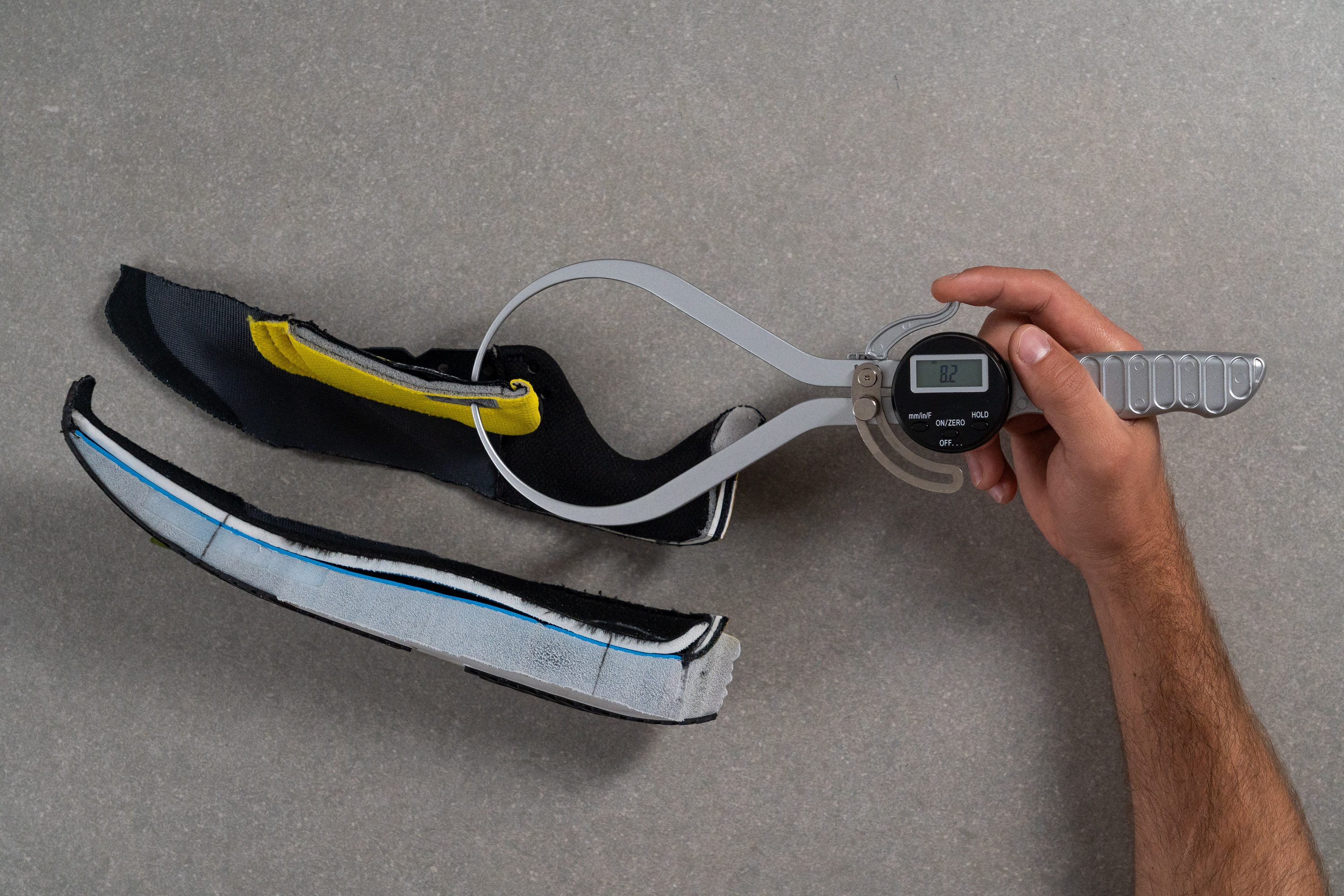
| Launch 12 | 8.2 mm |
| Average | 5.8 mm |
Tongue: gusset type
Finding a gusseted tongue in this shoe would’ve really been the icing on the cake. Unfortunately, Brooks didn’t go that route this time, but we keep some hopes for version 13.
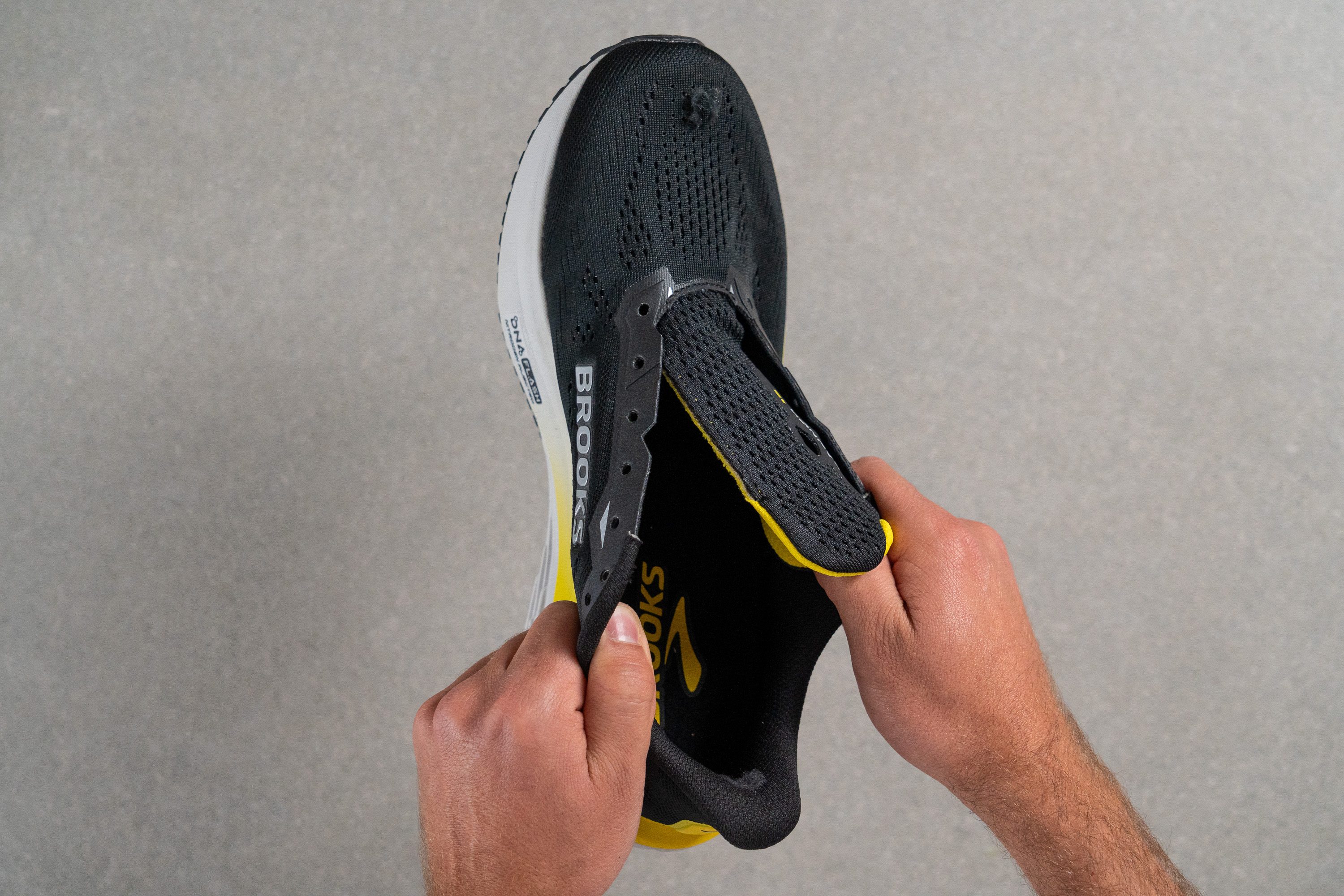
| Launch 12 | None |
Heel tab
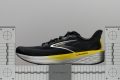
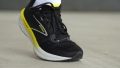
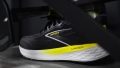
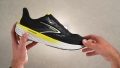
The heel design skips any kind of heel tab, but Brooks added a small yellow overlay that gives the shoe a more eye-catching look, especially with this black upper.
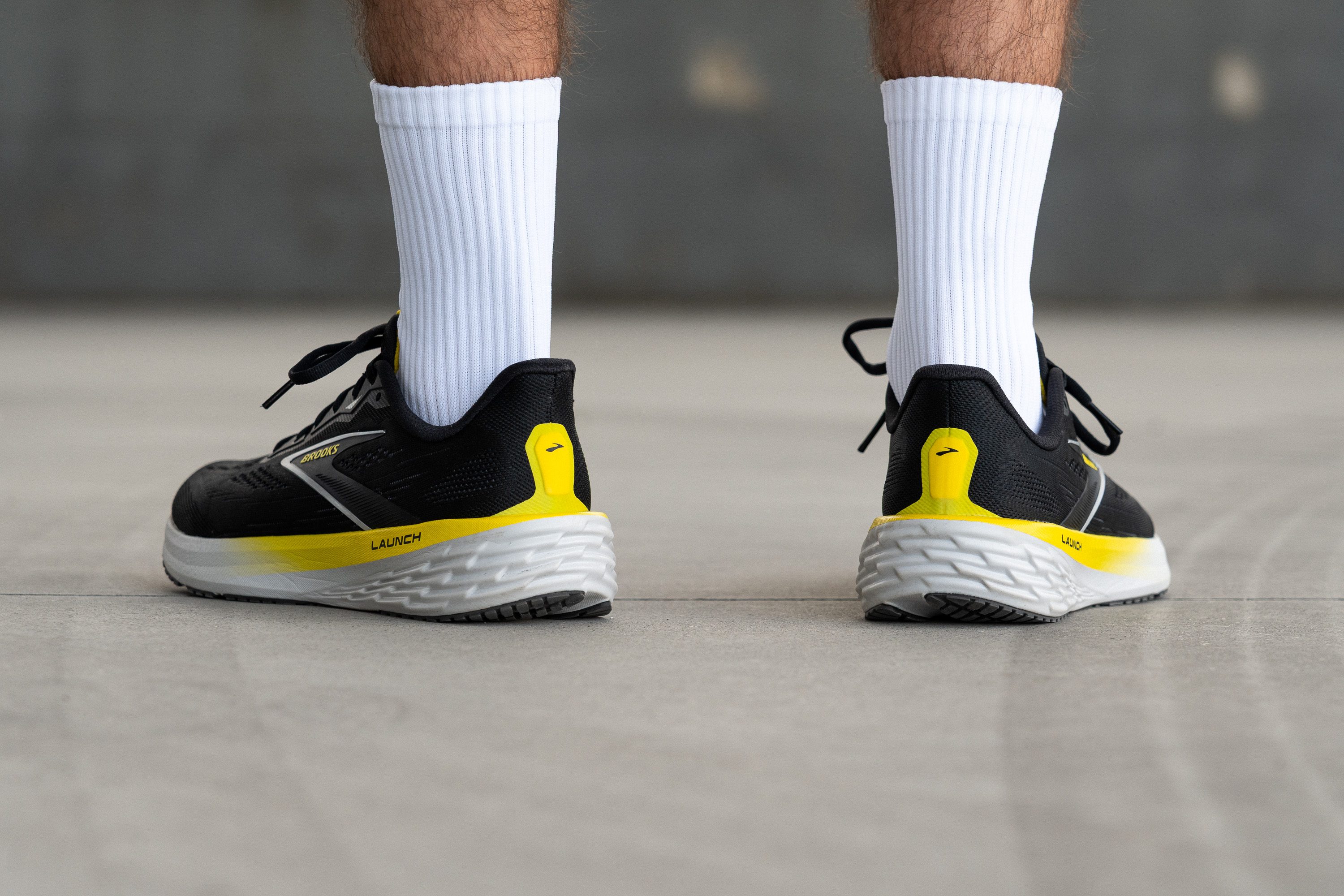
| Launch 12 | None |
Price
Few shoes on the market can match the combination of versatility, fun, and speed offered by the Brooks Launch 12 at this price point. That has long been the core appeal of the series for so many runners, and we’re happy to confirm that it remains fully intact in version 12.
| Launch 12 | $120 |