
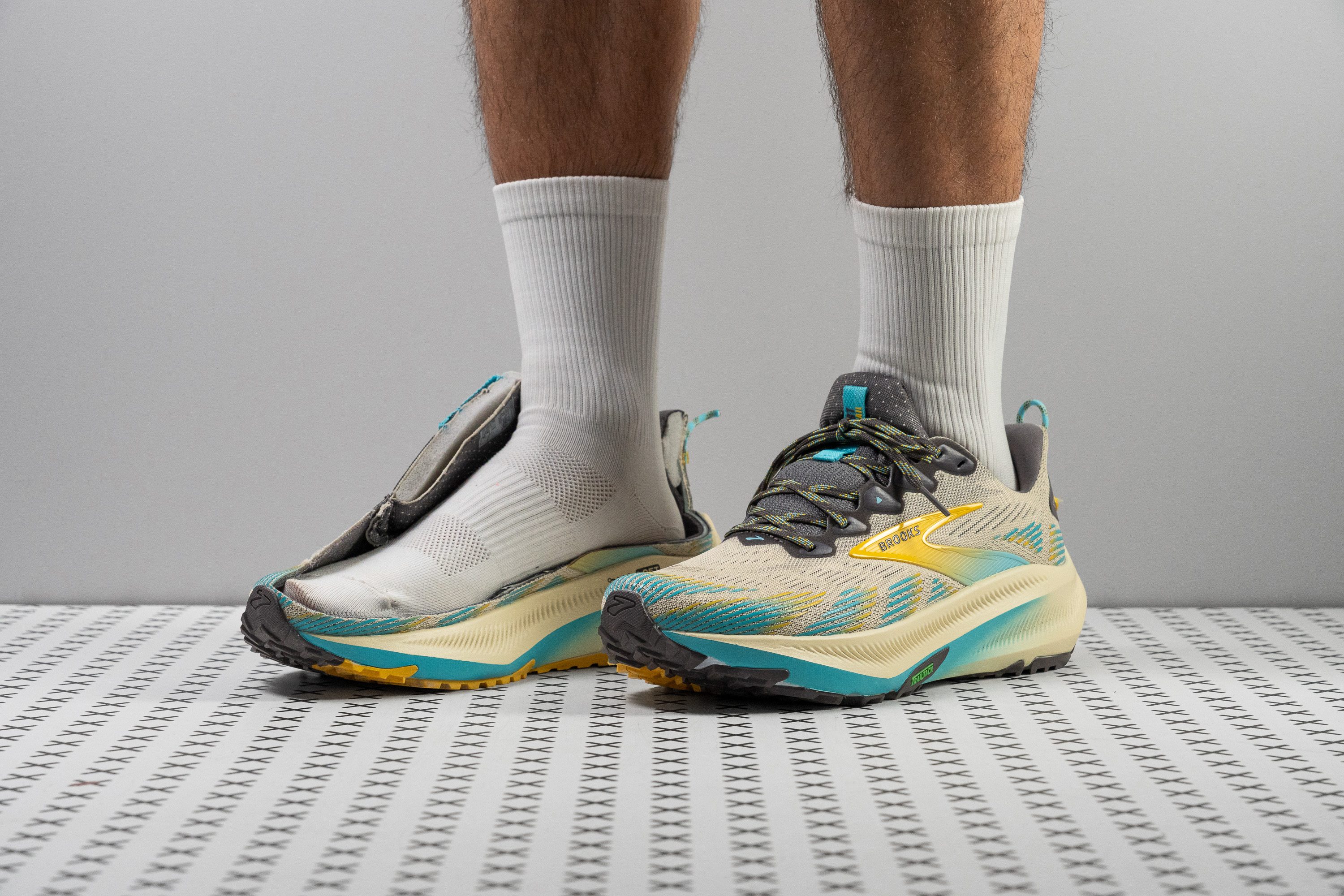




























Our verdict
- Gravel 89
- Versatile 63
- Technical 35
Pros
- Ideal for gravel or mixed-surface runs
- Dependable, winter-ready grip
- Stable platform for heel strikers
- Comfortable step-in feel
- Amazing aesthetics
- Flexible build for hiking and walking
- Can be used on roads too
- Good durability from top to bottom
- Reasonable price
- Ideal one-shoe-for-everything
Cons
- A bit heavy
- Tapered toebox limits natural toe splay
- No gusseted tongue
- Higher drop than stated
Awards
- Top pick in best Brooks trail running shoes
- Top 23% most popular running shoes
Comparison
The most similar running shoes compared
+ + Add a shoe | |||||
|---|---|---|---|---|---|
| Our score | 83 Great | 86 Great | 79 Good | 88 Superb | |
| Price | £130 | £210 | £130 | £140 | |
| Trail terrain | Gravel / Road-to-trail | Gravel / Road-to-trail | Gravel / Road-to-trailVersatile / Moderate terrain | Gravel / Road-to-trail | |
| Shock absorption | Moderate | High | Moderate | High | |
| Energy return | Moderate | High | Moderate | High | |
| Traction | High | High | High | High | |
| Arch support | Neutral | Neutral | Neutral | Neutral | |
| Weight lab Weight brand | 10.4 oz / 295g 10.6 oz / 300g | 9.7 oz / 275g 9.7 oz / 275g | 10.9 oz / 309g 10.9 oz / 309g | 9.7 oz / 275g 9.7 oz / 276g | |
| Drop lab Drop brand | 11.5 mm 8.0 mm | 11.5 mm 6.0 mm | 8.8 mm 6.0 mm | 9.2 mm 8.0 mm | |
| Strike pattern | Heel | Heel | HeelMid/forefoot | HeelMid/forefoot | |
| Size | Slightly large | True to size | True to size | Slightly small | |
| Midsole softness | Balanced | Soft | Balanced | Balanced | |
| Difference in midsole softness in cold | Small | Small | Big | Small | |
| Toebox durability | Decent | Very bad | Bad | Decent | |
| Heel padding durability | Good | Good | Good | Decent | |
| Outsole durability | Good | Good | Decent | Good | |
| Breathability | Moderate | Moderate | Moderate | Warm | |
| Width / fit | Medium | Narrow | Medium | Medium | |
| Toebox width | Medium | Medium | Medium | Medium | |
| Stiffness | Moderate | Moderate | StiffModerate | Moderate | |
| Torsional rigidity | Moderate | Moderate | Stiff | Stiff | |
| Heel counter stiffness | Stiff | Moderate | Stiff | Moderate | |
| Lug depth | 2.7 mm | 3.2 mm | 3.6 mm | 2.3 mm | |
| Heel stack lab Heel stack brand | 38.3 mm 36.5 mm | 38.8 mm 40.0 mm | 36.7 mm 39.0 mm | 40.9 mm 41.0 mm | |
| Forefoot lab Forefoot brand | 26.8 mm 28.5 mm | 27.3 mm 34.0 mm | 27.9 mm 33.0 mm | 31.7 mm 33.0 mm | |
| Widths available | NormalWide | Normal | Normal | Normal | |
| For heavy runners | ✓ | ✗ | ✓ | ✓ | |
| Season | All seasons | All seasons | All seasons | Winter | |
| Removable insole | ✓ | ✓ | ✓ | ✓ | |
| Orthotic friendly | ✓ | ✓ | ✓ | ✓ | |
| Ranking | #158 Top 40% | #91 Top 23% | #241 Bottom 39% | #53 Top 14% | |
| Popularity | #91 Top 23% | #175 Top 44% | #179 Top 45% | #136 Top 34% |



Who should buy
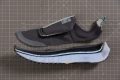
We believe that the Brooks Ghost Trail is a great match for:
- Runners who already enjoy the Brooks Ghost lineup and want a version that works really well on gravel roads, easy trails, or wet winter runs.
- Heel strikers looking for a comfortable road-to-trail shoe with a stable ride and a fair price.
- Those who want one versatile shoe for daily running, travelling, walking, and mixed-surface adventures.
Who should NOT buy
We found in the lab that the Brooks Ghost Trail carries more weight than many runners may expect. If you prefer a lighter and more nimble ride in a road-to-trail shoe, we think the HOKA Challenger 7 is a better option.
We also believe the narrow-fitting toebox could become problematic for runners who need extra room up front. In our experience, the Nike ACG Pegasus Trail delivers a more friendly fit while keeping the same versatile philosophy.
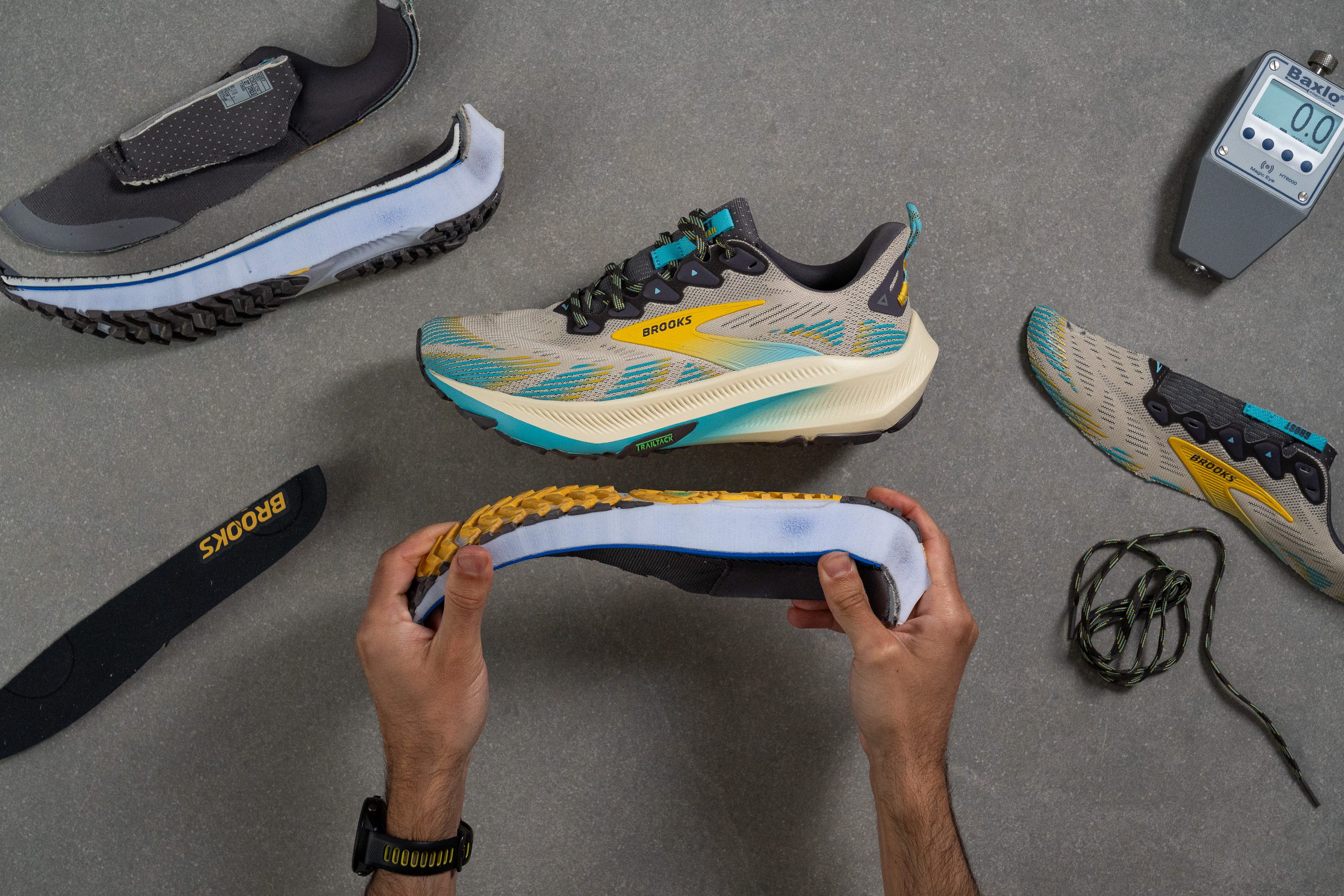
Cushioning
Shock absorption
With 124 SA in the heel and 102 SA in the forefoot, the Ghost Trail delivers balanced shock absorption that we found more than sufficient for nearly any run this road-to-trail hybrid is designed for.
The numbers are far from jaw-dropping, yet we believe that ultra-distance performance was never the goal of this model anyway.
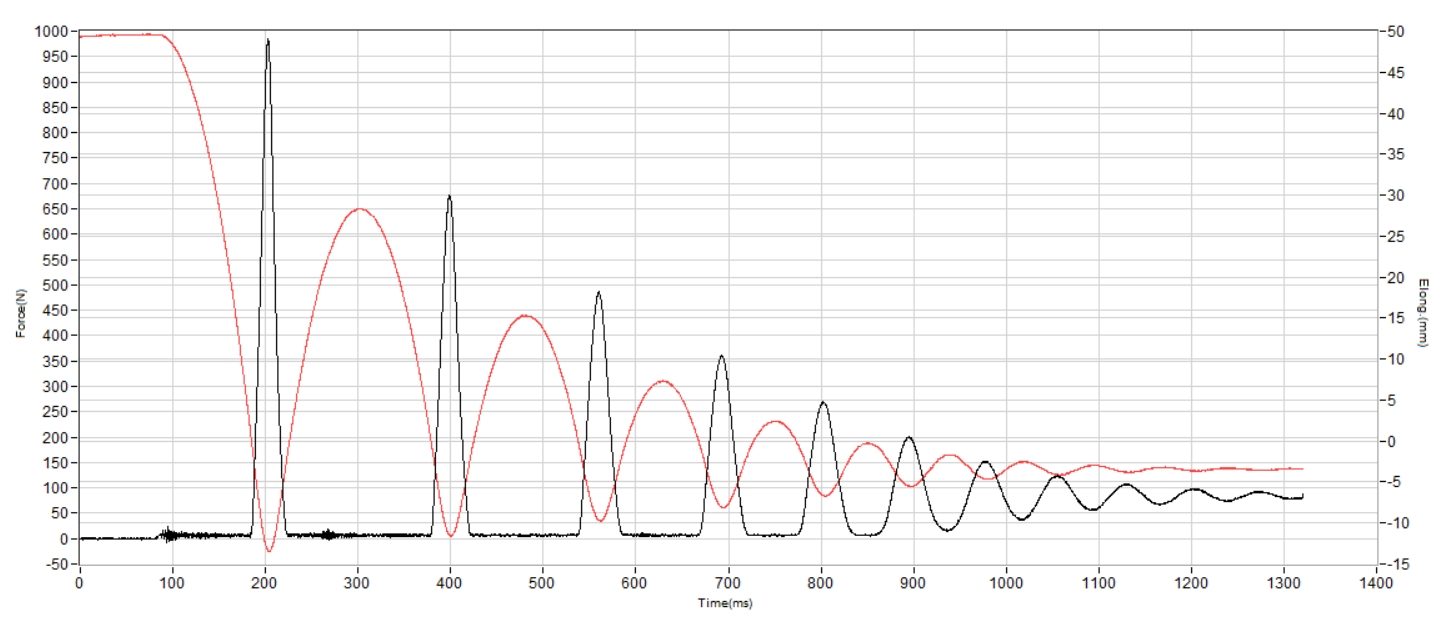
| Ghost Trail | 124 SA |
| Average | 123 SA |
Energy return
We've been far from impressed lately with Brooks training shoes and their energy return, especially after seeing underwhelming results in models like the Glycerin Max 2. However, the Ghost Trail tells a different story.
Although it doesn't deliver truly standout numbers in this test, the Brooks Ghost Trail still posts respectable rebound values for a trail shoe, reaching 59.3% in the heel and 63.2% in the forefoot. In our opinion, that's quite solid considering its price point!
| Ghost Trail | 63.2% |
| Average | 59.7% |
Heel stack
Like most gravel or road-to-trail shoes, the Brooks Ghost Trail is essentially a modern daily trainer equipped with a few trail-ready design touches and a multi-surface outsole, and the midsole clearly reflects that approach.
We measured a towering 38.3 mm stack in the heel, closely mirroring the height of the Ghost 17 while accounting for the added trail outsole.
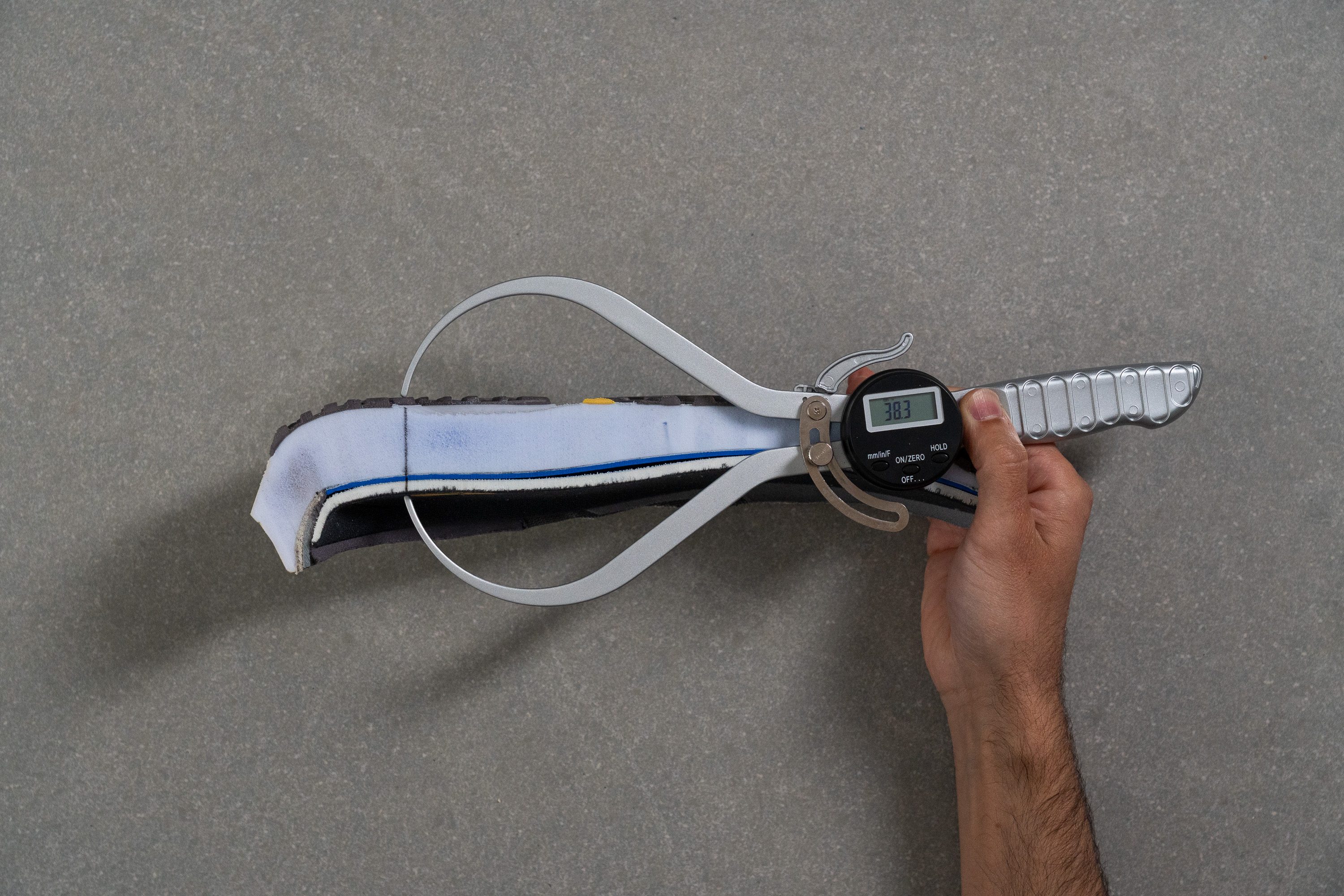
| Ghost Trail | 38.3 mm |
| Average | 33.1 mm |
Forefoot stack
The forefoot closely follows the road-focused Ghost as well, measuring 26.8 mm in our test. Therefore, the shoe maintains a nicely-balanced setup for daily mileage, avoiding both an overly low-to-the-ground feel and the ultra-stacked geometry of a maximalist design.
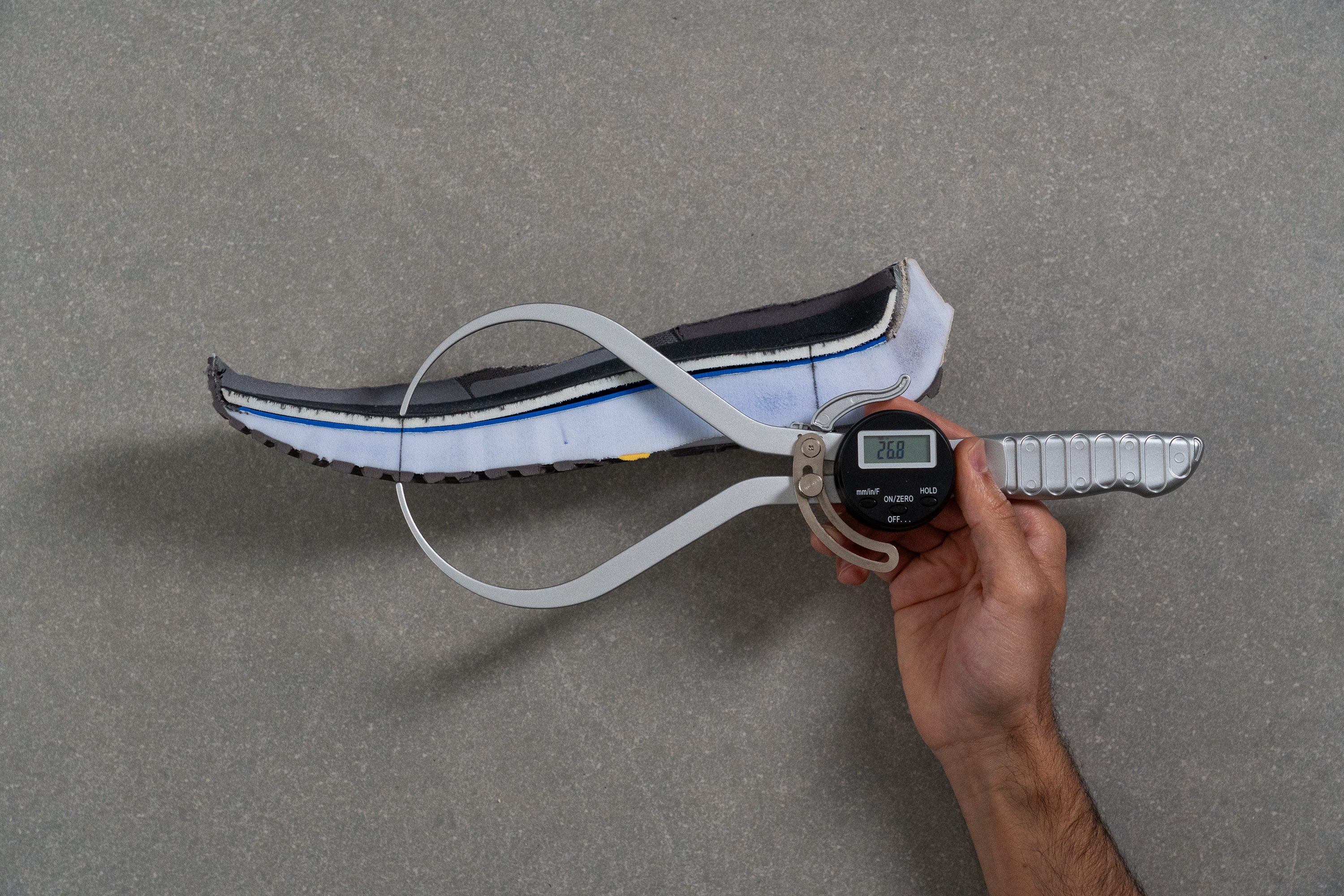
| Ghost Trail | 26.8 mm |
| Average | 25.8 mm |
Drop
When we reviewed the regular Ghost, we discovered a noticeably higher drop than the one advertised by Brooks, and the same thing happens here. In our measurements, the shoe delivered an actual heel-to-toe offset of 11.5 mm, well above the stated 8 mm.
As a result, the Ghost Trail becomes an especially appealing option for heel strikers, whereas midfoot and forefoot runners may find its geometry slightly less natural especially for trail running.
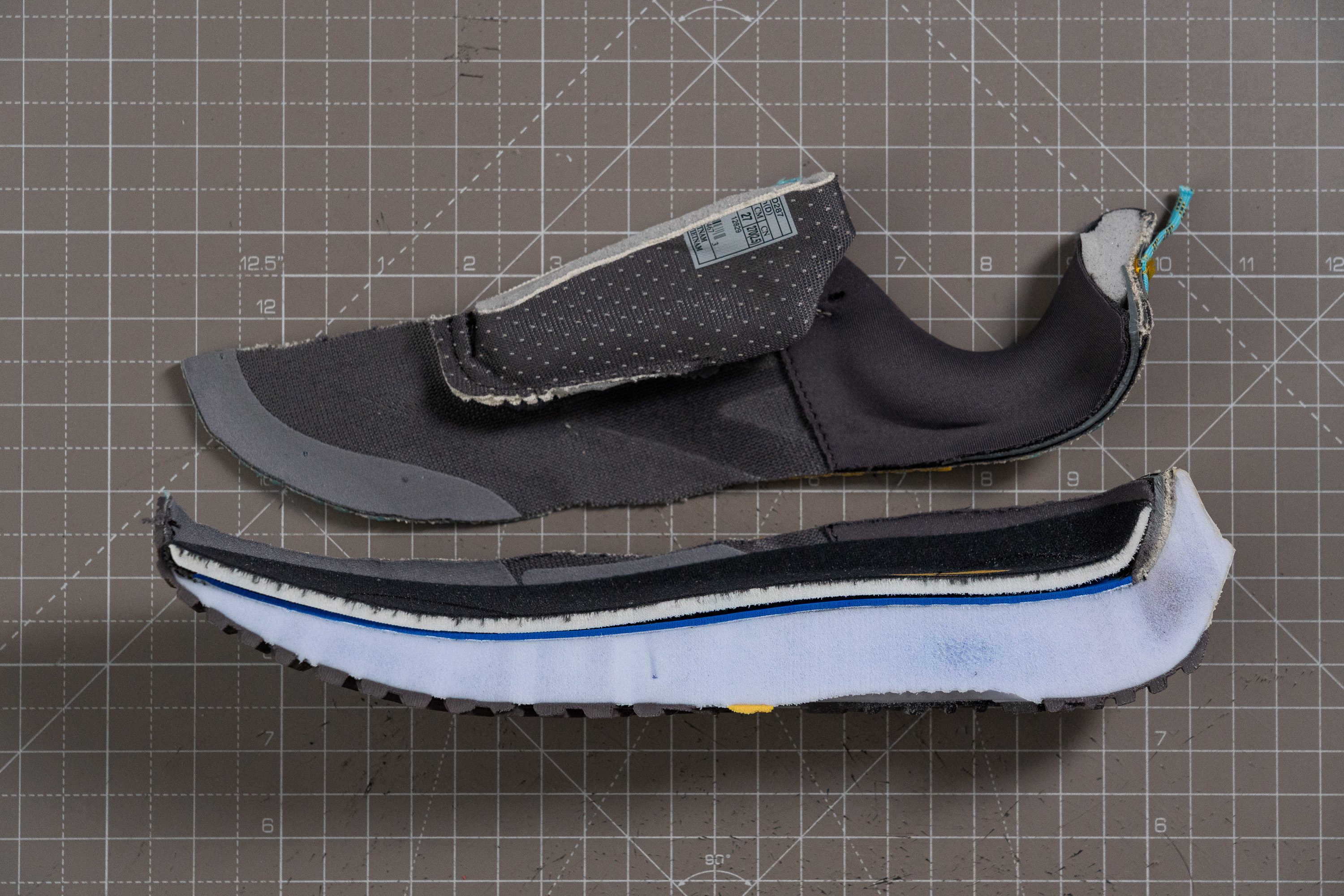
| Ghost Trail | 11.5 mm |
| Average | 7.3 mm |
Midsole softness
Brooks retained the same DNA Loft v3 foam, an EVA-based compound infused with nitrogen to enhance rebound while trimming some weight.
Regarding softness, the Ghost Trail posted an almost identical result to the Ghost 17 in our lab at 36.1 AC, delivering a nicely-balanced underfoot feel. That said, the rugged outsole gives the ride a slightly firmer sensation than its road-focused sibling, which is something we frequently notice in gravel-ready designs.
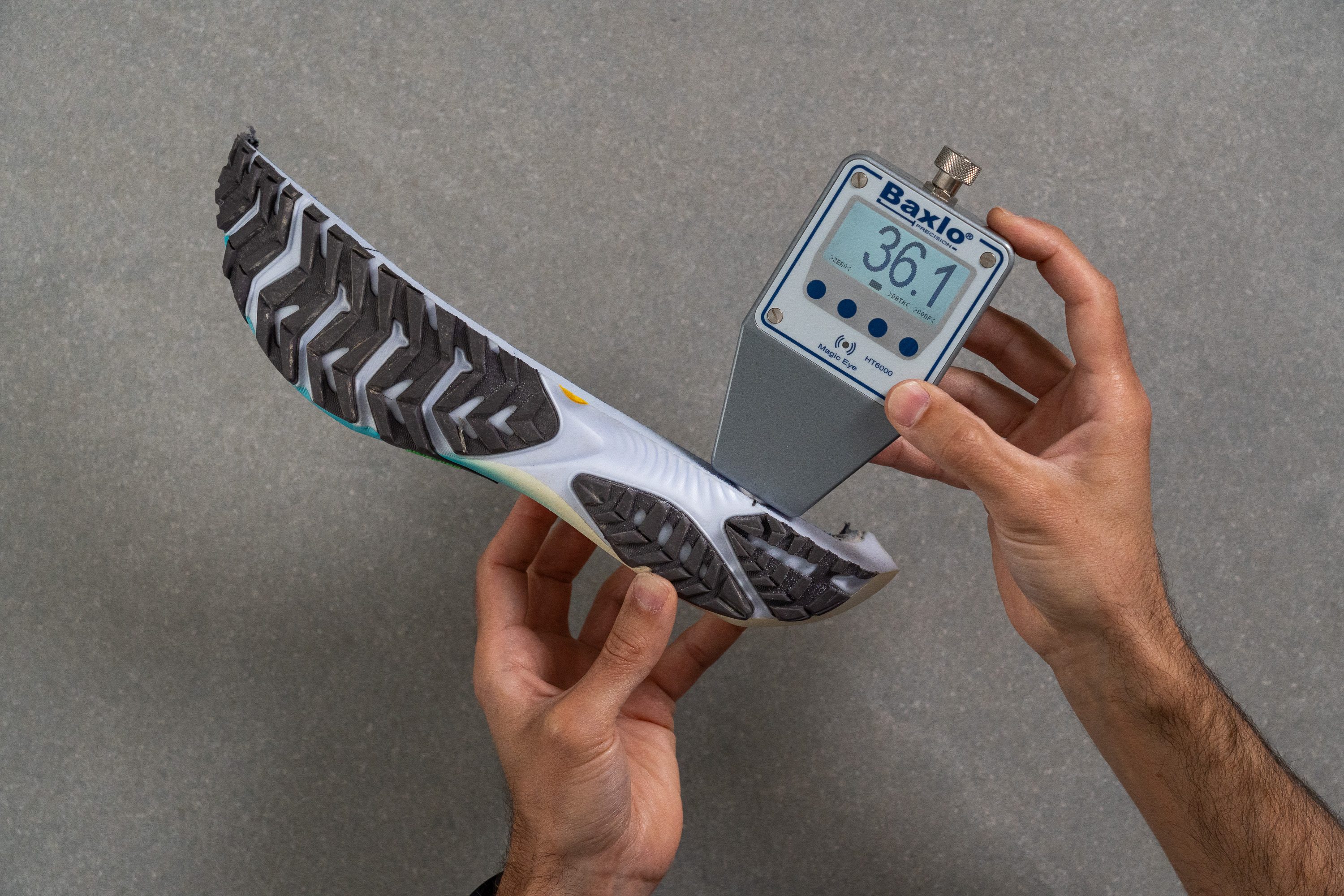
| Ghost Trail | 36.1 AC |
| Average | 38.3 AC |
Rocker
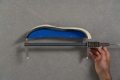
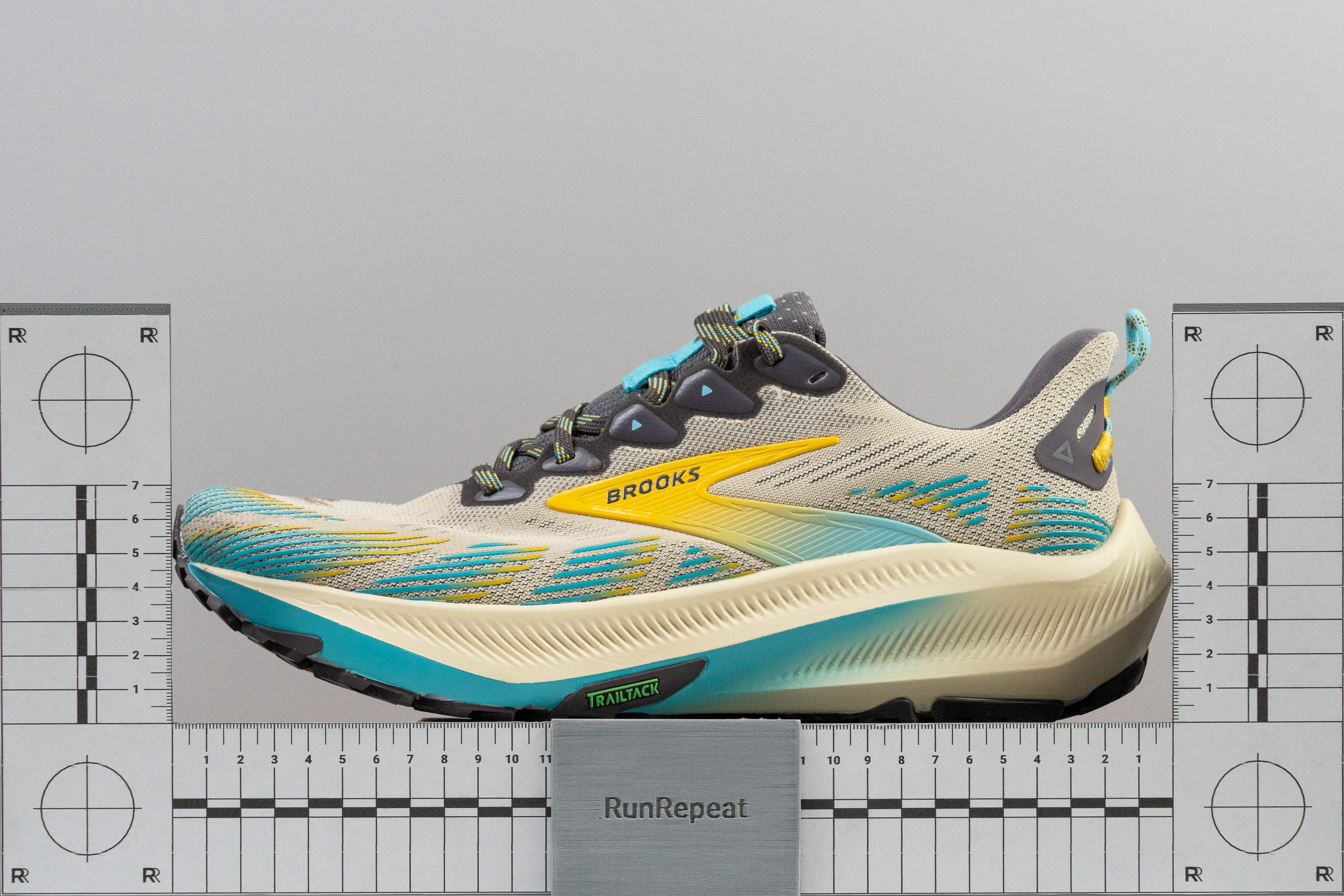
Despite being closely related to the road-focused Ghost, this Trail version features a dramatically different outsole geometry with a much more aggressive forefoot rocker. In the standard Ghost, we found that the rocker rose to just 4 cm and started remarkably late, whereas this variant begins noticeably earlier and climbs all the way to 5 cm.
It definitely caught us by surprise because brands usually keep the midsole geometry nearly identical between gravel-ready adaptations and their road counterparts. However, Brooks took a different route here, and we immediately noticed underfoot that this version delivers a more modern and less old-school ride sensation.
Size and fit
Size
Brooks Ghost Trail fits slightly large (28 votes).
Internal length
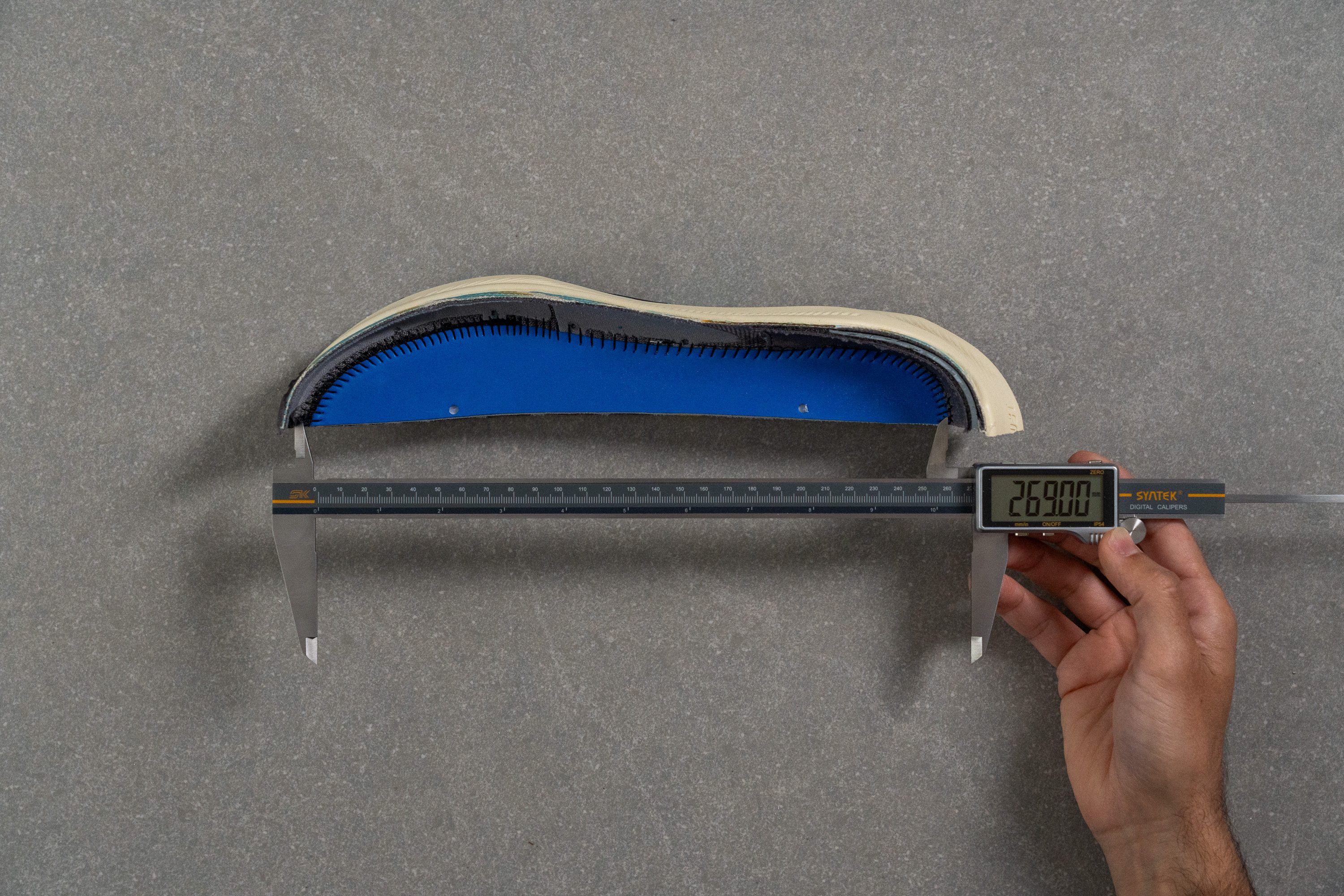
| Ghost Trail | 269.0 mm |
| Average | 269.2 mm |
Width / Fit
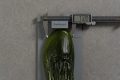
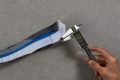
To analyse the fit of the Brooks Ghost Trail, we created a gel cast of the interior and took three precise measurements.
The first measurement revealed a width of 95.9 mm, placing the shoe almost perfectly in line with the current average of our lab.
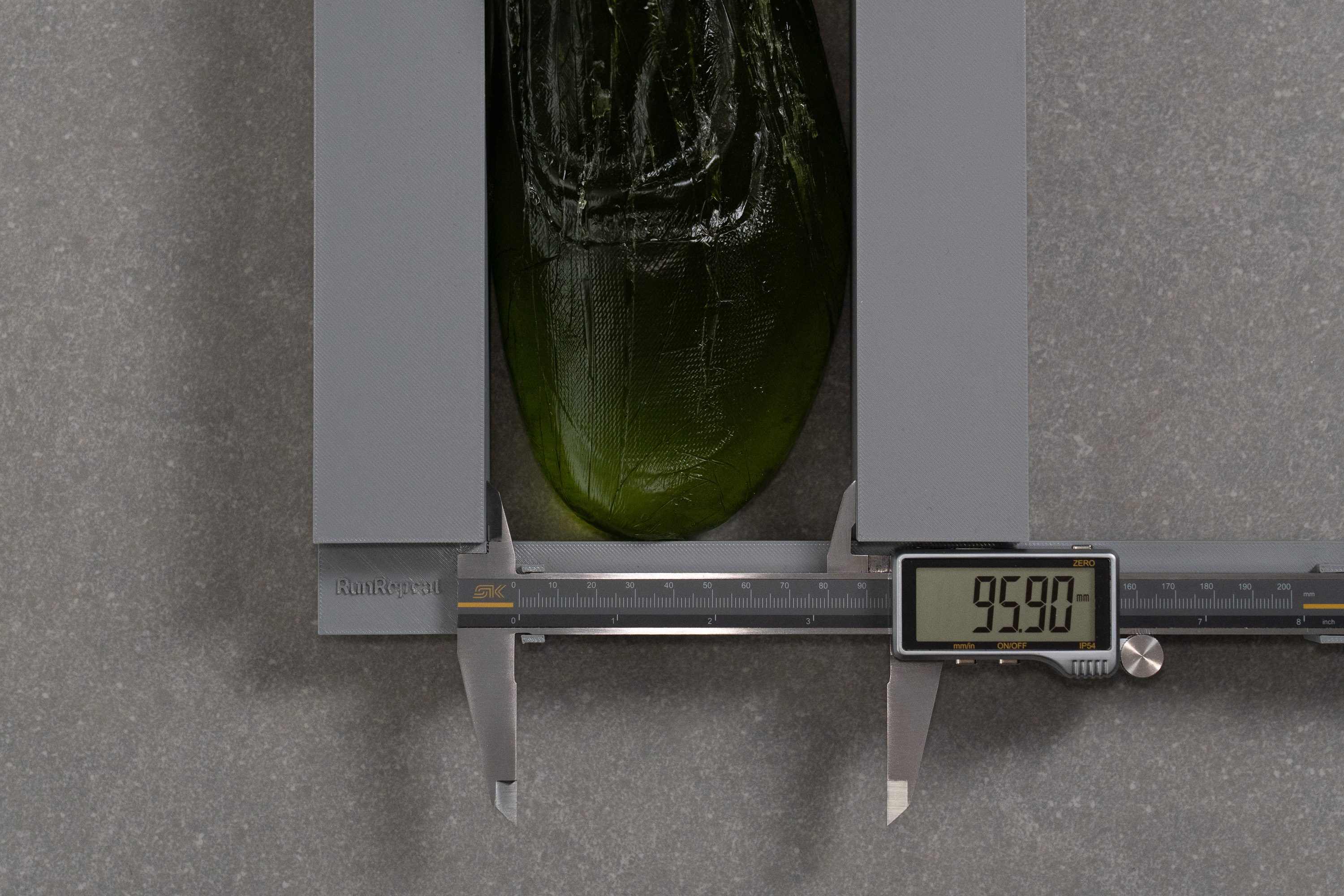
| Ghost Trail | 95.9 mm |
| Average | 95.7 mm |
Toebox width
The second measurement, taken in the toebox area, painted a different picture. At just 71.2 mm, the shoe retains the same tapered shape as the regular Ghost, making it a better match for runners who neither want nor need extra room for toe splay.
However, it’s also important to mention that Brooks offers this model in wide sizing in certain markets. While many brands barely produce wide versions at all, Brooks continues to stand out with its wide-ranging selection of fit options across multiple models, and we think they deserve credit for that.
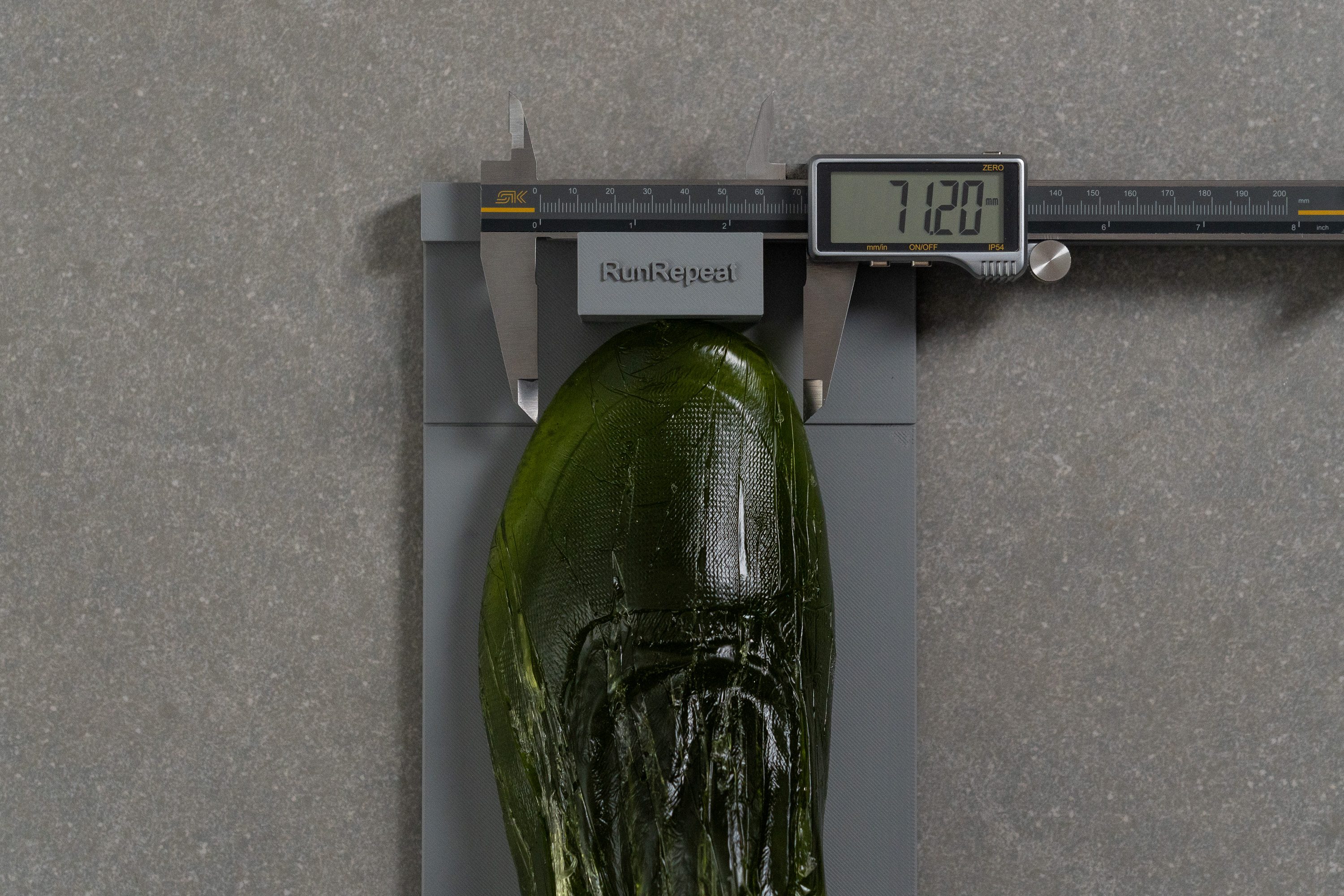
| Ghost Trail | 71.2 mm |
| Average | 74.3 mm |
Toebox height
Toebox height plays a critical role in trail shoes, as an overly tall design can create a sloppy and unstable fit, whereas a low-volume shape may generate excessive pressure on the toes.
Brooks found a nicely-balanced middle ground here with a measured toebox height of 25.5 mm.
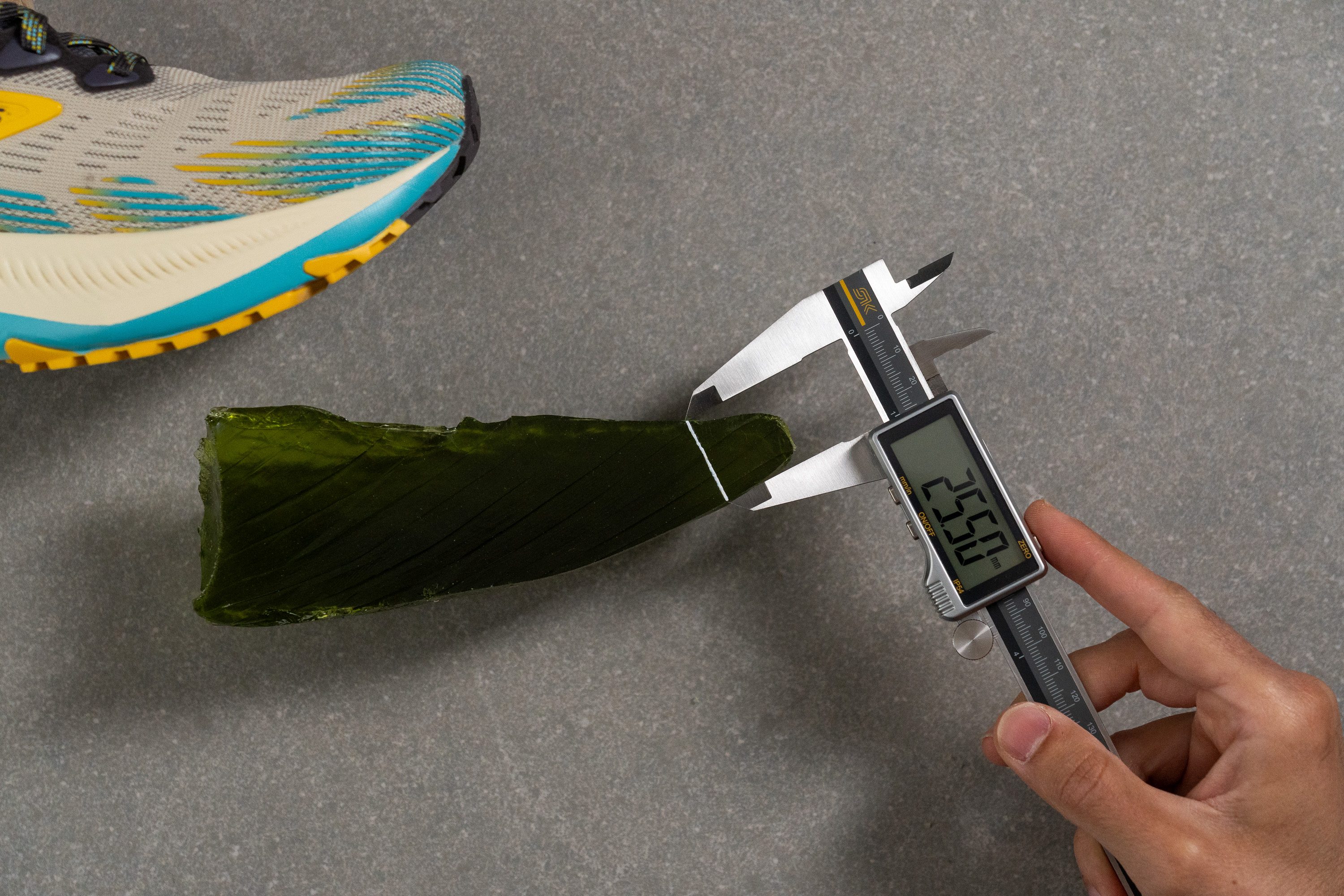
| Ghost Trail | 25.5 mm |
| Average | 26.9 mm |
Traction / Grip
Traction test
The biggest reason to choose this version over the standard Ghost is its all-terrain outsole. It performed at a good level in our traction test, achieving a strong 0.62 score on wet concrete.
That’s a slight improvement over the 0.55 recorded by the Ghost 17, and we believe it makes this shoe not only a solid choice for its intended road-to-trail purpose, but also an interesing option for super-cold and rain-soaked winter runs on asphalt.
| Ghost Trail | 0.62 |
| Average | 0.68 |
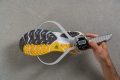
Lug depth
The Ghost Trail features an ultra-shallow lug depth of just 2.7 mm, making it a poor choice for highly-technical terrain. However, we found that it performs exceptionally well on easy off-road sections, gravel roads, and well-maintained trails.
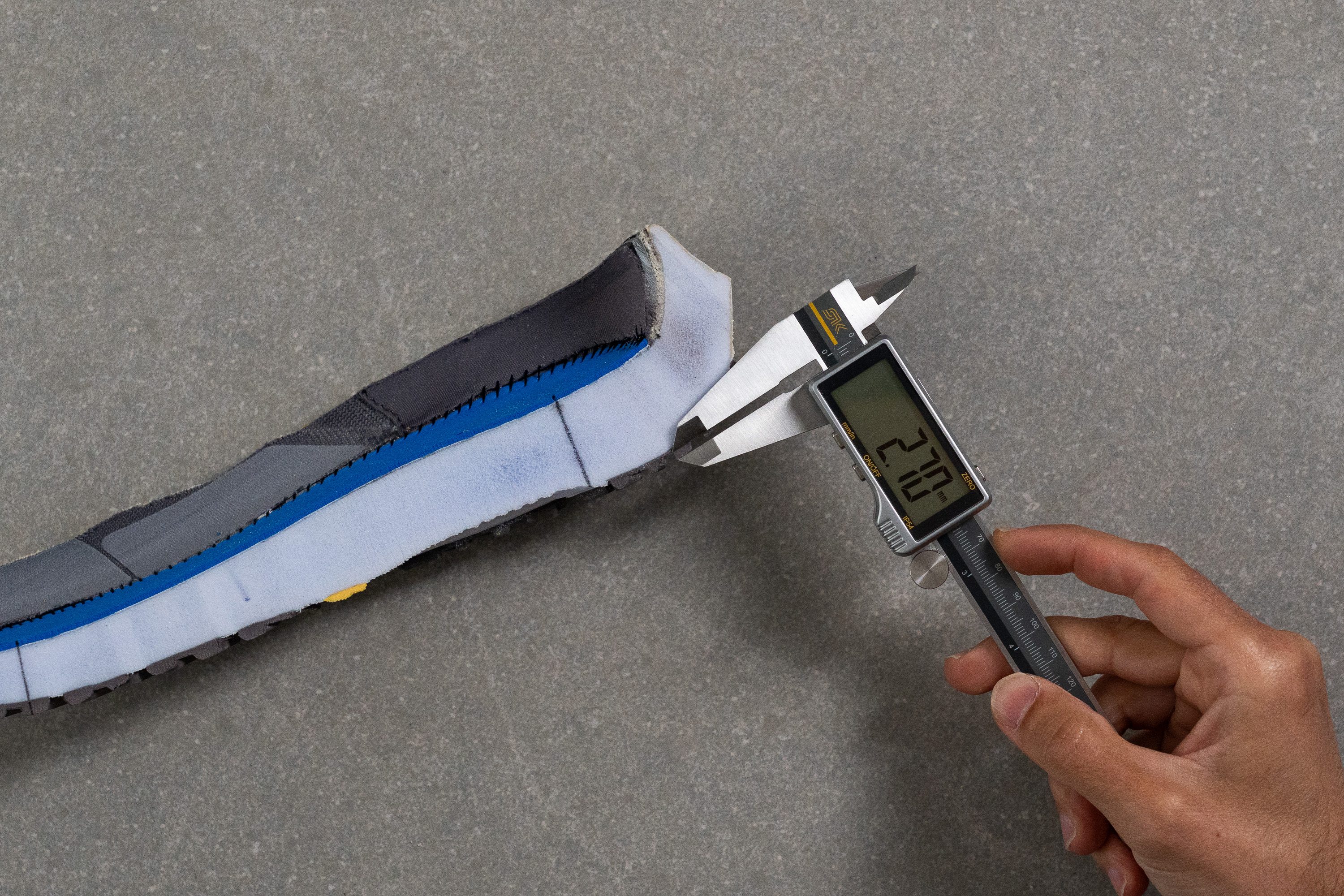
| Ghost Trail | 2.7 mm |
| Average | 3.5 mm |
Outsole design
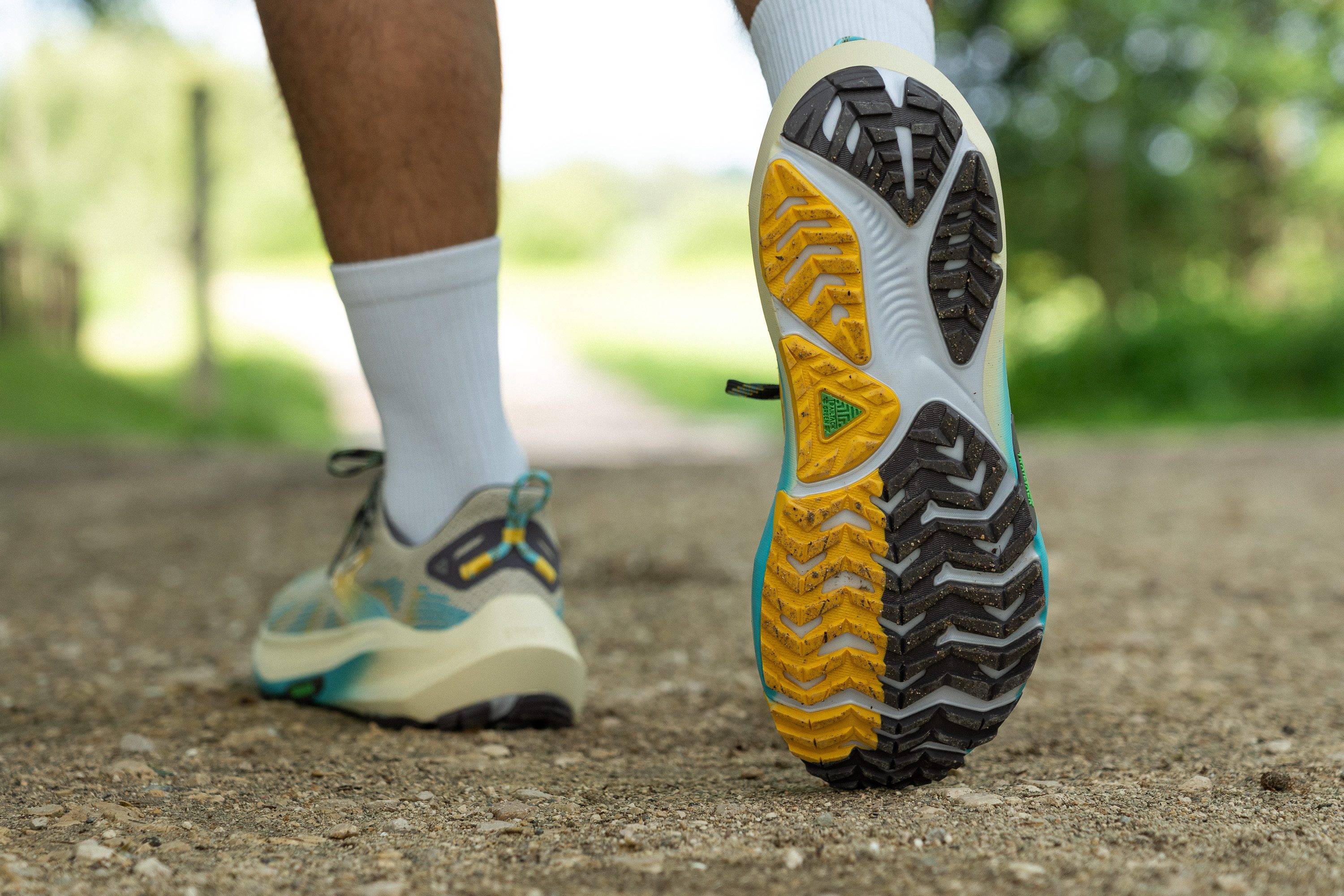
The outsole blurs the line between a road shoe and a trail design, combining rugged-looking patterns and TrailTack Green rubber with unmistakable road-inspired DNA.
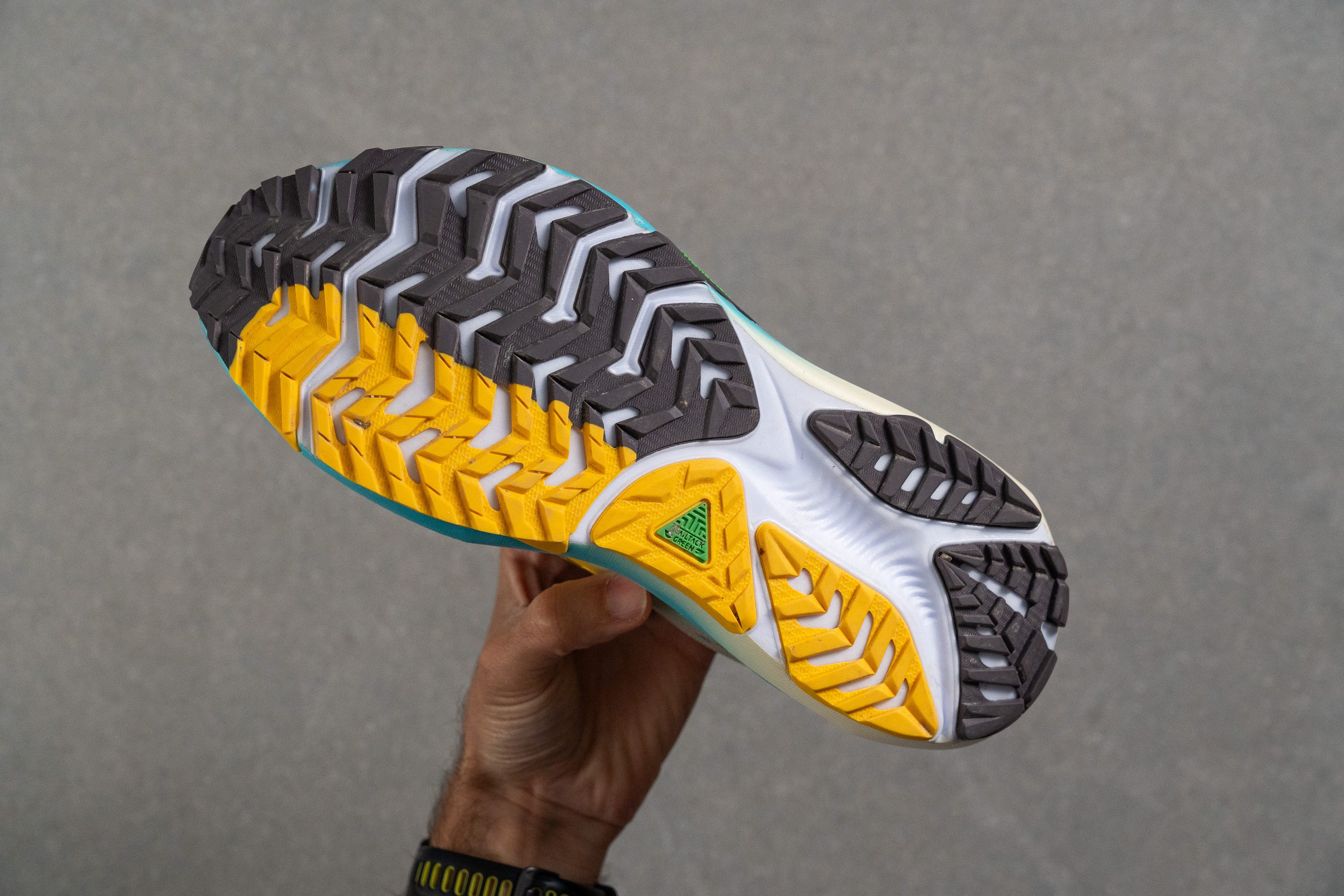
In our view, this approach works exceptionally well for the Ghost Trail, helping the shoe remain pleasantly flexible while delivering excellent grip across multiple surfaces.
Flexibility / Stiffness
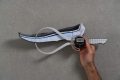
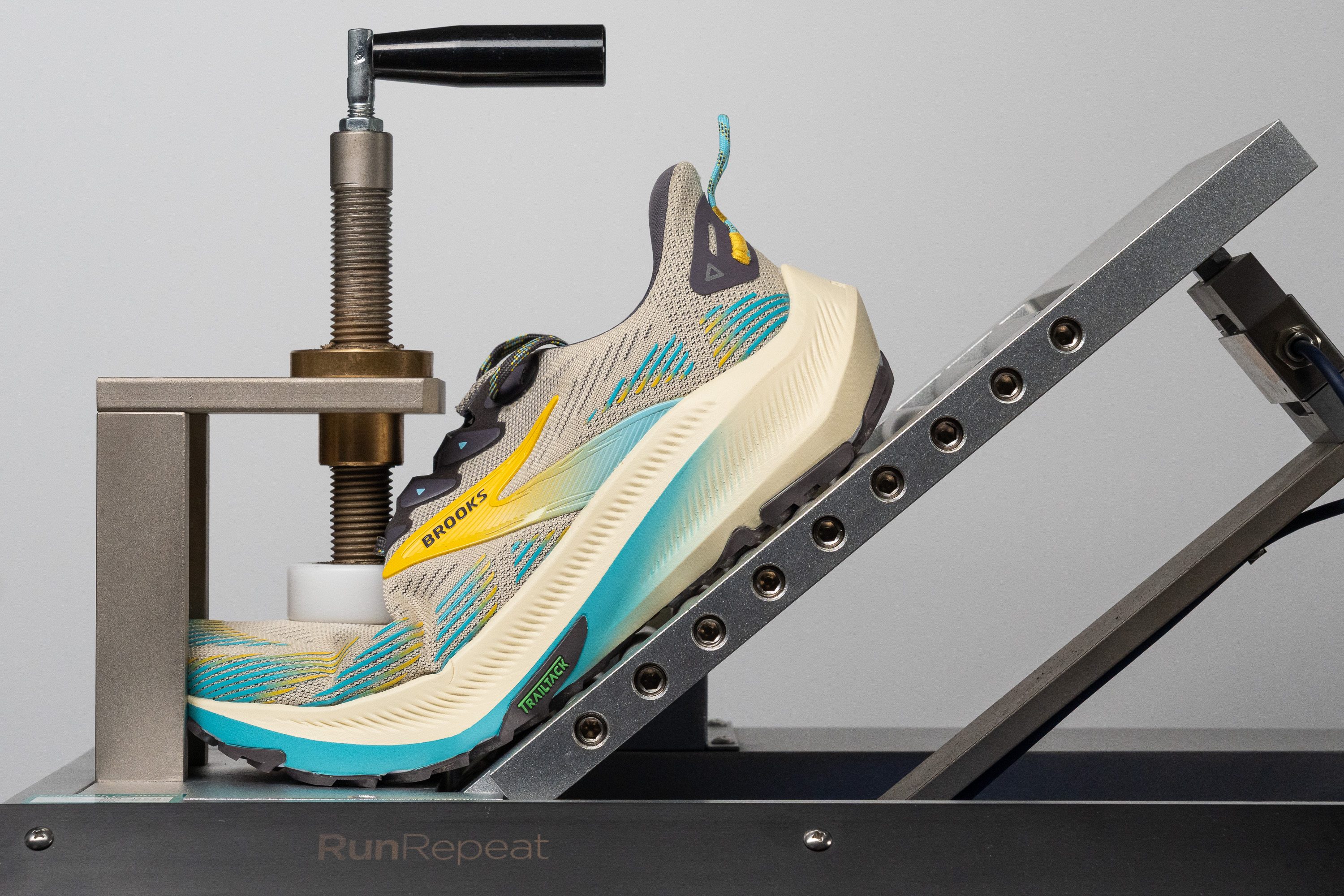
During our outsole design test, we noticed that the Brooks Ghost Trail features numerous strategically-placed horizontal cutouts aimed at preserving flexibility, and Brooks absolutely earned our seal of approval here with a below-average result of just 12.1N.
As a result, the shoe maintains a comfort-oriented feel that works especially well for all-day hikes or even casual daily wear.
| Ghost Trail | 12.1N |
| Average | 14.8N |
Weight
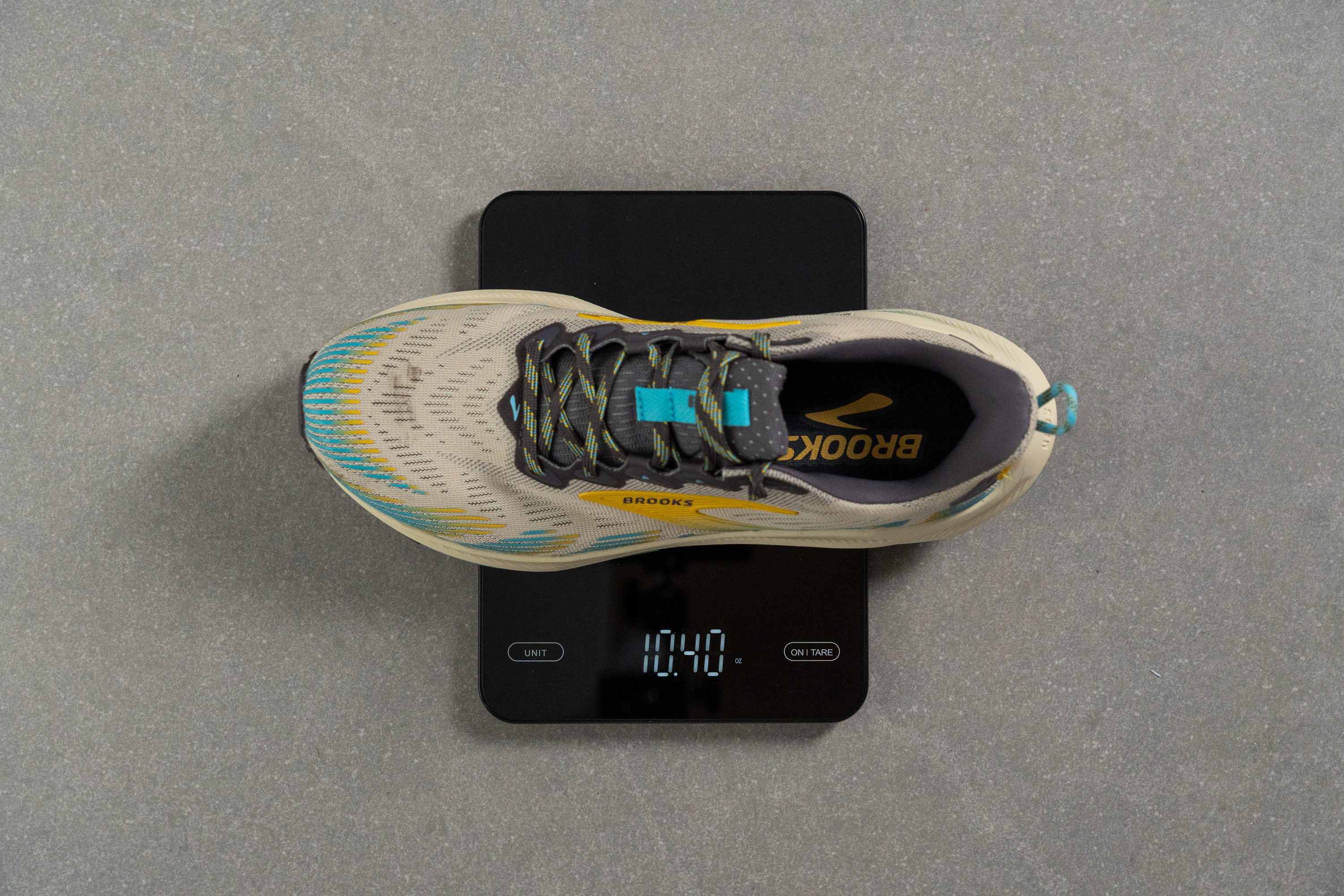
Weight is usually where most gravel-ready shoes struggle, as the rugged outsole and extra upper protection often add 10% or even 15% compared to their road-focused counterparts. However, that’s not the case here, as the Ghost Trail came in at just 10.4 oz or 295 g in our lab, only 2% heavier than the Ghost 17.
That said, this is far from a featherlight shoe, as the final number clearly shows. Still, based on the road version, we feared a much more substantial weight increase.
| Ghost Trail | 10.4 oz (295g) |
| Average | 10.1 oz (285g) |
Breathability
Breathability test
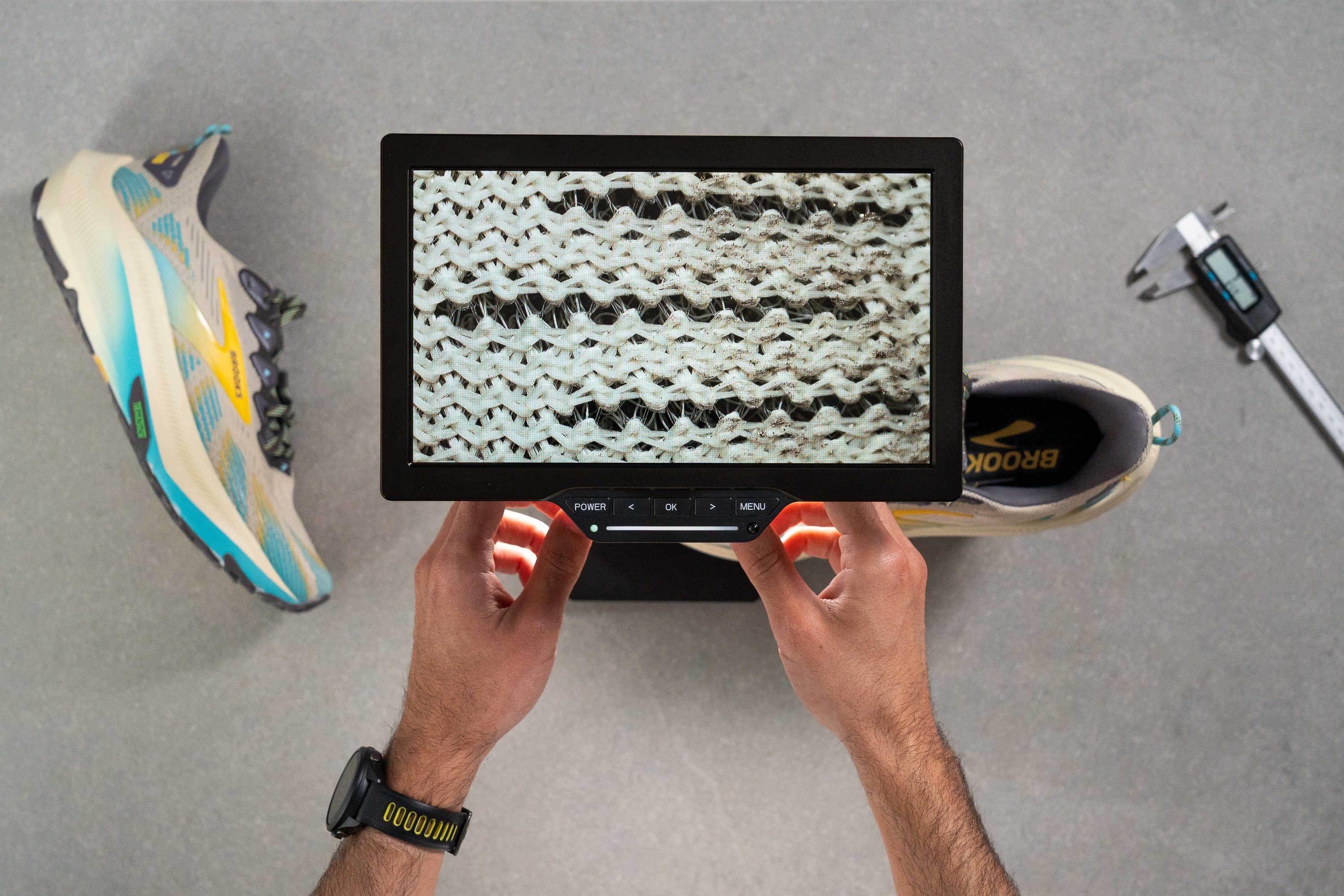
UpdatedConsidering the thick mesh used by Brooks, some runners may have concerns about breathability. However, breathability is different than airflow. It reflects how effectively a shoe pulls sweat away from the skin to help keep your feet dry and comfortable.
The Ghost Trail delivered a respectable result of 63 BR in our test. Using our heated footform, we continuously deployed artificial sweat inside the shoe for 3 hours while tracking moisture transfer with high precision. The final outcome was solid and perfectly acceptable for a trail shoe.
| Ghost Trail | 63 BR |
| Average | 71 BR |
Drying potential
NewAs we've seen in several recent Brooks models, the brand has made noticeable strides in upper quality, and the Ghost Trail continues that trend.
The Ghost Trail recorded a drying potential of 57%, meaning it was able to evaporate more than half of the moisture accumulated during the 3-hour test. That's a strong result that surpasses the current trail shoe average and should help keep the shoe from feeling overly damp during longer outings or rainy days.
| Ghost Trail | 57% |
| Average | 51% |
Stability
Lateral stability test
The Brooks Ghost Trail is clearly designed to avoid unstable sensations underfoot, and that becomes immediately noticeable during runs.
It features extra-tall midsole sidewalls alongside a broad and confidence-inspiring heel base, making it a strong option for neutral runners as well as those with small stability issues.
Torsional rigidity
With 14.1 Nm in our torsional rigidity test, the Brooks Ghost Trail strikes a balanced middle ground that keeps the ride controlled and stable without introducing the overly-rigid sensation that can make some trail shoes uncomfortable.
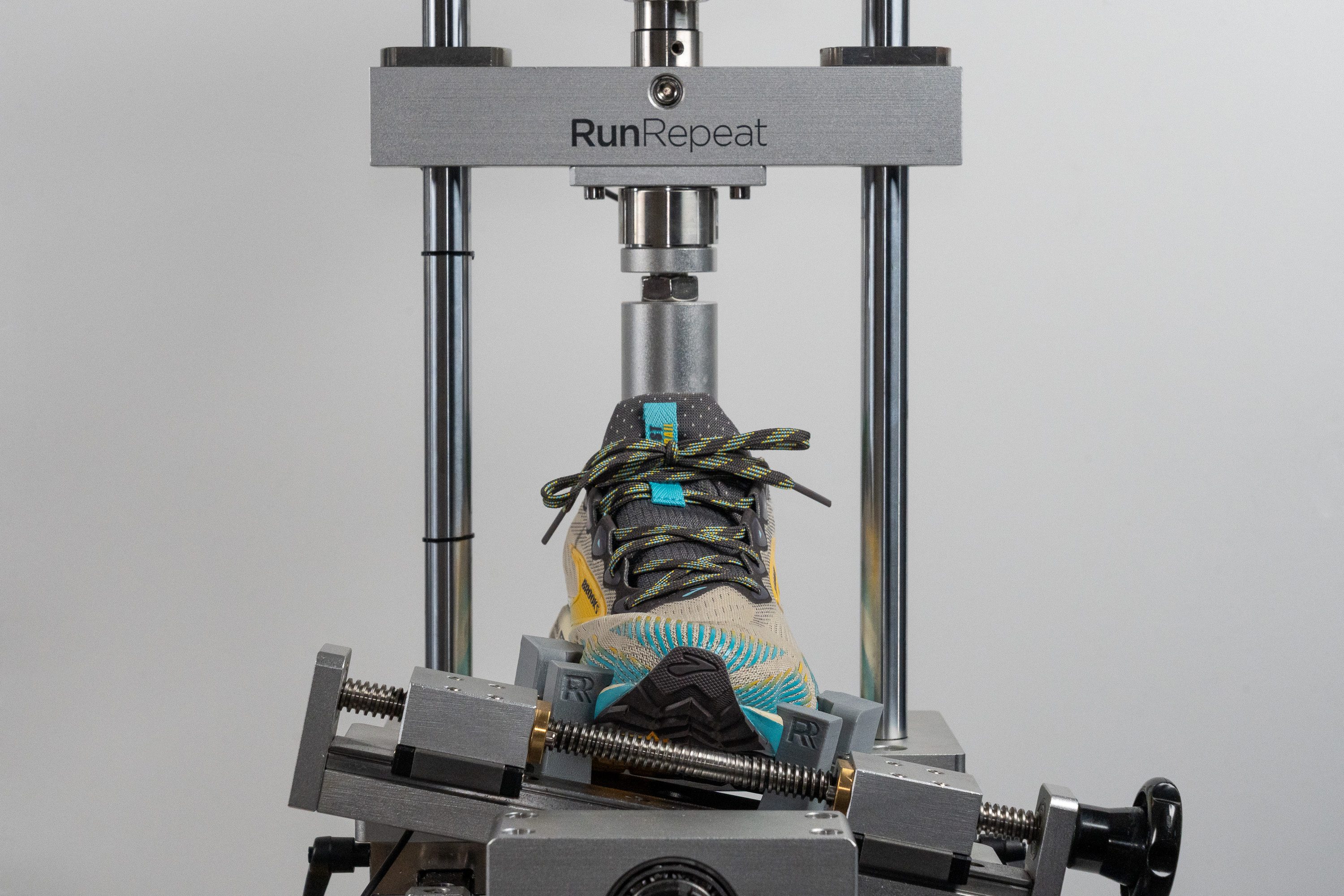
| Ghost Trail | 14.1 Nm |
| Average | 15.8 Nm |
Heel counter stiffness
Another reason why the Ghost Trail felt so stable during our runs was the heel counter, which earned a maximum 5/5 score in our manual test. That’s as rigid as it gets, yet Brooks smartly balanced this setup with generous padding around the heel area to maintain comfort.
| Ghost Trail | 5 |
| Average | 3 |
Midsole width - forefoot
With 115.7 mm of midsole width, we found a fairly average platform that works well while still helping the Ghost Trail remain agile on twisting terrain.
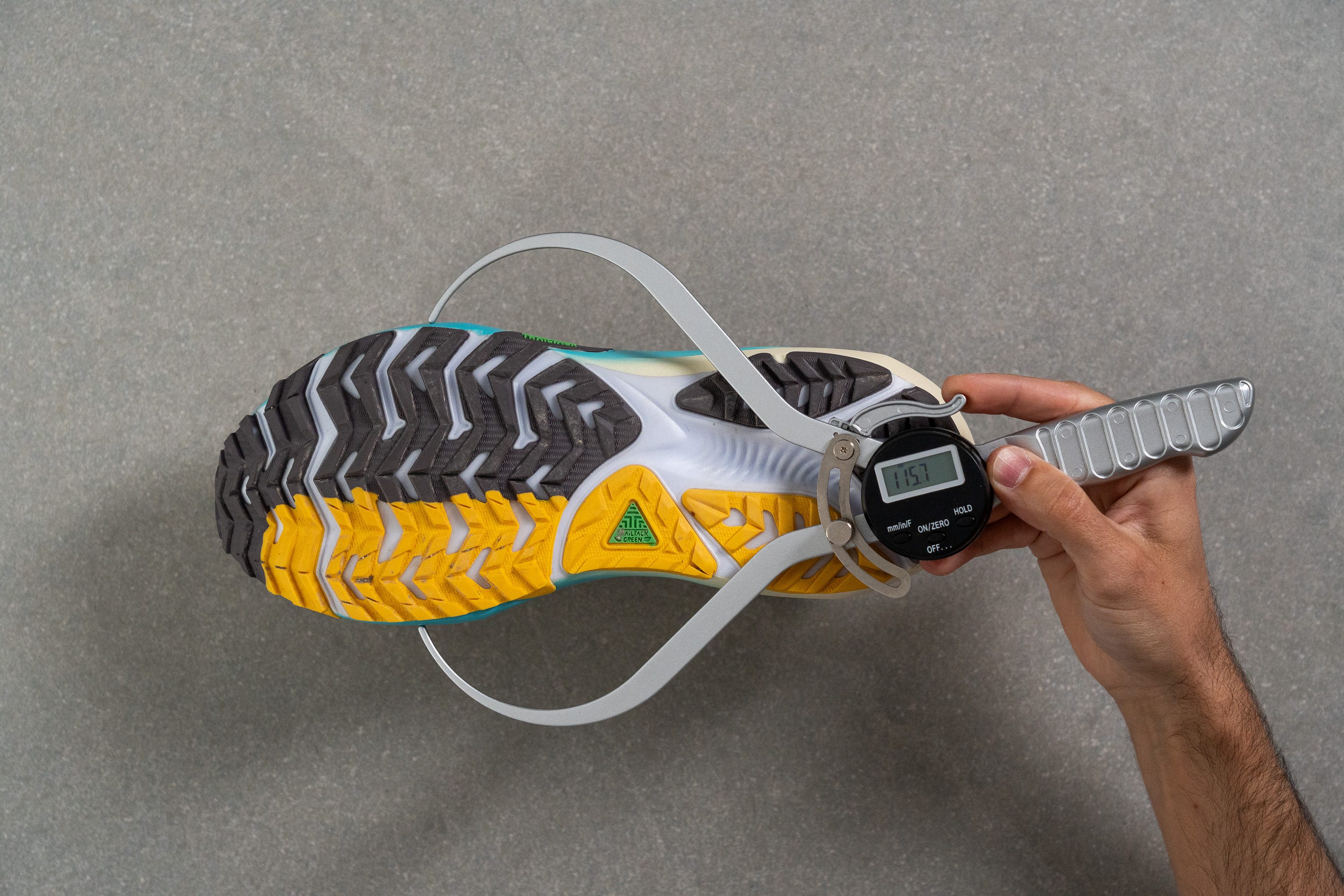
| Ghost Trail | 115.7 mm |
| Average | 114.3 mm |
Midsole width - heel
It’s clear that Brooks wanted the rear of the Ghost Trail to feel secure and stable. The high drop, rigid heel counter, and wide 96.1 mm heel platform work together to make this shoe a viable option even for runners with moderate pronation who land heel first.
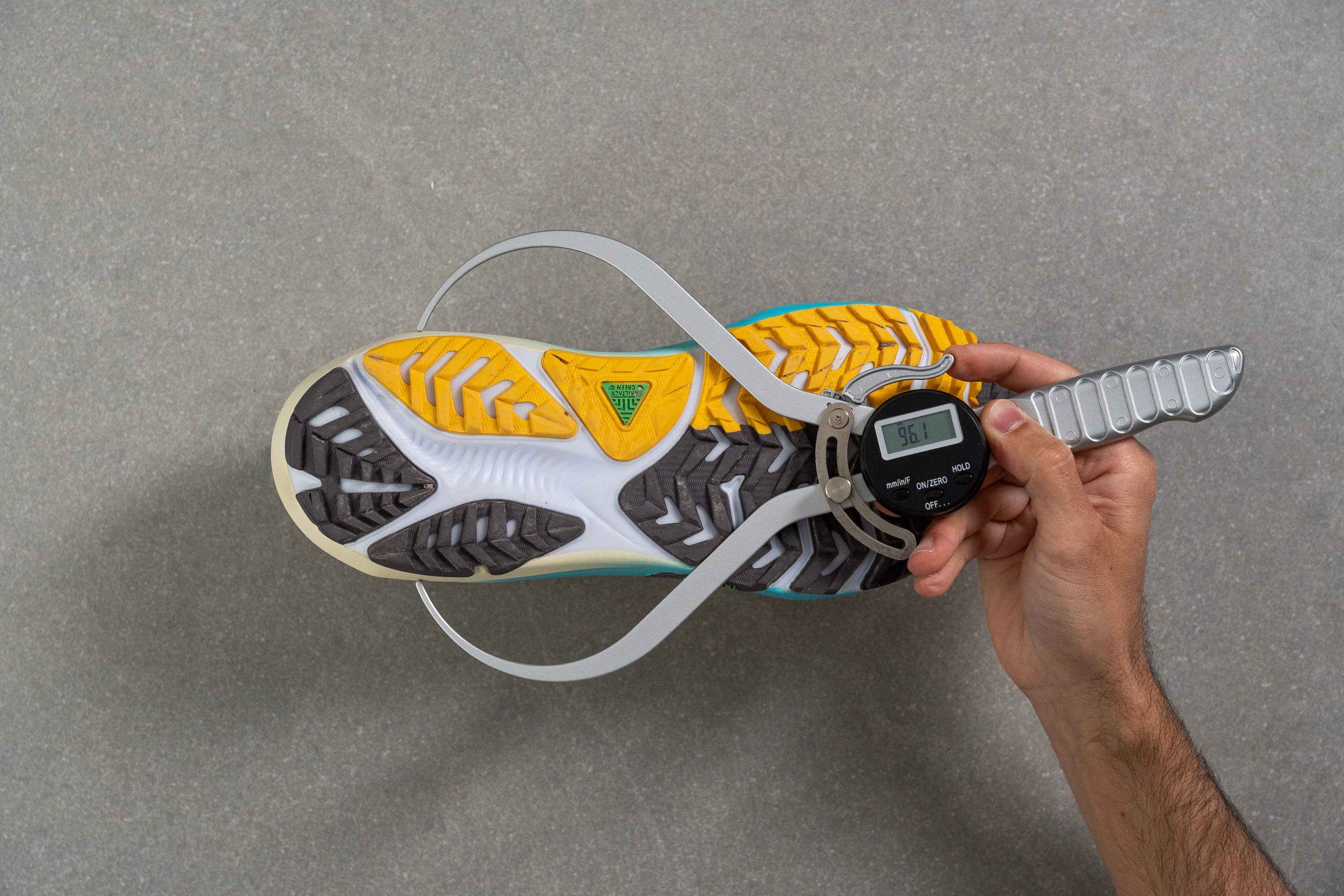
| Ghost Trail | 96.1 mm |
| Average | 90.5 mm |
Durability
Toebox durability
During our breathability assessment, we mentioned how this upper was clearly designed with durability in mind. Beyond the great-looking TPU reinforcements placed around the toe cap, the mesh itself also performed well in our Dremel test, earning a solid 3/5 score.
| Ghost Trail | 3 |
| Average | 3.1 |
Heel padding durability
The heel padding also handled our durability test impressively well, earning a strong 4/5 score that sits above the current lab average. We were especially pleased with this result, as heavily-padded heel areas often struggle to perform this well in abrasion tests.
| Ghost Trail | 4 |
| Average | 3.1 |
Outsole durability
To round out an excellent set of durability results, the TrailTack rubber proved exceptionally tough in our testing. After the Dremel test, we measured a dent of only 0.7 mm, which is an outstanding outcome.
| Ghost Trail | 0.7 mm |
| Average | 0.9 mm |
Outsole thickness
Being a road-to-trail shoe, we weren’t surprised to find a fairly thin outsole measuring just 1.1 mm. For easy terrain and mixed-surface use, we think that’s perfectly acceptable.
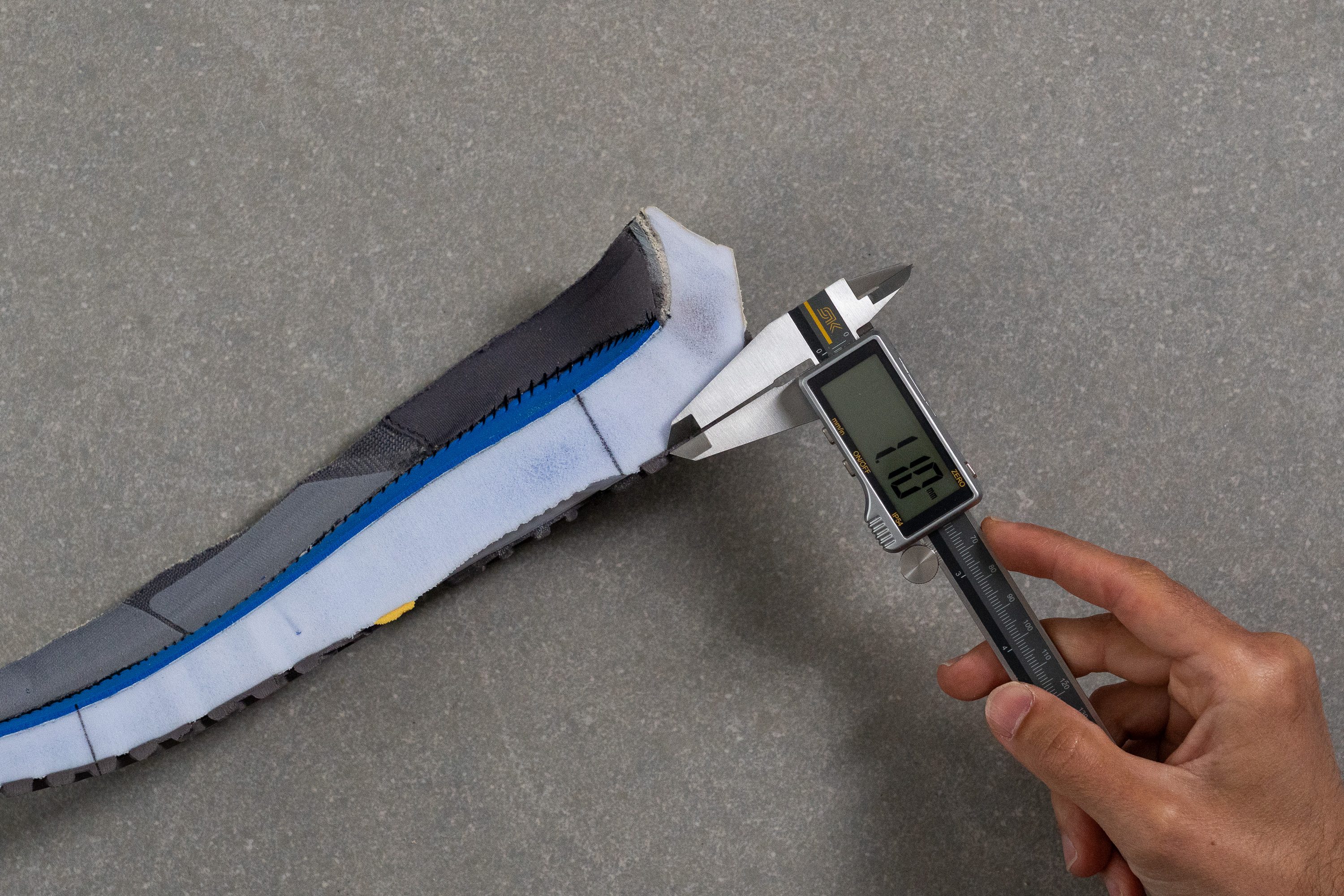
| Ghost Trail | 1.1 mm |
| Average | 1.9 mm |
Misc
Insole thickness
The insole measures 4.8 mm in thickness, landing right around the average without standing out in either direction.
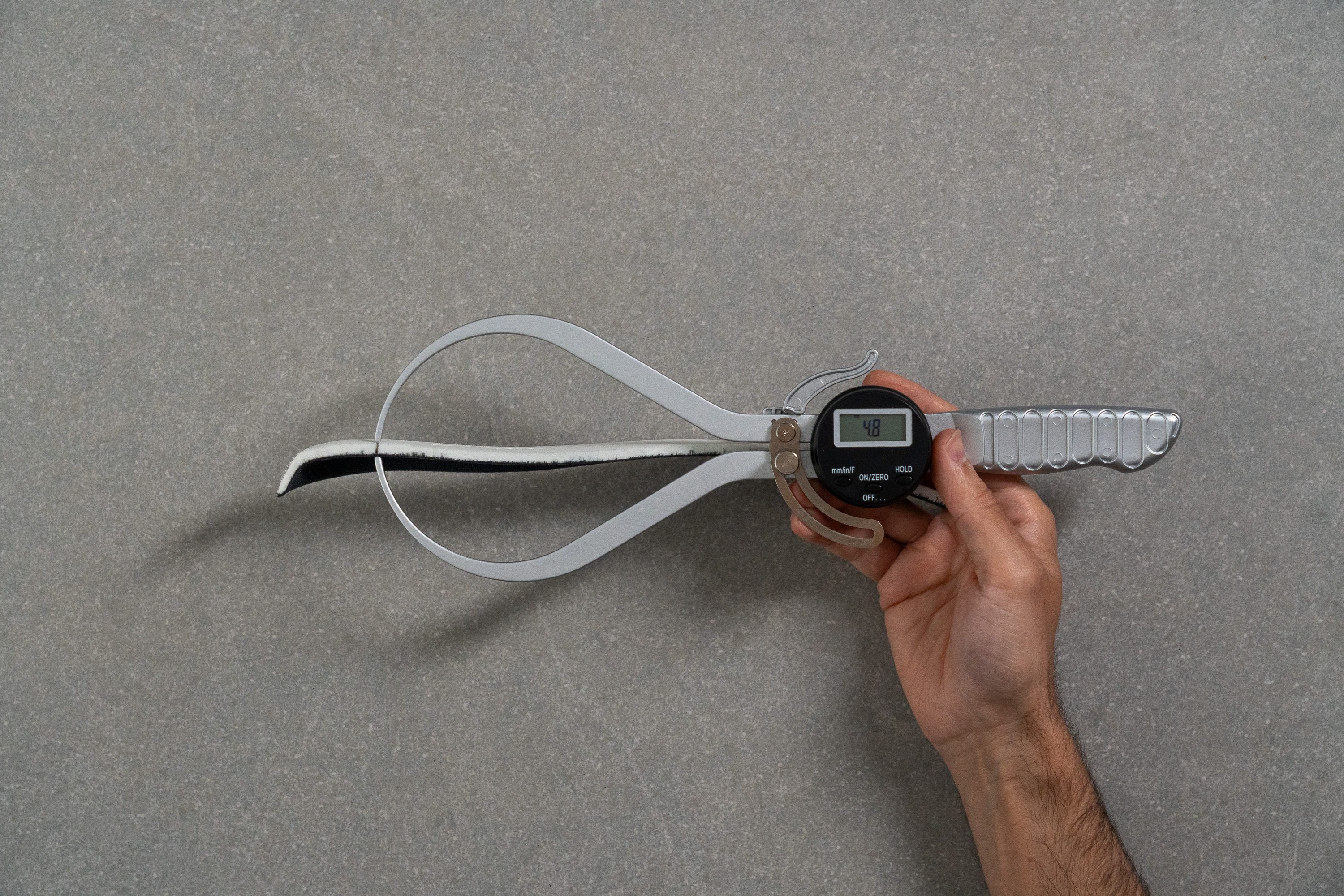
| Ghost Trail | 4.8 mm |
| Average | 4.6 mm |
Removable insole
The insole included with the Ghost Trail is fully removable, making it easy to swap for custom orthotics or aftermarket options.
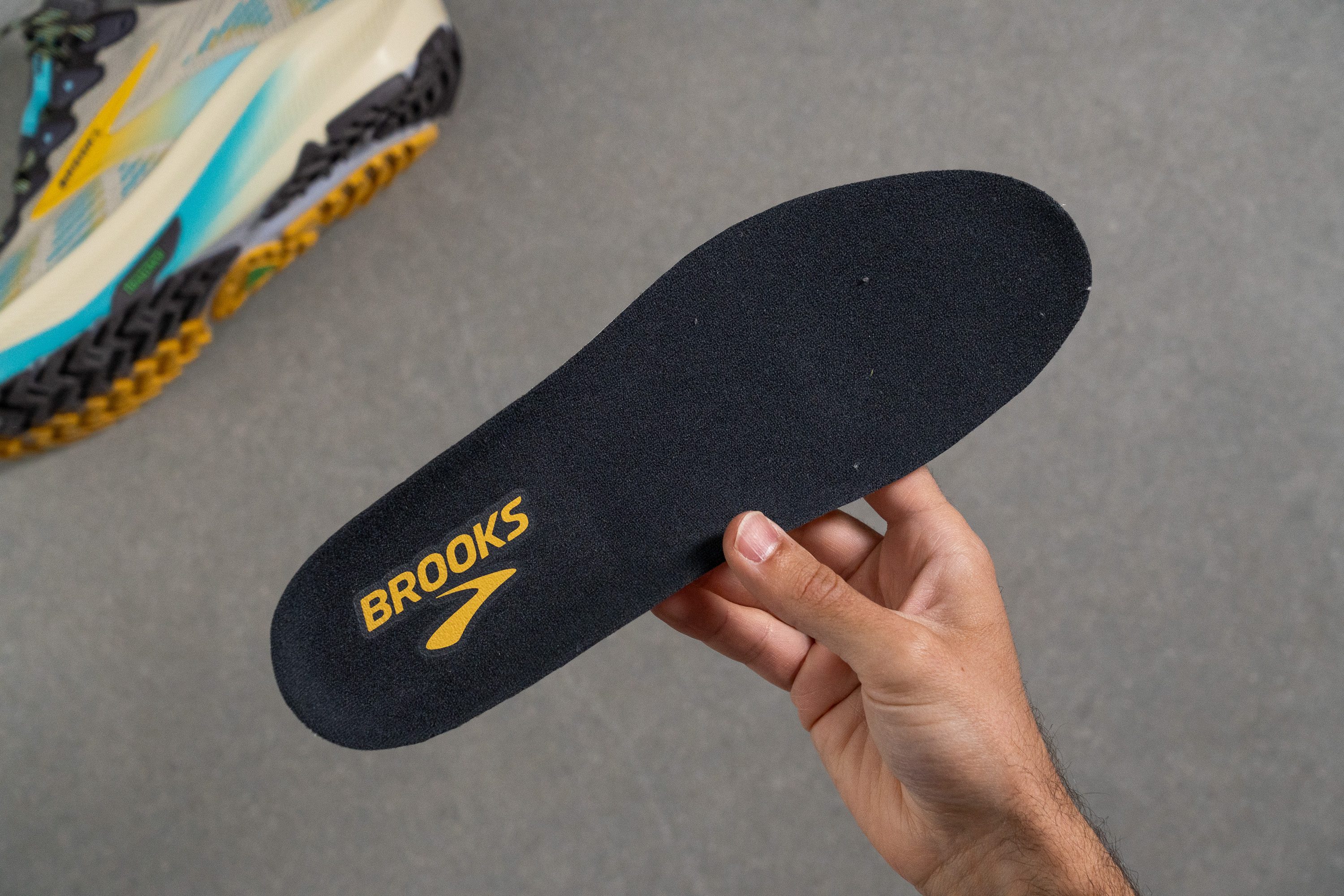
| Ghost Trail | Yes |
Reflective elements
There are no reflective elements on the Ghost Trail, and we honestly expected at least a few visibility-focused details, such as a reflective Brooks logo or some accents around the heel area. Unfortunately, Brooks skipped them entirely.
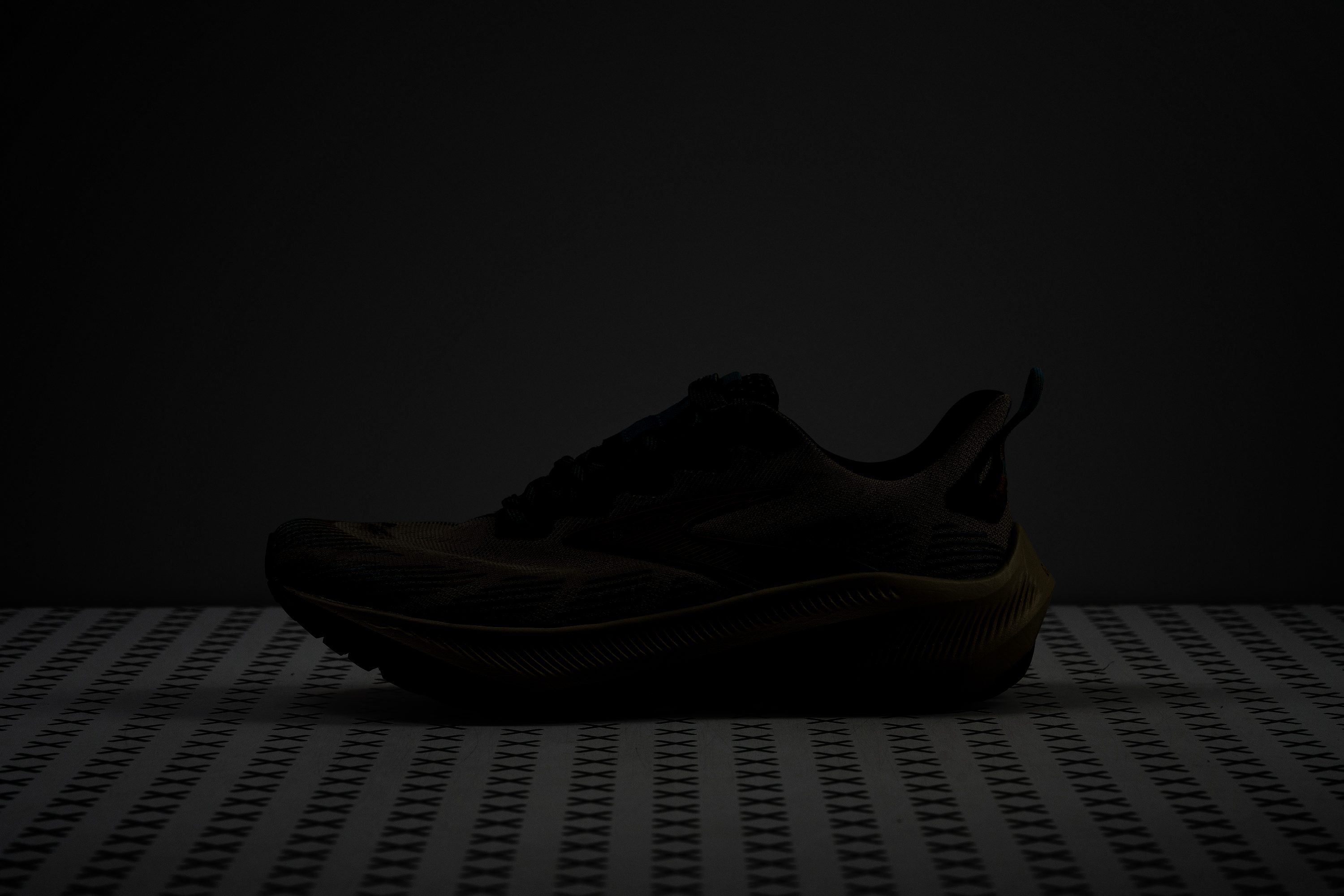
| Ghost Trail | No |
Tongue padding
We liked the lacing system of the Ghost Trail because it combines traditional punched eyelets with four lace loops that help distribute pressure more evenly across the instep. Brooks also paired this setup with trail-inspired laces that look fantastic.
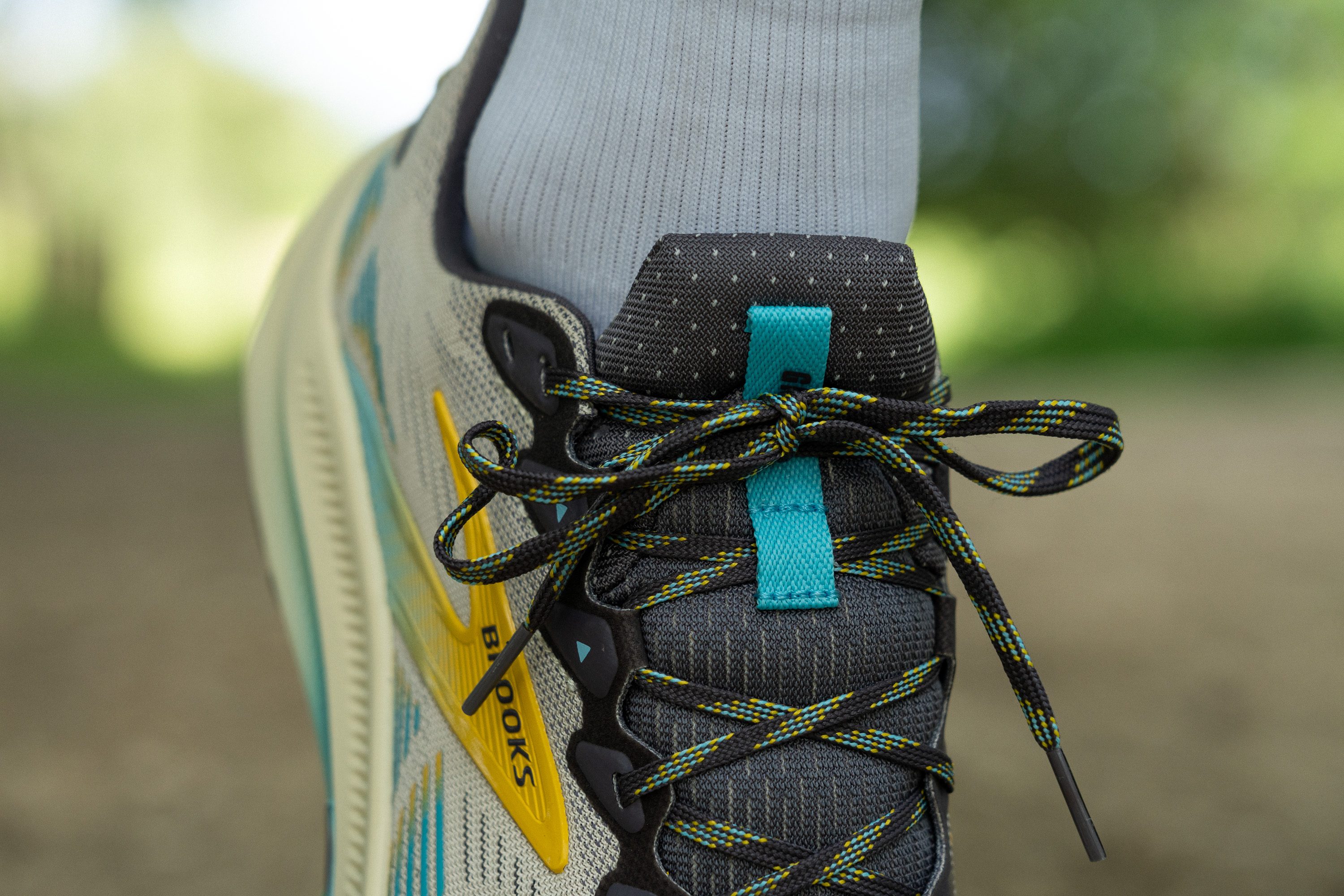
In our view, Brooks aimed to make the step-in comfort truly exceptional, and they absolutely succeeded in that sense. The 11.2-mm tongue feels incredibly plush underfoot, although it also adds some extra weight and slightly reduces ventilation in this area.
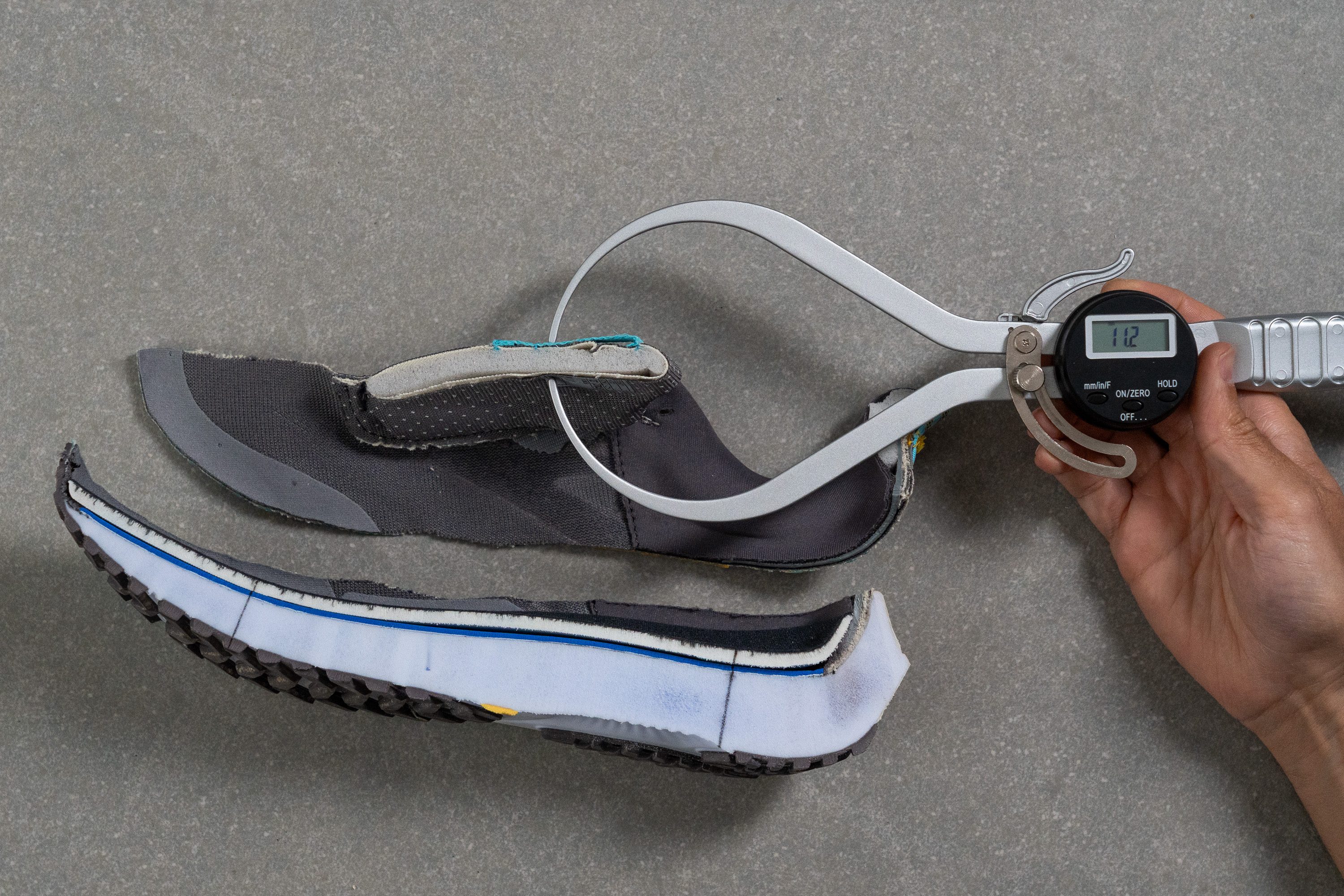
| Ghost Trail | 11.2 mm |
| Average | 6.4 mm |
Tongue: gusset type
One of the few letdowns we found in the Ghost Trail appears here. Despite featuring an ultra-thick tongue that stays securely in place without shifting side to side, we still believe that a gusseted design would have been the smarter choice, especially for improving protection against debris and small rocks on the trail.
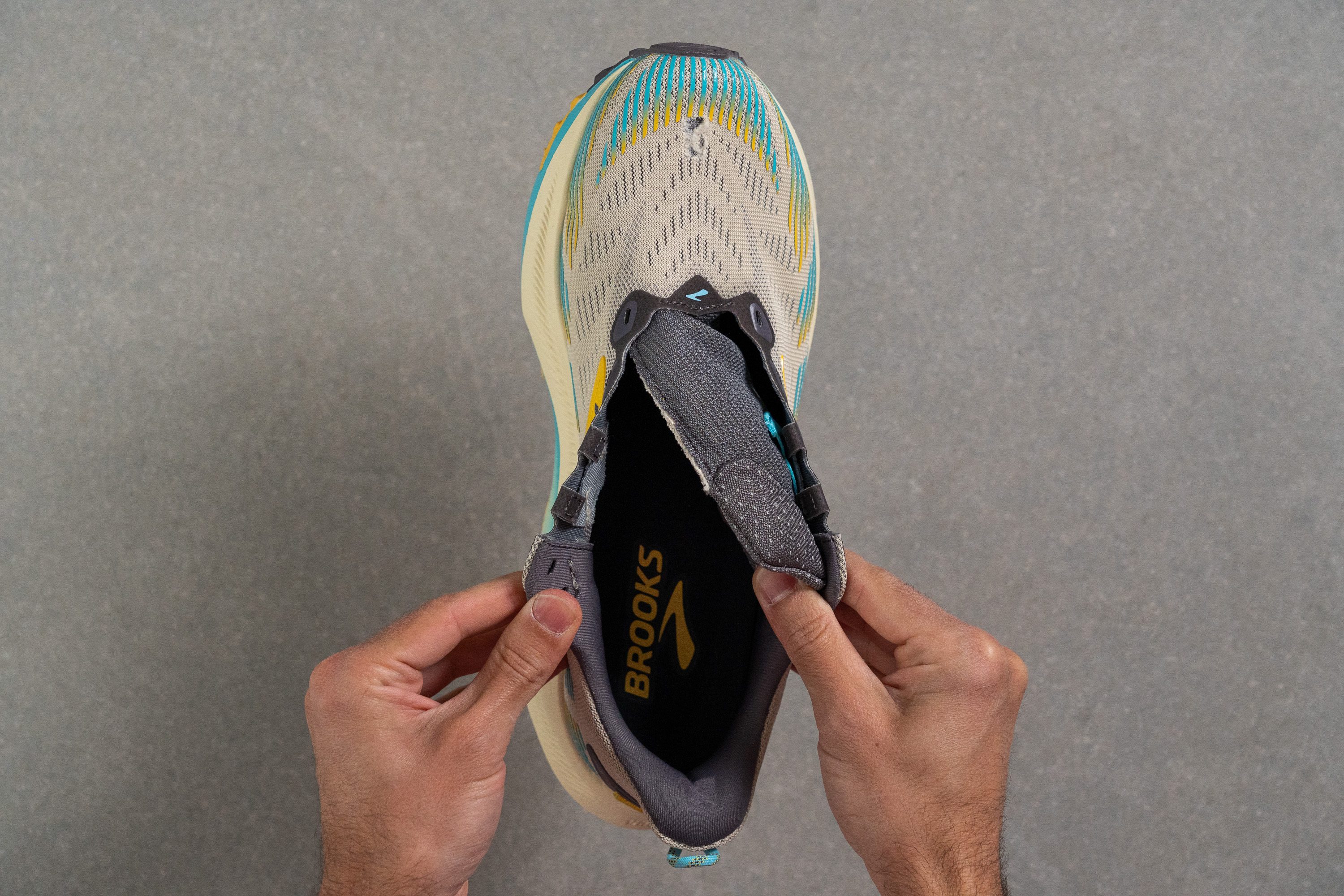
| Ghost Trail | None |
Heel tab
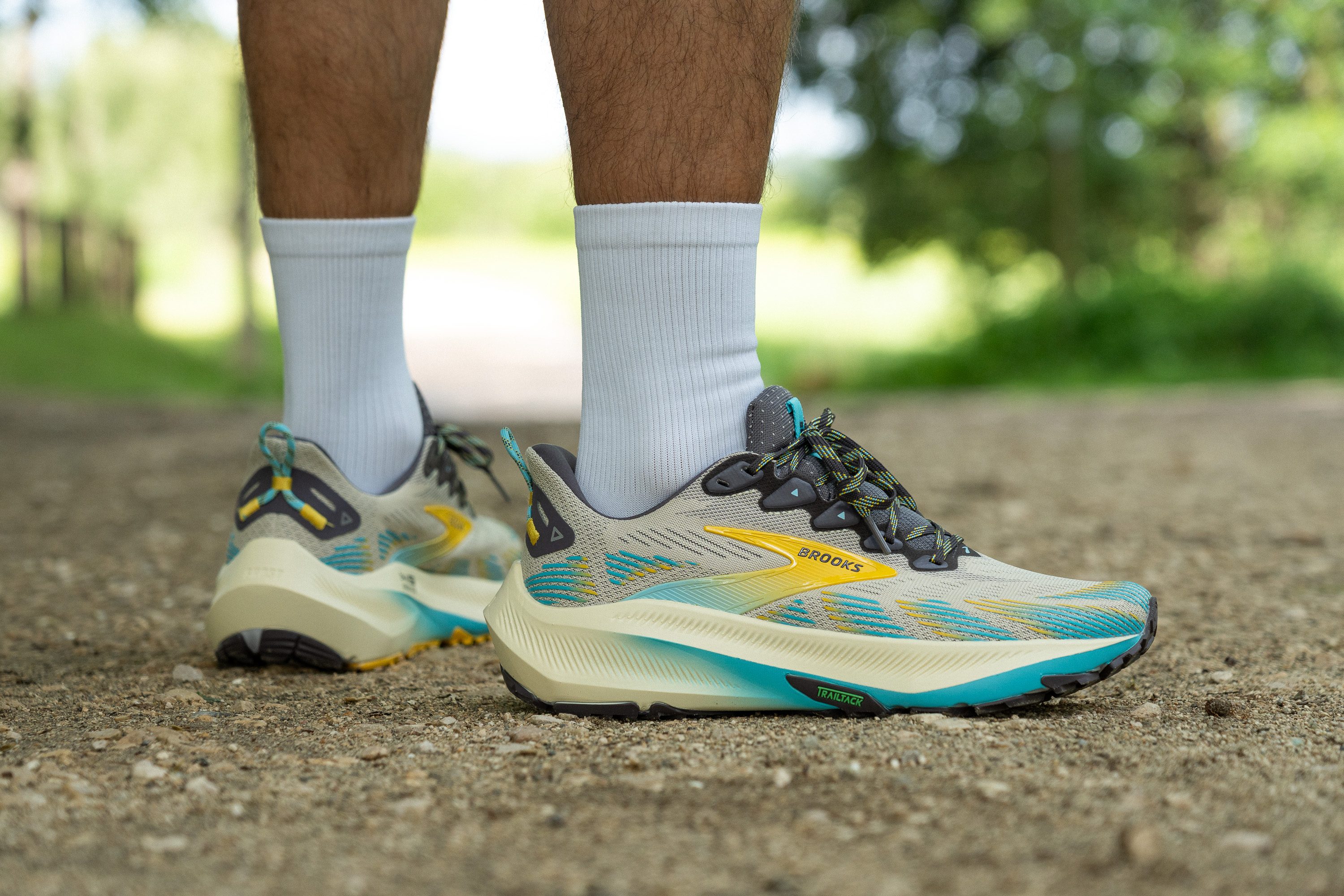
The Brooks Ghost Trail features one of the coolest finger-loop heel tabs we’ve seen this year.
We think that it adds a fresh outdoors-inspired touch that feels both functional and genuinely unique compared to the usual generic pull tabs found in most trail running shoes.
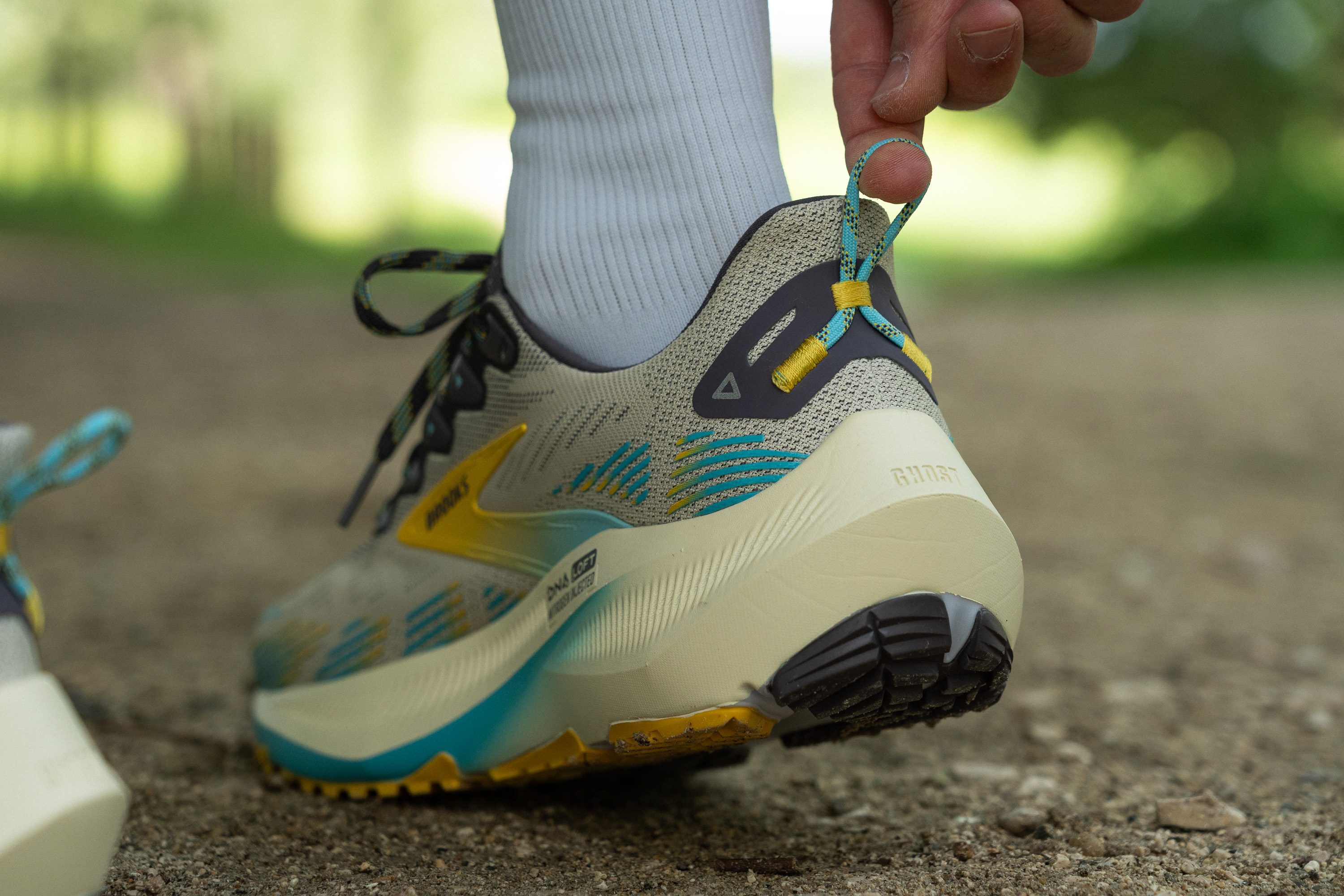
| Ghost Trail | Finger loop |