





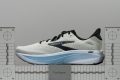



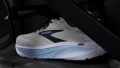

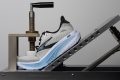
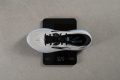


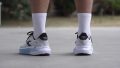









Our verdict
- Daily running 86
- Tempo 48
- Race 33
- Stability 84
Pros
- Excellent for heel strikers
- Familiar ride loved by Ghost fans
- Ideal for beginners or casual runners
- Everyday-ready comfort
- Keeps the same price
- New knit tongue is a real upgrade
- Flexible feel
- Multi-width availability for different foot shapes
- Rock-solid outsole durability
Cons
- Needs a foam upgrade
- Feels heavy
- Tapered toebox may bother some feet
- Non-gusseted tongue
Awards
- Top pick in best Brooks walking shoes
- Top 23% in road running shoes
- Top 14% in Brooks running shoes
- Top 4% most popular running shoes
Comparison
The most similar running shoes compared
+ + Add a shoe | |||||
|---|---|---|---|---|---|
| Our score | 86 Great | 90 Superb | 80 Good | 85 Great | |
| Price | £130 | £130 | £135 | £150 | |
| Pace | Daily running | Daily runningTempo | Daily running | Daily running | |
| Shock absorption | High | High | High | High | |
| Energy return | Moderate | High | Moderate | Moderate | |
| Traction | High | High | High | High | |
| Arch support | Neutral | Neutral | Neutral | Neutral | |
| Weight lab Weight brand | 10.2 oz / 289g 10.2 oz / 289g | 7.9 oz / 224g 8.5 oz / 241g | 10.1 oz / 286g 10.5 oz / 297g | 10.7 oz / 303g 10.7 oz / 303g | |
| Lightweight | ✗ | ✓ | ✗ | ✗ | |
| Drop lab Drop brand | 12.2 mm 10.0 mm | 9.4 mm 5.0 mm | 14.0 mm 10.0 mm | 8.2 mm 8.0 mm | |
| Strike pattern | Heel | HeelMid/forefoot | Heel | HeelMid/forefoot | |
| Size | True to size | Slightly small | True to size | Slightly small | |
| Midsole softness | Balanced | Balanced | Balanced | Soft | |
| Difference in midsole softness in cold | Small | Small | Small | Normal | |
| Toebox durability | Decent | Decent | Bad | Decent | |
| Heel padding durability | Good | Good | Good | Good | |
| Outsole durability | Good | Decent | Good | Good | |
| Breathability | Moderate | Moderate | Moderate | Moderate | |
| Width / fit | Medium | Narrow | Medium | Medium | |
| Toebox width | Narrow | Medium | Medium | Medium | |
| Stiffness | Moderate | Moderate | Moderate | Moderate | |
| Torsional rigidity | Flexible | Moderate | Flexible | Moderate | |
| Heel counter stiffness | Stiff | Stiff | Stiff | Stiff | |
| Rocker | ✗ | ✓ | ✗ | ✓ | |
| Heel lab Heel brand | 37.3 mm 36.0 mm | 35.6 mm 37.0 mm | 36.0 mm 37.0 mm | 37.2 mm 38.0 mm | |
| Forefoot lab Forefoot brand | 25.1 mm 26.0 mm | 26.2 mm 32.0 mm | 22.0 mm 27.0 mm | 29.0 mm 30.0 mm | |
| Widths available | NarrowNormalWideX-Wide | NormalWide | NormalWide | NormalWideX-Wide | |
| Orthotic friendly | ✓ | ✓ | ✓ | ✓ | |
| Season | All seasons | All seasons | All seasons | All seasons | |
| Removable insole | ✓ | ✓ | ✓ | ✓ | |
| Ranking | #81 Top 21% | #32 Top 8% | #219 Bottom 45% | #104 Top 26% | |
| Popularity | #16 Top 4% | #32 Top 8% | #26 Top 7% | #12 Top 3% |



Who should buy
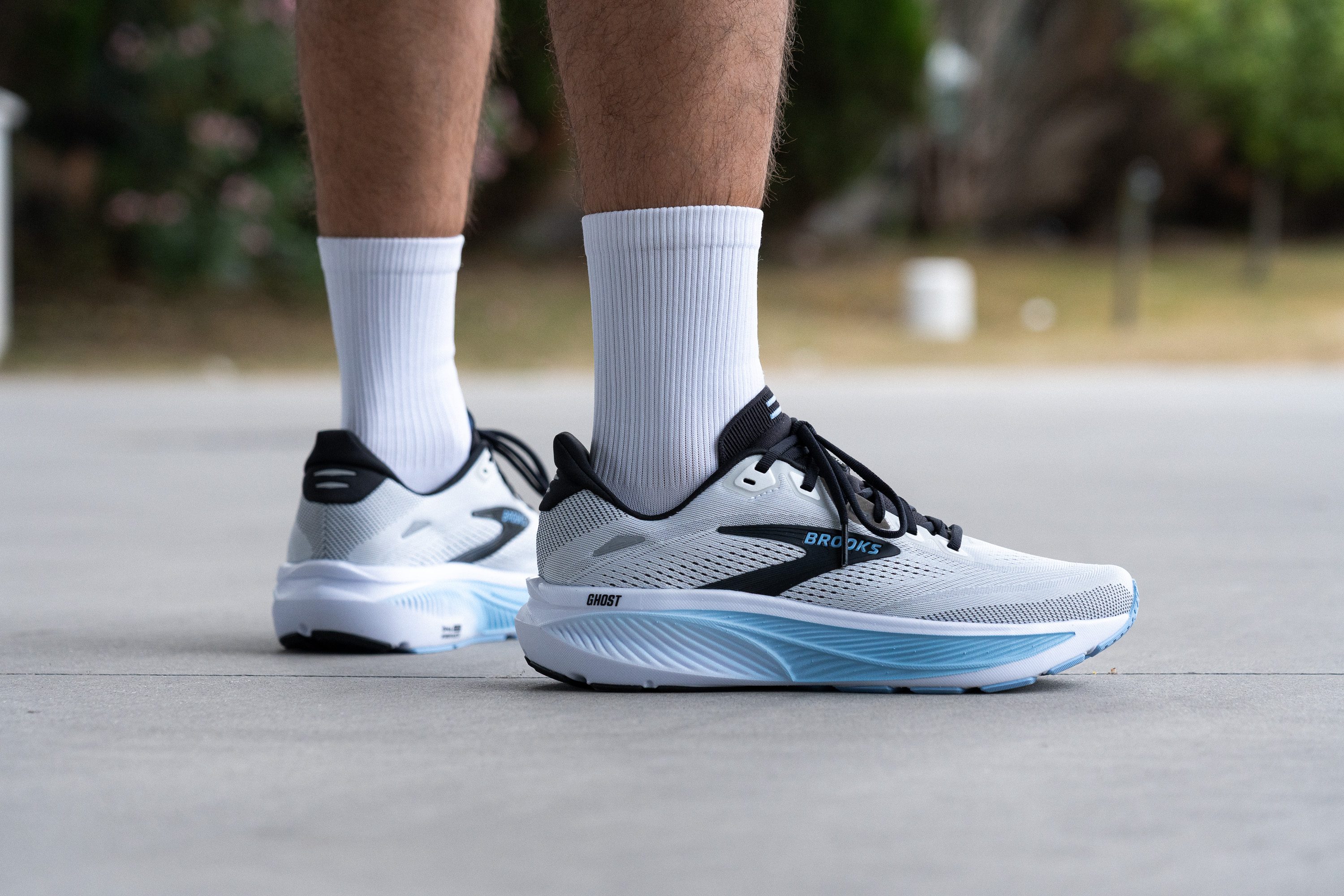
The Brooks Ghost 18 is a great match for:
- Long-time Ghost fans who want the same familiar ride, fit, and overall experience they've enjoyed for years.
- Heel strikers looking for a comfortable and easy-to-run-in daily trainer with proven durability and a stable feel.
- Casual runners who want one shoe for running, walking, travel, and everyday wear.
Who should NOT buy
We think that runners looking for a bouncy and energetic ride will be disappointed by the Ghost 18. Brooks still uses the same DNA Loft v3 foam, and we found in the lab that it delivers below-average rebound. If you want a daily trainer that feels more lively and responsive, we believe the PUMA Velocity Nitro 4 is a better choice.
We also do not recommend the Ghost 18 for runners who want the highest level of cushioning possible. In our view, the Ghost Max 3 is the obvious pick inside Brooks, while the Nike Vomero 18 is another excellent alternative.
Cushioning
Shock absorption
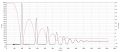
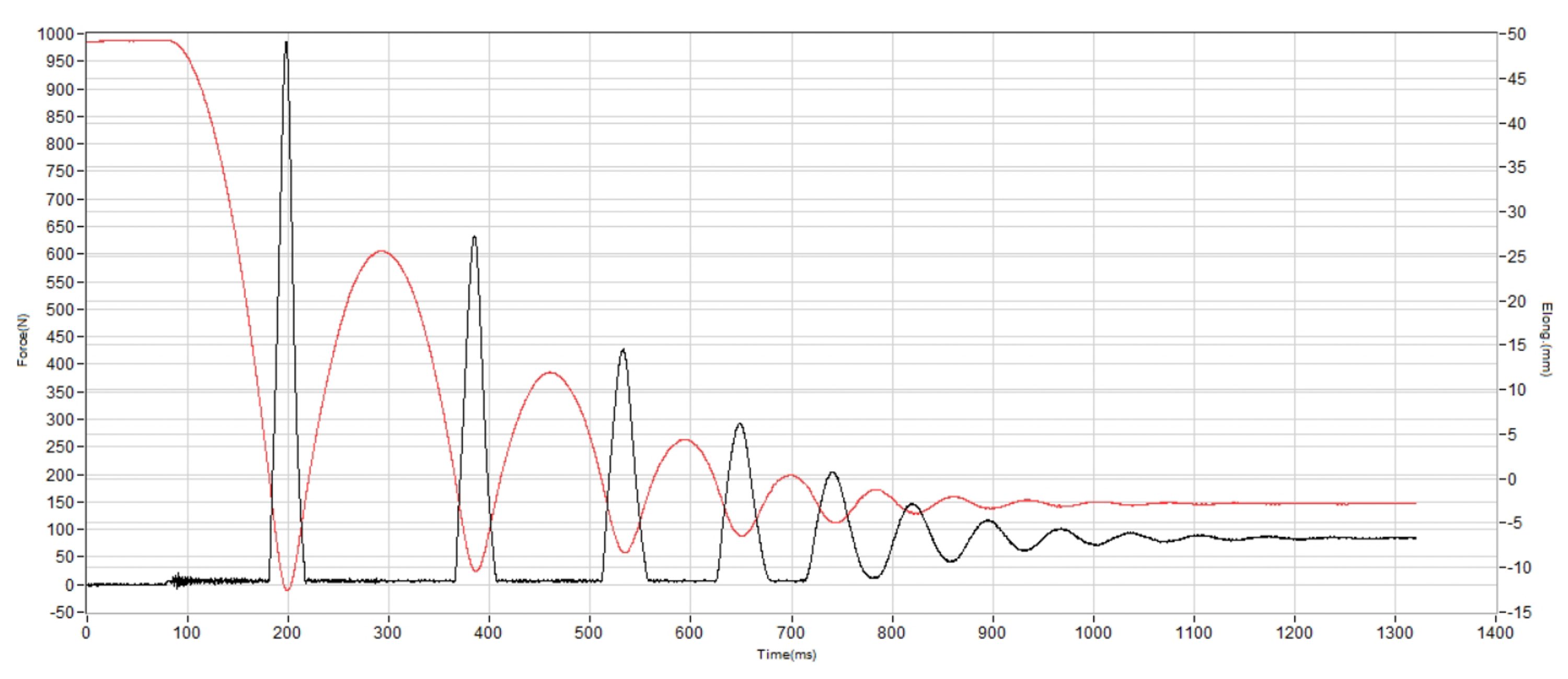
We found that the Ghost 18's impact protection varies noticeably based on footstrike pattern, which came as no surprise given that we observed the same behaviour in the Ghost 17. Its high-drop geometry concentrates a greater share of foam under the heel.
Our lab measurements backed this up, recording 135 SA in the heel compared to 101 SA in the forefoot.
| Ghost 18 | 135 SA |
| Average | 131 SA |
Energy return
The Ghost 18 retains the same DNA Loft v3 midsole found in its predecessor. Therefore, runners hoping for a major underfoot upgrade to better challenge the latest generation of daily trainers may come away disappointed.
In our testing, DNA Loft v3 delivered only moderate energy return, reaching 52.4% in the heel and 58.1% in the forefoot. We think that's fine for easy miles and everyday training, but runners seeking a more lively, versatile shoe will find stronger options in other brands.
| Ghost 18 | 58.1% |
| Average | 61.5% |
Heel stack
The Ghost 18 keeps following a trend we've seen for several generations now, adding a little more stack height with each update.
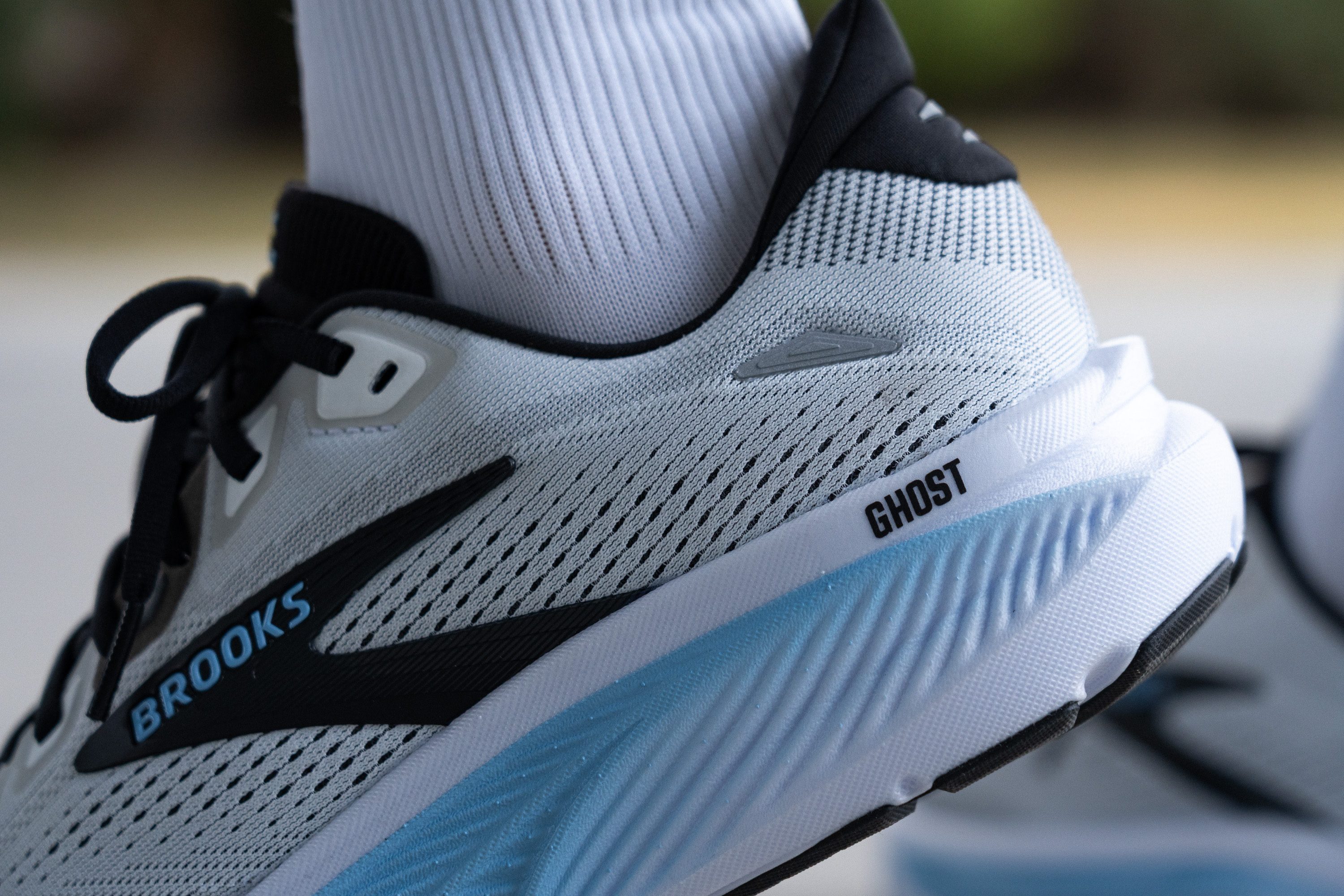
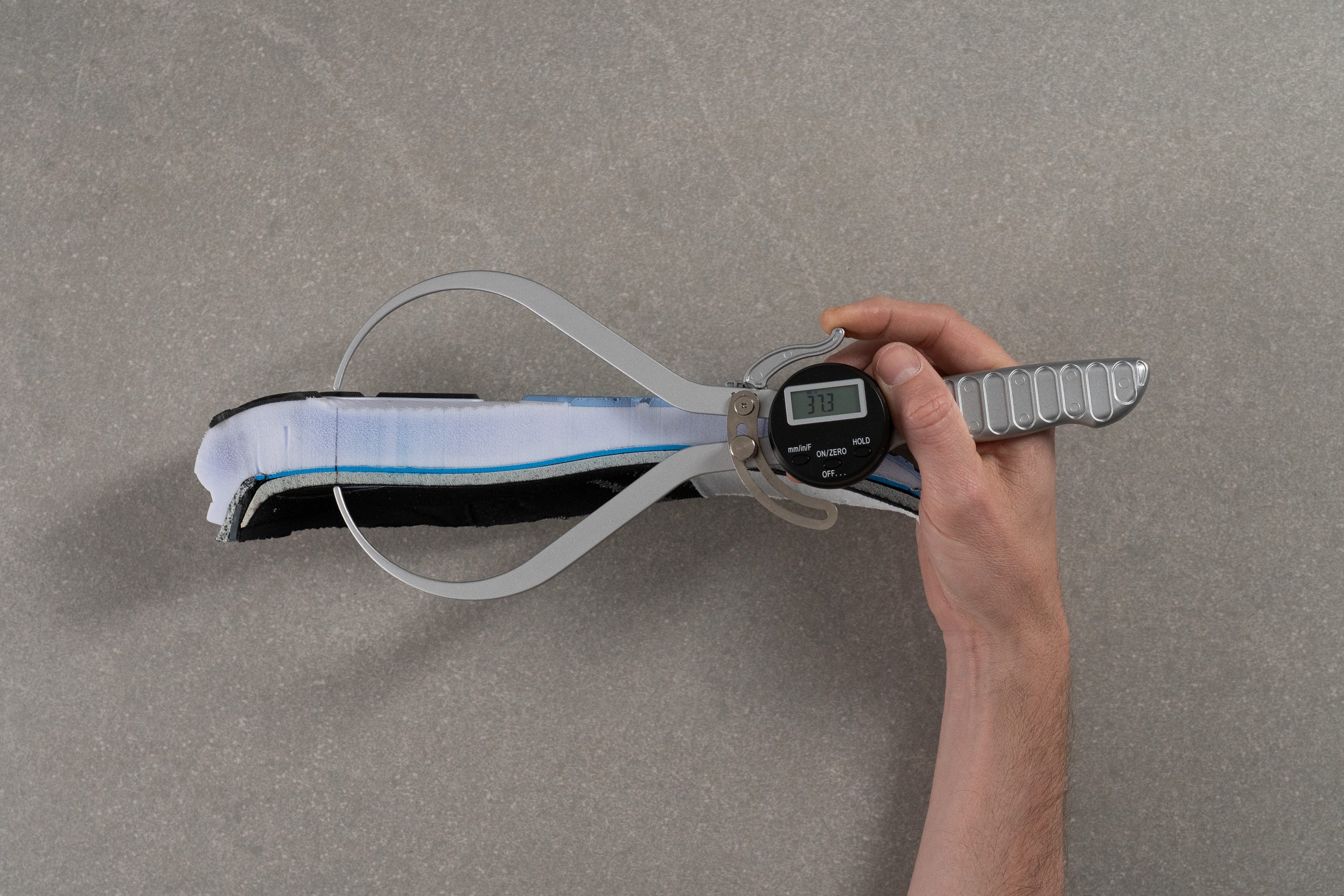
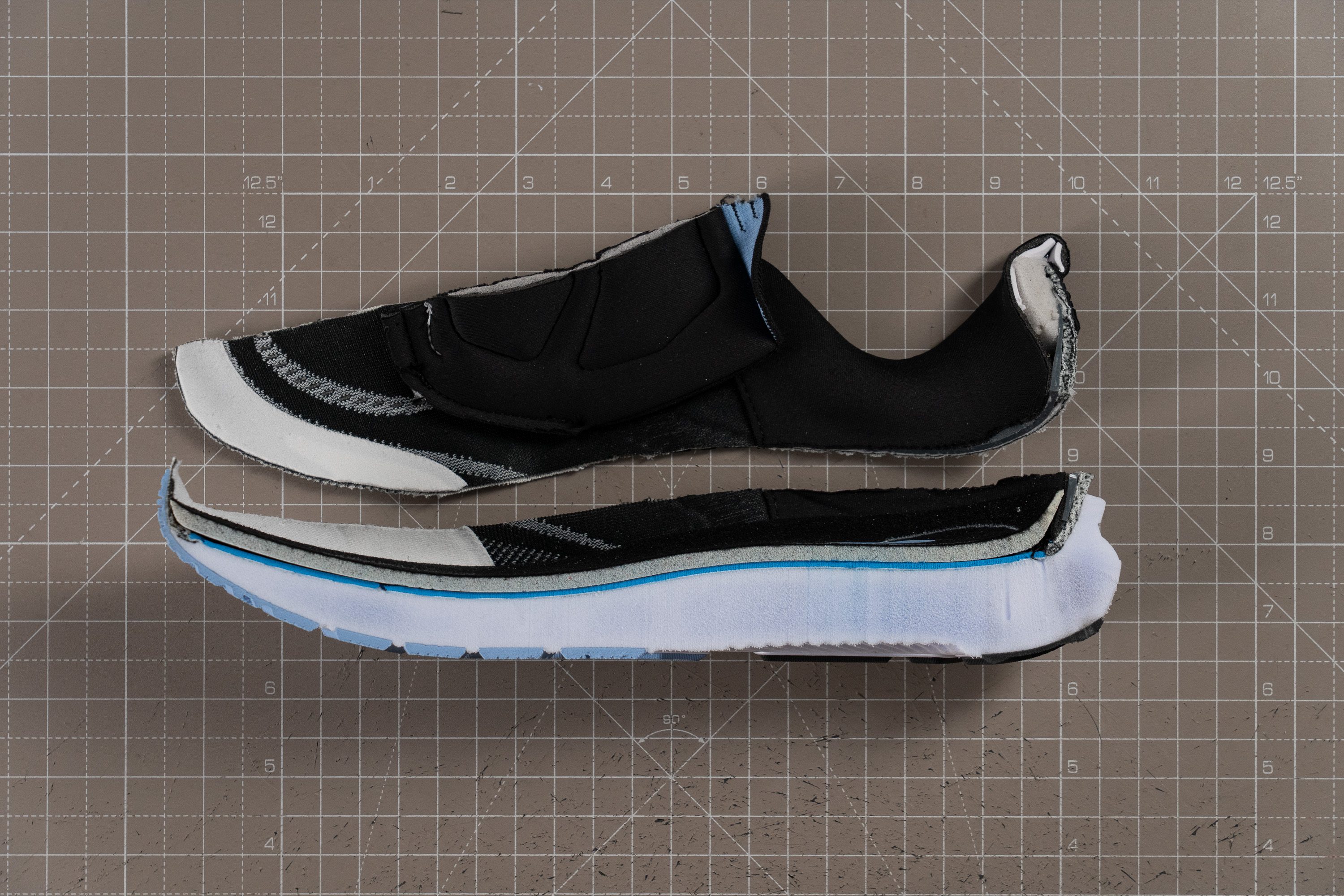
In our lab, we measured 37.3 mm in the heel versus 36.2 mm in the Ghost 17. It's a small increase that's nearly impossible to notice from one version to the next, but if Brooks maintains this steady climb, the Ghost could find itself joining the maximalist crowd within a few years.
| Ghost 18 | 37.3 mm |
| Average | 35.6 mm |
Forefoot stack
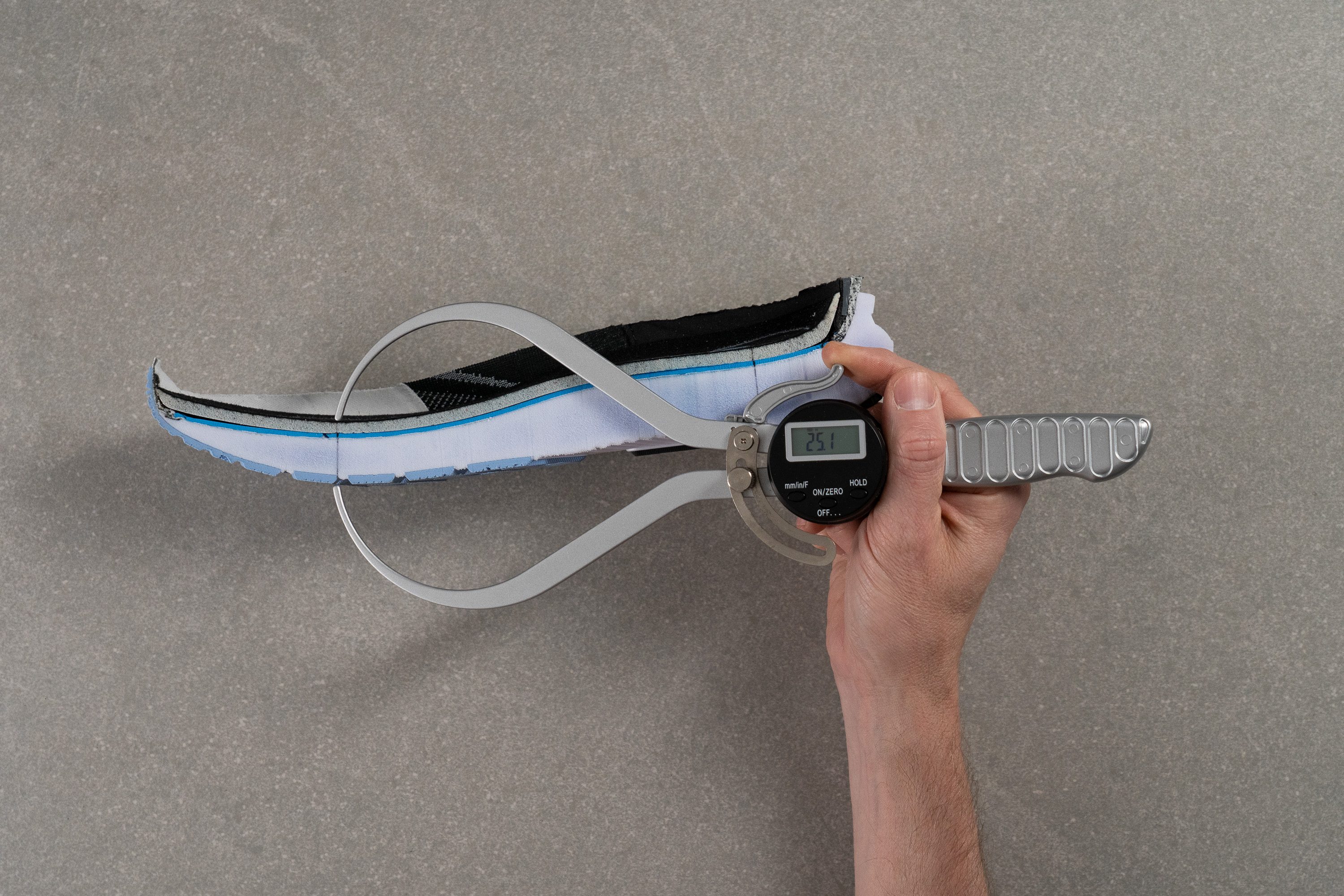
We measured just 25.1 mm under the forefoot, a direct result of the shoe's high-drop geometry.
| Ghost 18 | 25.1 mm |
| Average | 27.1 mm |
Drop
The gap between those measurements results in a substantial 12.2 mm drop. That's slightly higher than the 10 mm claimed by Brooks and reinforces the brand's commitment to a traditional geometry that works especially well for heel strikers.
And honestly, it's hard to criticise Brooks. The Ghost remains one of the best-selling running shoes year after year, largely thanks to a massive and loyal fanbase that returns for a new pair every one or two updates. In our view, many of these runners value consistency and familiarity far more than major design changes.
| Ghost 18 | 12.2 mm |
| Average | 8.4 mm |
Midsole softness
For version 18, Brooks fine-tuned the DNA Loft v3 to deliver a balanced underfoot experience aimed at appealing to the widest possible range of runners. As a result, it avoids both the ultra-plush feel of today's softest trainers and the harsh sensation associated with firmer designs.
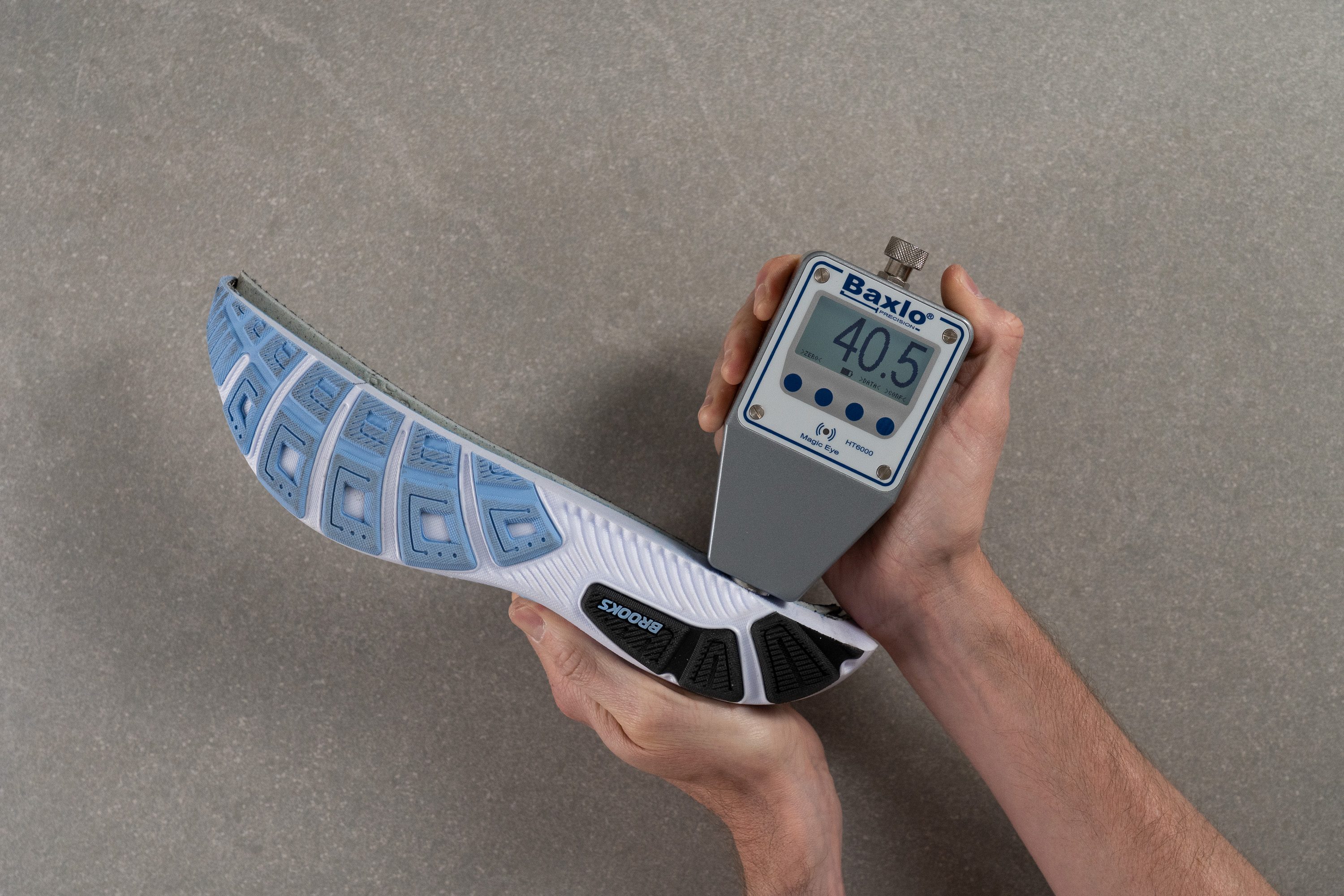
In our testing, the foam leaned slightly toward the firm side at 40.5 AC, although it felt mostly average on the run. We think this highlights how dramatically the market has shifted in recent years, as a midsole like this one would likely have been considered genuinely soft just a couple of years ago.
| Ghost 18 | 40.5 AC |
| Average | 35.4 AC |
Rocker
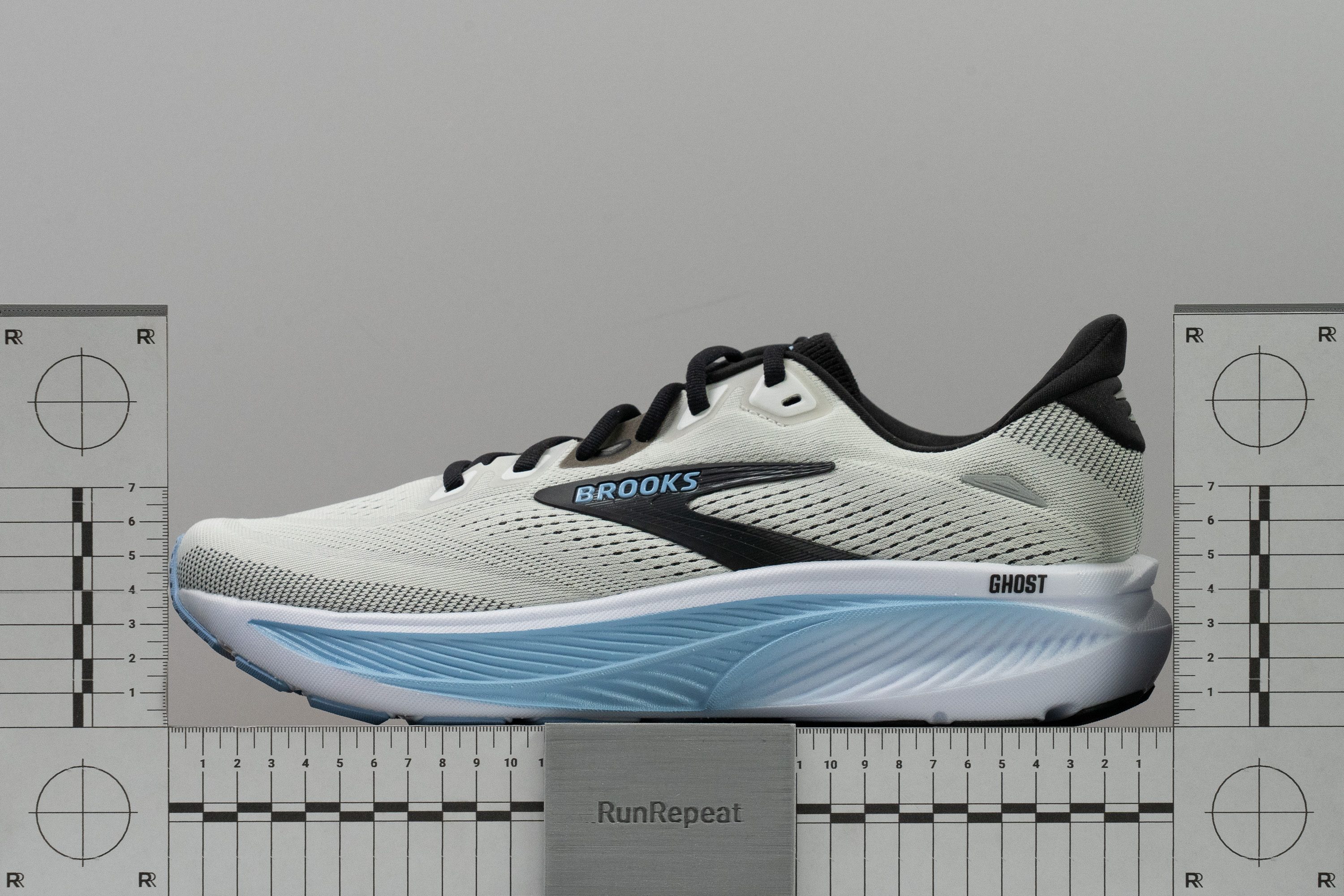
The Ghost 18 also sticks with a non-rockered design. Combined with its high drop and flexible construction, Brooks has created a shoe that may not feel especially exciting or cutting-edge like others, yet remains remarkably easy to ride and predictable underfoot.
Size and fit
Size
Brooks Ghost 18 fits true to size (49 votes).
Internal length
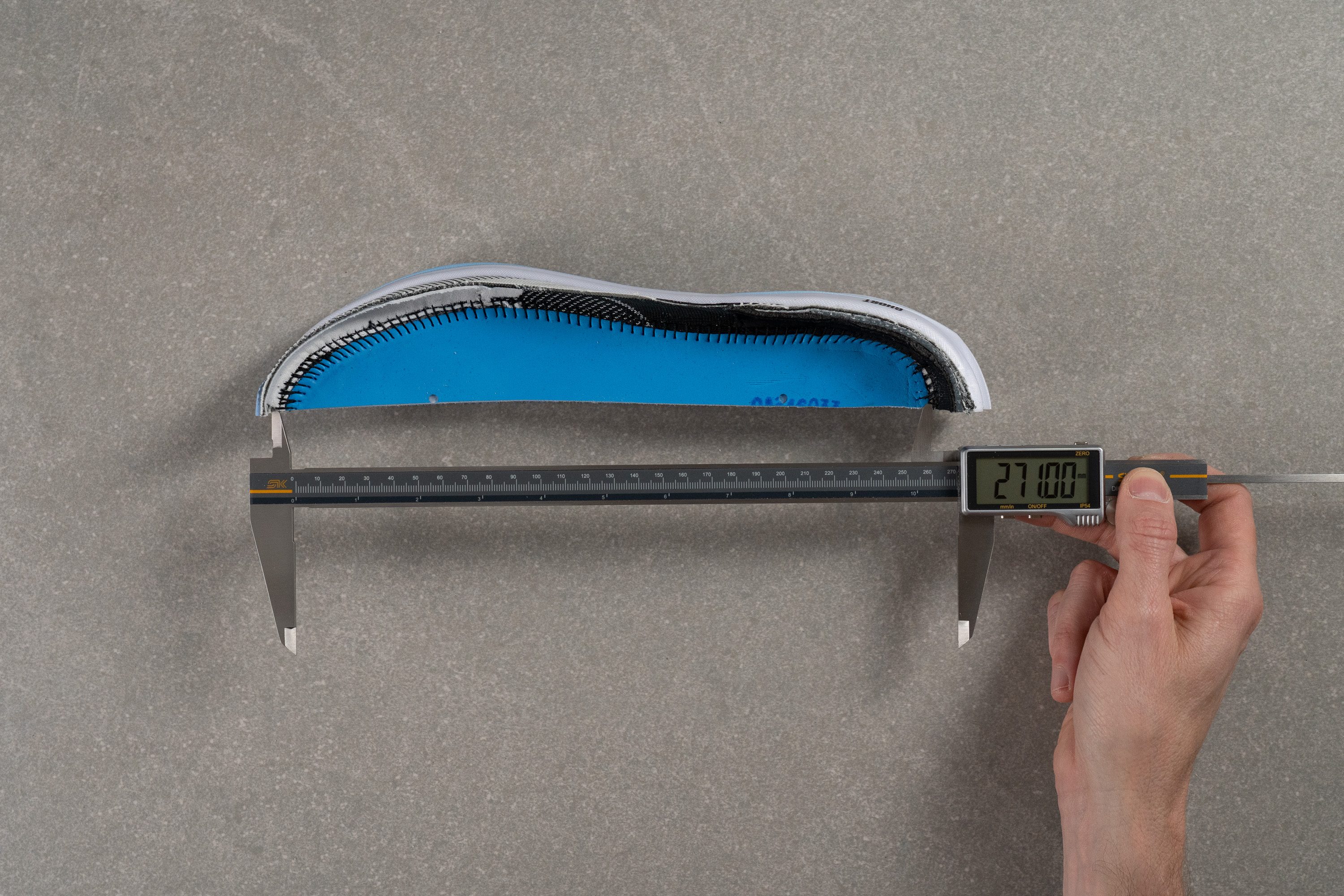
| Ghost 18 | 271.0 mm |
| Average | 269.3 mm |
Width / Fit
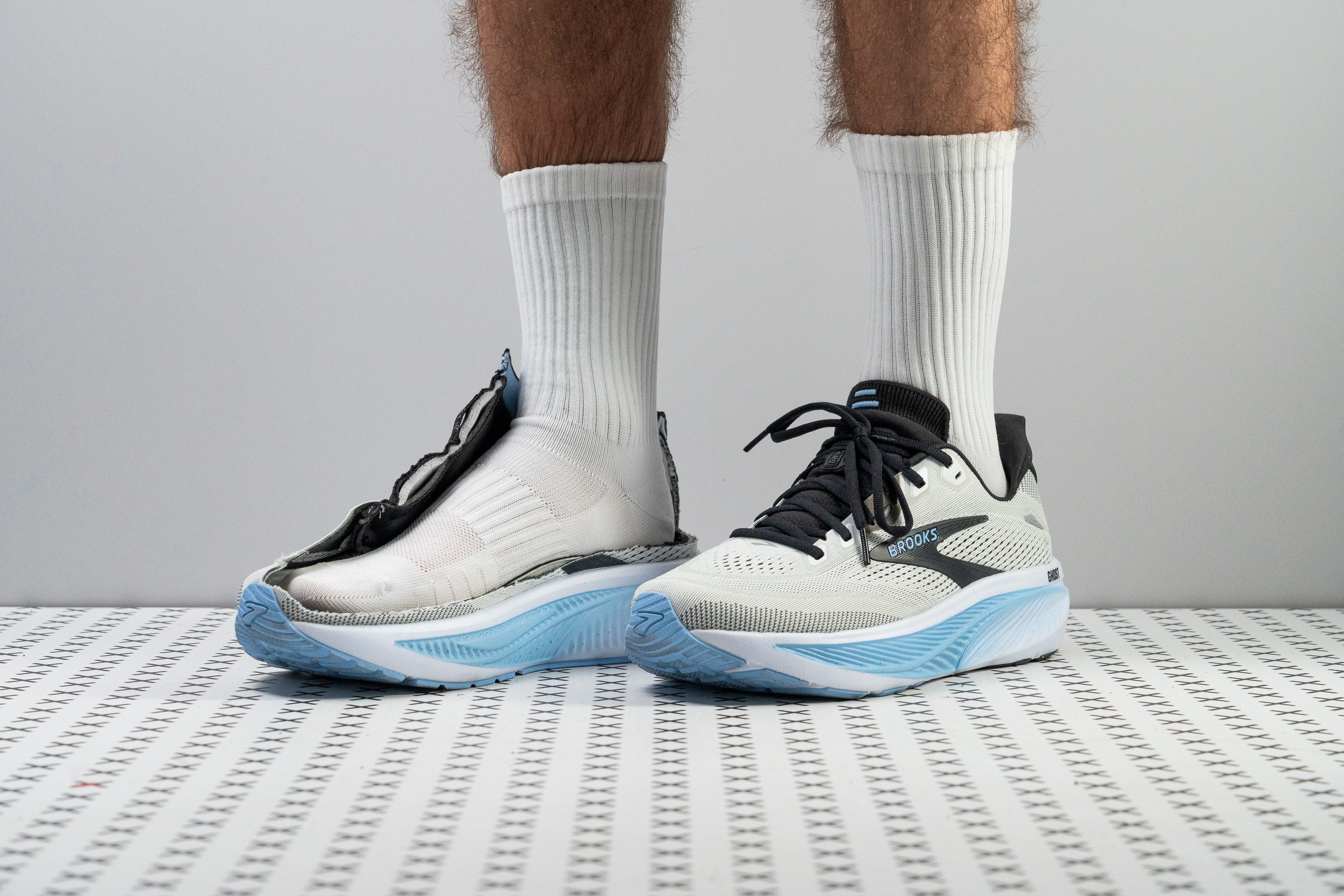
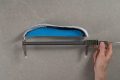
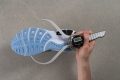
As with every shoe that enters our lab, we filled the Ghost 18 with our liquid solution to create an accurate mould of the interior and capture precise measurements.
Our first reading came in at 96.0 mm, placing it near the average shoe.
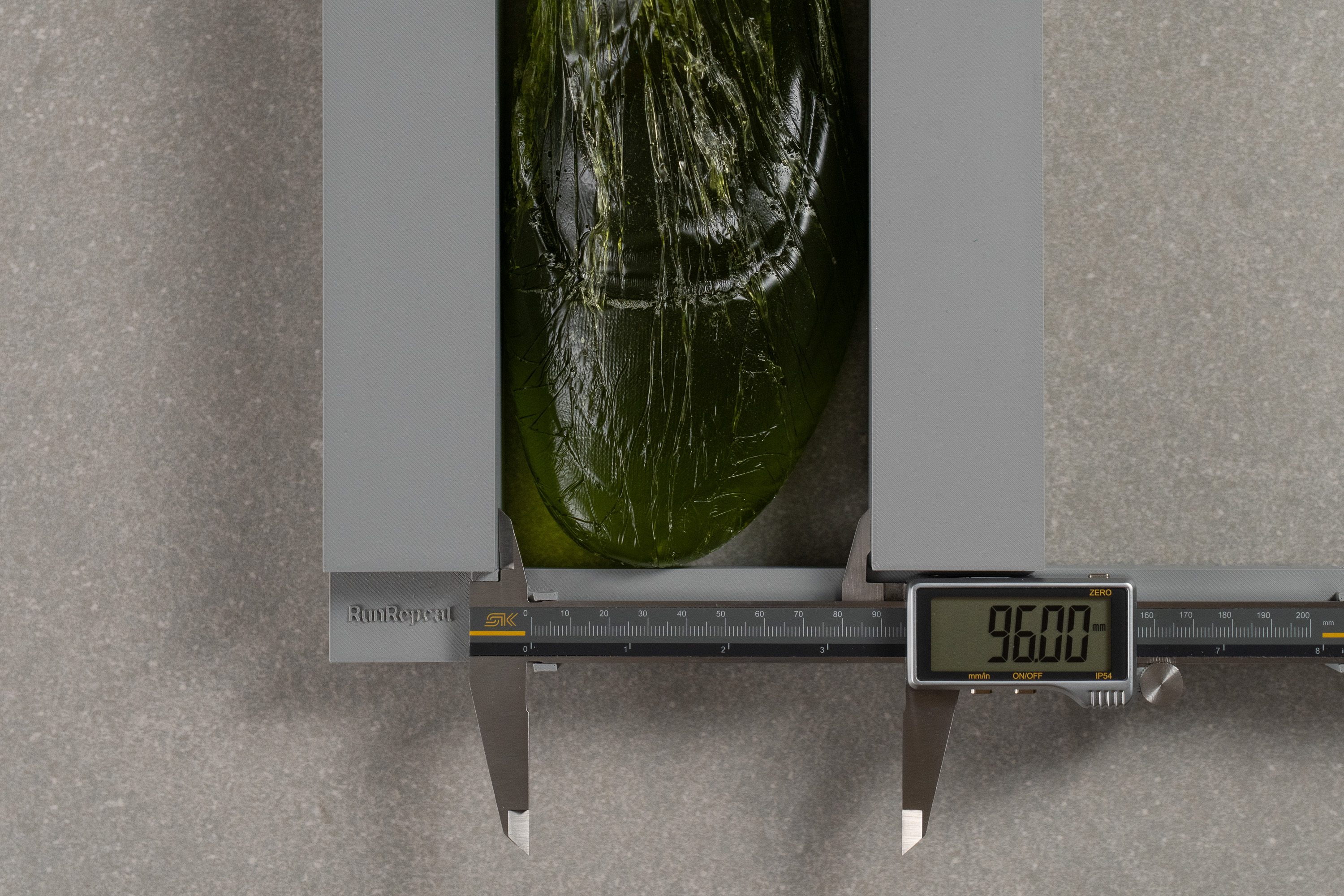
| Ghost 18 | 96.0 mm |
| Average | 95.2 mm |
Toebox width
Our second measurement came in slightly below the lab average at just 70.6 mm, although that result was also entirely expected for us. The Ghost has long featured a somewhat tapered toebox, and Brooks has once again stayed faithful to that design.
That said, it's important to remember that the Ghost remains one of the few models available in four different width options, although availability varies depending on the colorway and country.
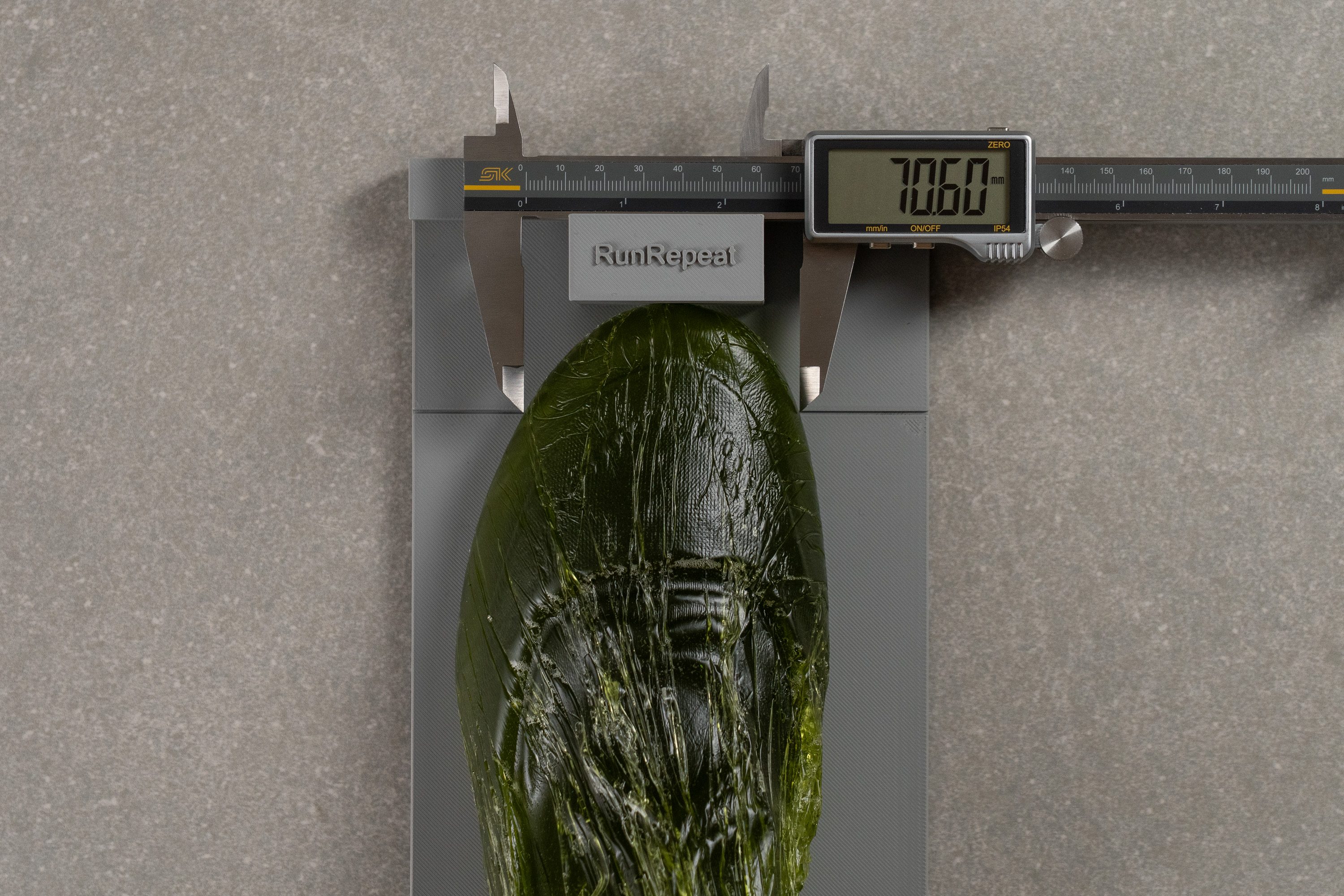
| Ghost 18 | 70.6 mm |
| Average | 73.2 mm |
Toebox height
The toebox offers 25.8 mm of vertical clearance, providing enough space for most foot shapes without feeling overly roomy.
The upper material is soft and accommodating, helping prevent unwanted pressure points while still delivering the secure foothold needed for daily training miles.
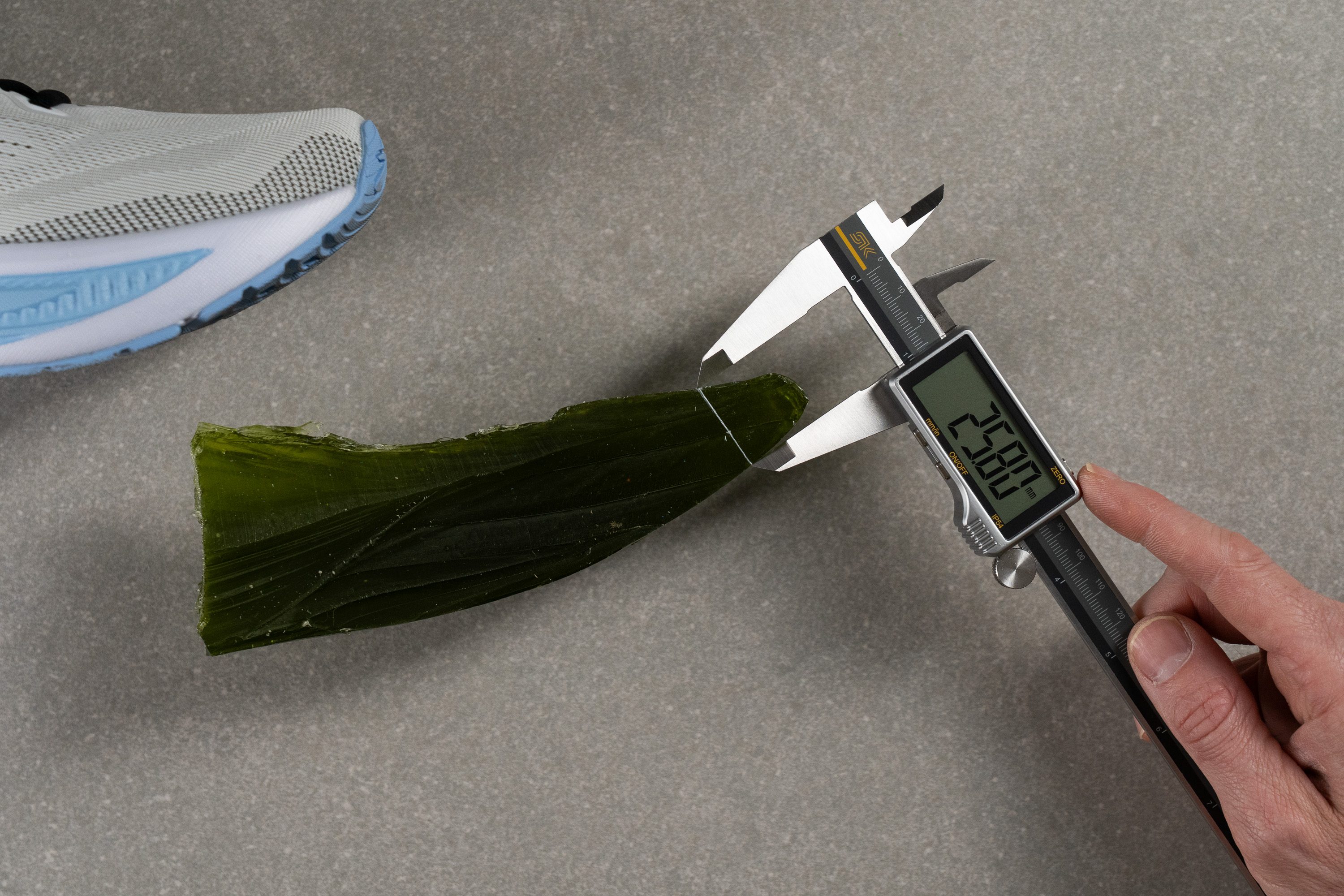
| Ghost 18 | 25.8 mm |
| Average | 27.0 mm |
Traction / Grip
Traction test
Traction remains one of the few areas where we'd like to see further improvements. The Ghost 18 recorded a coefficient of friction of 0.60 in our wet-concrete test, which is close to the lab average but slightly below the result achieved by its predecessor.
This is a shoe that many runners will use as their one-and-only trainer. In our view, a result above 0.60 would inspire greater confidence across wet roads and sidewalks.
| Ghost 18 | 0.57 |
| Average | 0.53 |
Outsole design
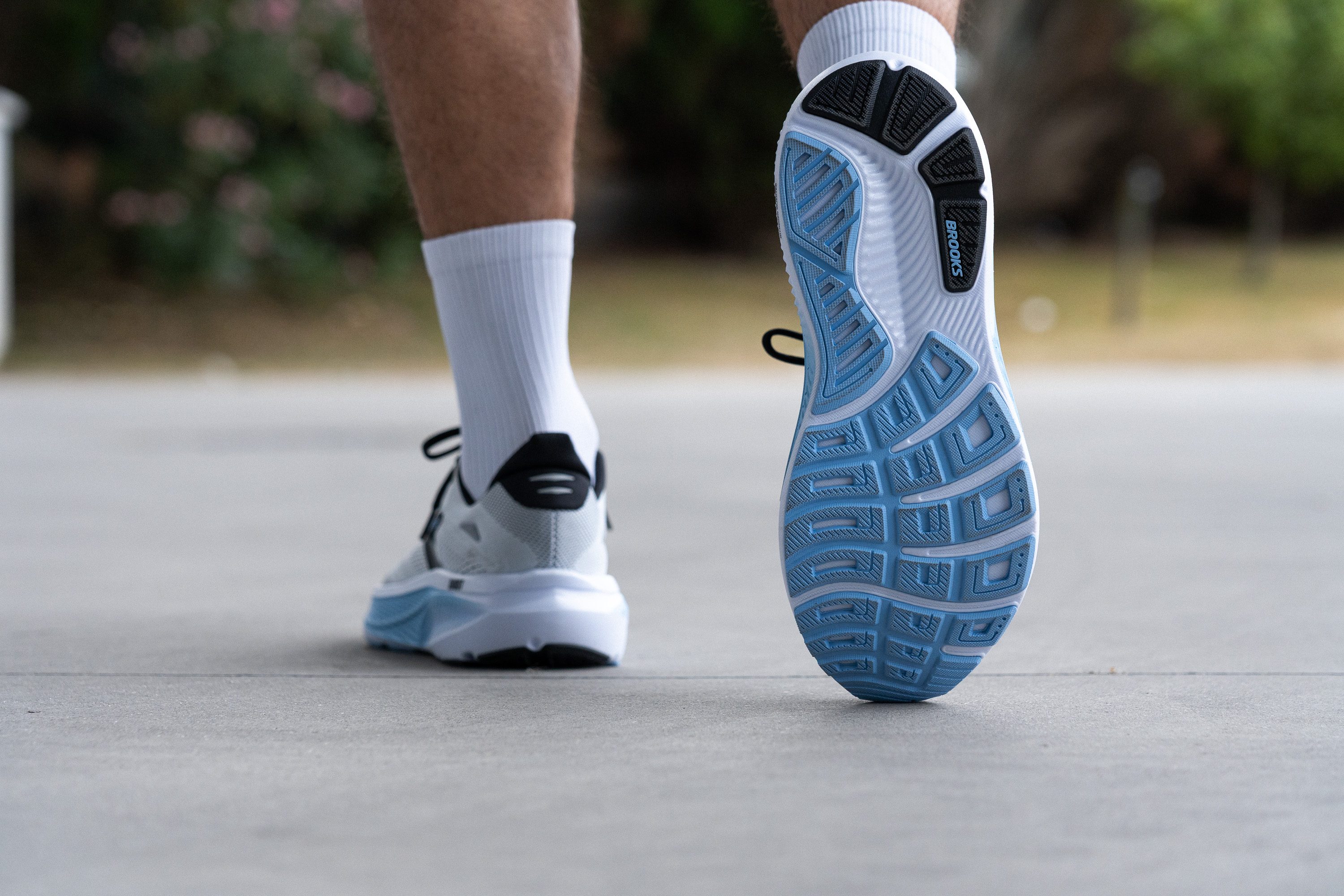
If you liked the outsole of the previous Ghost, you'll feel right at home here. Brooks has carried over the design fully unchanged, retaining the same extensive rubber coverage and generous network of flex grooves.
For a shoe that receives annual updates, this approach is far from unusual. Developing a new outsole requires fresh tooling and additional manufacturing costs, so we can understand why Brooks continues to leverage this design at least until 2027.
Flexibility / Stiffness
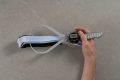
We've already highlighted the impressive flexibility of the Ghost 18, and now our lab testing backs it up with hard data. In our 30-degree bend test, the shoe required just 12.3N of force, exactly the kind of result we hoped to see from a comfort-focused daily trainer.
This design helps create an easy-going ride for everyday miles, while also making the Ghost 18 a great choice beyond running. Whether you're walking the dog, spending hours on your feet, or making a quick trip to the supermarket for some peanut butter, it feels remarkably natural and comfortable.
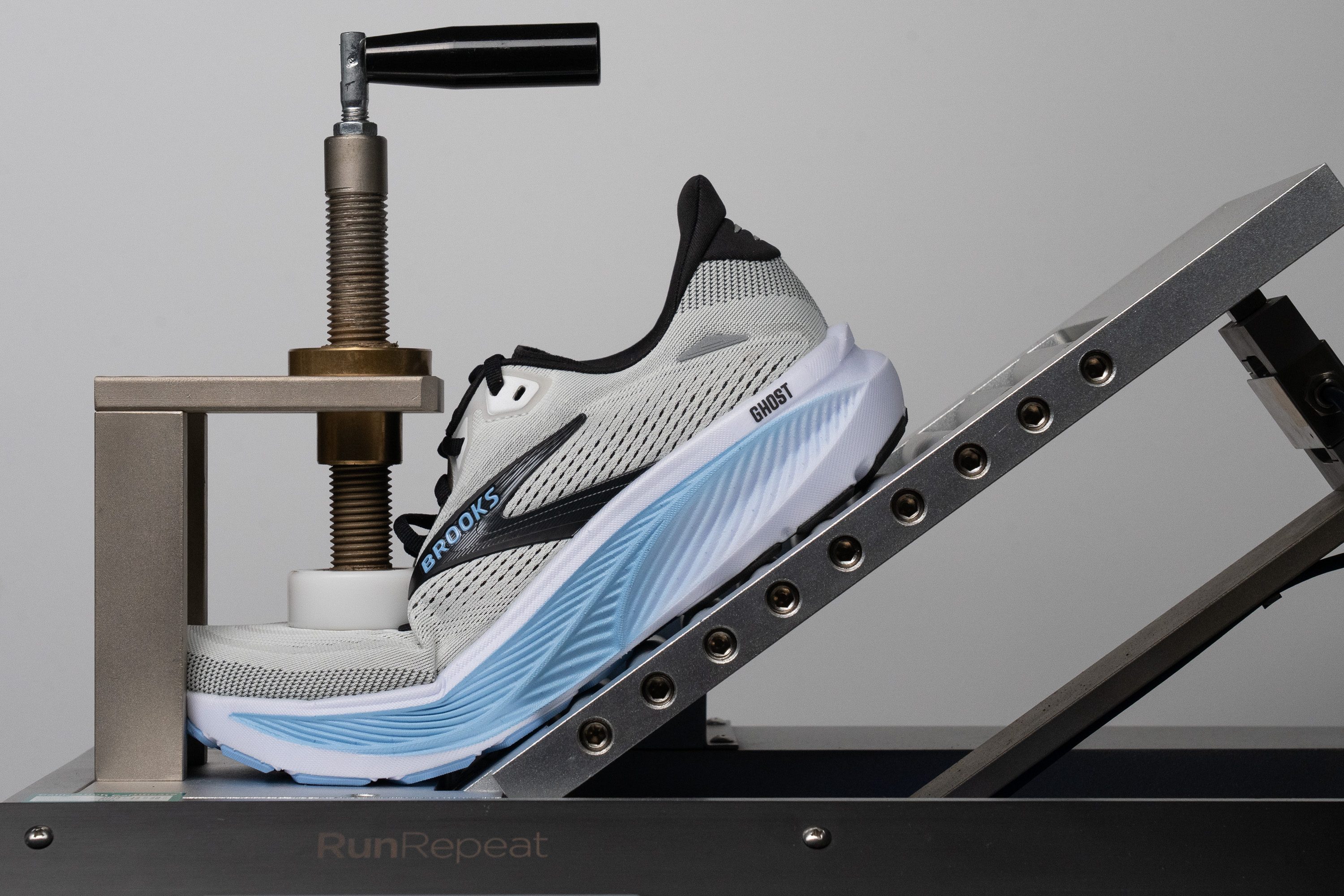
| Ghost 18 | 12.3N |
| Average | 15.5N |
Weight
Weight is another area where we'd like to see some improvements. At 10.2 oz (289g), the Ghost 18 feels noticeably heavy by today's standards, especially considering that it doesn't offer the towering stack height of max-cushioned trainers.
In our view, there is room for Brooks to trim 5% or 10% of weight without sacrificing the dependable ride that has made the Ghost such a longtime favourite.
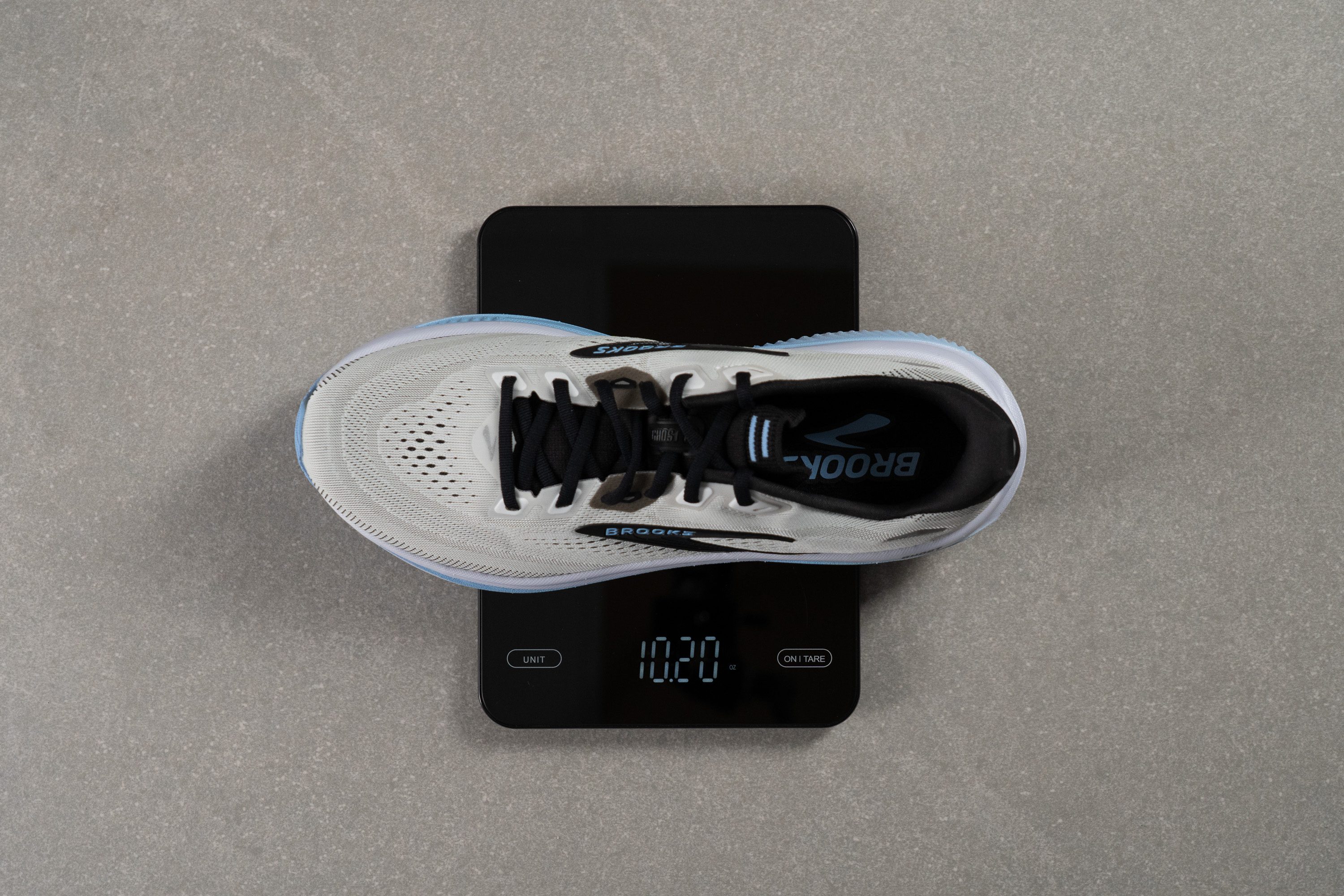
| Ghost 18 | 10.2 oz (289g) |
| Average | 9.2 oz (261g) |
Breathability
Breathability test
With a solid breathability score of 70 BR, the Brooks Ghost 18 performed well enough in our test to eliminate any concerns. Our lab results showed that it manages perspiration effectively, helping pull sweat away from the foot to keep your feet drier and more comfortable throughout your daily runs.
| Ghost 18 | 70 BR |
| Average | 75 BR |
Drying potential
NewDuring the same 3-hour test, we also evaluate drying potential by measuring how much moisture evaporates from the shoe over time. This metric is especially important for runners who sweat heavily, tackle long distances, or frequently run in changing weather conditions.
The Ghost 18 managed to evaporate 49% of the moisture during the test. While that's not an outstanding result, it aligns well with the dependable nature of the Ghost series: not flashy, but reliable enough to get the job done.
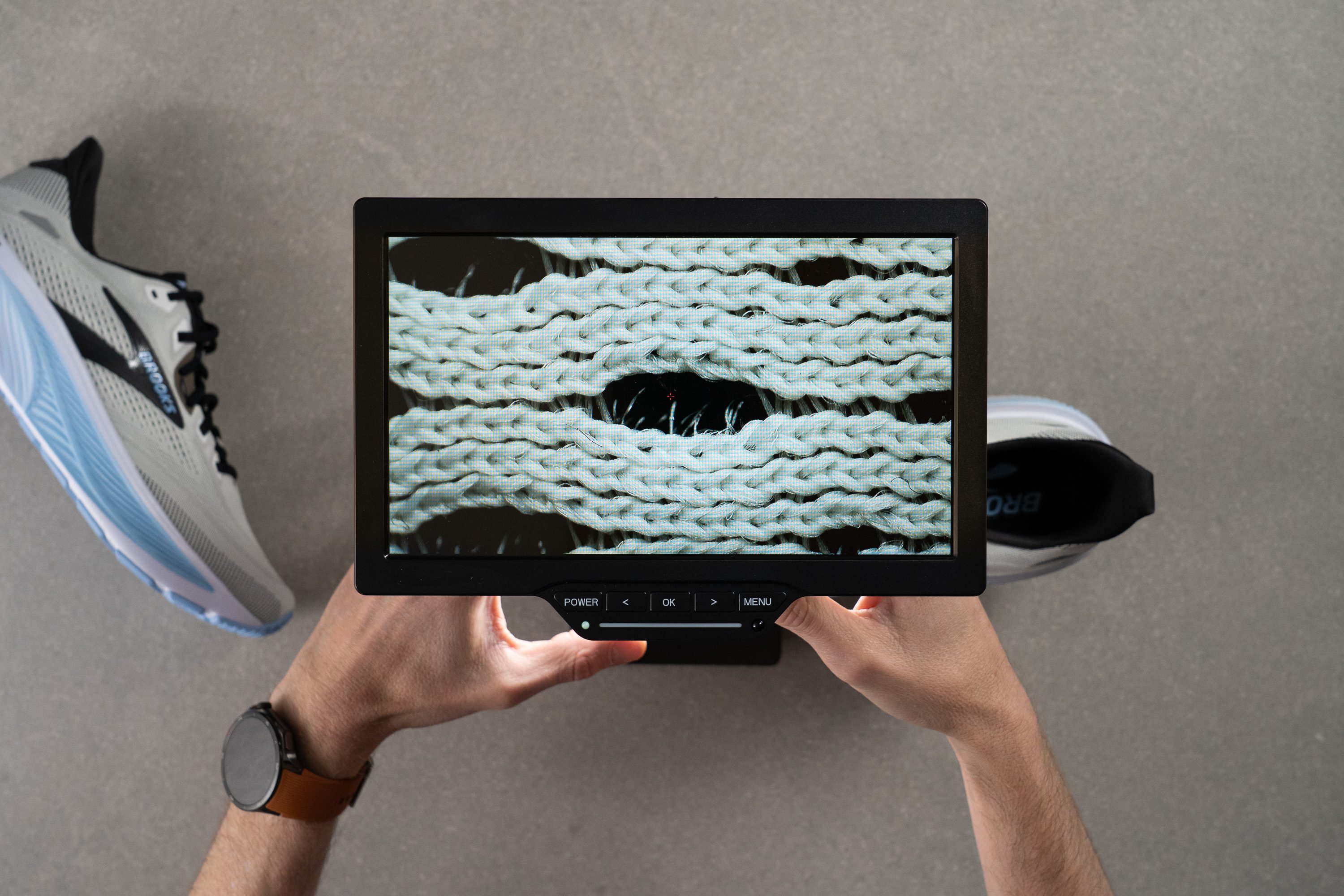
| Ghost 18 | 49% |
| Average | 53% |
Stability
Lateral stability test
The Ghost 18 feels exactly like a Ghost, and that's likely what its loyal fanbase is looking here. Stability is excellent for heel strikers that feature a neutral technique, offering a secure and confidence-inspiring ride without relying on any dedicated support features.
For runners dealing with moderate pronation, however, the decision becomes less straightforward. In our view, the Adrenaline GTS 25 is a better option thanks to its added guidance and support-focused design.
Torsional rigidity
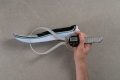
Based on its design, we expected the Ghost 18 to score below the current lab average in our torsional rigidity test. That's exactly what happened, as it recorded just 12.2 Nm.
This result reinforces what we experienced on the run: the Ghost 18 is far from feeling rigid, offering the kind of natural flexibility that many runners appreciate in a traditional daily trainer.
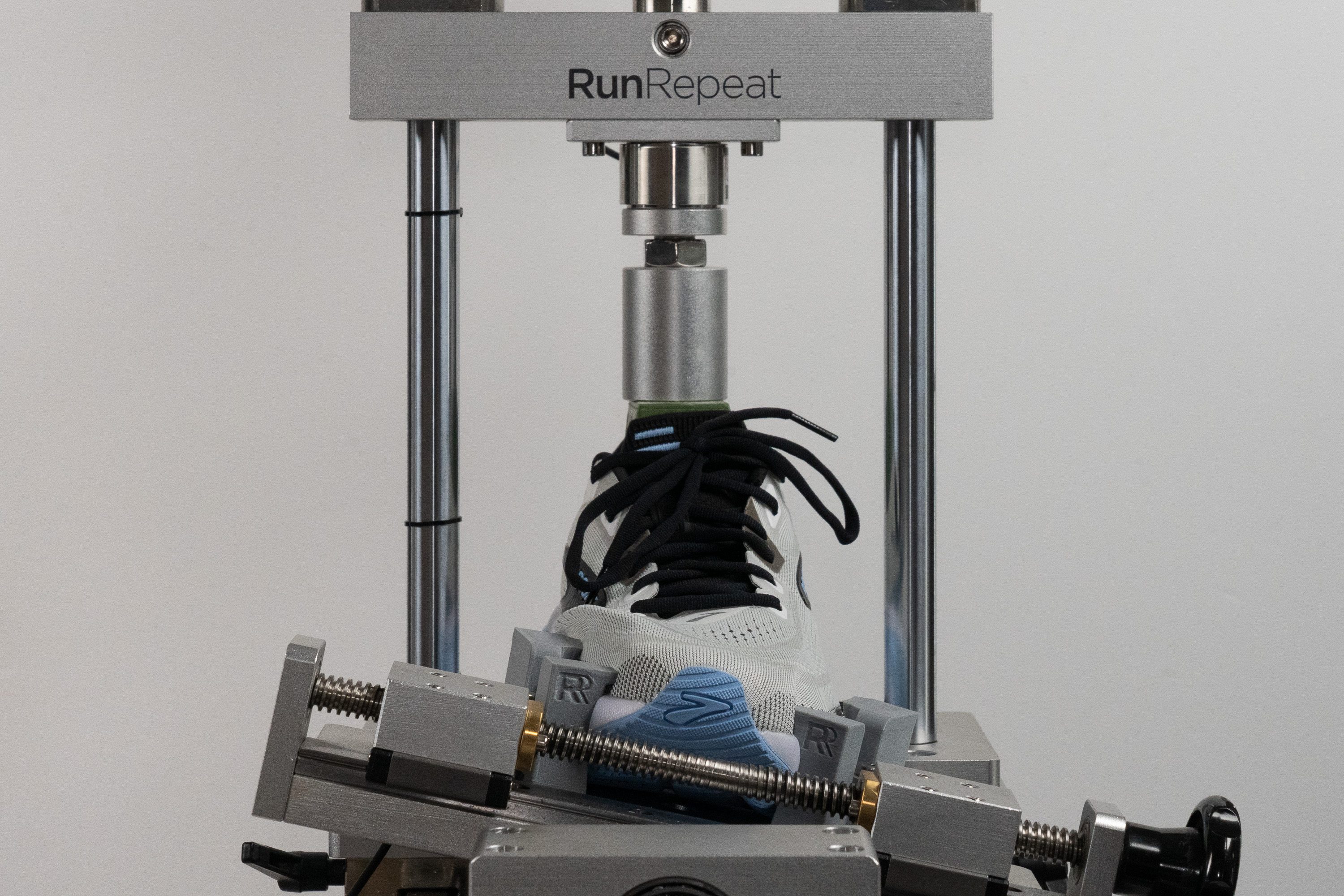
| Ghost 18 | 12.2 Nm |
| Average | 14.3 Nm |
Heel counter stiffness
On the other hand, we were somewhat surprised by the exceptionally rigid (5/5) heel counter Brooks used in the Ghost 18. It provides a highly secure and locked-in feel for heel strikers, and the generous padding helps prevent it from feeling overly harsh.
However, runners who prefer a more relaxed and less structured rearfoot design may find this approach a bit too intrusive for their tastes.
| Ghost 18 | 5 |
| Average | 2.9 |
Midsole width - forefoot
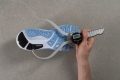
We measured the Brooks Ghost 18 at 115.7 mm in the forefoot, another example of Brooks taking a conservative approach. That figure lands close to the current lab average, reinforcing the shoe's mainstream design philosophy.
While many brands have recently expanded platform widths to boost stability, Brooks has largely resisted that trend with the regular Ghost.
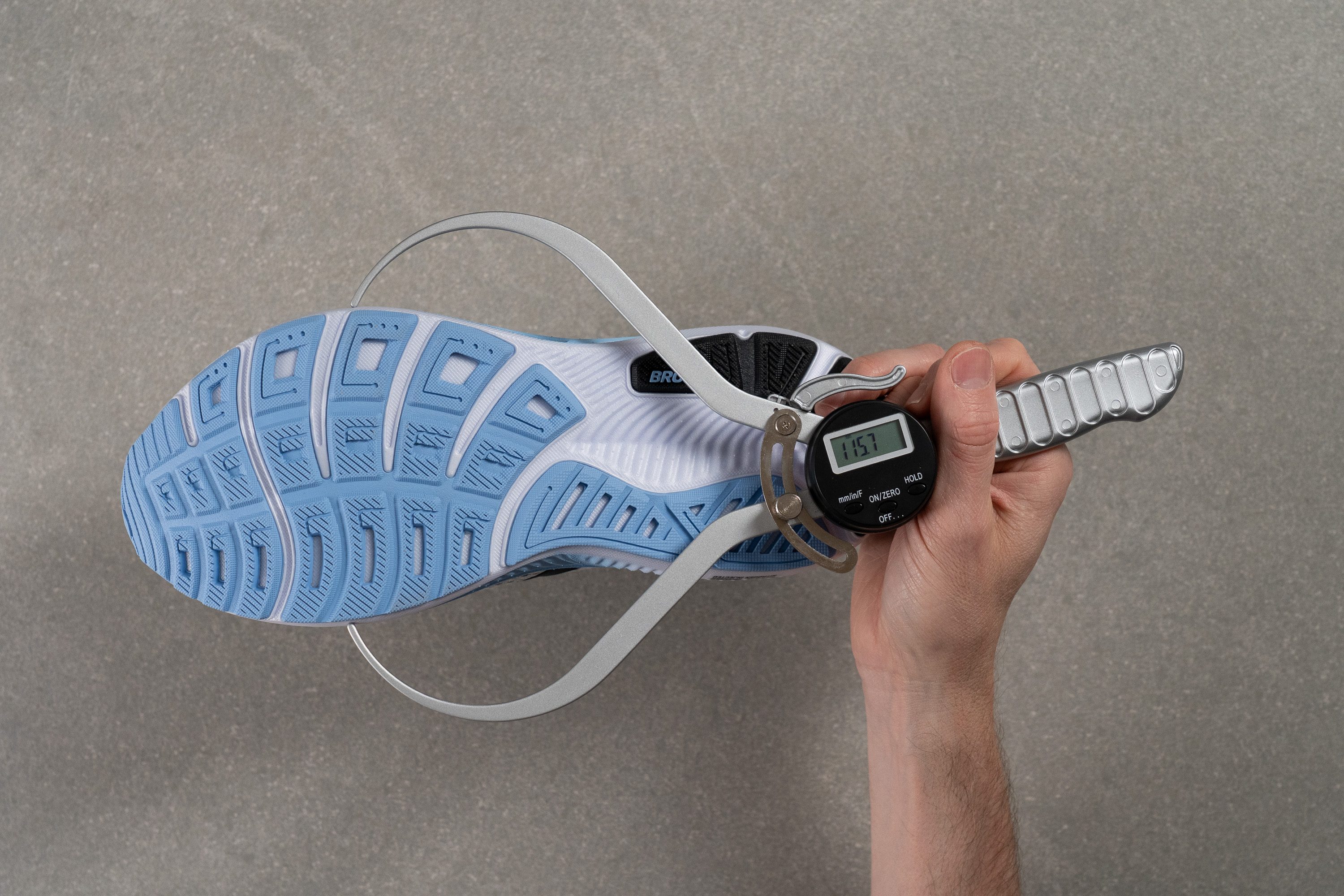
| Ghost 18 | 115.7 mm |
| Average | 115.1 mm |
Midsole width - heel
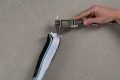
Our callipers measured 95.9 mm in the heel, further supporting a theme we've seen throughout this review: Brooks has clearly designed the Ghost 18 with heel strikers in mind.
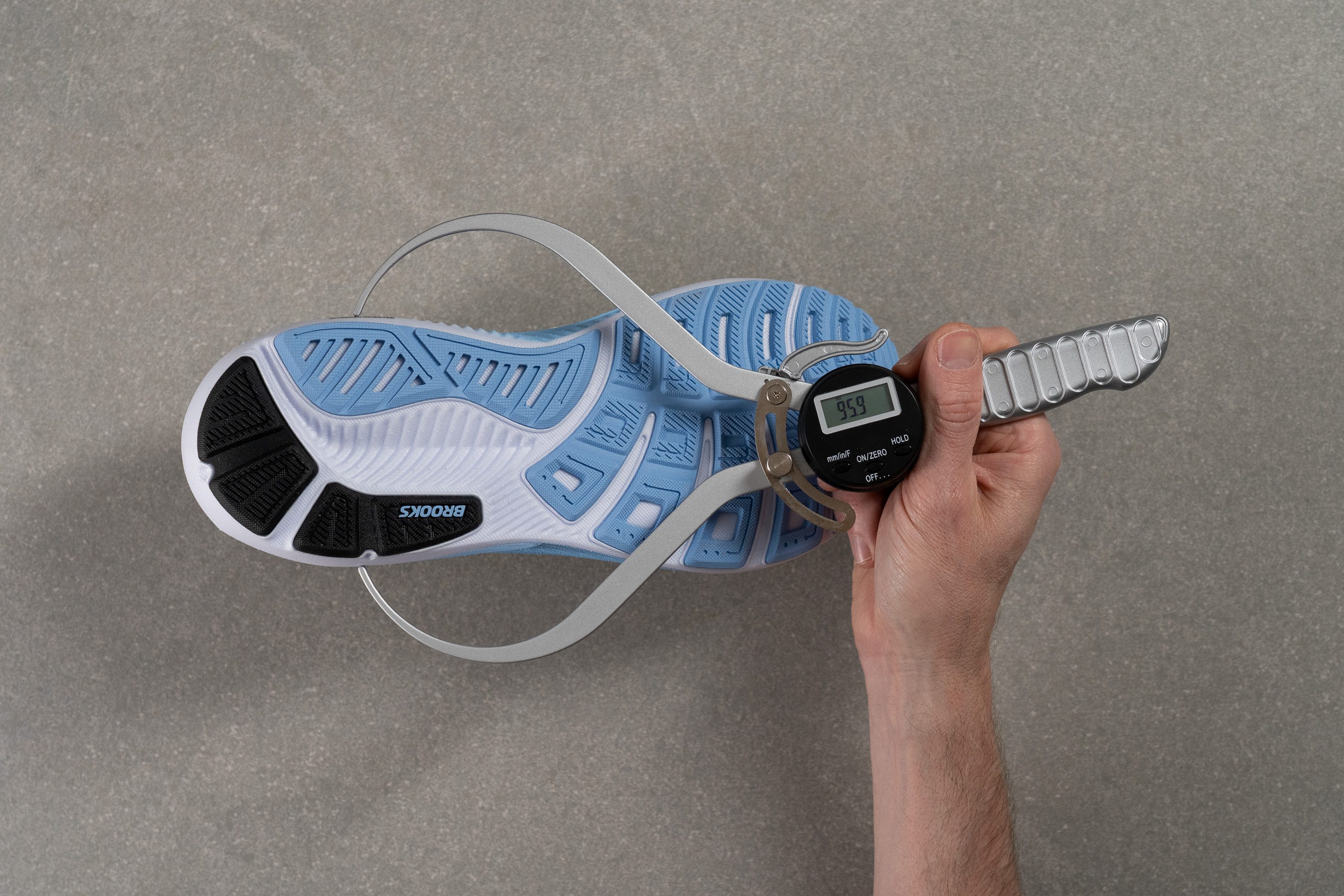
| Ghost 18 | 95.9 mm |
| Average | 91.1 mm |
Durability
Heel padding durability
We put the heel padding through our Dremel test and came away happy. It earned a strong 4/5 score, demonstrating very good resistance to wear and tear.
| Ghost 18 | 4 |
| Average | 3.4 |
Outsole durability
After our Dremel test, we measured just 0.8 mm of wear, a solid result that leaves us with no concerns about the outsole's long-term durability.
| Ghost 18 | 0.8 mm |
| Average | 1.1 mm |
Outsole thickness
It's clear to us that outsole durability remains a top priority for Brooks in the Ghost lineup. The brand appears willing to accept again a weight penalty in exchange for a substantial 3.5 mm layer of rubber designed to maximise wear resistance.
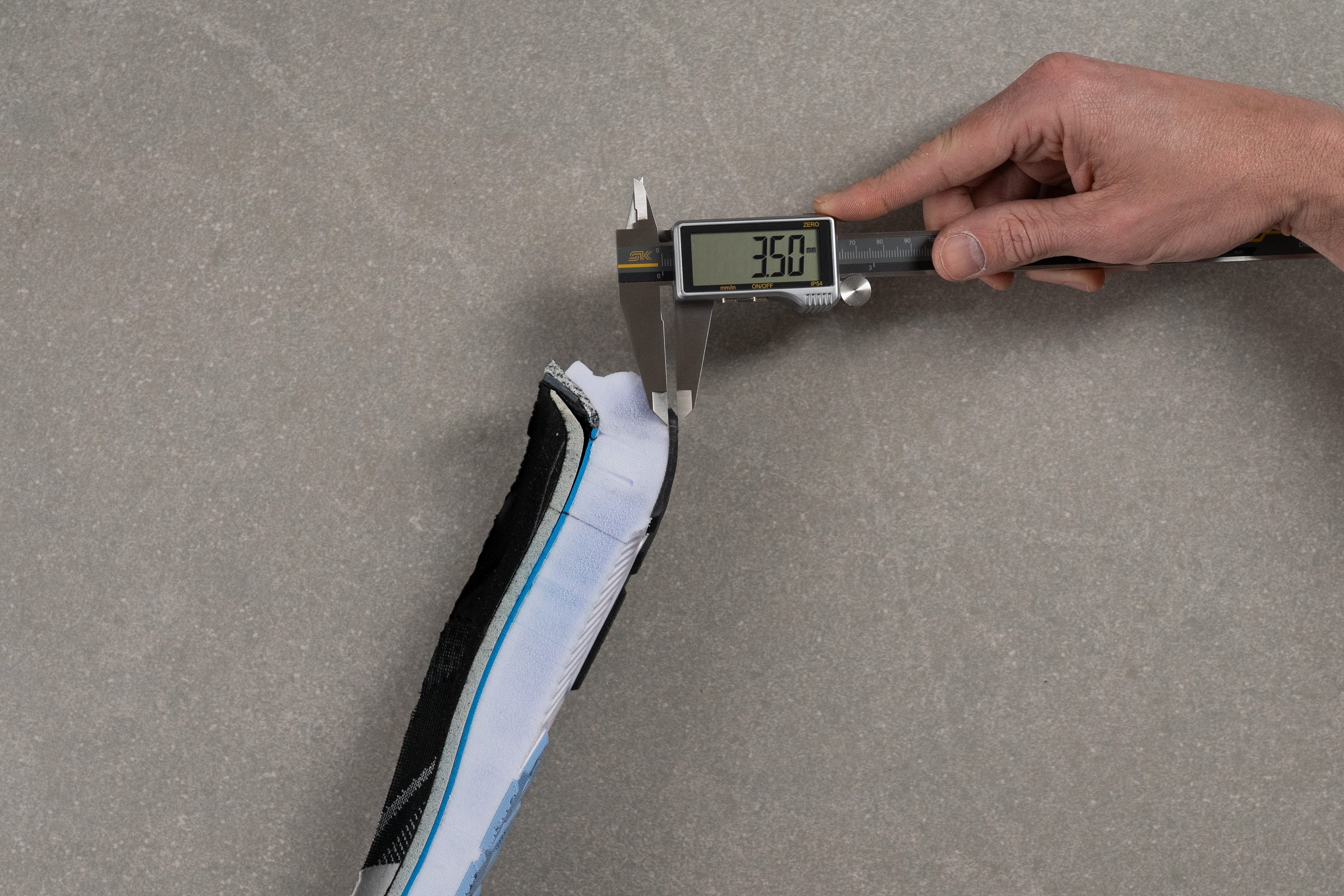
| Ghost 18 | 3.5 mm |
| Average | 3.1 mm |
Misc
Insole thickness
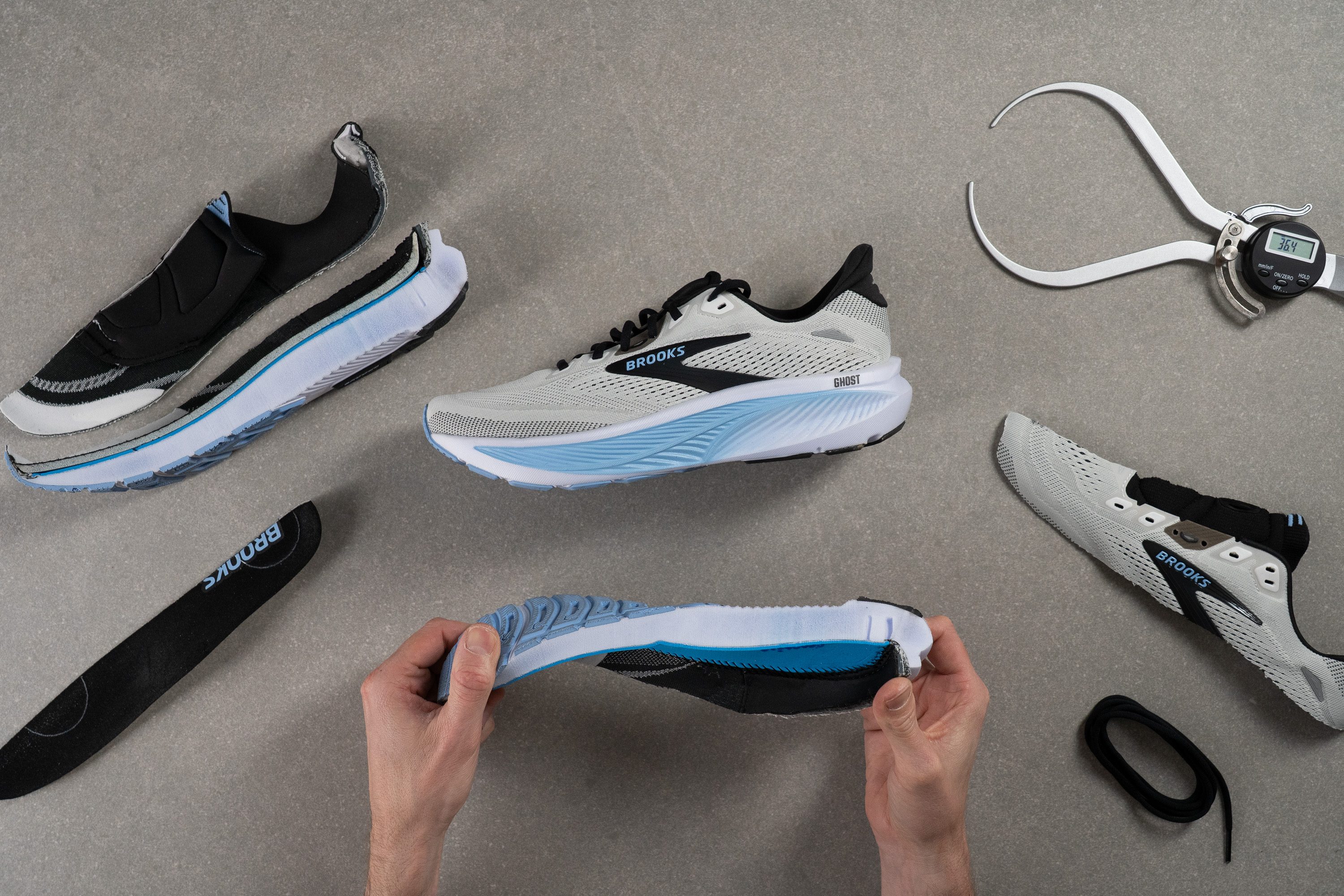
We measured the Ortholite X-60 insole at 5.0 mm thick.
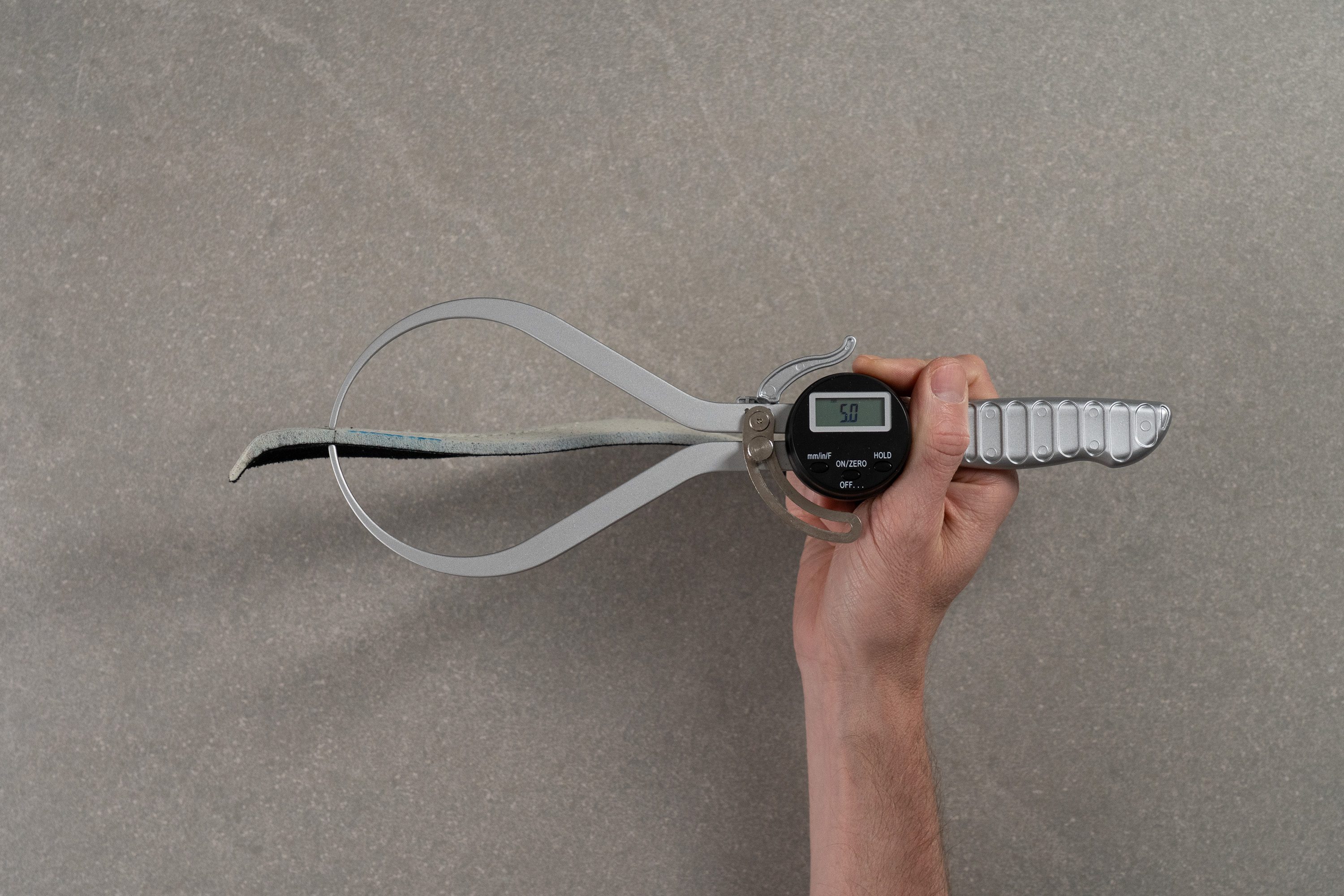
| Ghost 18 | 5.0 mm |
| Average | 4.4 mm |
Removable insole
The insole is fully removable, and swapping it for a thinner alternative could be a simple solution for runners who need an extra millimetre or two of space inside the shoe.
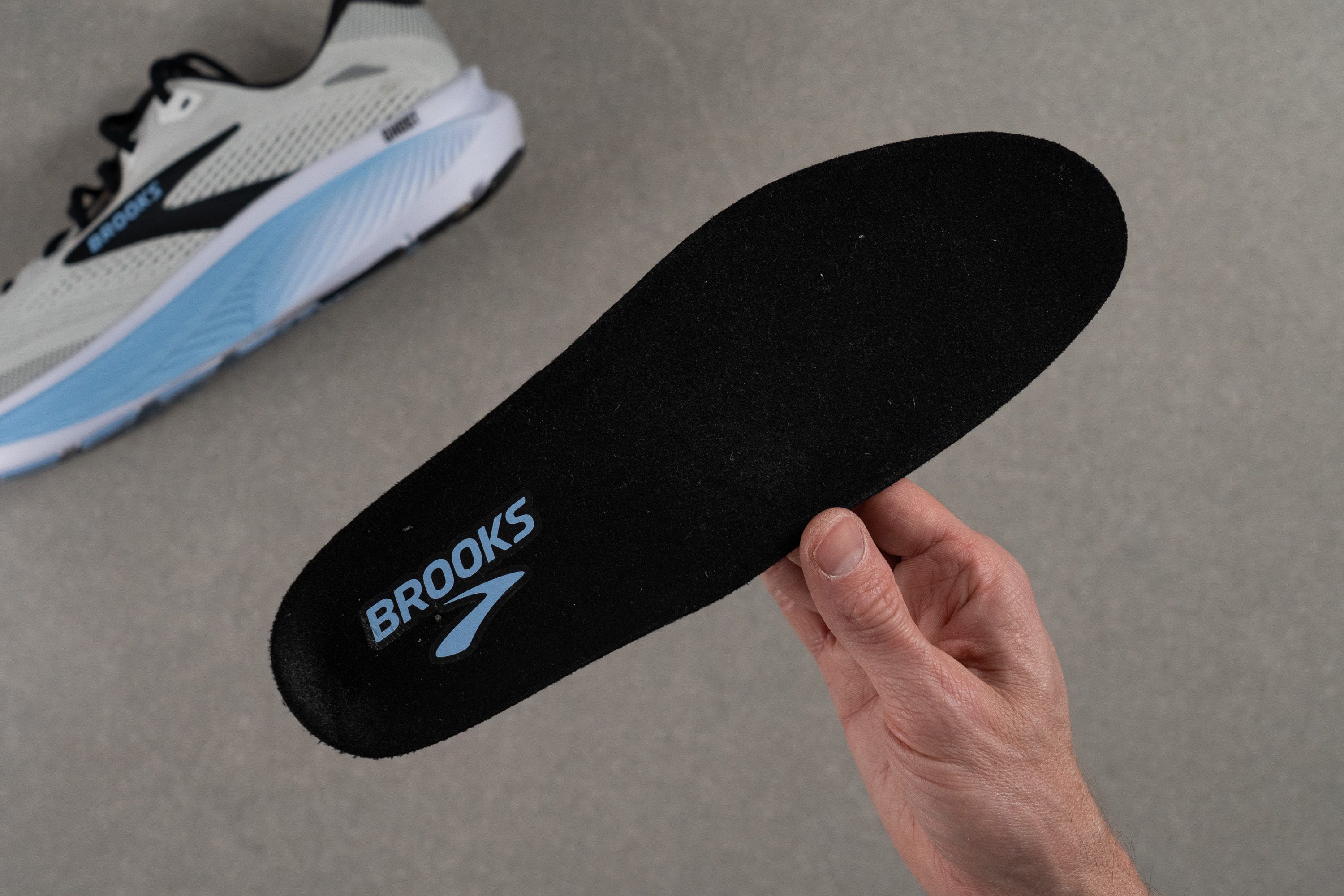
| Ghost 18 | Yes |
Reflective elements
Runners logging miles after dark will appreciate the reflective details Brooks placed around the heel, a small but welcome addition that helps improve visibility in low-light conditions.
| Ghost 18 | Yes |
Tongue padding
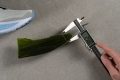
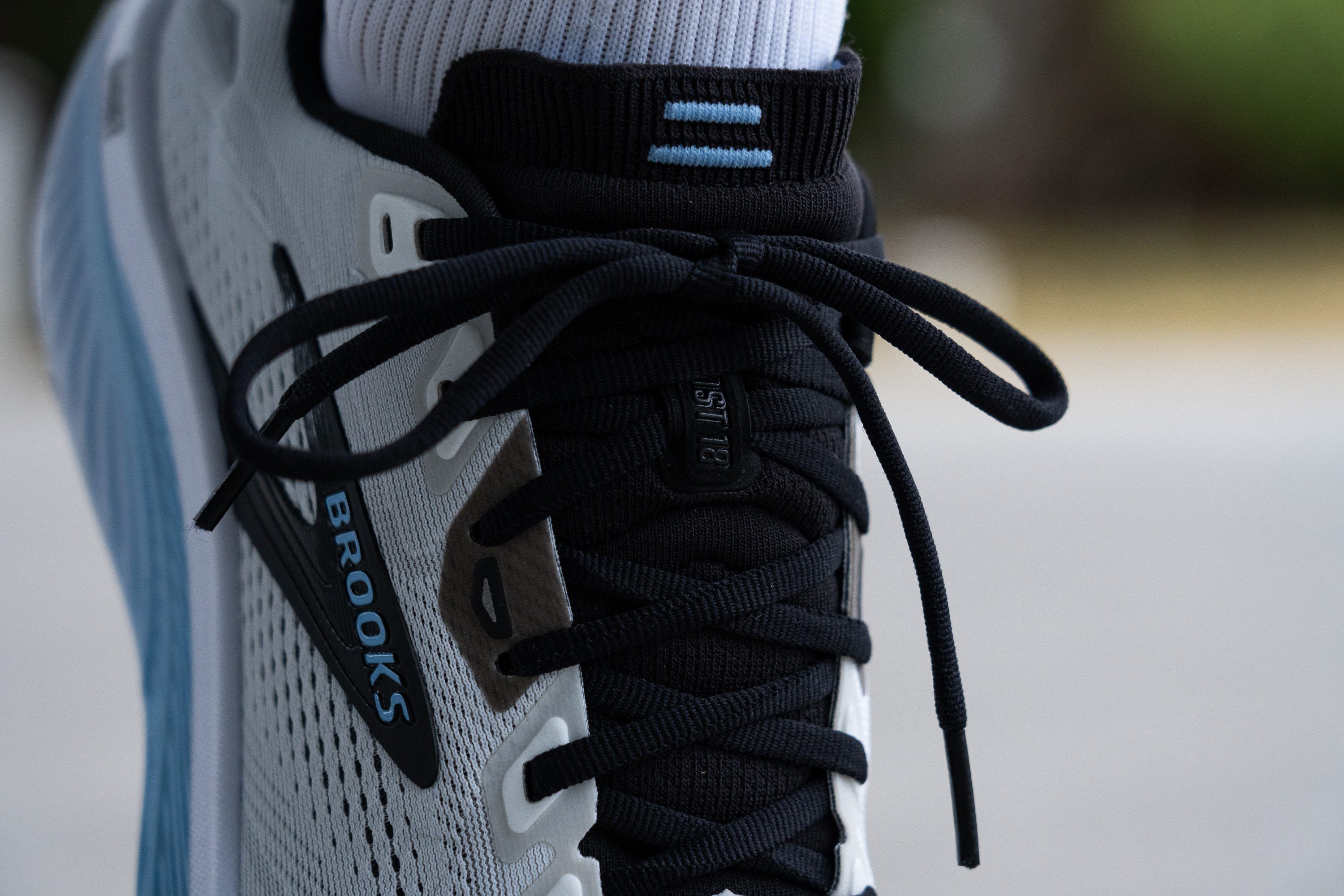
The most noticeable upper update comes from the redesigned tongue. Instead of using the same engineered mesh as the rest of the upper, Brooks opted for a softer and more accommodating knit construction that feels noticeably more comfortable against the foot.
We've seen this approach appear more frequently across the industry lately, and after testing again with the Ghost 18, we can understand the appeal.
What hasn't changed is the generously padded design. We measured 9.0 mm of tongue thickness in our lab, ensuring that the plush step-in feel Ghost fans have come to expect remains here.
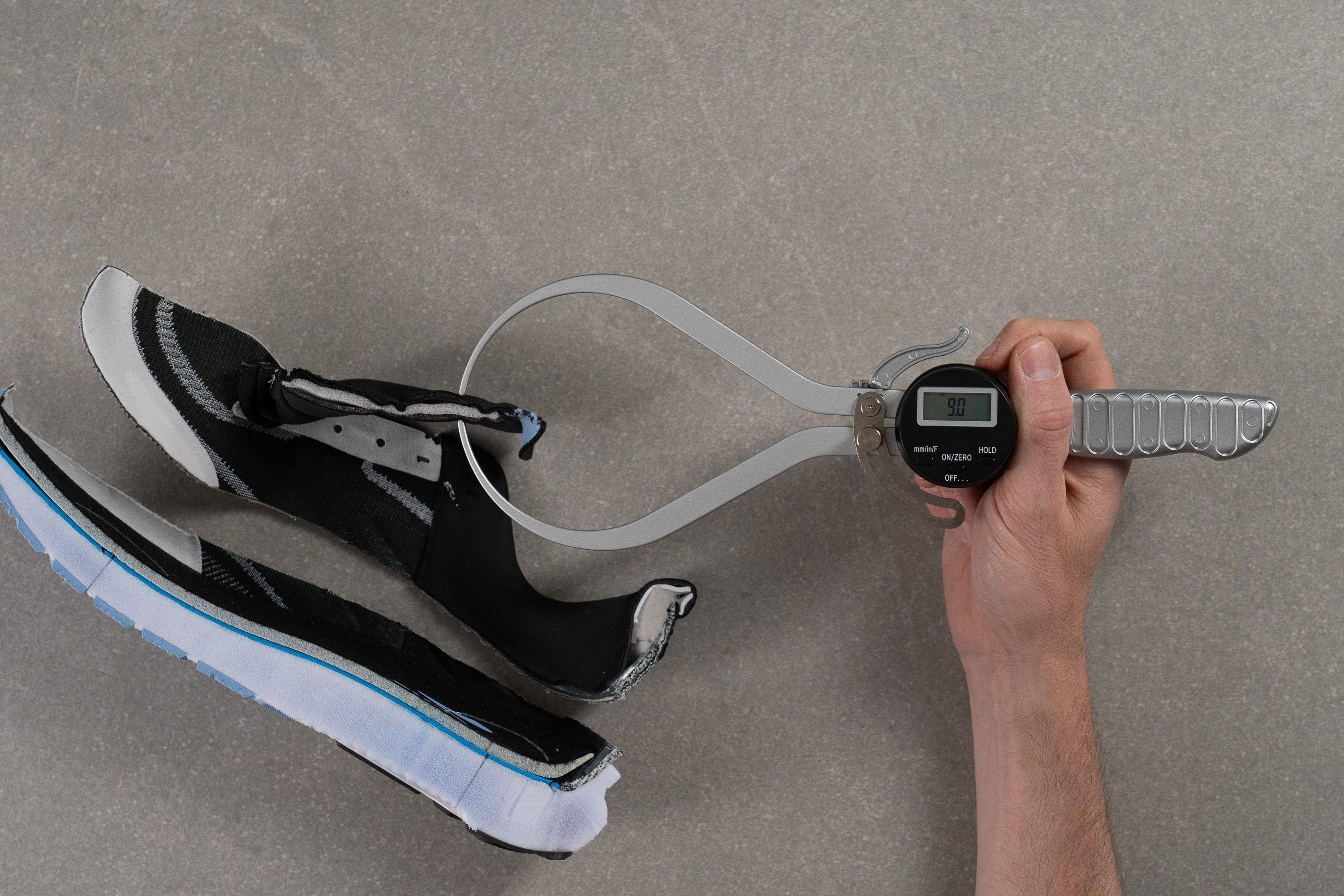
| Ghost 18 | 9.0 mm |
| Average | 5.8 mm |
Tongue: gusset type
One simple and inexpensive upgrade would be the addition of a semi-gusseted tongue, which would enhance the overall fit and help the shoe feel more refined. Maybe for version 19?
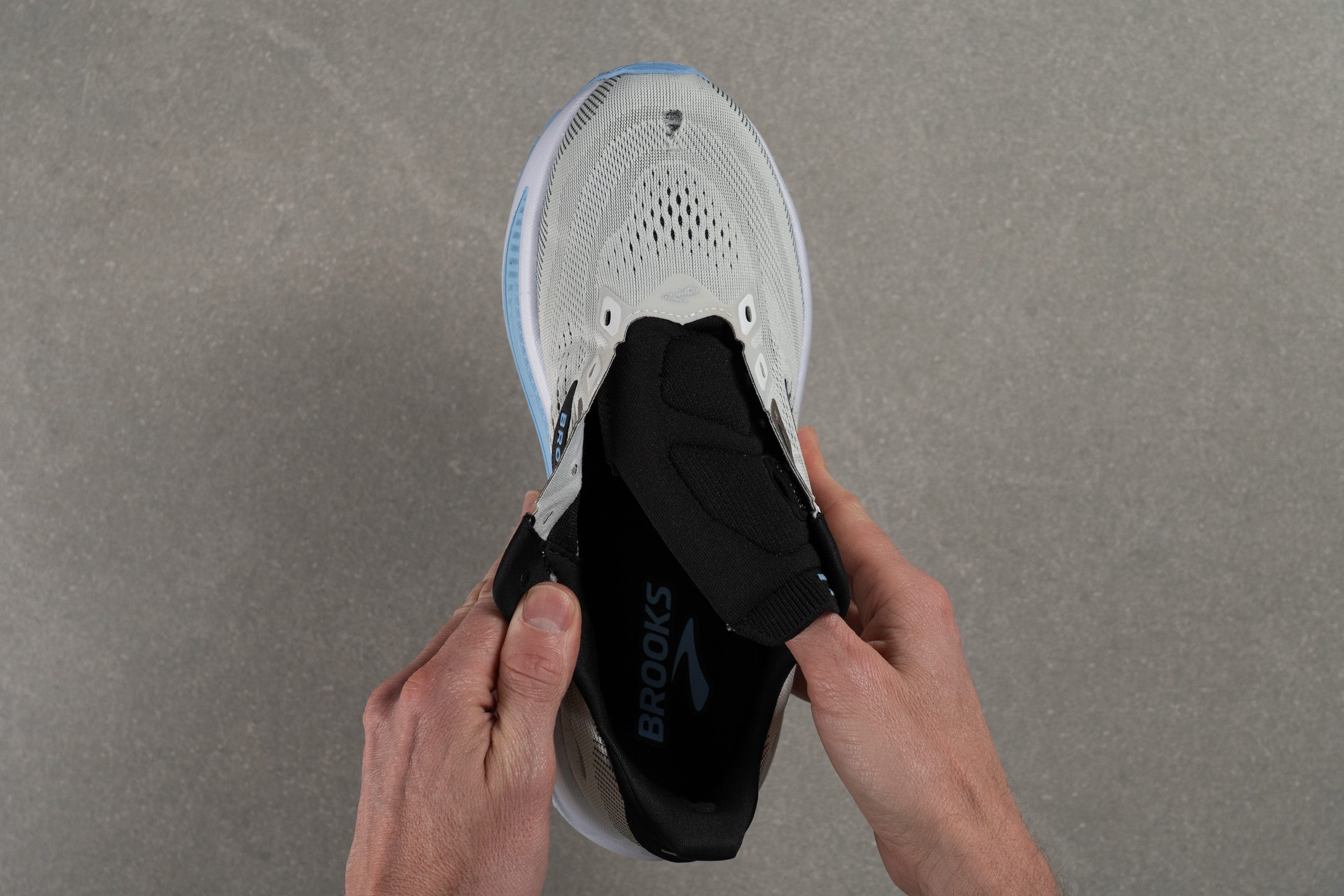
| Ghost 18 | None |
Heel tab
Brooks has subtly updated this area with an extended heel tab that not only looks more modern but also makes the shoe noticeably easier to pull on.
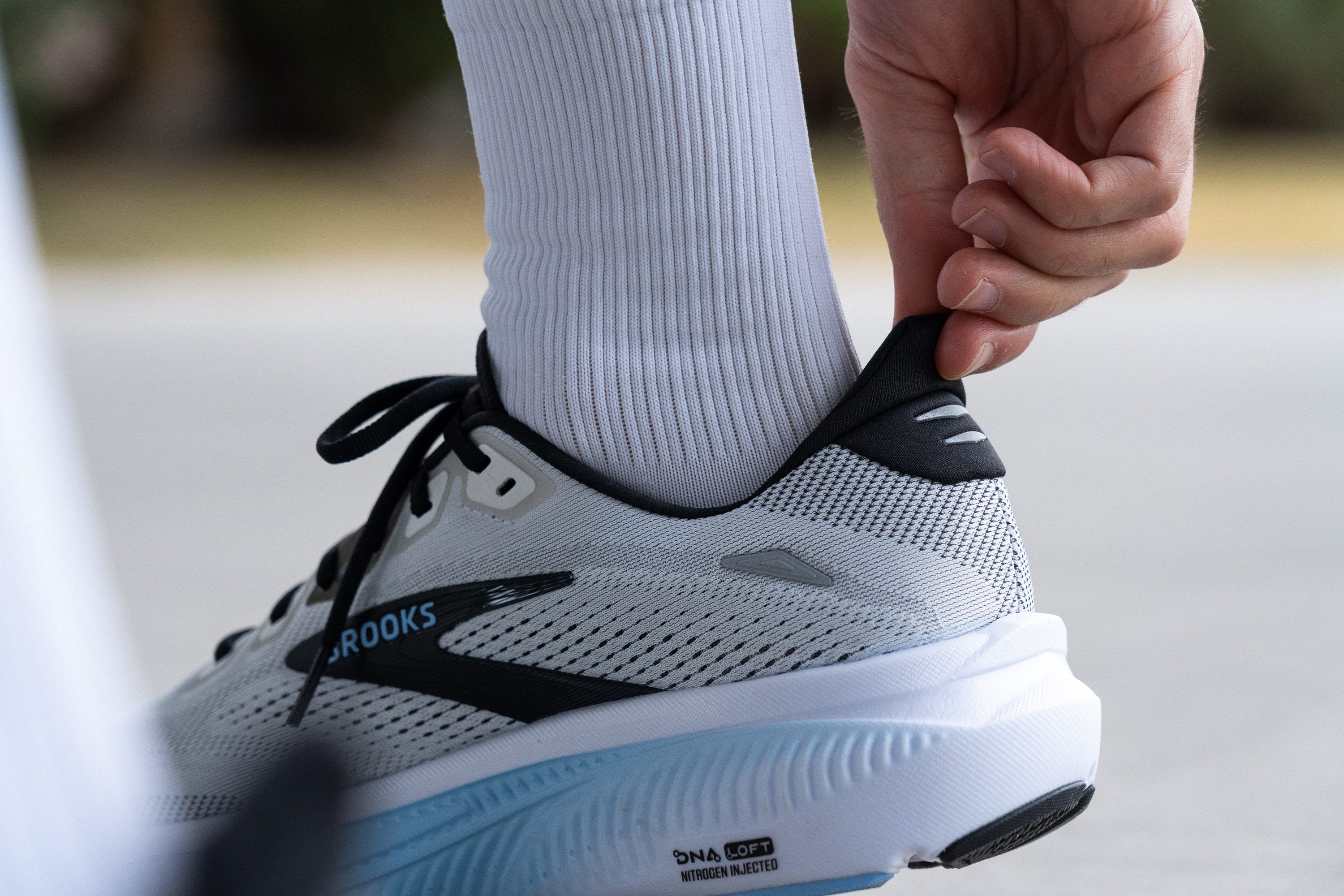
| Ghost 18 | Extended heel collar |
Price
The Ghost 18 retains the same price as its predecessor, which is welcome news at a time when many running shoes continue to creep upward in cost. However, the Ghost series was already approaching the ceiling of what its current platform and feature set can justify.
In our opinion, the shoe delivers exactly what its loyal audience expects, but it totally lacks the premium materials and performance-focused technologies that would support a move into a higher price bracket.
| Ghost 18 | $150 |