
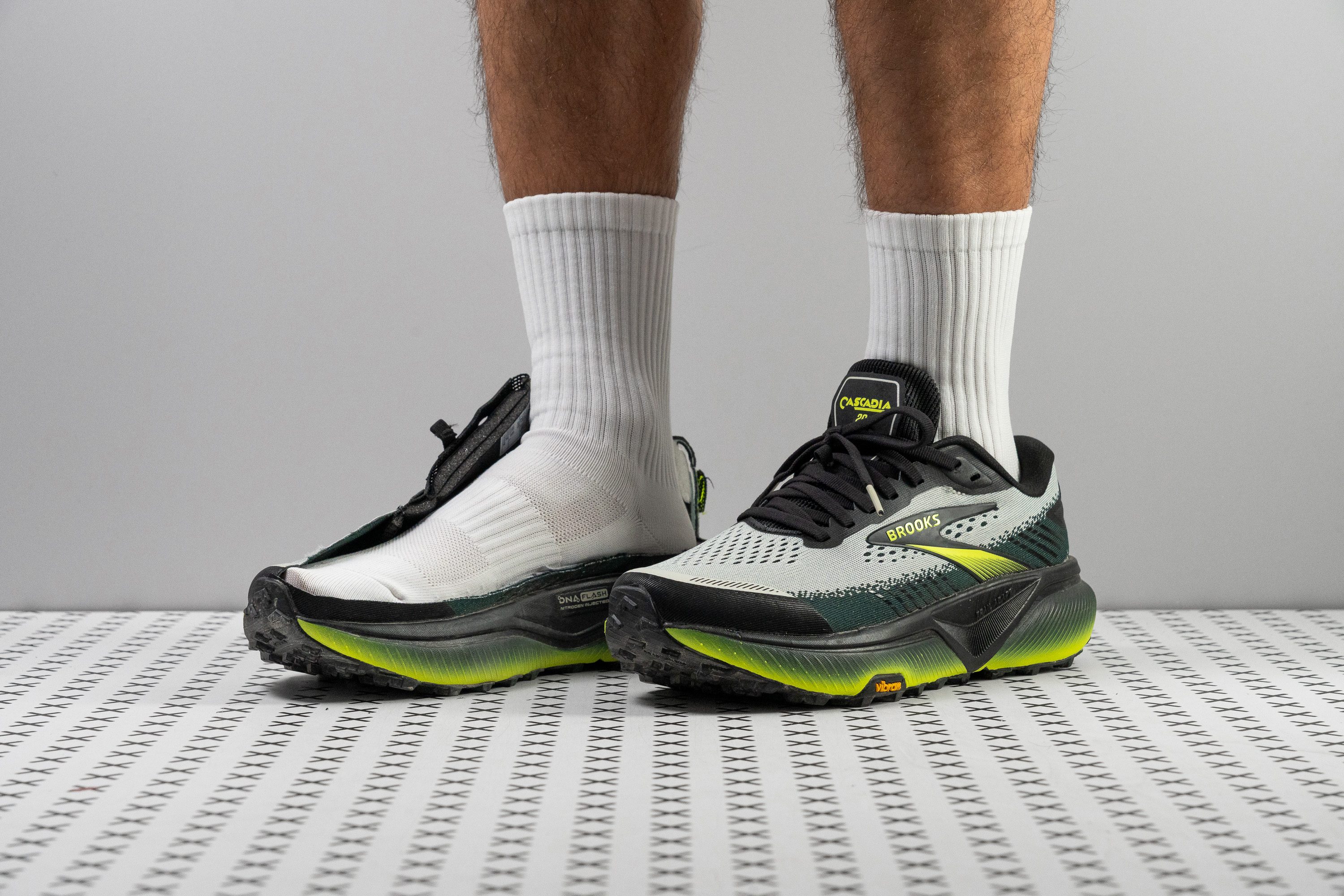


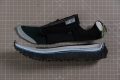
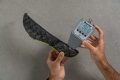
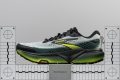







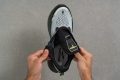
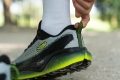
Our verdict
- Gravel 89
- Versatile 82
- Technical 61
Pros
- Vibram Megagrip outsole
- Excellent stability
- Versatile for hiking and running
- More cushioning than previous Cascadias
- Plush step-in comfort
- Secure fit with zero slide
- Ideal for heel strikers
- Performs well on gravel roads
- Excellent value for money
- Lighter than v19
Cons
- Still a heavy trail shoe
- Snug fit limits wider feet
- Upper durability concerns
- Maybe a bit too firm for some
Awards
- Top pick in best Brooks running shoes
- Top pick in best Brooks trail running shoes
- Top 13% in trail running shoes
- Top 4% in Brooks running shoes
- Top 22% most popular running shoes
Comparison
The most similar running shoes compared
+ + Add a shoe | |||||
|---|---|---|---|---|---|
| Our score | 87 Great | 79 Good | 89 Superb | 79 Good | |
| Price | £140 | £130 | £140 | £120 | |
| Trail terrain | Gravel / Road-to-trailVersatile / Moderate terrain | Gravel / Road-to-trailVersatile / Moderate terrain | Gravel / Road-to-trailVersatile / Moderate terrain | Gravel / Road-to-trailVersatile / Moderate terrain | |
| Shock absorption | High | Moderate | Moderate | High | |
| Energy return | Moderate | Moderate | High | Moderate | |
| Traction | High | High | High | High | |
| Arch support | Neutral | Neutral | Neutral | Neutral | |
| Weight lab Weight brand | 10.5 oz / 298g 10.8 oz / 306g | 10.9 oz / 309g 10.9 oz / 309g | 11 oz / 312g 10.9 oz / 309g | 10.2 oz / 289g 10.1 oz / 286g | |
| Drop lab Drop brand | 8.8 mm 6.0 mm | 8.8 mm 6.0 mm | 6.5 mm 6.0 mm | 8.0 mm 6.0 mm | |
| Strike pattern | HeelMid/forefoot | HeelMid/forefoot | Mid/forefoot | HeelMid/forefoot | |
| Size | True to size | True to size | Slightly small | - | |
| Midsole softness | Balanced | Balanced | Balanced | Balanced | |
| Difference in midsole softness in cold | Small | Big | Normal | Small | |
| Toebox durability | Bad | Bad | Decent | Decent | |
| Heel padding durability | Bad | Good | Bad | Good | |
| Outsole durability | Good | Decent | Decent | Good | |
| Breathability | Moderate | Moderate | Moderate | Moderate | |
| Width / fit | Medium | Medium | Medium | Wide | |
| Toebox width | Narrow | Medium | Medium | Medium | |
| Stiffness | Stiff | StiffModerate | Moderate | Stiff | |
| Torsional rigidity | Moderate | Stiff | Moderate | Moderate | |
| Heel counter stiffness | Stiff | Stiff | Stiff | Moderate | |
| Lug depth | 3.4 mm | 3.6 mm | 3.5 mm | 3.5 mm | |
| Heel stack lab Heel stack brand | 37.9 mm 38.0 mm | 36.7 mm 39.0 mm | 37.6 mm 36.0 mm | 38.3 mm 36.5 mm | |
| Forefoot lab Forefoot brand | 29.1 mm 32.0 mm | 27.9 mm 33.0 mm | 31.1 mm 30.0 mm | 30.3 mm 30.5 mm | |
| Widths available | NormalWide | Normal | Normal | Normal | |
| For heavy runners | ✓ | ✓ | ✓ | ✓ | |
| Season | All seasons | All seasons | All seasons | All seasons | |
| Removable insole | ✓ | ✓ | ✓ | ✓ | |
| Orthotic friendly | ✓ | ✓ | ✓ | ✓ | |
| Ranking | #63 Top 16% | #242 Bottom 39% | #42 Top 11% | #256 Bottom 36% | |
| Popularity | #86 Top 22% | #179 Top 45% | #143 Top 36% | #347 Bottom 13% |
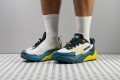
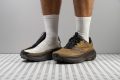
Who should buy
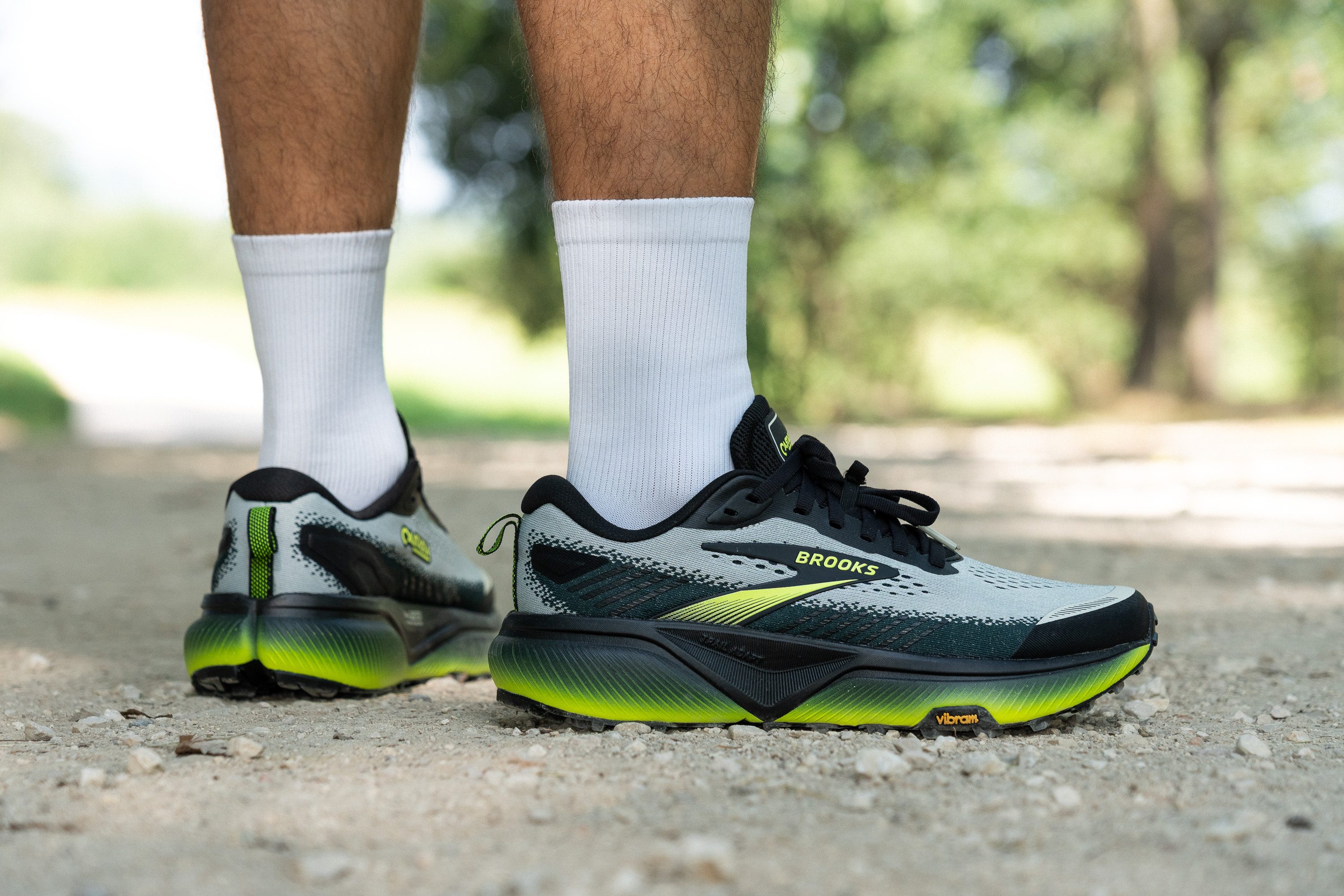
The Brooks Cascadia 20 is a great choice for:
- Runners who have been waiting for the Cascadia lineup to finally feature a Vibram Megagrip outsole.
- Those who wanted more cushioning than previous Cascadia models offered.
- Anyone looking for a great-value trail shoe that performs well on easy and moderately-technical trails.
- Heel strikers who use stability shoes on the road and want a similarly supportive option for trail running.
Who should NOT buy
If you prefer lightweight trail shoes, the Cascadia 20 is unlikely to meet your expectations. For a much more nimble and agile ride, check the adidas Terrex Agravic Speed.
We also believe that the Cascadia 20's snug fit won't suit runners with wide feet. Instead, the Altra Olympus 275 is an excellent choice for those who need maximum toebox space, while the Nike Zegama 2 offers a more balanced fit.
Cushioning
Shock absorption
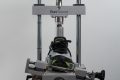
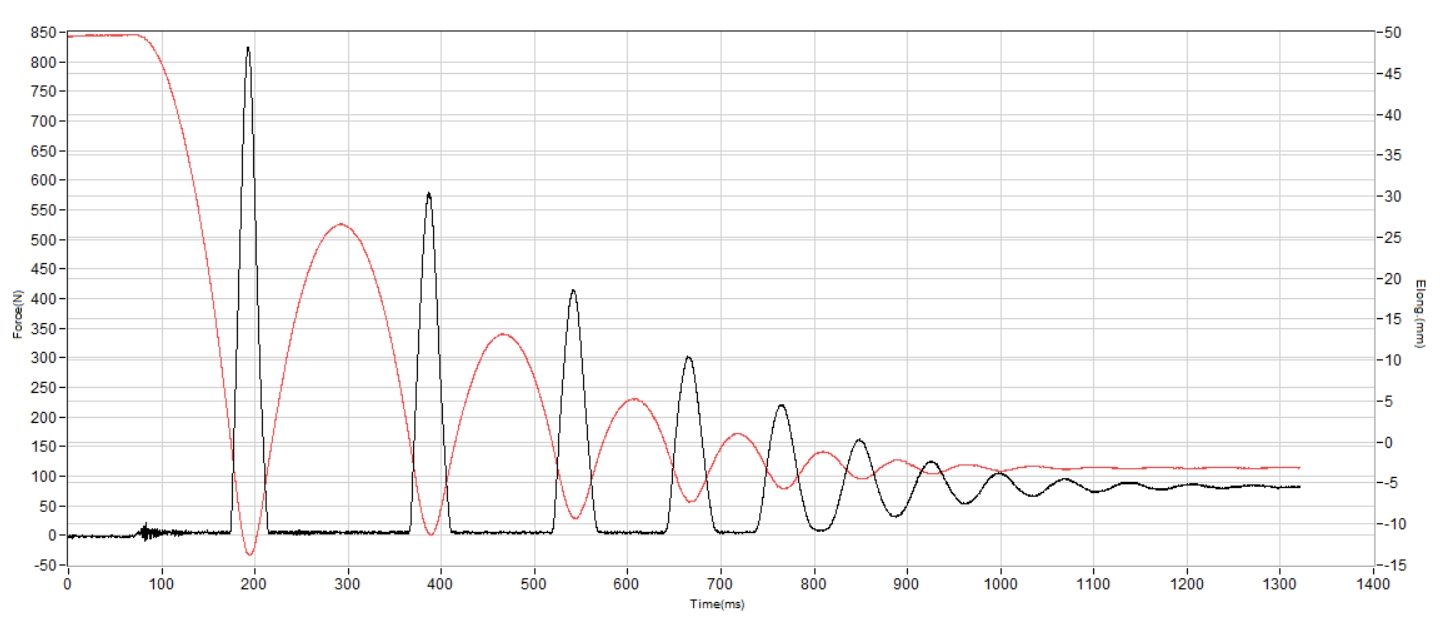
With 136 SA in the heel and 121 SA in the forefoot for shock absorption, the Brooks Cascadia 20 is the most protective version yet, making it a much more versatile choice for longer distances and even ultramarathons.
| Cascadia 20 | 136 SA |
| Average | 123 SA |
Energy return
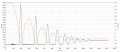
The midsole now switches to DNA Flash v2, yet it delivers a similar level of bounce with 58.0% energy return in the heel and 59.8% in the forefoot.
This is an unexpected move, as Brooks introduced DNA Loft v3 to the Cascadia lineup just last year, making the transition to a new foam much sooner than anticipated.
| Cascadia 20 | 59.8% |
| Average | 59.7% |
Heel stack
The heel stack height of the Cascadia lineup perfectly illustrates how trail running shoes keep getting taller year after year. But where should the limit be?
- Brooks Cascadia 18: 32.6 mm
- Brooks Cascadia 19: 34.8 mm
- Brooks Cascadia 20: 37.9 mm
If Brooks wants to preserve the Cascadia as a true Swiss Army knife for the trails, pushing beyond 40 mm wouldn't be the right move, especially considering the shoe already delivers more than enough shock absorption.
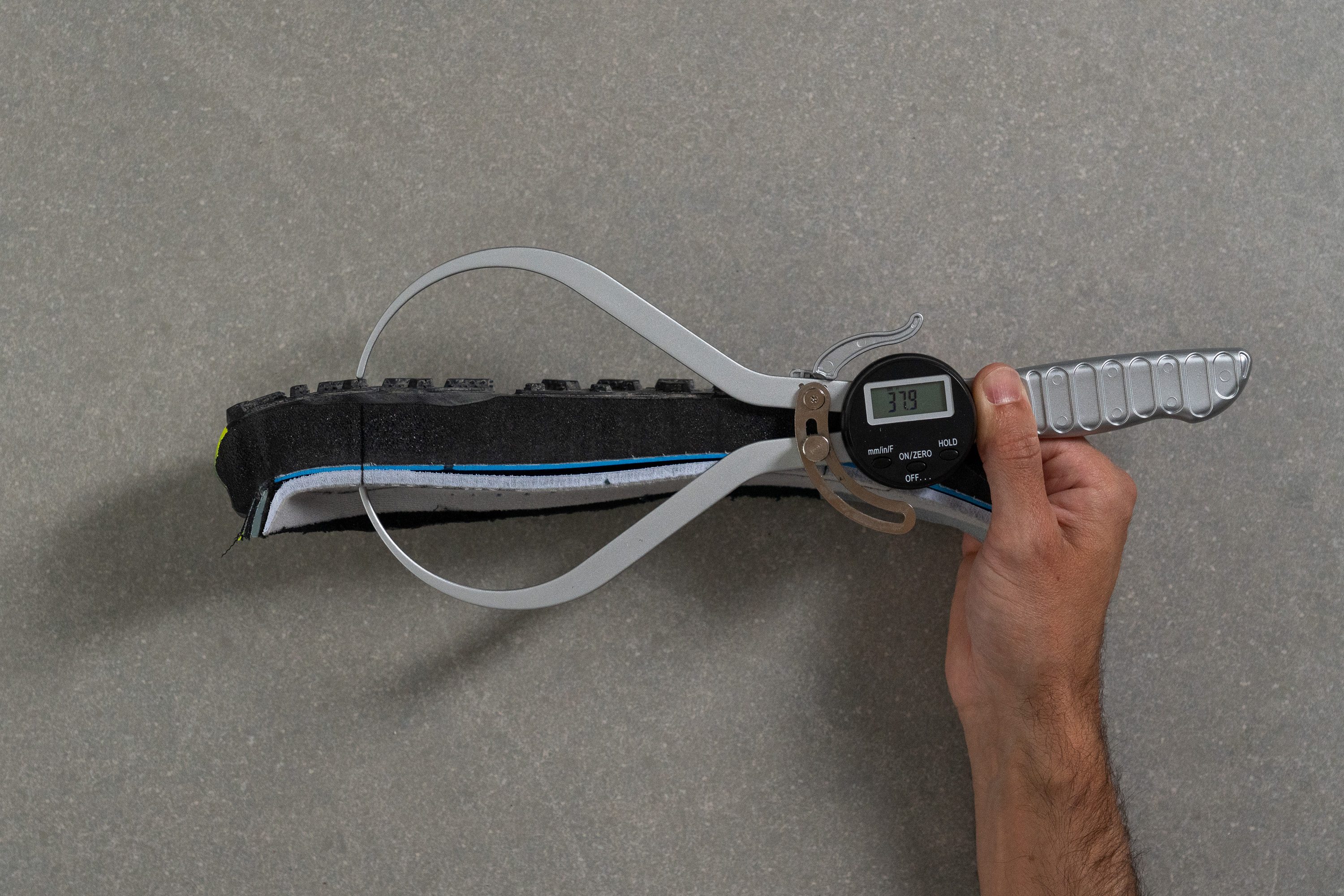
| Cascadia 20 | 37.9 mm |
| Average | 33.1 mm |
Forefoot stack
The forefoot also gains 2.1 mm over the previous version, reaching a total stack height of 29.1 mm.
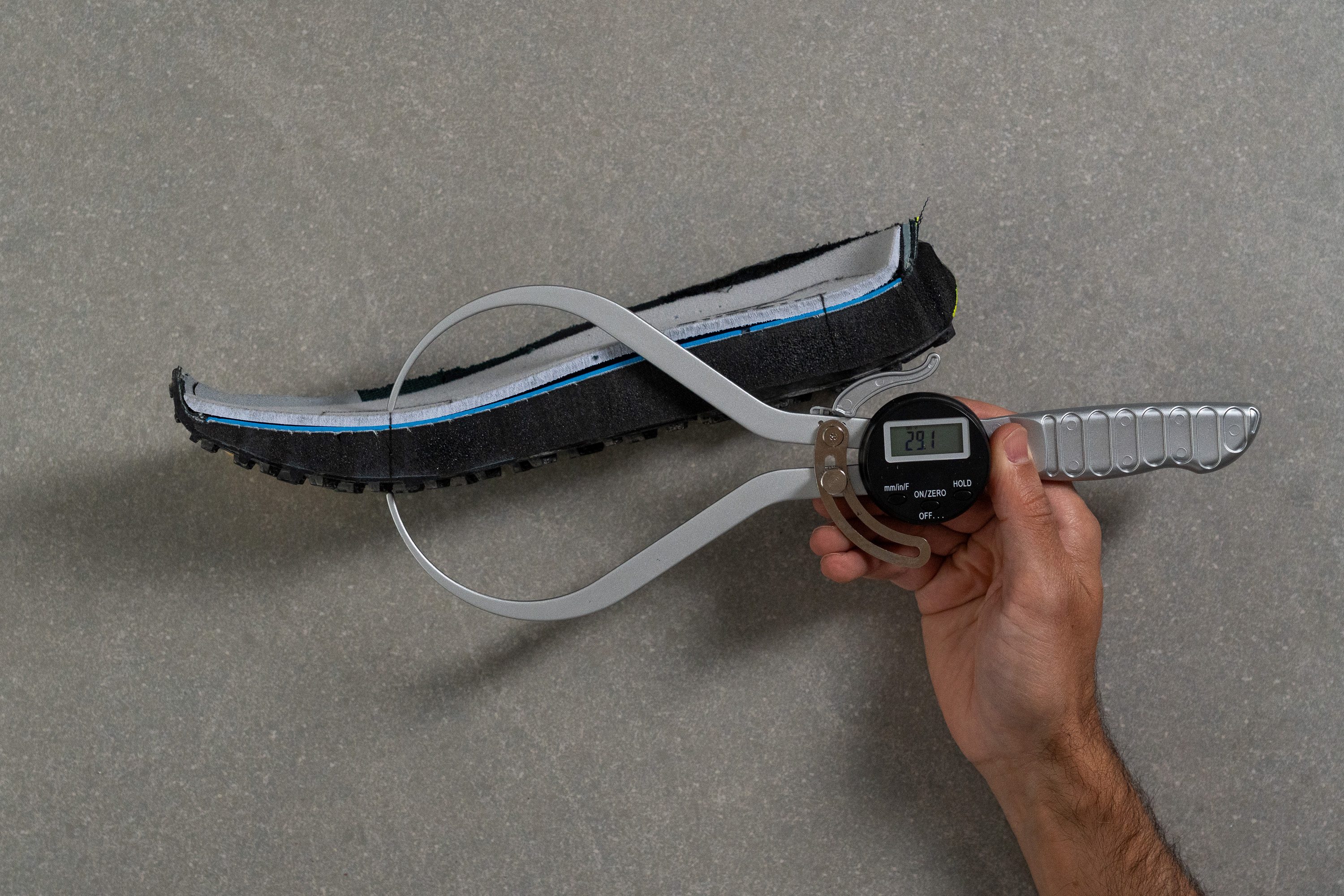
| Cascadia 20 | 29.1 mm |
| Average | 25.8 mm |
Drop
As you may have already guessed from our previous two measurements, the drop is higher than the 6 mm advertised by Brooks. In fact, we measured 8.8 mm, making the shoe slightly more appealing to heel strikers than the spec sheet suggests.
| Cascadia 20 | 8.8 mm |
| Average | 7.3 mm |
Midsole softness
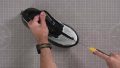
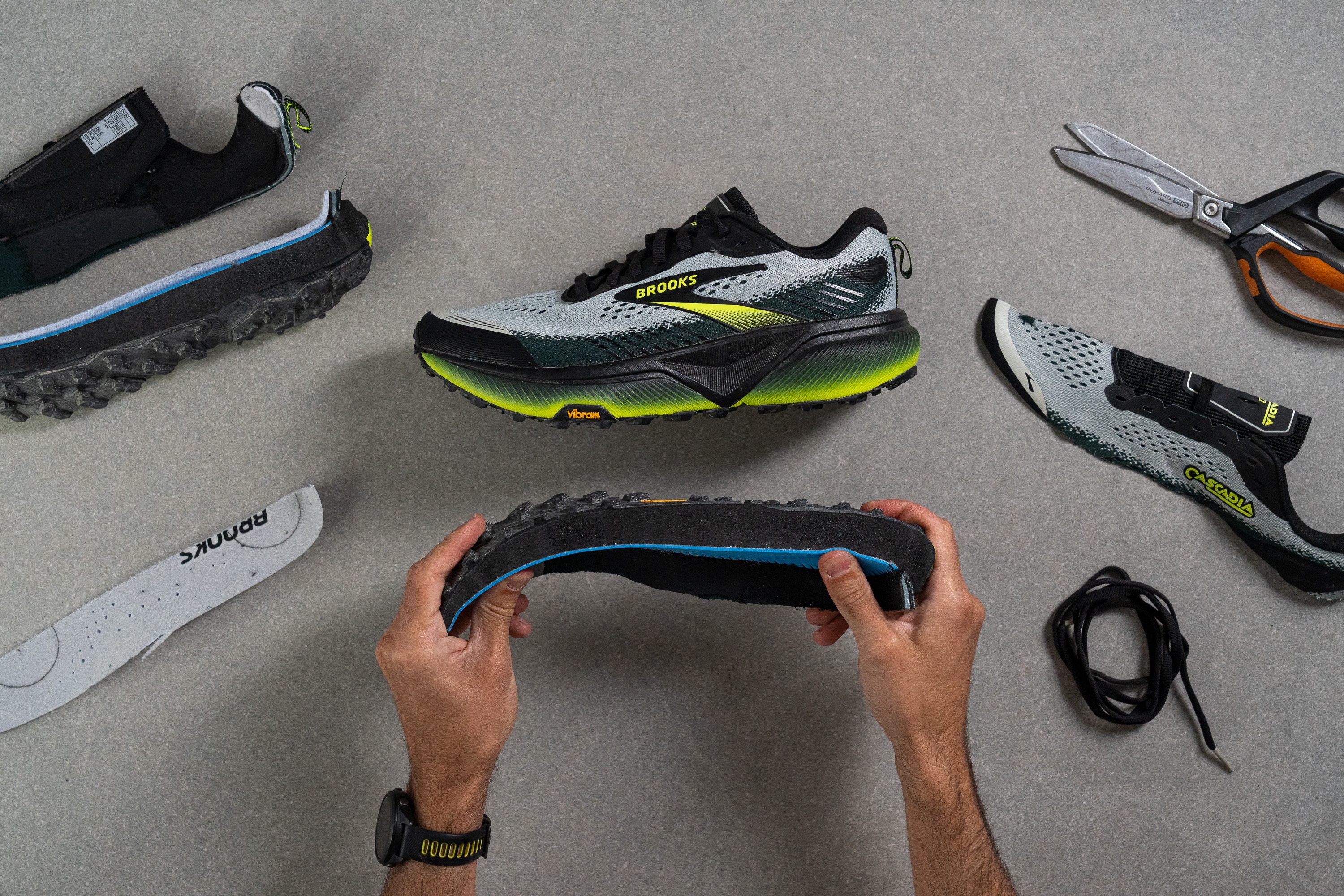
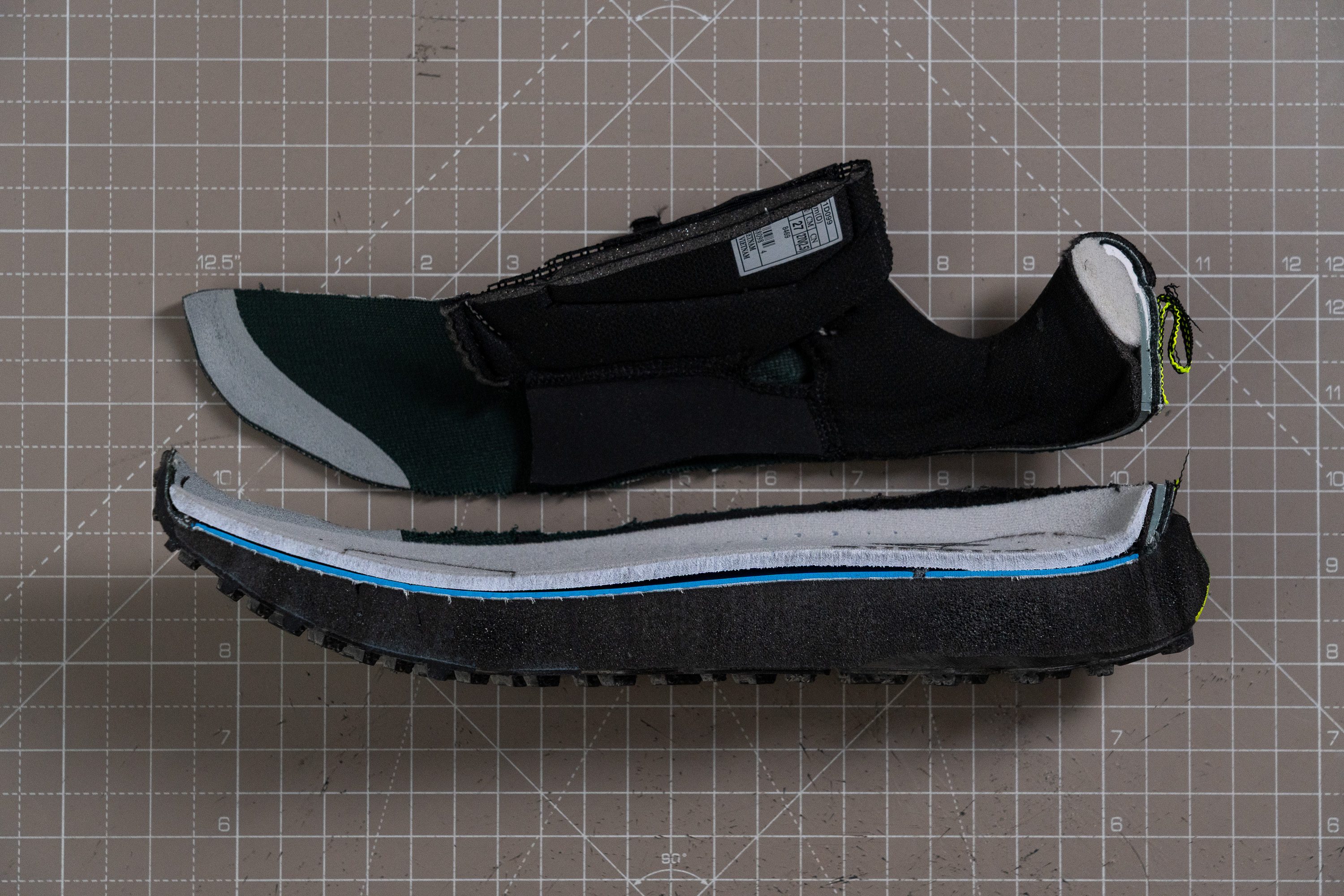
The Cascadia 19 may have been something of an experiment, because after slicing the Cascadia 20 in half, we found that Brooks has abandoned both the dual-density midsole and the plate in favour of a much simpler single-density foam setup.
DNA Flash v2 is slightly firmer than average at 39.6 AC, a characteristic that many trail runners appreciate because it enhances stability and control on uneven terrain.
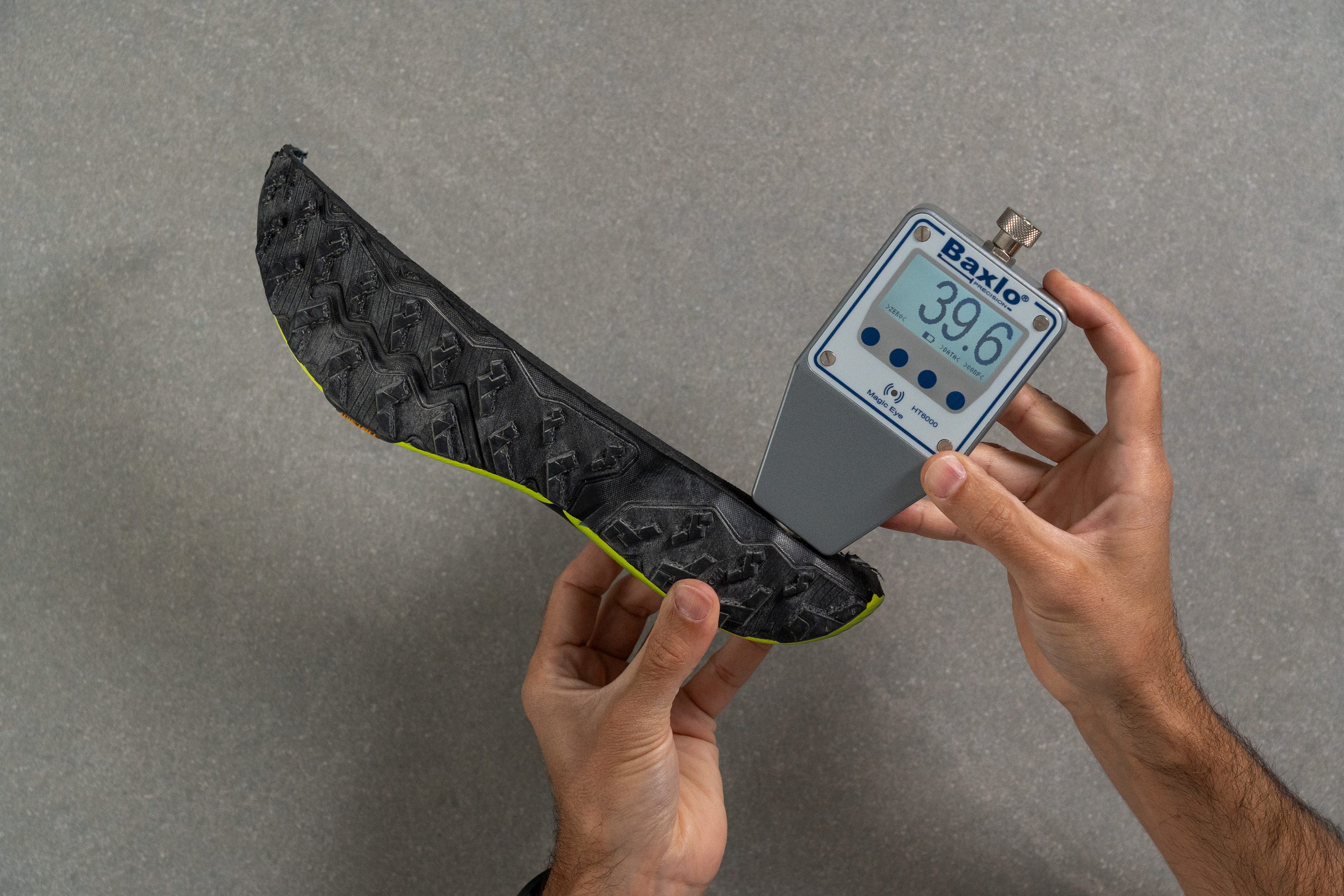
| Cascadia 20 | 39.6 AC |
| Average | 38.3 AC |
Rocker
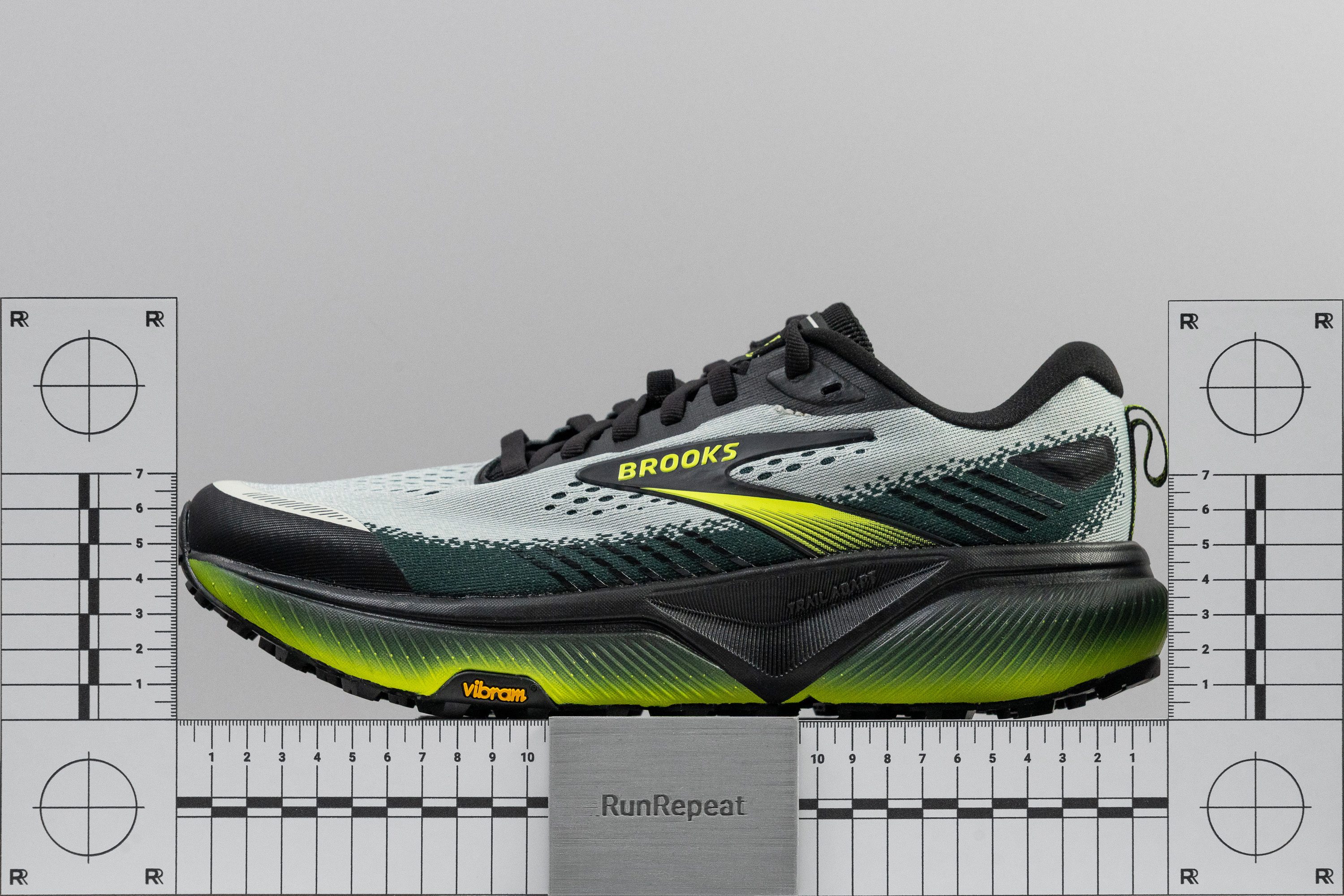
There are no major changes here, as Brooks retains a very similar rocker profile to last year's model. The heel features a gentle rocker that never feels intrusive or uncomfortable, while the forefoot rises to 4.5 cm, a fairly standard figure by today's trail running shoe standards.
Size and fit
Size
Brooks Cascadia 20 fits true to size (10 votes).
Internal length
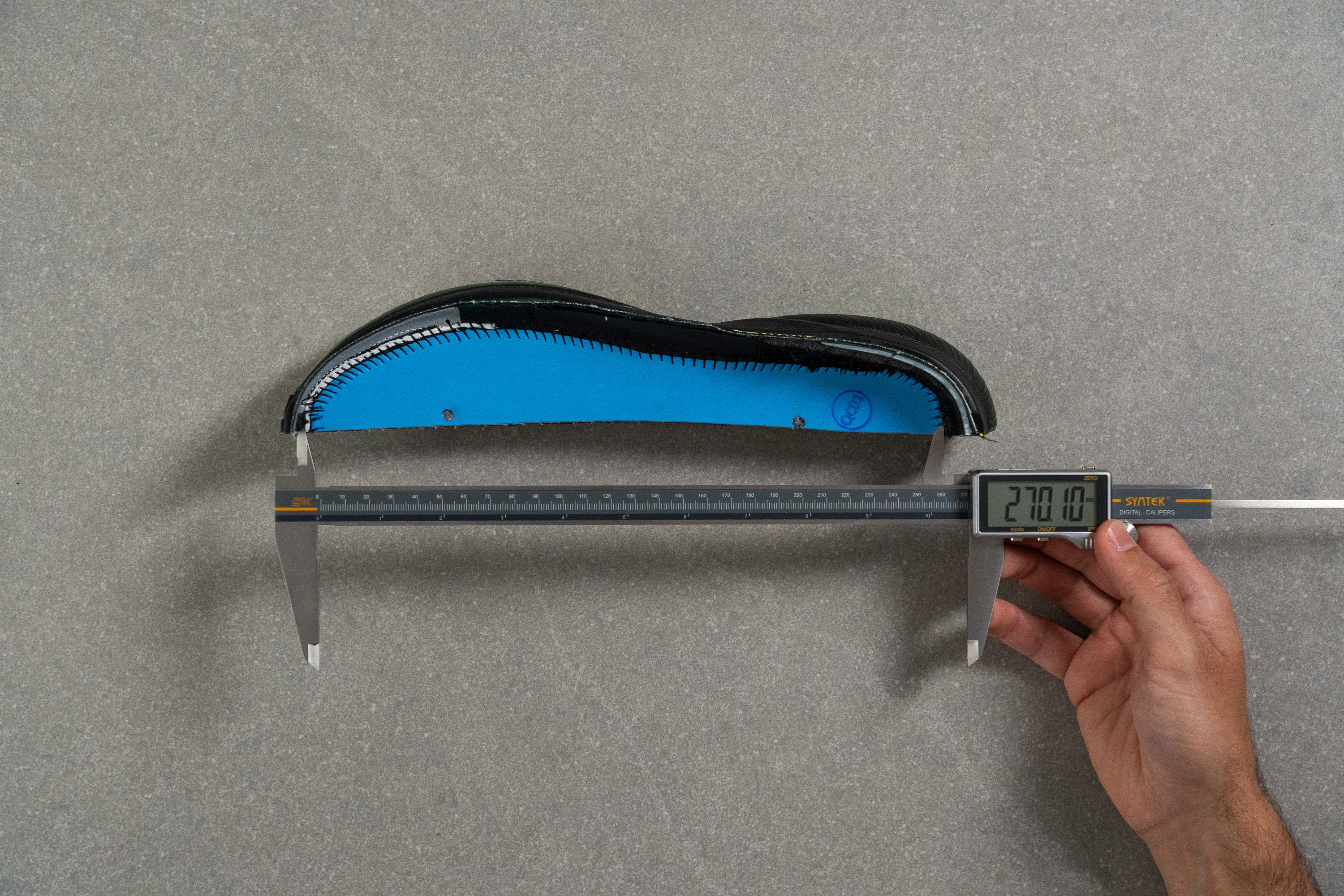
| Cascadia 20 | 270.1 mm |
| Average | 269.2 mm |
Width / Fit
As usual, Brooks offers the Cascadia in both standard and wide versions, although the wide option is only available in select regions and colorways.
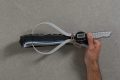
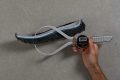
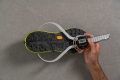
That said, let's start by measuring the fit. At its widest point, we recorded a below-average width of 93.7 mm.
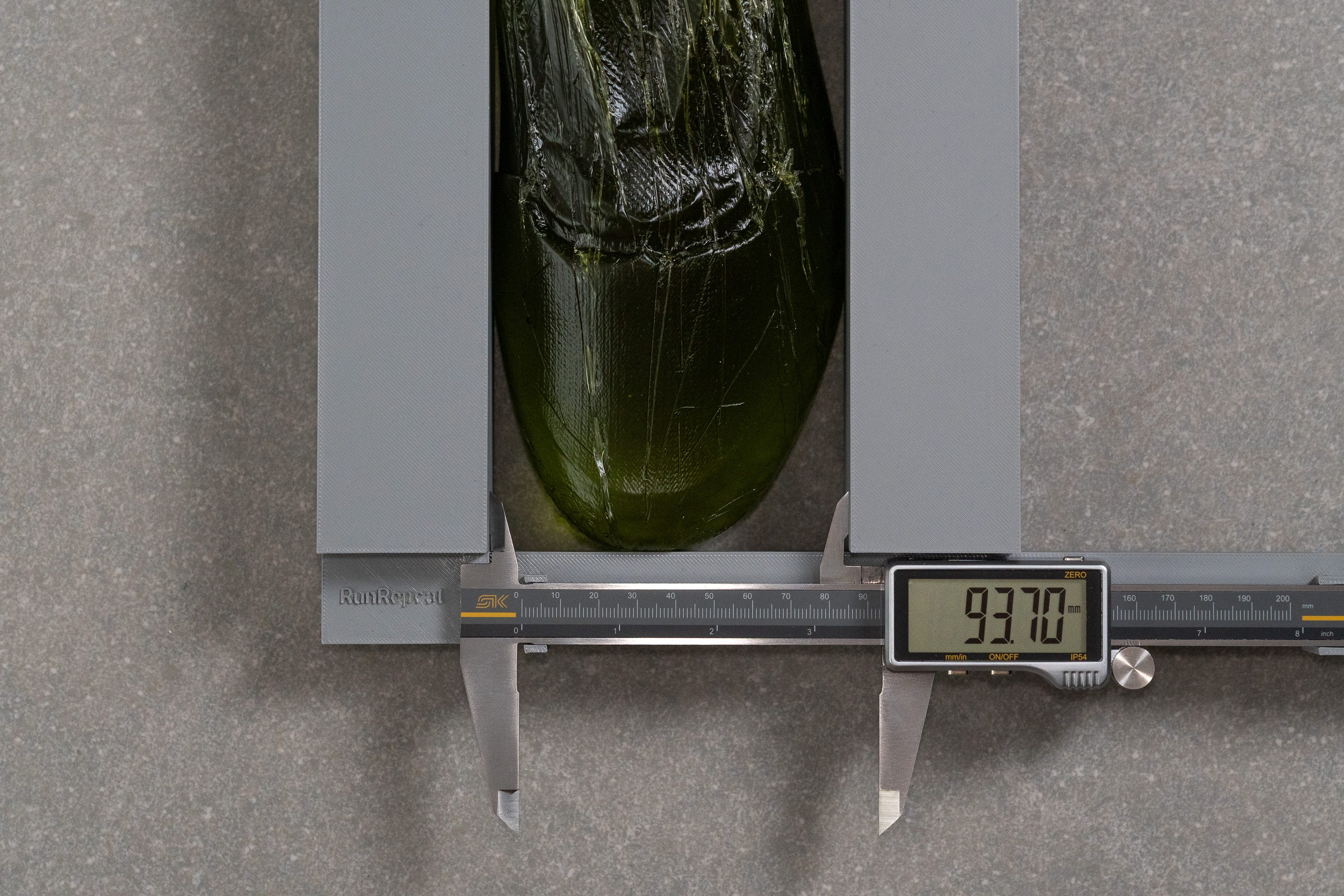
| Cascadia 20 | 93.7 mm |
| Average | 95.7 mm |
Toebox width
Next, we measured the toebox width and found that it offers limited room for toe splay. At just 70.6 mm, this shoe is better suited for runners with narrow feet or those who prefer a highly secure fit with minimal lateral foot movement.
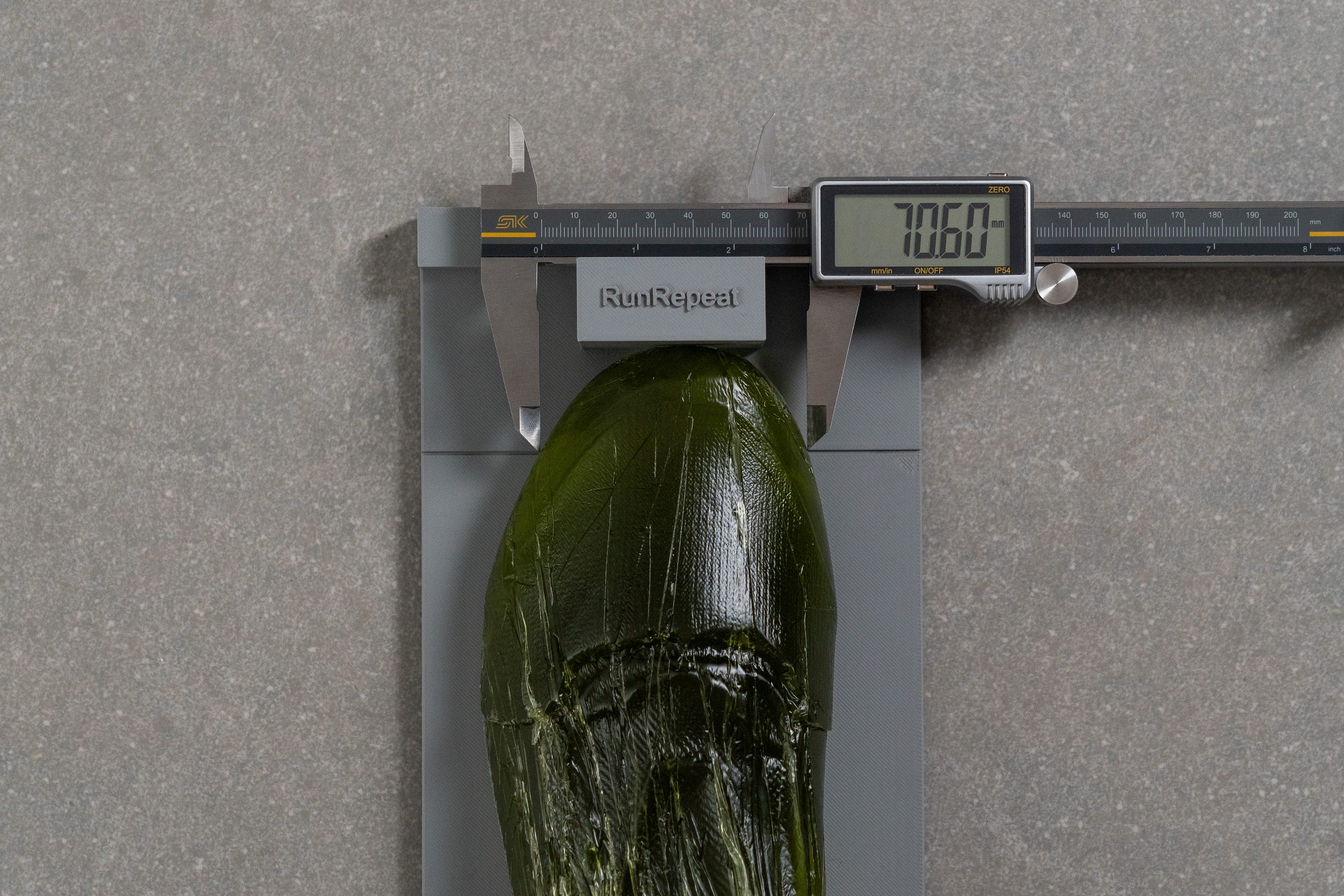
| Cascadia 20 | 70.6 mm |
| Average | 74.3 mm |
Toebox height
Lastly, we measured the vertical space in the toebox.
Once again, the result came in below average, although much closer this time, making the fit feel less restrictive in terms of toe height.
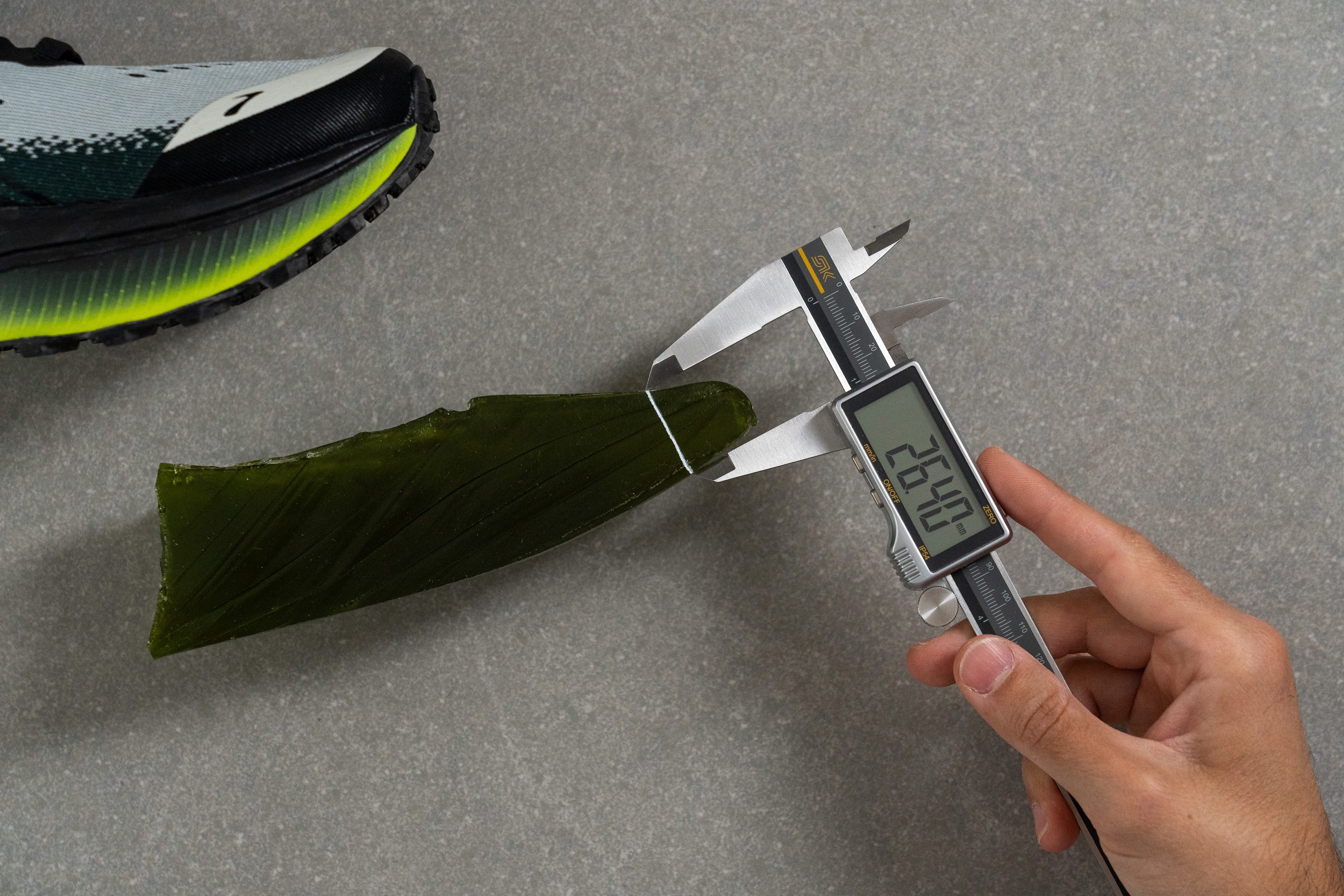
| Cascadia 20 | 26.4 mm |
| Average | 26.9 mm |
Traction / Grip
Traction test
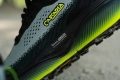
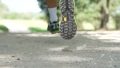
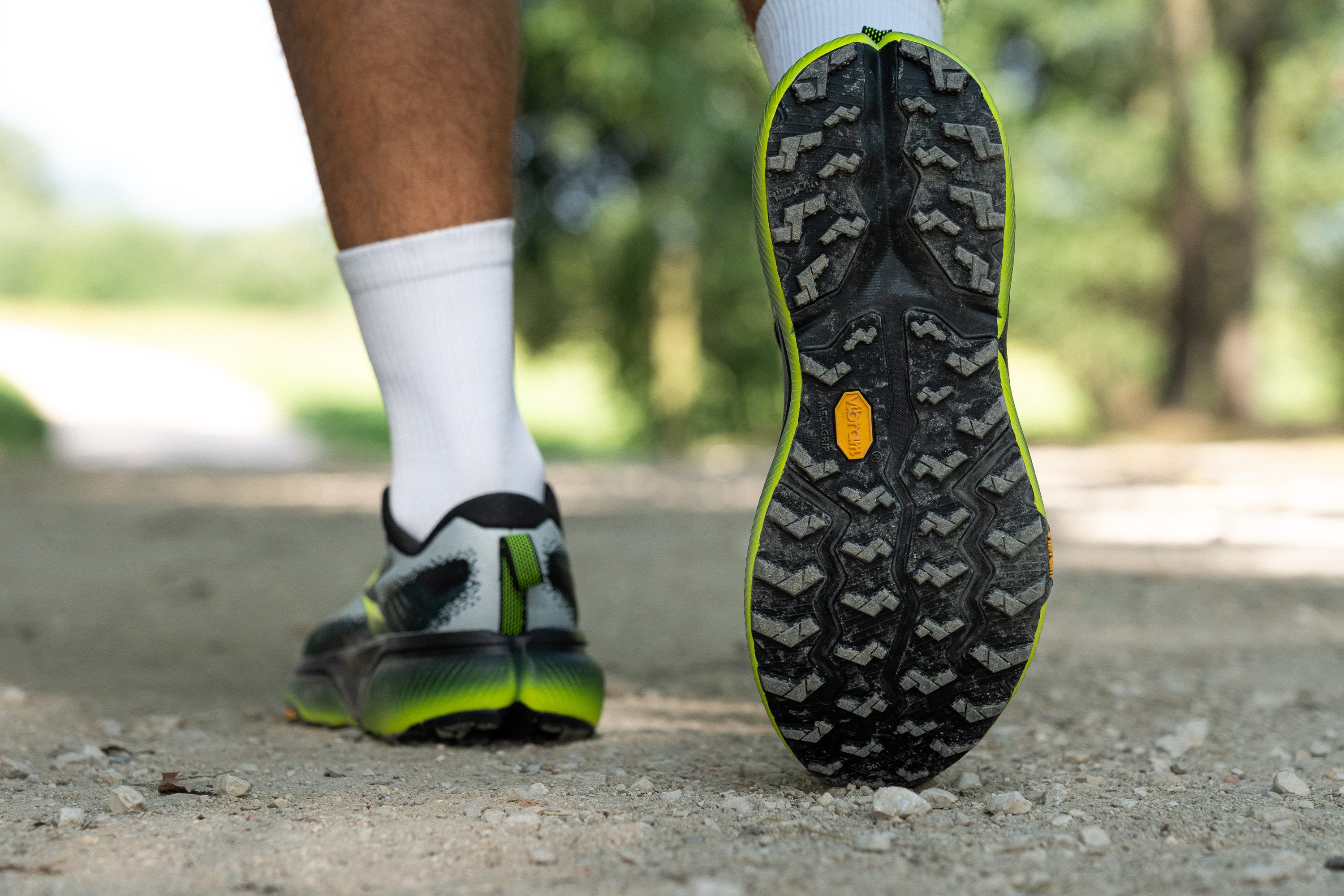
The Brooks Cascadia 20 delivered an outstanding 0.79 coefficient of friction, placing it well over our current lab average. Its all-new Vibram Megagrip outsole provided exceptional traction throughout our evaluation, inspiring complete confidence across a wide variety of terrain.
| Cascadia 20 | 0.79 |
| Average | 0.68 |
Lug depth
The new Vibram Megagrip outsole, which finally makes its way to the Cascadia lineup, also features Traction Lug technology. This welcome addition enhances grip, especially while cornering, thanks to the tiny dots embedded into each lug.
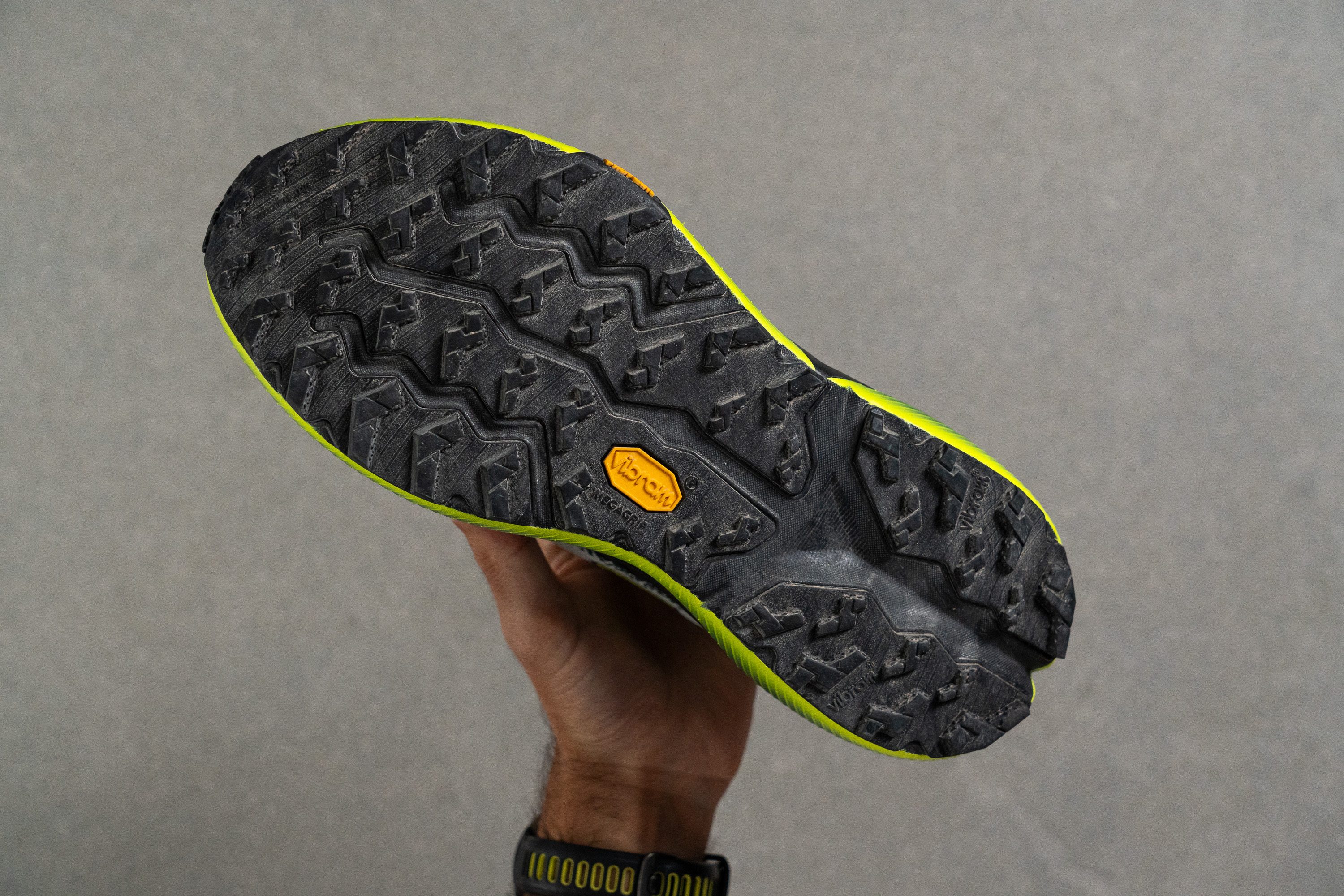
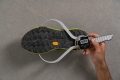
As for lug depth, we measured 3.4 mm, slightly shallower than Brooks' stated figure of 4 mm. Therefore, the Cascadia 20 performs best on gravel roads and easy trails, while proving less capable on highly-technical terrain.
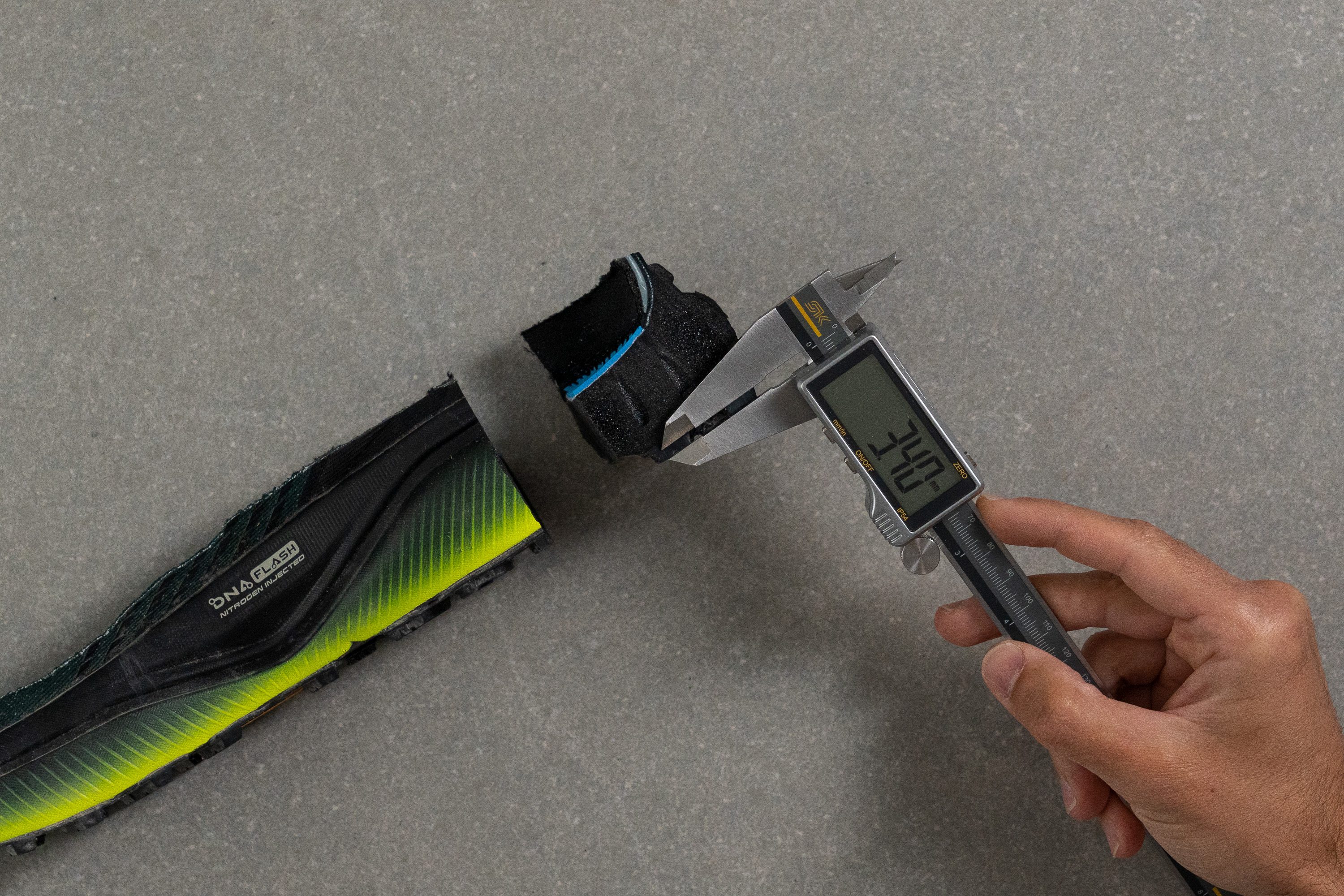
| Cascadia 20 | 3.4 mm |
| Average | 3.5 mm |
Outsole design
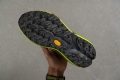
The outsole is almost entirely covered with excellent Vibram Megagrip rubber, leaving only a few exposed foam channels that are designed to improve flexibility rather than reduce weight. In our opinion, this level of rubber coverage is outstanding and should deliver excellent long-term durability.
Flexibility / Stiffness
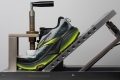
One side effect of adding more foam to the Cascadia's midsole is increased stiffness. As expected, this version is less flexible than its predecessor, requiring 18.1N in our 30-degree bend test.
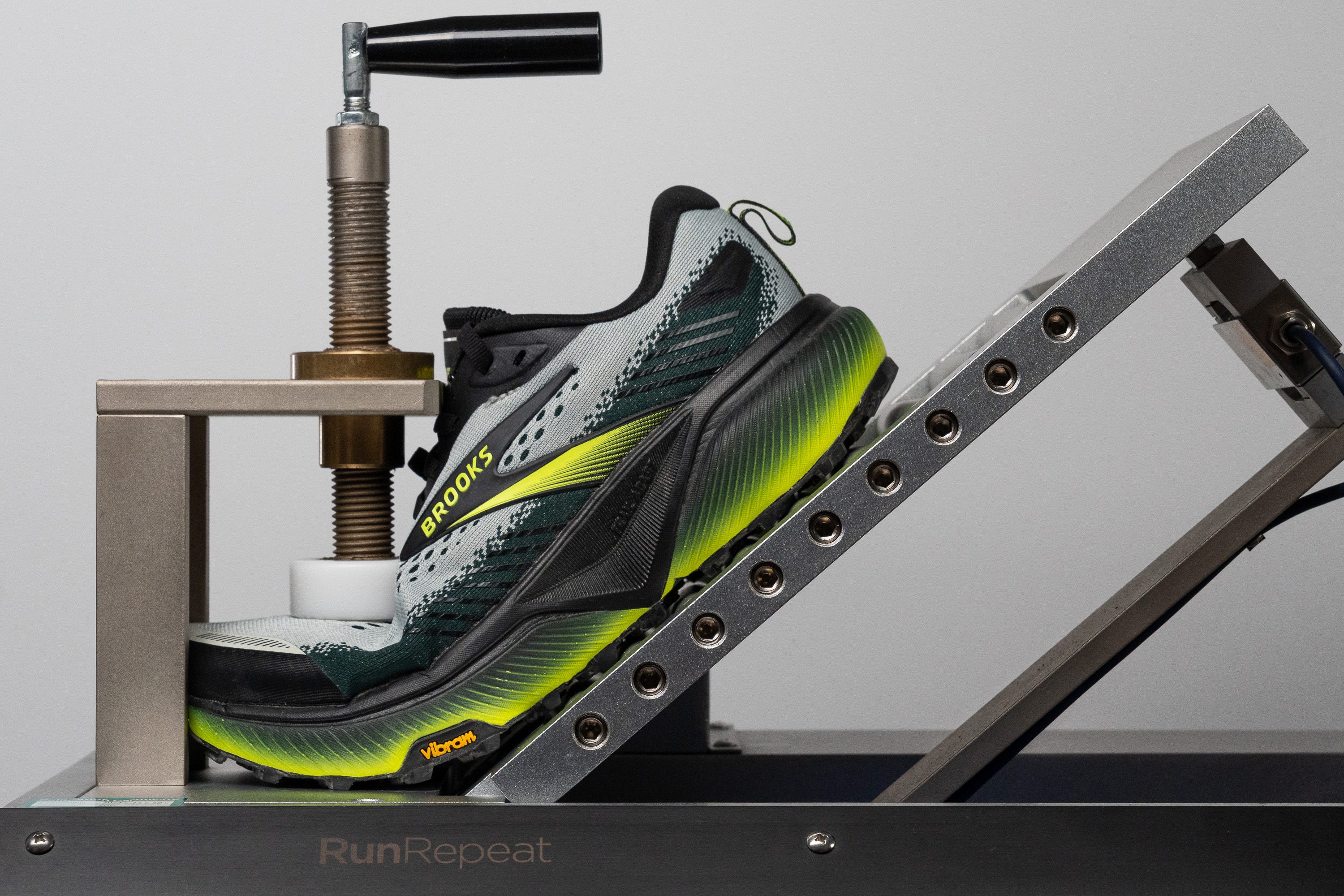
| Cascadia 20 | 18.1N |
| Average | 14.8N |
Weight
You might also expect the higher stack height to come with a weight penalty. However, we discovered why Brooks switched to DNA Flash v2 and moved away from DNA Loft v3.
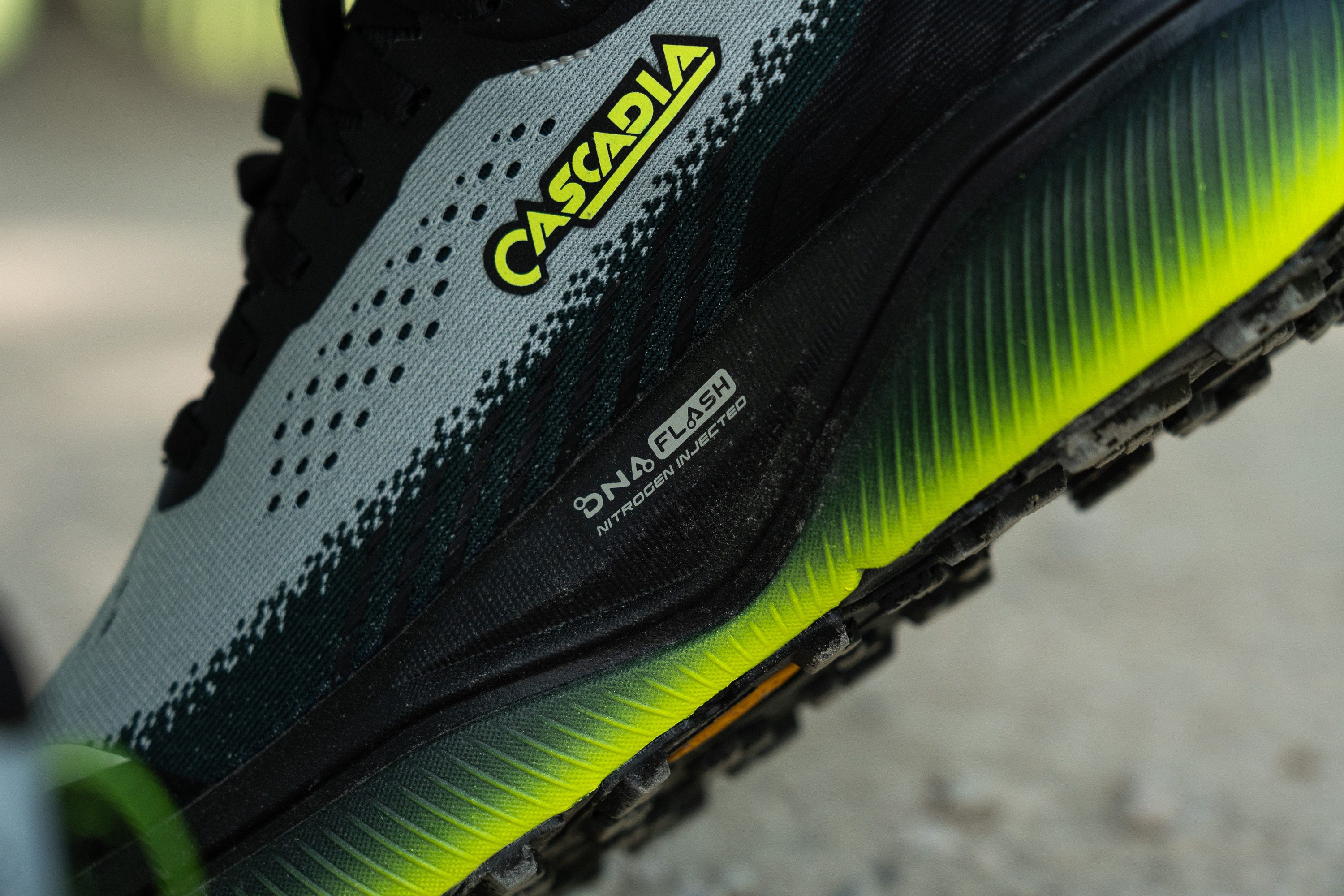
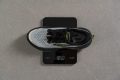
The new foam is lighter, allowing the Cascadia 20 to weigh slightly less than its predecessor at 10.5 oz (298g). That said, it's still a heavy shoe.
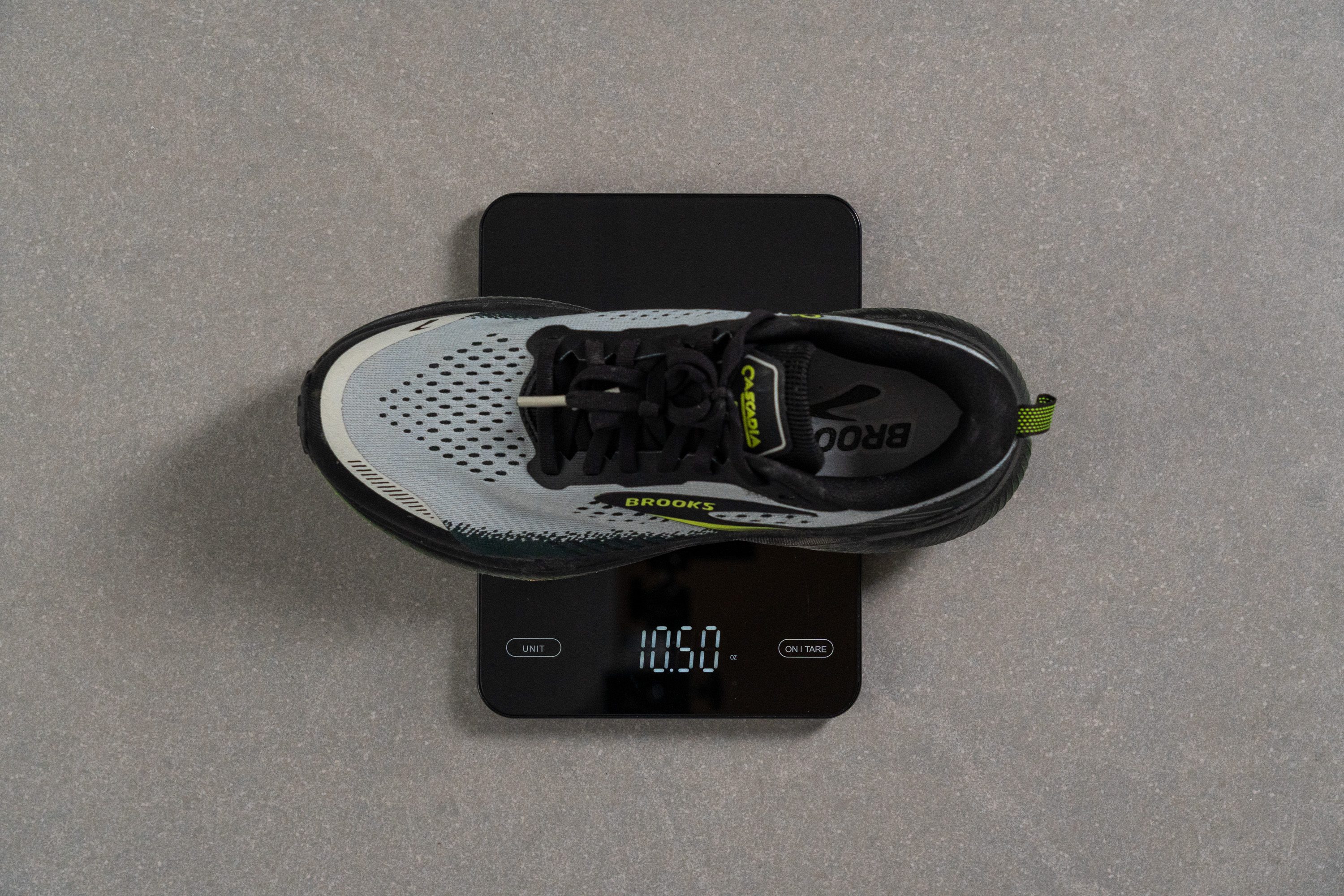
| Cascadia 20 | 10.5 oz (298g) |
| Average | 10.1 oz (285g) |
Breathability
Breathability test
The Brooks Cascadia 20 is built for demanding trails, featuring a mesh upper and strategically placed overlays to protect areas exposed to abrasion. That's a practical setup for rocky terrain, although we wanted to know whether the protective elements would limit ventilation.
We settled on a 3/5 score in our breathability test. There's a reasonable amount of airflow that works well for year-round versatility, but this isn't an especially airy trail shoe.

| Cascadia 20 | 3 |
| Average | 3.3 |
Stability
Lateral stability test
Brooks once again relies on its TrailAdapt technology in the Cascadia 20, a combination of design features that enhances support and flexibility in key areas to promote a stable ride.
Based on our testing, we can confidently say that the shoe delivers excellent stability in both the heel and forefoot and it's a good option for those with light or moderate overpronation.
Torsional rigidity
The cutouts we highlighted earlier, combined with the absence of a plate, allow the Cascadia 20 to twist and flex more easily (15.6 Nm) than its substantial size might initially suggest.
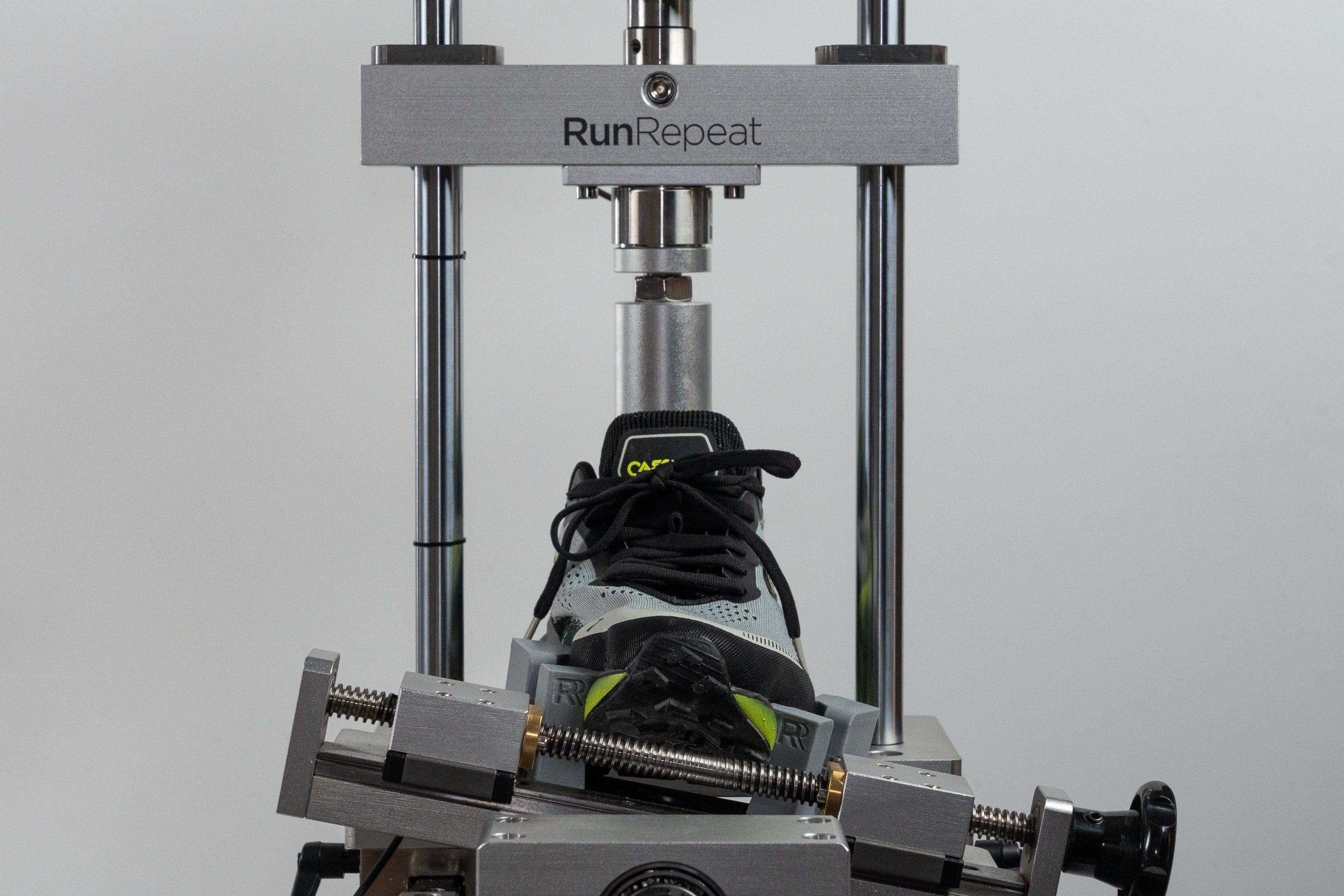
| Cascadia 20 | 15.6 Nm |
| Average | 15.8 Nm |
Heel counter stiffness
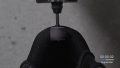
The heel feels exceptionally stable, largely thanks to the super-firm (5/5) heel counter Brooks added to the Cascadia 20. It may not appeal to runners who prefer a more natural feel, but for everyone else, the added support is likely to be a worthwhile tradeoff.
| Cascadia 20 | 5 |
| Average | 3 |
Midsole width - forefoot
One thing is immediately clear with the Cascadia 20: Brooks made stability a top priority, and the shoe delivers that feeling regardless of your footstrike.
The forefoot measures 117.7 mm wide, which is above the current lab average. However, it's the heel where Brooks really went all in with an exceptionally broad platform.
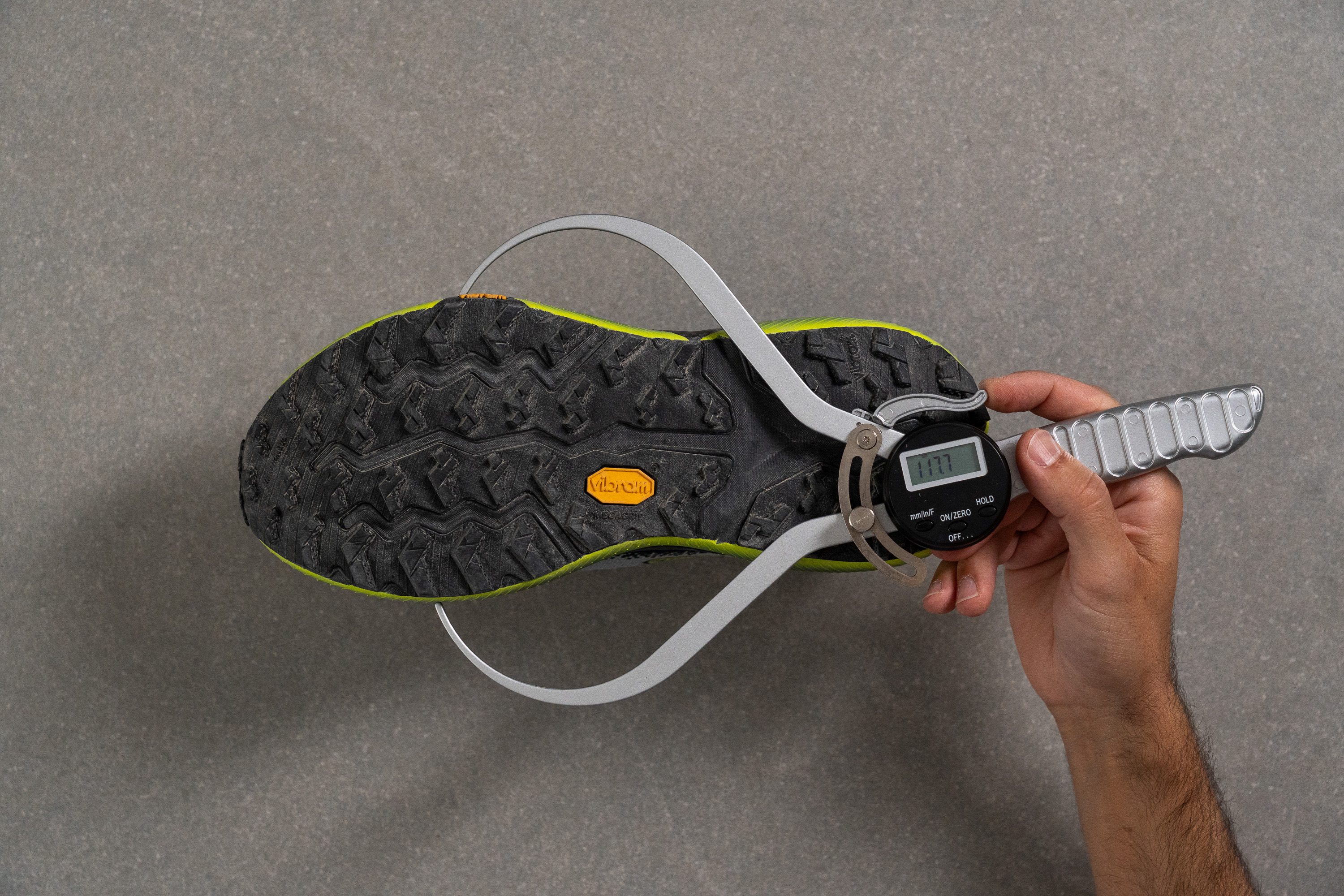
| Cascadia 20 | 117.7 mm |
| Average | 114.3 mm |
Midsole width - heel
At 98.5 mm wide, the heel platform is exceptionally broad, making it an excellent choice for runners who need extra support. However, like every design decision in running shoes, it comes with a tradeoff, and in this case, it's reduced agility.
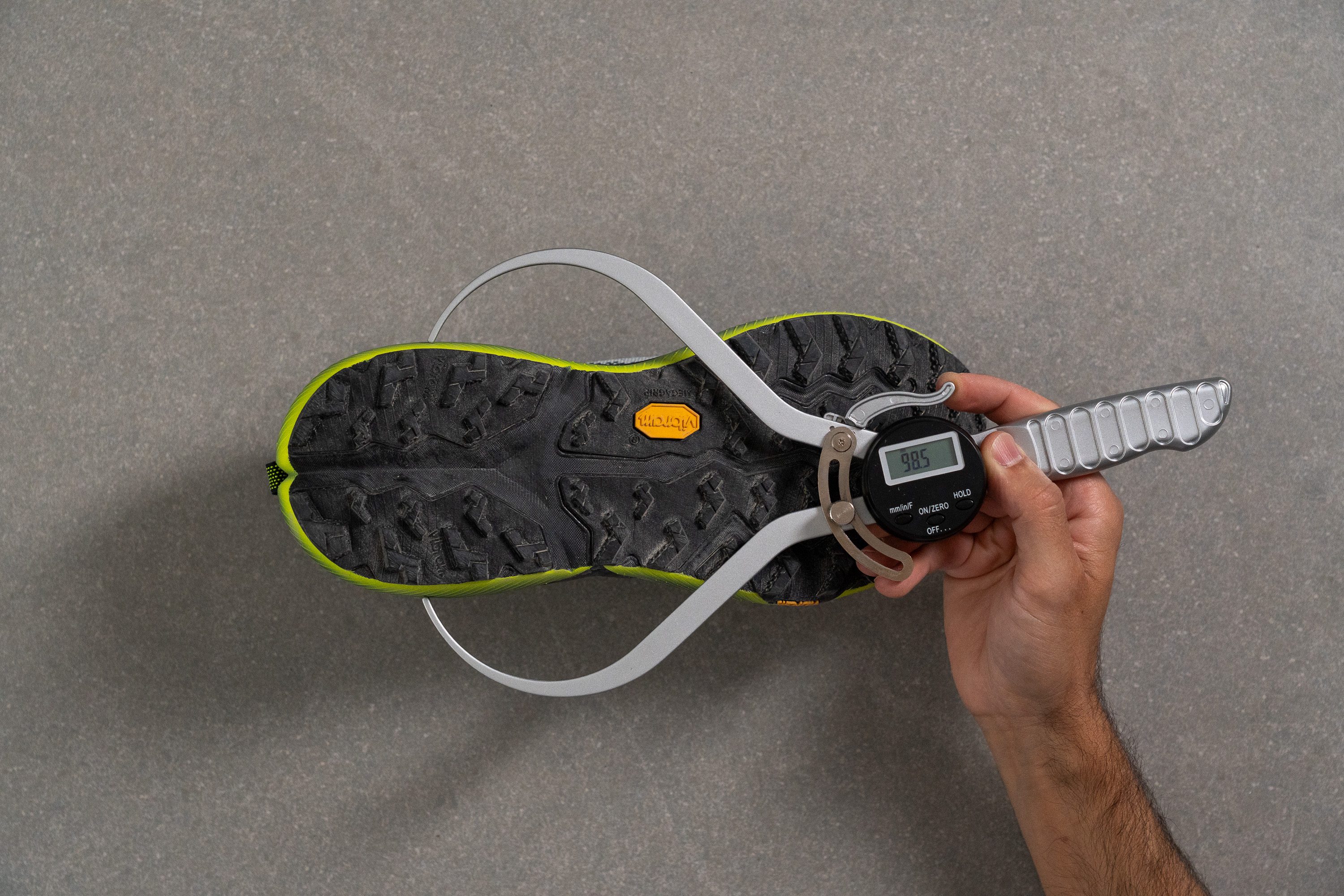
| Cascadia 20 | 98.5 mm |
| Average | 90.5 mm |
Durability
Toebox durability
The engineered mesh upper used in the Cascadia 20 feels more like one found on a road running shoe, aside from its rugged protective overlays. And Brooks prioritised comfort over durability, something we confirmed with a modest 2/5 score in our abrasion test.
| Cascadia 20 | 2 |
| Average | 3.1 |
Heel padding durability
We also tested the heel padding and recorded another disappointing result, earning just 1 out of 5 in our abrasion test. In our view, this level of durability falls well below expectations.
| Cascadia 20 | 1 |
| Average | 3.1 |
Outsole durability
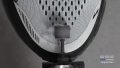
The outsole showed 1.0 mm of wear in our Dremel test, a result that's broadly in line with other trail running shoes and far from concerning.
| Cascadia 20 | 1.0 mm |
| Average | 0.9 mm |
Outsole thickness
At 2.3 mm thick, the outsole also provides ample protection against wear and sharp rocks on the trail.
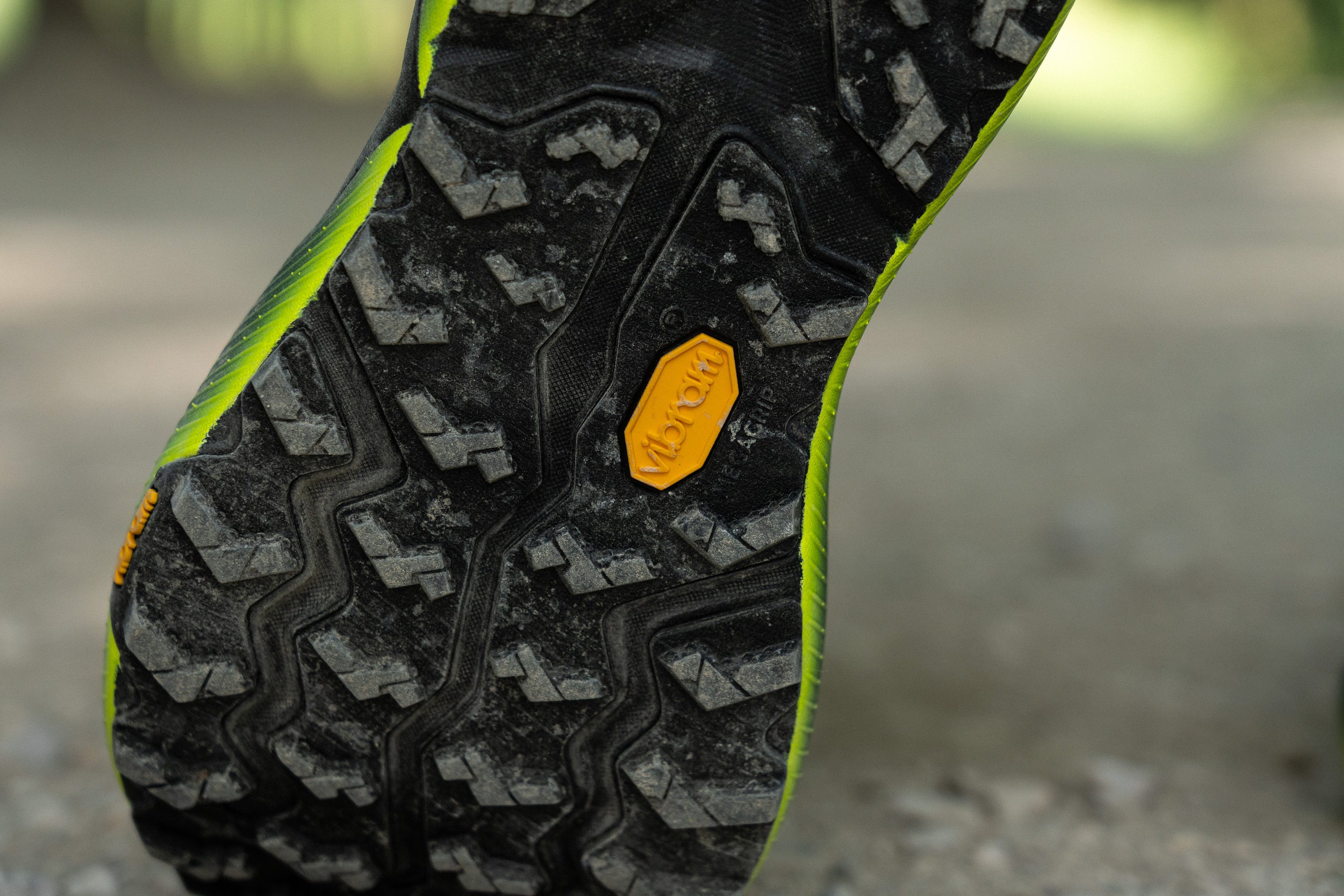
In our opinion, this level of protection makes the decision to skip a rock plate fully justified.
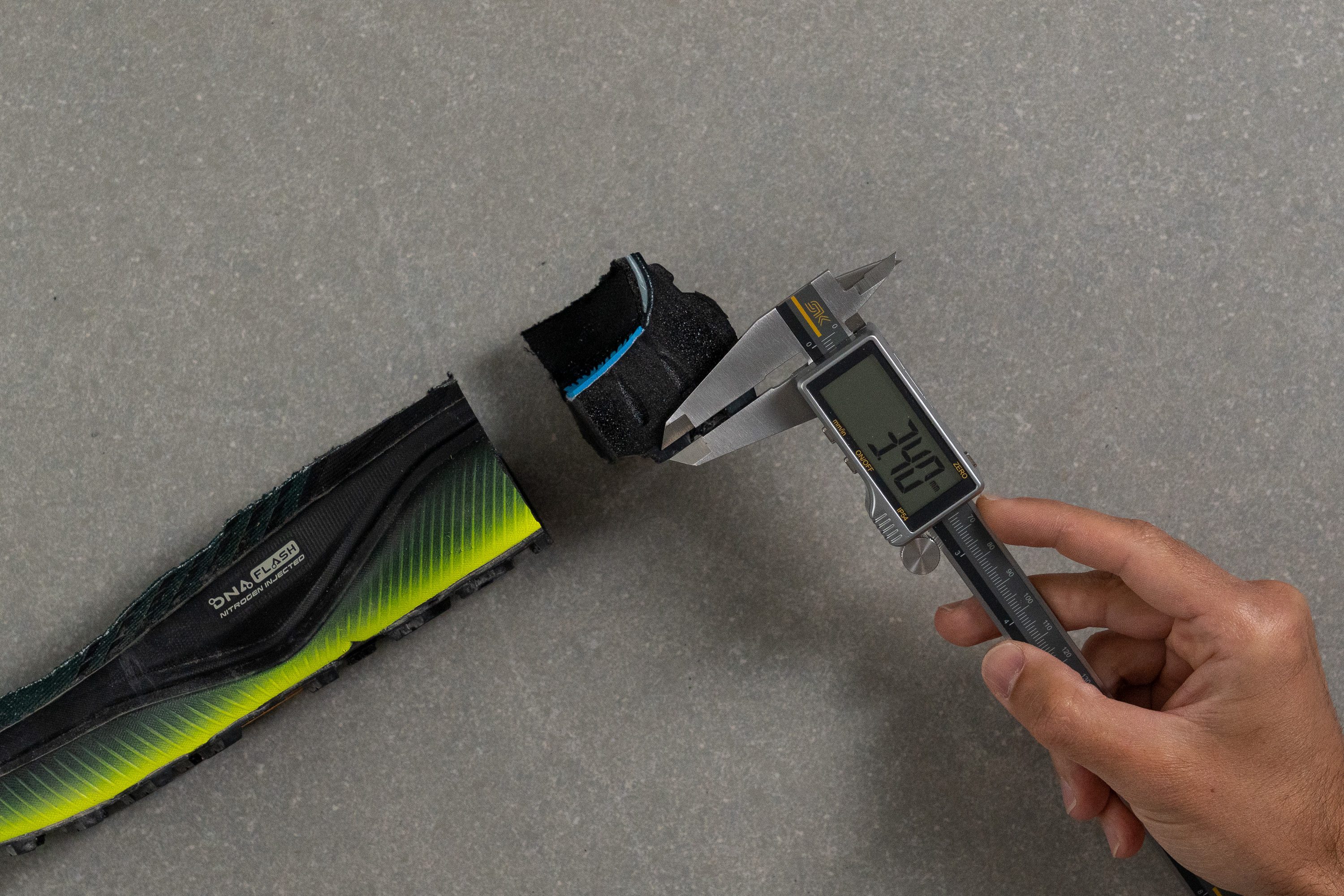
| Cascadia 20 | 2.3 mm |
| Average | 1.9 mm |
Misc
Insole thickness
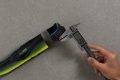
The insole is also slightly thicker than average, measuring 5.2 mm, although the difference is only marginal.
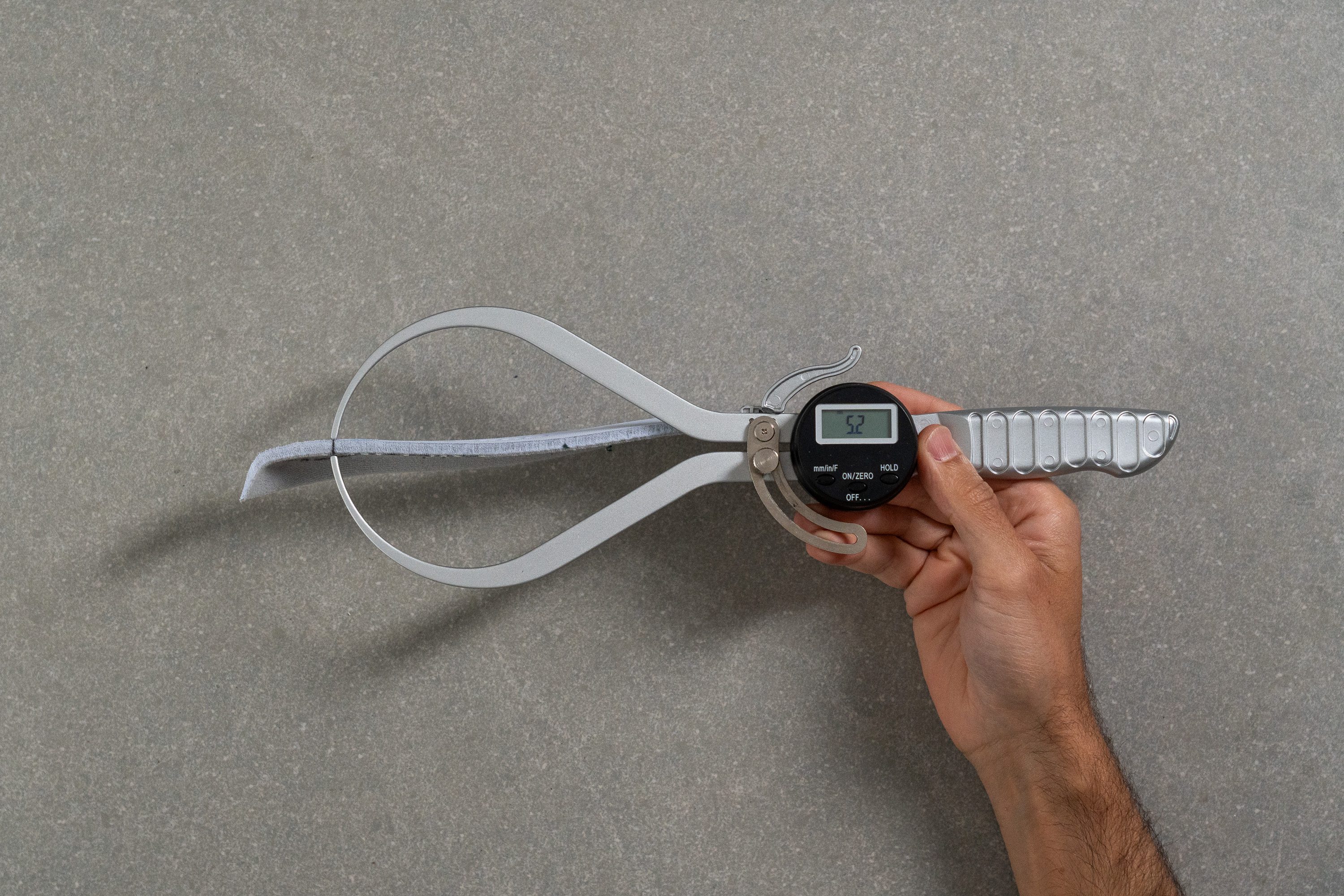
| Cascadia 20 | 5.2 mm |
| Average | 4.6 mm |
Removable insole
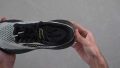
It's a nice touch from Brooks to add perforations to the insole, as they improve breathability while also shaving off a few grammes.
| Cascadia 20 | Yes |
Reflective elements
One feature we'd love to see in the next update is the addition of a few reflective elements on the upper.
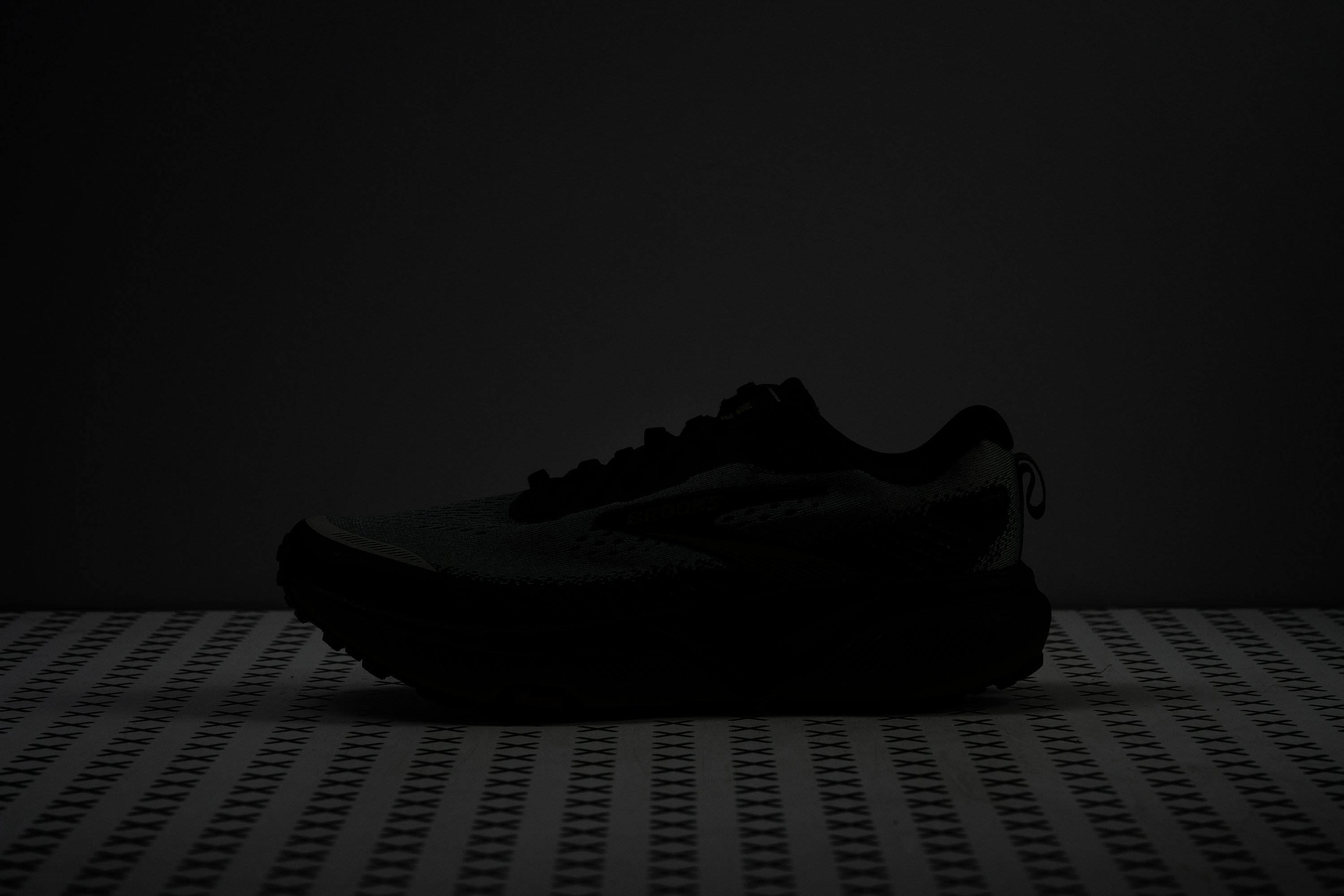
| Cascadia 20 | No |
Tongue padding
Brooks has been on an impressive run with its upper designs in recent years, consistently delivering great-looking shoes with an excellent fit. The Cascadia 20 is no exception, offering a highly secure lockdown along with a practical elastic lace keeper that prevents the laces from flapping around while running.
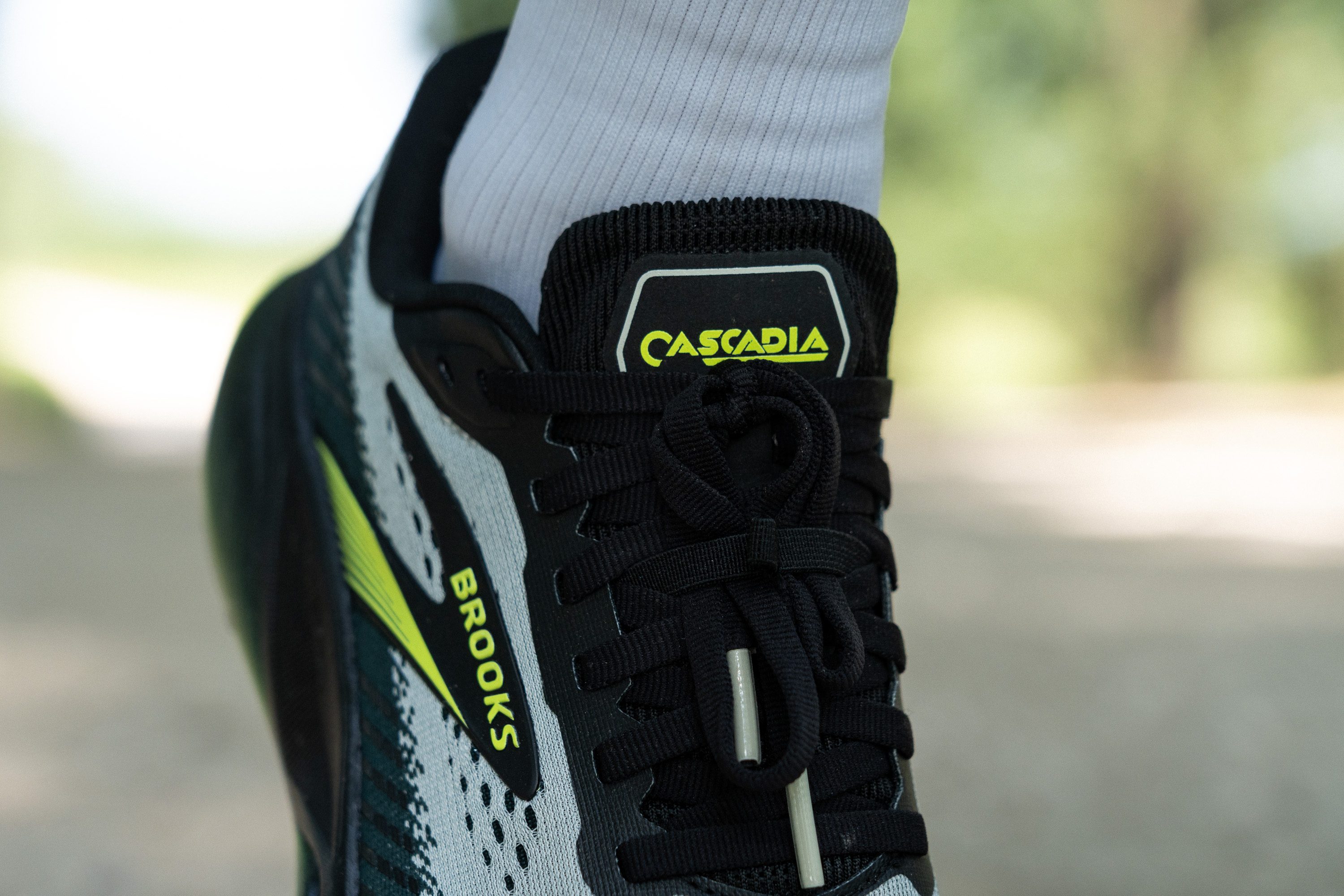
The tongue is equally impressive, packing a generous 10.0 mm of padding for outstanding step-in comfort. Some runners may find it slightly excessive given the shoe's already substantial weight, but those who enjoy a plush fit will appreciate the Cascadia 20 from the very first stride.
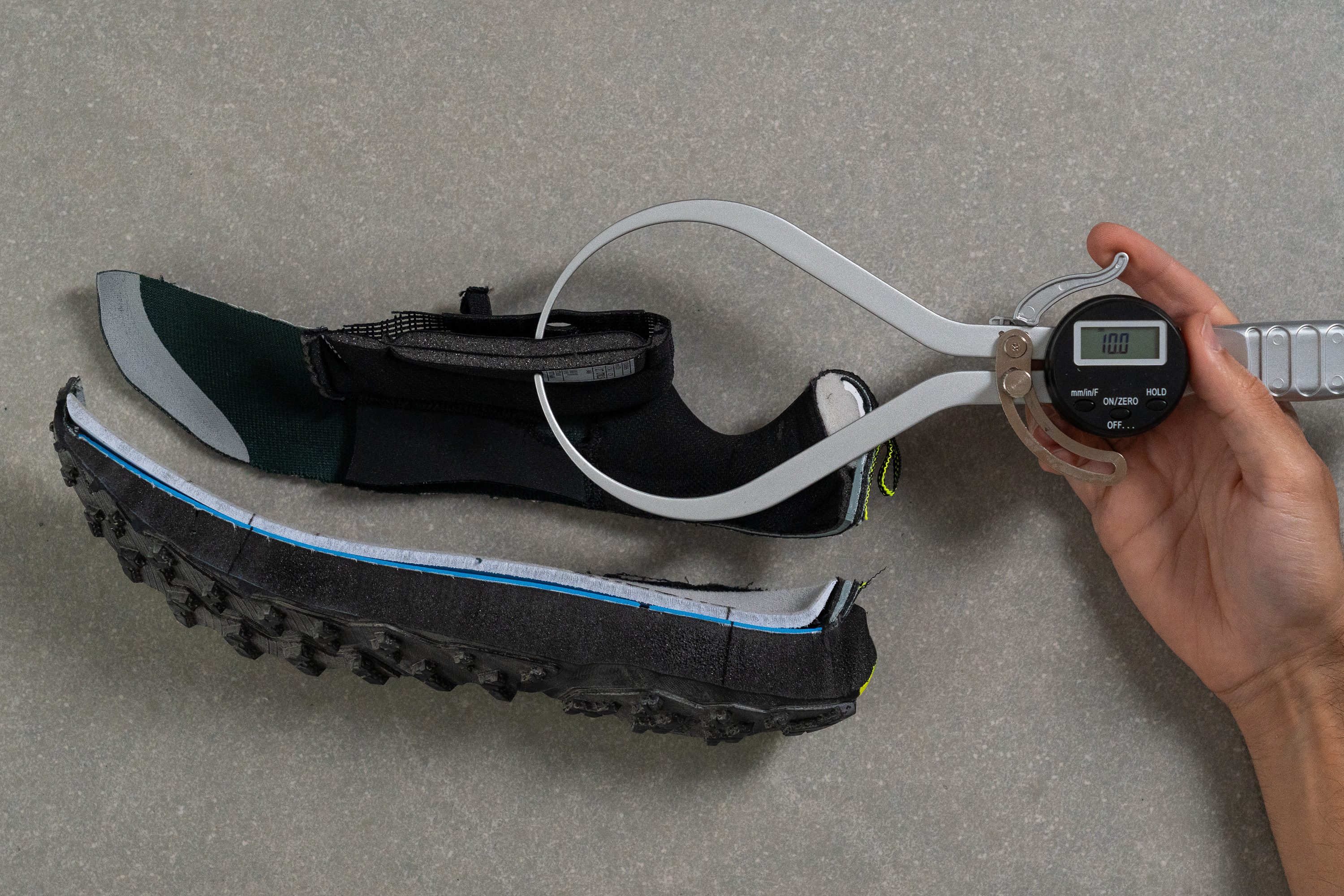
| Cascadia 20 | 10.0 mm |
| Average | 6.4 mm |
Tongue: gusset type
The semi-gusseted tongue is another reason why the Cascadia 20 delivers such an excellent fit.
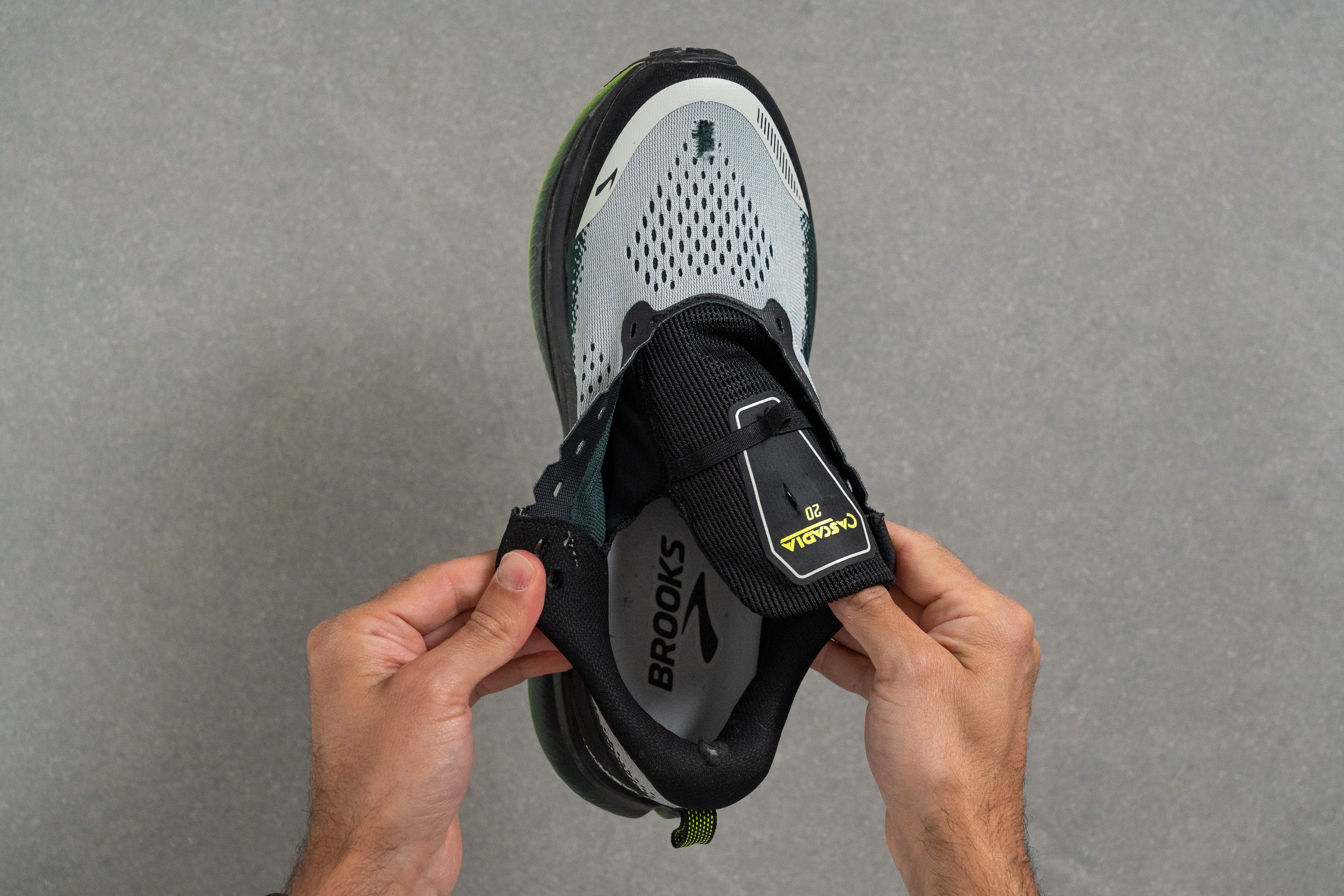
| Cascadia 20 | Both sides (semi) |
Heel tab
We wrap up with the finger-loop heel tab. It's exceptionally sturdy, and we can't imagine anyone accidentally tearing it off.
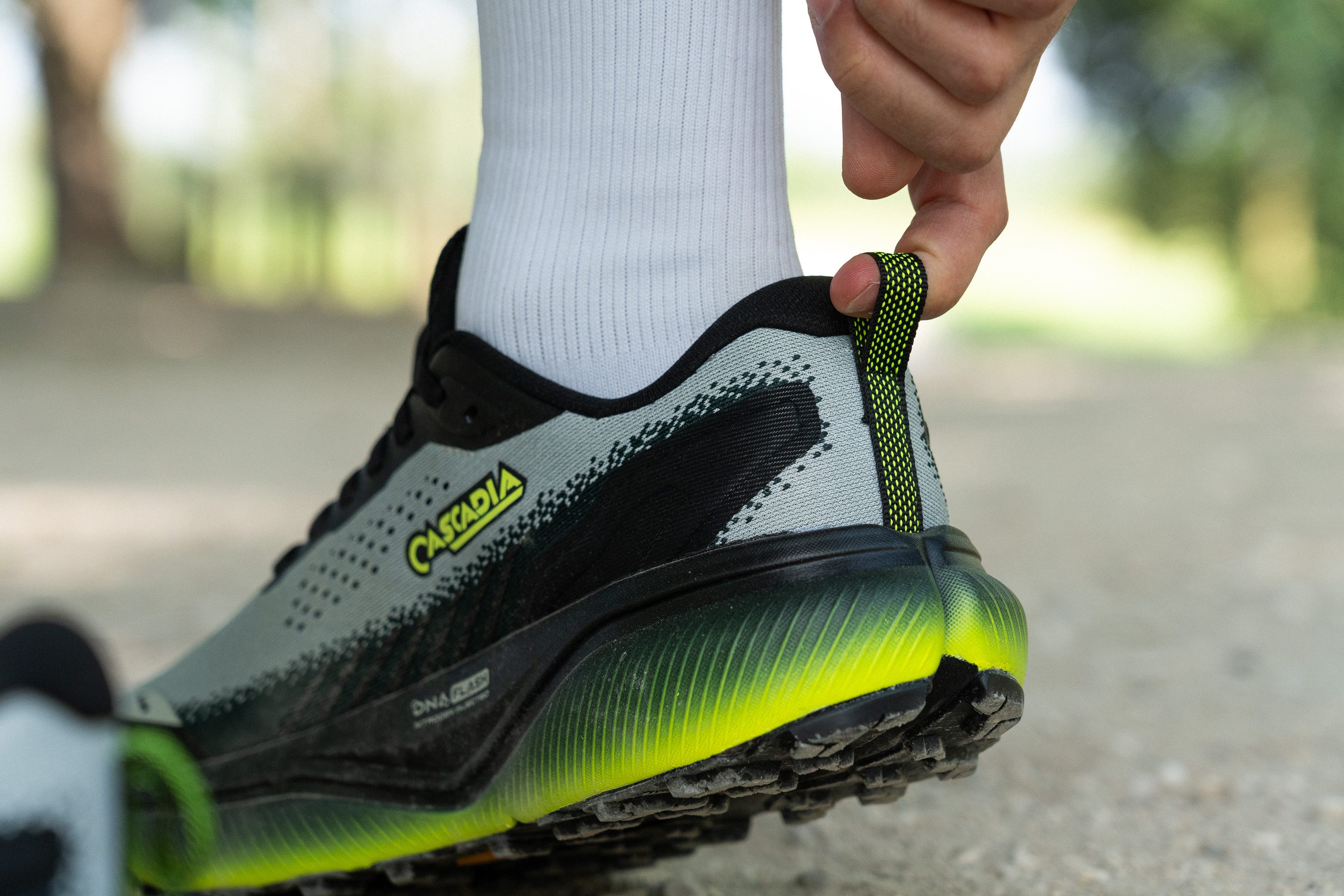
| Cascadia 20 | Finger loop |
Price
If you've found the Cascadia to be a great value in recent years, this version won't disappoint. The addition of Vibram Megagrip alone makes it a compelling upgrade for loyal fans of the series, while the new DNA Flash v2 foam and increased cushioning further enhance the overall package.
| Cascadia 20 | $160 |