
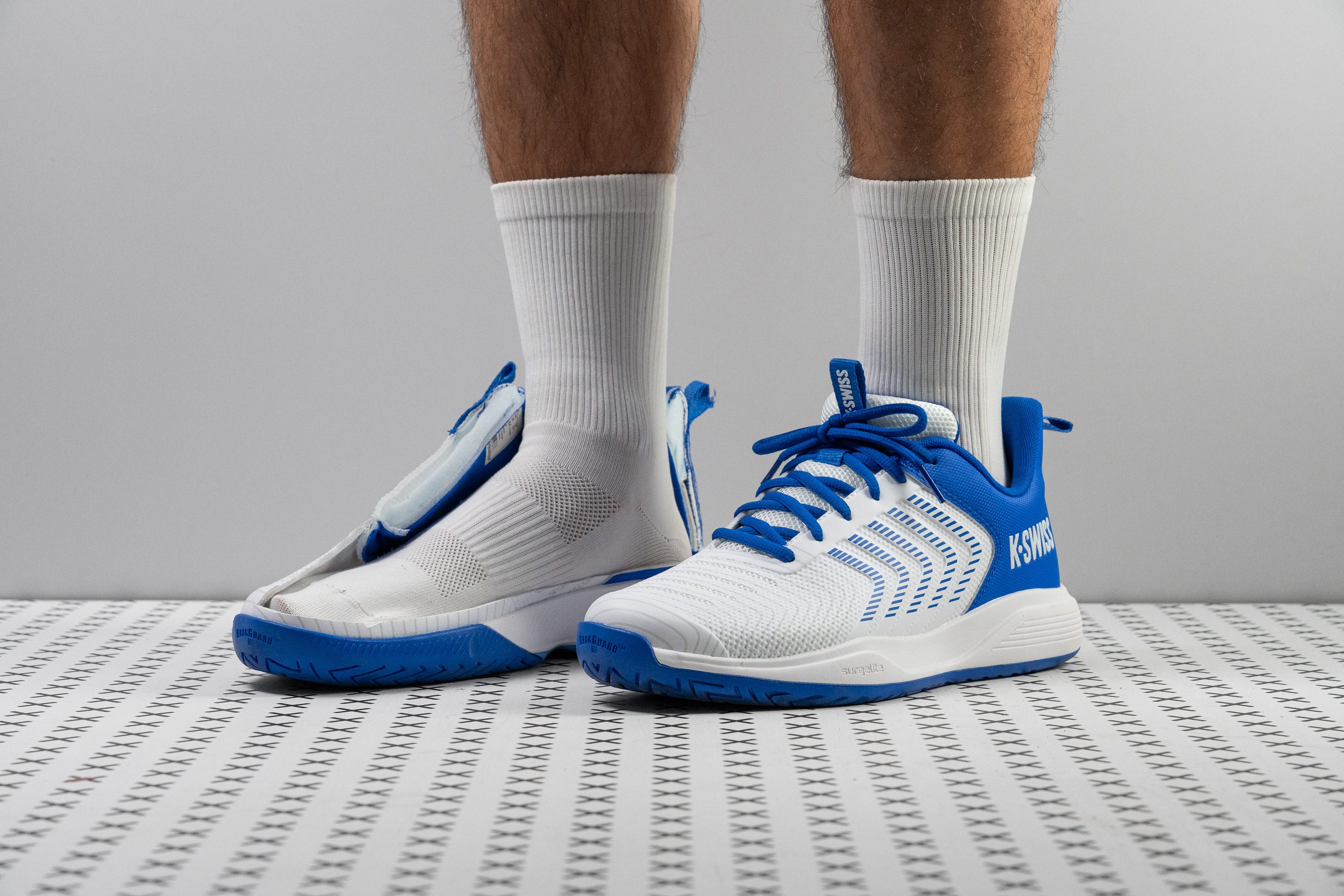
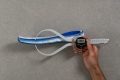
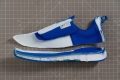
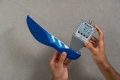
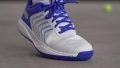
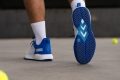
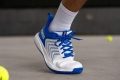
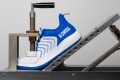
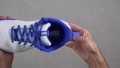
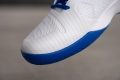
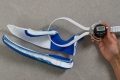
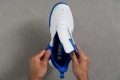
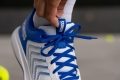
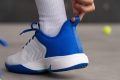
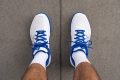
Nuestra conclusión
- Velocidad 87
- Estabilidad 77
- Amortiguación 76
Pros
- Perfectas para principiantes o deportistas recreativos
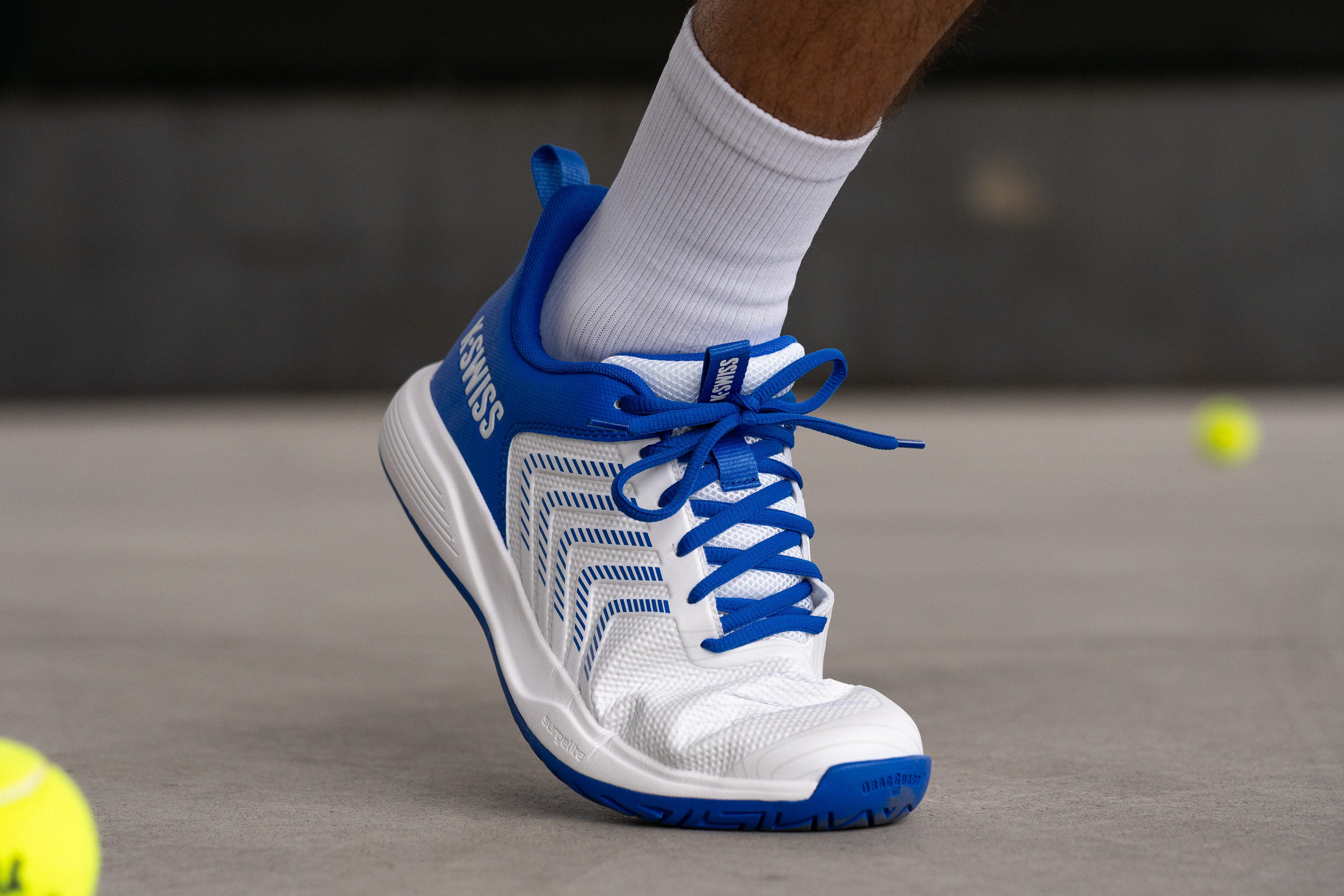
- Unas de las zapatillas de tenis/pickleball más ligeras
- Relación calidad-precio excelente
- Diseño centrado en la comodidad
- Antepié flexible que las hace más ágiles
- Plataforma estable y bajita
- Muy duraderas para lo que cuestan
- Suela con una buena tracción
Contras
- Parte delantera un poco estrecha
- Poca sujeción lateral
Premios
Comparativa
Las zapatillas de tenis más parecidas
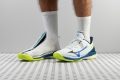
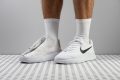
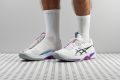
+ + Añadir unas zapatillas | |||||
|---|---|---|---|---|---|
| Nuestra puntuación | 84 Buenas | 90 Magníficas | 85 Geniales | 90 Magníficas | |
| Precio | 90 € | 160 € | 85 € | 160 € | |
| Tipo de zapatillas | Pickleball | Todas las superficiesPista duraPickleball | Pista duraPickleball | Todas las superficiesPista duraPickleball | |
| Absorción de impactos | Moderada | Moderada | Moderada | Alta | |
| Retorno de energía | Bajo | Alto | Alto | Bajo | |
| Tracción | Alta | Alta | Baja | Alta | |
| Diseño | Velocidad | Velocidad | - | Velocidad | |
| Transpirabilidad | Alta | - | Alta | - | |
| Peso laboratorio | 11 oz / 312g | 12.1 oz / 343g | 12 oz / 340g | 11.9 oz / 337g | |
| Ligero | ✓ | ✓ | ✓ | ✓ | |
| Drop laboratorio | 10.4 mm | 11.1 mm | 11.3 mm | 11.0 mm | |
| Anchura / ajuste | Media | Media | Media | Ancha | |
| Anchura de la parte delantera | Media | Media | Media | Media | |
| Talla | - | - | Tallan bien | Tallan bien | |
| Rigidez de la mediasuela | Equilibrada | Firme | Firme | Equilibrada | |
| Flexibilidad | Flexible | Moderada | Firme | Moderada | |
| Rigidez torsional | Moderadas | Flexibles | Firmes | Firmes | |
| Rigidez del contrafuerte del talón | Moderadas | Moderadas | Moderadas | Moderadas | |
| Anchura de la mediasuela - antepié | Estándar | Estándar | Estándar | Estándar | |
| Anchura de la mediasuela - talón | Estándar | Estrecha | Estrecha | Estándar | |
| Durabilidad de la suela exterior | Buena | Buena | Buena | Buena | |
| Durabilidad del acolchado del talón | Media | Alta | Alta | Media | |
| Altura de la suela en la zona del talón laboratorio | 29.9 mm | 30.4 mm | 29.7 mm | 30.9 mm | |
| Antepié | 19.5 mm | 19.3 mm | 18.4 mm | 19.9 mm | |
| Grosor de la plantilla | Estándar | Estándar | Fina | Estándar | |
| Plantilla extraíble | ✓ | ✓ | ✓ | ✓ | |
| Tirador del talón | Tirador circular | Talón extendido | Ninguno | Ninguno | |
| Durabilidad de la parte delantera | Decente | Buena | Decente | Buena | |
| Grosor de la suela | Estándar | Muy fina | Estándar | Muy fina | |
| Clasificación | #22 43% inferior | #7 Top 18% | #18 Top 47% | #6 Top 16% | |
| Popularidad | #36 7% inferior | #16 Top 42% | #20 48% inferior | #5 Top 13% |
Who should buy
Based on our lab test results, the K-Swiss Ultrashot Light looks like an appealing option for players who:
- have a limited budget for pickleball/tennis shoes
- prefer lighter, softer, and more pliable court shoes
- want a well-rounded package for a beginner
Who should NOT buy
We can't say the Ultrashot Light has any serious deal-breakers, but as a budget and lightweight shoe, it inevitably has some limitations and compromises. And stability is one of them.
If you can forgive a heavier shoe weight in exchange for a much more solid lateral support for aggressive movements, try the NikeCourt Lite 4. And if you can stretch your budget a little more, the ASICS Gel Challenger 15 is simply unbeatable.
Amortiguación
Shock absorption
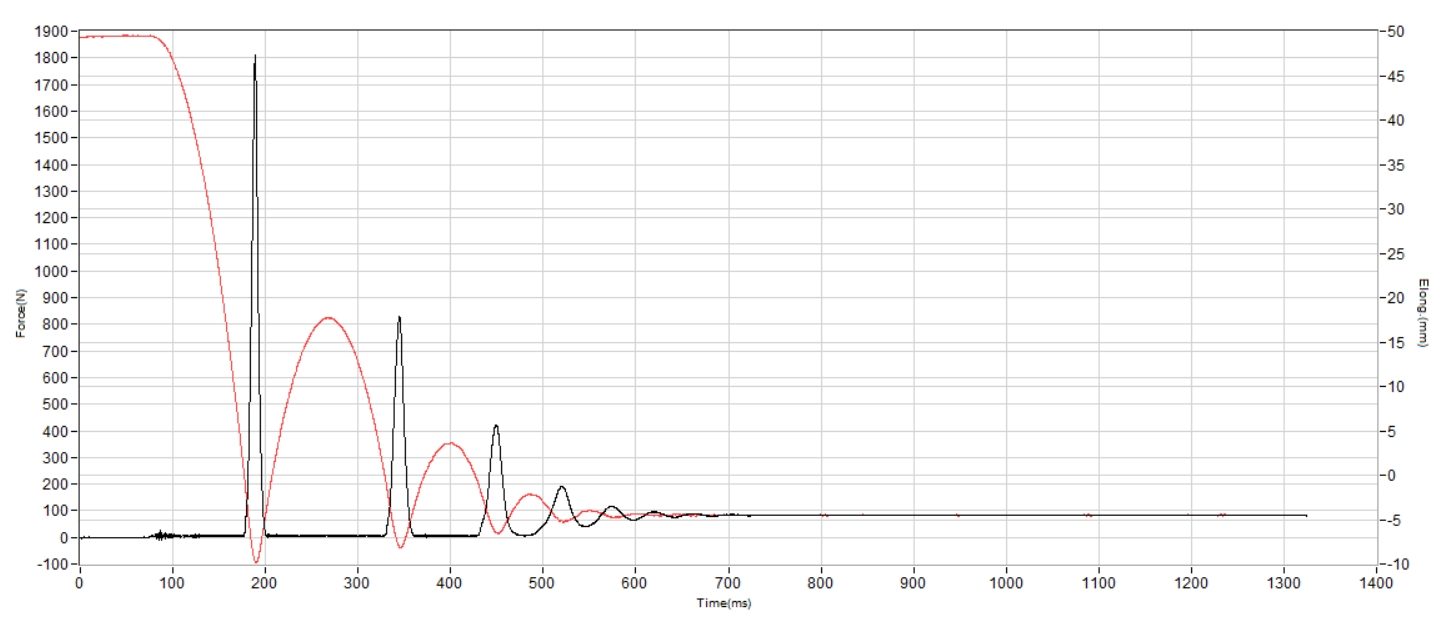
Even though it's designed with weight-saving in mind, the shoe's Surgelite midsole still delivers decent impact protection for beginner-level and recreational matches.
Measuring the shoe's shock absorption at 99 SA in the heel, we found it is, in fact, on par with the average for tennis shoes. However, it can feel a bit harsh in the forefoot with a below-average reading of 55 SA.
| Ultrashot Light | 99 SA |
| Media | 99 SA |
Energy return
As a basic foam compound, the Surgelite midsole doesn't show any pronounced rebound in the Ultrashot Light.
Our lab test reflected this with below-average energy return readings of 43.6% in the heel and 43.4% in the forefoot. It's definitely more of a grounded ride, but in return, it offers stability and control.
| Ultrashot Light | 43.4% |
| Media | 50.1% |
Altura de la suela en la zona del talón
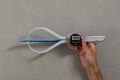
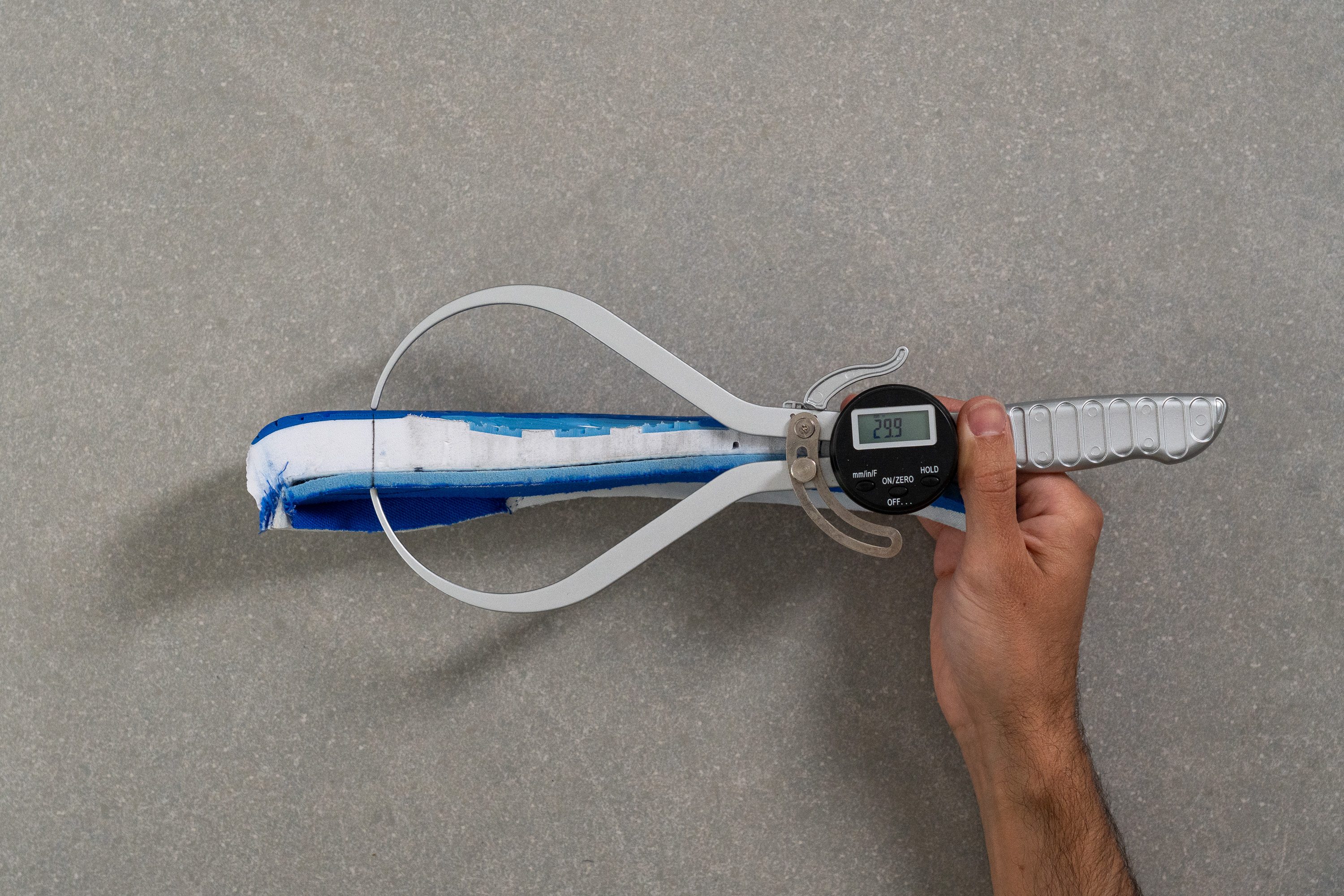
The shoe's platform showed a standard stack height in our caliper measurements. It is right on par with the average at 29.9 mm in the heel, which is neither too close to the court nor too elevated.
| Ultrashot Light | 29.9 mm |
| Media | 29.3 mm |
Altura de la suela en el antepié
The same is true for the shoe's forefoot stack. It sits right in the middle of the category at 19.5 mm, balancing court feel and impact protection.
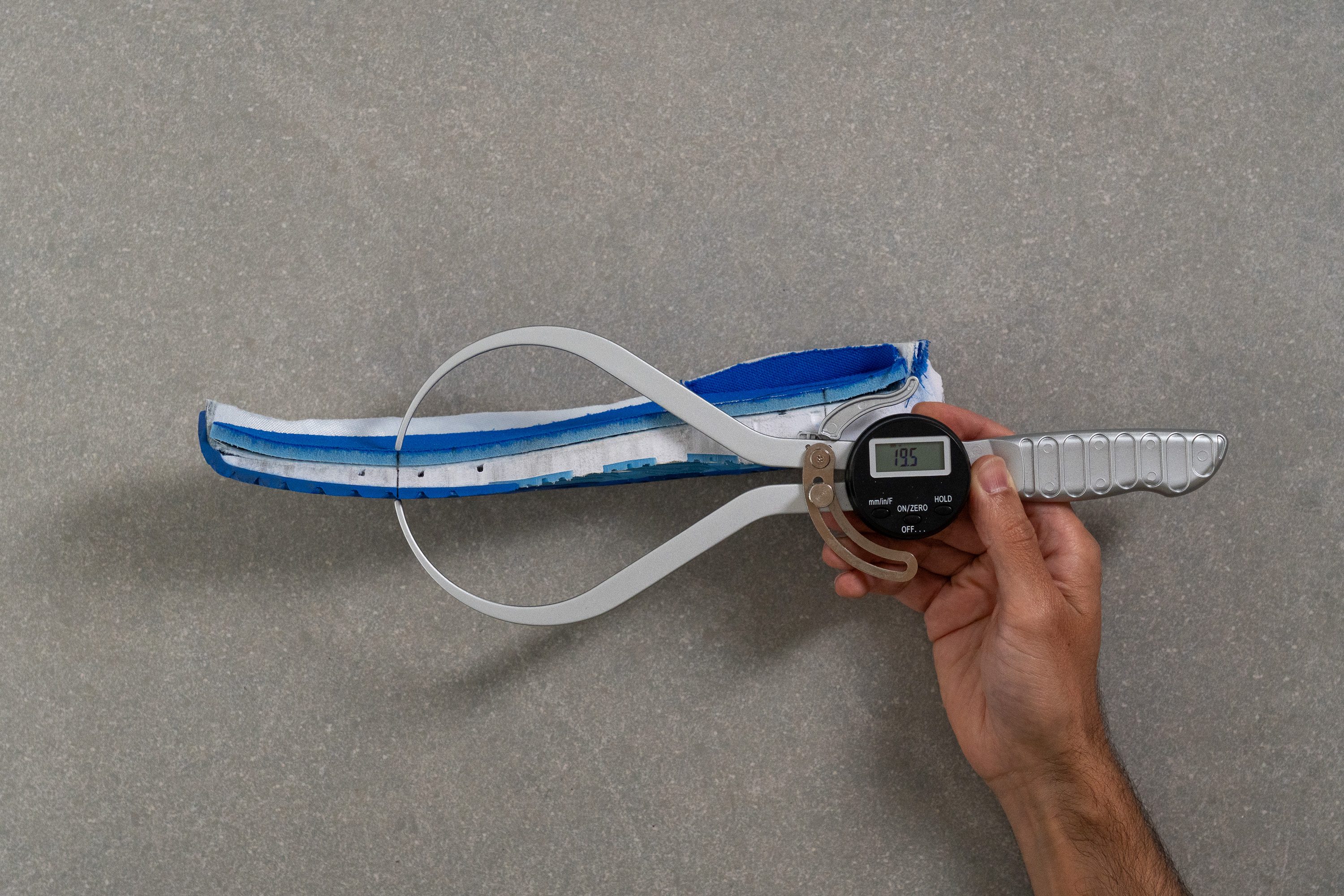
| Ultrashot Light | 19.5 mm |
| Media | 19.3 mm |
Drop
The shoe's heel-to-toe drop, therefore, measures a standard 10.4 mm. Neither too low nor too elevated, it should feel familiar to most players, beginners included, because it is similar to the typical offset of sneakers and walking shoes.
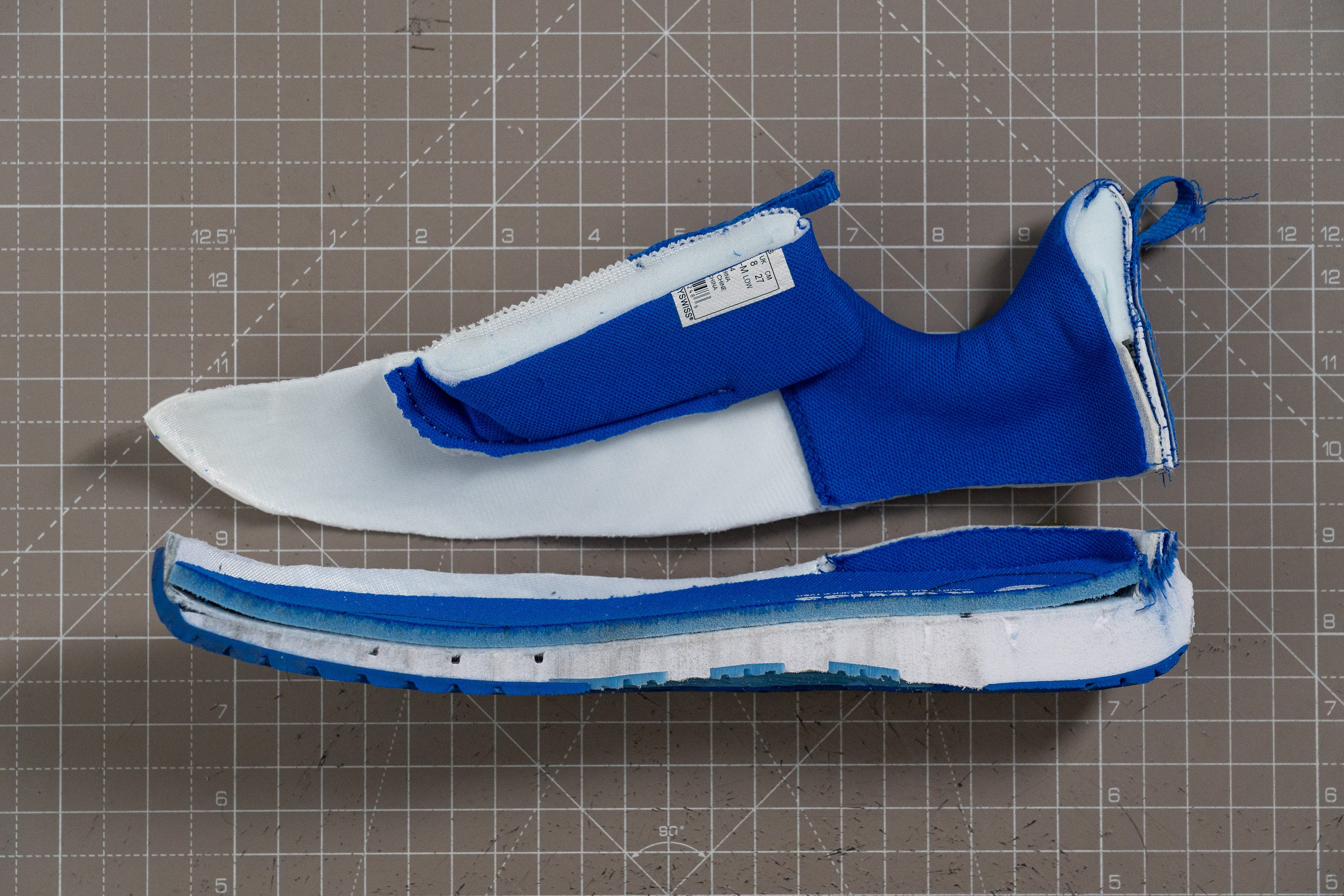
| Ultrashot Light | 10.4 mm |
| Media | 10.0 mm |
Dureza de la mediasuela
The shoe's Surgelite cushioning surprised us with a pleasantly soft feel. Not spongy-plush by any means, but its moderately soft nature is reflected in a below-average durometer measurement of 40.2 AC.
That makes the Ultrashot Light a bit more comfort-oriented than the other tennis shoes.
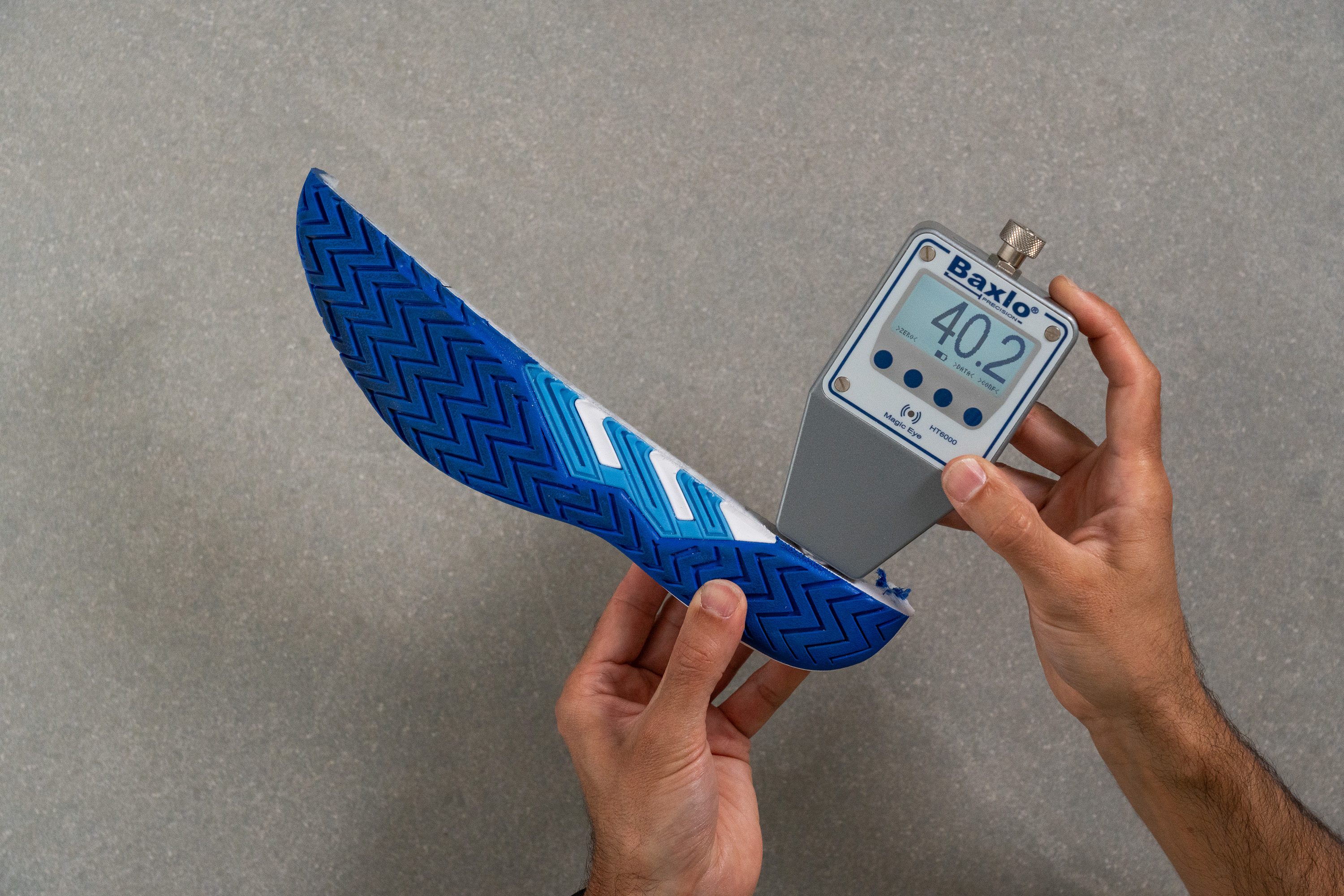
| Ultrashot Light | 40.2 AC |
| Media | 48.0 AC |
Tallaje y ajuste
Talla
Longitud interna
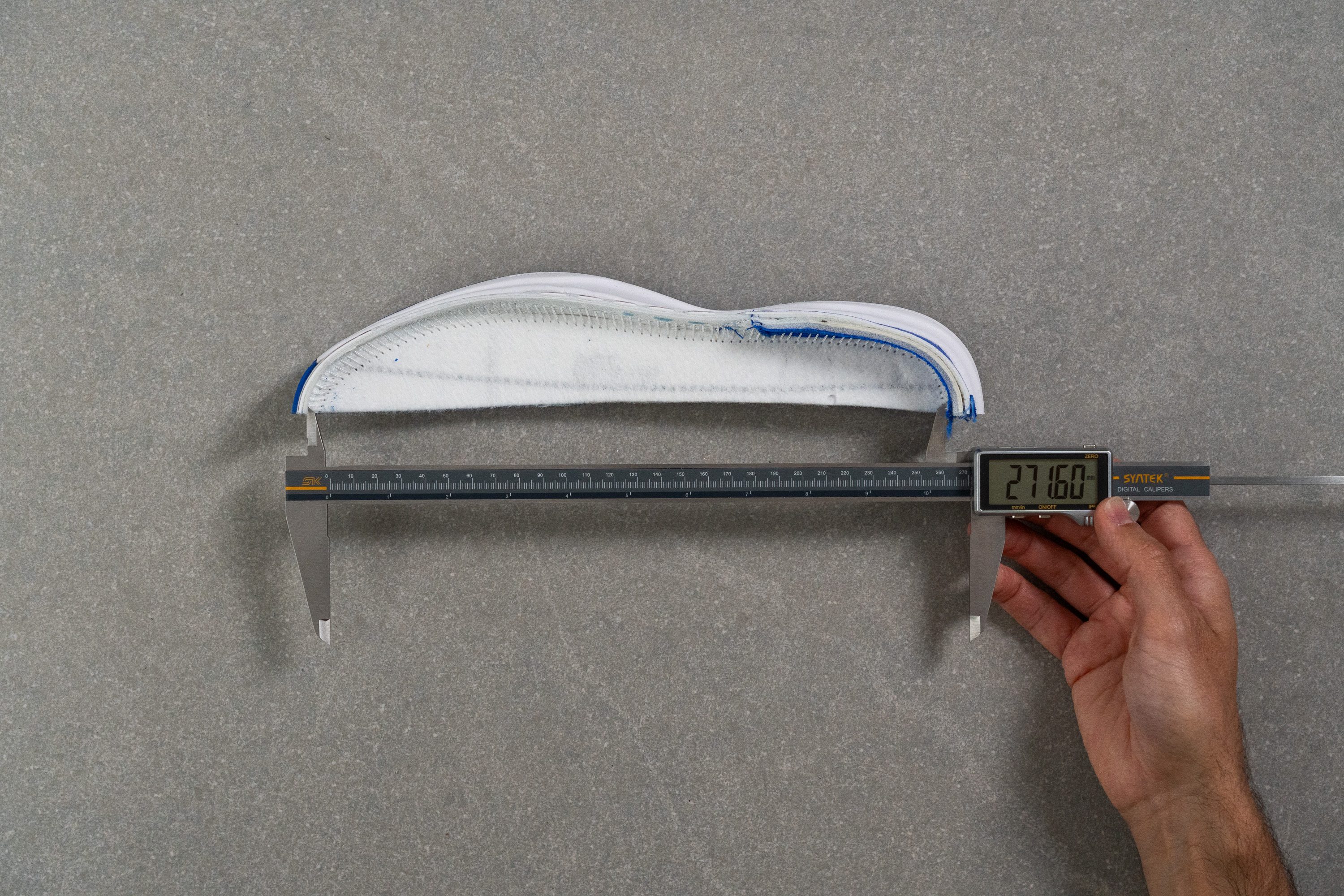
| Ultrashot Light | 271.6 mm |
| Media | 271.7 mm |
Anchura / Ajuste
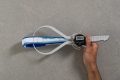
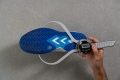
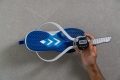
We created a one-to-one gel cast of the Ultrashot Light's interior to measure its forefoot width with millimeter precision.
We then used our digital caliper to measure the cast's widest part (ball-of-foot area). At 91.9 mm, it falls squarely within the medium-width range for tennis shoes.
Please note that this K-Swiss shoe is available in a standard medium width only.
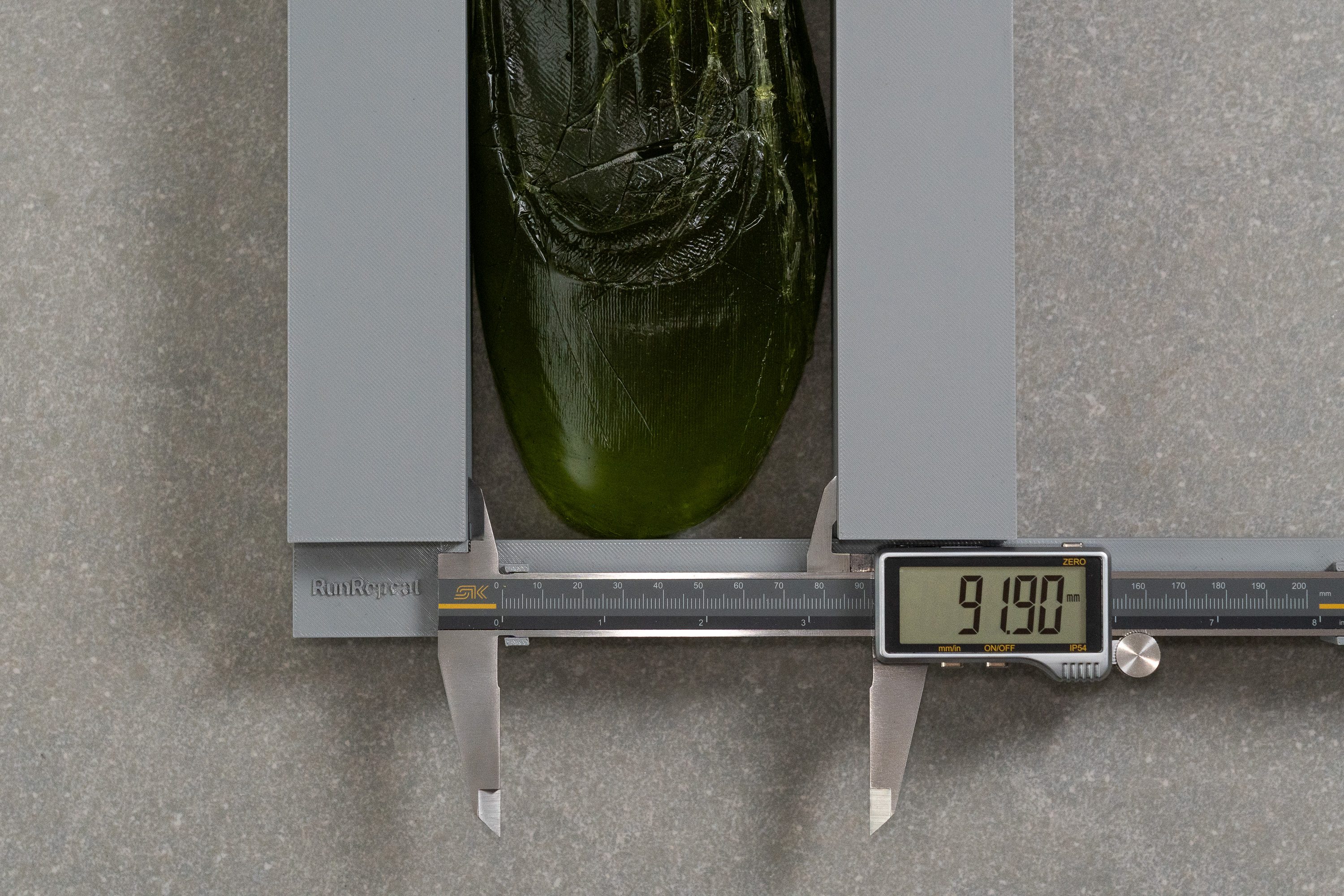
| Ultrashot Light | 91.9 mm |
| Media | 92.8 mm |
Anchura de la parte delantera
But at the same time, we should give a little heads-up about the shoe's tapered toebox shape.
Measuring 67.9 mm at the big toe area, we found that the shoe tapers slightly more than the other tennis shoes we've tested. This can limit the Ultrashot Light's comfort for some people, as it borders on narrow (< 67 mm).
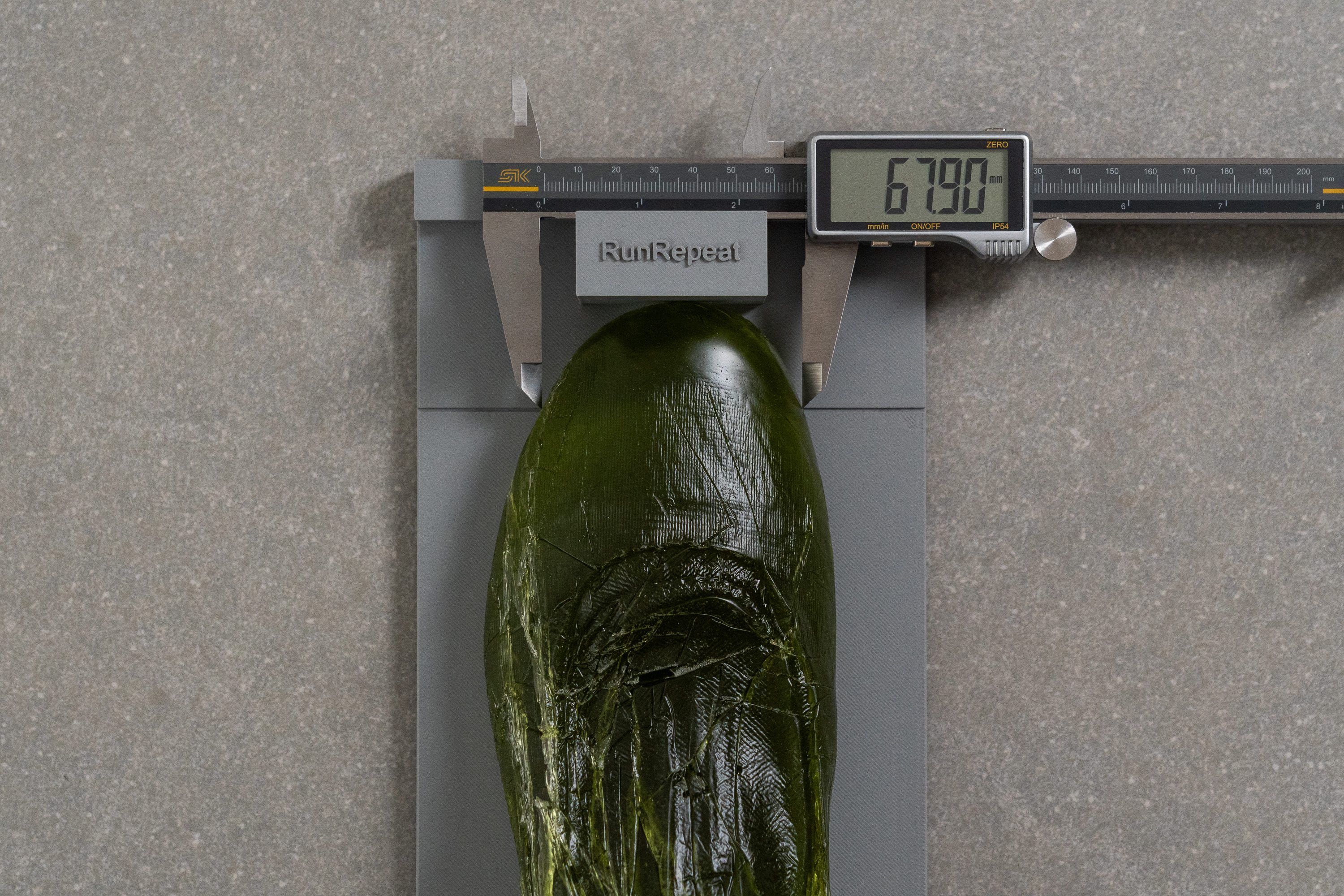
| Ultrashot Light | 67.9 mm |
| Media | 69.3 mm |
Altura de la parte delantera
Thankfully, the shoe's vertical space doesn't feel so limited, and it even showed an above-average toebox height of 27.3 mm.
Its soft upper material lies gently against the toes without any pressure points.
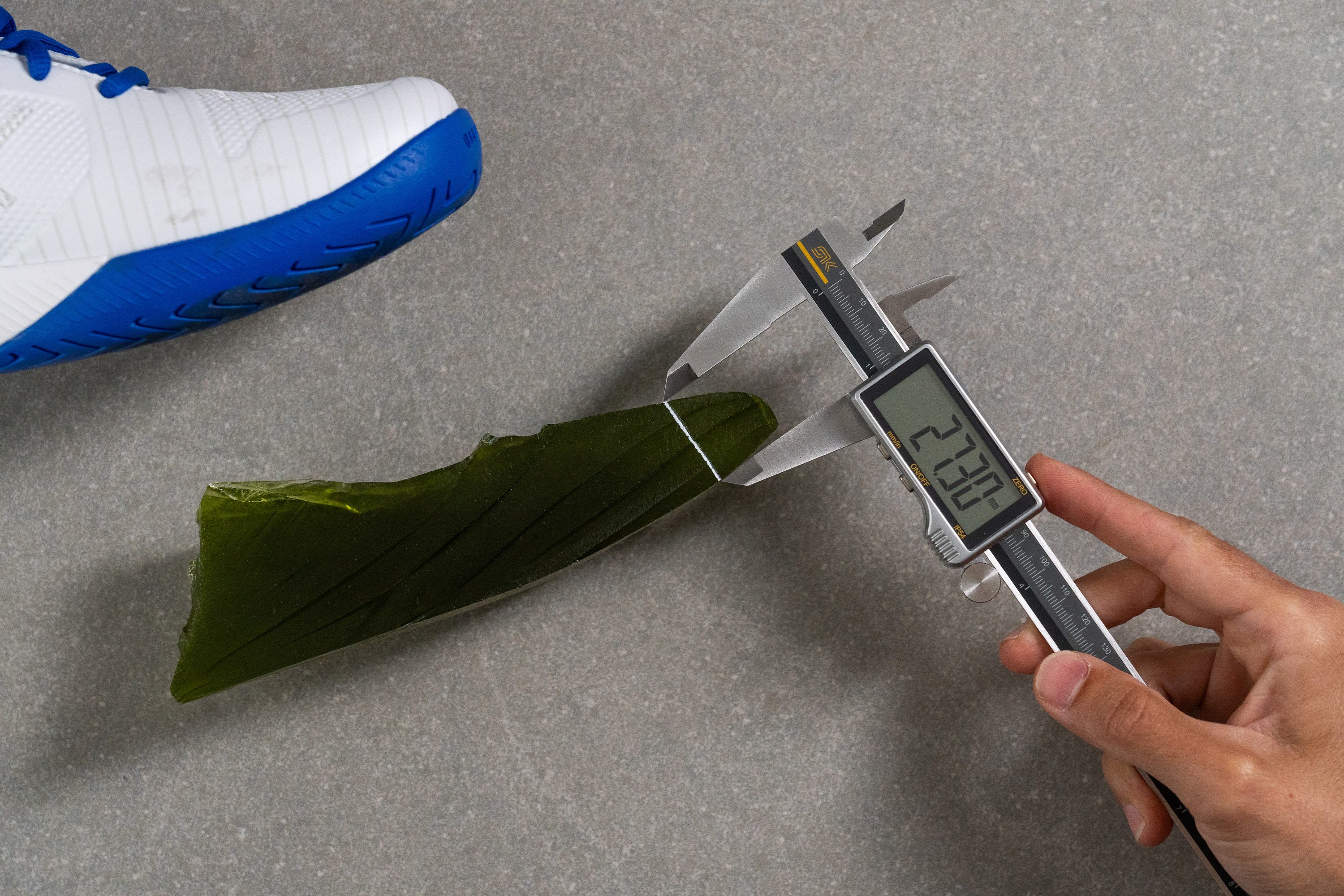
| Ultrashot Light | 27.3 mm |
| Media | 24.9 mm |
Tracción / Agarre
Traction test
With an exceptionally high friction coefficient of 1.01, the Ultrashot Light offers super-sticky, court-hugging traction that stands out from most other tennis and pickleball shoes we've tested.
Shuffles, split steps, hard stops, and quick direction changes all felt incredibly surefooted in this K shoe!
| Ultrashot Light | 1.01 |
| Media | 0.76 |
Diseño de la suela exterior
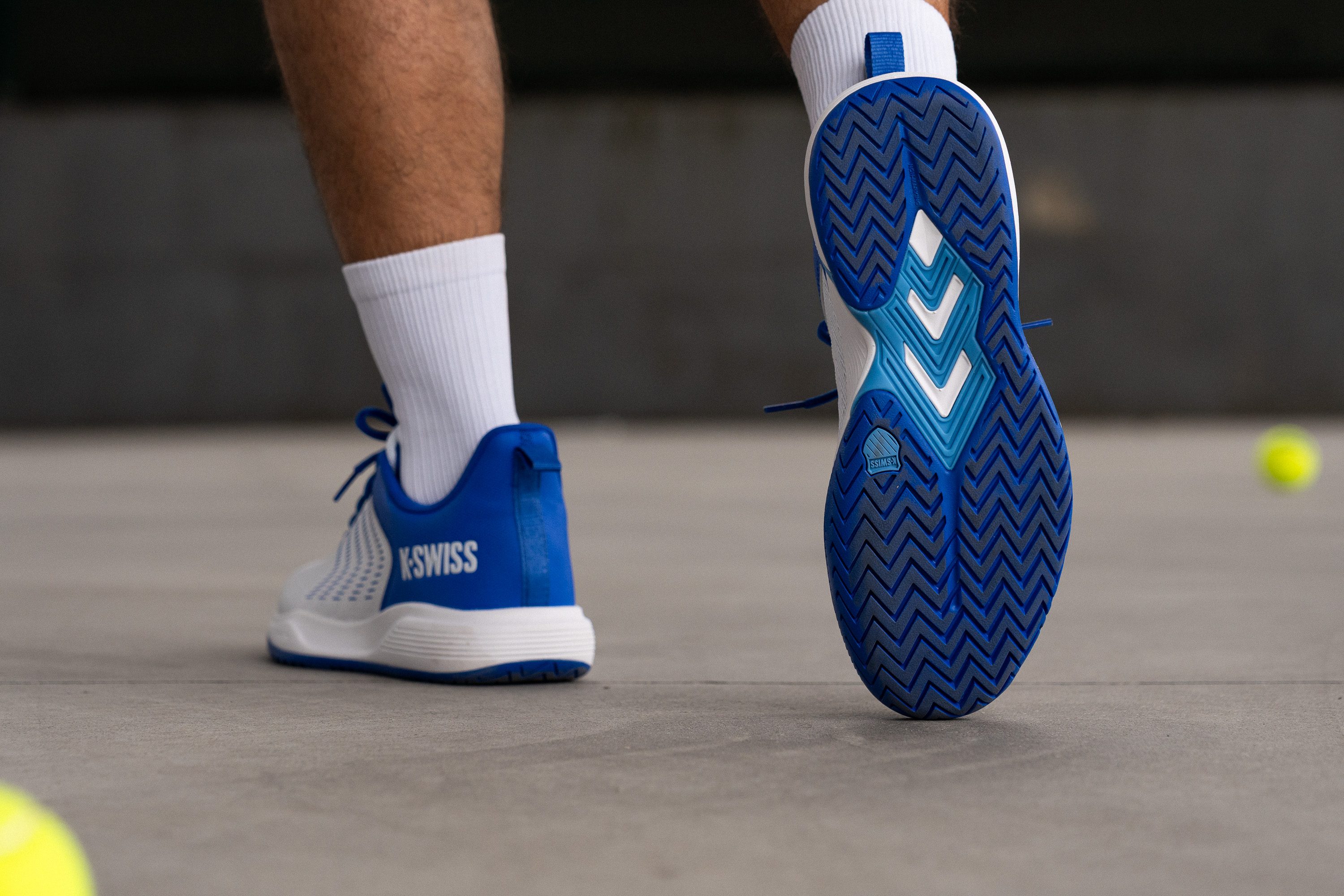
K-Swiss went for the tried-and-true herringbone tread pattern for the Ultrashot Light's outsole. It makes the shoe versatile enough for both tennis and pickleball games on various court types.
Its midfoot area is not covered in rubber, which helps shave off some weight without affecting the shoe's grip.
Flexibilidad / Rigidez
As a pickleball-focused shoe, the K-Swiss Ultrashot Light features a fairly flexible forefoot to accommodate the small adjustment steps involved in the sport.
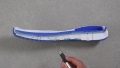
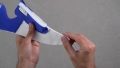
Our stiffness test showed that it requires the least force to bend among all the tennis shoes we've tested. At only 10.1N, this K-Swiss shoe is 40% more flexible than the category average, promoting maneuverability and a natural foot movement.
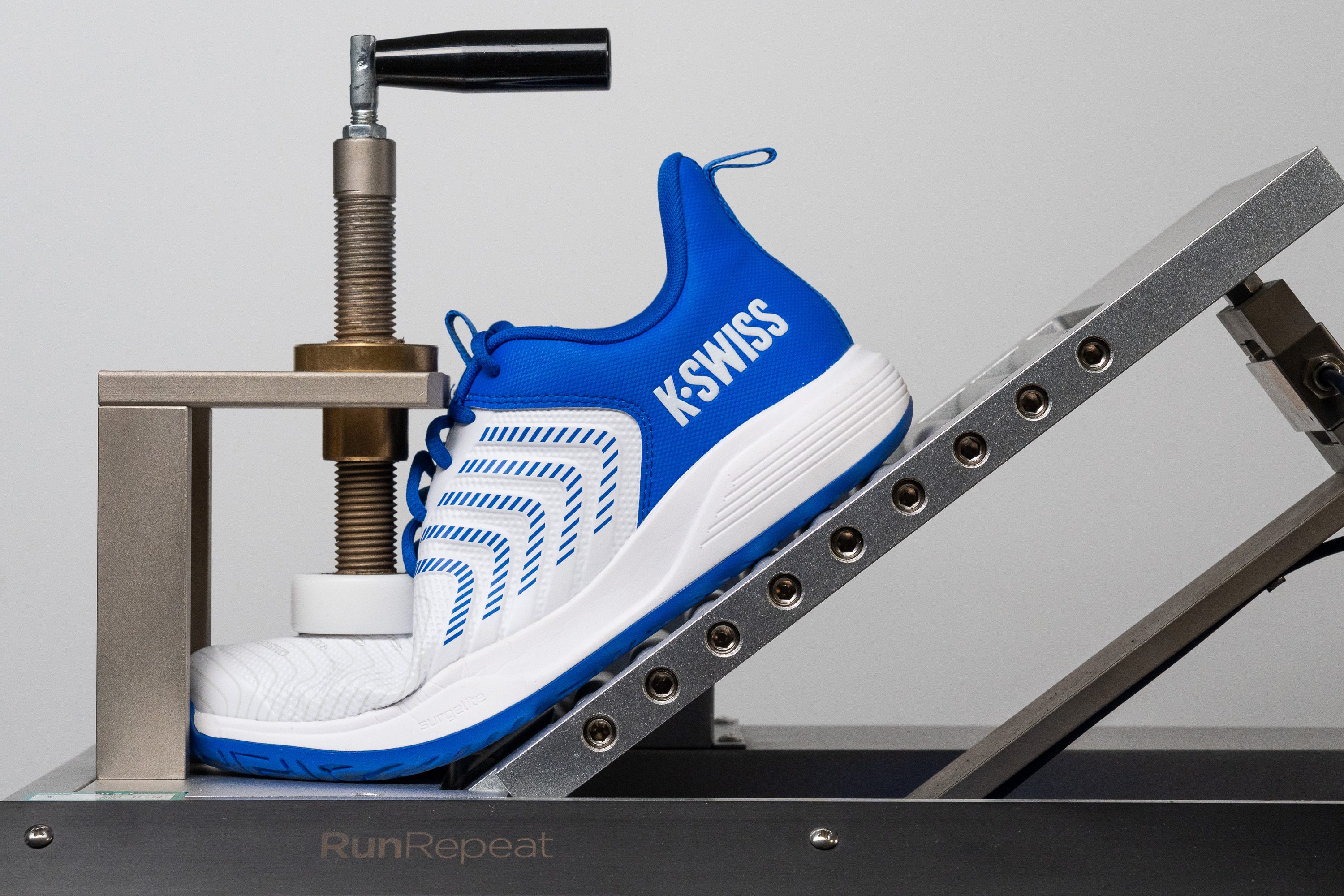
| Ultrashot Light | 10.1N |
| Media | 16.4N |
Peso
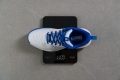
True to its name, the Ultrashot Light is one of the lightest tennis shoes in our roster. Tipping the scale at only 11.0 oz (312g), it is a solid 2 oz lighter than the average!
The reduced weight is especially beneficial in pickleball, with its countless adjustment steps, lateral shuffles, and quick bursts. It also helps reduce fatigue and keeps the footwork feeling effortless for longer.
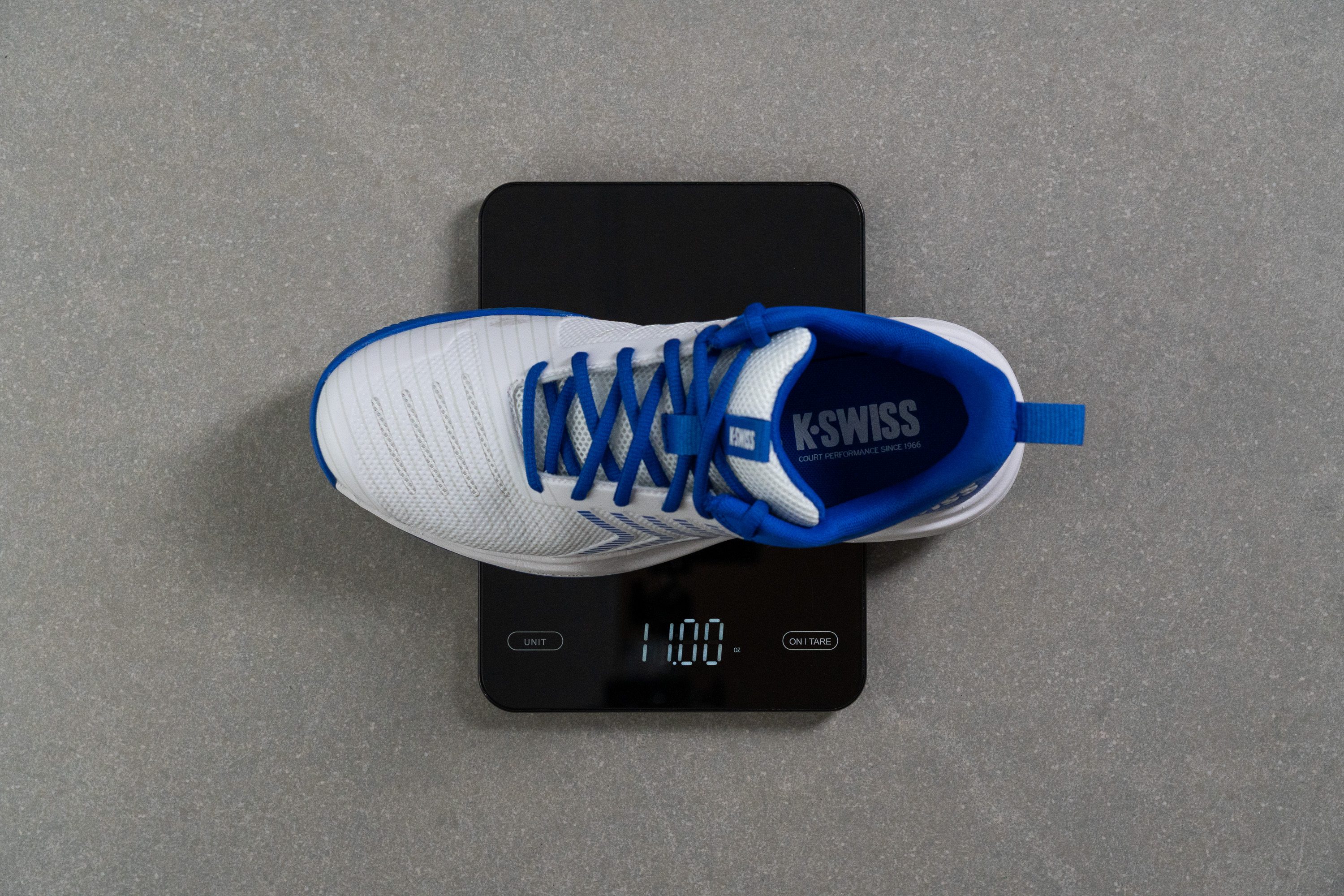
| Ultrashot Light | 11.0 oz (312g) |
| Media | 12.8 oz (363g) |
Estabilidad
Prueba de estabilidad lateral
Even though the Ultrashot Light draws many cues from the brand's flagship Ultrashot shoe, we shouldn't forget that it is a takedown model, and it can't provide the same high-level stability as its advanced counterpart.
K-Swiss positions the Light version as a 'lightweight stability' shoe, and after testing it in our lab, we can confirm that it offers good basic lateral support and stability for entry-level and recreational play.
Rigidez torsional
Much like the premium Ultrashot, the Light version features a TPU shank in the midfoot to prevent the foot and ankle from twisting during quick side-to-side cuts. However, it is a smaller and lighter element with moderate stiffness that offers limited support.
The same goes for the shoe's midfoot cage, which is made of PP (polypropylene) film instead of the TPU reinforcements of the more advanced Ultrashot version.
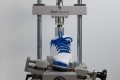
These compromises are reflected in our torsional rigidity test, where the Ultrashot Light requires only 13.4N of torque to twist in either direction. This is 30% less than the average tennis shoe requires and is, in fact, among the lowest stiffness measurements in the category!
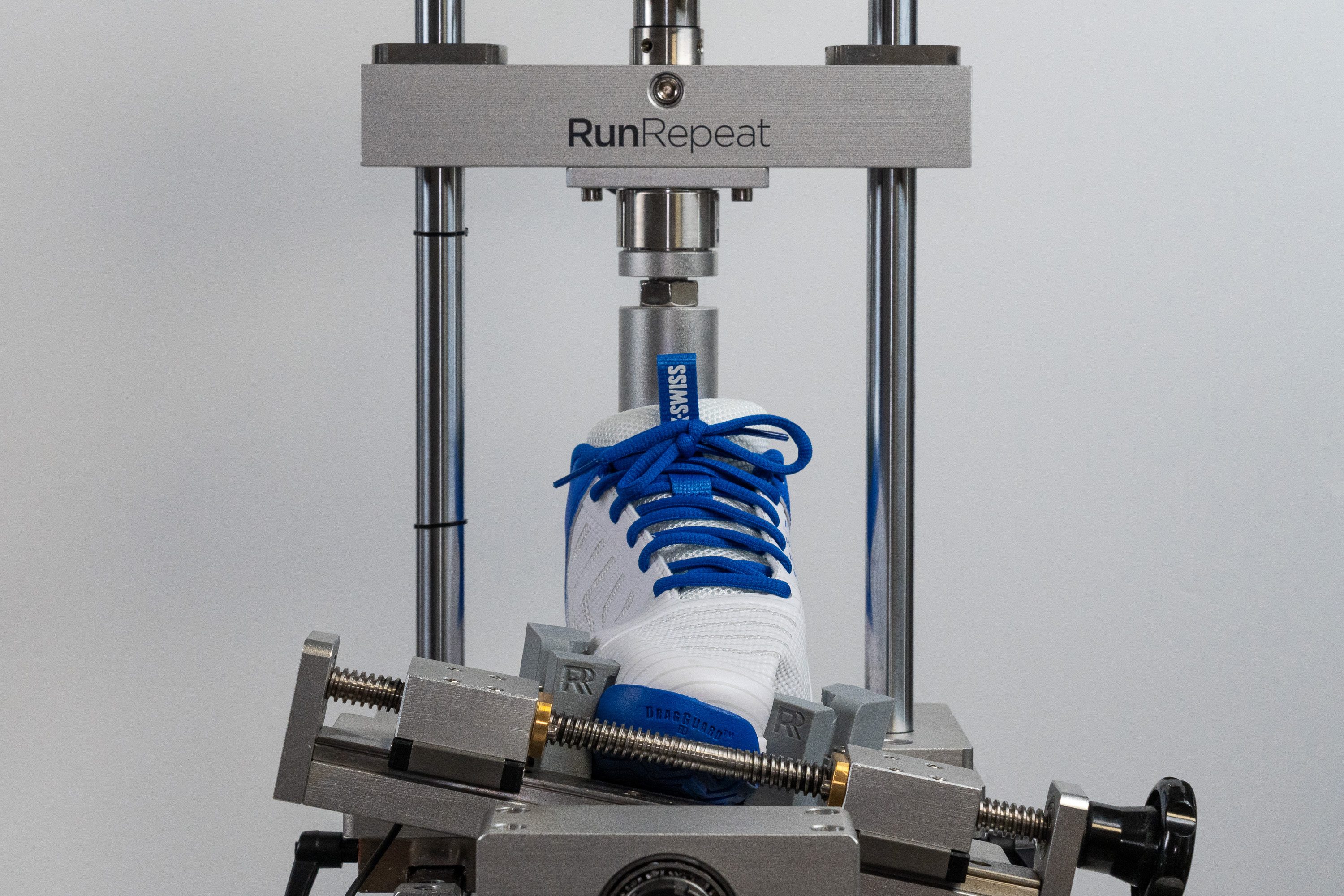
| Ultrashot Light | 13.4 Nm |
| Media | 18.1 Nm |
Rigidez del contrafuerte del talón
The rearfoot part of this K-Swiss shoe deserves special attention, as we think it is responsible for much of the Ultrashot Light's stability and lockdown.
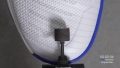
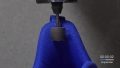
First of all, its heel counter showed high stiffness in our manual test (4 out of 5), providing a supportive carrier around the heel. Secondly, its well-padded collar contributes to the shoe's secure wrap around the foot and ankle. And lastly, its extended heel collar sits higher up the Achilles to keep it comfortable and reduce irritation.
| Ultrashot Light | 4 |
| Media | 4.1 |
Anchura de la mediasuela - antepié
The Ultrashot Light's platform width is moderate and right on par with the average. Showing 112.0 mm in the widest part of the forefoot, it has just enough surface area to feel steady.
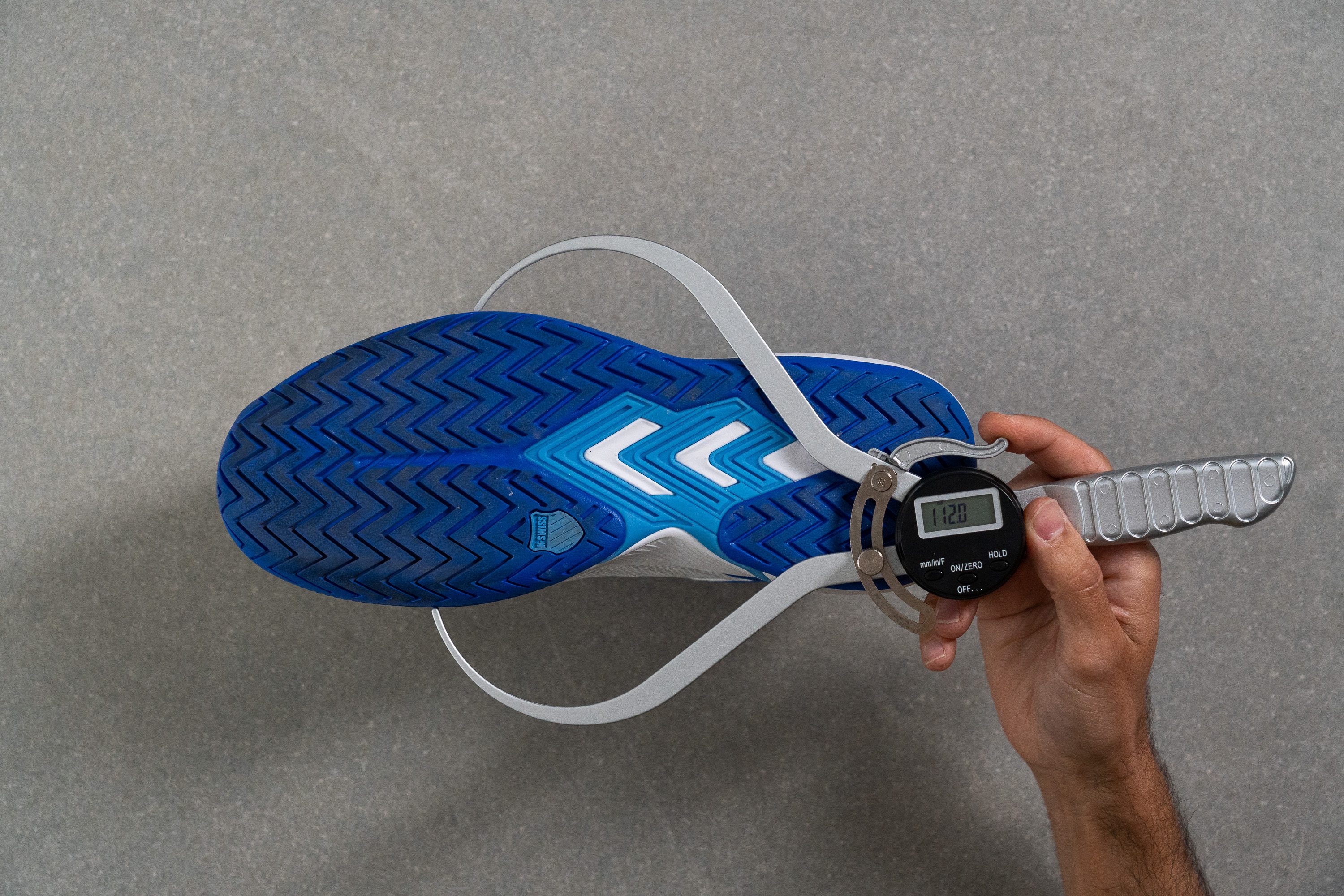
| Ultrashot Light | 112.0 mm |
| Media | 112.3 mm |
Anchura de la mediasuela - talón
The widest part of its heel also measured a standard 89.7 mm, falling within the middle range.
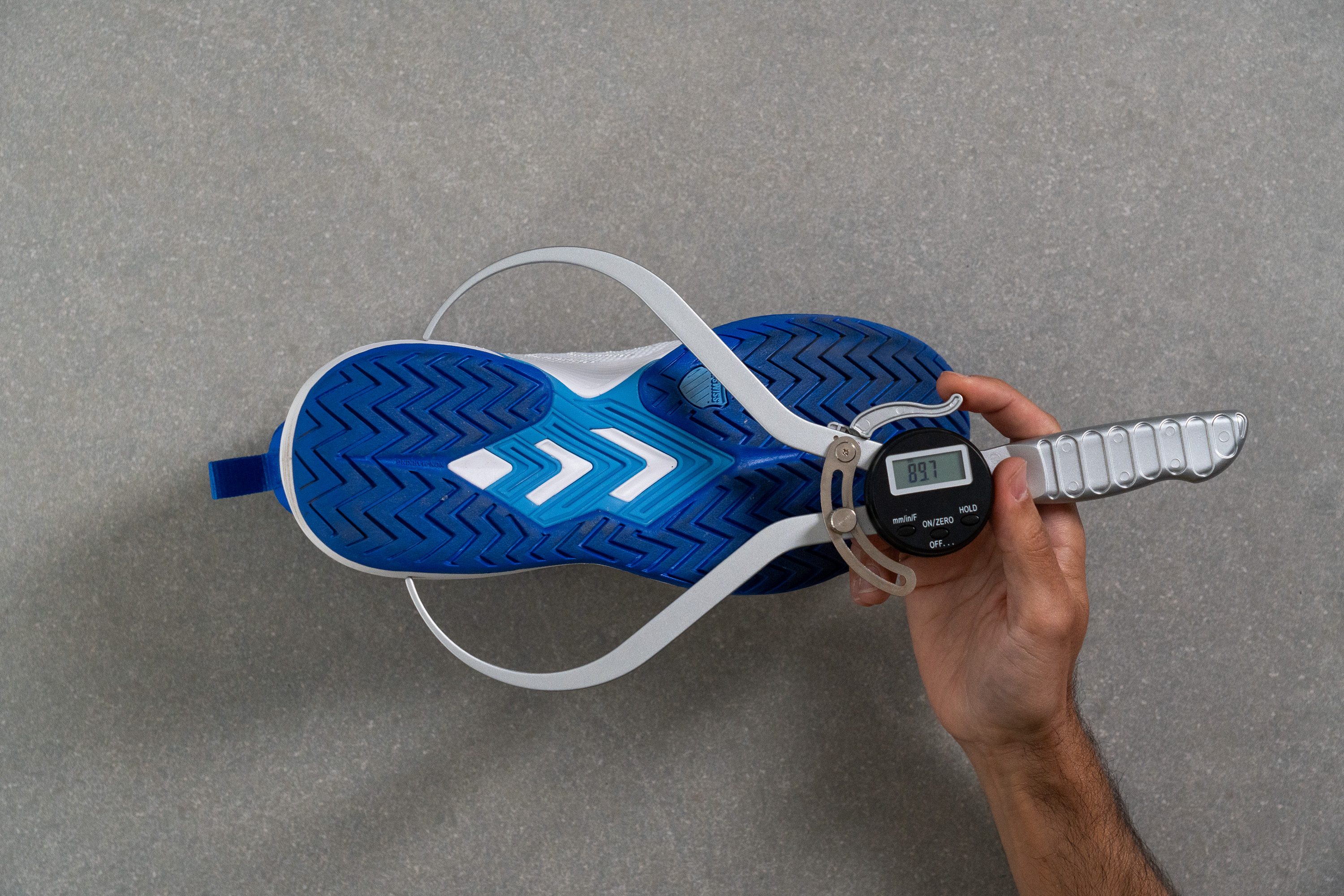
| Ultrashot Light | 89.7 mm |
| Media | 89.7 mm |
Durabilidad
Durabilidad de la protección delantera
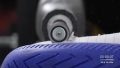
We wouldn't describe the toe drag guard on the K-Swiss Ultrashot Light as indestructible, but it offers pretty good abrasion resistance for the price!
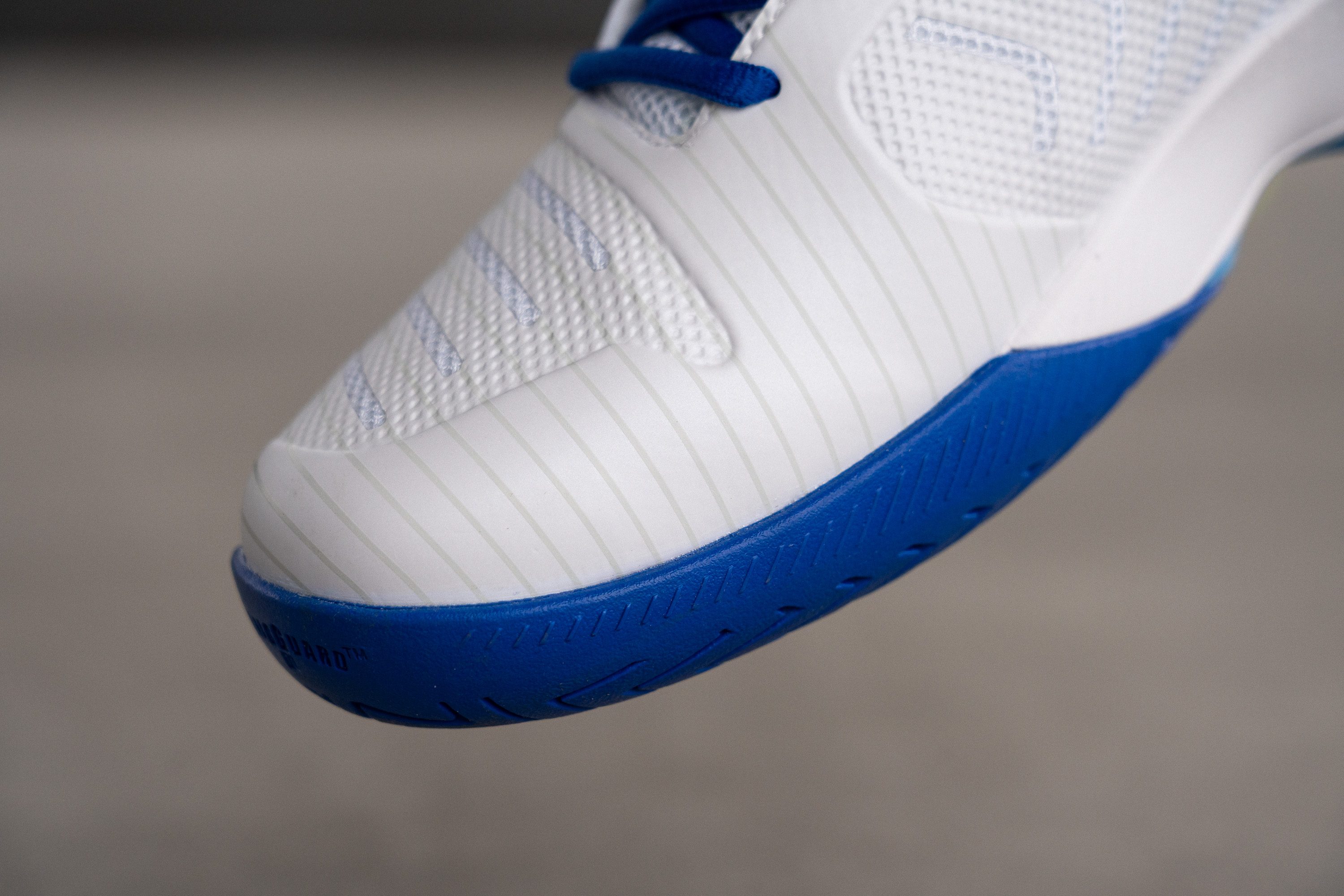
The high-wear area on the medial side of the shoe's forefoot is protected by both the extended rubber outsole and the synthetic upper overlays.
Applying our Dremel to the latter, we found that despite the noticeable damage, the material still showed some resistance, earning a middle-ground durability score of 3 out of 5.
| Ultrashot Light | 3 |
| Media | 3.5 |
Durabilidad de la parte delantera
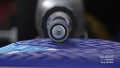
Testing the less-reinforced area of the shoe's upper, we found that it doesn't give in as easily either! With nothing but thin synthetic layers on top of the mesh, the shoe's toebox stood up to the Dremel challenge and scored a decent 3 out of 5 for durability.
| Ultrashot Light | 3 |
| Media | 3.7 |
Durabilidad del acolchado del talón
Taking our Dremel to the inner side of the shoe's collar left us just as pleasantly surprised. With only moderate fabric scuffing, we again rated the durability of its heel padding at 3 out of 5.
| Ultrashot Light | 3 |
| Media | 3.2 |
Durabilidad de la suela
But when it came to testing the limits of the shoe's rubber outsole, we were utterly impressed.
The blend resisted our sandpaper grit so effectively that the dent was only 0.6 mm deep! That's a fantastic result for a tennis shoe in this price range! Hats off to K-Swiss!
| Ultrashot Light | 0.6 mm |
| Media | 0.8 mm |
Grosor de la suela
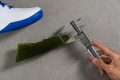
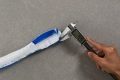
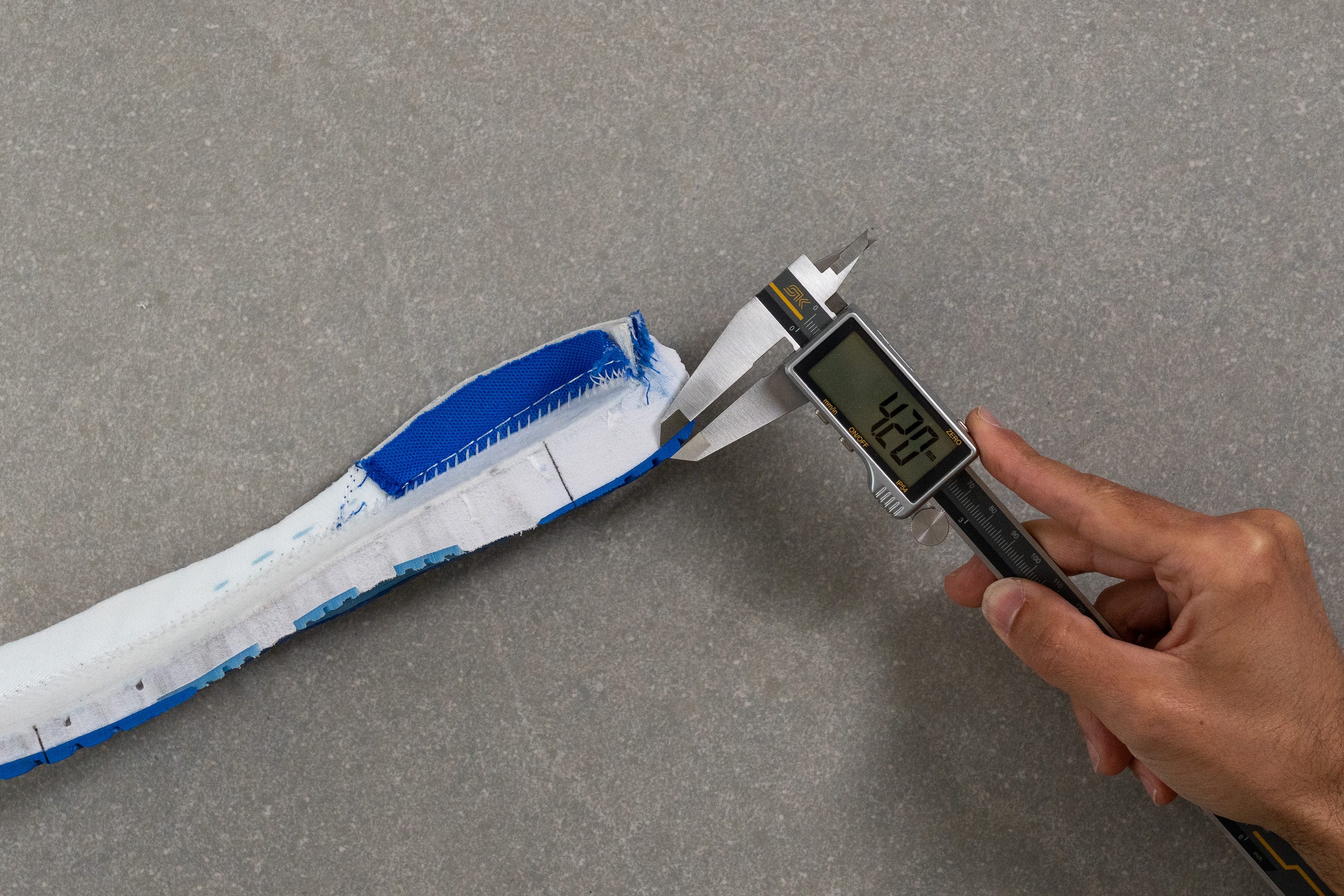
Measuring the shoe's outsole thickness left us even more reassured in its long-term durability, as our caliper showed a solid 4.2 mm.
That's a lot of hard-wearing material to go through before the Ultrashot Light's outsole shows signs of wear!
| Ultrashot Light | 4.2 mm |
| Media | 4.1 mm |
Varios
Grosor de la plantilla
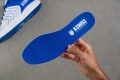
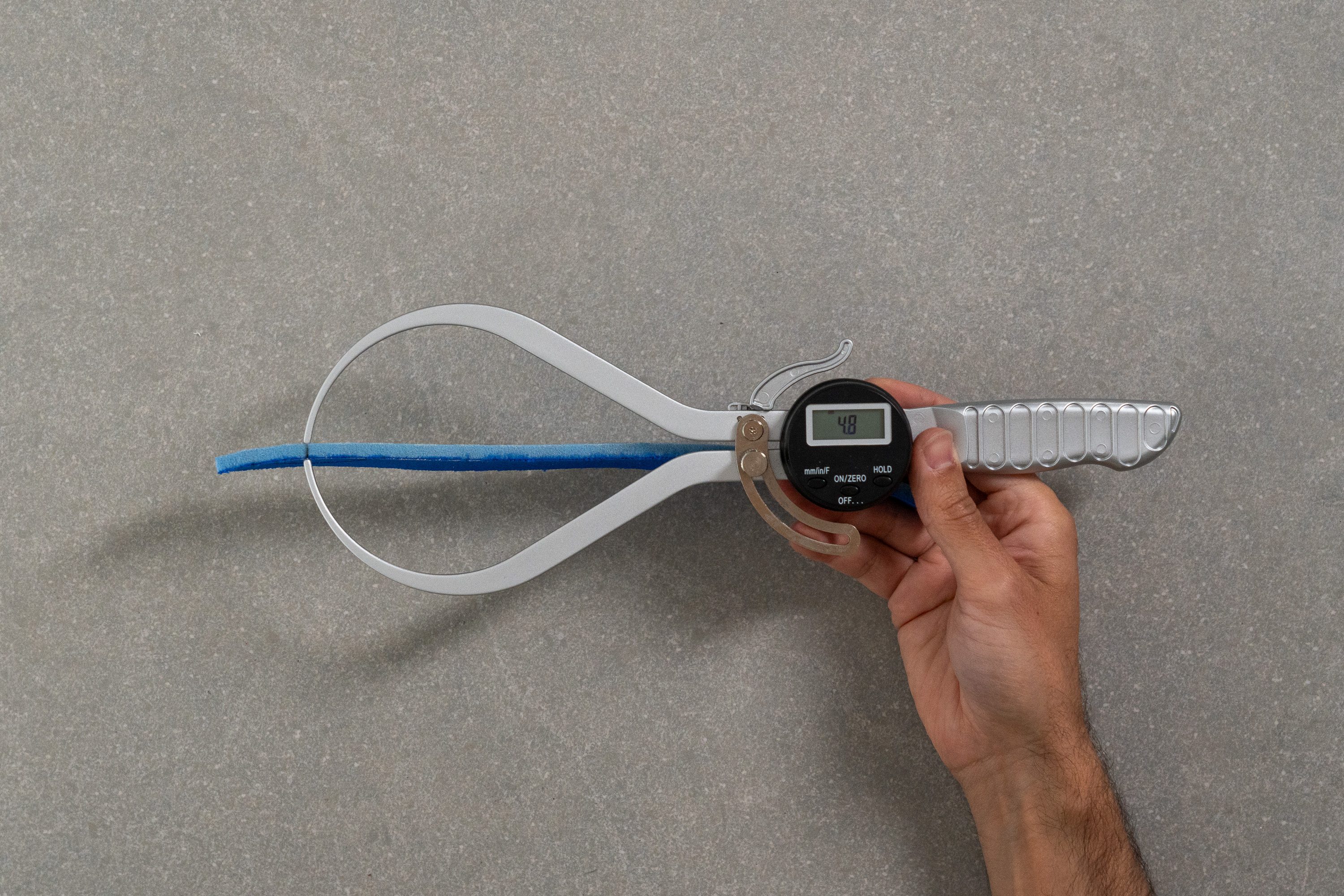
A padded insole offers a pleasant step-in feel from the start. It has a standard thickness of 4.8 mm in the heel.
| Ultrashot Light | 4.8 mm |
| Media | 5.2 mm |
Plantilla extraíble
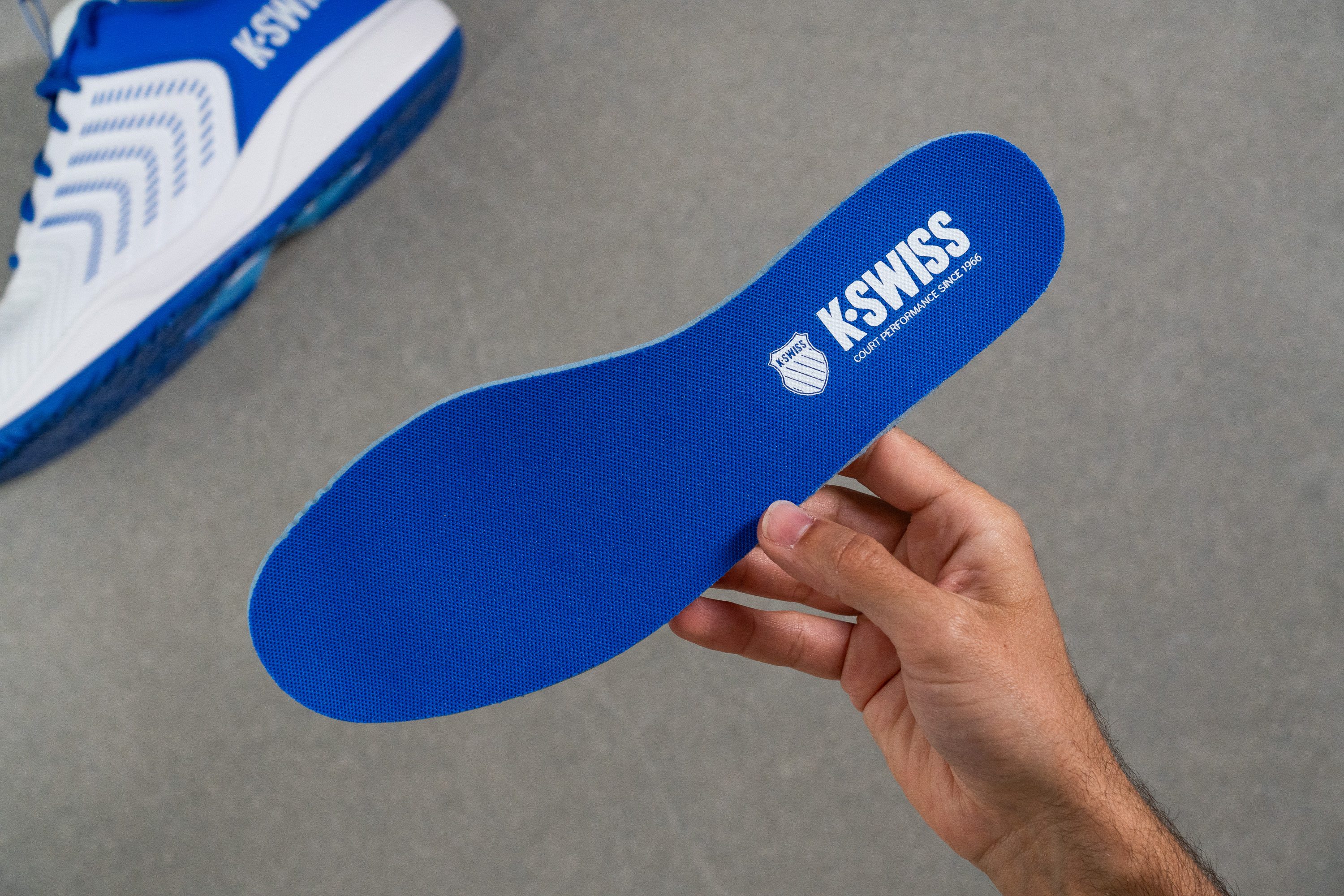
But if you need more targeted underfoot support or cushioning, you can easily remove the insole and place a custom insert.
| Ultrashot Light | Sí |
Acolchado de la lengüeta
In addition to its moderately soft midsole, the Ultrashot Light also boosts comfort with a padding-loaded upper!
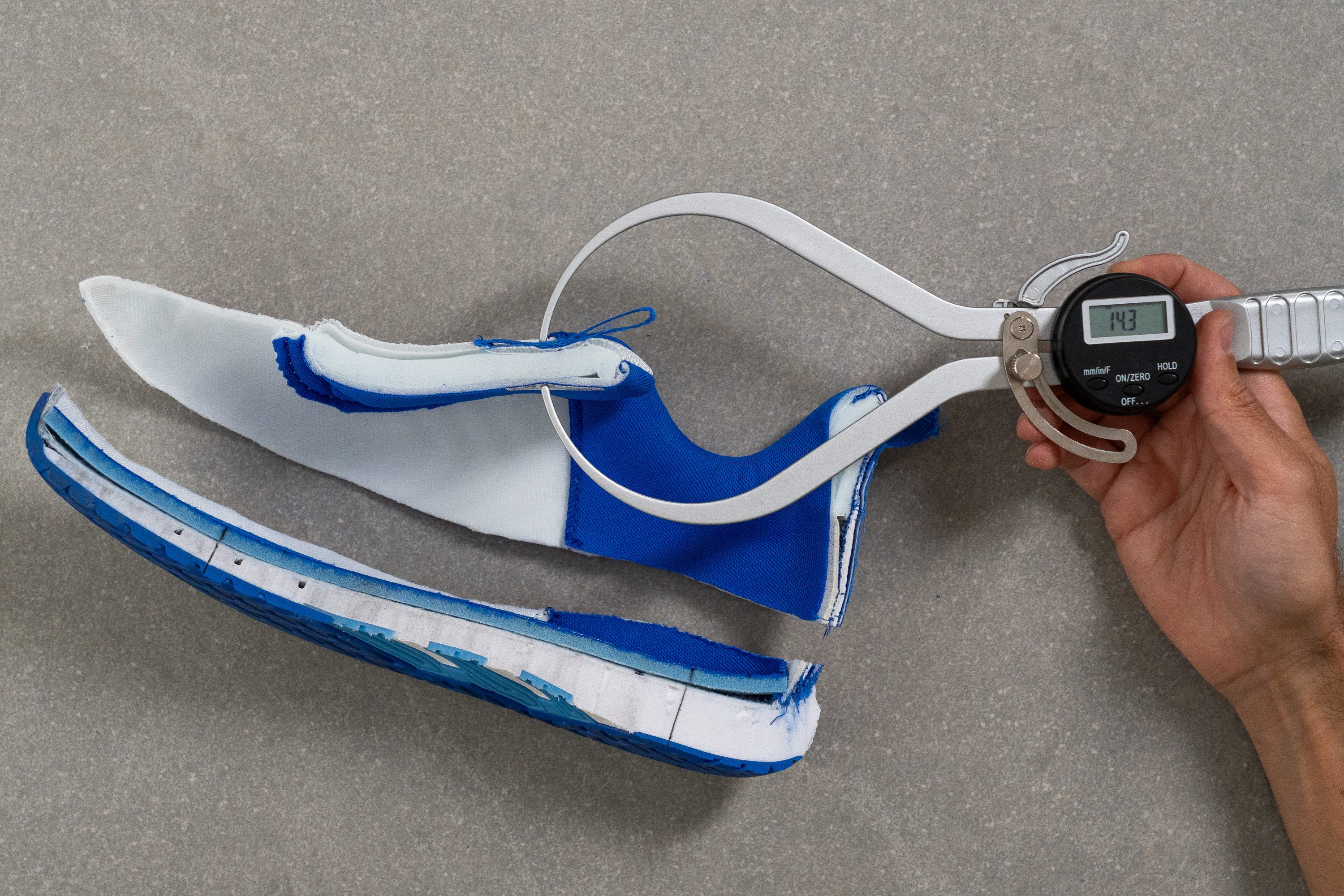
Our caliper measured its tongue thickness at a whopping 14.3 mm, which is significantly cushier than the average tennis shoe!
In addition to eliminating lace pressure, all that foam also creates a more secure lockdown for the foot in a pretty cozy way.
| Ultrashot Light | 14.3 mm |
| Media | 8.5 mm |
Lengüeta: tipo de refuerzo
The tongue of this K-Swiss shoe is non-gusseted, meaning it is not attached to the upper along the sides. This could potentially lead to some minor tongue sliding, but the chances are low considering how thickly padded it is.
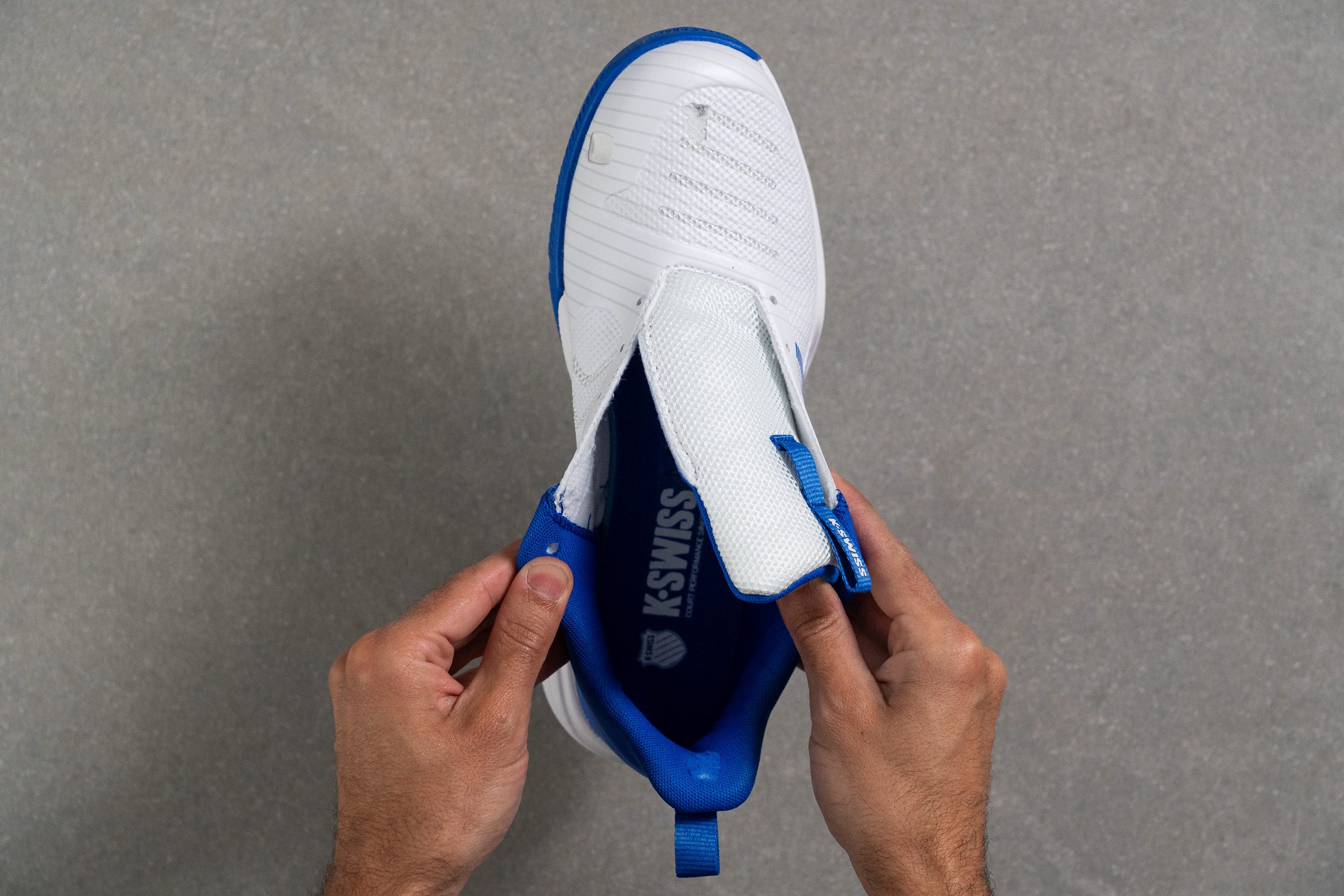
| Ultrashot Light | Ninguno |
Tirador del talón
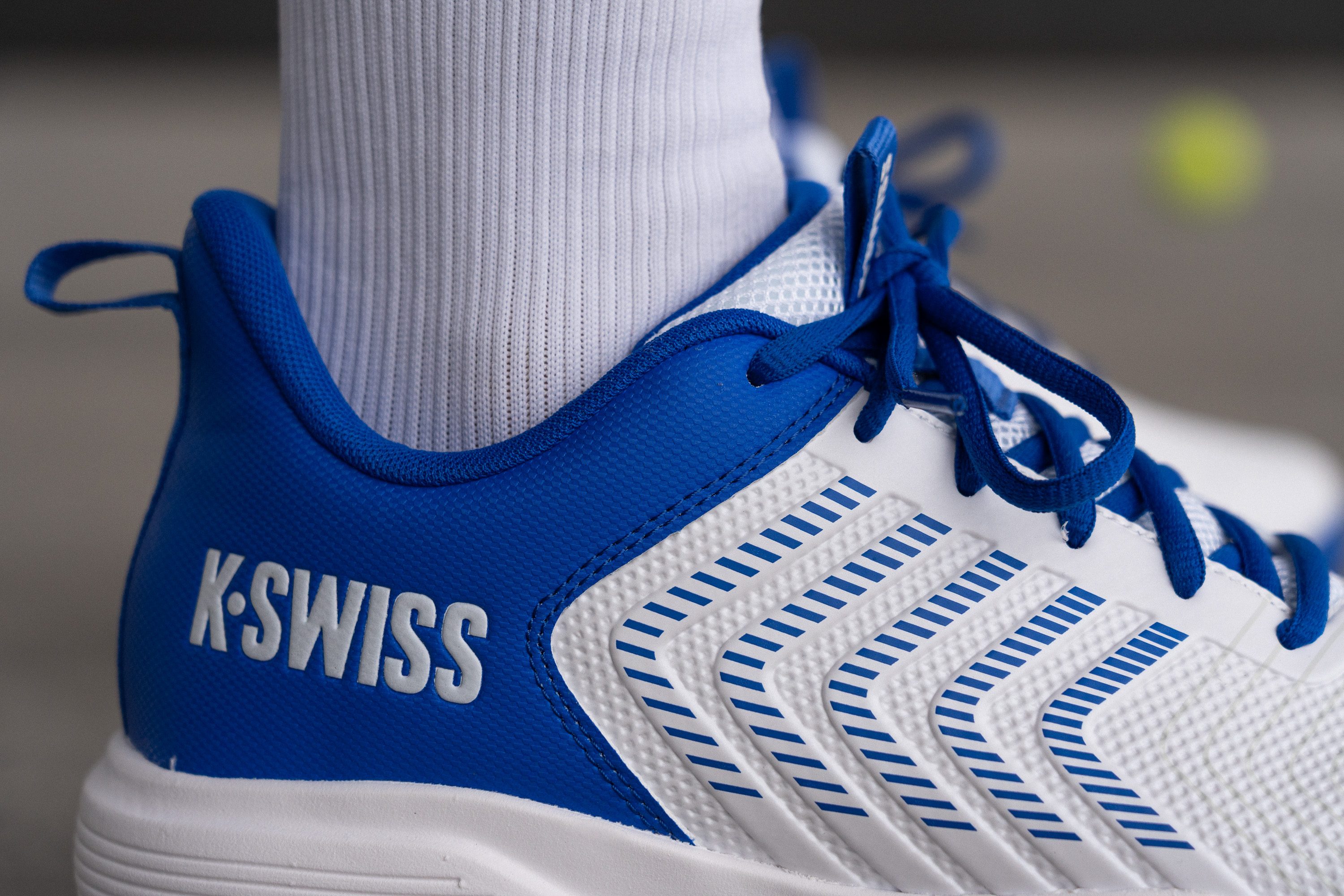
The Ultrashot Light is quite effortless to put on, thanks to its two large finger loops - one on the heel collar and one on the tongue.
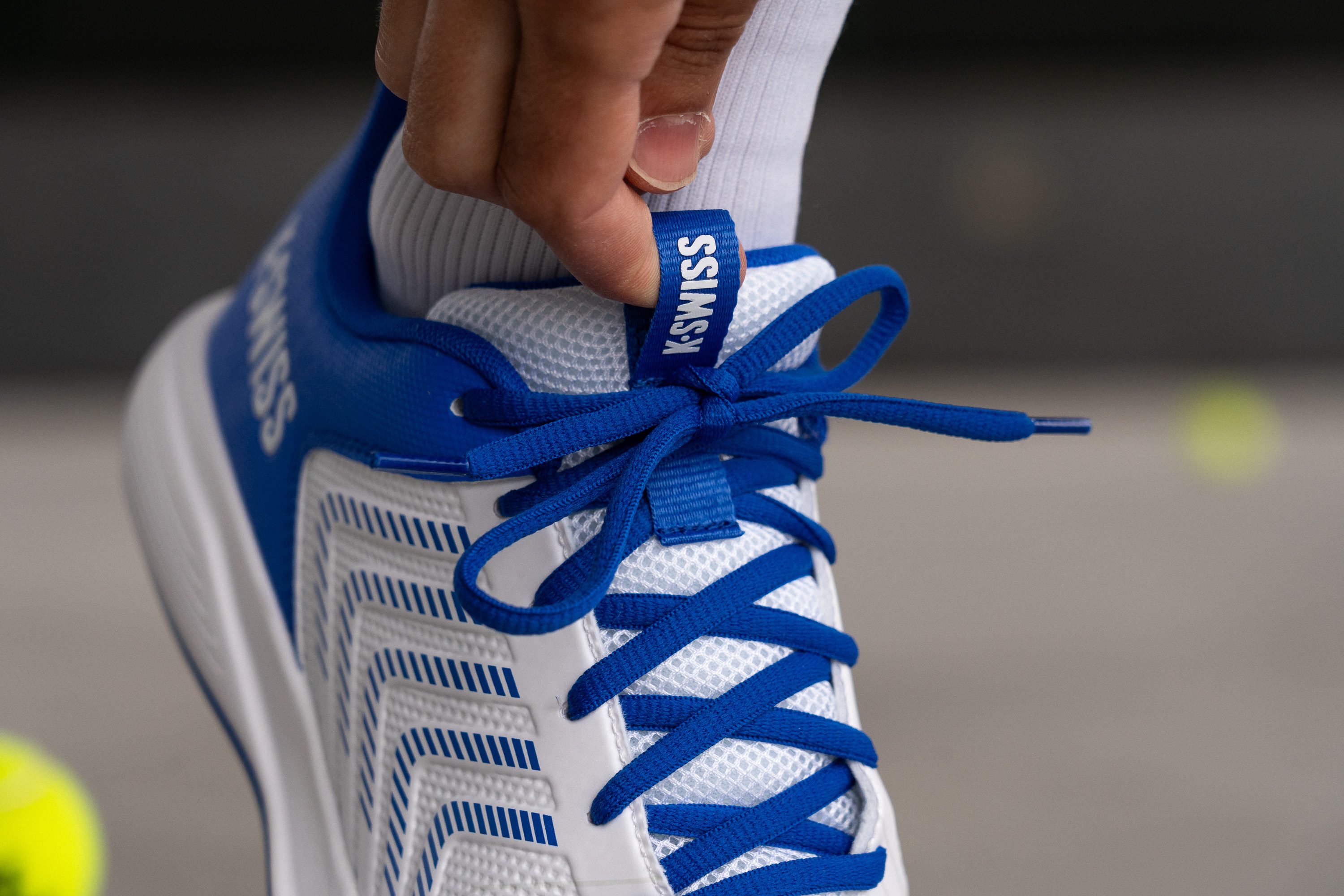
The extended and structured heel collar also helps with faster on-and-off.
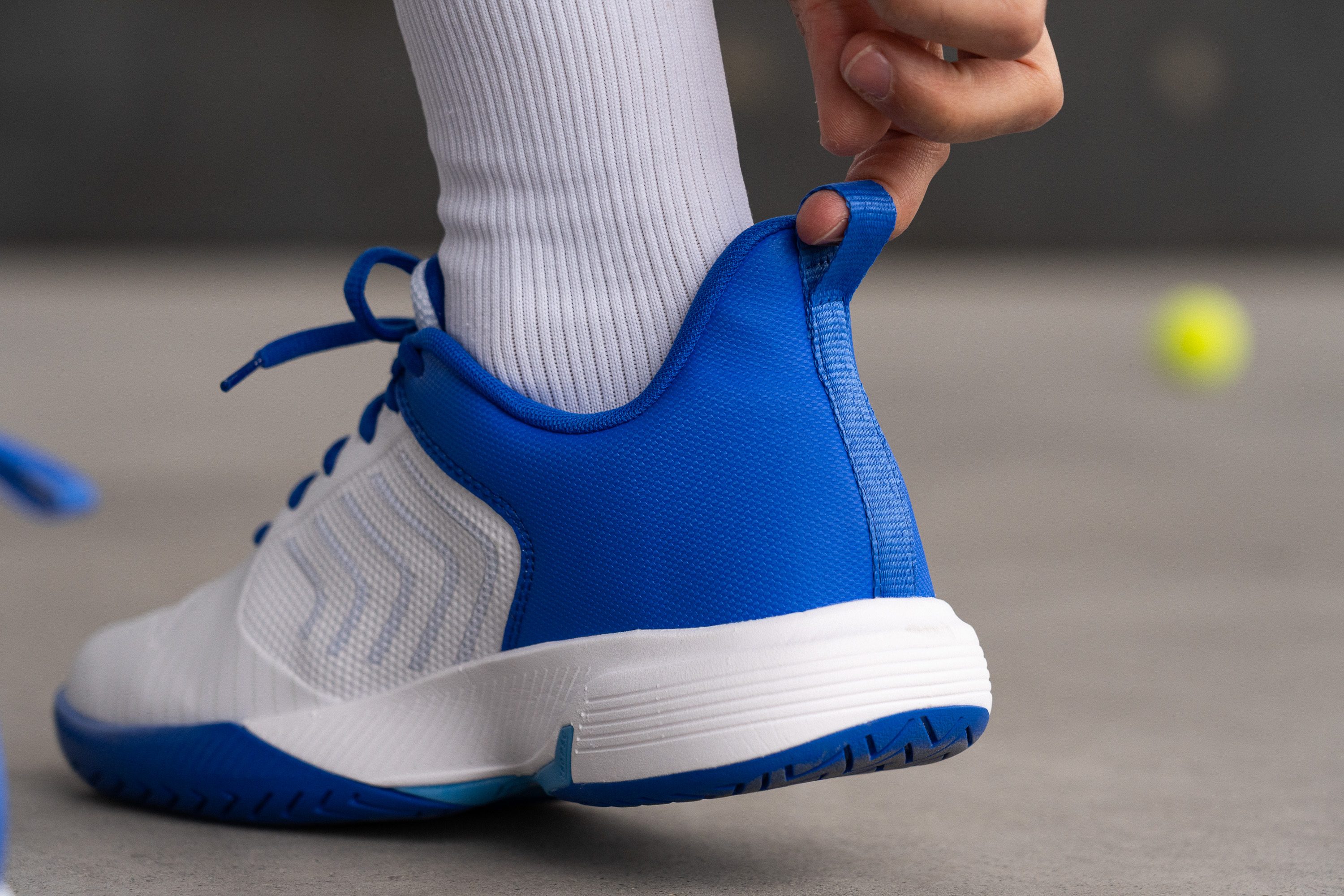
| Ultrashot Light | Tirador circular |
Precio
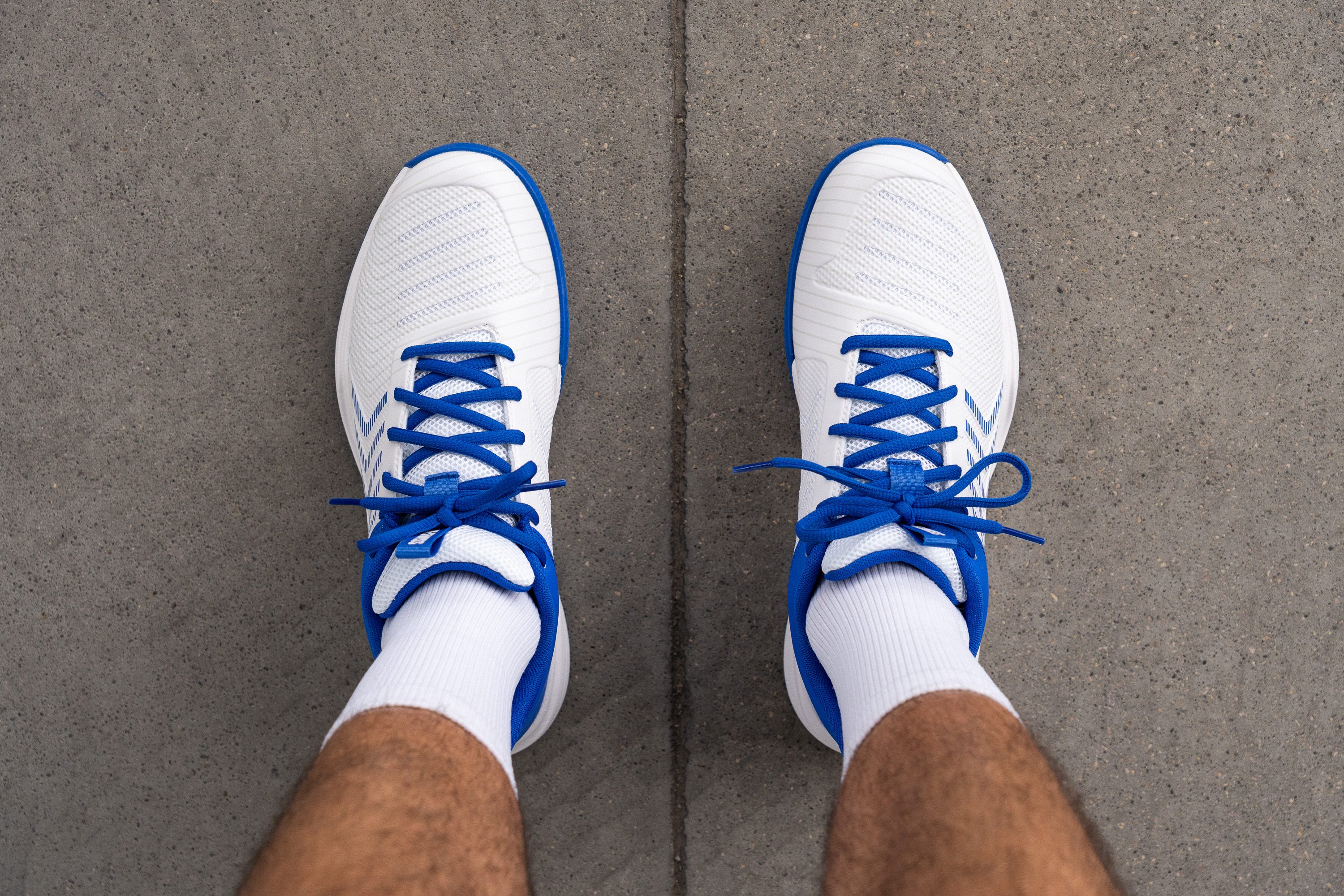
Having tested a good number of tennis shoes under €100, we can confirm that the K-Swiss Ultrashot Light offers truly impressive value for money in several respects. Most notably, its lightweight construction, overall comfort, and outsole durability.
| Ultrashot Light | $85 |