
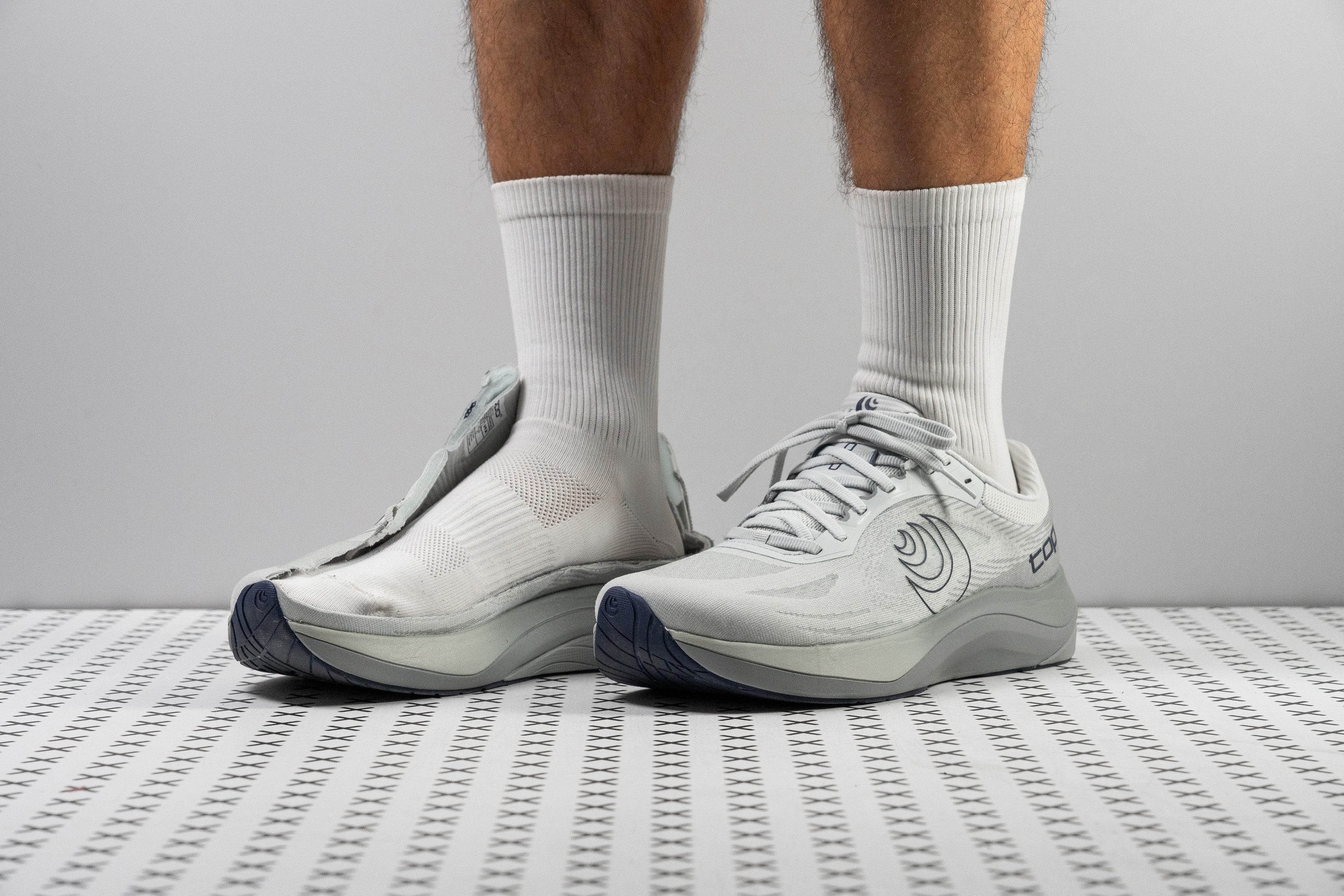











Our verdict
- Daily running 85
- Tempo 55
- Race 21
- Stability 92
Pros
- Anatomical toebox allows for toe splay
- Stable ride with updated support
- Secure fit despite roomy forefoot
- Ideal option for custom orthotics
- Outstanding outsole durability
- Comfortable upper
- Looks a bit better than previous models
- Doubles as a walking shoe
- Interesting pick for beginners
Cons
- Outdated midsole tech
- Low shock absorption
- Limited to easy runs
- High torsional rigidity may bother some
Awards
- Top pick in best running shoes for overpronation
- Top pick in best running shoes with a wide toebox
- Top 25% in shoes for gym and running
- Top 28% in sustainable running shoes
Comparison
The most similar running shoes compared
+ + Add a shoe | |||||
|---|---|---|---|---|---|
| Our score | 82 Great | 80 Good | 82 Great | 80 Good | |
| Price | £140 | £140 | £130 | £130 | |
| Pace | Daily running | Daily running | Daily running | Daily running | |
| Shock absorption | Moderate | Moderate | Moderate | High | |
| Energy return | Low | High | Moderate | Moderate | |
| Traction | High | Moderate | High | High | |
| Arch support | Stability | Stability | Stability | Stability | |
| Weight lab Weight brand | 9.6 oz / 272g 9.6 oz / 272g | 10.1 oz / 285g 10.1 oz / 286g | 8.6 oz / 244g 8.1 oz / 230g | 9.9 oz / 281g 10.4 oz / 296g | |
| Lightweight | ✗ | ✗ | ✓ | ✗ | |
| Drop lab Drop brand | 6.6 mm 5.0 mm | 7.3 mm 8.0 mm | 5.1 mm 4.0 mm | 8.3 mm 10.0 mm | |
| Strike pattern | Mid/forefoot | Mid/forefoot | Mid/forefoot | HeelMid/forefoot | |
| Size | - | True to size | Slightly large | True to size | |
| Midsole softness | Balanced | - | Soft | Balanced | |
| Difference in midsole softness in cold | Small | Small | Big | Small | |
| Toebox durability | Bad | Bad | Decent | Decent | |
| Heel padding durability | Good | Good | Good | Decent | |
| Outsole durability | Good | Good | Decent | Decent | |
| Breathability | Moderate | Moderate | Warm | Warm | |
| Width / fit | Medium | Medium | Wide | Medium | |
| Toebox width | Wide | Medium | Wide | Medium | |
| Stiffness | Flexible | Flexible | Moderate | Moderate | |
| Torsional rigidity | Moderate | Moderate | Flexible | Flexible | |
| Heel counter stiffness | Flexible | Flexible | Moderate | Stiff | |
| Heel lab Heel brand | 33.0 mm 32.0 mm | 33.0 mm 35.0 mm | 30.2 mm 32.0 mm | 34.7 mm 36.0 mm | |
| Forefoot lab Forefoot brand | 26.4 mm 27.0 mm | 25.7 mm 27.0 mm | 25.1 mm 28.0 mm | 26.4 mm 28.0 mm | |
| Widths available | NormalWide | NormalWide | NormalWide | Normal | |
| Orthotic friendly | ✓ | ✓ | ✓ | ✓ | |
| Season | All seasons | All seasons | All seasons | All seasons | |
| Removable insole | ✓ | ✓ | ✓ | ✓ | |
| Ranking | #189 Top 47% | #229 Bottom 43% | #190 Top 48% | #227 Bottom 43% | |
| Popularity | #210 Bottom 48% | #289 Bottom 28% | #221 Bottom 45% | #234 Bottom 42% |


Who should buy
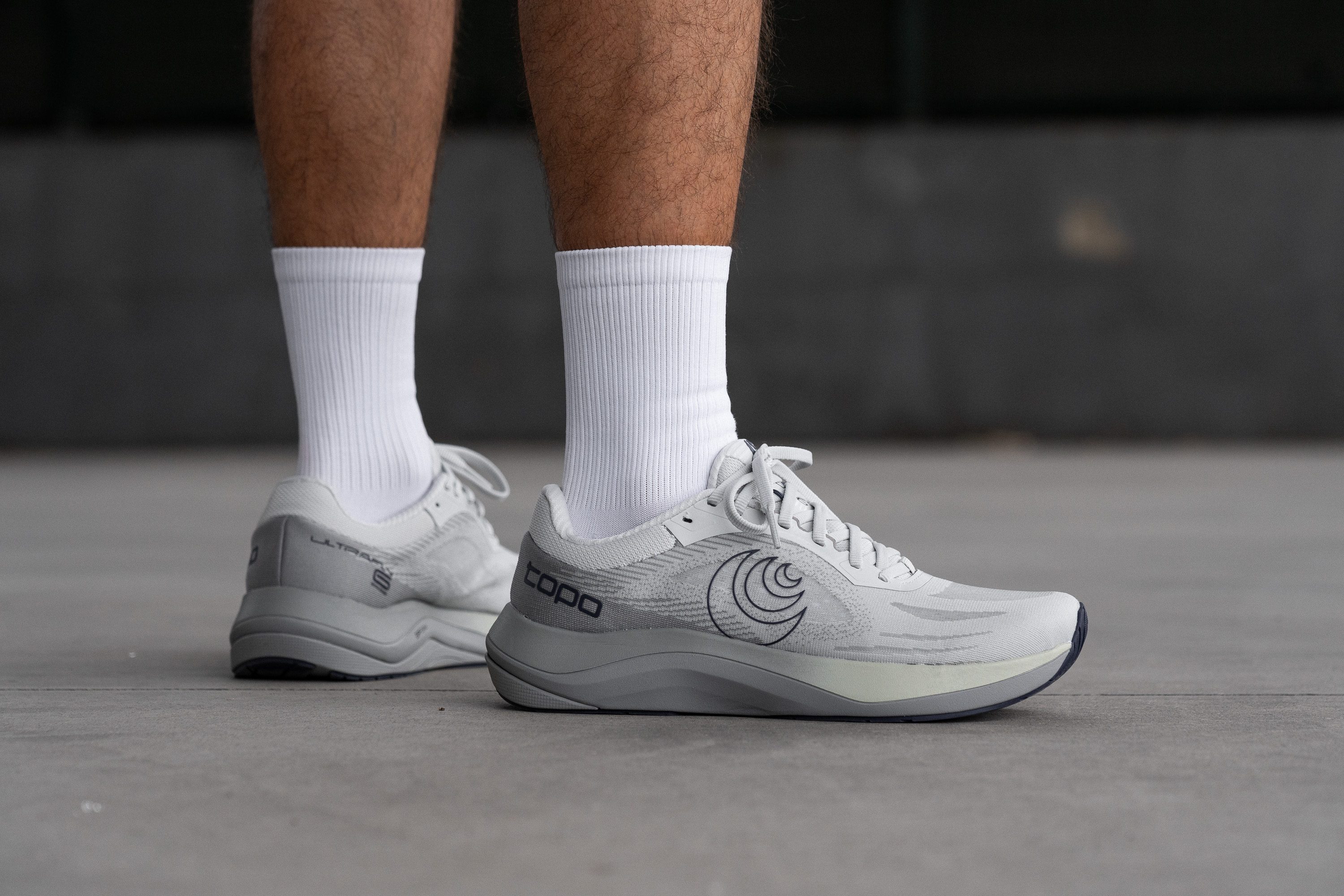
The Topo Ultrafly 6 is a solid choice for runners who:
- Need an anatomical fit with plenty of room for natural toe splay without sacrificing a secure midfoot lockdown.
- Prefer a firm, stable ride over the ultra-soft feel found in many modern daily trainers.
- Land on the midfoot or forefoot and want a stability shoe with a moderate heel-to-toe drop.
- Prioritise long-lasting durability and reliable support for everyday training.
Who should NOT buy
Heavier runners, or anyone seeking maximum shock absorption, should probably skip the Ultrafly 6, as it simply doesn't offer enough cushioning. Instead, we recommend the Saucony Hurricane 25 or the Nike Structure Plus.
We also believe that neutral runners should 100% skip this shoe. The Topo Cyclone 3 or Topo Spectre 2 both deliver a noticeably more lively and fun ride thanks to their Pebax midsole.
Cushioning
Shock absorption
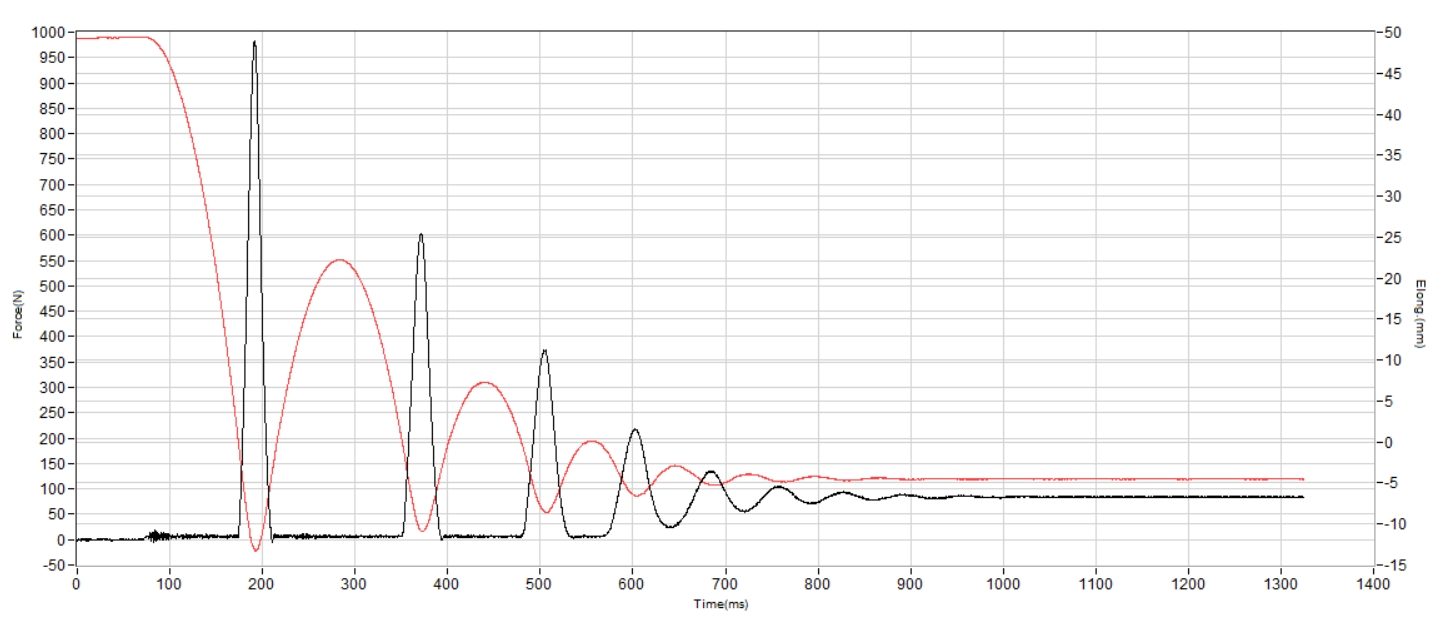
The Topo Athletic Ultrafly 6 delivers a slight increase in shock absorption over the Ultrafly 5.
However, it still falls short of standing out in this area. It posted just 114 SA in the heel and 102 SA in the forefoot, so runners seeking maximum impact protection should pick another option.
| Topo Ultrafly 6 | 114 SA |
| Average | 131 SA |
Energy return
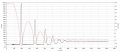
We found that Topo Athletic sticks with ZipFoam in the Ultrafly 6, and we see this decision as a disappointing choice. This basic EVA foam feels lifeless underfoot and still delivers underwhelming energy return, reaching just 48.3% in the heel and 52.7% in the forefoot.
Brands can always claim that each update improves responsiveness, but our lab data sometimes tell a very different story. Ultimately, it's up to you to decide whether you trust the data or the marketing claims...
| Topo Ultrafly 6 | 52.7% |
| Average | 61.5% |
Heel stack
Topo keeps the Ultrafly 6 at a moderate heel stack of 33.0 mm. While that may seem low by today's standards, it's 2.8 mm taller than the Ultrafly 5.
We think this gradual increase is a sensible approach, allowing Topo to steadily improve cushioning without dramatically changing the shoe's character.
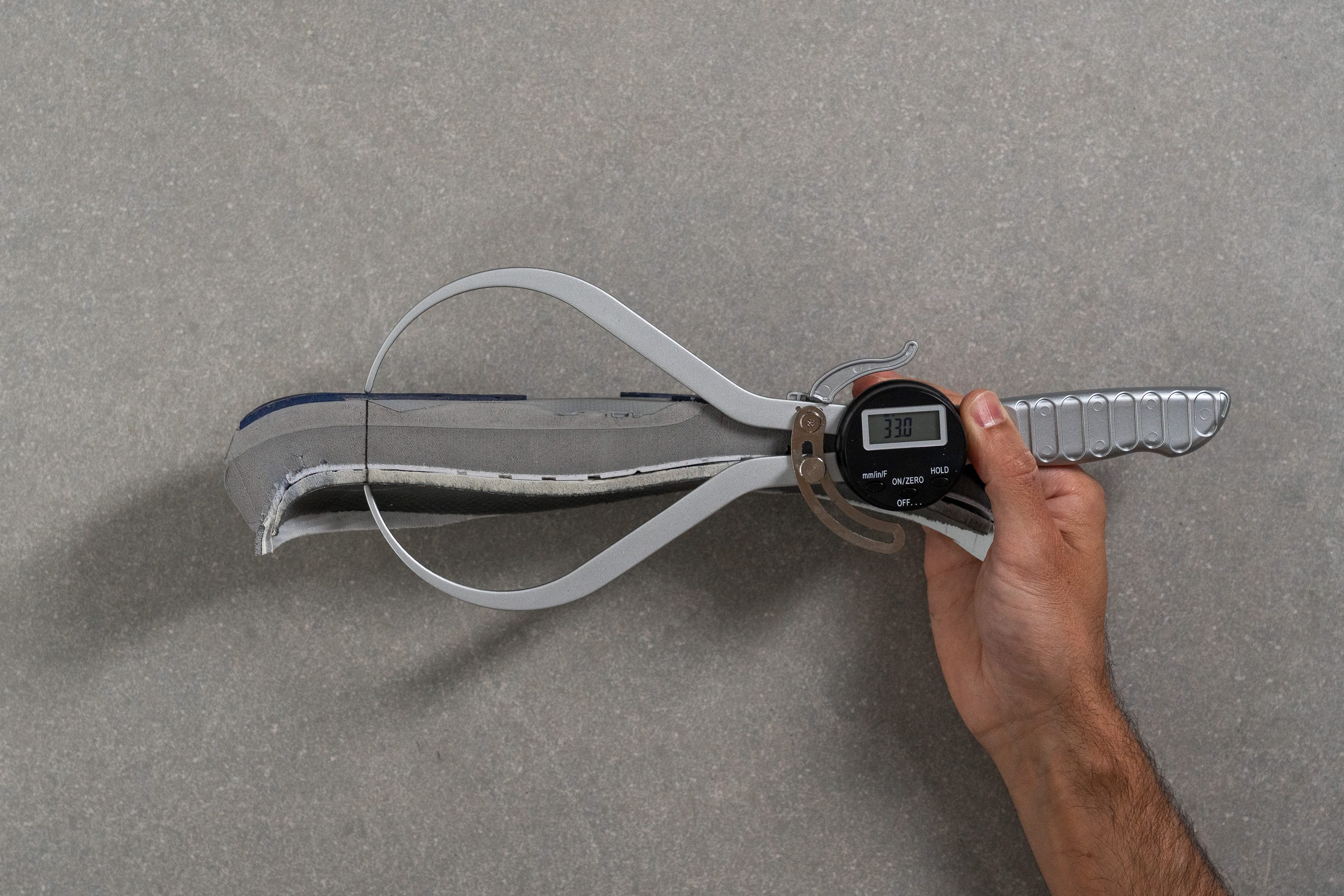
| Topo Ultrafly 6 | 33.0 mm |
| Average | 35.6 mm |
Forefoot stack
The forefoot measured 26.4 mm, placing it almost exactly at the current lab average at the time of this review. This also helps explain the shock absorption values we recorded earlier.
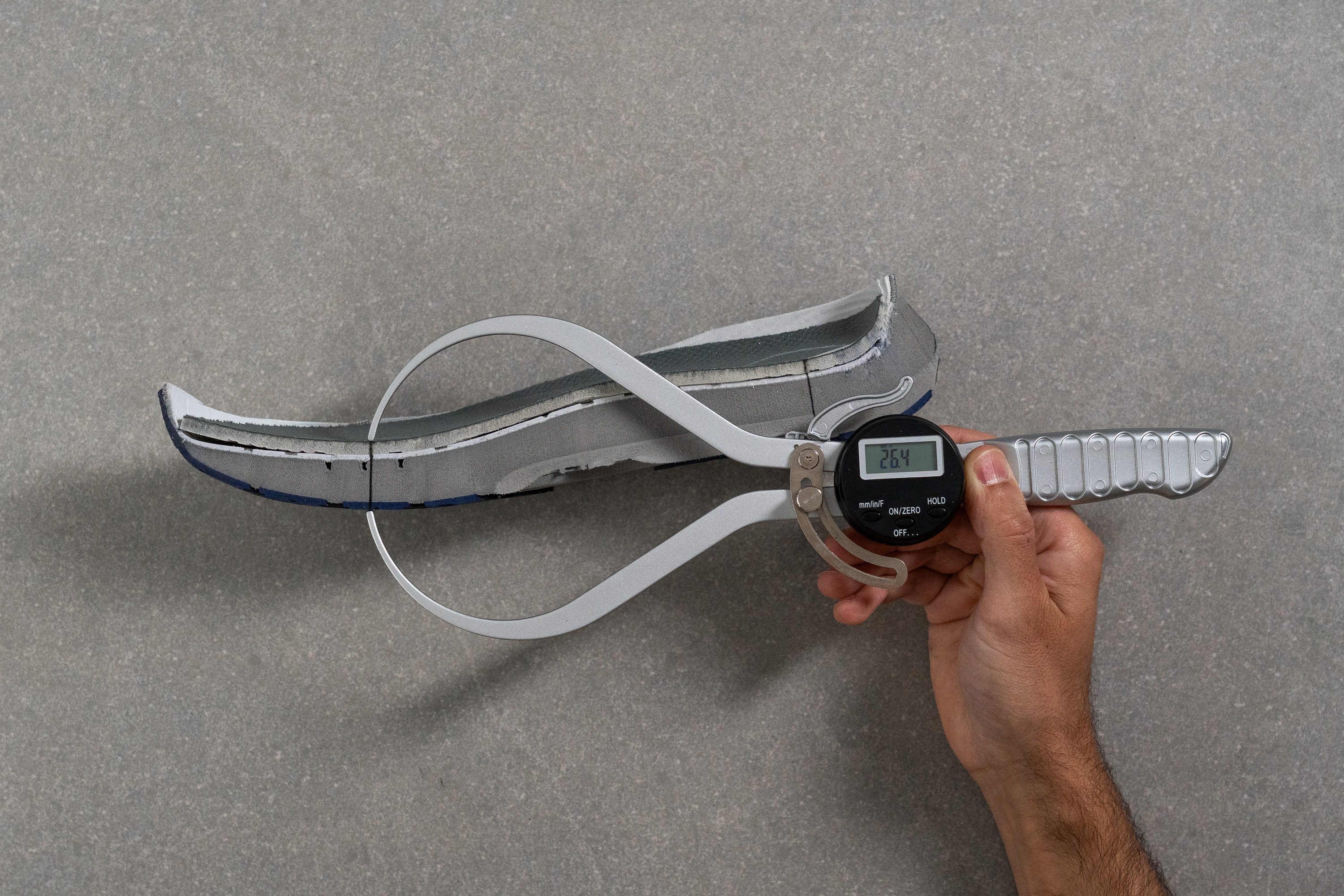
| Topo Ultrafly 6 | 26.4 mm |
| Average | 27.1 mm |
Drop
As is often the case with Topo Athletic shoes in our lab, the Ultrafly 6 delivered a slightly higher drop than the brand's stated value. Instead of 5 mm, we measured 6.6 mm. Even so, this remains a moderate drop that keeps the shoe especially appealing for midfoot and forefoot strikers.
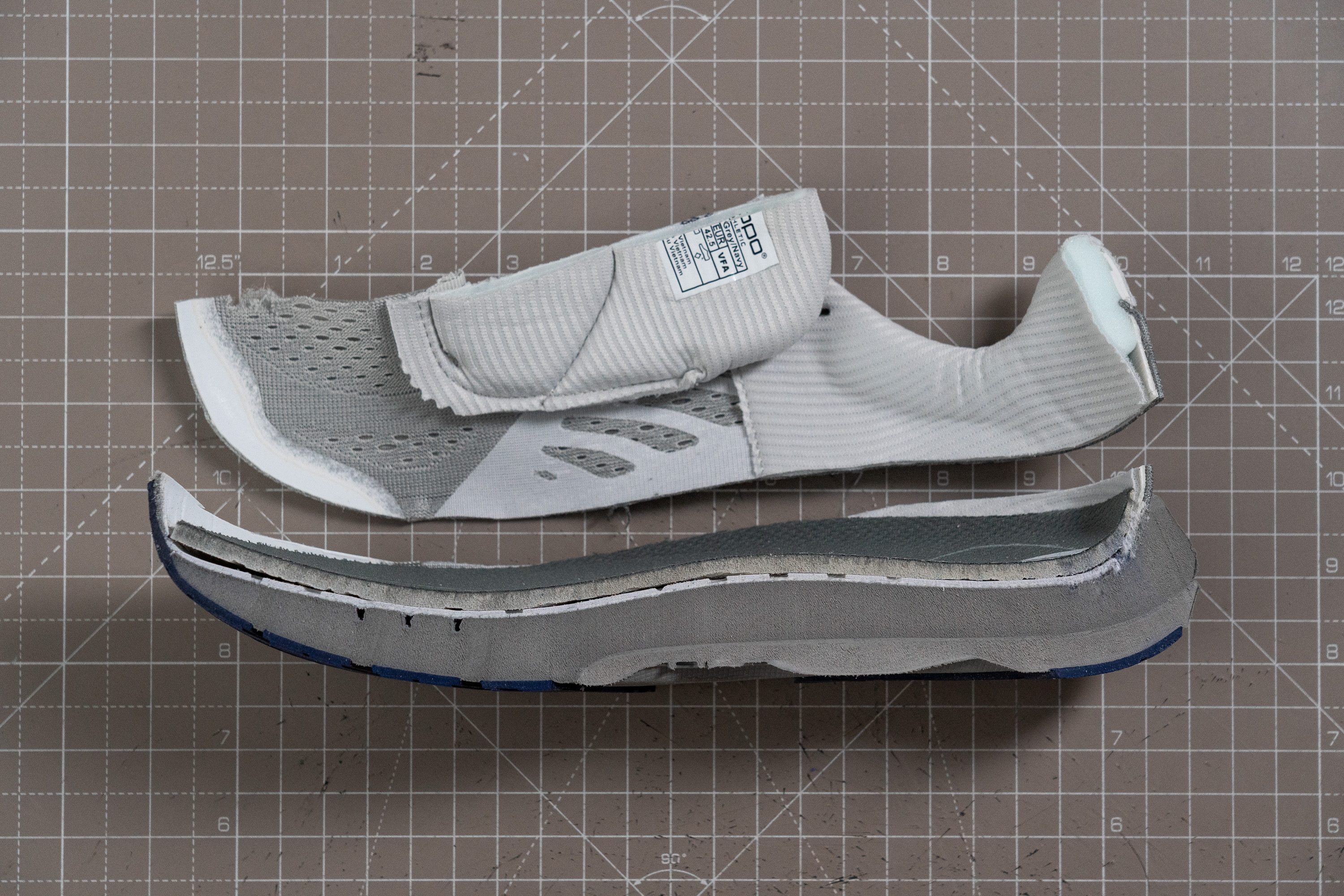
| Topo Ultrafly 6 | 6.6 mm |
| Average | 8.4 mm |
Midsole softness
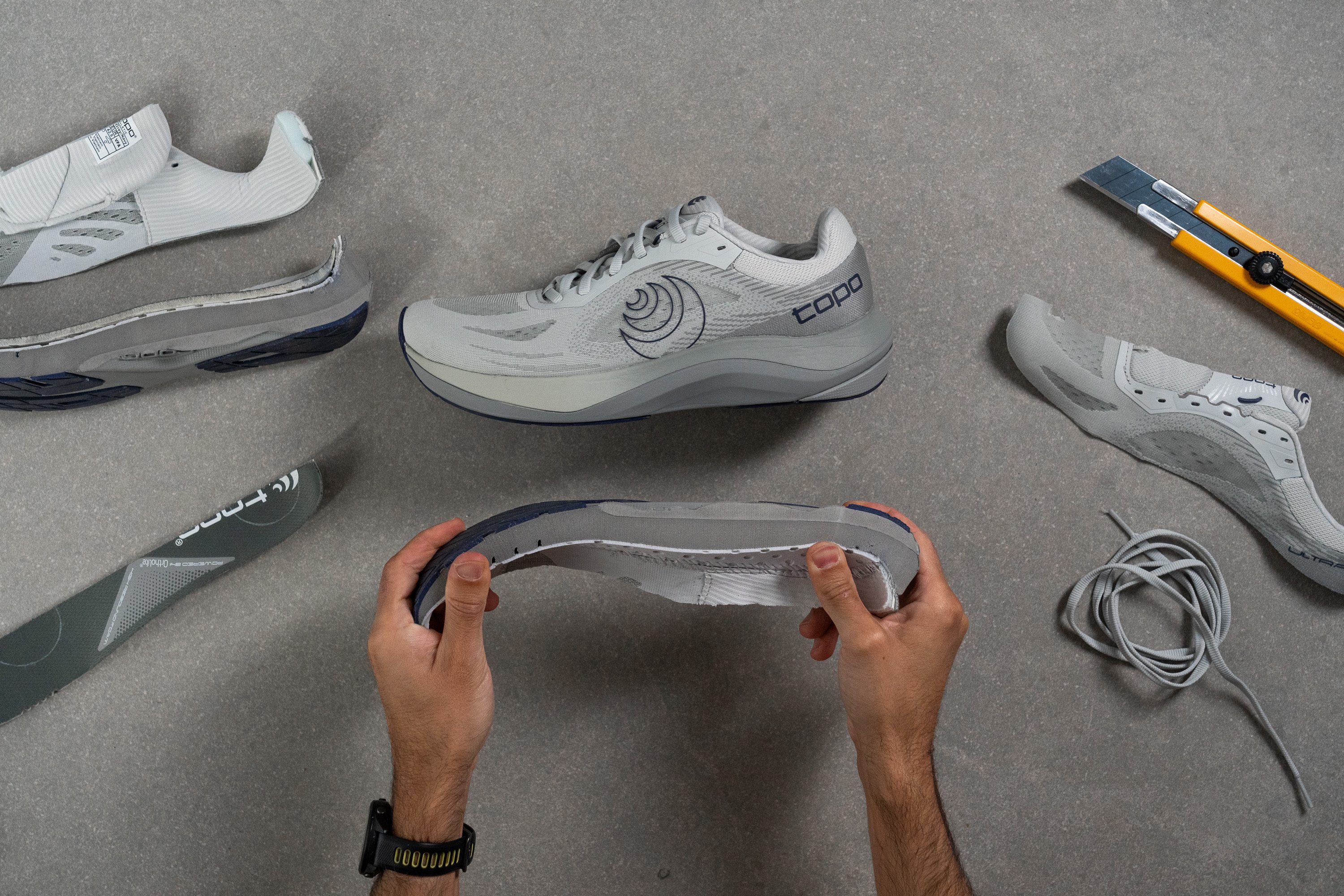
The Topo Ultrafly 6 features a new dual-density midsole designed to enhance stability, an approach widely adopted across the running shoe market.
We pressed our Asker C durometer into the main layer of foam and measured a firmness of 39.1 AC, which more or less matches the firm ride we experienced during testing. In fact, the shoe felt maybe a bit firmer underfoot, and there's a good reason for that, as you'll see next...
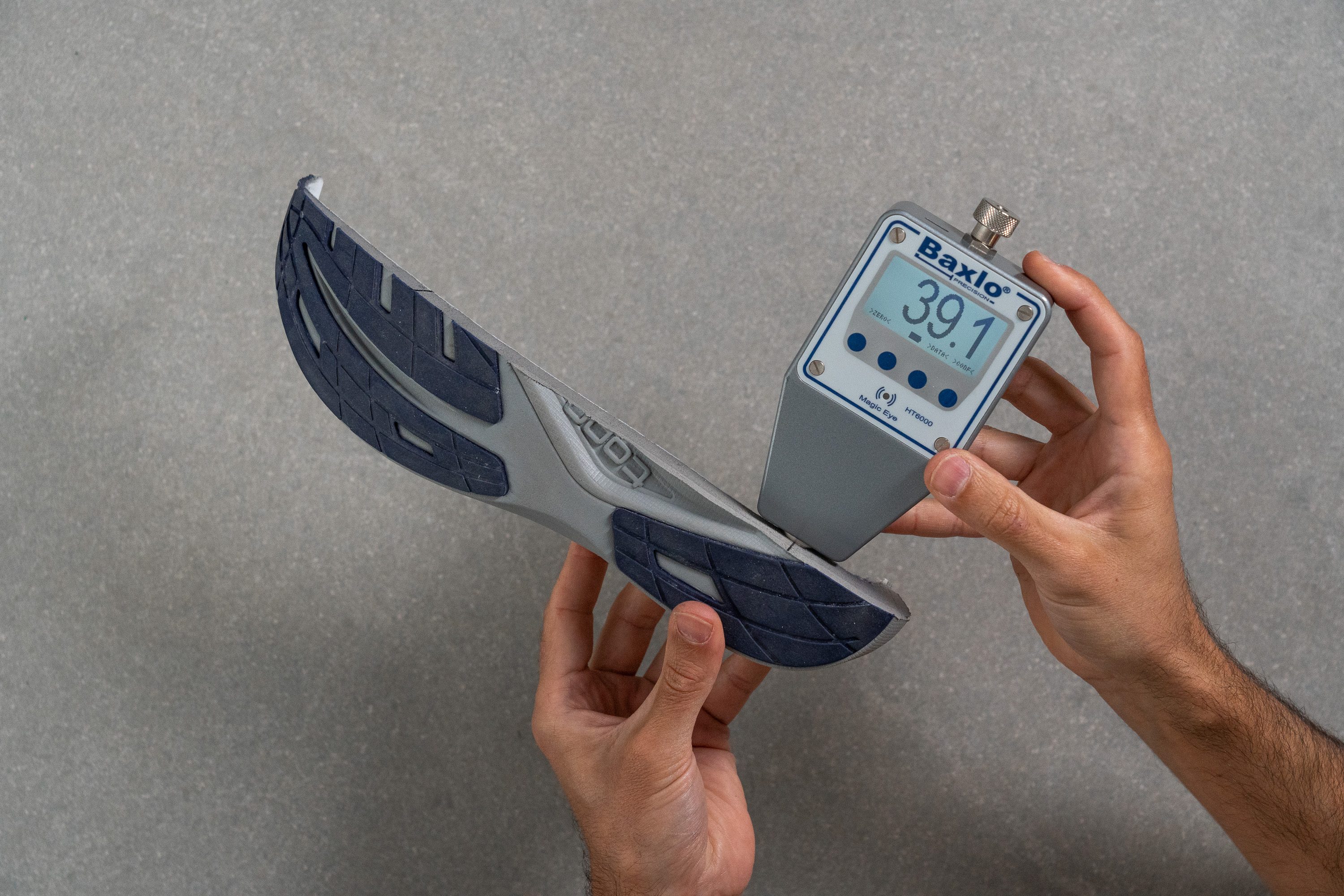
| Topo Ultrafly 6 | 39.1 AC |
| Average | 35.4 AC |
Rocker
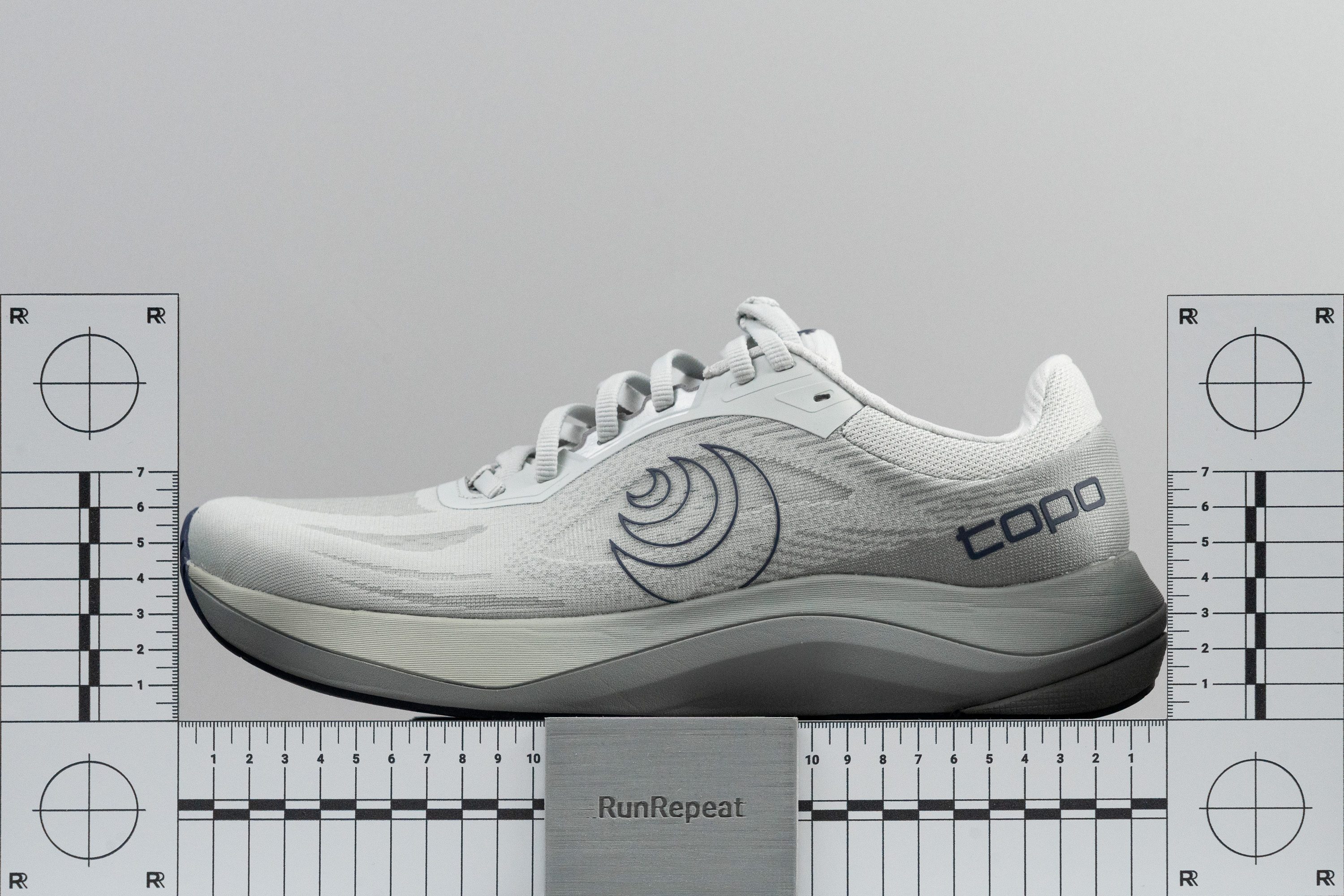
Like most Topo Athletic running shoes, the Ultrafly 6 features a classic rocker that never feels intrusive or artificial. The profile remains mostly flat, with just enough curvature to complement the natural shape of the foot and provide a subtle amount of guidance through each stride.
Size and fit
Size
Internal length
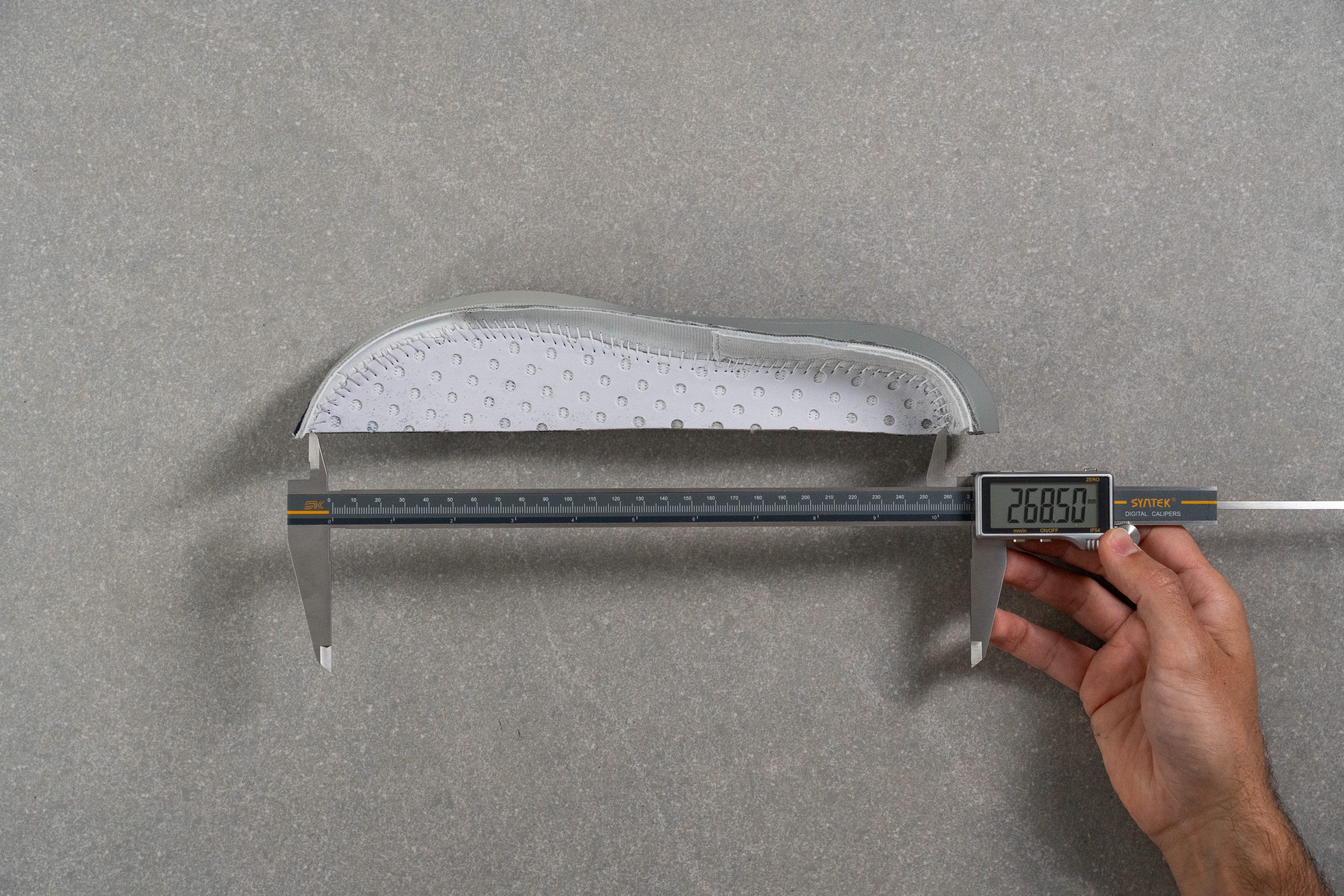
| Topo Ultrafly 6 | 268.5 mm |
| Average | 269.3 mm |
Width / Fit
Like every Topo Athletic running shoe we've tested, the Ultrafly 6 offers generous room for natural toe splay. Even so, it avoids feeling sloppy and can still provide a comfortable fit for some runners with narrow feet, which is critical in a stability shoe.
That's because Topo typically keeps the width at the widest part of the forefoot close to the average rather than making it excessively wide. The Ultrafly 6 follows the same formula, measuring 96.7 mm in this area.
| Topo Ultrafly 6 | 96.7 mm |
| Average | 95.2 mm |
Toebox width
Unlike most stability shoes, the Ultrafly 6 features an anatomical toebox that closely follows the natural shape of the human foot.
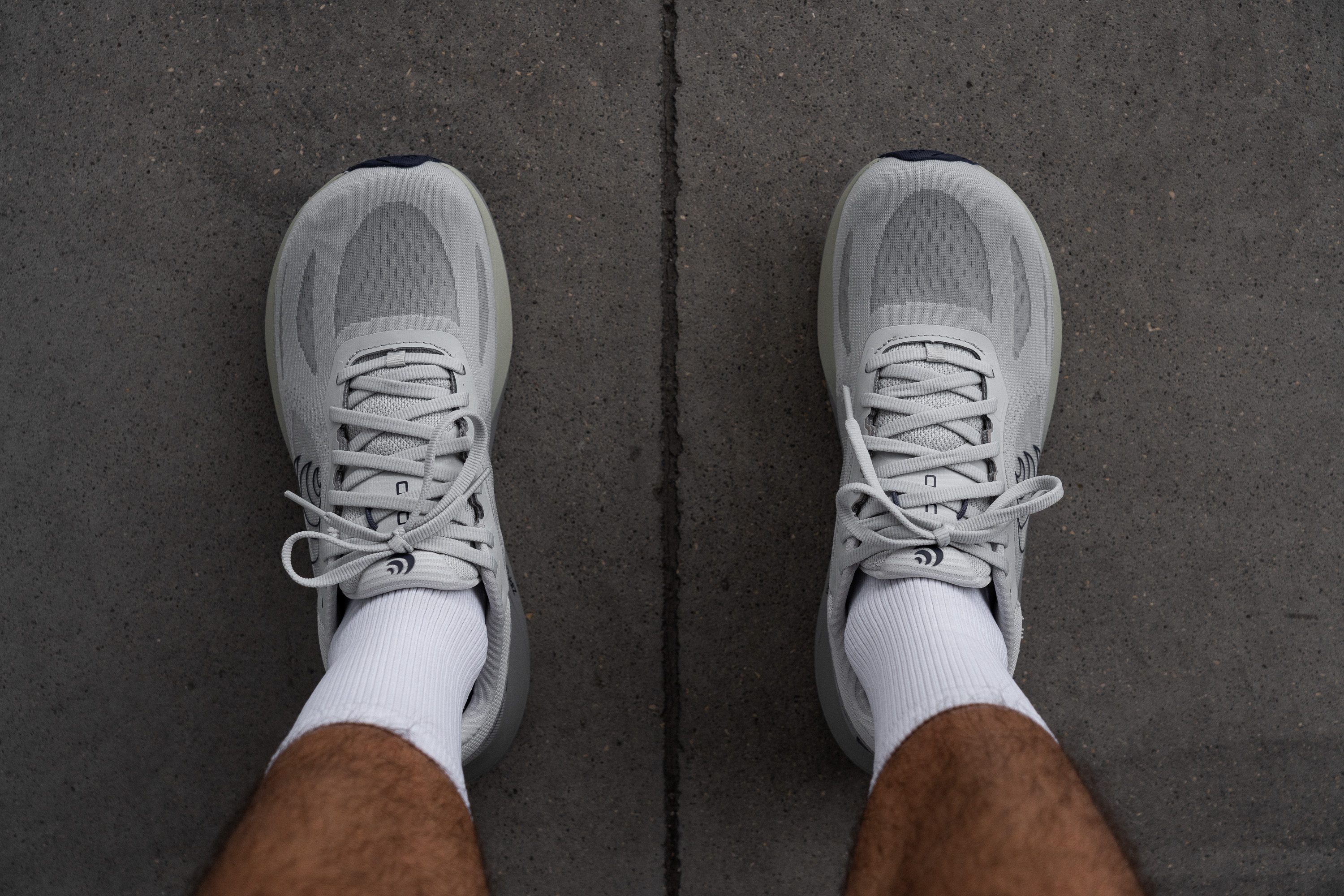
This design makes it an excellent choice for runners who hate cramped toes, particularly those with a square-shaped foot.
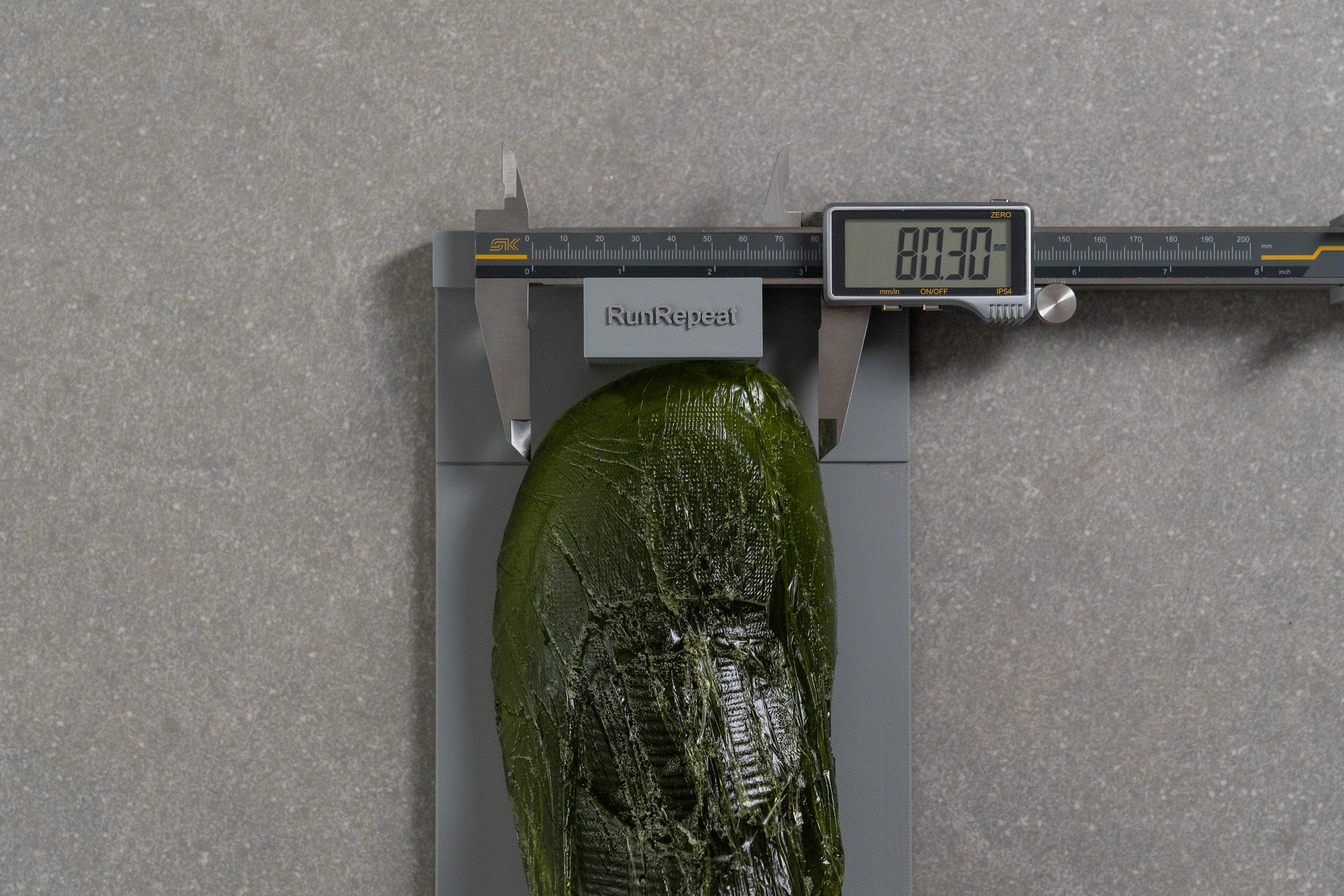
| Topo Ultrafly 6 | 80.3 mm |
| Average | 73.2 mm |
Toebox height
Again, Topo stays true to its usual design philosophy with the Ultrafly 6.
The generous toebox height is another hallmark of the brand. We confirmed this with a roomy measurement of 30.9 mm.
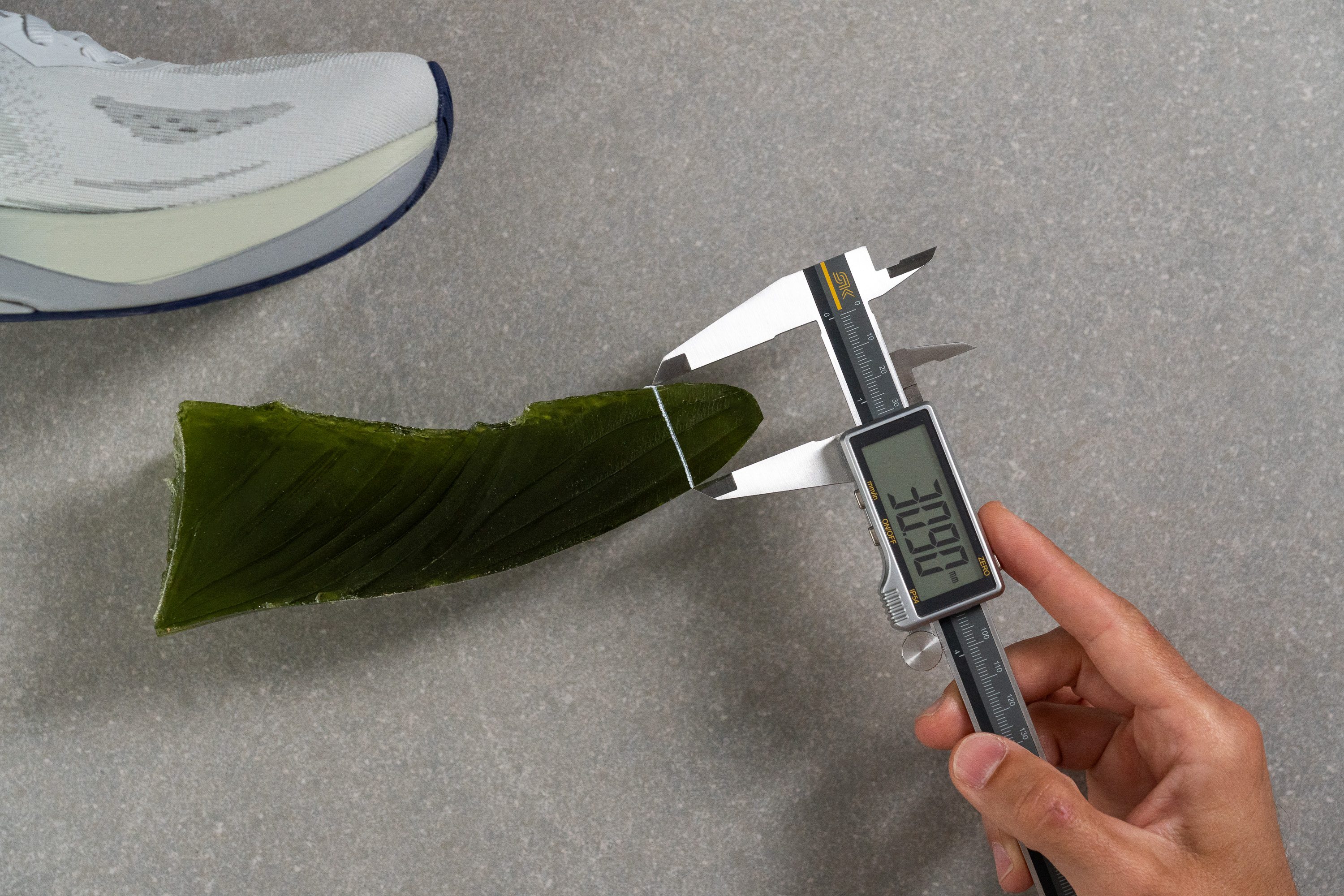
| Topo Ultrafly 6 | 30.9 mm |
| Average | 27.0 mm |
Traction / Grip
Traction test
The Topo Ultrafly 6 does not impress with an ultra-sticky outsole, but it still does a good job here. Its 0.56 result lands slightly above our lab average, delivering the kind of secure grip that makes long daily miles feel effortless, regardless of changing road conditions.
| Topo Ultrafly 6 | 0.56 |
| Average | 0.53 |
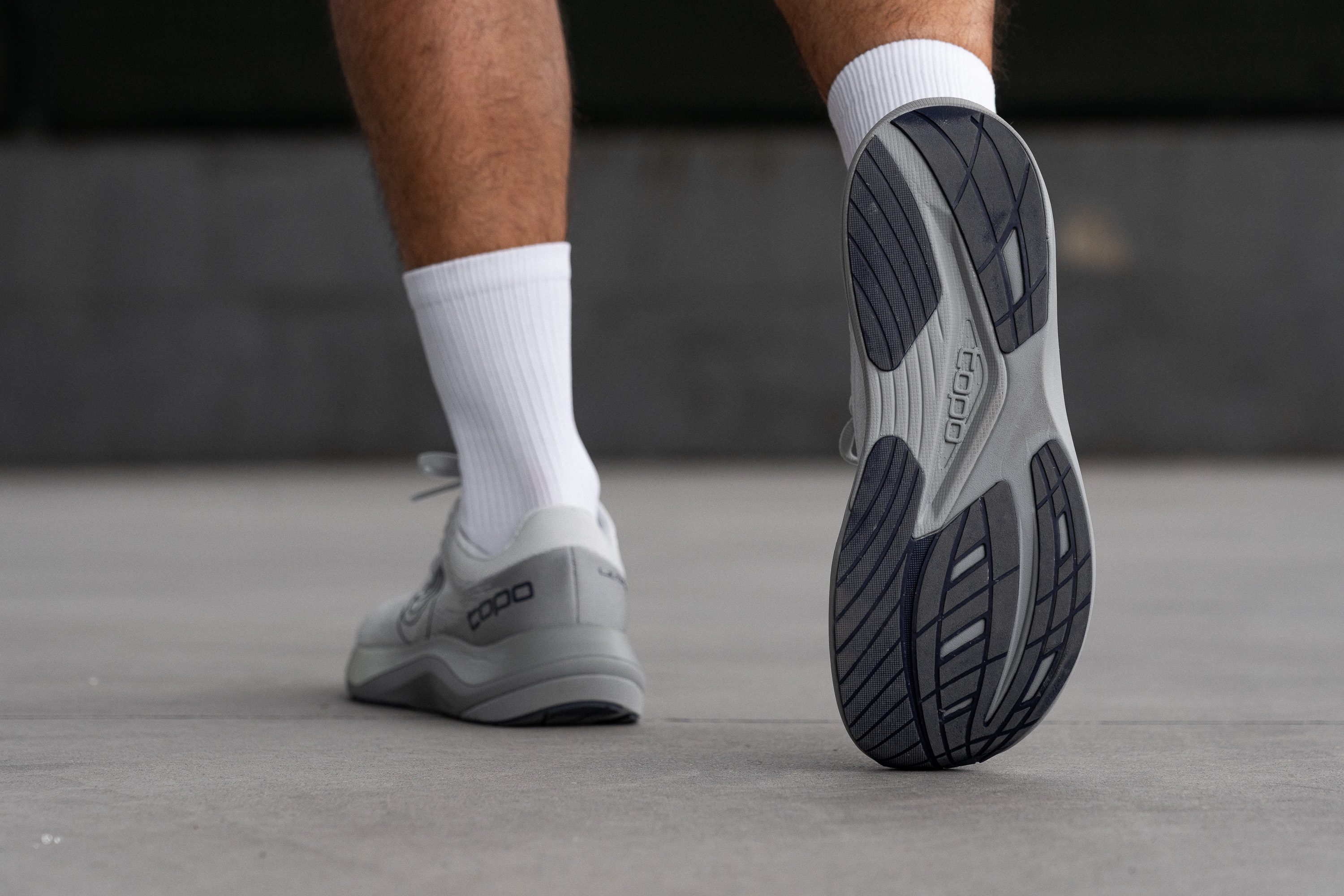
Outsole design
One of the riskier aspects of the Ultrafly 5 was the large amount of exposed midsole foam.
With the Ultrafly 6, Topo has taken a step back by extending the rubber coverage, helping protect the foam from premature wear. We think it's a smart update for a stability shoe, as some overpronators often wear through outsoles quite fast.
Flexibility / Stiffness
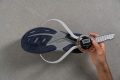
The Topo Ultrafly 6 is slightly stiffer than its predecessor (11.0N) due to the added stack height and increased outsole coverage. Even so, it remains a flexible shoe, something many runners will appreciate, especially those who also use the Ultrafly series for walking or everyday casual wear.
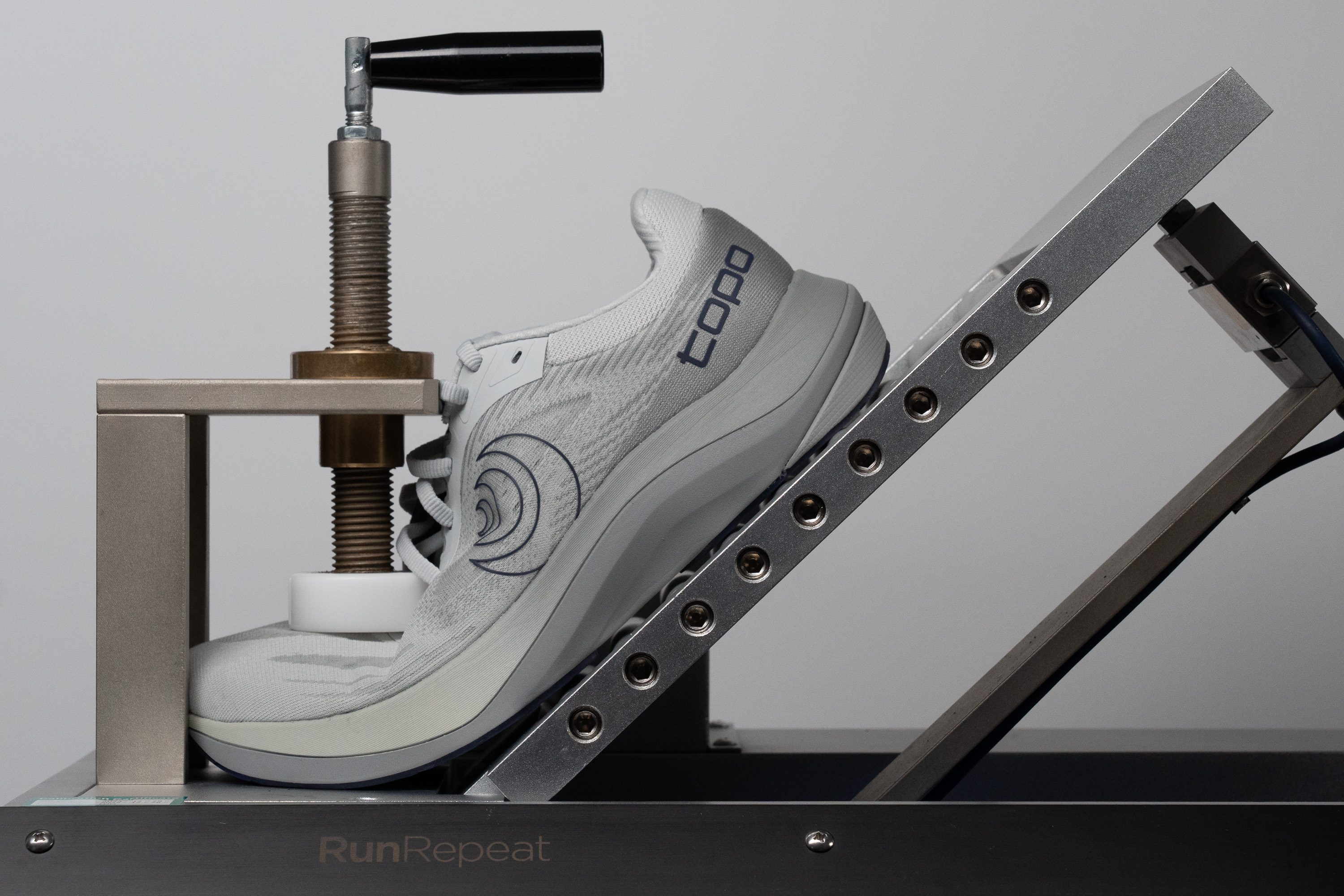
| Topo Ultrafly 6 | 11.0N |
| Average | 15.5N |
Weight
Despite featuring a bulkier midsole and more outsole rubber, the Ultrafly 6 weighs exactly the same as the Ultrafly 5 at 9.6 oz (272g). That's excellent news, as we expected a weight increase, but the new mesh upper appears to have offset those additions.
On the other hand, if Topo eventually switches this shoe to a supercritical EVA foam, we believe it could become 10% to 15% lighter while also delivering a far more energetic ride. Go for it, guys!
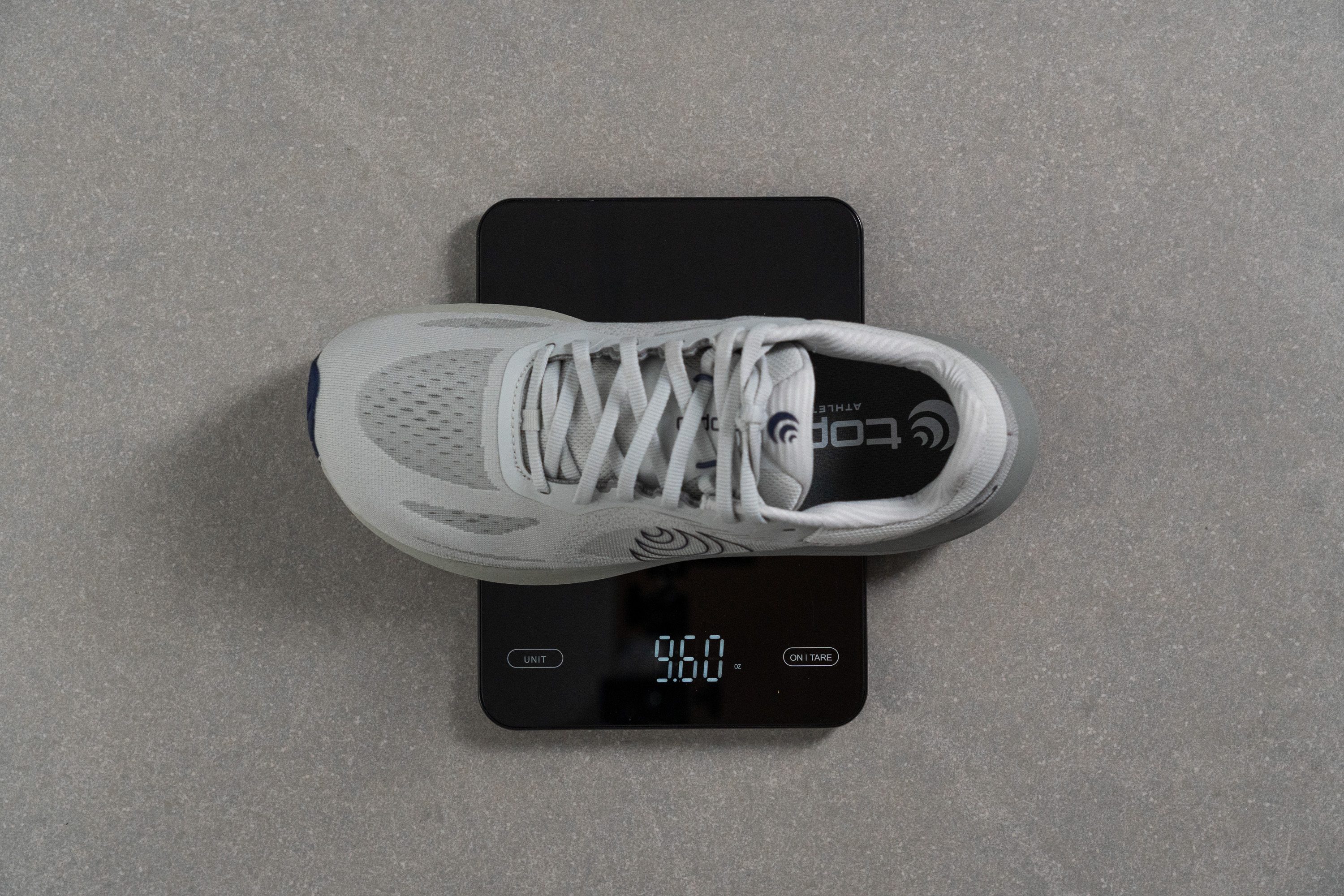
| Topo Ultrafly 6 | 9.6 oz (272g) |
| Average | 9.2 oz (261g) |
Breathability
Breathability test
Topo's Ultrafly 6 combines a naturally-shaped forefoot with the extra structure required of a support-oriented daily trainer. However, spacious toe room doesn't necessarily tell us anything about the upper's ability to let air out, which is why we need to run the smoke test.
This time, the Ultrafly 6 scored a decent 3/5. Ventilation is average rather than outstanding, but it's not a disastrous compromise for a daily trainer.

| Topo Ultrafly 6 | 3 |
| Average | 3.6 |
Stability
Lateral stability test
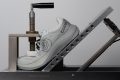
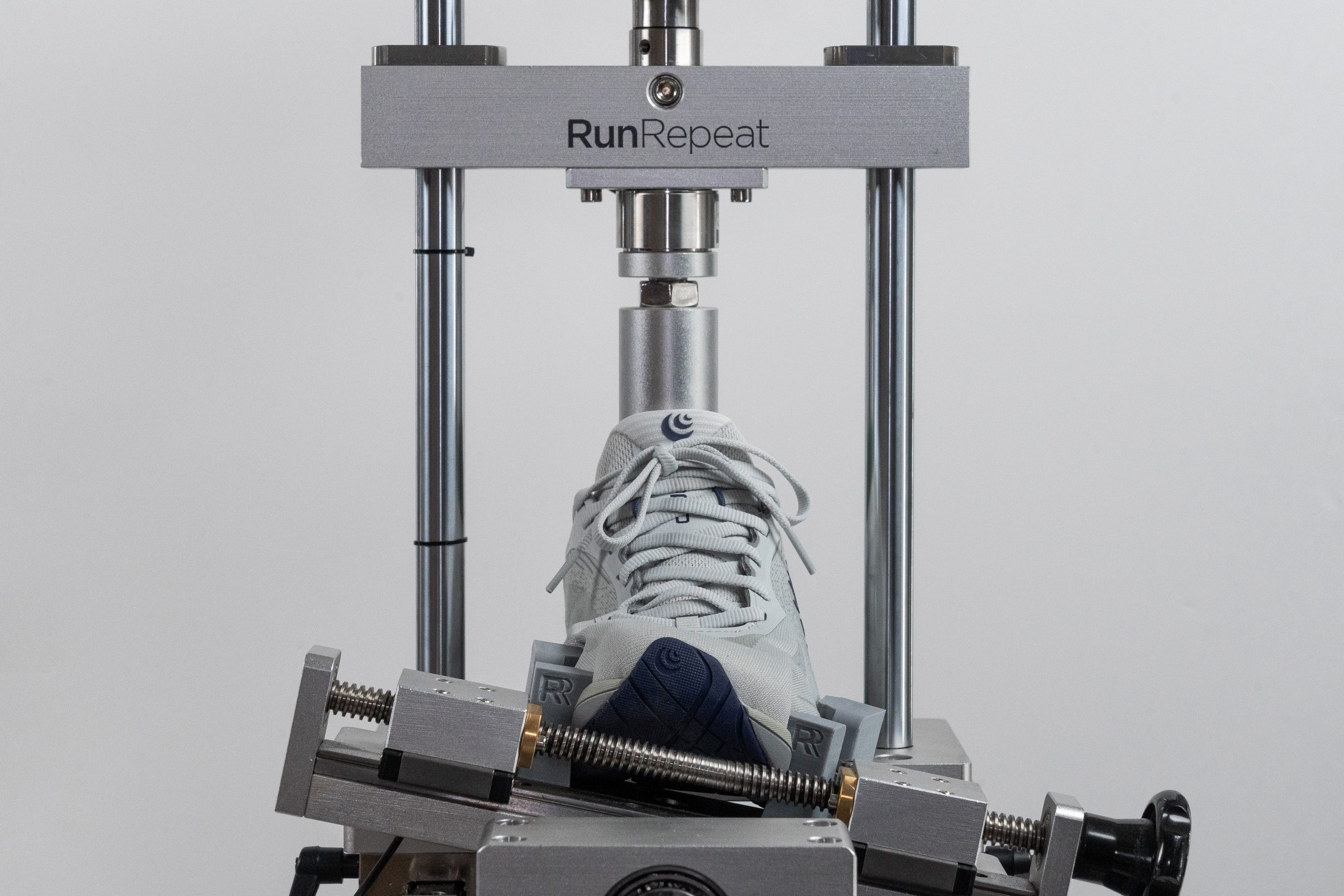
Topo Athletic has completely redesigned the way the Ultrafly 6 delivers stability. The new setup features a medial post that extends farther around the heel, complemented by increased torsional rigidity and a wider heel platform than its predecessor.
Torsional rigidity
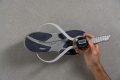
The increase in torsional rigidity is substantial. The Ultrafly 6 is 47% stiffer than the Ultrafly 5, delivering greater support and a more planted ride. However, runners who prefer a highly-flexible shoe in every direction may dislike this change.
| Topo Ultrafly 6 | 16.8 Nm |
| Average | 14.3 Nm |
Heel counter stiffness
Most brands would opt for a rigid heel counter here, one we'd likely rate at 4/5 or even 5/5. Instead, Topo sticks with a much more forgiving (though less stable) design that stays out of the way and feels exceptionally comfortable, earning just a 2/5 in our assessment.
| Topo Ultrafly 6 | 2 |
| Average | 2.9 |
Midsole width - forefoot
Another area where Topo stays true to its design philosophy is the platform geometry.
Because the Ultrafly 6 doesn't rely on an ultra-high stack, it can retain the more traditional dimensions of a classic daily trainer. We measured the forefoot platform at just 114.6 mm.
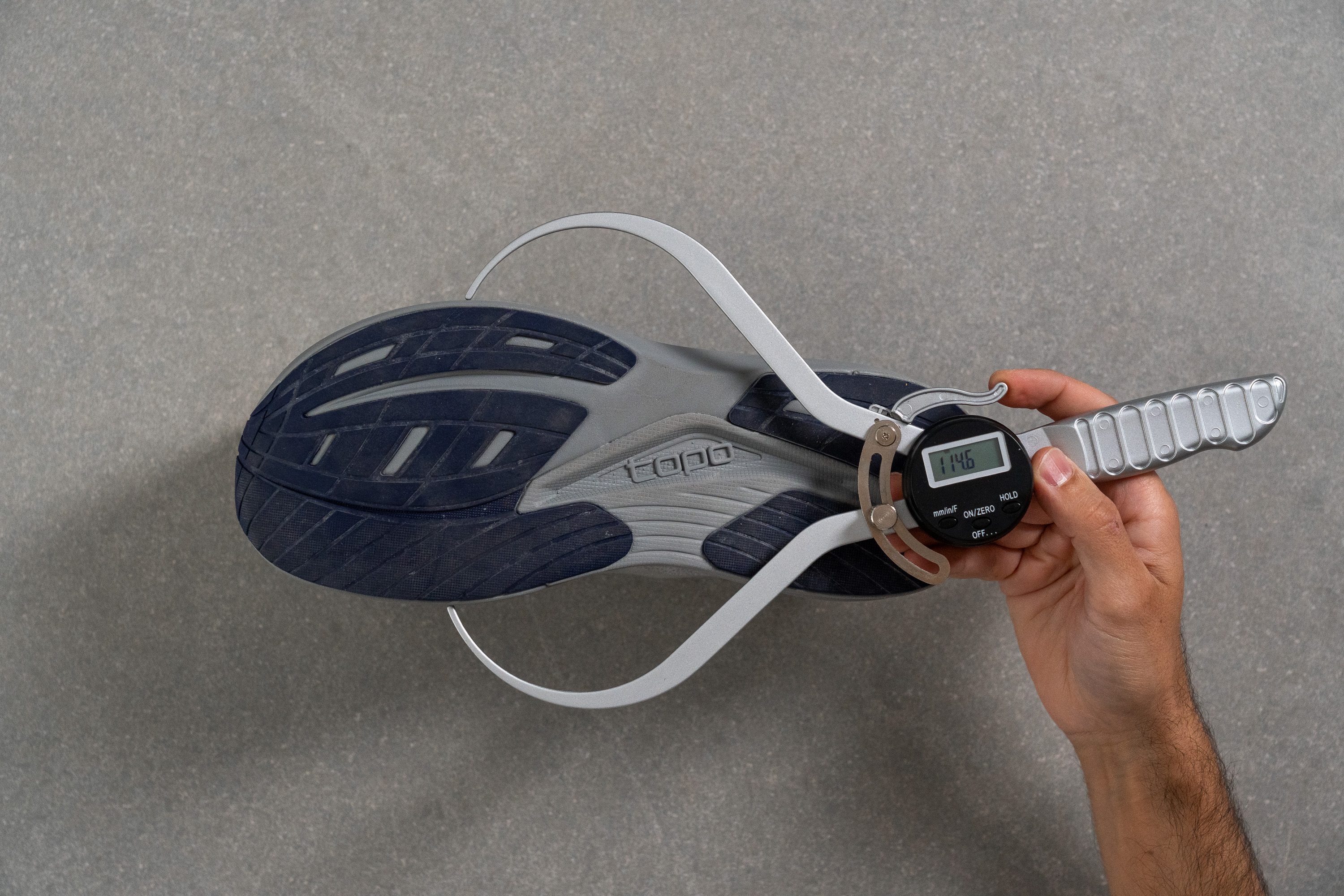
| Topo Ultrafly 6 | 114.6 mm |
| Average | 115.1 mm |
Midsole width - heel
The heel is now 4.1 mm wider than before, reaching 91.0 mm. While that isn't a dramatic increase, it adds a welcome dose of rearfoot stability without sacrificing the agile feel that has long defined the Ultrafly series.
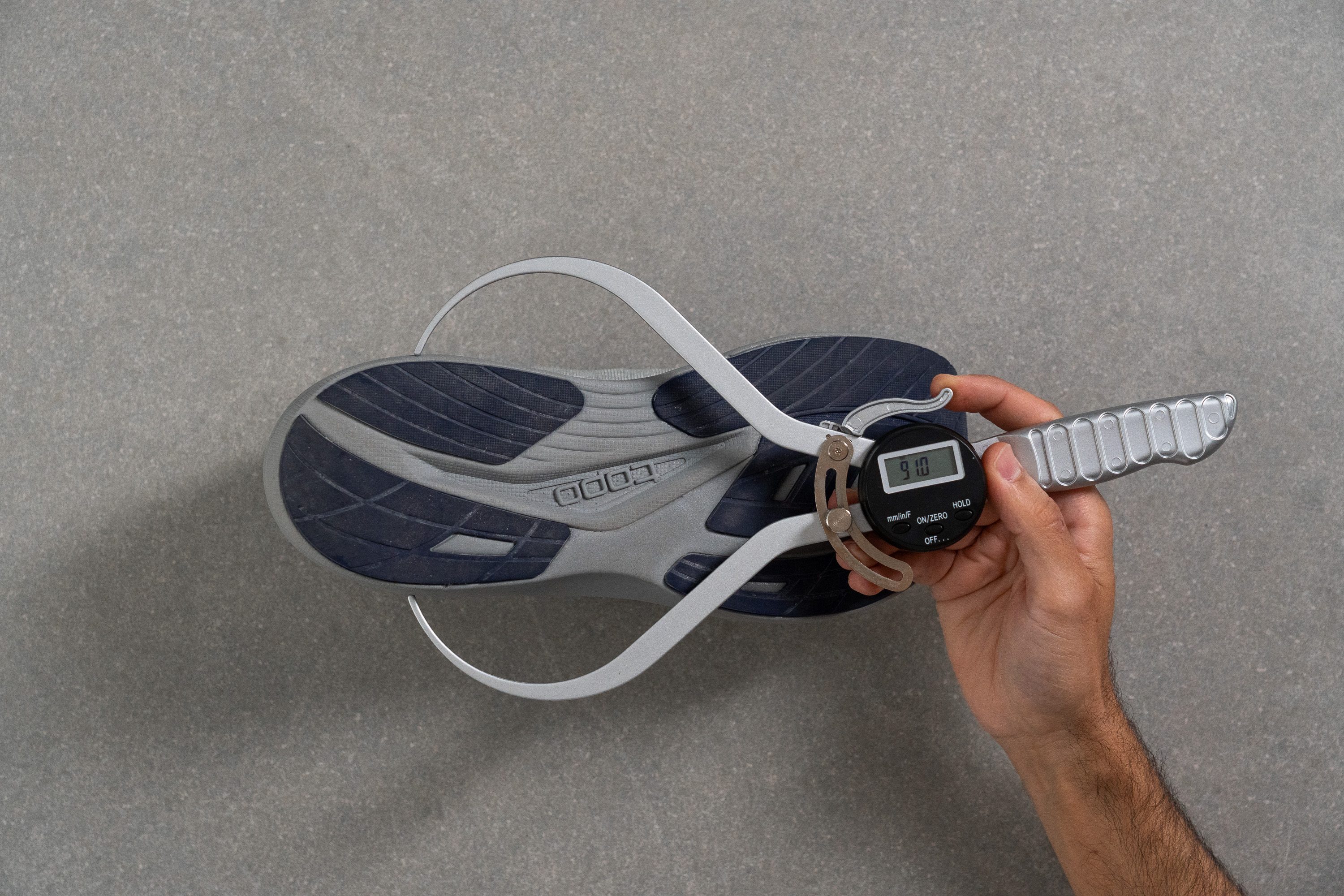
| Topo Ultrafly 6 | 91.0 mm |
| Average | 91.1 mm |
Durability
Toebox durability
The new lightweight engineered mesh upper allowed Topo to keep the shoe at the same weight, but that came at the expense of durability.
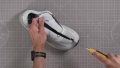
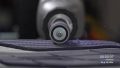
After attacking the toebox with our Dremel, the Ultrafly 6 earned the lowest possible score of 1/5, and only because our scale doesn't go any lower.
| Topo Ultrafly 6 | 1 |
| Average | 2.6 |
Heel padding durability
Fortunately, the Ultrafly 6 makes up for it by earning a perfect 5/5 in our heel padding durability test. That's a welcome result, and likely the more important one for many runners.
| Topo Ultrafly 6 | 5 |
| Average | 3.4 |
Outsole durability
More importantly, the outsole proved exceptionally durable. Our Dremel removed just 0.6 mm of rubber, and when combined with the increased outsole coverage we observed earlier, the Ultrafly 6 stands out as an outstanding choice for runners who prioritise long-term outsole durability.
| Topo Ultrafly 6 | 0.6 mm |
| Average | 1.1 mm |
Outsole thickness
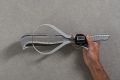
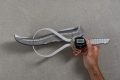
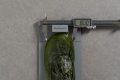
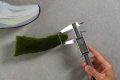
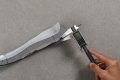
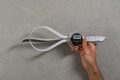
We reached for our callipers once again to measure the outsole rubber thickness, and the result was another win for durability-minded runners at 3.0 mm.
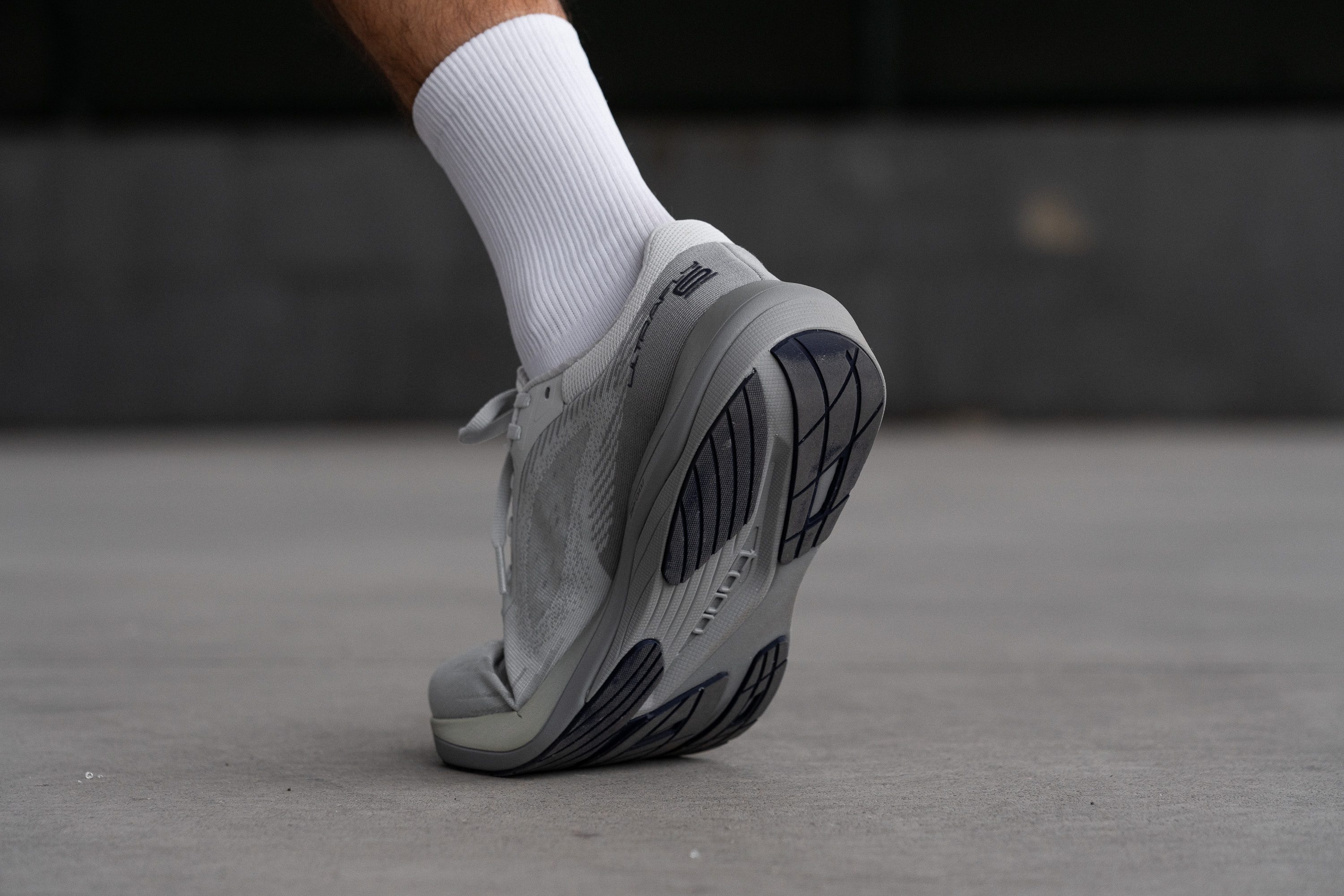
Combined with its outstanding abrasion resistance, this outsole is clearly built for the long haul.
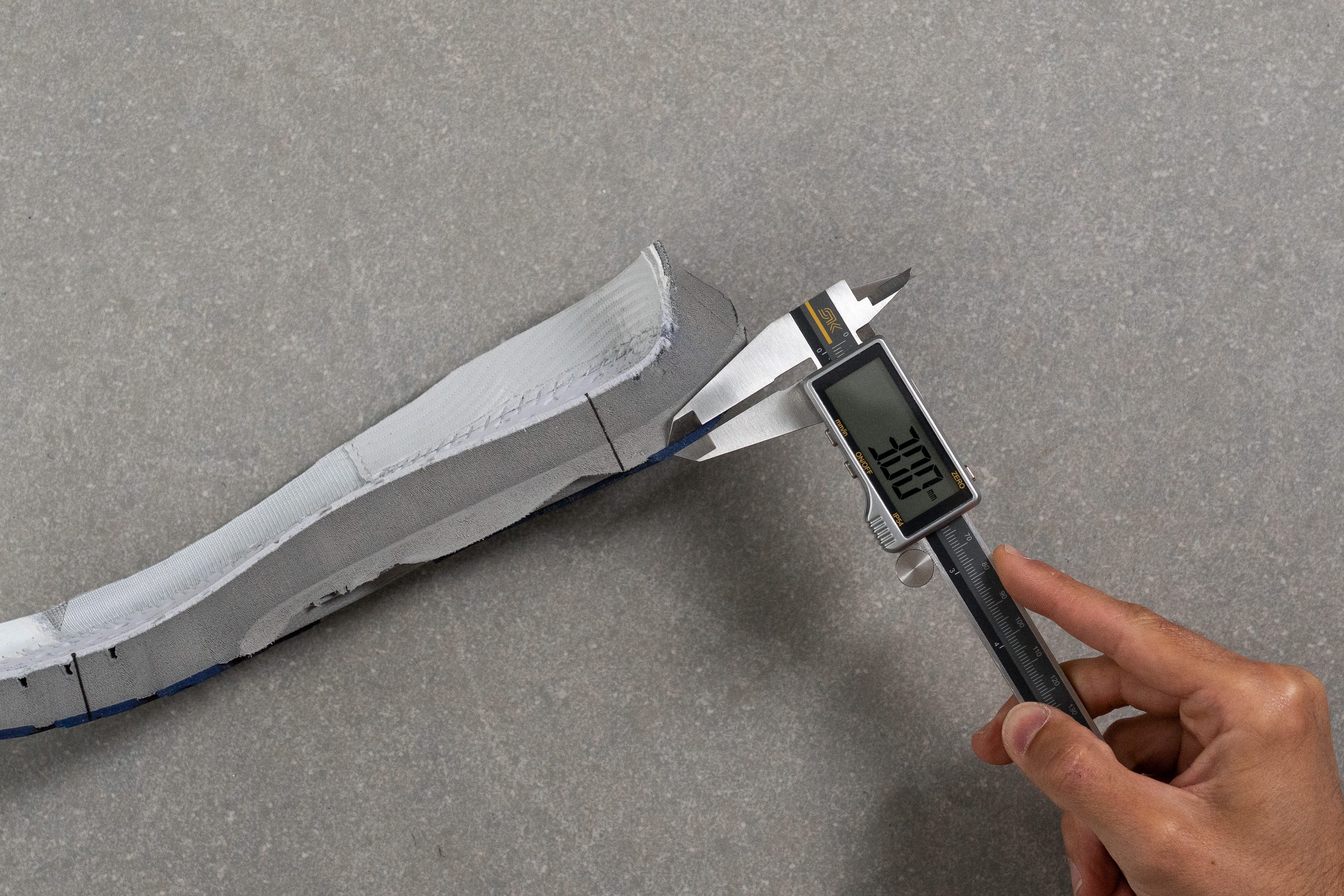
| Topo Ultrafly 6 | 3.0 mm |
| Average | 3.1 mm |
Misc
Insole thickness
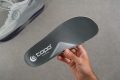
The Ortholite insole measures 4.4 mm thick, placing it right in line with what we typically see in modern running shoes.
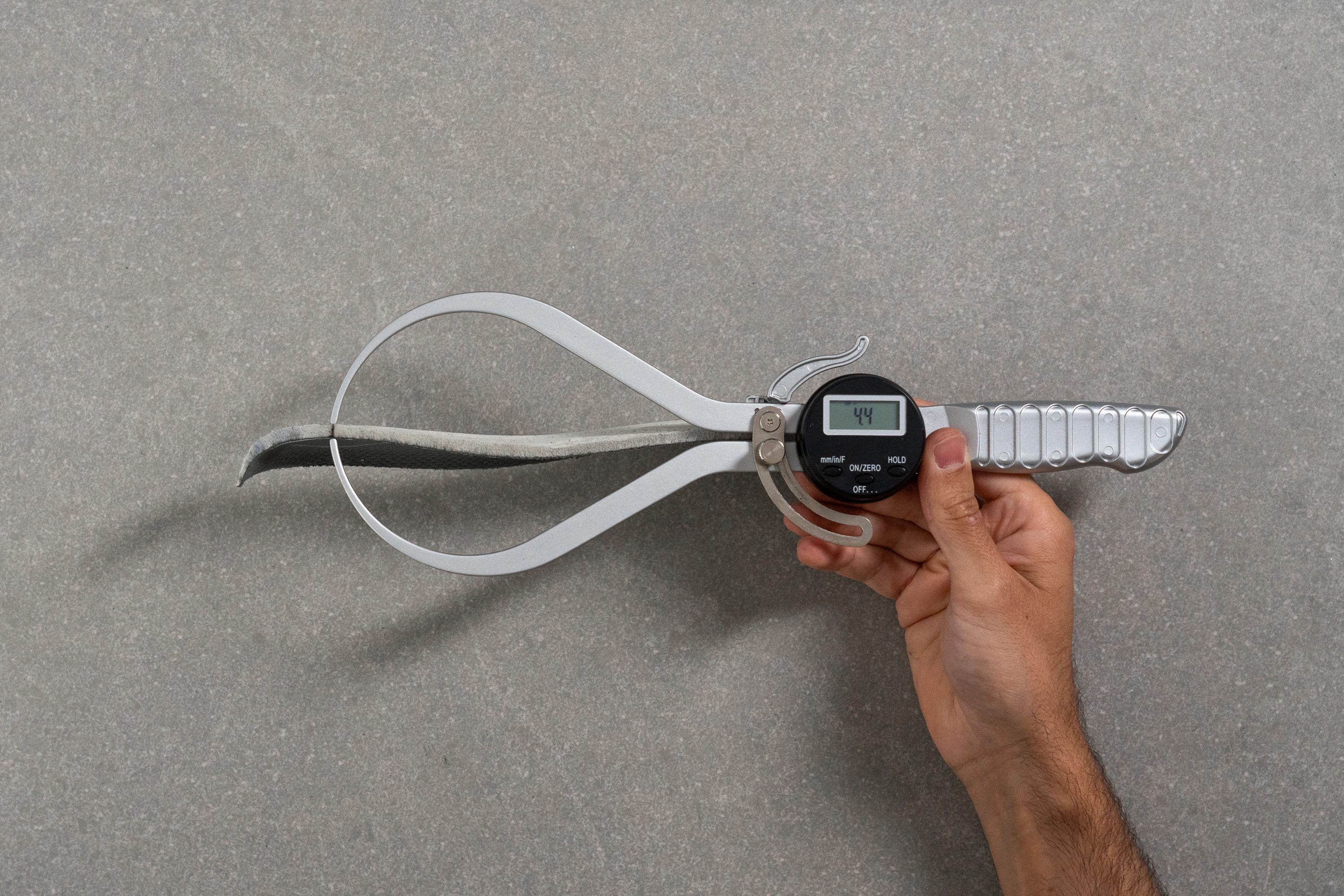
| Topo Ultrafly 6 | 4.4 mm |
| Average | 4.4 mm |
Removable insole
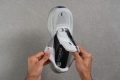
You can easily remove it, which is great because the generous toebox height makes this shoe an excellent candidate for third-party or custom orthotics.
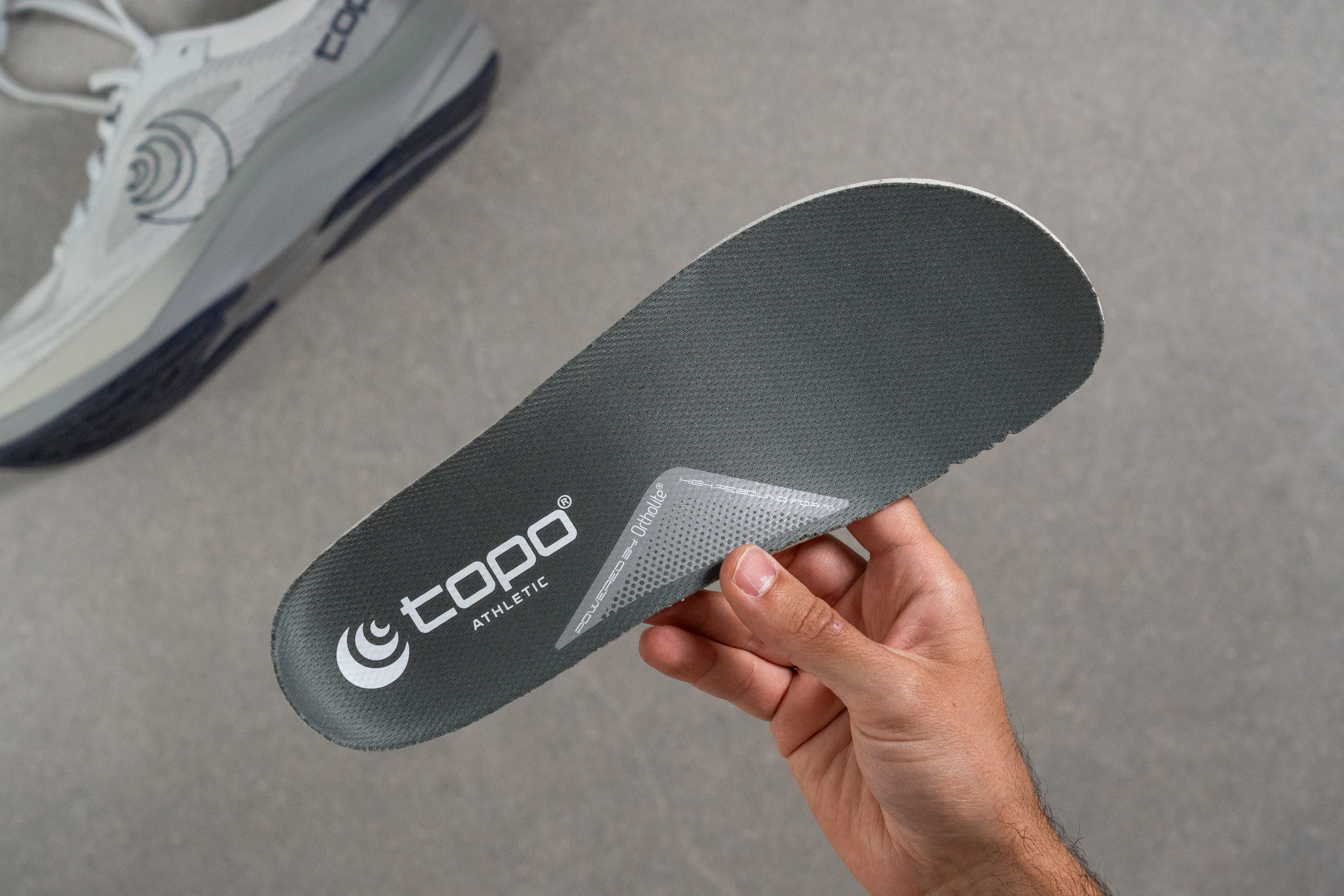
| Topo Ultrafly 6 | Yes |
Reflective elements
We hoped Topo would finally add reflective elements after leaving them out on the Ultrafly 5. Unfortunately, the Ultrafly 6 still comes without them.
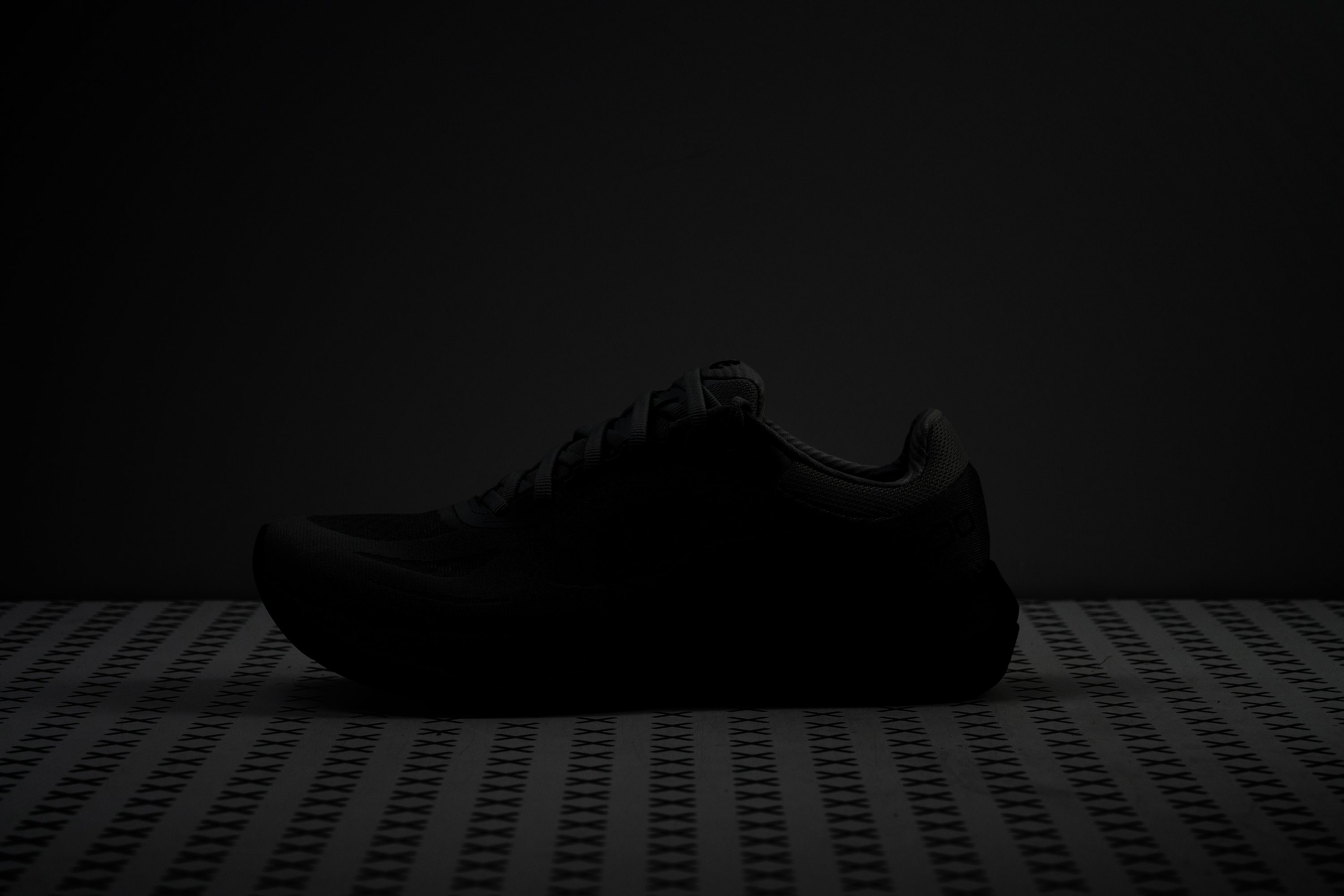
| Topo Ultrafly 6 | No |
Tongue padding
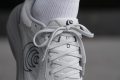
Topo rarely strays from traditional punched eyelets. We also spotted the brand's signature dual tongue loops, which do a good job of holding the tongue securely in place throughout the run.
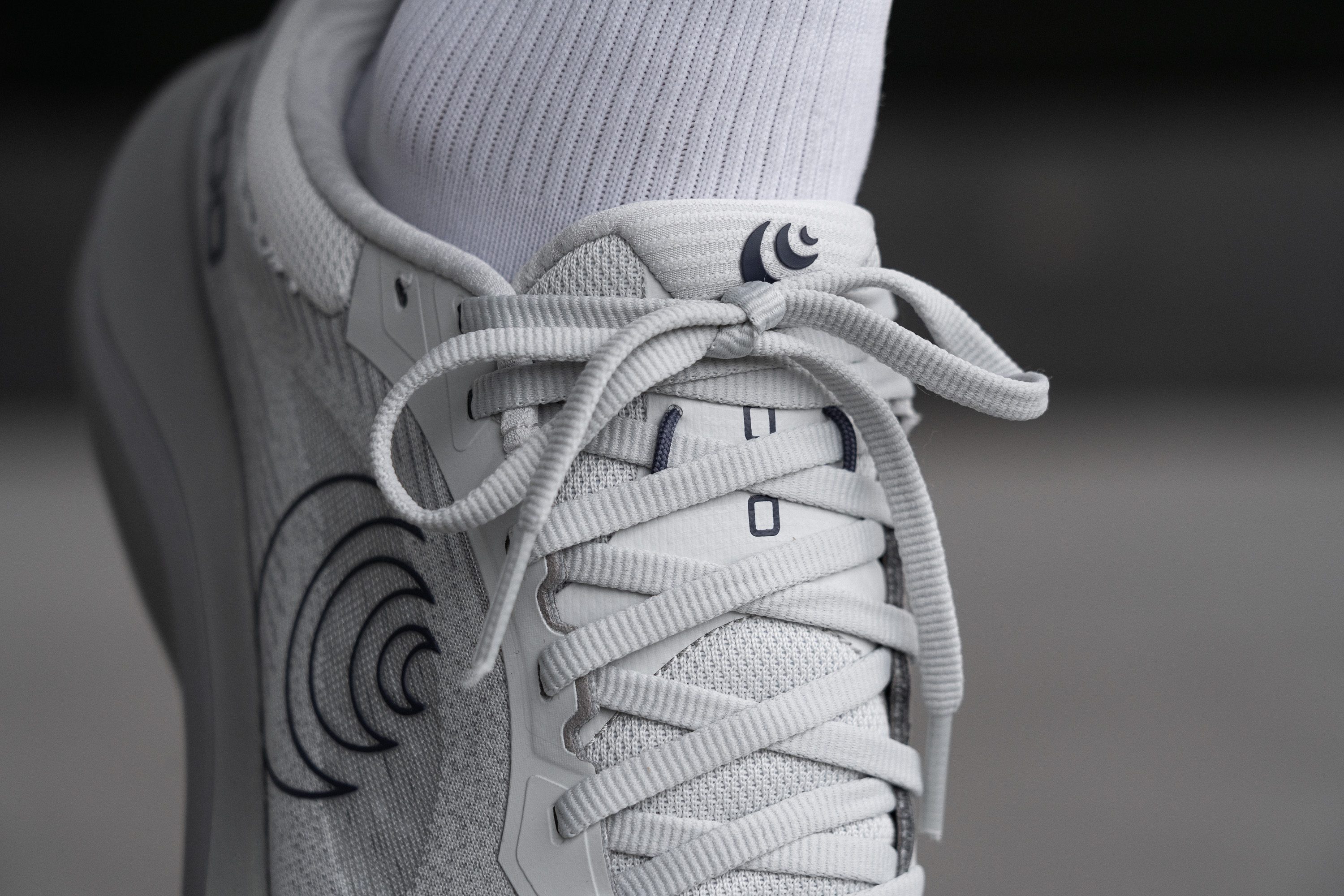
The tongue packs 8.0 mm of padding, providing excellent protection against lace pressure while delivering a plush and reassuring step-in feel for everyday use.
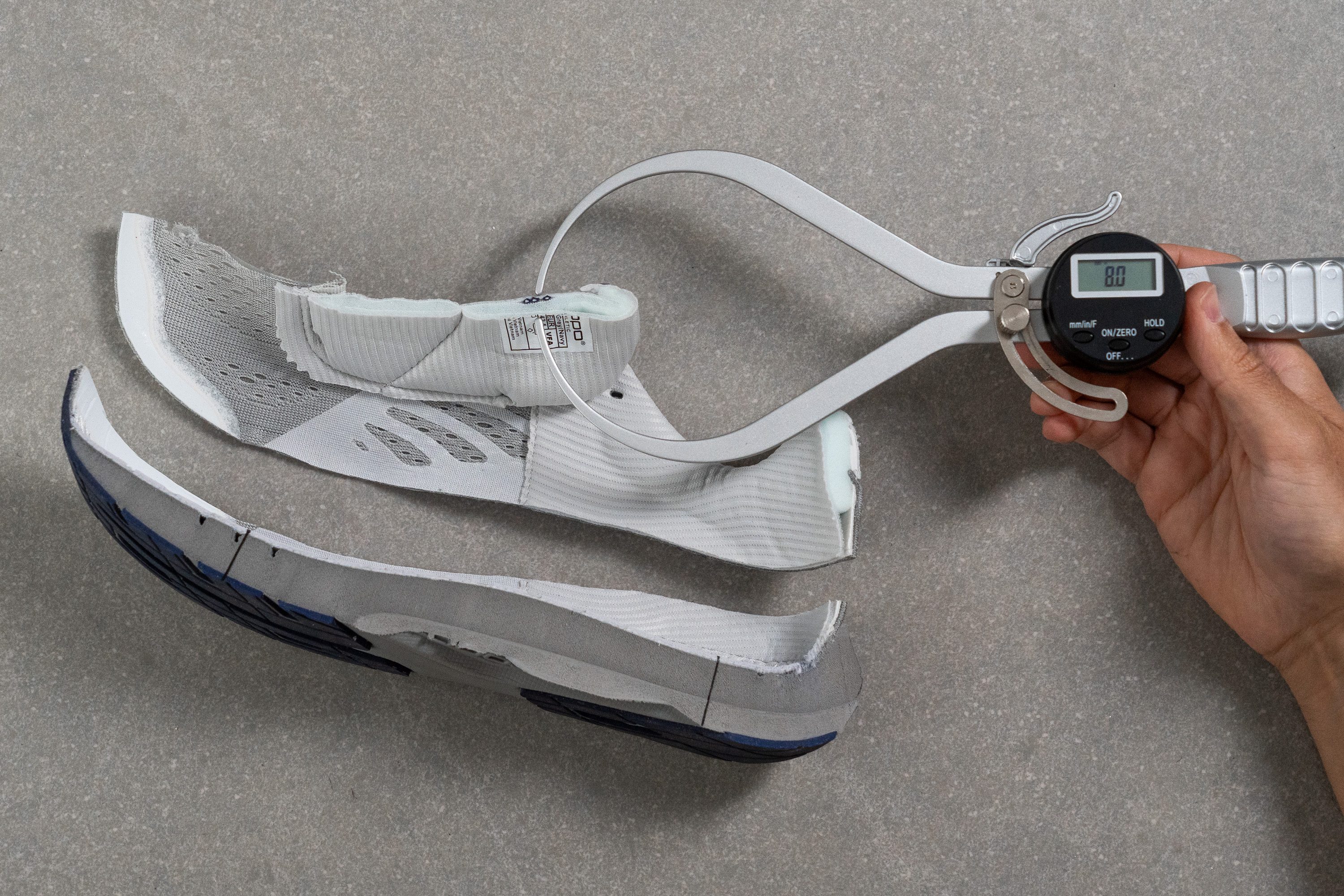
| Topo Ultrafly 6 | 8.0 mm |
| Average | 5.8 mm |
Tongue: gusset type
The dual tongue loops become especially important here because the Ultrafly 6 doesn't feature a gusseted tongue.
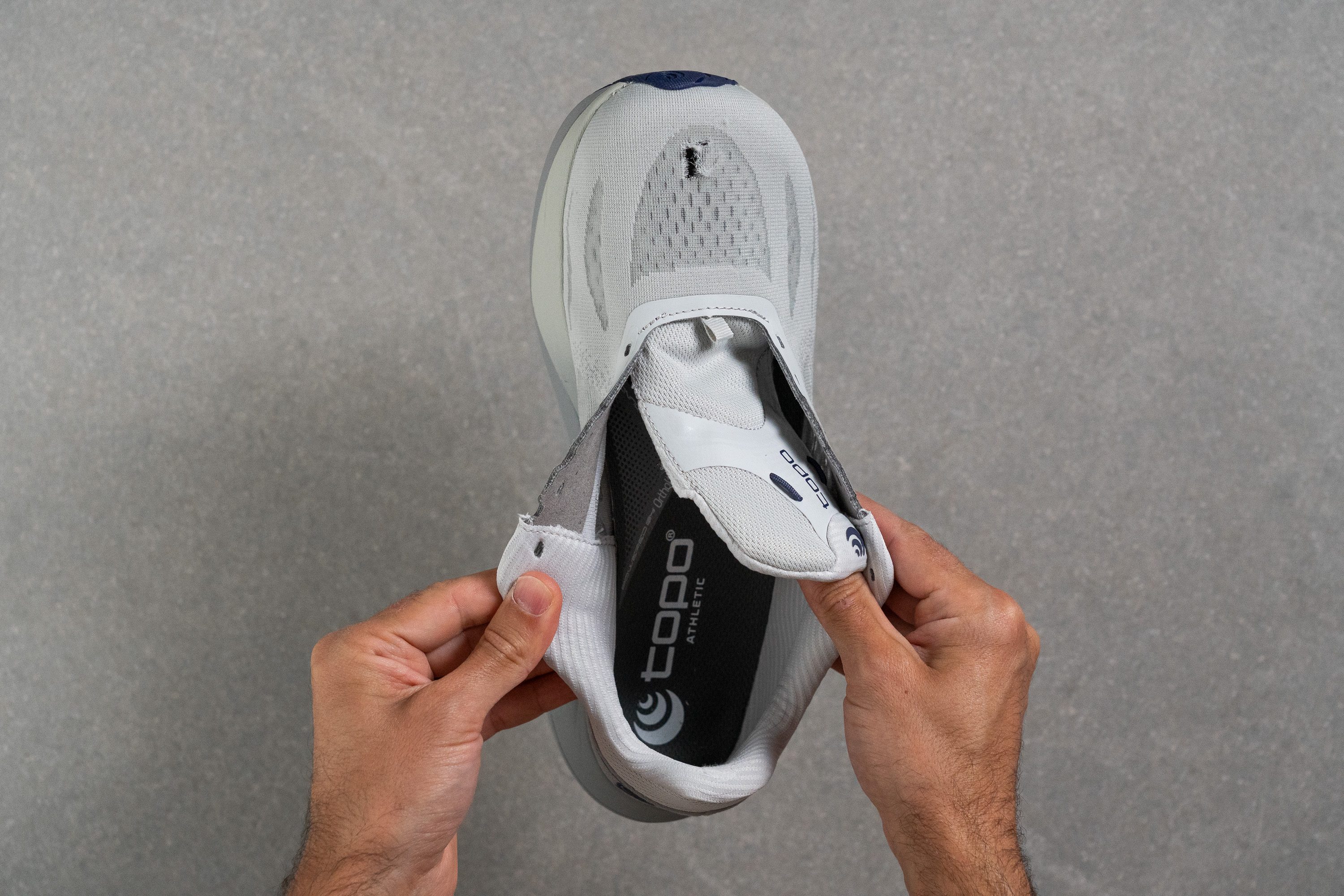
| Topo Ultrafly 6 | None |
Heel tab
The heel design clearly identifies this as the sixth-generation Ultrafly, and as with previous versions, it comes without a heel pull tab.
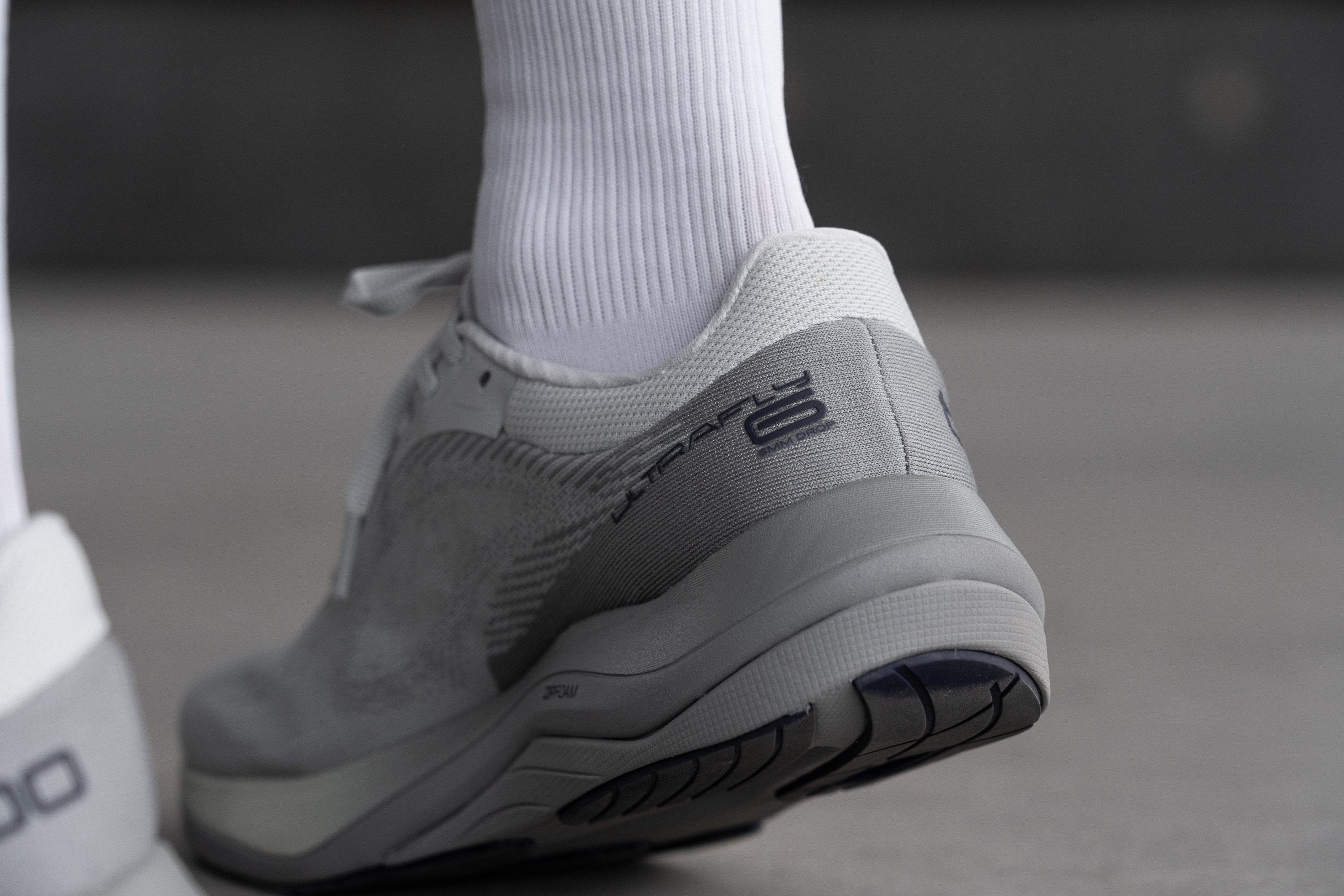
| Topo Ultrafly 6 | None |
Price
Topo has kept the Ultrafly 6 at the same price, and that almost feels like a victory in today's market.
We think raising the MSRP would have been a mistake, as competition is stronger than ever and offering solid value is one of the few advantages this model simply can't afford to lose.
| Topo Ultrafly 6 | $150 |