
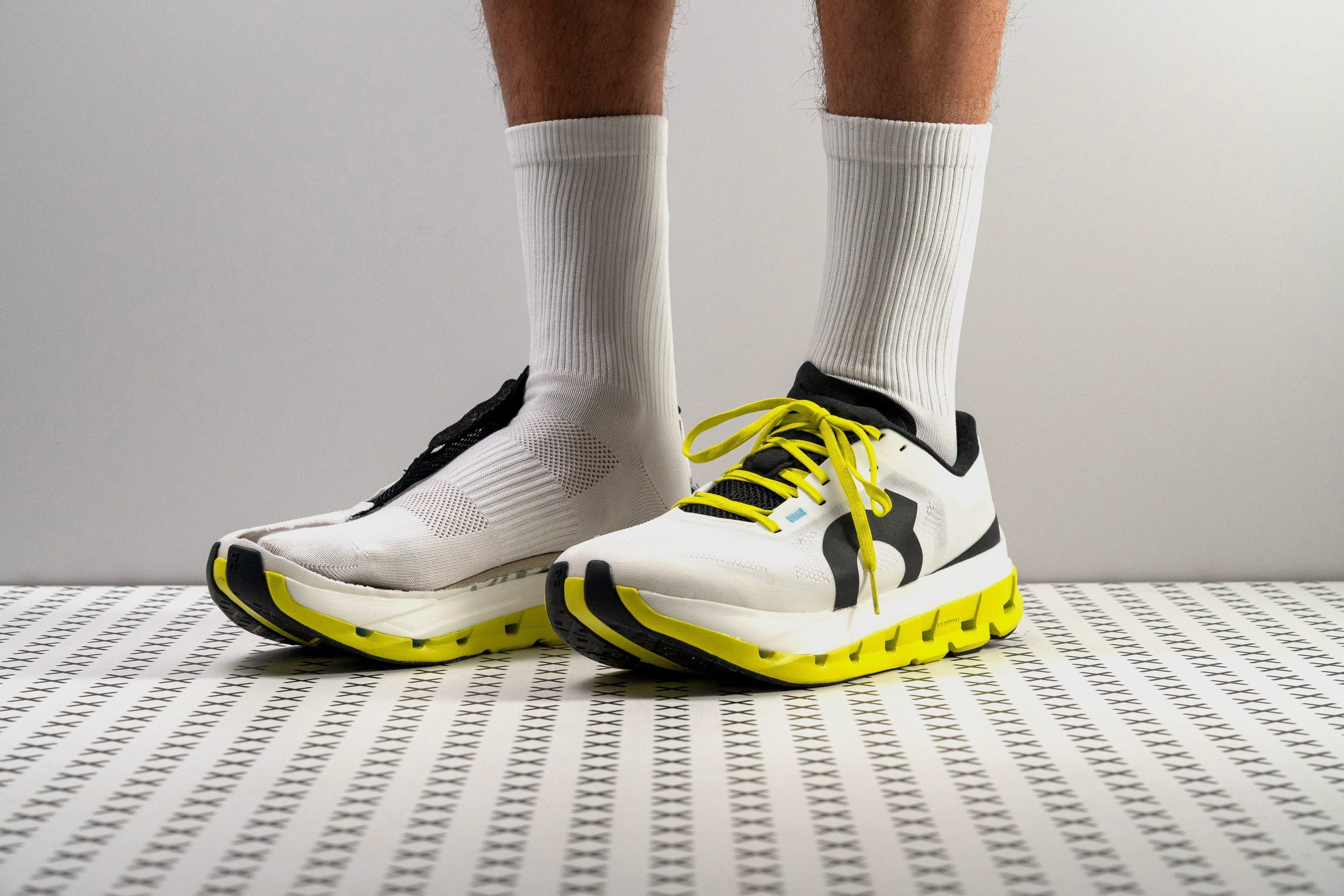





Our verdict
- Daily running 72
- Tempo 57
- Race 41
- Stability 80
Pros
- Stable despite its compact size
- Rockered forefoot promotes faster paces
- Premium build quality
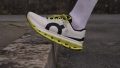
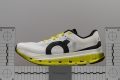
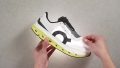
- Impressive aesthetics
- Excellent upper durability
- Secure, pressure-free lockdown system
- Good grip even on wet surfaces
Cons
- Terrible energy return
- Extremely firm midsole
- Poor breathability
- Too heavy for its intended use
Comparison
The most similar running shoes compared
+ + Add a shoe | |||||
|---|---|---|---|---|---|
| Our score | 74 Good | 72 Good | 79 Good | 86 Great | |
| Price | £170 | £80 | £120 | £170 | |
| Pace | Tempo | Tempo | TempoDaily running | TempoCompetition | |
| Shock absorption | Moderate | Moderate | Low | Moderate | |
| Energy return | Low | Low | Low | High | |
| Traction | High | High | High | High | |
| Arch support | Neutral | Neutral | Neutral | Neutral | |
| Weight lab Weight brand | 9.6 oz / 271g 9.5 oz / 269g | 9.1 oz / 258g 9.5 oz / 270g | 7.3 oz / 207g 7 oz / 198g | 6.5 oz / 184g 6.5 oz / 184g | |
| Lightweight | ✗ | ✗ | ✓ | ✓ | |
| Drop lab Drop brand | 4.1 mm 6.0 mm | 8.1 mm 6.5 mm | 4.5 mm 4.0 mm | 6.9 mm 7.0 mm | |
| Strike pattern | Mid/forefoot | HeelMid/forefoot | Mid/forefoot | Mid/forefoot | |
| Size | Slightly small | True to size | True to size | True to size | |
| Midsole softness | Firm | Firm | - | Soft | |
| Difference in midsole softness in cold | Small | Normal | Small | Small | |
| Toebox durability | Good | Decent | Bad | Good | |
| Heel padding durability | Good | Decent | Good | Good | |
| Outsole durability | Decent | Good | Bad | Decent | |
| Breathability | Warm | Moderate | Breathable | Warm | |
| Width / fit | Narrow | Medium | Medium | Medium | |
| Toebox width | Wide | Medium | Narrow | Medium | |
| Stiffness | Stiff | Moderate | Moderate | Moderate | |
| Torsional rigidity | Stiff | Moderate | Flexible | Flexible | |
| Heel counter stiffness | Moderate | Moderate | Moderate | Flexible | |
| Rocker | ✓ | ✗ | ✗ | ✓ | |
| Heel lab Heel brand | 32.8 mm 34.0 mm | 33.0 mm 34.9 mm | 28.0 mm 29.0 mm | 30.6 mm 32.0 mm | |
| Forefoot lab Forefoot brand | 28.7 mm 28.0 mm | 24.9 mm 28.4 mm | 23.5 mm 25.0 mm | 23.7 mm 25.0 mm | |
| Widths available | Normal | Normal | Normal | Normal | |
| Orthotic friendly | ✓ | ✓ | ✓ | ✓ | |
| Season | All seasons | All seasons | SummerAll seasons | All seasons | |
| Removable insole | ✓ | ✓ | ✓ | ✓ | |
| Ranking | #334 Bottom 16% | #355 Bottom 11% | #237 Bottom 40% | #96 Top 24% | |
| Popularity | #277 Bottom 30% | #173 Top 44% | #122 Top 31% | #238 Bottom 40% |
Who should buy
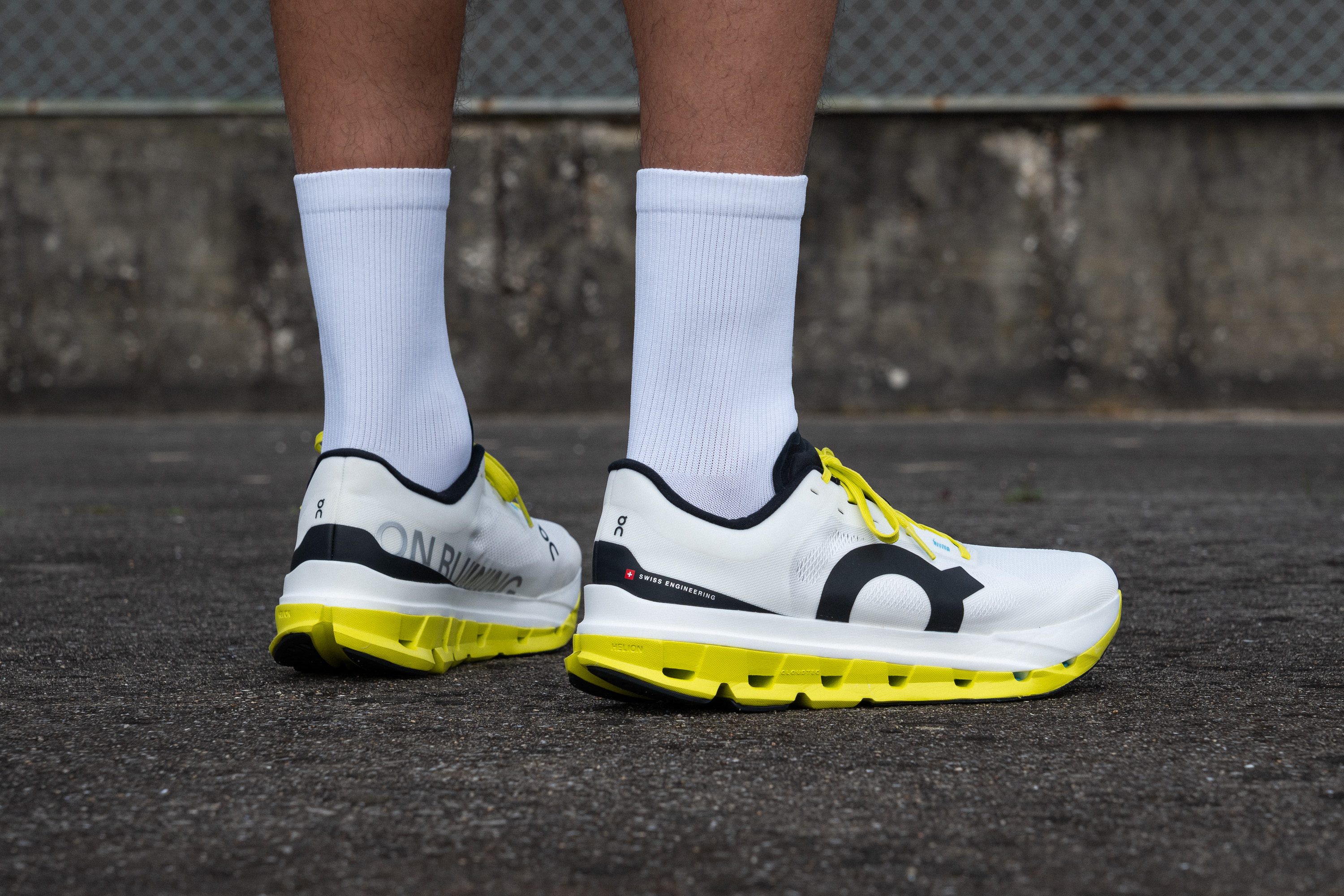
The On Cloudflow 5 works best for:
- Runners loyal to On who want a shoe for fast workouts and occasional daily runs.
- Runners who prefer very firm midsoles and a low-to-the-ground feel, and who actively avoid soft, max-stack designs.
- Athletes training in cold climates who need a warm, durable upper with strong build quality.
Who should NOT buy
The low energy return of the Cloudflow 5 is a real drawback for a shoe built around speed. We found in the lab that the ride feels flat and underpowered, and in our view there are clearly better tempo options like the adidas Adizero EVO SL or the Saucony Endorphin Speed 5.
From our perspective, it also struggles to justify its price. We believe runners who dislike firm, brick-like foams or a weighty feel underfoot will be disappointed, and faster, cheaper and lighter choices like the adidas Adizero Adios 9 or the PUMA Velocity Nitro 4 make way more sense.
Cushioning
Shock absorption
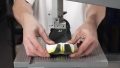
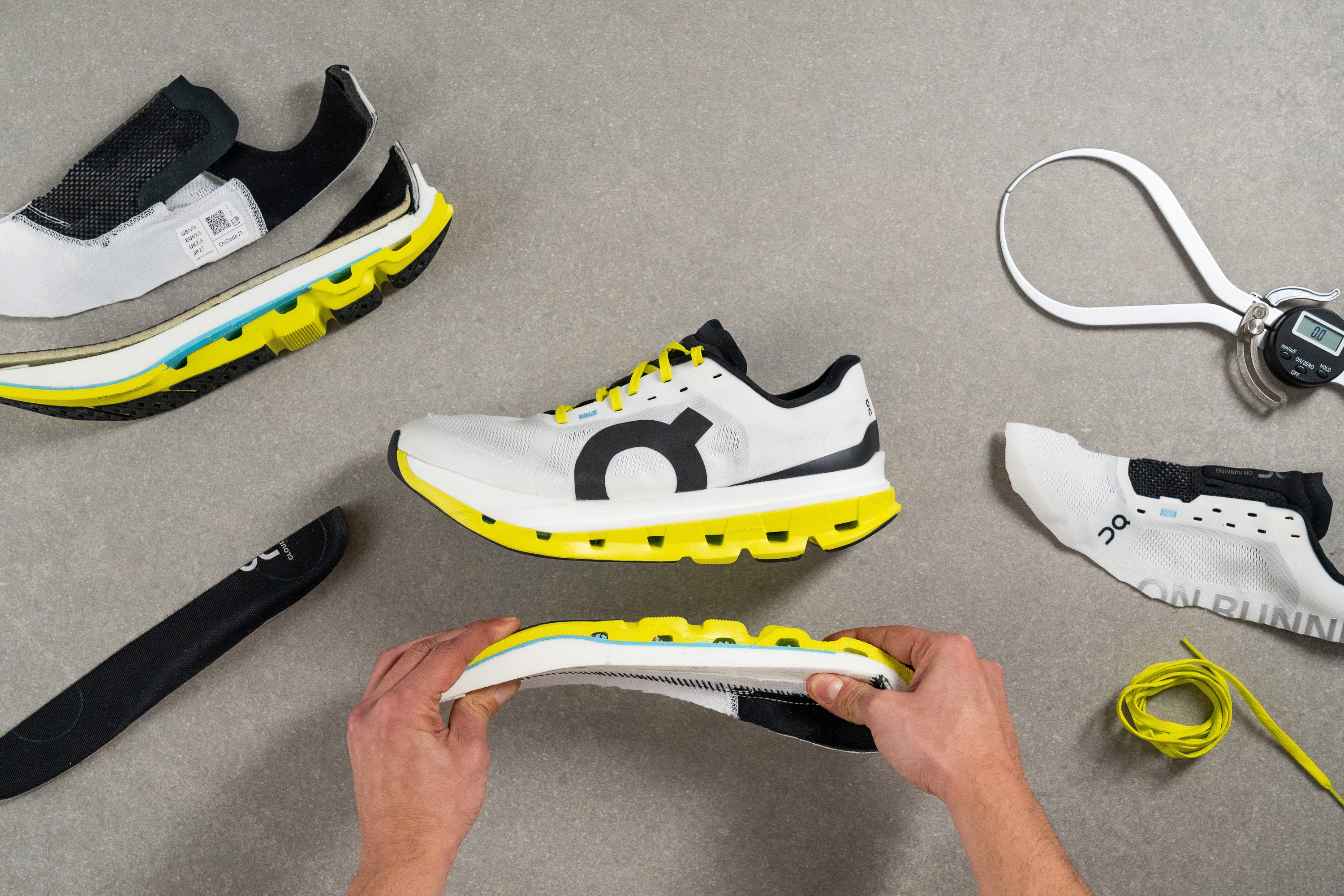
The On Cloudflow 5 is built more for tempo sessions than for long runs, as its moderate stack height and compact shape limit how much foam sits underfoot. For that reason, we did not expect standout shock absorption numbers.
In our lab test, we measured 123 SA in the heel and 122 SA in the forefoot. Seeing nearly identical results front and back is unusual, but it can happen in dual-foam setups like this one, where the forefoot uses more PEBA and less EVA.
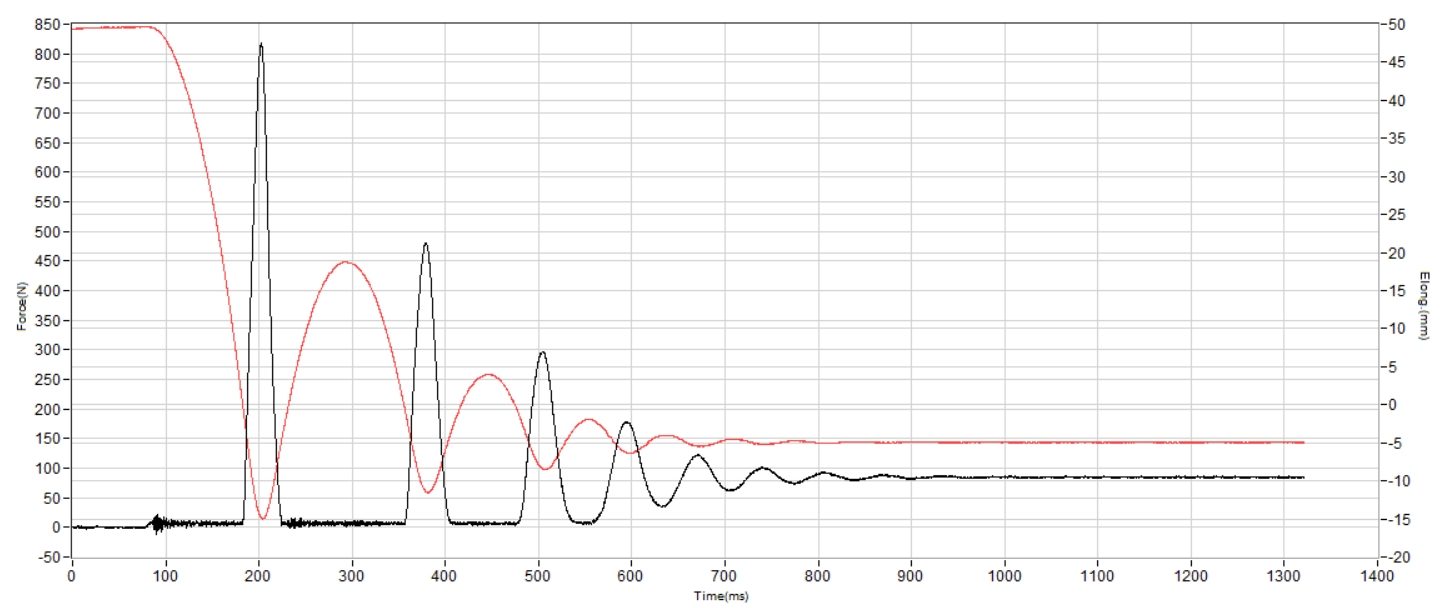
| Cloudflow 5 | 123 SA |
| Average | 131 SA |
Energy return
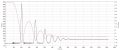
The biggest letdown with the On Cloudflow 5 came right at the start of our lab testing. Measuring just 46.9% energy return is disappointing for a shoe designed for fast running, and when paired with its high price, it becomes a serious concern.
| Cloudflow 5 | 46.8% |
| Average | 61.4% |
Heel stack
With 32.8 mm under the heel, the Cloudflow 5 clearly stays away from the max-stack category. In fact, it sits below our current average and is better suited for runners who prefer a more controlled, closer-to-the-ground ride.
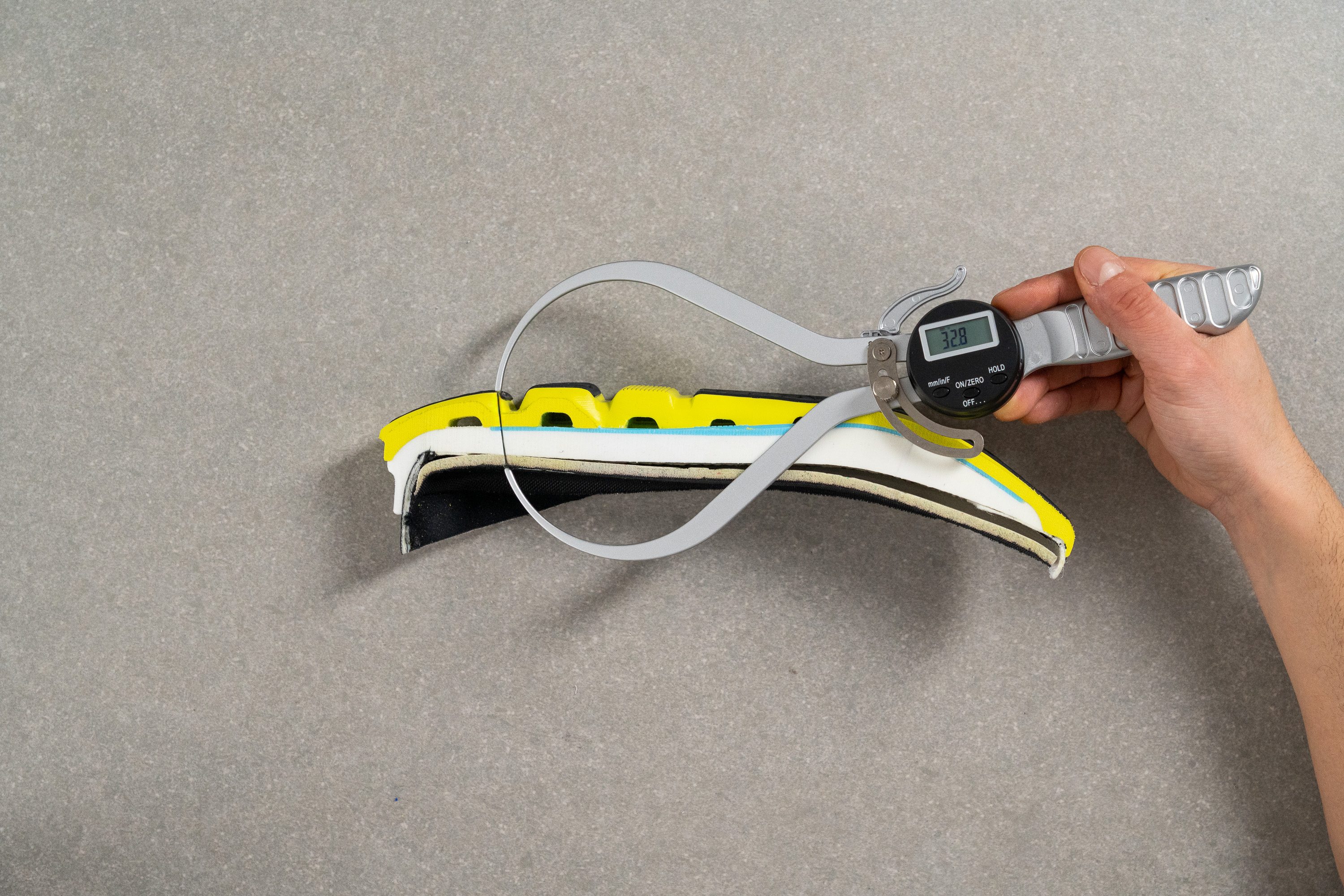
| Cloudflow 5 | 32.8 mm |
| Average | 35.5 mm |
Forefoot stack
The forefoot stack came in higher than we expected, as On typically goes for a larger heel-to-toe offset. Here, we measured 28.7 mm of cushioning, which makes the shoe more versatile and friendlier for midfoot and forefoot strikers.
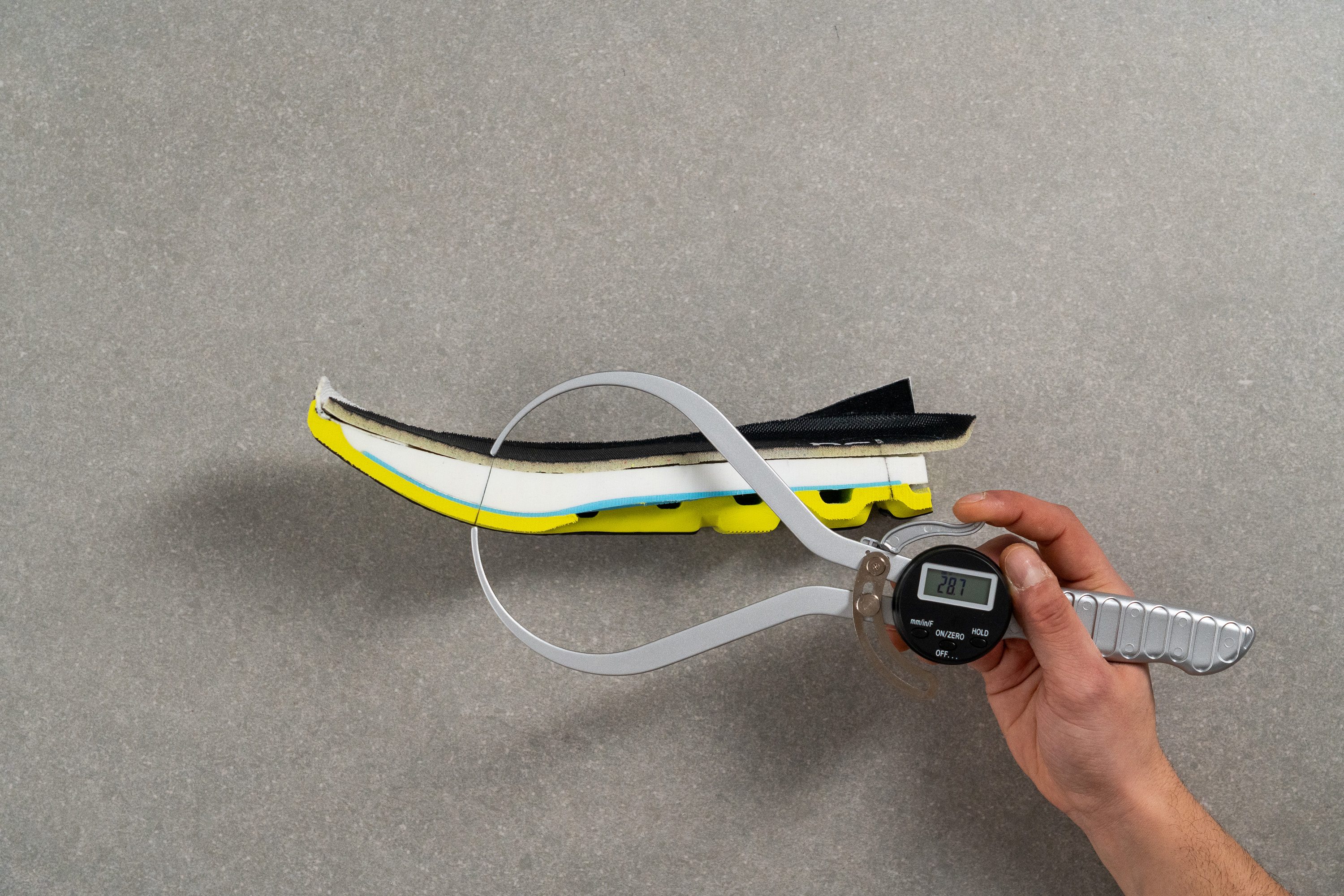
| Cloudflow 5 | 28.7 mm |
| Average | 27.1 mm |
Drop
As we hinted earlier, the 4.1 mm drop is much lower than what we usually see from On. It is also lower than the brand’s stated 6 mm when measured at the official World Athletics reference points.
That said, the feel changes a lot depending on how you land. For midfoot and forefoot strikers, the shoe can feel like it has a higher drop, thanks to the pronounced rocker and the curved heel with less foam, which On likely measured slightly farther forward.
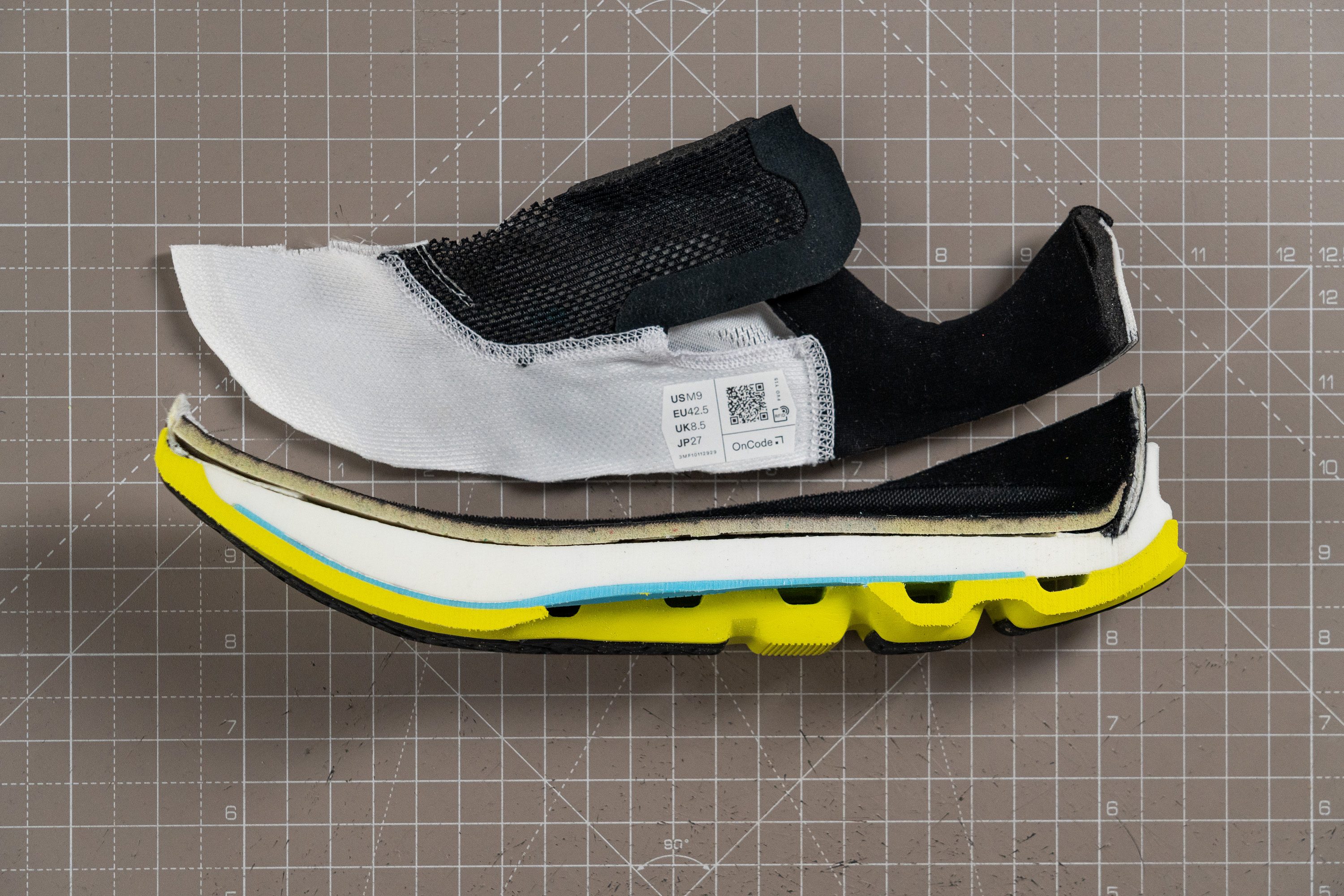
| Cloudflow 5 | 4.1 mm |
| Average | 8.4 mm |
Midsole softness
Another common trait of On shoes is a firm ride, and the Cloudflow 5 clearly follows that path. In our lab tests, the top PEBA layer (Helion HF) was the softest of the two, yet it still measured a firm 48.3 HA on our Shore A durometer.
In our view, this shoe makes little sense for runners who prefer soft foams, as even with the CloudTec elements adding some give when the clouds compress, the ride feels far from plush.
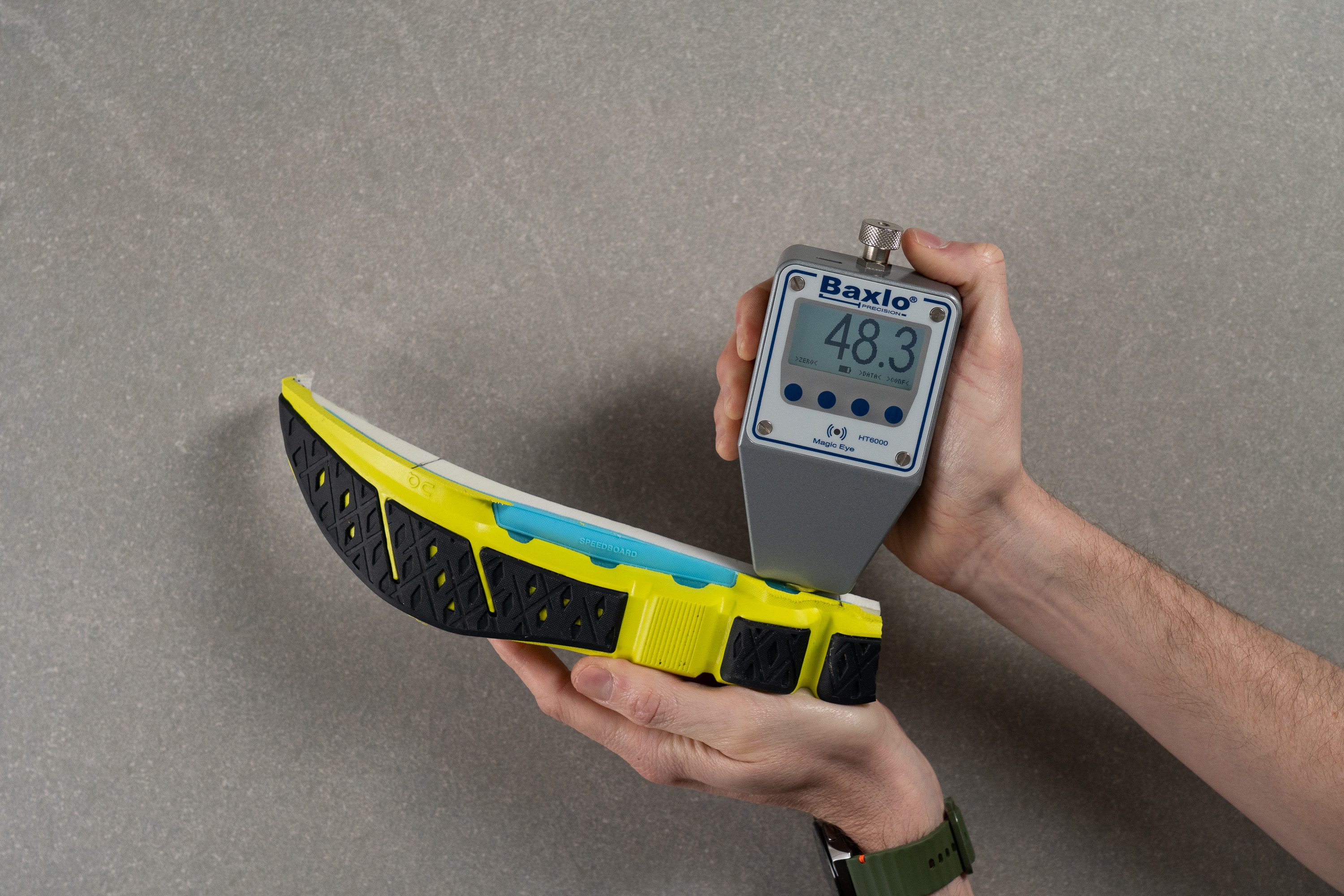
| Cloudflow 5 | 48.3 AC |
| Average | 35.5 AC |
Rocker
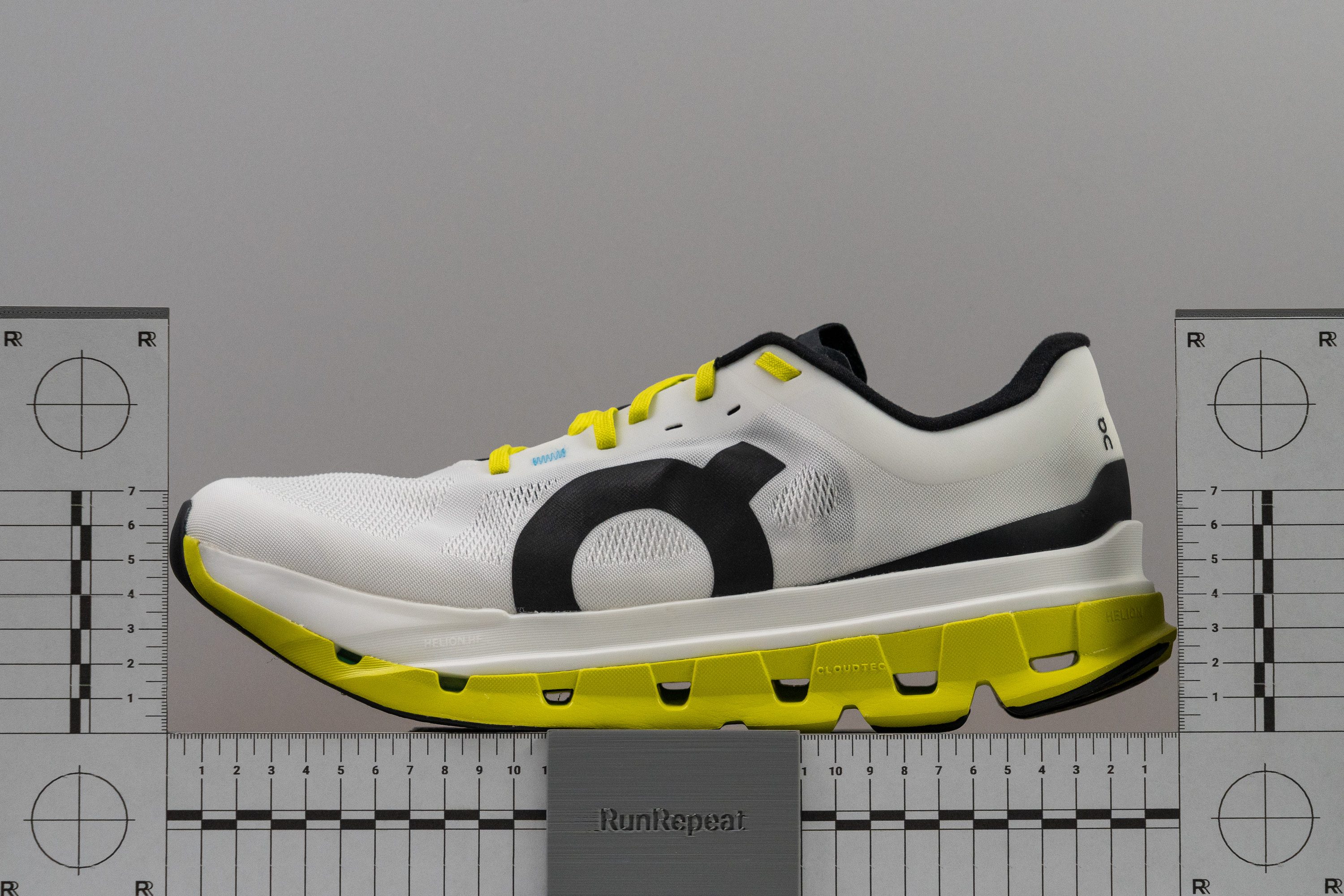
The Cloudflow 5 features an huge forefoot rocker that encourages quick transitions and works best for fast running, but it can feel awkward at easier paces or for slower runners.
At the back, the aggressive heel bevel helps offset the low drop, keeping heel strikers moving forward instead of feeling stuck.
Plate
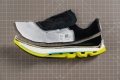
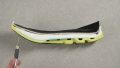
While the Speedboard is being phased out in some On models, the Cloudflow 5 keeps it to support its fast-paced focus. The plate uses a nylon and fibreglass blend, so it adds guidance without the harsh stiffness you would expect from carbon fibre.
Size and fit
Size
On Cloudflow 5 fits slightly small (12 votes).
Internal length
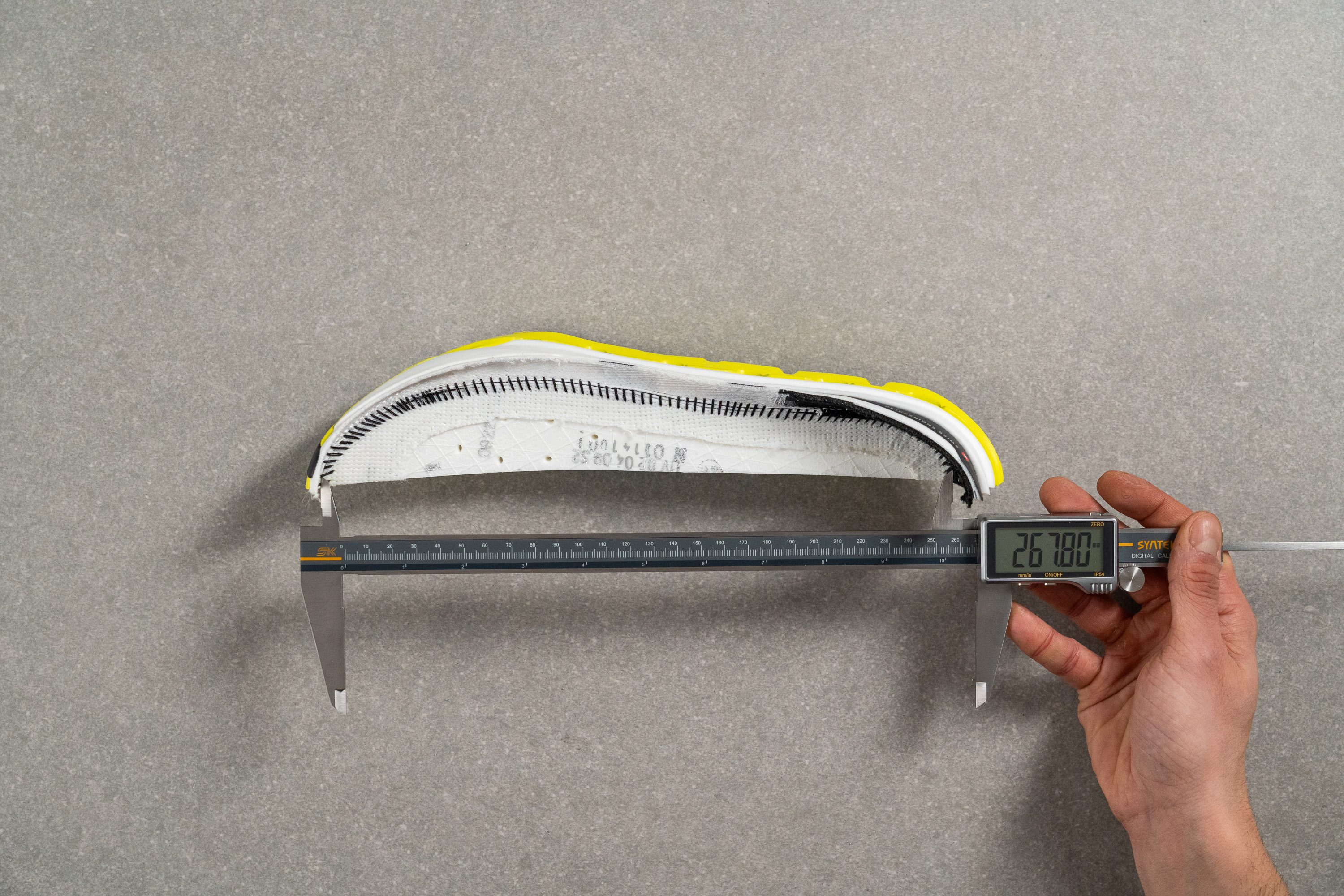
| Cloudflow 5 | 267.8 mm |
| Average | 269.4 mm |
Width / Fit
On has released some wide-fitting shoes in the past, but the Cloudflow 5 did not feel spacious during our initial try-on. To better understand the fit, we created our standard gel mould of the interior and took precise measurements.
Our first measurement came in at just 92.7 mm, which is on the narrow side, but it also aligns well with the fast-focused intent of this shoe.
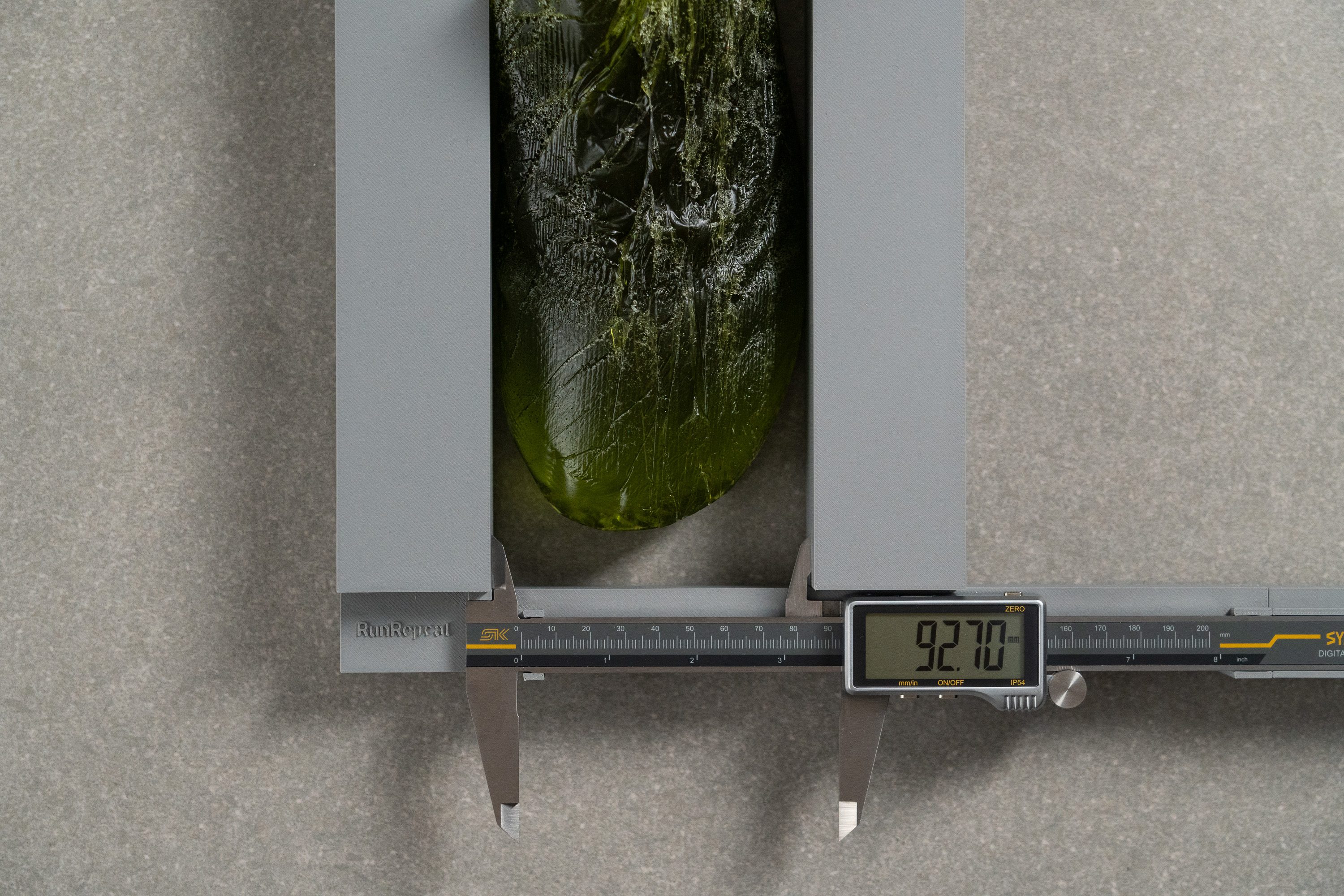
| Cloudflow 5 | 92.7 mm |
| Average | 95.2 mm |
Toebox width
On the other hand, the toebox should work well for runners who want a bit more room for their toes, as we measured 77.2 mm. That places it somewhere in between traditional fits and truly foot-shaped designs from brands like Altra or Topo Athletic.
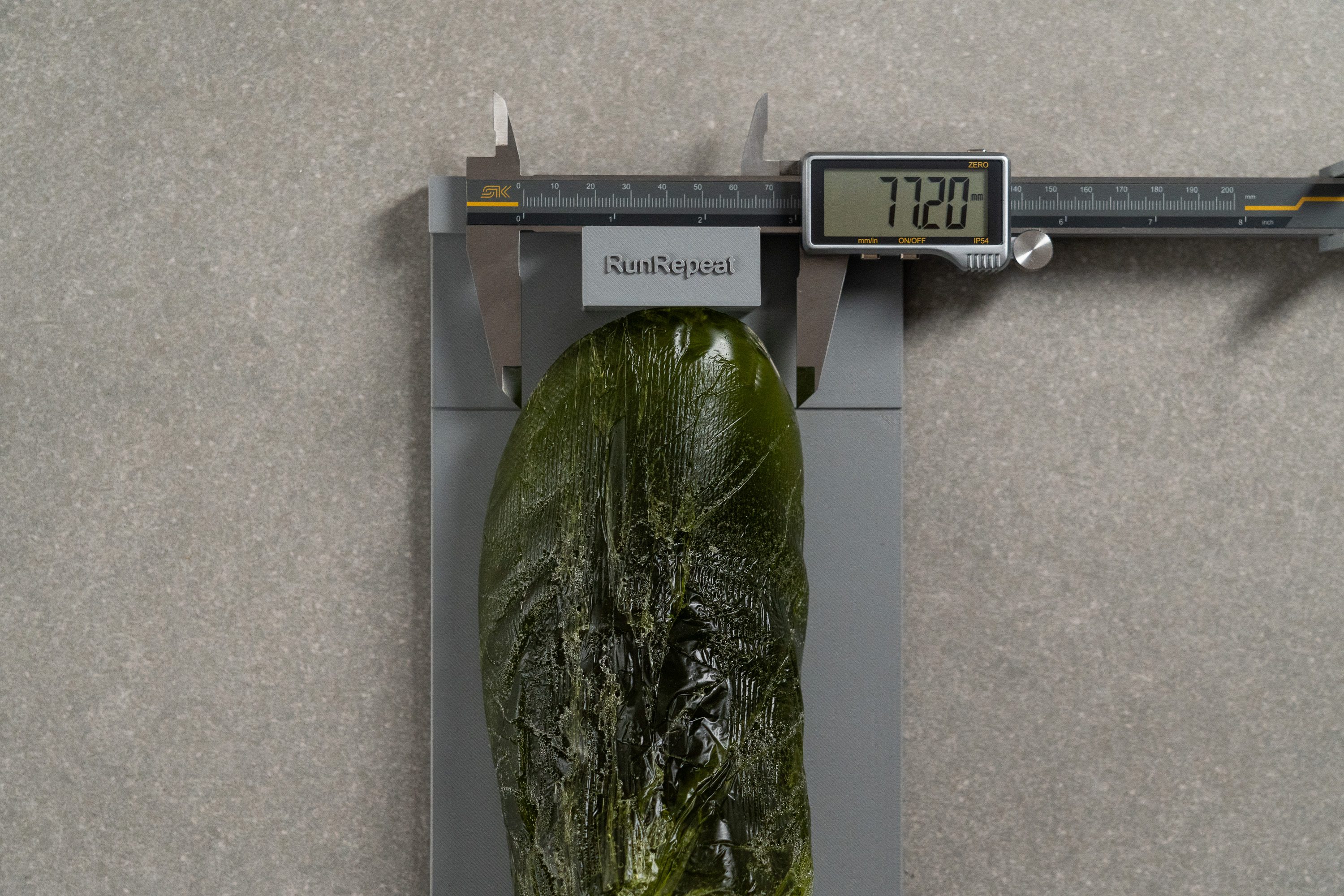
| Cloudflow 5 | 77.2 mm |
| Average | 73.2 mm |
Toebox height
Our final measurement focuses on toebox height, another important part of fit, and we recorded 24.5 mm.
With such a low value, the shoe further confirms that it is better suited for short efforts rather than long runs.
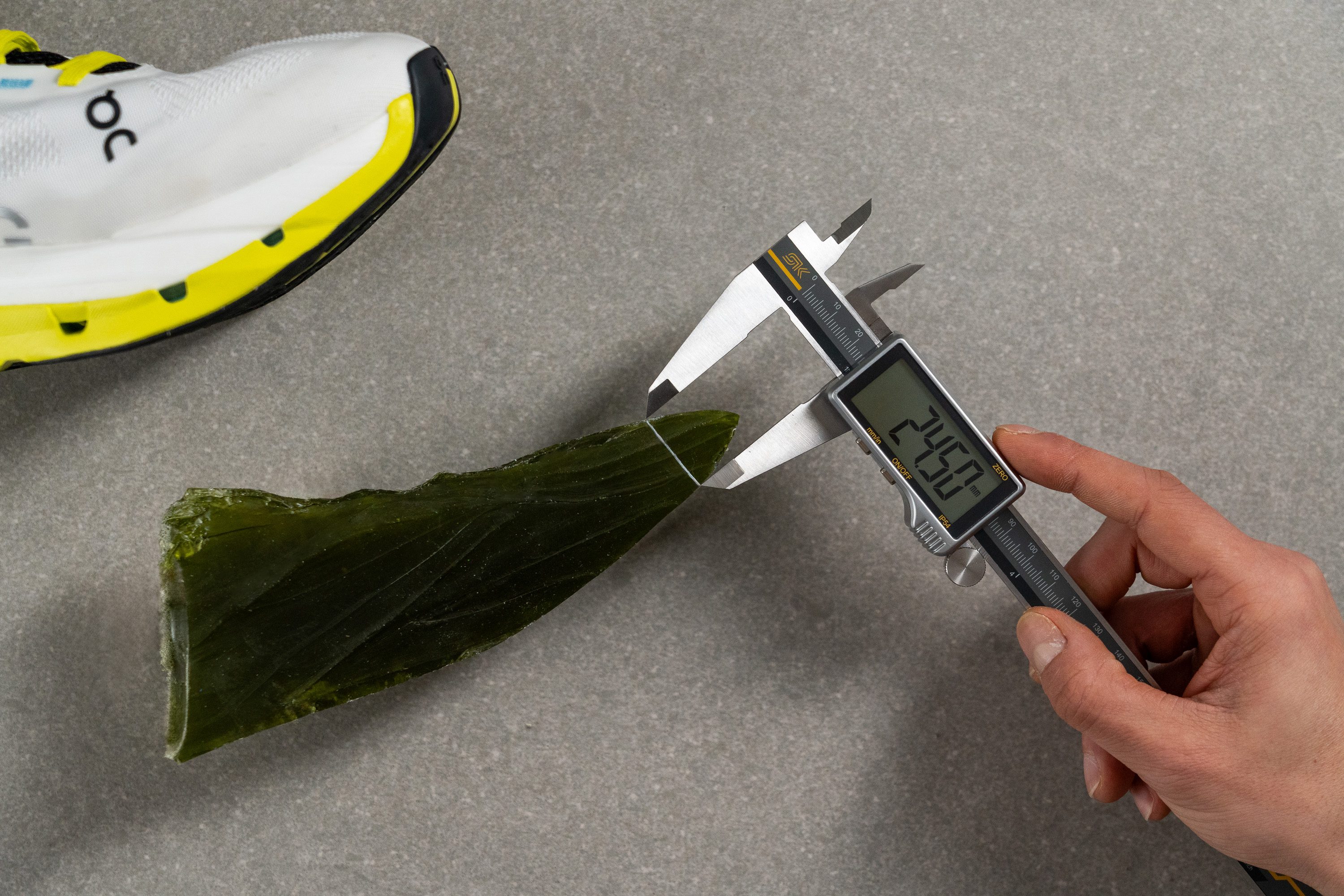
| Cloudflow 5 | 24.5 mm |
| Average | 27.0 mm |
Traction / Grip
Traction test
The outsole performed well in our grip test. It is not outstanding, but a 0.52 score on wet concrete is enough to ensure reliable traction for most days of the year.
| Cloudflow 5 | 0.52 |
| Average | 0.53 |
Outsole design
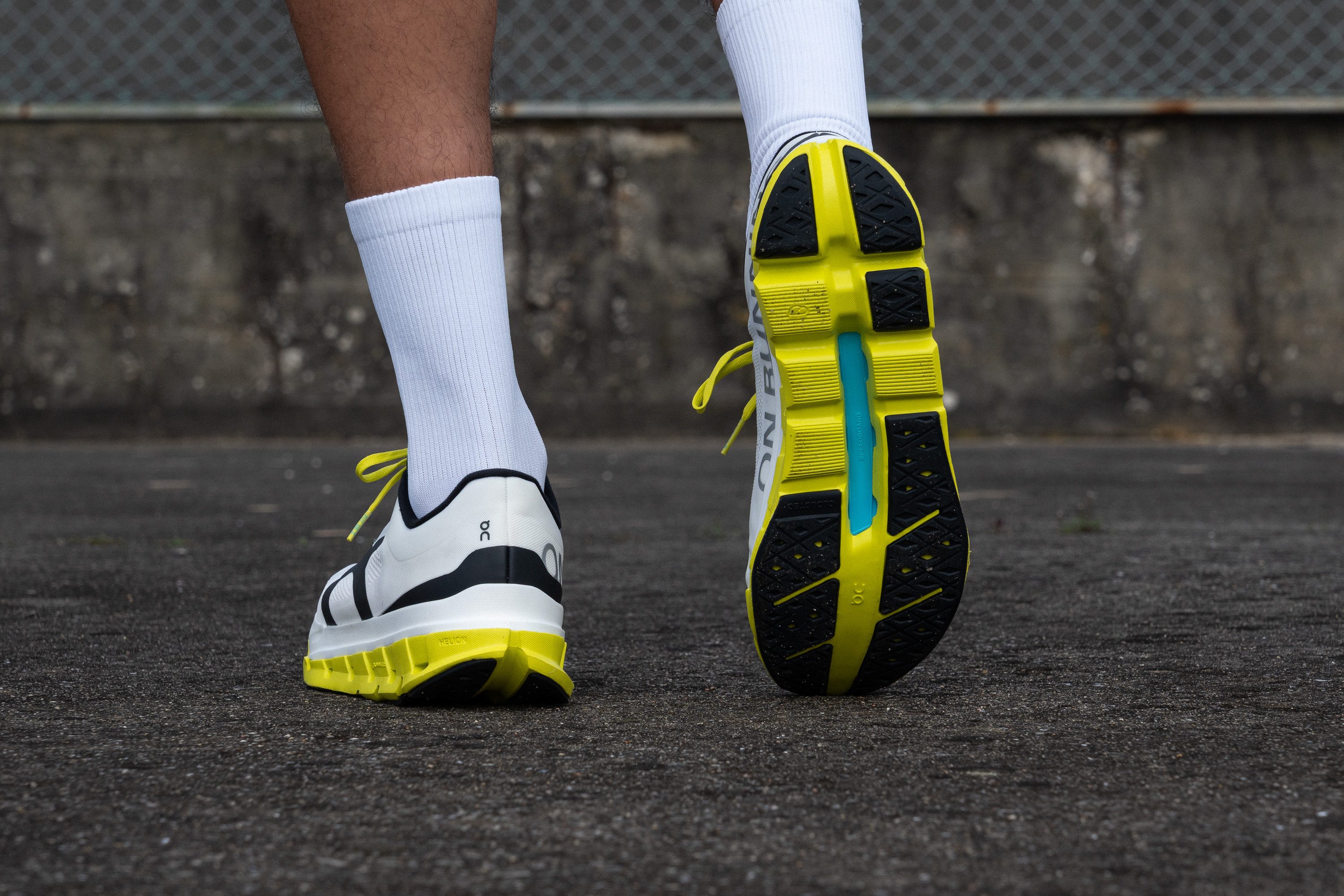
The outsole design will feel familiar to anyone who has seen an On shoe before, with the same segmented pods, some covered in rubber and others using reinforced foam, plus a central cutout that exposes the Speedboard plate. Deep grooves run through the heel and midfoot to help maintain flexibility.
Flexibility / Stiffness
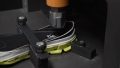
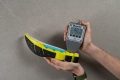
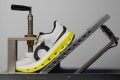
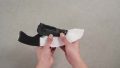
Despite a few tweaks aimed at improving flexibility, the Cloudflow 5 still delivers a stiff ride. We confirmed this with a 20.7N result in our 30-degree bend test.
This stiffness mainly comes from the firm midsole combined with the Speedboard plate. While it avoids carbon fibre, the plate still adds noticeable resistance.
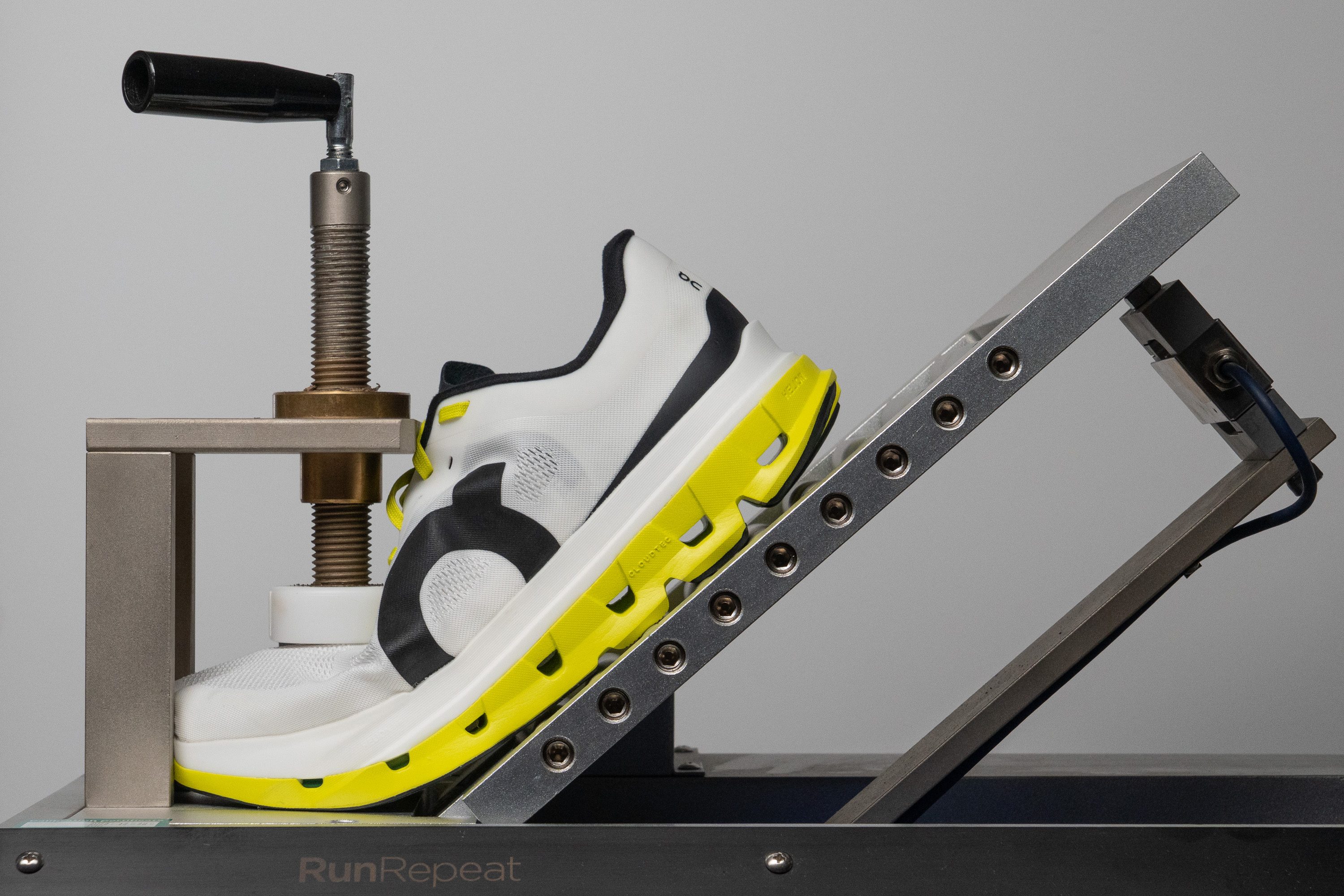
| Cloudflow 5 | 20.7N |
| Average | 15.5N |
Weight
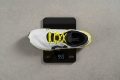
If the low-bounce foam was the biggest letdown, weight comes next on our list. A modern shoe built for tempo sessions and fast running should not tip the scale at 9.6 oz or 271g, that feels clearly excessive today.
For context, the ASICS Magic Speed 5 sits in a similar price range and also uses a moderate stack height, yet on our scale it came in at just 7.1 oz or 201g, which highlights the gap.
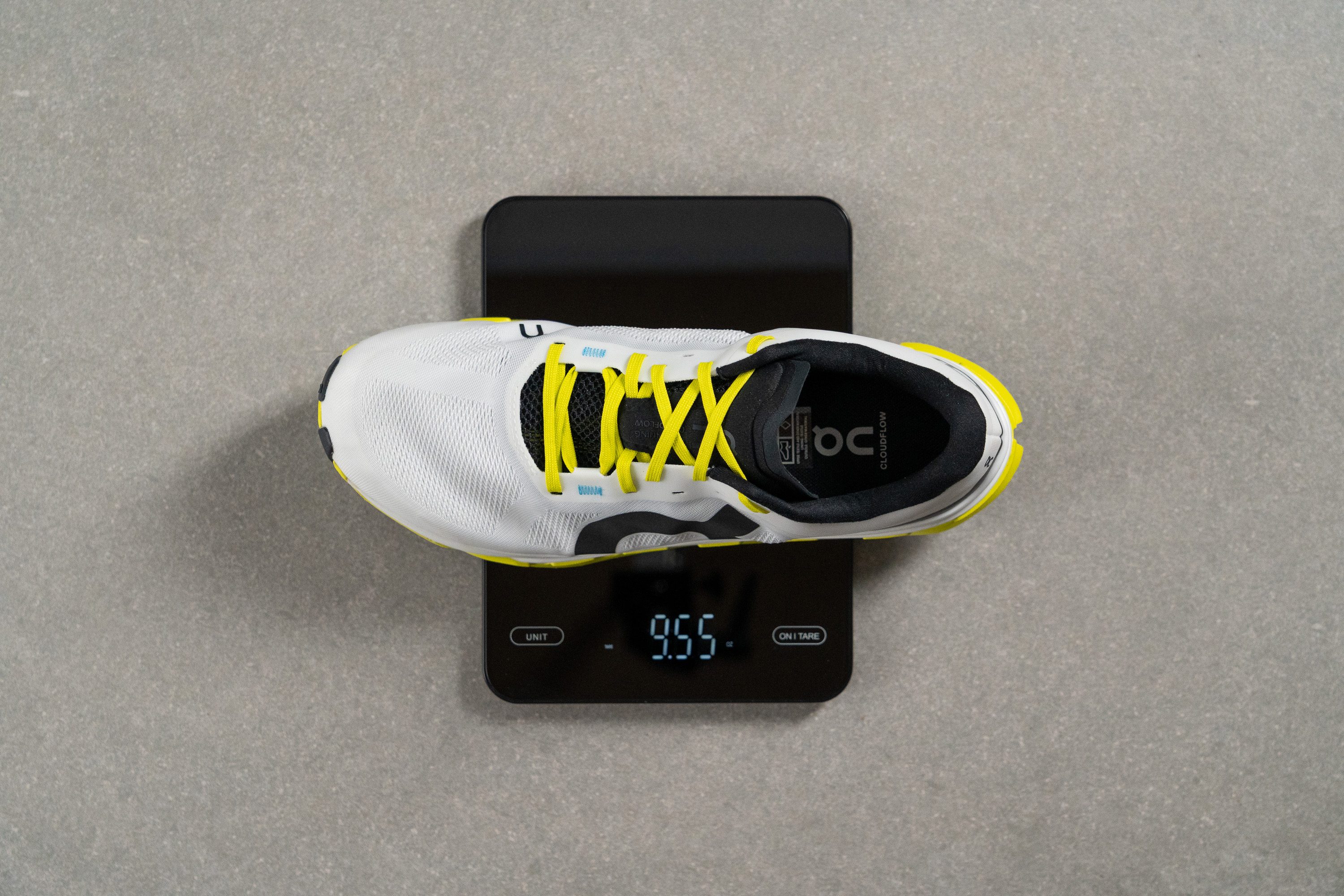
| Cloudflow 5 | 9.6 oz (271g) |
| Average | 9.2 oz (261g) |
Breathability
Breathability test
The upper of the On Cloudflow 5 looks and feels premium to the touch, which is something we expect from the Swiss brand. In that sense, On continues to deliver solid materials and clean execution.
That said, runners looking for strong airflow will be disappointed. In our lab testing, breathability fell short, earning only a 2 out of 5 score.
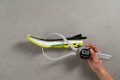
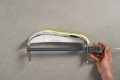
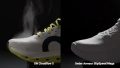
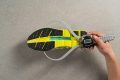
When we moved the upper over an LED light, it became clear that the toebox lacks ventilation holes, which limits airflow. The tongue helps a bit, but it cannot fully make up for it.
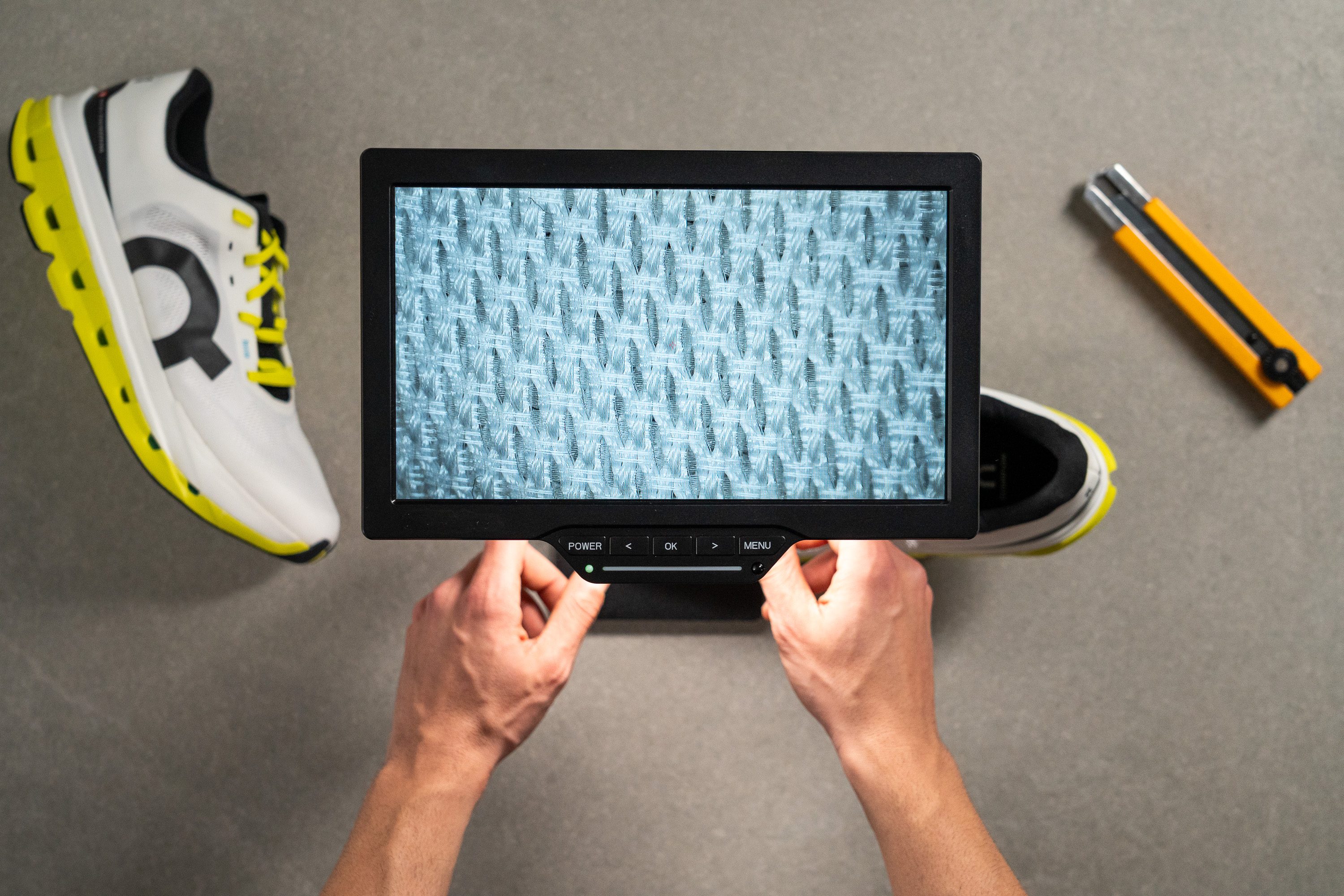
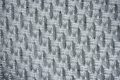
We then examined the material under our microscope, and the reason was obvious. The tightly closed mesh blocks air movement instead of letting it pass through.
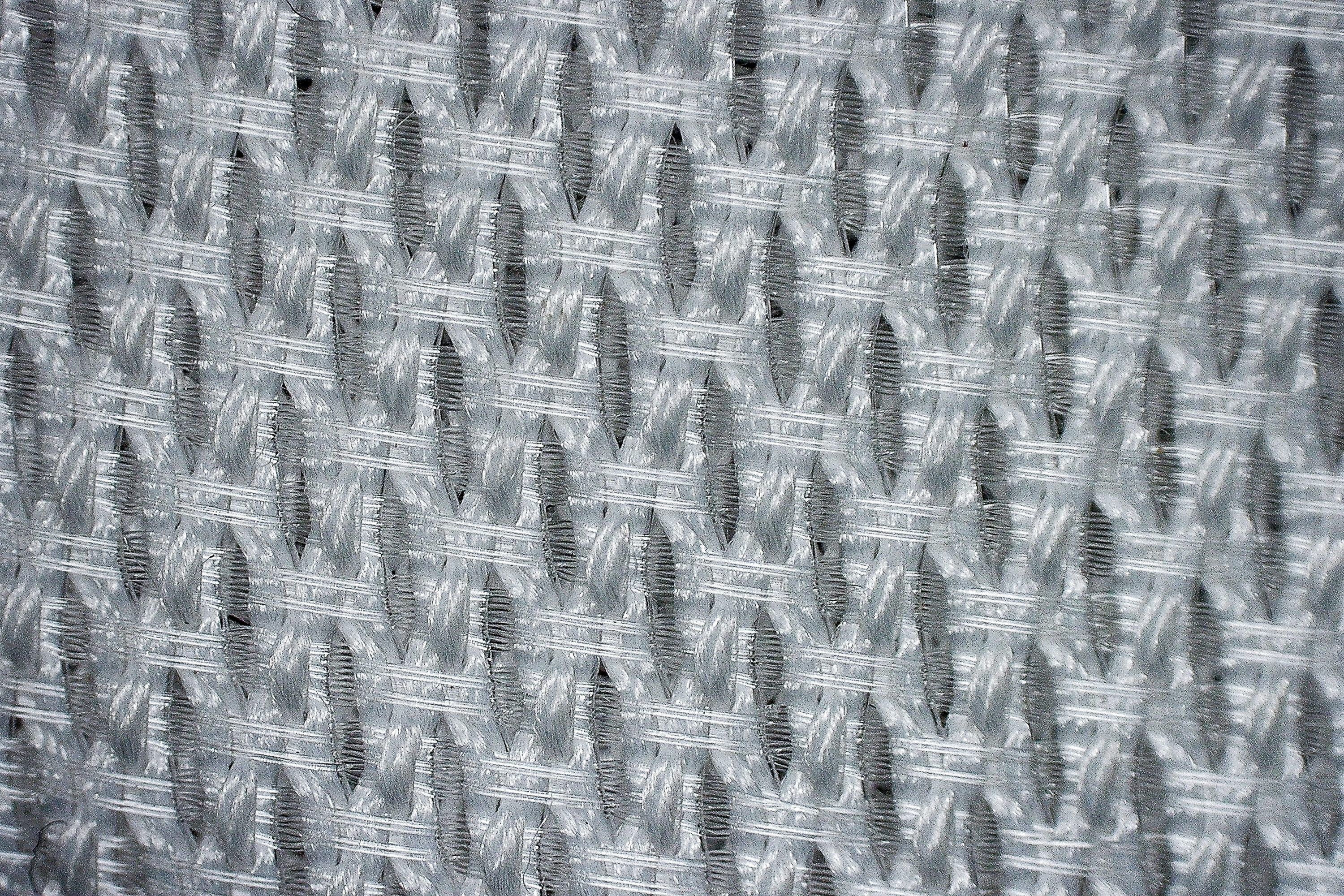
Comfort remains good, as expected from On, but this upper shows clear limits in warm weather. For summer running, we believe that ventilation may become a real issue.
| Cloudflow 5 | 2 |
| Average | 3.6 |
Stability
Lateral stability test
Thanks to the very firm Helion foam and the Speedboard plate, the Cloudflow 5 delivers a planted, stable ride despite its compact build. That combination is one of its standout traits, as few shoes in this size range offer a similarly controlled feel underfoot.
Torsional rigidity
Despite the large flex grooves carved into the midsole, the Cloudflow 5 still scores high in torsional rigidity with 18.4 Nm. Once again, the Speedboard plate and the firm foam play the main roles in this result.
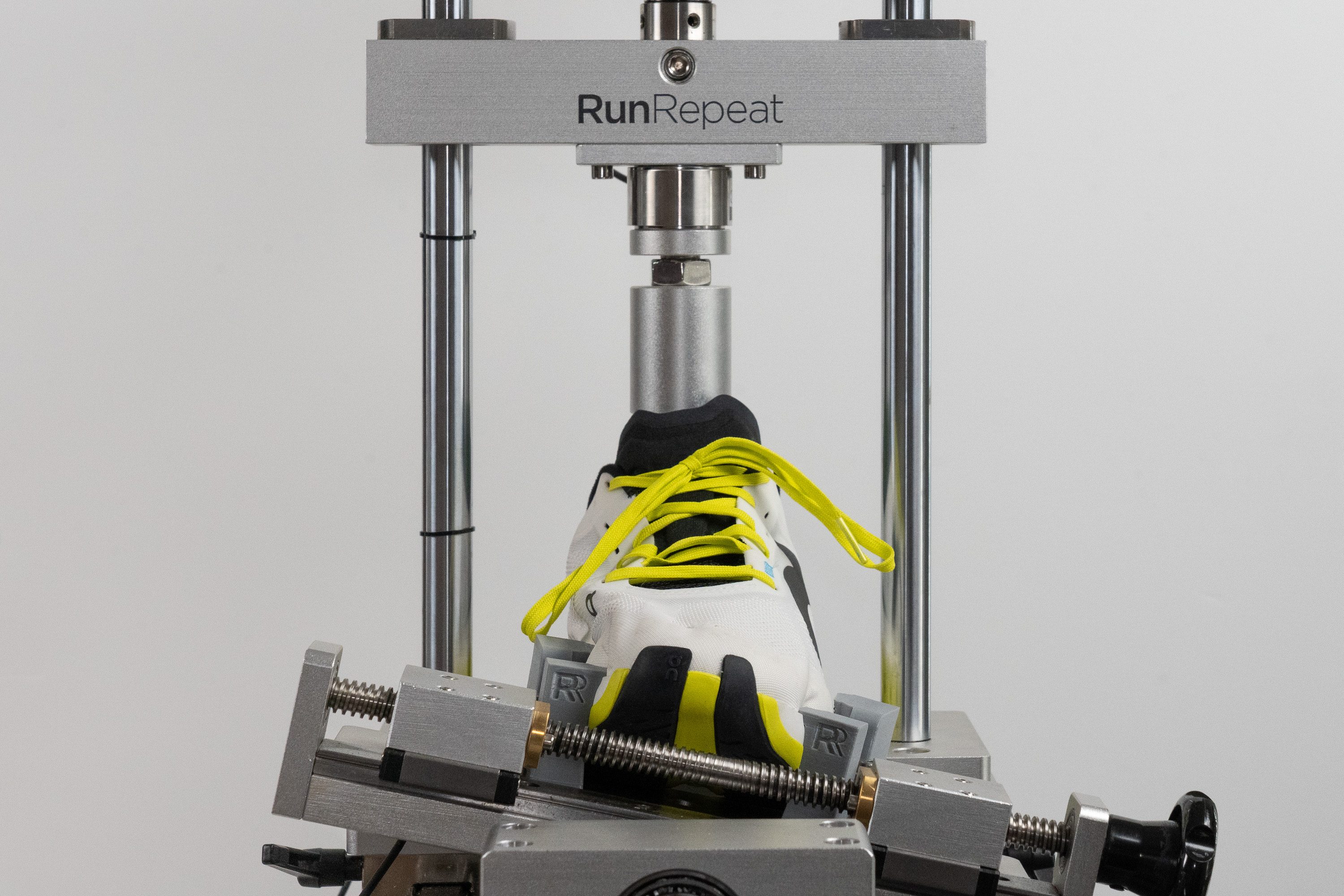
| Cloudflow 5 | 18.4 Nm |
| Average | 14.4 Nm |
Heel counter stiffness
On went with a balanced setup here, using a moderately firm heel counter rated at 3/5. It preserves comfort while adding a noticeable layer of support.
| Cloudflow 5 | 3 |
| Average | 3 |
Midsole width - forefoot
The main reason the Cloudflow 5 feels fun at faster paces is its agile midsole layout. With just 107.7 mm in the forefoot, it stays very nimble and reliable when cornering at speed.
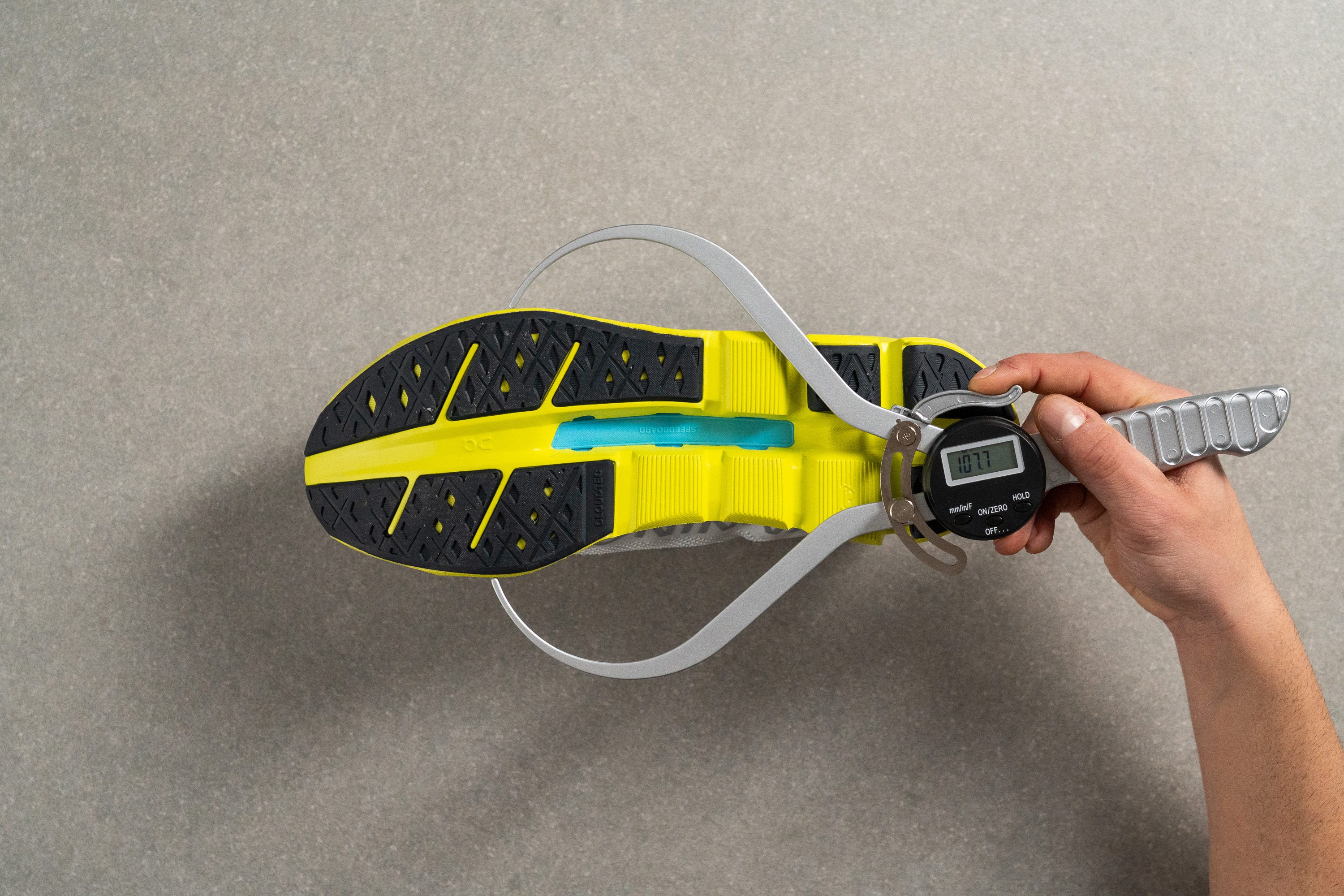
| Cloudflow 5 | 107.7 mm |
| Average | 115.1 mm |
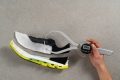
Midsole width - heel
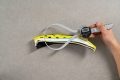
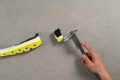
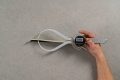
The heel is also much narrower than average, measuring just 82.2 mm with our digital calliper. Given this width and the low-drop geometry, it may not be the most sensible choice for rearfoot strikers.
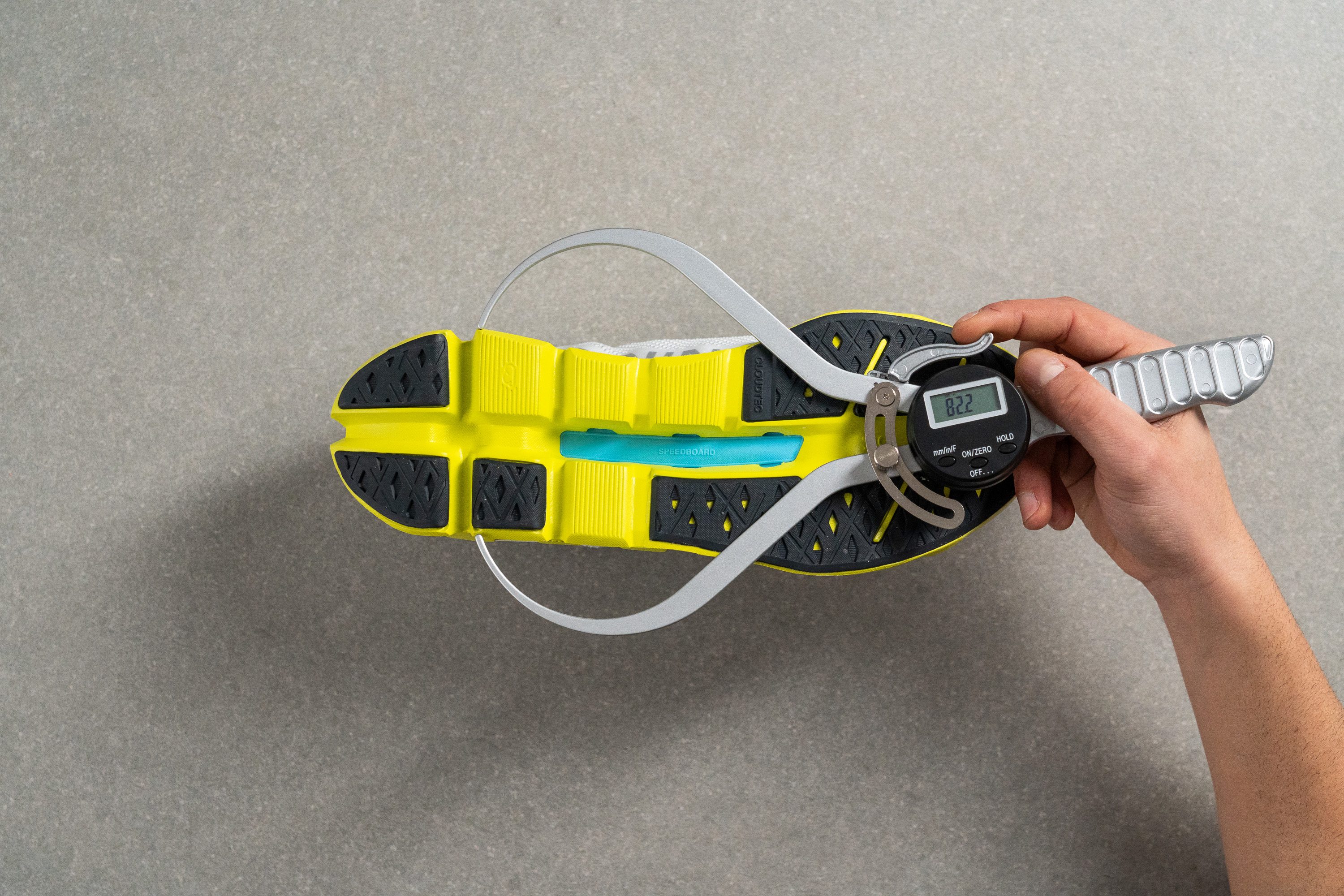
| Cloudflow 5 | 82.2 mm |
| Average | 91.1 mm |
Durability
Toebox durability
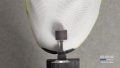
If the limited ventilation was a letdown, the upper makes up for it with stronger durability. The absence of ventilation holes works in its favour here, earning the Cloudflow 5 a solid 4 out of 5 in our first durability test.
| Cloudflow 5 | 4 |
| Average | 2.6 |
Heel padding durability
The heel padding pushes durability to a perfect 5/5, our highest rating. That is an excellent result and not an easy one to achieve.
| Cloudflow 5 | 5 |
| Average | 3.4 |
Outsole durability
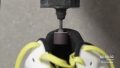
Unfortunately, the rubber did not match the strong showing of the upper and lost 1.3 mm under our Dremel test. It is not a deal-breaker, but it is clearly less encouraging than the ones we saw earlier.
| Cloudflow 5 | 1.3 mm |
| Average | 1.1 mm |
Outsole thickness
Still, 2.7 mm provides sufficient protection, especially for a shoe not meant to be a daily workhorse but rather a more specific training partner.
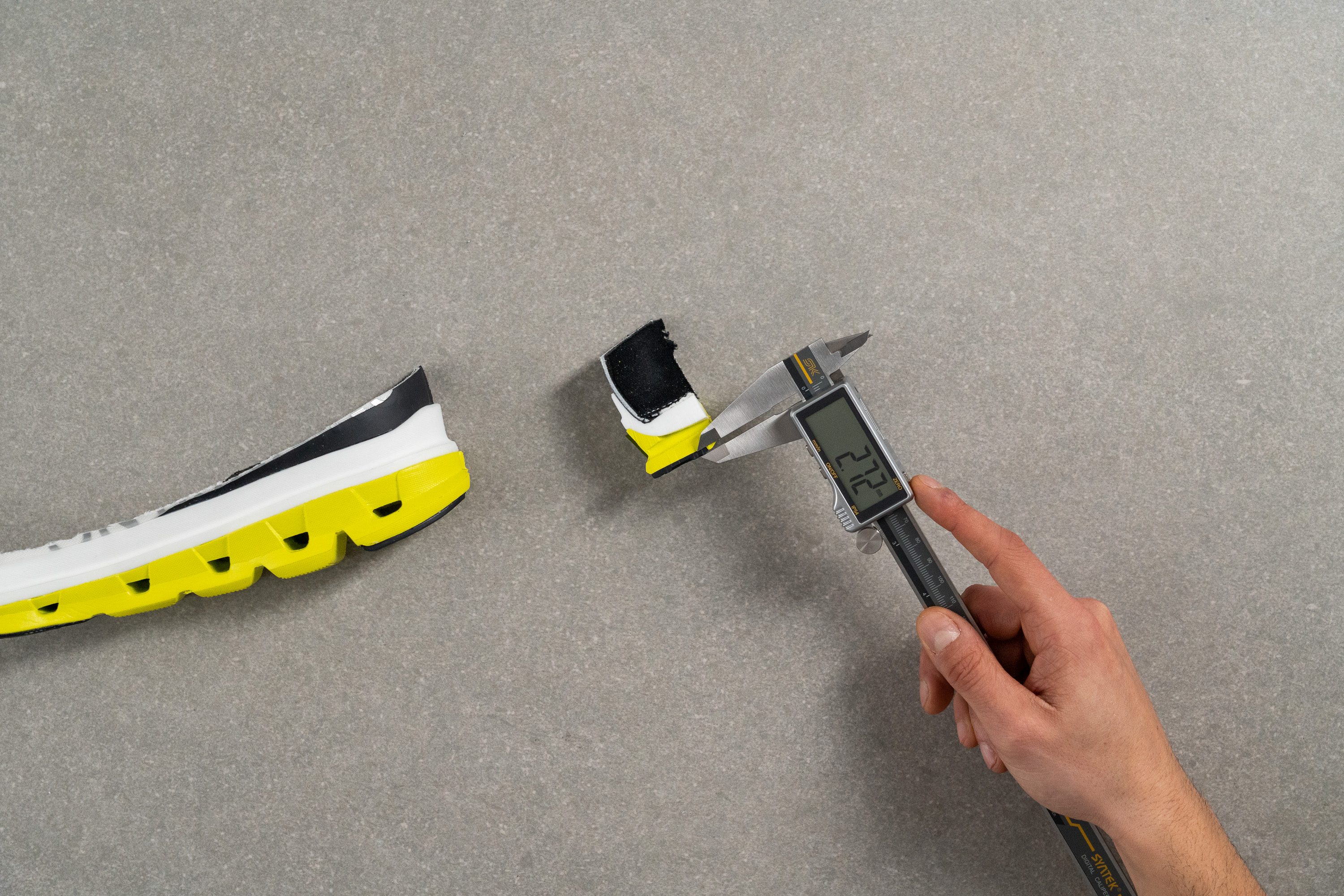
| Cloudflow 5 | 2.7 mm |
| Average | 3.1 mm |
Misc
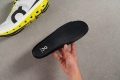
Insole thickness
The insole sits right around the average in thickness, measuring 4.4 mm. These are very standard numbers and align closely with what we usually see in the lab.
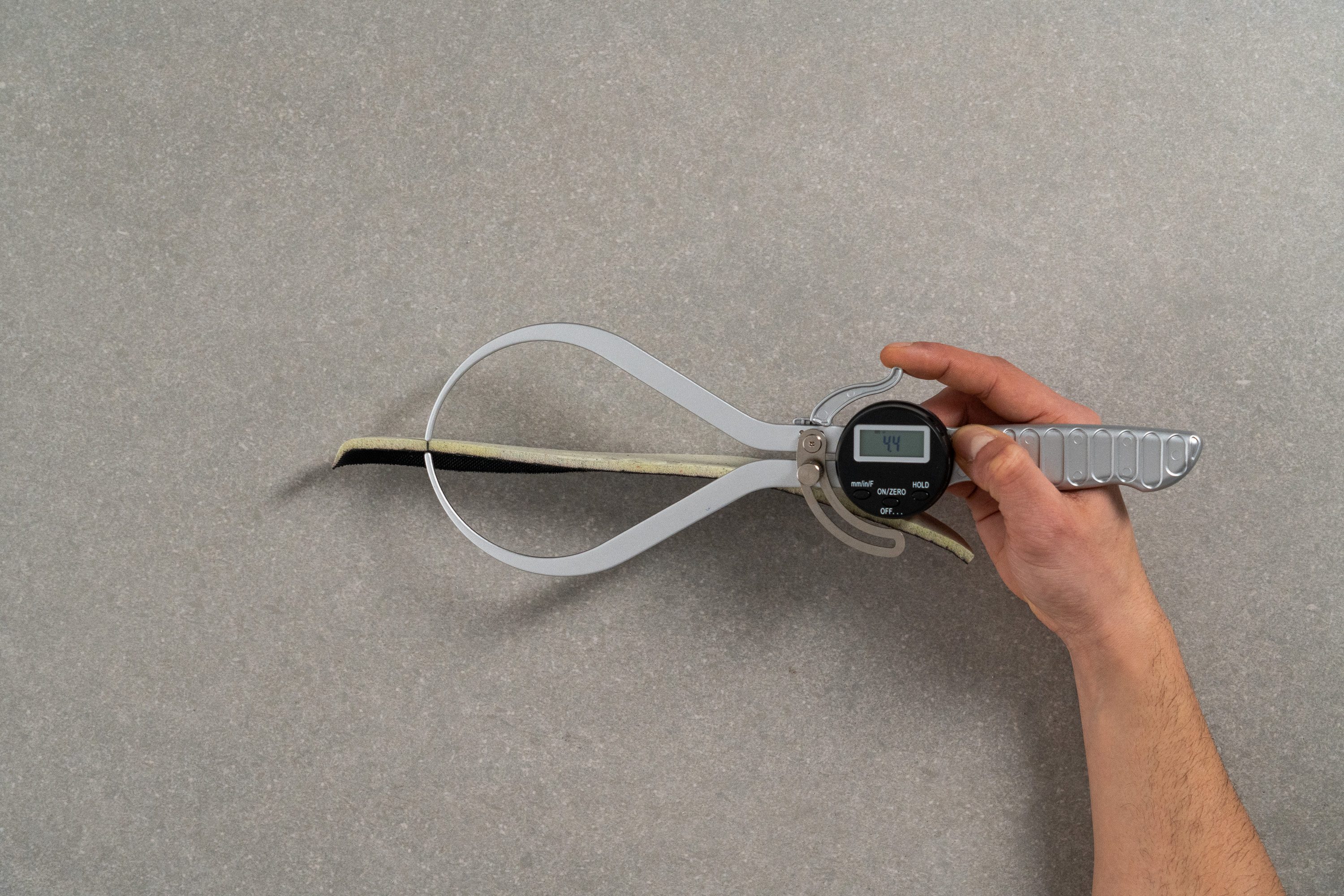
| Cloudflow 5 | 4.4 mm |
| Average | 4.4 mm |
Removable insole
If you dislike the feel of the insole or want a bit more vertical room in the toebox, you can remove it. Just note that any replacement probably should be thinner, otherwise the internal space will feel too tight.
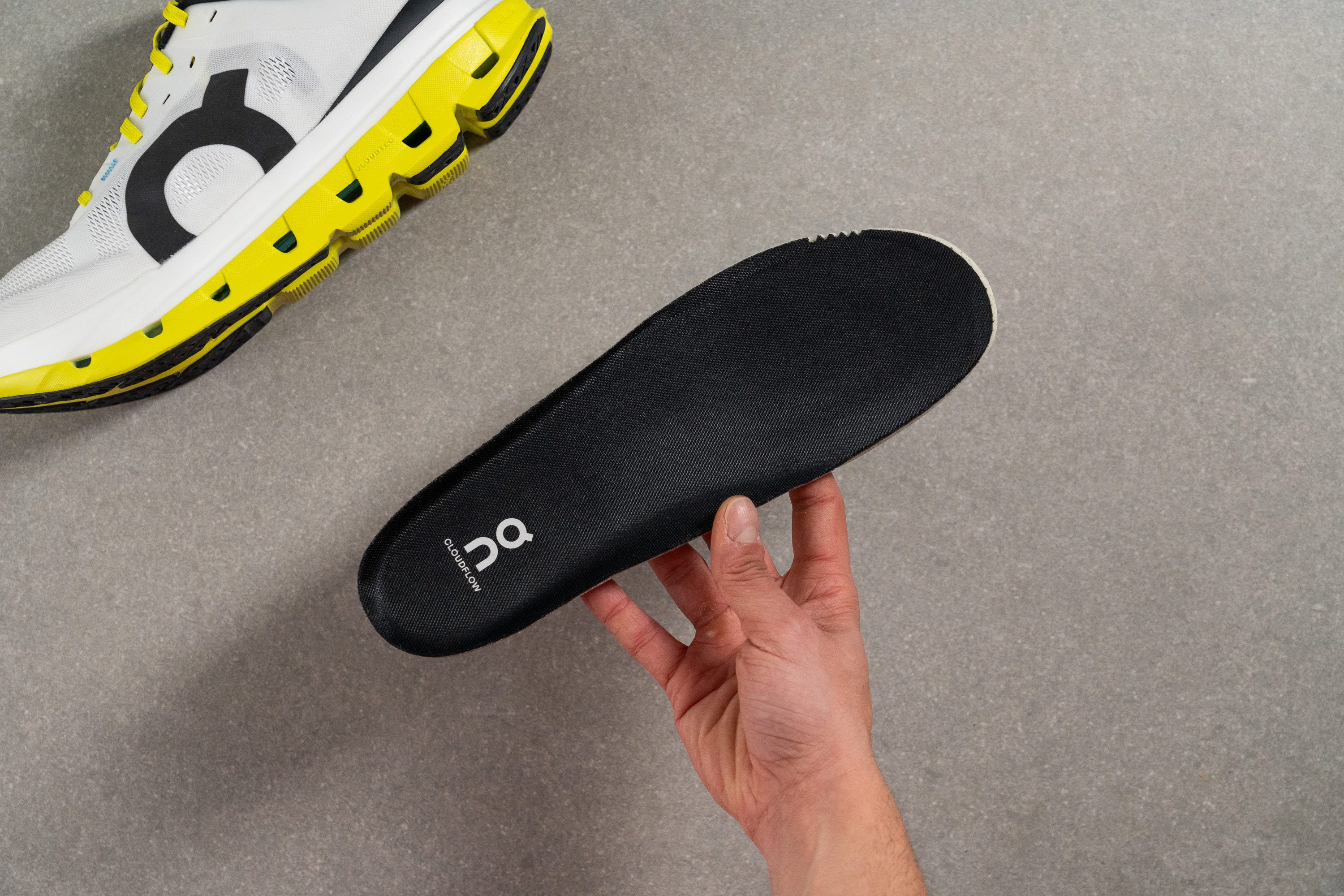
| Cloudflow 5 | Yes |
Reflective elements
The upper includes some reflective details, but the shoe misses the usual large and super-cool reflective On logo. That feels like a missed opportunity.
| Cloudflow 5 | Yes |
Tongue padding
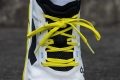
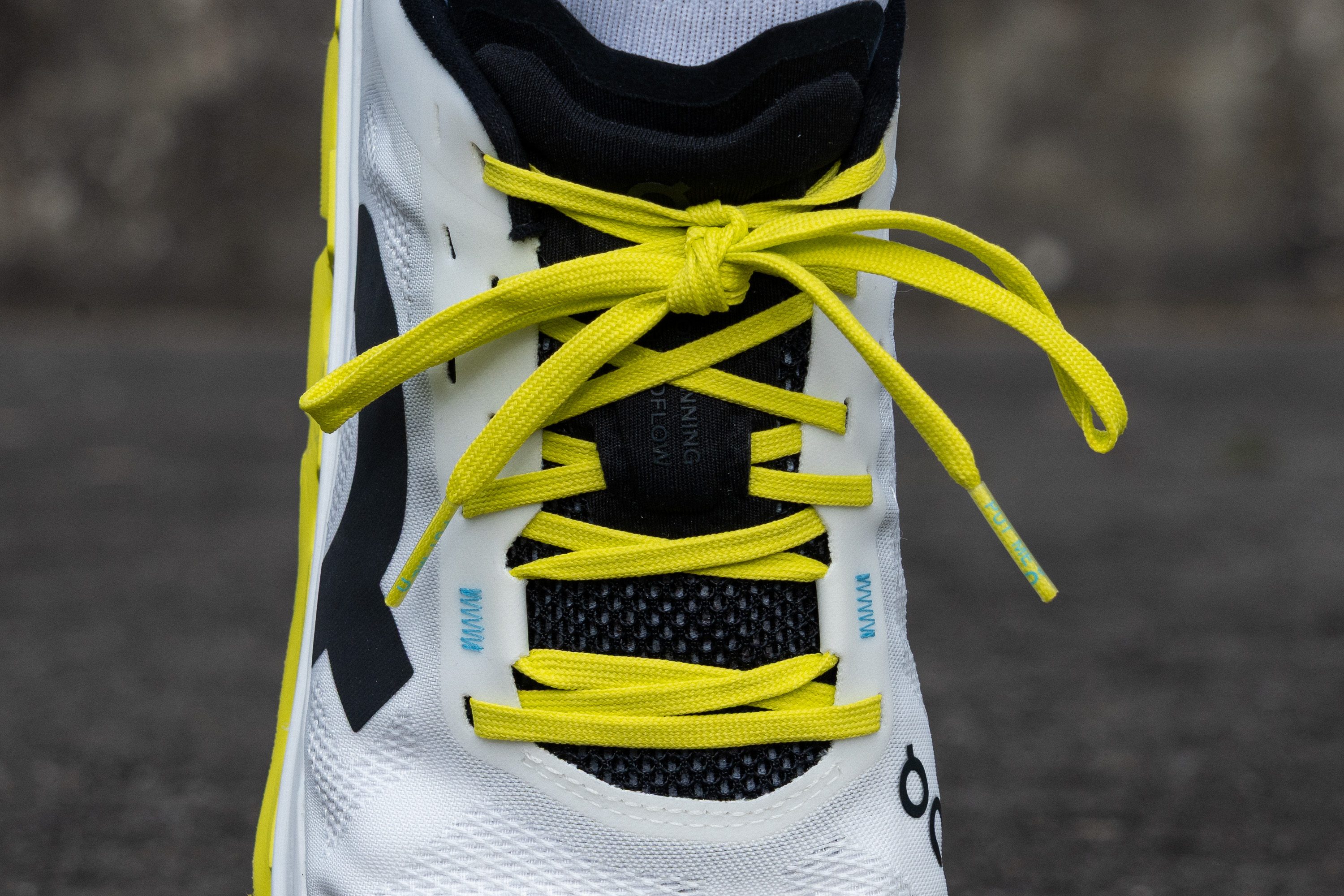
As we tested the Cloudflow 5, the laces impressed us with their excellent quality, and the system delivered a secure, pressure-free lockdown. The hybrid setup adds several extra eyelets for fine tuning the fit.
The tongue also feels generously padded at 6.4 mm, which brings welcome comfort over the instep during fast running, an area where many lightweight shoes now feel too minimal.
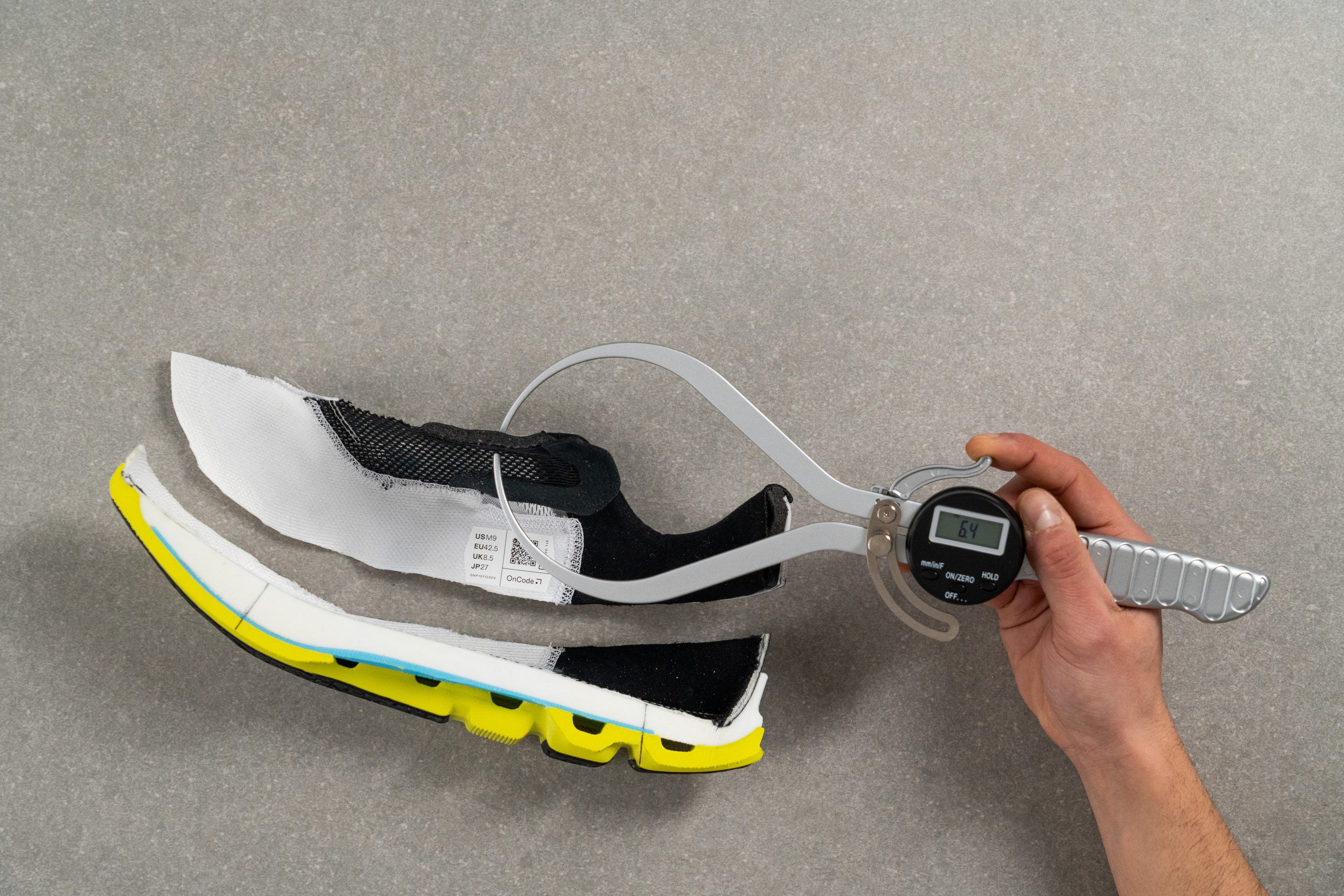
| Cloudflow 5 | 6.4 mm |
| Average | 5.8 mm |
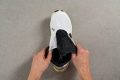
Tongue: gusset type
The tongue is fixed to the sides, which further improves the fit and helps prevent any unwanted movement while running.
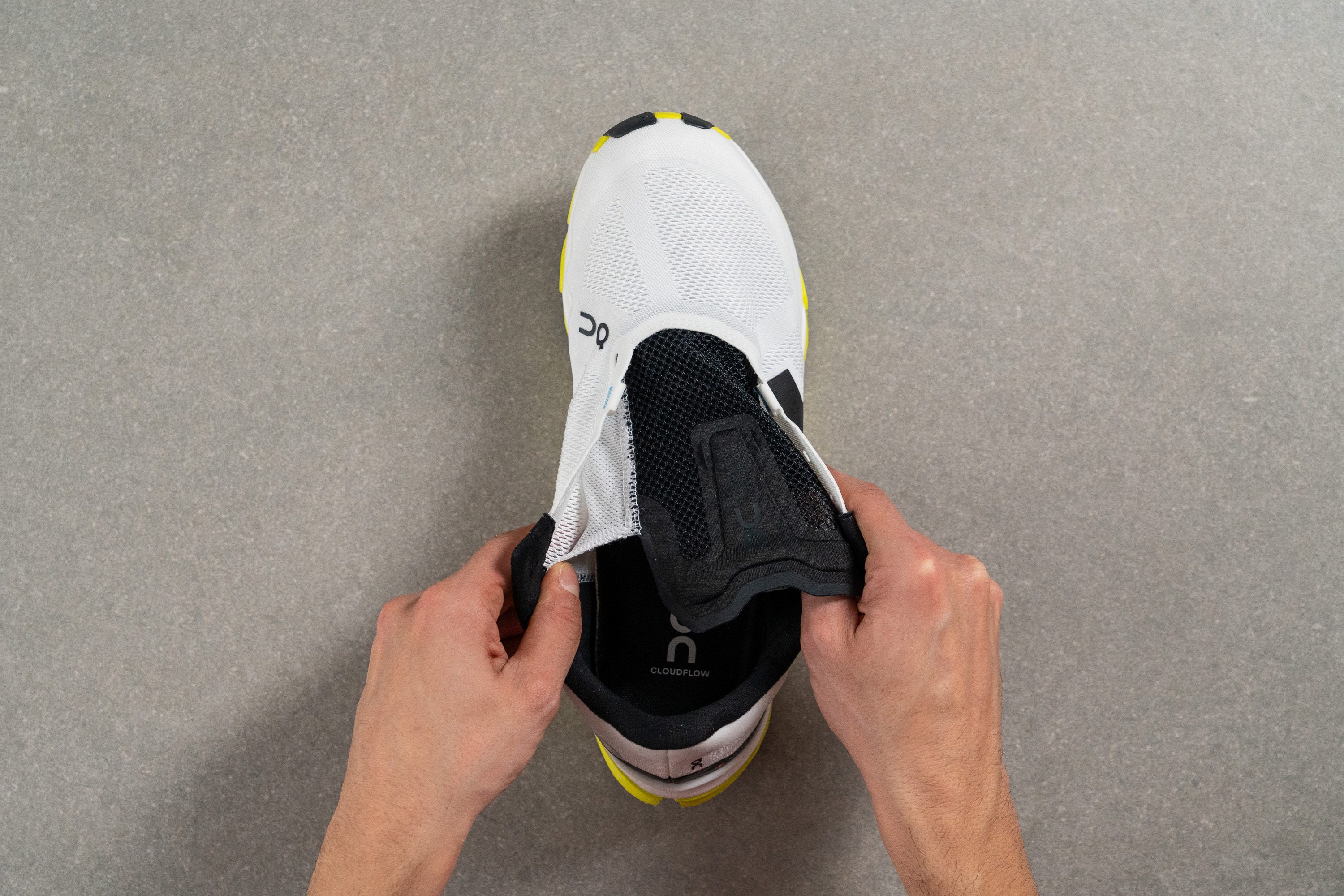
| Cloudflow 5 | Both sides (full) |
Heel tab
The heel sticks to the usual clean and simple design seen across most On road running shoes.
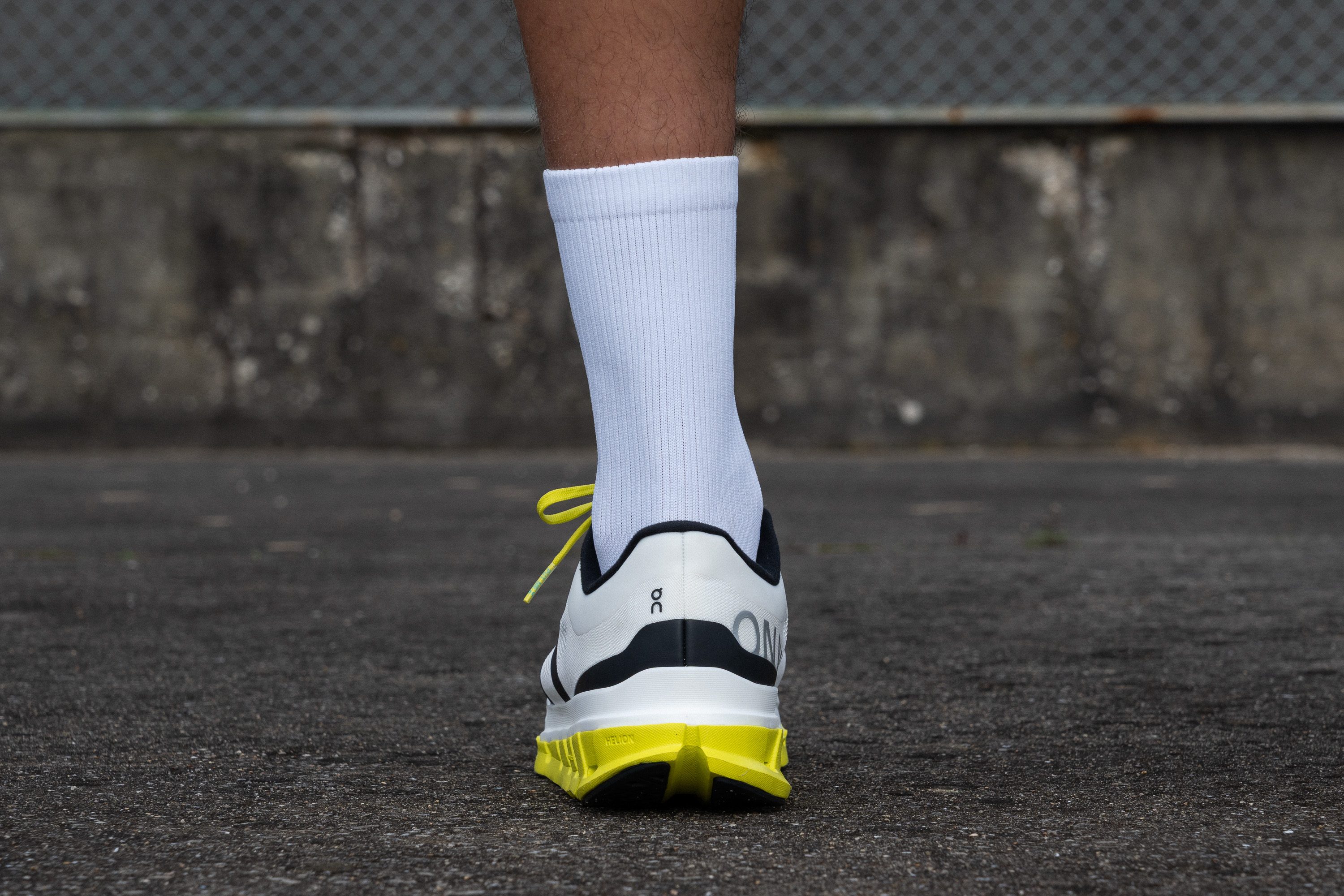
| Cloudflow 5 | None |
Price
From our perspective, it is hard to justify the price of the On Cloudflow 5 unless its design truly wins you over to the point of accepting the higher weight and low energy return. Otherwise, it simply feels too expensive, even with its excellent build quality.
| Cloudflow 5 | $180 |