7 Best PUMA Running Shoes in 2026

We buy shoes ourselves. We earn commissions when you buy through us, at no extra cost. Why trust us
The cat didn’t come to play. Given the harsh competition, PUMA is not a brand we hear a lot from or about. But seeing Molly Seidel win bronze in the Tokyo Olympic Games wearing Nitro Elites made many runners pay attention to the Nitro line.
Here at RunRepeat, we don't test only the shoes everyone's talking about. We like finding the underdogs and the reliable workhorses as well, regardless of how much the brands have spent on marketing campaigns. We test all PUMA shoes on our test runs and in our independent lab. Then, we select a few top picks in different categories.
Next to the top picks, you can also read here more about PUMA technologies, what sets them apart, what PUMA shoes don't excel at, and everything else related to PUMA running shoes.




How we test PUMA running shoes
We love to go through the nooks and crannies of each PUMA shoe we try and to do so, we keenly and thoroughly carry out the following:
- Purchase the PUMA shoes we test with our own money to avoid brand bias and loyalty
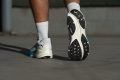
- We run in each shoe in various terrains and conditions.
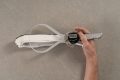
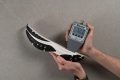
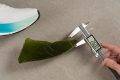
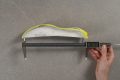
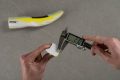
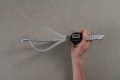
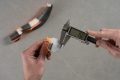
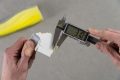
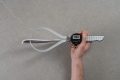
- In our lab, we cut each shoe open with our saw, and measure all parts of it with our callipers, durometers, scales, etc., to give you concrete data. We also place these data in comparison with the average values, to make the results more contextual and easier to describe.
Best PUMA running shoes overall


What makes it the best?
We found a trainer that graced our runs with insane responsiveness, a forgiving midsole that spoiled our feet, and an outsole that grips like there’s no tomorrow. Unbeatable in the all-rounder game, the Deviate Pure Nitro is our top PUMA running shoe.
Housing 100% Nitro foam in the midsole, we felt the shoe’s consistent energy return in our runs! The lab backed this up, but it was our feet that cherished it the most. The forefoot cushion returned a staggering 72.9% rebound in our energy return test, while the heel scored 68.9%, explaining why we could push our boundaries with less effort. Plus, it weighs exceptionally light at 7.6 oz (215g)!
Speed doesn’t come at the expense of comfort, as the shock-absorbing foam ensures our legs stay fresh and energised. Its 37.2/27.6 mm stack height hits the sweet spot for comfort and versatility, and it delivers impact protection of 141 SA in the heel and 112 SA in the forefoot, which is protective enough for daily runs.
Another highlight is the PUMAGRIP outsole, clinging to the surface with such magnetic power. Scoring 0.71 in our traction test, it’s 34% grippier than average, explaining its unmatched bite even on wet roads.
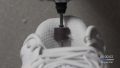
We wish the upper were more durable for a more complete package. Our Dremel instantly wrecked it, which may disappoint some runners.
Pros
- Excellent versatility for slow and fast runs
- High energy return
- Insane value
- Good-quality upper
- Roomier fit than most PUMA shoes
- Natural ride suits beginners
- Secure tongue fit
- Agile, fun and fast
- Classic feel suits unplated shoe fans
- Ideal for tempo workouts
- Dependable traction
Cons
- Limited stability compared to some rivals
- Low toebox height may be restrictive
- Upper durability
Best PUMA running shoes for daily running


What makes it the best?
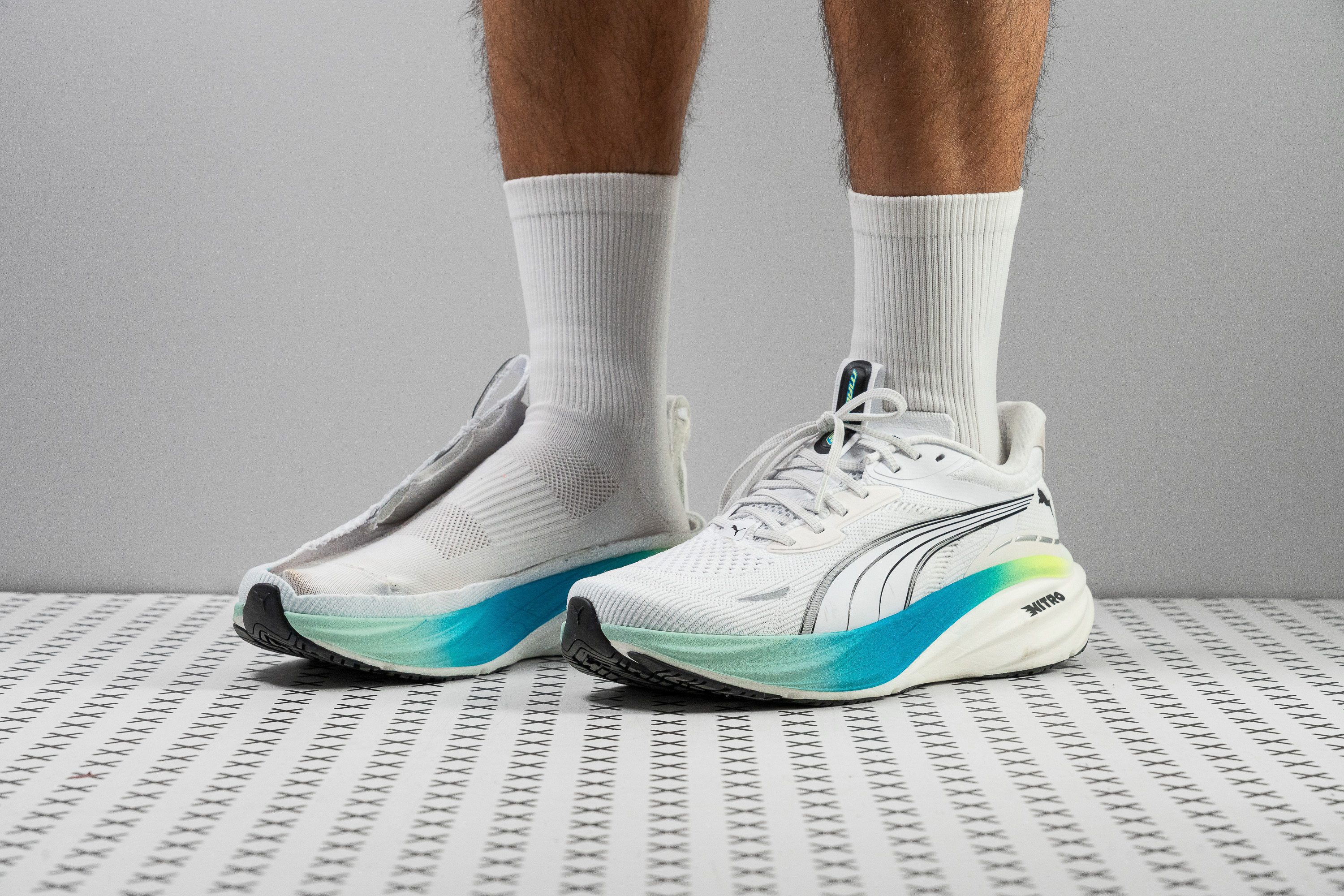
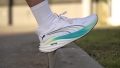
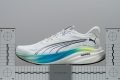
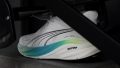
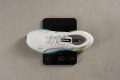
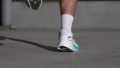
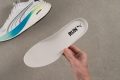
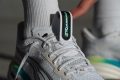
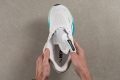
After rigorous lab tests and actual runs, Magnify Nitro 3 stood out as PUMA’s best daily trainer. We simply enjoyed its all-around performance—handling any run effortlessly regardless of pace or distance. It boasts an energetic ride and sails through all road conditions with its one-of-a-kind traction.
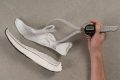
This trainer is the best companion to burn daily mileage with its pleasant in-shoe experience. We measured a generous 37.4/25.9 mm stack, which means it has exceptional cushioning for long miles.
The Nitro foam feels very responsive, offering a lot of bounce in our runs, backed up with impressively high energy return scores of 65.2% in the heel and 73.6% in the forefoot. At this level, it edges closer to super trainer status.
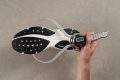
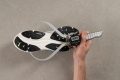
MN3 features a world-class PUMAGrip outsole. In our traction test, it achieved a high friction score of 0.61, indicating exceptional grip that outperforms the average by 27.1%. We tested it on dirt roads, wet pavements, and icy conditions, and it provided controlled footing.
However, its 11.5 mm offset may feel too steep for forefoot and midfoot strikers. This shoe’s ride will feel the smoothest for rearfoot runners.
Pros
- Fantastic energy return from Nitro foam
- Plush, pleasant underfoot feel
- Excellent breathability
- Big weight reduction
- Improved fit with more room in the toebox
- Secure and easy-to-adjust lacing system
- Durable and comfortable upper
- Agile and fun ride
- Solid traction from PumaGrip
- Same price!
Cons
- Forefoot shock absorption should be higher
- High drop limits versatility
- Bad choice if you need support
Best PUMA shoes for running a marathon



What makes it the best?
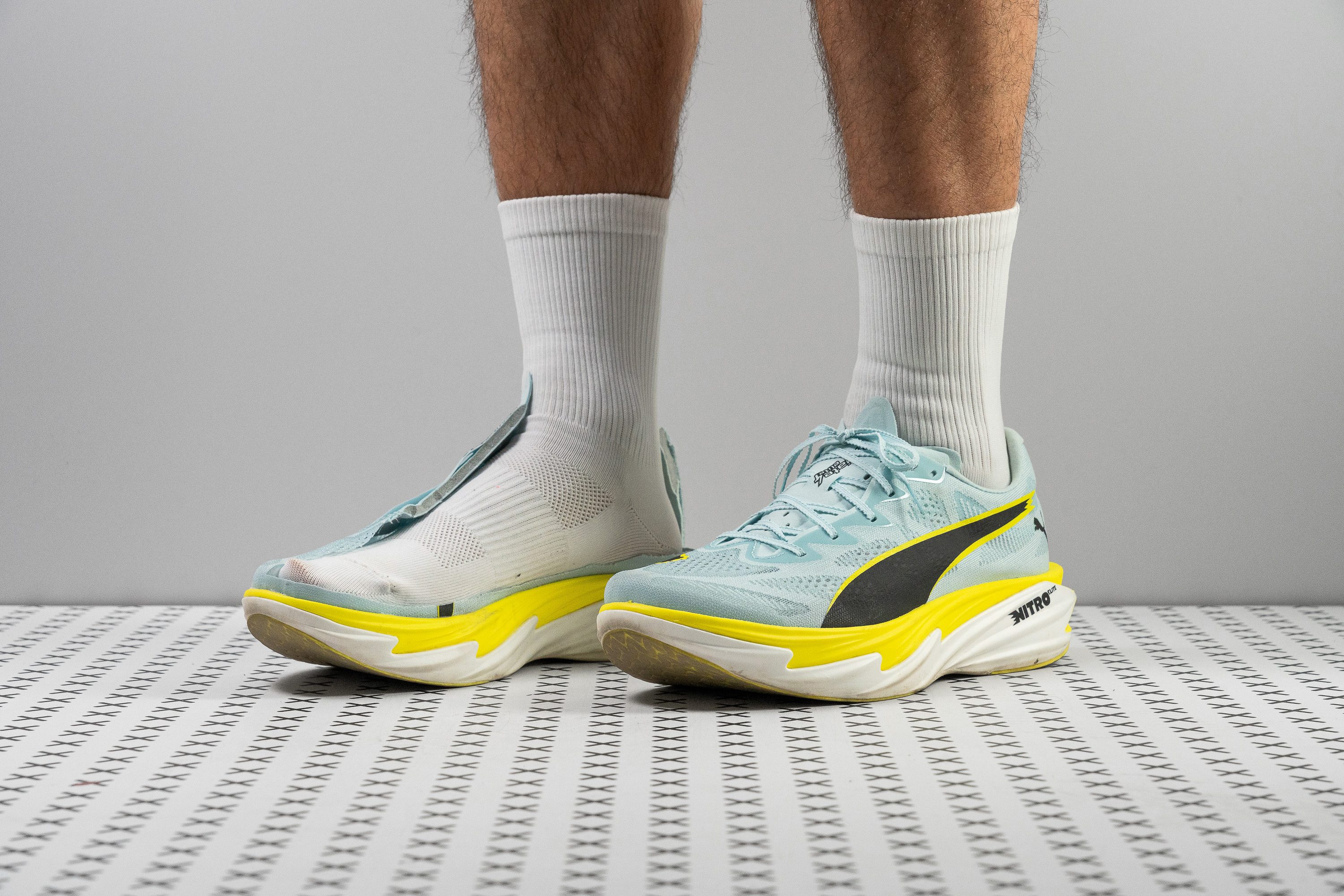
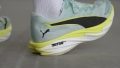
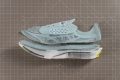
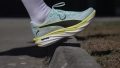
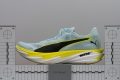
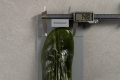
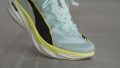
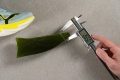
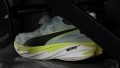
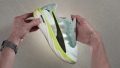
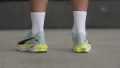
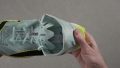
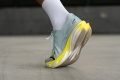
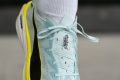
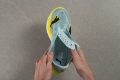
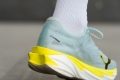
The PUMA Deviate Nitro Elite 4 redefines what it means to be a super shoe. It’s a light speedster with exceptional grip and deep, leg-saving cushioning. Our lab numbers and runs wholeheartedly agree that it’s our top PUMA shoe for marathons.
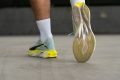
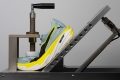
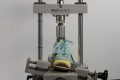
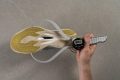
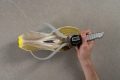
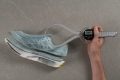
The shoe feels insanely responsive in our runs and works wonders in longer races. Its rocker geometry and stiff carbon PWRPLATE launch us forward effortlessly. Our flex test confirms it’s 36% stiffer than average, explaining the snappiness underfoot. The midsole is composed of state-of-the-art NITRO ELITE foam that feels exceptionally bouncy, scoring solid scores of 77.4% (heel) and 77.2% (forefoot) in our energy return test.
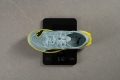
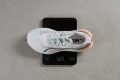
Speed doesn’t sacrifice comfort, with its luscious heel reaching 37.2 mm. The midsole saves our legs from feeling tired and beaten up, backed up by superior shock absorption levels of 148 SA in the heel and 118 SA in the forefoot. Despite its height, it feels ultra-light, and our scales agree with a 6.1 oz (173g) figure.
The PUMAGRIP rubber remarkably stands its ground! Testing for traction, it returned a high friction score of 0.63, making it 21% grippier than average! At 2.1 mm, it's thicker than typical sub-2.0 mm racers, which helps prolong its life for marathon racing.
However, the shoe’s streamlined midsole makes it more susceptible to instability. Those in need of more pronounced support should go for more structured shoes.
Pros
- Much lighter than version 3
- Excellent bounce
- Marathon-ready toebox shape
- Smooth rocker geometry
- Dependable traction
- State-of-the-art upper with awesome ventilation
- Surprisingly padded tongue and heel comfort
- Avoids a price hike
Cons
- Narrow heel limits stability
- Less exciting than Fast-R series
- Poor rubber coverage in the medial heel
PUMA running shoes with the best traction


What makes it the best?
With impressive scores across the board, the Velocity Nitro 5 not only proves its reliability in our runs but also exceeds expectations with its responsive cushioning and agile feel in a lightweight build. In our lab tests, its unwavering slip resistance solidifies its position as the PUMA running shoe with the best traction.
PUMAGRIP, known for its remarkable bite on many surfaces, proves its effectiveness once more with an ultra-grippy 0.78 score in our wet-condition test, 47% above the average. During runs, it boasts its adhesive power even during rainy days and on sharp corners we tested.
Further boosting our nimbleness is its flexible midsole that gives a natural feel. Our bend test shows it’s remarkably 40% more pliable than average, making it versatile enough for walks and gym workouts.
Lightweight by feel and on our scale, it weighs only 8.4 oz (238g), making it 8% below the average running shoe. When we want to push the pace, the Velocity Nitro 5 follows. Despite being a daily trainer, it showed top-tier energy return scores of 64.0% in the heel and 69.3% in the forefoot, explaining why our runs never lacked life.
However, we discovered a narrow 92.6 mm width that may cause blistering and discomfort to broad-footed runners. Those who thrive in shoes with a more forgiving fit should try other options.
Pros
- Responsive and fun
- Improved traction on wet and dry surfaces
- Strong energy return
- Flexible, natural running experience
- Secure lockdown
- Good durability from top to bottom
- Impressive value for the price
- Lightweight
- Can handle tempo work with ease
- Comfort upgrade
Cons
- Slightly lower energy return
- Small weight increase
- Not for wide feet
Best PUMA shoes for running 5K and 10K races



What makes it the best?
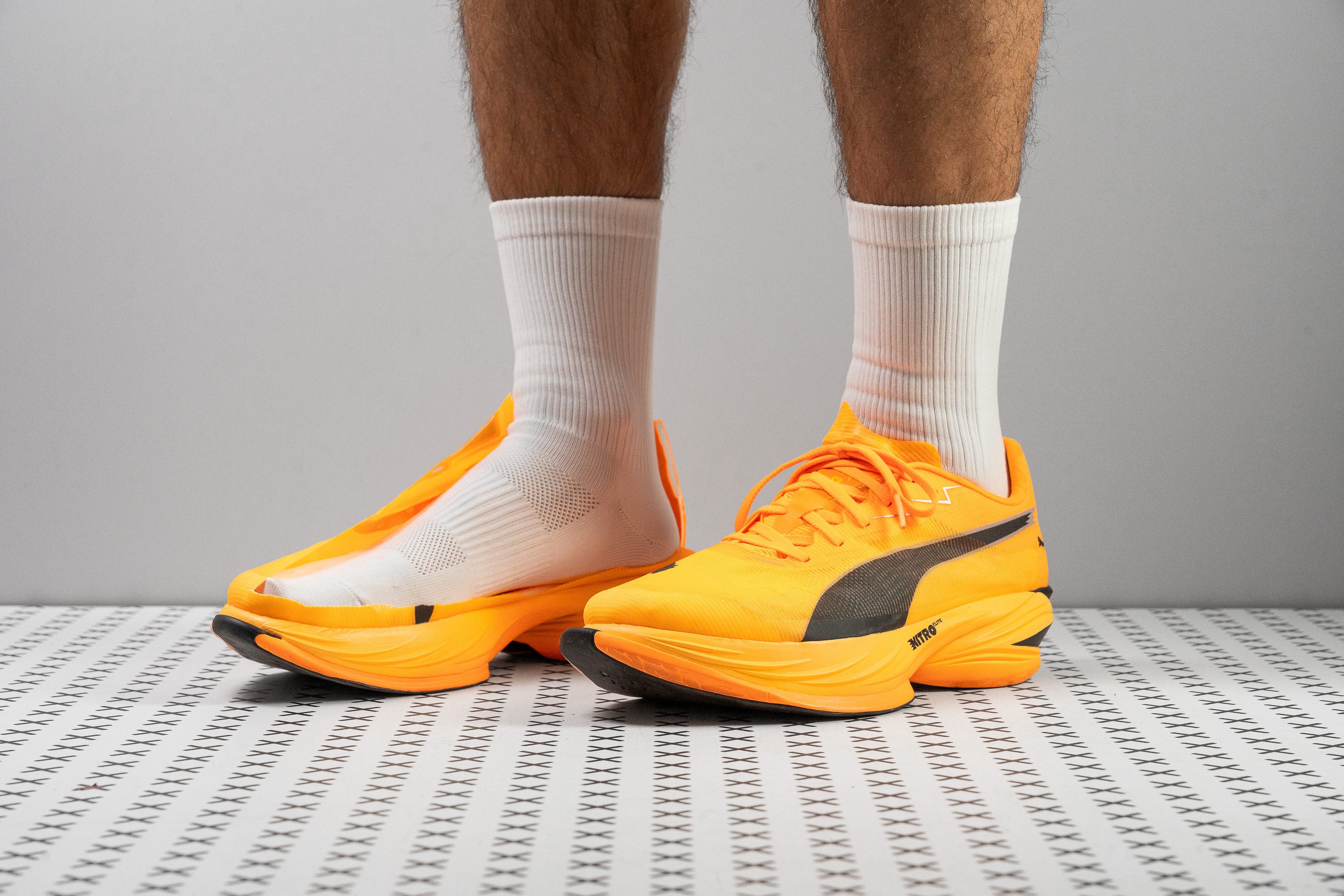
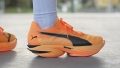
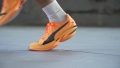
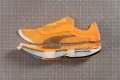
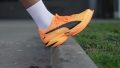
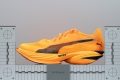
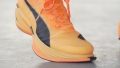
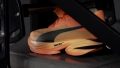
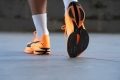
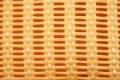
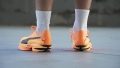
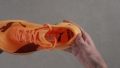
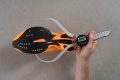
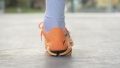
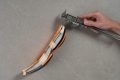
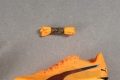
Highly competitive and daring on all fronts, Fast-R Nitro Elite 3 is a uniquely designed shoe that creates a wild and dynamic ride that isn't for the faint-hearted. Combined with its maximum joint protection, unmatched speed, and lightweight build, it’s the ultimate 5K/10K racer among PUMA running shoes we tested on foot and in the lab.
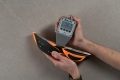
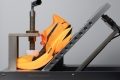
This racer's standout feature is its decoupled midsole and extended PWRPLATE, delivering a thrillingly fast experience alongside the energetic Nitro Elite foam. Our lab tests show the shoe is remarkably 52.0% stiffer than average, ensuring seamless and strong forward propulsion. Testing for the cushion’s energy return, we recorded top-tier scores of 80.4% in the heel and 82.6% in the forefoot!
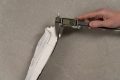
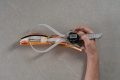
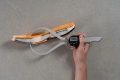
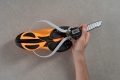
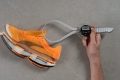
Beneath lies a tower of plush foam that delivers a protective ride from miles 1 to the last. Our calliper reveals a solid 38.5/30.2 mm stack, with great shock absorption scores of 148/124 SA. This combination ensures lasting comfort and less stress on our joints.
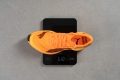
This super shoe is a featherweight champion, tipping the scales to a mere 6.1 oz (173g)—much lighter than other super shoes (7.5 oz/214g).
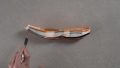
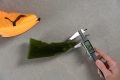
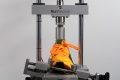
If limited durability is a deal-breaker, better to look elsewhere. Our Dremel wrecked the shoe from the upper to the outsole, so it’s best to reserve this shoe for racing.
Pros
- Insanely fast and incredibly fun
- Exceptional energy return from A-TPU foam
- Premium Ultraweave upper
- Innovative extended plate design
- Perfect for 5K/10K
- Excellent shock absorption for long distances
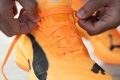
- Includes two different lace types
- Reliable lockdown
- Huge weight reduction compared to version 2
Cons
- Higher price than before
- Extremely unstable
- Very limited durability
- Unsuitable for heel strikers
PUMA running shoes with the best stability
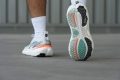





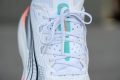
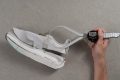
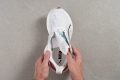

What makes it the best?
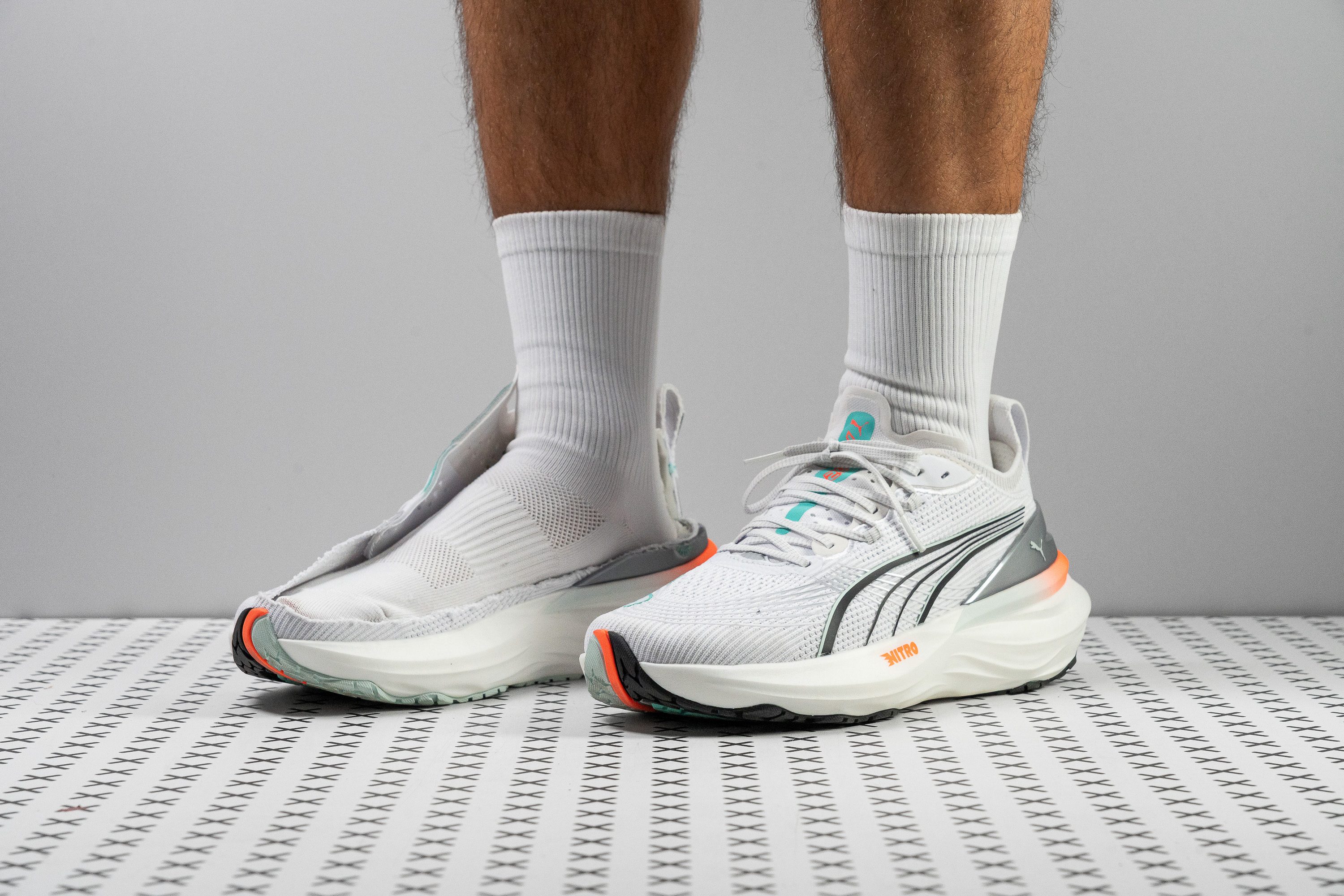
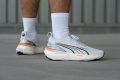
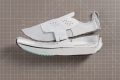
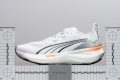
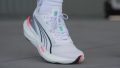
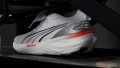
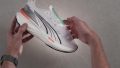
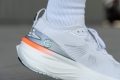
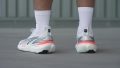
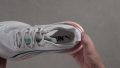
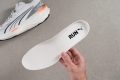
We felt like we could run forever in the best stability PUMA running shoe: the ForeverRun Nitro 2. It exceptionally has a combination we rarely see in the lab—flexibility, responsiveness, and surefootedness into one. Plus, its PUMAGRIP enhances our control over a variety of surfaces!
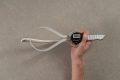
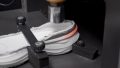
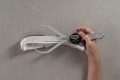
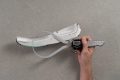
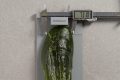
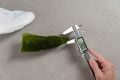
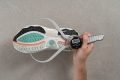
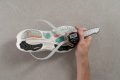
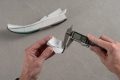
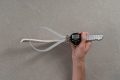
The Run Guide System takes centre stage in ForeverRun Nitro 2, featuring a plastic insert in the heel counter for steady landings. Moreover, it provides us with a massive landing base to find our balance securely. Our calliper verifies this with measurements of 121.3/97.6 mm, compared to the average of 114.3/90.7 mm.
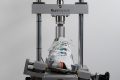
ForeverRun Nitro 2 goes against traditional stability shoes with its bendable and bouncy midsole. In our flex test, it emerged 28.0% more pliable than average, making it comfortable for daily wear. Meanwhile, it feels very responsive underfoot thanks to the nitrogen-infused foam, proven by solid energy return scores of 60.5% (heel) and 63.6% (forefoot).
Even as we ran through slippery streets, we maintained graceful and confident strides thanks to the grippy PUMAGRIP outsole. Its 0.63 friction score in our traction test indicates a strong bite, which felt undeniable during testing.
However, it features a moderate stack that may disappoint runners seeking deep cushioning. Those who prefer more foam for longer distances should try alternatives.
Pros
- Breathable and comfortable knit upper
- Amazing traction with PumaGrip
- Fair price for its features
- Excellent stability
- Flexible build
- Good durability
- Well designed for heel strikers
- Extra-wide midsole for added support
- Good option for everyday life too
Cons
- Heavier than the previous version
- Rocker mainly benefits heel strikers
- Stability system could be a bit intrusive
- Not the best for wide feet
PUMA running shoes with the best shock absorption



What makes it the best?
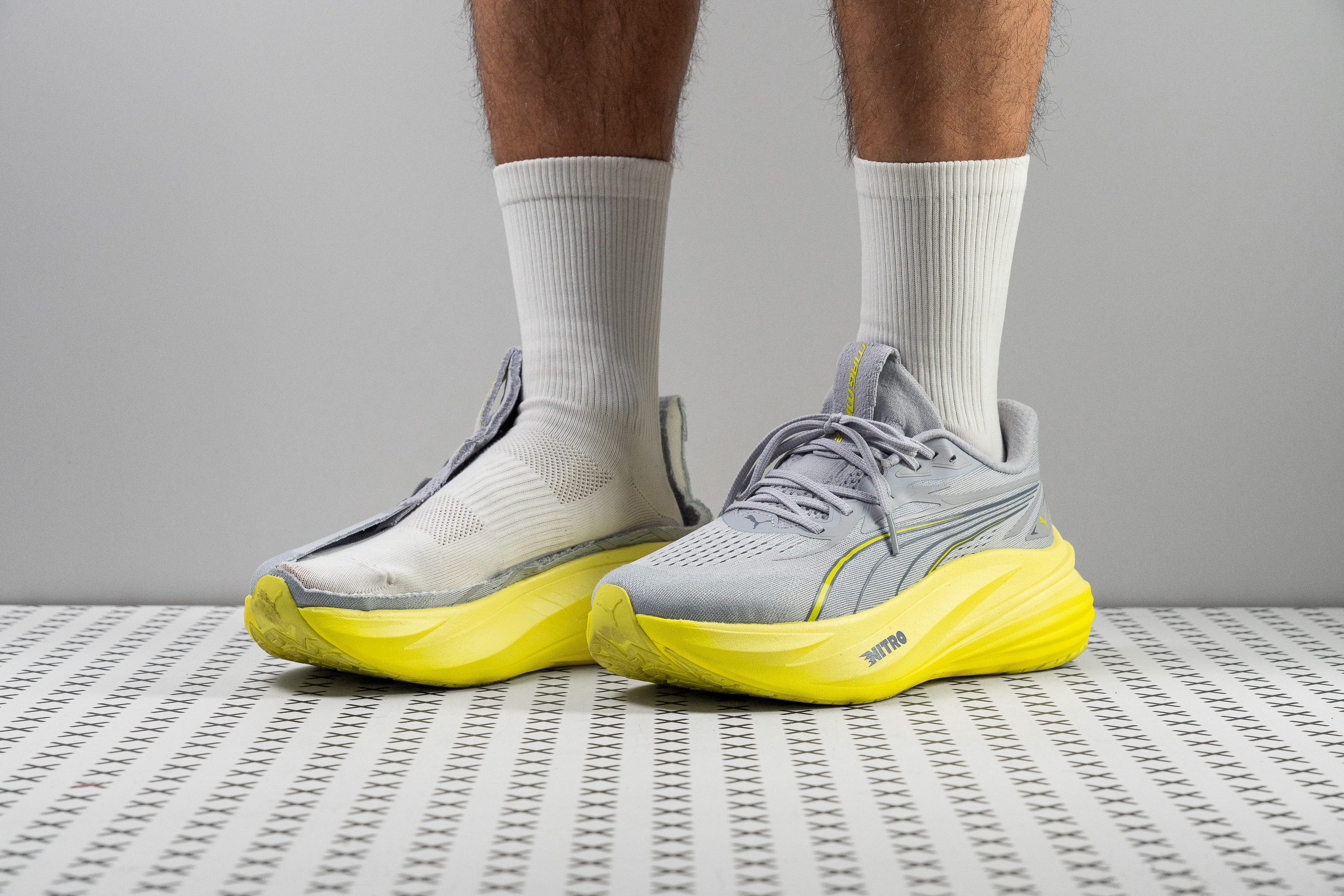
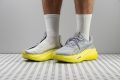
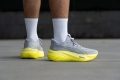
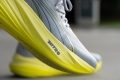
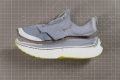
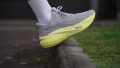
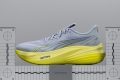
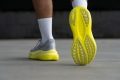
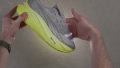
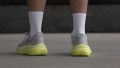
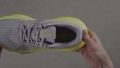
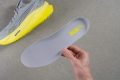
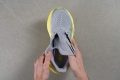
The PUMA MagMax Nitro 2 is all about exceeding boundaries: extra cushioning, extra support, and extra grip. We forgot about the ground with its mega stack and cruised comfortably on autopilot mode since the stable ride and outsole’s traction kept things in control. Among the PUMA running shoes we evaluated in the lab, MagMax Nitro 2 offers elite shock absorption.
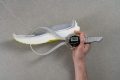
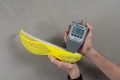
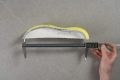
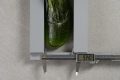
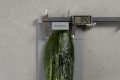
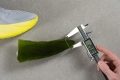
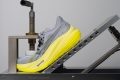
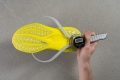
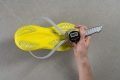
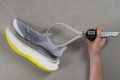
Wearing the shoe elevated us off the ground. Our calliper confirms a solid 45.5/35.0 mm foam under our feet, one of the highest we’ve encountered! It erases ground impact almost completely, confirmed by our shock absorption test with 141 SA in the heel and 137 SA in the forefoot. Not many shoes come close to the level of stress reduction it brings.
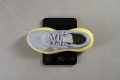
To our surprise, we never had the feeling of losing balance or toppling over. MagMax Nitro 2 adds stiffness to its structure to keep us centred, evidenced by its 5/5 torsional rigidity score in our assessment. It also widens its base to a mega 122.9/96.7 mm to help us secure our balance.
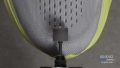
The PumaGrip’s adhesive force boosts our confidence and surefootedness by keeping us steady regardless of surface conditions. Our traction test records a strong result of 0.77, confirming its gripping power is 54.0% stronger than average.
However, because of its size, it still lacks agility compared to other trainers. Those who prefer a speedy or weightless experience should check elsewhere.
Pros
- Massive stack height underfoot
- Very stable for its size
- Grippy PumaGrip outsole
- Comfortable heel padding
- Much lighter than version 1
- Good durability
- Solid airflow in toebox and tongue
- Excellent knit tongue
Cons
- Lacks bounce
- Narrow toebox limits toe splay
- Doesn't feel great at faster paces
Kering no longer has a controlling stake in PUMA, but we all remember PUMA being part of the same group together with Gucci and other luxury brands. No wonder they struggled to get a seat at a (performance running shoe) table. But here they are, fighting their way to prove they deserve it. With the premium NITRO foam and oddly shaped max-stacked race shoes that managed to be legal (<40 mm at the heel), they are surely getting the spotlight. Let's hope the cat is here to stay!
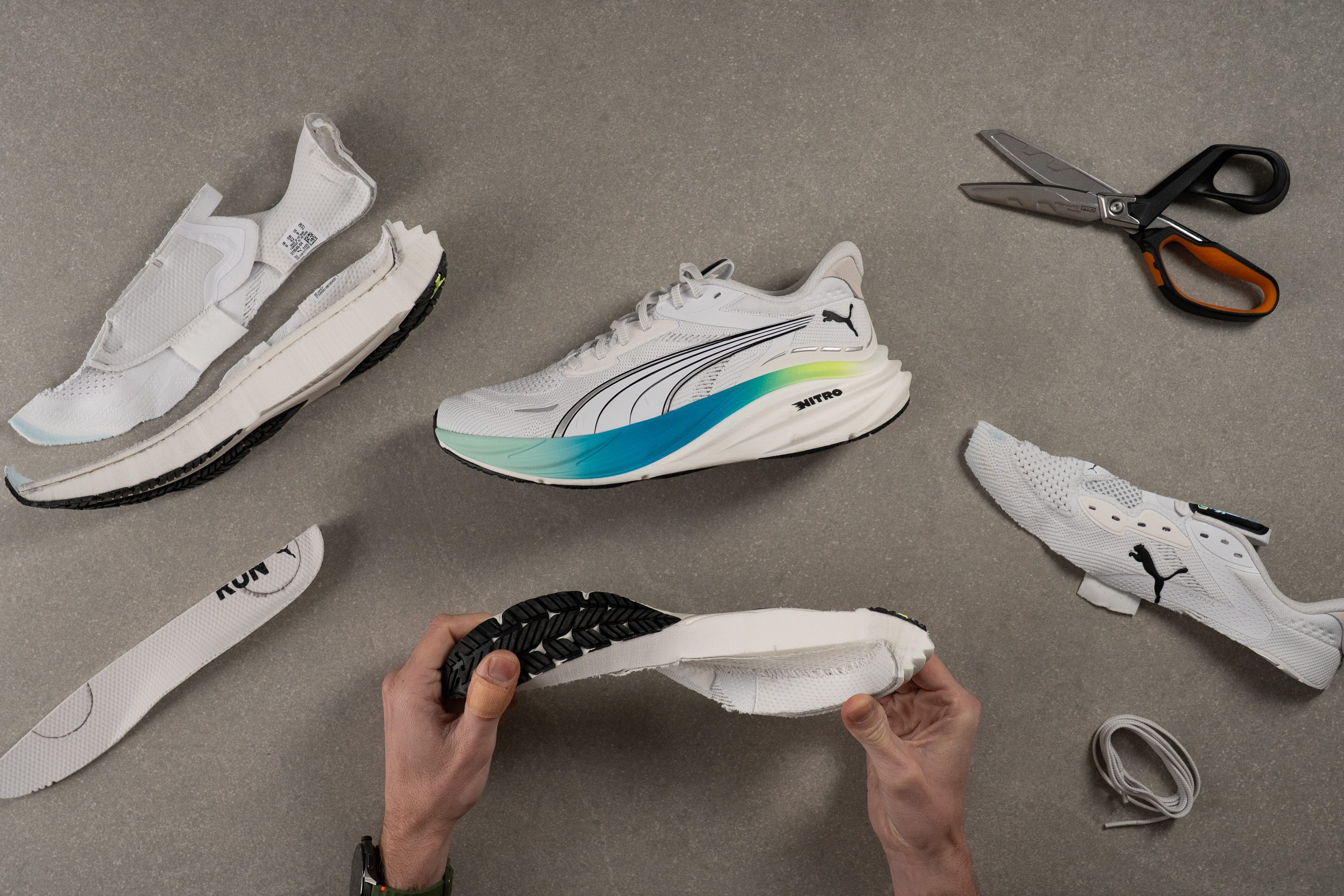
PUMA running shoe foams
Looking at the PUMA running shoes available on their website, all of them feature NITRO in the name. So, one may think it’s all the same foam. And one would be very wrong. What they do have in common is being nitrogen-infused (therefore, NITRO). We’re here to get into the details compounds.
The topic of foams is covered in the most comprehensive way (on the whole Internet, and we’re not kidding) in our Ultimate guide on foams. If foams and midsoles are your passion or an excuse to procrastinate, you are in for a treat.
Foams PUMA is using in their running shoes:
- [standard foam] PUMA Nitro (TPEE): older Nitro formulation found in more affordable models. It’s less lively than its premium counterparts.
- [standard foam] PUMA Profoam / Profoam Lite (EVA): not nitrogen-infused like the rest, but it’s durable and affordable. It’s also firmer and therefore more stable than the Nitro TPEE.
- [premium foam] PUMA Nitro (PEBA / A-TPU): surprisingly high energy return, especially when found in a daily trainer. Works great solo, no need for dual-density midsoles.
- [premium foam] PUMA Nitro Elite (A-TPU): sky-high energy return found in premium race-day models.
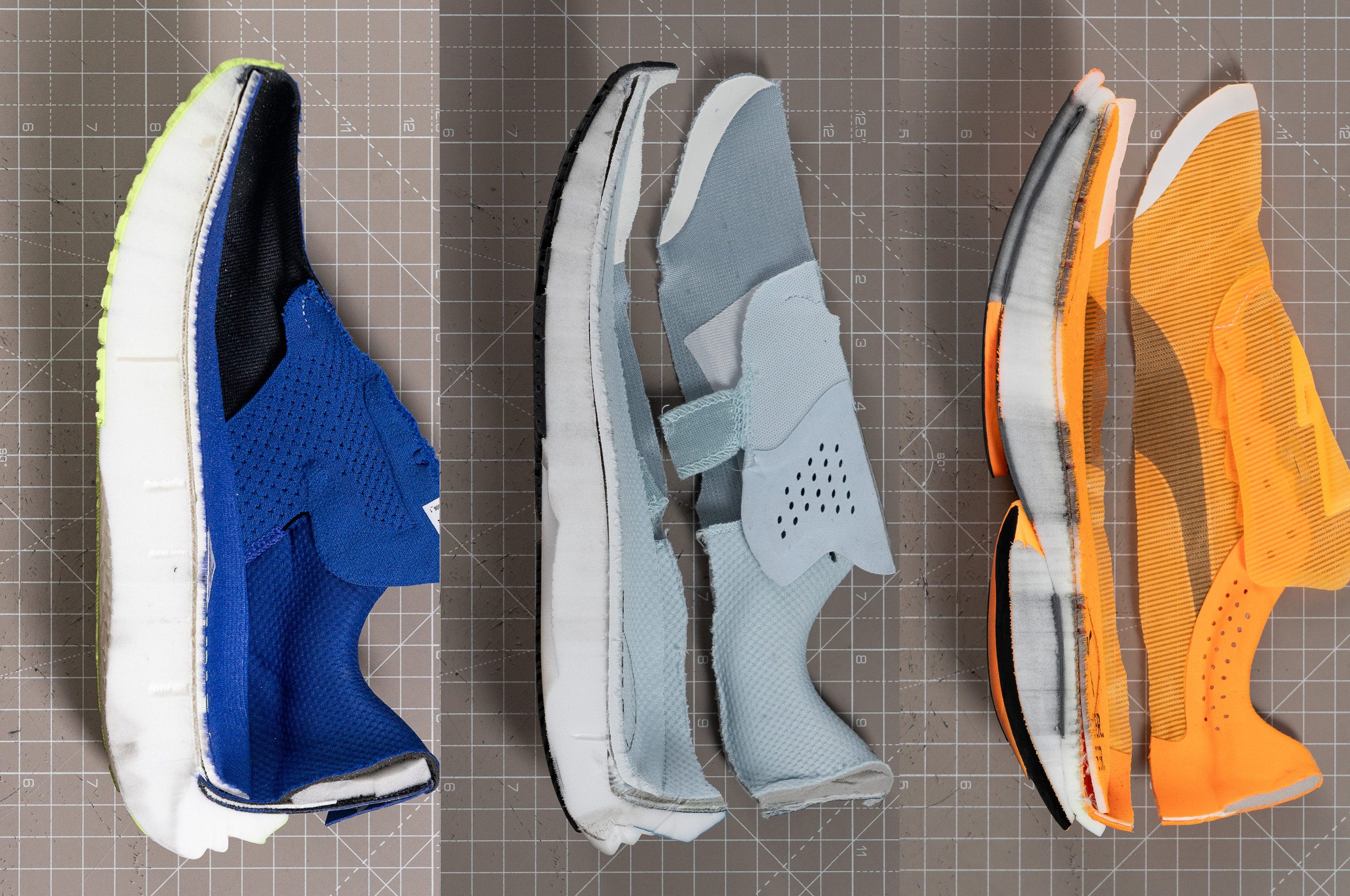
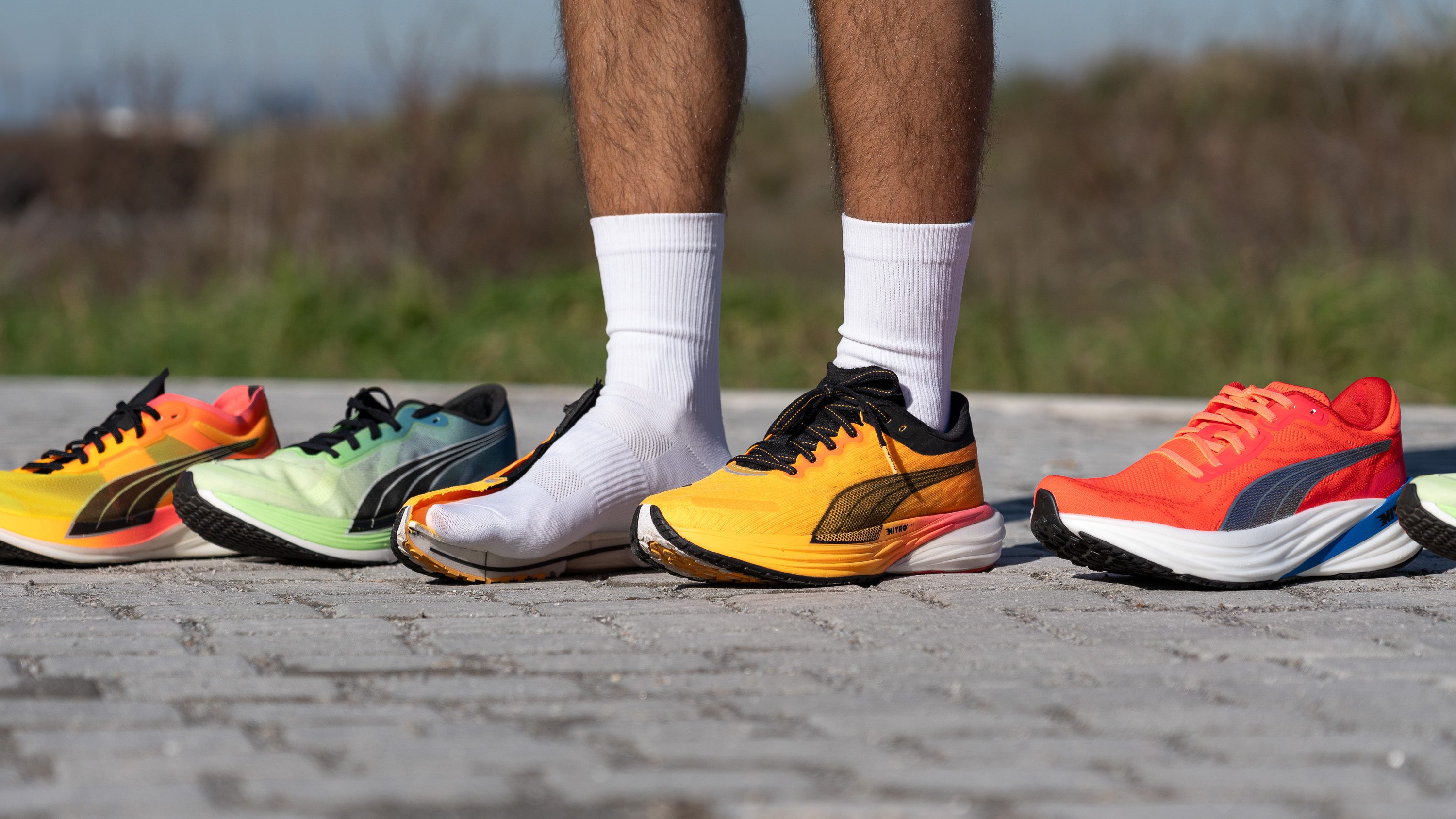
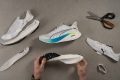
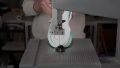
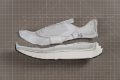
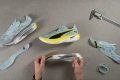
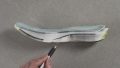
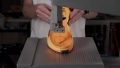
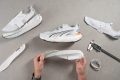
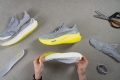
It’s often impossible to tell the type of foam just by looking at it, even when shoes are cut in half. We can see this clearly in the image above.
Energy return and shock absorption of PUMA running shoes
Now that we’ve covered the type of foam used in PUMA running shoes, we should find out how that choice translates into runs. For that, we look at the lab data on energy return and shock absorption.
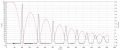
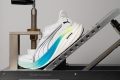
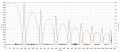
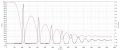
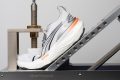
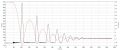
In our lab, we test energy return and shock absorption at the same time. This test follows ASTM F1976-13 methodology, which means we detach the upper from the midsole, lock the shoe in place, drop an 8.5 kg mass from a 50 mm height, and we do that 30 times, both at the heel and the forefoot. The first 25 drops mimic the natural break-in, while the last 5 are averaged out to give us 1 data point.
What these 2 features tell us:
- Energy return tells us how responsive the ride is in PUMA running shoes, while the shock absorption tells us how protective the midsole is (how much of the impact forces it is capable of dampening).
- The highest energy return and shock absorption are found in premium foams and competition shoes. These foams are more expensive than standard foams with (often) moderate energy return and shock absorption, but they are more durable and stable.
- Of course, the higher the results on this test, the better. It means the shoes can do more, so your legs don’t have to overwork. When energy return and shock absorption are low, it may put too much stress on your legs, which results in premature fatigue.
- If you’re looking for a PUMA daily trainer, there’s no need to overspend on a model with premium foam immediately. Standard foams found in daily trainers may not have the highest energy return and that’s OK because daily trainers are not about record-breaking but logging miles or doing recovery runs at a significantly slower pace than the race pace.
|
Energy return / Shock absorption overview |
||
|
Low energy return <55% |
Low shock absorption <110 SA |
Best to avoid even if you’re a recreational runner |
|
Moderate energy return 55-65% |
Moderate shock absorption 110-130 SA |
Often found in daily trainers |
|
High energy return >65% |
High shock absorption >130 SA |
Prioritised in race shoes, the higher the better |
When it comes to energy return, we focus on the forefoot because we all propel forward by stepping on the forefoot and rolling forward. This does not mean we don’t measure the energy return at the heel, though!
If you land on the forefoot, you may want to prioritise the shock absorption at the forefoot. Keep in mind that the ranges (130+ for high shock absorption, and 110-130 SA for moderate) do not apply here because shock absorption is by default lower at the forefoot across all shoes. You can simply look for a higher test result.
Best daily trainers from PUMA
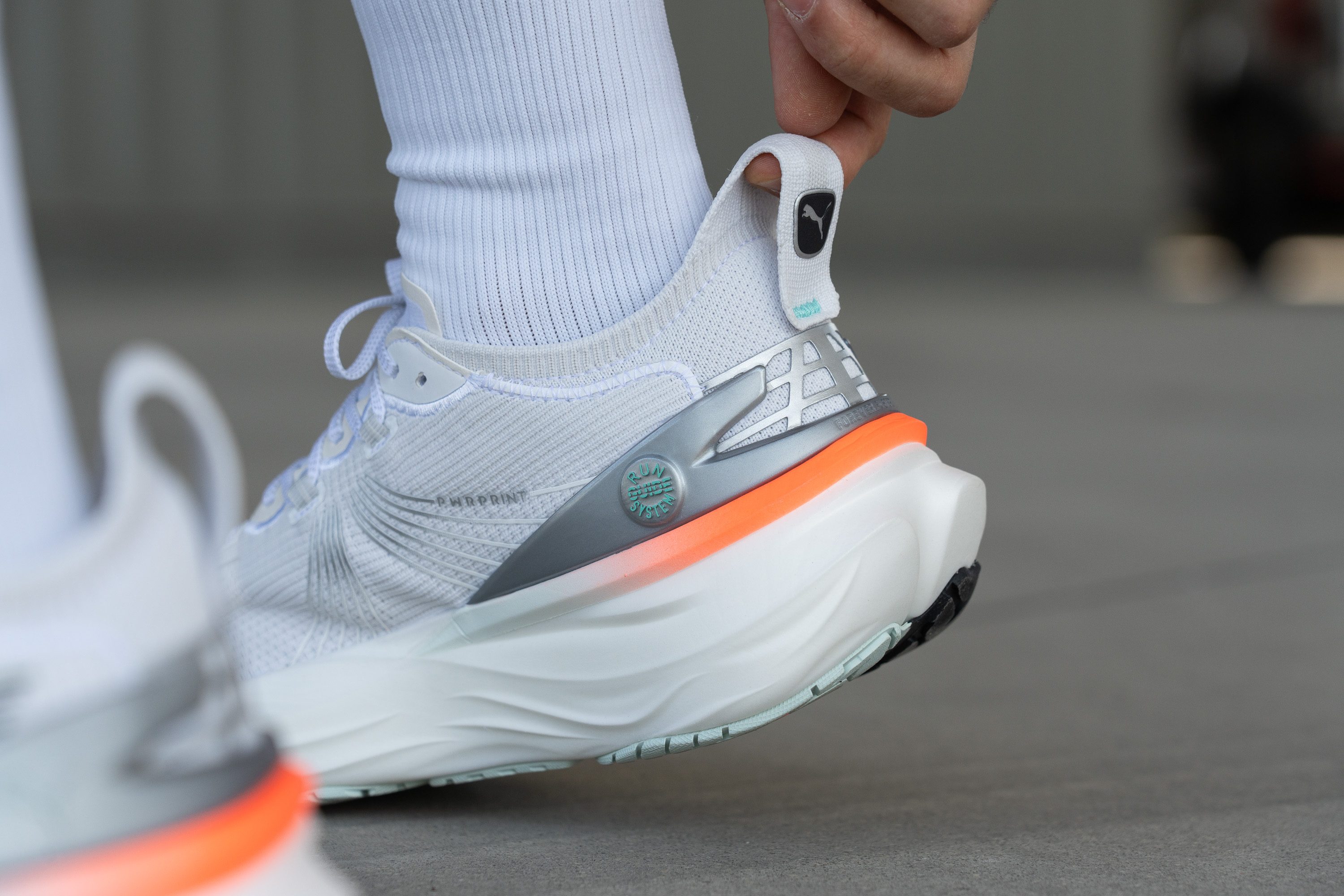
Now we can look at the best PUMA’s options for daily runs and understand what they have to offer, responsiveness- and protectiveness-wise. For overpronators, there are also stability options thanks to the plastic heel cup that stabilises the heel.
Best PUMA tempo shoes
Best race shoes from PUMA
PUMA’s competition running shoes have a unique design and it’s difficult not to notice them or not to memorise them.
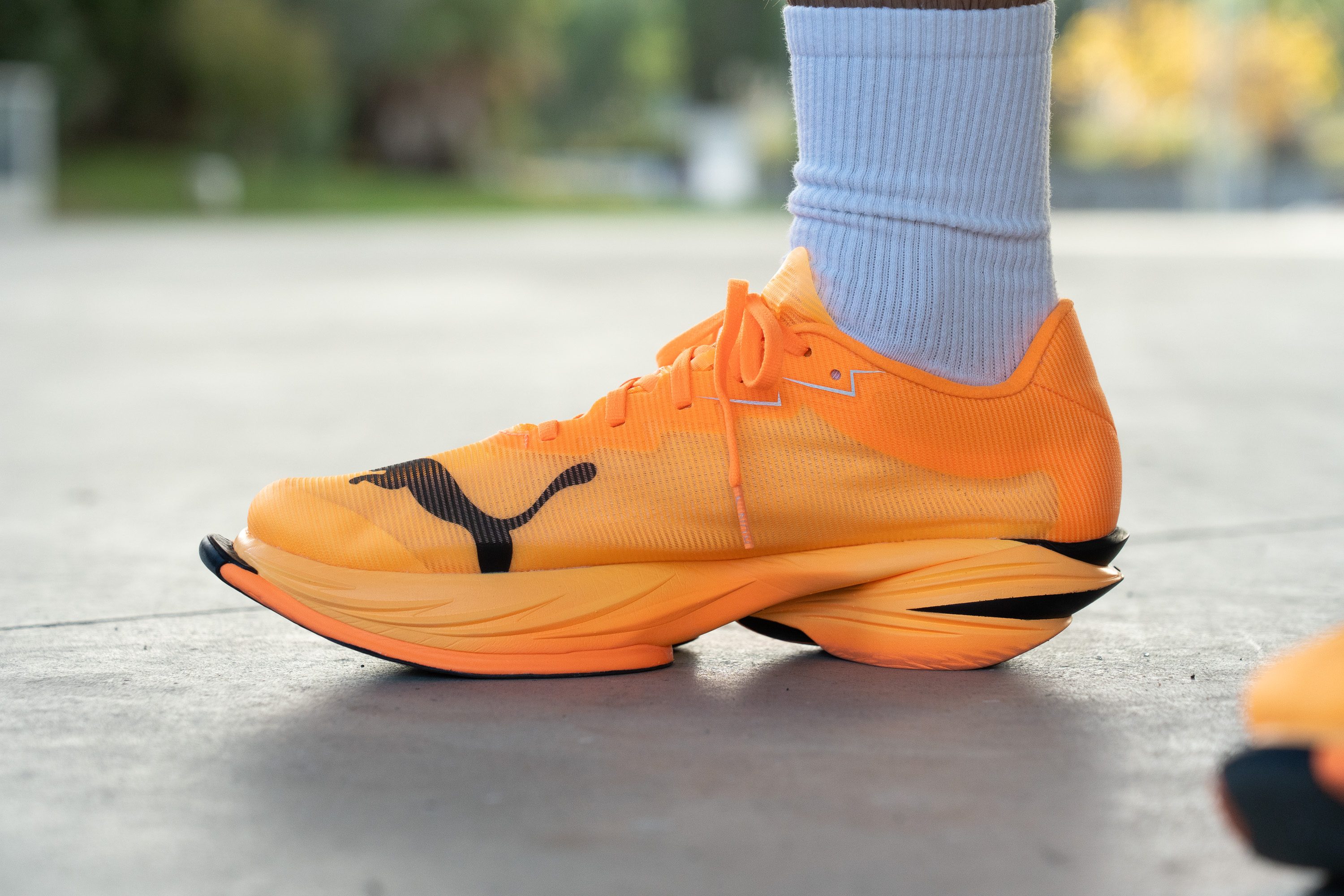
This radical heel design also makes the PUMA race shoes not heel-strike-friendly. The study that analysed 4 supershoes (Nike Alphafly 3, adidas Adios Pro Evo 1, PUMA Fast-R 2 and the prototype of the PUMA Fast-R 3) found that the PUMA prototype is 3.15% to 3.62% more economical than the other supershoes tested.
Running in the rain: TRACTION lab data
We usually don’t worry about the grip when the weather is great. But with the first few showers, we may end up debating in our heads whether it's safe enough to go for a run. To avoid these situations, we put the PUMA outsoles to the test. SATRA TM144 test, to be specific.
We perform this test on wet concrete to simulate the real-life conditions of running in the rain. Also, the shoe is pressed using a 500N force at a 7-degree angle.
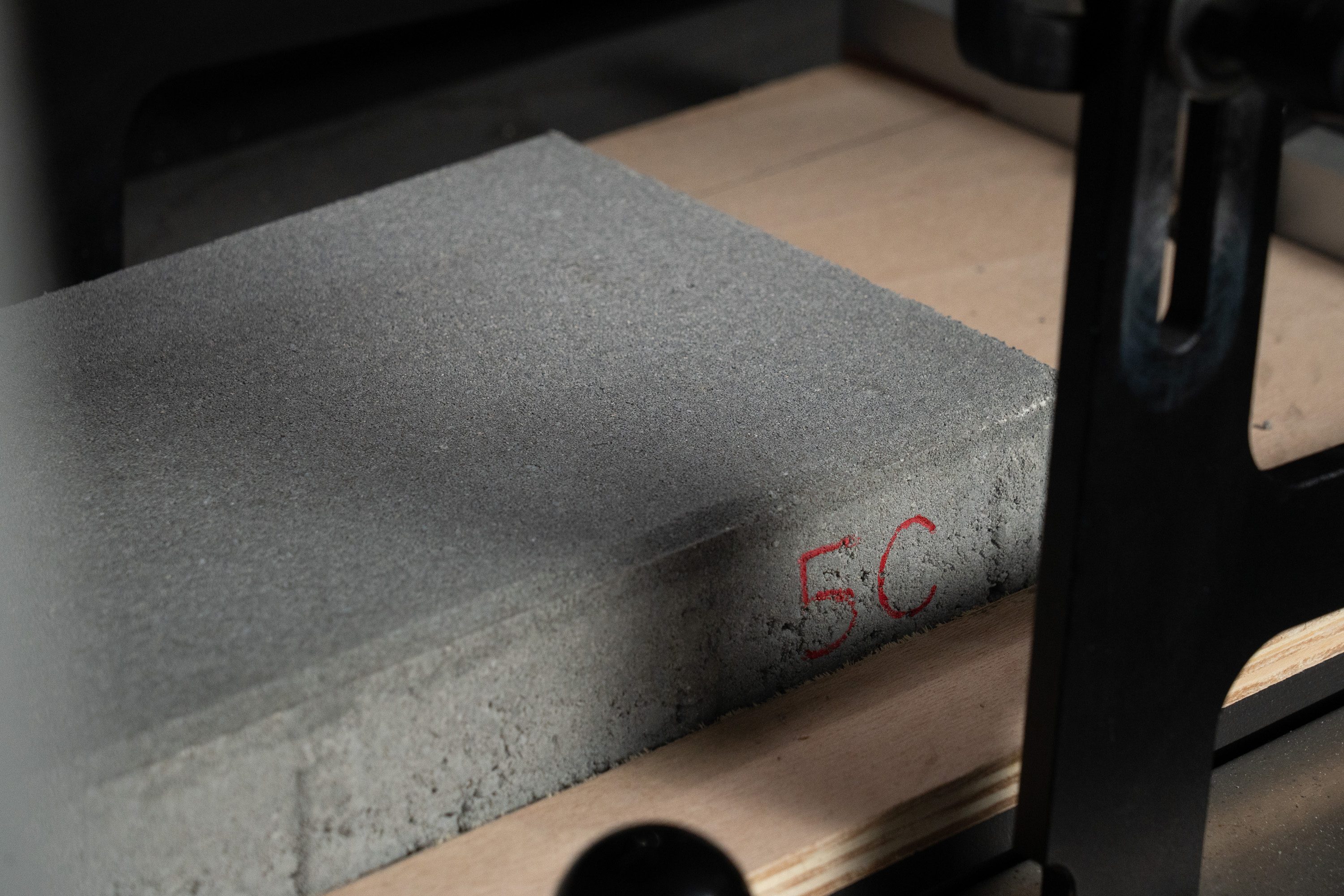
Concrete slabs are poured fresh regularly to ensure consistency in testing, along with other factors that make our testing standardised. We also keep the temperature and humidity at constant levels in the lab
The result of this test is a dynamic coefficient of friction and the higher it is, the better! If you want to be on the safe side, which means you run in wet weather regularly, especially on slicker surfaces like tiles or cobblestone, look for outsoles that scored at least 0.45 on the traction test. Those with a dynamic coefficient of friction in the 0.25-0.45 are safe on dry surfaces but may slip on wet ones, especially if they are slick.
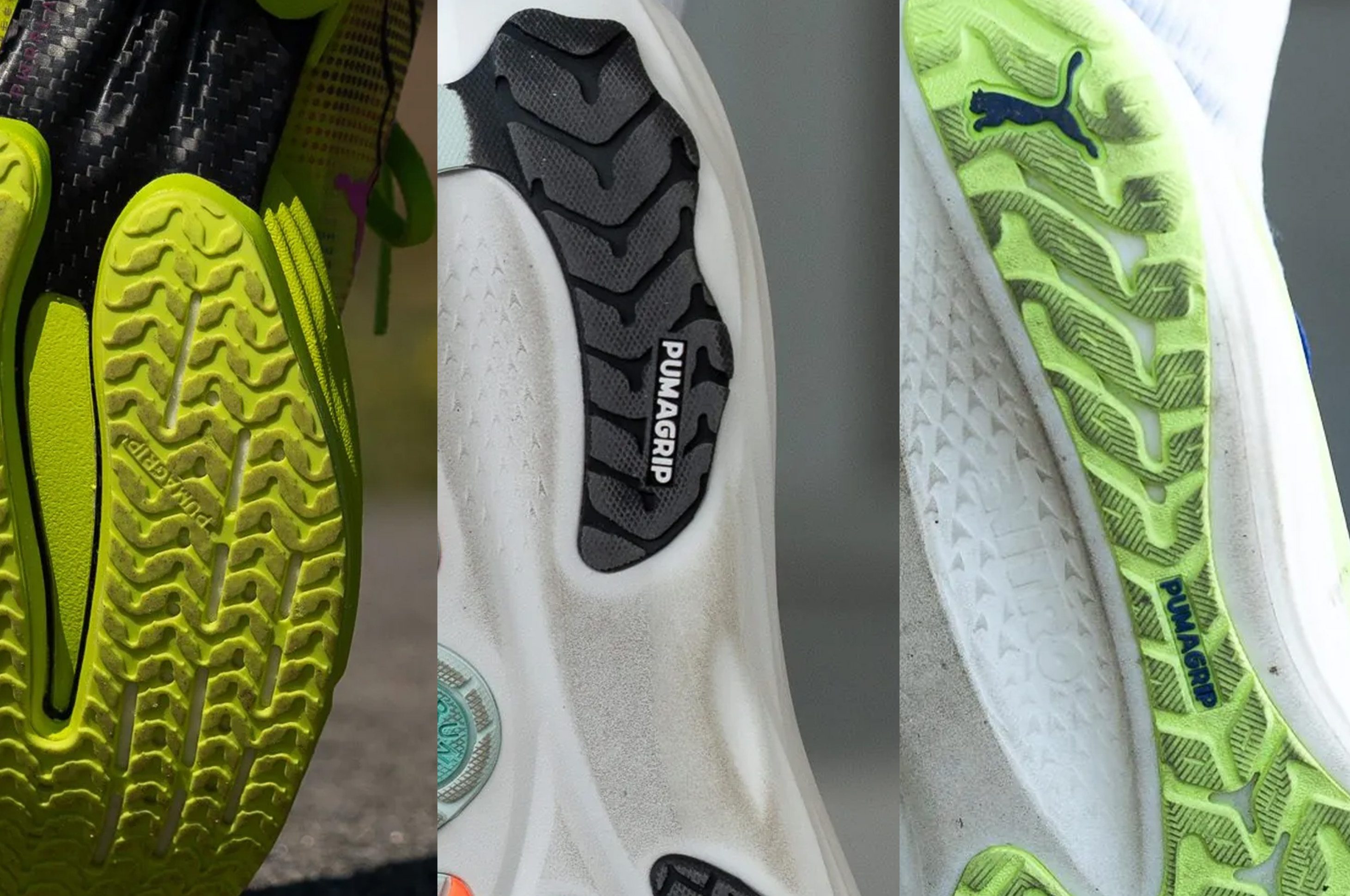
What makes PUMA running shoes score so high on the traction test? PUMAGRIP. The brand claims it’s an all-surface compound optimised for wet surfaces and our traction test confirms it performs exceptionally well.
Durability of PUMA running shoes
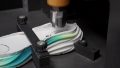
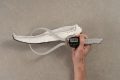
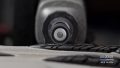
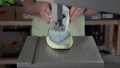
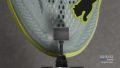
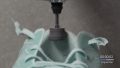
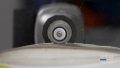
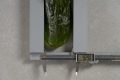
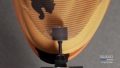
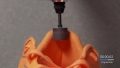
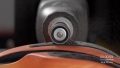
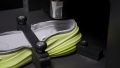
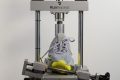
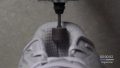
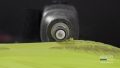
In our shoe lab, we test the durability of running shoes in 3 places: the toebox, the outsole, and behind the heel. In all 3 cases, we use a Dremel to intentionally damage the material. These tests are standardised, meaning we always use the same RPMs, force, and time duration.
Starting with the durability of the toebox. Once the Dremel is done, we look at the damage and assign it a 1-5 rating, where 5/5 is used for the most durable toeboxes, where the damage is minimal, cosmetic, or barely noticeable.
We perform the same assessment when the test is done on the padding behind the heel. 1/5 is assigned only to those shoes whose paddings end up with a large and/or deep hole in them.
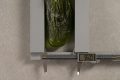
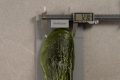
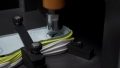
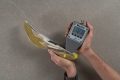
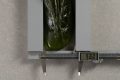
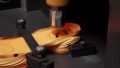
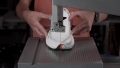
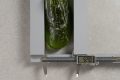
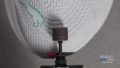
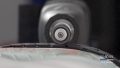
The outsole is usually covered with rubber, which means we get to use the tyre tread gauge. It allows us to measure the depth of the dent with 0.1 mm precision. Then, the deeper the dent, the less durable the outsole. The outsole shown in the video above ended up with a 1.4 mm-deep hole.
PUMA running shoes for summer
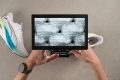
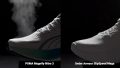
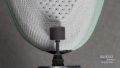
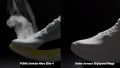
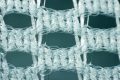
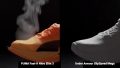
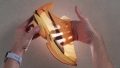
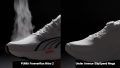
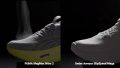
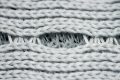
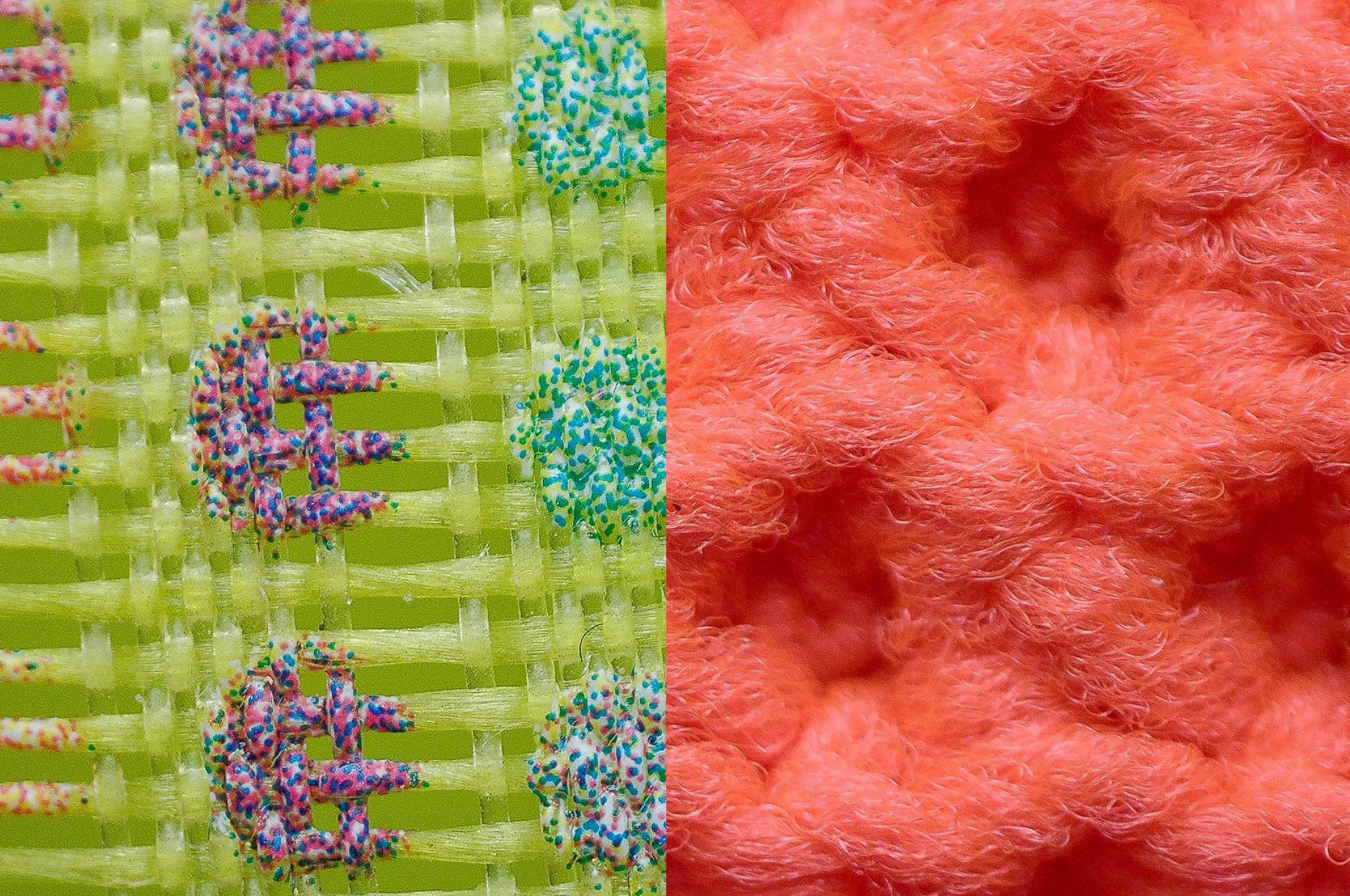
Figuring out which season the shoe is best for is not a demanding task when you can look at the lab data for breathability. We get this data based on 3 tests: we pump the smoke into the shoe to see where it comes out and at what pace, we look at the upper against the light to notice different stitchings and overlays, and finally, we look at the upper under the microscope to carefully examine the material and the ventilation holes (if there are any).
When performing the smoke-machine test, we assign each PUMA shoe a 1-5 rating, where 5 out of 5 is reserved for the most breathable uppers.
The light and the microscope tests usually just confirm our assessments and help us elaborate them further.
Lab data on shoe width, toebox width, and toebox height
PUMA running shoes offer some variation when it comes to fit. It’s a good opportunity to highlight the difference between 2 end ranges. In toebox height, the lowest one we’ve measured so far was 24.6 mm and the highest 29.3 mm! In shoe width, the difference between the narrowest and the widest (always measured in Men’s US 9, regular width) is 5.6 mm! Not too shabby, PUMA!
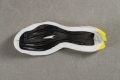
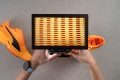
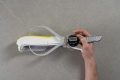
All of these data points are at our disposal thanks to the lab team, which creates gel casts of all the shoes’ interiors. When the gel cast is ready, we take it out of the shoe and measure the shoe width, toebox width, and toebox height.
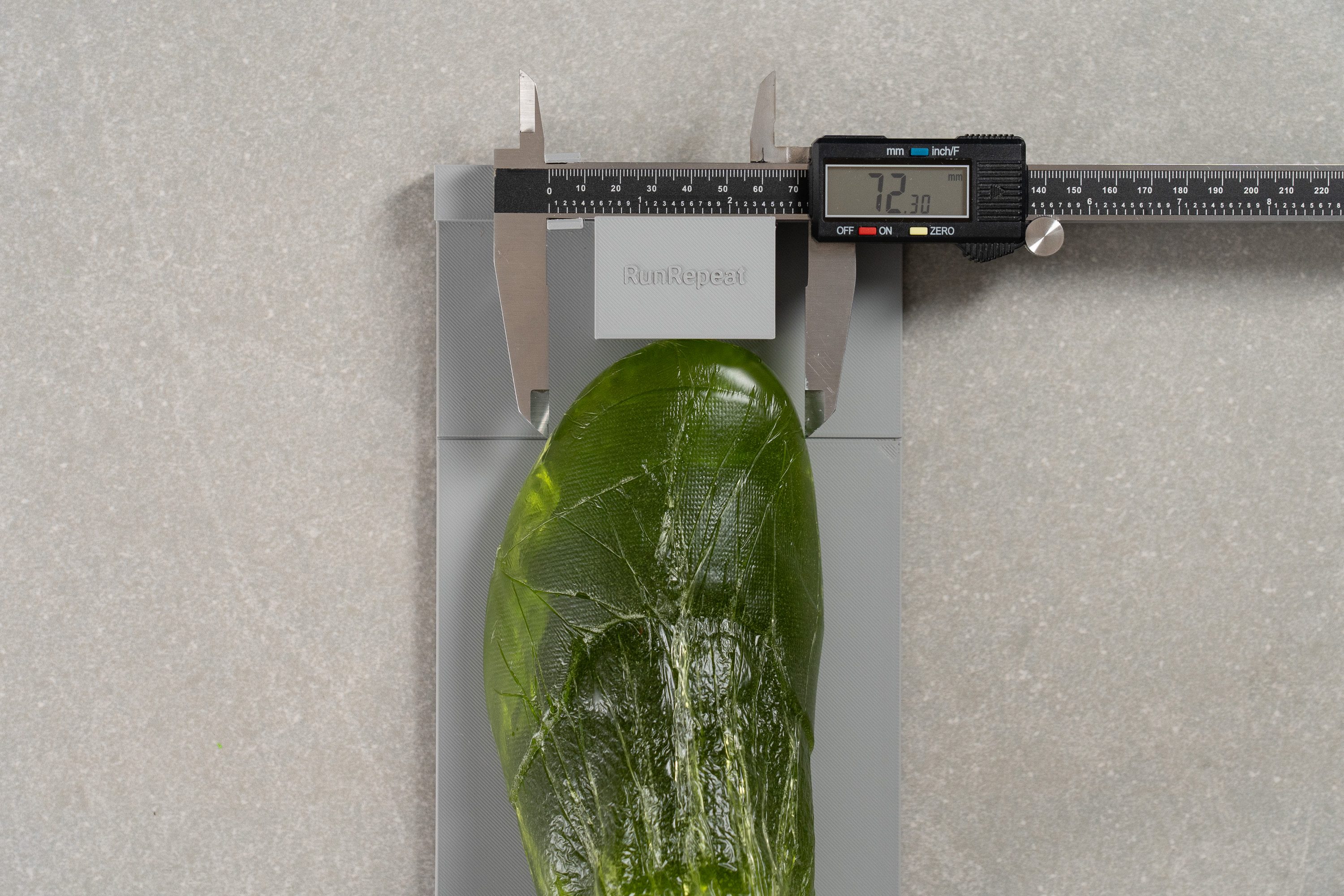
When the toebox width is below average, if you don’t have narrow feet, you should expect your toes to get cramped. This is especially important for runners with a wider forefoot and who love to splay their toes.
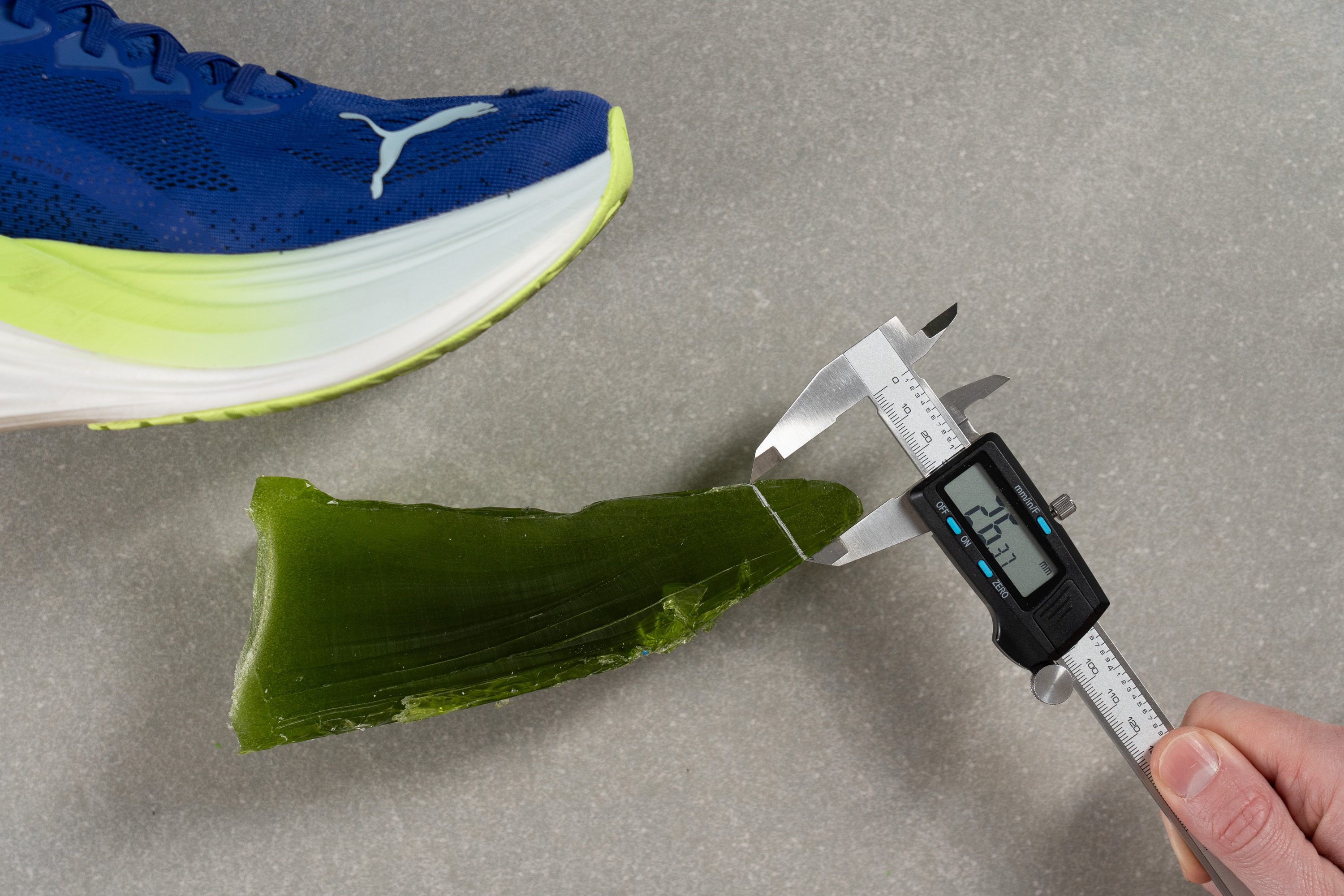
Toebox height varies a lot in PUMA running shoes, with up to almost 5 mm difference. Choose wisely if you tend to get black or bleeding toenails.
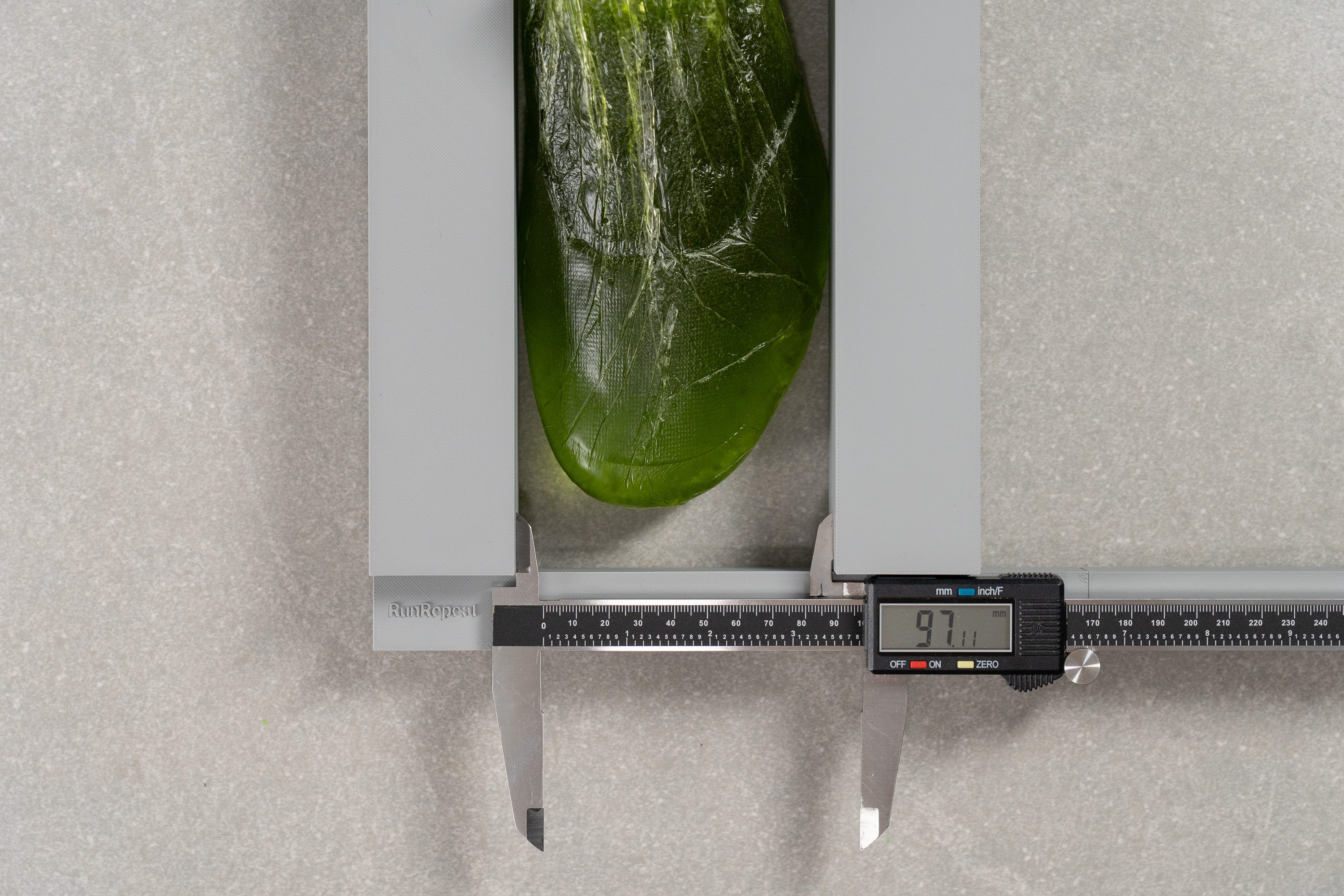
If you're struggling with sizing, check out the PUMA size chart.
Similar buying guides