6 Best Jordan Basketball Shoes in 2026

We buy shoes ourselves. We earn commissions when you buy through us, at no extra cost. Why trust us
Even though it’s primarily associated with His Airness’s iconic shoe series, the Jordan brand has expanded to include a much broader range of basketball shoe choices.
We now get to choose among signature shoes from Luka Doncic, Zion Williamson, and Jayson Tatum, as well as the brand’s more affordable silhouettes for beginner players. And sure enough, the retro Jordan kicks remain hugely popular even decades after their original release!
But while visual appeal is important, it’s the shoe’s actual step-in feel and on-court performance that matters the most. And we are here to figure out which Jordan shoes are truly worth the hype.
How we test Jordan basketball shoes
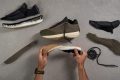
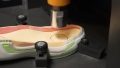
We playtest and dissect every Jordan shoe with scientific precision in our lab, measuring 30+ parameters for our in-depth reviews.
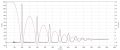
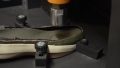
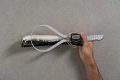
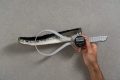
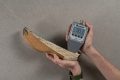
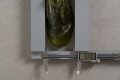
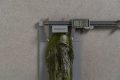
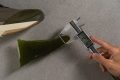
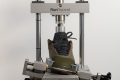
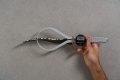
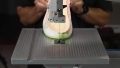
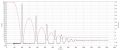
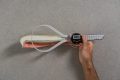
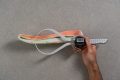
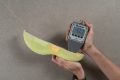
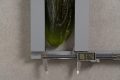
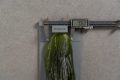
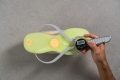
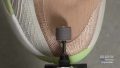
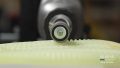
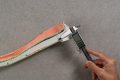
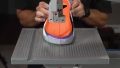
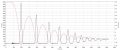
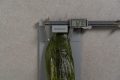
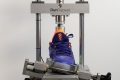
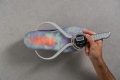
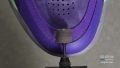
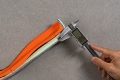
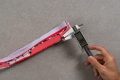
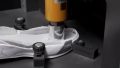
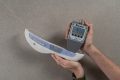
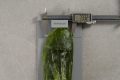
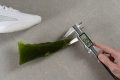
To assess each shoe’s cushioning, we use the acclaimed ASTM F1976-13 protocol to measure shock absorption and energy return, a digital calliper to measure stack height, and a durometer to check foam softness. Taken together, these results give us a clearer picture of whether a given Jordan shoe is built for impact protection or court feel.
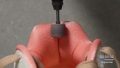
Traction is measured on a professional court surface in accordance with the standardised SATRA TM144 methodology. Stability and ankle support are reviewed based on midsole width and geometry, torsional rigidity, heel counter stiffness, and the overall lockdown.
These and other tests allow us to provide comprehensive reviews of each Jordan shoe and match them to different player types.
Best Jordan basketball shoes overall




What makes it the best?
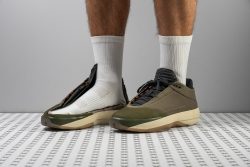
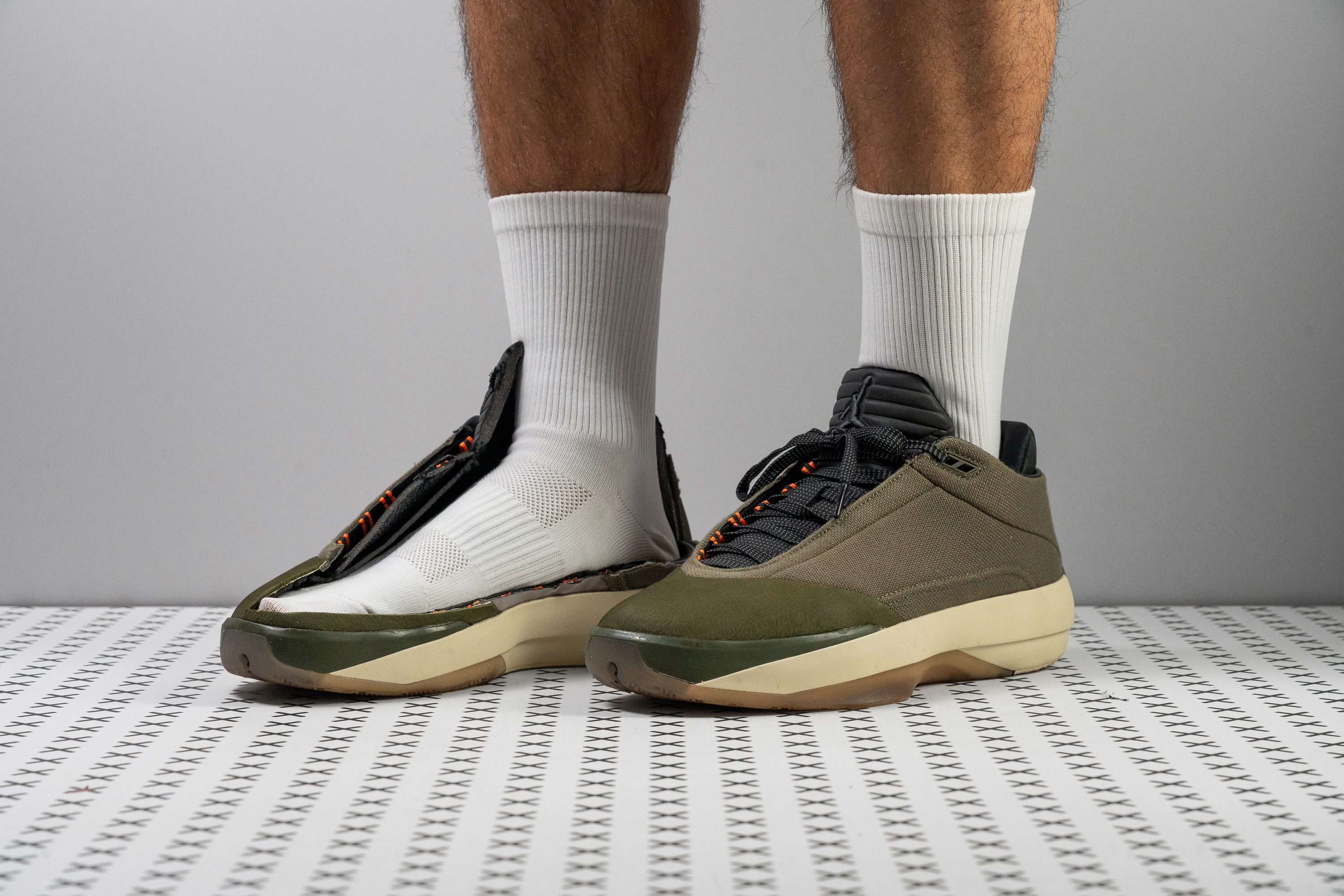
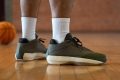
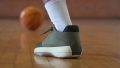
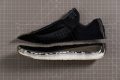
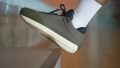
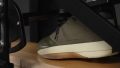
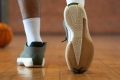
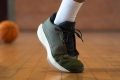
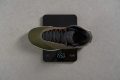
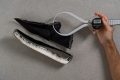
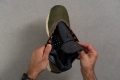
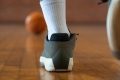
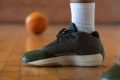
We are happy to see that the Jordan brand addressed the AJ39's drawbacks in the new Air Jordan 40, and the shoe now takes its well-deserved spot as the best Jordan shoe overall!
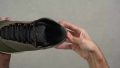
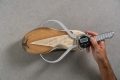
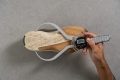
Built on a low-stack platform (25.4/20.5 mm), the AJ40 makes us feel grounded, balancing court feel with decent impact protection. The shoe’s energy return also keeps up with the category average at 64.6/63.6%, even though we expected much higher values from ZoomX foam.
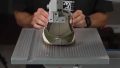
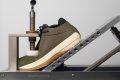
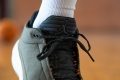
The planted experience we get from the Jordan 40’s low profile is further enhanced by its raised midsole topline and sturdy upper materials, making the shoe impossible to twist (5/5 for torsional rigidity). Meanwhile, a stiff heel counter (4/5) minimises rearfoot shifting, and six pairs of webbed straps connect the laces to the sole, locking our feet in like a race car seat!
And the durability? As we anticipated from a £190 shoe, its upper and outsole materials showed excellent abrasion resistance in our Dremel tests! Not to mention their luxurious aesthetics!
Pros
- High energy return from ZoomX
- Premium-level outsole traction
- Fantastic lateral stability (nothing like the AJ39!)
- Highly secure foot containment
- Excellent durability
- Solid medium-width fit
- Visually appealing
- Good breathability
Cons
- Surprisingly low shock absorption
- One of the heaviest hoop shoes
- Not for outdoor courts
- Not for outdoor courts
Jordan basketball shoes with the best ankle support



What makes it the best?
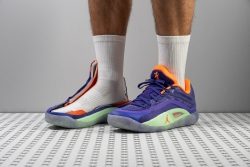
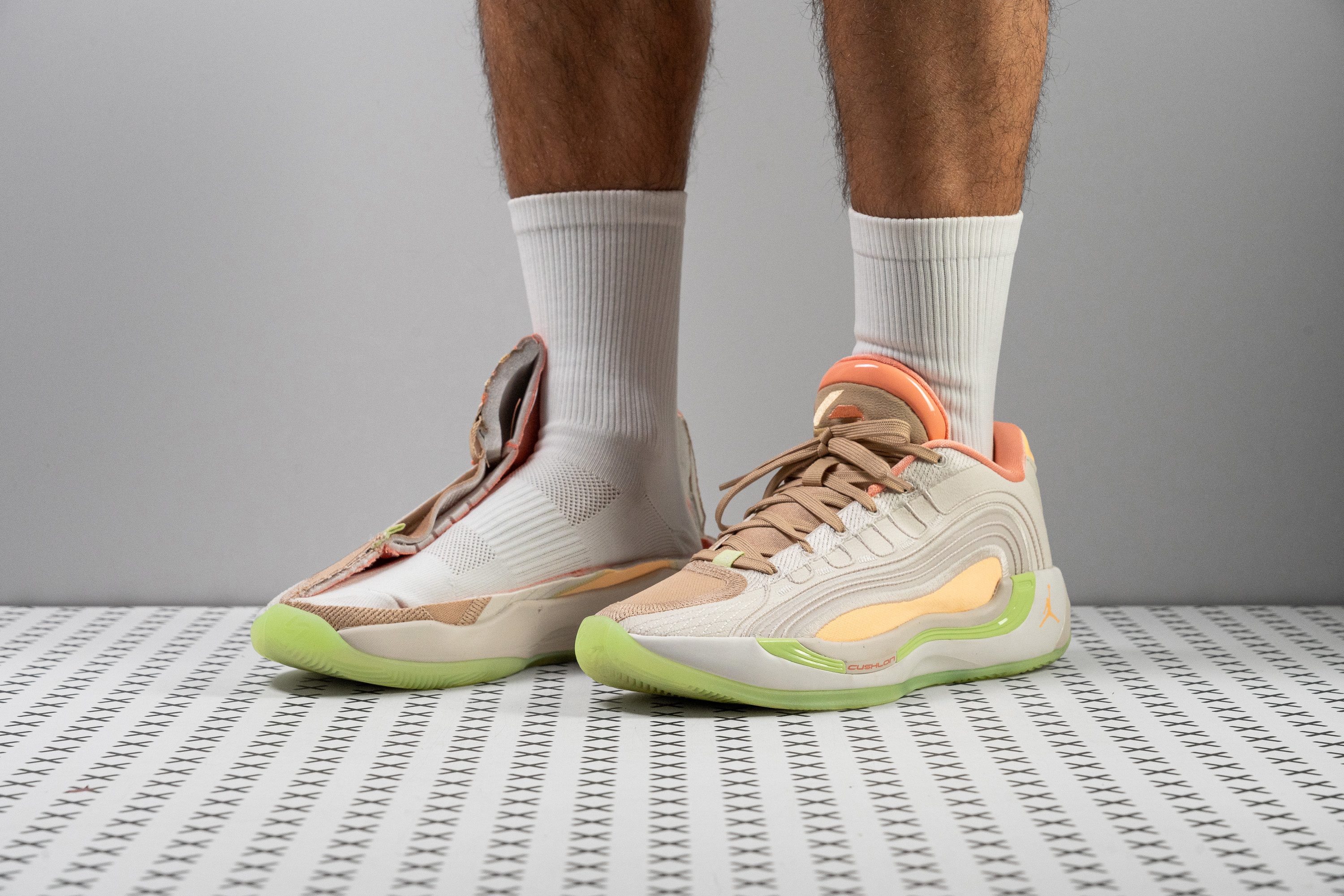
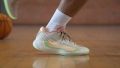
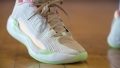
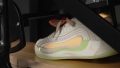
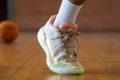
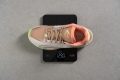
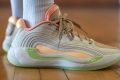
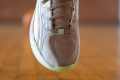
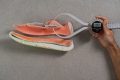
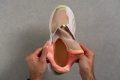
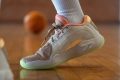
A shoe that helps us to ace stepbacks, backdoor cuts, and jab steps like Luka Doncic himself? Yes, that’s the Jordan Luka 4, and we deem it the best Jordan basketball shoe for ankle support!
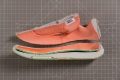
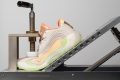
The core supportive element here is a subtle yet strong IsoPlate that prevents the foot from rolling over the shoe edge during powerful directional moves. It works with other stabilising features to achieve maximum torsional rigidity (5/5), preventing the shoe from twisting.
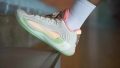
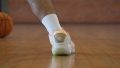
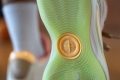
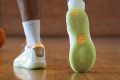
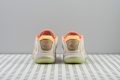
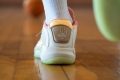
At the back of the shoe, an unyielding heel counter locks the heel and ankle in place to prevent undesirable shifting. And when we look at Luka 4 from behind, we can see the shoe tilting inward. It is an unconventional design choice that helps minimise ankle eversion, but may not sit well with all players.
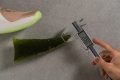
We also noticed how the shoe’s low stack (26.6/19.0 mm) contributes to stability and makes the court feel quite pronounced. But the flip side is that cushioning properties like shock absorption and energy return fall slightly below average in this Jordan shoe.
Pros
- Balanced court feel and cushioning
- Grounded and stable base
- Excellent containment and support
- Lighter than average
- Extremely durable outsole
- Good mix of outsole grip and give
- Solid medium-width fit
- Moderate forefoot flexibility
- Breathable and quick-drying
Cons
- Not as propulsive as marketed
- Not for outdoor courts
- Inverted shoe angle is not for everyone
- Inverted shoe angle is not for everyone
Jordan basketball shoes with the best shock absorption










What makes it the best?
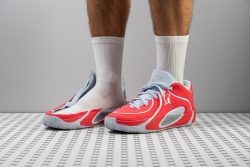
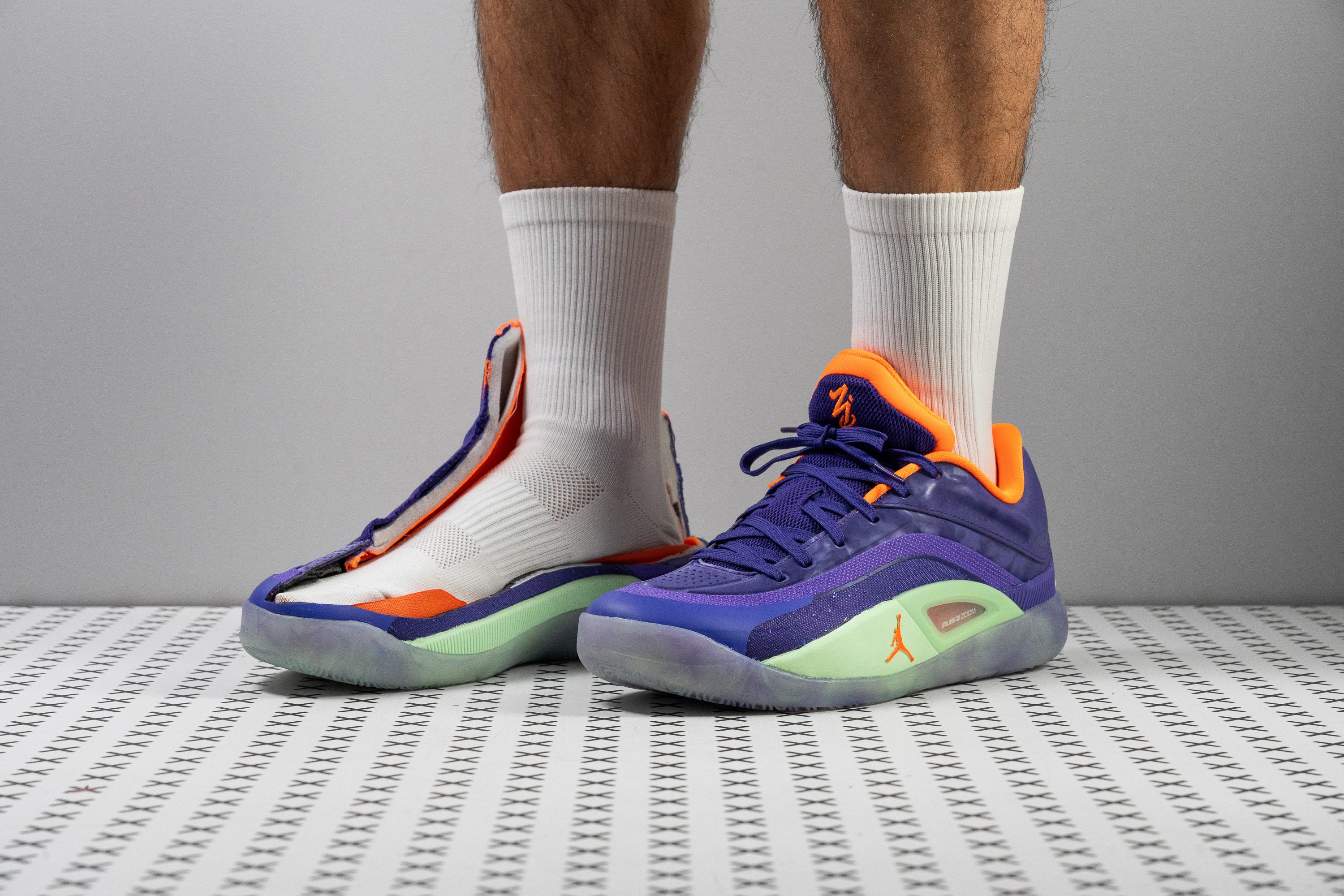
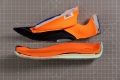
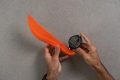
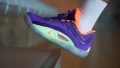
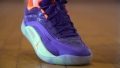
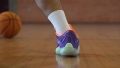
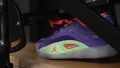
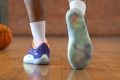
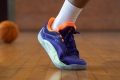
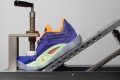
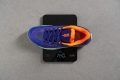
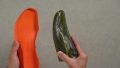
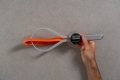
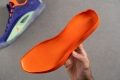
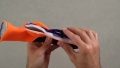
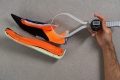
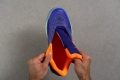
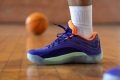
How can a shoe provide maximum shock absorption (113/93 SA) with minimum stack height (25.2/18.7 mm)? The Zion 4 knows the secret and thus becomes a Jordan basketball shoe with the best shock absorption!
A mix of Air Zoom and Cushlon 3.0 works wonders not only for the shoe’s impact protection but also its energy return. Thoroughly enjoying its propulsive ride on the court, we also recorded above-average readings of 63.5% in the heel and 71.8% in the forefoot!
What’s more, the highly reliable ankle support and lateral stability of this Jordan shoe made our moves feel controlled. Not to mention its grippy outsole with a solid friction score of 0.71.
There is a lot to like about the Jordan Zion 4, but the shoe rains on its own parade with a constrictingly snug fit and narrow toebox.
Pros
- Above-average shock absorption
- Propulsive ride with full-length Air Zoom
- Cushioning doesn't mute court feel
- Balanced outsole traction
- Feels agile and manoeuvrable
- Good lateral support
- Fantastic upper and outsole durability
- Excellent breathability
Cons
- Fit is still snug
- Got heavier than average
- Lacks breathability
Best lightweight Jordan basketball shoes

What makes it the best?
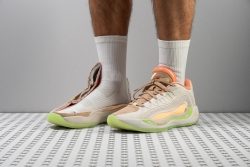
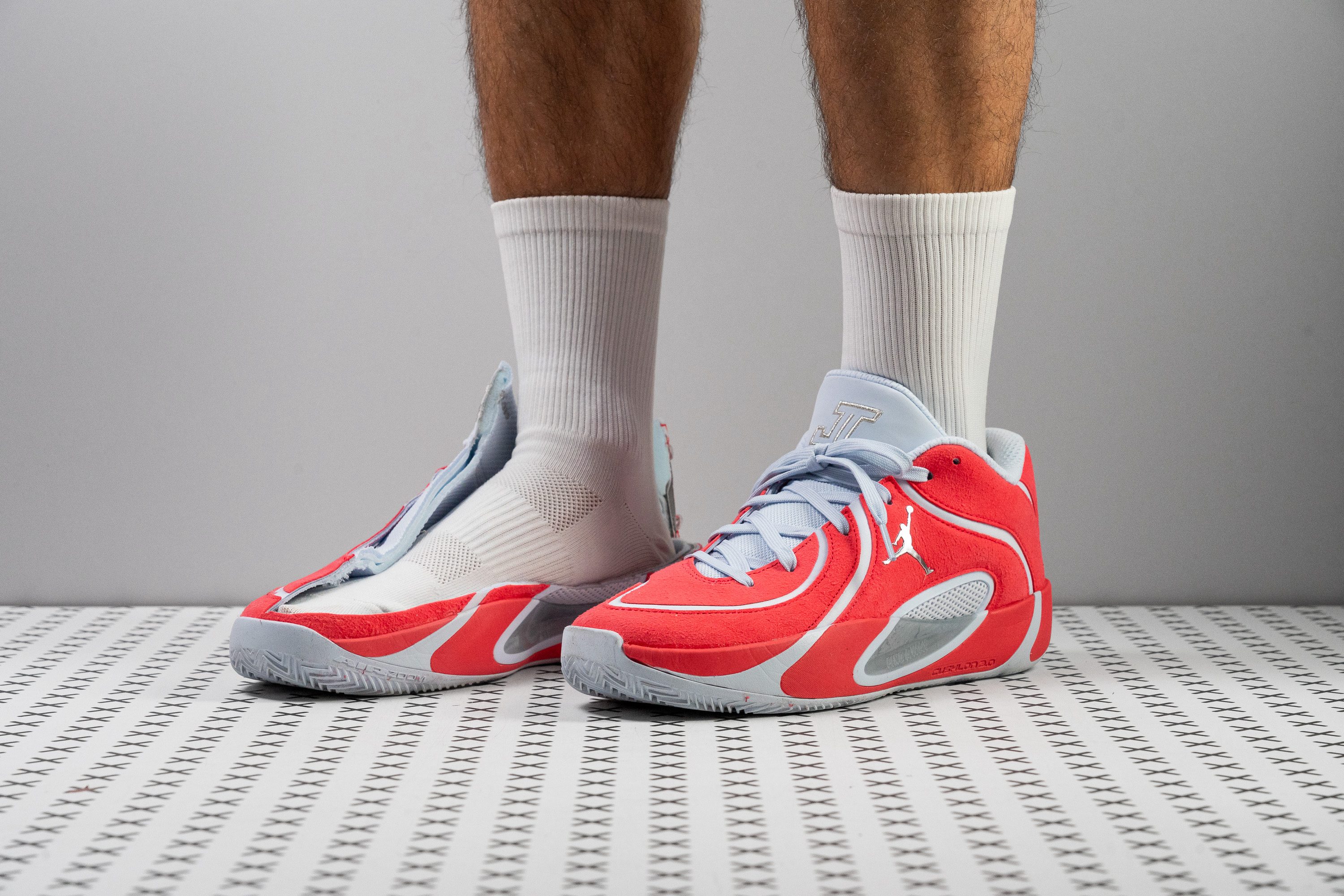
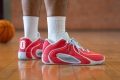
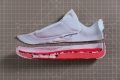
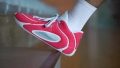
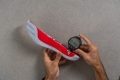
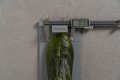
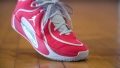
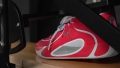
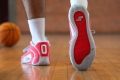
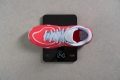
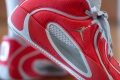
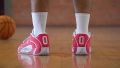
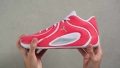
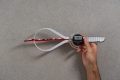
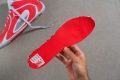
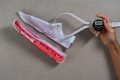
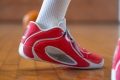
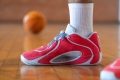
With a moderate weight of 12.4 oz (352g), the Jordan Tatum 4 is more than an ounce lighter than the category average and is also the lightest Jordan basketball shoe to date.
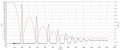
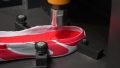
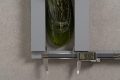
The shoe’s low stack (24.8/17.0 mm) made us feel so close to the court that we were even surprised to measure its heel shock absorption at a normal 100 SA!
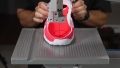
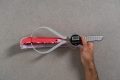
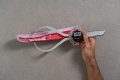
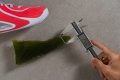
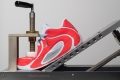
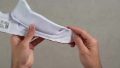
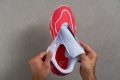
The Tatum 4 also feels quite manoeuvrable thanks to its decent forefoot flexibility. Requiring a little less force (18.1N) to bend by 30 degrees than an average hoop shoe, this Jordan flexes effortlessly with our foot.
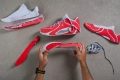
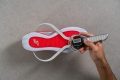
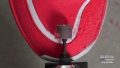
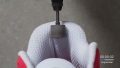
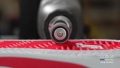
Despite its lighter build, we saw no compromises in the Tatum 4’s durability! Both the upper material and the outsole rubber resisted our Dremel tests with flying colours, promising a long lifespan!
And while we can’t ask much from a lightweight hoop shoe with a moderate price point, we would appreciate slightly better traction and breathability in this Jordan shoe.
Pros
- Solid shock absorption in the heel
- Stable and grounded platform
- Pronounced court feel
- Lighter than average
- Flexible and agile build
- Promising upper and outsole durability
- Comfortable step-in feel
- Comfortable step-in feel
Cons
- Forefoot impact protection is nearly absent
- Subpar energy return
- Low outsole traction
- Poor breathability
Best outdoor Jordan basketball shoes













What makes it the best?
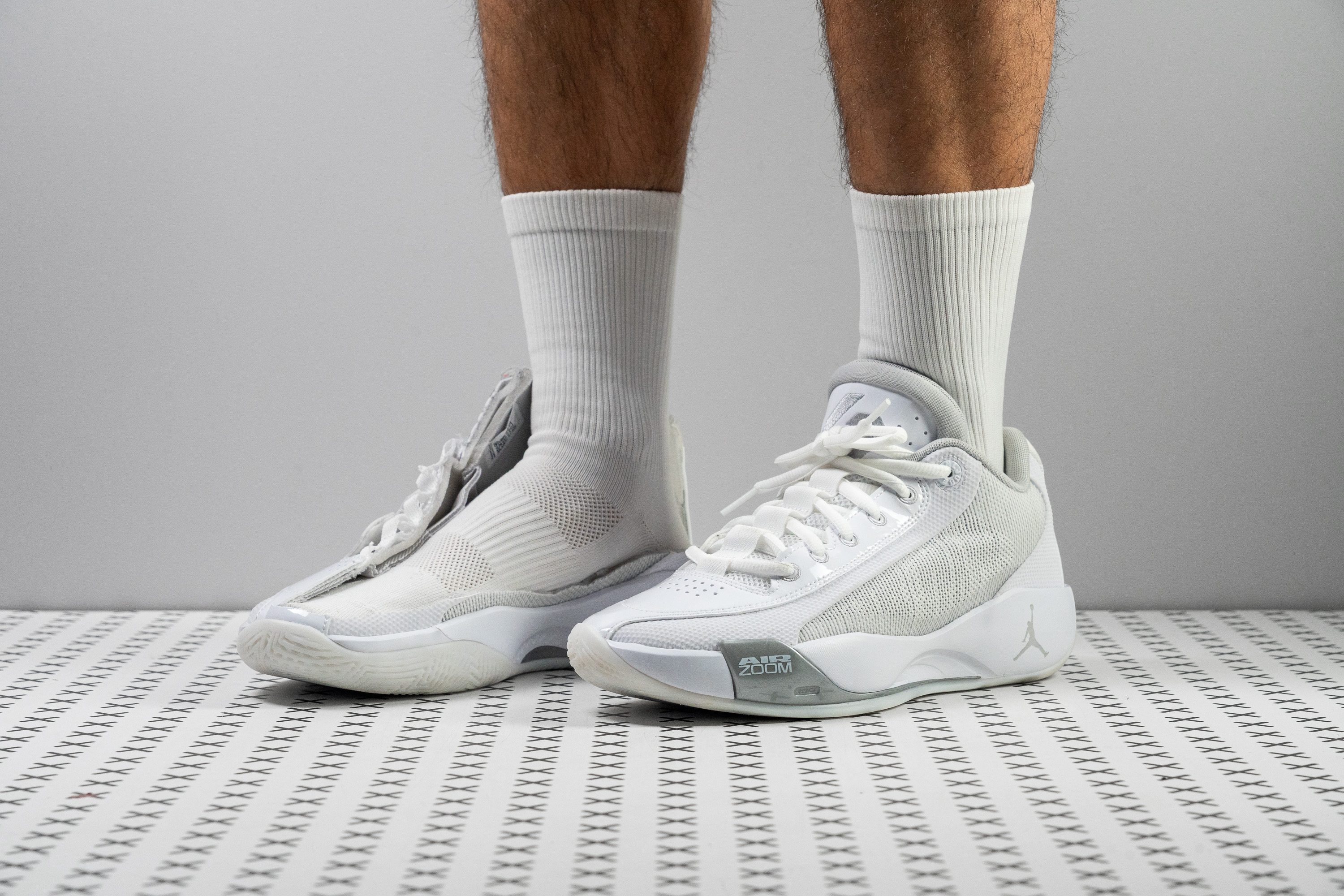
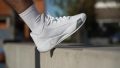
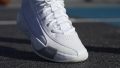
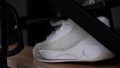
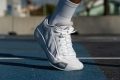
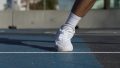
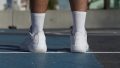
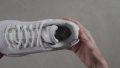
With the Jordan Luka .77, we don’t even stop and think about what pair to grab for streetball at the park. The brand hit a home run with this shoe’s formula, and it is now our ultimate basketball shoe for outdoor courts!
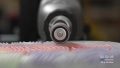
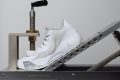
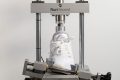
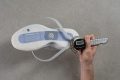
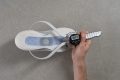
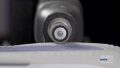
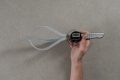
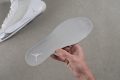
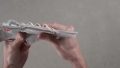
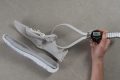
First and foremost, this kick is indestructible! Neither its synthetic leather toebox nor the textile inner lining showed major damage in our Dremel tests. And the outsole rubber stood out in particular, with a laughably shallow dent of 0.4 mm. That makes the Luka .77 well prepared for a rough encounter with concrete and asphalt!
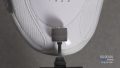
Another nice surprise was this Jordan shoe’s exceptional outsole traction with one of the highest friction coefficients of 0.83! It made us feel glued to both hardwood and blacktop during our playtests!
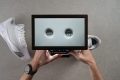
And the Luka .77 doesn’t even sacrifice weight to provide these benefits! It is one of the lightest in our basketball shoe roster at only 12.3 oz (349g)!
Pros
- Amazing durability for outdoor courts
- Exceptional outsole traction
- Pronounced court feel
- Lightweight for its design
- Surprisingly good lateral support
- Exceptional breathability
- True to medium width
- Fantastic value for money
Cons
- Low shock absorption
- Uninspiring energy return
- Firm underfoot experience
- Very low toebox height
Best budget Jordan basketball shoes



What makes it the best?
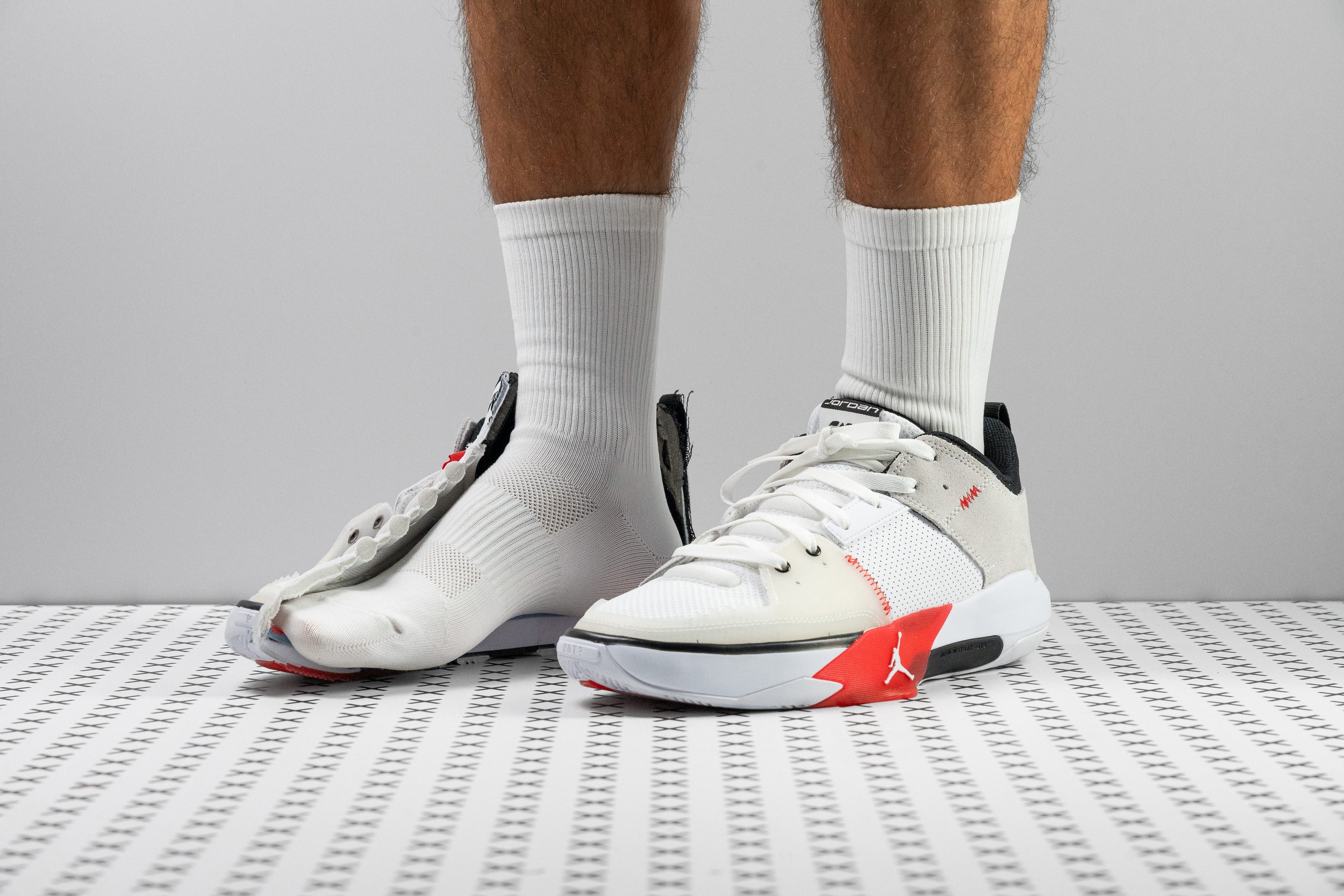
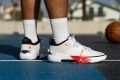
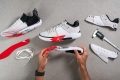
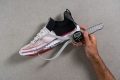
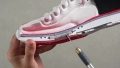
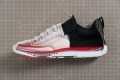
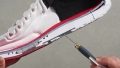
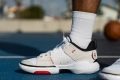
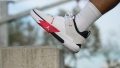
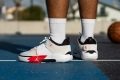
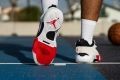
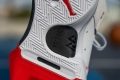
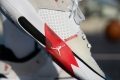
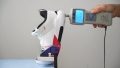
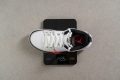
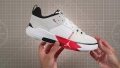
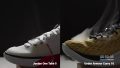
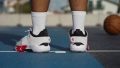
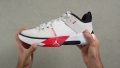
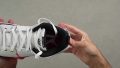
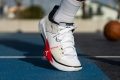
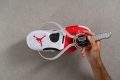
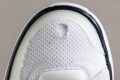
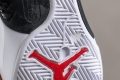
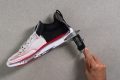
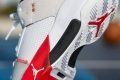
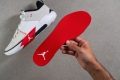
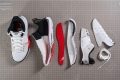
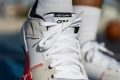
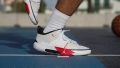
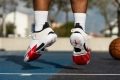
It was thanks to its price tag that we learned the One Take 5 is an affordable pair. Its performance during our wear and lab tests didn’t give us many hints, making it hard to believe… and that’s why we’ve decided to give it the crown as the best budget pair among Jordan hoopers!
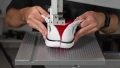
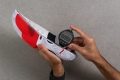
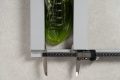
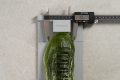
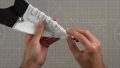
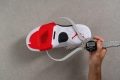
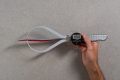
First of all, its solid structure made us feel confident and safe during our playtests. With an unbeatable 5/5 on our torsional rigidity test and a really wide midsole on the forefoot (according to our calliper, it reaches 128.2 mm), the stability levels were over the top. This let us go for more aggressive moves on the court, like quick cuts or crossover steps.
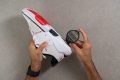
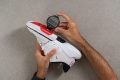
Despite having a lower stack (23.2 mm/18.5 mm on the heel and forefoot respectively) this Jordan pair features a Zoom Air unit. This translated into energetic toe-offs and a bouncy ride every time we played. But that’s not all, as its Phylon foam also helped to make it perfect for rebounds.
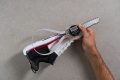
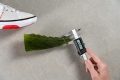
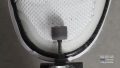
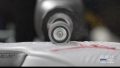
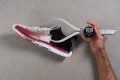
However, our Dremel test showed us that Nike cut some expenses on the outsole, as it ended up with a 1.8 mm deep dent that proved it lacks durability.
Pros
- Incredible lockdown and containment feel
- Bouncy Zoom Air unit
- Great shock absorption
- Pretty supportive
- Fantastic for rebounds
- Nice traction
- Doubles as a sneaker
Cons
- Break-in period needed
- Outsole lacks durability
- Outsole lacks durability
Cushioning and court feel in Jordan basketball shoes
As a subsidiary of Nike, the Jordan brand shares many of the Swoosh’s cushioning technologies, particularly in its signature shoe series. You can find Phylon, Cushlon 3.0, Air Zoom, and the more premium ZoomX foam across Jordan’s current basketball shoe lineup.
However, the same foam can perform very differently depending on how it is implemented in a shoe. Its thickness, length, and placement (i.e., top/bottom or forefoot/heel) have a major impact on the overall experience, reflected in vastly different shock absorption, energy return, and midsole softness values.
After testing most of Jordan’s current releases in our lab, we found that they typically offer moderate or even low impact protection. Very few silhouettes provide above-average shock absorption of 100 SA or more.
If you are a big player or simply prefer more comfort for long games, you would want to choose a Jordan shoe listed at the top of this table.
See our guide on basketball shoes with the best shock absorption for more options.
When it comes to energy return, Jordan shoes generally fall in the medium range, though you can still find springier options for explosive takeoffs. The shoes with a full-length Air Zoom Strobel and/or a forefoot ZoomX foam most often proved to be the most propulsive.
For more responsive, jump-friendly options, see our guide to basketball shoes with the best energy return.

According to our calliper measurements, the heel stack height of Jordan basketball shoes ranges from 23-28 mm, which is on the lower end of the basketball shoe spectrum. Their forefoot stacks follow a similar trend, showing below-average readings of 15-22 mm.
This translates to a more grounded, court-connected experience in most Jordan hoop shoes.
How to find stable and supportive Jordan basketball shoes
Research has repeatedly shown that collar height does not provide greater ankle support or lateral stability in basketball shoes. Conversely, it’s the shoe’s stack height and platform width that prove to be a much more reliable stability criterion.
As we mentioned in the previous section, Jordan basketball shoes are generally built on low-stack platforms, making them inherently more stable than max-cushioned shoes with 30+ mm stacks. As a result, they can afford narrower midsole dimensions without compromising stability all that much.

Using a calliper to measure the widest area of each shoe’s midsole in both the heel and forefoot, we found that the vast majority of Jordan shoes fall below the category average! Looks like slim profiles are part of the Jumpman brand’s design philosophy.
It is not uncommon for Jordan basketball shoes to feature strong TPU sidewalls, thick upper overlays, or raised midsole toplines to enhance lateral support and side-to-side stability.
These sturdy stability elements add structure to the shoes, which shows in our torsional rigidity test.

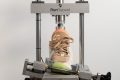
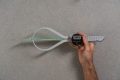
Measuring the torque required to twist Jordan shoes by 10 degrees in each direction, we recorded mostly above-average results. Shoes with higher Nm readings are notably harder to twist, keeping the midfoot more securely locked in.
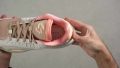
A strong heel hold is yet another important stability component that helps prevent the foot from sliding and wobbling inside the shoe. Most of Jordan’s basketball shoes proved to be stiff or moderately stiff in our manual test, minimising undesirable rearfoot movement.
Jordan basketball shoes with the best traction
In our lab, we don’t rely on ‘squeak tests’ to determine how grippy a shoe is.
Following the SATRA TM144 methodology in a specialised traction testing machine, we record each Jordan shoe’s precise coefficient of friction (CoF). The measurement is taken in the forefoot as the machine mimics a stopping motion on a slab of professional court surface.
The higher the CoF, the grippier the rubber.
But there is one caveat: our test doesn't capture the shoe's multidirectional grip or its tendency to pick up dust. Nevertheless, it reflects the overall stickiness of the rubber blend, and most Jordan basketball shoes show strong traction scores.
Size and fit of Jordan basketball shoes
Lengthwise, our measurements show that Jordan shoes generally run true to size and follow the brand’s size chart, which is essentially the same as Nike's.
However, the width, fit, toebox shape, and vertical space vary from one pair of Jordans to another, even in the same size.
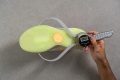
In our lab, we fill each shoe with a custom liquid to get a solid gel cast of its interior space. Once that is done, we use a digital calliper to measure its dimensions in the widest part (ball of the foot area) and the toebox (big-toe area, both horizontally and vertically).

While most Jordan shoes fall within the medium-width range for basketball shoes, some silhouettes can be roomier, narrower, or more tapered than others.
Signature shoe series from Jordan
What started as Michael Jordan’s signature shoe series has since expanded into multiple signature lines for other NBA players, offering shoes for different budgets and preferences.
Air Jordan
The obvious star of the show, the flagship, and the brand’s crown jewel is, of course, the Air Jordan shoe series. Celebrating its 40th anniversary in 2025, the Air Jordan continues to surprise its fans with innovative designs and Nike’s cutting-edge technologies, such as ZoomX cushioning foam.
Unlike the other signature shoe lines, which are built around the playing styles and preferences of certain players, the AJ has long been a clean canvas for its designers’ experimentation. Successful or not, that’s what we find out on the court and in our lab tests.

Just be careful not to confuse the Air Jordan lifestyle trainers with Air Jordan performance shoes. Even though the retro silhouettes were originally meant for real play, their construction no longer meets the demands of modern performance, yet they are comfortable enough to be worn casually.
Jordan Luka
Built around Luka Doncic’s agile playing style, the Luka shoe series accommodates guards who value control for quick cuts, direction changes, hard stops, and stepbacks.
Our lab tests showed that these shoes balance excellent lateral stability with forefoot flexibility and light weight. This is in part thanks to the IsoPlate, a lightweight support frame made of TPU.

In 2025, the Luka series also expanded to include a more budget-friendly Luka 77 silhouette that caters to beginner and streetball players.
Jordan Zion
Matching Zion Williamson’s powerful and explosive moves, the shoes in this line pack more cushioning than the Lukas and Tatums, offering better shock absorption for bigger players. This makes Zion shoes heavier, but it’s a fair trade-off.
Jordan Tatum
Lightweight construction has been the hallmark feature of Jayson Tatum’s signature shoe line, and our lab measurements confirmed that the Tatum 4 is, in fact, the lightest in the Jordan basketball shoe catalogue at 12.4 oz (352g). For reference, the average basketball shoe weight hovers around 14.0 oz (395g).

But aside from their lightness, Tatum shoes also have notably more grounded profiles and a pronounced court feel.
Similar buying guides