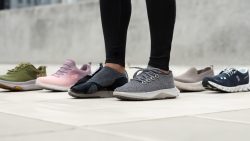
7 Walking Shoes With The Best Energy Return in 2026

We buy shoes ourselves. We earn commissions when you buy through us, at no extra cost. Why trust us
While energy return is more closely associated with running shoes, its benefits now begin spill into the walking category as well. And as more and more daily running shoes double as comfortable walking companions, we grow accustomed to their notably more responsive and lively ride.
And with the ever-evolving cushioning technologies, dull and boring walking shoes become a thing of the past.
You can expect to find the springiest walking shoes in our top picks below.


How we test walking shoes with the best energy return
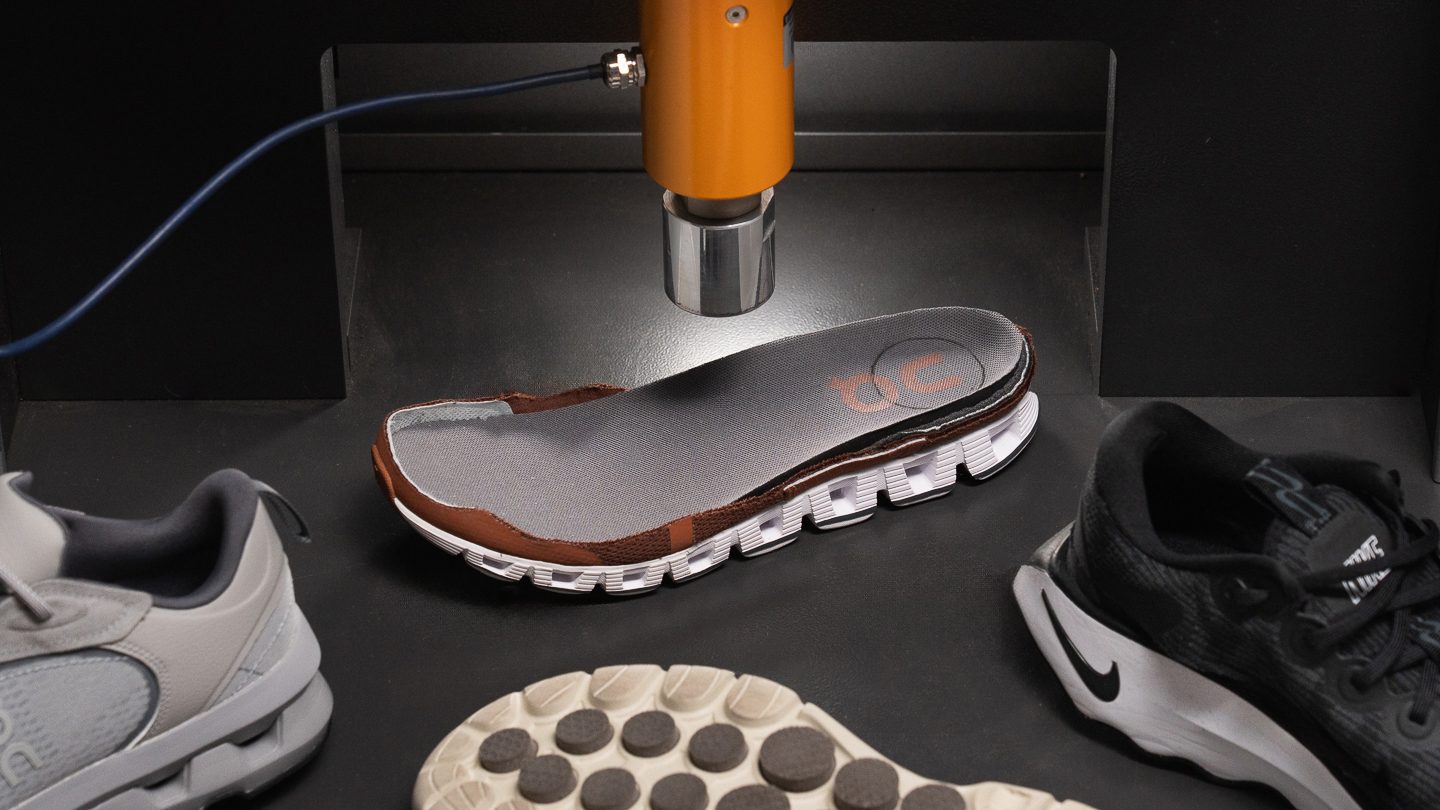
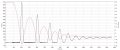
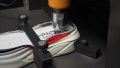
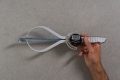
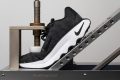
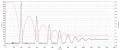
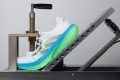
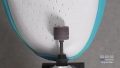
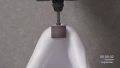
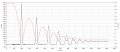
We follow the industry’s acclaimed ASTM F1976 protocol to test each walking shoe’s energy return as precisely as possible. Driven by gravity, this method involves dropping an 8.5 kg mass on the pre-marked spot of the shoe’s platform (12% of the shoe’s inner length from the back). The height (50 mm), energy input (5J), and interval (2 seconds) remain consistent for all 30 repetitions of the test.
The first 25 reps simulate a real-life break-in period, and the remaining 5 are averaged for the final result. The higher the percentage (%), the higher the shoe’s energy return.
But that’s not nearly the only test we perform in our lab! Each walking shoe undergoes a myriad of controlled tests, recording over 30 data points on cushioning, fit, stability, and more.
It is also important to note that each tested pair is purchased with our own funds to ensure we remain unbiased and fact-based.
Best walking shoes with high energy return overall


What makes it the best?
The Saucony Triumph 24 is centred on comfort, enabling us to reach our step count goal every day. This lightweight shoe absorbs impact greatly, yet stands out in our strolls and lab tests with endless bounce, making it our best high-energy-return walking shoe.
We tested the heel cushion’s ability to return the power we exert, and recorded an impressive energy return of 72.0%, much higher than the 51.3% average. The responsiveness helps us move forward with less effort.
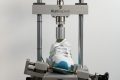
Moreover, fatigue is reduced by the way the rear dampens the forces of the ground, and it proves it does so remarkably well with a great shock absorption score of 152 SA. For context, this level makes it 36% more protective than average. Plus, the platform is ultra-thick at 41.6/33.6 mm!
We enjoyed lasting comfort since the Triumph 24 moves as one with our feet. It weighs only 9.1 oz (258g), 11% lighter than average, which is especially impressive given its massive height.
However, the limited toebox room may feel too snug to those with broad or square-shaped feet.
Pros
- Exceptional foam technology
- Lightweight for its size
- Excellent traction across all surfaces
- Comfortable upper
- Secure fit with zero heel slippage
- Premium materials
- Smooth rocker for heel strikers
- Incredible cushion for long runs
- Superb value for its top-tier tech
- Handles slow and fast paces with ease
- Ideal for heavier runners
Cons
- Less stable than v23
- Fit could be too snug for some
- Wide footprint feels less agile than others
Best walking shoes with high energy return and shock absorption










What makes it the best?
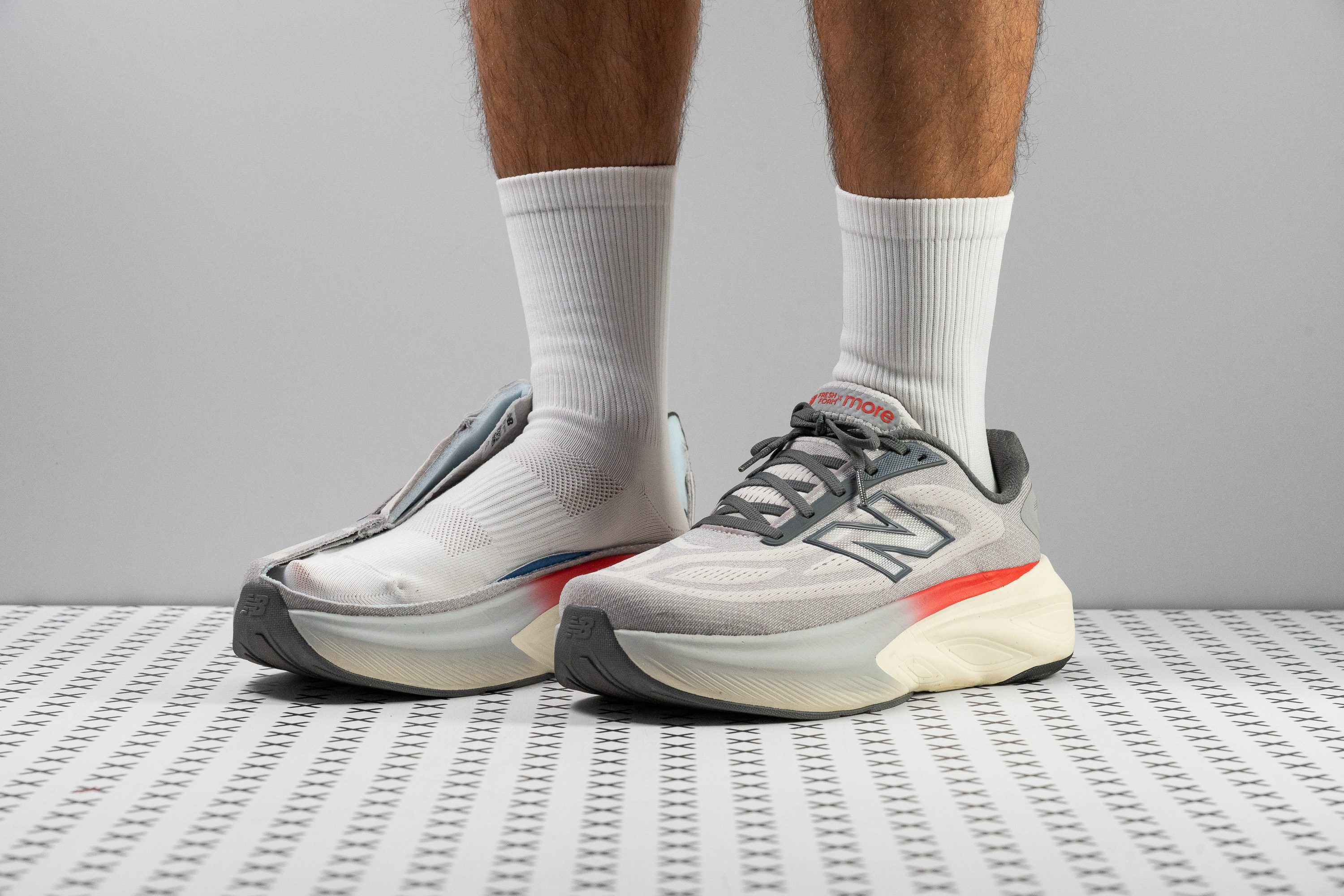
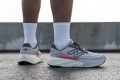
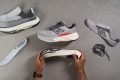
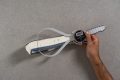
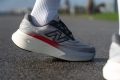
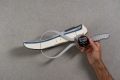
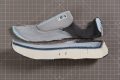
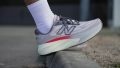
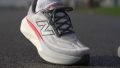
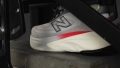
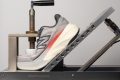
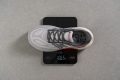
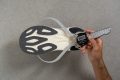
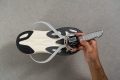
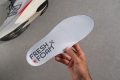
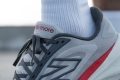
The New Balance Fresh Foam X More v6 gave the sensation of walking on clouds with its soft touch and gentle landings. The sky is the limit when it comes to comfort and bounce, as lab results show it offers the best shock absorption among high-energy return walking shoes. To ensure controlled movement, the broad base enhances stability.
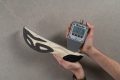
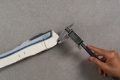
The More v6 captures its maximalist nature, offering tonnes of foam beneath our feet. We measured the behemoth stack at 41.8/38.5 mm, ensuring zero ground feel. Moreover, our legs stayed fresh all day because of the cushion's ability to reduce impact, which avoids pain and strain. In our shock absorption test, the heel scored an astounding 152 SA.
To ensure smooth and consistent forward motion, the heel offers a strong energy return of 60.1%. It feels bouncy and fun, ensuring that the massive stack doesn’t drag us down.
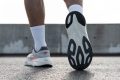
To counteract its plush and tall nature, the midsole runs wide at 122.5/102.0 mm. We felt safe inside the shoe as it’s almost impossible to lose our balance on the platform.
However, More v6 feels best when the temperatures drop. With limited ventilation, it will feel too hot in warm weather.
Pros
- Record-breaking shock absorption
- Wide platform ensures stability
- Super-plush foam
- Improved energy return
- Cosy upper
- No price hike this year
- Ideal for forefoot strikers
- Solid durability
- Semi-gusseted tongue for secure lockdown
- Good torsional flexibility despite its size
Cons
- Narrow, low-volume interior fit
- Still a heavy shoe
- Weak airflow
- Low drop doesn't work for everyone
Best lightweight walking shoes with high energy return


















What makes it the best?
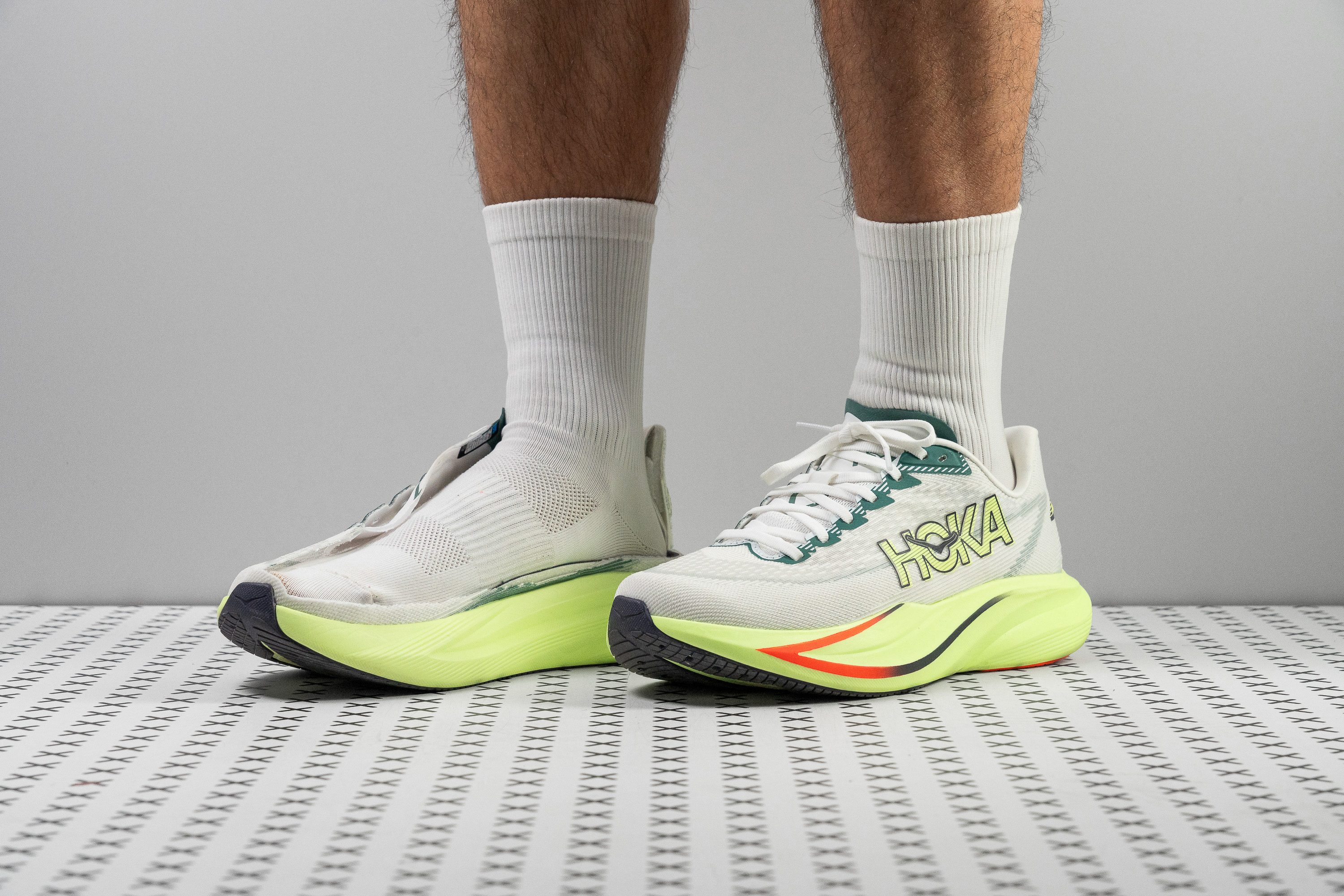
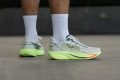
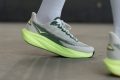
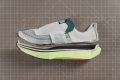
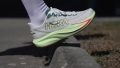
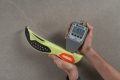
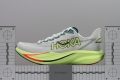
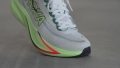
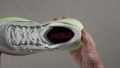
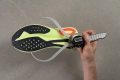
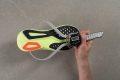
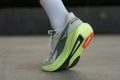
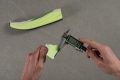
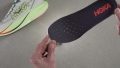
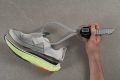
The HOKA Mach 7 makes our strolls comfortable without sacrificing weight, its natural feel, and bounce. We found it very versatile, allowing us to stay on foot for long hours with its impact protection and flexible build. However, it stands out in the lab as our best lightweight high-energy return walking shoe.
For everything that it offers, Mach 7’s minimal 7.9 oz (224g) build makes it a true standout. Compared to the average, it’s 15% lighter, so it never made us drag our feet around.
Its weightless feel is further enhanced by the springy cushion, which keeps our transitions smooth and consistent. Testing for the heel’s energy return, we recorded an impressive 60.6%. Meanwhile, each step is cushioned by the shock-absorbing heel, which scored a solid 137 SA in our test.
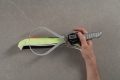
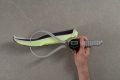
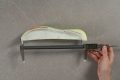
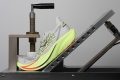
The fluid midsole keeps the experience effortless, as the shoe moves as one with our feet. Our bend test verifies that Mach 7 is 8% more flexible than average, offering comfort that endures.
However, we found the mesh upper to be fragile in our abrasion test. Those who often puncture this area should find a more durable pair.
Pros
- Very lightweight for a daily trainer
- Secure lockdown
- Versatile and fun
- Incredible breathability
- Works well for heel strikers
- Smooth, forward-rolling rocker
- Much better grip than before
- Perforated insole
Cons
- Snug fit can be a problem for some
- Stiff heel counter may irritate some Achilles tendons
- Ride could be a touch softer
Best rockered walking shoes with high energy return











What makes it the best?
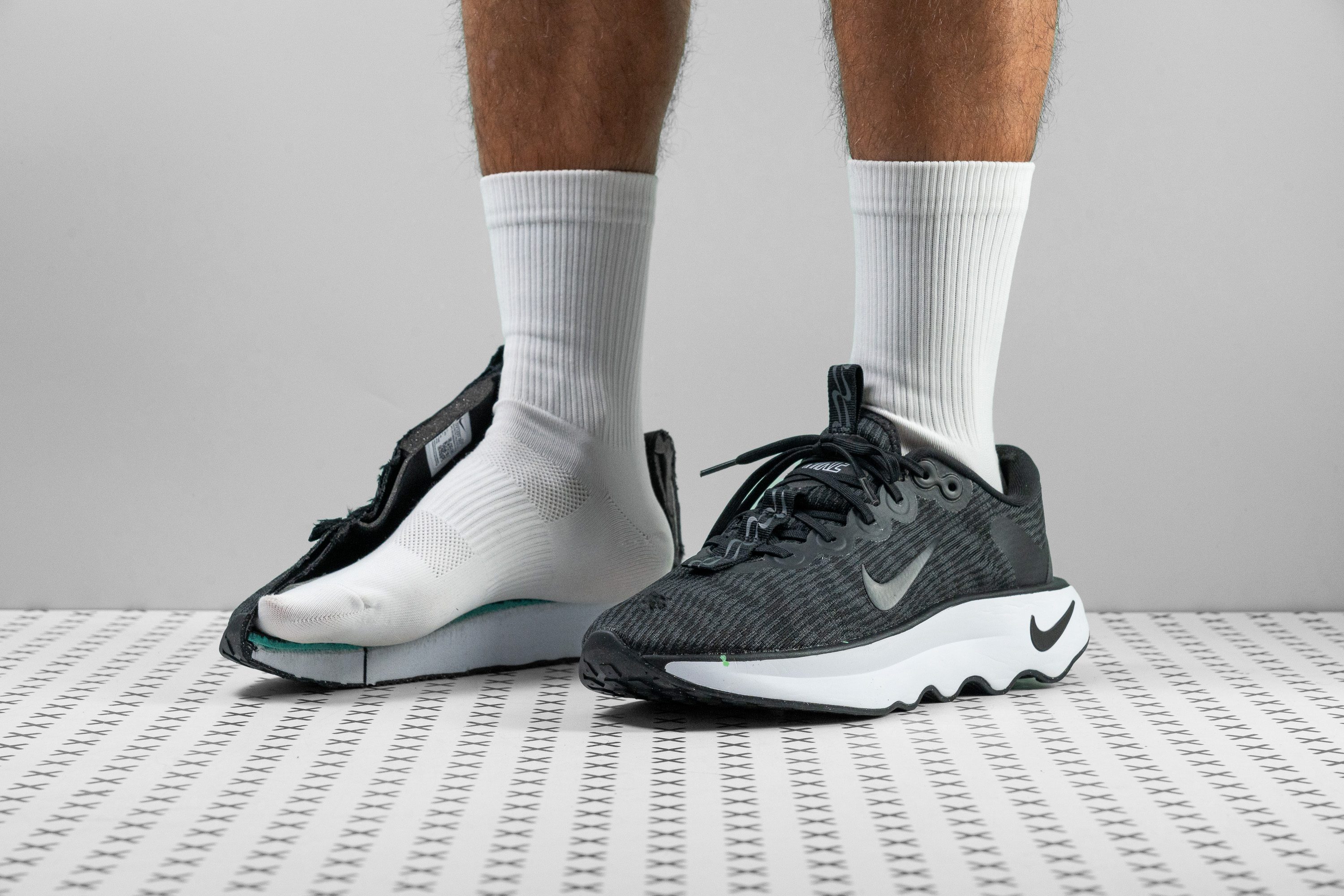
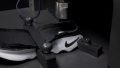
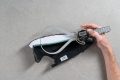
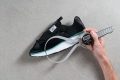
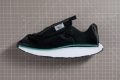
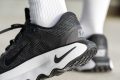
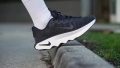
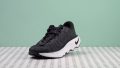
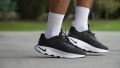
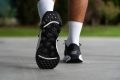
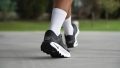
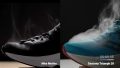
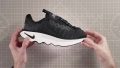
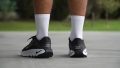
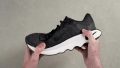
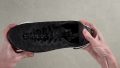
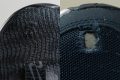
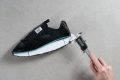
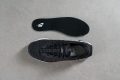
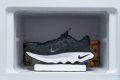
We thoroughly enjoyed our walks as Nike Motiva offered strong forward momentum with its responsive midsole and unique geometry. It’s hard to ignore its exaggerated shape, making it our best rocker among high-energy return walking shoes. Our lab results prove that Motiva’s one-of-a-kind ride, insane plushness, and robust outsole take walking shoes to the next level.
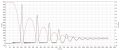
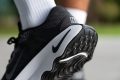
Each stride forward feels silky smooth thanks to its standout rocker design. While its geometry is evident, it truly comes alive in motion, encouraging us to take the next step quickly. To maintain this movement, Motiva offers pleasant responsiveness, backed up by its high energy return score of 58.0% in our lab test.
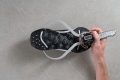
Motiva highlights superior comfort with its thick stack made of ultra-soft foam. In our shock absorption test, the heel registers a strong 133 SA score. We feel like we can walk all day with its bottomless cushioning that oozes pure bliss. The unique waves underfoot contribute to even out the pressure on our feet.
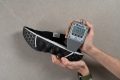
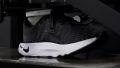
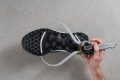
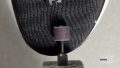
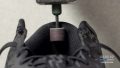
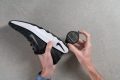
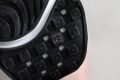
The outsole cements its durability with its tough rubber compound. Our durometer confirms a 92.0 HC reading, 17.9% harder than average. It barely showed any signs of wear in our tests, so we expect it to last hundreds of miles.
Due to its soft midsole, we advise overpronators to opt for a more supportive shoe, as Motiva may lack the additional stability required for their gait.
Pros
- Rocker makes for effortless walks
- Audaciously plush cushioning
- Extra lively and bouncy ride
- Out-of-the-box comfort
- Very wide and stable base
- Durable outsole
- Amazing wear resistance in the upper
Cons
- Lacks breathability for hot weather
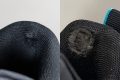
- Sole develops wrinkles easily
- Rocker takes time to get used to
- Lacks grip on wet surafces
Best walking shoes with high energy return for wide feet


















What makes it the best?
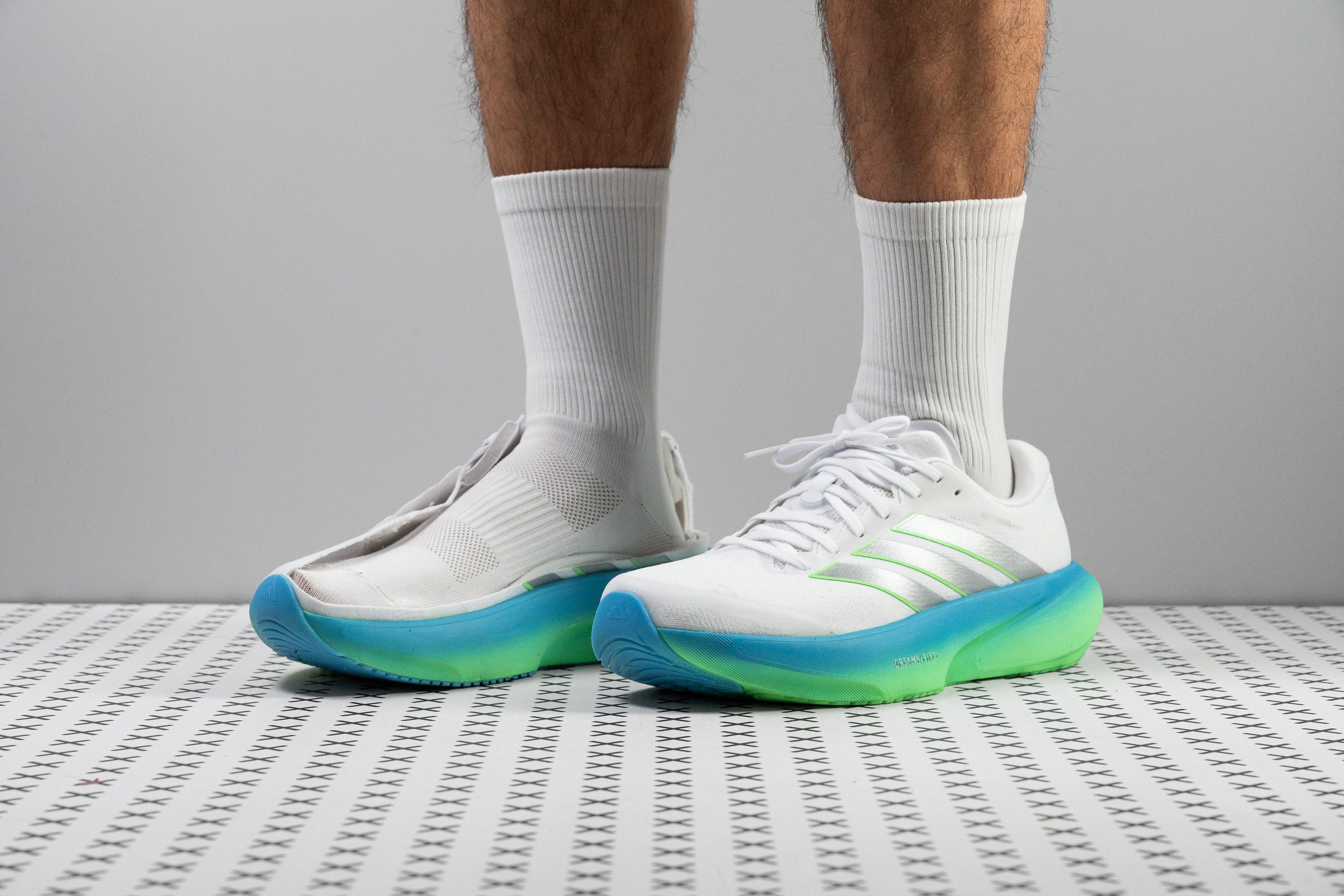
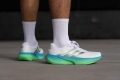
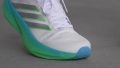
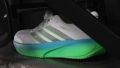
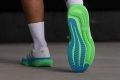
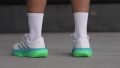
The adidas Supernova Rise 3 brought joy and ease to our strolls. Our lab assessment reveals it has an effortless yet lively character, boosting agility and comfort through its accommodating fit and low weight. Among the high-energy return walking shoes we’ve tested, the adidas Supernova Rise 3 is the best for wide feet.
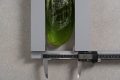
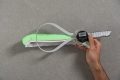
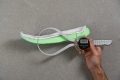
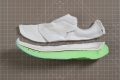
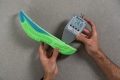
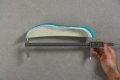
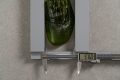
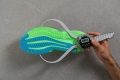
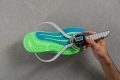
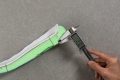
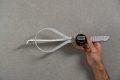
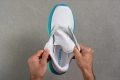
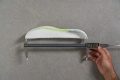
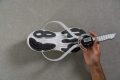
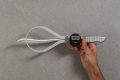
We created a gel mould to accurately measure the shoe’s interiors, and verified the roominess we felt with an impressive 97.6 mm at the widest section. Compared to the 95.2 mm average, we found it incredibly friendly to those with broad feet or bunions.
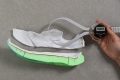
Moving to the midsole, we found it exceptionally springy and protective despite its average stack height of 35.0/27.2 mm. Testing for its responsiveness, the heel impressed with 58.8%, and showed its strong ability to absorb shock with a high 140 SA rating.
SR3 is undeniably agile, with our scales showing a mere 9.3 oz (264g) on the scale, making it 8% lighter than the average walking shoe.
However, the shoe’s added stiffness makes it feel less natural than the previous version. Those who prefer flexible walking shoes should try other options.
Pros
- More cushioning underfoot
- Crazy GOOD grip
- Roomy fit for high-volume feet
- Softer midsole feel
- Modernised design
- Comfort upgrade from Primeweave upper
- Accommodates all footstrikes
- Really solid value
- Improved stability
Cons
- Weak heel padding durability
- Energy return lower than v2
- Not as flexible as before
Best stability walking shoes with high energy return


What makes it the best?
The Saucony Hurricane 26 gave us a grounded, stable feel, helping us stay sure-footed throughout our walks. Lab results reveal its steadiness stems from its CenterPath design and its wide, grippy base, without foregoing responsiveness and impact protection. Among high-energy return walking shoes, it takes the lead for stability.
We had lots of room to find our balance, verified by a massive calliper reading of 129.8/112.3 mm. Moreover, Hurricane 26 features the CenterPath technology and has tall sidewalls that prevent us from going over our ankles.
Beneath our feet lies a thick stack of luscious incrediLUX foam, with a firm PWRRUN frame for added stability. We measured the midsole at 38.3/32.4 mm. Each takeoff feels vibrant, backed up by high energy return scores of 67.2% in the heel and 76.2% in the forefoot. Meanwhile, its shock-absorbing foam allowed us to last all day, reaching a staggering 145 SA score in the rear.
We analysed the outsole in the lab and validated its premium status, delivering both all-weather grip and supreme wear resistance. In our traction test, it emerged 32% grippier than average, while in our Dremel test, it emerged 45% more durable.
However, its oversized build tells us Hurricane 26 only works for people who don’t mind a bulky sensation underfoot. Those who prefer to leave a smaller footprint behind should find a more compact shoe.
Pros
- Excellent energy return from brand-new foam
- Great choice for marathon training
- Perfect for long runs
- Smooth heel-to-toe transitions
- Breathable design
- Supportive platform without excessive stiffness
- Traction is better than ever before
- Surprisingly lightweight for its gargantuan size
- Good durability scores
- Premium comfort
- A super-trainer stability shoe!
Cons
- Insanely broad midsole may feel overly bulky
- Price can be a real hurdle
- Slightly less stable than top rivals
Best budget walking shoes with high energy return












What makes it the best?
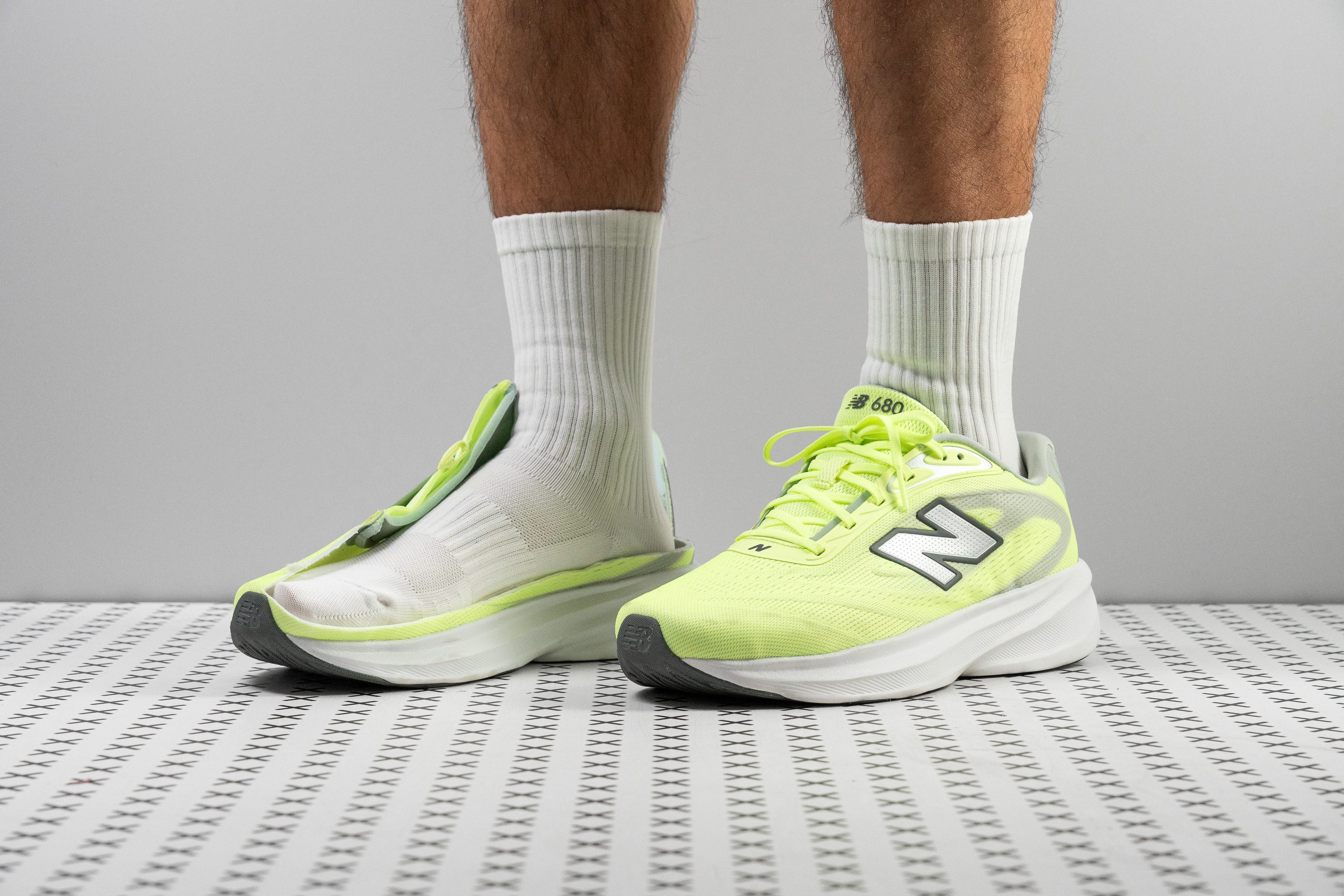
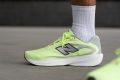
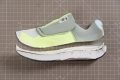
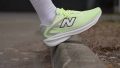
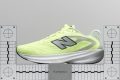
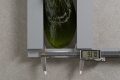
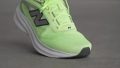
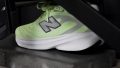
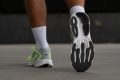
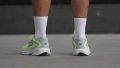
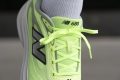
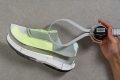
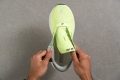
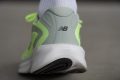
The New Balance Fresh Foam 680 v9 delivers the perfect balance of bounce and impact protection, wrapped in a fluid and airy package that further enhances comfort. For all that it offers, its £80 price is a pleasant surprise. Being 32% cheaper than the average walking shoe in our lab roster, the 680 v9 is our best budget high-energy return walking shoe.
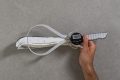
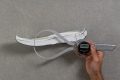
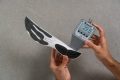
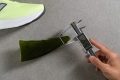
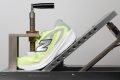
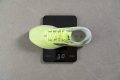
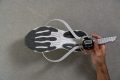
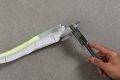
This kick’s light weight and low resistance lead to high versatility and lasting comfort. Our scales show it’s only 9.1 oz (258g), making it easy to bring around all day. Moreover, its flexible midsole enhances an effortless sensation. Our bend test verifies it’s 20% more pliable than average.
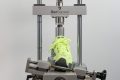
The Fresh Foam midsole delivers both impact protection and bounce, backed up by lab results. Testing for the heel’s energy return, we recorded a strong 54.7% score compared to the 51.3% average, keeping each stride springy. With every touchdown, a plush cushion awaits, absorbing shock at a high rate of 128 SA.
However, the plush foam may feel unstable for overpronators or tired feet. Those who need additional support should invest in alternatives.
Pros
- Comfortable, soft ride for daily miles
- Excellent value
- Great first running shoe for beginners
- Durable upper and outsole
- Secure, comfortable fit
- Versatile for running and everyday wear
- Improved design
- A good option for improving foot strength
- Available in multiple width options
- Accurate heel-to-toe drop
- Solid grip
Cons
- Not very breathable
- Only for neutral runners
- Small energy return downgrade from v8
Why (not) get walking shoes with high energy return
Energy return implies how quickly the shoe’s cushioning foam recovers its shape after being compressed.
Shoes with high energy return store a higher % of the energy you put into the shoe upon landing and release it back to you at toe-off, resulting in a bouncy, snappy ride.
In this setup, you waste less energy, so you need to apply less effort to maintain a brisk pace and experience less fatigue on longer walks.
Thus, there are two main reasons why you may benefit from a walking shoe with high energy return:
1. Added responsiveness and liveliness: The shoe’s ride gets more fun, bouncy, and propels you forward to the next step. It is ideal for people who walk briskly or walk for fitness goals (power walking or treadmill walking).
2. Less fatigue on long walks: Offering higher walking efficiency and smoother strides, these shoes help your feet and legs stay fresher for longer. Commuters, travellers, or anyone spending long hours on hard surfaces will benefit from higher energy return in their day-to-day shoes.
But how about people who enjoy slow, leisurely strolls and prioritise grounded and stable experience underfoot?
The downside of high energy return in walking shoes is that it doesn’t benefit all wearers equally. Here are some areas where more rebound can backfire:
1. Potentially reduced stability: Foams with high-rebound properties tend to be softer than average. And if the cushioning is too bouncy or plush and combined with a tall stack height, your stabiliser muscles need to work harder just to keep the gait steady. This setup is less than ideal for senior walkers, people with gait instability, flat feet, overpronation, and other conditions that call for stable footwear.
2. Higher price: The use of advanced cushioning materials raises the price of high energy return walking shoes well above the average.
|
High energy return is NOT an essential feature for walking shoes, unlike shock absorption. While a bouncy ride is a pleasant bonus, it’s not a must to feel comfortable. |
Energy return vs. shock absorption in walking shoes
While energy return is responsible for the shoe’s bouncy feel during push-off, its shock-absorbing properties become evident upon landing.
Walking shoes with higher shock absorption dampen more impact, preventing these impact forces from shooting up your feet and joints with each step.
Having tested hundreds of walking shoes and walking-friendly running shoes, we found no direct correlation between energy return and shock absorption. However, shoes that employ premium foams made from supercritical EVA, TPU, TPEE, A-TPU, or PEBA tend to show high results in both measurements.
On the other hand, some shoes can have high energy return yet low shock absorption. These less cushioned shoes are likely to have a lower stack height (30 mm or less in the heel) and/or very firm cushioning foams.
We highly recommend that you pay more attention to the shoe’s impact protection as opposed to its energy return if you:
- seek maximum comfort day-to-day
- spend an entire day on your feet (especially on hard surfaces like concrete or tiles)
- suffer from plantar fasciitis, past injuries, or other conditions that require solid cushioning
- are of a heavier body weight
Rocker geometry and energy return in walking shoes
There is a clear trend in recent shoe designs toward curved midsoles, also known as rockers or rocker bottoms.
Some shoes have a more pronounced toe rocker, while others can have both the toe rocker and the heel bevel, akin to a rocking chair. And the curvature degrees vary greatly in both.
This geometry enhances the shoe’s responsive foam by helping the foot roll from heel to toe faster and more smoothly. The heel bevel softens heel loading upon landing, while the toe rocker reduces foot bending and creates forward momentum during push-off.
Having tested walking shoes with super-aggressive rockers, we believe they work best for people who walk briskly and don’t have to stand still much during the day.
But for slow walking and stability concerns, we recommend opting for shoes with more subtle rocker angles.
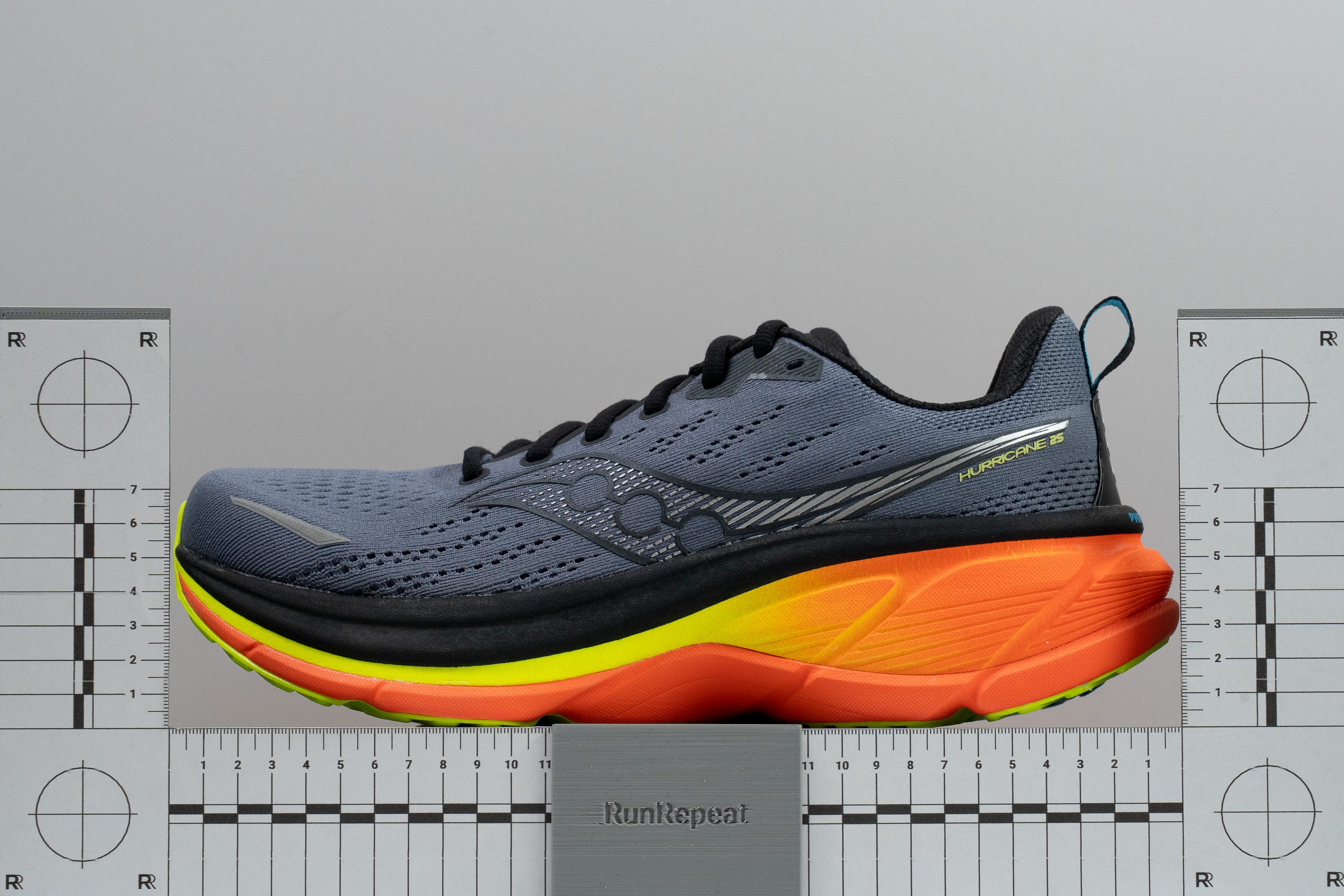
Are shoes with high energy return lighter?
By design, responsive walking shoes are meant to feel lively and not drag your feet down. And our extensive lab data confirm that the average shoe weight decreases as energy return increases.
| Energy return | Average weight |
| Low | 10.7 oz (302g) |
| Moderate | 10.2 oz (289g) |
| High | 9.8 oz (277g) |
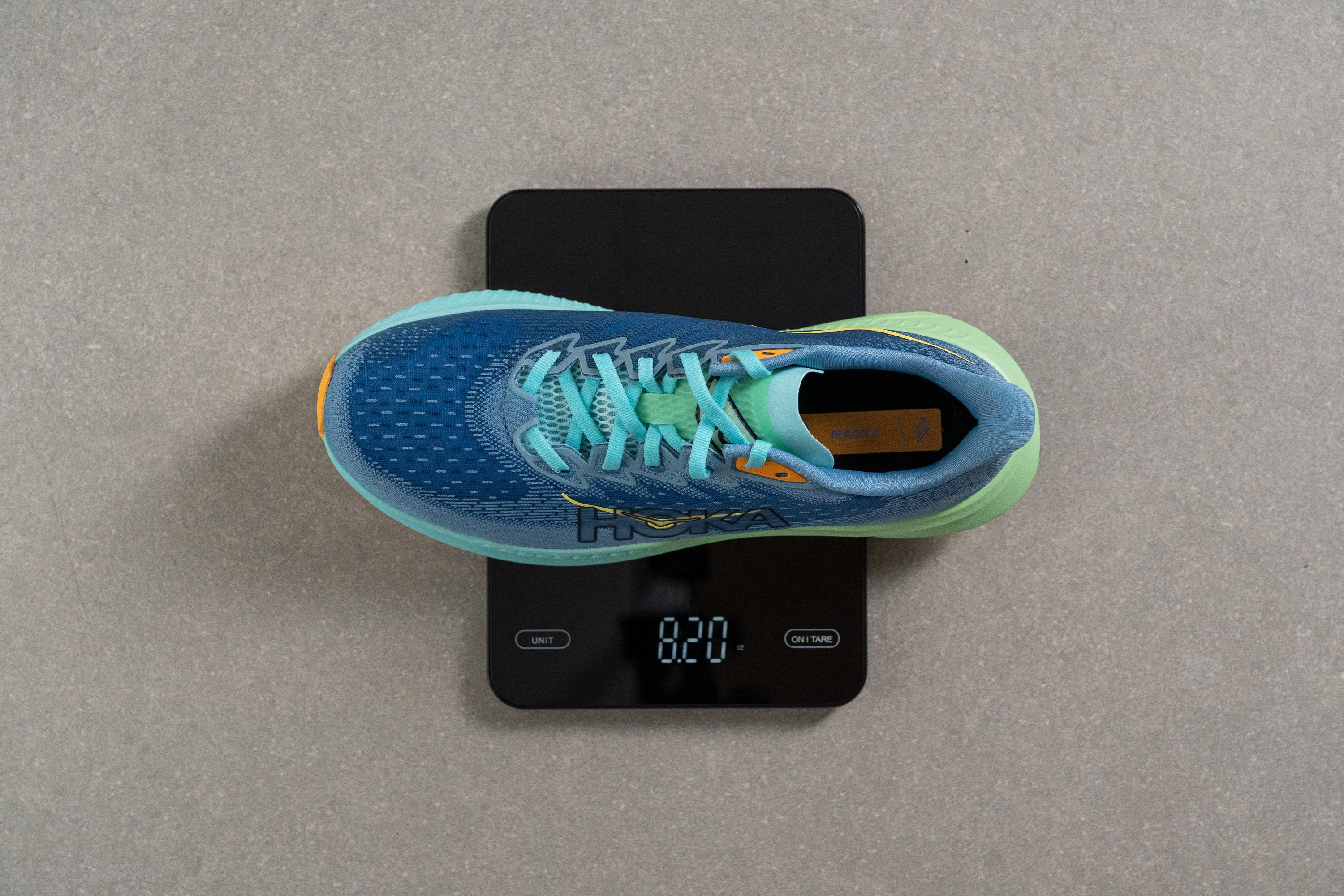
But please note that there is variation within each category, and the highest energy return does not necessarily mean the lightest weight.
Here is the rating of the lightest shoes in the high-rebound range:
The role of insoles
As the first layer of cushioning to contact the foot, an insole can significantly affect the shoe’s step-in feel. Sure, in most walking shoes it’s just a thin, flimsy layer of basic EVA that offers no added comfort or benefit, but recent designs are beginning to change that trend.
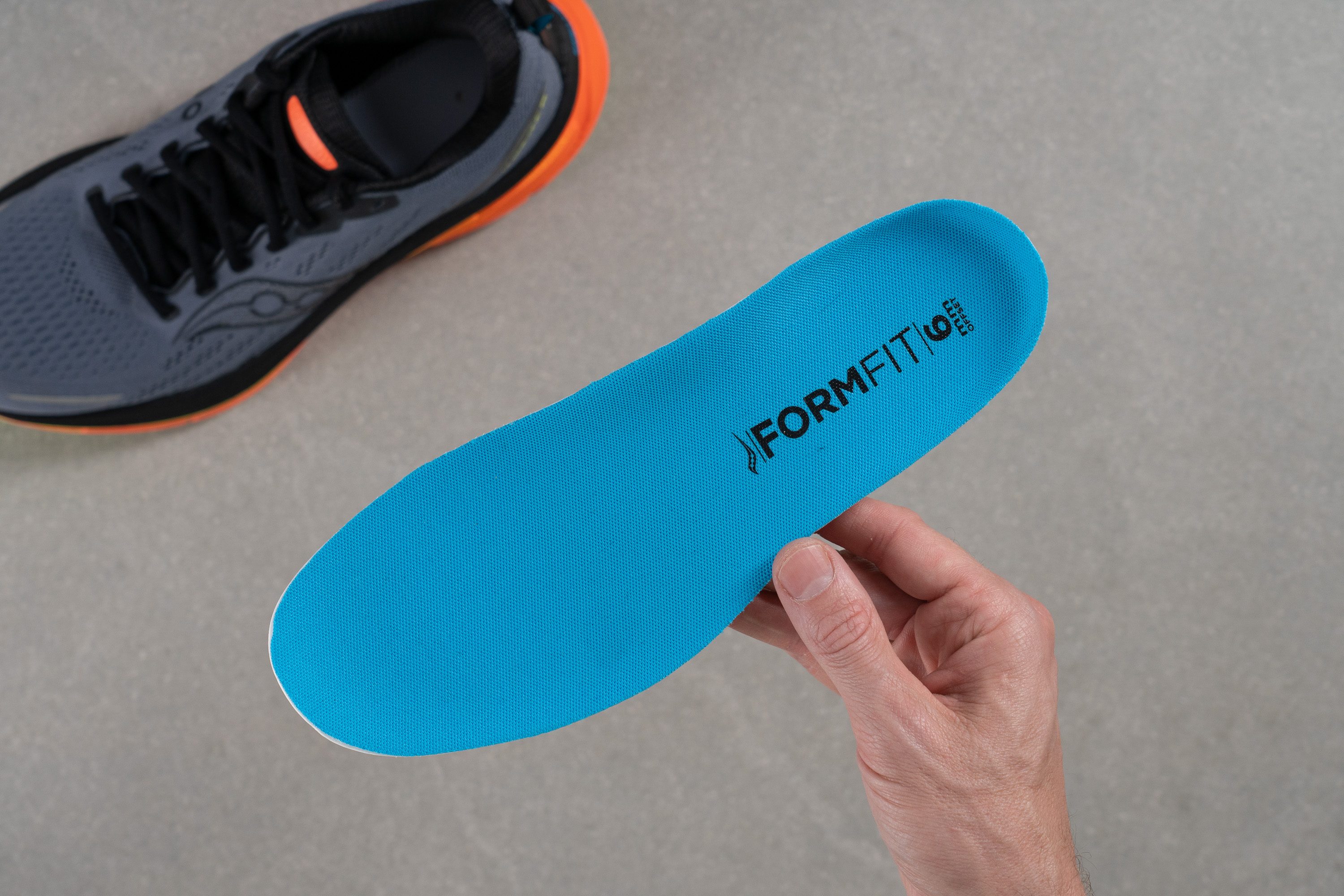
For example, Saucony introduced a Super Responsive Sockliner in the Triumph and Hurricane series. Made of elastic, high-performance TPU, it plays a major role in the energy return of these shoes.
Replacing high-quality insoles like that can alter the shoe’s original energy return and shock absorption by as much as 10%, as our lab experiment showed!
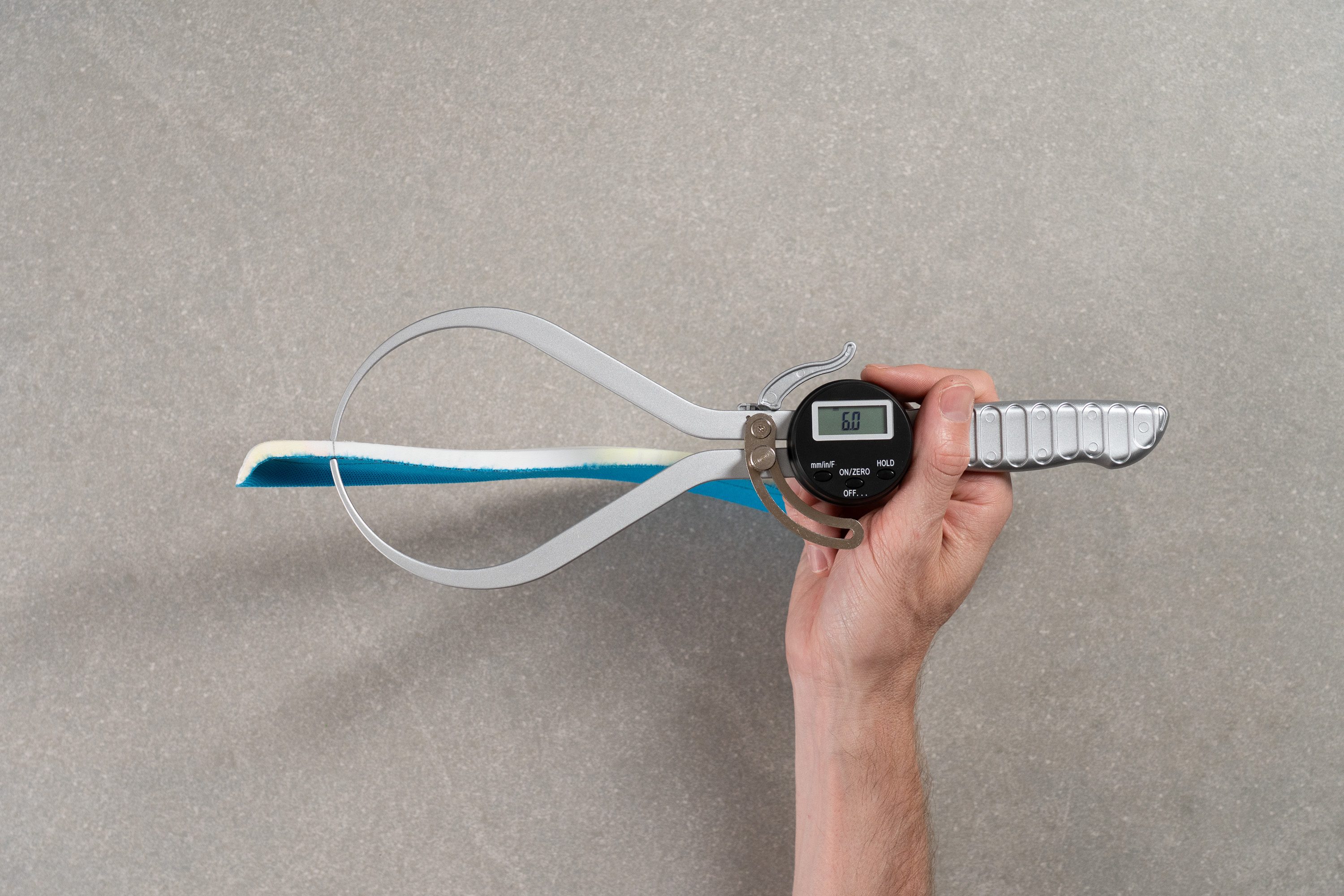
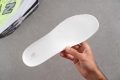
Thus, we’d be careful about replacing insoles thicker than 5.5 mm in shoes with high energy return.
Price: Do we pay more for higher energy return?
Most of the time, the answer is yes.
Analysing the energy return measurements and retail prices of 220+ walking shoes, we found that the MSRP increases linearly with the energy return:
| Energy return | Average MSRP |
| Low | £110 |
| Moderate | £120 |
| High | £130 |
But the good news is that you can still reap the benefits of a bouncy shoe without a dent in your wallet. Here is how:
- Find discounts on RunRepeat: Our system tracks the data from 200+ online footwear retailers for every single shoe, size, and colorway. The current prices are shown on our respective product pages, and you can also subscribe to an email notification for price-drop updates.
- Check out the previous version: If the shoe is part of a series, you might as well consider the previous edition. Chances are, its energy return is equally high, but the price was slashed by 50%.
- Consider budget-friendly options: Assessing all shoes equally, regardless of price point, we found that sometimes a sub-£90 shoe can yield even better lab results than more expensive options! You can see which affordable options made it to our catalogue of walking shoes with high energy return in the table below:
Similar buying guides