6 Best Shoes For Bunions in 2026

We buy shoes ourselves. We earn commissions when you buy through us, at no extra cost. Why trust us
Disclaimer: This guide provides general shoe recommendations for bunions. For medical advice, please consult a doctor, especially if you have symptoms such as pain, swelling, or numbness around the big toe.
With more than 64 million Americans suffering from painful walking due to bunions, the problem is hard to ignore. And because these bony bumps alter the shape and width of one’s foot, most standard shoes fail to provide a comfortable fit and can even exacerbate the condition.
In this guide, we cover athletic shoes with wide, forgiving uppers that may accommodate bunions and bunionettes, supporting your long-term foot health.
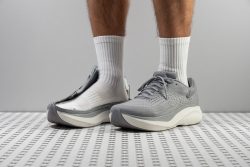
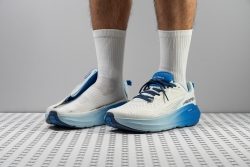
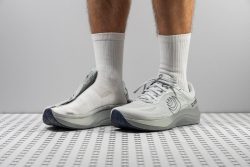
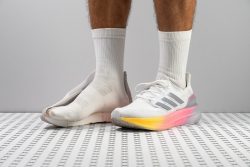
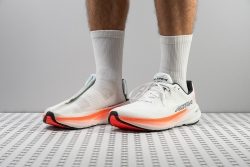
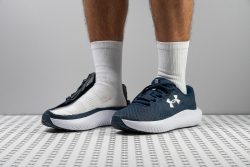
How we test shoes for bunions
We choose and buy all tested shoes with our own money, avoiding brand loyalty and sponsorships.
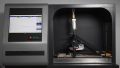
Each pair undergoes a meticulous testing process in both real-world conditions and the lab. We follow acclaimed scientific procedures (ISO, SATRA, ASTM) and use specialised tools and machinery to get 30+ data points on the shoe’s fit, cushioning, stability, and other characteristics.
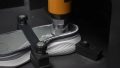
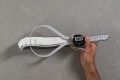
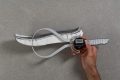
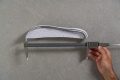
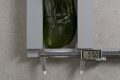
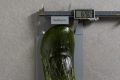
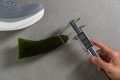
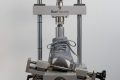
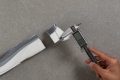
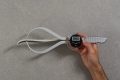
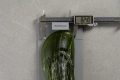
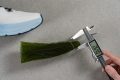
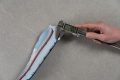
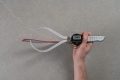
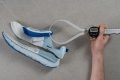
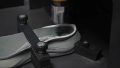
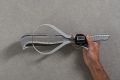
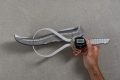
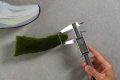
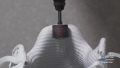
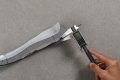
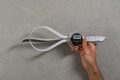
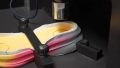
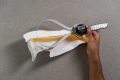
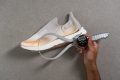
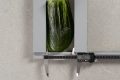
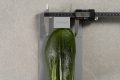
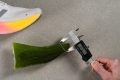
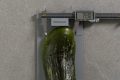
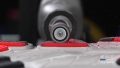
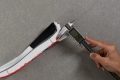
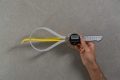
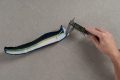
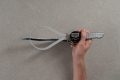
The fit, in particular, plays the most important role in filtering out the best shoes for bunions. We focus on shoes with a wide toebox and this is something we measure on a gel cast that we create in the lab. While you can use a digital calliper to get some sense of the toebox width by measuring it on the outside, those numbers can get very misleading. That's why we insist on finding out how much room there is on the inside. The gel tests give us just that: shoe width, toebox width, and toebox height.
Best shoes for bunions overall



What makes it the best?
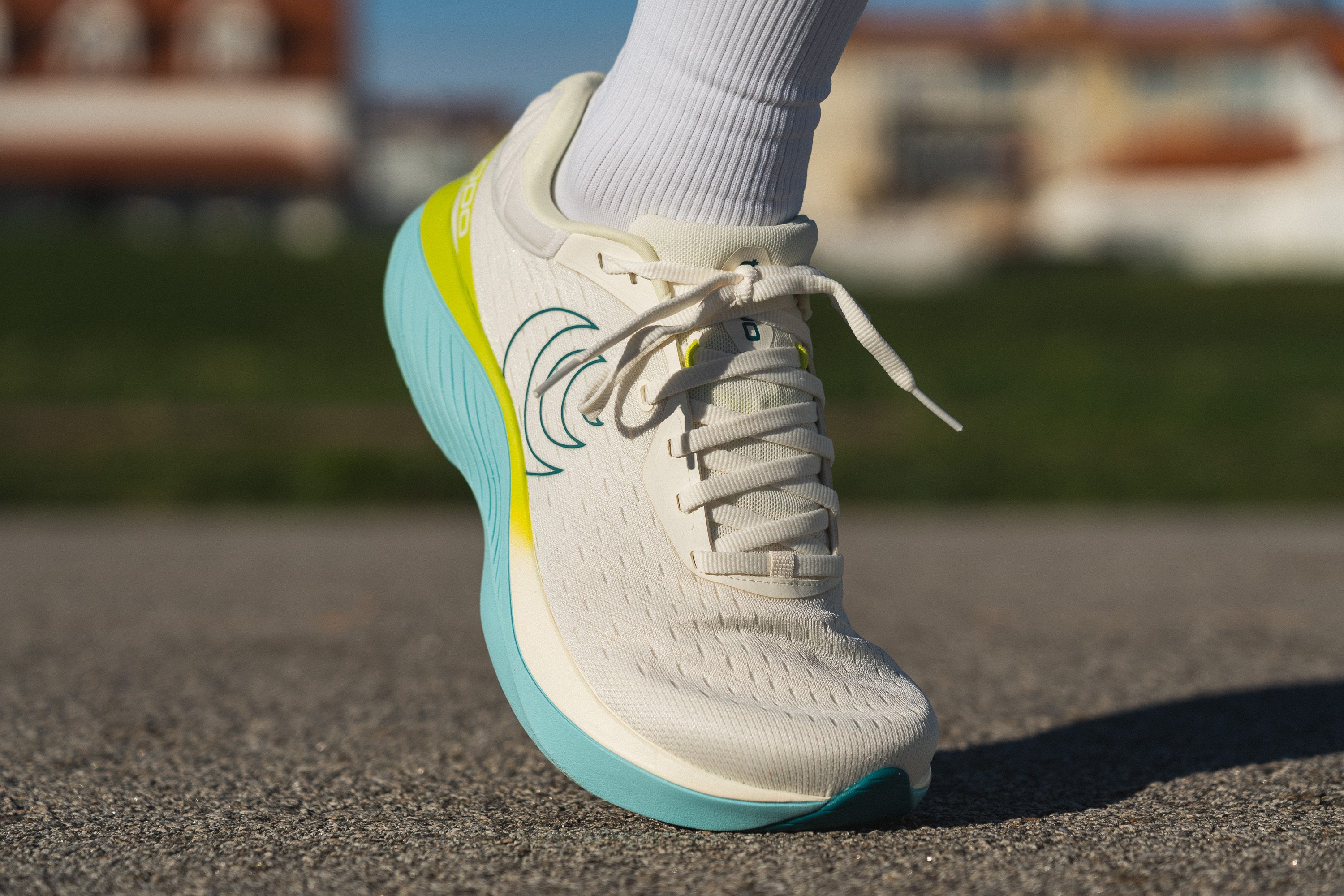
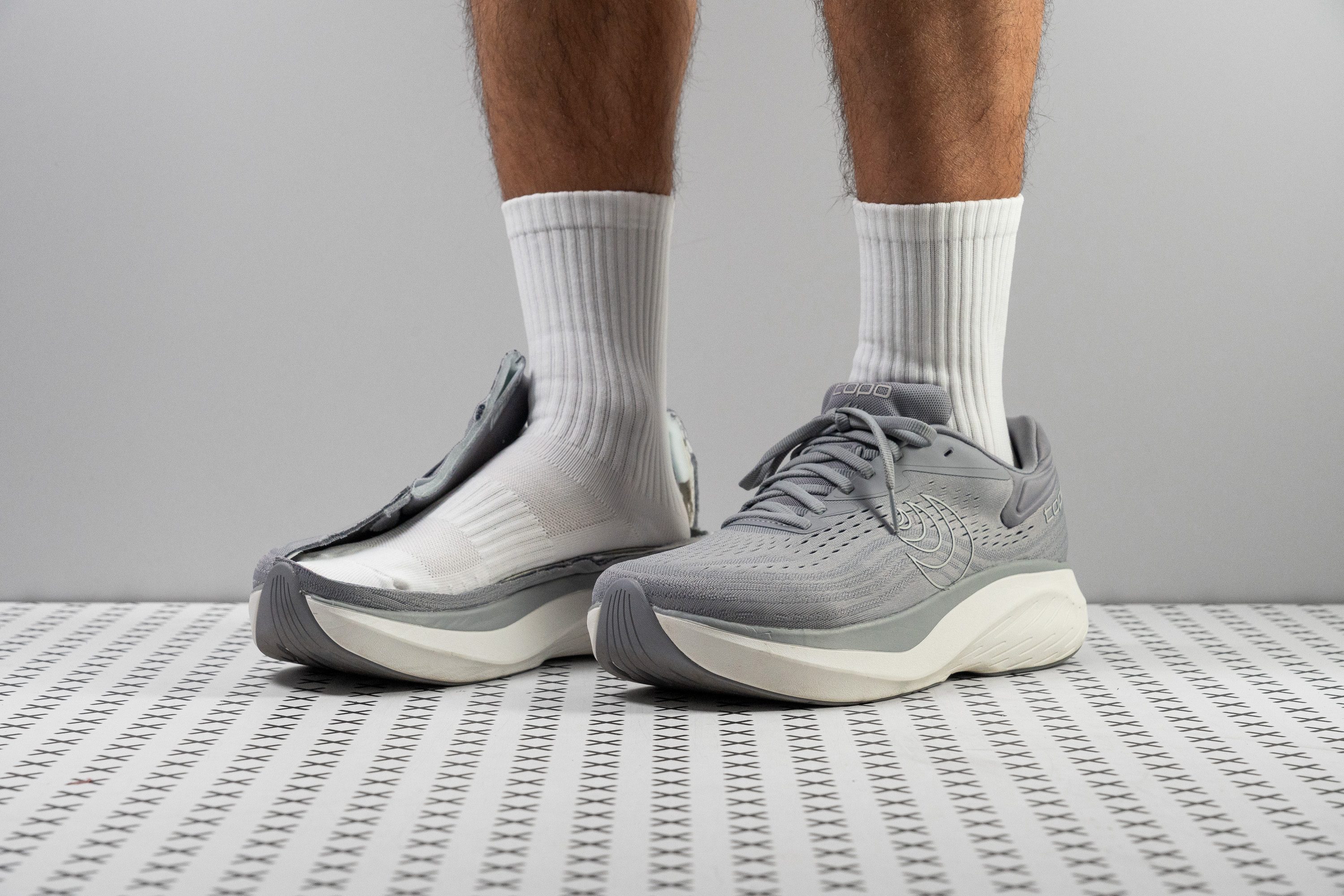
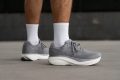
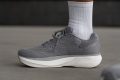
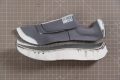
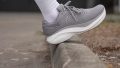
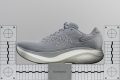
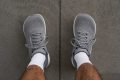
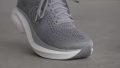
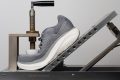
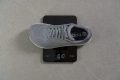
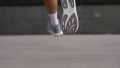
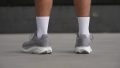
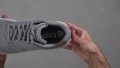
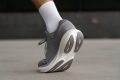
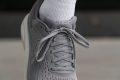
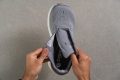
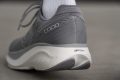
Broad dimensions, smooth movement, and impact-absorbing cushioning define the Topo Atmos 2—and our wear tests confirmed it. Lab results show its highly accommodating fit, both in terms of width and height, making it our best walking shoe for people with bunions.
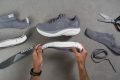
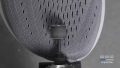
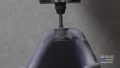
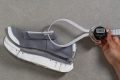
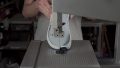
We poured liquid gel mould inside the shoe and let it solidify so that we could accurately measure the shoe’s interior. At the shoe’s max width, we measured 97.5 mm, ensuring that it won’t cause any pain to our bunions. Moving to the toebox, it easily beats its respective averages with its 82.0 mm width and 30.7 mm height!
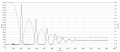
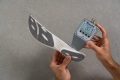
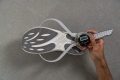
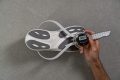
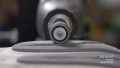
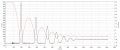
In terms of midsole thickness, Atmos 2 impresses with a generous 39.6/32.7 mm. Not only that, the heel can effectively reduce impact, with a great shock absorption score of 145 SA, 30% above average.
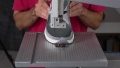
Even with its chunk of foam, it maintains a forgiving ride, needing only 14.1N of force to reach 30 degrees in our bend test. However, its lack of structure makes it suitable for those who don’t need extra guidance. Those who prefer a more stable sensation should consider alternatives.
Pros
- Softer, more comfortable midsole
- Exceptionally roomy anatomical toebox
- Deep cushioning for easy miles
- Reasonably flexible despite high stack
- Good outsole durability
- Comfortable upper
- Performs well in cold weather
- Smooth, predictable ride
- Good option for all-day wear too
Cons
- Slight weight gain
- Less stable than v1
- Poor ventilation
- Lacks energy return
Best foot-shaped shoes for bunions




What makes it the best?
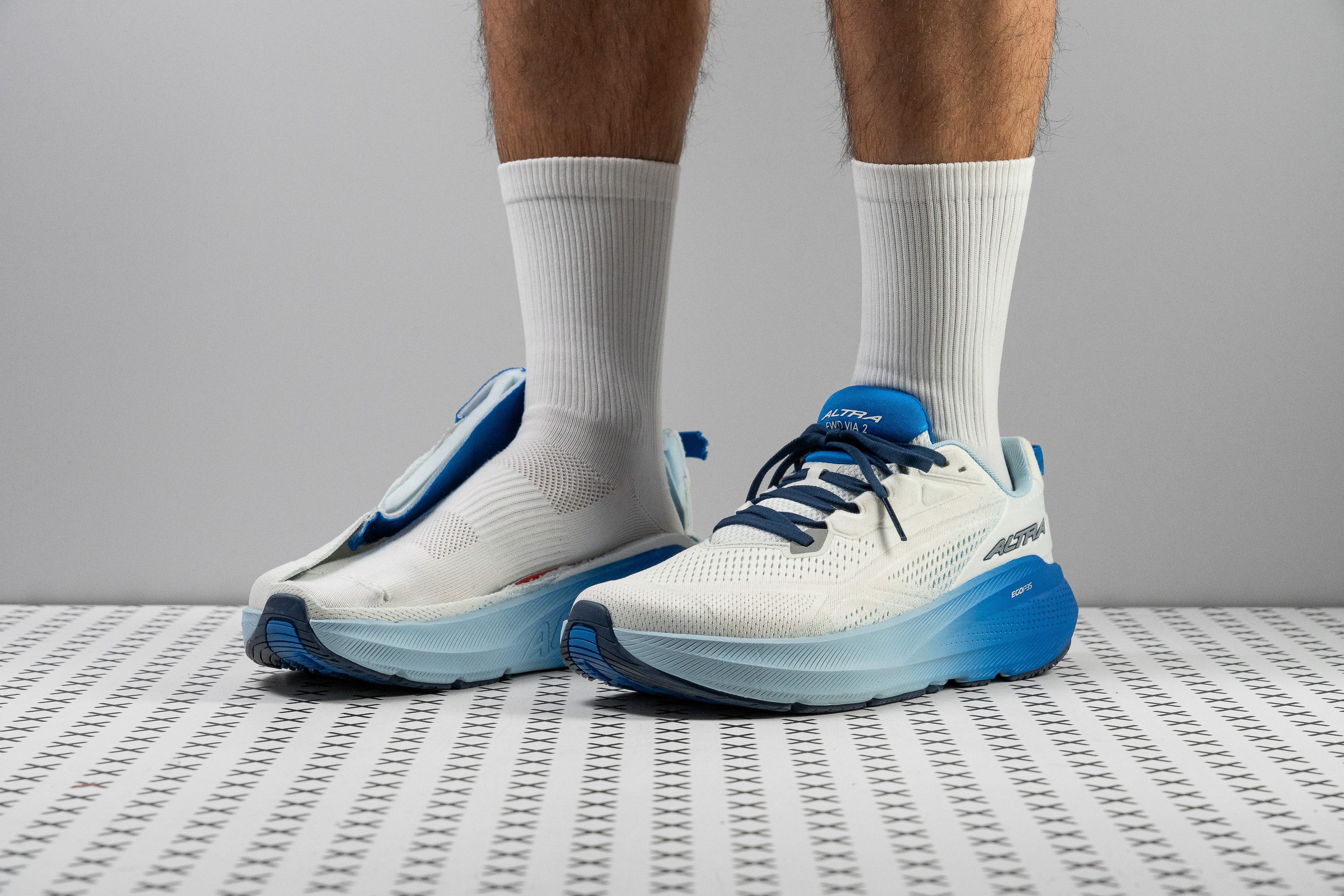
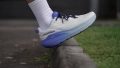
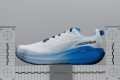
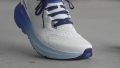
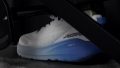
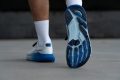
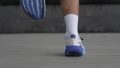
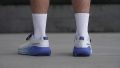
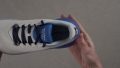
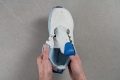
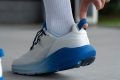
The Altra FWD VIA 2 is committed to comfort and securing our steps, ensuring a safe and pain-free experience. It’s sturdy yet forgiving where it matters, delivering reliable lateral support and a grippy base while remaining flexible and lightweight. However, its unrestrictive fit is the main highlight, making it our best foot-shaped bunions walking shoe.
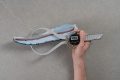
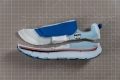
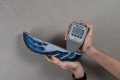
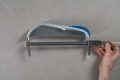
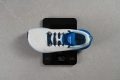
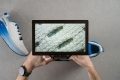
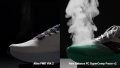
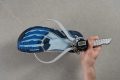
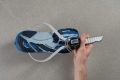
This Altra shoe features the brand’s Original FootShape design, and our gel mould confirms it. At the widest point, we measured 101.4 mm, one of the broadest we’ve seen since the average is only 95.2 mm. It really made sure to stay away from our bunions and broad feet. It also features a gentle taper, with the toebox measuring a solid 82.4 mm compared to the 73.3 mm average.
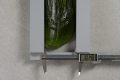
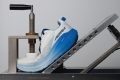
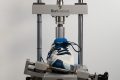
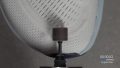
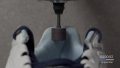
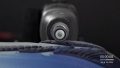
The platform has sturdy sidewalls that limit lateral movement, without feeling too intrusive. What felt undeniable in our strolls is the outsole’s strong grip. In our traction test, we recorded 0.73, which makes it 46.0% grippier than average, promoting controlled footing.
Given its broad dimensions, its low figure of 9.6 oz (272g) is a pleasant surprise. Moreover, it emerged 14.9% more flexible than average, which helps boost comfort for daily wear.
Unfortunately, FWD VIA 2 failed to meet our expectations in terms of breathability. While our feet felt comfortable with the space, it needed more air during warmer days.
Pros
- Much softer midsole than version 1
- Strong impact protection
- Very wide and roomy toebox
- Major improvement in grip
- Outsole is made to last forever
- Excellent space for natural toe splay
- Flexible build despite its high stack height
- Ideal for newcomers to Altra
Cons
- Small price increase
- Higher than expected drop
- Poor breathability
- Energy return still below average
Shoes for bunions with the best stability


What makes it the best?
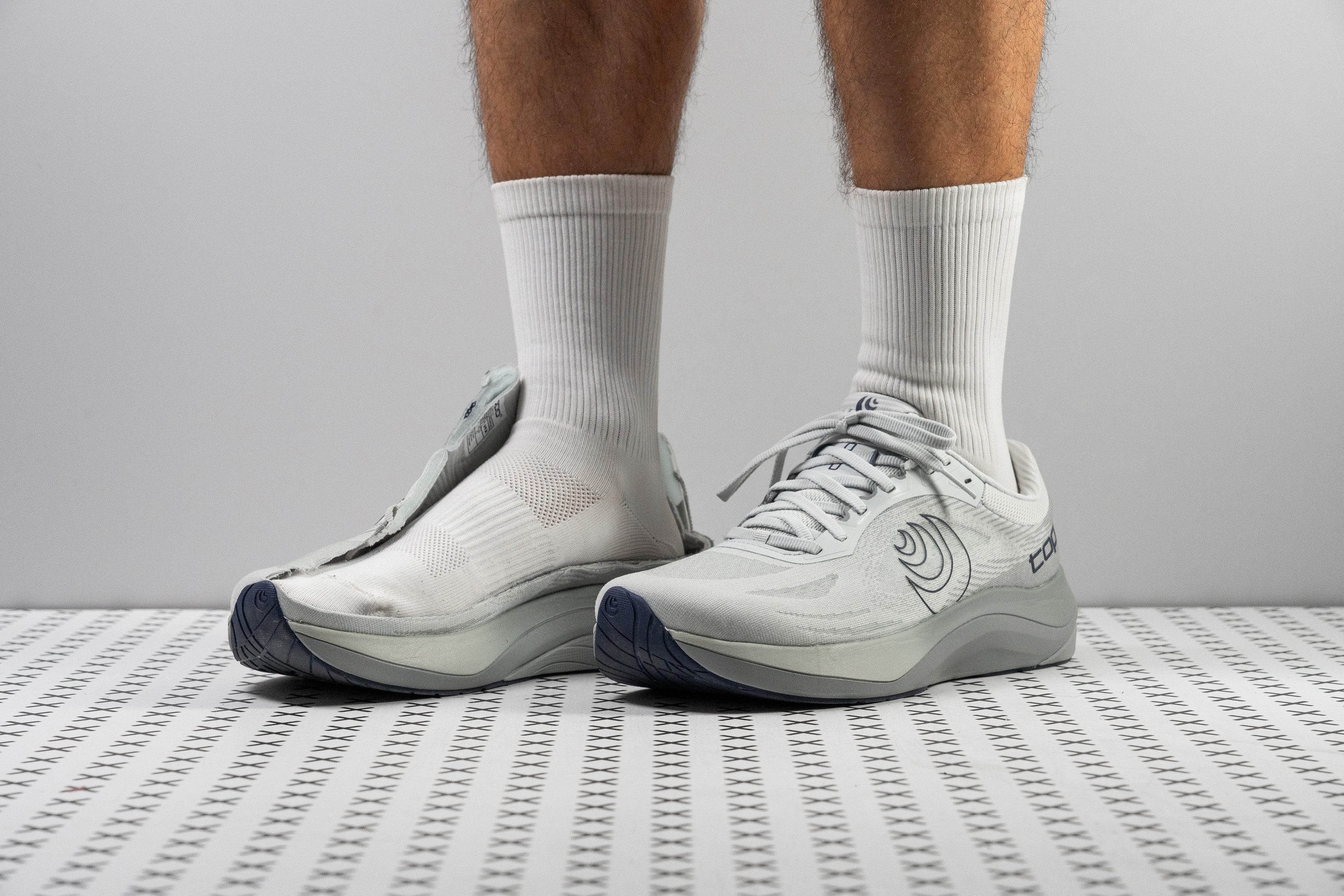
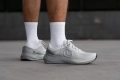
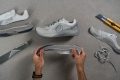
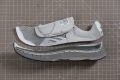
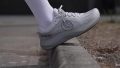
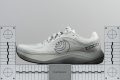
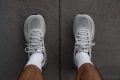
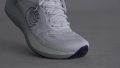
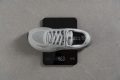
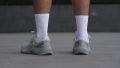
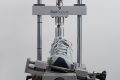
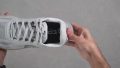
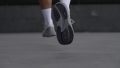
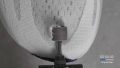
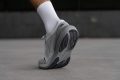
While the Topo Ultrafly 6 features roomy interiors and limits excessive lateral movement in our strolls, it also maintains a light, loose build. Our assessment in the lab reveals it features a grounded platform with subtle guidance elements that make it our best stability bunions walking shoe.
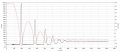
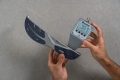
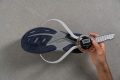
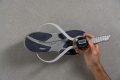
We measured a moderate stack height of 33.0/26.4 mm, with a mid 6.6 mm drop that enhances surface connection. Naturally, this increases our surefootedness. Moreover, we found a medial post that stabilises each step we take, as we remain within the confines of the shoe at all times.
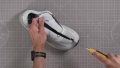
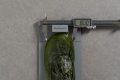
The shoe welcomes wide feet and bunions with no pressure points, evidenced by the max 96.7 mm width of the gel mould we created. Compared to the average, it’s 2.4 mm wider! The toebox barely tapers too, maintaining lots of space in its massive 80.3 mm width.
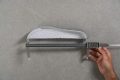
Its high flexibility and low weight create a freeing and refreshing feeling. In our bend test, it emerged 18% more pliable than average, boosting comfort and versatility. It feels far from a burden underfoot, with its 9.6 oz (272g) weight being impressively light considering the support it brings.
However, those who draw stability from wider platforms may want to reconsider the Ultrafly 6. While it’s roomy up front, its 91.0 mm heel is just at par with average.
Pros
- Anatomical toebox allows for toe splay
- Stable ride with updated support
- Secure fit despite roomy forefoot
- Ideal option for custom orthotics
- Outstanding outsole durability
- Comfortable upper
- Looks a bit better than previous models
- Doubles as a walking shoe
- Interesting pick for beginners
Cons
- Outdated midsole tech
- Low shock absorption
- Limited to easy runs
- High torsional rigidity may bother some
Shoes for bunions with the best knit upper








What makes it the best?
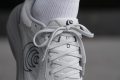
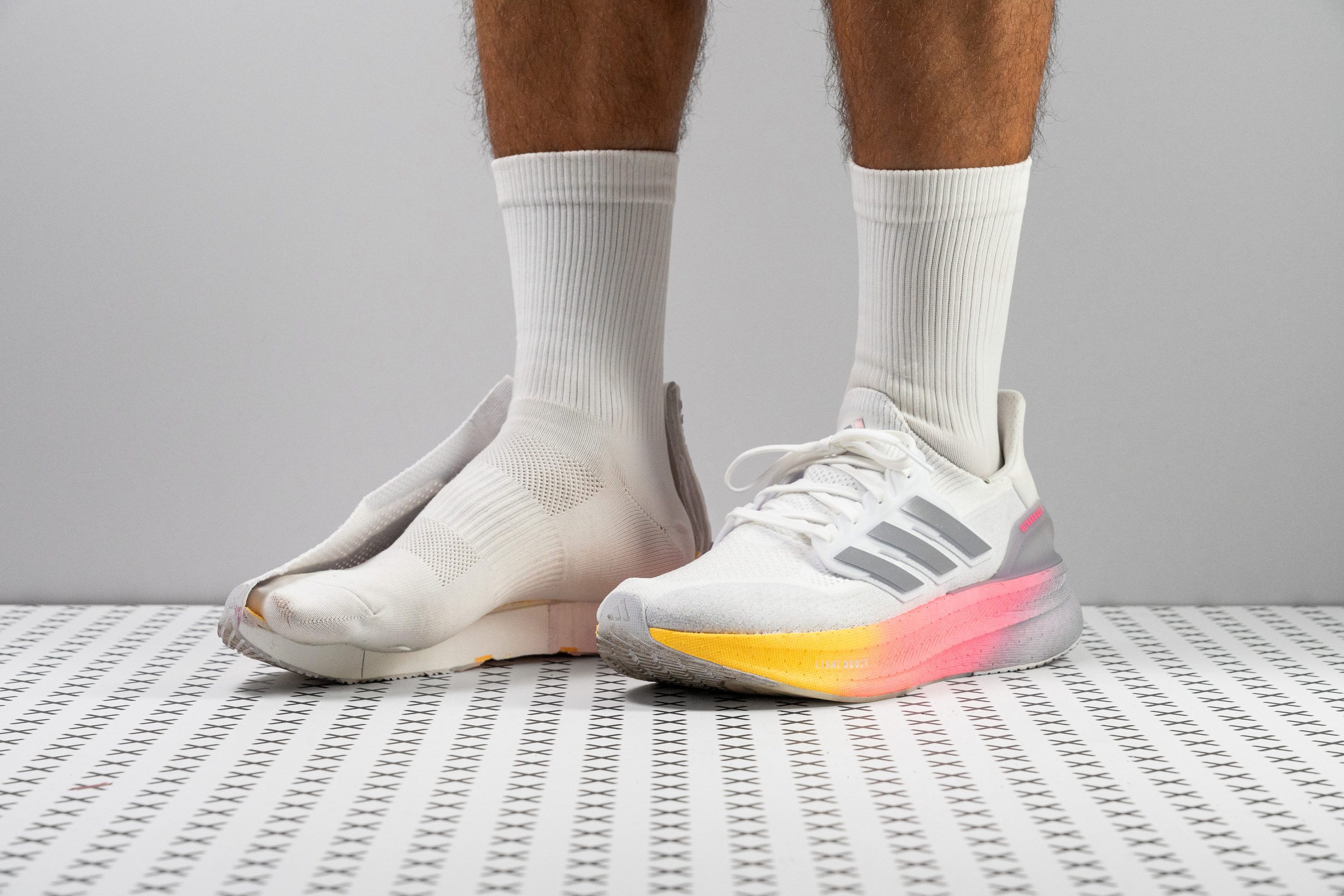
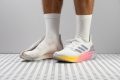
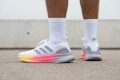
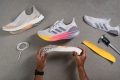
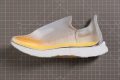
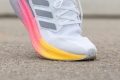
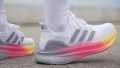
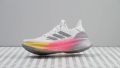
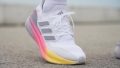
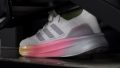
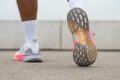
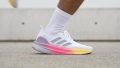
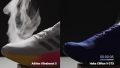
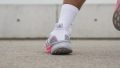
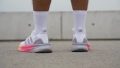
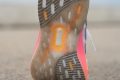
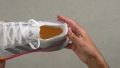
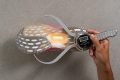
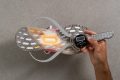
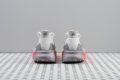
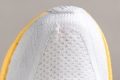
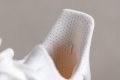
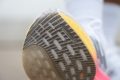
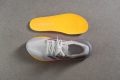
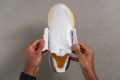
The adidas Ultraboost 5 is stiff and forgiving in the right areas, delivering lasting comfort and support. Its Primeknit upper, however, is very cosy and stretchy! Lab tests verify the roominess we felt in our strolls, making the Ultraboost 5 our bunions walking shoe with the best knit upper.
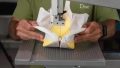
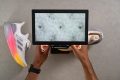
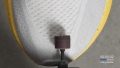
The stretchy Primeknit upper easily adjusts if more room is needed up front. The Ultraboost 5 already offers generous space, with our gel mould showing the max width is 98.4 mm. Exceeding the average by 3.3 mm and expanding as needed, those with bunions don’t need to worry about pressure points.
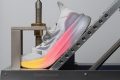
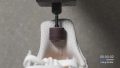
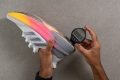
In the midsole, we discovered the Torsion System, which adds stiffness to the shoe and centres the ride. Every step feels intentional and controlled, with the shoe’s high torsional rigidity (4/5) supporting us.
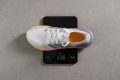
Thankfully, Ultraboost 5 maintains a low figure, enhancing comfort and versatility for daily wear. Our scales show it’s only 9.4 oz (266g), making it easy on the feet.
However, note that vertical clearance is limited. While the knit upper expands, it mostly rests on top of our toes, which may feel uncomfortable for others.
Pros
- Enhanced midsole cushioning
- Roomy, comfortable knit upper
- Suitable for daily wear
- Excellent durability
- Optimised for heel strikers
- Superior Continental outsole
- More cushioned than ever before
- Can handle forefoot strikers
- Great for summer
Cons
- Could still be lighter
- Not suitable for fast paces
- Potential for heel slippage
Best lightweight walking shoes for bunions

What makes it the best?
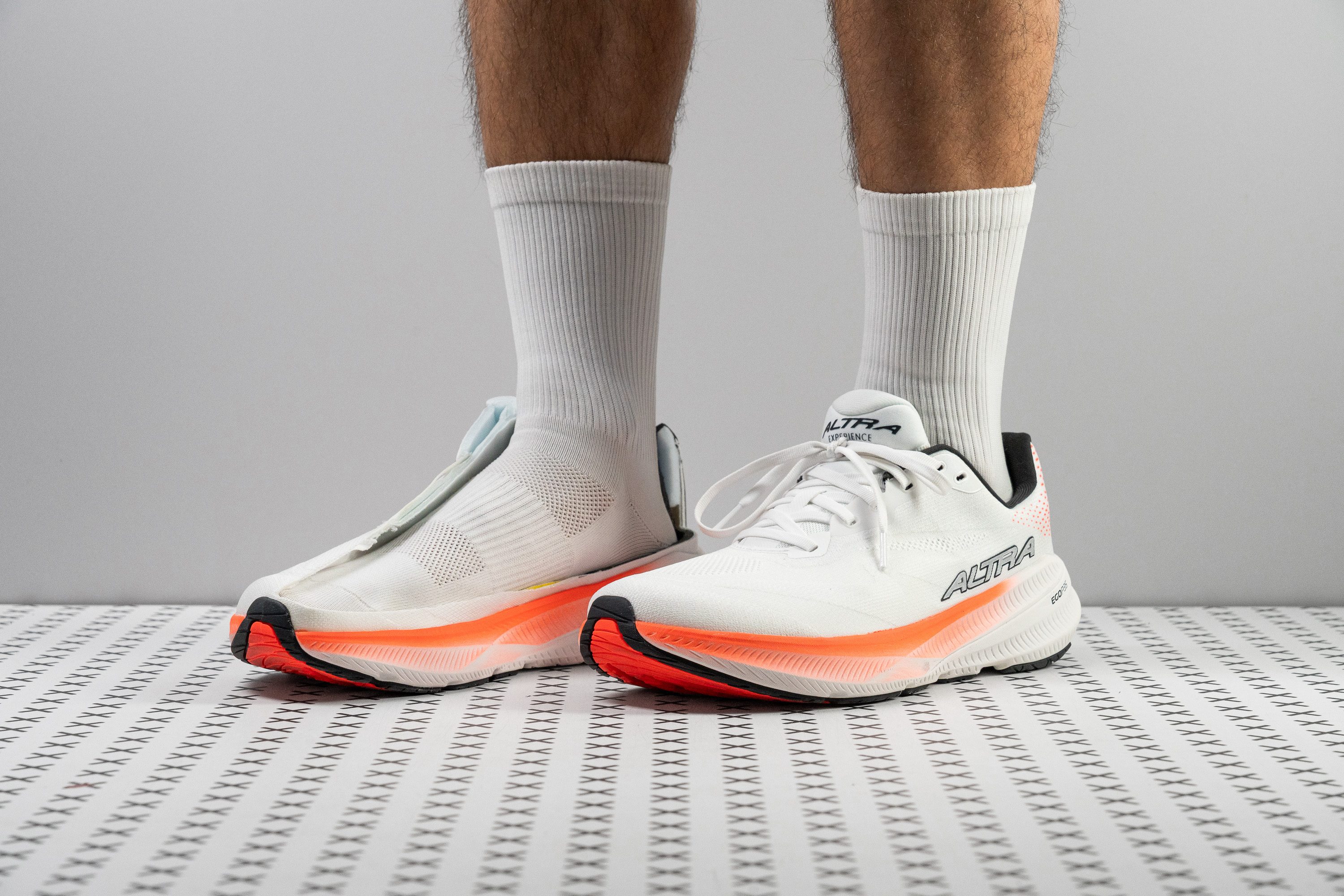
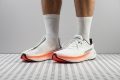
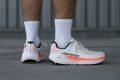
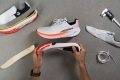
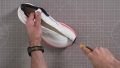
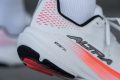
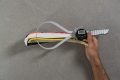
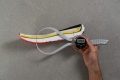
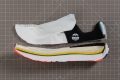
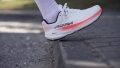
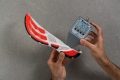
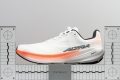
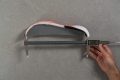
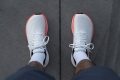
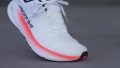
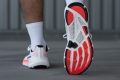
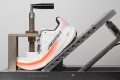
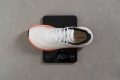
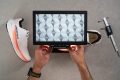
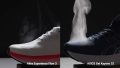
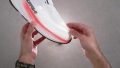
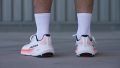
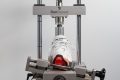
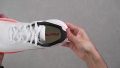
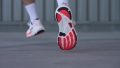
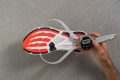
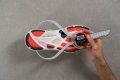
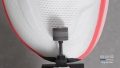
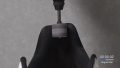
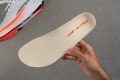
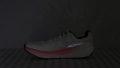
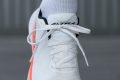
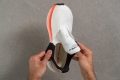
The Altra Experience Flow 3 emerged as our best lightweight bunions walking shoe because it kept the ride as natural and weightless as possible, with a very roomy fit. Our lab work confirms its effortless commitment to minimalism through its low configuration, light and loose build, and unrestrictive upper. Our scales confirmed its feathery build, yet it’s our feet that enjoyed it the most. At only 8.5 oz (241g), it’s 8% below average. Moving required minimal effort, and our bend test confirms EF3 is significantly 44% more flexible than average!
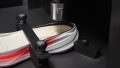
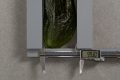
The shoe gives our feet and bunions the space to breathe. We created a gel mould and measured the max width at 99.3 mm, making it a solid 4.1 mm wider than average. Even the toebox maintains a foot-shaped figure, measuring 79.3 mm vs. the 73.3 mm average.
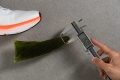
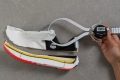
EF3’s low profile naturally enhances stability, together with the grippy base that scored a strong 0.70 score in our traction test. Our calliper reveals a low 31.0/25.8 mm cushion for a ground-connected ride.
It features a moderate 5.2 mm drop, which is great for strengthening our legs since we have to do the work. However, this offset may feel too harsh for others. Therefore, we can’t recommend it to those with lower-leg issues such as plantar fasciitis and Achilles Tendonitis.
Pros
- Very comfortable ride
- Foot-shaped toebox
- Moderate drop adds appeal for many runners
- Good durability
- Insane flexibility
- Strong traction from redesigned outsole
- Versatile enough for running and casual use
- Lightweight feel
- Multiple reflective elements
- Multiple reflective elements
Cons
- Limited energy return
- Breathability is below expectations
- Small price bump
Best budget shoes for bunions
What makes it the best?
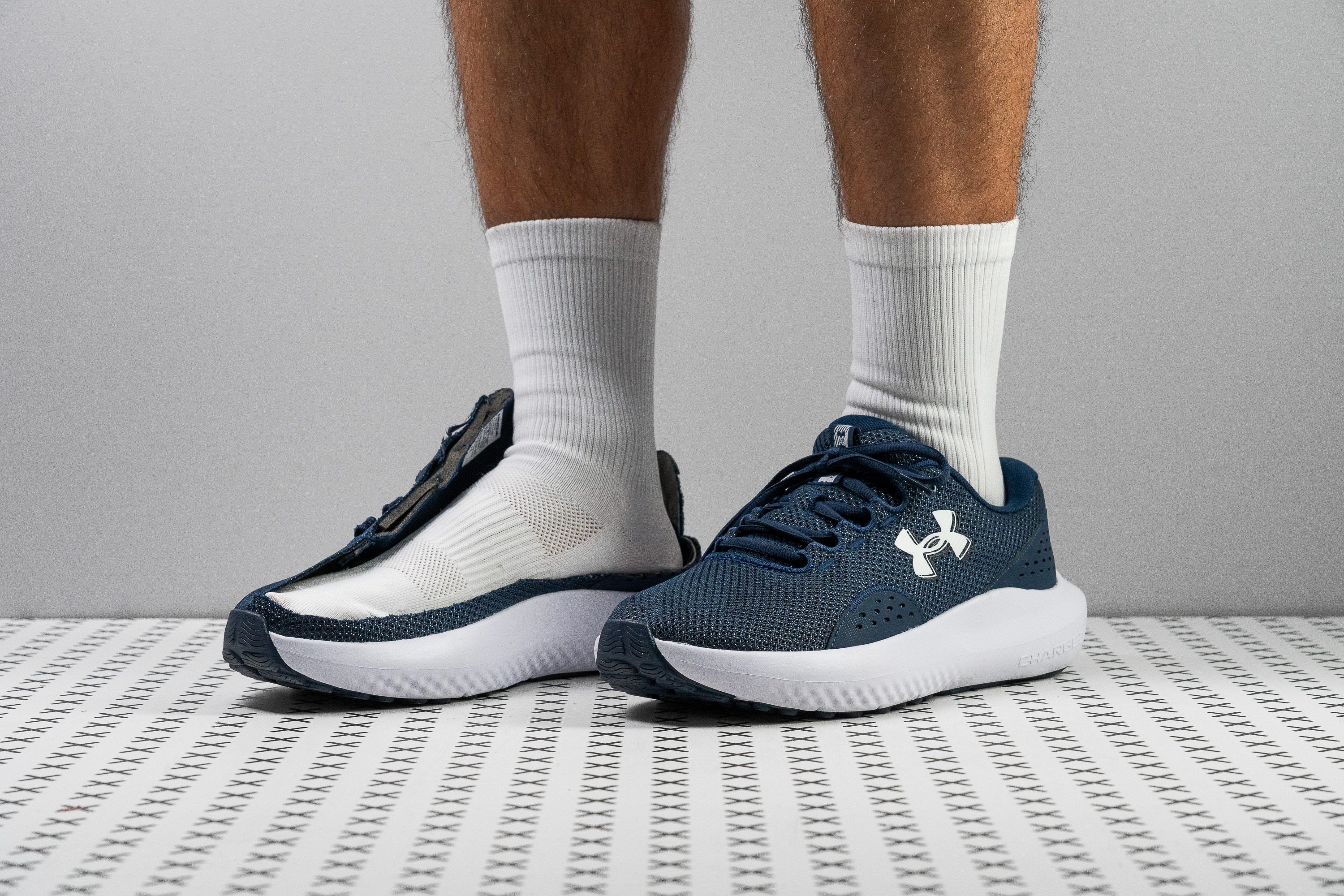
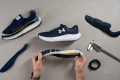
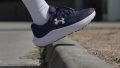
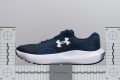
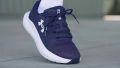
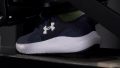
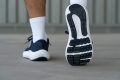
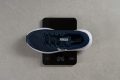
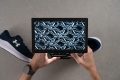
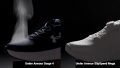
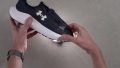
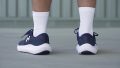
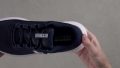
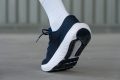
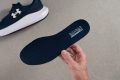
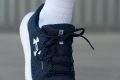
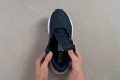
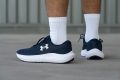
The Under Armour Surge 4 makes our wallets and wide feet happy because it welcomes us with ease—in terms of fit, stability, and its accessible £60 price. Lab results confirm its accommodating nature and broad, twist-resistant base, reducing strain on our feet. Staying comfortably below the £90 range, it’s our best budget walking shoe for people with bunions.
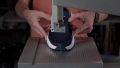
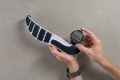
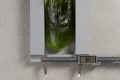
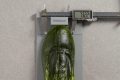
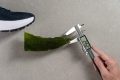
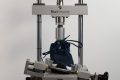
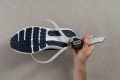
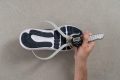
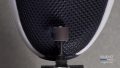
We created a gel mould to accurately measure the maximum width of the shoe. Our calliper returned a broad 98.5 mm reading, making it 3.4 mm broader than average and avoiding any pressure points on our bunions.
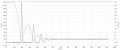
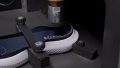
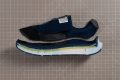
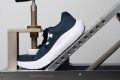
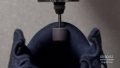
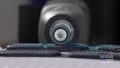
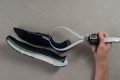
The midsole takes care of our joints well, with enough shock absorption of 114 SA in the heel. The ride also feels smooth because of the midsole’s near-average flexibility.Our sliced midsole shows lateral TPU heel inserts, which enhance stability and resistance against harsh lateral movements. Our manual twist test confirms it scores a solid 4/5 in torsional rigidity. The base also runs wide at 116.3/94.8 mm, naturally helping us stay balanced.
However, the toebox tapers to a more average 73.2 mm reading. It also has limited height, so we can’t recommend this shoe to those with high-volume toes or square-shaped feet.
Pros
- Good traction
- Very affordable price
- Stable and secure ride
- Ideal for heel strikers
- Comfortable heel and tongue
- Suitable for daily wear
- Pressure-free lacing system
- Durable outsole
Cons
- Very low energy return
- Weak shock absorption
- Not for serious running
- Firm feel underfoot
Why the right shoe is important for bunions
Note: This guide focuses on athletic shoes only (walking shoes, walking-friendly running shoes, and lifestyle trainers). If you need dress shoes, please avoid silhouettes with pointy toeboxes and high heels.
There are various causes of bunions, including underlying health conditions, your foot mechanics, and long hours of standing, among others. However, wearing ill-fitting, narrow, or overly pointed shoes is one of the most common causes of toe misalignment.
Here is an illustration of how the foot sits inside a pointy shoe compared to a wide, foot-shaped one.
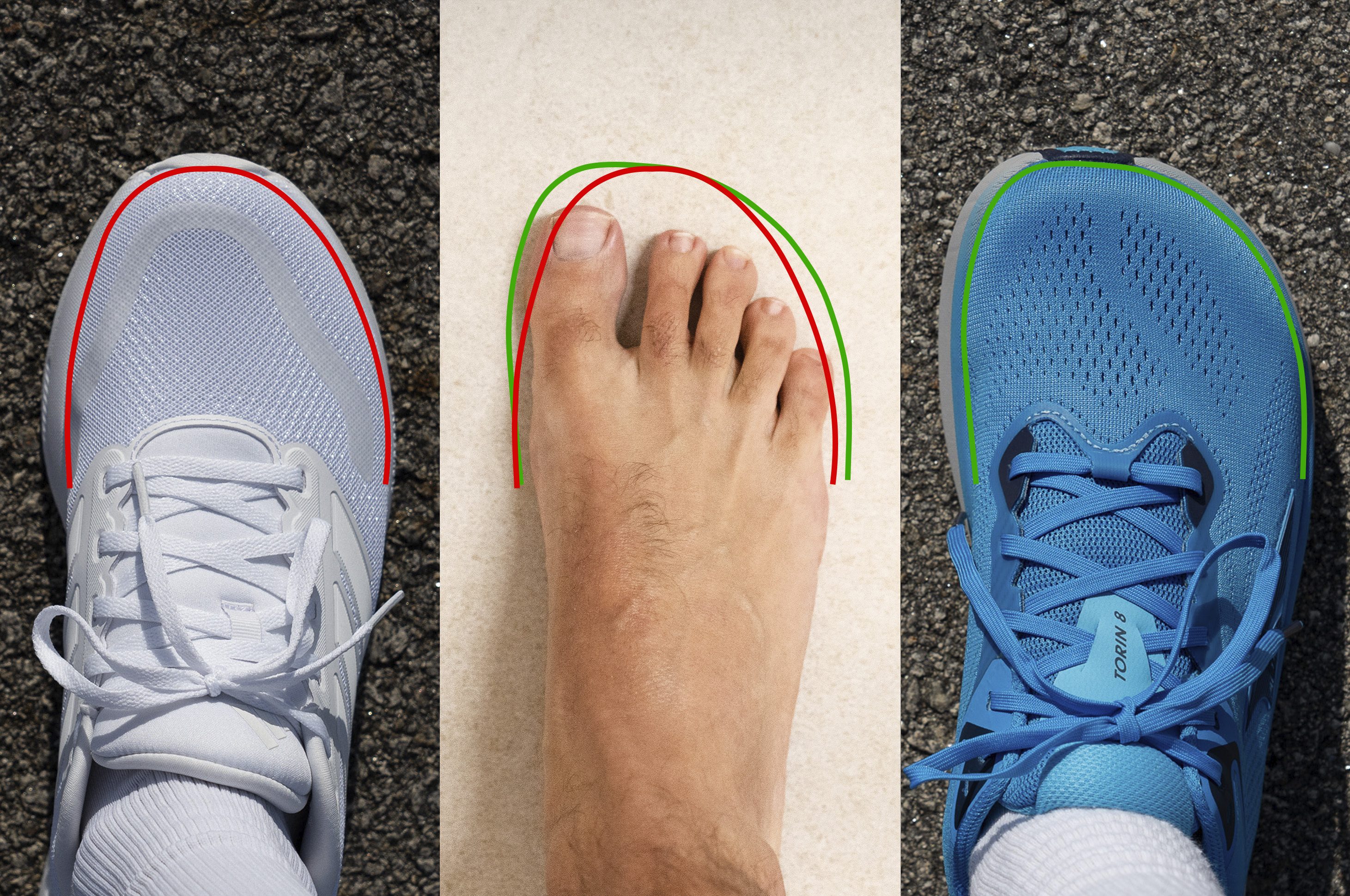
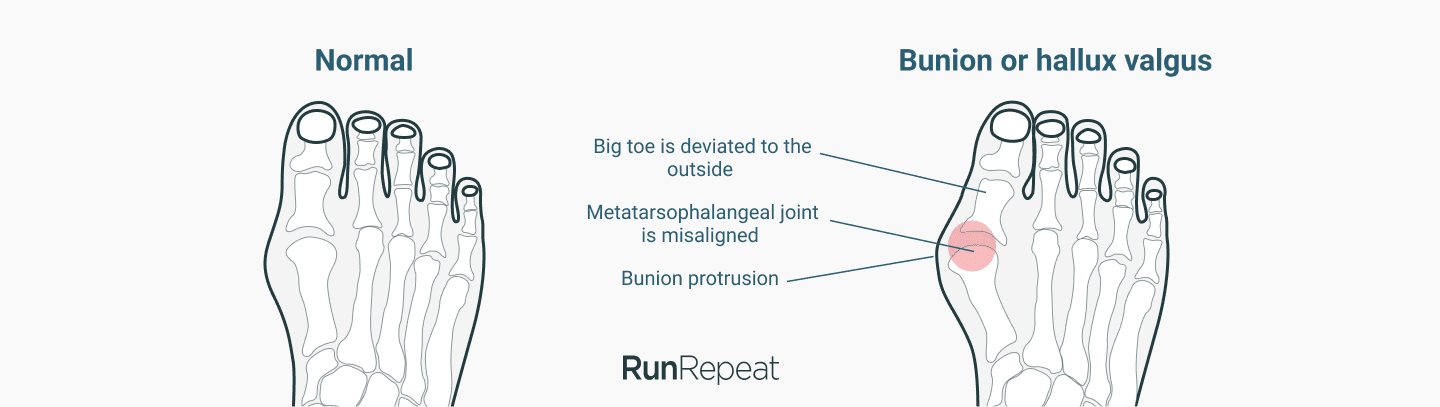
A cramped toebox pushes the big toe out of its natural alignment toward the second toe, causing a bump at the metatarsophalangeal joint. The deformation is often accompanied by pain, swelling, and stiffness in this area.
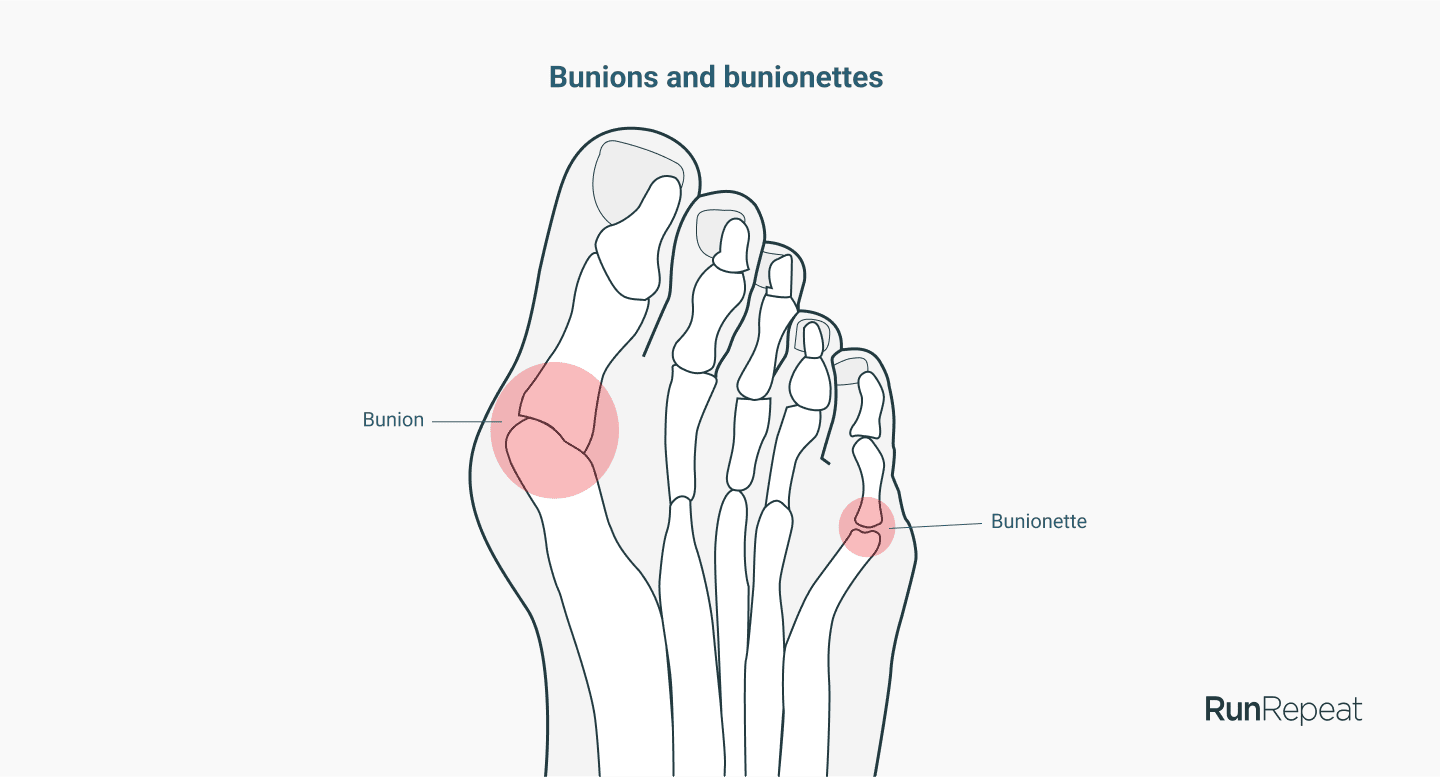
A bunionette (or Taylor’s bunion) is a similar deformation that occurs at the base of the pinky toe. It can also be caused by tight footwear and exacerbated by activities with a lot of repetitive lateral stress, such as basketball and tennis.
It is important to take action as soon as you notice the formation of a bunion because it does not go away on its own.
Aside from discomfort, it may also lead to pain, numbness, swelling, limited movement of the big toe, bursitis, corns, calluses, hammertoes, and osteoarthritis.
3 features to look for in the best shoes for bunions
No matter what your bunions treatment protocol is (icing, taping, physiotherapy, painkillers, or even surgery), footwear changes are an essential part of the treatment process.
Of course, shoes won’t reduce or reverse the bunion itself, but they can relieve pressure and reduce the pain. They can also improve your posture and gait by easing the stress on your knees, hips, and lower back.
Here are the three must-have features of a shoe for bunions:
- Wide toebox: This can be a medium-width shoe with a wide toebox or a wide/extra-wide-width shoe.
- High toebox: Enough vertical space to prevent pressure points on top of the toes and toe joints.
- Stretchy upper: Soft, pliable upper materials stretch to accommodate the deformity without straining.
But most importantly, the shoe must feel comfortable straight out of the box! Be sure to sit, stand, and walk around in the new pair of shoes before buying them. No movement or position should cause pinching or pressure on your toes.
Do not rely on a break-in period to make the shoe fit better!
1. A wide shoe toebox is essential for bunions
It’s one thing when you can try a whole lot of shoes in a store, but it’s a different story when shopping online. How would you know if the shoe has enough toebox space to fit your feet comfortably?
At RunRepeat, we have developed a custom method for measuring each shoe’s internal forefoot space.
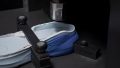
Filling the shoe’s interior with special liquid, we keep it in the fridge until it solidifies into a one-to-one gel mould.
Then, we use a digital calliper to measure the widest part of the mould, which corresponds to the ball of the foot between the first and fifth metatarsals. In other words, right where the bunions and bunionettes are found!
Believe it or not, but shoes in the same size and width can have anywhere from 87.4 mm to 101.1 mm of width in this part of the toebox!
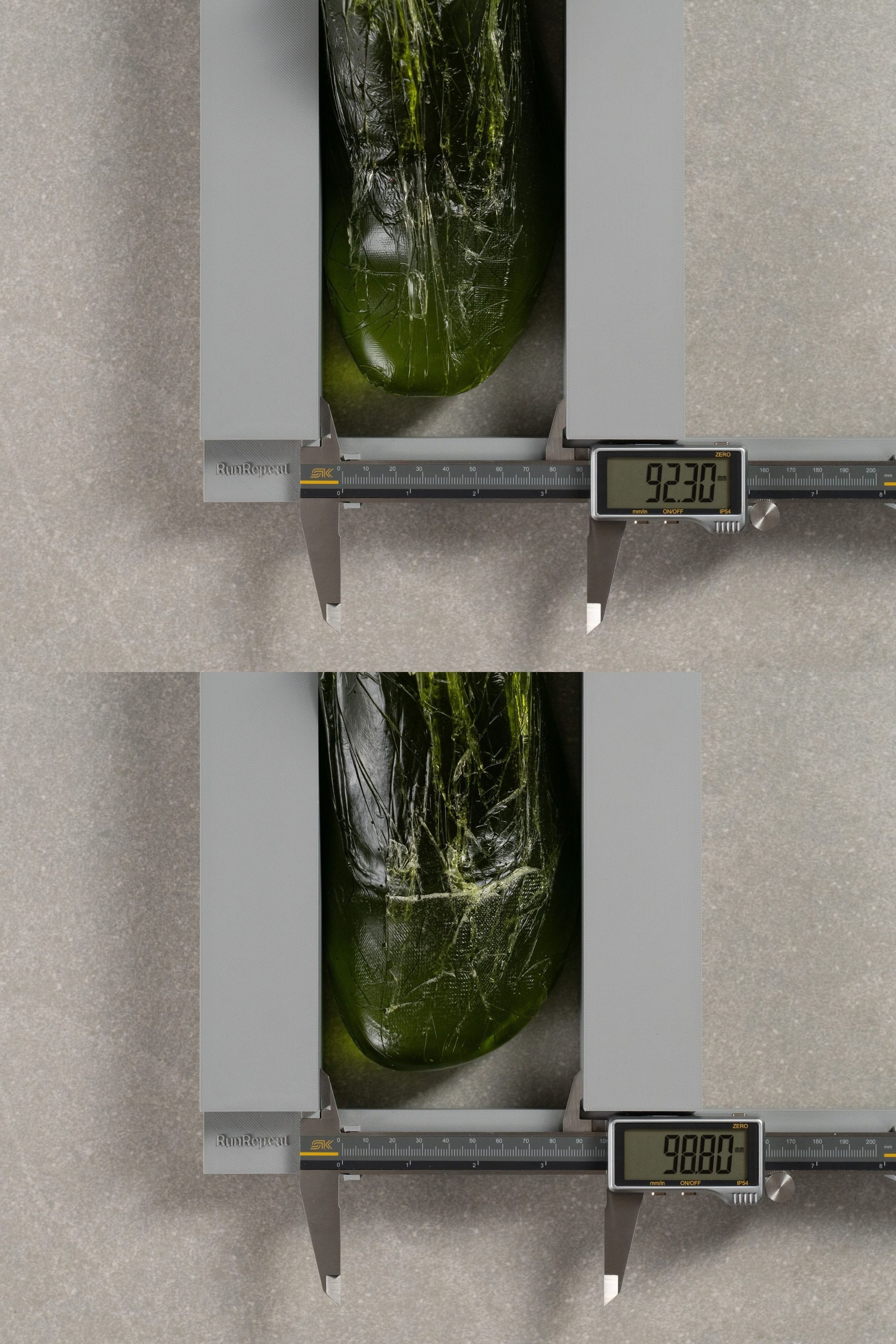
We measure all shoes in the same men’s US size 9, D medium width, for consistent, comparable results. But if you need even wider options, brands like New Balance, Brooks, HOKA, and ASICS offer wide (D/2E) and extra wide (2E/4E) variants of their popular models.
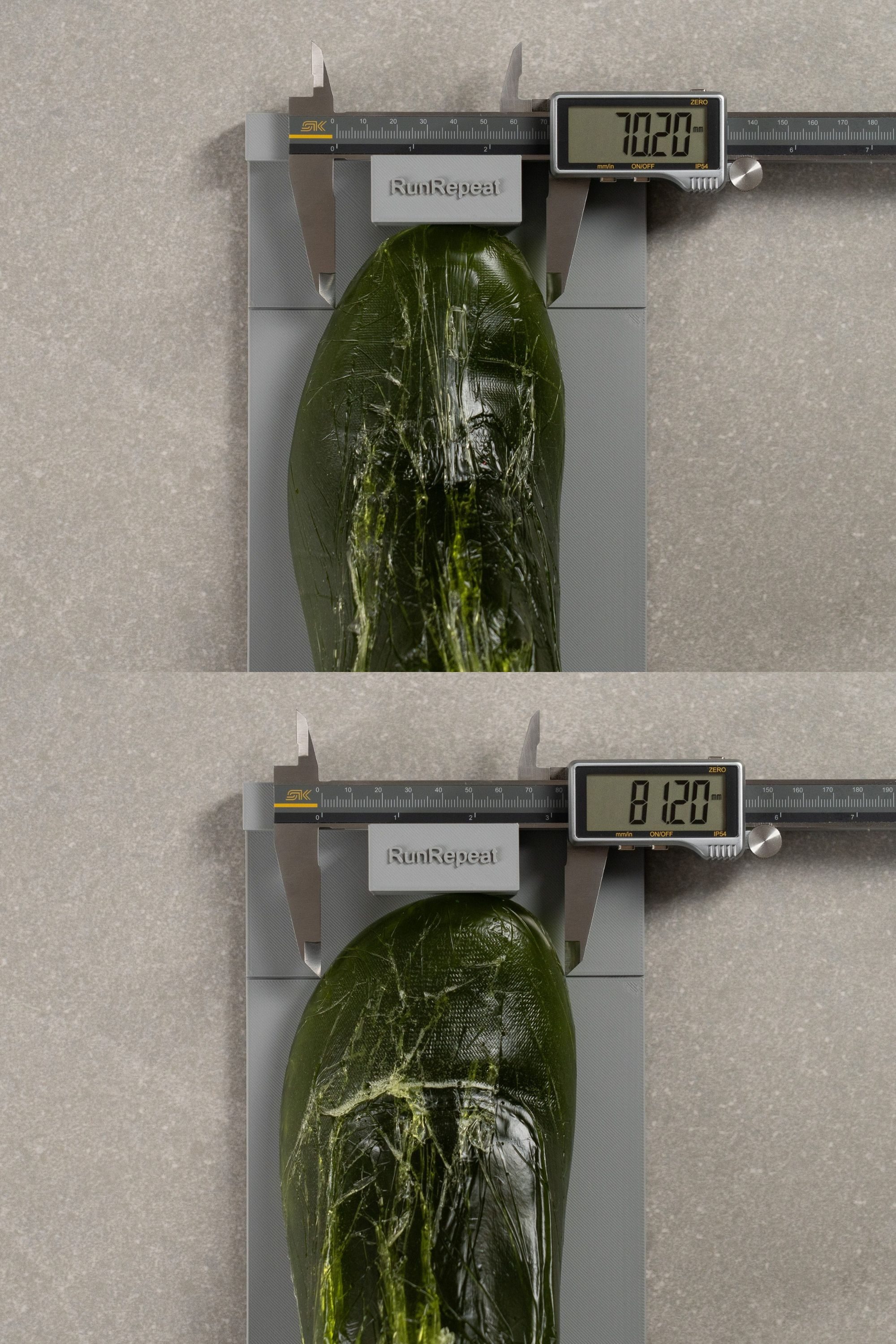
We also measure each mould in the big-toe area to understand how pointy or rectangular its toebox is. The measurements here range from 62 mm to 85 mm!
Brands like Altra and Topo are known for making their shoes with extra-wide, foot-shaped, spacious toeboxes.
Tips for getting the right shoe size and fit
Some studies show that as much as 60-70% are wearing shoes that don't accommodate either their foot length or foot width! To make matters worse, there is absolutely no alignment on shoe sizing among brands, and even within one brand, different shoes are made on different lasts, resulting in a different fit!
- Even if you think you know your shoe size, it makes sense to measure your foot length and width yet again, before getting a new pair. You might be surprised!
- Be sure to measure your feet and try new shoes in the afternoon, after you’ve done some walking and standing, as our feet tend to swell naturally throughout the day.
- Ladies can opt for men’s shoes for added length and width. This guide shows you how to convert sizes and widths for both men and women.
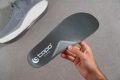
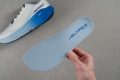
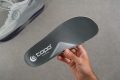
- Check if the shoe has a removable insole. Swapping a stock insole with a thinner insert can free up some in-shoe space.
2. Toebox height is equally important for comfort
Aside from sufficient length and width, bunions also require space in the vertical dimension, in other words, the shoe’s toebox height. You don’t want any pressure points coming from the top of the shoe either.
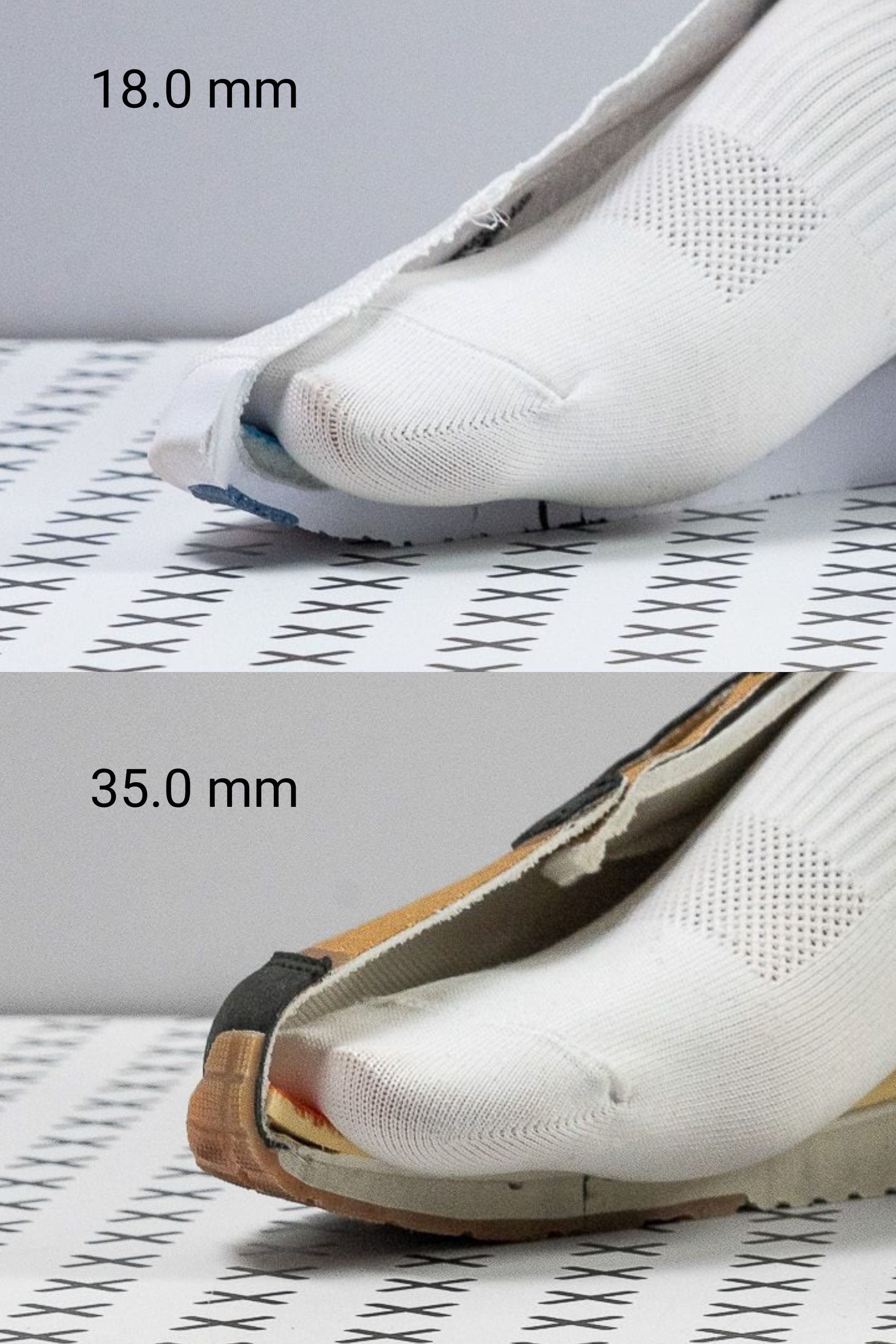
You want to be able to wiggle your big toe up and down freely, without restriction.
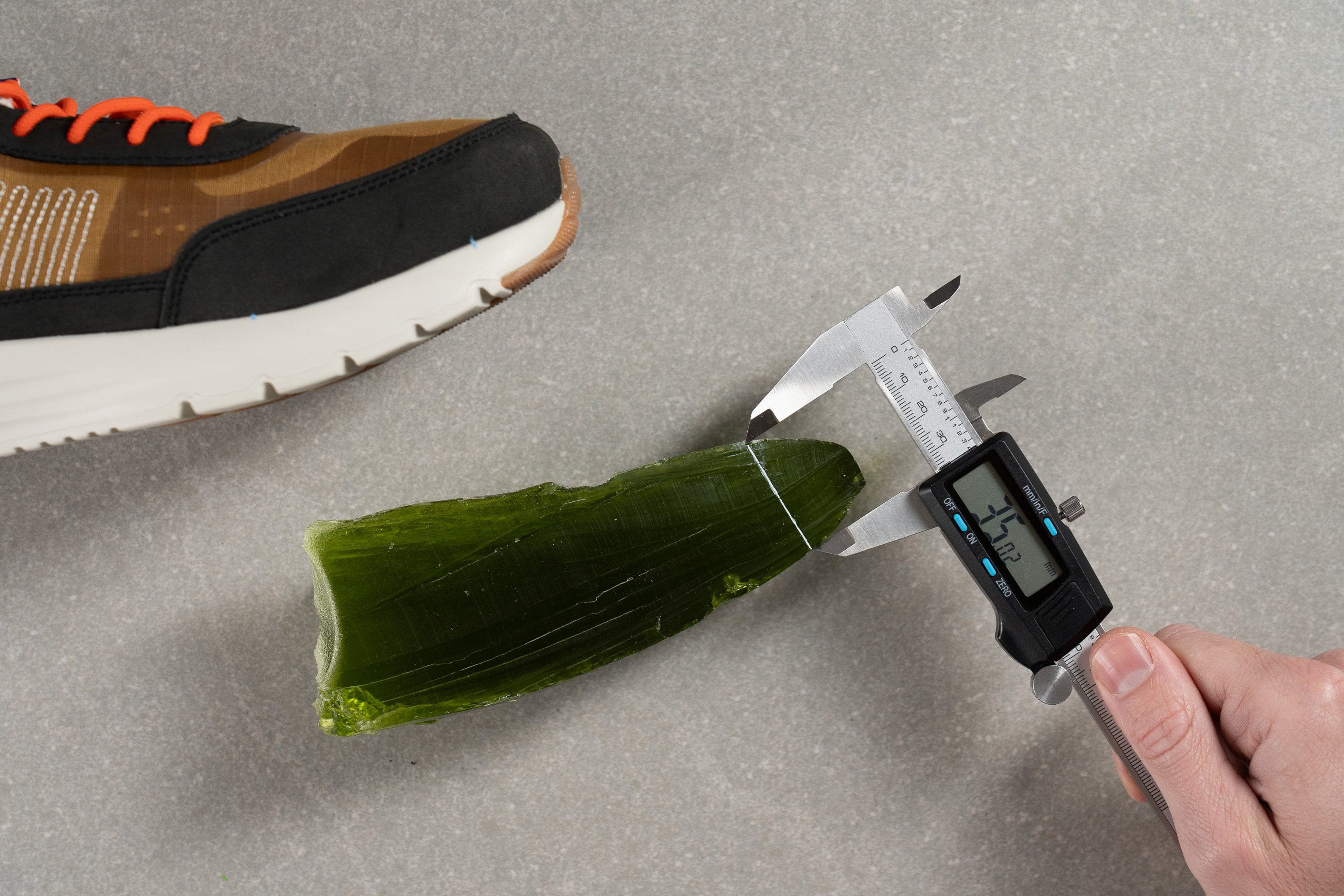
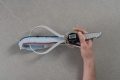
In our lab, we use the gel mould to measure each shoe’s toebox height as well. Depending on the shoe, it can range anywhere from 18 mm to 35 mm.
3. Choose soft and stretchy shoe uppers for bunions
A knit or knit-mesh upper is highly recommended, as it creates a very soft, sock-like wrap around the bony bump, conforming to its shape and significantly reducing pressure and irritation.
It also adapts to normal daily changes in foot volume as well as painful swelling and flare-ups.
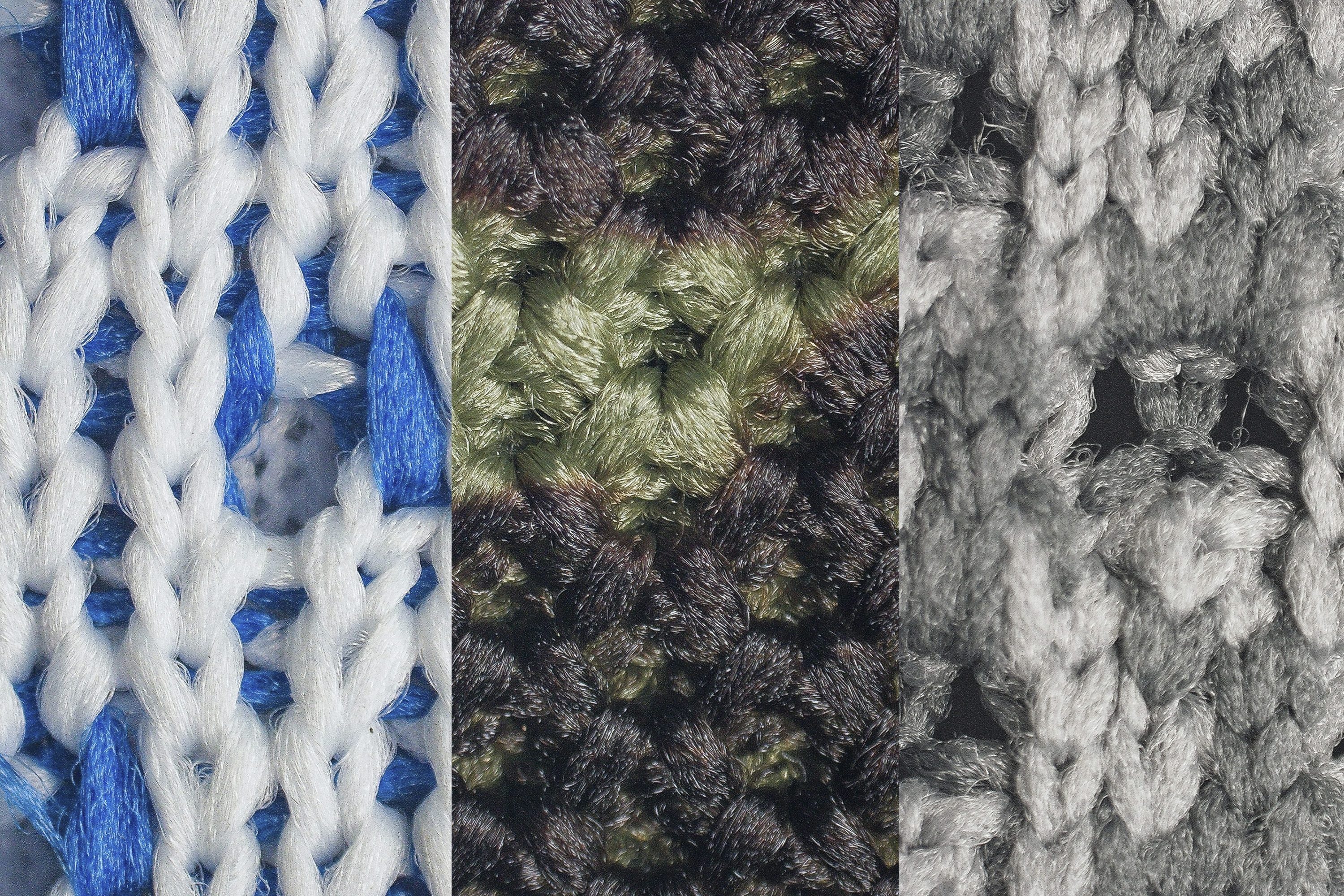
On the flip side, here are the types of uppers we would avoid for bunions and bunionettes:
- stiff synthetic leather
- synthetic overlays in the ball of the foot area
- structured toe caps and rands
Similar buying guides