

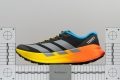

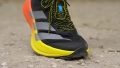
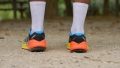
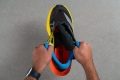
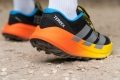
Our verdict
- Gravel 93
- Versatile 71
- Technical 42
Pros
- Excellent outsole durability and grip
- Good energy return
- Reasonable weight for a cushioned trail shoe
- Can handle ultra distances
- Wide forefoot platform for planted landings
- Smooth and fun rocker geometry
- Full-length outsole coverage
- Interesting value for its features
- Versatile for multiple running paces
- Big reflective elements
Cons
- Not ideal for heel strikers
- Pointy toebox limits natural toe splay
- Ride lacks the expected bounce from a super foam
Awards
- Top 19% in trail running shoes
- Top 28% in Adidas running shoes
Comparison
The most similar running shoes compared
+ + Add a shoe | |||||
|---|---|---|---|---|---|
| Our score | 86 Great | 85 Great | 78 Good | 89 Superb | |
| Price | £140 | £170 | £120 | £175 | |
| Trail terrain | Gravel / Road-to-trail | Gravel / Road-to-trail | Gravel / Road-to-trail | Gravel / Road-to-trailVersatile / Moderate terrain | |
| Shock absorption | High | Moderate | Moderate | High | |
| Energy return | High | High | Moderate | Moderate | |
| Traction | High | High | High | High | |
| Arch support | Neutral | Neutral | Neutral | Neutral | |
| Weight lab Weight brand | 9.9 oz / 281g 9.5 oz / 268g | 9.6 oz / 272g 9 oz / 255g | 10 oz / 283g 9.8 oz / 277g | 10.8 oz / 306g 11.1 oz / 315g | |
| Drop lab Drop brand | 3.4 mm 6.0 mm | 4.1 mm 6.0 mm | 9.1 mm 8.0 mm | 3.7 mm 4.0 mm | |
| Strike pattern | Mid/forefoot | Mid/forefoot | HeelMid/forefoot | Mid/forefoot | |
| Size | Slightly large | Half size small | True to size | True to size | |
| Midsole softness | Balanced | Balanced | Balanced | Soft | |
| Difference in midsole softness in cold | Small | Small | Small | Small | |
| Plate | ✗ | Rock plate | ✗ | ✗ | |
| Toebox durability | Bad | Good | Very bad | Very bad | |
| Heel padding durability | Good | Decent | Decent | Decent | |
| Outsole durability | Good | Good | Good | Good | |
| Breathability | - | Moderate | Warm | - | |
| Width / fit | Medium | Narrow | Medium | Medium | |
| Toebox width | Medium | Medium | Medium | Medium | |
| Stiffness | StiffModerate | Moderate | Moderate | Flexible | |
| Torsional rigidity | Moderate | Moderate | Moderate | Moderate | |
| Heel counter stiffness | Moderate | Stiff | Stiff | Moderate | |
| Lug depth | 3.0 mm | 3.0 mm | 3.1 mm | 3.9 mm | |
| Heel stack lab Heel stack brand | 31.8 mm 39.0 mm | 29.4 mm 34.0 mm | 32.6 mm 35.0 mm | 31.2 mm 38.0 mm | |
| Forefoot lab Forefoot brand | 28.4 mm 33.0 mm | 25.3 mm 28.0 mm | 23.5 mm 27.0 mm | 27.5 mm 34.0 mm | |
| Widths available | NormalWide | Normal | Normal | NormalWide | |
| For heavy runners | ✓ | ✗ | ✗ | ✗ | |
| Season | - | All seasons | Winter | - | |
| Removable insole | ✓ | ✓ | ✓ | ✓ | |
| Orthotic friendly | ✓ | ✓ | ✓ | ✓ | |
| Ranking | #95 Top 24% | #117 Top 30% | #275 Bottom 31% | #41 Top 11% | |
| Popularity | #220 Bottom 44% | #114 Top 29% | #330 Bottom 17% | #112 Top 29% |


Who should buy
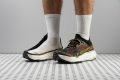
After testing the adidas Terrex Agravic SL, we concluded that:
- It's an ideal shoe for runners who prioritise top-tier traction and durability from the outsole.
- Midfoot and forefoot strikers are the best match for its highly-rockered geometry.
- It works very well for runners who want a trail shoe for easy trails, especially when running fast.
- It's a great option for runners seeking better energy return than most trail shoes without spending over £180.
Who should NOT buy
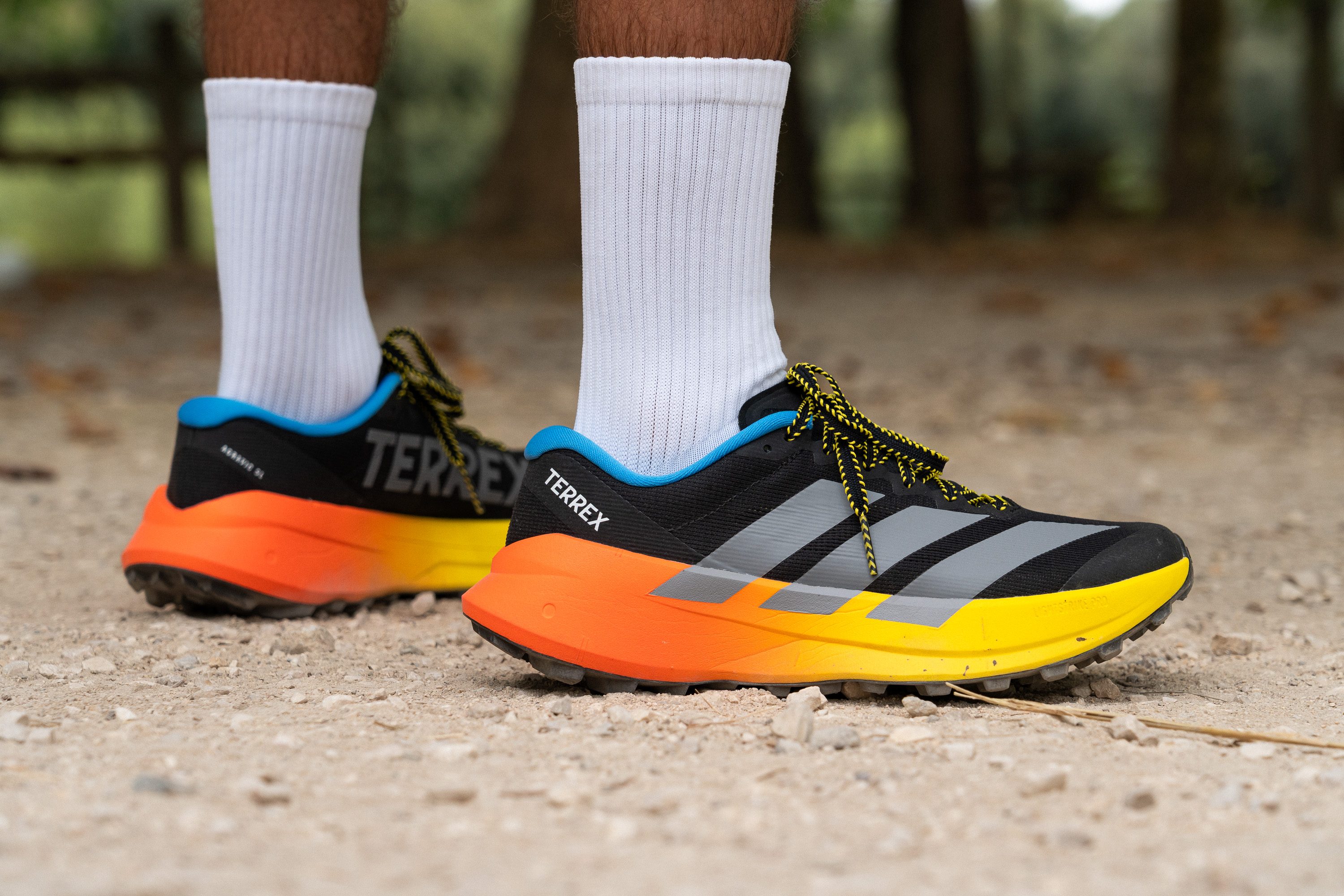
The unique design and geometry of the adidas Terrex Agravic SL make it less appealing for heel strikers. Instead, we suggest taking a look at the Salomon Aero Glide 4 GRVL (only for easy terrain) or the ASICS Trabuco 14 (easy/moderate).
We also think runners seeking excellent energy return may be a bit disappointed. Instead, the Nike ACG Ultrafly Trail delivers incredible bounce, while the adidas Terrex Agravic Speed Ultra 2 offers a slightly more energetic ride and lower weight that may be enough for you.
Cushioning
Shock absorption
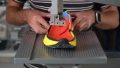
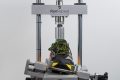
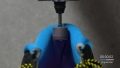
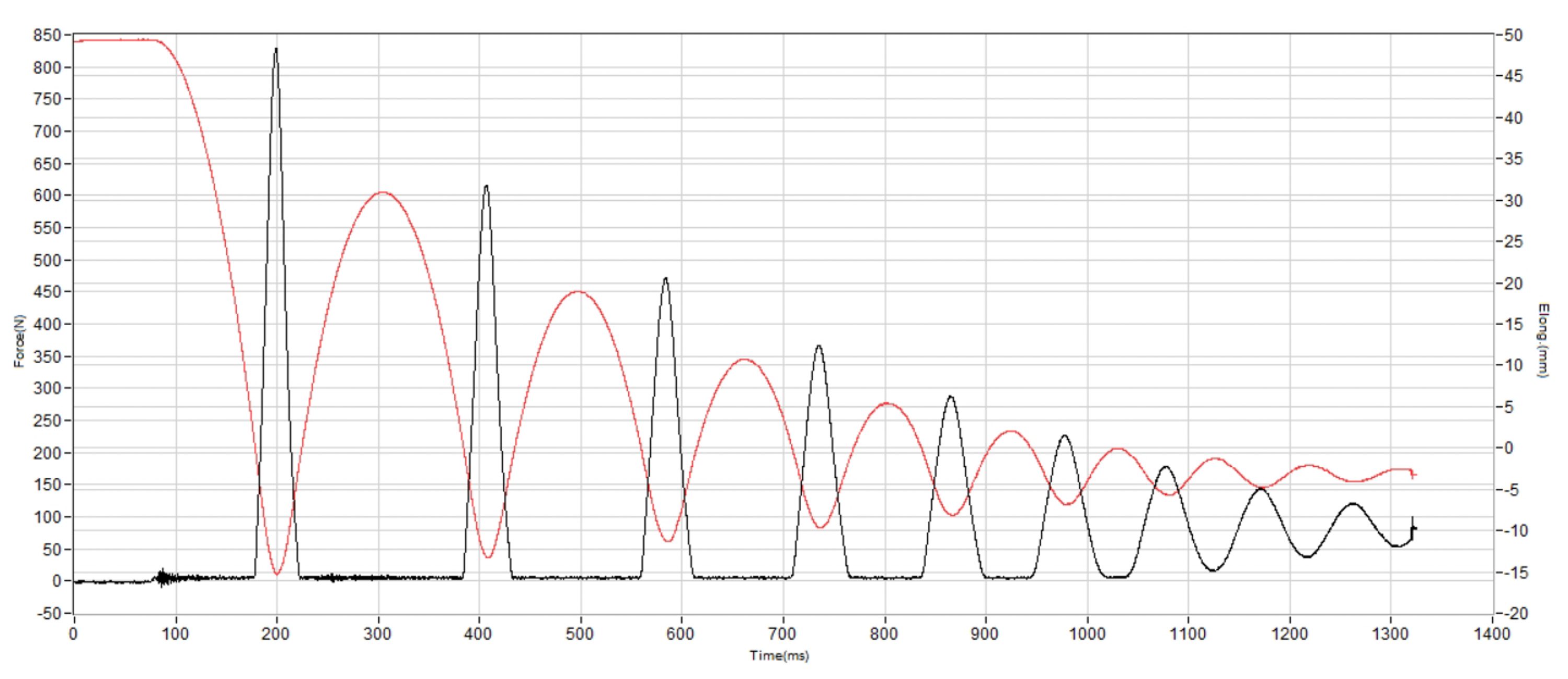
Long-distance trail running is well within the Agravic SL's comfort zone, thanks to its seriously cushioned midsole. We measured 132 SA in the heel and 121 SA in the forefoot, with both results beating the lab average.
| Terrex Agravic SL | 132 SA |
| Average | 123 SA |
Energy return
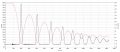
The adidas Terrex Agravic SL features, like the EVO SL, a full-length Lightstrike Pro midsole. However, we found its energy return to be less impressive than the EVO SL, reaching 62.5% in the heel and 68.4% in the forefoot.
Don't get us wrong, these are still very solid numbers for a trail shoe. However, the rugged Continental outsole plays a role here and mutes the ride slightly, preventing the bounce from reaching the 70%+ mark we were hoping for. It's good, but not great.
| Terrex Agravic SL | 68.4% |
| Average | 59.7% |
Heel stack
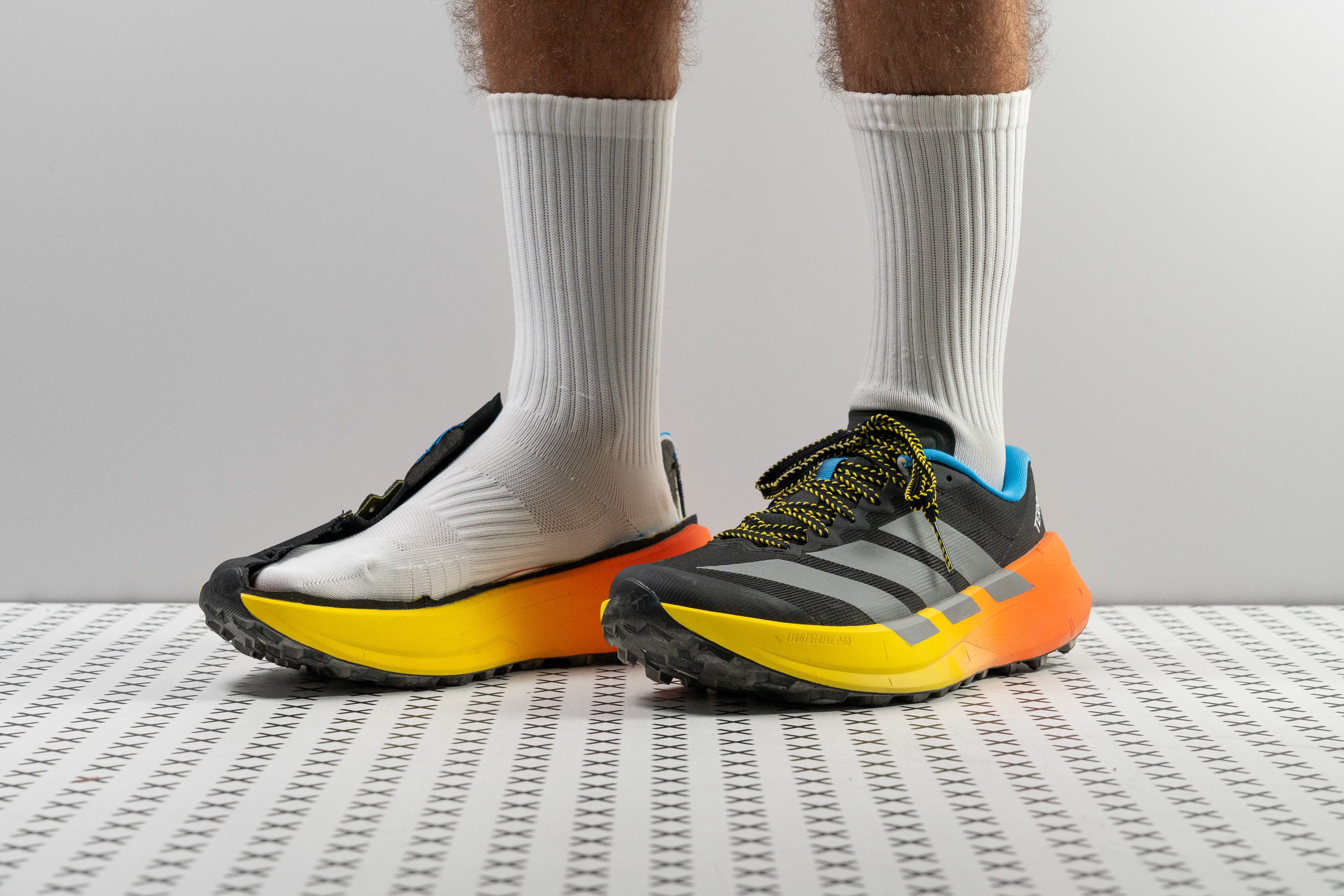
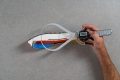
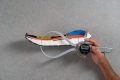
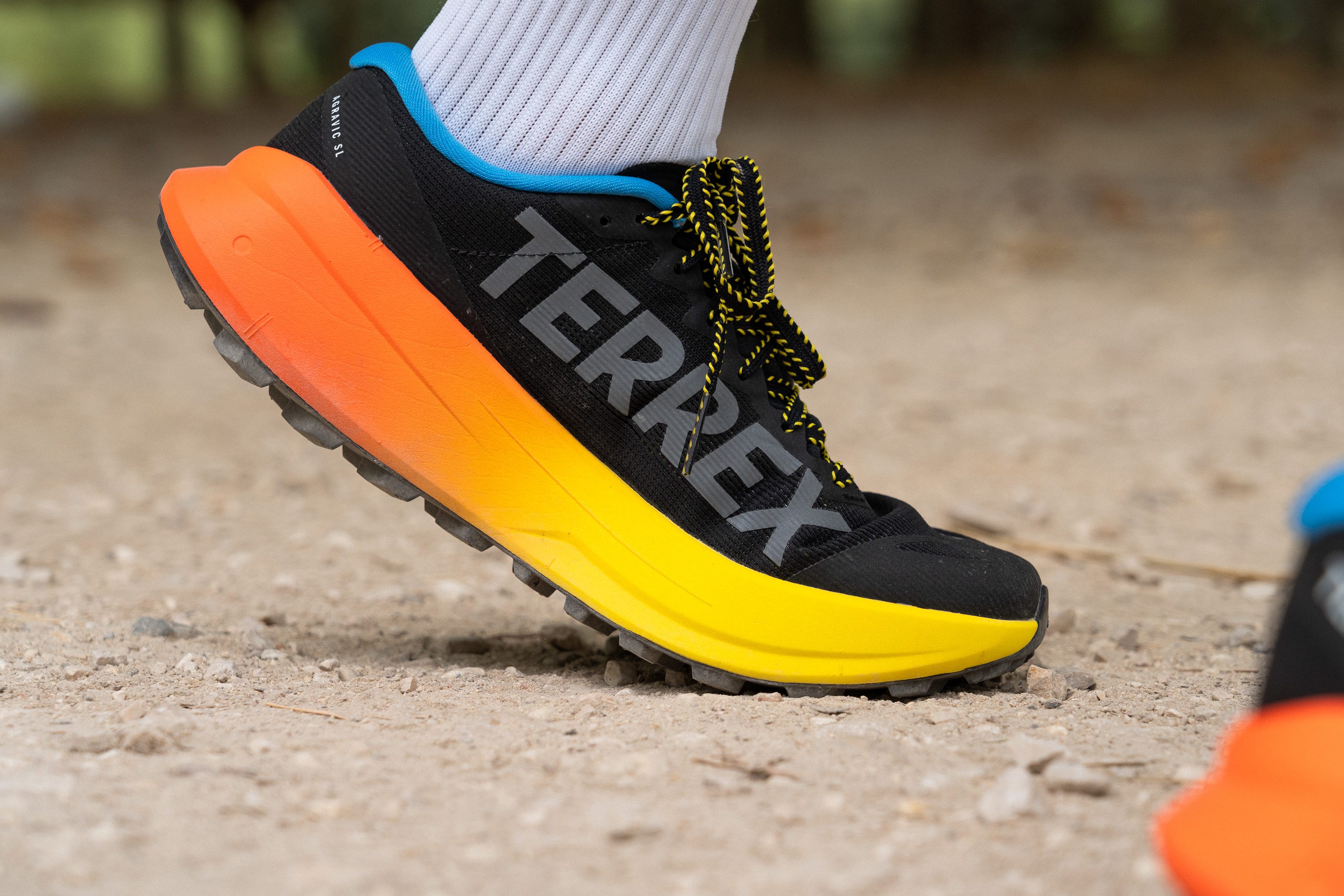
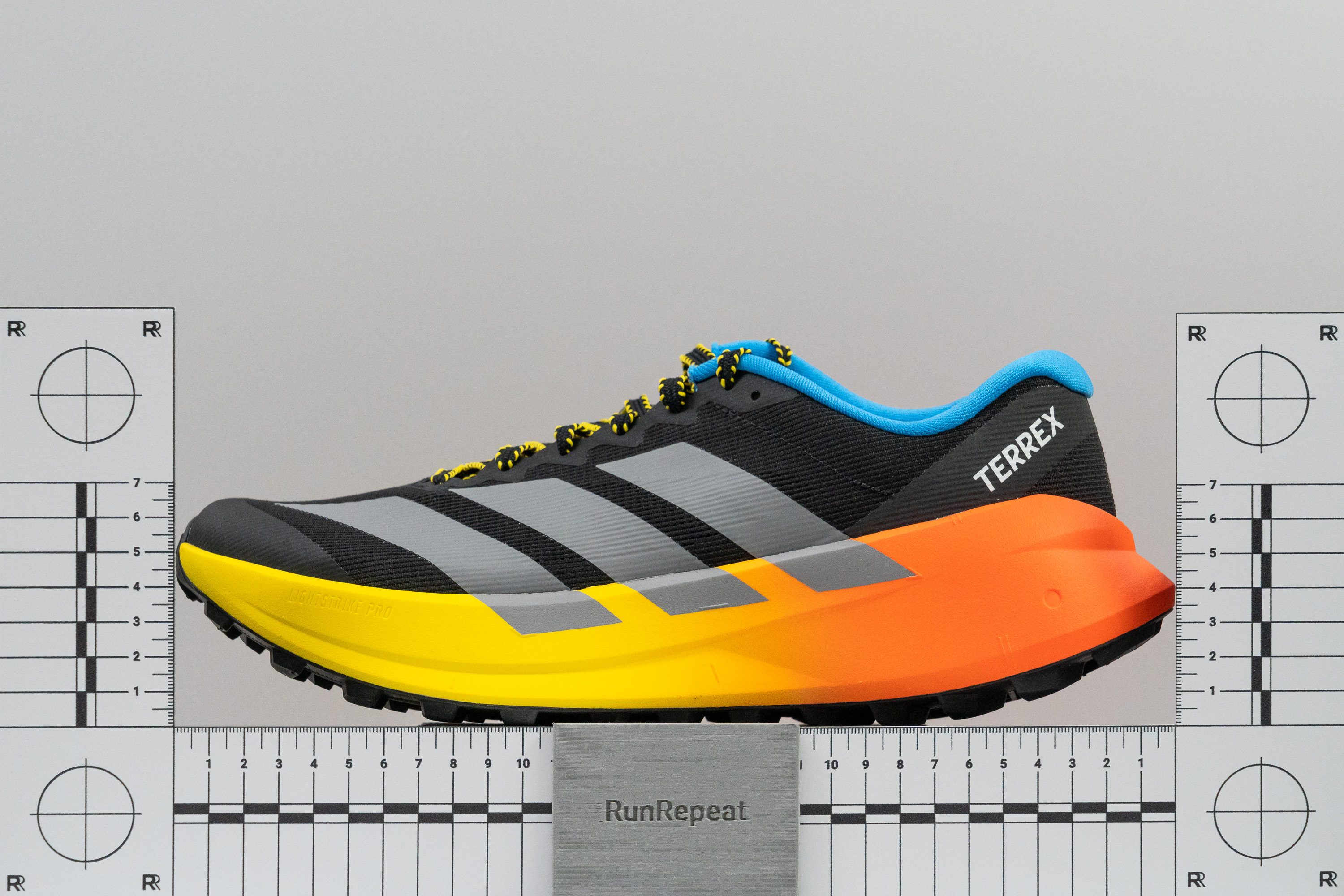
The Agravic SL follows the same design language as recent Terrex shoes, and that means a pronounced rocker from heel to toe. Because of this geometry, the stack height is slightly lower at the heel and forefoot than at the midfoot, where the shoe reaches its peak cushioning.
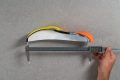
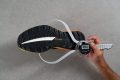
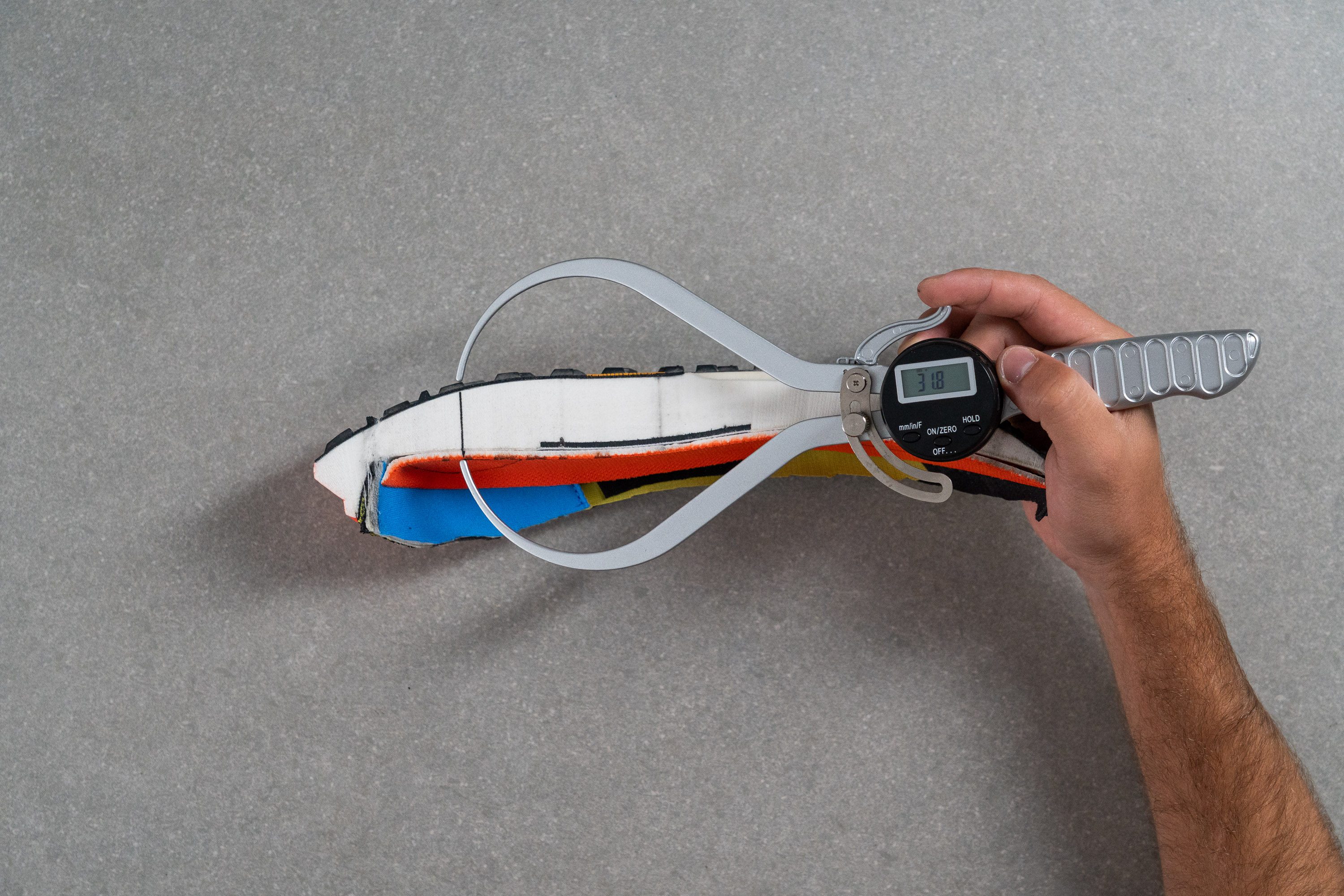
We take our measurements at the same points on every shoe, following the guidelines set by World Athletics, and found 31.8 mm in the heel.
| Terrex Agravic SL | 31.8 mm |
| Average | 33.1 mm |
Forefoot stack
The front of the Agravic SL has a substantial amount of foam at 28.4 mm, making this a highly protective midsole for midfoot and forefoot strikers.
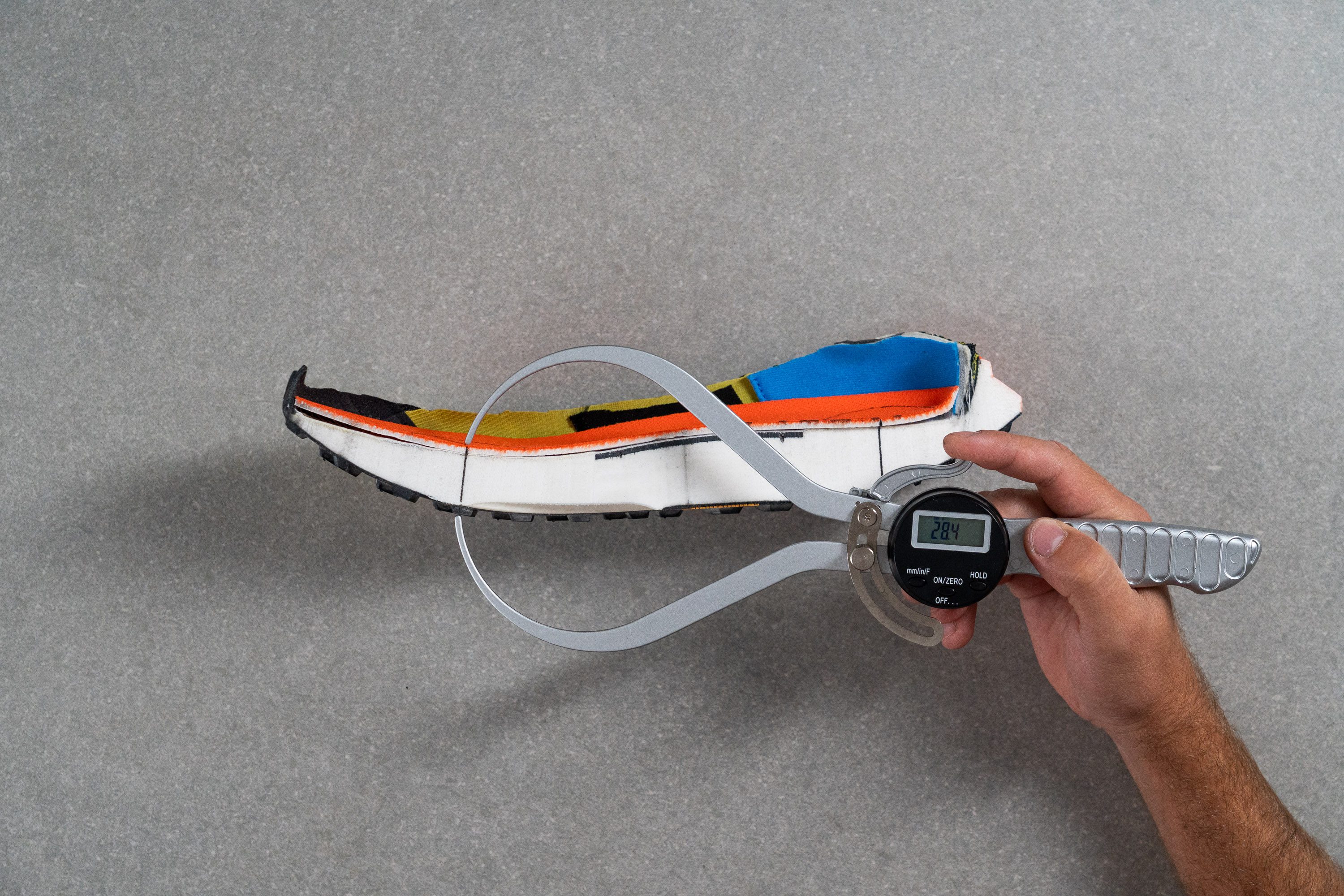
| Terrex Agravic SL | 28.4 mm |
| Average | 25.8 mm |
Drop
Because of this unique geometry, we measured a drop of 3.8 mm. However, it's important to note that this shoe feels wildly different depending on your footstrike. For example, midfoot strikers may experience a ride that feels closer to a 6 mm drop, while heel strikers will feel it much closer to our measured reading.
From our point of view, and as we noted at the start of this review, this shoe works best for midfoot and forefoot strikers.
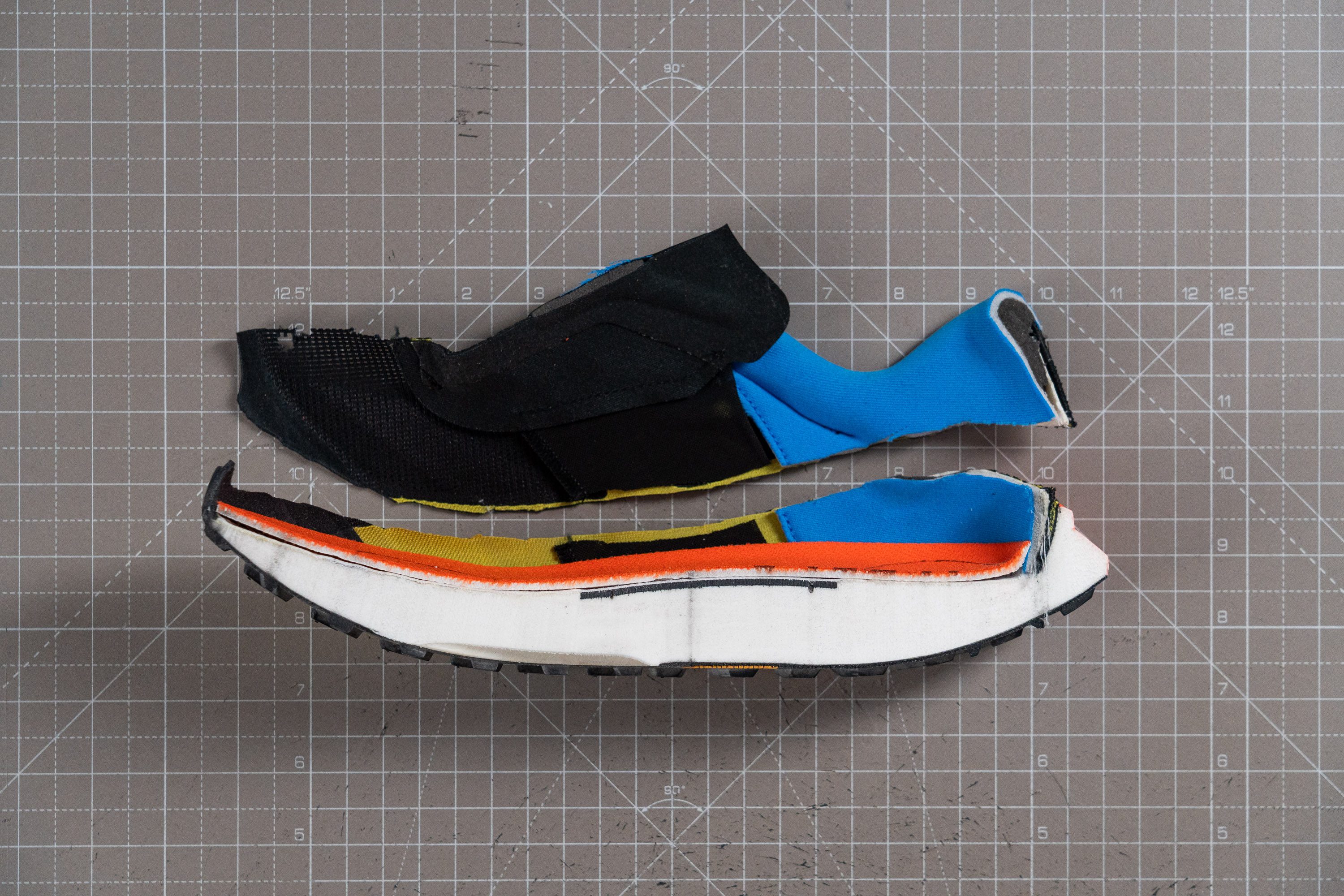
| Terrex Agravic SL | 3.4 mm |
| Average | 7.3 mm |
Midsole softness
The Lightstrike Pro foam will feel very familiar to anyone who has run in this excellent material before. It's neither plush nor firm, delivering a balanced feel with limited compression that works particularly well for trail running.
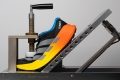
Using our Asker C durometer, we measured the softness at 38.8 AC.
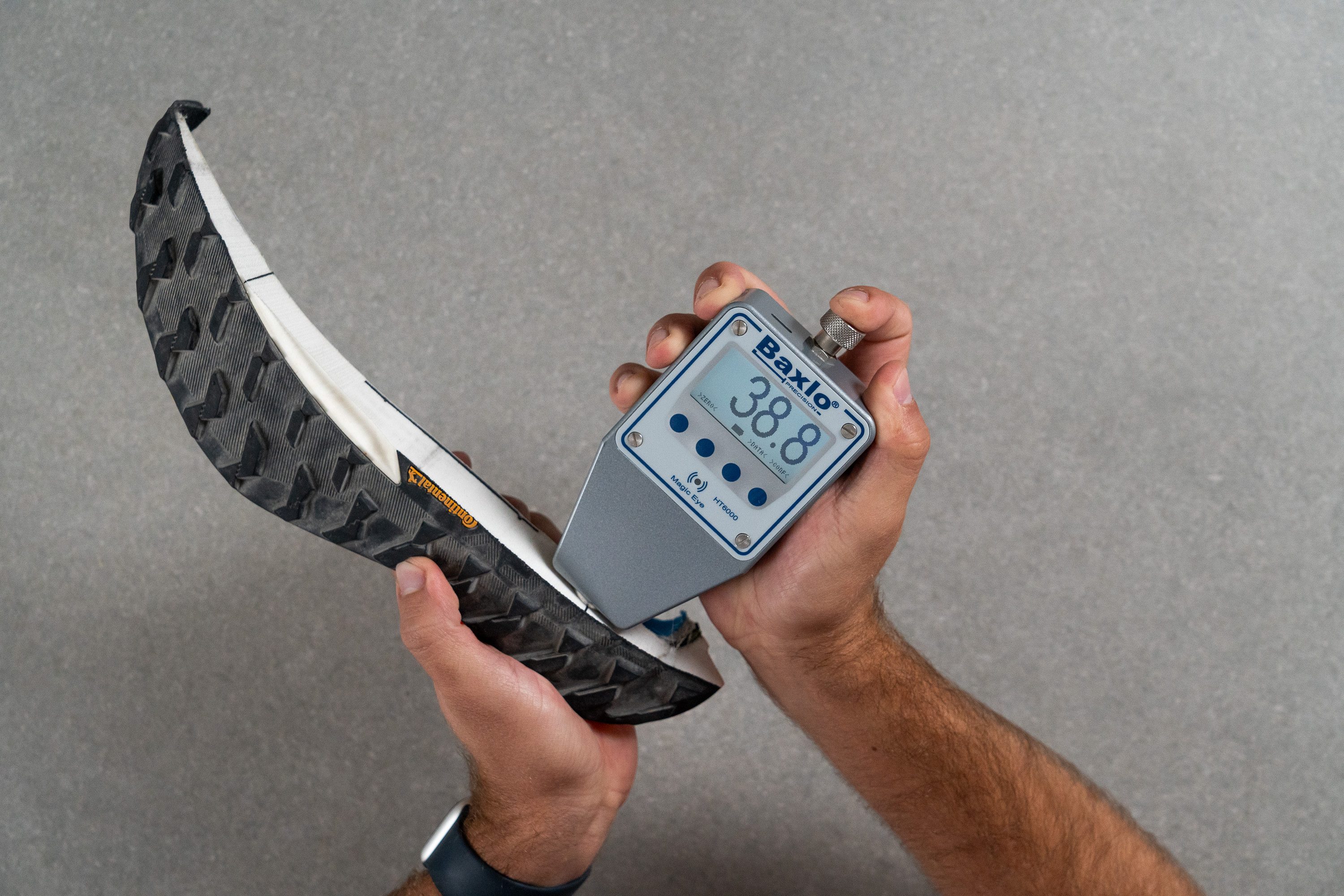
| Terrex Agravic SL | 38.8 AC |
| Average | 38.3 AC |
Rocker
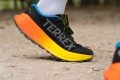
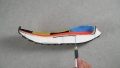
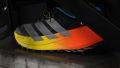
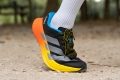
It's clear to us that adidas wanted its new Agravic shoes to stand out from the crowd, and the huge rocker from heel to toe certainly helps. The heel curvature is especially impressive, rising almost as much as the forefoot and promoting a smooth, forward-rolling feel regardless of where you land.
Plate
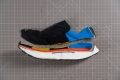
Like its road-based sibling, the EVO SL, the Terrex Agravic SL features a midfoot shank that adds stability while feeling less intrusive than a full-length carbon plate.
Size and fit
Size
adidas Terrex Agravic SL fits slightly large (27 votes).
Internal length
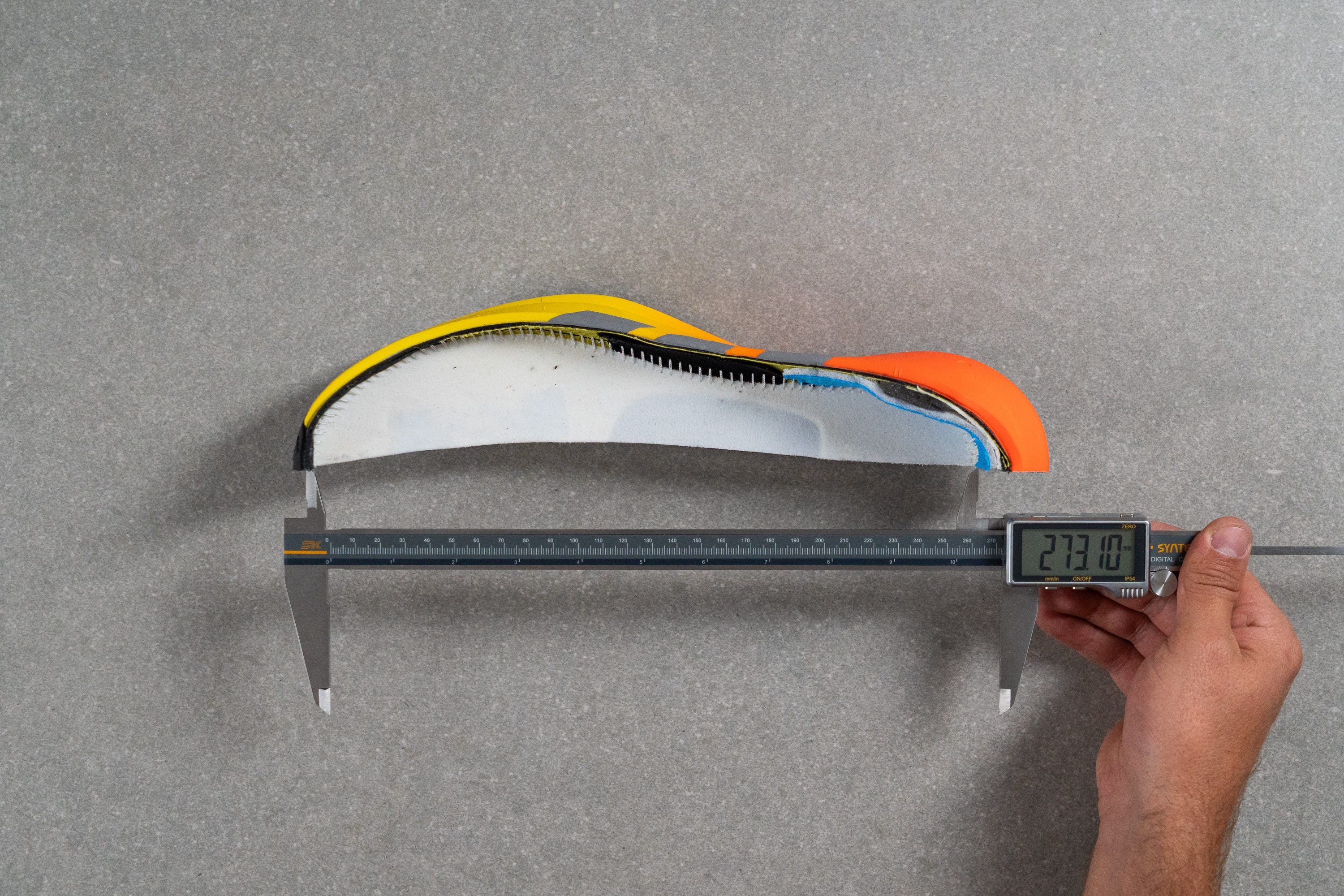
| Terrex Agravic SL | 273.1 mm |
| Average | 269.2 mm |
Width / Fit
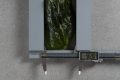
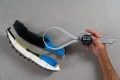
To analyse the fit of the Terrex Agravic SL, we poured ballistic gel into the toebox and patiently waited for it to set.
Once it was ready, we started our batch of three measurements. The first, at 96.9 mm, shows a slightly wider-than-average fit, although the difference is barely noticeable.
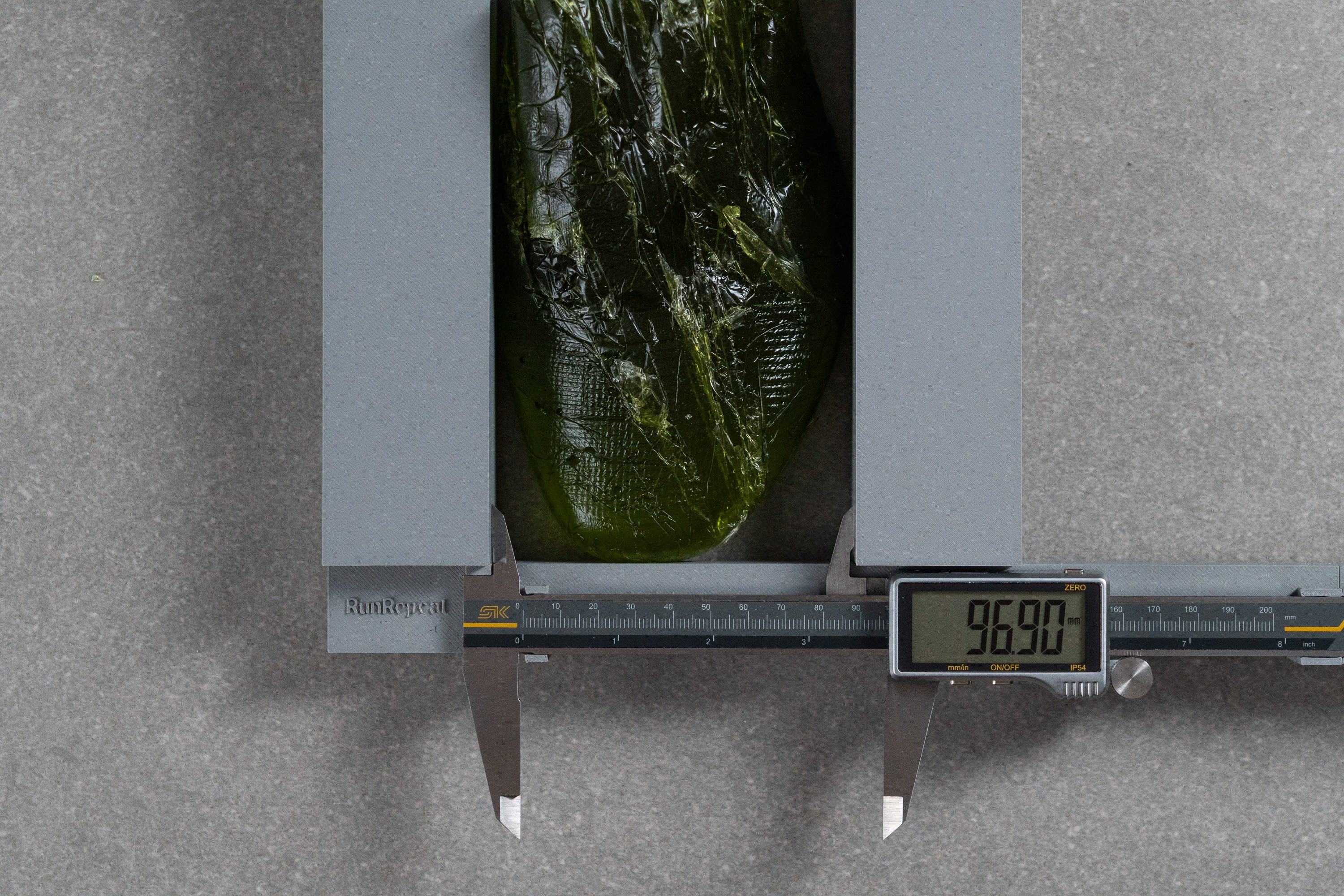
| Terrex Agravic SL | 96.9 mm |
| Average | 95.7 mm |
Toebox width
The second measurement paints a slightly different picture. At 71.9 mm, it confirms that the Agravic SL has a somewhat pointy toebox and may not be the best choice for runners who need generous room for natural toe splay.
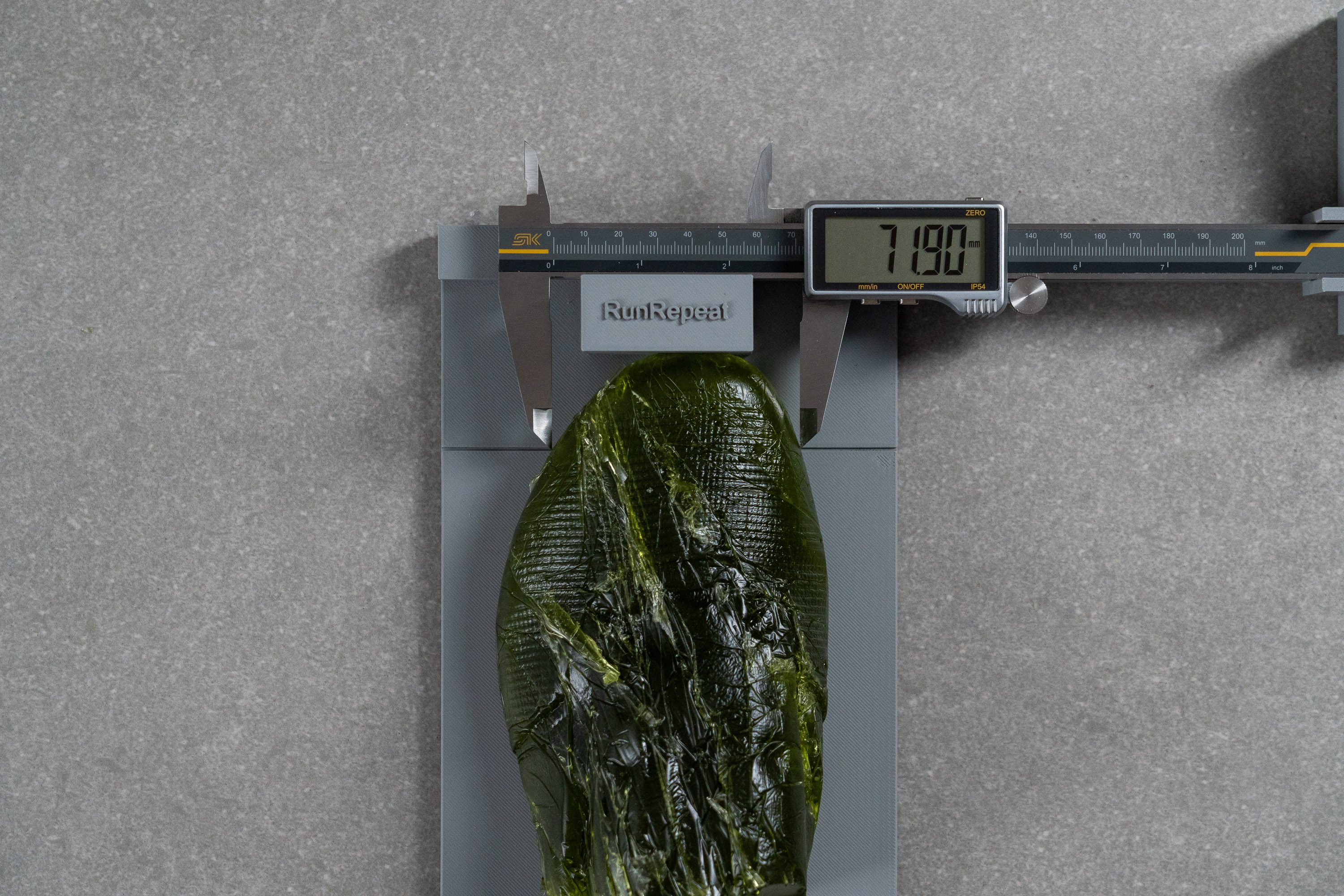
| Terrex Agravic SL | 71.9 mm |
| Average | 74.3 mm |
Toebox height
We also checked the vertical clearance of the toebox.
During our runs, it felt comfortable yet secure, and we later confirmed in the lab that adidas has opted for a tried-and-tested design here, with a 27.0 mm height that sits right around our lab average.
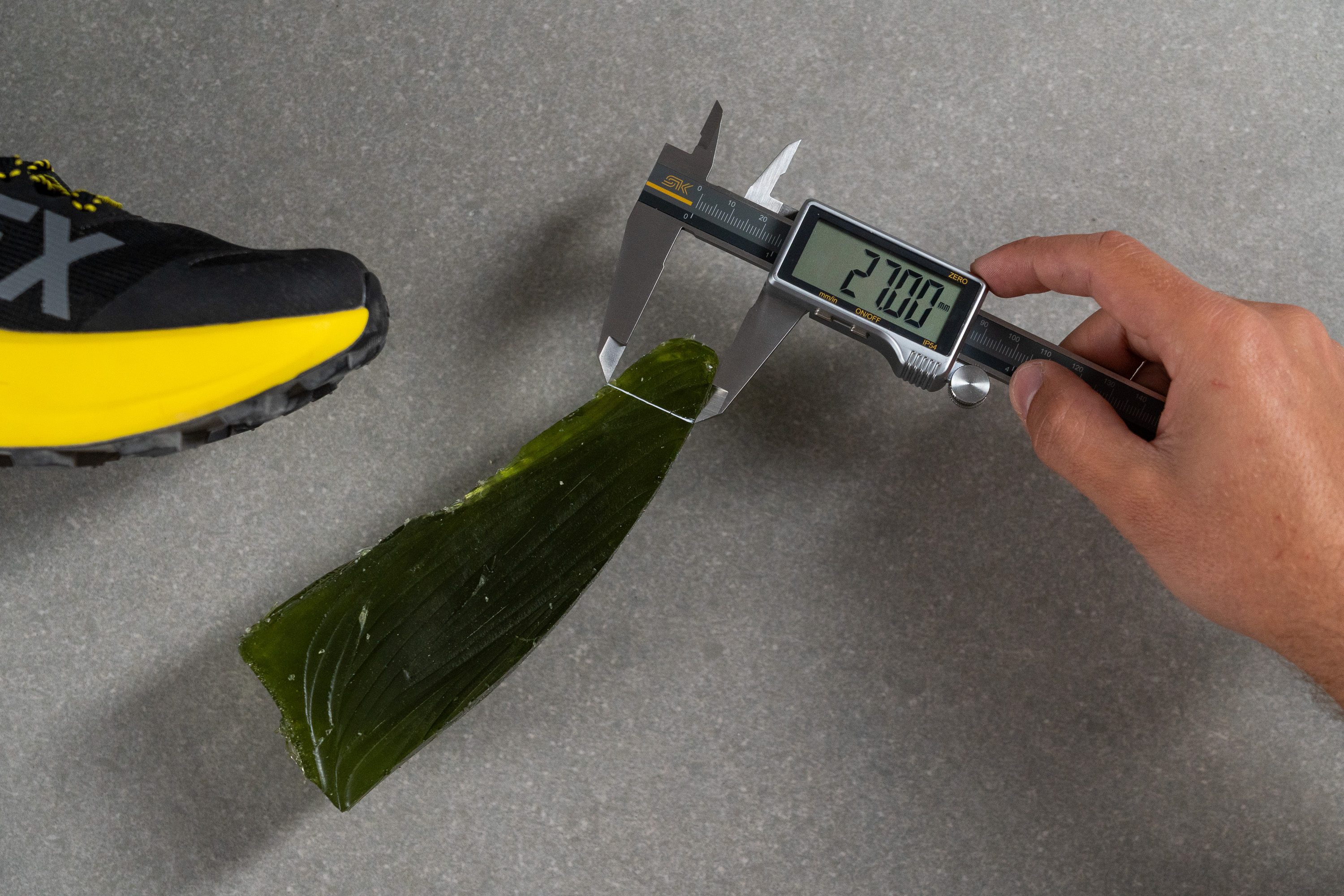
| Terrex Agravic SL | 27.0 mm |
| Average | 27.0 mm |
Traction / Grip
Traction test
With the Agravic SL, adidas once again proved how capable Continental rubber is, delivering a fantastic coefficient of friction of 0.89 in our wet-concrete test. From our view, Conti is one of the few compounds that can go toe-to-toe with Vibram Megagrip in terms of performance.
| Terrex Agravic SL | 0.89 |
| Average | 0.67 |
Lug depth
We found the Agravic SL to perform much better on easy trails and gravel roads than on more technical terrain, which comes as no surprise given its 3.0 mm lugs. The brand states a depth that ranges between 3.5 mm and 4.0 mm, but we found them a bit shallower than that.
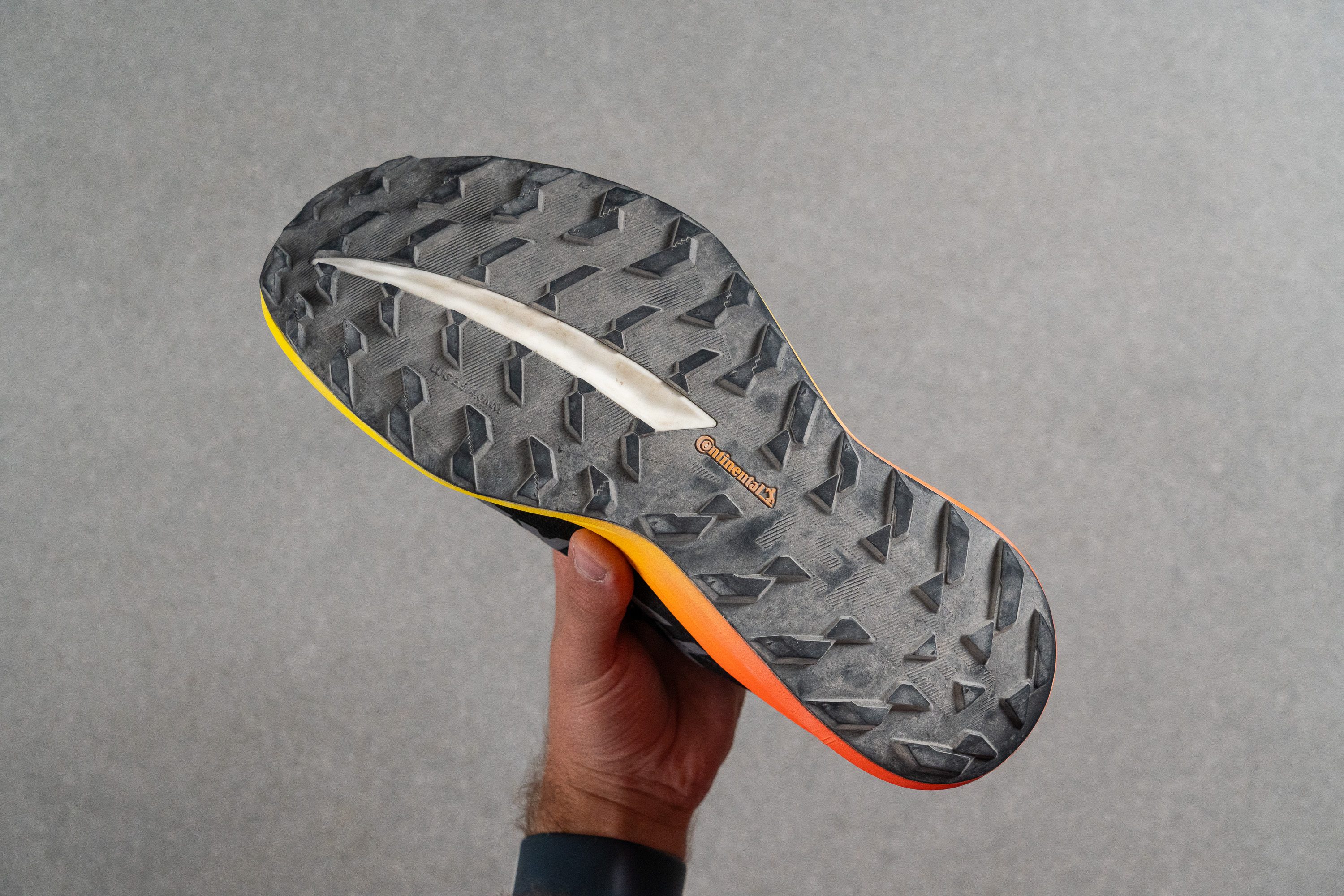
However, the aggressive lug shape can feel awkward on asphalt sections, so we don't think this is a great road-to-trail option like the adidas Adizero EVO SL ATR.
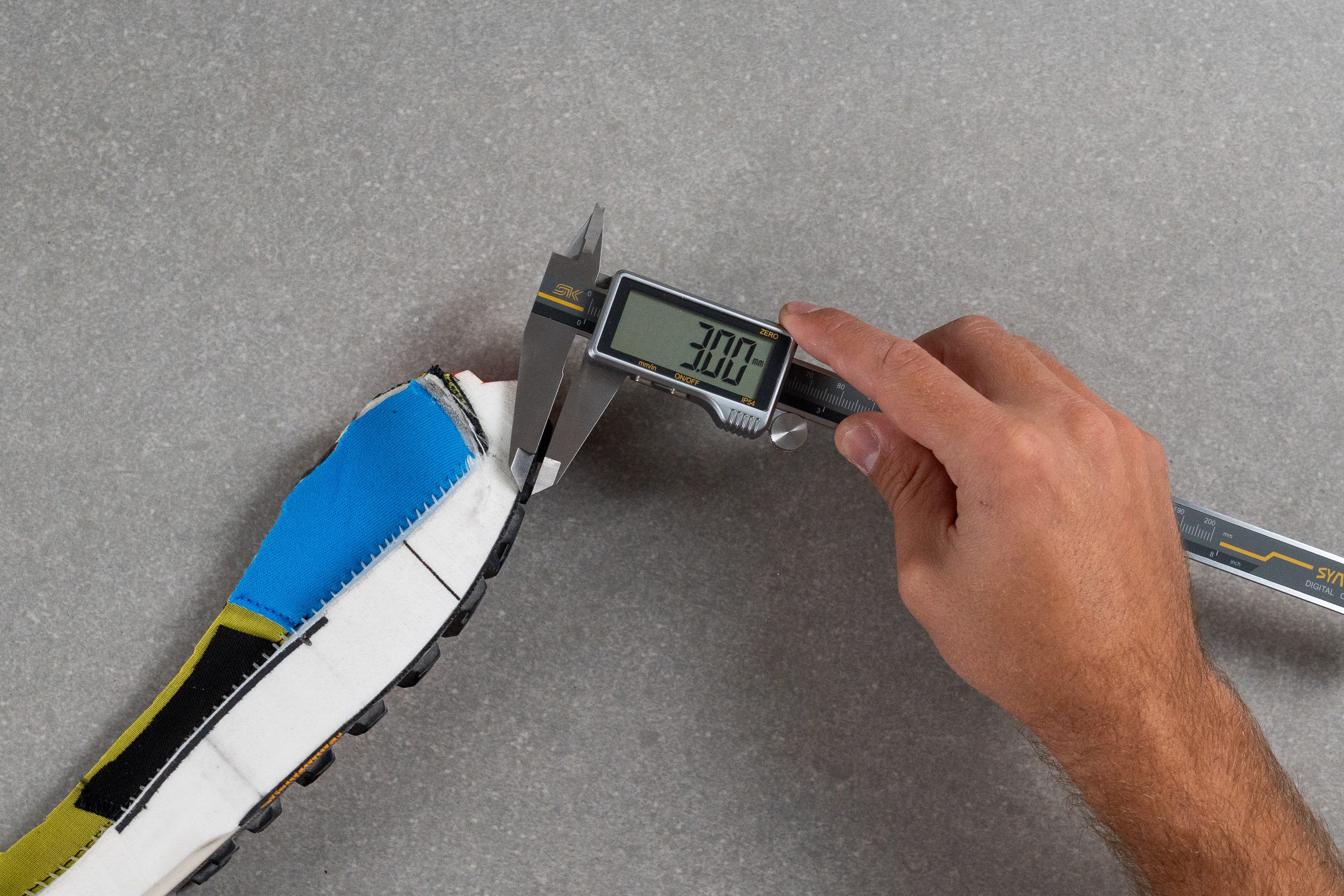
| Terrex Agravic SL | 3.0 mm |
| Average | 3.5 mm |
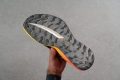
Outsole design
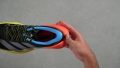
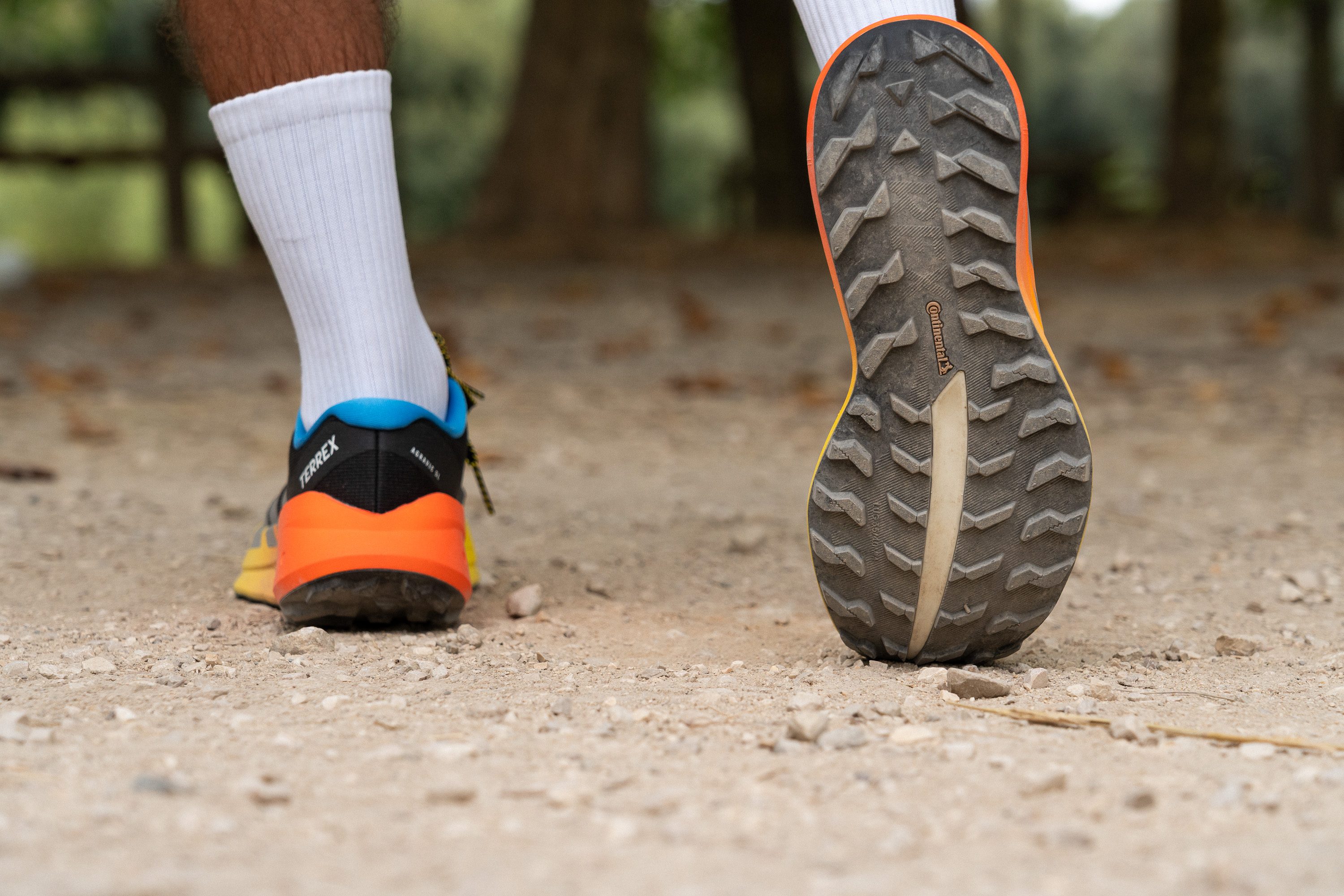
The outsole features excellent coverage from Continental rubber, leaving only a thin cutout in the forefoot exposed. Therefore, trail runners who dislike modern outsoles with exposed foam will appreciate this design.
Flexibility / Stiffness
With 17.0N of stiffness, the Agravic SL won't please runners looking for a flexible shoe. However, this was an expected trade-off given its full-length Continental outsole, which lacks horizontal flex grooves.
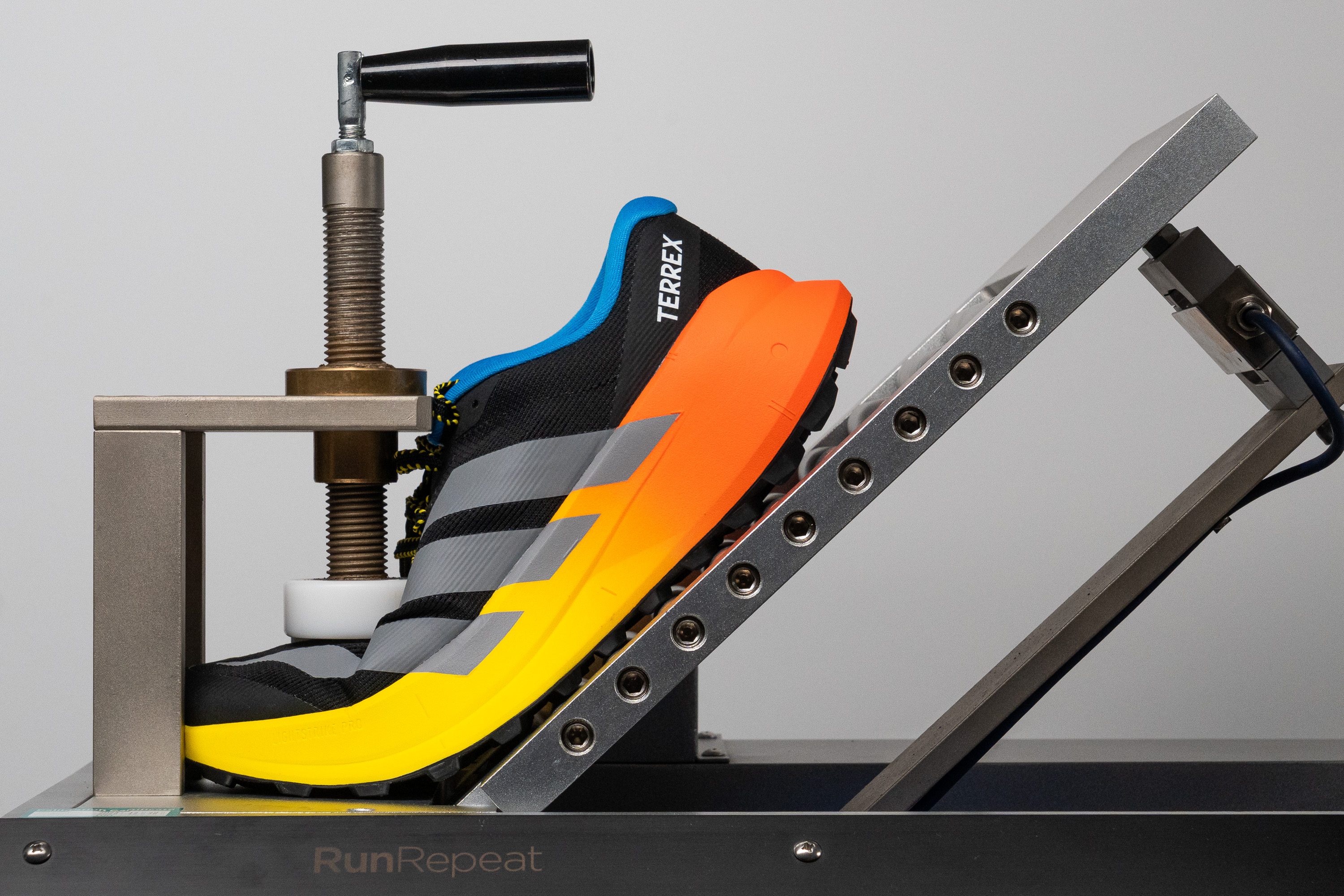
| Terrex Agravic SL | 17.0N |
| Average | 14.8N |
Weight
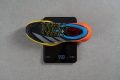
The outsole is also a bit heavier than alternatives like Vibram Megagrip Litebase, adding some heft to the overall package. Even so, the adidas Terrex Agravic SL remains reasonably light at 9.9 oz (281g), so we don't consider this a negative at all.
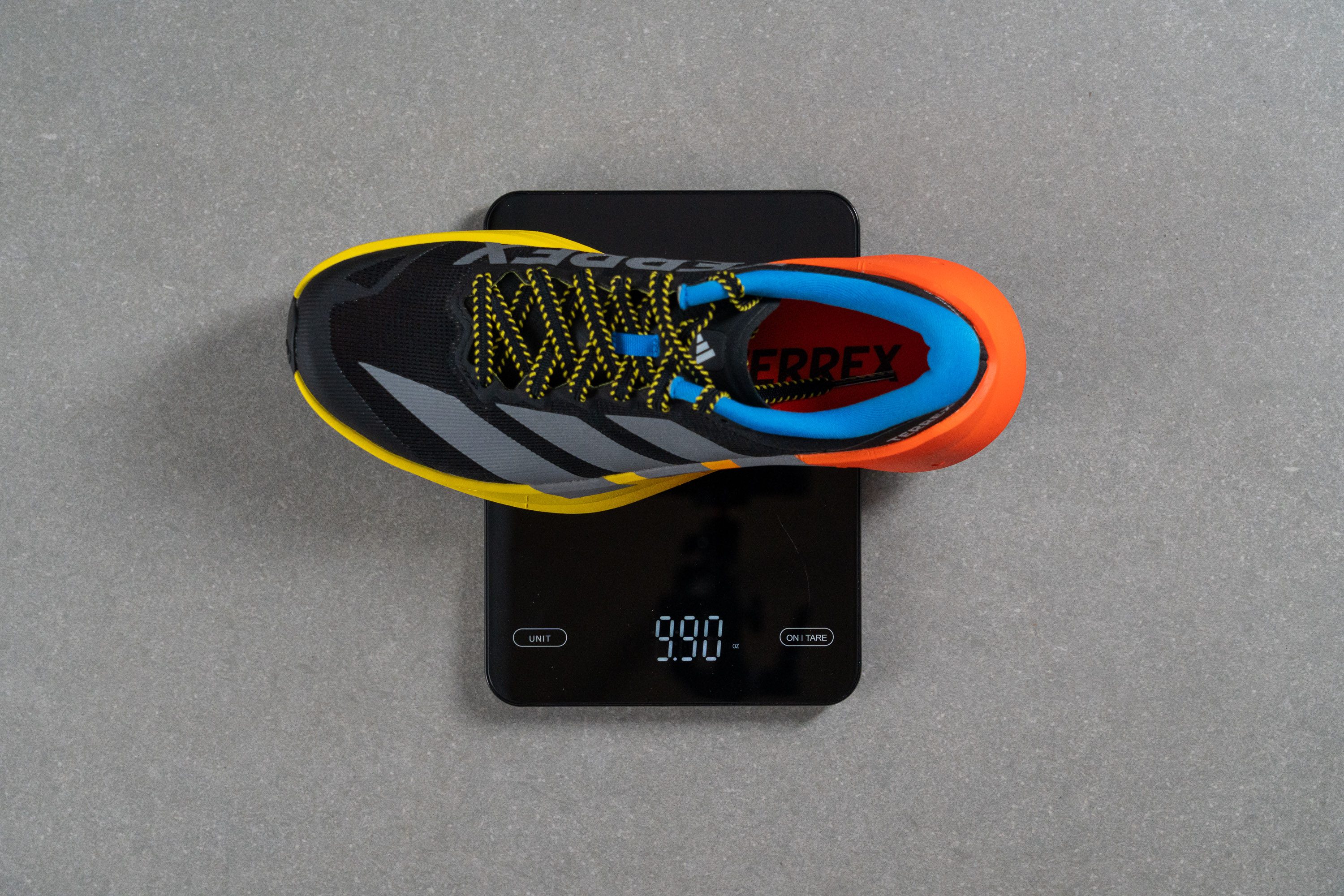
| Terrex Agravic SL | 9.9 oz (281g) |
| Average | 10.1 oz (285g) |
Stability
Lateral stability test
For those who found the Ultra or Ultra 2 a bit unstable and wild, that's not the case here. The Agravic SL feels much more controlled, with a wider midfoot that significantly changes the ride compared with the trail supershoe, plus pronounced midsole sidewalls that help prevent lateral collapse. That said, we only recommend it for neutral runners.
Torsional rigidity
At 15.0 Nm, the Agravic SL's torsional rigidity sits very close to our lab average, which is expected given that this shoe skips a carbon plate.
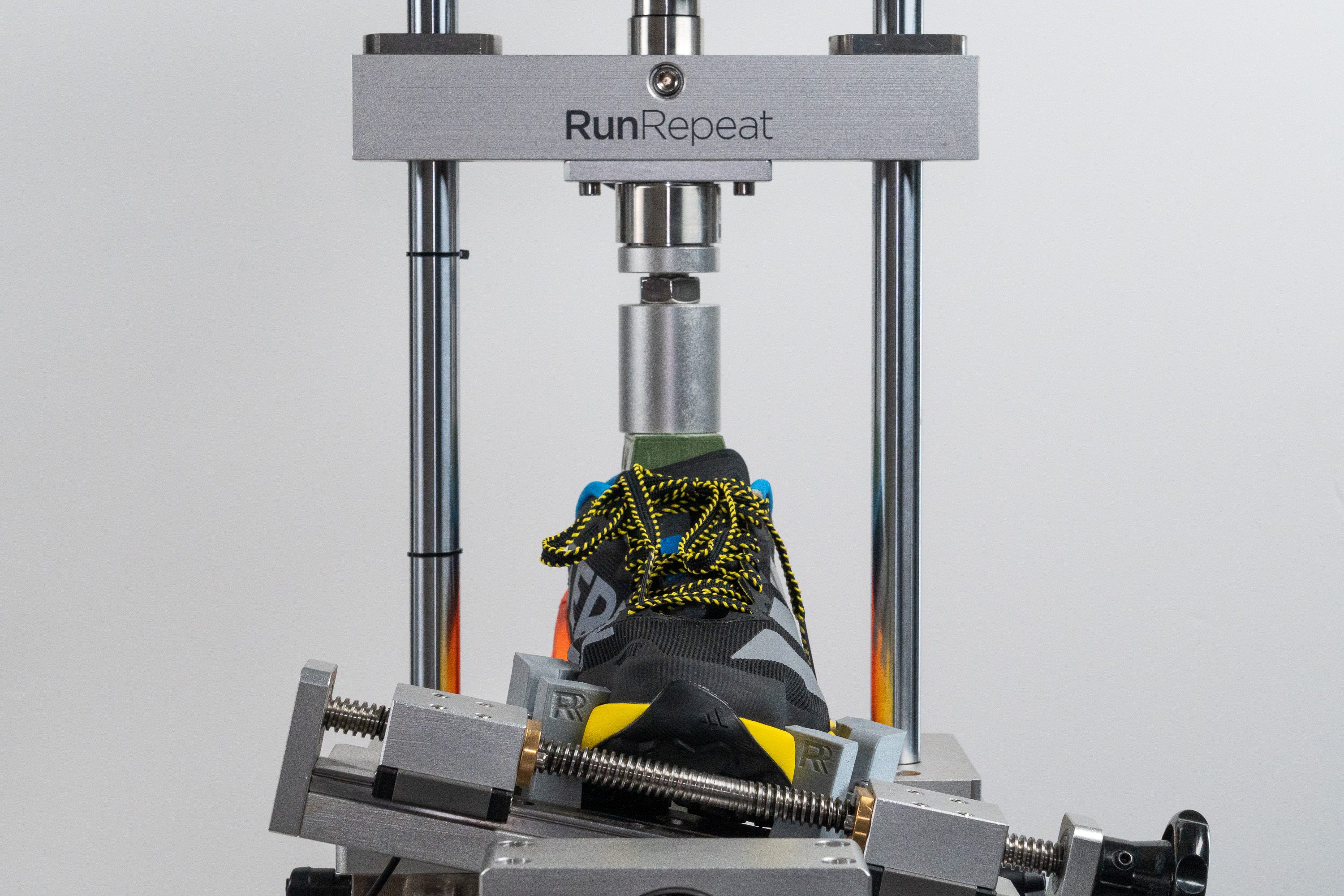
| Terrex Agravic SL | 15.0 Nm |
| Average | 15.8 Nm |
Heel counter stiffness
We found a moderately stiff heel counter that should work well for most runners. We rated it 3/5, and if you're used to road daily trainers, it feels very familiar.
| Terrex Agravic SL | 3 |
| Average | 2.9 |
Midsole width - forefoot
The unique design language of the new generation of Terrex shoes has one thing in common: a very, very broad forefoot platform.
And indeed, we measured a staggering 123.0 mm. For forefoot strikers who love a wide landing platform, it's a dream shoe. However, runners who prefer a narrower design may find it excessively wide.
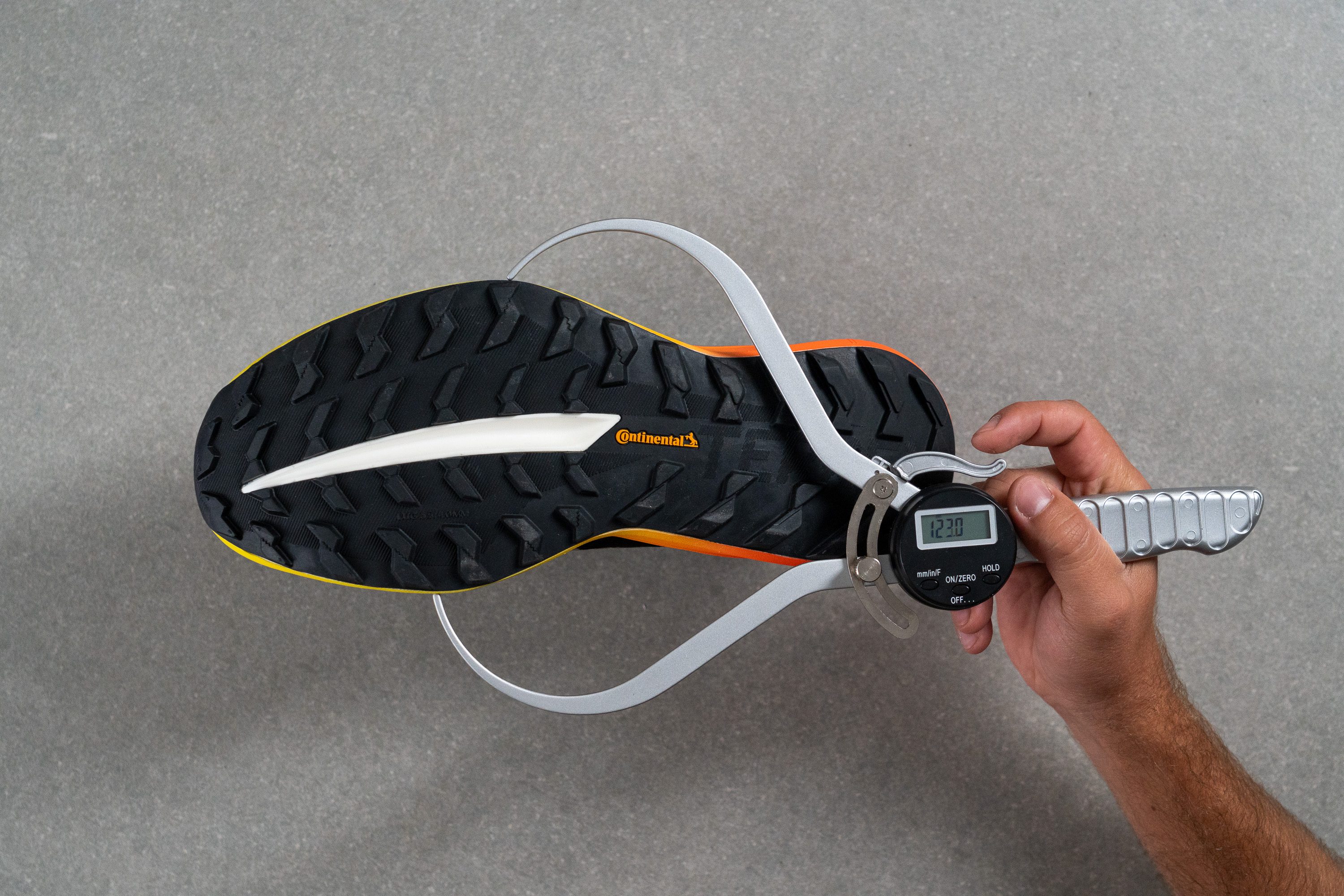
| Terrex Agravic SL | 123.0 mm |
| Average | 114.3 mm |
Midsole width - heel
The heel, like the midfoot, is much closer to a conventional shoe. Here, we measured a more modest 91.6 mm in width.
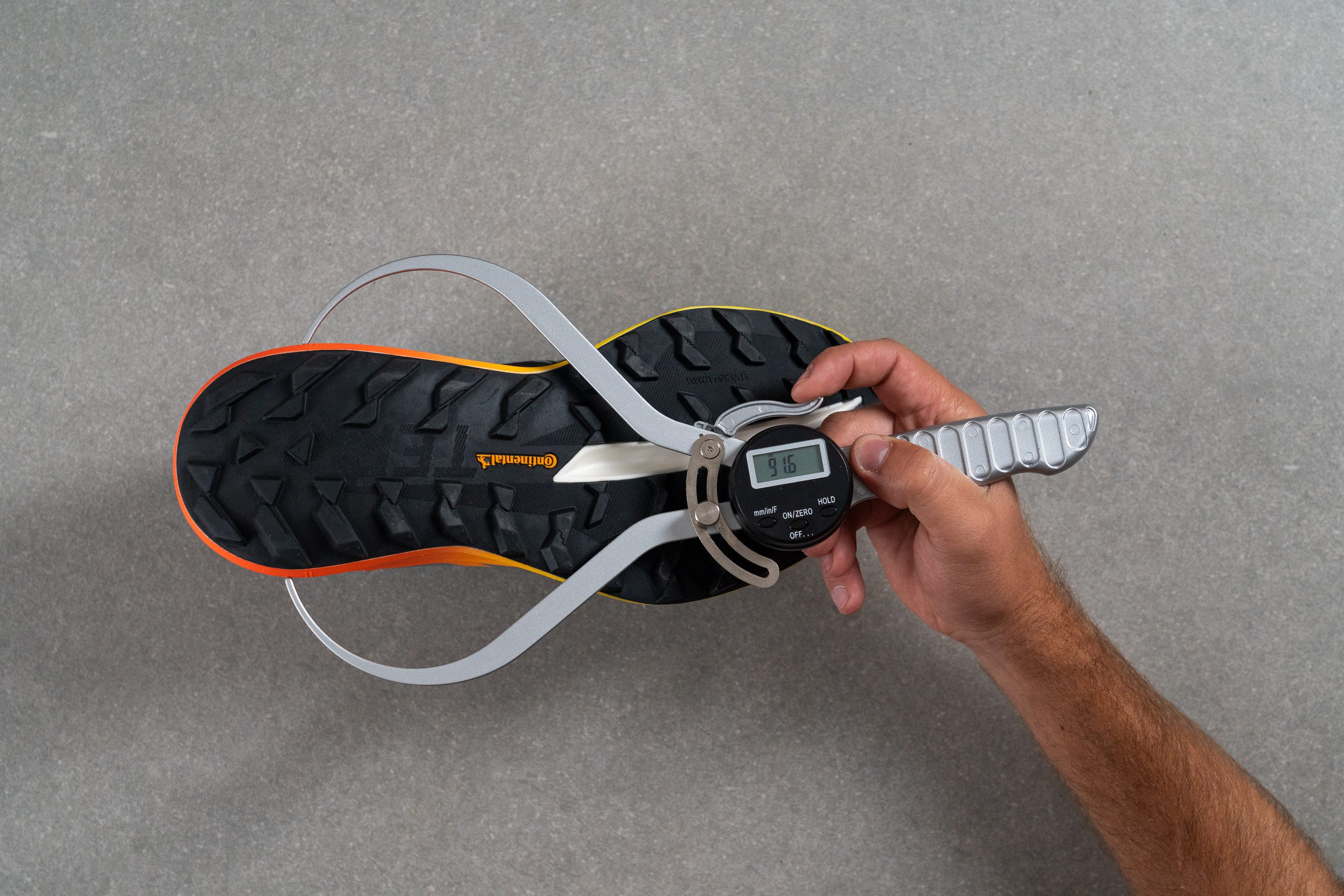
| Terrex Agravic SL | 91.6 mm |
| Average | 90.5 mm |
Durability
Toebox durability
The toebox durability is just decent, earning a 2/5 in our test. While our test is certainly demanding and low scores are possible, we generally prefer to see 3/5 or higher in a trail shoe.
| Terrex Agravic SL | 2 |
| Average | 3.1 |
Heel padding durability
The heel padding performed much better, earning a very good 4/5 for durability.
| Terrex Agravic SL | 4 |
| Average | 3.1 |
Outsole durability
The upper was a mystery, but we knew the Continental outsole would be a standout in this test.
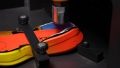
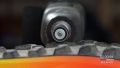
This compound consistently performs very well in terms of durability, and the Agravic SL was no exception. With just 0.5 mm of wear, it significantly outperformed our lab average and proved highly resistant to abrasion.
| Terrex Agravic SL | 0.5 mm |
| Average | 0.9 mm |
Outsole thickness
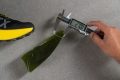
Thanks to the compound's resilience and high hardness, adidas could afford to use a slightly thinner outsole than the average trail shoe at just 1.3 mm.
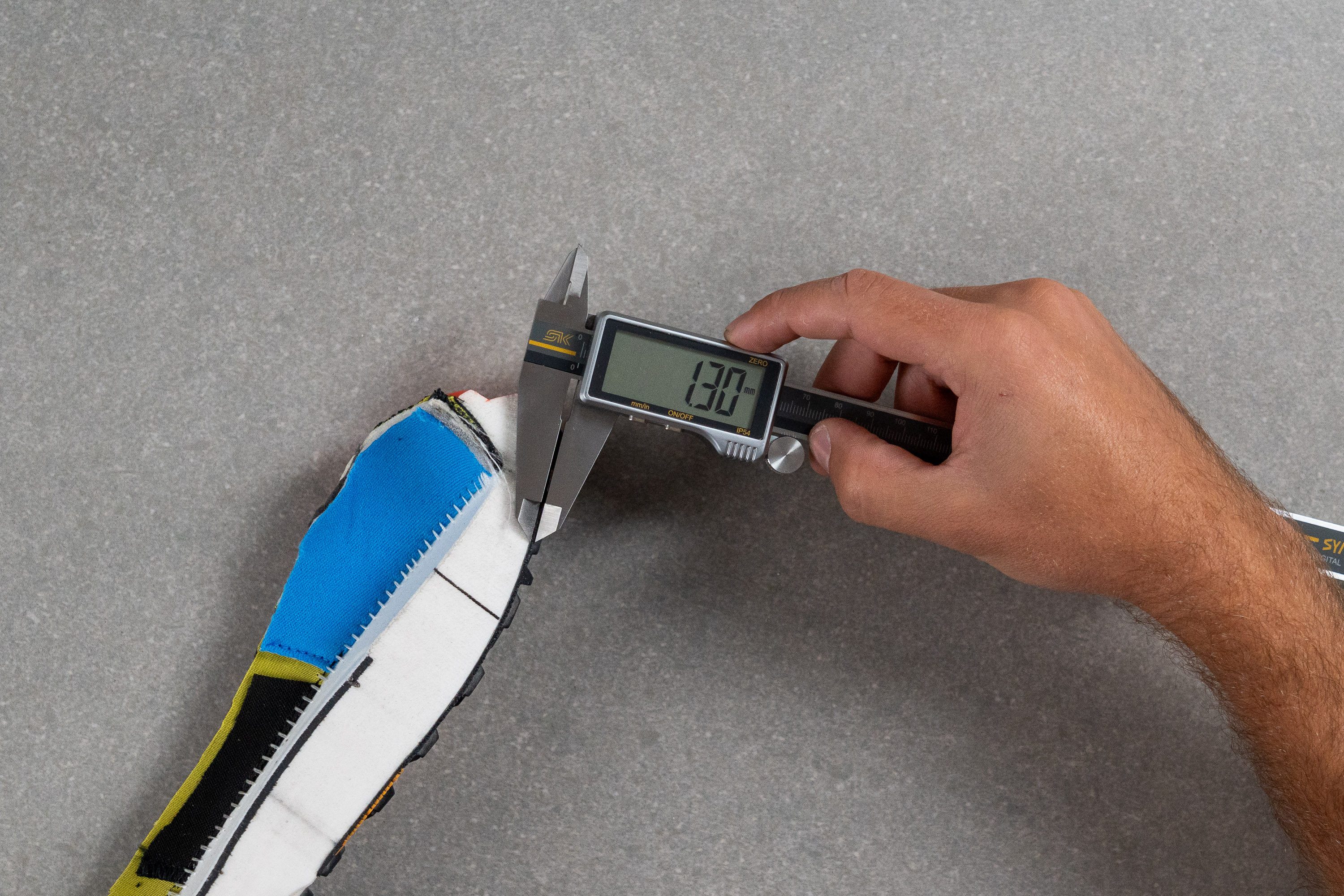
| Terrex Agravic SL | 1.3 mm |
| Average | 1.9 mm |
Misc
Insole thickness
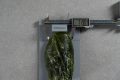
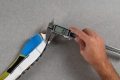
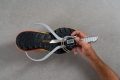
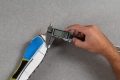
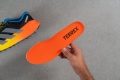
Maybe it's designed to maximise the amount of Lightstrike Pro underfoot, but we were a bit surprised to find such a thin insole. Using our digital callipers, we measured just 2.6 mm of thickness.
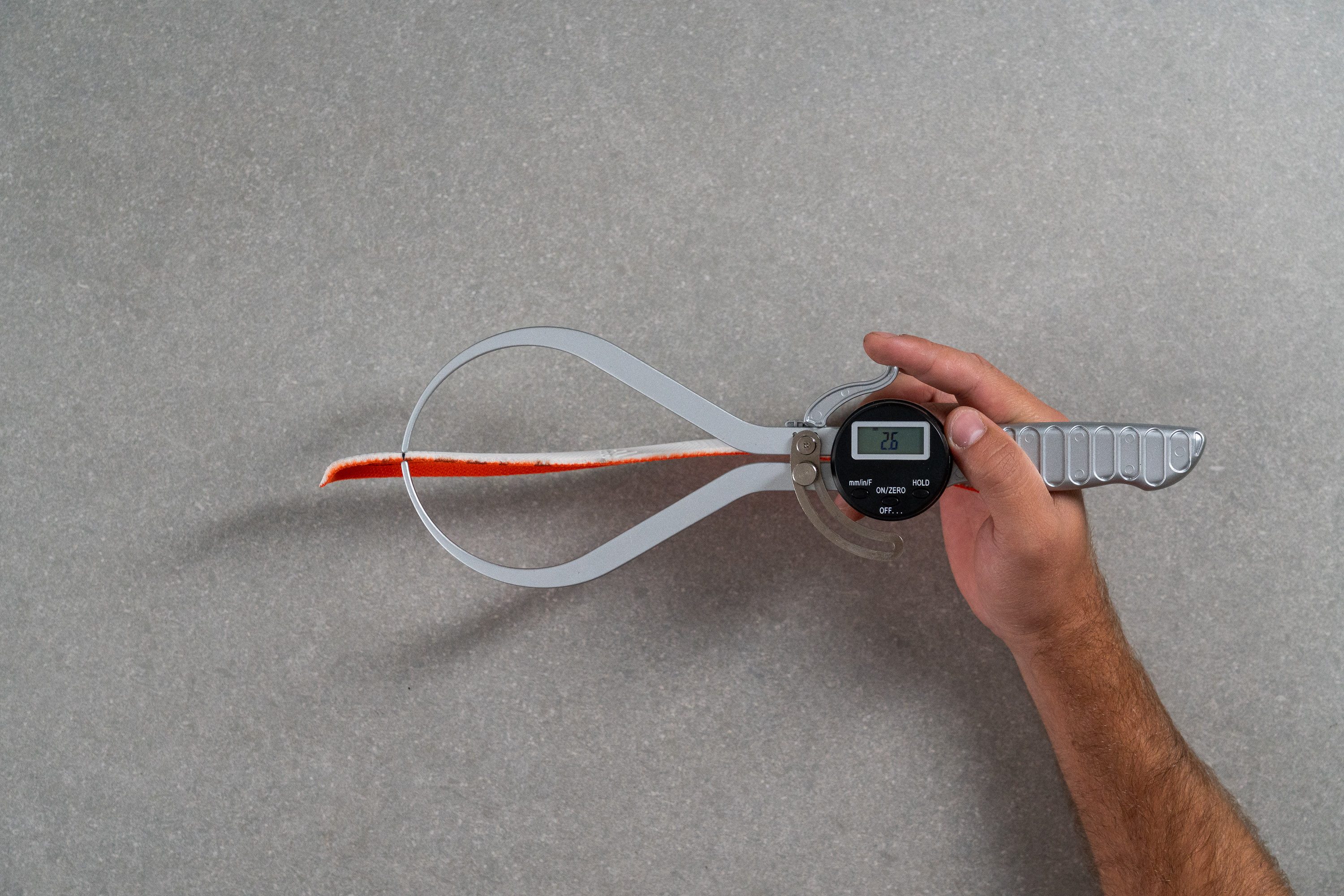
| Terrex Agravic SL | 2.6 mm |
| Average | 4.6 mm |
Removable insole
The insole can be easily replaced if needed or desired, as it accommodates most third-party options.
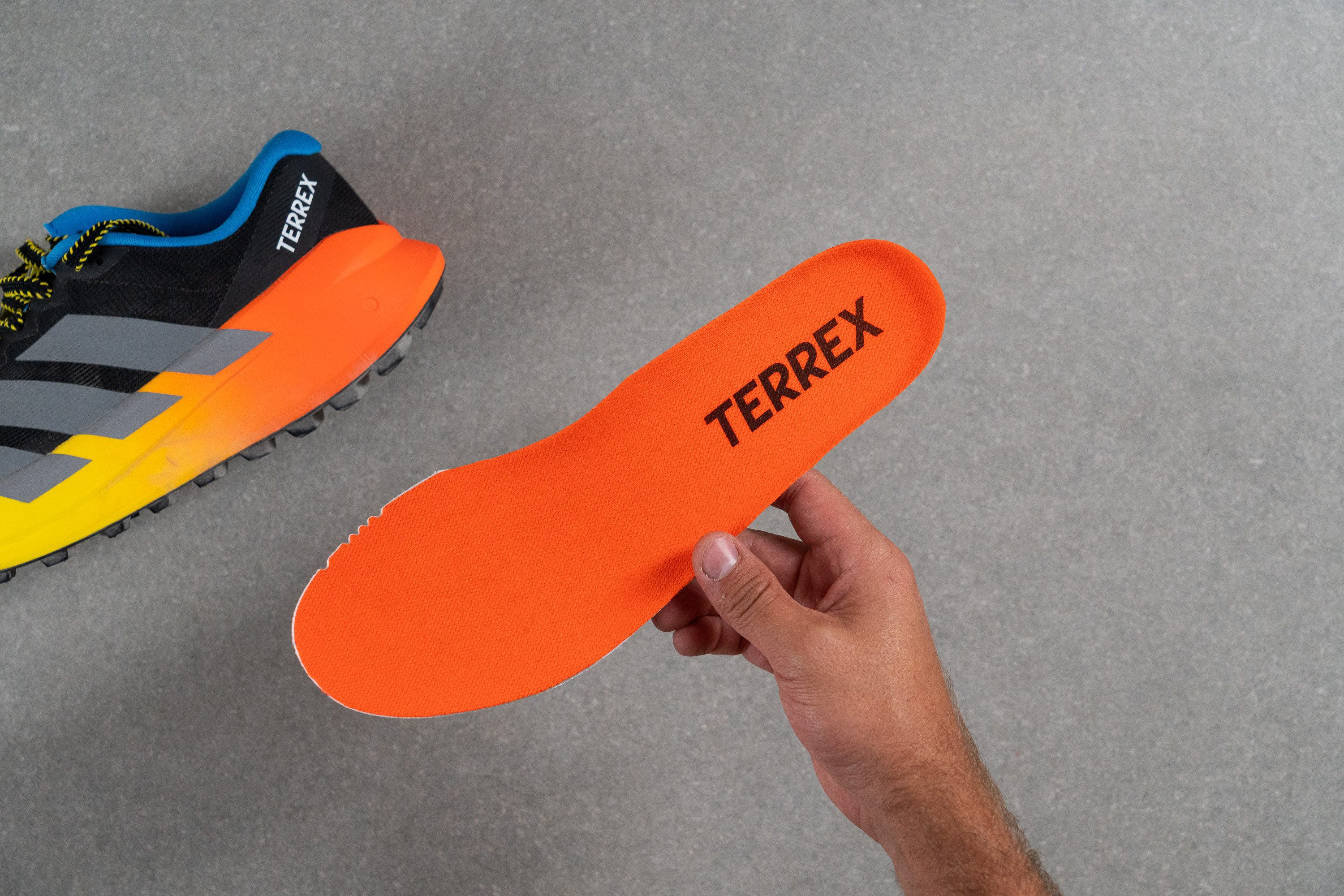
| Terrex Agravic SL | Yes |
Reflective elements
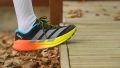
At first, we thought the adidas Terrex Agravic SL would impress us with its reflective three stripes and TERREX lettering, but only the TERREX branding actually reflects light.
| Terrex Agravic SL | Yes |
Tongue padding
The textured laces used by adidas are excellent and pair perfectly with the character of the shoe, so we're happy to see the German brand nail one of its usual compromises here.
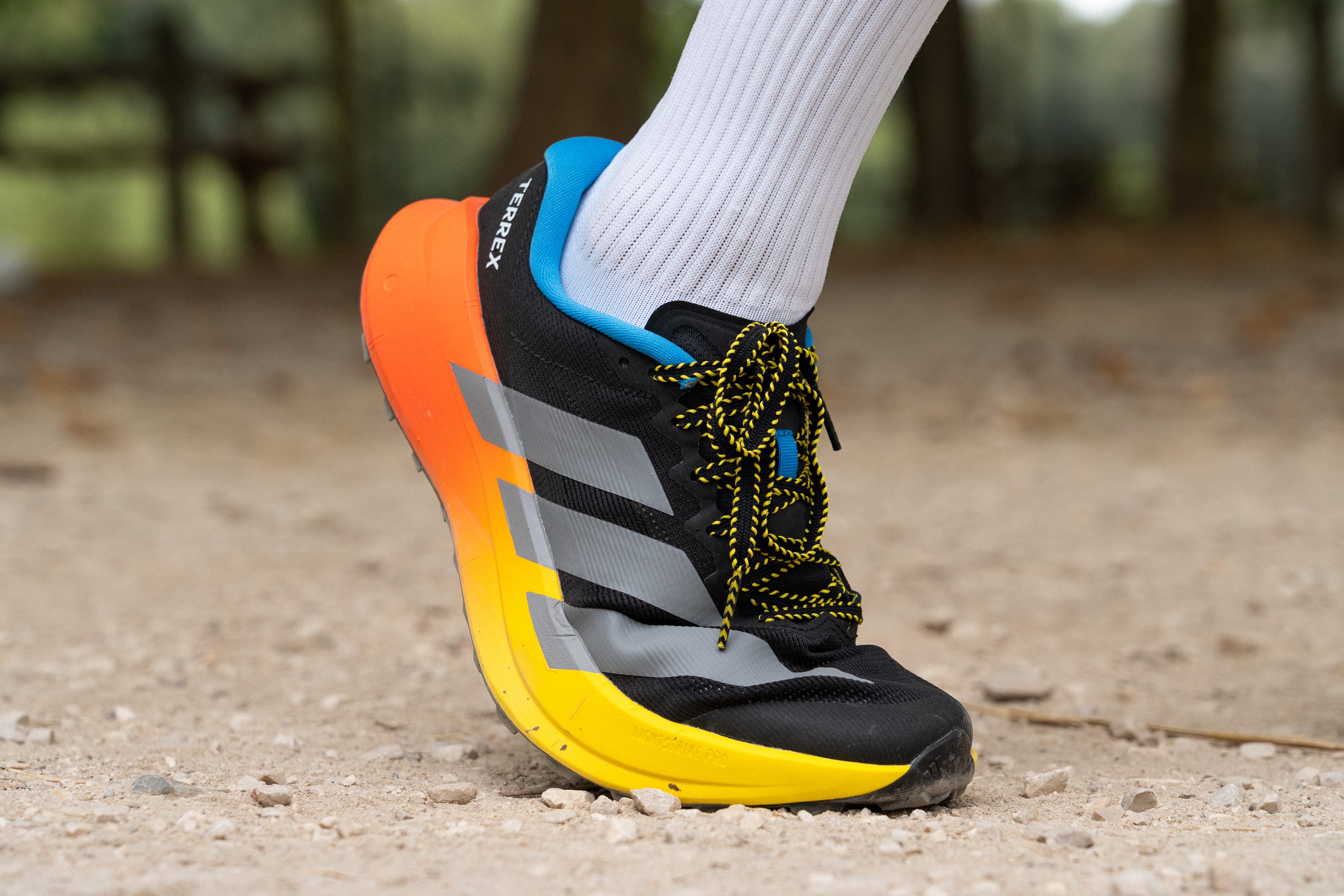
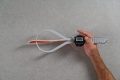
As for the tongue, don't expect a plush or comfort-first feel. It's very thin at just 2.1 mm, so you'll want to avoid overtightening the laces during your runs. However, the upside is that it disappears on the run and adds very little weight.
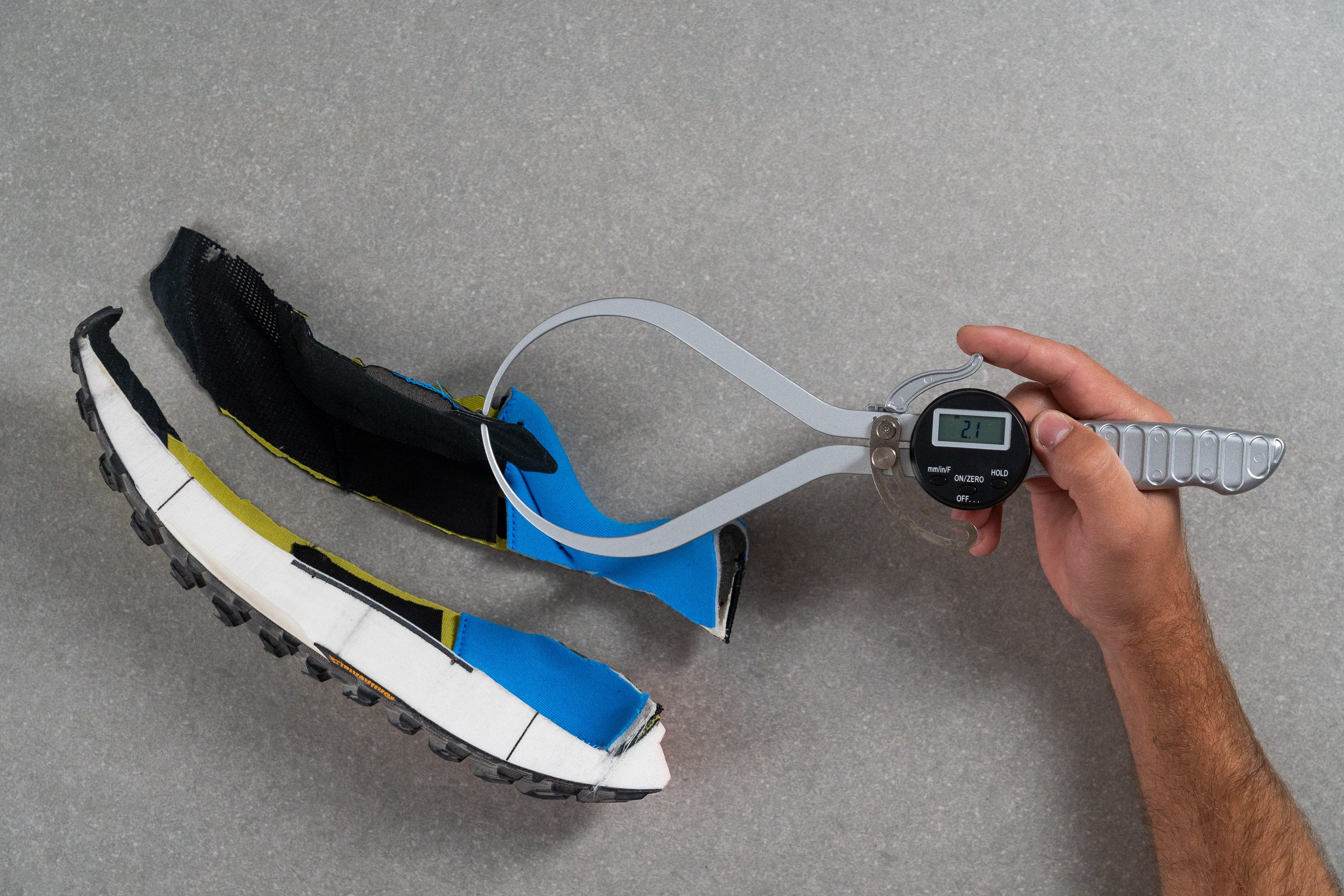
| Terrex Agravic SL | 2.1 mm |
| Average | 6.4 mm |
Tongue: gusset type
The tongue features a semi-gusseted design that provides a secure fit and plays a key role in preventing unwanted side-to-side movement.
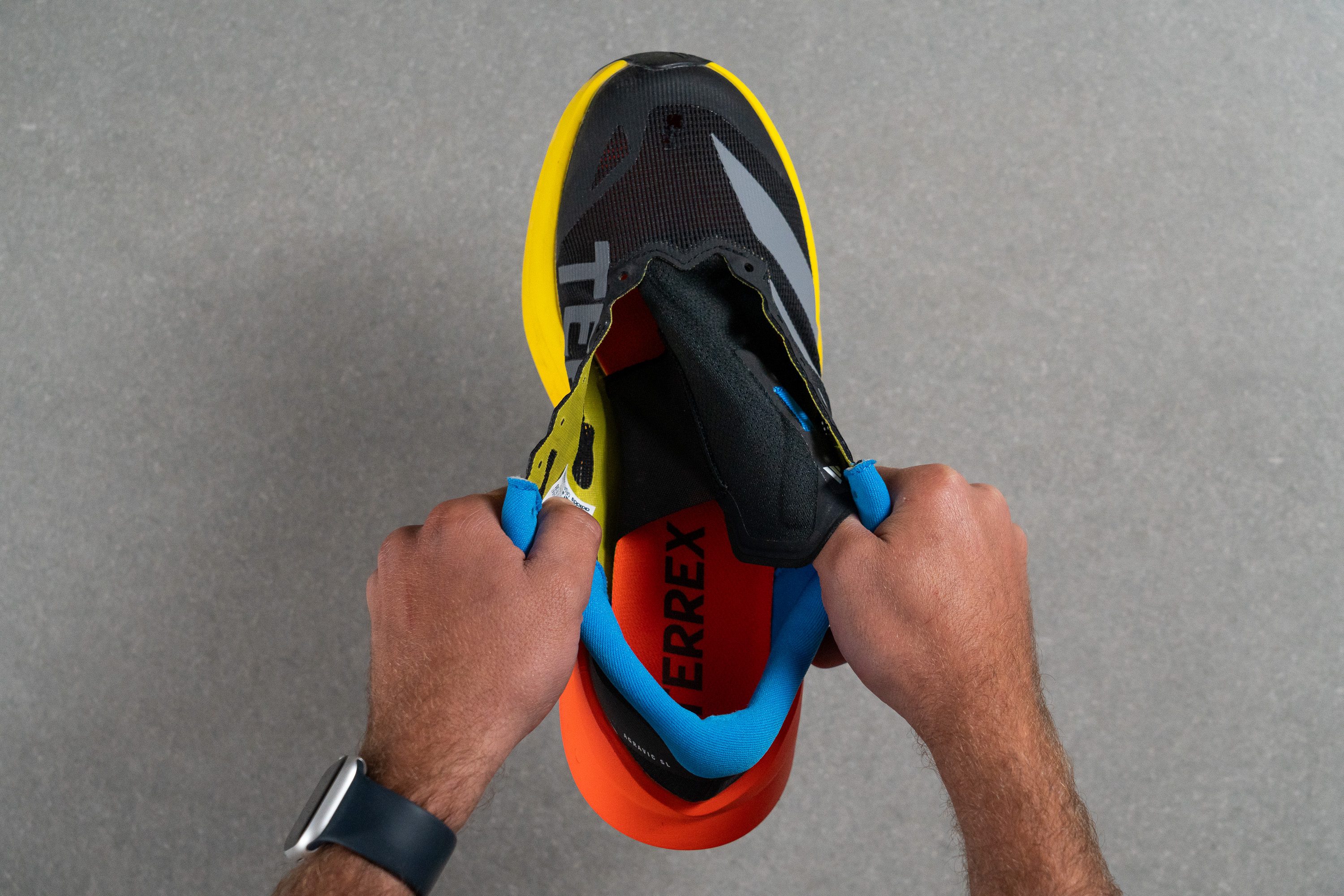
| Terrex Agravic SL | Both sides (semi) |
Heel tab
The German brand has been leaving out heel tabs in its recent designs, and the Agravic SL follows suit.
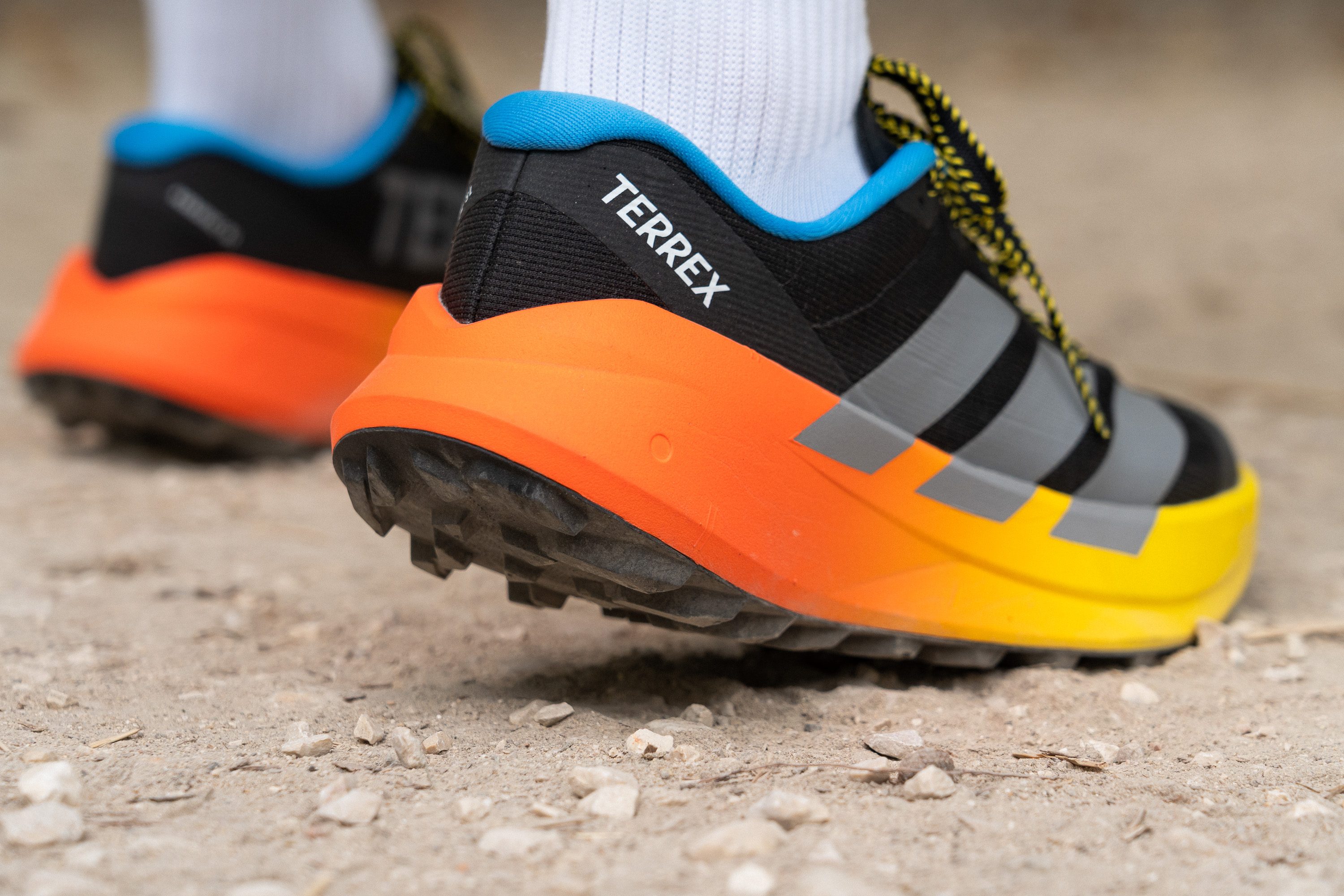
| Terrex Agravic SL | None |
Price
We think the price of the Terrex Agravic SL is fair given its excellent Continental outsole and Lightstrike Pro foam, so we have no complaints at all here. And if you can snag it at a discount, even better!
| Terrex Agravic SL | $160 |